Muscle cars have always been synonymous with power and performance, capturing the imagination of car enthusiasts and casual drivers alike. The roaring engines, tire-burning launches, and quarter-mile dominance are what we often picture when these American icons come to mind. They symbolize raw power and freedom on the open road, setting a high bar for what a performance vehicle should be.
However, a fascinating paradox exists within this beloved segment: many classic muscle cars, despite their aggressive looks and high horsepower ratings, were actually quite slow on the track. This discrepancy raises an intriguing question about the relationship between a car’s design and its real-world performance. While these vehicles often boast impressive specifications on paper, their actual speed might not measure up to the exhilarating expectations of enthusiasts then, or today.
Our deep dive today aims to separate the myth from the reality, appreciating the unique story behind each car. We’re focusing on those models that carried the muscle car image but fell short in acceleration and overall performance, often due to emission regulations, rising insurance rates, or simply design compromises. This journey will take us through vehicles from the late muscle car era and the malaise era, when restrictions heavily influenced performance, alongside some peak-year models with underwhelming base trims. Get ready to explore the surprising truths about these machines that looked the part, but didn’t quite deliver on the performance front.
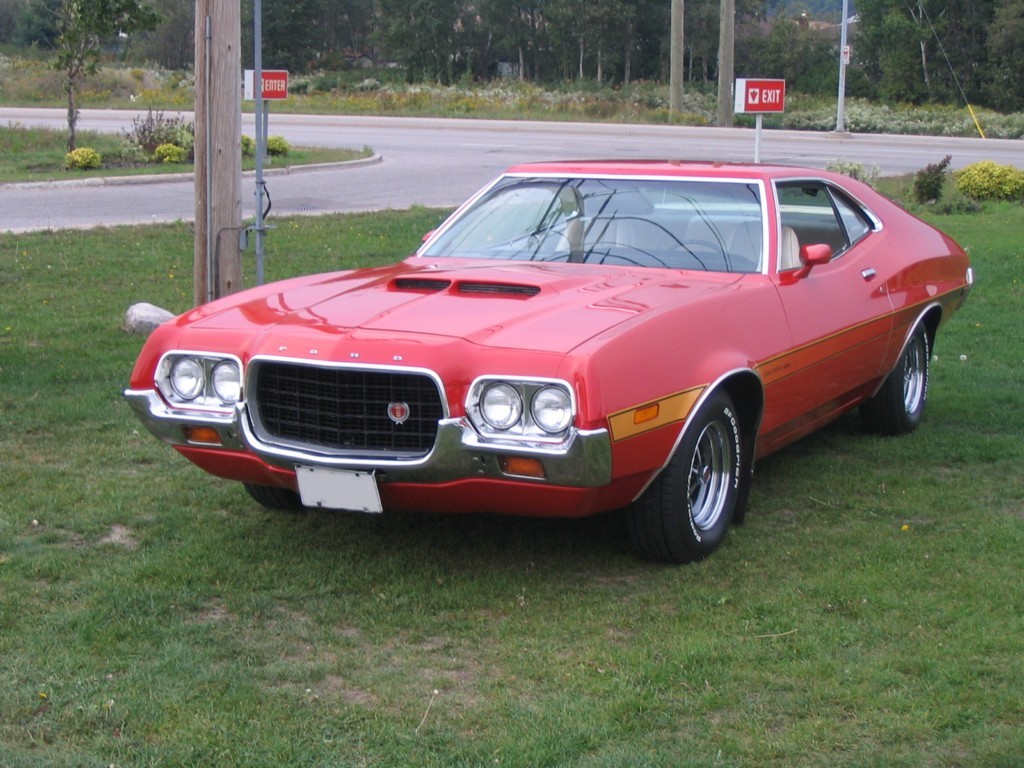
1. 1972 Gran Torino Sport
The 1972 Gran Torino Sport is a vehicle that undeniably catches the eye with its classic muscle car aesthetics. Its distinctive lines and bold stance promised the kind of raw power and thrilling acceleration that defined the era’s performance machines. From a purely visual standpoint, it embodies the very essence of American muscle, commanding attention wherever it rolled.
However, beneath that striking exterior, the Gran Torino Sport tells a notably different story when it comes to performance. Despite its formidable appearance, this model struggled significantly in real-world applications. It notably hit 0 to 60 mph in about 7.7 seconds, a figure that placed it considerably behind many of its more agile peers from the same era.
Several factors contributed to this disappointing acceleration. The 1972 model was particularly affected by changing horsepower ratings, a common industry trend at the time due to stricter emissions standards. Furthermore, an increase in vehicle weight made it less agile than one might expect from a car boasting such aggressive styling. These compromises diluted its performance, making it a muscle car that, despite its stunning design, didn’t quite deliver the visceral thrills you’d anticipate.
Car Model Information: 2021 Maserati Ghibli S Q4 GranSport
Aka: Ford Fairlane (Venezuela)
Name: Ford Torino
Caption: 1970 Ford Torino Cobra SportsRoof
Manufacturer: Ford Motor Company
Production: 1968–1976
Class: Mid-size car,muscle car
Layout: FR layout
Related: Mercury Montego
Assembly: ubl
Predecessor: Ford Fairlane (Americas)
Successor: Ford LTD II
Categories: 1960s cars, 1970s cars, All Wikipedia articles written in American English, All articles with vague or ambiguous time, Articles with short description
Summary: The Ford Torino is an automobile that was produced by Ford for the North American market between 1968 and 1976. It was a competitor in the intermediate market segment and essentially a twin to the Mercury Montego line.
Just as the Ford LTD had been the upscale version of the Ford Galaxie, the Torino was initially an upscale variation of the intermediate-sized Ford Fairlane. In the 1968 and 1969 model years, the intermediate Ford line consisted of lower-trim Fairlanes and its subseries, the upper-trim Torino models. In 1970, Torino became the primary name for Ford’s intermediate, and the Fairlane was now a subseries of the Torino. In 1971, the Fairlane name was dropped altogether, and all Ford intermediates were called Torino.
Most Torinos were conventional cars, and generally the most popular models were the four-door sedans and two-door hardtops. However, Ford produced some high-performance “muscle car” versions of the Torino by fitting them with large powerful engines, such as the 428 cu in (7.0 L) and 429 cu in (7.0 L) “Cobra-Jet” engines. Ford also chose the Torino as the base for its NASCAR entrants, and it has a successful racing heritage.
Get more information about: Ford Torino
Buying a high-performing used car >>>
Brand: Ford Model: Gran Torino Sport
Price: $33,440 Mileage: 24,509 mi.
Read more about: The Unsung and Unmissed: 14 Muscle Cars That Faded From Memory
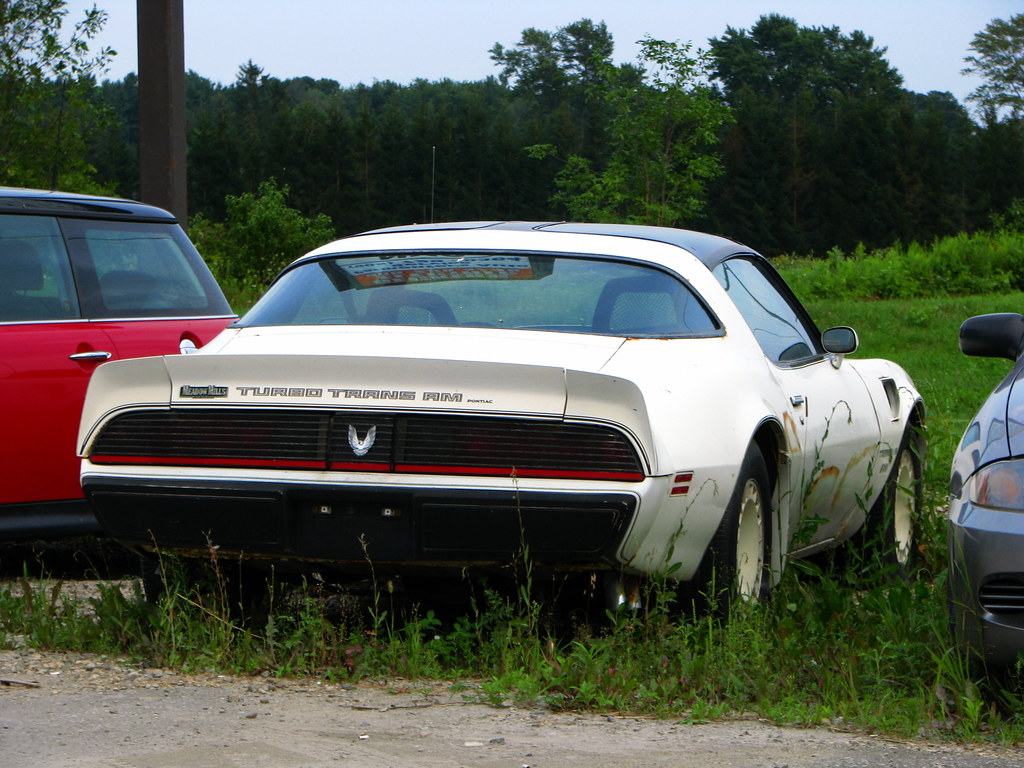
2. 1980-81 Turbo Trans Am
The 1980-81 Turbo Trans Am holds a special, if somewhat disappointing, place in muscle car history. It’s famously recognized for being one of the more underwhelming entries of its era, a period when performance began to grapple with evolving automotive challenges. Yet, its aggressive styling, highlighted by its distinctive hood scoop and iconic phoenix decal, certainly made it look the part of a serious performance contender.
Underneath that visually striking exterior, however, resided a 301 cubic inch V8 engine that produced around 210 horsepower. While 210 horsepower might sound respectable, especially for the time, it translated to a 0-60 mph time of approximately 7.5 seconds. For a car bearing the legendary Trans Am badge, with all its connotations of speed and prowess, this figure left many enthusiasts wanting more.
The Turbo T/A was very much a product of its specific automotive climate. Emissions regulations of the late 1970s and early 1980s significantly constrained engine design and output, directly impacting performance across the board. Despite its somewhat underwhelming specifications and real-world speed, it remains an appreciated piece of automotive history, serving as a vivid reminder of the challenges automakers faced in balancing power with evolving environmental mandates.
Car Model Information: 2021 Maserati Ghibli S Q4 GranSport
Name: Pontiac Firebird
Caption: The second, third, and fourth generations of,the Pontiac Firebird Trans Am
Manufacturer: Pontiac (automobile)
Production: February 23, 1967 – August 30, 2002
ModelYears: 1967 – 2002
Class: Pony car,Muscle car
Platform: GM F platform
Related: Chevrolet Camaro
Layout: Front engine, rear-wheel-drive layout
Categories: 1970s cars, 1980s cars, 1990s cars, 2000s cars, All articles with dead external links
Summary: The Pontiac Firebird is an American automobile built and produced by Pontiac from the 1967 to 2002 model years. Designed as a pony car to compete with the Ford Mustang, it was introduced on February 23, 1967, five months after GM’s Chevrolet division’s platform-sharing Camaro. This also coincided with the release of the 1967 Mercury Cougar, Ford’s upscale, platform-sharing version of the Mustang.
The name “Firebird” was also previously used by GM for the General Motors Firebird series of concept cars in the 1950s.
Get more information about: Pontiac Firebird
Buying a high-performing used car >>>
Brand: Pontiac Model: Trans Am
Price: $33,440 Mileage: 24,509 mi.
Read more about: Beyond the Garage: Unearthing the Most Practical and Enjoyable Classic Cars for Your Daily Drive
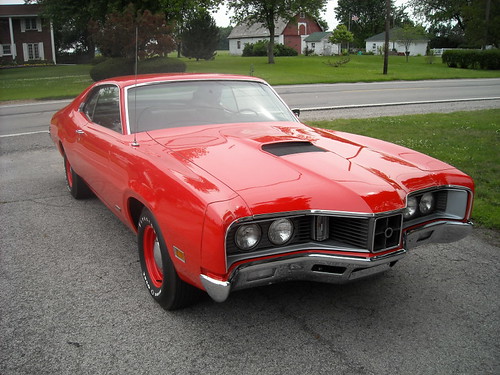
3. 1970 Mercury Cyclone
The 1970 Mercury Cyclone, with its distinctive fastback design and imposing presence, certainly looks every inch the classic muscle car. Its aggressive front grille, prominent hood, and muscular body lines exuded an aura of speed and raw power. This aesthetic appeal made it a standout in its day and continues to captivate classic car aficionados.
However, the Cyclone carried a significant burden that directly impacted its performance: weight. Weighing in at around 3,700 pounds, this model gained a substantial 500 pounds compared to earlier versions. This added bulk, while possibly contributing to a more solid ride, proved to be a critical detriment to its acceleration and overall agility on the road.
Even when equipped with a robust 429 Cobra Jet V8 engine, which produced a solid 360 horsepower—a figure that looks truly impressive on paper—the sheer weight of the vehicle held back its true potential. Consequently, the Cyclone became more about striking style and visual intimidation than raw, unadulterated speed. If you appreciate classic looks with a hint of irony regarding performance, the Cyclone is a standout. Just don’t expect to win any drag races in this heavyweight, as its power-to-weight ratio simply wasn’t conducive to top-tier acceleration.
Read more about: The Unsung and Unmissed: 14 Muscle Cars That Faded From Memory
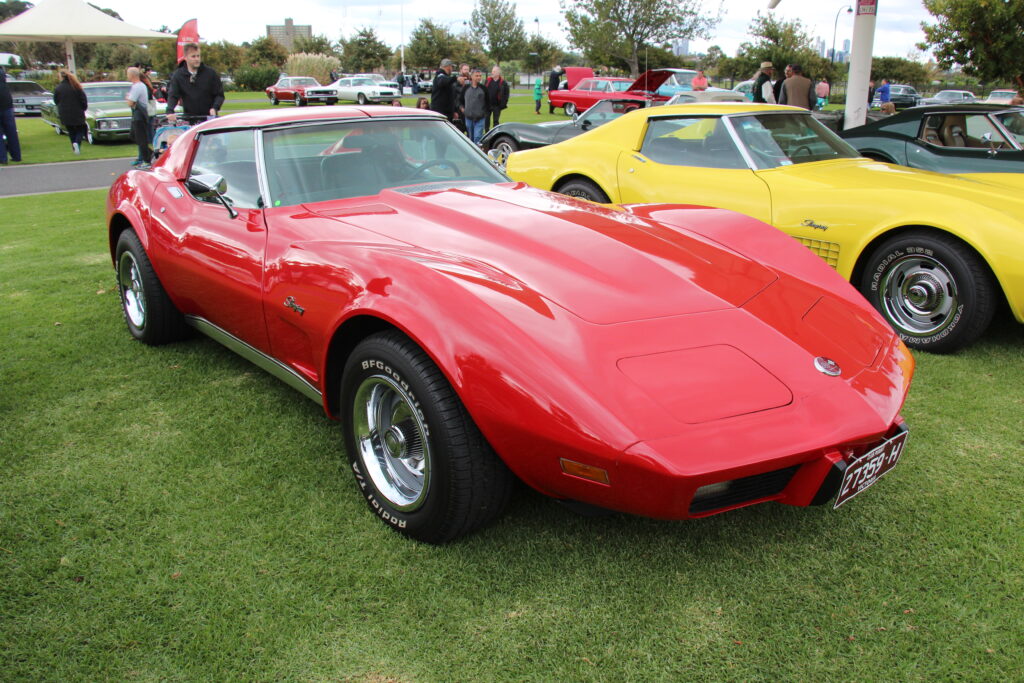
4. 1977-81 Corvette
The 1977-81 Corvette, a prominent member of the C3 generation, possesses an undeniable visual magnetism. Its sleek, aerodynamic contours, long hood, and classic sports car silhouette continue to make it a captivating sight. This era of Corvette certainly maintained the bold styling that had become synonymous with the brand, promising an exhilarating driving experience even at a standstill.
Yet, the reality of its performance during this period underwent a significant transformation due to external pressures. Stricter emissions regulations became a dominant factor, forcing automakers to detune engines and prioritize efficiency over brute force. This directly led to a decline in horsepower, with the 1981 version of the 5.7-liter V8 engine boasting only about 190 hp—a stark contrast to earlier, more potent iterations.
Compounding this reduction in power was the car’s weight, hovering around 3,500 pounds. The combination of diminished horsepower and considerable mass meant that these C3 Corvettes struggled noticeably with acceleration when compared to their predecessors. While the 1977-81 Corvette undoubtedly holds a strong and cherished place in automotive history for its captivating looks, the actual driving experience and performance numbers often fell short of the muscle car reputation its styling so boldly projected.
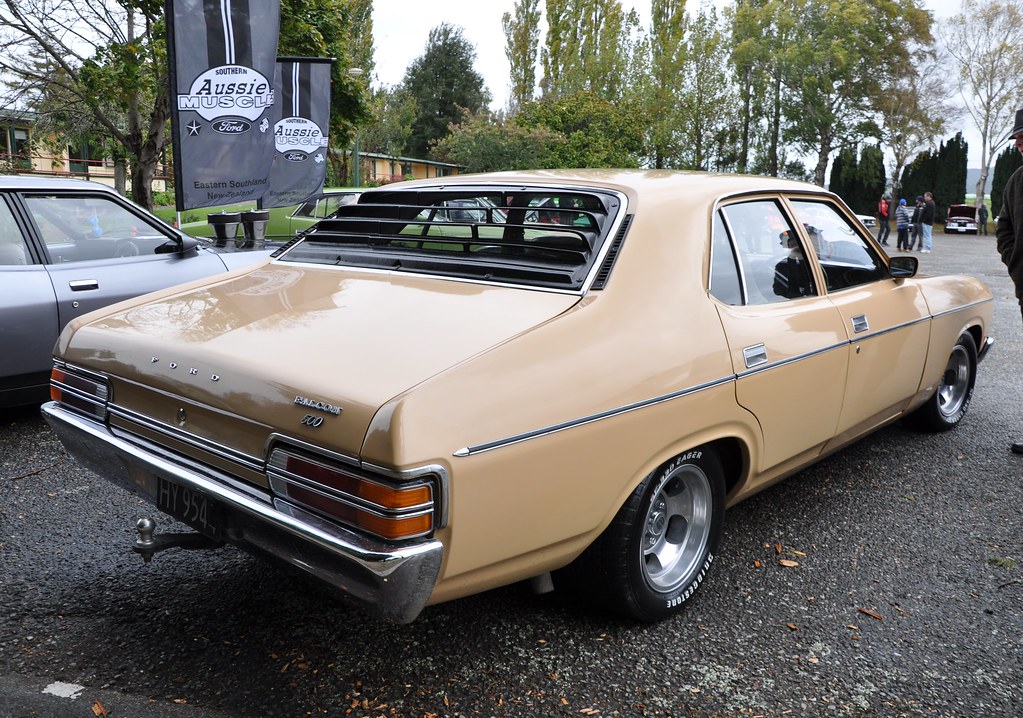
5. Falcon XA/XB
The Ford Falcon XA and XB models etched their place as iconic figures within the broader muscle car scene, particularly in regions where they were prominently featured. Their aggressive stance, muscular body lines, and overall commanding presence made them look like serious contenders for any performance challenge. They successfully projected an image of raw power and capability, drawing in enthusiasts who craved that distinctive muscle car feel.
Despite their impressive visual appeal and the promise of a serious punch, these Falcons often fell short of expected performance benchmarks. For instance, the Falcon XA came equipped with a 351 Cleveland engine, boasting a respectable 300 horsepower. On paper, this sounds like a recipe for blistering speed, perfectly aligned with muscle car expectations.
However, the car’s considerable bulk proved to be its Achilles’ heel, preventing it from delivering the neck-snapping acceleration that 300 horsepower usually implies. Drivers found that, despite their classic, aggressive looks, the Falcon XA/XB models were ultimately more about style and nostalgia than pure, unadulterated speed. While they offered a great ride and undeniable charisma, expecting them to outrun many of their contemporary or modern counterparts would often lead to disappointment.
Car Model Information: 1960 Ford Falcon Coupe
Categories: All set index articles, Articles with short description, Ford vehicles, Set index articles on cars, Short description is different from Wikidata
Summary: The Ford Falcon is an automobile nameplate by Ford that applied to several vehicles worldwide.
Ford Falcon (Australia), a car manufactured by Ford Australia from 1960 to 2016
Ford Falcon (North America), an automobile produced by Ford from 1960 to 1970
Ford Falcon (Argentina), a car built by Ford Argentina from 1962 until 1991
Ford Falcon van, a passenger variant of the first generation Ford E Series van (based on the Falcon platform) produced by Ford in the 1960s.
Get more information about: Ford Falcon
Buying a high-performing used car >>>
Brand: Ford Model: Falcon
Price: $18,991 Mileage: 11,446 mi.

6. Triumph Stag
The Triumph Stag stands out as a classic British sports car that presents a surprising twist when evaluated against muscle car expectations. With its V8 engine, it naturally conveyed the impression of robust performance, aligning with the power-centric ethos of many muscle car enthusiasts. Its stylish design, a hallmark of British automotive elegance, further contributed to its aspirational image.
However, the Stag’s real-world performance metrics painted a different picture. It notoriously reached 0 to 60 mph in a rather leisurely approximately 11.5 seconds. By any established muscle car standard, this acceleration figure was far from quick, placing it firmly in the category of ‘all show, no go’ when it came to brute force.
Beyond just its slow acceleration, the Triumph Stag also became infamous among drivers for significant reliability problems, particularly with its engine. These issues further marred its reputation as a performance vehicle. While its stylish design ensured it turned heads, the Stag’s performance left a lot to be desired, solidifying its place as a classic example of a car that visually promised more than it could deliver on the road.
Car Model Information: 1972 Triumph Stag
Sp: uk
Caption: 1974 Triumph Stag (with after-market wheels)
Name: Triumph Stag
Production: 1970–1977,25,939 made
Manufacturer: Triumph Motor Company
Class: Sports tourer
Layout: Front-engine, rear-wheel-drive layout
Length: 173 in
Abbr: on
Width: 63.5 in
Weight: 2800 lb
Height: 49.5 in
Wheelbase: 100 in
Related: Triumph TR250,Triumph 2000
Engine: Triumph V8
Designer: Giovanni Michelotti
Categories: 1970s cars, All Wikipedia articles written in British English, All articles with unsourced statements, Articles with short description, Articles with unsourced statements from July 2018
Summary: The Triumph Stag is a 2+2 sports tourer which was sold between 1970 and 1978 by the British Triumph Motor Company, styled by Italian designer Giovanni Michelotti.
Get more information about: Triumph Stag
Buying a high-performing used car >>>
Brand: Triumph Model: Stag
Price: $8,500 Mileage: 63,159 mi.
Read more about: Beyond the Rebel Yell: 12 Surprising Facts About James Dean You Never Knew

7. 1965 Pontiac GTO with a 326 V8
The 1965 Pontiac GTO holds legendary status as one of the pioneers of the muscle car genre, but this particular variant, equipped with the 326 V8, may surprise those expecting unbridled power. While the GTO name itself evokes images of tire-shredding performance, not all configurations lived up to the ultimate expression of that reputation.
This specific model featured a 326 cubic-inch engine, which produced around 250 horsepower. While 250 horsepower certainly isn’t insignificant, it wasn’t the kind of raw, earth-shaking power that truly defined the peak muscle car experience. It was a respectable output, but one that hinted at a different focus for this particular trim.
When it came to acceleration, this GTO clocked a 0 to 60 mph time of about 8 seconds. This performance figure, while adequate for daily driving, clearly lagged behind some of its more potent rivals and even other GTO variants, placing it on the slower side for a car carrying such an iconic badge. The GTO was widely praised for its pioneering style and comfort, and this 326 V8 model truly appealed to enthusiasts for its classic design rather than raw, uncompromised speed. It showed that even a legend could offer a more subdued, yet still cherished, driving experience.
The journey through muscle cars that prioritized swagger over speed continues, revealing more instances where iconic styling masked surprisingly modest performance figures. We delve deeper into the automotive landscape of the late muscle car and malaise eras, where engineering ambitions often collided with stricter regulations and evolving market demands, producing vehicles that were undeniably cool to look at but left enthusiasts longing for more under the hood. Our objective remains clear: to critically analyze these machines, separating the legend from the measurable reality, all while appreciating their unique contributions to automotive history.
Car Model Information: 1966 Pontiac GTO Coupe
Name: Pontiac GTO
Caption: 2005 Pontiac GTO
Manufacturer: Pontiac (automobile),Holden
Class: Mid-size car,Compact car,Mid-size car
Production: 1963–1974,2003–2006
Predecessor: Pontiac Tempest
Layout: Front-engine, rear-wheel-drive layout
ModelYears: 1964-1974 2004-2006
Categories: 1970s cars, 2000s cars, All articles with unsourced statements, Articles with short description, Articles with unsourced statements from October 2008
Summary: The Pontiac GTO is a front-engine, rear-drive, two-door, and four-passenger automobile manufactured and marketed by the Pontiac division of General Motors over four generations from 1963 until 1974 in the United States — with a fifth generation made by GM’s Australian subsidiary, Holden, for the 2004 through 2006 model years.
The first generation of the GTO is credited with popularizing the muscle car market segment in the 1960s. Some consider the Pontiac GTO to have started the trend with all four domestic automakers offering a variety of competing models.
For the 1964 and 1965 model years, the GTO was an optional package on the intermediate-sized Pontiac LeMans. The 1964 GTO vehicle identification number (VIN) started with 22, while the 1965 GTO VIN began with 237. The GTO was designated as a separate Pontiac model from 1966 through 1971 (VIN 242…). It became an optional package again for the 1972 and 1973 intermediate LeMans. For 1974, the GTO was an optional trim package on the compact-sized Ventura.
The GTO model was revived for the 2004 through 2006 model years as a captive import for Pontiac, a left-hand drive version of the Holden Monaro, itself a coupé variant of the Holden Commodore.
Get more information about: Pontiac GTO
Buying a high-performing used car >>>
Brand: Pontiac Model: GTO
Price: $59,991 Mileage: 4,408 mi.
Read more about: The ‘Mini-Vette’ Phenomenon: A Deep Dive into the Opel GT’s Iconic Design and Engineering Journey
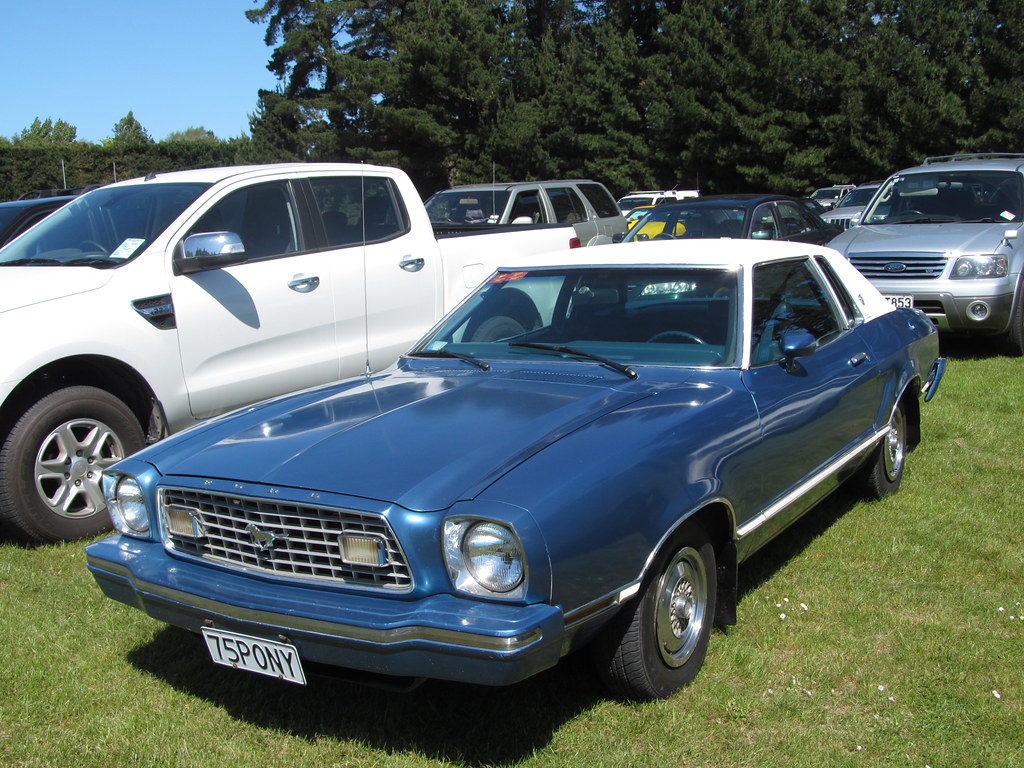
8. 1975 Ford Mustang II
The 1975 Ford Mustang II holds a curious position within the venerable Mustang lineage, often viewed as a somewhat surprising entry in the muscle car narrative. While it aimed to retain the essence of its predecessors, this model marked a departure in terms of raw power. Its design intent shifted, reflecting a broader industry trend towards smaller, more fuel-efficient vehicles in the wake of the 1973 oil crisis.
This iteration of the Mustang, however, carried a significant performance burden right from the outset. Weighing in at approximately 3,000 pounds, it was notably heavier than many of its earlier, more agile Mustang counterparts. This increased curb weight, coupled with more constrained engine options, inevitably impacted its dynamic capabilities and overall responsiveness on the road.
Under the hood, the base 1975 Mustang II, particularly with its available 2.8-liter V6 engine, produced a mere 105 horsepower. This output translated into a rather uninspiring 0 to 60 mph acceleration time of around 10 seconds. For a vehicle bearing the iconic Mustang badge, a name synonymous with American performance, this figure undeniably lagged behind many of its contemporaries and certainly fell short of the high-octane expectations traditionally associated with muscle cars.
Despite its slower performance metrics, the Mustang II ironically became one of the best-selling Mustangs of its time. This commercial success underscores a fascinating insight into consumer priorities of the era: sometimes, eye-catching style, perceived practicality, and accessibility could outweigh pure, unadulterated speed. For enthusiasts who appreciate the full scope of the Mustang legacy, the II certainly possesses its own unique charm, even if it wasn’t designed to dominate the drag strip.
Read more about: The ‘Mini-Vette’ Phenomenon: A Deep Dive into the Opel GT’s Iconic Design and Engineering Journey
9. 1978 Dodge Charger SE
The 1978 Dodge Charger SE presents another compelling case of a vehicle that excelled as a style icon rather than a performance powerhouse within the muscle car segment. By this point in its storied history, the Charger had evolved significantly from its earlier, more aggressive incarnations. The focus had subtly shifted towards a blend of comfort, luxury, and distinctive visual appeal, moving away from the quarter-mile heroics of its golden age.
Powering this iteration was a 400 V8 engine, which, while certainly a V8, produced a rather modest 190 horsepower for a car of its stature. This output was a far cry from the formidable numbers seen in earlier Chargers, reflecting the ongoing impact of emissions controls and industry trends towards more sedate engine tuning. The performance profile of the ’78 Charger SE was decidedly more cruiser than bruiser.
Further enhancing its appeal as a comfortable cruiser, the 1978 Charger SE came equipped with desirable features such as power disc brakes and power steering. These additions undoubtedly contributed to a smoother, more refined driving experience, prioritizing ease of handling over raw, visceral feedback. Aesthetically, the exterior often featured a rugged Gun Metal paint finish, imbuing it with a tough, imposing look on the road that still turned heads.
Ultimately, despite carrying the legendary Charger nameplate and boasting a formidable visual presence, the 1978 Dodge Charger SE was designed with a clear emphasis on “show over go.” It stood apart from its more powerful predecessors by prioritizing sophisticated styling and a comfortable ride, cementing its place as a distinctive piece of automotive history that appealed to a different kind of enthusiast.
Car Model Information: 2023 Dodge Charger SRT Hellcat Widebody Jailbreak
Name: Dodge Charger
Caption: 1969 Dodge Charger
Manufacturer: Dodge
Production: 1966–1978,1981–1987,2005–present
ModelYears: 1966–1978,1982–1987,2006–present
Categories: 1960s cars, 1970s cars, 1980s cars, 2000s cars, 2010s cars
Summary: The Dodge Charger is a model of automobile marketed by Dodge in various forms over eight generations since 1966.
The first Charger was a show car in 1964. A 1965 Charger II concept car resembled the 1966 production version.
In the United States, the Charger nameplate has been used on mid-size cars, personal luxury coupes, subcompact hatchbacks, and full-size sedans.
Get more information about: Dodge Charger
Buying a high-performing used car >>>
Brand: Dodge Model: Charger
Price: $89,285 Mileage: 4,260 mi.
Read more about: The Unsung and Unmissed: 14 Muscle Cars That Faded From Memory

10. 1982 Chevrolet Camaro Iron Duke
The 1982 Chevrolet Camaro Iron Duke is a name that often elicits winces from muscle car purists, a model infamous among enthusiasts for its undeniably lackluster performance. As the third generation Camaro debuted, this particular base configuration featured an engine choice that was a stark departure from the V8-powered beasts traditionally associated with the Camaro badge. It was a clear indicator of the challenging automotive climate of the early 1980s.
Under the hood resided a 2.5-liter four-cylinder “Iron Duke” engine, an powerplant that generated a paltry 90 horsepower. This figure, by any measure, was shockingly low for a car with the Camaro’s sporting pretensions. It represented a compromise driven by fuel economy concerns and emissions standards, rather than a commitment to performance that defined the brand’s heritage.
The real-world implications of this minimal power output were stark, especially in terms of acceleration. This Camaro could only manage a 0 to 60 mph sprint in an astonishingly slow approximately 20 seconds. To put that into perspective, this acceleration time was considerably slower than many typical family sedans of the era, and certainly any modern daily driver. It transformed what should have been a roaring, exhilarating experience into a waiting game.
While the 1982 Camaro with the Iron Duke engine still benefited from the aggressive styling and sleek lines of the third-generation redesign, its performance profile clearly positioned it as more of a daily commuter than a true muscle car. For many enthusiasts, it remains a curious anomaly in Chevrolet’s performance history, a clear example of how external pressures can lead even iconic nameplates down an unexpected path.
Car Model Information: 2018 Chevrolet Camaro 1LS
Name: Chevrolet Camaro
Manufacturer: Chevrolet
Production: 1966–2002,2009–2023
ModelYears: 1967–2002,2010–2024
Class: Pony car
BodyStyle: coupe,convertible
Platform: GM F platform,GM Zeta platform,GM Alpha platform
Layout: Front-engine, rear-wheel-drive layout
Categories: 1970s cars, 1980s cars, 1990s cars, 2+2 coupés, 2000s cars
Summary: The Chevrolet Camaro is a mid-size American automobile manufactured by Chevrolet, classified as a pony car. It first went on sale on September 29, 1966, for the 1967 model year and was designed to compete with the Ford Mustang. The Camaro shared its platform and major components with the Firebird, produced by General Motors’ Pontiac division that was also introduced for the 1967 model year.
Four distinct generations of the Camaro were developed before production ended in 2002. The nameplate was revived on a concept car that evolved into the fifth-generation Camaro; production started on March 16, 2009.
Production of the sixth generation of the Camaro ended in December 2023, for the 2024 model year.
Get more information about: Chevrolet Camaro
Buying a high-performing used car >>>
Brand: Chevrolet Model: Camaro
Price: $18,785 Mileage: 69,196 mi.
Read more about: 12 Iconic Rides: The Vintage Cars That Defined the 1980s Automotive Landscape

11. 1969 Dodge Super Bee with 383 V8
The 1969 Dodge Super Bee, especially when equipped with the 383 V8 engine, stands as a cherished classic that still commands admiration from muscle car enthusiasts. Its introduction was a clear answer to Plymouth’s Road Runner, aiming to deliver robust performance in a no-frills package. This particular variant, with its 335 horsepower engine, certainly packed a solid punch on paper, promising a thrilling driving experience.
However, the raw horsepower figures don’t always tell the full story when it comes to real-world performance. While 335 horsepower was a substantial output for its time, the 1969 Super Bee with the 383 V8 ran quarter-mile times in the mid-15 second range. While this might not sound slow in the context of everyday driving, for a purpose-built muscle car competing in an era defined by blistering drag strip performance, it wasn’t impressively quick by top-tier standards.
The Super Bee’s aggressive styling, complete with its distinctive “bumblebee” stripes and prominent hood scoops, unequivocally projected an image of a high-performance street machine. It looked every bit the part of a car ready to dominate the asphalt, embodying the raw, unpolished appeal of late-60s muscle. Yet, its quarter-mile performance sometimes fell short of the absolute fastest machines of its time, highlighting the subtle nuances between perceived power and actual track times.
It serves as a pertinent reminder that even formidable classics, despite their bold appearances, could exhibit performance characteristics that didn’t always align with their most aggressive marketing. Modern cars, with their advanced engineering and power-to-weight ratios, can often achieve similar or better acceleration with significantly less stated horsepower, underscoring the evolution of automotive performance metrics over the decades.
Car Model Information: 2021 RAM 2500 Big Horn
Name: Dodge Super Bee
Manufacturer: Chrysler Corporation
Production: 1968–1971 , 1970–1980 (Mexico only) , 2007–2009 , 2012–2013
Layout: FR layout
Class: Muscle car
Caption: 1969 Dodge Coronet Super Bee A12 “Six Pack”
Categories: 1960s cars, 1970s cars, All articles needing additional references, All articles with dead external links, All articles with unsourced statements
Summary: The Dodge Super Bee is a mid-sized muscle car marketed by Dodge, that was produced for the 1968 through 1971 model years.
In Mexico, the Super Bee was based on a compact-sized Chrysler platform and marketed from 1970 until 1980.
The Super Bee model name was resurrected for the 2007, 2008, 2009, 2012, and 2013 Dodge Charger Super Bee models.
Get more information about: Dodge Super Bee
Buying a high-performing used car >>>
Brand: Dodge Model: Super Bee
Price: $33,564 Mileage: 45,952 mi.
Read more about: The Unsung and Unmissed: 14 Muscle Cars That Faded From Memory

12. 1978 AMC Matador
The 1978 AMC Matador carved out a unique niche in the automotive landscape, recognized for its distinctive design and mid-sized frame, which offered a different aesthetic compared to its more conventional rivals. While its styling certainly turned heads, the Matador’s performance profile was decidedly modest, distinguishing it from the traditional powerhouses of the muscle car era. It wasn’t engineered with blistering speed as its primary objective.
Underneath its characteristic bodywork, the Matador was typically equipped with a 5.9-liter V8 engine, which generated around 197 horsepower. While this figure provided adequate power for daily driving and highway cruising, it did not translate into the kind of thrilling, rapid acceleration that muscle car enthusiasts craved. The engineering emphasis was clearly on practicality and comfort rather than outright performance.
Consequently, the 1978 Matador clocked a 0 to 60 mph time of approximately 10 seconds. In an automotive world where muscle cars were often defined by their impressive straight-line acceleration and quarter-mile prowess, the Matador’s performance felt distinctly lackluster. Despite its bold looks and imposing size, few would instinctively associate this vehicle with raw speed or drag strip dominance, making it a surprising entry on a list of ‘show, no go’ vehicles.
The Matador, while it certainly had its dedicated fans who appreciated its unique character and comfortable ride, struggled to keep pace with the performance benchmarks set by its contemporaries from the Big Three automakers. Its production ultimately concluded in 1978, marking a rather quiet exit from a segment that was increasingly demanding more dynamic capabilities, leaving behind a legacy as an intriguing, albeit slow, chapter in muscle car history.
Read more about: Power Under the Hood, Eyesore on the Road: The 14 Ugliest Muscle Cars That Made Us Cringe

13. 1980 Ford Thunderbird Turbo Coupe
The 1980 Ford Thunderbird Turbo Coupe represented an ambitious attempt by Ford to meld sophisticated style with a degree of modern performance, a strategy designed to appeal to buyers looking for something beyond traditional V8 muscle. While the “Turbo Coupe” designation might suggest a potent, performance-oriented machine, its real-world capabilities often fell short of the raw power associated with the muscle car label. It was an interesting experiment in forced induction during a challenging era.
Rather than a large-displacement V8, this model was powered by a turbocharged 2.3-liter inline-four engine, an innovative choice for the time. This engine produced approximately 142 horsepower. While respectable for a four-cylinder powerplant of that period, and certainly more efficient, it was a significant departure from the thumping V8s that defined the muscle car identity. It simply lacked the brute force that enthusiasts expected from a performance coupe.
The primary focus for the 1980 Thunderbird Turbo Coupe was clearly on providing a comfortable, luxurious, and technologically advanced touring experience, rather than raw, unadulterated speed. This prioritization meant that its overall performance, especially in terms of acceleration, inevitably lagged behind the more traditional muscle cars of the era. The sophisticated interior and smooth ride were its true selling points, not blistering quarter-mile times.
Ultimately, the Thunderbird Turbo Coupe found its niche as a stylish personal luxury car, adept at cruising comfortably on highways but not built for tearing up the drag strip. It stands as a testament to an era where manufacturers were experimenting with new powertrain technologies to balance performance with evolving regulations and consumer tastes, resulting in a car that looked sporty but was fundamentally designed for a different kind of driving pleasure.
Car Model Information: 2003 Ford Thunderbird Premium
Name: Ford Thunderbird
Caption: 1957 Thunderbird
Manufacturer: Ford Motor Company
Production: unbulleted list
ModelYears: unbulleted list
Class: unbulleted list
Layout: Front-engine, rear-wheel drive layout
Categories: 1960s cars, 1970s cars, 1980s cars, 1990s cars, 2000s cars
Summary: The Ford Thunderbird is a personal luxury car manufactured and marketed by Ford Motor Company for model years 1955 to 2005, with a hiatus from 1998 to 2001.
Ultimately gaining a broadly used colloquial nickname, the T-Bird, the model was introduced as a two-seat convertible, subsequently offered variously in a host of body styles including as a four-seat hardtop coupe, four-seat convertible, five-seat convertible and hardtop, four-door pillared hardtop sedan, six-passenger hardtop coupe, and five-passenger pillared coupe, before returning in its final generation, again as a two-seat convertible.
At its inception, Ford targeted the two-seat Thunderbird as an upscale model. The 1958 model year design introduced a rear seat and arguably marked the expansion of a market segment that came to be known as personal luxury cars, positioned to emphasize comfort and convenience over handling and high-speed performance.
Get more information about: Ford Thunderbird
Buying a high-performing used car >>>
Brand: Ford Model: Thunderbird
Price: $13,900 Mileage: 49,430 mi.
Read more about: 14 Collectible Cars You Should Think Twice About Restoring: A Consumer’s Guide

14. 1967 Mercury Cougar with 289 V8
The 1967 Mercury Cougar, positioned as a more refined and luxurious sibling to the Ford Mustang, offers an interesting perspective on muscle car expectations. With its sleek, European-inspired styling and powerful stance, it certainly conveyed an image of performance and sophistication. This model, particularly with its standard 289 V8 engine, was an attractive package, aiming to capture a more upscale market segment.
The standard 289 V8 engine in the 1967 Cougar produced around 200 horsepower. While a 200 hp V8 was certainly a capable engine for the era, and provided a satisfying driving experience for many, it didn’t translate into the kind of high-octane performance numbers that true muscle car enthusiasts benchmarked. The Cougar was designed to be a grand tourer, not a drag racer, a distinction reflected in its power delivery.
In terms of acceleration, the 1967 Cougar with the 289 V8 typically achieved a 0 to 60 mph time of approximately 9.0 seconds. This figure, while perfectly adequate for everyday driving and offering a spirited feel, placed it squarely on the slower side when compared to the more aggressively tuned muscle machines of its time. Its chassis and suspension were also calibrated for a more compliant, comfortable ride, rather than ultimate cornering prowess or straight-line aggression.
Despite not being a pure speed demon, the 1967 Mercury Cougar remains a beloved classic. Its enduring appeal lies in its combination of sleek design, comfortable amenities, and a respectable, if not record-breaking, V8 powertrain. It showcased that a muscle car could offer style and comfort as compelling attributes, creating a memorable driving experience that prioritized cruising enjoyment over raw, uncompromised speed.
**Legends Without Lightning: The Enduring Charm of the Slow Muscle Car**
Our exploration of these “all show, no go” muscle cars concludes, leaving us with a deeper appreciation for the complex tapestry of automotive history. These machines, often products of tumultuous times marked by stringent emissions regulations, rising insurance costs, and evolving consumer preferences, remind us that not every car bearing a sporty badge could live up to the raw performance ideals. They embody a fascinating era where ambitious design sometimes outpaced engineering capacity under challenging constraints.
Car Model Information: 1995 Mercury Cougar XR7
Name: Mercury Cougar
Caption: 1969 Mercury Cougar (first generation)
Manufacturer: Mercury (automobile)
Layout: Front-engine, rear-wheel-drive layout
ModelYears: 1967–1997,1999–2002
Class: Pony car,Personal luxury car,Mid-size car,Sport compact
Categories: 1960s cars, 1970s cars, 1980s cars, 1990s cars, 2000s cars
Summary: The Mercury Cougar is a series of automobiles that was sold by Mercury from 1967 to 2002. The model line is a diverse series of vehicles; though the Cougar nameplate is most commonly associated with two-door coupes, at various stages in its production, the model also was offered as a convertible and a hatchback. During its production as the mid-size Mercury line, the Cougar was also offered as a four-door sedan and five-door station wagon.
In production for 34 years across eight generations (skipping the 1998 model year), the Cougar is second only to the Grand Marquis (36 years) in the Mercury line for production longevity. 2,972,784 examples were produced, making it the highest-selling Mercury vehicle. During the 1970s and 1980s, the marketing of the Mercury division was closely associated with the Cougar, with promotional materials advertising Mercury dealers as “The Sign of the Cat” with big cats atop Lincoln-Mercury dealer signs. Cat-related nameplates were adopted by other Mercury lines, including the Bobcat and Lynx.
During its production, the Cougar was assembled at the Dearborn Assembly Plant (part of the Ford River Rouge Complex) in Dearborn, Michigan from 1967 until 1973, San Jose Assembly (Milpitas, California) from 1968 into early 1969, Lorain Assembly (Lorain, Ohio) from 1974 until 1997, and at Flat Rock Assembly (Flat Rock, Michigan) from 1999 through 2002.
Get more information about: Mercury Cougar
Buying a high-performing used car >>>
Brand: Mercury Model: Cougar
Price: $10,995 Mileage: 37,589 mi.
Read more about: Unsung Powerhouses: The Ford Engines That Quietly Redefined Performance and Stole the Mustang’s Thunder
Yet, to label them simply as failures would be to miss the point entirely. These vehicles, despite their subdued powerplants, often boasted groundbreaking styling, innovative features, and a unique character that continues to captivate collectors and enthusiasts worldwide. They are cherished not just for what they could do on the drag strip, but for the stories they tell, the challenges they represent, and the indelible mark they left on car culture. Their enduring legacy proves that sometimes, the heart of an automotive legend isn’t solely found in horsepower, but in its ability to adapt, inspire, and spark passion, regardless of its ultimate speed.