
Many of us have stood in front of a mirror, hairbrush in hand, imagining what it might be like to perform for a crowd of adoring fans. Being a pop or rock star often seems like the ultimate dream, something to muse about at your 9-5 job. It might seem strange, then, why so many successful musicians have traded in the music limelight and lifestyle for total privacy or pivoted their careers entirely.
But look a little closer at the brutality of the music industry, and you might find it easier to sympathize with these artists. The pressures are many, from the constant demand to perform and succeed to the relentless grind of touring, which, in this modern age, has become the principal way musicians make a living. There are also intense fan expectations and label demands that can become overwhelming.
Even those who enjoy the finest creature comforts on the road, like private jets and luxury suites, are still subject to fatigue, illness, or injury. Add to that the difficulties involved with having your public—and sometimes private—life entangled with a static group of collaborators, and it’s clear why some musicians just can’t stand their bandmates any longer or simply decide they’ve had enough. We’re diving into music history to spotlight iconic musicians who officially quit and changed their careers, or definitively withdrew from the business.

1. Neil Peart (Rush)
Often considered one of the most virtuosic drummers in rock history, Neil Peart gave the prog-rock band Rush a distinctive and pummeling edge. His intricate and powerful drumming style was a cornerstone of the band’s sound, earning him widespread acclaim among critics and fans alike.
Beyond his percussive genius, Peart was also responsible for many of the band’s highfalutin and philosophical lyrics. His words added a profound depth to Rush’s music, inviting listeners into complex narratives and thought-provoking themes that resonated deeply with their dedicated fanbase.
Despite their immense success and a career that spanned decades, Rush played its last show together in 2015. This marked an unexpected end for a band that had seemed invincible, leaving many to wonder about the reasons behind their ultimate decision to step away from the stage.
The truth behind Peart’s retirement was later revealed in the band’s documentary, “Time Stand Still.” It came to light that Peart had been suffering immense pain, which consequently led him to retire. It was a poignant end to a monumental career, chosen out of necessity rather than a waning passion for music.

2. Linda Ronstadt
Linda Ronstadt enjoyed an extraordinary career that spanned 40 years, littered with a dozen platinum records and 10 Grammys. Her versatile voice and ability to seamlessly navigate various genres, from rock to country to Latin, made her one of the most beloved and successful vocalists of her generation.
However, in 2009, this incredible singing career came to an end when Linda Ronstadt played her final show. Fans and the music world were left stunned, grappling with the sudden silence from an artist whose voice had graced airwaves and concert halls for decades. The reasons for her departure remained a mystery to many at the time.
In 2019, the documentary “Linda Ronstadt: The Sound of My Voice” finally told the deeply personal story of why she left the stage. The film offered an intimate look into her life and the challenges she faced, providing much-needed clarity for her adoring public.
Speaking directly to the camera in the documentary, Ronstadt revealed her heartbreaking diagnosis of Parkinson’s disease. This cruel illness sadly robbed her of her vocal ability, forcing her to retire from the very thing she excelled at and loved, marking a profoundly sorrowful chapter in her life.
Read more about: The 14 ’70s Celebrities Who Were Once Everywhere (But You Definitely Forgot About)

3. Terminator X (Public Enemy)
Terminator X made his name on the hip-hop scene as one of the founding members of the legendary Public Enemy. His innovative scratching and production work were integral to the group’s revolutionary sound, helping to define an era of politically charged and groundbreaking hip-hop music.
Despite the stratospheric success and cultural impact of Public Enemy, Terminator X officially retired from the music business in 2003. This departure surprised many, as he was still at the forefront of a genre that continued to thrive, leaving fans to ponder what an artist of his stature would do next.
In a fascinating pivot, Terminator X opened an ostrich farm, a far cry from the pulsating beats and lyrical activism of his music career. This unexpected venture showcased a desire for a different life, away from the demanding rhythms of the entertainment industry and into something completely new.
Nine years later, in a 2012 interview with Crazy Hood, X explained the profound reasons behind his decision. He candidly stated that the music industry’s greed and relentless money-chasing ultimately led him to retire, a powerful indictment of the commercial pressures that can taint artistic endeavors.
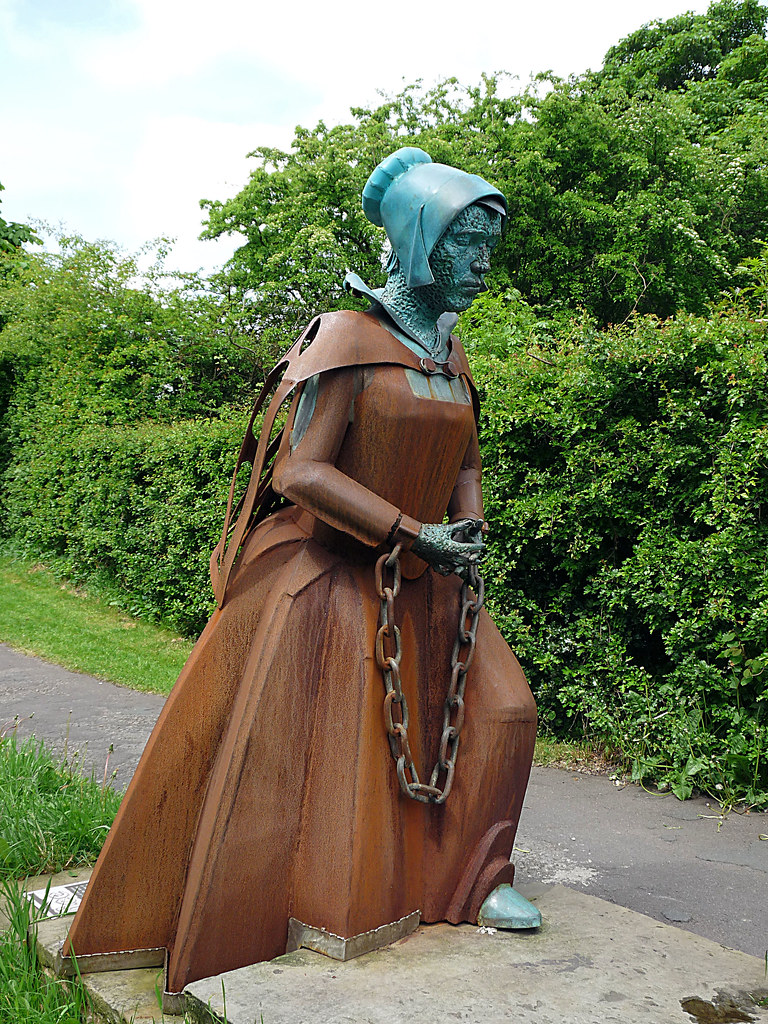
4. Alice Nutter (Chumbawamba)
Alice Nutter is perhaps best known as the operatic singer on Chumbawamba’s one-hit-wonder, “Tubthumping.” Her distinctive vocal contributions to the protest anthem helped make it an unforgettable track that resonated with audiences worldwide, cementing its place in pop culture history.
After a dedicated 23-year career in music, Nutter ultimately made the decision to leave her musical days behind her. This was a significant pivot for an artist who had spent so much of her life performing and creating within the music industry, signaling a desire for new challenges and a different creative outlet.
Her new path led her to pursue writing full-time, shifting her artistic focus from song lyrics and stage performance to narrative and dramatic works. This transition demonstrated a continued commitment to creative expression, albeit in a different form and medium.
Now in her late 50s, Nutter writes for both the stage and screen, successfully carving out a new career as a respected playwright and screenwriter. Her journey exemplifies how talent can transcend genres, finding new avenues for expression beyond the confines of a single industry.
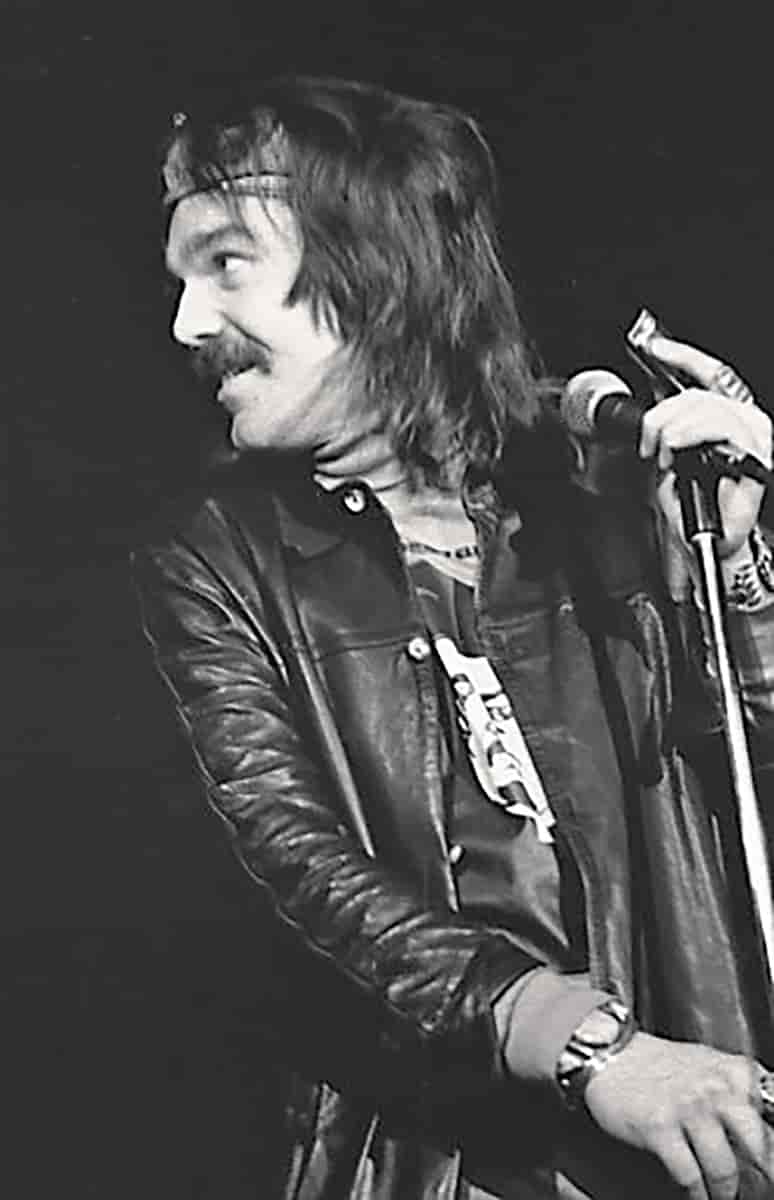
5. Captain Beefheart (Don Van Vliet)
Don Van Vliet, universally known as Captain Beefheart, was a true avant-garde icon who set a new template for rock music in the 1960s. His experimental approach and boundary-pushing sound challenged conventional norms, making him a unique and influential figure in music history.
By the decade’s end, he had released the seminal and influential double LP “Trout Mask Replica,” often considered his magnum opus. This album, with its dissonant sounds and unconventional structures, solidified his reputation as a visionary artist unafraid to explore uncharted musical territory.
In 1982, following a slew of diverse and impactful releases, Beefheart made the decisive move to retire from music entirely. This was a significant moment for his dedicated following, as he chose to step away from the very medium that had defined his public persona for so long.
After his retirement, Beefheart famously disappeared from public life, retreating into the serene solitude of the Mojave Desert. There, he spent the rest of his life passionately painting and making visual art, trading his sonic canvases for literal ones and embracing a new artistic identity in seclusion.

6. Jeff Mangum (Neutral Milk Hotel)
After releasing 1998’s “In the Aeroplane Over the Sea,” one of the most critically acclaimed albums of the 1990s, Neutral Milk Hotel’s Jeff Mangum became an enigmatic figure. The album’s profound impact and cult status only intensified the mystery surrounding its creator.
Following this monumental success, Mangum seemed to fall off the face of the Earth. His sudden disappearance from the public eye left fans and critics alike wondering about the fate of the artist behind such a beloved and deeply personal work, adding to his mystique.
Alongside the band, Mangum seemed perfectly content to depart from music and public life after releasing only two albums. This was a deliberate choice to step away from the pressures and scrutiny of fame, prioritizing his privacy over continued artistic output in the spotlight.
Except for a rare one-off show in 2011, Mangum has been in hiding ever since. His steadfast commitment to reclusion stands as a testament to artists who prioritize a quiet life over the demands of a public career, making his withdrawal one of music’s most enduring enigmas.

7. Bill Withers
A great many musicians threaten retirement throughout their careers, often using it as a negotiating tactic or a moment of dramatic flair. But rarely do any of them actually follow through on that promise, making Bill Withers a rare exception.
Withers, the soulful singer who produced many timeless hits during his short-lived career, was one of the few who meant what he said. His songs, characterized by their warmth, honesty, and memorable melodies, continue to touch hearts decades later, making his departure all the more surprising.
He made the definitive decision to retire in the mid-’80s, leaving behind a legacy of beloved tracks. His reasons for stepping back were clear and personal, rooted in the often-unseen struggles of life as a touring musician and a recording artist.
Withers cited being tired of touring and of his fraught relationship with his record company as the primary motivators for his departure. True to his word, nothing seemed to lure him back into the limelight, solidifying his status as an artist who chose peace over prolonged fame.
Read more about: The ‘Ultimate Failure’: 10 Celebrities Who Got Real About Their Biggest Divorce Regrets

8. Phil Collins (Genesis)
Phil Collins, a name synonymous with drumming excellence and chart-topping hits like “In the Air Tonight,” is another iconic musician who faced a heartbreaking decision to step away. His health began to decline in 2009, specifically after sustaining an injury to the vertebrae in his upper neck. This was a significant blow for a man whose rhythmic prowess had defined a generation.
The impact of his health issues became starkly evident during Genesis’s final show in the fall of 2022. Despite his visible frailty, Collins bravely took center stage, a testament to his enduring spirit. It was a poignant moment for fans, watching a legend perform with such physical limitations, yet still radiating the stage presence that made him famous.
After a 14-year live hiatus, his appearance with Genesis was both a triumphant return and a farewell. With his signature wit, Collins even managed to joke about needing to find a “real job” following the band’s dissolution. It was a lighthearted remark that underscored the gravity of his departure from active performing, even as he retained his legendary status.
His journey reminds us that even the most successful artists are vulnerable to life’s challenges. Collins’s decision to step back, prompted by health concerns, highlights the immense physical toll that a life in music can demand, ultimately leading him to prioritize his well-being over the relentless demands of touring and performing.

9. Grace Slick (Jefferson Airplane)
Grace Slick wasn’t just a voice; she was an emblem of the 1960s psychedelic rock movement, a powerful and distinctive presence at the helm of Jefferson Airplane. Her captivating vocals helped propel the band’s 1967 album, “Surrealistic Pillow,” to massive commercial success, firmly establishing them as one of the pioneering Bay Area bands to achieve global recognition. Her influence on the counter-culture was undeniable, making her an enduring icon.
However, despite the stratospheric heights of her career, Slick made a notable departure from the music scene relatively early. She revealed a refreshingly honest and perhaps surprising reason for her exit: her age. In a world often obsessed with youth, Slick chose to acknowledge the passage of time and the changing landscape of rock ‘n’ roll, deciding it was time for her to step away.
Her decision to quit rock ‘n’ roll, articulated with a directness characteristic of her persona, was a powerful statement. It showcased an artist with a clear understanding of her identity and the era she helped define, choosing to exit on her own terms rather than attempting to cling to a fading youthfulness or an evolving genre that no longer resonated with her personal vision.
Grace Slick’s story offers a fascinating perspective on what it means to be an “icon.” Rather than fading into irrelevance, she made a conscious choice to redefine her life beyond the confines of rock stardom, proving that some artists know exactly when to close one chapter and embrace new beginnings, even if it means leaving the bright lights behind.
Read more about: 26 Iconic Jams Boomers Still Obsess Over That Most Millennials Have Probably Never Even Heard

10. Willa Ford
Remember the early 2000s? It was a vibrant era for pop music, and Willa Ford was right there in the mix, shining brightly alongside fellow female pop sensations like Britney Spears. Her electrifying hit, “I Wanna Be Bad,” absolutely dominated the charts in May 2001, making her a household name and an undeniable force in the pop landscape.
While “I Wanna Be Bad” was a smash, her subsequent singles didn’t quite capture the same momentum. This ebb and flow is a common experience in the fast-paced world of pop, where the spotlight can shift as quickly as the beat drops. For Ford, this period of transition eventually led her to look beyond the music industry for her next calling.
In a remarkable and creative pivot, Ford gracefully traded her microphone and the stage lights for a completely different kind of canvas: interior design. This wasn’t just a casual hobby; she fully committed to her new passion, eventually establishing her own firm, W Ford Interiors, in 2012. It’s a testament to her versatile talent and entrepreneurial spirit.
Willa Ford’s journey is a vibrant example of an artist recognizing that one chapter can close while another, equally fulfilling one, opens. Her shift from pop star to successful interior designer showcases a bold move away from the public eye into a world where her creativity could flourish in a new, tangible way, proving that “bad” can also mean brilliantly versatile.
Read more about: Attention, Movie Buffs! If You Loved ‘Saving Private Ryan,’ You NEED To See These 15 Jaw-Dropping Military Films!

11. John Deacon (Queen)
When you think of Queen, you naturally envision the iconic Freddie Mercury, the virtuosic Brian May, and the thunderous Roger Taylor. But let’s not forget the steady, foundational presence of John Deacon, a relative late-comer who joined the band in 1971, just a year after Mercury’s enlistment, and quickly became indispensable.
Deacon wasn’t just a bassist; he was a songwriter responsible for some of Queen’s most enduring hits, including the utterly funky “Another One Bites the Dust.” His contributions were integral to the band’s sound and stratospheric success, helping to craft the unique blend of rock, pop, and operatic grandeur that defined Queen. He was a quiet force, but undeniably powerful.
However, after years of monumental success and incredible artistic collaboration, Deacon made the difficult decision to retire in the early 1990s. This departure came soon after the devastating loss of frontman Freddie Mercury in 1991, a tragedy that profoundly affected the remaining members and marked the end of an era for the band.
Deacon’s retirement was definitive. Unlike other musicians who might dabble in reunions or guest appearances, John Deacon truly stepped away from the spotlight, choosing a private life over continued public performance. His unwavering loyalty to Queen’s original lineup and his profound grief over Mercury’s death are often cited as key factors in his decision, leaving behind a legacy of unforgettable basslines and a quietly powerful presence.

12. Russell Senior (Pulp)
The alternative rock band Pulp, with its wry lyrics and distinct sound, was instrumental in putting Sheffield back on the musical map in the late 1980s. At the heart of their unique eccentricity was Russell Senior, the band’s violinist, who shared the stage with the incomparable frontman Jarvis Cocker. Senior’s contributions lent Pulp an undeniable edge, helping to craft their signature blend of wit and melancholy.
After dedicating 13 years of his life to the band, contributing to their rise and defining sound, Senior made the decision to leave Pulp in 1997. This was a significant moment for the band and its fans, as he stepped away from a group that had achieved substantial success and critical acclaim, leaving a void that was hard to fill.
Following his departure from the world of music, Russell Senior embarked on a wonderfully contrasting new career path: he became an antique dealer. This transition speaks volumes about an individual’s evolving interests and the desire to pursue passions beyond the often-intense glare of the music industry. It was a quieter, more contemplative pursuit, far removed from stadium lights.
Senior’s story is a charming testament to life’s varied chapters. It highlights how an artist deeply embedded in the cutting edge of alternative rock can find immense satisfaction and success in a field as traditionally rich and intriguing as antique dealing. It’s a reminder that sometimes the most exciting next steps are those that lead us completely off the well-worn path.
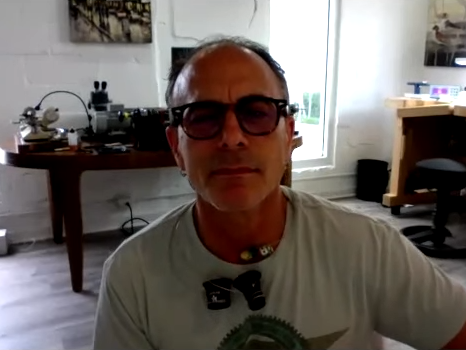
13. Dan Spitz (Anthrax)
From 1983 to 1995, Dan Spitz was a pivotal figure in the thrash metal scene, serving as the electrifying guitarist for Anthrax. During his tenure, the band achieved immense acclaim, selling over 30 million albums worldwide and racking up an impressive three Grammy nominations. He was a foundational member of a band that helped define a genre and inspire legions of metal fans.
However, even with such monumental success and widespread recognition, the world of thrash metal wasn’t enough to keep Spitz around forever. In the later part of the 1990s, he made a dramatic and intricate career change, stepping away from his guitar and the mosh pit to pursue a passion for luxury Swiss watchmaking.
This wasn’t just a hobby; Spitz fully immersed himself in this highly specialized craft, creating timepieces that are as meticulously engineered as they are exquisitely designed. His models are no ordinary watches, boasting price tags starting at a breathtaking $128,000, which speaks volumes about the level of artistry and precision involved in his new profession.
Dan Spitz’s journey beautifully illustrates how a singular focus and exceptional talent can translate across vastly different disciplines. His transition from a guitar god in a high-octane band to a master artisan in the world of haute horlogerie is a powerful narrative about finding a new calling that commands the same dedication and precision, albeit in a much quieter, more intricate environment.

14. Patrick Foley (Neck Deep)
The story of Patrick Foley’s entry into the music world is quite modern, beginning with an online advertisement. In 2012, Patty Walters was seeking musicians to form a post-punk band, and among those who answered the call was Foley, who soon became the band’s drummer. This humble beginning quickly blossomed into a successful run with the band, Neck Deep.
Foley dedicated eight years of his life to Neck Deep, helping to build their sound and establish their presence in the music scene. He was an integral part of their journey, laying down the beats that drove their music and connected with their growing fanbase. His commitment to the band was evident through their numerous performances and recordings.
Yet, after nearly a decade in the music industry, Foley announced a significant life change on Twitter: he would be leaving Neck Deep to pursue a completely different and equally demanding career as a firefighter. This was a powerful and unexpected pivot, trading the stage for a life of service and immediate community impact.
Patrick Foley’s decision is a heartwarming example of an individual following a deep-seated calling that transcends professional success. It highlights the profound personal reasons that can lead someone to leave the limelight for a challenging yet incredibly rewarding path, proving that some dreams are simply too important to ignore, even if they mean hanging up the drumsticks for good.
From the relentless rhythms of rock to the meticulous craft of watchmaking, and from the roaring crowds to the quiet courage of firefighting, these musicians remind us that life’s greatest solos aren’t always played on a stage. Their stories are a vibrant tapestry of passion, resilience, and the sheer audacity to redefine success on their own terms. It’s a compelling testament to the fact that sometimes, the most harmonious path is the one less traveled, proving that an iconic legacy can be built not just through music, but through the courage to embrace a brand new song.