Cassandra Peterson, known universally as Elvira, Mistress of the Dark, has carved out an indelible niche in pop culture for over four decades. Her signature blend of spooky glamour, sharp wit, and good-natured self-mockery transformed a local horror-hosting gig into a lasting legacy, resonating with generations of fans who find humor, strength, and acceptance in her unique persona.
From her tight-fitting, low-cut black gown to her flippant “Valley girl” tone and risqué double entendres, Elvira has consistently captivated audiences, proving that being “weird and different” can indeed lead to immense success and happiness. Beyond the iconic character, Peterson herself is a fascinating figure whose career trajectory is as eclectic and vibrant as Elvira’s on-screen antics. Her journey, marked by unexpected turns, creative battles, and a tenacious spirit, offers a compelling look into the making of a true cultural phenomenon.
In recent times, Peterson has found herself back in the spotlight, not just for her ongoing projects like “Elvira’s Cookbook From Hell,” but also for a candid revelation about an interaction with global pop superstar Ariana Grande. This incident, and Peterson’s subsequent reflections on Grande’s apology, have sparked considerable discussion, adding another intriguing chapter to the already storied career of the Queen of Halloween. Let’s embark on a journey through the evolution of Elvira and the woman behind the wig, starting from her earliest days in the entertainment world.
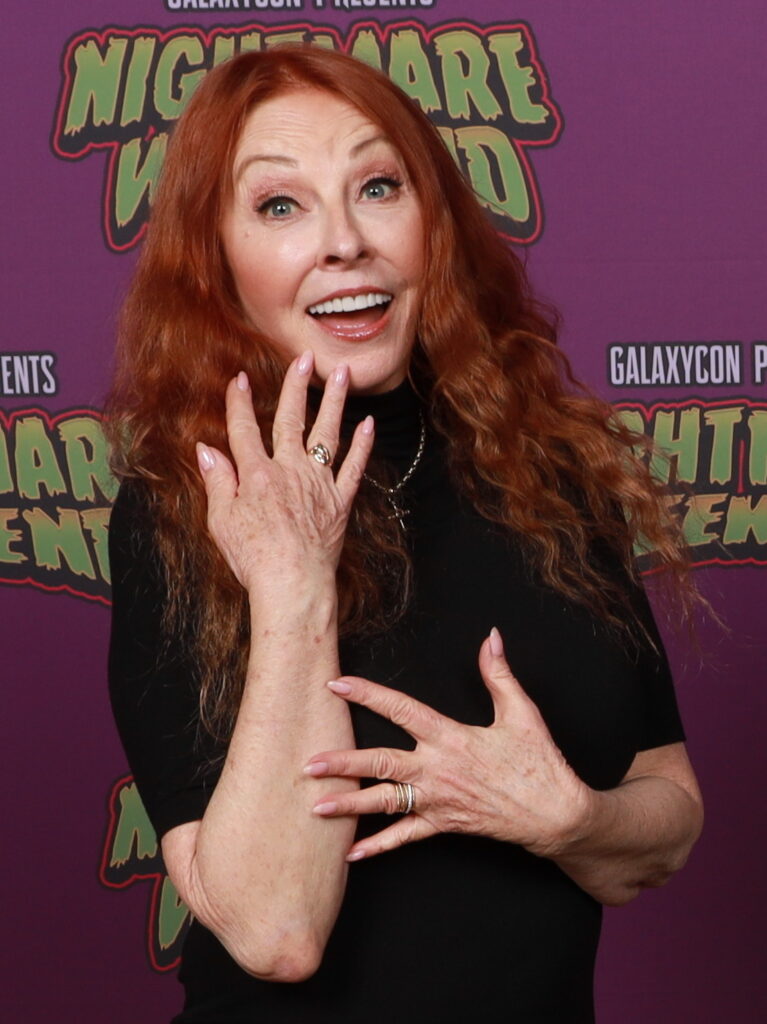
1. **Elvira’s Humble Beginnings: From Showgirl to Italy and Playboy**Cassandra Peterson’s path to becoming Elvira was anything but conventional, beginning with an unexpected foray into the glitzy world of Las Vegas showgirls. Inspired by Ann-Margret in the film “Viva Las Vegas,” a teenage Peterson, only 17 years old, persuaded her parents to let her see a live show in Las Vegas, Nevada. There, she caught the attention of production staff, securing a contract that would launch her into the entertainment industry immediately after graduating high school. She quickly returned to Las Vegas, becoming a showgirl in Frederic Apcar’s pioneering “Vive Les Girls!” at The Dunes; an experience where she even met and went on a date with Elvis Presley.
Her early career wasn’t limited to the showgirl stage; Peterson also ventured into acting, appearing as a topless dancer in the 1974 film “The Working Girls.” A significant chapter of her life unfolded in the early 1970s when she moved to Italy. There, she embraced a different kind of performance, becoming the lead singer of Italian rock bands I Latins 80 and The Snails. This period also connected her to the legendary film director Federico Fellini, leading to a small but notable part in the film “Roma” (1972) after being introduced by the producer of a documentary on Las Vegas showgirls in which she had appeared.
Upon her return to the United States, Peterson continued to diversify her experiences, working at the Playboy Club in Miami as a showgirl in the 1973 revue Fantasies of Love au Naturel. She later signed up with Hugh Hefner’s Playboy Modeling Agency, where she took on roles as a hostess and model. Her talent for performance also led her to tour nightclubs and discos around the country with a musical/comedy act, Mama’s Boys. These formative years, filled with diverse experiences from showgirl to rock singer to Playboy model, laid a foundational understanding of performance and public image that would later become crucial for the Elvira persona.
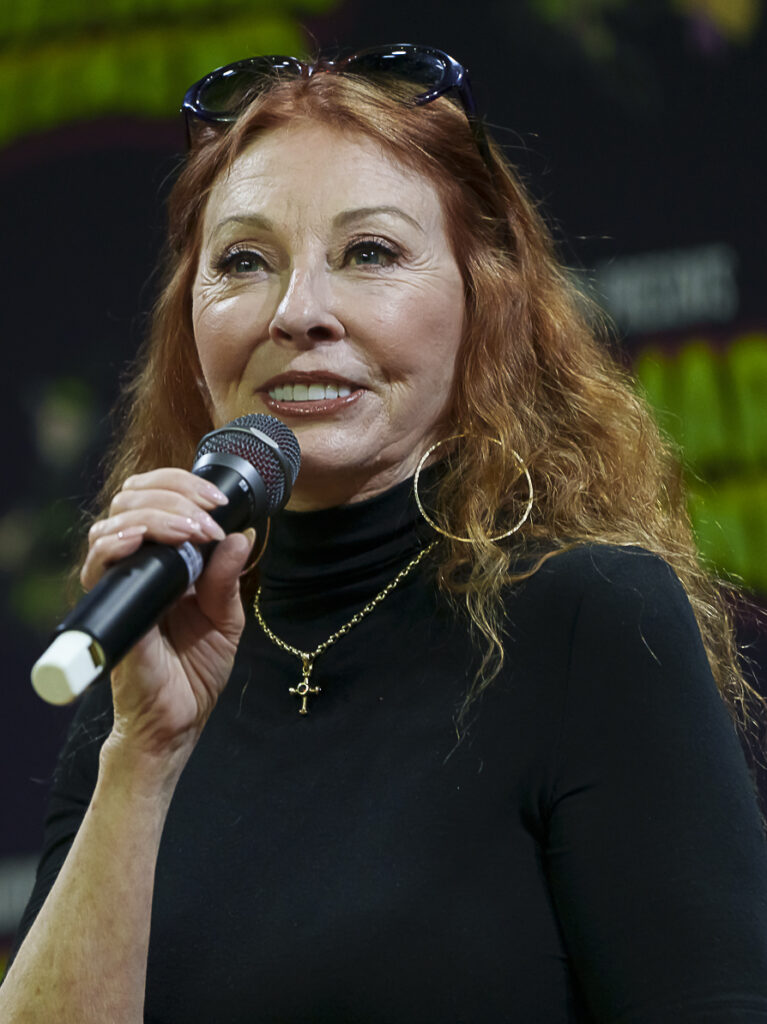
2. **The Birth of a Legend: Crafting the Elvira Persona**The genesis of Elvira as we know her today can be traced back to 1979 when Cassandra Peterson joined The Groundlings, the renowned Los Angeles-based improvisational troupe. It was within this creative crucible that Peterson developed a “Valley girl-type character,” a persona that would largely serve as the foundation for the Mistress of the Dark. Her time at The Groundlings, a breeding ground for countless comedians including her friend Paul Reubens (Pee-wee Herman), was instrumental in honing her comedic timing and character development skills, proving she “wanted to be funny; I was trying to be a comedian at the time.”
The opportunity for the Elvira character arose in 1981, six years after the death of Larry Vincent, who starred as host Sinister Seymour of a Los Angeles weekend horror show called Fright Night. Producers sought to revive the show, but with a hostess. After an unsuccessful attempt to bring back 1950s’ horror hostess Maila Nurmi (Vampira), the station sent out a casting call, and Peterson auditioned and won the role. Crucially, the producers entrusted her with the creative freedom to design the character’s image. This allowed Peterson, alongside her best friend, Robert Redding, to conceptualize the distinctive y goth/vampire look, a choice made after her original idea, inspired by Sharon Tate’s character in “The Fearless Vampire Killers,” was rejected.
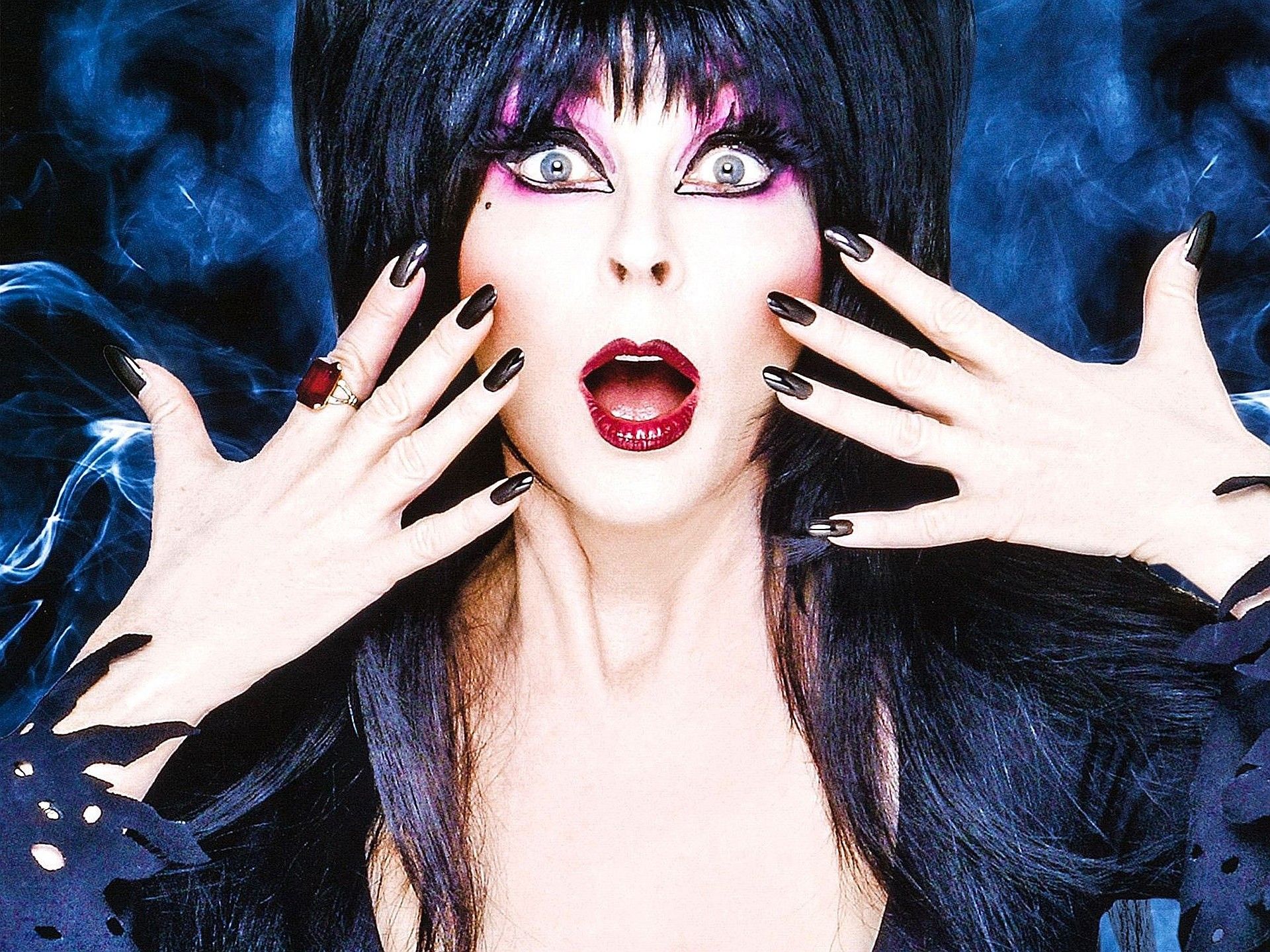
The iconic Elvira look drew inspiration from various unexpected sources, including a Kabuki makeup book and the hairstyles of The Ronettes. This blend of influences resulted in the tight-fitting, low-cut, cleavage-displaying black gown that became instantly recognizable. Peterson’s comedic background truly shone through as she infused the character with a satirical, sarcastic edge and the flippant tone of a California “Valley girl.” She quickly became known for her risqué double entendres and frequent jokes about her cleavage, a style she once described by saying, “I figured out that Elvira is me when I was a teenager. She’s a spastic girl. I just say what I feel and people seem to enjoy it.” This unique combination of camp humor, appeal, and good-natured self-mockery rapidly propelled her to popularity among late-night movie viewers.
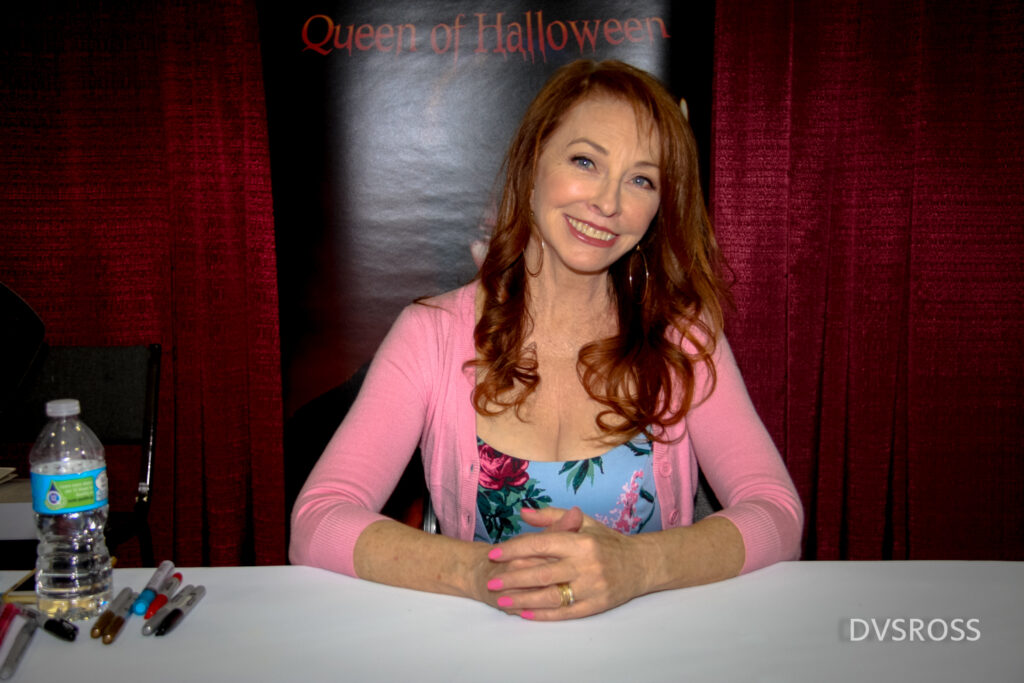
3. **The “Vampira” Controversy: Defining Elvira’s Unique Image**Just as the Elvira character was on the cusp of its debut, a legal challenge threatened its very existence. Shortly before the first taping of “Movie Macabre,” producers received a cease and desist letter from 1950s’ horror hostess Maila Nurmi, who wanted to revive The Vampira Show. Nurmi claimed that Elvira’s character bore too many similarities to her own, citing not only the general format and costumes but also Elvira’s closing line for each show, wishing her audience “Unpleasant dreams,” which mirrored Vampira’s closer: “Bad dreams, darlings…” uttered as she walked off down a misty corridor. This legal skirmish forced a critical examination of what constituted a unique persona in the world of horror hosting.
The ensuing court battle ultimately ruled in favor of Cassandra Peterson and her Elvira character. The court’s decision hinged on the interpretation that “‘likeness’ means actual representation of another person’s appearance, and not simply close resemblance.” Peterson herself asserted that Elvira was fundamentally different from Vampira, stating that “Elvira was nothing like Vampira aside from the basic design of the black dress and black hair.” This ruling was pivotal, allowing Peterson to continue developing Elvira with the confidence that her creation was legally distinct and original, despite superficial resemblances in costuming common to the horror host genre.
This early challenge not only validated Elvira’s independent identity but also solidified Peterson’s resolve to make the character her own. While Nurmi maintained that Vampira’s image was based on Morticia Addams, a character in Charles Addams’s cartoons that appeared in The New Yorker magazine, the court’s decision enabled Elvira to flourish without the shadow of legal infringement. The controversy, rather than hindering Elvira, arguably helped define her by underscoring her individuality and the distinctive comedic approach Peterson brought to the role, setting the stage for her character’s unique trajectory and widespread appeal. It highlighted that Elvira’s essence lay not just in her appearance, but in her personality and comedic delivery.
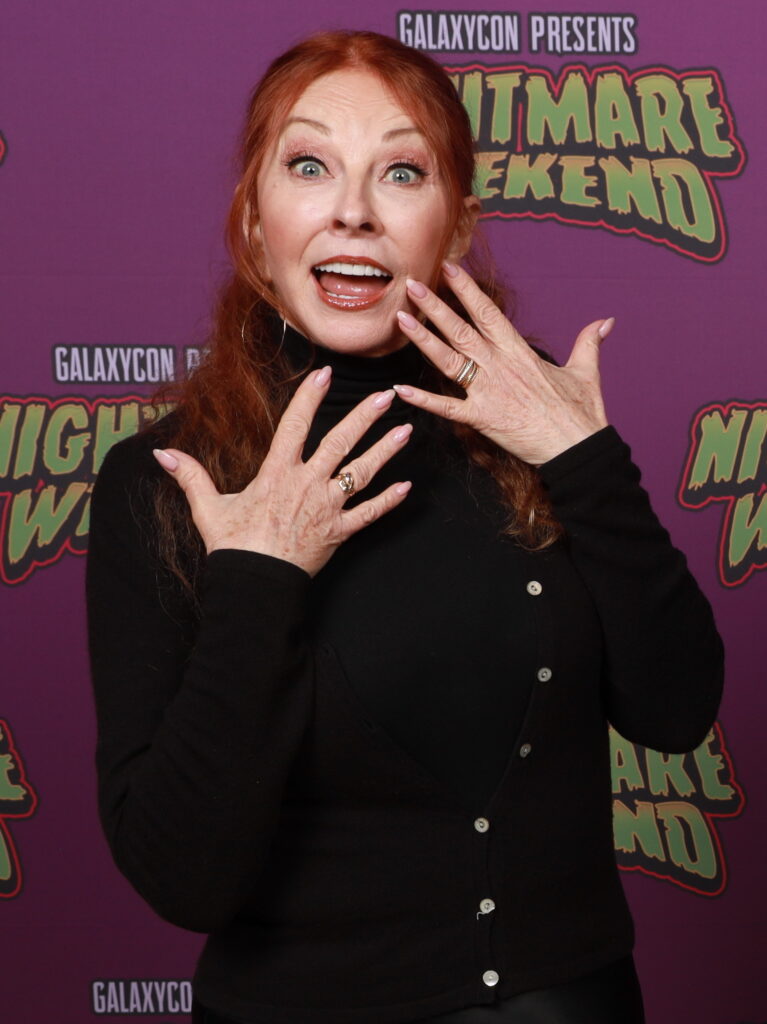
4. **Elvira’s Rapid Ascent: From Cult Figure to Brand Icon**Following the successful launch of “Movie Macabre” and the legal affirmation of her unique persona, the Elvira character quickly transcended her status as an obscure cult figure, evolving into a highly lucrative brand. Her popularity soared, propelled by her captivating presence, witty commentary, and a genuine connection with her growing audience. This burgeoning fame allowed Cassandra Peterson to expand Elvira’s reach far beyond late-night television, transforming her into a recognizable and beloved icon across various media and product lines throughout the 1980s and 1990s.
The Mistress of the Dark became associated with an impressive array of products, demonstrating the character’s widespread appeal and commercial viability. This extensive merchandise empire included popular Halloween costumes, which cemented her status as the “Queen of Halloween,” alongside comic books, action figures, and trading cards. Fans could also find Elvira on pinball machines, Halloween decor, model kits, calendars, perfume, and dolls, showcasing the character’s omnipresence in the marketplace. Her image even graced the cover of Femme Fatales magazine an impressive five times, further illustrating her iconic status and broad appeal.
Elvira’s brand expansion continued into television specials and major media events. In 1984, she hosted her own six-hour Halloween special on MTV, which included skits and music videos and returned to host another four-hour Halloween special in 1986. That same year, she also was a guest commentator at Wrestlemania 2 in the Los Angeles segments alongside Jesse Ventura and Lord Alfred Hayes. The zenith of her popularity during this period was undoubtedly the release of the 1988 feature film “Elvira: Mistress of the Dark,” on whose script Peterson collaborated with John Paragon and Sam Egan, solidifying her creative control and vision for the character.
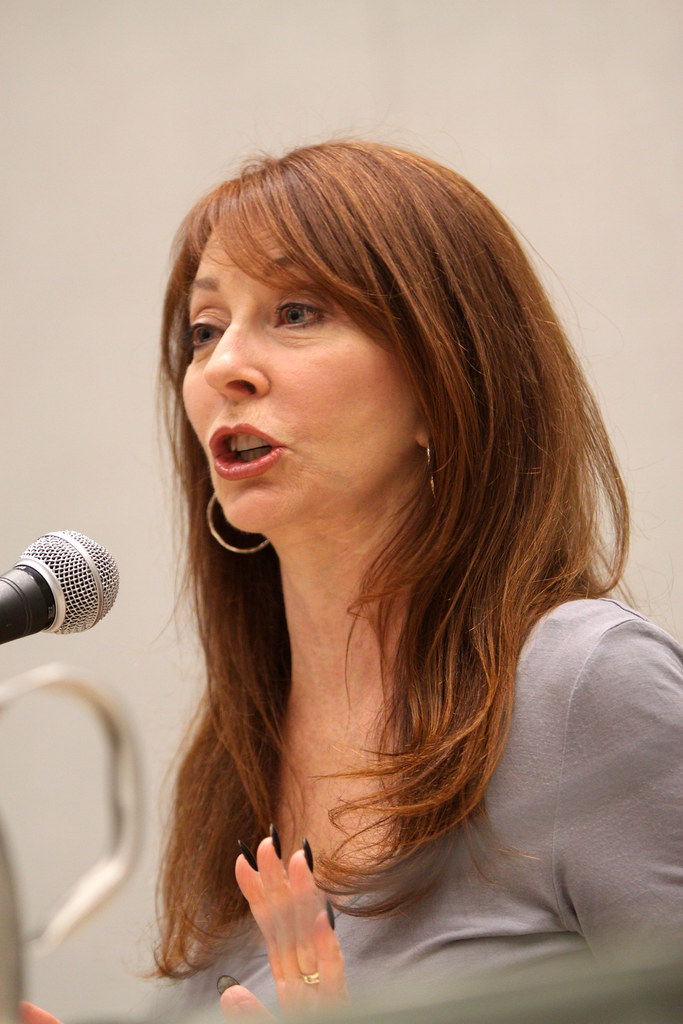
5. **Behind the Camera: The Making of “Elvira: Mistress of the Dark”**The 1988 feature film “Elvira: Mistress of the Dark” remains a beloved cornerstone of the Elvira legacy, a hilarious and iconic cinematic adventure that showcased Cassandra Peterson’s comedic prowess on a grander scale. Peterson herself “had a blast during the whole film; the whole thing was fantastic.” She loved “every second of it, except for maybe getting the paint poured on my head when I was doing the Flashdance thing. That wasn’t so fun!” The film allowed the Elvira character to fully blossom, taking her signature camp humor and appeal to the big screen, engaging a wider audience with her charmingly macabre escapades.
One particular scene from the film stands out for Peterson as both a favorite and a hard-won battle: the tassel twirling scene at the end. She revealed, “I fought like a bastard to get that in!” The production team initially resisted due to financial constraints, as it required building a new Las Vegas set, creating a different costume, and hiring additional dancers. Peterson noted that “That scene probably cost more money than almost everything else in the movie.” Despite production being shut down at one point, Peterson relentlessly “begged” NBC to include the scene, arguing, “Can you imagine that whole movie without the Las Vegas scene at the end? It’s like, what’s it for? How does it end?” Her persistence paid off, and the scene became a memorable highlight.
Filming the beloved tassel twirling scene came with its own set of challenges, as Peterson was grappling with something like a 103-degree temperature and the flu on the day of the shoot. Despite feeling “so sick, I thought I was going to pass out,” she “still shot that damn thing!” This dedication exemplifies her commitment to the character and her vision for the film. Beyond the comedic elements, the movie also had its genuinely frightening moments for Peterson, particularly “when the house catches on fire, and I’m trying to grab that book” where she was “completely surrounded by flames” and “honestly, truly, pretty scared!” Also, she said “being tied to the stakes! Not my favorite moments in my career.” These moments, both comedic and terrifying, underscore the dynamic and immersive experience of bringing “Elvira: Mistress of the Dark” to life.

6. **Cassandra Peterson’s Non-Elvira Ventures: Diverse Acting Roles**While Cassandra Peterson is inextricably linked to her iconic Elvira persona, her career has also seen her take on a variety of non-Elvira roles, showcasing her versatility as an actress. One of her most notable appearances was in the 1985 classic “Pee-wee’s Big Adventure,” where she starred alongside her friend and fellow Groundling Paul Reubens, who, of course, played his famous Pee-wee Herman character. This role demonstrated her ability to inhabit different characters and contribute to other comedic worlds, distinguishing her talent beyond the Mistress of the Dark.
Peterson’s filmography outside of Elvira also includes an appearance in “Allan Quatermain and the Lost City of Gold,” released in 1987, where she shared the screen with established stars like Richard Chamberlain and Sharon Stone. Her willingness to explore diverse genres and collaborate with different casts highlights her commitment to acting as a craft. More recently, she appeared in the 2010 film “All About Evil,” portraying a mother named Linda Thompson, who famously says “not to go to the old theater to watch scary movies,” a line with a subtle, ironic nod to her horror host roots.
In 2022, Peterson continued to expand her non-Elvira acting credits with a role in Rob Zombie’s “The Munsters” movie. These various roles demonstrate that while Elvira holds a special place in her heart and career, Cassandra Peterson is a performer with a broad range. Her engagements in these projects not only offer a glimpse into her acting range but also reveal her enduring presence in the entertainment industry, taking on roles that allow her to step out from behind the elaborate wig and gothic glamour to inhabit different characters and stories.

7. **The Culinary Queen of Macabre: “Elvira’s Cookbook From Hell”**Elvira, Mistress of the Dark, has extended her dominion from the silver screen to the kitchen with her latest literary offering, “Elvira’s Cookbook From Hell.” This project, a long-cherished dream of Cassandra Peterson’s, finally came to fruition after three decades of persistence. Peterson had been inspired to create a cookbook even before her memoir, “Yours Cruelly, Elvira,” but initially faced considerable resistance from publishers who dismissed the idea, stating, “There are 9 million Halloween cookbooks out there!” Peterson, however, insisted, “It’s not a Halloween cookbook. It’s like Martha Stewart entertaining; it’s a lifestyle book!”
The inspiration for the cookbook dates back to her “Elvira’s Movie Macabre” show, where she frequently incorporated “little cooking segments that were kind of joke cooking segments.” These segments featured hilariously dreadful recipes like “pork tartare that you left in the trunk of your car overnight” or “Hallo-weenies, you know, drill a hot dog and fill it with cheese.” Peterson humorously declared herself “the Martha Stewart of the macabre” and envisioned a cookbook that would cater to “Goths — for the people who love Halloween, and live that lifestyle 365 days a year, like I do,” emphasizing its year-round appeal for her dedicated fanbase.
Bringing “Elvira’s Cookbook From Hell” to life was a collaborative effort. Peterson had “quite a few” recipes collected over the years, including adaptations from a 1960s Halloween recipe book and a “little pamphlet that was sent out to all the press when I did Mistress of the Dark,” which was “kind of a joke cookbook.” Working with a team, she researched and tweaked recipes to align with the Elvira aesthetic, ensuring they “would work with Elvira,” tasted great, and weren’t “too hard to make.” The book now includes unique instructions, such as crushing “the potato chips with your butt!” for the Adraka Kozerole, cementing its place as a truly unique and entertaining culinary guide for fans of the macabre.
Stepping beyond the origins of the Mistress of the Dark, our journey now explores Elvira’s profound influence, her impressive brand evolution, the changing landscape of horror conventions, and the much-discussed interaction with pop superstar Ariana Grande. This section will delve into how Cassandra Peterson’s iconic character has not only entertained but also inspired generations, revealing the meticulous thought behind her enduring merchandise and the surprising stories from the convention circuit. Finally, we’ll unpack the celebrity encounter that captured headlines, offering Elvira’s candid reflections on the incident and her hopes for Grande’s personal growth in the spotlight.
8. **Elvira’s Enduring Legacy and Impact on Fans**For over four decades, Elvira has transcended her role as a horror hostess, becoming a beacon for countless fans who see themselves reflected in her unique blend of humor, strength, and acceptance. Cassandra Peterson often asks herself what keeps the character going, noting the consistent flow of new, younger fans. She believes Elvira’s enduring popularity is inextricably tied to the ever-growing holiday of Halloween, a phenomenon she modestly suggests she might have played a part in popularizing.
Beyond the spooky fun, Elvira embodies a powerful message: she stands up for herself and doesn’t tolerate any “BS!” Peterson proudly identifies Elvira as a “strong feminist figure,” a characteristic that deeply resonates with her audience. For those who felt like outcasts, overlooked, or nerdy in school, Elvira, particularly as depicted in her feature film, offers a comforting reassurance.
“They see that somebody weird and different can still be successful, happy, and achieve their dreams,” Peterson explains. This message of embracing individuality and finding happiness despite being unconventional is, she believes, why Elvira continues to captivate, especially with young people today. Her persona gives permission to be authentically oneself, empowering fans in profound ways.
When meeting her dedicated fanbase, Peterson is often moved by the deeply personal stories they share. Many have confided that Elvira helped them through intensely challenging periods, offering inspiration to persevere. It’s truly overwhelming for her to hear fans say that thinking of Elvira’s resilience and attitude helped them through thoughts of suicide, a testament to the character’s unexpected power as a source of hope and comfort.
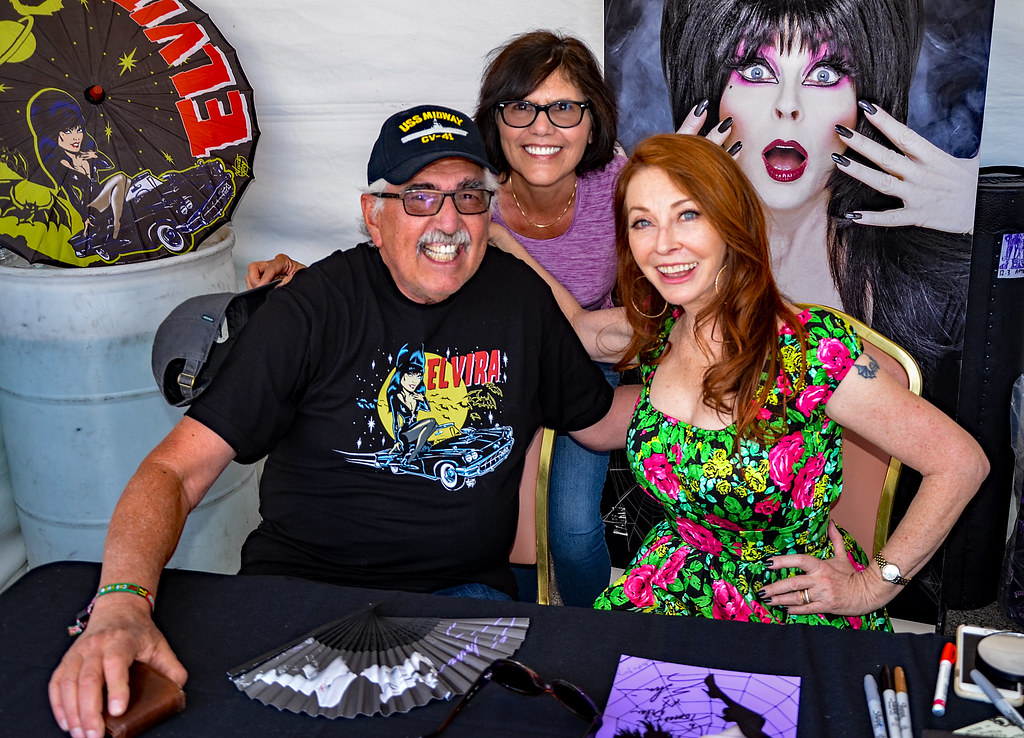
9. **The Powerhouse Behind the Merchandise Empire**Elvira’s transformation from a local horror host into a sprawling, lucrative brand is no accident; it’s the result of Cassandra Peterson’s meticulous oversight and unwavering dedication. Peterson readily admits, “I’m a control freak,” when it comes to her alter ego’s likeness, ensuring that every product, from beer ads to mouse pads, genuinely reflects the Elvira persona. Her manager, Scott D. Marcus, confirms this hands-on approach, stating, “Cassandra approves everything,” and noting that she’s “especially” involved in approving, and often rewriting, anything written in Elvira’s voice.
This commitment to quality and authenticity means not every venture gets the Elvira stamp of approval. Peterson and Marcus shared an amusing anecdote about a hot sauce deal that fell through because the product simply didn’t meet her standards. “We tried to do a hot sauce, we did the deal and they could not come up with one that tasted good, so I just gave them their money back,” Marcus revealed. Peterson, a self-professed lover of hot sauce, didn’t want to “put my name on something that everyone will know its crappy too,” emphasizing that if they don’t believe the fans will like it, it’s not worth pursuing.
Their dedication extends to actively pursuing partnerships that fans desire, even if it requires persistent advocacy. Marcus recounted how they had to “beg Funko to make the first Elvira Pop,” enduring years of refusals before the company finally relented. Now, the collaboration has resulted in “what, 9-10” different Elvira Funko Pop figures, a testament to her lasting popularity and the team’s perseverance.
Another immensely popular deal was with Mattel’s Monster High, which has released three different Elvira dolls, all selling out almost instantly from Mattel’s website. Peterson noted the intense fan frustration over the dolls’ scarcity: “Scott begged them when they made the first one to please make more and they were like, ‘We don’t know if it will sell.’ It sold out in 3 minutes, it was gone and people were pissed.” This demand highlights the deep connection fans have with Elvira and the powerful appeal of her merchandise.
Read more about: Icon Status: Are the 11 Biggest Box Office Kings of All Time Still Relevant Today?
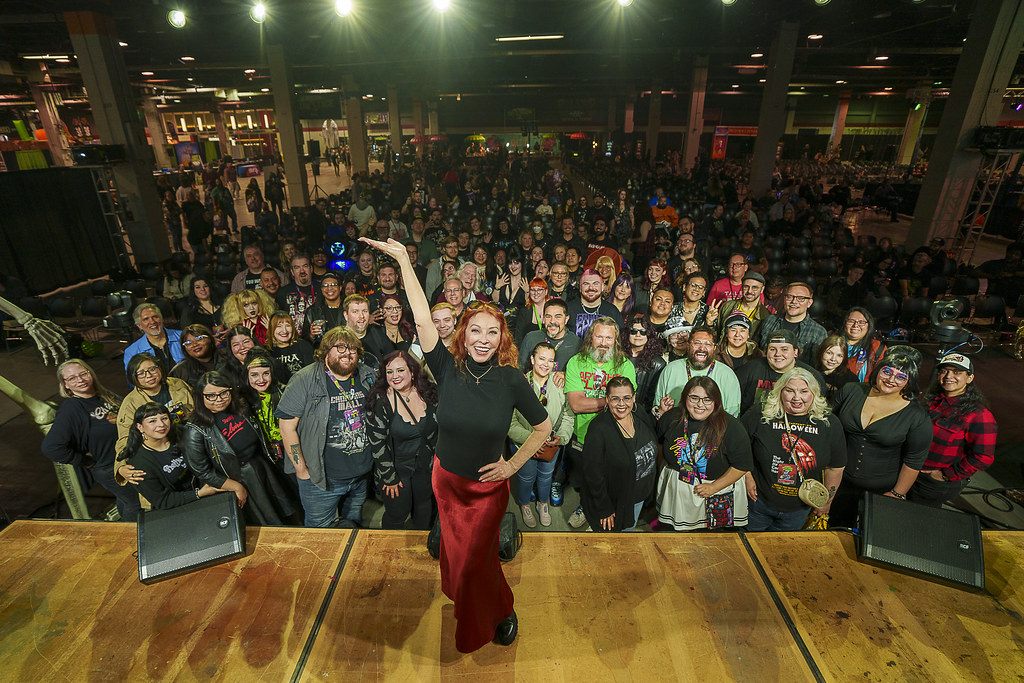
10. **The Evolution of Horror Conventions and Fan Interaction**Elvira’s schedule, especially during the festive ‘Spooky Season,’ is often packed with horror conventions and fan meet-and-greets, a far cry from the humble beginnings of such events. Cassandra Peterson shared a fascinating glimpse into the nascent days of horror cons in the early 1980s, recalling an event in Los Angeles that was nothing more than “like 8 card tables set up in a lobby of a hotel.” She even signed autographs for a mere $5, happy to make “what the hell, I made $100?!”
She reminisced about a very early Comic-Con experience, describing it as being “in a basement of some kind of motel/hotel thing in San Diego.” At that time, Peterson remembers being “the only woman there, the only woman guest, the only woman attendee, there was not another woman there.” This stark contrast to today’s massive, inclusive conventions underscores how far the horror and fan convention scene has evolved, growing “bigger and bigger every year.”
Despite the exponential growth, the convention circuit remains a place for cherished reunions with fellow horror icons and industry friends. Peterson expressed her joy at seeing familiar faces like Don Mancini, the creator of the Chucky movies, and Kane Hodder, who played Jason Voorhees. “Linda is a favorite,” she shared, referring to Linda Blair of *The Exorcist*, whom she has known for “years and years and years.”
One memorable, albeit terrifying, convention story involved Linda Blair and a tornado in Massachusetts. Peterson recounted being “stuck in the basement because there was a tornado! And they made everybody in the convention go into the basement and Linda and I were trying to escape because we’re stuck in the basement with all the fans.” This harrowing experience, shared with a good friend, further illustrates the unique bonds formed on the convention circuit.
Peterson’s packed schedule means she hasn’t been home on Halloween night “for 100 years.” While she adores seeing trick-or-treaters, Halloween has become her busiest professional night. Yet, her interactions at conventions, from signing autographs to navigating natural disasters with fellow legends, remain a vital and engaging part of her ongoing connection with her devoted fanbase.
Read more about: Unbelievable: 14 Iconic Films That Were Shot in Astoundingly Short Production Windows

11. **The Infamous Encounter with Ariana Grande**The Mistress of the Dark found herself back in the celebrity spotlight, not for a new project, but for a candid recounting of a past interaction with pop sensation Ariana Grande. In an interview, Elvira shared the details of meeting Grande approximately seven years prior at an event, an encounter she found deeply “offensive.” Her story quickly captured public attention, offering a rare glimpse into a less-than-glamorous celebrity interaction.
Elvira detailed the situation: “She brought 20 guests… she comes backstage, and she asks if I could take pictures with all of her friends and relatives she brought.” Being the gracious host that she is, Elvira obliged. “I take a picture with every single one of them. I sign autographs for every single one of them.”
However, the tone of the interaction shifted dramatically when Elvira then asked for a photo with Grande herself. “Then I say to her, ‘Can we take a photo together?’ She goes, ‘Nah, I don’t really do that.'” This abrupt refusal, after accommodating Grande’s entire entourage, left Elvira feeling “disappointed” and questioning the pop star’s demeanor.
“I told a story that really happened,” Elvira later emphasized, standing by her account. “She did it. I wasn’t making it up. It was very offensive.” This directness underscores Elvira’s genuine feelings about the interaction, highlighting a moment that contrasted sharply with her experiences with other celebrities who she noted were “always gracious and kind.”
Read more about: Unlocking the Empire: Kendall Jenner’s Journey from Reality TV Star to Global Fashion & Business Mogul
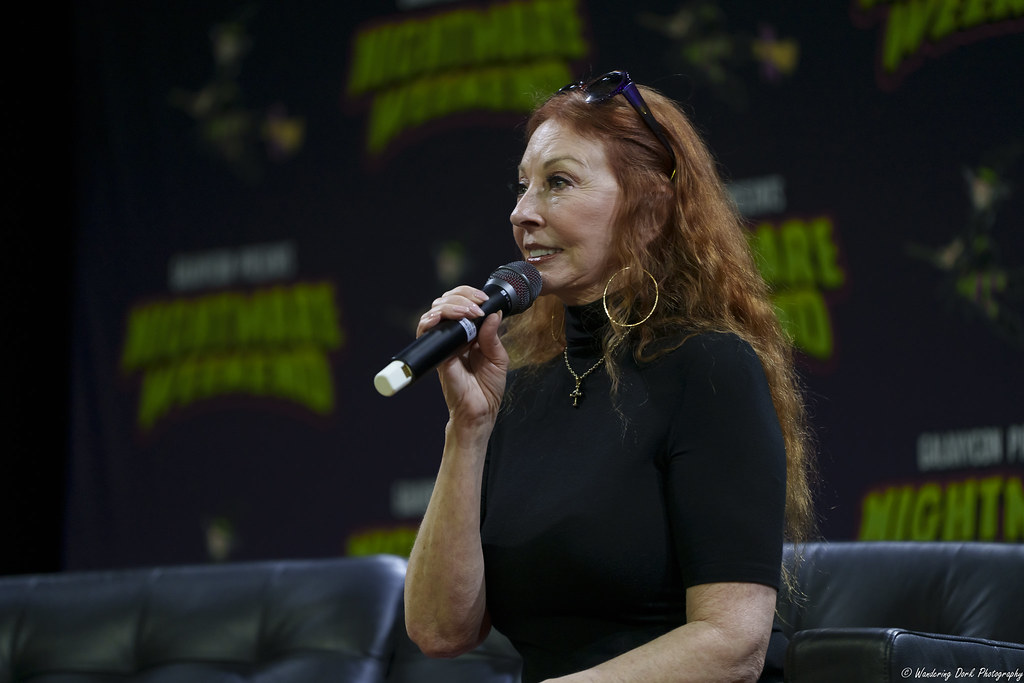
12. **Ariana Grande’s Apology and Elvira’s Response**Shortly after Elvira’s story gained traction, Ariana Grande publicly addressed the incident, offering an explanation and an apology via Instagram in October 2024. Grande recounted her memory of the event differently, attributing any perceived rudeness to an anxiety attack she experienced at the time. “I’m so disheartened to see this,” Grande wrote, adding, “I actually don’t even remember getting the chance to meet you, because I had an anxiety attack and to my memory, left before the rest of my family… but if I’m misremembering this moment, I sincerely apologize for offending you so.”
However, Elvira’s reaction to Grande’s apology, shared months later in an interview with *Entertainment Weekly*, indicated that it didn’t quite smooth things over. When asked about Grande’s words, Elvira was candid, suggesting the apology felt less than genuine. She mused on the nature of such apologies, asking, “What’s the word? You know, where you do something, but you really have other thoughts in mind?” She then paraphrased Grande’s sentiment with a wry “Like, ‘Thank you, not really, thank you.'”
Despite Grande’s explanation, Elvira maintained her perspective on the interaction. She revealed that after Grande’s response, she “just let the whole thing drop,” indicating that the exchange didn’t lead to a reconciliation or a change in her perception of the initial incident. For Elvira, the apology felt somewhat perfunctory rather than a sincere effort to bridge the divide created by their encounter.
Her reflection suggests a deeper insight into the pressures of fame and public persona. While Grande offered a reason for her behavior, Elvira’s experience left her with a sense that the apology lacked the true humility she hoped for, signaling a pause in their public discourse rather than a resolution of the underlying offense.

13. **Hopes for Humility and Growth: Elvira’s Message to Ariana**While Elvira chose to let the public discourse surrounding her encounter with Ariana Grande “drop,” she openly expressed her hopes for the pop star’s future growth. Cassandra Peterson, with her decades of experience navigating the entertainment industry, shared a perspective born from years of observation and personal journey. She believes that enduring fame often comes with significant life lessons.
“I think when you’re young, and you’re in show business — well, if you last in show business for any amount of time and are still famous — you do learn a lot of lessons along the way, and you get a little more humble,” Elvira remarked. This sentiment reflects a desire for Grande to cultivate a deeper sense of humility, seeing it as a natural progression for those who achieve lasting success in the public eye.
Her hope is not an accusation but a seasoned observation about the transformative power of experience. “So hopefully that will happen with her,” Elvira stated, indicating a desire to see Grande mature into an artist who embraces a more gracious and down-to-earth demeanor. It speaks to a belief that true longevity in entertainment requires more than just talent; it demands character development.
Indeed, Ariana Grande has continued to achieve immense success since the reported incident. She has released several chart-topping albums, including *Thank U, Next*, *Positions*, and *Eternal Sunshine*, all of which hit number one on the Billboard 200. Moreover, she realized a dream role as Glinda in the highly anticipated *Wicked* films, even earning an Oscar nod for best supporting actress. These accomplishments underscore her undeniable talent, but Elvira’s comments suggest that personal growth in humility remains a vital aspect of a well-rounded and respected public figure.

14. **Elvira’s Continued Reign: New Ventures and Future Horizons**Even after four decades, Elvira, Mistress of the Dark, continues to be a vibrant force in pop culture, consistently finding new avenues to connect with her dedicated fanbase. Her latest venture, a collaboration with the Los Angeles Haunted Hayride for Halloween 2025, perfectly encapsulates her ongoing influence. She has lent not only her iconic image but also her voice to a family-friendly maze inspired by her illustrious career and the 1988 film, making it a truly immersive experience for fans.
Peterson is particularly thrilled about this partnership, describing it as intrinsically “LA.” Having lived in the area for 45 years, she feels this haunt brings Halloween “home.” “Hollywood, LA, doesn’t look that autumn-y, no matter what you do,” she observed, noting how the Hayride’s lights, pumpkins, and mazes create a much-needed “fall vibe” that local residents crave. This deep connection to her “hometown” makes the project feel especially personal and authentic.
The collaboration goes beyond the maze, extending to a new line of merchandise available at Thirteenth Floor Entertainment Group’s haunts, further expanding Elvira’s extensive brand. Peterson was particularly delighted by the park’s re-themed scary-go-round, where the seats were designed to look like her beloved familiar, the pink mohawk-rocking pooch Gonk. “That blew me away that they could even do that,” she exclaimed, feeling that “they’ve incorporated Elvira really, really well.”
Looking ahead, the Mistress of the Dark shows no signs of slowing down. As of September 2018, Peterson was actively working to develop a direct sequel to *Elvira: Mistress of the Dark*, as well as an animated Elvira project, promising more cinematic adventures for fans. Her legacy also lives on through home video series like *ThrillerVideo* and *Elvira’s Midnight Madness*, along with her recent return to television syndication with *Elvira’s Movie Macabre* and the Hulu series *13 Nights of Elvira*.
Elvira’s enduring appeal lies in her ability to adapt and expand her macabre empire while staying true to the campy, witty, and empowering spirit that Cassandra Peterson originally conceived. From cookbooks to haunted hayrides and eagerly anticipated sequels, the Queen of Halloween continues to reign supreme, proving that her unique brand of spooky glamour and good-natured self-mockery will captivate audiences for many more years to come. Her impact is a testament to her vision, resilience, and the universal need for a little bit of dark, delightful escapism.