Space exploration is an endeavor that consistently pushes the boundaries of human achievement, a true testament to our innate curiosity and boundless ingenuity. Yet, for all its triumphs and breathtaking discoveries, the journey into the cosmos is fraught with immense challenges and inherent risks. This year, 2024, has certainly offered its own unique set of cosmic missteps and unexpected hurdles, proving that even with the most advanced technology and brightest minds, the universe still holds plenty of surprises.
In the high-stakes world of space exploration, failures aren’t simply unfortunate incidents; they are, in fact, pivotal learning opportunities. These moments of spectacular collapse often reveal the razor-thin line between groundbreaking innovation and significant setbacks. As an anonymous aerospace engineer so aptly put it, “In space exploration, failure isn’t the opposite of success – it’s part of the journey.” It’s through meticulous analysis of these incidents that we gain invaluable lessons, allowing us to refine our technologies, strengthen our protocols, and ultimately pave the way for a safer, more robust future for human spaceflight.
Join us as we embark on an illuminating journey through some of the space industry’s most notable setbacks from 2024. We’ll explore why these incidents occurred, what made them so significant, and the critical insights they offer for the ongoing quest to explore the final frontier. From orbital disruptions to lunar program shuffles, these are the moments that have shaped the year’s narrative in space, underscoring the relentless pursuit of knowledge and the resilience required to navigate the cosmos.
1. **Falcon 9’s Critical Failure: SpaceX’s Orbital Setback**SpaceX has rightfully earned widespread acclaim for its remarkable reliability and groundbreaking reusable rocket technology. However, even the most successful space companies are not immune to the occasional setback. A painful reminder of this came on July 11, 2024, when a Falcon 9 rocket experienced a critical failure during launch, resulting in the grounding of its primary launch vehicle and causing significant disruption to missions across the globe. This incident triggered an immediate investigation, but the tangible losses were undeniable.
The repercussions of this particular failure were multifaceted and substantial. For starters, the loss of 20 Starlink satellites represented a significant financial blow. Each of these advanced satellites carries a price tag in the millions of dollars, and that’s not even accounting for the lost potential revenue from the numerous customers eagerly awaiting the expansion of the Starlink network’s global reach. Such an incident underscores the intricate economic web that underpins modern space operations, where technical glitches can quickly translate into substantial monetary losses.
Beyond the financial impact, the Falcon 9 failure also precipitated a cascade of mission delays. High-stakes endeavors like the Polaris Dawn mission were forced into an unexpected pause. Critical Transporter-11 missions and vital ISS cargo flights also experienced disruptions, pushing back essential research and commercial operations. The carefully orchestrated Starlink satellite deployment schedule was significantly affected, demonstrating how a single launch failure can have far-reaching effects on various interconnected space activities and user communities worldwide.
What made this event particularly impactful was the dent it made in public and industry trust. Falcon 9 had long been celebrated as SpaceX’s reliable workhorse, consistently hitting its performance marks and setting new standards for launch frequency and success. A failure of this magnitude, coupled with the subsequent grounding of the entire fleet, inevitably raises eyebrows and sparks questions about inherent risks. When even a company renowned for its impeccable track record experiences such an issue, it prompts a wider reflection on the inherent unpredictability of space travel and the relentless pursuit of perfection required in this demanding field.

2. **Mars Mission Setback: ESCAPADE’s Launch Delayed**Sliding into our list of 2024’s space industry disappointments is the delay of NASA’s ambitious dual-satellite ESCAPADE (Escape and Plasma Acceleration and Dynamics Explorers) mission. This mission, designed to meticulously study Mars’ magnetosphere, promises to unlock new secrets about the Red Planet’s atmospheric evolution. Initially, the scientific community eagerly anticipated its liftoff in late 2024, but those plans have since been strategically pushed back to 2025. This decision, NASA explained, was made to proactively avoid potential cost escalations and intricate technical complications associated with its chosen launch vehicle.
The root of this delay lies squarely with Blue Origin’s much-hyped New Glenn rocket. This launch vehicle, once envisioned as a true game-changer in the space industry, has consistently struggled to meet its projected timelines. Its continued absence from the launchpad highlights a critical risk: hitching significant scientific ambitions to an unproven rocket. While innovation is essential, the extended waiting game for New Glenn to finally take flight casts a long shadow, raising questions about development efficiency and the broader implications for missions that depend on its capabilities.
NASA’s justification for the delay centered on the need to circumvent cost overruns, a perennial concern in large-scale space projects. However, this reasoning has not been without its critics. Many industry observers and stakeholders are now openly questioning whether the initial decision to rely on New Glenn was the optimal choice, especially given Blue Origin’s established track record of persistent struggles to meet timelines for its various ambitious projects. The financial prudence argument, while valid, often comes hand-in-hand with scrutiny of initial strategic decisions.
This latest hiccup risks further tarnishing Blue Origin’s reputation, especially when juxtaposed against the rapid, iterative progress demonstrated by rivals like SpaceX. The company’s consistent challenges in adhering to schedules are becoming a recurring theme, leading one industry observer to humorously quip, “At this rate, New Glenn might fly after we colonise Mars.” While the delay isn’t a direct sign of technical trouble for the ESCAPADE mission itself, it underscores the broader challenges in the commercial launch sector and the crucial balance between innovation, reliability, and timely execution that NASA and Blue Origin are striving to achieve.
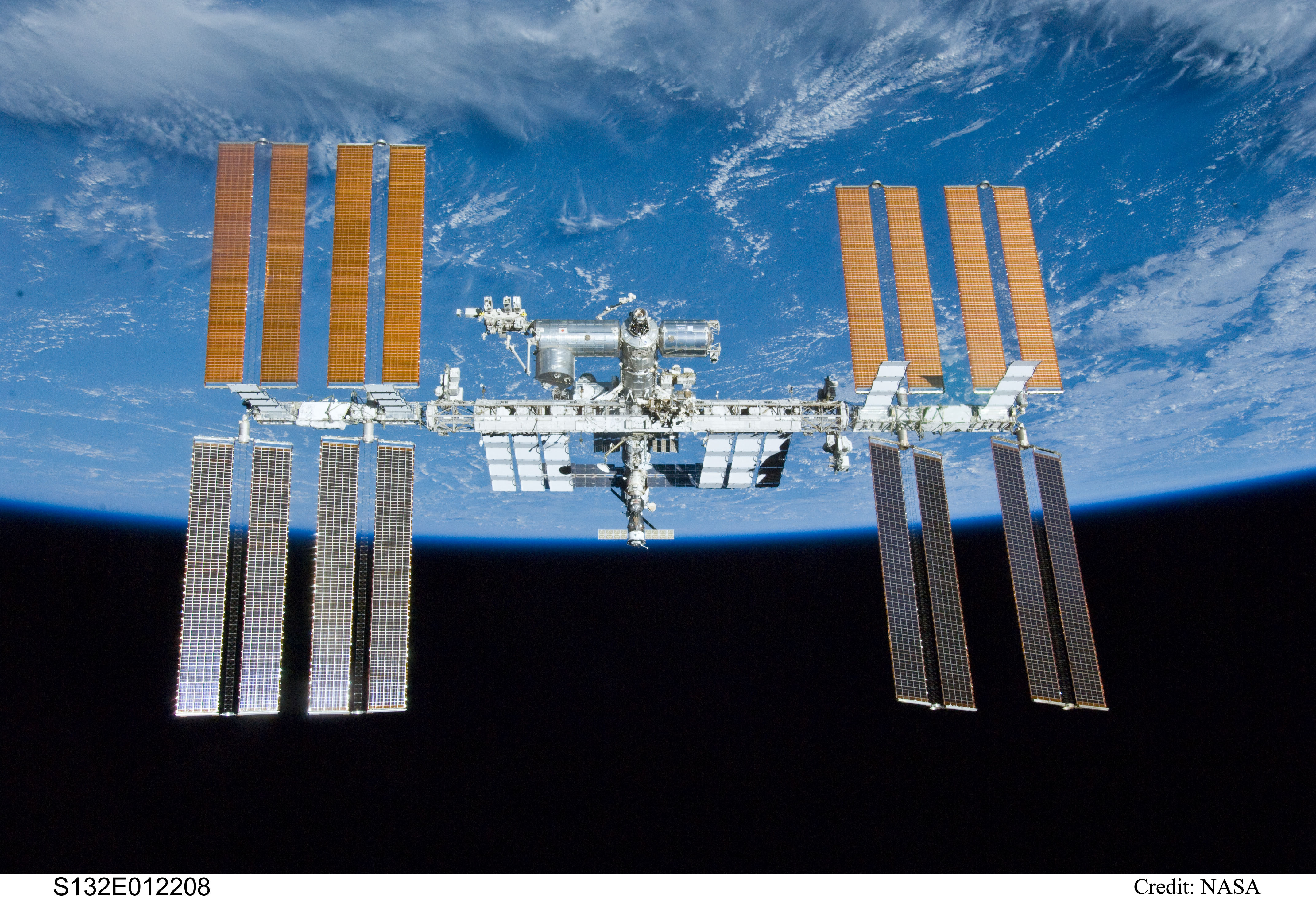
3. **ISS Leakage Saga: Russian Segment’s Space Drama**Claiming the number eight spot on our list of cosmic challenges is the ongoing saga of the International Space Station’s leaky Russian segment. In late 2024, this section of the orbital outpost transformed into an unexpected “water park,” marking yet another chapter in Russia’s series of space misadventures. While this wasn’t the very first leak detected on the Russian segment, it certainly proved to be the most eyebrow-raising, drawing significant attention and concern from international partners.
The presence of a persistent leak on the ISS is unequivocally a big deal, primarily due to the potential risks it poses to the entire station. Although the situation in 2024 was not immediately classified as a direct threat to the crew, any prolonged leak carries inherent dangers. These include potential risks to the station’s critical pressurization systems and, more critically, to the breathable air supply that sustains the international astronaut contingent. Maintaining a stable, life-sustaining environment in microgravity is paramount, and any compromise to this delicate balance demands immediate and serious attention.
Furthermore, these incidents invariably raise significant safety concerns for all personnel aboard. The International Space Station is a collaborative marvel, hosting astronauts from multiple nations across the globe. This means that any mishap or technical difficulty originating from the Russian segment has direct implications for the safety and well-being of everyone on board, regardless of their nationality. A leaky station in the vacuum of space is, to put it mildly, far from a five-star accommodation experience, and such situations underscore the shared responsibility inherent in international space cooperation.
Regrettably, this isn’t Russia’s inaugural cosmic fumble; their track record has, at times, seemed to follow a blueprint for Murphy’s Law in space. From instances of misaligned docking attempts to a series of malfunctioning spacecraft, these recurring technical difficulties have unfortunately become somewhat predictable. While engineers on both sides scrambled to patch things up and mitigate the risks, questions about the aging equipment and inconsistent maintenance standards within the Russian segment continue to linger, much like Soyuz fumes in the cabin, prompting calls for renewed focus on orbital infrastructure longevity and reliability.

4. **NASA’s Artemis Program: A Lunar Leap, or Just a Shuffle?**NASA’s Artemis program, once envisioned as the triumphant return of humanity to the Moon, finds itself at number seven on our list of cosmic letdowns for 2024. What was promised as a bold lunar leap has increasingly felt more like an exasperating shuffle, stuck in a seemingly endless cycle of rescheduling. The aspiration to put astronauts back on lunar soil for the first time since 1972 is a powerful one, but this year, those dreams of moon dust often appeared overshadowed by clouds of persistent delay.
The primary driver behind this significant rescheduling drama, as articulated by NASA Administrator Bill Nelson, has been paramount safety concerns regarding the Orion crew capsule. Ensuring the utmost safety for astronauts is, of course, a non-negotiable priority in spaceflight. However, this focus on safety has translated into tangible schedule shifts. Artemis II’s launch, for instance, initially slipped from December 2025 to September 2026, and then saw yet another push into 2027. This accumulation of two delays within a single year has led many to characterize the program’s progress as bordering on “Olympic-level procrastination.”
Further exacerbating the delays are ongoing hardware woes, particularly with the Space Launch System (SLS) rocket’s mobile launch platform. This critical piece of ground support equipment required major repairs, illustrating that even in the realm of advanced rocket science, fundamental and often costly maintenance work remains an unavoidable reality. The sheer scale and complexity of integrating countless intricate components, from the Orion capsule to the launch infrastructure, mean that even seemingly minor issues can trigger extensive ripple effects across the entire program, pushing timelines back considerably.
Adding another layer of complexity is the “SpaceX Factor.” The ambitious Artemis program is designed to rely heavily on SpaceX’s Starship for its eventual lunar landings. However, with Starship still very much in its developmental and testing phases, its availability and readiness remain a variable. This dependency creates a situation akin to “waiting for an Uber that’s still under construction,” highlighting the delicate balance NASA must strike between developing its own capabilities and integrating commercial partners whose technologies are still maturing. The interconnectedness of these high-profile projects means that progress on one front often dictates the pace of another.

5. **Intelsat 33e: From High Orbit to High Drama**Coming in hot at number six on our list is the dramatic and ultimately catastrophic failure of the Intelsat 33e satellite. This incident transformed a state-of-the-art communications hub, designed to be a linchpin of global connectivity, into nothing more than an orbital headache. The failure of Boeing’s Intelsat 33e represents not just a technical malfunction, but a critical communications infrastructure disaster. A highly advanced, $400 million piece of technology was suddenly rendered useless, tragically morphing into a hazardous cloud of space debris.
The sheer scale of this incident was alarming due to its global ramifications. Intelsat 33e was far from an ordinary satellite; it served as a crucial connection point for communication services spanning vast regions, including Europe, Africa, and significant portions of the Asia-Pacific. Its unexpected demise caused widespread and significant service outages, impacting a diverse range of critical functions, from essential internet connectivity to broadcasting services. The disruption underscored how reliant modern society has become on orbital infrastructure and how quickly a single point of failure can ripple through daily life for millions.
Beyond the immediate service disruptions, the Intelsat 33e failure contributed directly to the escalating space debris crisis. This sophisticated satellite went from being a “next-gen marvel” to mere “space junk” faster than one could utter “mission failure.” The incident left behind at least 20 discernible pieces of space debris, each fragment now floating menacingly in low Earth orbit. These remnants pose a tangible and increasing threat to other operational spacecraft, raising the risk of further collisions and exacerbating an already challenging problem for long-term space sustainability and safety.
The fallout from this incident extended to its manufacturer, Boeing, already facing other high-profile setbacks such as the Starliner program. The loss of Intelsat 33e was not merely a financial blow for Intelsat, its operator; it dealt a significant hit to Boeing’s reputation within the aerospace industry. In this highly competitive and scrutiny-filled environment, such a public failure can erode confidence and raise questions about quality control and reliability. The space industry operates on a foundation of trust and precision, and incidents like this serve as stark reminders of the immense responsibility carried by manufacturers and operators alike.
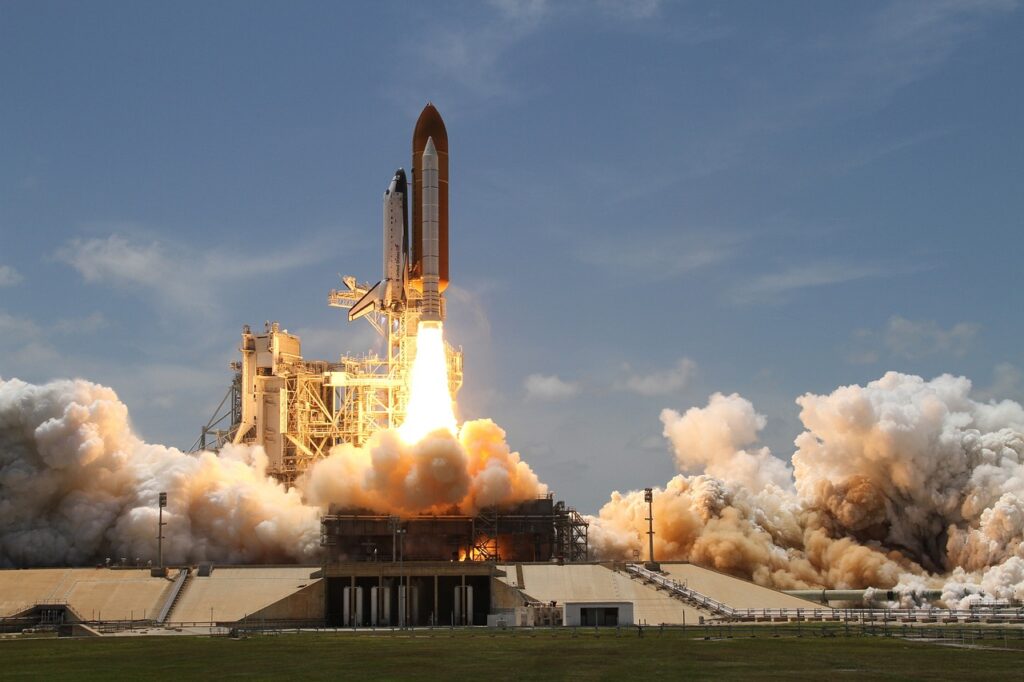
6. **NASA’s SLS Rocket: The White Elephant of the Moonshot**Landing at number six on our countdown of space industry setbacks is NASA’s flagship Space Launch System (SLS) rocket, a colossal endeavor that many critics now liken to a costly “white elephant.” Once envisioned as the indispensable backbone for humanity’s triumphant return to the Moon, SLS has increasingly found itself struggling to launch, often missing critical orbital schedules and becoming more of a symbol of immense expenditure than a beacon of progress. Its very existence embodies a profound debate within the aerospace community: is it an essential piece of infrastructure, or an extravagant indulgence holding back more agile approaches?
The financial implications of the SLS program are staggering, serving as a monument to budget overruns and operational inefficiency. Billions of taxpayer dollars have been poured into its development, with estimates placing the total project cost well over $50 billion. To put this into perspective, a single launch of the Artemis I mission—a testament to the rocket’s power but also its expense—carried a price tag north of $4 billion. Such astronomical figures raise serious questions about fiscal responsibility and the strategic allocation of resources, particularly when alternative, more cost-effective solutions are emerging in the commercial sector.
One of the most significant criticisms leveled against the SLS is its design philosophy in an era rapidly embracing reusability. While innovative companies like SpaceX are routinely landing and relaunching their booster rockets, dramatically cutting down costs and turnaround times, NASA’s SLS operates on a “one and done” principle. This approach, while rooted in traditional aerospace engineering, is seen by many as outdated. The very act of discarding multi-billion dollar hardware after a single use stands in stark contrast to the sustainability and economic efficiency that the future of space exploration demands, highlighting a fundamental tension between established methods and disruptive innovation.
The saga of the SLS is also marked by a history of extensive delays. Originally slated for its maiden flight in 2016, the rocket has faced a relentless series of technical hurdles, integration challenges, and strategic shifts that have continuously pushed back its launch schedule. It is now 2024, and the repeated postponements have led even the most patient observers to quip that “the Moon is starting to lose patience.” These delays not only erode public confidence but also hold back crucial scientific missions and the ambitious goal of re-establishing a human presence on the lunar surface, delaying the progress of the entire Artemis program.
The ongoing debate surrounding the SLS is not just about its performance or cost, but also its very necessity. Critics argue passionately that the rocket, with its lack of reusability, exorbitant costs, and protracted development, may have been an ill-conceived project from its inception. Rather than representing a game-changer, it risks becoming a cautionary tale of how legacy approaches can impede progress. While NASA has not yet officially signaled its intention to cancel the program, the mounting pressures and compelling arguments for alternative, more agile paths—especially those leveraging increasingly capable commercial rockets—suggest that the writing is clearly visible on the launchpad, urging a re-evaluation of its lunar ambitions.
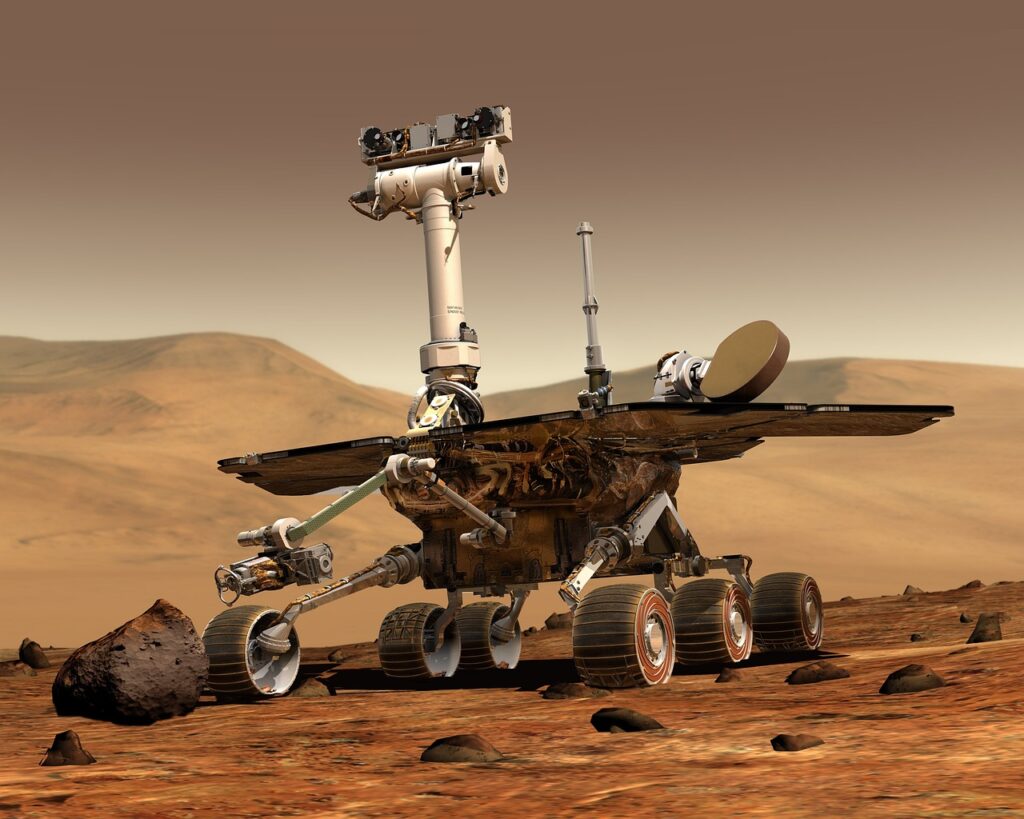
7. **RFA ONE Engine Explosion: A Blast of Questions**Rocket Factory Augsburg (RFA), a German newcomer to the burgeoning commercial space sector, encountered an alarming setback at the SaxaVord Spaceport that dramatically impacted its aspirations. During what was intended to be a routine hot-fire test in August 2024, their RFA ONE rocket’s engine veered sharply from its anticipated “fire” sequence into a spectacular and “full-blown explosion.” While thankfully no personnel were injured, the incident left a literal charred mark on RFA’s ambitions and, more significantly, cast a long shadow over the reliability of its innovative Helix engine technology.
The nature of the failure immediately triggered a flurry of questions. RFA officially attributed the incident to an “anomaly,” a term often used in the aerospace industry as a polite way of saying, “We’re not entirely sure what just happened, but we’re investigating.” However, a closer examination of the Helix engine’s development history, as noted by industry observers, has revealed a troubling pattern of unresolved issues that preceded this public detonation. This history suggests that the explosion might not have been an isolated event, but rather a dramatic manifestation of underlying technical challenges that had not been fully addressed, leading to concerns about the thoroughness of their design and testing protocols.
For SaxaVord Spaceport, which is actively striving to establish itself as the United Kingdom’s premier rocket launch facility, the RFA ONE engine explosion delivered an unwelcome public relations blow. The incident became its “first big oops moment,” occurring at a time when the spaceport was keen to project an image of cutting-edge reliability and operational excellence. Such an unexpected and dramatic failure, especially during a ground test, naturally raises questions from potential clients and the wider public about the safety and integrity of the launch facility and its partners, hindering the carefully cultivated image essential for attracting future business.
The immediate fallout from the RFA ONE explosion extends far beyond the physical damage or the temporary suspension of testing. It has significantly raised eyebrows throughout the European launch sector and among potential investors, prompting intense scrutiny of RFA’s readiness to compete effectively with more established launch providers. This incident serves as a stark reminder of the immense technical challenges inherent in developing new rocket engines and the unforgiving nature of space exploration. The question now looms large: is this merely a “bump in the road” for RFA’s promising venture, or does it signal a “rocket-sized pothole” that could derail its aspirations to secure a significant share of the increasingly competitive European commercial launch market?
While RFA leadership has maintained a posture of resilience, asserting that they are “learning from the anomaly,” the incident has inevitably eroded a degree of investor confidence and increased the already rigorous scrutiny faced by European commercial space ventures. The high-stakes environment demands not only innovation but also an impeccable safety record and demonstrable reliability. For RFA, transforming this dramatic setback into a genuine learning opportunity will be paramount for restoring trust and proving their long-term viability in an industry where spectacular failures are unforgettable, and successful recovery demands unwavering commitment and transparent problem-solving.
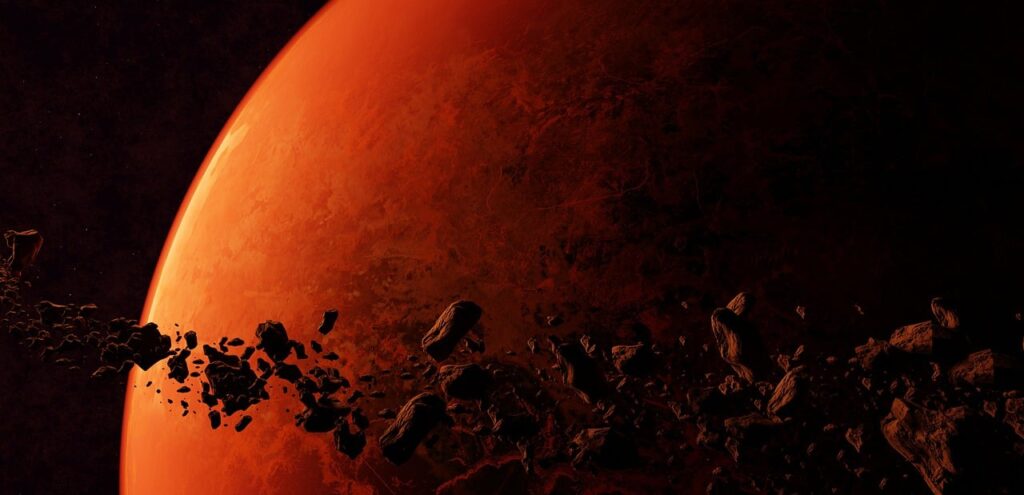
8. **Orbex Spaceport Halt: A Launchpad to Nowhere**Orbex, a company that once generated considerable excitement within the UK’s nascent space industry, has unfortunately claimed the number eight spot on our list with its sudden and disheartening decision to halt its highly anticipated spaceport project. What was once heralded as a beacon of innovation and regional economic revitalization has now, regrettably, transformed into a launchpad for profound disappointment, leaving investors, local communities, and eager space enthusiasts in a state of uncertainty and frustrated hope.
The spaceport project was far more than just a construction endeavor; it represented a vital lifeline of hope for a region desperately seeking economic rejuvenation. Orbex had painted a vivid picture of transformation, promising the creation of approximately 250 direct and indirect jobs, along with a significant regional economic boost and a substantial £100 million investment. These were not merely abstract figures but tangible prospects for improved livelihoods and enhanced community prosperity. The abrupt cessation of the project meant that these aspirational pledges—jobs, infrastructure improvements, and a coveted global spotlight—all tragically failed to materialize, leaving locals grappling with dashed hopes and the sting of unfulfilled potential.
The financial implications of this halt are considerable, extending beyond the immediate disappointment. Millions of pounds had already been invested into the project, fueled by sky-high expectations for its potential to establish a robust commercial launch capability in the UK. Instead of the envisioned rockets blasting off into orbit, those substantial funds now appear to have dissipated into thin air, representing a significant loss for investors who believed in Orbex’s vision and the future of the UK’s space industry. This fizzling out of investment underscores the inherent risks and volatile nature of pioneering new ventures, particularly within a capital-intensive sector like aerospace.
The decision to pause the spaceport project carries significant implications for the broader UK space industry, which is actively working to carve out a prominent role in the global space race. The shelving of such a high-profile and promising endeavor inevitably raises serious questions about the overall stability, feasibility, and investment climate within the burgeoning British space sector. While spaceport construction was initially poised to kickstart and symbolize the UK’s commercial space aspirations, its abrupt cessation now serves as a cautionary example, reminding all stakeholders that not every ambitious plan in the dynamic and unpredictable space race ultimately proceeds according to its meticulously crafted blueprint.
Compounding the disappointment is Orbex’s notable lack of transparency regarding the precise reasons behind its decision. While the company has vaguely referenced “operational adjustments,” this generalized explanation has done little to assuage concerns or quell the burgeoning speculation and palpable frustration among those most affected. In an industry where trust and clear communication are paramount, especially when navigating setbacks, this silence has only amplified anxieties. It highlights the critical importance of open dialogue to maintain stakeholder confidence and to ensure that lessons learned from such significant project pauses can be properly understood and integrated into future strategic planning for the benefit of the entire ecosystem.
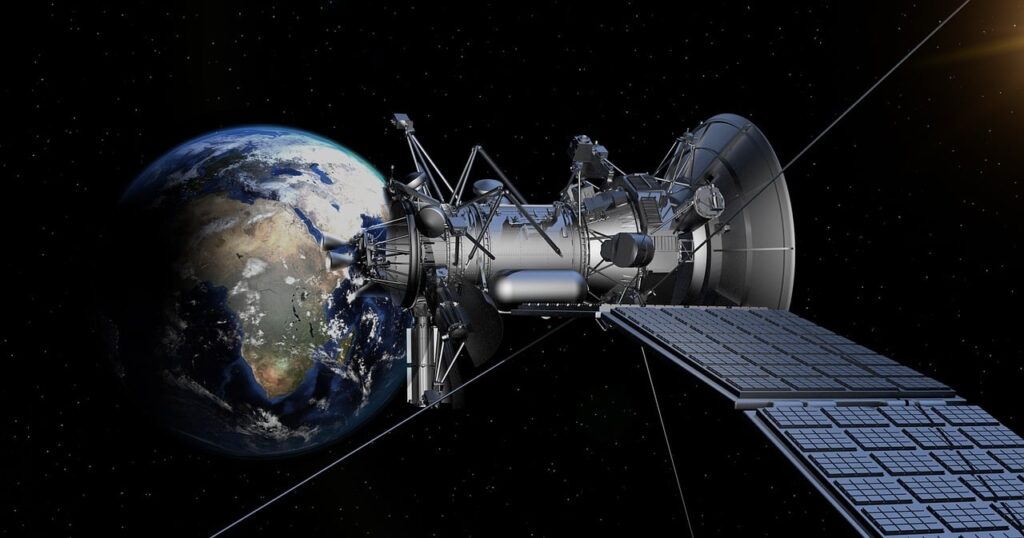
9. **Andrew Griffith: The Solar System Slip-Up That Sparked a Galactic Facepalm**Rounding out our list at number nine, we turn from hardware failures and project delays to a more… terrestrial misstep, courtesy of Andrew Griffith, the UK’s Minister of State for Science, Innovation, and Technology. In what quickly became a memorable moment of cosmic comedy, Minister Griffith committed a rather significant celestial blunder during a January 2024 interview: he confidently swapped Saturn for Jupiter, sparking an immediate and widespread “galactic facepalm” across social media and beyond. While his evident enthusiasm for space exploration is undeniably commendable, this high-profile slip-up quickly transcended a simple gaffe, becoming a talking point that resonated far beyond the immediate context of the interview.
The incident, while seemingly minor, offered fertile ground for endless memes and lighthearted mockery, quickly circulating through online communities and media outlets. The minister’s confusion between two of our solar system’s most iconic and distinctly recognizable planets—one famed for its majestic rings, the other for its colossal size and Great Red Spot—highlighted a perceived lack of fundamental astronomical knowledge from a key figure responsible for the nation’s science and technology agenda. This public misstep inadvertently transformed into a potent symbol, raising questions about the depth of understanding and scientific literacy within governmental leadership regarding the very domain they are tasked with overseeing.
More critically, this public relations gaffe touches upon the broader challenges of maintaining accurate and credible public messaging in the evolving space industry. When a government official, particularly one in such a prominent science and innovation role, demonstrates a basic factual error about the solar system, it can, however subtly, impact public perception of the government’s serious commitment to and competence in space-related endeavors. In an era where public trust in science and political leadership is under constant scrutiny, such a moment, even if seemingly innocuous, can unfortunately undermine confidence and fuel cynicism about the overall strategic direction for space policy.
The incident also underscored the unique pressures faced by public figures operating in highly specialized scientific and technological fields. While a minister’s role is primarily policy-driven, a foundational understanding and ability to articulate basic facts about their portfolio can significantly bolster credibility and public engagement. In the high-stakes and detail-oriented world of space, where precision is paramount, even a seemingly minor slip can take on outsized significance. It served as a reminder that effective leadership in science and technology requires not just vision, but also a demonstrable grasp of the fundamental concepts that underpin the sector, ensuring that pronouncements carry genuine authority.
Ultimately, Andrew Griffith’s “solar system slip-up” was more than just an amusing anecdote. It became a momentary, yet impactful, reflection of the delicate balance between political enthusiasm and scientific accuracy in public discourse. While the minister’s gaffe itself caused no direct physical damage or mission failure, it undeniably sparked a broader conversation about the importance of scientific literacy among leaders and how easily even a small factual error can create a public relations challenge, highlighting the ever-present scrutiny faced by those at the forefront of space innovation and policy.
An ending paragraph of the article.
The year 2024 has undeniably served as a powerful reminder that the relentless pursuit of space exploration, while inspiring and transformative, is intrinsically woven with the fabric of trial and error. From the systemic complexities of multi-billion dollar rocket programs and the delicate dance of international space station maintenance to the unexpected detours of commercial ventures and even the occasional public gaffe, each setback has contributed invaluable lessons to our collective knowledge. These moments of challenge, far from signaling defeat, underscore humanity’s profound resilience, our capacity for rigorous self-assessment, and our unwavering commitment to venturing further into the cosmos. As we look towards future missions, these experiences become stepping stones, forging a path for safer, more sustainable, and ultimately, even more ambitious journeys among the stars.