
Medical science has undeniably charted an incredible course of progress, bringing forth innovations that save countless lives and alleviate immense suffering. Yet, this remarkable journey has, at times, come at a profound cost. For every breakthrough celebrated, there are sobering stories of human error, systemic failures, and outright negligence that have left indelible scars on patients and their families, pushing the boundaries of what one might consider possible in a modern healthcare setting.
These aren’t merely statistics or abstract concepts; they represent real individuals whose trust in the medical profession was catastrophically betrayed. From getting the wrong limb amputated to waking up during surgery, or receiving a fatal misinjection, these cases highlight a darker side of medicine where progress sometimes stumbled, often with devastating consequences. They are painful backstories, often shrouded in controversy and legal battles, that compel us to pause and reflect on the vulnerability inherent in medical care.
By examining some of these infamous cases from the medical archives, many of which made national headlines, we don’t just recount tragedies. We seek to understand the circumstances that allowed such errors to occur, hoping that awareness can serve as a catalyst for improved safety protocols, enhanced accountability, and ultimately, a more secure future for all patients. These incidents, shocking as they are, offer crucial lessons that, however difficult, must be acknowledged if we are to truly learn and evolve as a society.
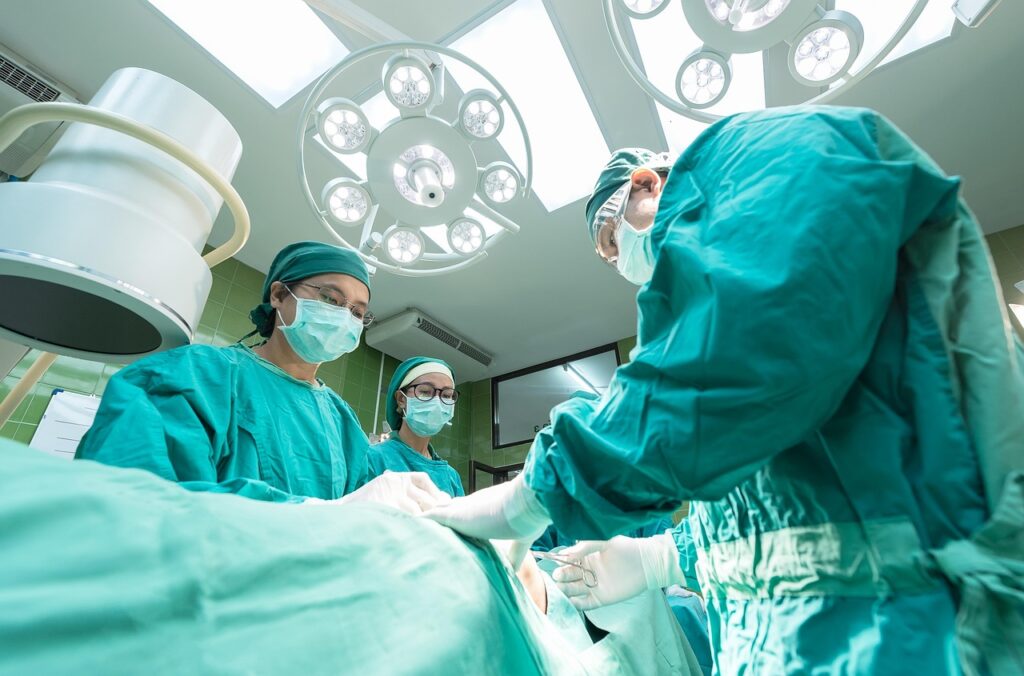
1. **Woman Gets ‘Embalmed Alive’**
In a case that shocked the world, 27-year-old Ekaterina Fedyaeva of Ulyanovsk, Russia, entered a hospital for what should have been a routine surgery. Tragically, her visit would culminate in an unimaginably agonizing end, a horror story that unfolded due to a grave medical mix-up.
Reports indicate that Fedyaeva was mistakenly injected with formalin instead of a saline solution. Formalin, a watered-down version of formaldehyde, is typically used for the preservation of biological specimens in laboratories, not for intravenous administration to a living patient. The consequences of this egregious error were immediate and catastrophic, plunging her into a battle for her life.
For an extended period, Ekaterina Fedyaeva lay in a coma, her body fighting desperately as her heart repeatedly failed. Despite the efforts to keep her alive on a life support machine, the damage was irreversible. She ultimately succumbed to multiple organ failure and was buried on April 7, 2018. Her mother, devastated by the loss, claimed that no one came to her daughter’s rescue, and they were, in fact, asked to leave the hospital and go home during this critical time. A criminal investigation was promptly launched to unravel the full extent of this profound negligence.
2. **An Invasive Cardiac Procedure on the Wrong Patient**
Imagine preparing for one medical procedure only to find yourself undergoing an entirely different, highly invasive one, meant for someone else. This nightmarish scenario became a reality for an unnamed 67-year-old woman who, in a twist of fate, happened to be in the wrong teaching hospital at the wrong time.
The woman had checked in for a cerebral angiography, a diagnostic procedure for the brain. However, she was erroneously placed on the operating table for an invasive cardiac electrophysiology study. This complex and serious procedure involves making an incision in the groin, puncturing an artery, and inserting a tube that is then guided all the way up to the heart. It is a significant intervention with inherent risks.
It was only when the cardiologist, already well into the procedure, checked her chart that he realized she was not his intended patient. The realization must have been chilling for everyone involved, particularly the patient. Fortunately, despite the severe nature of the incorrect procedure she endured, the woman miraculously survived. This case stands as a stark reminder of how critical patient identification and procedural verification are, especially in busy medical environments where such mix-ups can occur with devastating ease.

3. **Indian-Origin Woman Dies After an Accidental Brain Surgery**
In 2012, 81-year-old Bimla Nayyar sought treatment for a jaw displacement at Oakwood Hospital in Michigan, a relatively common ailment that should have led to a straightforward resolution. Instead, in a bewildering turn of events, the hospital inexplicably performed brain surgery on her.
The consequences were tragic and swift. Nayyar died within 60 days of the unsolicited brain surgery, having suffered from brain bleeding while she had lost consciousness. The profound error transformed a minor medical issue into a fatal ordeal, highlighting a complete breakdown in patient care and procedural integrity within the facility.
Compounding the family’s grief was the subsequent legal battle. While Nayyar’s estate was initially awarded a staggering $20 million, a time.com report from earlier this year revealed a devastating reversal. The case was overturned due to a technical ‘error,’ ultimately denying the family a single dime in relief. Despite the hospital openly admitting to their mistake, Nayyar’s family was denied both justice and monetary compensation, with the case now standing closed. This outcome underscores the painful complexities and frustrations often faced by victims of medical malpractice, even when negligence is clear.
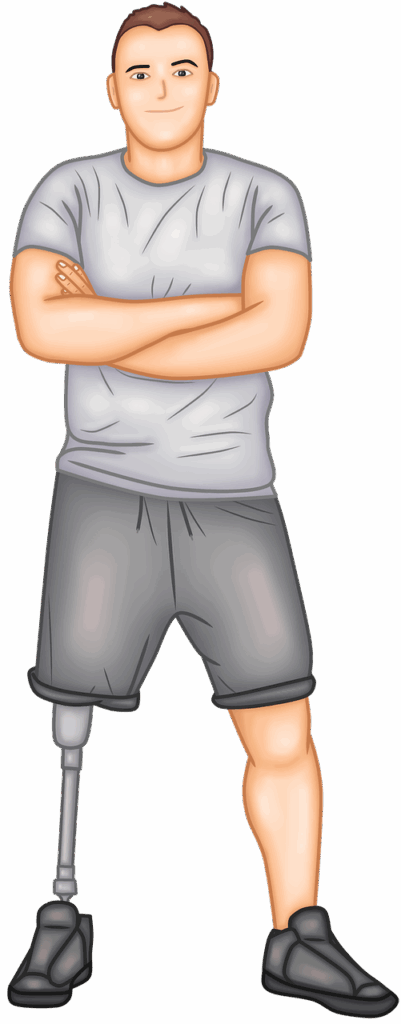
4. **Amputation on the Wrong Leg**
The case of Willie King, dating back to February 1995, continues to resonate as one of the most egregious examples of medical negligence, frequently cited in discussions about patient safety. King, a 52-year-old diabetic patient, was scheduled to have a diseased leg amputated; however, in a horrifying error, the surgical team removed the wrong one.
This wasn’t merely the mistake of a single individual; it was a systemic failure involving an entire group of medical professionals. The incorrect leg was astonishingly listed in multiple critical locations, including the blackboard in the operating room, the hospital’s computer system, and the operating room schedule itself. The staff even sterilized and prepped the wrong leg for surgery before the surgeon, Dr. Rolando Sanchez, entered the operating room, missing every opportunity for a double-check.
Dr. Sanchez’s defense later suggested that both legs were unhealthy and would have required amputation eventually, a perspective that hardly mitigates the immediate error. He was fined $10,000 and received a six-month medical license suspension. Meanwhile, the cases brought against both the surgeon and the hospital were settled for a substantial $1.15 million, providing some measure of redress for a mistake that left a man permanently maimed by the very hands meant to heal him.
Read more about: Beyond the Bazinga! 14 Wild Rules The Big Bang Theory Cast Had To Follow On Set

5. **Surgery on Wrong Side of Head**
Wrong site surgery is universally categorized as a “never event” in medicine, a term reserved for errors that should, under no circumstances, ever occur. Yet, the alarming reality is that they continue to happen with unsettling frequency. Rhode Island Hospital experienced a particularly grim series of these incidents in 2007, when neurosurgeons made not one, but three catastrophic medical mistakes by operating on the wrong side of patients’ heads within a single year.
In two of these instances, the errors were identified early enough for surgeons to close the initial, incorrect holes and proceed with treating the correct side of the head, minimizing further damage. However, the third instance proved fatal, directly leading to the death of an 86-year-old patient. The sheer repetition of such a fundamental error within one institution in a short span of time raised serious questions about oversight and surgical protocols.
Perhaps most controversially, the surgeon responsible for these multiple severe mistakes had his medical license suspended for only two months. This minimal disciplinary action sparked widespread outrage and prompted discussions about the adequacy of self-regulation within the medical profession. It highlighted concerns that such light penalties might not sufficiently deter future negligence or reflect the gravity of errors that claim human lives.
Read more about: Chris Dreja: A Rock and Roll Hall of Famer’s Enduring Journey from Yardbirds Co-Founder to Acclaimed Photographer
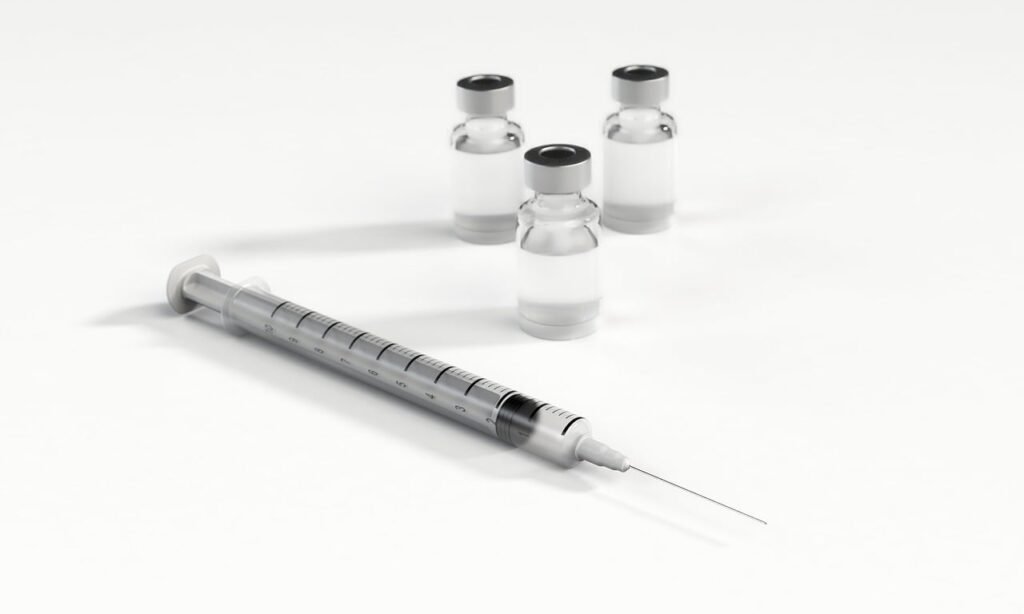
6. **Man Allegedly Driven to Suicide After Suffering Through ‘Anaesthetic Awareness’**
Few scenarios are as terrifying as being fully conscious during surgery, feeling every incision and movement, yet being utterly paralyzed and unable to communicate. This was the horrific ordeal experienced by Sherman Sizemore in January 2006, when he was admitted to Raleigh General Hospital in Beckley for surgery to determine the cause of his abdominal pain.
During general anesthesia, patients typically receive two agents: a paralytic to prevent movement and an inhalation anesthetic to prevent pain and induce unconsciousness. In Sizemore’s case, the paralytic was properly administered, but the second agent was not given in sufficient quantity, or perhaps at all, for 16 agonizing minutes. He was wide awake, experiencing every tug, pull, and the initial cut in his abdomen, yet utterly unable to move or speak. The medical team only realized their error nearly a half hour into the surgery.
Horrifically, Sizemore endured conscious, painful surgery for an extended period. The hospital never disclosed this mistake to him. Though he was given an amnesia-inducing drug once the error was recognized, he knew something profoundly wrong had occurred. According to his family, Sizemore, who had no prior psychiatric conditions, subsequently developed severe panic attacks, insomnia, nightmares, and paranoid delusions, believing people were trying to bury him alive. A few weeks after the surgery, he tragically took his own life. His family sued for negligence, believing his suicide was a direct result of the anesthetic awareness, and the case was confidentially settled.
7. **Woman Looking to Get Her Appendix Removed Was Left Without Her Reproductive Organs**
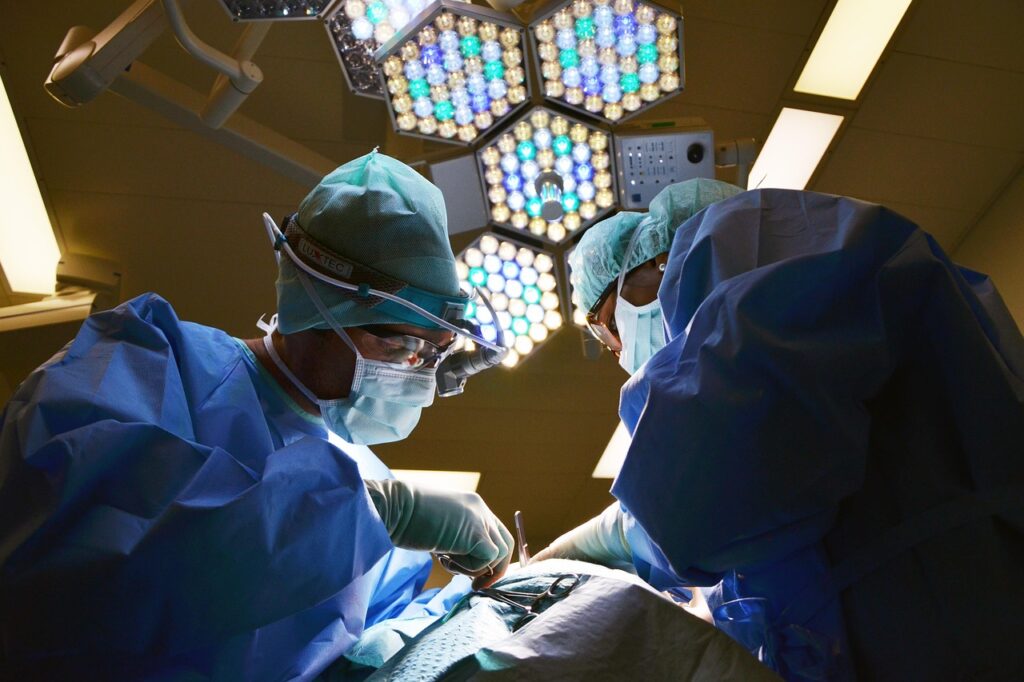
In March 2015, a woman in the UK sought medical help for abdominal pain, and doctors quickly identified her appendix as the source of her discomfort. What should have been a straightforward, routine appendectomy turned into another shocking example of medical negligence, leaving the patient with a profoundly altered future.
During the procedure, the surgeon made a grievous error, confusing the patient’s appendix with her fallopian tube, reportedly due to their similar spindly shapes. As a result, the woman was left without one of her fallopian tubes, an organ essential for reproductive health. This devastating mistake carried significant implications for her ability to conceive naturally in the future, transforming a corrective surgery into a life-altering event.
Even more troubling was the revelation that this was not an isolated incident for the particular surgeon involved. It was, in fact, this doctor’s third such mistake, pointing to a severe pattern of incompetence that had gone unaddressed. Such repeated errors underscore the critical need for robust internal review processes and disciplinary actions to protect patients from healthcare providers who consistently fail to meet basic standards of care.” , “_words_section1”: “1967
Even as we navigate the incredible advancements of modern medicine, the echoes of past mistakes serve as a powerful, albeit painful, reminder of medicine’s fallibility. These aren’t just isolated incidents; they are critical junctures where the trust between patient and healer was catastrophically fractured, prompting essential shifts in protocol and accountability. Moving forward, we continue our exploration into these infamous archives, examining more cases of medical malpractice that have left an indelible mark on health history, and from which we must continuously learn.

8. **Failure to Obtain a Blood Type**
Duke University Hospital, a facility synonymous with prestige and respect, found itself embroiled in national news in 2003, not for a medical breakthrough, but for a profound error. Seventeen-year-old Jesica Santilian was undergoing a heart and lung transplant, a procedure of immense complexity and delicate precision. Yet, a fundamental, standard medical procedure was overlooked, with catastrophic consequences.
Astonishingly, the medical team failed to ever check the blood type of the organ donors to ensure it matched Jesica’s. This basic oversight, a cornerstone of safe transplant surgery, went unnoticed until after the organs had been transplanted. The tragic reality unfolded rapidly as Jesica experienced severe brain damage, her body shutting down in shock.
For eleven agonizing days, the hospital reportedly covered up this grave mistake before finally going public, seeking another donor. By then, however, it was tragically too late. Jesica had sustained fatal brain damage, a direct result of the incompatible organs. The doctor involved took responsibility for the error, and the hospital subsequently implemented a new system designed to double-check transplants, aiming to prevent such unimaginable errors from ever recurring.
Read more about: The $50,000 Mistake: Navigating Critical Exclusions in Luxury Car Insurance Policies

9. **Wrong Testicle Removed**
For any patient facing the possibility of cancer, the trust placed in medical professionals is absolute. Benjamin Houghton, an Air Force veteran, sought treatment for a possible cancerous left testicle at the West Los Angeles VA Medical Center. What should have been a procedure to alleviate his fears and address a serious health concern tragically resulted in a devastating and irreversible error.
When Mr. Houghton went into surgery, the medical team mistakenly removed his *right*, healthy testicle instead of the diseased left one. This horrific oversight meant that not only was the cancerous threat potentially still present, but a perfectly healthy organ was needlessly lost, forever altering his physical well-being and undoubtedly causing immense emotional distress.
The root of this alarming medical mistake was traced back to the patient’s medical record. Specifically, the surgeon failed to mark the correct side before undertaking the operation. This highlights a critical breakdown in pre-surgical protocols, where a simple verification step could have prevented a life-altering blunder. Mr. Houghton and his wife subsequently brought a medical malpractice case against the VA Medical Center, seeking $200,000 in damages for the severe negligence they endured.
Read more about: The Unseen Struggles: A Deep Dive into the Profound Challenges and Personal Tragedies of Tarek El Moussa’s Life

10. **Wrong Sperm Used at Fertility Clinic – Baby Born of Different Race**
For couples struggling with fertility, clinics offer a beacon of hope, promising to help fulfill their dreams of starting a family. Thomas and Nancy Andrews turned to New York Medical Services for Reproductive Medicine for in vitro fertilization, placing their deepest hopes and trust in the facility. However, their journey took an unforeseen and shocking turn, leading to an outcome that was both deeply personal and legally contentious.
Unbeknownst to the Andrews, during the in vitro fertilization process, the clinic mistakenly used sperm from another man to inseminate their eggs. The couple had no inkling of this profound error until their baby was born in 2004. The moment they first saw their child, they noticed a striking difference: the baby’s skin was drastically darker than either of theirs, raising immediate and concerning questions.
Subsequent lab results and DNA testing delivered a heartbreaking confirmation: Thomas was not the baby’s biological father, and the baby was indeed of a different race than her parents. This devastating revelation shattered the family’s expectations and exposed a critical breach of medical trust and procedure. The Andrews pursued legal action, filing a case against the owner of the clinic and the embryologist responsible for processing the egg and sperm for insemination, seeking justice for an error that profoundly impacted their lives.

11. **Wrong Organ Removed**
In 2006, an 84-year-old woman sought treatment at Milford Regional Medical Center in Massachusetts for a gallbladder removal, a procedure that, while surgical, is generally considered routine. She placed her faith in Surgeon Patrick M. McEnaney to address her health issue. However, what transpired in the operating room was a shocking deviation from the intended plan, transforming a standard surgery into a case of egregious error.
Instead of removing the patient’s gallbladder, Surgeon McEnaney mistakenly took out her right kidney. This horrifying error meant that a healthy, vital organ was unnecessarily excised, leaving the elderly patient with a significantly altered physiological landscape. The repercussions for her health and quality of life from this irreversible mistake were undoubtedly immense and long-lasting.
The cause of this severe error was attributed to McEnaney’s misreading of lab tests, highlighting a critical failure in pre-surgical verification and diagnostic interpretation. This case underscores the profound importance of meticulous attention to detail and robust cross-verification in medical practice. As a consequence of this grave misstep, the surgeon was placed on five years of probation by the state medical board, a disciplinary action reflecting the seriousness of his professional misconduct.
Read more about: Hollywood’s Outcasts: Where Did These 12 Canceled Stars End Up? Unpacking Their Journeys and Paths to Redemption (or Ruin)
12. **Tumor Removed, Instrument Left**
Imagine undergoing a significant surgery, enduring the recovery, only to discover months later that a foreign object was inadvertently left inside your body. This harrowing scenario became a reality for Donald Church in 2000, when he underwent surgery at the University of Washington Medical Center in Seattle to have an abdominal tumor removed. While the surgeons successfully extracted the tumor, a shocking and entirely preventable error occurred.
In a profound lapse of surgical protocol, a 13-inch metal retractor was left inside Mr. Church’s abdomen. This wasn’t a minor oversight; it was a substantial piece of equipment, causing him immense and inexplicable pain for two agonizing months. His suffering persisted until the surgical mistake was finally discovered, revealing the source of his prolonged discomfort and the severity of the negligence.
The resolution for Mr. Church came in the form of a $97,000 damage recovery, providing some measure of compensation for his ordeal. Even more concerning, however, was the revelation that this was not an isolated incident for the institution. This marked the fifth time in five years that surgeons at this particular hospital had left surgical instruments inside patients, raising serious questions about systemic failures in equipment accountability and safety procedures within the medical center.

13. **Woman Loses Both Breasts Unnecessarily**
Few diagnoses are as terrifying as breast cancer, often leading to life-altering decisions based on medical advice. In 2007, 35-year-old Darrie Eason received this devastating news and, acting on her doctor’s recommendation, underwent a double mastectomy. This radical surgery was meant to save her life, but what followed was an unimaginable betrayal of trust and a profound tragedy.
After the irreversible procedure, Darrie Eason learned the shocking truth: she didn’t have breast cancer at all. The entire ordeal was the result of a lab mix-up by CBL Path. To compound the heartbreak, Ms. Eason had even sought a second opinion, but the consulting doctor had unfortunately reiterated her original cancer diagnosis, further urging her to proceed with the removal of both breasts.
This meant Ms. Eason had undergone an extensive, disfiguring, and entirely unnecessary surgery based on flawed diagnostic information. Her physical and emotional scars were profound. She subsequently brought a case against the facility responsible for the mix-up, ultimately settling for a substantial $2.5 million, a measure of justice for an error that irrevocably altered her life and body.

14. **The Mark of Zorro?**
The birth of a first child is meant to be one of life’s most joyous and memorable occasions. For Liana Gedz, who was delivering her healthy daughter by caesarian section at Beth Israel Hospital with Dr. Allan Zarkin, it started that way. However, this profound moment was marred by an act of stunning and disturbing professional misconduct that forever tainted her memory of the event.
The day after her delivery, as Gedz held a mirror to her stomach in a recovery room, she made a horrifying discovery: Dr. Zarkin had carved his initials, “A.Z.,” into her abdomen. This bizarre and utterly unacceptable act transformed a sacred experience into a nightmare. Her profound shock and distress were palpable, as she articulated, “I feel like a branded animal. It was supposed to be one of the most exciting times in my life, but it was a nightmare.”
The hospital’s response was swift; Beth Israel immediately suspended Dr. Zarkin, and he later resigned. The gravity of his actions extended beyond professional misconduct, leading to criminal charges. Dr. Zarkin pleaded guilty to assault and was sentenced to probation. Liana Gedz, a dentist, and her husband, Robert Ghalili, an oral surgeon, sued Beth Israel, Dr. Zarkin, and New York Gyn/Ob Associates, with the case ultimately settled for $1.75 million, attempting to bring some closure to an unconscionable violation.

15. **Screwdriver Implanted in Patient**
Sometimes, desperation in the operating room can lead to truly unbelievable and profoundly dangerous decisions. Arturo Iturralde was scheduled for back surgery, a procedure intended to alleviate his pain by inserting titanium surgical rods into his spine. However, his surgeon, Robert Ricketson, encountered an unexpected problem: he couldn’t locate the specific rods that were supposed to be used for Mr. Iturralde’s operation.
Instead of adhering to proper procedure, which would have involved obtaining the correct rods or postponing the surgery, Dr. Ricketson made a shocking and critically flawed decision. He removed the handle from a screwdriver and, with an astonishing lack of judgment, inserted it into Mr. Iturralde’s back as a makeshift replacement. This improvisation, born of haste and poor decision-making, had immediate and devastating consequences.
Within a few days, the improvised screwdriver rod predictably broke, leading to horrifying pain for Mr. Iturralde and a complete lack of stability in his spine. This initial blunder necessitated several subsequent back surgeries to correct the damage and address the ongoing instability. Tragically, Mr. Iturralde’s health deteriorated significantly after this ordeal, and he died within two years. His estate filed a malpractice case against the surgeon, ultimately recovering $5.6 million, a testament to the egregious nature of the error and the irreparable harm it caused.
As we close this unsettling chapter on medical treatment errors, it’s clear that the path to safer, more effective healthcare is paved with constant vigilance and profound introspection. Each of these devastating accounts, from the misidentification of organs to the unthinkable substitution of surgical tools, serves not merely as a historical footnote but as a stark warning and a powerful impetus for change. While the pursuit of profit in healthcare can sometimes tragically overshadow patient well-being, these cases underscore that human diligence and robust systemic checks are irreplaceable.
Learning from these profound missteps is not just an academic exercise; it’s a moral imperative. By acknowledging where things have gone terribly wrong, we empower medical professionals to refine protocols, strengthen accountability, and foster a culture where such catastrophic errors become truly impossible. The stories of those who suffered demand nothing less than our unwavering commitment to a future where healing is always paramount, and trust in the medical journey remains unbroken.