The roar of a new engine, the gleam of fresh paint, the promise of innovation – these are the exhilarating moments that fuel the automotive world. Every car enthusiast, from the grease-stained gearhead to the Sunday cruiser, lives for the unveilings that promise to redefine our relationship with the road. But let’s be real, for every groundbreaking success story, there’s a whole graveyard of mechanical mistakes, marketing mishaps, and outright disasters that left indelible, embarrassing marks on the industry.
Sometimes, a car isn’t just a failure; it’s a cautionary tale, a saga of ambition curdled by hubris, design flaws, or just plain bad luck. These aren’t just vehicles that didn’t sell well; these are legends of infamy, machines that, for various egregious reasons, became synonymous with automotive embarrassment. They sparked outrage, drained fortunes, and occasionally, even cost lives, reminding us that even the most powerful corporations can stumble spectacularly when the rubber meets the road.
Today, we’re taking a joyride (metaphorically, of course, because you wouldn’t want to actually drive some of these) through the archives of automotive shame. Strap in as we dissect some of the most cringe-worthy new model launches in history, uncovering the engineering follies, marketing blunders, and public backlashes that cemented their place in the pantheon of vehicular vexations. Get ready to wince, laugh, and perhaps even learn a thing or two about what *not* to do when rolling out the next big thing.
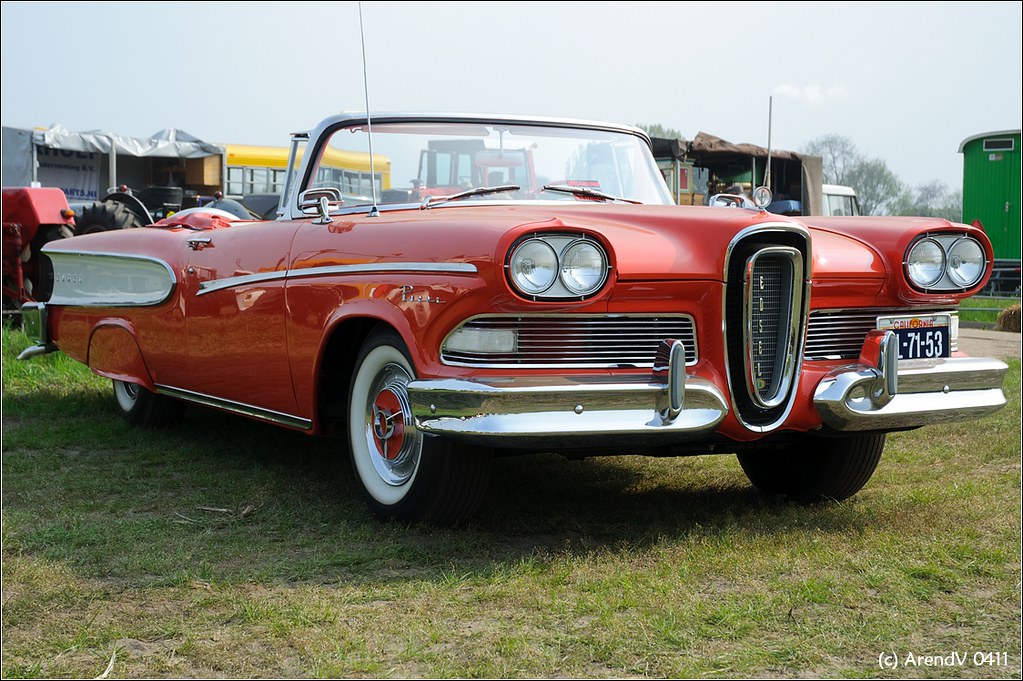
1. **Ford Edsel**:Ah, the Edsel. Just the name itself conjures images of corporate hubris and spectacular failure. This car wasn’t just a miss; it was a $400 million investment that went down in flames, becoming a household synonym for “commercial failure” in American popular culture. Ford dedicated extensive research and time to making the Edsel a futuristic model, but the public’s reaction was colder than an Alaskan winter in January.
Ford’s marketing mavens, in their infinite wisdom, had led the public to expect some “plutonium-powered, pancake-making wondercar,” according to automotive journalist Dan Neil in Time magazine. What they actually received was, well, “a Mercury.” The car mainly consisted of Ford and Mercury components already in use, hardly the radically different machine everyone had been promised.
Then there’s the infamous styling. The Edsel’s unique “horsecollar” grille has been frequently ridiculed for resembling a toilet seat, and later even female genitalia. Sarcastic descriptions abound, with folks saying it looked like “a Mercury pushing a toilet seat” or “an Oldsmobile sucking a lemon.” The tail lamps, for good measure, were lambasted for looking like “ingrowing toenails.” It wasn’t just a car; it was a visual punchline on wheels.
But the design, as much as we love to poke fun, wasn’t the sole culprit. The Edsel also suffered from bad marketing and rather shoddy build quality, largely because it shared production lines with Ford and Mercury models instead of getting its own dedicated assembly. To add insult to injury, it launched smack dab in the middle of a recession, when demand for medium-priced large cars plummeted, and everyone started eyeing smaller, more economical options. Edmunds.com famously ranked the 1958 Edsel as the 7th worst car of all time, proving that even with good intentions, a confluence of bad decisions can turn a promising launch into a punchline for generations.
Car Model Information: 1958 Edsel Citation
BirthName: Edsel Bryant Ford
Caption: Ford in 1921
BirthDate: [object Object]
BirthPlace: Detroit, Michigan
DeathDate: [object Object]
DeathPlace: Grosse Pointe Shores, Michigan
Occupation: Automobile executive
Title: Ford Motor Company
Spouse: [object Object]
Parents: Henry Ford,Clara Bryant Ford
Relations: Edsel Ford II
Children: Henry Ford II,Benson Ford,Josephine Ford,William Clay Ford Sr.
Categories: 1893 births, 1943 deaths, 20th-century American businesspeople, All Wikipedia articles written in American English, All articles with dead external links
Summary: Edsel Bryant Ford (November 6, 1893 – May 26, 1943) was an American business executive and philanthropist, who was the only child of pioneering industrialist Henry Ford and his wife, Clara Jane Bryant Ford. He was the president of the Ford Motor Company from 1919 until his death in 1943.
He worked closely with his father, as sole heir to the business, but was keen to develop cars more exciting than the Model T (“Tin Lizzie”), in line with his personal tastes. Even as president, he had trouble persuading his father to allow any departure from this formula. Only a change in market conditions enabled him to develop the more fashionable Model A in 1927. Edsel also founded the Mercury division and was responsible for the Lincoln-Zephyr and Lincoln Continental. He introduced important features, such as hydraulic brakes, and greatly strengthened the company’s overseas production.
Ford was a major art benefactor in Detroit and also financed Admiral Richard Byrd’s polar explorations. He died of stomach cancer aged 49. Henry Ford temporarily reassumed the presidency of Ford Motor Company on Edsel’s death, then Edsel’s eldest son, Henry Ford II, succeeded Henry as president of the company in 1945.
He was also a member of the board of directors of American IG, the American subsidiary of the German chemical conglomerate IG Farben.
Get more information about: Edsel Ford
Buying a high-performing used car >>>
Brand: Ford Model: Edsel
Price: Not Priced Mileage: 68,904 mi.
Read more about: Rolling Gold: Unveiling 10 Legendary Vintage Trucks Commanding Top Dollar at Auction
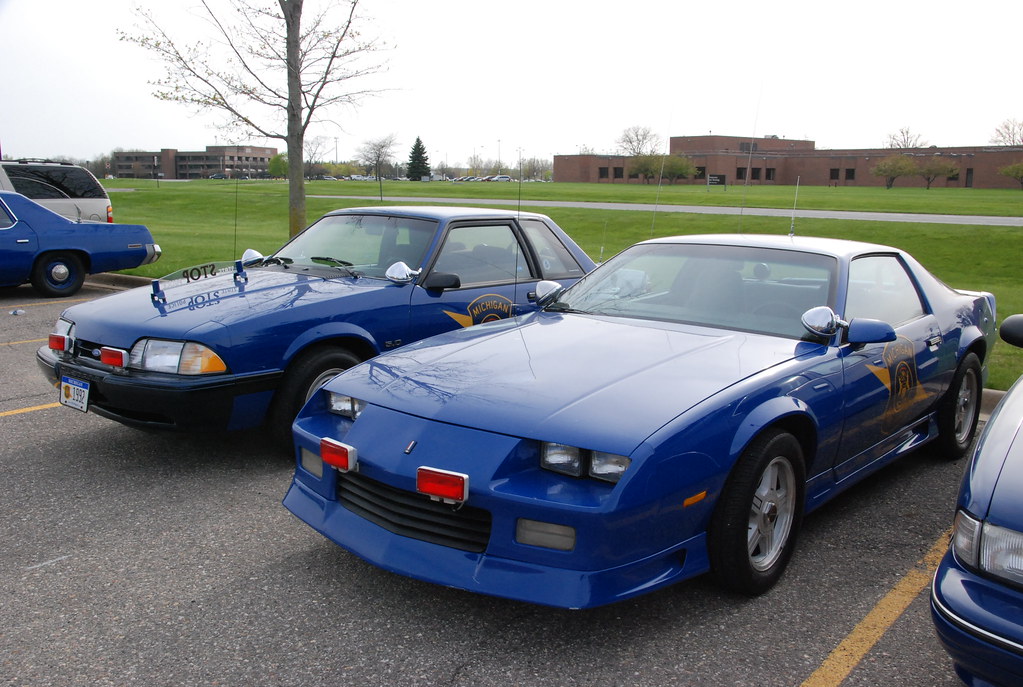
2. **Chevrolet Corvair**:The Chevrolet Corvair is a prime example of how even a critically praised launch can be completely torpedoed by serious design flaws and a company’s stubborn refusal to address them. Initially popular, the Corvair quickly earned scrutiny for its rather unconventional rear-engine layout combined with a swing-axle rear suspension. This particular cocktail proved to be a handful, leading to a high number of highway accidents among drivers unfamiliar with its unusual handling characteristics.
Things went from bad to worse when consumer advocate Ralph Nader entered the scene. His seminal 1965 book, “Unsafe at Any Speed,” dedicated an entire chapter to excoriating the Chevrolet Corvair. Nader’s sharp criticism, backed by more than 100 lawsuits filed against General Motors, ignited a firestorm of negative publicity that GM, in its infinite corporate wisdom, only made worse.
Here’s where it gets truly egregious: the revelation that GM had *declined* to include suspension upgrades on the 1960–63 model years that would have made the Corvair’s handling safer. Why? Cost reasons, naturally. GM’s ill-advised attempts to discredit Nader only heaped more fuel on the inferno of public outrage. Dan Neil perfectly encapsulated the situation, noting that “Chevrolet execs knew the Corvair was a handful, but they declined to spend the few dollars per car to make the swing-axle rear suspension more manageable. Ohhh, they came to regret that.”
The controversy surrounding the Corvair had far-reaching consequences, ultimately leading to the founding of the National Highway Traffic Safety Administration (NHTSA) and the implementation of mandatory safety testing in the United States. Even Lee Iacocca, no stranger to automotive drama, called the Corvair “unsafe” and “terrible.” While a later NHTSA report somewhat ironically suggested a properly maintained Corvair handled comparably, Nader had already landed his knockout blow. The Corvair stands as a stark monument to what happens when corporate cost-cutting trumps public safety, a “deadly sin” that undoubtedly contributed to GM’s later struggles.
Car Model Information: 1964 Chevrolet Corvair Monza
Caption: 1964 Chevrolet Corvair Monza
Name: Chevrolet Corvair
Manufacturer: Chevrolet
Production: July 1959
Platform: GM Z platform
Chassis: Unibody
ModelYears: 1960–1969
Assembly: United States,Kansas City, Missouri,Oakland, California,Van Nuys,St. Louis,Flint, Michigan,Belgium,Canada,Mexico,South Africa,Switzerland,Venezuela
Class: Compact car
Successor: Chevrolet Vega
Layout: Rear-engine, rear-wheel-drive layout
Categories: All Wikipedia articles written in American English, All articles lacking in-text citations, All articles needing additional references, All articles with dead external links, All articles with specifically marked weasel-worded phrases
Summary: The Chevrolet Corvair is a rear-engined, air-cooled compact car manufactured and marketed by Chevrolet over two generations from the 1960 through 1969 model years. The Corvair was a response to the increasing popularity of small, fuel-efficient automobiles, particularly the imported Volkswagen Beetle and American-built compacts like the Rambler American and Studebaker Lark.
The first generation (1960–1964) was offered in four-door sedan, two-door coupe, convertible, and four-door station wagon configurations. A two- and four-door hardtop, as well as a convertible, were available as second-generation variants (1965–1969). The Corvair platform was also offered as a subseries known as the Corvair 95 (1961–1965), which consisted of a passenger van, commercial van, and pickup truck variant. Total production was approximately 1.8 million vehicles from 1960 until 1969.
The name “Corvair” was first applied in 1954 to a Corvette-based concept with a hardtop fastback-styled roof, part of the Motorama traveling exhibition. When applied to the production models, the “air” part referenced the engine’s cooling system.
A prominent aspect of the Corvair’s legacy derives from controversy surrounding the handling of early models equipped with rear swing axles, articulated aggressively by Ralph Nader’s Unsafe at Any Speed but tempered by a 1972 Texas A&M University safety commission report for the National Highway Traffic Safety Administration (NHTSA) which found that the 1960–1963 Corvair possessed no greater potential for loss of control in extreme situations than contemporary compacts.
To better counter popular inexpensive subcompact competitors, notably the Beetle and Japanese imports such as the Datsun 510, GM replaced the Corvair with the more conventional Chevrolet Vega in 1970.
Get more information about: Chevrolet Corvair
Buying a high-performing used car >>>
Brand: Chevrolet Model: Corvair
Price: $29,988 Mileage: 74,787 mi.
Read more about: Unpacking the New Normal: Why Car Loans Are Stretching Beyond 6 Years for Most Americans
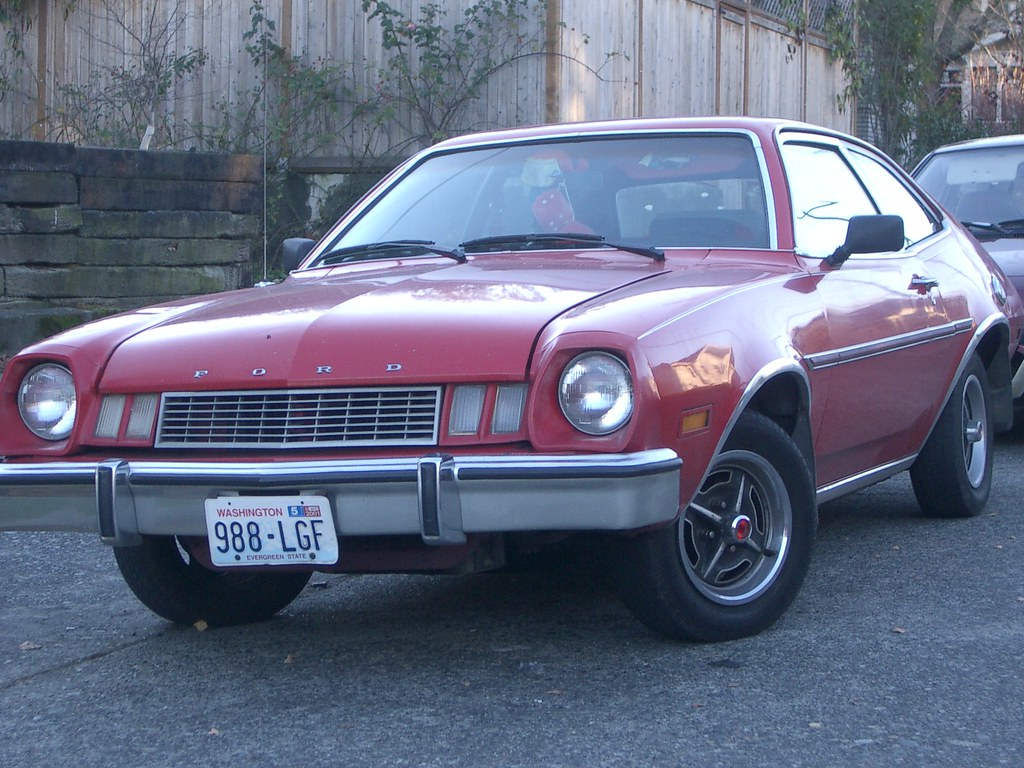
3. **Ford Pinto**:If the Edsel was a commercial flop, the Ford Pinto was a literal fire hazard on wheels, forever branding itself in the public consciousness as an automotive death trap. Despite being a strong seller and initially receiving a decent reception, its reputation was “permanently marred” by the chilling accusation that the car could erupt in flames upon being rear-ended due to a tragically defective fuel tank design. The fact that this wasn’t just an accident, but a known design flaw, is where the true horror story begins.
The infamous “Pinto memo” became a symbol of corporate callousness, a document submitted to the NHTSA that, when presented to the public, seemed to prove that Ford executives had knowingly calculated that paying off lawsuits was cheaper than re-engineering the car to make it safe. This revelation sparked widespread public outrage, creating an image of Ford prioritizing profits over human lives. It’s a dark stain on automotive history that’s nearly impossible to wash away.
Dan Neil, ever the eloquent critic, stated, “They shoot horses, don’t they? Well, this is fish in a barrel. Of course the Pinto goes on the Worst list, but not because it was a particularly bad car – not particularly – but because it had a rather volatile nature. The car tended to erupt in flame in rear-end collisions.” CNN vividly described the indelible mark this left, noting that “Images of flaming Pintos are so seared into the public consciousness that it’s probably hard for most people, unaided by a photograph, to conjure a mental image of the car while not on fire.”
The Pinto’s horrifying safety record earned it the top spot on Autoblog’s list of “The 20 Dumbest Cars of All Time” and a place on Time magazine’s “50 Worst Cars of All Time.” It also snagged third place in Car Talk’s “Worst Car of the Millennium” survey. The Ford Pinto is not just an embarrassing launch; it’s a grim reminder of how a manufacturer’s decisions can lead to tragic consequences and how the ensuing public backlash can forever tarnish a vehicle’s, and indeed a company’s, legacy. It’s a story etched in automotive infamy, a glaring example of how *not* to handle a known safety defect.
Car Model Information: 1980 Ford Pinto WAGON
Name: Ford Pinto
Caption: Ford Pinto
Manufacturer: Ford Motor Company
Aka: Mercury Bobcat
Production: September 1970 – July 1980
ModelYears: 1971–1980 (Pinto),1974–1980 (Bobcat)
Assembly: Edison, New Jersey,Milpitas, California
Designer: Robert Eidschun (1968)
Class: Subcompact car
BodyStyle: Sedan (automobile),sedan delivery,station wagon,hatchback
Related: #Mercury Bobcat (1974–1980),Ford Mustang (second generation)
Layout: Front-engine, rear-wheel-drive layout
Chassis: Unibody
Engine: unbulleted list
Abbr: on
Disp: Ford Cologne engine
Transmission: unbulleted list
Wheelbase: 94.0 in
Length: 163 in
Width: 69.4 in
Height: 50 in
Weight: convert
Predecessor: Ford Cortina#Mark II (1966–1970)
Successor: Ford Escort (North America)
Categories: 1980s cars, Articles with short description, Cars discontinued in 1980, Cars introduced in 1970, Commons category link from Wikidata
Summary: The Ford Pinto is a subcompact car that was manufactured and marketed by Ford Motor Company in North America from 1970 until 1980. The Pinto was the first subcompact vehicle produced by Ford in North America.
The Pinto was marketed in three body styles throughout its production: a two-door fastback sedan with a trunk, a three-door hatchback, and a two-door station wagon. Mercury offered rebadged versions of the Pinto as the Mercury Bobcat from 1975 until 1980 (1974–1980 in Canada). Over three million Pintos were produced over its ten-year production run, outproducing the combined totals of its domestic rivals, the Chevrolet Vega and the AMC Gremlin. The Pinto and Mercury Bobcat were produced at Edison Assembly in Edison, New Jersey, St. Thomas Assembly in Southwold, Ontario, and San Jose Assembly in Milpitas, California.
Since the 1970s, the safety reputation of the Pinto has generated controversy. Its fuel-tank design attracted both media and government scrutiny after several deadly fires occurred when the tanks ruptured in rear-end collisions. A subsequent analysis of the overall safety of the Pinto suggested it was comparable to other 1970s subcompact cars. The safety issues surrounding the Pinto and the subsequent response by Ford have been cited widely as business ethics and tort reform case studies.
Get more information about: Ford Pinto
Buying a high-performing used car >>>
Brand: Ford Model: Pinto
Price: $5,951 Mileage: 107,000 mi.
Read more about: Driving Dreams on a Budget: The 14 Best-Performing Cars Under $35,000 You Can Buy Today
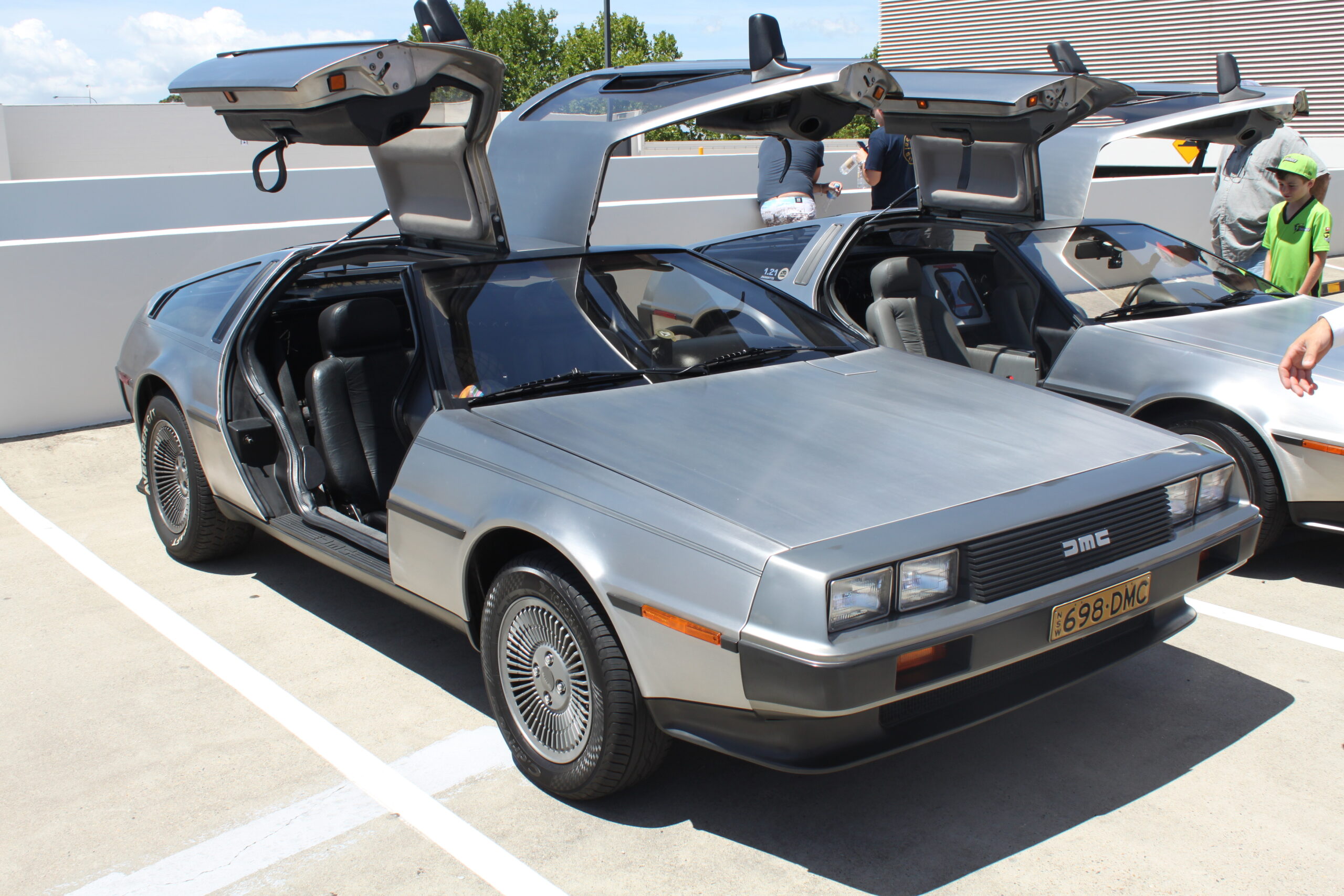
4. **DeLorean DMC-12**:For many, the DeLorean DMC-12 is inextricably linked with time travel and shiny stainless steel, thanks to its starring role in “Back to The Future.” But long before it became a pop culture icon, this futuristic-looking car was, to put it mildly, an absolute financial and commercial disaster for its ambitious founder, John DeLorean. His decision to leave General Motors in 1975 to create his own company was a bold move, but one that quickly unraveled into a spectacle of corporate meltdown.
Despite a striking design by Giorgetto Giugiaro, a factory in North Ireland, and a hefty £100 million investment by the British Government, the DMC-12 simply did not meet expectations. The company only managed to produce a paltry 9,000 units, and even then, a staggering 7,000 of those production units remained unsold. The dream of a revolutionary sports car quickly morphed into a costly nightmare, with warehouses full of static, gull-winged monuments to a vision that never truly took flight in the marketplace.
The embarrassment for the company and its enigmatic founder deepened with personal scandal. John DeLorean himself was exposed for agreeing to transport drugs for a hefty $24 million, a shocking entanglement that, despite his eventual acquittal, further tarnished the brand and underscored the company’s precarious financial state. It’s hard to sell a luxury sports car when your CEO is battling drug trafficking charges and your inventory is gathering dust.
It’s a peculiar twist of fate that the DeLorean DMC-12, a car that was a catastrophic failure in its initial run, found salvation not on the open road, but on the silver screen. Its feature in the 1985 movie “Back to The Future” single-handedly catapulted it into popular culture, ensuring its survival in the collective consciousness as something far cooler than its commercial reality. Without Marty McFly and Doc Brown, the DMC-12 would likely be remembered only as a very expensive, very shiny cautionary tale of what happens when ambition outstrips market demand and operational stability, cementing its place as one of automotive history’s most embarrassing, if ultimately redeemed, launches.
Car Model Information: 1982 Delorean DMC-12
Name: DMC DeLorean
Alt: 1983 DeLorean
Caption: 1983 DeLorean
Manufacturer: DeLorean Motor Company
Production: January 21, 1981 – December 1982
ModelYears: 1981–1983
Assembly: Dunmurry
Designer: Giorgetto Giugiaro
Class: Sports car
BodyStyle: coupé
Layout: Rear-engine, rear-wheel-drive layout
Doors: Gull-wing doors
Engine: 2.85 L
Abbr: on
Powerout: 130 hp
Transmission: 5-speed manual ,3-speed automatic
Wheelbase: 2413 mm
Length: 4267 mm
Width: 1988 mm
Height: 1140 mm
Weight: 1233 kg
Sp: us
Categories: 1980s cars, All Wikipedia articles written in American English, Articles with short description, Automobiles with backbone chassis, Automobiles with gull-wing doors
Summary: The DMC DeLorean is a rear-engine, two-seat sports car manufactured and marketed by John DeLorean’s DeLorean Motor Company (DMC) for the American market from 1981 until 1983—ultimately the only car brought to market by the fledgling company. The DeLorean is sometimes referred to by its internal DMC pre-production designation, DMC-12, although this was not used in sales or marketing materials for the production model.
Designed by Giorgetto Giugiaro, the DeLorean is noted for its gull-wing doors and brushed stainless-steel outer body panels, as well as its lack of power and performance. Though its production was short-lived, the DeLorean became widely known after it was featured as the time machine in the Back to the Future films.
With the first production car completed on January 21, 1981, the design incorporated numerous minor revisions to the hood, wheels and interior before production ended in late December 1982, shortly after DMC filed for bankruptcy and after total production reached an estimated 9,000 units.
Despite the car having a reputation for poor build quality and an unsatisfactory driving experience, the DeLorean continues to have a strong following, driven in part by the popularity of Back to the Future. 6,500 DeLoreans were estimated to still be on the road as of 2015.
Get more information about: DMC DeLorean
Buying a high-performing used car >>>
Brand: DeLorean Model: DMC-12
Price: $129,950 Mileage: 3,145 mi.
Read more about: Beyond the Blockbuster Budget: 10 Iconic Movie Props That Secretly Starred in Multiple Films
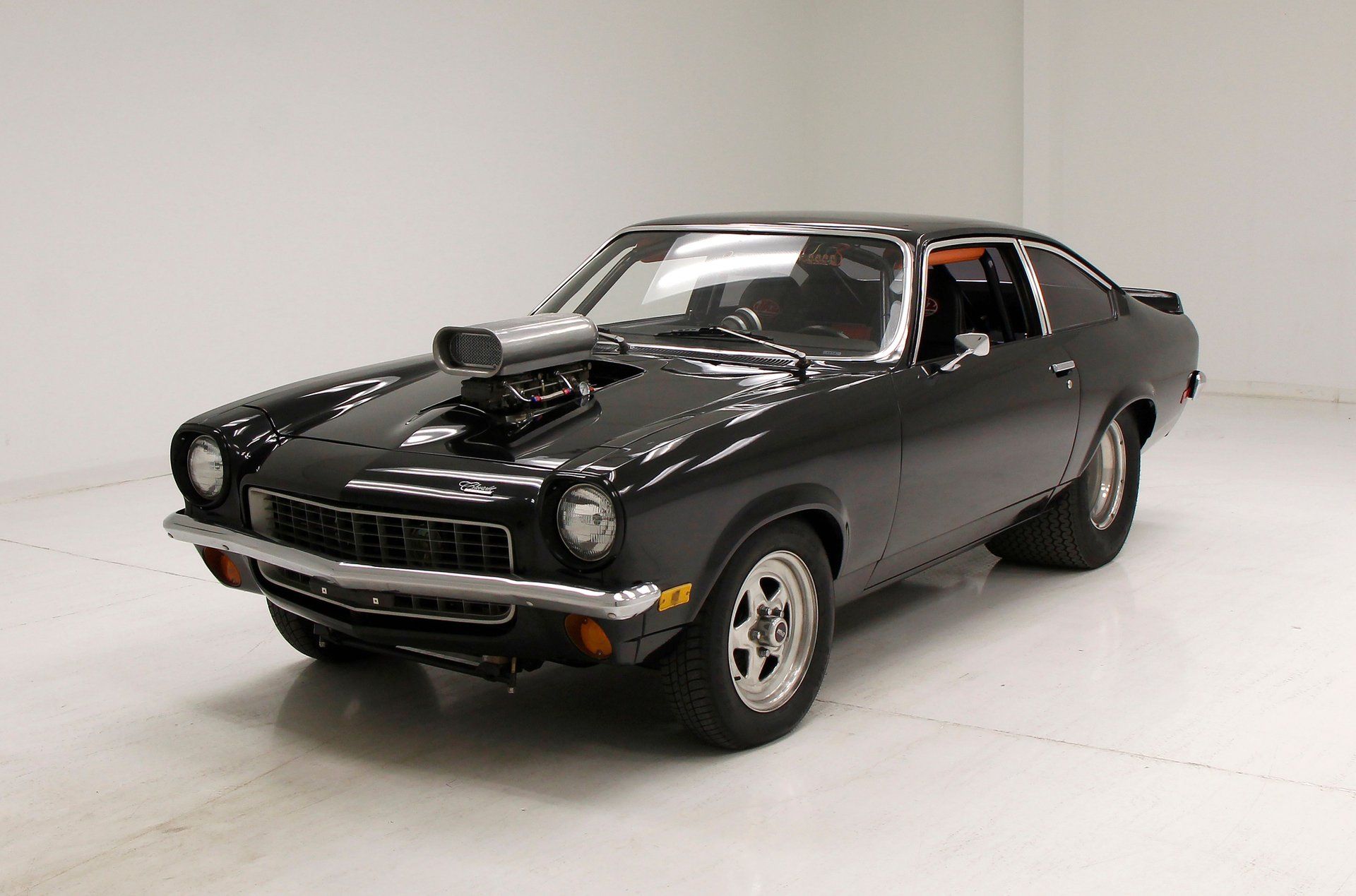
5. **Chevrolet Vega**:If ever there was a car that perfectly encapsulated the phrase ‘what could have been,’ it’s the Chevrolet Vega. Launched to initial critical acclaim, even snagging the coveted Motor Trend Car of the Year award for 1971, this compact was supposed to be GM’s answer to the rising tide of efficient, well-built imports. It sold like hotcakes, proving that the American public was hungry for a domestic small car. But beneath the shiny façade of awards and sales figures lurked a mechanical nightmare that would forever tarnish its reputation and, arguably, set General Motors on a long, painful decline.
Turns out, the very innovations that were initially lauded became its undoing. Its much-hyped aluminum block engine, a bold move at the time, was notoriously prone to premature failure. And as for the cutting-edge rustproofing method? Well, let’s just say it made the Vega extremely vulnerable to corrosion, practically dissolving before buyers’ eyes. By the late 1970s, these cars were being scrapped at such an alarming rate that some junkyards reportedly refused to take them. Imagine that: a car so bad, even scrapyards didn’t want the parts.
It wasn’t just a few disgruntled owners; the problems were systemic and widespread, impacting hundreds of thousands of buyers. Publications didn’t mince words, with Autoblog declaring it “proved the point that American car makers did not make good small cars.” Car and Driver, with characteristic wit, noted that “It seemed the only time anyone saw a Vega on the road not puking out oily smoke was when it was being towed.” It consistently lands on every “Worst Car of All Time” list, taking the unenviable second spot on Car Talk’s “Worst Car of the Millennium” poll.
What makes the Vega’s embarrassment so profound is the chilling revelation that GM knew. Former GM executive John DeLorean, in his unflinching 1979 book *On a Clear Day You Can See General Motors*, dedicated an entire chapter to the Vega, detailing how poorly it performed in durability testing and confirming that the brass were aware of its quality problems prior to launch. This wasn’t an unforeseen flaw; it was a known weakness pushed to market, another chapter in the frustrating saga of corporate cost-cutting trumping consumer trust.
Popular Mechanics didn’t hold back, listing it among “10 Cars That Damaged GM’s Reputation” and even commemorating the 40th anniversary of its launch by marking the Vega as the catalyst for GM’s eventual bankruptcy. The impact was far-reaching: a generation of American car buyers, burned by the Vega’s myriad issues, became far more willing to consider those “Japanese alternatives” that were steadily arriving. The Vega wasn’t just a car; it was, as The Truth About Cars eloquently put it, “GM’s Watergate/Waterloo, the beginning of the inevitable end.”
Car Model Information: 1976 Chevrolet Vega
Name: Chevrolet Vega
Caption: 1971 Chevrolet Vega
Aka: Vega 2300
Manufacturer: Chevrolet
Production: 1970–1977
ModelYears: 1971–1977
Assembly: Lordstown, Ohio
Predecessor: Chevrolet Corvair
Successor: Chevrolet Monza
Class: Subcompact car
BodyStyle: notchback,hatchback,station wagon,Panel van
Layout: FR layout
Platform: GM H platform (RWD)
Engine: {{cvt,2.3,L,cuin,0,Chevrolet 2300 engine
Transmission: manual transmission,4-speed manual,overdrive (mechanics),Torque-Drive 2-speed Powerglide requiring manual shifting,Powerglide,Turbo-Hydramatic
Wheelbase: cvt
Length: cvt
Width: cvt
Height: cvt
Weight: cvt
Related: Pontiac Astre,Chevrolet Monza,Pontiac Sunbird#First generation (1976–1980),Buick Skyhawk#First generation (1975–1980),Oldsmobile Starfire#Second generation (1975–1980)
Designer: Bill Mitchell (designer)
Categories: 1970s cars, All articles needing additional references, All articles with unsourced statements, Articles needing additional references from July 2023, Articles with short description
Summary: The Chevrolet Vega is a subcompact automobile manufactured and marketed by GM’s Chevrolet division from 1970 until 1977. Available in two-door hatchback, notchback, wagon, and sedan delivery body styles, all models were powered by an inline four-cylinder engine designed specifically for the Vega, with a lightweight aluminum alloy cylinder block. The Vega first went on sale in Chevrolet dealerships on September 10, 1970. Variants included the Cosworth Vega, a short-lived limited-production performance version introduced spring 1975.
The Vega received the 1971 Motor Trend Car of the Year. Subsequently, the car became widely known for a range of problems related to its engineering, reliability, safety, propensity to rust, and engine durability. Despite numerous recalls and design upgrades, Vega’s problems tarnished its reputation and that of General Motors. Production ended with the 1977 model year.
The car was named for Vega, the brightest star in the constellation Lyra.
Get more information about: Chevrolet Vega
Buying a high-performing used car >>>
Brand: Chevrolet Model: Vega
Price: $30,000 Mileage: 82,344 mi.
Read more about: The Apex of Pickup Luxury: 17 Exclusive Features Only Found on Elite Trims of Top Trucks from Ram, Ford, GMC, and Toyota

6. **Ford Explorer**:Ah, the Ford Explorer. For many, it conjures images of rugged adventure, family road trips, and even the iconic, modified vehicles ferrying tourists through *Jurassic Park*. This first four-door SUV manufactured by Ford became a cultural touchstone, signaling a new era of versatile, go-anywhere family transportation. Yet, behind its groundbreaking success and widespread appeal lay a deeply disturbing and ultimately deadly flaw that transformed a celebrated launch into a horrifying cautionary tale, forever linking the Explorer to tragedy and corporate scandal.
The core of the problem wasn’t the Explorer itself, at least not entirely. It was a heavyweight contender, and the tires supplied by Firestone – a relationship that had spanned since the days of Henry Ford himself – were simply not up to the task. What followed was a nightmarish pattern of faulty accidents, with the tire tread separating from the wheel at highway speeds, often leading to catastrophic rollovers. This wasn’t a minor recall; it was a systemic failure of epic proportions, a silent killer on the road.
The numbers are grim: 238 deaths and over 500 injuries. These weren’t just statistics; they were lives cut short, families shattered, all because of what was eventually revealed as a dangerous defect. The public outcry was immense, leading to a sprawling investigation and a bitter, highly publicized blame game between Ford and Firestone, effectively ending a century-long partnership between two automotive giants. The embarrassment wasn’t just about a faulty product; it was about the profound betrayal of public trust and the horrific human cost of negligence.
The saga of the Ford Explorer and its Firestone tires exposed a dark side of industrial collaboration, raising uncomfortable questions about responsibility, quality control, and the speed at which safety issues were addressed. While Ford argued the tires were at fault, and Firestone pointed fingers at the Explorer’s design and Ford’s recommended tire pressures, the reality was a devastating combination that proved lethal. It left an indelible stain on both brands, forcing a reevaluation of safety standards and corporate accountability within the entire industry.
Ultimately, the Explorer, despite its massive sales and cultural impact, became a powerful symbol of how a seemingly minor component, when mismatched with a vehicle’s specifications or poorly manufactured, can lead to widespread devastation. It’s a sobering reminder that even the most iconic and successful launches can harbor a dark underbelly, and that trust, once broken by such a catastrophic failure, is incredibly difficult, if not impossible, to fully rebuild. The ghosts of those accidents still haunt the legacy of the otherwise groundbreaking Ford Explorer.
Car Model Information: 2022 Ford Explorer Platinum
Name: Ford Explorer
Caption: Sixth-generation Ford Explorer
Manufacturer: Ford Motor Company
Production: 1990–present
ModelYears: 1991–present
Class: unbulleted list
Chassis: unbulleted list
Predecessor: Ford Bronco II
Successor: Ford Territory (Australia)
Categories: 2000s cars, 2010s cars, 2020s cars, All-wheel-drive vehicles, All Wikipedia articles in need of updating
Summary: The Ford Explorer is a range of SUVs manufactured by the Ford Motor Company since the 1991 model year. The first five-door SUV produced by Ford, the Explorer, was introduced as a replacement for the three-door Bronco II. As with the Ford Ranger, the model line derives its name from a trim package previously offered on Ford F-Series pickup trucks. As of 2020, the Explorer became the best-selling SUV in the American market.
Currently in its sixth generation, the Explorer has featured a five-door wagon body style since its 1991 introduction. During the first two generations, the model line included a three-door wagon (directly replacing the Bronco II). The Ford Explorer Sport Trac is a crew-cab mid-size pickup derived from the second-generation Explorer. The fifth and sixth generations of the Explorer have been produced as the Ford Police Interceptor Utility (replacing both the Ford Crown Victoria Police Interceptor and the Ford Police Interceptor Sedan).
The Explorer is slotted between the Ford Edge and Ford Expedition within North America’s current Ford SUV range. The model line has undergone rebadging several times, with Mazda, Mercury, and Lincoln each selling derivative variants. Currently, Lincoln markets a luxury version of the Explorer as the Lincoln Aviator.
For the North American market, the first four generations of the Explorer were produced by Ford at its Louisville Assembly Plant (Louisville, Kentucky) and its now-closed St. Louis Assembly Plant (Hazelwood, Missouri). Ford currently assembles the Explorer alongside the Lincoln Aviator and the Police Interceptor Utility at its Chicago Assembly Plant (Chicago, Illinois).
Get more information about: Ford Explorer
Buying a high-performing used car >>>
Brand: Ford Model: Explorer
Price: $33,399 Mileage: 35,792 mi.
Read more about: California’s Evolving Landscape: A Deep Dive into the State’s Economic Drivers
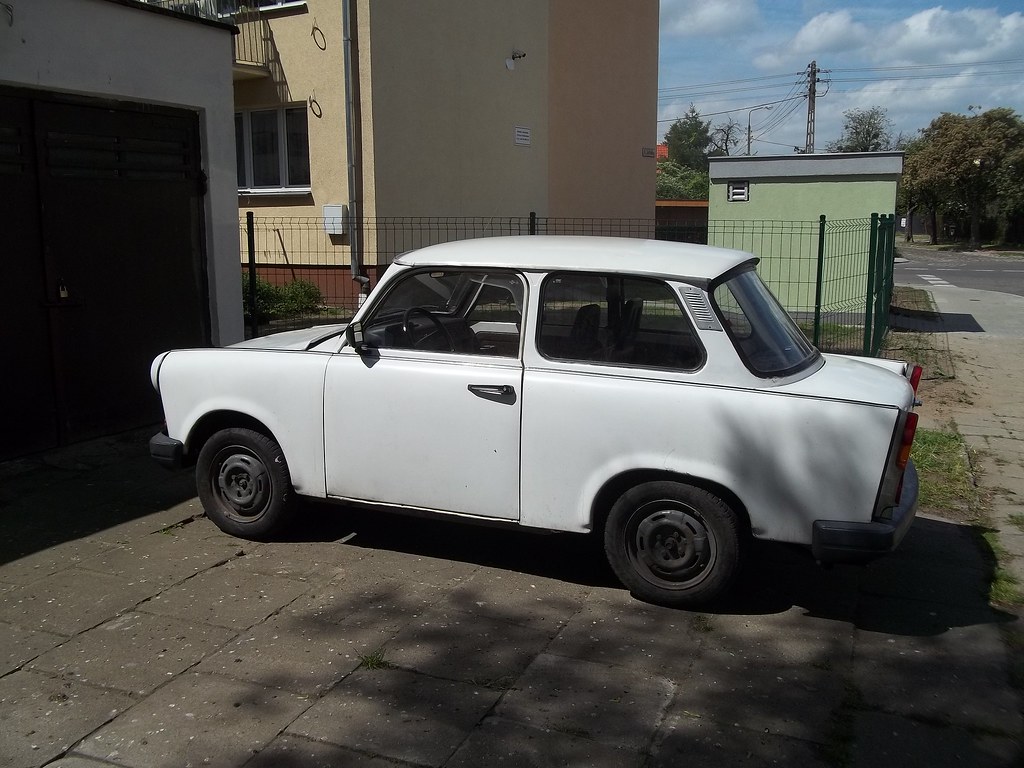
7. **Trabant**:Step right up, folks, and behold the car that automotive journalist Dan Neil famously declared “gave communism a bad name.” We’re talking about the Trabant, East Germany’s glorious answer to personal mobility. Introduced in 1957, this isn’t just an embarrassing launch; it’s a four-wheeled symbol of an entire economic and political system’s profound shortcomings, lovingly nicknamed “Trabbi” with a mix of derision and bleak affection. Crafted from duroplast – a resin-bound cotton and wood fiber composite – because steel was too precious, the Trabant was less a car and more a rolling testament to scarcity and ingenious, if profoundly flawed, engineering.
Let’s talk about the heart of this beast: an outdated, inefficient two-stroke engine. Forget roaring horsepower; this 18-horsepower wonder was, as Eric Peters vividly described, “Notorious for producing a billowing contrail of smoke, while its unsynchronized manual transmission required at least a fifth of Stolichnaya to deal with effectively.” Poor fuel economy and low power output meant journeys were less about getting there efficiently and more about a leisurely, smoke-filled meditation on patience. It was a vehicle designed to meet quotas, not expectations, a masterclass in compromise that managed to be simultaneously slow, smoky, and structurally suspect.
The Trabant wasn’t just ridiculed for its mechanical woes; it was a tangible representation of the economic downturn and technological stagnation of East Germany. Time magazine rightly named it one of the 50 worst cars of all time, and Edmunds.com went further, ranking it the 9th worst car ever, proclaiming it “one more reason why Communism is evil.” It wasn’t just a car; it was a punchline, a rolling joke that became deeply ingrained in the culture of a divided nation, a symbol of what happens when ideology dictates engineering.
The most poignant chapter in the Trabant’s embarrassing story unfolded during the fall of the Berlin Wall in 1989. Images of East Germans streaming into West Berlin in their little duroplast boxes, driving towards newfound freedom, are iconic. Yet, the cruel irony quickly became apparent: upon reaching the West, many Trabants were immediately abandoned. Faced with the technological marvels of Western engineering, the “hollow lie of a car constructed of recycled worthlessness” was quickly discarded, unable to compete with even the most basic German, French, or Japanese models.
While the Trabant never truly escaped its origins as a symbol of automotive inadequacy, a peculiar twist of fate has granted it a strong cult following in modern, reunified Germany. “Ostalgie,” a nostalgia for aspects of East German life, has transformed the Trabant into a recognizable cultural icon. Collectors clubs lovingly restore them, but let’s be clear: this newfound appreciation is for a piece of history, a relic of a bygone era. It doesn’t erase the fact that, as a vehicle designed for practical transportation in a competitive market, the Trabant remains one of the most embarrassingly ill-conceived launches in automotive history, a testament to enduring patience and a surprisingly sturdy plastic body.
Read more about: 16 Legendary Car Flops: The Vehicles Nobody Wanted
And so, our journey through the annals of automotive infamy draws to a close. We’ve cringed at corporate hubris, gasped at engineering follies, and perhaps even chuckled nervously at the sheer audacity of some of these vehicular vexations. These aren’t just cars that flopped; they are rolling lessons, tangible reminders that even the most well-intentioned — or sometimes, least — ventures can veer spectacularly off course. From the Edsel’s ill-fated grille to the Vega’s self-destructing engine, and the Trabant’s defiant plastic body, each machine tells a tale. A tale of ambition meeting reality, innovation battling compromise, and the indelible mark left when the rubber, quite literally, meets the road in the most embarrassing way imaginable. So next time you see a gleaming new model roll off the assembly line, remember these cautionary tales; they’re a stark reminder that sometimes, the biggest promises lead to the most spectacular pratfalls. Here’s to hoping the next big thing learns from the past, or at least provides us with some good material for future “most embarrassing” lists!