Microsoft Corporation, an American multinational technology giant, has not only profoundly shaped the digital landscape since its founding in 1975 but has also navigated a complex financial journey marked by strategic investments, monumental growth, and notable challenges. From its humble beginnings developing BASIC interpreters to its current status as a leader in cloud computing, gaming, and artificial intelligence, the company’s financial decisions and market interactions offer a rich case study in corporate evolution and economic impact.
Understanding Microsoft’s trajectory requires an examination of the significant financial outlays, lucrative opportunities, and formidable setbacks that have punctuated its nearly five-decade history. These events, ranging from groundbreaking initial public offerings to multi-billion dollar acquisitions and regulatory fines, have collectively defined its operational scope, market dominance, and strategic direction, making it one of the most valuable public companies and brands globally.
This analysis delves into 14 pivotal financial milestones and strategic expenditures from Microsoft’s extensive history, providing an Investopedia-style examination of the factual underpinnings and implications of these events. We aim to elucidate how these financial movements have contributed to the company’s continuous transformation and its enduring influence on the global technology sector.

1. **Founding and Initial Capitalization: Establishing the Software Blueprint**The genesis of Microsoft in 1975 by childhood friends Bill Gates and Paul Allen marked the beginning of a transformative era in computing. Their initial venture, driven by a shared vision to make computing accessible, focused on developing and selling BASIC interpreters for the nascent personal computer market, notably the Altair 8800. This foundational period, though not detailed with specific initial capital figures in the provided context, laid the essential groundwork for Microsoft’s future financial success and strategic maneuvers.
The demonstration of their BASIC interpreter to MITS in March 1975, and its subsequent distribution as Altair BASIC, was the company’s first significant commercial agreement. This early success validated their business model, leading to the formal establishment of Microsoft on April 4, 1975, with Gates at the helm as CEO. Allen’s suggestion of the name “Micro-Soft,” a portmanteau for micro-computer software, encapsulates the company’s initial focus.
By 1977, Microsoft had already begun its international expansion, forming an agreement with ASCII Magazine in Japan, which resulted in its first international office: ASCII Microsoft. This early move demonstrated a forward-thinking approach to market penetration and global presence, setting a precedent for future international financial endeavors. The company’s relocation to Bellevue, Washington, in January 1979, further consolidated its operational base ahead of its major breakthroughs in the operating system market.
In 1980, Microsoft’s entry into the operating system business with Xenix, its version of Unix, foreshadowed its future dominance. However, it was the contract awarded by IBM in November 1980 to provide an OS for the IBM Personal Computer that truly cemented its financial and market standing. Microsoft strategically acquired 86-DOS from Seattle Computer Products, rebranded it as MS-DOS, and retained ownership rights, even as IBM marketed it as IBM PC DOS. This astute financial and intellectual property negotiation proved to be a masterstroke, enabling Microsoft to become the leading PC operating systems vendor as the market for IBM PC compatibles exploded.

2. **The Transformative 1986 Initial Public Offering (IPO): A Catalyst for Wealth Creation**Microsoft’s decision to go public with an initial public offering (IPO) on the NASDAQ exchange on March 13, 1986, represented a monumental financial event, not just for the company but for its employees and the broader technology investment landscape. This IPO transformed the company’s private success into public valuation, providing substantial capital for future growth and diversification. The move to a public entity allowed for greater financial transparency and access to capital markets, which would be crucial for its ambitious expansion plans.
The immediate impact of the IPO was profound, particularly for Microsoft’s workforce. The subsequent rise in the company’s share price created an unprecedented wave of personal wealth. The context explicitly states that this financial event generated three billionaires and an estimated 12,000 millionaires among Microsoft employees. This outcome underscored the immense financial potential embedded within the rapidly growing personal computer and software industries, with Microsoft at its forefront.
This wealth creation served as a powerful incentive and a testament to the company’s early market leadership and growth potential. It also highlighted the burgeoning economic power of the technology sector, establishing a new benchmark for employee stock option programs and the distribution of wealth through corporate success. The 1986 IPO was not merely a fundraising exercise; it was a defining moment that solidified Microsoft’s financial power and its capacity to attract and retain top talent by offering significant financial upside.
The capital raised through the IPO provided Microsoft with the financial muscle to invest heavily in research and development, expand its product lines, and pursue strategic acquisitions. This financial independence allowed the company to accelerate its development of new operating systems and applications, including the burgeoning Windows environment and the Microsoft Office suite, which would soon become industry standards and further fuel its financial ascent.

3. **Major Antitrust Penalties: A Decade of Legal Battles and Fines**Microsoft’s rapid ascent to market dominance in the 1990s and early 2000s, particularly in the operating system and office software markets, attracted intense scrutiny from regulatory bodies worldwide. These legal challenges culminated in significant financial penalties, representing a costly series of events for the corporation. The first major indication of regulatory concern came in 1990, when the Federal Trade Commission examined Microsoft for possible collusion due to its partnership with IBM, marking the beginning of more than a decade of legal clashes with governments.
On July 27, 1994, the Department of Justice’s Antitrust Division filed a competitive impact statement, accusing Microsoft of anti-competitive practices, specifically citing “per processor licenses.” These licenses required OEMs to pay Microsoft a royalty for each computer sold with a particular microprocessor, regardless of whether a Microsoft operating system was used. The Department of Justice characterized this as a “penalty, or tax, on the OEM’s use of a competing PC operating system,” which had increased since 1988, indicating a significant financial implication for rival software providers and a perceived unfair advantage for Microsoft.
The most prominent judgment came on April 3, 2000, in the case of United States v. Microsoft Corp., where the company was notably labeled an “abusive monopoly.” Although Microsoft later settled with the U.S. Department of Justice in 2004, the legal battles and the tarnished public image carried substantial direct and indirect financial costs. These included legal fees, the diversion of executive attention, and potential limitations on future market strategies.
Further demonstrating the financial impact of its monopolistic practices, the European Union brought antitrust legal action against Microsoft in March 2004. This resulted in a judgment of €497 million ($613 million) and required Microsoft to produce new versions of Windows XP without Windows Media Player (Windows XP Home Edition N and Windows XP Professional N), directly impacting its product offering and revenue streams. The EU followed this with another fine of €899 million ($1.4 billion) on February 27, 2008, for the company’s lack of compliance with the 2004 judgment, specifically citing unreasonable prices charged to rivals for key information about its workgroup and backoffice servers. These multi-million and multi-billion dollar fines represent tangible financial costs directly attributable to antitrust rulings against the company.
4. **The Strategic Acquisition of Skype Technologies: Undisclosed but Largest at the Time**Under the leadership of CEO Steve Ballmer, who took the helm in 2000, Microsoft embarked on an era of increased focus on hardware and significant corporate acquisitions. One such pivotal event, highlighted in the context, was Ballmer overseeing “the then-largest of Microsoft’s corporate acquisitions in Skype Technologies in 2011.” While the exact dollar figure for this acquisition is not provided within the given context information, its designation as the “largest” at that time underscores its immense financial significance and strategic importance for Microsoft.
This acquisition represented a major strategic shift for Microsoft, allowing it to integrate a leading voice and video communication platform into its ecosystem. The investment signaled Microsoft’s intent to strengthen its presence in Internet services and communications, an area crucial for its long-term growth and competitiveness against rivals in the burgeoning digital communication space. It was a costly undertaking, albeit one whose exact value is not specified in the provided text.
The integration of Skype’s technology was intended to bolster Microsoft’s existing offerings, including its Windows operating systems, Xbox network, and nascent cloud services. By acquiring such a widely used platform, Microsoft aimed to expand its user base, enhance cross-platform functionality, and provide richer communication experiences within its product suite. The financial outlay, though undefined in the context, was clearly substantial, reflecting the high value placed on intellectual property and user networks in the technology sector.
The strategic rationale behind acquiring a company like Skype extended beyond immediate revenue gains; it was about securing future relevance and market share in rapidly evolving digital communication. This significant investment demonstrated Microsoft’s willingness to commit substantial capital to acquire key technologies and platforms that could complement its core software business and propel its diversification efforts into new areas, further impacting its overall financial structure and resource allocation.
5. **Windows 8 and Surface: The Multi-Billion Dollar Market Correction**The period surrounding the launch of Windows 8 and the first-generation Surface tablets in 2012 marked a significant financial setback for Microsoft, highlighting the inherent risks in major product launches and market diversification. Windows 8, designed to power both personal computers and tablet computers with its Metro design language, was unveiled with high hopes, alongside the Surface, the first computer in the company’s history with hardware made directly by Microsoft. These were ambitious initiatives aimed at revitalizing the Windows ecosystem and establishing a foothold in the tablet market.
Despite the significant investment in development and marketing, the market reception for both products was less than stellar. The context explicitly notes a dire financial consequence: “On July 19, 2013, Microsoft stocks suffered its biggest one-day percentage sell-off since the year 2000, after its fourth-quarter report raised concerns among investors on the poor showings of both Windows 8 and the Surface tablet.” This event directly led to Microsoft suffering a loss of more than US$32 billion, a substantial financial blow that underscored the challenges of product innovation and market acceptance.
This multi-billion dollar loss reflected investor disappointment with the commercial performance of these flagship products. The poor showings of Windows 8, which introduced a radically different user interface, and the Surface tablet, which struggled against established competitors, signaled that Microsoft’s costly ventures into these new territories had not yielded the expected returns. It was a stark reminder of the financial volatility associated with large-scale technological shifts and consumer preferences.
The aftermath of this financial correction prompted a significant organizational restructuring. In July 2013, Microsoft announced a reorganization of its business into four new divisions: Operating systems, Apps, Cloud, and Devices, dissolving previous structures. While the context states this was done “without any workforce cuts” at that immediate time, the preceding $32 billion loss clearly necessitated a re-evaluation of strategy and resource allocation, emphasizing the profound financial implications of the Windows 8 and Surface market performance.
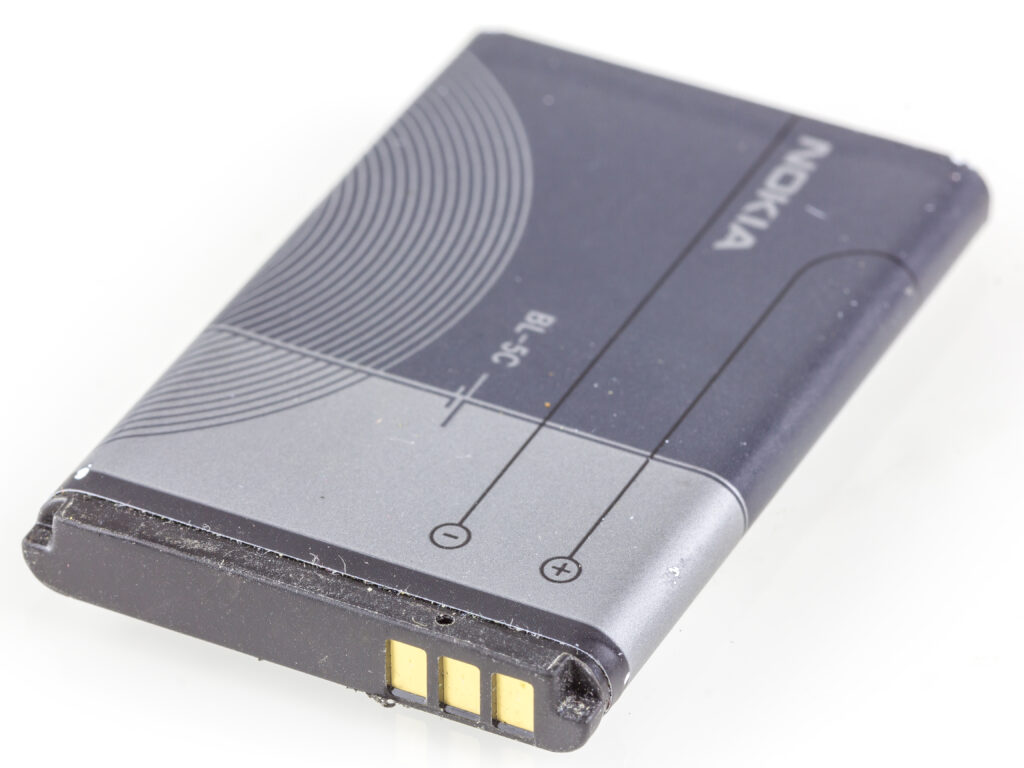
6. **The Ambitious, Yet Costly, Nokia Devices and Services Acquisition**Microsoft’s continued push into the hardware and mobile device market led to one of its most ambitious and ultimately challenging financial ventures: the acquisition of Nokia’s mobile unit. On September 3, 2013, Microsoft agreed to buy Nokia’s mobile unit for $7 billion, a significant financial outlay signaling a deep commitment to competing in the smartphone industry. This deal, following Amy Hood taking the role of CFO, aimed to bolster Microsoft’s struggling Windows Phone ecosystem, which had fallen behind rivals like Apple and Google-sponsored Android.
The acquisition was finalized on April 25, 2014, with Microsoft acquiring Nokia Devices and Services for $7.2 billion, a slight increase from the initial agreement. This new subsidiary was renamed Microsoft Mobile Oy. The immense financial investment was intended to provide Microsoft with direct control over hardware manufacturing, integrating it vertically with its Windows Phone operating system to create a cohesive mobile experience, mirroring Apple’s successful model.
However, this substantial financial commitment did not yield the desired market penetration or profitability. The context reveals a significant financial setback tied to this venture: “During the summer of 2015 the company lost $7.6 billion related to its mobile-phone business, firing 7,800 employees.” This massive loss, occurring just over a year after the acquisition, demonstrated the formidable challenges of competing in the saturated and rapidly evolving smartphone market, despite a multi-billion dollar investment.
The financial repercussions continued into 2016, with the company announcing additional layoffs of 1,850 workers and taking an “impairment and restructuring charge of $950 million” in May of that year. These figures underscore the substantial financial burden and strategic missteps associated with the Nokia acquisition, making it one of Microsoft’s costliest ventures in terms of both initial investment and subsequent financial losses, leading to a significant divestment of resources from the mobile phone business.

7. **Integrating Gaming: The $2.5 Billion Acquisition of Mojang**Microsoft’s strategic financial investments extended beyond traditional software and enterprise solutions into the booming video game industry, further diversifying its revenue streams and intellectual property portfolio. A key move in this direction was the acquisition of Mojang, the video game development company best known for its massively popular title, Minecraft. This acquisition, finalized on September 15, 2014, came with a substantial price tag of $2.5 billion, representing a significant financial commitment to the gaming sector.
The decision to acquire Mojang reflected Microsoft’s recognition of Minecraft’s immense global appeal and its potential to attract a diverse player base across various platforms. Minecraft had already become a cultural phenomenon, and integrating it into Microsoft’s Xbox brand and broader gaming strategy offered a powerful opportunity to expand its presence in a highly lucrative entertainment market. This financial outlay was not just for a game but for a platform with vast community engagement and creative potential.
The $2.5 billion investment solidified Microsoft’s position as a major player in the video game content space, complementing its existing hardware (Xbox consoles) and services (Xbox network). The acquisition aimed to leverage Minecraft’s popularity to drive engagement with Microsoft’s platforms, potentially introducing new users to the Xbox ecosystem and enhancing the value proposition of its gaming offerings. It was a strategic financial move to secure a valuable and enduring intellectual property.
This acquisition underscored Microsoft’s commitment to gaming as a core component of its future growth strategy, moving beyond just console sales to encompass content ownership. The substantial financial expenditure on Mojang laid the groundwork for future, even larger, acquisitions in the gaming industry, demonstrating a long-term vision to build a robust and diversified gaming division, leveraging popular franchises to attract and retain a global audience. It proved to be a sound financial decision, unlike some previous mobile ventures.
Under the leadership of Satya Nadella, who assumed the CEO role in 2014, Microsoft initiated a significant strategic pivot towards cloud computing and a series of transformative, multi-billion dollar acquisitions and investments designed to secure its position in emerging technological frontiers. This era, beginning in the mid-2010s and extending to the present, is characterized by bold financial outlays aimed at diversifying revenue streams, enhancing its ecosystem, and cementing its influence across various high-growth sectors, from professional networking and cloud infrastructure to gaming and artificial intelligence. These strategic initiatives have reshaped Microsoft’s financial landscape and strategic direction, underscoring its relentless pursuit of innovation and market leadership. The following seven events highlight this continued evolution, demonstrating Microsoft’s commitment to long-term growth through significant capital deployment.
8. **The $26.2 Billion Acquisition of LinkedIn: Bolstering Enterprise Social Networking**Following Satya Nadella’s transition to CEO, Microsoft made a significant move in 2016 by acquiring LinkedIn for $26.2 billion. This monumental acquisition signaled Microsoft’s intent to deepen its presence in the professional social networking space, integrating a vast network of professionals and their data into its growing suite of enterprise services.
The strategic rationale behind this acquisition was multifaceted. It aimed to provide Microsoft with a robust platform for professional identity and networking, creating synergies with its existing business offerings such as Office 365 and Dynamics 365. By bringing LinkedIn into the Microsoft fold, the company sought to enhance its ability to connect professionals with opportunities, knowledge, and tools, thereby adding substantial value to its enterprise customers.
The integration of LinkedIn has allowed Microsoft to embed professional networking capabilities directly into its products, enriching features like personalized news feeds, professional development courses via LinkedIn Learning, and enhanced sales intelligence. This financial outlay was a direct investment in the future of work and enterprise productivity, positioning Microsoft at the center of professional collaboration and career development in the digital age.

9. **The $7.5 Billion Acquisition of GitHub: Embracing the Developer Community**In June 2018, Microsoft announced its intention to acquire GitHub, the world’s leading software development platform, for $7.5 billion, with the deal officially closing in October of the same year. This acquisition represented a pivotal moment for Microsoft, underscoring its renewed commitment to the open-source community and its strategic focus on developers as a core pillar of its ecosystem.
GitHub’s immense value lies in its global community of millions of developers and its critical role as a repository for open-source software development. By acquiring GitHub, Microsoft secured a central hub for innovation, allowing it to foster closer relationships with developers, promote its cloud platform Azure, and integrate its developer tools like Visual Studio more deeply into the development workflow.
This multi-billion dollar investment demonstrated a significant shift in Microsoft’s corporate philosophy, moving away from past anti-open-source sentiments to fully embrace and support the open-source movement. The acquisition was well-received by the developer community, solidifying Microsoft’s reputation as a developer-friendly company and providing a strategic advantage in the competition for developer mindshare and cloud services adoption.

10. **The $1.35 Billion Acquisition of Affirmed Networks: Strengthening Cloud and 5G Infrastructure**
In March 2020, Microsoft expanded its cloud and telecommunications capabilities with the acquisition of Affirmed Networks for approximately $1.35 billion. This strategic move was aimed at bolstering Microsoft’s position in the rapidly evolving 5G network infrastructure market, integrating Affirmed’s virtualized mobile network solutions into its Azure cloud platform.
The acquisition’s core objective was to empower telecommunication operators to deploy and manage 5G networks more efficiently and cost-effectively by leveraging Microsoft’s cloud infrastructure. Affirmed Networks’ technology allowed for the virtualization of network functions, a critical component for the scalability and flexibility required by next-generation 5G services.
This investment highlighted Microsoft’s commitment to becoming a key player in the foundational technologies supporting digital transformation, particularly within the telecommunications sector. By offering a comprehensive cloud-native solution for 5G, Microsoft positioned Azure as an essential platform for carriers looking to modernize their infrastructure and deliver new services, further diversifying its revenue streams beyond traditional software.

11. **The $7.5 Billion Acquisition of ZeniMax Media: Deepening Gaming Content**Microsoft continued its aggressive expansion in the gaming industry with the announcement in September 2020 of its intent to acquire ZeniMax Media, the parent company of renowned video game publisher Bethesda Softworks, for $7.5 billion. The deal was finalized in March 2021, with the total price reaching $8.1 billion, marking another significant financial commitment to its Xbox Game Studios division.
This acquisition brought iconic franchises such as *The Elder Scrolls*, *Fallout*, *Doom*, and *Wolfenstein* under Microsoft’s ownership, substantially enhancing its first-party content portfolio. It represented a strategic move to secure exclusive titles for the Xbox platform and its burgeoning Game Pass subscription service, which offers a vast library of games for a monthly fee.
The investment solidified Microsoft’s strategy to compete fiercely in the global video game market, leveraging popular intellectual properties to attract and retain subscribers. By integrating ZeniMax Media’s creative studios and their celebrated titles, Microsoft aimed to provide compelling value propositions for Xbox console owners and PC gamers, reinforcing gaming as a core component of its future growth strategy.

12. **The $16 Billion Acquisition of Nuance Communications: Advancing AI and Healthcare**In April 2021, Microsoft announced its acquisition of Nuance Communications for approximately $16 billion, a deal that completed in March 2022. This substantial investment underscored Microsoft’s strategic focus on conversational artificial intelligence (AI) and its application in industry-specific solutions, particularly within the healthcare sector.
Nuance is a leader in speech recognition and AI-powered clinical documentation, with its technologies widely used in hospitals and healthcare systems worldwide. The acquisition provided Microsoft with advanced AI capabilities and deep domain expertise, aligning perfectly with its vision to empower healthcare providers with ambient intelligence and improve patient outcomes through technology.
The integration of Nuance’s solutions into Microsoft’s Azure cloud and its suite of enterprise products allows for the development of more sophisticated AI-driven tools for dictation, clinical decision support, and administrative automation. This financial commitment highlights Microsoft’s strategy to apply cutting-edge AI to real-world challenges, solidifying its role as a transformative force in critical sectors like healthcare.

13. **The $68.7 Billion Acquisition of Activision Blizzard: A Gaming Industry Megadeal**Microsoft made headlines again with its colossal acquisition of American video game developer and holding company Activision Blizzard for $68.7 billion, an all-cash deal announced in January 2022 and finalized in October 2023. This acquisition stands as the largest in the history of the video game industry and one of the largest corporate acquisitions ever for Microsoft.
This monumental financial outlay brought a trove of globally recognized franchises, including *Warcraft*, *Diablo*, *Call of Duty*, *Candy Crush Saga*, and *Overwatch*, under the newly established Microsoft Gaming division. The strategic intent was clear: to significantly expand Microsoft’s content offerings, bolster its Xbox brand, and gain a formidable position in the burgeoning metaverse concept.
The acquisition was seen as a move to compete more effectively with other tech giants and to provide an unparalleled library for the Xbox Game Pass service. Phil Spencer, head of the Xbox brand, was named the inaugural CEO of Microsoft Gaming, overseeing Xbox operations and the company’s vast portfolio of publishers. This move underscores the profound financial and strategic commitment Microsoft has made to leading the interactive entertainment space.

14. **Strategic AI Investments: OpenAI, G42, and Inflection AI**Microsoft’s commitment to future-oriented investments is most evident in its aggressive push into artificial intelligence. This includes a new multi-year, multi-billion dollar investment deal with ChatGPT developer OpenAI, announced in January 2023, solidifying a long-term partnership in advanced AI research and deployment.
Further demonstrating this commitment, in April 2024, Microsoft made a $1.5 billion investment in the Emirati AI firm G42, with G42 agreeing to utilize the Microsoft Azure platform for its AI development. This investment not only expands Microsoft’s global AI footprint but also reinforces Azure’s position as a leading cloud platform for AI innovation.
Additionally, in March 2024, Microsoft continued to consolidate its AI talent and technology by acquiring nearly the entirety of Inflection AI’s 70-person workforce, alongside a $650 million payment to license its technology. This strategic acquihire brought key AI co-founders and researchers into Microsoft AI, further accelerating its internal AI development capabilities.
These collective multi-billion dollar investments and strategic partnerships highlight Microsoft’s overarching strategy to lead the AI revolution. By fostering deep collaborations with cutting-edge AI developers and acquiring critical talent and infrastructure, Microsoft is meticulously building a formidable presence in artificial intelligence, poised to drive its future growth and redefine its product landscape.
Microsoft’s financial history is a testament to its enduring adaptability and strategic foresight. From pioneering personal computing to navigating antitrust challenges and making monumental multi-billion dollar acquisitions, the company has continuously evolved, consistently redefining its core business to stay at the forefront of technological innovation. These carefully orchestrated financial moves underscore a corporate philosophy rooted in aggressive investment and strategic diversification, ensuring its continued influence and dominance in the global technology landscape for decades to come.