The automotive industry, a cornerstone of global commerce, has unfortunately seen its fair share of profound controversies. While many companies strive for ethical practices, history reveals instances where the pursuit of advantage led to deliberate deceit, particularly concerning environmental regulations. These moments of corporate malfeasance have not only resulted in severe legal repercussions and hefty fines but have also inflicted lasting damage on brand reputations and eroded consumer trust.
Indeed, the challenges facing car manufacturers extend beyond mere design flaws or mechanical issues. The pervasive nature of emissions and fuel economy manipulation has exposed a darker side of the industry, where software trickery and undisclosed testing methods became tools to mislead regulators and consumers alike. These scandals underscore a critical truth: accountability and transparency are paramount in an industry whose products have significant public and environmental impact.
This article delves into some of the most notorious emissions and fuel economy scandals that have rocked the automotive sector. We will explore how these incidents unfolded, the mechanisms of deception employed, and the far-reaching consequences that compelled companies to confront their unethical practices, often leading to substantial overhauls in leadership, technology, and corporate governance.
1. **Volkswagen’s Massive Dieselgate Scandal**
Volkswagen’s emissions scandal, widely known as Dieselgate, remains one of the most notorious cases of corporate fraud in automotive history. The controversy emerged in 2015 when it was revealed that the company had installed “defeat device” software in diesel vehicles. This software was designed to detect when cars were undergoing emissions tests, altering performance to show lower levels of pollutants.
In real-world driving conditions, however, these vehicles produced significantly higher emissions than legally permitted. This deceptive practice continued for years, misleading consumers, environmental agencies, and regulators worldwide about the true environmental impact of Volkswagen’s “clean diesel” technology. The scale of the fraud was immense, affecting millions of vehicles globally.
When the fraud was uncovered, the backlash was immediate and severe. Volkswagen faced over $30 billion in fines and lawsuits from various regulatory bodies and aggrieved customers. The financial penalties included approximately $14.7 billion to settle allegations in the U.S. alone, along with billions more in other regions. The scandal led to significant leadership changes within the company, with top executives resigning or being replaced.
Beyond the financial and legal ramifications, Dieselgate severely damaged Volkswagen’s reputation, tarnishing its image as a pioneer of diesel technology and a reliable, environmentally conscious brand. The incident served as a stark cautionary tale about the dangers of corporate dishonesty and the severe consequences of prioritizing profit over ethical conduct and regulatory compliance. It also forced Volkswagen to accelerate its focus on electric vehicles in an effort to regain consumer trust and rebuild its brand image.
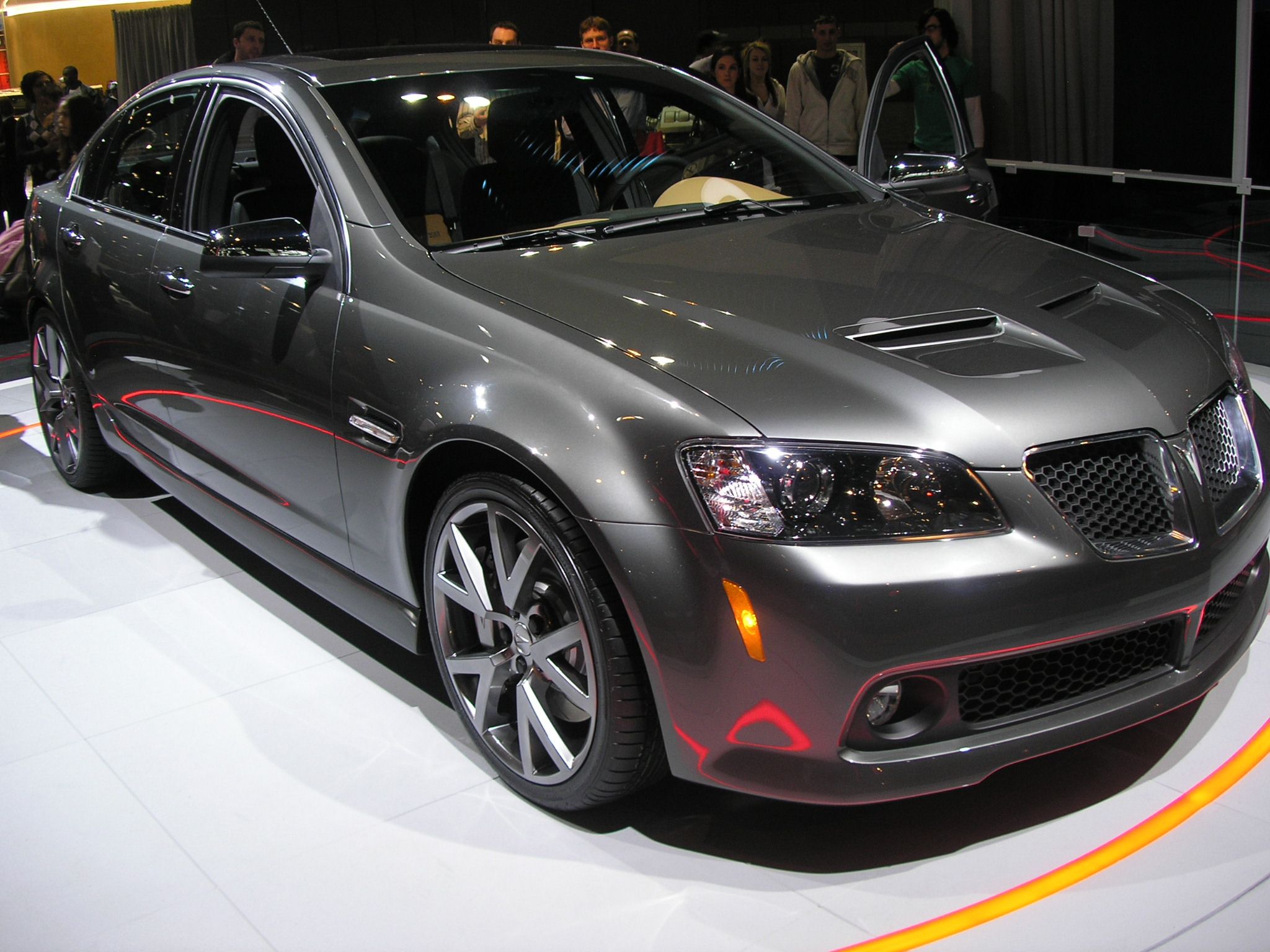
Car Model Information: 2021 Maserati Ghibli S Q4 GranSport
Caption: Detroit Auto Show
Date: 2008–2015
Location: Worldwide
AlsoKnownAs: Dieselgate, Emissionsgate
Type: Emission standard
Cause: Engaging full emissions control only during testing
Participants: International Council on Clean Transportation,West Virginia University,Volkswagen Group,United States Environmental Protection Agency
Outcome: Fines and lawsuits
Url: https://vwdieselinfo.com
Title: Timeline
Labelstyle: width:30%
Label2: 1999
Data2: New US Tier 2 rules established to replace Tier 1. NOx limit decreasing from 1.0 g/mi to 0.07 g/mi
Label3: 2004–2009
Data3: Phase-in period of diesel emissions rules
Label4: 2007
Data4: Volkswagen suspends sales of current diesel lines awaiting technology to meet new standards. Bosch allegedly warns Volkswagen not to use its software illegally.
Label5: 2008
Data5: Volkswagen announces new Clean Diesel cars. Some cars are described in Europe as “EU4 emissions standard (EU5 compliant)”.
Label6: 2009
Data6: Turbocharged direct injection
Label7: 2009–2015
Data7: Volkswagen diesel sales in the US rebound, Clean Diesels win several environmental awards, receive tax breaks
Label8: 2013
Data8: International Council on Clean Transportation asks WVU CAFEE to help demonstrate the benefits of US diesel technology, hoping to have Europe follow suit
Label9: May 2014
Data9: Instead, CAFEE finds discrepancies showing poor on-road emissions. Results presented at public forum and published, getting attention of EPA
Label10: 2014–2015
Data10: EPA repeats tests, and contacts Volkswagen for explanation of poor real world NOx emissions
Label11: Dec 2014
Data11: Volkswagen orders voluntary recall of TDI cars but CARB and EPA not satisfied
Label12: 3 September 2015
Data12: EPA threatens to not certify 2016 diesels, Volkswagen responds by admitting software was programmed to cheat testing
Label13: 18 September 2015
Data13: Public announcement by EPA of order to recall 2009–2015 cars
Label14: 20 September 2015
Data14: Volkswagen admits deception, issues public apology
Label15: 21 September 2015
Data15: First business day after news, Volkswagen stock down 20 percent
Label16: 22 September 2015
Data16: Volkswagen to spend $7.3B to cover costs of scandal; stock declines another 17 percent
Label17: 23 September 2015
Data17: Martin Winterkorn
Label18: 29 September 2015
Data18: Volkswagen announces plans to refit up to 11 million vehicles affected by the emissions violations scandal
Label19: 2 October 2015
Data19: Volkswagen sets up an online based service on which customers can check if their car is affected based on the vehicle identification number
Label20: 8 October 2015
Data20: Michael Horn (businessman)
Label21: 3 November 2015
Data21: Volkswagen’s investigation finds that CO2 emissions and fuel consumption figures are also affected by “irregularities”.
Label22: 25 November 2015
Data22: The German Federal Motor Transport Authority (KBA) approves Volkswagen fixes for 1.2, 1.6 and 2.0 diesel engines in Europe.
Label23: 9 December 2015
Data23: Volkswagen revises previous estimates on CO2 emissions irregularities, saying that only around 36,000 vehicles are affected.
Label24: 9 March 2016
Data24: Michael Horn (businessman)
Label25: 21 April 2016
Data25: Volkswagen announces that it will offer its US customers “substantial compensation” and car buyback offers for nearly 500,000 2.0-litre vehicles.
Label26: 6 Nov 2016
Data26: Regulators in California discover that Audi engines were rigged to produce lower CO2.
Label27: 7 January 2017
Data27: Oliver Schmidt (engineer)
Label28: 11 January 2017
Data28: Volkswagen agrees to plead guilty to the emissions scandal and to pay $4.3 billion in penalties. Six Volkswagen executives are charged.
Label29: 3 May 2018
Data29: Ex-CEO Winterkorn is indicted on fraud and conspiracy charges in the US
Label30: 18 June 2018
Data30: Rupert Stadler
Label31: 16 October 2018
Data31: Audi agrees to a fine of €800 million in Germany to resolve civil claims over duty to oversight (Verletzung der Aufsichtspflicht in Unternehmen)
Label32: 14 March 2019
Data32: US SEC alleges that Volkswagen AG, Martin Winterkorn, et al. defrauded investors and files suit in N.D. Cal.
Label33: 15 April 2019
Data33: Braunschweig
Label34: 31 July 2019
Data34: Munich
Label35: 24 September 2019
Data35: market manipulation
Label36: 14 January 2020
Data36: Braunschweig
Categories: 2015 in Germany, 2015 in technology, 2015 in the United States, 2015 in the environment, 2015 in transport
Summary: The Volkswagen emissions scandal, sometimes known as Dieselgate or Emissionsgate, began in September 2015, when the United States Environmental Protection Agency (EPA) issued a notice of violation of the Clean Air Act to German automaker Volkswagen Group. The agency had found that Volkswagen had intentionally programmed turbocharged direct injection (TDI) diesel engines to activate their emissions controls only during laboratory emissions testing, which caused the vehicles’ NOx output to meet US standards during regulatory testing. However, the vehicles emitted up to 40 times more NOx in real-world driving. Volkswagen deployed this software in about 11 million cars worldwide, including 500,000 in the United States, in model years 2009 through 2015.
Get more information about: Volkswagen emissions scandal
Buying a high-performing used car >>>
Brand: Volkswagen Model: diesel vehicles
Price: $33,440 Mileage: 24,509 mi.
Read more about: Beyond the Showroom Shine: 14 Automotive Design Fails That Rocked the Industry
2. **Mercedes’ Diesel Emissions Deception**
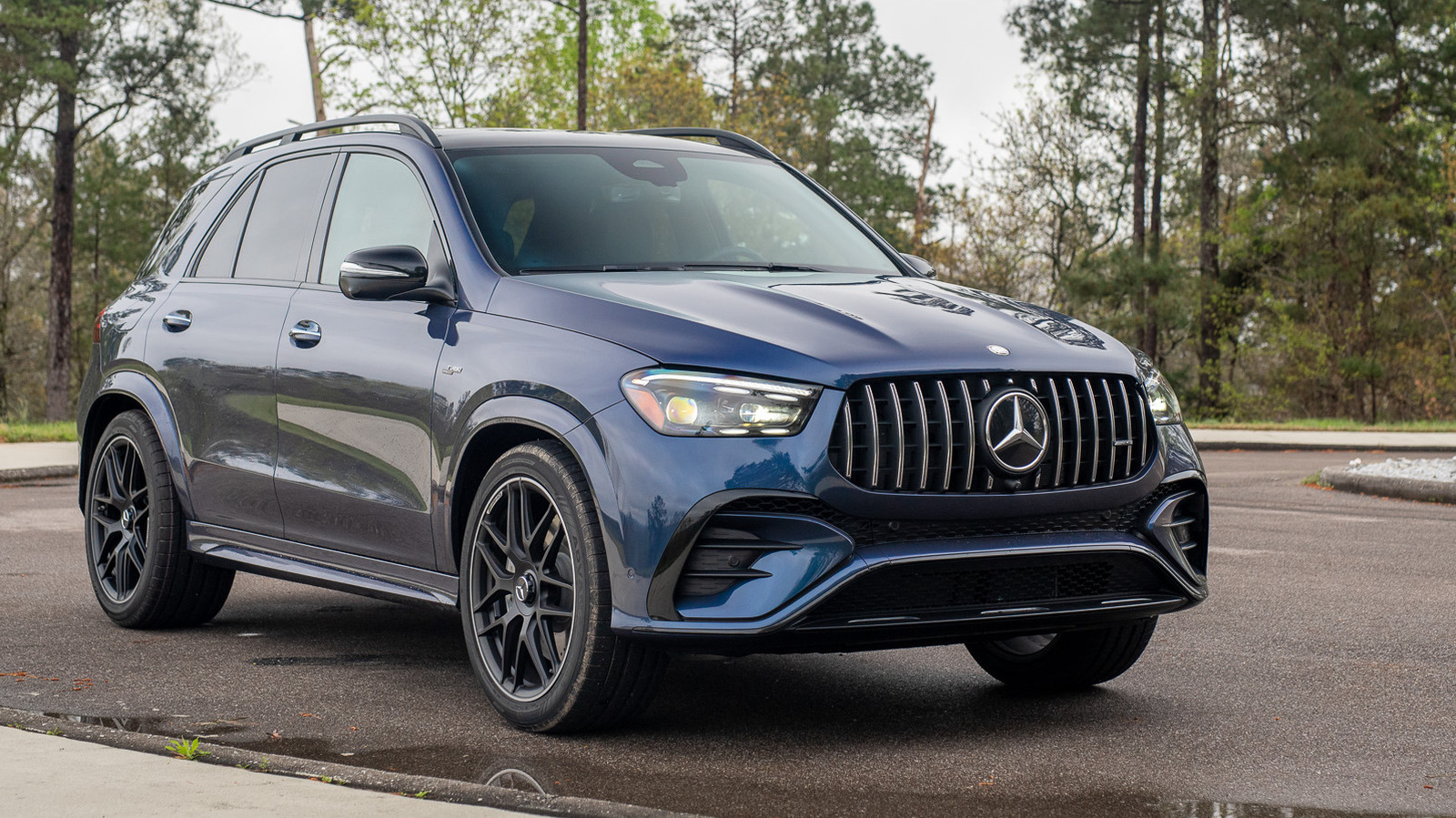
Following in the wake of Volkswagen’s infamous Dieselgate scandal, Mercedes-Benz also found itself under intense scrutiny for manipulating emissions data related to its diesel vehicles. Investigations brought to light that Mercedes had similarly employed software to falsify emissions figures, effectively deceiving both regulators and consumers about the environmental performance of its vehicles. This revealed the widespread nature of emissions fraud within the industry.
While the scope and severity of Mercedes’ deception were generally considered not as extensive as Volkswagen’s, the illegal practices still led to significant penalties. The company was ultimately compelled to pay over $1 billion in fines. This substantial financial penalty underscored the seriousness of the breach and the determination of regulatory bodies to enforce environmental standards across the automotive sector.
This scandal inflicted considerable damage on Mercedes-Benz’s reputation, a brand synonymous with luxury, engineering excellence, and reliability. The revelation that a prestigious automaker would engage in such deceit shook consumer confidence and raised critical questions about the integrity of its environmental claims. It highlighted that even well-respected manufacturers were not immune to ethical lapses when faced with pressure to meet stringent emissions targets.
The repercussions extended beyond financial penalties, impacting the company’s market perception and prompting a renewed focus on transparent emissions reporting and cleaner vehicle technologies. The Mercedes emissions deception served as a powerful reminder that all automakers, regardless of their standing, are subject to intense regulatory scrutiny and must adhere to legal and ethical standards in their product development and marketing.
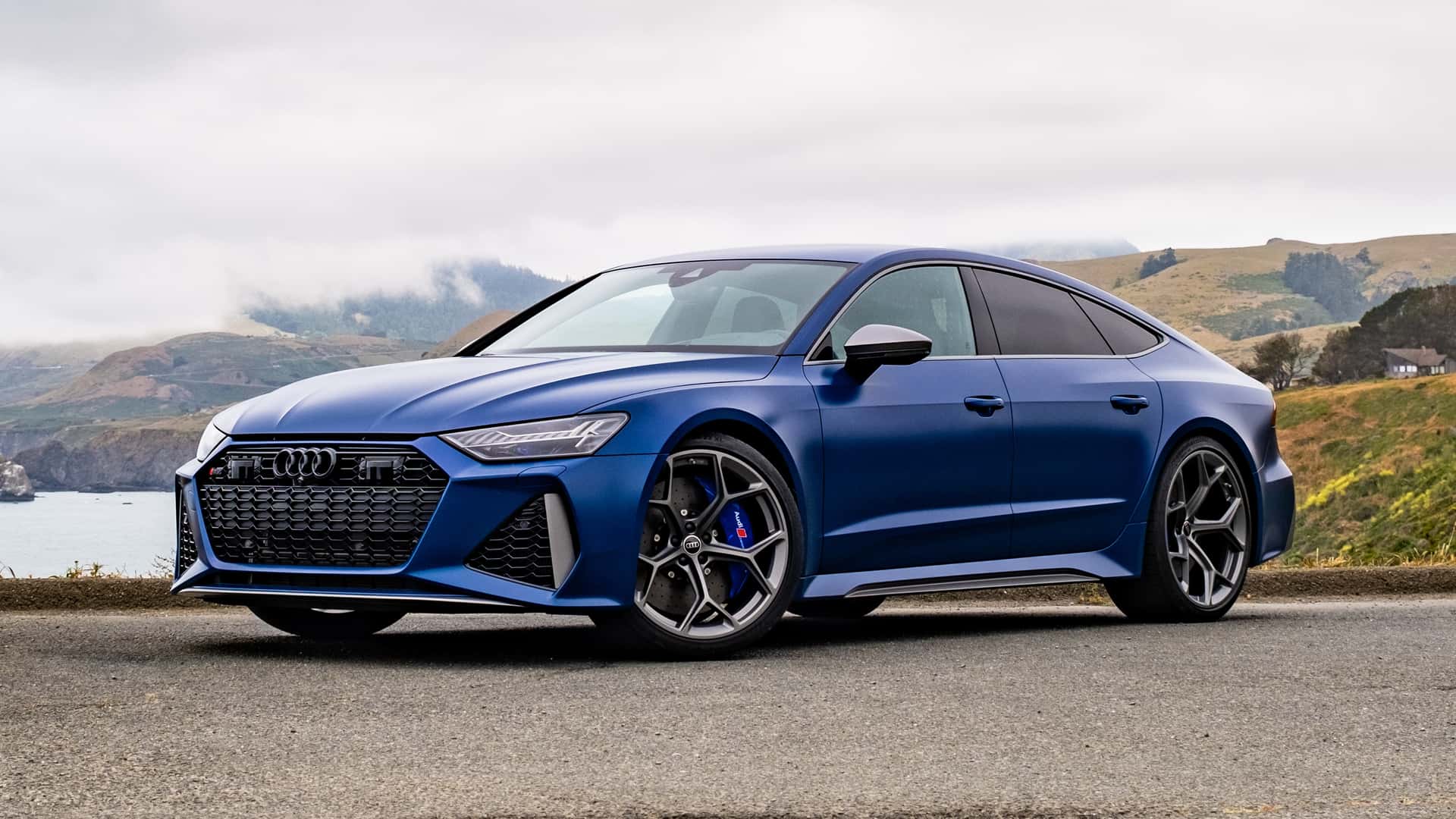
3. **Audi’s Emissions Manipulation**
As a direct subsidiary of the Volkswagen Group, Audi was inevitably implicated in the expansive 2015 Dieselgate scandal. The investigation revealed that certain high-end Audi models were also equipped with emissions-cheating software, designed to conceal the true levels of pollution emitted by these vehicles. This direct link to the overarching Volkswagen fraud amplified the scandal’s reach and severity.
The deception was particularly damaging for Audi, a brand that often marketed its diesel vehicles as technologically advanced and eco-friendly within the luxury segment. The revelation that these claims were founded on manipulated data struck a significant blow to Audi’s carefully cultivated image. Customers who had purchased these vehicles believing in their environmental credentials felt betrayed, leading to a substantial erosion of trust among luxury buyers.
The scandal resulted in considerable financial repercussions for Audi, contributing to the massive fines and settlements faced by the broader Volkswagen Group. Beyond the monetary penalties, the tarnished reputation had a profound impact on sales and brand loyalty, especially in markets where environmental consciousness is a key purchasing factor. Audi’s credibility as a leader in automotive engineering and sustainability was severely questioned.
In response to the widespread fallout, Audi, like its parent company, was forced to undertake significant measures to address the scandal. This included a strategic redirection of its focus toward electric vehicles and other genuinely eco-friendly technologies. The aim was to restore its environmental credibility and rebuild the trust of its affluent customer base, demonstrating a commitment to cleaner and more honest practices in the future.
Read more about: When Automotive Giants Stumble: Unearthing the Toxic Pasts of 14 Iconic Vehicles and Brands

4. **Fiat Chrysler Emissions Cheat / FCA Bypassing Emissions Test**
Fiat Chrysler Automobiles (FCA), now part of Stellantis, faced its own significant emissions controversy, demonstrating that the practice of circumventing environmental regulations was not unique to the Volkswagen Group. In 2017, the company was accused of using software to manipulate emissions data in certain diesel models, drawing unsettling parallels to the notorious Dieselgate scandal. These allegations were serious and initiated extensive regulatory action.
The Environmental Protection Agency (EPA) alleged that Fiat Chrysler’s vehicles were designed to emit more pollution on the road than during official testing procedures. This suggested a deliberate attempt to bypass emissions tests, much like other implicated automakers. The accusations put FCA in a precarious position, as it came just two years after Volkswagen’s deceit was fully exposed, indicating a failure to learn from industry mistakes.
While Fiat Chrysler denied intentional wrongdoing, maintaining that it might have failed to properly disclose its methods for emissions control technology in certain vehicle models, the company still faced substantial consequences. It agreed to pay significant settlements and was compelled to update the emissions systems in its affected vehicles to ensure compliance with environmental standards. These actions underscored the regulatory pressure on automakers.
This scandal deeply tarnished Fiat Chrysler’s reputation, particularly among environmentally-conscious consumers and investors concerned about corporate ethics. It highlighted the increasing scrutiny on diesel engine technology and the urgent need for automakers to demonstrate verifiable commitment to reducing their environmental footprint. The incident served as another reminder of the high costs—both financial and reputational—of emissions non-compliance in the modern automotive landscape.
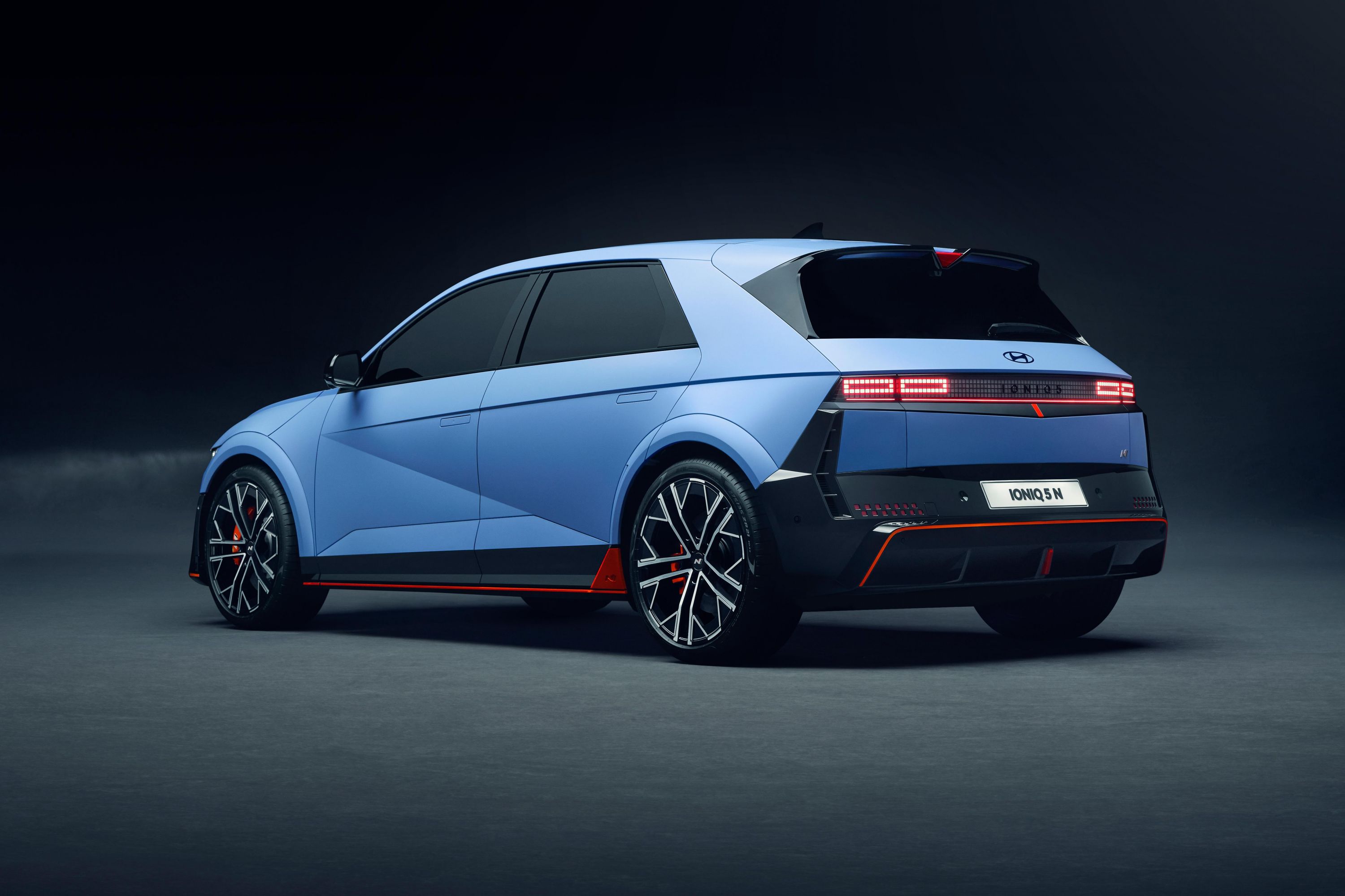
5. **Hyundai and Kia Overstated MPG Claims**
In 2012, two prominent South Korean automakers, Hyundai and Kia, faced significant backlash for a different but related form of deception: overstating fuel economy figures for more than a million vehicles sold in the United States. This issue, while not directly an emissions cheat in the same vein as Dieselgate, impacted environmental perceptions and consumer wallets, as MPG claims are closely tied to a vehicle’s efficiency and environmental footprint.
An investigation by the Environmental Protection Agency (EPA) confirmed that the brands’ reported miles per gallon (MPG) claims had been exaggerated. This meant that consumers were led to believe their vehicles were more fuel-efficient and, by extension, more environmentally friendly than they actually were. The discrepancy created a significant trust issue, as fuel economy is a crucial factor for many buyers, especially those concerned with operating costs and environmental impact.
As a result of the investigation, Hyundai and Kia were forced to offer reimbursement to affected customers for the difference in fuel costs. The scandal cost the companies millions of dollars in settlements and restitution payments. According to MotorTrend, they agreed to pay $41.2 million to 33 states that investigated them and a $350 million settlement to the EPA and Department of Justice in 2013, further highlighting the financial fallout.
The incident severely damaged Hyundai and Kia’s reputation, especially among eco-conscious consumers who valued honest fuel economy reporting. It also prompted tighter oversight on fuel economy claims within the entire automotive industry, serving as a powerful reminder of the potential fallout from misleading advertising and the critical importance of accurate information for consumer decision-making. Both brands had to work diligently to rebuild trust and demonstrate a renewed commitment to transparency.” , “_words_section1”: “1948
While the initial wave of revelations shook the automotive world, the landscape of emissions and fuel economy manipulation continued to unfold with diverse tactics and further regulatory actions. The industry’s journey towards compliance and regaining consumer trust remains an ongoing challenge, as more companies faced scrutiny for practices ranging from deliberate deception to oversight in reporting. These subsequent scandals underscore the persistent pressure automakers face to meet stringent environmental standards and the high costs of failing to uphold ethical obligations.
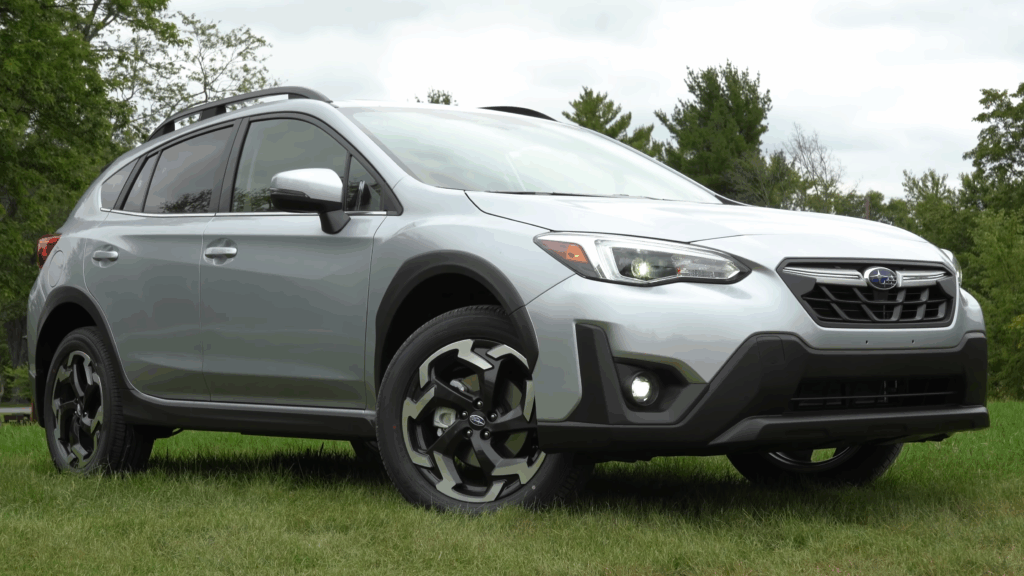
6. **Subaru’s Emissions Scandal**
Subaru, a brand widely respected for its reliable all-wheel-drive vehicles, found itself entangled in an emissions scandal in 2016. This incident brought the Japanese automaker under a microscope, similar to its counterparts who had faced public outcry over environmental misrepresentations. The core of the issue revolved around the manipulation of performance figures, which drew comparisons to the more deliberate deceptions seen elsewhere in the industry.
Investigations revealed that Subaru had engaged in practices that misrepresented the true environmental performance of its vehicles. While the context suggests this deception was characterized more as an oversight than a premeditated act of fraud, its impact was no less significant. Such discrepancies, regardless of intent, directly undermine the integrity of environmental regulations and consumer expectations.
The fallout from the scandal was swift and impactful for Subaru. The company experienced significant backlash, which translated into a steep decline in its stock prices, reflecting investor concern over corporate governance and brand reputation. Furthermore, the controversy led to executive-level changes, indicating a serious internal response to the missteps.
This scandal served as a powerful reminder that even well-respected manufacturers, known for their engineering prowess and consumer loyalty, are not immune to regulatory scrutiny. It highlighted the pervasive nature of challenges in emissions compliance across the global automotive sector, reinforcing the need for meticulous reporting and adherence to environmental standards from all players, irrespective of their established image.
Read more about: Beyond the Hype: 14 Car Tech Features That Drive Drivers Absolutely Bonkers (and Make Us Miss Simple Dials)
7. **Mitsubishi Fuel Economy Scandal**
In 2016, Mitsubishi Motors became embroiled in a significant controversy when it admitted to manipulating fuel economy data for several of its models. This revelation, which affected hundreds of thousands of vehicles, centered on making certain cars appear more fuel-efficient than they actually were. The deceptive practice spanned multiple years and involved improper testing methods to achieve favorable results.
The manipulation of fuel economy data by Mitsubishi had direct consequences for consumers, who were misled about the operating costs and environmental footprint of their vehicles. Such misrepresentations are not merely technical breaches; they erode the fundamental trust between a manufacturer and its customers. Accurate fuel economy reporting is a crucial factor for many buyers, particularly in competitive markets where efficiency is a key selling point.
The financial repercussions for Mitsubishi were substantial, encompassing fines and the necessity of issuing public apologies for its misconduct. Beyond the monetary penalties, the scandal inflicted a major blow to consumer trust in the brand’s integrity. This erosion of confidence significantly impacted sales and ultimately led to Nissan acquiring a substantial stake in Mitsubishi, a move that reshaped the company’s future direction.
This event marked a pivotal juncture for Mitsubishi, compelling the automaker to undertake a major reevaluation of its brand image and operational practices. The scandal underscored the critical importance of honest and transparent fuel economy reporting within the automotive market. It served as a stark lesson on how corporate dishonesty, even in areas seemingly less severe than direct emissions cheating, can have far-reaching consequences for a global brand.
Read more about: Experts Unmask: The Luxury SUVs with the Most Shocking Depreciation and Hidden Costs After Five Years
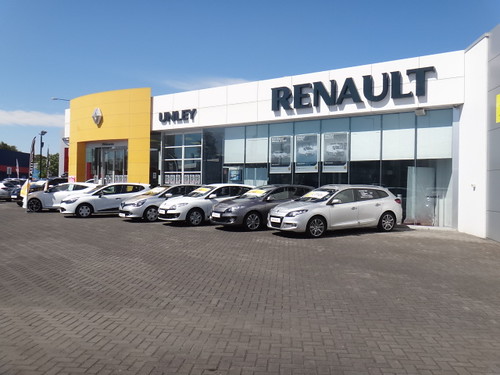
8. **Renault-Nissan Emissions Scandal**
Following the widespread impact of Volkswagen’s Dieselgate, the Renault-Nissan alliance also found itself under intense scrutiny for discrepancies in its diesel vehicle emissions. Investigations began to reveal that several models produced by the alliance exhibited higher-than-expected emissions levels, particularly during real-world driving conditions compared to controlled laboratory tests. This pattern echoed the issues that had plagued other major automakers.
The core of the concern revolved around the significant difference between official test results and actual on-road performance. This suggested that while vehicles might pass regulatory checks, their environmental impact in everyday use was considerably greater. Such a disparity raised serious questions about the effectiveness of current testing protocols and the transparency of manufacturers’ reporting.
Despite Renault denying any intentional wrongdoing, the public trust in the brand’s commitment to reducing emissions was severely shaken. The accusations alone were sufficient to cast a shadow over the alliance’s environmental claims, leading to a noticeable drop in investor confidence. This market reaction underscored the increasing sensitivity of stakeholders to environmental performance and corporate integrity.
The Renault-Nissan emissions scandal served as yet another compelling illustration of the ongoing challenges and discrepancies prevalent in the automotive industry’s emissions landscape. It highlighted the continuous struggle for manufacturers to balance performance and regulatory compliance, particularly with diesel technology. The incident reinforced the need for enhanced regulatory oversight and greater transparency in how vehicles’ environmental impacts are measured and communicated to the public.
Read more about: Beyond the Shiny Exteriors: Uncovering the Auto Industry’s Darkest Secrets and Corporate Scandals

9. **Suzuki Fuel Economy Manipulation**
In 2016, Suzuki Motors joined the growing list of automakers facing issues with misrepresented fuel economy figures. The company publicly confessed to using improper testing methods for calculating fuel economy data in Japan. This admission, while not involving the installation of ‘defeat devices’ like in emissions scandals, pointed to a systemic flaw in internal compliance and reporting mechanisms.
The improper testing methods led to discrepancies between the officially reported fuel efficiency and the actual performance of Suzuki vehicles. Although these inaccuracies did not directly impact vehicle safety, they undeniably led to public scrutiny and a significant loss of consumer trust in the brand’s integrity. Consumers rely on accurate data to make informed purchasing decisions, especially concerning a vehicle’s running costs.
While Suzuki was not charged with criminal offenses, the reputational damage and impact on its market share in Japan were considerable. The scandal compelled the company to undertake corrective actions and reinforced the importance of rigorous, transparent regulatory compliance. It served as a clear warning about the risks associated with shortcuts in data collection and reporting, even when intentions might not be overtly fraudulent.
In response to the revelations, Suzuki was forced to strengthen its internal testing procedures and implement more robust quality control measures. This incident underscored that adherence to regulatory guidelines is not merely a legal obligation but a cornerstone of maintaining consumer confidence and market credibility. It demonstrated that even seemingly minor deviations from proper testing protocols can lead to significant corporate repercussions in an environmentally conscious market.
Read more about: Beyond the Garage: 15 Vintage Cars That Are Secretly Skyrocketing in Value Right Now

10. **BMW Emissions Accusations**
Even premium German automaker BMW found itself under a cloud of suspicion concerning emissions manipulation in some of its diesel models. Facing public scrutiny in Europe, the company was accused of practices that raised questions about the true environmental performance of its vehicles. These accusations placed BMW squarely within the broader industry debate over diesel engine integrity.
The allegations prompted investigations by regulatory bodies, aiming to ascertain whether BMW had engaged in any form of emissions cheating. Despite BMW’s steadfast denial of using ‘cheat devices,’ the mere existence of these accusations was sufficient to tarnish the brand’s meticulously cultivated image. In today’s market, even unproven allegations can significantly impact public perception and investor confidence.
In response to the escalating concerns, BMW took steps to address the public outcry, reinforcing its commitment to eco-friendly technologies and transparent practices. However, the incident illustrated a broader industry problem concerning emissions discrepancies, highlighting the ongoing challenge for all manufacturers to meet increasingly stringent environmental standards without resorting to questionable methods.
The accusations against BMW served as a critical reminder that no automotive giant, regardless of its prestige or market standing, is immune to regulatory scrutiny regarding environmental compliance. It underscored the imperative for absolute transparency and verifiable adherence to emissions targets, emphasizing that consumer trust, once eroded, is incredibly difficult to rebuild. This ongoing pressure is a driving force behind the industry’s accelerated shift towards electrification and genuinely sustainable solutions.
The ongoing saga of emissions and fuel economy scandals across the automotive industry serves as a powerful, unsettling reminder that the pursuit of commercial advantage can sometimes overshadow ethical responsibilities. From sophisticated software trickery to misleading fuel efficiency claims, these incidents have not only resulted in staggering financial penalties and sweeping regulatory reforms but have also inflicted deep, lasting damage on the trust consumers place in cherished brands. As the industry hurtles towards an electrified and more sustainable future, the lessons learned from these notorious chapters are invaluable. They underscore an undeniable truth: genuine innovation and lasting success must always be built upon a foundation of integrity, transparency, and an unwavering commitment to both environmental stewardship and consumer safety. Only through this renewed dedication can automakers truly steer towards a future of restored confidence and ethical excellence.