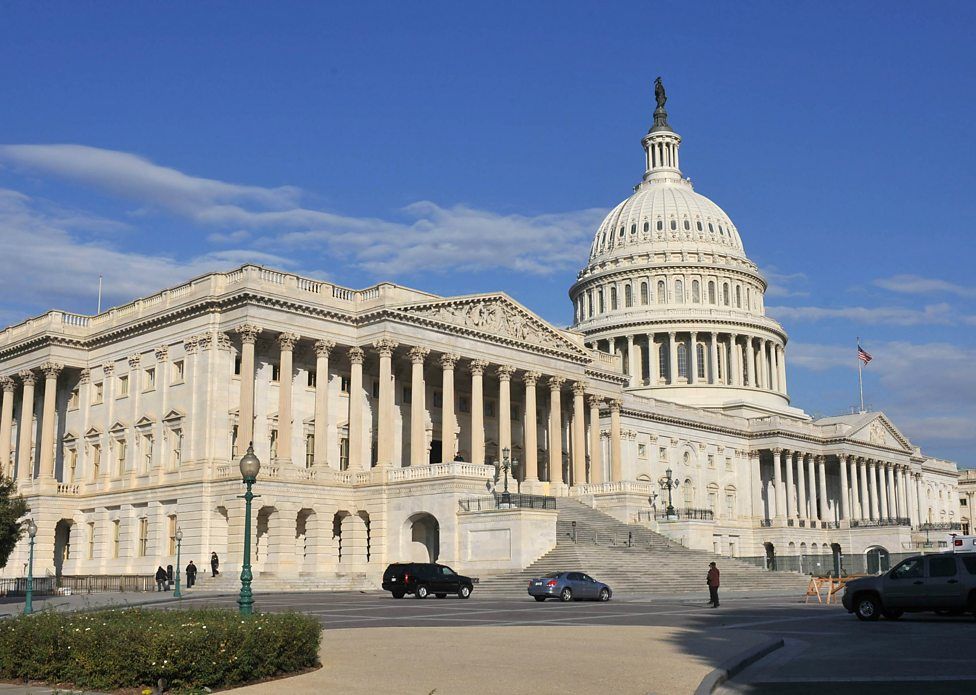
The government shutdown has once again cast a shadow over the U.S. economic landscape, notably disrupting the regular cadence of critical data releases. At the forefront of these delays is the Bureau of Labor Statistics (BLS) jobs report, a publication widely regarded as the “gold standard” for gauging the health of the economy. Originally slated for release on October 3, its postponement has left policymakers, economists, and investors grappling with an incomplete picture at a moment when clarity is paramount.
This absence of fresh, comprehensive federal statistics is particularly acute given the current economic climate. Experts were keenly looking for signs of a job market rebound following a series of disappointing reports, with the Federal Reserve contemplating further interest rate adjustments to stimulate growth. The disruption complicates the Fed’s decision-making process, forcing a reliance on alternative, often less comprehensive, data sources.
As the duration of the shutdown remains uncertain, the economic community finds itself navigating a period of heightened data scarcity. This article delves into what the missing BLS jobs report would have revealed, examines the crucial role this data plays for key economic actors, and explores the array of alternative private-sector indicators economists are now scrutinizing to piece together an understanding of the nation’s labor market and broader economic trajectory.

1. **The Delayed Bureau of Labor Statistics Jobs Report**The Bureau of Labor Statistics (BLS) jobs report, a cornerstone of economic analysis, was scheduled for release on October 3. However, the federal government shutdown necessitated the furloughing of BLS employees, halting crucial data collection and dissemination processes. This delay immediately deprived the Federal Reserve and economists of what Bank of America Global Research economists described as “arguably the most important piece of information” before the Fed’s pivotal meeting at the end of the month.
The implications of this delay extend beyond a mere scheduling inconvenience. The BLS releases are universally viewed as the “gold standard of economic data,” providing a robust and comprehensive snapshot of the labor market. Their absence creates a void that, while not leaving experts “completely blind” as Mike Skordeles, head of U.S. economics at Truist, noted, certainly complicates the task of accurately assessing economic health.
Maria Flynn, CEO of Jobs for the Future and a former senior official in the Department of Labor, underscored the gravity of the situation, stating, “it is a very big deal” to not have the BLS’ jobs report. She emphasized the rarity of such occurrences and expressed concern over the “politicization” of the BLS’s role, which she personally hasn’t witnessed before, making the current situation even more alarming. The integrity and timeliness of this federal data are foundational to sound economic policy and business decisions.
Read more about: The 7-Day Wait: Unpacking 12 Critical Reasons Why Your Car Repairs Are Taking So Long for Consumers

2. **The Anticipated September Jobs Figures**Prior to the shutdown, market expectations for the September jobs report had coalesced around specific figures, offering a glimpse into what the official data would have likely shown. Mark Hamrick, a Bankrate senior economic analyst, indicated in an October 3 note that the report “was expected to show about 50,000 jobs added to payrolls, with the unemployment rate remaining at 4.3%.” This forecast aligns closely with economists polled by LSEG, who also estimated 50,000 jobs added in September, and a survey by FactSet, which projected just 50,000 new positions.
These projections, hovering around 50,000 new jobs, signal a continuation of a “soft jobs report” trend observed in recent months. For context, August’s initial print stood at 22,000 jobs, July’s first revision showed a gain of 79,000, and June’s final revision indicated a loss of 13,000 jobs. The anticipated September numbers would have continued this trajectory of weaker hiring, which represents a significant slowdown compared to earlier periods of robust job growth.
Furthermore, the unemployment rate was widely expected to remain flat at a still-low 4.3%. The Federal Reserve Bank of Chicago estimated that the unemployment rate remained at 4.3 percent. While maintaining a low unemployment rate is generally positive, the muted job creation figures would have reinforced concerns about the labor market’s diminishing momentum, especially at a time when economists were looking for clear signals of a rebound. This nuanced picture of a slowing yet stable labor market is precisely what the BLS report would have clarified.
Read more about: Taylor Swift’s Political Evolution: Unpacking Her Journey From Apolitical Silence to Influential Endorsement

3. **Why BLS Data is “Arguably the Most Important” for the Federal Reserve**The Federal Reserve’s dual mandate—to maximize employment and maintain price stability—makes the Bureau of Labor Statistics’ jobs report an indispensable tool for its policy decisions. Bank of America Global Research economists underscored this by labeling it “arguably the most important piece of information” the Fed reviews before its monthly meetings. This significance stems from the report’s comprehensive and authoritative nature, providing a crucial pulse check on the nation’s labor market dynamics.
Specifically, the jobs report informs the Fed’s interest rate decisions, which have far-reaching implications for loans, credit cards, and other borrowing costs for everyday Americans. Michael Linden, senior policy fellow at the Washington Center for Equitable Growth, highlighted this, stating, “The job market had been a source of real strength in the economy but has been slowing down considerably the past few months. It would be very good to know if that slowdown was continuing, accelerating, or reversing.” This insight is critical for the Fed to understand inflationary pressures and employment trends.
Fed Chair Jerome Powell himself affirmed the data-dependent approach, stating during a news conference, “We’re in a meeting-by-meeting situation, and we’re going to be looking at the data.” The absence of the BLS report, therefore, complicates the Fed’s ability to “keep a close eye on how inflation and unemployment evolve,” as officials indicated they would do. With expectations for at least one additional rate cut before the year’s end to stimulate growth, having precise and up-to-date labor market data is paramount for the Fed to navigate this “challenging situation” amidst a “turbulent period.”

4. **Other Critical Government Data Threatened by Prolonged Shutdown**The fallout from the government shutdown extends beyond the highly anticipated jobs report, jeopardizing a suite of other crucial economic indicators. Should the shutdown persist, it could delay the Bureau of Labor Statistics’ next Consumer Price Index (CPI) report, which is expected on October 15. The CPI report is a key benchmark for inflation, and its absence would leave a significant gap in the understanding of price trends, further hindering the Federal Reserve’s ability to make informed monetary policy decisions.
Beyond BLS, other critical government agencies have also paused their scheduled releases. The U.S. Department of Labor itself confirmed that some data, including monthly jobs and inflation reports, would not be released. Similarly, the Bureau of Economic Analysis and the Census Bureau, both vital sources of additional data, announced they would halt their scheduled releases for the duration of the shutdown. This collective pause creates a broader data deficit across various economic sectors.
For instance, the Commerce Department’s monthly report on retail sales, usually a comprehensive look at the health of U.S. consumers, is slated for release the day after the CPI report. This report is instrumental for businesses in making expansion or contraction plans regarding their operations and workforces. Furthermore, the government has already canceled some data collection, such as an annual survey of food security and another on farmworker wages, which will inevitably “obscure understanding of America’s economic health.” The longer the shutdown, the more pervasive and damaging these data gaps become, fundamentally altering the assumptions behind economic analyses.
Read more about: Unveiling California’s Enduring Grandeur: A Journey Through History, Innovation, and Natural Wonders

5. **Navigating the Data Vacuum: The Challenge of “Flying Blind”**In the absence of the “gold standard” government data, economists and policymakers are confronted with the challenging task of piecing together an accurate economic picture from alternative sources, a situation described by some as “flying blind.” Mike Skordeles of Truist acknowledged that while it’s an “incomplete picture,” they are “not flying completely blind.” However, he warned that “if the shutdown drags on for longer than a week or so, that stale data makes it harder get an accurate picture of the economy.”
The inherent difficulty arises from the less comprehensive and sometimes contradictory nature of non-government reports. Maria Flynn noted, “Sometimes non-government reports contradict one another, which makes the absence of BLS data a challenge.” She elaborated, “It’s always good to be able to triangulate the data and compare and contrast across difference sources.” Removing the public sector’s government-sponsored leg of this analytical stool “does start to open things up for more interpretation,” increasing uncertainty.
This lack of definitive, government-backed data is particularly concerning at what some experts describe as an “inflection point” for the economy. Kenneth Kuttner, a professor of economics at Williams College, starkly put it: “This is probably the worst time for the Fed to be flying blind.” The potential for significant disagreement among central bank officials about the correct policy response is amplified when they lack a common, credible data foundation, making it harder for the Federal Open Market Committee (FOMC) to reach a consensus.

6. **Private Sector Alternatives: Reports from ADP, ZipRecruiter, Indeed, LinkedIn, and Lightcast**With federal data on hold, economists and businesses are turning to a variety of private sector reports to glean insights into the labor market. Maria Flynn suggested that businesses could consult reports from prominent job boards such as ZipRecruiter, Indeed, and LinkedIn. These platforms, by their nature, track job postings, applications, and hiring trends, offering real-time, albeit often sector-specific, glimpses into workforce demand and supply.
Indeed, for instance, provides an “encompassing menu of labor market data,” and its senior economist, Cory Stahle, noted that their measure of job postings showed an 8.9% decline from a year ago as of September 26. This data, while not directly comparable to BLS, offers crucial directional insights, indicating a gradual shrinking of job availability. Lightcast, a real-time labor market information provider, also stands out as another valuable resource for understanding current labor conditions when government statistics are unavailable.
Another significant private source is the ADP’s National Employment Report. Published on October 1, it reported that private employers shed 32,000 jobs during September, following an August loss of 3,000. While Nela Richardson, ADP chief economist, stated her firm’s report “was not intended to be a replacement” for government statistics, ADP data is receiving closer scrutiny. It had notably signaled a slowdown in the labor market well before the BLS later corroborated similar weak hiring trends, offering a valuable, if sometimes incongruent, perspective.

7. **Insights from Homebase’s Small Business Labor Trends**The Homebase September Main Street Health Report offers a granular look into small business labor trends, providing early signals about broader economic conditions. The report, which primarily focuses on small businesses employing hourly workers, found that workforce participation declined by 3.6% and hours worked fell by 4.7% in September. These figures closely mirrored the late-summer declines observed in 2023, suggesting a consistent pattern of softening in this vital sector.
Homebase CEO John Waldmann highlighted the importance of their data, explaining that they “started sharing data publicly during COVID because we were seeing real-time signals so early in the pandemic of the impact on local economies.” This real-time visibility positions Homebase as a key indicator, particularly given that “small businesses have traditionally provided most of the job growth in this country,” a role Waldmann believes “is only going to be more important” with future technology and labor market changes.
The insights from Homebase contribute a critical piece to the incomplete economic puzzle. Small businesses, often seen as the engine of job creation, offer a unique perspective on grassroots economic activity. While their data cannot fully replace the comprehensive scope of government reports, it offers valuable, forward-looking indicators of labor market health and consumer activity, especially given their historical contribution to job growth.

8. **The Irreplaceable Value of Government-Sourced Data**While private sector reports offer valuable directional insights, the comprehensive and authoritative nature of government-sourced economic data remains unparalleled. Maria Flynn, CEO of Jobs for the Future, highlighted the need to “triangulate the data and compare and contrast across different sources.” She elaborated that removing the “public sector’s government-sponsored leg of this analytical stool” significantly “does start to open things up for more interpretation,” introducing unwelcome uncertainty into economic analysis.
The superior quality of federal statistics stems from their methodological rigor, vast sample sizes, and consistent collection protocols, which establish them as the “gold standard.” These attributes minimize potential biases inherent in private sector data, which may focus on specific segments of the economy or employ varying methodologies. Without this foundational government data, economists often find themselves operating with a fragmented and less reliable understanding of national economic trends.
Indeed, Mike Skordeles, head of U.S. economics at Truist, emphasized that government-sourced data is “the best available in many cases, and the only source in others.” He pointed out the scarcity of comprehensive inflation data series outside of highly specific market segments, such as “auto data from Manheim or existing home prices from NAR.” This underscores that certain critical economic dimensions simply lack robust, broad-based private sector alternatives, rendering the federal data not merely important, but truly indispensable.

9. **The Federal Reserve’s Policy Bind Amidst Data Scarcity**The absence of the BLS jobs report, along with other delayed government statistics, places the Federal Reserve in a particularly challenging position as it navigates its monetary policy mandate. Fed Chair Jerome Powell previously affirmed a data-dependent approach, stating, “We’re in a meeting-by-meeting situation, and we’re going to be looking at the data.” The current data void directly impedes this methodology, forcing the Fed to make critical decisions with less precise and comprehensive information.
This scarcity of up-to-date data is especially concerning given the current economic uncertainties, which some experts describe as an “inflection point.” Michael Linden, senior policy fellow at the Washington Center for Equitable Growth, articulated the crucial need for clarity: “It would be very good to know if that slowdown was continuing, accelerating, or reversing.” Without the BLS report, the Fed’s ability to “keep a close eye on how inflation and unemployment evolve,” as officials indicated, is significantly compromised.
Kenneth Kuttner, a professor of economics at Williams College, starkly assessed the situation, stating, “This is probably the worst time for the Fed to be flying blind.” The potential for significant disagreement among central bank officials about the correct policy response is amplified when a common, credible data foundation is absent. This complicates the Federal Open Market Committee (FOMC)’s ability to reach a consensus, particularly as projections already reveal “significant disagreement between committee members” on the path of interest rates.
Furthermore, a data-scarce environment could prolong the period of uncertainty, potentially leading to sub-optimal policy choices with broader economic repercussions. The Fed had already cut its benchmark interest rate and signaled further cuts, attempting to revive a flagging labor market while containing inflation. Without robust data, discerning the precise impact of these actions and charting future steps becomes an increasingly speculative exercise, magnifying the “challenging situation” and “turbulent period” facing policymakers.

10. **Financial Market Reaction and Investor Sentiment**On Wall Street, investors typically “obsess over the monthly jobs reports,” recognizing them as a “crucial indicator of the economy’s health.” The data provides invaluable insights into potential Federal Reserve interest rate adjustments, which directly influence the cost of borrowing and critically shape how investors allocate their capital across various asset classes. The delayed BLS report, therefore, removes a cornerstone of market analysis, yet the immediate market reaction has shown a degree of resilience.
Despite the disruption, financial markets have, to some extent, absorbed the uncertainty. The broad S&P 500 stock index, for instance, “rose slightly Wednesday to an all-time high” even as the government shutdown progressed. This initial response suggests that while the absence of data is a concern, investors may not be “fazed” by the shutdown in the short term, possibly due to a belief that a resolution is imminent or that existing private data offers enough interim guidance.
However, the longer the data void persists, the greater the potential for market volatility and mispricing of assets. Without the comprehensive and trusted BLS figures, investors must rely more heavily on a “portfolio of private sector and government data,” as Nela Richardson, ADP chief economist, noted. This shift introduces greater potential for conflicting signals, making it harder for investors to form a cohesive and confident view of the economic landscape, which could eventually manifest in more cautious or erratic market behavior.
The reliability of government data is also fundamental for corporate decision-making, influencing business expansion plans, hiring strategies, and capital investments. Businesses leverage reports like the Commerce Department’s retail sales data to gauge consumer health. A sustained lack of such official benchmarks could lead to delayed or conservative corporate strategies, potentially dampening overall economic activity and, in turn, investor confidence in the medium to long term.
Read more about: Beyond the Blockbuster: Ryan Reynolds’ Authentic Playbook for Disruptive Marketing and Brand Building

11. **Broader Alternative Indicators: Industrial Production and Spending Data**While the spotlight often falls on labor market statistics, a range of other economic indicators, both governmental and private, provide crucial insights during periods of data scarcity. Notably, the Federal Reserve itself continues to provide “monthly snapshots of industrial production,” which encompass “mining, manufacturing, and utility output.” This data, funded independently by the Fed’s earnings, offers a vital perspective on the supply-side health of the economy, with the next report scheduled for October 17.
Beyond production figures, consumer spending data serves as a powerful, albeit indirect, gauge of economic activity. Bank of America’s credit and debit card tracking provides real-time insights, revealing “spending on a steady uptick in September.” For the week ending September 27, “Total card outlays compared to a year ago increased 2.2%,” signaling continued consumer demand despite a softening labor market. As BofA economist Shruti Mishra noted, economists “will continue to monitor this dichotomy.”
Complementing this, Fiserv’s small business index offers another window into consumer behavior and local economic health. Their data indicated that “annual sales and transactions increased 2.3% in September,” maintaining a consistent pace over the past three months. This sustained growth in small business activity suggests a foundational level of economic resilience, even as other indicators point to a broader slowdown.
These alternative data streams, while not direct replacements for federal labor statistics, collectively contribute to a more nuanced, albeit incomplete, understanding of the economic situation. They help to illustrate broader trends such as consumer confidence and business activity, allowing economists to infer underlying economic momentum and potential shifts in the absence of comprehensive government reports.

12. **Broader Alternative Indicators: Freight Data, Industry Groups, and Earnings Reports**Beyond the immediately apparent labor market and consumer spending metrics, economists are also broadening their analytical scope to include a variety of less conventional, yet insightful, private sector indicators. Mike Skordeles of Truist suggested examining “freight data from ports and railroads,” which can serve as a proxy for the volume of goods being transported and, by extension, the level of industrial and commercial activity throughout the supply chain. A robust movement of freight typically correlates with healthy economic production and demand.
Furthermore, data from industry-specific groups, such as the National Association of Realtors for housing market insights, provides granular detail that can illuminate particular sectors. These organizations often collect and disseminate statistics pertinent to their respective industries, offering real-time glimpses into housing sales, price trends, and inventory levels. While narrow in scope, such specialized reports contribute to a mosaic of economic understanding when broader federal data is absent.
Corporate earnings reports from publicly traded companies offer another valuable, if lagging, indicator. These reports provide insights into revenue growth, profitability, and future outlooks, reflecting the performance of significant segments of the economy. While quarterly earnings offer a backward-looking perspective, their forward guidance can signal corporate confidence or apprehension regarding future economic conditions, influencing investment decisions and overall market sentiment.
The National Federation of Independent Business (NFIB) survey of small businesses also offers a critical lens, revealing that “32% of small business owners reported they had job openings they couldn’t fill,” with 28% for skilled workers and 13% for unskilled labor. A seasonally adjusted net 16% of small business owners planned to create new jobs in the next three months, indicating a persistent demand for labor despite a challenging market. This survey underscores the ongoing struggle for small businesses to find qualified workers and their cautious optimism about future hiring.

13. **The Chicago Fed’s Labor Market Indicators Report**In response to the data challenges, regional Federal Reserve banks are also stepping up to provide supplementary insights. The Federal Reserve Bank of Chicago, for instance, unveiled its own “dashboard of data measuring key labor market metrics,” including unemployment, hiring rates, and layoff rates. This proactive measure aims to offer a “real-time forecast of the unemployment rate” and other crucial figures, providing an independent assessment when federal data is unavailable or delayed.
The Chicago Fed’s Labor Market Indicators report, released most recently, forecasted that the “real-time unemployment rate would tick slightly higher for September, rising to 4.34% from the 4.32% reading last month.” This aligns broadly with broader expectations for a stable, albeit low, unemployment rate. Such granular, real-time forecasts become particularly vital during periods of federal data disruption, offering policymakers and economists a continuous stream of information to monitor labor market health.
Further analysis from the Chicago Fed’s tool estimated a slight decline in the “hiring rate for unemployed workers,” decreasing to 45.22% last month from 45.61% in August. Concurrently, the “layoffs and separations rate ticked slightly higher to 2.10%” from 2.09% in August. These subtle shifts, while not dramatic, reinforce the narrative of a gradually softening labor market, where job acquisition might be marginally slower and separations slightly more frequent.
Chicago Federal Reserve President Austan Goolsbee acknowledged the necessity of utilizing available resources, stating, “We fight with the army we have at moments like this, where it’s critically important that we’re figuring out whether the economy is in a moment of transition.” He further noted that “thus far it still continues to point to a pretty stable labor market,” indicating that while imperfect, these alternative data sources are providing a consistent, if subdued, picture of employment conditions.

14. **Historical Precedents of Data Disruptions**While the current government shutdown presents unique challenges, the disruption of federal economic data is not without historical precedent, offering a glimpse into how past delays were managed. A notable instance occurred in 2013, when a government shutdown similarly prevented the release of the September jobs report. Originally slated for publication on October 4 of that year, the report was ultimately released on October 22, 2013, “less than a week after the shutdown ended with funding restored on Oct. 17.”
This 2013 scenario provides a template for potential recovery in the current situation, suggesting that the BLS is equipped to publish delayed reports relatively quickly once operations resume. A similar delay was experienced “in early 1996, when the December 1995 jobs report was supposed to be released in early January but was delayed until the middle of the month” due to a shutdown. These past events underscore the temporary nature of these disruptions, but also the critical importance of swift resumption.
It is also important to note that not all government shutdowns have led to the cessation of BLS reports. During “the last partial government shutdown in the winter of 2018-19 that lasted more than a month,” the Bureau of Labor Statistics was funded under a previously-enacted appropriations bill and consequently “didn’t have to delay a jobs report.” This highlights that the impact of a shutdown on data releases can vary depending on the specifics of the funding mechanisms in place for different agencies.
These historical precedents confirm that federal statistical agencies possess the infrastructure and protocols to eventually release delayed data. However, the interval between the scheduled and actual release dates can vary, creating periods of uncertainty. The current situation emphasizes the fragility of this data ecosystem when governmental funding and operations are interrupted, underscoring the critical need for continuous, unimpeded data flow for robust economic analysis.
Read more about: Beyond the Showroom Shine: 14 Automotive Design Fails That Rocked the Industry
The government shutdown serves as a stark reminder of the irreplaceable role federal statistical agencies play in our economy. While the ingenuity of the private sector and regional institutions offers some interim relief, the comprehensive, unbiased, and consistent data provided by agencies like the BLS forms the bedrock upon which sound economic decisions, from the Federal Reserve’s boardrooms to kitchen tables across America, are built. As the nation navigates this period of uncertainty, the call for a swift resumption of these vital data flows grows louder, underscoring their profound importance to economic stability and informed prosperity.