The United States government currently finds itself in the throes of a shutdown, an event reverberating across the nation with immediate and far-reaching consequences. This fiscal stalemate, unfolding in October 2025, extends beyond Washington, directly impacting federal workers’ livelihoods, critical programs’ stability, and the very perception of governmental reliability. As political factions remain entrenched, daily government operations—from national defense to essential services—face unprecedented disruption, fostering a climate of anxiety and uncertainty.
This ongoing crisis underscores the precarious nature of political negotiations and the profound human cost when consensus precludes lawmakers. While headlines focus on the legislative battle, a deeper examination reveals how this shutdown interacts with, and is informed by, other monumental governmental undertakings, such as the recently concluded 2020 decennial census. The data gathered during that comprehensive count dictates much of how federal resources are allocated and political power distributed, making its integrity and implementation crucial, even as a new fiscal challenge emerges.
In this in-depth analysis, we will dissect the immediate implications of the 2025 government shutdown, exploring tangible impacts on individuals, institutions, and the broader economy. We will delve into the specific mechanisms of the impasse, the strategic maneuvers by key political figures, and the anxieties gripping the federal workforce. Understanding these dynamics is essential to grasp the full scope of this critical moment in American governance, setting the stage for a comprehensive look at how past foundational efforts continue to shape the nation’s future.
1. **The Looming Specter of Federal Layoffs and Job Insecurity**The current government shutdown has plunged thousands of federal workers into profound anxiety, reviving fears of mass layoffs. In northern Virginia, heavily reliant on federal employment, apprehension is acute, following earlier mass layoffs this year. What was once considered career stability has transformed into uncertainty, with towns like Alexandria experiencing significant unemployment increases. Many employees remain silent, reluctant to speak publicly for fear of retribution, a testament to the palpable pressure they endure.
The White House has warned of the “unenviable task” of implementing mass layoffs if the shutdown persists, a measure characterized by Press Secretary Karoline Leavitt as “fiscal sanity.” Discussions with the Office of Management and Budget (OMB) signal a readiness to significantly downsize the federal workforce, particularly targeting agencies “that do not align with this administration’s values.” This strategic approach to workforce reduction adds a punitive dimension, increasing the psychological burden on employees already grappling with immediate financial instability.
A federal worker on probation aptly summarized the situation to the BBC: “I don’t know that the anxiety around layoffs is any different now… There has been a concern for that writ large since about February.” This highlights that the shutdown merely compounds existing fears about job security. The specter of a suspended paycheck, followed by potential permanent job loss, creates an untenable situation for families, disrupting financial planning and undermining trust in governmental employment. Ripple effects impact local economies that depend on federal salaries.

2. **The Political Impasse: A Battle of Wills and Deep Divisions**At its core, the 2025 government shutdown represents a profound political impasse between entrenched Republican and Democratic factions. The Senate repeatedly failed to pass funding measures; Republican proposals fell short of 60 votes, and Democratic counter-proposals were similarly rejected. This legislative gridlock leaves federal workers in limbo and essential services disrupted. Senator Josh Hawley (R-Mo.) underscored the difficulty, stating, “We can vote and vote and vote. But it’s up to basically five people,” indicating narrow influence.
Resolution appears fraught, with Republicans needing at least five Democrats to cross the aisle. This is complicated by Senator Rand Paul (R-Ky.) opposing most spending bills, and three Democrats—Senators Angus King (I-Maine), John Fetterman (D-Penn.), and Catherine Cortez Masto (D-Nev.)—already siding with Republicans. Both sides blame the other. House Minority Leader Hakeem Jeffries (D-N.Y.) publicly criticized former President Trump, asserting he was “responsible for having caused it” and in a “presidential witness protection program” on the issue.
This standoff is fundamentally about enduring political pain. Senate Majority Leader John Thune (R-S.D.) and House Speaker Mike Johnson have faced continued impasses, and optimism remains low. Senator Mike Rounds (R-S.D.) expressed his pessimism, noting, “I’m not optimistic that more than just a few of them want to get to ‘yes.’” The fundamental disagreement centers on a “clean stopgap spending bill” versus Democratic demands for extending enhanced Affordable Care Act subsidies. This suggests the shutdown will stretch into at least another week.
3. **Targeted Funding Freezes and the Impact on Blue States**A significant aspect of the current shutdown involves strategic federal funding freezes overtly targeting Democrat-run states and cities. OMB Director Russell Vought, a key architect of “Project 2025,” has taken decisive action. He announced the suspension of substantial infrastructure funding for Chicago ($2.1 billion), following previous halts of $18 billion for New York City and $8 billion for federal energy projects in other Democratic-leaning states. These moves are widely perceived as politically motivated, designed to exert pressure on congressional Democrats.
President Donald Trump has explicitly vowed to “clear out deadwood, waste and fraud” in government, aligning with Vought’s actions to cancel projects in “blue” states. This tactic aims to create tangible economic pain in areas opposing the administration’s agenda, potentially compelling more Democrats to cross the aisle and approve a continuing resolution. Speaker Mike Johnson acknowledged this strategic element, stating Trump is “trolling the Democrats” and “people are having fun with this,” despite “tough decisions” involved.
The implications of these targeted freezes are severe, impacting vital infrastructure, energy initiatives, and local economies. Senator Chuck Schumer (D-N.Y.), the Minority Leader, had previously warned such actions would occur, highlighting the administration’s willingness to leverage federal funding as a political tool. The cancellation of projects not only delays critical developments but also sends a clear message about the administration’s governance approach: favoring ideological alignment over broad-based investment.
4. **Military Personnel Caught in the Crossfire**Among the most concerning consequences of the government shutdown is the direct impact on active-duty servicemembers, who continue working without pay. The situation creates a profound sense of injustice, as these dedicated individuals serve their nation in demanding circumstances, while their financial security is undermined by political gridlock. Military paychecks are slated to cease on October 15 if Congress fails to approve a funding bill, casting uncertainty over thousands of military families.
President Trump announced plans to host a large Navy celebration this weekend in Norfolk, Virginia, commemorating the service’s 250th birthday. This event, proclaimed on Truth Social with the message “THE SHOW MUST GO ON!,” has drawn sharp criticism. Holding a celebration of military heritage while active-duty personnel face unpaid labor strikes a discordant note. The optics of a lavish event juxtaposed with the financial strain on those being celebrated highlight a perceived disconnect between political leadership and the realities faced by military families during the shutdown.
The financial instability imposed on servicemembers extends beyond immediate paychecks. Many military families operate on tight budgets, and pay interruption can lead to missed bill payments, accruing debt, and significant stress. While essential military services may continue, the personal financial burden on individuals remains immense. This situation affects morale and raises questions about long-term implications for military recruitment and retention if governmental stability cannot be assured for those who dedicate their lives to national defense.
Read more about: Beyond Normandy: 9 Essential War Movies Every ‘Saving Private Ryan’ Fan Must See

5. **The Controversy Over Healthcare Protections**At the heart of the current government shutdown impasse lies a deeply contentious dispute over healthcare protections, exposing fundamental ideological divides. Democrats are actively leveraging the shutdown to protect low-income health insurance subsidies and reverse “Trump-era Medicaid cuts.” Their objective is to safeguard access to affordable healthcare, particularly for vulnerable populations. This commitment is central to their negotiation strategy.
Conversely, Republicans vehemently oppose these Democratic demands, primarily due to the perceived inflationary nature of the Affordable Care Act (ACA) enhanced subsidies. Senator John Thune (R-S.D.) articulated this concern, stating that “The Obamacare enhanced or covid subsidies, are inflationary, and rates have been up because that program is fundamentally flawed in the way it’s designed.” This opposition extends to broader resistance against the ACA itself, a law many Republicans campaigned against successfully.
The political discourse is further complicated by baseless allegations from Republicans, specifically Robert F. Kennedy Jr.’s claim that Democrats shut down the government to secure free healthcare for undocumented immigrants. On X, he wrote “MAHA held hostage.” This claim has been widely refuted; undocumented immigrants are only eligible for emergency healthcare, and Democrats’ focus remains on reversing Medicaid cuts and extending ACA subsidies for citizens. Such misrepresentations not only inflame political tensions but also obscure substantive policy disagreements.
Read more about: The Unprecedented Fallout: Decoding the Jimmy Kimmel Suspension and its Echoes Across Media and Free Speech
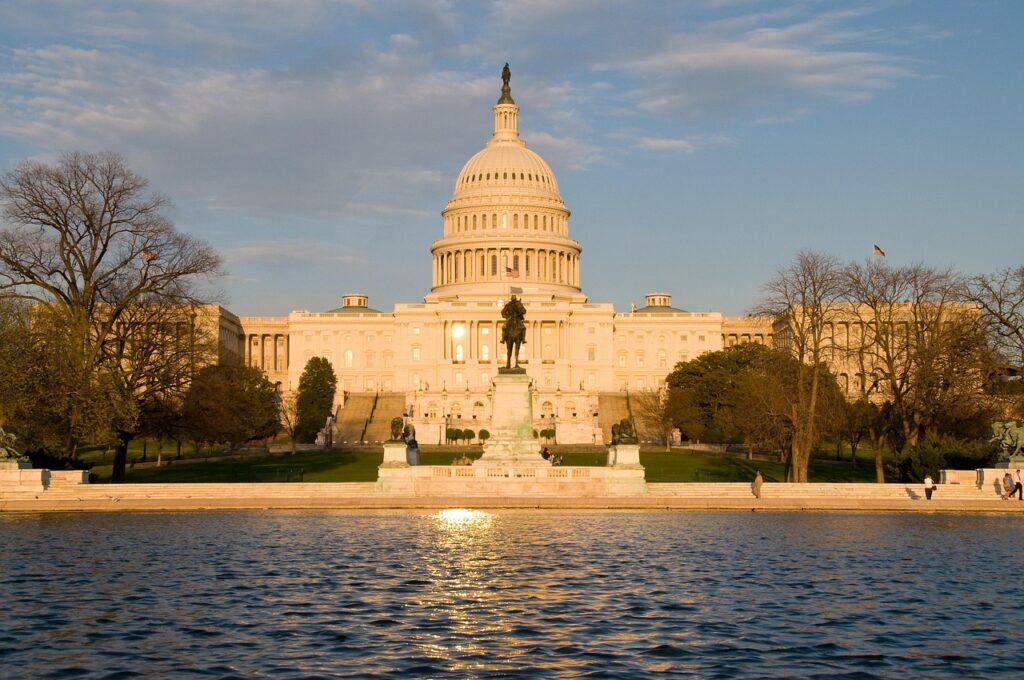
6. **Disruptions to Legislative Process and Government Operations**Beyond financial strains, the government shutdown has caused significant disruptions to the legislative process and normal government operations. The US House of Representatives announced no proceedings are scheduled for next week, with Speaker Mike Johnson declaring a “district work period” until October 13. This sends lawmakers home, delaying critical House business and postponing legislative actions, including Representative-elect Adelita Grijalva’s swearing-in. She has had “no direct communication” regarding her postponed official start, impeding representation and smooth transitions.
The impact extends to essential data collection. This “Jobs Friday” saw the release of September’s employment data delayed because the Bureau of Labor Statistics (BLS), like other federal agencies, is temporarily closed. This delay deprives policymakers and the public of crucial economic indicators, hindering informed decision-making and obscuring real-time economic consequences. The lack of transparency regarding economic health further exacerbates uncertainty.
While many federal services face curtailment, some, like Motor Vehicle Departments (DMVs), remain operational. DMVs are primarily funded by state budgets and often receive additional support from service fees, thus insulating them from federal funding freezes. This highlights intricate funding structures within the US government. The cancellation of votes next week, coupled with the continued closure of numerous federal offices, underscores the paralysis gripping Washington, D.C., and its ripple effects across the nation.
Read more about: Unveiling the Powerhouse: Exploring the Foundational Strengths Behind America’s Advanced Naval Capabilities
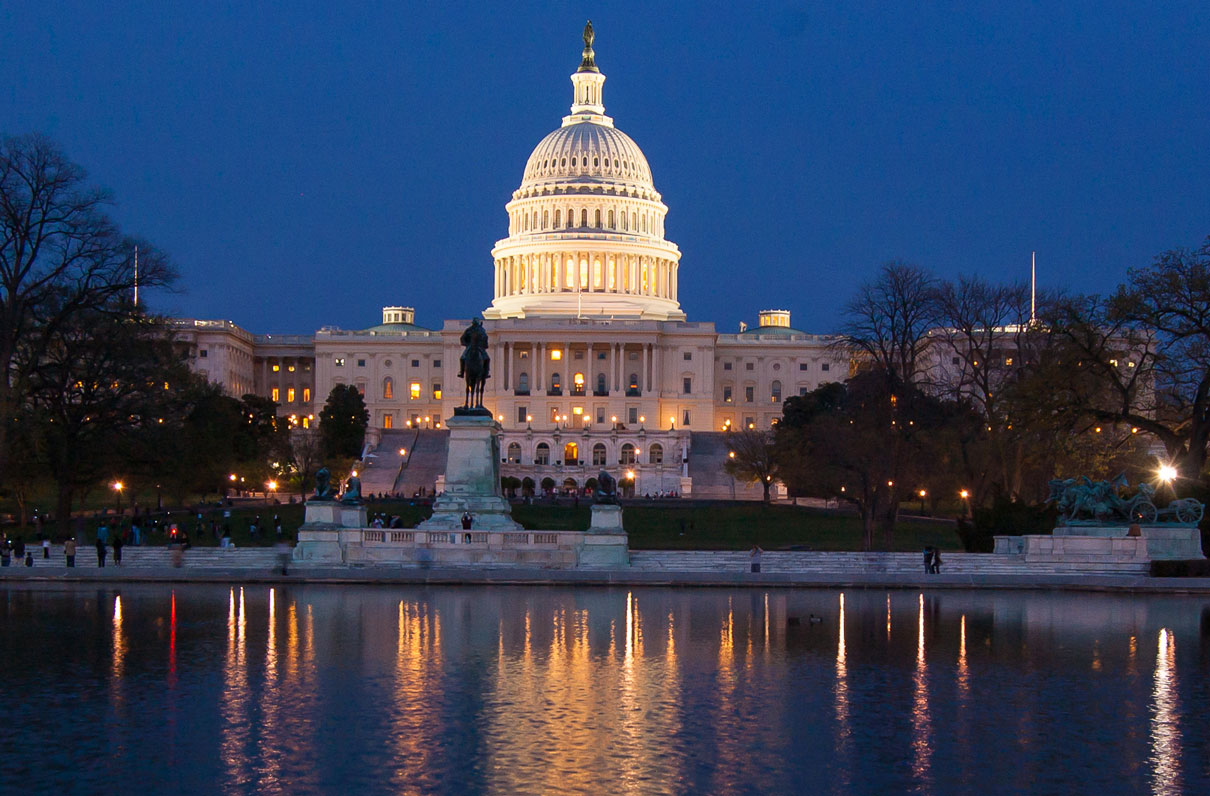
7. **Key Figures and Their Influence in the Shutdown**The dynamics of the 2025 government shutdown are heavily influenced by key figures whose actions, rhetoric, and policy positions dictate negotiations. President Donald Trump, despite House Minority Leader Hakeem Jeffries’ assertion of him being in a “presidential witness protection program,” remains central, actively applying pressure. He vowed to “clear out deadwood, waste and fraud” and announced a reversal of cuts to Homeland Security and Counterterrorism funding for New York City and State, proudly declaring his “Honor.” Such actions illustrate his direct intervention and capacity to sway outcomes.
White House Budget Director Russell Vought emerges as a potent force, described as the one person who “can now decide the fate of the shutdown.” As the architect of Project 2025, Vought wields significant power in determining which federal programs and employees continue or are furloughed. His background in conservative circles and trusted relationship with President Trump position him as a decisive actor in the administration’s strategy of targeted funding cuts, especially in “blue” states. Senator Tim Kaine (D-Va.) expressed deep concern about Vought’s actions, noting, “He says he wanted to traumatize federal employees and that’s what he’s doing and that’s, and that’s just kind of gratuitous cruelty.”
Read more about: Beyond the Blue Pill: Unpacking The Matrix’s Deepest Controversies, Cultural Echoes, and Mind-Bending Realities
House Speaker Mike Johnson also plays a crucial role, navigating the Republican caucus while dealing with administration directives. Johnson acknowledged Trump’s approach, stating the President is “trolling the Democrats” and “people are having fun with this” despite tough decisions about layoffs. Meanwhile, Senate Minority Leader Chuck Schumer (D-N.Y.) and Senate Majority Leader John Thune (R-S.D.) are locked in a high-stakes waiting game. Statements from Senators like Mike Rounds (R-S.D.) and Thom Tillis (R-N.C.), who express pessimism about inter-party talks, highlight entrenched positions and reliance on these key figures to find a way out of the current deadlock.