For six seasons, from 1965 to 1971, television audiences were whisked away to the seemingly grim confines of Stalag 13, only to find themselves chuckling at the ingenious escapades of Colonel Hogan and his crew, and the perpetually outwitted German camp guardians. It was a show that dared to find humor in an unlikely setting, a World War II prisoner-of-war camp, masterfully blending espionage, slapstick, and sharp wit. The premise itself was a bold move, and the execution became a beloved classic that continues to charm viewers decades later. Yet, like any enduring television hit, the magic viewers saw on screen was just one part of a fascinating story.
Behind the barbed wire, beyond the perfectly timed explosions and the bumbling antics of Colonel Klink and Sergeant Schultz, lay a world of fascinating production decisions, creative challenges, and the kind of on-set camaraderie that truly makes a show shine. From ambitious spin-off plans that never saw the light of day to the peculiar realities of a bustling studio backlot, the tale of ‘Hogan’s Heroes’ is as rich with intriguing tidbits as any of the prisoners’ elaborate escape schemes. It’s a testament to the visionaries who brought this unique comedy to life, proving that even in the most serious of historical contexts, laughter can find a way to break through.
So, prepare for a captivating journey beyond the familiar barracks and into the often-unseen corners of how ‘Hogan’s Heroes’ came to be, and the delightful quirks that defined its production. We’re about to unlock some of the most surprising, curious, and utterly entertaining secrets from the making of this iconic comedy. Get ready to have your curiosity piqued, because Stalag 13 was far more than just a set; it was a hub of ingenuity, laughter, and a few forgotten plans.
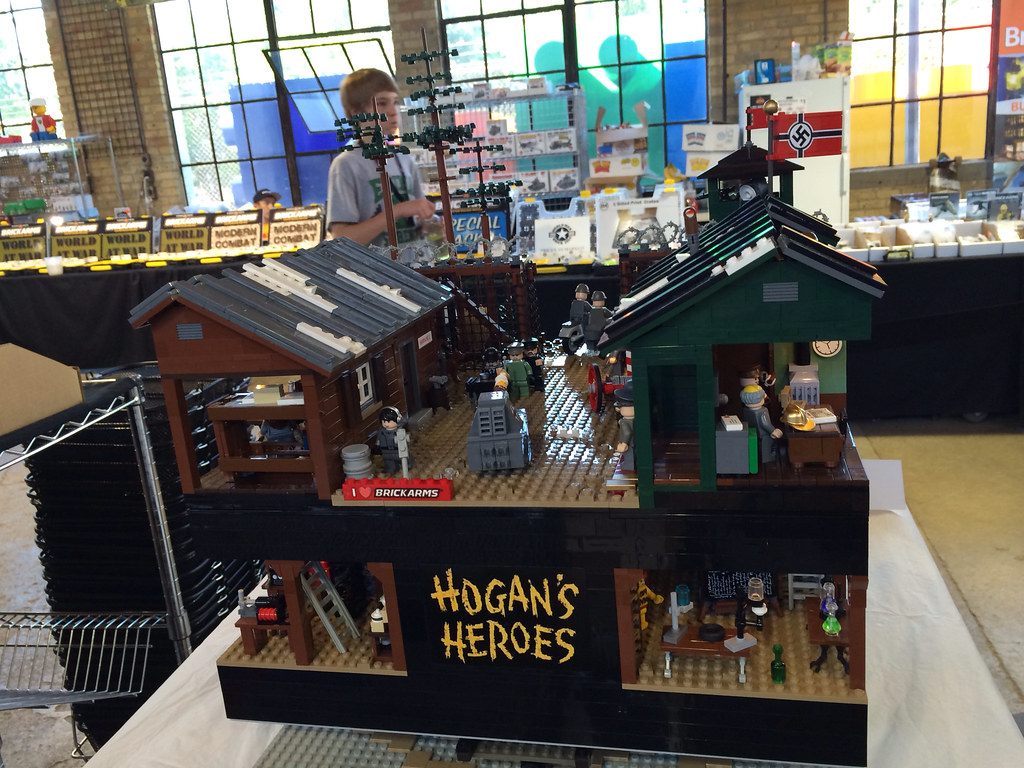
1. The Lost Live Version: ‘Hogan’s Heroes’ Review
Imagine a world where the heroes of Stalag 13 traded their escape tunnels for a stage, performing comedy skits and musical numbers. It might sound like a dream sequence, but before ‘Hogan’s Heroes’ concluded its impressive six-season run in 1971, the show’s lead, Bob Crane, who brilliantly portrayed the cunning Col. Robert E. Hogan, was actively developing a live version of the series. This ambitious project, titled ‘Hogan’s Heroes’ Review, was envisioned as a stage show that would not only bring the beloved characters to life in a new medium but also offer a tantalizing glimpse into their post-war destinies.
This unmaterialized stage show highlights a fascinating trend in television history, where successful series would often explore extensions into other entertainment formats, from animated spin-offs to feature films. For ‘Hogan’s Heroes,’ a live review offered a unique opportunity to connect with fans in a more direct, interactive way, capitalizing on the popularity of the cast and the enduring appeal of the show’s comedic premise. It suggests that even towards the end of its television run, there was a keen interest in keeping the ‘Hogan’s Heroes’ universe alive and expanding its reach.
Sadly, for fans and historians alike, ‘Hogan’s Heroes’ Review never came to fruition. The details of what exactly prevented its realization remain part of the behind-the-scenes mystique, but it’s clear that it was a serious endeavor for Bob Crane. The concept of revealing “what happened to each of Hogan’s main characters after the war ended” is particularly intriguing, promising a narrative closure that television series of that era rarely provided. One can only wonder about the comedic possibilities and emotional beats that such a post-war epilogue might have contained, making it one of the great “what ifs” of classic TV.
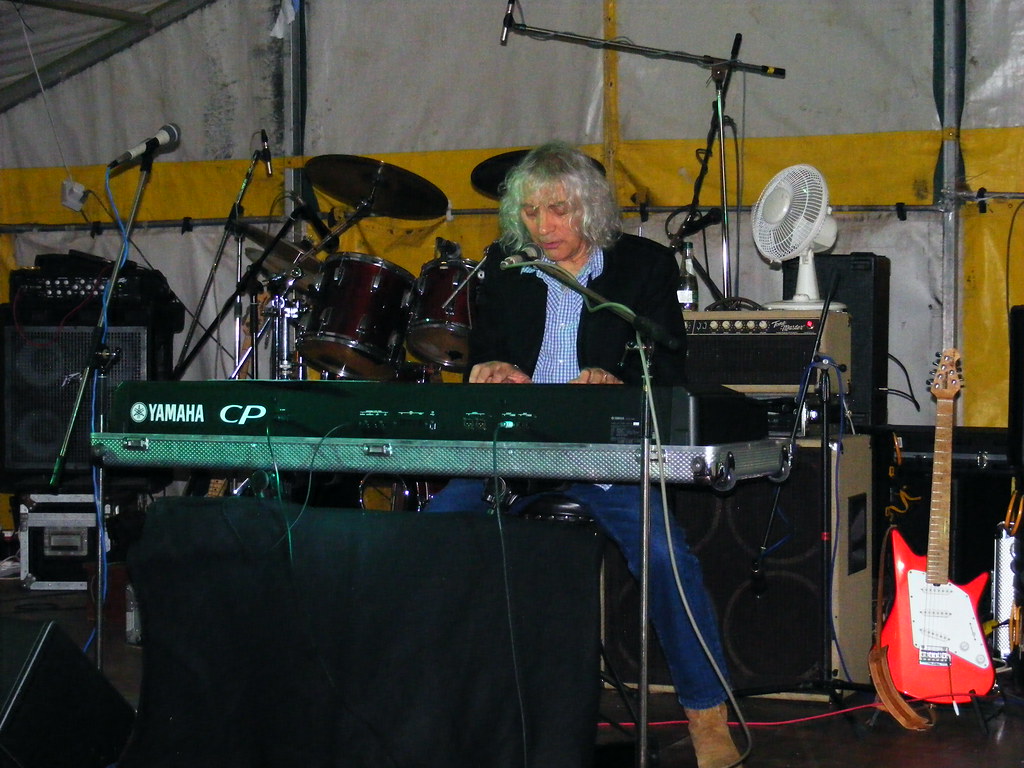
2. A Dramatic Misconception: The Initial Pitch
When a television concept is pitched, it’s not uncommon for creators and actors to have differing initial impressions of its tone and direction. In the case of ‘Hogan’s Heroes,’ this initial misunderstanding was quite profound. When the idea for a comedy set in a WWII POW camp was first presented, both Bob Crane, who would become the titular Hogan, and Werner Klemperer, the unforgettable Col. Klink, “assumed Hogan’s Heroes would be a drama.” It’s a revelation that speaks volumes about the audacious nature of the show’s premise.
Consider the historical context: World War II was a global tragedy, and depicting it for comedic purposes was, to say the least, unconventional. For actors like Klemperer, who was one of “several Jewish actors who served in the American military during World War II,” the idea of a drama would have seemed a far more respectful and logical approach to the subject matter. Their immediate assumption of a serious tone underscores just how revolutionary and perhaps even audacious the show’s creators were in their vision for a wartime comedy.
The creative leap from a drama to a comedy, especially one that successfully garnered broad appeal, is a testament to the conviction of the show’s producers and writers. It wasn’t just a matter of making people laugh; it was about navigating sensitive historical ground with humor. This initial misconception among key cast members highlights the bold and ultimately successful gamble that ‘Hogan’s Heroes’ represented, paving the way for a new kind of television comedy that skillfully blended the serious with the absurd.
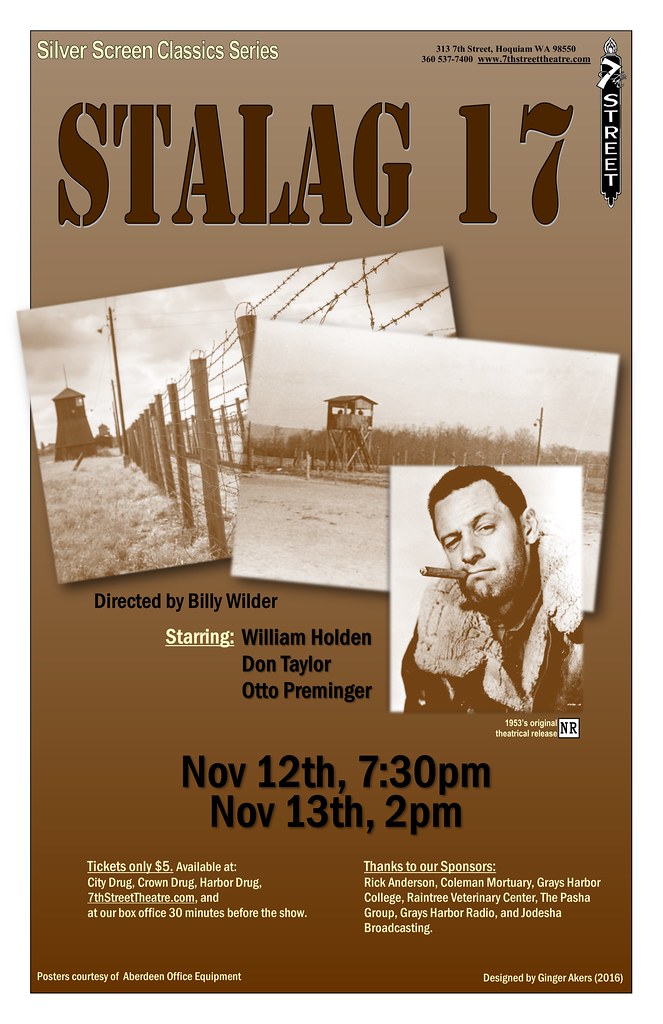
3. The Unacknowledged Muse: Loosely Based on ‘Stalag 17’
While ‘Hogan’s Heroes’ carved out its own unique comedic identity, the seeds of its premise weren’t entirely original. Brenda Royce, author of ‘Hogan’s Heroes: Behind the Scenes at Stalag 13!’, points out that the show was “loosely based on the 1953 film Stalag 17.” This isn’t to diminish the originality of the series, but rather to highlight the lineage of wartime narratives that inspired its creation. ‘Stalag 17’ was a critically acclaimed drama that explored similar themes of ingenuity and survival within a POW camp, though with a decidedly more serious tone.
The key distinction, of course, lies in the word “loosely.” While the dramatic film provided a framework—a group of American prisoners, a cunning leader, and their interactions with German captors—’Hogan’s Heroes’ reinterpreted these elements through a comedic lens. It took the tension and high stakes of ‘Stalag 17’ and inverted them, turning the German officers into lovable buffoons and the prisoners into masterminds whose primary goal was often to outwit rather than simply endure. This transformation from drama to comedy is where ‘Hogan’s Heroes’ truly found its unique voice.
Understanding its dramatic roots helps to appreciate the show’s comedic brilliance even more. It demonstrates a clever inversion of source material, taking a somber backdrop and infusing it with levity without disrespecting the gravity of war. The inspiration from ‘Stalag 17’ likely provided a solid structural foundation, allowing the writers to then focus their creative energies on crafting the sharp dialogue, intricate plots, and unforgettable character dynamics that defined ‘Hogan’s Heroes’ as a groundbreaking comedy.

4. Navigating the Tonal Tightrope: Humor Without Atrocity
One of the most delicate aspects of producing a comedy set during World War II was the ethical tightrope walk between humor and sensitivity. ‘Hogan’s Heroes’ excelled at this, adopting a clear and conscious approach to its subject matter. As Brenda Royce explains, “[The writers] wanted to make fun of the war, but not the atrocities committed.” This was a crucial distinction, forming the moral compass of the show and allowing it to be lighthearted without being disrespectful.
The show consistently focused on the absurdity of the military bureaucracy, the foibles of the German captors, and the cleverness of the Allied prisoners. The humor stemmed from situations of mild peril, elaborate subterfuge, and the perennial outsmarting of the guards, rather than from the grim realities of the conflict. This careful calibration ensured that the comedy remained palatable and never crossed into insensitivity, especially given the tragic historical context.
A key part of this strategy was the deliberate omission of certain historical elements. Royce explicitly notes that “the Holocaust is never mentioned on the show.” This strategic narrative choice allowed the series to maintain its comedic tone without trivializing the immense suffering of the war. By focusing on the playful espionage and the endearing ineptitude of the Germans, ‘Hogan’s Heroes’ managed to create a world where laughter could thrive, even in the shadow of a global conflict, proving that responsible comedy can indeed find its place in unexpected settings.

5. Hollywood’s Hallowed Grounds: Sharing a Studio Backlot
Step back in time to the bustling golden age of television, and you’d find many iconic shows sharing more than just airwaves; they often shared the very same studio space. ‘Hogan’s Heroes’ was no exception, finding its home in the vibrant Culver City, California, studio lot alongside a constellation of other beloved series. Imagine the sheer creative energy radiating from a single location that hosted “The Dick Van Dyke Show, That Girl, The Andy Griffith Show and other popular series of the era.” It was a veritable melting pot of comedic genius and dramatic prowess.
This shared environment wasn’t just a matter of logistical convenience; it fostered a unique atmosphere within the industry. Actors, writers, and crew members from different shows would often cross paths, perhaps grabbing coffee or lunch in the same commissary, creating a sense of community that might seem foreign in today’s more fragmented production landscape. For ‘Hogan’s Heroes,’ being part of this ecosystem meant a constant buzz of creative activity surrounding them, influencing the pacing and energy of their own production.
The Culver City studios were more than just buildings; they were a living, breathing part of Hollywood’s history, a place where countless stories came to life. For ‘Hogan’s Heroes,’ this meant working within a legacy, a tradition of television excellence. The invisible threads connecting these shows, sharing the same walls and hallways, adds another layer of charm to the behind-the-scenes narrative, reminding us that even the most distinct television worlds often sprang from common ground.
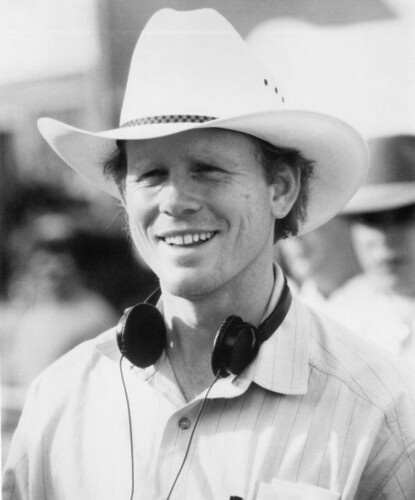
6. Ron Howard’s Childhood Wonderland: “Stories, Secrets” on Set
For many of us, a television set is a distant, magical place. But for a young Ron Howard, then starring as Opie Taylor on ‘The Andy Griffith Show,’ the ‘Hogan’s Heroes’ set was practically his backyard playground. His recollection offers a truly unique perspective on the physical production environment, as he “recalled riding his bicycle to the Hogan’s set” within the same bustling Culver City studio lot. This charming anecdote paints a vivid picture of a more open, less rigid Hollywood, where child actors could freely explore the fantastical worlds being built around them.
Howard’s impression of these sprawling sets is particularly evocative. He noted in ‘The Boys: A Memoir of Hollywood and Family’ that “These sets and villages mesmerized me. They seemed to hold stories, secrets.” It’s a beautifully childlike observation that perfectly captures the allure of a meticulously crafted television world. For a young mind, the faux-German barracks, guard towers, and secret passages weren’t just props; they were conduits to imagination, imbued with the very narratives they depicted.
This glimpse through the eyes of a child actor underscores the tangible quality of these classic TV sets. They weren’t just backdrops for the cameras; they were immersive environments, rich with detail and capable of sparking wonder. For ‘Hogan’s Heroes,’ this speaks to the quality of their production design, creating a convincing (and in this case, captivating) world that even a curious young observer could feel held “stories, secrets,” long after the cameras stopped rolling for the day.
7. The Enigmatic Set Design: Trap Doors and Secret Rooms
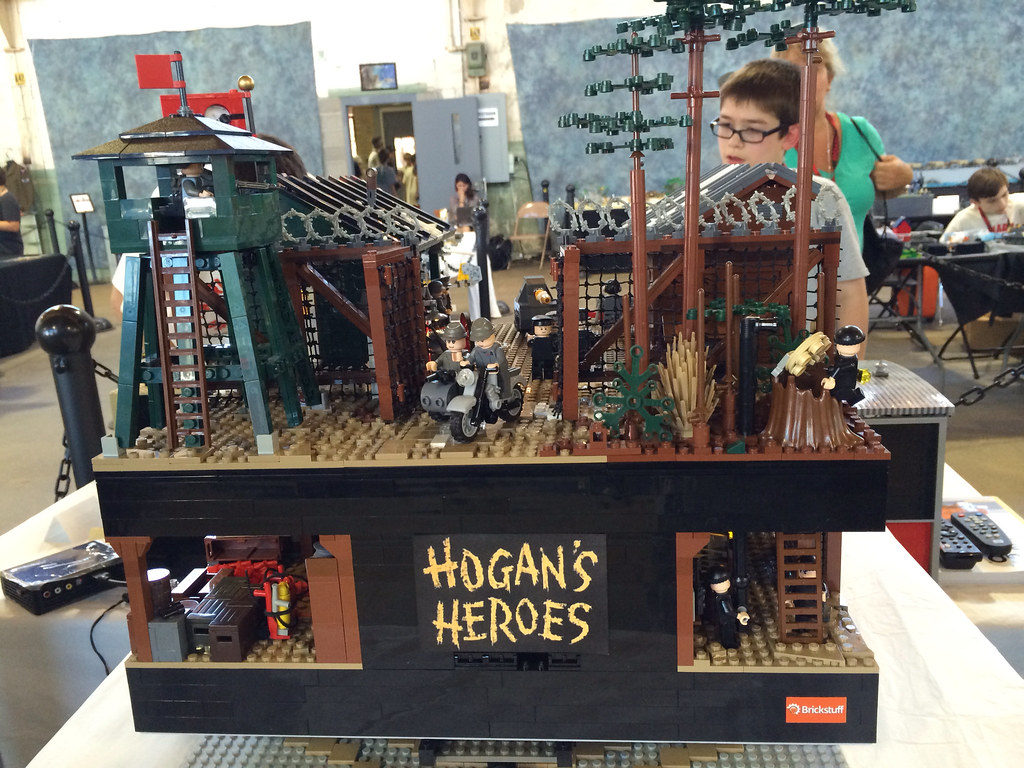
‘Hogan’s Heroes’ was a show built on subterfuge, covert operations, and the constant outwitting of the enemy. It’s only fitting, then, that the very set itself was riddled with the same kind of clandestine features that defined the prisoners’ schemes. Far from being a mere collection of walls and props, the ‘Hogan’s Heroes’ set was designed with genuine “trap doors including a tree stump with a secret room below it.” This wasn’t just a clever visual; it was a functional part of the set, adding a layer of authenticity to the show’s core premise.
These practical special effects were crucial for maintaining the illusion of a highly efficient, secret operation running right under the noses of the unsuspecting Germans. The existence of these actual hidden passages allowed for seamless transitions and added a tangible element to the prisoners’ endless array of hidden radios, tunnels, and communication lines. It immersed the cast in the very ingenuity their characters embodied, likely making their performances even more convincing.
What’s even more delightful is how these hidden features were occasionally used for off-screen amusement. Brenda Royce shares a fantastic anecdote, revealing that “The actors would sometimes tell a guest star, ‘Just wait down there. We’ll be there soon.’ And then they would just walk away!” This charming prank not only highlights the close-knit and playful atmosphere among the cast but also offers a rare peek into the genuine fun that was had behind the scenes, cementing the idea that the wit and humor of ‘Hogan’s Heroes’ extended far beyond the script.
8. The Prankster Duo: Larry Hovis and Richard Dawson’s On-Set Shenanigans
While the ingenious prisoners of Stalag 13 orchestrated elaborate escapes, the actors often concocted their own brand of mischief. The playful spirit on screen permeated production. Brenda Royce, author of ‘Hogan’s Heroes: Behind the Scenes at Stalag 13!’, reveals, “That kind of hijinks was common among the close-knit cast.” Larry Hovis (Sergeant Andrew Carter) and Richard Dawson (Corporal Peter Newkirk) were the leading pranksters, their comedic talents extending beyond the camera.
Imagine the bustling Culver City studio lot. Hovis and Dawson, with sharp wit, brought their A-game to interactions with fellow cast and crew. Their pranks fostered genuine camaraderie and a lighthearted environment, creating effortless chemistry that radiated authenticity on screen. This joy of making the show translated directly to the audience.
These weren’t trouble-making pranks, but morale-boosting antics. They strengthened bonds and relieved production pressures, highlighting a crucial aspect of the show’s charm. The idea of these quick-witted actors being masterminds of off-screen fun simply adds another delightful layer to their legendary status.
It paints a vibrant picture of a workplace where creativity thrived in every corner, making daily television production feel like a spirited adventure. This infectious energy, fueled by laughter and mutual respect, underscores that the ‘heroes’ were a true team, on and off set, united by humor. It’s no wonder their performances felt so genuine and their camaraderie so tangible.

9. The Unflappable Scenery: When Palm Trees Met the German Winter
‘Hogan’s Heroes’ cheerfully disregarded meticulous historical accuracy, a creative choice that allowed comedy to shine unencumbered by strict realism. The show embraced its identity as a lighthearted farce. Brenda Royce notes, “Hogan’s Heroes never tried to be historically accurate.” This was a deliberate feature, granting production freedom to focus purely on comedic impact.
A particularly amusing example, highlighted by Royce, involved anachronistic flora. Despite depicting a WWII German POW camp, often implied to be winter, viewers occasionally spotted “palm trees sometimes can be seen in the background.” This delightful inconsistency, while eyebrow-raising for sticklers, was simply part of the fun for creators and audience. It was an endearing shortcut in a world built for laughter.
This detail speaks volumes about the show’s priorities. The creative team understood the audience sought clever schemes and witty banter, not a documentary. The palm tree in a “winter” German setting served as a subtle wink-and-a-nod, acknowledging entertainment, not exacting historical reenactment, was the primary mission. This allowed the production to leverage studio backlot environments without massive costs for perfectly authentic sets.
These visual “anomalies” became integral to ‘Hogan’s Heroes’ charm, a testament to its comedic vision. The show invited viewers to suspend disbelief, fostering an environment where humor always trumped verisimilitude. This ensured focus remained squarely on the ingenious plots and hilarious character dynamics that made Stalag 13 unforgettable.
10. The Versatile Villains (and Heroes): Extras Pulling Double Duty
‘Hogan’s Heroes’ frequently employed ingenious shortcuts that underscored its comedic nature, specifically through the flexible deployment of its supporting cast. It was common for background actors to play multiple parts, sometimes even within the same episode or across storylines, a testament to efficient weekly television production.
As Brenda Royce explains, the “extras were also fluid,” describing actors seamlessly transitioning between minor roles. She illustrates: “You’d have supporting players doing more than one role. A guy is German in one episode and American in the next.” This meant an actor might portray a German guard one week and reappear as an American prisoner in a subsequent scene, often unnoticed by the discerning viewer.
This practice highlights the pragmatic realities of television production during that era. With demanding schedules and strict budgets, casting prioritized availability and talent over rigid continuity for minor roles. Reusing skilled extras was cost-effective and a logical way to keep production moving smoothly, avoiding unnecessary delays.
This fluidity reinforced the show’s comedic license, creating a world where minute details of secondary characters were less important than the humor’s flow. It was a subtle, almost invisible production shortcut aligned with the show’s philosophy: prioritize the laughs, and everything else falls into place.
11. The Medals of Mirth: Costume Creativity Over Historical Pedantry
‘Hogan’s Heroes’ embraced a pragmatic approach to costumes, especially military regalia. Rather than painstakingly recreating historically precise uniforms, production prioritized visual effect and comedic utility over absolute authenticity. This was a conscious, strategic decision, solidifying the show’s identity as a comedic romp, not historical docudrama.
Brenda Royce highlights this, noting, “The medals on officer’s uniforms were often not correct.” This detail encapsulates the show’s broader philosophy on historical accuracy. If it looked plausible and served the comedic purpose, it was acceptable. The objective wasn’t to educate viewers on intricate military decorations, but to provide a recognizable backdrop for Klink and Schultz’s antics.
Royce clarifies the rationale: “It was a comedy. They were just looking for props that looked like they could be right.” The show was in the business of entertainment and laughter, not historical reenactment. Spending excessive resources on accurate medals would have diverted from its core mission of delivering consistent humor.
This pragmatic costuming, like flexible extras and palm trees, contributed to the show’s accessible tone. It reassured viewers they needn’t scrutinize every detail; they could relax and enjoy the clever plots. These smart shortcuts underscored the show’s unwavering commitment to unpretentious comedic brilliance, making it relatable.
12. The Undeniable Spark: How Sharp Writing Forged a Comedic Classic
While visible elements like ingenious sets and repurposed costumes played their part, the true engine driving ‘Hogan’s Heroes’ success was its razor-sharp writing. The show’s ability to consistently deliver intricate plots, witty dialogue, and memorable character moments resulted directly from extraordinary talent in the writers’ room. A great comedy thrives with a great script, and ‘Hogan’s Heroes’ exemplified this truth, captivating audiences for six impressive seasons.
Brenda Royce states, “It really didn’t matter because Hogan’s Heroes succeeded in its mission to make viewers laugh.” She attributes this triumph directly to the narrative quality: “The writing was just so sharp and funny.” This insight reveals the show’s core strength. Writers masterfully crafted scenarios where prisoners’ ingenuity perpetually outsmarted captors’ ineptitude, creating a consistent wellspring of humor.
The “sharpness” refers to intricate espionage plots, rapid-fire dialogue, and consistent characterizations. Whether Hogan’s cunning, Klink’s pompousness, or Schultz’s delightful ignorance, every line and situation was designed to elicit laughter. This comedic detail ensured high quality, never sacrificing intelligent humor for cheap gags.
This unwavering commitment to superior writing allowed ‘Hogan’s Heroes’ to transcend its controversial premise and become a beloved classic. It demonstrated that even with a relaxed approach to visual accuracy, the narrative backbone was robust. Writers understood their mission: to entertain, amuse, and create a world where intelligence and camaraderie triumphed. Their high-caliber comedy is a testament to their skill and a pillar of the show’s lasting legacy.
13. The Heart of Stalag 13: Skillful Acting and Endearing Camaraderie
Beyond the clever scripts, ‘Hogan’s Heroes’ magic was brought vividly to life by its exceptionally talented ensemble. Actors embodied characters with skill, charisma, and charm, becoming iconic figures. Brenda Royce emphasizes, “the cast was skillful too,” recognizing performers were instrumental in translating witty writing into laugh-out-loud moments and heartwarming camaraderie.
Royce reminisces, “As a kid, I loved the broad humor of Sgt. Schultz and the camaraderie between the heroes.” John Banner’s inimitable portrayal of Sergeant Schultz, with his famous catchphrases and lovable, bumbling nature, provided constant “broad humor.” His endearing ineptitude made him a perfect foil for Hogan’s schemes, transforming a potential antagonist into a beloved comedic figure.
Equally vital was the palpable “camaraderie between the heroes.” The intricate relationships between Hogan, Kinchloe, Carter, Newkirk, and LeBeau were the emotional core. Their seamless teamwork, unwavering loyalty, and deep mutual respect, even in danger, formed a powerful, aspirational bond audiences cherished. This genuine connection, skillfully portrayed, made triumphs feel hard-earned and struggles relatable, adding emotional depth.
In essence, Royce perfectly encapsulates the show’s enduring appeal: “At its heart, it’s a show with sharp writing and great acting.” This potent combination created a truly timeless comedy. Masterful performances elevated brilliant scripts, ensuring ‘Hogan’s Heroes’ was a richly populated world with unforgettable characters whose antics continue to entertain and inspire admiration. It’s a powerful reminder that the human element makes a series legendary.
From the ingenious secret passages hidden within Stalag 13’s sets to the delightful pranks by the close-knit cast, and from the show’s charming historical liberties to its profoundly sharp writing and masterful performances – ‘Hogan’s Heroes’ remains an unparalleled testament to comedic brilliance. It’s a truly remarkable series that, against expectations, found boundless humor in an unlikely setting, proving that laughter can indeed be the most potent form of defiance. These intriguing glimpses behind the curtain only deepen our appreciation for this enduring television classic, reminding us why Colonel Hogan and his ingenious crew, along with their wonderfully inept German captors, continue to hold a special, cherished place in TV history. It truly was a heroic effort, on screen and off, to deliver such consistent, heartwarming, and unforgettable hilarity, crafting a legacy that continues to entertain and inspire smiles across generations.