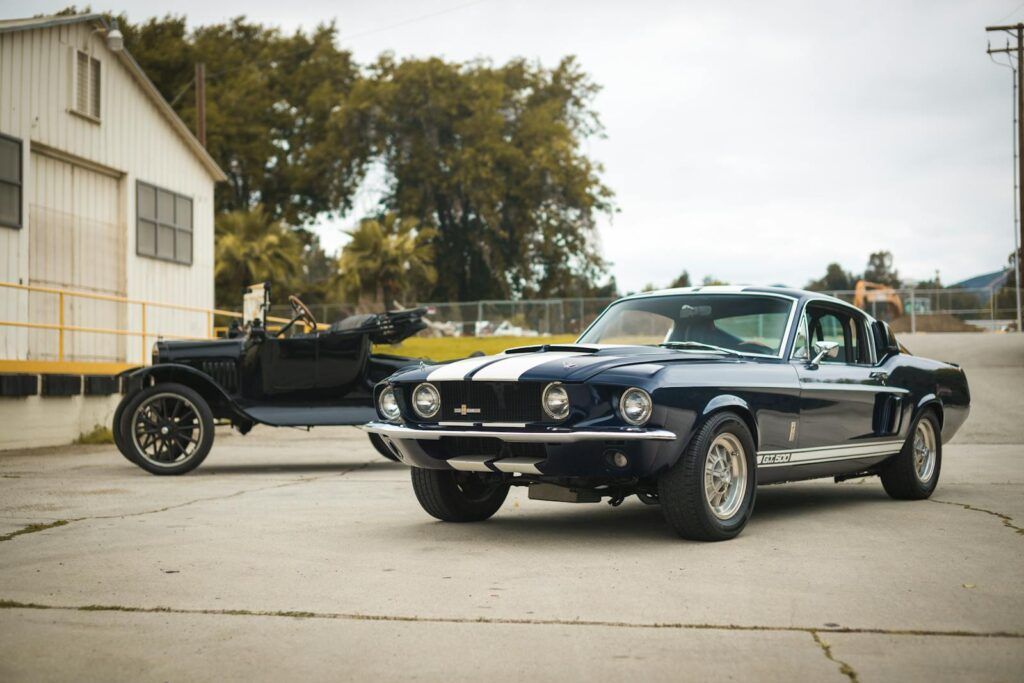
Step into a fascinating journey through automotive history, where we unearth the captivating stories of brands that once roared with innovation and vision, only to fade into the annals of time. The roads we drive today are often dominated by a handful of global giants, but there was a time when the landscape was far more diverse, dotted with the ambitious dreams of countless engineers and entrepreneurs.
These are not just tales of business failures; they are narratives of ingenious engineering, bold design choices, and the relentless pursuit of progress. Many of these companies introduced features and concepts that are standard in modern vehicles, shaping the very way we think about transportation, safety, and luxury.
Join us as we ignite our curiosity and rediscover some of the most influential, yet often forgotten, car companies that once captivated the world. Each one had its moment in the sun, pushing boundaries before succumbing to the relentless pressures of market shifts, economic downturns, or fierce competition.
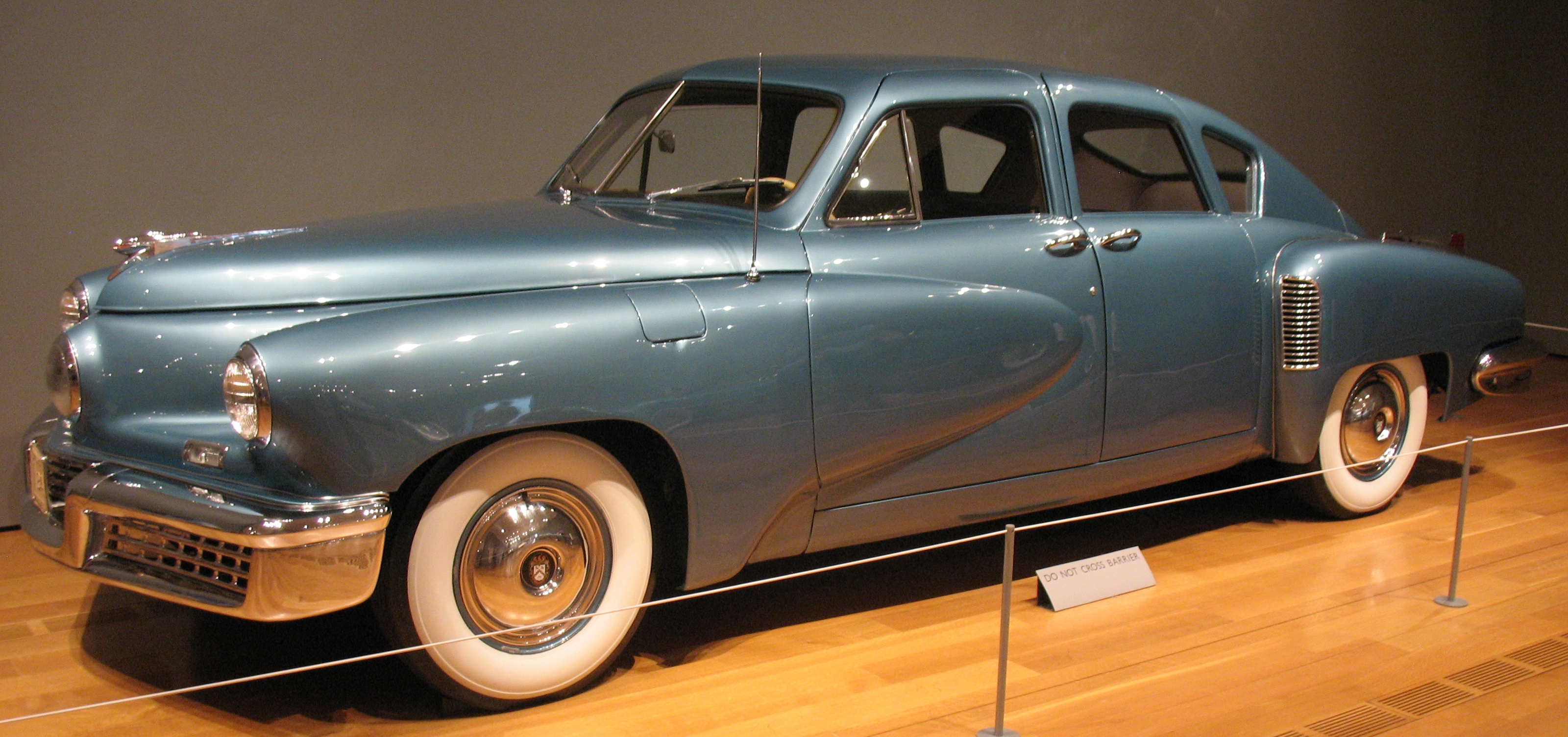
1. **Tucker: The Car That Was Years Ahead of Its Time**In the late 1940s, the automotive world was introduced to a true marvel: the Tucker 48, also affectionately known as the Tucker Torpedo. This visionary vehicle, spearheaded by the ambitious Preston Tucker, wasn’t just another car; it was a statement, a bold challenge to the established order of Detroit’s automotive giants. Its design and engineering were nothing short of revolutionary, aiming to redefine safety and performance.
According to Smithsonian Magazine, the Tucker 48 captivated enthusiasts and skeptics alike with a host of futuristic features. Imagine a rear-mounted engine, a design choice that not only offered unique performance characteristics but also contributed to its distinctive profile. The car also boasted a perimeter frame, specifically engineered for enhanced crash protection, a testament to Tucker’s unwavering commitment to passenger safety.
Perhaps its most iconic and visually striking feature was the third “cyclops” headlight, ingeniously designed to pivot with the steering wheel. This innovation significantly improved visibility around corners, a practical and forward-thinking solution to night driving hazards. Preston Tucker’s mission was clear: to create the safest and most advanced car of its day, a goal that resonated deeply with the public and quickly attracted a dedicated following.
However, Tucker’s radical ideas and independent spirit inevitably put him at odds with the established Detroit automakers. His innovations were disruptive, threatening the status quo and challenging conventional manufacturing wisdom. This led to a complex web of political and financial challenges, creating an uphill battle for his nascent company.
Ultimately, despite its brilliance and public appeal, the Tucker brand faced insurmountable obstacles, leading to its unfortunate downfall after only 51 cars were produced. Yet, even in its limited production, the Tucker has cemented its place as an enduring icon of American automotive ambition, celebrated for its daring innovation and the “what if” dreams it still inspires among enthusiasts today.
Car Model Information: 2021 Maserati Ghibli S Q4 GranSport
Name: Justin Tucker
Caption: Tucker in 2024
Position: Placekicker
BirthDate: [object Object]
BirthPlace: Houston
HeightFt: 6
HeightIn: 1
WeightLbs: 191
HighSchool: Westlake High School (Texas)
College: Texas Longhorns football
Undraftedyear: 2012
Pastteams: Baltimore Ravens
Highlights: Super Bowl champion,All-Pro,2017 All-Pro Team,Pro Bowl,National Football League 2010s All-Decade Team,Big 12 Conference,Longest NFL field goal: 66 yards
Statleague: NFL
Statseason: 2024
Statlabel1: Field goal (football)
Statvalue1: 417
Statlabel2: Field goals attempted
Statvalue2: 468
Statlabel3: Field goal %
Statvalue3: 89.1
Statlabel4: Points scored
Statvalue4: 1,775
Statlabel5: Longest field goal
Statvalue5: 66
Statlabel6: Touchbacks
Statvalue6: 756
Pfr: T/TuckJu00
Categories: 1989 births, All articles with unsourced statements, American Conference Pro Bowl players, American football placekickers, Articles with short description
Summary: Justin Paul Tucker (born November 21, 1989) is an American professional football placekicker. He played college football for the Texas Longhorns and signed with the Baltimore Ravens as an undrafted free agent in 2012, spending 13 seasons with the team. Regarded as one of the greatest placekickers ever, Tucker holds the NFL record for longest field goal at 66 yards and second in field goal percentage at 89.1%, only behind Cameron Dicker. He has also been named to seven Pro Bowls and five first-team All-Pros, and was a member of the Ravens team that won Super Bowl XLVII.
Get more information about: Justin Tucker
Buying a high-performing used car >>>
Brand: Tucker Model: Tucker 48
Price: $33,440 Mileage: 24,509 mi.
Read more about: The Resurgent Roar: Unearthing Eight Forgotten Luxury Car Brands Poised for a Modern Comeback

2. **Cord: Art Deco Innovation on Wheels**Among the pantheon of forgotten automotive legends, Cord carved out a singular identity, leaving an indelible mark with its breathtaking Art Deco aesthetics and a relentless pursuit of cutting-edge technology. These weren’t just vehicles; they were rolling sculptures, masterpieces of design that captured the spirit of an era.
Hagerty vividly recalls how Cord models, particularly the iconic 810 and 812, stood out dramatically in the 1930s. Their sleek, streamlined forms were instantly recognizable, a stark contrast to the more conventional designs of their contemporaries. But Cord’s allure wasn’t merely skin deep; beneath the stunning exterior lay a heart of pure engineering brilliance.
The brand was a pioneer in adopting advanced technologies, most notably front-wheel drive, which was a rarity at the time. This innovative drivetrain offered superior handling and a lower center of gravity, contributing to a smoother and more stable ride. Complementing this, Cord also introduced retractable headlights, a feature that added both aesthetic flair and aerodynamic efficiency, making the cars look even more sophisticated.
Despite its groundbreaking designs and engineering prowess, Cord’s journey was not without its formidable challenges. The economic pressures of the Great Depression proved to be an overwhelming force, crippling many luxury brands. Financial troubles mounted, and even Cord’s loyal clientele couldn’t sustain the company through such a tumultuous period.
The brand’s eventual demise in 1937 marked the end of an extraordinary chapter in automotive design. Today, Cord is not merely remembered; it is celebrated as one of the most innovative and visually captivating brands of its time, its vehicles highly sought after by collectors who appreciate their unique blend of artistry and engineering foresight.
Read more about: Gone But Not Forgotten: Tracing the Legacy of 14 Iconic American Car Brands That Vanished from Dealerships

3. **Packard: Luxury and Innovation in Every Detail**For decades, the name Packard was synonymous with American luxury, a beacon of engineering excellence and unparalleled elegance that once rivaled the likes of Cadillac in the early 20th century. A Packard wasn’t just a car; it was a statement, a testament to discerning taste and a commitment to superior craftsmanship that set it apart in a competitive landscape.
Packard earned its sterling reputation through consistent engineering achievements and a commitment to technological advancements that often set industry standards. The company was a true pioneer, introducing several firsts that elevated the driving experience for its affluent clientele. It was among the first to offer production air conditioning, transforming summer drives into serene, comfortable journeys.
Further demonstrating its forward-thinking approach, Packard also debuted the Ultramatic automatic transmission, a significant leap forward in driving convenience and smoothness. These innovations collectively raised the bar for both comfort and performance in the automotive industry, solidifying Packard’s position at the pinnacle of American luxury car manufacturing.
However, even a brand as revered as Packard could not escape the shifting tides of the post-World War II automotive market. As Ate Up With Motor recounts, the company struggled immensely to compete with the resurgent Cadillac and Lincoln, which benefited from the financial might of larger corporations. The landscape of luxury shifted, and Packard found itself in a challenging position, unable to adapt quickly enough.
In a desperate bid for survival, Packard pursued a troubled merger with Studebaker, hoping that a combined entity could withstand the market pressures. Unfortunately, this ambitious endeavor failed to rescue the storied brand, and by 1958, Packard exited the automotive scene for good. Its departure marked the end of an era, leaving behind a rich, storied heritage of elegance, innovation, and a powerful legacy of what American luxury once truly meant.
Read more about: Gearhead Dreams: 15 Iconic Defunct Car Brands We Desperately Want Back on the Road

4. **Hudson: Racing into the Future**Hudson, an automotive nameplate that once commanded respect and admiration, forged its formidable reputation through a blend of innovative design and thrilling performance, particularly on the racetrack. The company’s contributions to automotive engineering were significant, and its spirit of ingenuity left a lasting impact.
One of Hudson’s most distinctive contributions was the introduction of the groundbreaking “step-down” design in its 1948 Commodore model, a feature that fundamentally changed how cars were built and perceived. As Wikipedia explains, this innovative construction involved the passenger compartment being lowered into the chassis, creating a floor pan that was lower than the frame rails. This design offered a distinct advantage.
The “step-down” configuration dramatically improved both handling and safety by significantly lowering the car’s center of gravity. This resulted in a vehicle that felt more planted on the road, offering superior stability and a more engaging driving experience. Furthermore, the robust perimeter frame provided enhanced protection in collisions, showcasing Hudson’s commitment to passenger well-being.
Beyond its engineering prowess, Hudson found immense fame and solidified its image on the racetrack, dominating NASCAR in the early 1950s. The Hudson Hornet, a legendary vehicle, achieved incredible success, leveraging its “step-down” design for superior handling and a low profile that gave it a competitive edge. This racing success endeared Hudson to a generation of automotive enthusiasts.
Even with its undeniable engineering strengths and a strong presence in motorsports, Hudson ultimately couldn’t survive the rapid consolidation that swept through the automotive industry in the mid-20th century. Smaller independent manufacturers found it increasingly difficult to compete with the vast resources of the larger corporations. After merging with Nash-Kelvinator to form American Motors (AMC), the Hudson name officially disappeared by 1957. Despite its relatively short lifespan as a distinct brand, Hudson’s legacy in racing and design innovation continues to be celebrated by historians and collectors alike.
Read more about: Gone But Not Forgotten: Tracing the Legacy of 14 Iconic American Car Brands That Vanished from Dealerships

5. **Oldsmobile: The Pioneer of the Automatic Transmission**Oldsmobile stands as a true titan in American automotive history, a brand whose influence stretched across more than a century and played a pivotal role in shaping the modern car industry. Founded way back in 1897, Oldsmobile was not merely an early player but a consistent trailblazer, responsible for numerous breakthroughs that are now commonplace.
According to Story Cars, Oldsmobile’s list of pioneering achievements is impressive and diverse. The brand is credited with pioneering the automatic transmission, a revolutionary innovation that transformed driving from a complex mechanical chore into an accessible pleasure for millions. This single invention paved the way for the ease and convenience we now take for granted in most vehicles.
Oldsmobile also introduced the mighty “Rocket” V8 engine, a powerhouse that not only defined an era of performance but also became an industry staple, influencing engine design across the board. Furthermore, its Toronado model broke new ground as one of the first American cars with front-wheel drive, showcasing a willingness to experiment with and adopt advanced drivetrain technologies for improved handling and packaging.
For decades, Oldsmobile was a General Motors icon, its technology and design helping to shape the early auto industry and maintain its dominance. It consistently pushed boundaries, from elegant designs to robust performance, catering to a wide range of consumers with its diverse lineup. The brand represented a blend of tradition and forward-thinking engineering.
However, even a brand with such a rich innovative legacy eventually struggled to keep pace. As newer brands emerged and consumer tastes evolved, Oldsmobile found it increasingly difficult to maintain its distinct identity within General Motors’ vast portfolio. Coupled with GM’s own evolving priorities and a decline in sales, the venerable brand faced an uncertain future.
Declining sales ultimately led to its discontinuation in 2004, ending an era for a brand that had not only witnessed but actively helped shape automotive history. Oldsmobile’s story is a poignant reminder that even the most innovative and established brands can fall victim to changing market dynamics.
Read more about: Gone But Not Forgotten: Tracing the Legacy of 14 Iconic American Car Brands That Vanished from Dealerships
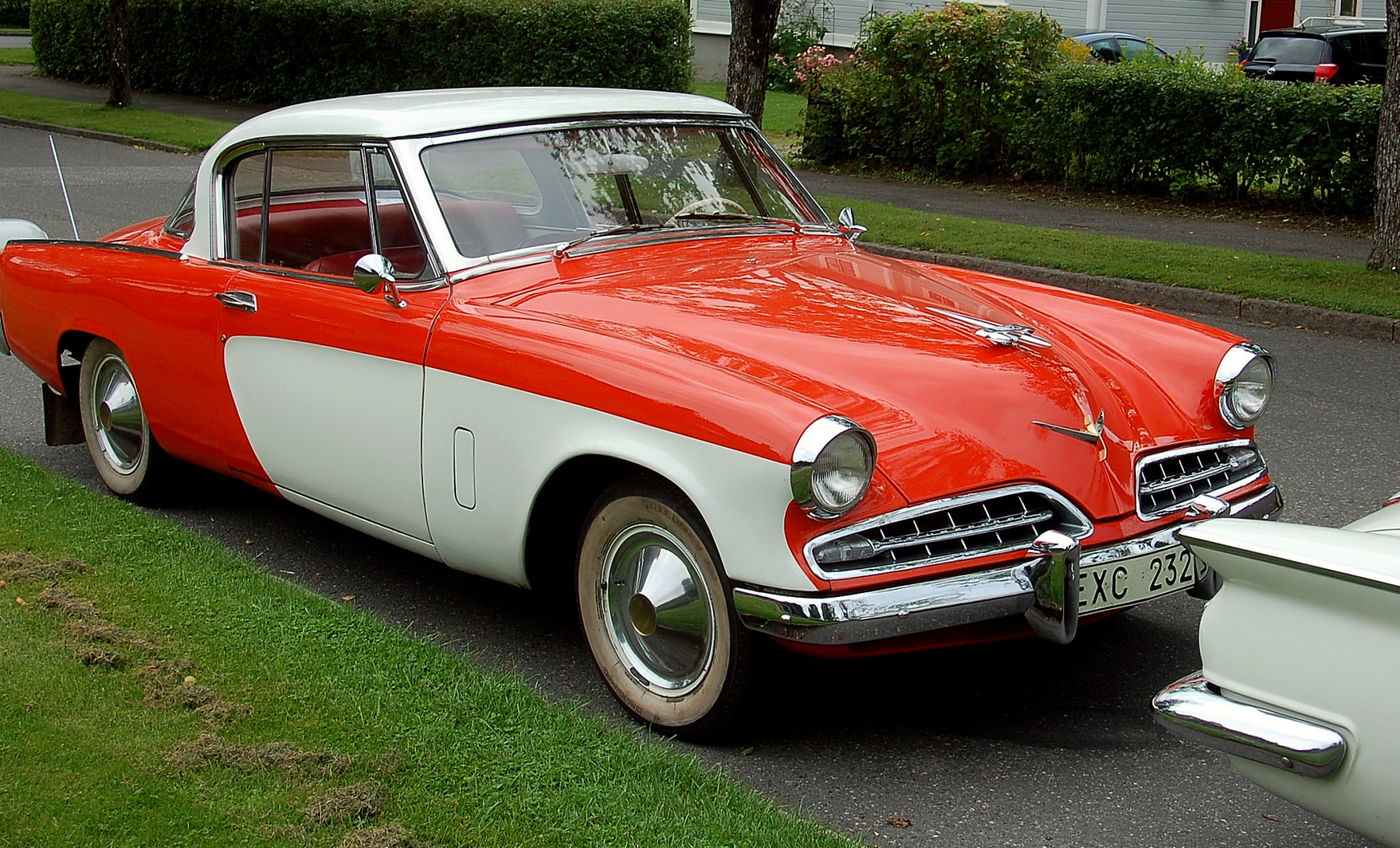
6. **Studebaker: From Wagons to Cutting-Edge Cars**Studebaker’s journey is one of the most remarkable transformations in American industrial history, beginning long before the age of the automobile itself. In the 19th century, the name Studebaker was synonymous with quality wagons, a trusted provider for pioneers and farmers alike. This deep-rooted heritage in transportation laid a robust foundation for its eventual leap into the burgeoning car industry.
As the 20th century dawned and the automobile began to capture the public’s imagination, Studebaker made a decisive pivot, transitioning from wagon manufacturing to building motorized vehicles in the early 1900s. It wasn’t merely adapting; it was innovating, quickly becoming known for its distinctive and forward-thinking designs that often set it apart from its contemporaries. The company was committed to stylish aesthetics and strong performance, earning it a loyal following in the United States.
Studebaker cars frequently featured sleek lines and innovative touches that made them stand out on the road. The brand was committed to offering vehicles that combined visual appeal with reliable mechanics, attracting a broad spectrum of buyers. Their early 1900s models were praised for their robust construction and energetic engines, delivering a driving experience that resonated with the spirit of the age.
Despite its innovative spirit and a strong reputation for quality, Studebaker’s journey through the mid-20th century was fraught with financial troubles. The automotive landscape became increasingly competitive, dominated by the ‘Big Three’ (GM, Ford, Chrysler), making it challenging for independent manufacturers to thrive. Even with its unique designs and loyal customer base, the economic pressures proved immense.
As mentioned, Packard, a luxury brand, even attempted a merger with Studebaker, highlighting the struggles both companies faced. Ultimately, these efforts were not enough to stave off the inevitable. Studebaker, despite its illustrious past and consistent innovation, could not sustain its operations and was forced to cease its automotive production, officially shutting down in the 1960s. Its story remains a powerful testament to the challenges of evolution in a rapidly changing industry.
Having explored the foundational stories of some truly remarkable, yet departed, automotive pioneers, our journey through the annals of forgotten marques continues. Now, we turn our attention to six more once-mighty automakers that left their distinct imprint on the industry, each with a tale of innovation, market struggle, and eventual disappearance.
Read more about: Gearhead Dreams: 15 Iconic Defunct Car Brands We Desperately Want Back on the Road
7. **Plymouth: The Everyman’s Innovator**When Chrysler introduced Plymouth in 1928, its mission was clear: to offer value-oriented cars that didn’t skimp on features typically reserved for pricier models. This brand quickly became synonymous with accessibility and practicality, appealing directly to the everyday driver and cementing its place as an integral part of the American automotive landscape. It carved out a significant niche by delivering quality and innovation at an attainable price point.
Plymouth distinguished itself early on by democratizing advanced technologies. It was a true pioneer in making hydraulic brakes widely available to the mass market, a significant safety and performance enhancement that elevated the driving experience for countless Americans. This commitment to bringing cutting-edge features to the mainstream underscored Plymouth’s innovative spirit and dedication to its customers.
Beyond utilitarian excellence, Plymouth also harbored a spirit of performance. The brand later introduced the Barracuda, a sleek and powerful machine that became a formidable forerunner of the burgeoning muscle car movement. This demonstrated Plymouth’s versatility, proving it could deliver both reliable family transportation and thrilling, high-performance vehicles that captivated enthusiasts.
For many years, Plymouth was a best-seller for Chrysler, enjoying widespread popularity and a loyal customer base. However, as the automotive market evolved, Plymouth’s distinct identity began to blur within Chrysler’s expanding portfolio. New models from Dodge and Chrysler itself often overlapped in features and target demographics, leading to internal competition and a dilution of the brand’s unique appeal.
This erosion of identity, coupled with years of declining sales and shifting automotive trends, eventually led to Plymouth’s quiet discontinuation in 2001. The brand, once a beacon of affordability and innovation, faded from view, a poignant reminder of how even successful marques can fall victim to market saturation and changing corporate strategies.
Read more about: Gone But Not Forgotten: Tracing the Legacy of 14 Iconic American Car Brands That Vanished from Dealerships
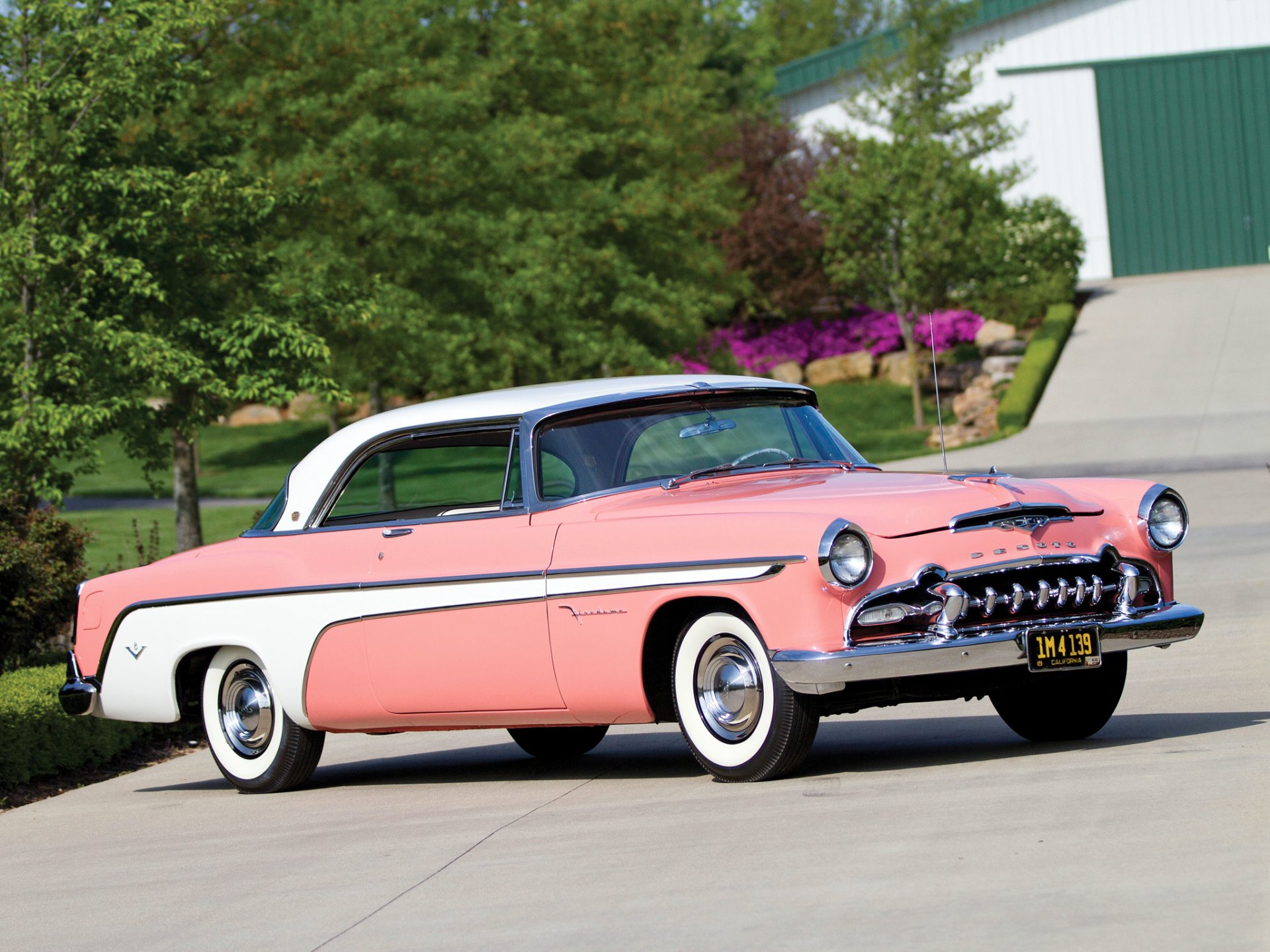
8. **DeSoto: Chrysler’s Stylish Mid-Tier Contender**In 1928, Chrysler launched DeSoto as a strategic bridge in its automotive empire, designed to fill the distinct gap between the more economical Dodge models and the premium Chrysler offerings. From its inception, DeSoto aimed to provide a blend of style, performance, and affordability that appealed to a broad segment of buyers seeking something a step above the basic, yet not quite luxury-class.
For many years, DeSoto enjoyed considerable popularity, recognized for its distinctive designs and robust engineering that resonated with consumers. These vehicles often showcased elegant lines and thoughtful features, contributing to a strong market presence and a dedicated following among those who appreciated its unique position within the Chrysler family of brands. It represented a smart choice for discerning buyers.
However, the very strategy that gave DeSoto its purpose ultimately contributed to its downfall. As the Chrysler Corporation expanded its lineup, models across its various divisions began to overlap significantly. This led to an increasing internal competition where DeSoto often found itself vying for attention against vehicles from Dodge and even the main Chrysler brand, making it difficult to maintain a clear and compelling identity.
The brand’s struggle intensified through the late 1950s, exacerbated by economic downturns and a crowded market. Despite its earlier successes and efforts to re-invent itself, DeSoto gradually lost its footing. Production quietly ended in 1961, bringing to a close a chapter of stylish, mid-range American automotive history, leaving behind a legacy of graceful design and a cautionary tale of corporate cannibalization.
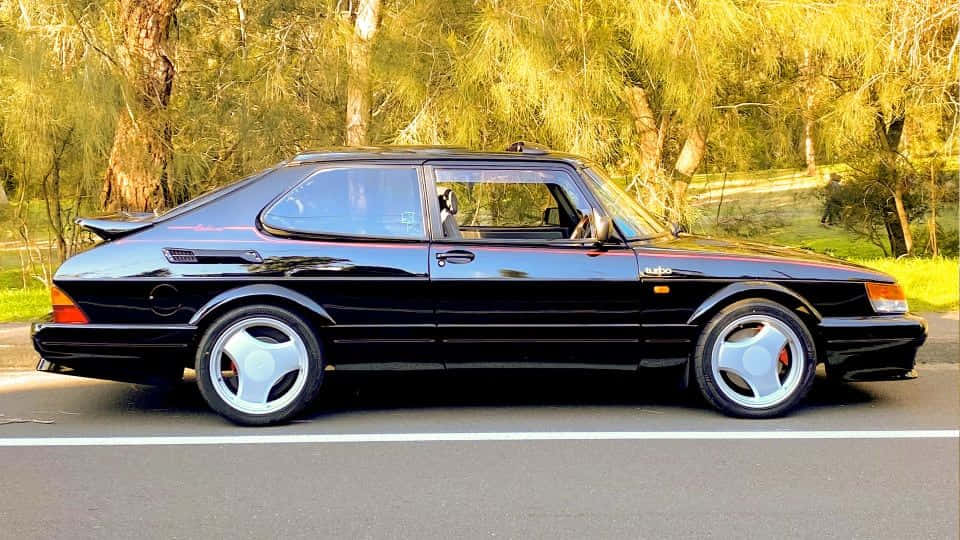
9. **Saab: The Maverick from the Skies**From its origins as an aircraft manufacturer, the Swedish carmaker Saab brought a truly distinctive engineering philosophy to the automotive world. This unique heritage deeply influenced its vehicle design, emphasizing aerodynamic efficiency, advanced safety features, and a somewhat quirky, unconventional aesthetic that immediately set it apart from its contemporaries. Saab wasn’t just building cars; it was building vehicles with an aeronautical spirit.
Saab quickly gained a fiercely loyal following, thanks in no small part to its pioneering use of turbocharged engines, which offered exhilarating performance long before they became commonplace. Coupled with their individualistic designs – from the wraparound windshields to the ignition switch placement between the seats – Saab cars offered a driving experience that was both engaging and undeniably unique. Owners often felt a kinship with the brand’s forward-thinking approach.
The innovative spirit continued for decades, with Saab consistently pushing boundaries in areas like ergonomics and crash protection. However, the path of independence became increasingly difficult in a consolidating global industry. General Motors eventually acquired the brand, a move intended to provide Saab with the resources needed to compete on a larger scale and expand its global footprint.
Unfortunately, the tenure under General Motors was plagued by poor management decisions and a struggle to integrate Saab’s distinctive engineering and design philosophy into a larger corporate structure. The brand’s unique identity was diluted, its development cycles were disrupted, and it failed to find a sustainable market position within the GM family. This struggle to maintain its core values proved detrimental.
Ultimately, these challenges proved insurmountable, leading to Saab’s painful closure in 2011. While the name has seen various attempts at revival in other forms, the original Saab car brand, known for its intellectual design and pilot-like driving experience, has vanished, leaving behind a profound legacy of engineering brilliance and a bittersweet reminder of a true automotive maverick.
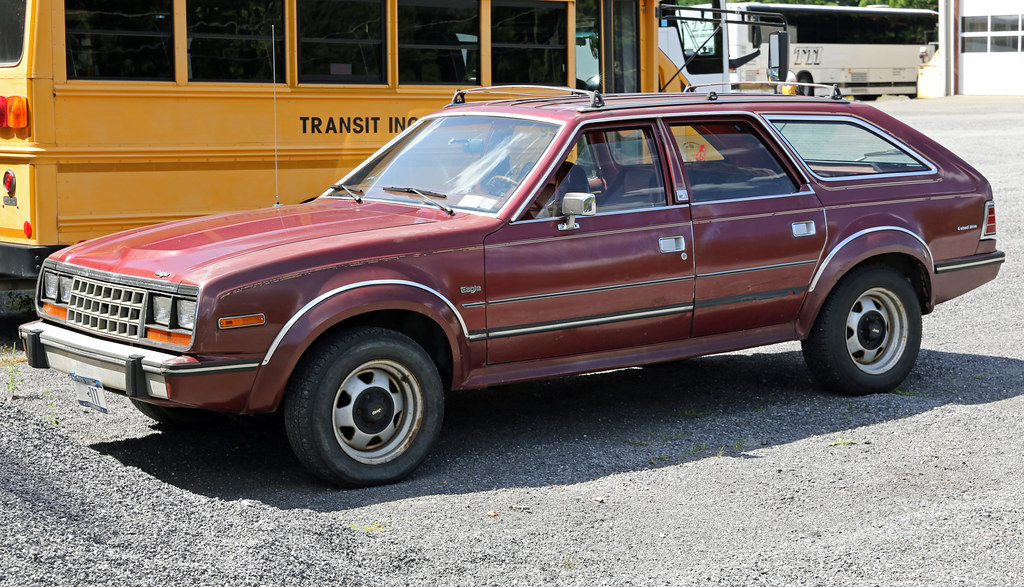
10. **AMC (American Motors Corporation): The Underdog with Bold Ideas**American Motors Corporation, or AMC, stood as a testament to the power of independent thinking in an industry increasingly dominated by giants. Though often smaller in stature than the “Big Three,” AMC was a company brimming with creativity, consistently pushing the boundaries of design and engineering. It carved out a reputation for being unconventional, daring to experiment with concepts that often challenged prevailing automotive norms.
AMC was responsible for some of the most memorable — and sometimes polarizing — vehicles in American history. Think of the Gremlin, a compact car with a distinctive, chopped-off rear end, or the Pacer, with its wide, rounded body and expansive glass. These cars, while not universally loved, became cultural touchstones, reflecting AMC’s willingness to take risks and forge its own path in an era of more conservative styling.
Perhaps AMC’s most enduring legacy, however, is its pivotal role in the history of a truly iconic nameplate: Jeep. Before Chrysler’s acquisition, AMC nurtured and developed the rugged, go-anywhere brand, transforming it from a military workhorse into a beloved civilian staple. The innovations and market expansion under AMC laid crucial groundwork for Jeep’s later success, ensuring its survival long after the AMC name itself faded.
Despite its bursts of innovation and the creation of beloved vehicles, AMC faced an uphill battle against the massive resources of its larger competitors. The company struggled with fluctuating market demands and the sheer cost of competing. In 1987, Chrysler ultimately acquired AMC, primarily for its valuable Jeep brand and manufacturing assets.
With the acquisition, Chrysler made the strategic decision to discontinue the AMC brand, bringing an end to the era of this bold independent automaker. While AMC as a car manufacturer ceased to exist, its spirit of innovation and its invaluable contribution to the Jeep legacy continue to resonate, reminding us of the tenacious spirit of an automotive underdog.
Read more about: Unraveling America’s Automotive Ancestry: A Deep Dive into the Oldest Car Brands That Shaped a Nation’s Roads
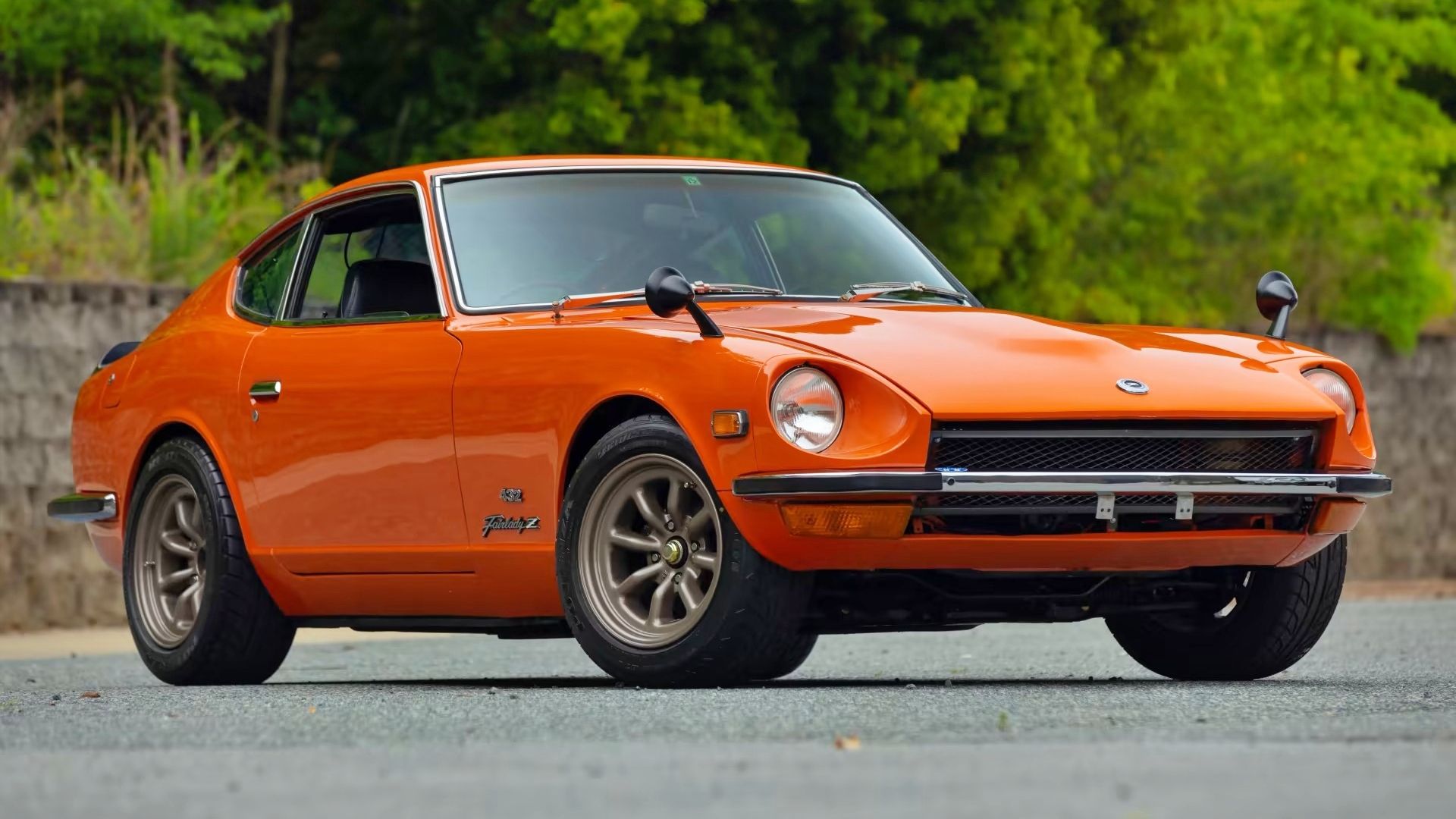
11. **Datsun: The Genesis of a Global Powerhouse**Before Nissan blossomed into the global automotive powerhouse it is today, it laid much of its foundation under the brand name Datsun, particularly within the crucial United States market. Datsun served as the pioneering face of Japanese automotive engineering for many American consumers, introducing them to a new paradigm of efficiency and reliability. It was a brand that steadily built trust and paved the way for future imports.
In its formative years, Datsun quickly became known for its lineup of small, affordable cars. These vehicles offered an attractive combination of fuel economy, dependability, and practical design, making them a popular choice for budget-conscious buyers and those seeking efficient transportation. The brand’s success in this segment helped challenge the dominance of larger, less efficient domestic vehicles.
Datsun’s influence, however, extended far beyond merely economical vehicles. The brand truly captured the hearts of enthusiasts with its early sports models, most notably the legendary Datsun 240Z. This iconic car offered stunning aesthetics, spirited performance, and impressive reliability at a price point that undercut European rivals, creating a sensation and establishing Datsun’s credibility in the performance car arena.
By the 1980s, as Nissan sought to consolidate its global identity and streamline its branding efforts, the strategic decision was made to gradually phase out the Datsun name. This move aimed to present a unified corporate image worldwide, signifying Nissan’s emergence as a formidable, singular global brand capable of competing across all segments.
Although the Datsun badge disappeared from most international markets, its legacy remained ingrained in automotive history. Decades later, the name was briefly revived in select emerging markets, a nod to its foundational role in establishing Nissan’s presence and reputation. This fleeting resurgence underscored the enduring recognition and historical significance of the Datsun marque, even as its primary era concluded.
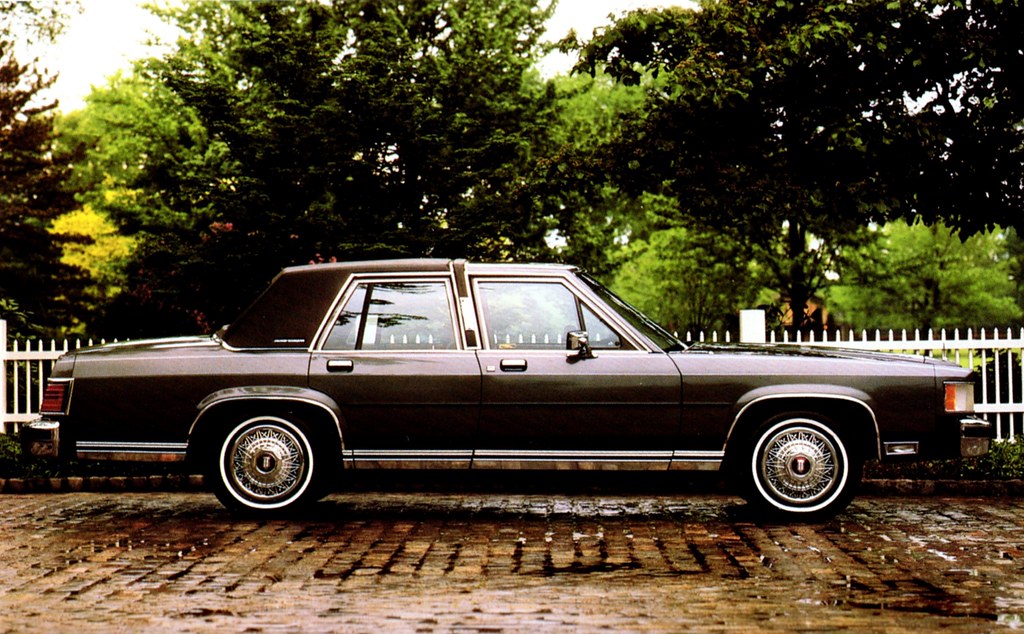
12. **Mercury: Ford’s Stylish Mid-Market Bridge**Ford created Mercury as a strategic response to the burgeoning demand for a mid-tier automotive option, neatly bridging the gap between its utilitarian Ford models and the opulent luxury of its Lincoln division. From its inception, Mercury aimed to offer a sophisticated alternative, combining distinctive styling with a respectable level of performance and features that appealed to upwardly mobile consumers who desired more than a basic car but weren’t ready for a full luxury commitment.
For many years, Mercury successfully carved out this niche, offering a range of stylish sedans, coupes, and later, SUVs that blended modern aesthetics with Ford’s reliable engineering. Models like the Cougar and the Grand Marquis became emblematic of the brand, appealing to buyers who appreciated a touch of class and individuality without the premium price tag associated with true luxury marques. It was a brand that understood its specific clientele.
However, as the automotive landscape grew more competitive and consumer tastes began to shift rapidly in the 2000s, Mercury started to lose its clear direction. The distinctiveness that once defined it began to fade, with many Mercury models becoming mere badge-engineered versions of their Ford counterparts. This blurring of lines made it increasingly difficult for the brand to justify its existence and attract new buyers.
The decline in unique product offerings and the brand’s diminishing appeal directly translated into falling sales figures. With less differentiation from its Ford siblings and a general lack of consumer demand for what had become an increasingly redundant lineup, Mercury’s position within the Ford Motor Company became precarious. The once-clear segment it occupied had become muddled or evaporated entirely.
Ultimately, after years of struggling sales and an evident lack of market traction, Ford made the difficult but pragmatic decision to retire the Mercury brand in 2010. This marked the end of an era for a nameplate that had once been a stylish and aspirational choice for millions, a final acknowledgment that its purpose in the modern automotive world had quietly dissolved.
Our journey through the landscape of ghost brands reveals more than just the fates of forgotten names; it uncovers the dynamic, often brutal, evolution of an entire industry. Each brand, whether a pioneer in safety, a champion of unique design, or an ambassador of performance, reminds us that even the most innovative and cherished names can succumb to the relentless pressures of market change, economic shifts, and fierce competition. These aren’t just defunct car companies; they are fascinating chapters in the ongoing story of human ingenuity, ambition, and the ever-changing roads we travel.