Carroll Shelby’s name resonates through the hallowed halls of automotive legends, a man whose indelible influence is etched into the very fabric of serious performance vehicles built since the 1960s. His journey, from a tiny Texas town to a global icon, is a narrative as exhilarating as the cars he created. Shelby wasn’t merely a designer or an engineer; he was a visionary, a racing driver whose career was prematurely halted by health issues, but whose passion for speed found its truest expression in the metal and thunder of his machines.
He walked into the automotive world not with corporate titles, but with overalls and a cowboy hat, dirt under his nails, and an insatiable hunger for horsepower. His ambition was clear: to challenge and decisively defeat the formidable European competition, armed with brute American force, ingenious engineering, and an unmistakable dash of Texas attitude. From the moment he audaciousely dropped a Ford V8 into a lightweight British chassis, giving birth to the legendary Shelby Cobra, he irrevocably reshaped perceptions of what a performance car could truly be.
This article invites you on an in-depth exploration of the iconic vehicles that didn’t just carry his name, but profoundly defined his legacy. We’ll delve into the groundbreaking creations, the strategic collaborations, and the sheer audacity that marked his most significant contributions to automotive history, examining how each played a pivotal role in establishing him as an unparalleled figure in the pantheon of speed and innovation.
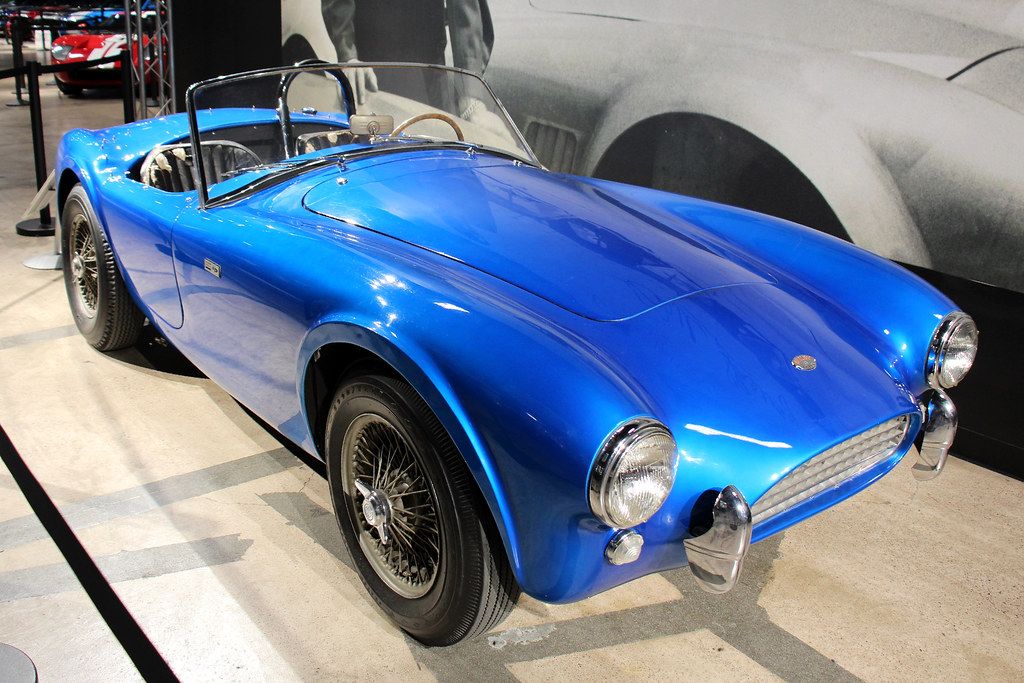
1. **Shelby Cobra CSX 2000**The Shelby Cobra CSX 2000 stands as the singular most pivotal creation in Carroll Shelby’s illustrious career, marking the very genesis of his automotive empire. Following his retirement from racing, Shelby harbored a clear ambition: to construct his own line of performance cars. His audacious vision was to combine raw American V8 power with a lightweight European chassis, intending to decisively outperform the Chevrolet Corvette, leading him to AC Cars in England in 1961 for their AC Ace chassis.
A crucial introduction by Ray Brock of Hot Rod Magazine connected Shelby with Ford’s burgeoning small-block V8 engine. Recognizing its immense potential, Shelby swiftly pitched a partnership to Ford. Impressed by his bold proposal, Ford supplied a 221-cubic-inch V8, soon upgraded to a more potent 260-cubic-inch model, significantly enhancing the car’s power-to-weight ratio. This pivotal collaboration paved the way for the birth of the CSX 2000, the first car to carry the distinguished Shelby name.
The prototype, meticulously reinforced and adapted in England, made its transatlantic journey to Dean Moon’s shop in Los Angeles. There, Shelby and his team tirelessly integrated the powerful Ford engine, undertaking substantial chassis and body modifications. Its electrifying debut at the 1962 New York Auto Show, painted a vibrant yellow, not only captivated the public but, through Shelby’s clever marketing of repainting the single prototype, created the illusion of multiple cars, effectively kickstarting the most iconic chapter in American sports car history.
Read more about: Beyond Myth and Legend: Unearthing 15 of the Rarest American Muscle Cars Ever Built
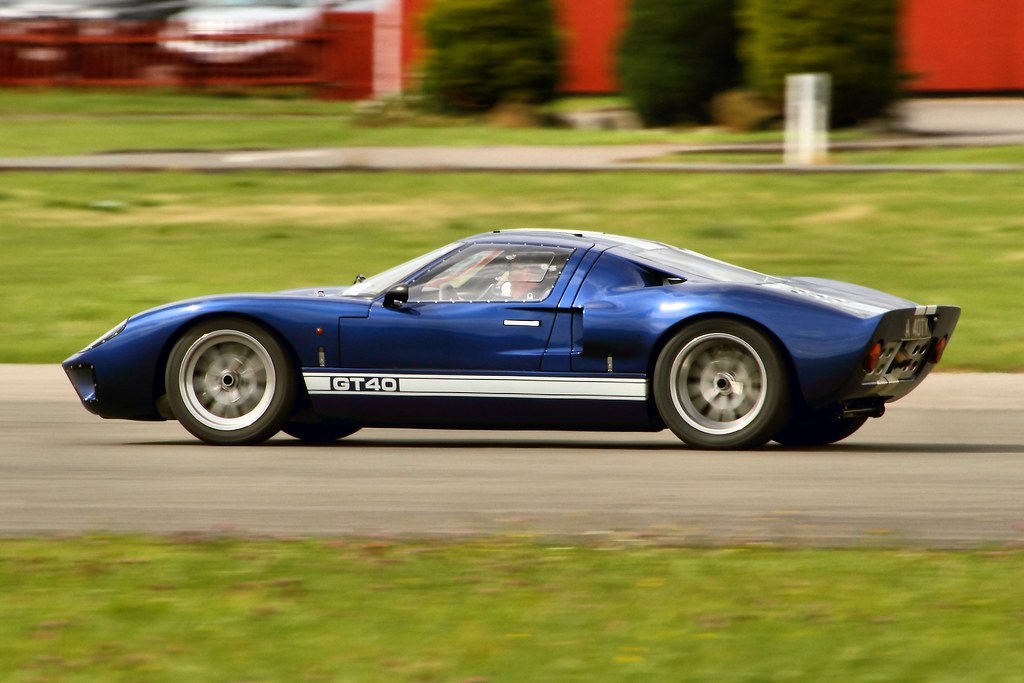
2. **Ford GT40**The Ford GT40 represents another monumental achievement deeply intertwined with Carroll Shelby’s racing legacy, born from one of motorsport’s most enduring rivalries. This epic saga began with Ford’s unsuccessful bid to acquire Ferrari, an affront that deeply angered Henry Ford II. His retaliatory directive was unequivocal: beat Ferrari at their own game, specifically at the legendary 24 Hours of Le Mans. Thus, the GT40 was conceived, not merely as a car, but as an instrument of national and corporate pride.
Initially developed under the guidance of brilliant engineer Roy Lunn, the GT40 was envisioned as a mid-engined race car, standing just 40 inches tall—a detail that gave it its famous designation. Despite its innovative design and advanced engineering, early development was fraught with challenges, plagued by a lack of racing expertise within Ford, which led to initial failures and significant setbacks on the track, as the ambitious program struggled to find its footing.
The turning point arrived when Carroll Shelby took command of the GT40 program. His unparalleled racing acumen and relentless drive to win brought a much-needed strategic vision. Shelby implemented crucial modifications, most notably replacing the initial engines with a more robust 7.0-liter unit. Under his decisive leadership, the GT40’s fortunes dramatically reversed, culminating in an unforgettable display of dominance at the 1966 24 Hours of Le Mans, where Ford GT40s, campaigned by Shelby American, secured an unprecedented 1-2-3 finish, shattering Ferrari’s long-held supremacy.
Car Model Information: 1966 Ford GT40
Name: Ford GT40
Caption: Ford GT40 Mk.I in JWA Gulf Oil racing colors
Manufacturer: Ford Advanced Vehicles,John Wyer,Kar Kraft,Holman-Moody,Shelby American
Production: 1964–1969
Assembly: Slough,Los Angeles
Designer: Ron Bradshaw
Class: Group 4 (racing),Group 5 (racing),Group 6 (racing)
BodyStyle: coupé
Layout: MR layout
Engine: Cubic inch,289 CID (4737 cc) V-8,302 CID (4942 cc) V-8,427 CID (6997 cc) V-8
Transmission: Manual transmission
Wheelbase: 95 in
Abbr: on
Length: 160 in
Width: 70 in
Height: 40.5 in
Weight: convert
Successor: Ford P68
Sp: uk
Categories: 24 Hours of Le Mans race cars, All Wikipedia articles needing clarification, All Wikipedia articles written in British English, All articles needing additional references, All articles that may contain original research
Summary: The Ford GT40 is a high-performance mid-engined racing car originally designed and built for and by the Ford Motor Company to compete in 1960s European endurance racing and the World Sportscar Championship. Its specific impetus was to beat Scuderia Ferrari, which had won the prestigious 24 Hours of Le Mans race for six years running from 1960 to 1965. As rules of the time required that GT cars were built in dozens and sold, around 100 cars in total have been made, mostly as 289 cu in (4.7 L) V8-powered Mk Is, of which at least 50 were made in 1965, which allowed FIA-homologation as Group-4-Sportscar for 1966 until 1971. This gave the old MK.I car of Gulf-Wyer the chance to enter and win Le Mans in 1968 and 1969 after prototypes had been limited to 3 litre, with the performance of the Ford 7-litre-V8 in the factory 1966 Mk.II and 1967 Mk.IV prototypes causing this rule change, which also banned the 4-litre V12 Ferrari 330P4 and others after 1967. The Mk.III designation was used for some road-legal cars.
The Ford GT40 debuted in 1964, and improvements in 1965 led to Ford winning World Championships categories from 1966 to 1968. The first Le Mans win came in 1966 with three 427 cu in (7.0 L) powered Mk.II prototypes crossing the finish line together, the second in 1967 with the same engine now in quite different US-built Mk.IV prototype chassis similar to the “J-car” mule. In order to lower ever-higher race top speeds, a rule change from 1968 onwards limited prototypes to 3.0 litre Formula 1 engines; the sportscar “loophole”, however, allowed the private JW “Gulf Oil” team to win at Le Mans in 1968 and 1969 running a Mk.I with a 5.0 litre engine.
The GT40 effort began in Britain in the early 1960s when Ford Advanced Vehicles began to build the Mk I, based upon the British Lola Mk6, in Slough, UK. After disappointing race results, the engineering team was moved in 1964 to Dearborn, Michigan, US, to design and build cars by its advanced developer, Kar Kraft. All chassis versions were powered by a series of American-built Ford V8 OHV engines modified for racing.
In the 1966 Le Mans, the GT40 Mk II car broke Ferrari’s winning streak, making Ford the first American manufacturer to win a major European race since Jimmy Murphy’s Duesenberg in the 1921 French Grand Prix. In the 1967 Le Mans, the GT40 Mk IV car became the only car developed and assembled entirely (both chassis and engine) in the United States to achieve the overall win at Le Mans.
Get more information about: Ford GT40
Buying a high-performing used car >>>
Brand: Ford Model: GT40
Price: $110,000 Mileage: 13,350 mi.
Read more about: Beyond Myth and Legend: Unearthing 15 of the Rarest American Muscle Cars Ever Built
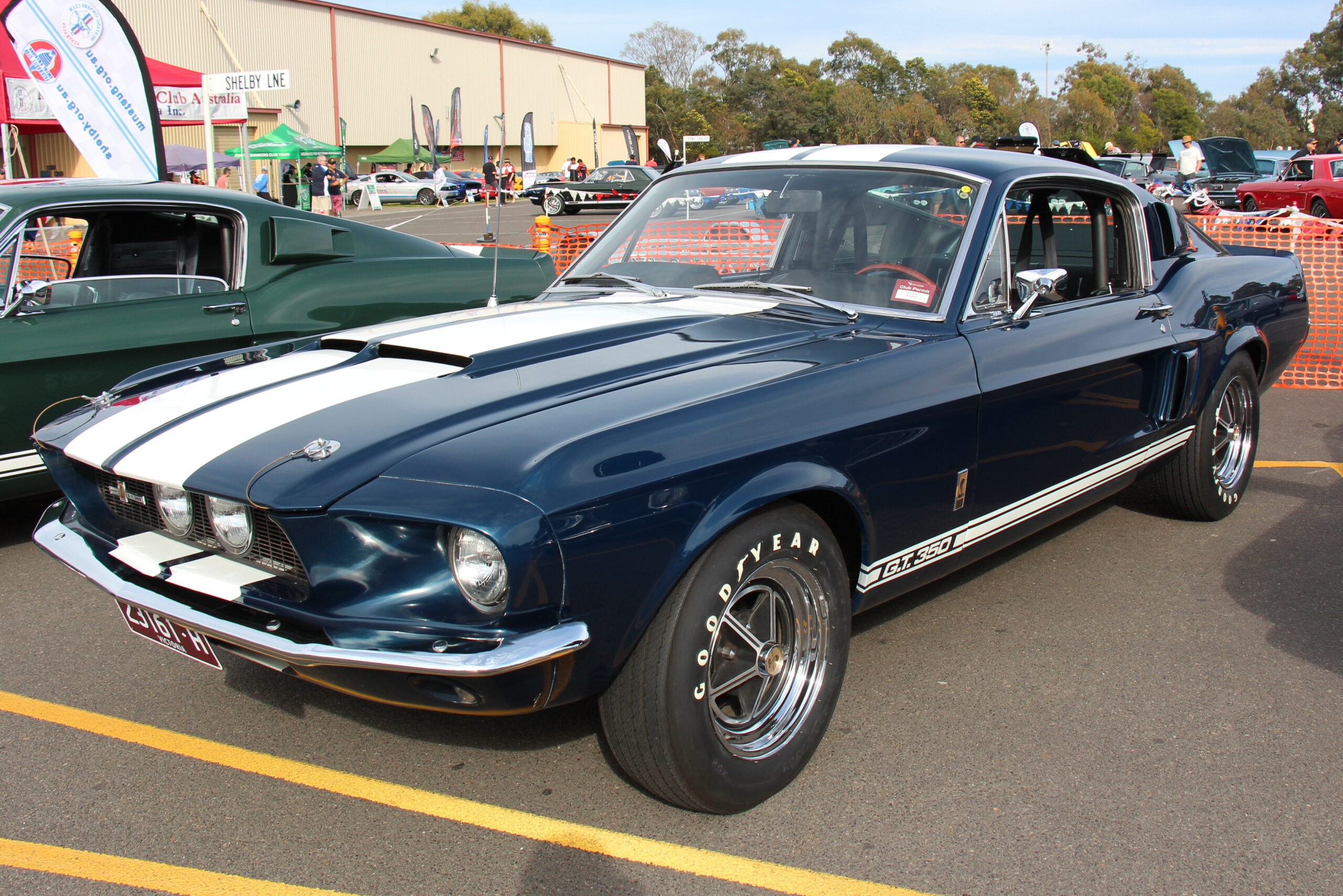
3. **Shelby GT350**Carroll Shelby’s transformative influence on the Ford Mustang is exemplified by the Shelby GT350, introduced in 1965. This wasn’t merely an accessorized Mustang; it was a purpose-built, high-performance machine designed to excel on both the street and the track. Instantly recognizable by its pristine white paint with iconic blue racing stripes, the GT350 exuded a visceral appeal, hinting at the raw power within. Its very name carries an intriguing backstory, adding to its legendary status.
At its core, the GT350 housed a meticulously tuned 289-CID K-Code engine, engineered to produce a formidable 306 horsepower—a substantial increase over the standard Mustang powerplant. For those seeking the absolute extreme, the highly exclusive GT350R variant, limited to just 35 units, pushed the envelope further, delivering a breathtaking 360 horsepower. These figures were truly remarkable for the era, solidifying its reputation as a serious performance contender.
Shelby’s modifications extended comprehensively throughout the vehicle, encompassing more than just engine upgrades. Functional enhancements included a distinct hood scoop, a robust Monte Carlo bar to stiffen the chassis, and specialized 15-inch wheels fitted with Goodyear tires rated for speeds up to 130 mph. This holistic approach ensured the GT350 was not only fast but also exceptionally capable, dominating the SCCA B-Production class for three consecutive years and cementing its legacy as a true American racing icon.
Car Model Information: 2025 Subaru Outback Premium
Name: Shelby Mustang
Caption: 1965 Shelby Mustang GT350
Manufacturer: Unbulleted list
Aka: Unbulleted list
Production: Unbulleted list
Designer: John Chun
Assembly: Unbulleted list
Class: Unbulleted list
Platform: Unbulleted list
Related: Ford Mustang (first generation),Ford Mustang (fifth generation)
Layout: Front-engine, rear-wheel-drive layout
Categories: 1970s cars, 2000s cars, 2010s cars, 2020s cars, All Wikipedia articles written in American English
Summary: The Shelby Mustang is a high-performance variant of the Ford Mustang built by Shelby American from 1965 to 1967 and by the Ford Motor Company from 1968 to 1970.
In 2005, Ford revived the Shelby nameplate for a high-performance model of the fifth-generation Ford Mustang.
Get more information about: Shelby Mustang
Buying a high-performing used car >>>
Brand: Ford Model: Shelby GT350
Price: $32,439 Mileage: 5,116 mi.
Read more about: Beyond Myth and Legend: Unearthing 15 of the Rarest American Muscle Cars Ever Built
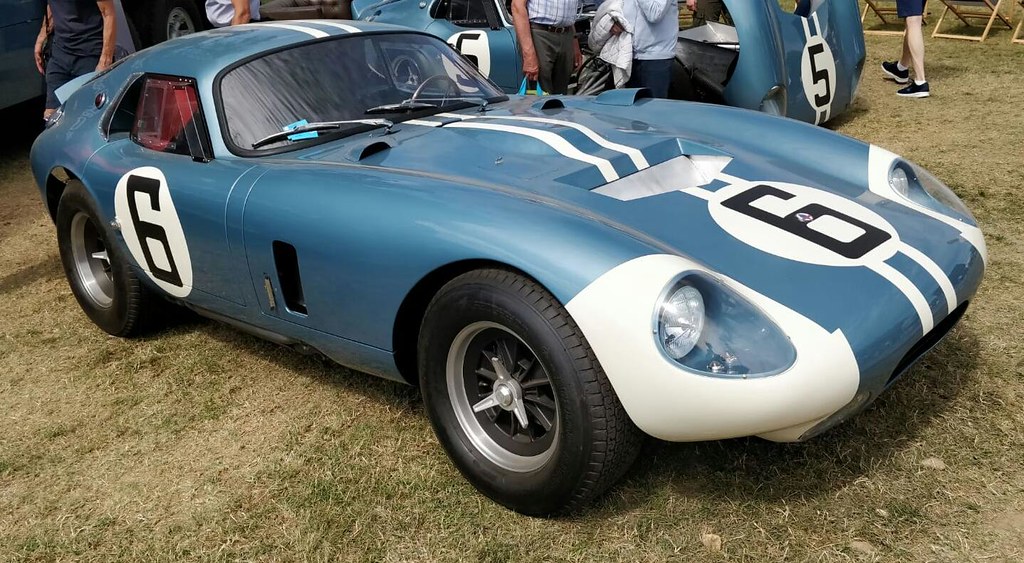
4. **Shelby Cobra Daytona Coupe**The Shelby Cobra Daytona Coupe emerged as a brilliant aerodynamic solution born from the urgent need to address the limitations of the original Cobra roadster on high-speed European circuits. Developed concurrently with the Ford GT40, and fueled by the same intense Ford v Ferrari rivalry, this car was a visionary achievement in design, largely spearheaded by the brilliant Peter Brock, who dared to challenge established norms in automotive aerodynamics.
Brock’s radical design introduced a lower, flattened hood and, most distinctively, an innovative Kamm tail—a truncated rear section engineered to drastically reduce aerodynamic drag and enhance high-speed stability. This shape was a dramatic departure from its contemporaries, and despite initial skepticism, the car’s performance capabilities were astonishingly validated during its very first tests, proving the merit of its revolutionary form immediately.
The immediate impact was undeniable; during its inaugural test at Riverside, piloted by the legendary Ken Miles, the Daytona Coupe shattered expectations. It demonstrated a remarkable ability to significantly outperform even Carroll Shelby’s powerful King Cobra. Its racing debut, though dramatically marked by a pit stop fire at Daytona, only briefly overshadowed its true potential, as it swiftly went on to clinch its first class victory at the 1964 12 Hours of Sebring. This triumph heralded a new era in GT racing, showcasing intelligent, aerodynamically-driven design.
Car Model Information: 2025 Subaru Outback Premium
Name: Shelby Daytona
BodyStyle: coupe
Manufacturer: Shelby American
Layout: FMR layout
ModelYears: 1964–1965
Engine: 289 CID
Abbr: on
Assembly: Venice, California,United States,Modena,Italy
Wheelbase: 2286 mm
Length: 4150 mm
Width: 1720 mm
Height: 1180 mm
Weight: 1043 kg
Designer: Pete Brock
Categories: 1960s cars, All Wikipedia articles written in American English, All articles with dead external links, Articles with dead external links from June 2016, Articles with short description
Summary: The Shelby Daytona Coupe (also referred to as the Shelby Cobra Daytona Coupe) is an American sports-coupé. It is related to the Shelby Cobra roadster, loosely based on its chassis and drive-train developed and built as an advanced evolution. It was engineered and purpose built for auto racing, specifically to take on Ferrari and its 250 GTO in the GT class. The original project had six Shelby Daytona Coupes built for racing purposes between 1964 and 1965, as Carroll Shelby was reassigned to the Ford GT40 project to compete at the 24 Hours of Le Mans, again to beat Ferrari in the highest level prototype class.
Shelby won a title in the International Championship for GT Manufacturers in the 1965 season with the Shelby Daytona car, thus becoming the first American constructor to win a title on the international scene at the FIA World Championships. In 2014, the first Cobra Daytona Coupe became the first vehicle recorded under a U.S. federal program for documenting historically important national treasures.
Get more information about: Shelby Daytona
Buying a high-performing used car >>>
Brand: Shelby Model: Cobra Daytona Coupe
Price: $32,439 Mileage: 5,116 mi.
Read more about: Beyond Myth and Legend: Unearthing 15 of the Rarest American Muscle Cars Ever Built
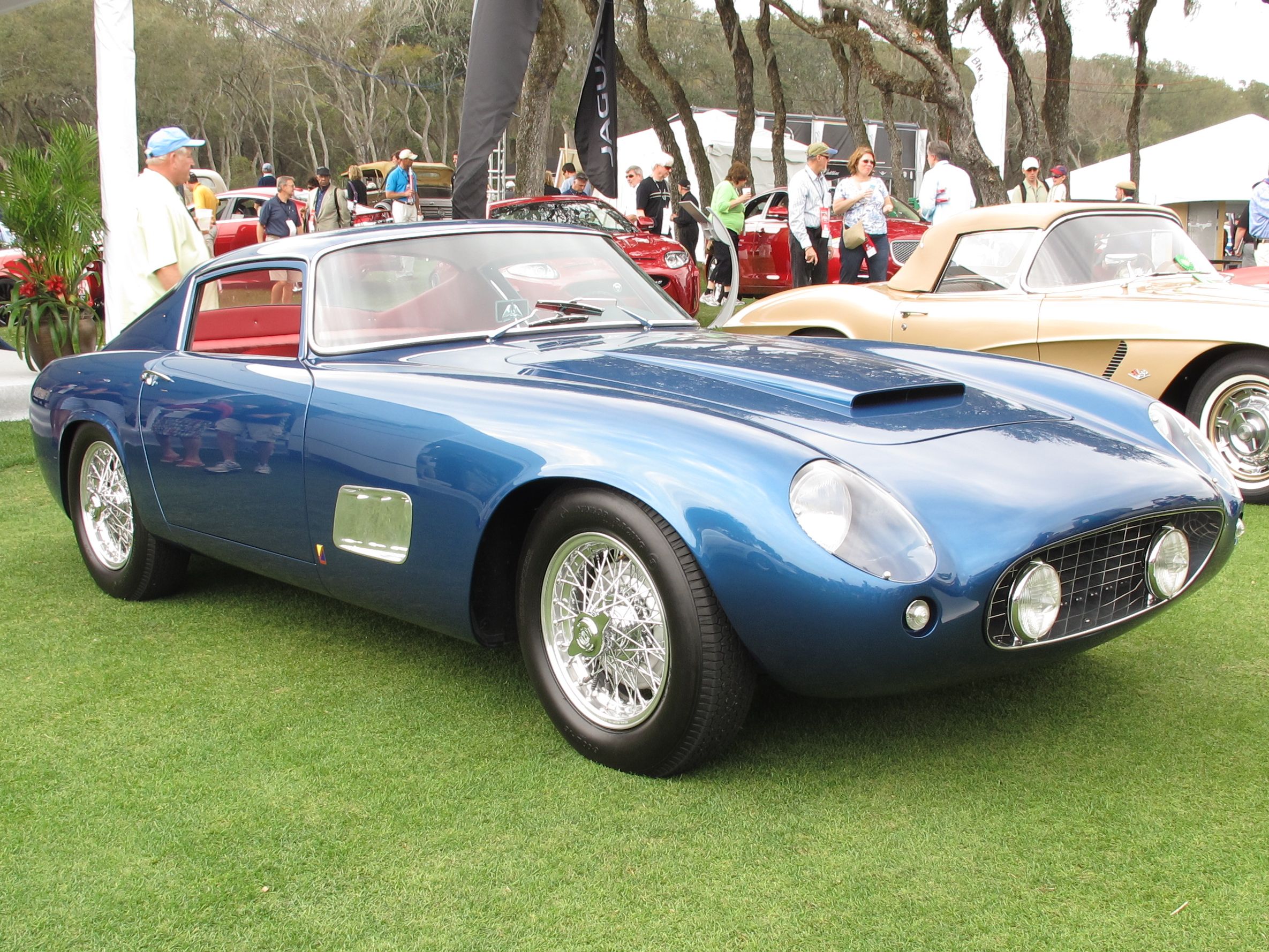
5. **Scaglietti Corvette**Even before Carroll Shelby fully established his brand as an automotive constructor, his discerning eye and influential connections played a significant role in an early, highly exclusive project: the Scaglietti Corvette. This unique collaboration, though not a Shelby-branded vehicle, provides a fascinating insight into his innate talent for recognizing automotive potential and his ambition to elevate both performance and aesthetic appeal. The Scaglietti name itself, usually synonymous with the exquisite coachwork of legendary Ferraris, imbued this venture with an undeniable aura of Italian craftsmanship.
The concept for these bespoke Corvettes originated with Gary Laughlin, a Texas millionaire and avid car enthusiast, who commissioned Italian coachbuilder Scaglietti to craft three custom bodies for 1959 Corvette chassis. Laughlin’s vision was shared by fellow Texas racing luminaries Jim Hall and, crucially, Carroll Shelby. Both recognized the formidable power inherent in the 1959 Corvette’s engine but perceived clear opportunities for significant improvements in its aerodynamics and overall interior luxury, aiming for a more refined and capable machine.
Their collective ambition sought to transform the Corvette’s competent but somewhat utilitarian fiberglass body into something truly exceptional. By engaging Scaglietti, they aimed for superior aerodynamic efficiency, a more elegant and elongated nose, and a heightened sense of luxury that would distinguish these cars dramatically. Scaglietti delivered three distinctive vehicles, each unique in color but sharing a strikingly beautiful design that, quite remarkably, bore a closer resemblance to a Ferrari than to its original Chevrolet donor.
Car Model Information: 2025 Chevrolet Corvette Stingray w/3LT
Name: Chevrolet Corvette
Caption: 2021 Chevrolet Corvette C8
Manufacturer: Chevrolet
Production: 1953–present
ModelYears: bulleted list
Assembly: bulleted list
Class: Sports car
BodyStyle: coupé
Layout: Front-engine, rear-wheel-drive layout,Rear mid-engine, rear-wheel-drive layout
Categories: 1950s cars, 1960s cars, 1970s cars, 1980s cars, 1990s cars
Summary: The Chevrolet Corvette is a line of American two-door, two-seater sports cars manufactured and marketed by General Motors under the Chevrolet marque since 1953. Throughout eight generations, indicated sequentially as C1 to C8, the Corvette is noted for its performance, distinctive styling, lightweight fiberglass or composite bodywork, and competitive pricing. The Corvette has had domestic mass-produced two-seater competitors fielded by American Motors, Ford, and Chrysler; it is the only one continuously produced by a United States auto manufacturer. It serves as Chevrolet’s halo car.
In 1953, GM executives accepted a suggestion by Myron Scott, then the assistant director of the Public Relations department, to name the company’s new sports car after the corvette, a small, maneuverable warship. Initially, a relatively modest, lightweight 6‑cylinder convertible, subsequent introductions of V8 engines, competitive chassis innovations, and rear mid-engined layout have gradually moved the Corvette upmarket into the supercar class. In 1963, the second generation was introduced in coupe and convertible styles. The first three Corvette generations (1953–1982) employed body-on-frame construction, and since the C4 generation, introduced in 1983 as an early 1984 model, Corvettes have used GM’s unibody Y‑body platform. All Corvettes used front mid-engine configuration for seven generations, through 2019, and transitioned to a rear mid-engined layout with the C8 generation.
Initially manufactured in Flint, Michigan, and St. Louis, Missouri, the Corvette has been produced in Bowling Green, Kentucky, since 1981, which is also the location of the National Corvette Museum. The Corvette has become widely known as “America’s Sports Car.” Automotive News wrote that after being featured in the early 1960s television show Route 66, “the Corvette became synonymous with freedom and adventure,” ultimately becoming both “the most successful concept car in history and the most popular sports car in history.”
Get more information about: Chevrolet Corvette
Buying a high-performing used car >>>
Brand: Chevrolet Model: Corvette
Price: $87,990 Mileage: 3,779 mi.
Read more about: Unleash the Roar: 12 Iconic Convertibles That Defined Eras and Demand Attention on Every Road!
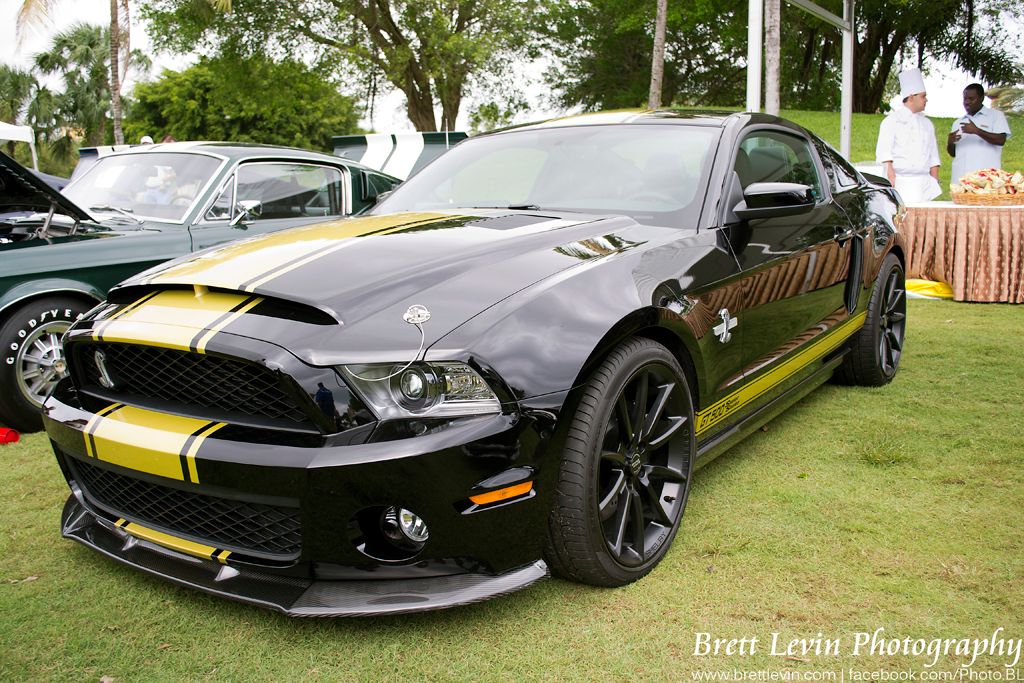
6. **Ford Shelby GT500**Building upon the tremendous success of the track-focused GT350, Carroll Shelby and Ford embarked on an ambitious new endeavor in the mid-1960s: to unleash a Mustang that would redefine the boundaries of raw power and street presence. This vision culminated in the sensational Ford Shelby GT500, introduced in 1967, a vehicle that instantly captivated the public and cemented its place in the pantheon of American muscle car legends. It was explicitly designed to be the ultimate street machine, blending performance with a touch of grand touring luxury.
At the heart of the original 1967 GT500 roared a colossal 428 cubic-inch V8 engine, a powerhouse that delivered an impressive 355 horsepower. This immense power translated into formidable straight-line acceleration, with the car capable of hitting 60 mph from a standstill in a blistering 6.5 seconds—a truly remarkable feat for its era. Unlike its more spartan GT350 sibling, the GT500 offered a more refined cabin and a broader appeal, providing a potent blend of high-performance thrills and everyday drivability.
The GT500’s impact was immediate and profound, quickly becoming one of the most celebrated creations of the Shelby-Ford partnership. Its aggressive aesthetics, combined with its overwhelming power, resonated deeply with the burgeoning muscle car culture, making it an instant icon. The model’s legend was further solidified in 1968 with the introduction of the even more formidable GT500KR, or “King of the Road,” a title that perfectly encapsulated its dominant presence. The original GT500 remains a towering testament to Shelby’s audacious vision.
Car Model Information: 2007 Ford Shelby GT500 Base
Name: Shelby Mustang
Caption: 1965 Shelby Mustang GT350
Manufacturer: Unbulleted list
Aka: Unbulleted list
Production: Unbulleted list
Designer: John Chun
Assembly: Unbulleted list
Class: Unbulleted list
Platform: Unbulleted list
Related: Ford Mustang (first generation),Ford Mustang (fifth generation)
Layout: Front-engine, rear-wheel-drive layout
Categories: 1970s cars, 2000s cars, 2010s cars, 2020s cars, All Wikipedia articles written in American English
Summary: The Shelby Mustang is a high-performance variant of the Ford Mustang built by Shelby American from 1965 to 1967 and by the Ford Motor Company from 1968 to 1970.
In 2005, Ford revived the Shelby nameplate for a high-performance model of the fifth-generation Ford Mustang.
Get more information about: Shelby Mustang
Buying a high-performing used car >>>
Brand: Ford Model: GT500
Price: $57,500 Mileage: 4,235 mi.
Read more about: Beyond Myth and Legend: Unearthing 15 of the Rarest American Muscle Cars Ever Built
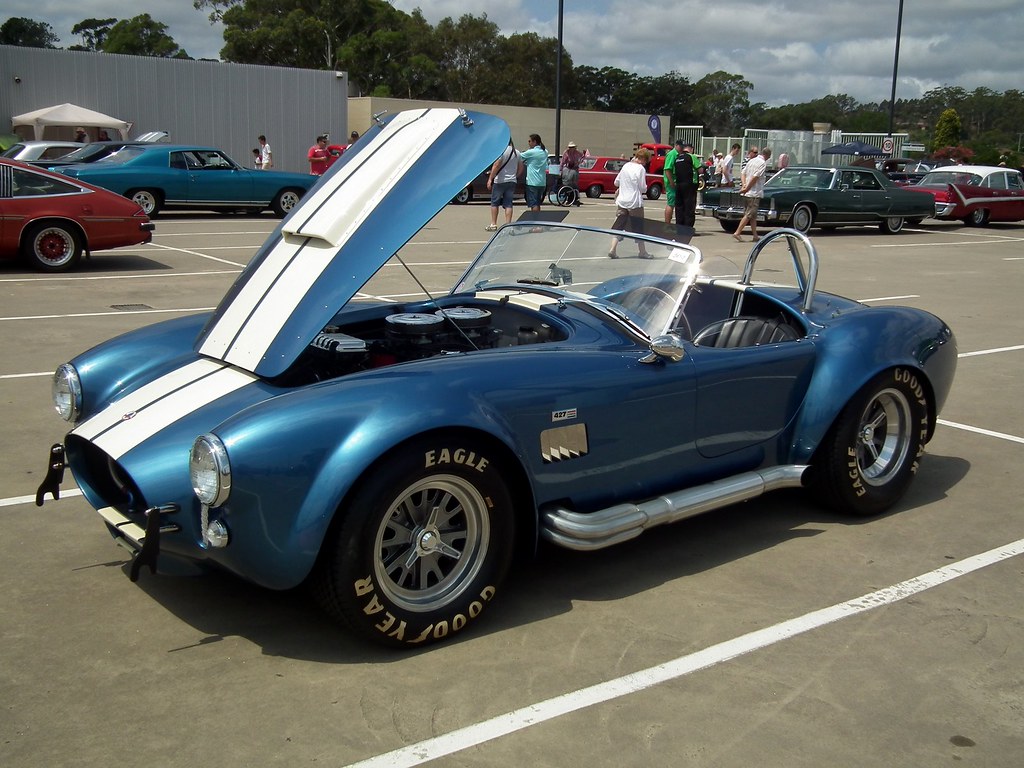
7. **1965 Shelby Cobra 427**While the initial Shelby Cobra CSX 2000 ignited the legend, the 1965 Shelby Cobra 427 elevated it to an entirely new, thunderous dimension, transforming the already formidable roadster into an almost untamable beast. This iconic model was conceived from a clear imperative: to develop a Cobra capable of competing in higher-tier racing categories against the fastest European sports cars, necessitating a dramatic leap in both power and engineering.
The defining feature of the 427 Cobra was its monumental 427 cubic-inch Ford big-block V8 engine. This colossal powerplant, delivering an astonishing 425 horsepower in its street configuration (and significantly more in race tune), propelled the lightweight, aluminum-bodied car with truly brutal, instantaneous acceleration. To effectively harness this prodigious power, the chassis underwent extensive re-engineering, including a wider stance, beefier tires, and a heavily revised coil-spring suspension system, resulting in a more aggressive and imposing physical presence.
Carroll Shelby’s intent with the 427 Cobra was to forge an uncompromising driving machine that offered an unparalleled, visceral experience. It quickly earned a reputation for being immensely challenging yet incredibly rewarding to drive, demanding skill and respect from anyone who dared to get behind the wheel. The car became an instant legend, symbolizing the raw, unbridled power and audacious spirit of American performance engineering, establishing a benchmark for muscle cars worldwide.
Having explored the foundational creations that launched Carroll Shelby’s legacy, our journey now delves into how he sustained that unparalleled impact. We will witness the enduring bite of the serpent through his independent designs, crucial partnerships forged with Dodge, and the powerful resurgence of his vision in the modern era, culminating in a series of high-performance masterpieces that left an indelible mark on automotive history right up to his final years.
Car Model Information: 2023 Honda Accord EX
Caption: AC Cobra 427
Layout: front-engine, rear-wheel drive layout
Manufacturer: AC Cars,Shelby American
Production: 1965–1967
Name: MkIII
Aka: AC Shelby Cobra , Shelby AC Cobra
BodyStyle: Roadster (automobile)
Assembly: Thames Ditton,Surrey,England
Predecessor: AC Ace
Class: Sports car
Successor: AC MK IV
Related: AC 428,Shelby Daytona
Engine: cvt,V8 engine
Wheelbase: cvt
Length: cvt
Width: cvt
Height: cvt
Weight: cvt
Categories: 1960s cars, AC vehicles, All articles with unsourced statements, Articles with short description, Articles with unsourced statements from December 2014
Summary: The AC Cobra, sold in the United States as the Shelby Cobra and AC Shelby Cobra, is a sports car manufactured by British company AC Cars, with a Ford V8 engine. It was produced intermittently in both the United Kingdom and later the United States since 1962.
Get more information about: AC Cobra
Buying a high-performing used car >>>
Brand: Shelby Model: Cobra 427
Price: $22,799 Mileage: 37,546 mi.
Read more about: Beyond Myth and Legend: Unearthing 15 of the Rarest American Muscle Cars Ever Built

8. **Shelby Series 1**While Carroll Shelby was widely celebrated for transforming existing fast cars into legendary machines, the Shelby Series 1 stands apart as his most audacious and deeply personal undertaking. Born in the 1990s, it represented his singular attempt to design and construct a car entirely from the ground up, a long-held dream to create a truly bespoke American sports car capable of challenging Europe’s elite. This wasn’t merely a modification; it was an expression of pure, unadulterated Shelby vision from concept to completion.
However, bringing this dream to fruition was a journey fraught with significant challenges and setbacks. Shelby initially partnered with Oldsmobile for support and its formidable V8 engine, but the collaboration faced hurdles when Oldsmobile unexpectedly altered its commitment, leaving the project in a precarious position. The manufacturing phase introduced further complexities, particularly with the cutting-edge carbon fiber body, which proved problematic and required extensive additional work, leading to an increase in the car’s overall weight beyond initial projections.
Beyond the bodywork, the development team wrestled with issues concerning the gearbox and the intricate task of coaxing the desired level of power from the engine. When the Series 1 finally emerged, it was indeed a capable machine, boasting a strong 320 horsepower engine and balanced handling. Yet, it didn’t quite deliver the ‘great’ performance many had hoped for, nor did its interior, which borrowed elements from various GM models, achieve a cohesive aesthetic. Compounded by delays and escalating prices, public enthusiasm somewhat waned.
Ultimately, only 249 of the planned 500 units were fully completed and sold as factory-built cars, with the remaining chassis often sold as kits for enthusiasts to assemble themselves. Despite these production woes and a reception that didn’t quite match the towering expectations, the Shelby Series 1 carved out a unique and deserving place in his legacy. It powerfully underscored Shelby’s unwavering courage and pioneering spirit, demonstrating his willingness to take a bold, independent step into the realm of original automotive construction, even when faced with immense difficulties.
Car Model Information: 2021 Maserati Ghibli S Q4 GranSport
Name: Shelby Series 1
Layout: Front engine, rear-wheel-drive layout
Manufacturer: Shelby American
Production: 1998–2005,249 produced
ModelYears: 1999
Assembly: Las Vegas Valley,Nevada
BodyStyle: Roadster (automobile)
Class: Sports car
Engine: Cadillac Northstar engine#L47,V8 engine
Transmission: ZF Friedrichshafen,manual transmission
Wheelbase: cvt
Length: cvt
Width: cvt
Height: cvt
Weight: cvt
Categories: All articles needing additional references, All articles with unsourced statements, Articles needing additional references from May 2023, Articles with short description, Articles with unsourced statements from August 2025
Summary: Shelby Series 1 is a high-performance roadster designed by Carroll Shelby and produced by Shelby American.
It was powered by Oldsmobile’s 4.0-litre L47 Aurora V8 engine. Unveiled at the 1997 Los Angeles Auto Show, it was intended to be a modern day reinterpretation of the original Shelby AC Cobra. Despite initial claims that the car was entirely built in-house, much of the production run was overseen by General Motors with many of the components used from their parts bin, including the powerplant.
Get more information about: Shelby Series 1
Buying a high-performing used car >>>
Brand: Shelby Model: Series 1
Price: $33,440 Mileage: 24,509 mi.
Read more about: Classic Cars That Looked Fast But Weren’t: The Ultimate Guide to Automotive Style Over Speed

9. **Dodge Shelby Charger GLH-S**In a surprising, yet ultimately pivotal, chapter of his career, Carroll Shelby embarked on a partnership with Chrysler in the 1980s, an era that saw him apply his performance alchemy to an entirely different breed of American cars. This unconventional alliance yielded a series of influential, front-wheel-drive vehicles, with the Dodge Shelby Charger GLH-S emerging as a standout and a high-performance culmination of that collaboration. It was a clear demonstration that Shelby’s pursuit of speed transcended brand loyalties and traditional platforms.
Introduced as production of the Shelby Charger wound down in 1987, the GLH-S built upon its predecessor’s foundation with a significant performance boost. The evocative acronym ‘GLH-S’ famously stood for ‘Goes Like Hell, S’more,’ a playful yet accurate reflection of its enhanced capabilities over the standard ‘Goes Like Hell’ model. This particular iteration was extremely exclusive, with only 1,000 units ever produced, and notably, Carroll Shelby himself owned serial number one, underscoring its special place in his personal collection and the project’s importance.
Under the hood, the GLH-S was equipped with a potent turbocharged 2.2-liter engine, a powerplant that, while seemingly modest by today’s standards, was expertly tuned by Shelby’s team to deliver exhilarating acceleration for its time. Beyond raw horsepower, Shelby’s comprehensive modifications included a stiffer suspension system, upgraded brakes for superior stopping power, and a close-ratio five-speed manual transmission that allowed drivers to fully exploit the engine’s potential. These enhancements transformed the humble Charger into a true pocket rocket, capable of surprising much more expensive machinery.
The Dodge Shelby Charger GLH-S represented more than just a fast compact car; it symbolized Shelby’s adaptability and forward-thinking approach. It proved that his engineering philosophy could transcend the traditional rear-wheel-drive V8 formula, demonstrating his ability to extract serious performance from a diverse range of vehicles. This chapter with Dodge not only expanded his legacy but also showcased his commitment to pushing automotive boundaries, even when the landscape of performance cars was dramatically shifting.
Car Model Information: 2023 Honda Accord EX
Name: Shelby GLHS
Manufacturer: Talbot,Shelby American
Production: 1986–1987
Assembly: Belvidere, Illinois
Class: Hot hatch
Platform: Chrysler L platform
Layout: Front-engine, front-wheel-drive layout
BodyStyle: hatchback
Engine: Chrysler K engine#2.2 Turbo I,Straight-4
Transmission: Manual transmission
Related: Dodge Charger (L-body),Dodge Omni,Talbot Horizon,Plymouth Turismo
Caption: Walter P. Chrysler Museum
Categories: All articles needing additional references, Articles needing additional references from November 2022, Articles with short description, Cars discontinued in 1987, Cars introduced in 1986
Summary: The Shelby GLH-S is a limited production series of sport compact automobiles from the mid-1980s based on the Dodge Omni and modified by Shelby American. Later the name would also be applied to a Shelby modified version of the Dodge Shelby Charger. The GLH-S models all used intercooled turbocharged 4-cylinder engines.
Get more information about: Shelby GLH-S
Buying a high-performing used car >>>
Brand: Dodge Model: Shelby Charger GLH-S
Price: $22,799 Mileage: 37,546 mi.
Read more about: Dodge’s High-Octane Legacy: 16 Fastest and Most Powerful Vehicles
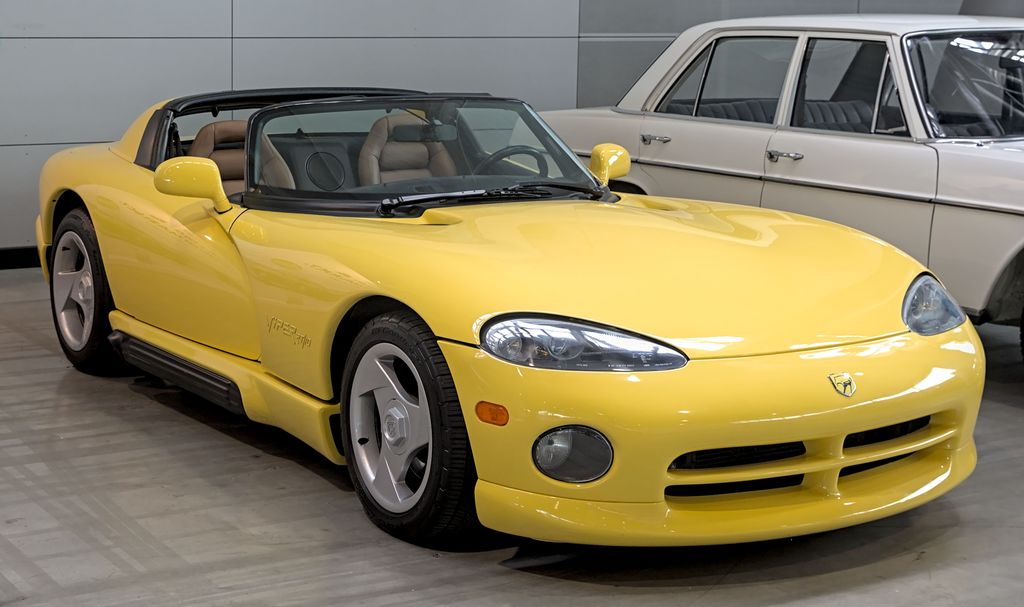
10. **Dodge Viper**Perhaps one of the most exciting fruits of Carroll Shelby’s unconventional but crucial partnership with Dodge in the 1980s was his influential hand in the birth of the Dodge Viper. Widely regarded as the spiritual grandchild of his iconic Cobra, the Viper embodied the very essence of raw, unadulterated American power and a singular focus on performance over luxury. Shelby’s involvement was a testament to his enduring desire to create visceral driving machines, regardless of the badge on the hood.
The genesis of the Viper program saw Shelby playing a significant consultative role. Early in its development, some experimental test beds for the Viper concept even involved a 1987 De Tomaso Pantera GT5-S, where Shelby famously installed a twin-turbo V8 engine as a proof of concept. While Dodge ultimately opted for a naturally aspirated V10 powerhouse for the production Viper, Shelby’s early input and guiding philosophy were instrumental in shaping its uncompromising character and its direct lineage back to the brute force simplicity of the Cobra.
The Dodge Viper burst onto the scene with a clear mission: to deliver overwhelming power and a raw, engaging driving experience. Its design, devoid of electronic driving aids and luxury amenities that were becoming standard in contemporary sports cars, was a deliberate choice to provide a direct connection between driver and machine. This focus on fundamental, high-performance attributes—light on luxury, heavy on horsepower—was a hallmark of Shelby’s own design philosophy, perfectly executed in the Viper.
For automotive enthusiasts, the Viper was a thrilling declaration of American engineering prowess. It embodied Shelby’s core belief that power isn’t just a number, but a profound, tactile experience. Its unapologetic performance and no-frills approach resonated deeply with those who cherished the pure, untamed possibility that Shelby instilled in every vehicle he touched. The Viper stands as a powerful testament to his influence, ensuring his impact on extreme performance lived on through a new generation of American muscle.
Car Model Information: 2008 Dodge Viper SRT10
Name: Dodge Viper
Caption: 2013 SRT Viper GTS Launch Edition
Manufacturer: Dodge
Production: 1991–2006,2007–2017
Assembly: Detroit,Michigan
Class: Sports car
BodyStyle: liftback,coupe
Layout: Longitudinal engine,Front mid-engine, rear-wheel drive layout
Engine: Viper engine,{{convert,488,cuin,L,abbr=on,1,order=flip,lk=on
Abbr: on
Order: flip
Powerout: SR-I and II:,{{convert,400,hp,PS kW,0,abbr=on,lk=on
Lk: on
ModelYears: 1992-2006,2008-2017
Categories: 1990s cars, 2000s cars, 2010s cars, All accuracy disputes, All articles with unsourced statements
Summary: The Dodge Viper is a sports car that was manufactured by Dodge (by SRT for 2013 and 2014), a division of American car manufacturer Chrysler from 1992 until 2017, having taken a brief hiatus in 2007 and from 2011 to 2012. Production of the two-seat sports car began at New Mack Assembly Plant in 1991 and moved to Conner Avenue Assembly Plant in October 1995.
Although Chrysler considered ending production because of serious financial problems, on September 14, 2010, then–chief executive Sergio Marchionne announced and previewed a new model of the Viper for 2012. In 2014, the Viper was named number 10 on the “Most American Cars” list, meaning 75% or more of its parts are manufactured in the U.S. The Viper was eventually discontinued in 2017 after approximately 32,000 were produced over the 26 years of production.
The 0–60 mph (97 km/h) time on a Viper varies from around 3.5 to 4.5 seconds. Top speed ranges from 160 mph (260 km/h) to over 200 mph (320 km/h), depending on variant and year.
Get more information about: Dodge Viper
Buying a high-performing used car >>>
Brand: Dodge Model: Viper
Price: $104,995 Mileage: 8,082 mi.
Read more about: Where Are They Now? 7 Once-Dominant Car Brands Grappling for Survival in Today’s Volatile Market

11. **Dodge Shelby Dakota Prototype**Carroll Shelby’s collaboration with Dodge in the 1980s wasn’t confined to sports cars; it also extended into pioneering the concept of the “muscle truck.” The 1988 Dodge Shelby Dakota Prototype stands as a vivid example of this innovative vision, a vehicle that previewed the limited-production Shelby Dakota set to enter the market the following year. This prototype was not just a test mule; it was a bold statement, demonstrating Shelby’s willingness to inject high-performance DNA into unexpected segments of the automotive world.
This groundbreaking prototype featured a comprehensive suite of modifications designed to elevate its performance and presence. It boasted a lowered suspension for improved handling dynamics and revised bodywork that gave it a more aggressive stance than the standard pickup. At its heart, a potent 5.2-liter V8 engine provided the necessary power, ensuring that this truck had the muscle to back up its menacing looks. These elements were all carefully integrated to create a truly unique performance package.
Distinguishing itself further, the prototype sported custom bodywork, prominently displayed Shelby badging, and unique alloy wheels that set it apart from its utilitarian counterparts. Its vibrant “Santa Blue” paint, combined with a sleek fiberglass tonneau cover and auxiliary off-road lights, created a striking aesthetic that hinted at its dual-purpose nature—capable of both utility and spirited driving. Complementing these visual and engine upgrades were a limited-slip differential and a robust transmission cooler, completing its performance-oriented package.
Despite its status as a rare, experimental vehicle, the Dodge Shelby Dakota Prototype played a crucial role in expanding Shelby’s legacy. It showcased his boundless creativity and his ability to foresee and shape new trends in the automotive industry, proving that performance engineering wasn’t solely for sports cars. This pioneering “muscle truck” remains a testament to his audacious vision, embodying the spirit of innovation that defined his entire career and making high-performance accessible in a truly unexpected form.
Car Model Information: 2023 Honda Accord EX
Name: Shelby Dakota
Manufacturer: Chrysler,Shelby American
Production: 1989
Class: Mid-size car,pickup truck
Platform: Chrysler N platform
Layout: FR layout
BodyStyle: 2-door truck
Engine: Chrysler LA engine#318 V8,V8 engine
Transmission: TorqueFlite#A500 (40RH/42RH/40RE/42RE/44RE)
Related: Dodge Dakota#First generation (1987–1996)
Aka: Dodge Shelby Dakota,Dodge Dakota Shelby
Categories: Articles with short description, Cars introduced in 1989, Pickup trucks, Rear-wheel-drive vehicles, Shelby vehicles
Summary: The Shelby Dakota is a limited-production performance version of the Dodge Dakota Sport pickup truck. Offered by Shelby for 1989 only, it was his first rear-wheel drive vehicle in many years, and his first production pickup truck.
The Shelby Dakota started with a short-wheelbase, short-bed, standard-cab, Sport package pickup. The 3.9 L V6 producing 125 hp (93 kW) was replaced by a 5.2 L V8 with throttle-body injection. The tight space in the Dakota’s engine compartment necessitated removing the engine-driven fan in front and using a pair of electric ones instead. Removing the belt-driven fan increased the stock 5.2 L V8’s output by 5 hp (3.7 kW). With that, the Shelby Dakota produced 175 hp (130 kW) at 4000 rpm and 270 ft⋅lbf (370 N⋅m) of torque at 2000 rpm, with a redline at 4,750 rpm. The only transmission option was a 4-speed automatic, and the truck featured a 3.90:1 limited slip differential. When tested by Motor Trend, the Shelby Dakota clocked a 0-60 mph (97 km/h) time of 8.5 seconds and a quarter mile time of 15.6 seconds.
The Shelby Dakotas featured special graphics, wheels, blacked out trim, wheelarch extensions, a sports bar behind the cab and a front air dam with integrated fog lamps. On the interior, they also featured a Shelby steering wheel, seat inserts, and floormats, and individually numbered dash plaques.
Total production was 1,500; 860 in red and 540 in white. List price was $15,813 plus freight.
Dodge later introduced a high-performance version of the second-generation Dakota in 1998 with the Dakota R/T. Though lacking Shelby involvement, it similarly featured performance and appearance upgrades over the standard Dakota Sport, including special wheels and tires, better suspension components, and a larger, more powerful V8 engine.
Get more information about: Shelby Dakota
Buying a high-performing used car >>>
Brand: Dodge Model: Shelby Dakota
Price: $22,799 Mileage: 37,546 mi.

12. **2008 Ford Mustang Shelby GT500KR**The resurgence of Carroll Shelby’s legendary impact truly solidified in the modern era through his renewed partnership with Ford, giving birth to a new generation of high-performance Mustangs that captivated enthusiasts worldwide. Among these, the 2008 Ford Mustang Shelby GT500KR, a direct descendant of the original “King of the Road,” stands as a powerful symbol of this revival and a poignant tribute to Shelby himself, presented to him by Ford for his 85th birthday.
The “KR” designation, meaning “King of the Road,” was more than just a name; it was a badge of honor, echoing the unparalleled dominance of the 1968 original. This modern iteration didn’t merely rest on past glories; it meticulously integrated updated technology and contemporary Shelby styling cues to deliver a performance experience worthy of its revered title. As the very first 2008 model produced, with a mere 150 miles on its odometer when presented to Shelby, it held a special significance, representing a living connection to his enduring influence.
While specific horsepower figures for this particular 2008 KR are often debated, the broader context of newer GT500 models by 2014 reaching up to an astonishing 662 horsepower highlights the immense performance potential embedded in this revived lineage. The 2008 GT500KR was engineered not just for raw speed, but to honor Shelby’s racing legacy with enhanced handling, braking, and a distinct, aggressive aesthetic that unmistakably proclaimed its Shelby heritage. It combined modern engineering with a timeless spirit of performance.
This vehicle powerfully demonstrated how Shelby’s vision continued to push boundaries, translating his ethos of raw power and track capability into a street-legal, yet utterly formidable, machine for the 21st century. It was a key player in the resurgence of the Shelby brand, proving that these contemporary creations were far from mere museum pieces. Instead, they were designed to be driven, loudly and proudly, reigniting the passion of a new generation of automotive enthusiasts and cementing Shelby’s continued relevance in the high-performance landscape.
Car Model Information: 2021 RAM 2500 Big Horn
Name: Shelby Mustang
Caption: 1965 Shelby Mustang GT350
Manufacturer: Unbulleted list
Aka: Unbulleted list
Production: Unbulleted list
Designer: John Chun
Assembly: Unbulleted list
Class: Unbulleted list
Platform: Unbulleted list
Related: Ford Mustang (first generation),Ford Mustang (fifth generation)
Layout: Front-engine, rear-wheel-drive layout
Categories: 1970s cars, 2000s cars, 2010s cars, 2020s cars, All Wikipedia articles written in American English
Summary: The Shelby Mustang is a high-performance variant of the Ford Mustang built by Shelby American from 1965 to 1967 and by the Ford Motor Company from 1968 to 1970.
In 2005, Ford revived the Shelby nameplate for a high-performance model of the fifth-generation Ford Mustang.
Get more information about: Shelby Mustang
Buying a high-performing used car >>>
Brand: Ford Model: Mustang Shelby GT500KR
Price: $33,564 Mileage: 45,952 mi.
Read more about: Get Ready to Rev Your Engines: A Deep Dive Into Val Kilmer’s Jaw-Dropping Car Collection, Both On-Screen and Off!

13. **2012 Ford Mustang Shelby GT500 Super Snake**As Carroll Shelby’s extraordinary life neared its conclusion, his unwavering passion for performance cars culminated in a series of breathtaking machines that served as his final, high-performance masterpieces. Among these, the 2012 Ford Mustang Shelby GT500 Super Snake stands out as a fitting and incredibly potent final act in his legendary career. It was built in the very same year that Shelby passed away, giving it an almost poetic significance as his ultimate automotive statement.
This Super Snake was engineered to push the very limits of what a street-legal Mustang could achieve. Under its aggressively styled hood roared a supercharged engine that delivered an staggering 750 horsepower, a figure that truly pushed the edge of sanity for a production vehicle. This immense power translated into a driving experience that was both brutal and exhilarating, embodying the raw, untamed possibility that Carroll Shelby had championed since the birth of the first Cobra.
Serving as one of the last cars Shelby personally owned, the 2012 GT500 Super Snake represents more than just a powerful vehicle; it is a profound closing statement to his automotive story. It encapsulated his lifelong dedication to speed, innovation, and uncompromising performance. Every curve, every roar of the engine, and every surge of acceleration reflected the indelible mark he left on the world of high-performance motoring, a testament to his relentless pursuit of automotive perfection.
Ultimately, the 2012 Ford Mustang Shelby GT500 Super Snake is a powerful symbol of the enduring Carroll Shelby legacy. It embodies his spirit—a refusal to settle for factory settings, a belief that power is an experience, and an insatiable hunger to go faster. It ensures that his influence continues to push every corner a little harder, inspiring future generations to build and drive with the same passion and audacious vision that defined the inimitable Carroll Shelby.
Car Model Information: 2023 Honda Accord EX
Name: Shelby Mustang
Caption: 1965 Shelby Mustang GT350
Manufacturer: Unbulleted list
Aka: Unbulleted list
Production: Unbulleted list
Designer: John Chun
Assembly: Unbulleted list
Class: Unbulleted list
Platform: Unbulleted list
Related: Ford Mustang (first generation),Ford Mustang (fifth generation)
Layout: Front-engine, rear-wheel-drive layout
Categories: 1970s cars, 2000s cars, 2010s cars, 2020s cars, All Wikipedia articles written in American English
Summary: The Shelby Mustang is a high-performance variant of the Ford Mustang built by Shelby American from 1965 to 1967 and by the Ford Motor Company from 1968 to 1970.
In 2005, Ford revived the Shelby nameplate for a high-performance model of the fifth-generation Ford Mustang.
Get more information about: Shelby Mustang
Buying a high-performing used car >>>
Brand: Ford Model: Mustang Shelby GT500 Super Snake
Price: $22,799 Mileage: 37,546 mi.
Read more about: Beyond Myth and Legend: Unearthing 15 of the Rarest American Muscle Cars Ever Built
From the audacious blend of American muscle and European chassis in the nascent Cobra to the untamed fury of his final Super Snake, Carroll Shelby’s journey was a relentless pursuit of speed and innovation. He didn’t just build cars; he built an ethos, a movement that challenged the status quo and redefined what performance vehicles could be. His legacy, etched deeply into the asphalt of racing circuits and the hearts of enthusiasts, isn’t a collection of static achievements, but an active, roaring testament to a man who, with dirt under his nails and horsepower on his mind, irrevocably changed the automotive world forever. The bite of the serpent continues to resonate, strong and true, in every high-octane machine that dares to push the limits.