Hollywood, the glittering dream factory, has always held a powerful allure, promising fame, fortune, and adoration. For countless children, it offers a pathway to extraordinary success, transforming them into household names overnight. Yet, beneath the dazzling lights and endless applause, there lies a darker, more tumultuous reality for many young stars who step into the demanding world of entertainment. The industry, often shielded by immense wealth and power, has a long history of controversies, transforming what should be a childhood into a perilous journey fraught with exploitation, abuse, and personal tragedy.
From the very earliest days of cinema to the modern era of social media, child actors have faced unique challenges. The limited rights afforded to children, coupled with the immense pressures of fame and wealth, have frequently led to heartbreaking stories of wasted youth, broken lives, and scandals that have profoundly impacted the television and film industry. These aren’t just isolated incidents; they represent a systemic vulnerability that has plagued young performers for generations, leaving lasting scars both personal and public.
This in-depth look will take you through some of the most shocking and significant child star controversies in movie and television history. We’ll explore the complex issues at play, from financial exploitation and familial abuse to intense public scrutiny, mental health crises, and battles with addiction. Each story serves as a stark reminder of the often-unseen struggles behind the scenes, offering a critical perspective on the real cost of childhood fame and the ongoing fight to protect the industry’s youngest talents.

1. **Jackie Coogan and the Genesis of Child Actor Protection**Before there were complex laws safeguarding child actors, there was Jackie Coogan. Known as the original popular child actor, Coogan shot to superstardom in the early 20th century, notably alongside Charlie Chaplin in “The Kid.” He earned an astonishing amount of money for his time, becoming a true sensation. However, his story highlights a fundamental flaw in the industry’s early approach to child labor: the lack of protection for their earnings.
Tragically, Coogan’s vast fortune, estimated in the millions, was entirely mismanaged and ultimately squandered by his mother and stepfather. When he came of age, he discovered he was practically broke, having nothing to show for his years of hard work. This devastating realization led him to sue his parents in a landmark case that drew national attention and sparked a crucial conversation about the rights of child performers.
The outcome of Coogan’s courageous legal battle was monumental. It resulted in the passage of the first major legislation specifically designed to protect child actors, known as the Coogan Law. This groundbreaking mandate requires that a portion of a child’s earnings be set aside in a protected trust account, ensuring their financial future cannot be unilaterally drained by their guardians. Additionally, it enforced vital protections like time off and mandatory schooling hours, laying the groundwork for more ethical child labor practices in Hollywood.
Jackie Coogan’s plight brought to light the urgent need for legal frameworks to shield vulnerable young stars from exploitation. His case underscored that money problems were just the initial layer of the complex issues child actors faced, paving the way for future generations to have at least some financial security and basic labor rights within the demanding entertainment industry.
Read more about: The Enduring Shadow: Why Child Stars Are Recounting Exploitation and Seeking Justice in Hollywood

2. **Jennette McCurdy: A Memoir’s Shocking Expose of Maternal Abuse and Industry Exploitation**Jennette McCurdy, widely recognized for her role in Nickelodeon’s hit show “iCarly,” bravely pulled back the curtain on her deeply troubling experiences as a child and teen actor in her acclaimed memoir, “I’m Glad My Mom Died.” Her book didn’t just chronicle the pressures of child stardom; it delivered a devastating account of a childhood dominated by an abusive mother who seemingly pushed—or even forced—her into show business, creating an environment of profound psychological distress.
McCurdy’s memoir paints a vivid, unsettling picture of growing up in a chaotic and dirty house due to her mother Debra’s incessant hoarding. Beyond the physical environment, her mother’s obsession with infantilizing Jennette manifested in disturbing ways, including insisting on bathing her even as a teenager and evasively inspecting her in ually abusive manners. This controlling behavior extended to her social life, with her mother preventing her from dating.
The abuse escalated with Jennette’s burgeoning fame and physical development. When the child star was photographed secretly dating someone, her mother’s rage exploded, leaving voice messages on her phone calling her an “ugly monster,” a “s***,” and a “floozy.” Debra even demanded money and attempted to ruin Jennette’s career, as reported by The New York Times. Perhaps most chillingly, as Jennette reached puberty, her mother forced her to eat less to stunt her body’s natural growth, aiming to keep her perpetually childlike. This cruel directive led to a severe eating disorder that plagued Jennette throughout her run on “iCarly.”
The memoir also touches upon alleged inappropriate behavior from figures within the industry itself. McCurdy supposedly refers to “iCarly” creator Dan Schneider as “The Creator” in her book, alleging he tried to get her to drink alcohol and gave her awkward massages. Jennette McCurdy’s story serves as a powerful testament to the hidden abuses that can occur behind closed doors, often masked by the glamour of Hollywood, and the long-lasting impact these experiences have on a young person’s life and mental well-being.
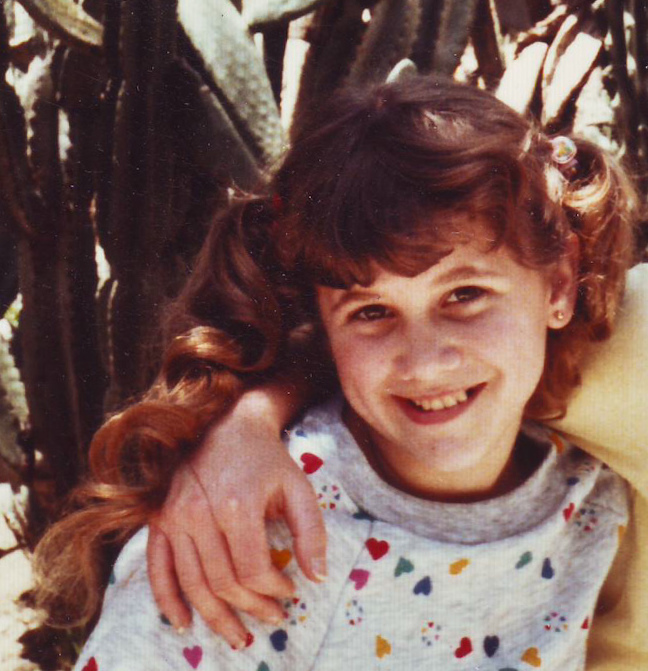
3. **Tracey Gold’s Public Battle with Body Image and an Eating Disorder on Set**The story of Tracey Gold, the beloved actress who played Carol Seaver on the iconic TV show “Growing Pains,” is a poignant and heartbreaking reminder of the intense pressures placed on young women in the entertainment industry. Her journey with an eating disorder, tragically, became an open secret and a public struggle that deeply resonated with many, exposing the cruel realities lurking behind comedic scripts and family-friendly sitcoms.
Gold endured constant humiliation on the set of “Growing Pains,” as writers and producers incorporated increasingly mean-spirited “fat jokes” about her character into the show. On the podcast “Let’s Be Clear with Shannen Doherty,” Gold bravely recounted her attempts to address the issue with the writers, pleading, “‘Can we negotiate? It hurts my feelings.’” However, her pleas were met with indifference, as the writers refused to relent. She explained the devastating personal impact: “’You’re not talking just about Carol anymore. You’re talking about me, Tracey Gold. And now I have to be in front of an audience that’s laughing at me and my body and my weight, and it became tough.’”
The situation spiraled when the show’s producers took drastic action, calling Gold’s father, who also served as her agent, and explicitly mandating that she lose weight. Under immense pressure, she was pushed into an extreme diet of just 500 calories a day. The show even reflected her alarming weight loss, ironically portraying Carol becoming homecoming queen—a narrative choice that inadvertently reinforced dangerous and sick body image standards for countless young viewers.
As a direct consequence of this relentless pressure, Gold developed severe anorexia. In a cruel twist, when the show’s writers later decided they wanted her to gain weight, she found herself too deeply entrenched in her disease to comply. The show was eventually canceled, and Gold was forced to seek inpatient treatment for her condition. When she courageously went public with her story in the 1990s, appearing on the cover of People magazine, it sent shockwaves through the TV industry, bringing much-needed attention to the devastating impact of body shaming and unrealistic expectations on young performers.
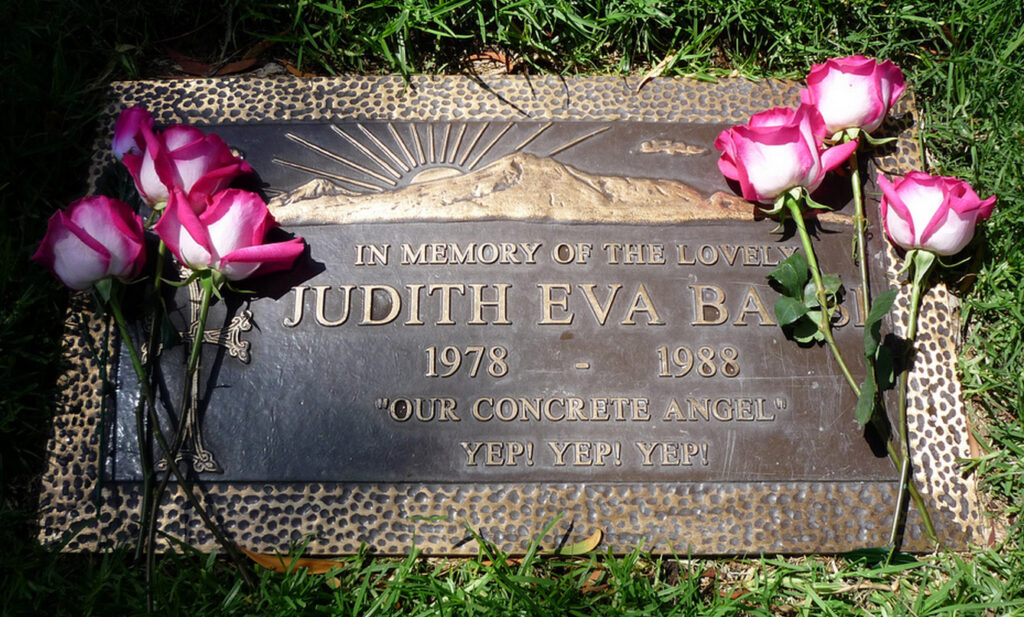
4. **Judith Barsi: The Heartbreaking Price of Fame Under a Tyrannical Parent**Many child stars, especially those who find fame at a very young age, are tragically pushed into the unforgiving glare of the entertainment industry by exploitative caregivers, often referred to as “stage moms” or fathers. These adults often live vicariously through their children or relentlessly seek to profit from their talent, turning innocent kids into helpless pawns in their own ambitions. Such was the profoundly tragic fate of Judith Barsi, whose short life was marked by immense talent and unimaginable horror.
Judith’s mother meticulously groomed her for Hollywood from an early age, and by the tender age of five, Judith had already found fame. Over the next five years, she was put through an exhausting schedule, appearing in nearly 100 commercials and starring in numerous TV movies, shows, and films, including voicing characters in animated classics. Despite her outward success, it was an open secret among those who knew her that Judith’s home life was deeply chaotic and terrifying.
Her alcoholic father, Joe Barsi, was known to be both physically and verbally abusive, frequently threatening his family. A friend of his chillingly told the Los Angeles Times that Joe had “told me 500 times he was going to kill his wife.” The constant terror at home took a severe toll on young Judith, who developed a nervous disorder that manifested as her pulling out all of her eyelashes. Her fear was palpable, with Judith reportedly confiding in family friends during visits, “’I’m afraid to go home. My daddy is miserable. My daddy is drunk every day and I know he wants to kill my mother.’”
Mere months after uttering those chilling words, the unthinkable happened. Ten-year-old Judith and her mother were brutally murdered by her father, Joe Barsi, who then died by suicide. Judith Barsi’s story remains one of the most heartbreaking and extreme examples of child star exploitation and domestic abuse, a stark and somber reminder of the vulnerabilities of young performers when their protection falls tragically short within their own homes.
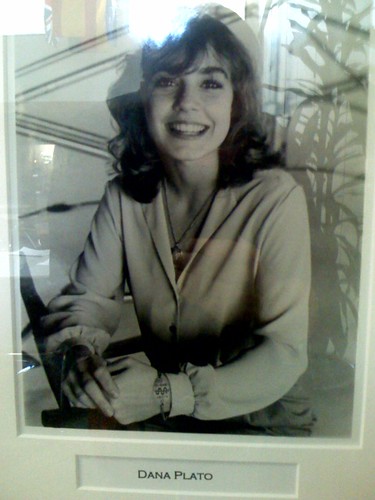
5. **Dana Plato’s Desperation and Overdoses**Another poignant example of a child star’s life tragically derailed by relentless pressure and a controlling parent is that of Dana Plato. Her mother’s unwavering push into acting resulted in an incredibly demanding work schedule from a very young age, with Plato appearing in well over 200 commercials during her childhood. This immense pressure only intensified when she landed the iconic role of Kimberly Drummond on the immensely popular sitcom, “Diff’rent Strokes.”
The stresses of her newfound fame and demanding schedule proved too much for the young actress. According to an extensive profile in People magazine, Plato overdosed on Valium at the tender age of 14, within the first year of the show’s run. The following year, her struggles became more apparent, as she began showing up to the “Diff’rent Strokes” set drunk. Her character was eventually written off the show when she became pregnant with her son at 18, a turning point she later claimed led to her being shunned by Hollywood.
Desperate for income, Plato resorted to posing for Playboy and starring in softcore erotic dramas, including one controversially titled “Different Strokes: The Story of Jack & Jill … and Jill.” Her life continued to unravel as she battled addiction to Valium, leading to increasingly desperate acts. She robbed a video store, resulting in her first arrest, and later faced trouble for forging Valium prescriptions. She ultimately lost custody of her son, who himself later died by suicide, and found herself living in a mobile home.
In a last-ditch attempt at a career relaunch, Plato appeared on Howard Stern’s show to defend herself against a woman claiming to be her female lover, who alleged she was still addicted to drugs. However, the appearance backfired, with callers cruelly mocking her as a has-been and a lesbian. The very next day, at the age of 34, Dana Plato tragically died of an overdose of Valium and Lortab, a death later ruled a suicide. Her story is a chilling testament to the profound isolation and desperation that can consume child stars when the protective structures around them crumble.

6. **Todd Bridges Survived Diff’rent Strokes**The series “Diff’rent Strokes” appears to be haunted by a string of tragic fates that befell its young stars, including Dana Plato, Gary Coleman, and Todd Bridges. Al Burton, the show’s creative supervisor, ominously recalled a party in 1990 where Plato joked, “‘I just posed for Playboy, Gary is suing his parents, Todd was arrested. That Drummond sure was a terrible father,’” highlighting the shared struggles of the show’s child leads.
Todd Bridges’ youth, unfortunately, followed a familiar and distressing playbook seen in the lives of many child actors. He endured a traumatic childhood marked by an alcoholic father and suffered ual abuse as a child. In a heartbreaking revelation, Bridges stated that it was Dana Plato who introduced him to alcohol, marijuana, and sex when he was just 14, marking the beginning of his decades-long struggle with drug abuse.
After his time on “Diff’rent Strokes,” a period also remembered for his bitter feud with co-star Gary Coleman, Bridges’ life descended further into addiction, leading to the abuse of meth and cocaine. This period was punctuated by multiple arrests, most notably a high-profile trial for attempted murder in 1989. He was represented by the renowned attorney Johnnie Cochran, who would later achieve global fame with the O.J. Simpson trial. Interestingly, Cochran’s defense partially attributed Bridges’ troubles to Hollywood’s exploitative treatment of children, a powerful indictment of the industry.
Despite the serious charges of attempting to murder a drug dealer, Bridges was acquitted. However, his struggles were far from over. He was arrested again in 1993 on gun and drug charges, an incident that seemingly served as his final wake-up call. That year, the actor bravely decided to quit drugs, a commitment he has reportedly maintained ever since, showcasing a remarkable journey of resilience and survival in the face of profound adversity.
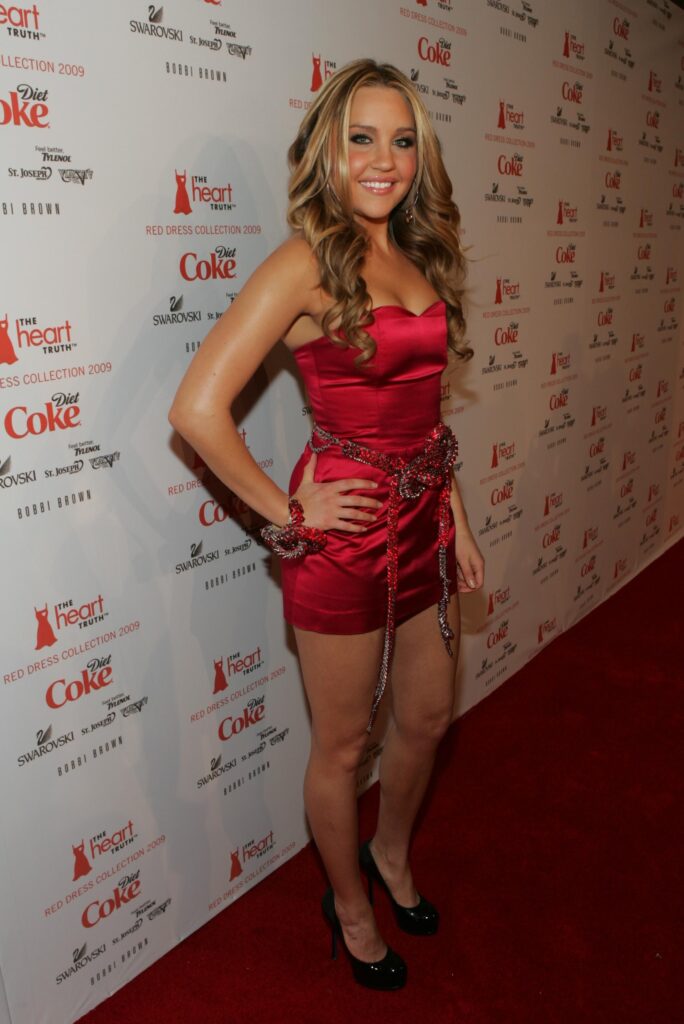
7. **Amanda Bynes’ Public Struggle: The Unraveling of a “Model” Child Star**Amanda Bynes, a beloved Nickelodeon star, was once considered the epitome of a “model” child actor, known for her supposedly immaculate behavior and spotless reputation, at least until 2010. While she worked with the controversial producer Dan Schneider, Bynes has never publicly accused him or anyone else of abuse, save for a disturbing tweet aimed at her own father that she later recanted and apologized for. Instead, it seems the pressures of Hollywood itself were what ultimately led to her highly publicized unraveling.
Often, the rigid, kid-friendly image cultivated for child stars can paradoxically lead to a powerful urge to rebel and gravitate towards more adult, provocative behavior, a pattern seen with figures like Miley Cyrus and Lindsay Lohan. Bynes yearned to shed her wholesome reputation, with one Nickelodeon executive noting to The Hollywood Reporter, “’Everybody had her as a goody-goody. She couldn’t break out of that genre.’” Her significant attempt to transition into adult roles was with the raunchy 2011 comedy “Hall Pass,” but she was reportedly unprepared for the demands.
Bynes openly discussed her struggles during the filming of “Hall Pass” in an interview with Paper Magazine, revealing, “’When I was doing ‘Hall Pass,’ I remember being in the trailer and I used to chew the Adderall tablets. I remember chewing on a bunch of them and literally being scatterbrained and not being able to focus on my lines or memorize them for that matter.’” She either walked off the film or was fired, depending on the account, and has not appeared in a film or series since. Instead, she gained notoriety for a series of disturbing and erratic messages posted on X (formerly Twitter).
Her public struggles escalated into a series of legal and mental health crises, beginning with DUI charges and accusations of multiple hit-and-run incidents in 2012. In July 2013, Bynes was placed under a 72-hour psychiatric hold after reportedly setting a fire in her own home, leading her parents to petition for a conservatorship to manage her medical, financial, and personal decisions. After years of inpatient treatment facilities and public erratic behavior, her conservatorship finally ended in March 2022 after nine years, marking a long and arduous journey through the intense scrutiny and personal battles that can define a child star’s adult life.
8. **Jodie Sweetin: Surviving Trauma and Addiction Beyond “Full House”**It’s a tragically familiar script for many child stars: abusive parents, early exposure to substances, and the onset or worsening of mental health issues that can derail promising careers. Jodie Sweetin, beloved for her role as Stephanie Tanner on the iconic sitcom “Full House,” unfortunately experienced many of these dark chapters from the very beginning of her life. Her biological parents were arrested before she was even a year old, and her father tragically died in a prison riot shortly thereafter, setting a challenging tone for her early years.
Sweetin also endured ual assault as a child, an experience she bravely shared on Instagram to stand in solidarity with other survivors. She confessed, “I was the girl who never reported because I blamed myself,” adding, “I was the woman who never reported because I didn’t want to go through the pain and ridicule.” Beyond the deeply personal traumas, she faced relentless bullying throughout middle school and high school, with cruel classmates teasing her mercilessly for her famous role. By the time “Full House” was canceled when she was 13, leaving her feeling adrift, Sweetin began drinking, marking the start of a decades-long struggle.
Her journey unfortunately spiraled into severe drug abuse, a struggle that tragically coincided with and contributed to multiple divorces. With a candid, albeit dark, humor, Sweetin once half-joked, “I don’t get tattoos, I get husbands,” reflecting on the tumultuous nature of her personal life during those years. However, a critical turning point arrived in 2008 when an emergency custody investigation forced Sweetin to confront the severity of her situation, serving as her final wake-up call. She has reportedly maintained her sobriety ever since, a powerful testament to resilience and healing.

9. **Johnny Lewis: A Promising Career’s Violent and Tragic End**Johnny Lewis began his acting journey as a teenager, eventually gaining significant recognition for his portrayal of Kip “Half Sack” Epps in the acclaimed series, “Sons of Anarchy.” Despite his undeniable talent as an actor, Lewis’s professional life was frequently marred by a combination of behavioral problems, severe mental health issues, and a growing dependency on drugs, which reportedly made him increasingly difficult to work with. After two seasons, Lewis asked to be written out of the popular show, with his father, Michael Lewis, recounting to Los Angeles Magazine that Johnny “told us he left because the show was getting into gratuitous violence.”
Following his departure from “Sons of Anarchy” in 2009, Lewis faced a grueling custody battle for his only daughter, a fight he ultimately lost, adding another layer of despair to his rapidly unraveling life. The true beginning of his tragic end, however, can be pinpointed to a motorcycle accident in October 2011. Lewis suffered a significant head injury but critically refused recommended MRI scans, leading some to suspect that untreated trauma may have contributed to a severe mental disorder or disease.
This period saw a frightening escalation in his troubles. Lewis was arrested three times within a single year, eventually spending more than two months behind bars for a violent incident where he attacked two men with a Perrier bottle. Upon his release on September 21, 2012, his probation officer made a chilling and prophetic assessment, writing, “[Lewis] will continue to be a threat to any community he may reside.”
Just five days later, this grim prediction came true in the most horrific way: Lewis murdered his 81-year-old landlady and her cat before plummeting to his own death from her roof. Notably, his autopsy determined that no drugs or alcohol were present in his system at the time of his death, leaving the exact catalyst for his final violent days a haunting mystery in a promising career tragically cut short.
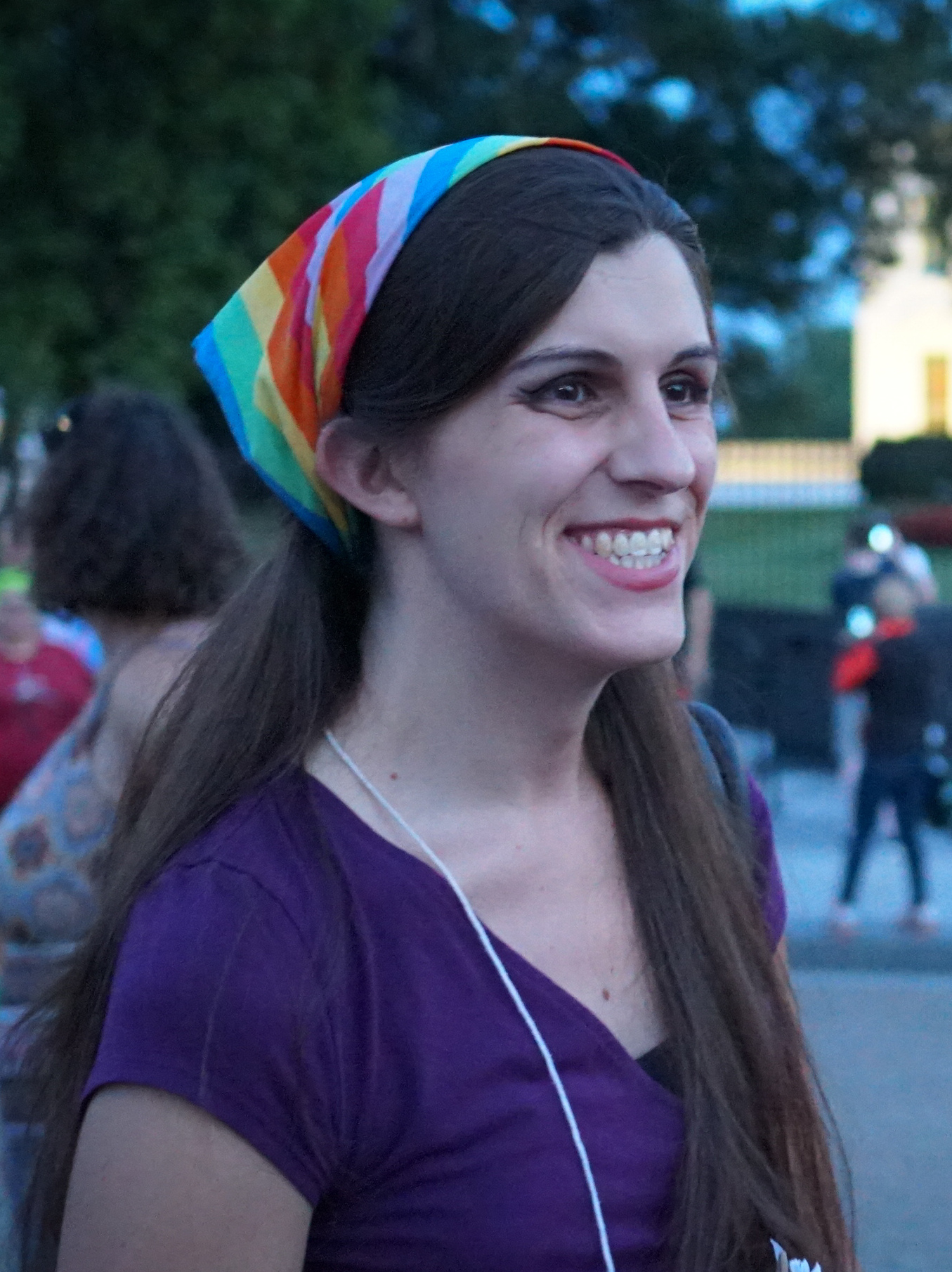
10. **Aaron Carter’s Family Saga: Abuse Allegations, Addiction, and a Legacy of Loss**Aaron Carter burst onto the music scene as a successful singer at the tender age of nine and also made guest appearances on popular shows like “7th Heaven.” His older brother, Nick Carter, had already found fame as a member of the Backstreet Boys, cementing the family’s presence in the entertainment world. However, beneath the glitz and glamour, Aaron’s childhood was plagued by deeply troubling issues, starting with financial mismanagement by his own mother, who also served as their manager. Aaron publicly stated his profound disillusionment, declaring, “I feel betrayed by my own mother,” in a statement announcing her removal from his management team.
Financial woes were just one facet of Aaron’s tumultuous youth, which was further laid bare in the 2006 reality series, “House of Carters.” The show, intended to offer a glimpse into their lives, instead often showcased raw, physical fights between Aaron and his siblings, exposing a family dynamic rife with conflict and distress. The situation took a shocking turn when Aaron made harrowing allegations on X (formerly Twitter), claiming, “My sister raped me from the age of 10 to 13 years old when she wasn’t on her medications,” and further asserting, “and I was abused not only ually by her but by my first two back up dancers when I was 8 years old. And my brother abused me my whole life.” These disturbing claims emerged amidst news that his brother, Nick, had sought a restraining order against him, citing threats against himself and his wife, painting a picture of profound familial dysfunction.
The Carter family saga is one tragically haunted by death and dark secrets, illustrating how the pressures and dysfunctions of child stardom can ripple through entire families with devastating consequences. The family has endured an unspeakable series of losses linked to substance abuse: Leslie Carter tragically died in 2012 after slipping in her bathroom while on various drugs; Bobbie Jean Carter’s life was also cut short in 2023, found dead in her bathroom with a fatal mixture of fentanyl and methamphetamine in her system. Most notably, Aaron Carter himself died in his bathtub in 2022, with Xanax found in his system. This string of heartbreaking fatalities underscores a deeply entrenched pattern of struggle, addiction, and personal tragedy.

11. **”Quiet on Set”: The Docuseries That Unveiled Nickelodeon’s Predatory Culture**The groundbreaking ID docuseries “Quiet on Set: The Dark Side of Kids TV” has undeniably ignited a crucial new wave of conversations surrounding child actors and the systemic issues within Hollywood, particularly within the realm of children’s television. While previous documentaries, such as “An Open Secret,” had made valiant attempts to expose predatory behavior in the industry, “Quiet on Set,” released in 2024, struck an unprecedented chord, sending shockwaves through the TV industry to its very core. Its immense popularity signaled a collective readiness for a deeper, more uncomfortable reckoning.
The series meticulously peeled back the curtain on the shadier underbelly of Nickelodeon’s operations around the turn of the century, focusing intensely on the production environments of hit shows like “Zoey 101,” “iCarly,” and “Drake & Josh,” all of which were created by the controversial figure Dan Schneider. What emerged was a chilling pattern of alleged abuse and grooming. Schneider himself, alongside dialogue coach Brian Peck, production assistant Jason Handy, animator Ezel Channel, and other alleged predators, faced accusations ranging from grooming child stars in some instances to outright ual assault in others. The most publicly discussed case involved Brian Peck’s abuse of former “Drake & Josh” star Drake Bell.
“Quiet on Set” featured harrowing, first-hand accounts from numerous child stars who had worked on these productions, including Alexa Nikolas, Leon Frierson, Bryan Hearne, Katrina Johnson, Giovonnie Samuels, Kyle Sullivan, Shane Lyons, and more. Their brave testimonies provided a visceral and deeply personal look into the alleged misconduct and the lasting trauma it inflicted. The docuseries, while chronicling profound tragedies and abuses, has paradoxically become a positive social signal, indicating that the cultural landscape is finally ready to listen to child stars and commit to fighting for their protection within an industry that has historically struggled with safeguarding its youngest talents.

12. **Lindsay Lohan: The “Party Girl” Reputation and Persistent Legal Battles**Lindsay Lohan, who soared to fame as a beloved child star in films like “The Parent Trap” and later became an icon with “Mean Girls,” unfortunately transitioned from a promising career to being a constant fixture in tabloid headlines. Her journey became synonymous with a “party girl” reputation and a series of high-profile scandals that regrettably overshadowed her acting talents and tarnished her once-spotless image, serving as a stark cautionary tale of fame’s pressures.
Between 2007 and 2012, Lohan’s life spiraled into a cascade of legal troubles and multiple stints in rehabilitation facilities, primarily for issues related to drugs and alcohol. In early 2007, she entered rehab for 30 days. However, in May 2007, CNN reported her arrest for drunk driving after she crashed her Mercedes-Benz. That same tumultuous year, she faced two more arrests for drunk driving and cocaine possession, alongside a host of other legal complications stemming from probation violations and missed court dates. These repeated infractions led to a 90-day jail sentence, though she ultimately served only two weeks due to overcrowded prisons.
Her legal woes continued to mount in 2011 when Lohan was charged with the theft of a $2,500 necklace from a jewelry store. The charge was later reduced to a misdemeanor, and she was ordered to complete 480 hours of community service while under house arrest. Despite this, she was briefly jailed again for not fulfilling her community service obligations, though she quickly posted a $100,000 bail. The cycle of legal challenges and public scrutiny seemed unending, often eclipsing any professional achievements.
However, in recent years, a notable shift has occurred. Lohan has reportedly focused on her acting career and has largely steered clear of the major scandals that once defined her public persona. Her 2021 starring role in the Netflix holiday movie “Falling for Christmas” signaled a potential return to her artistic roots and a more stable chapter in her life, offering a glimmer of hope for a career resurgence after years of relentless media scrutiny and personal battles.
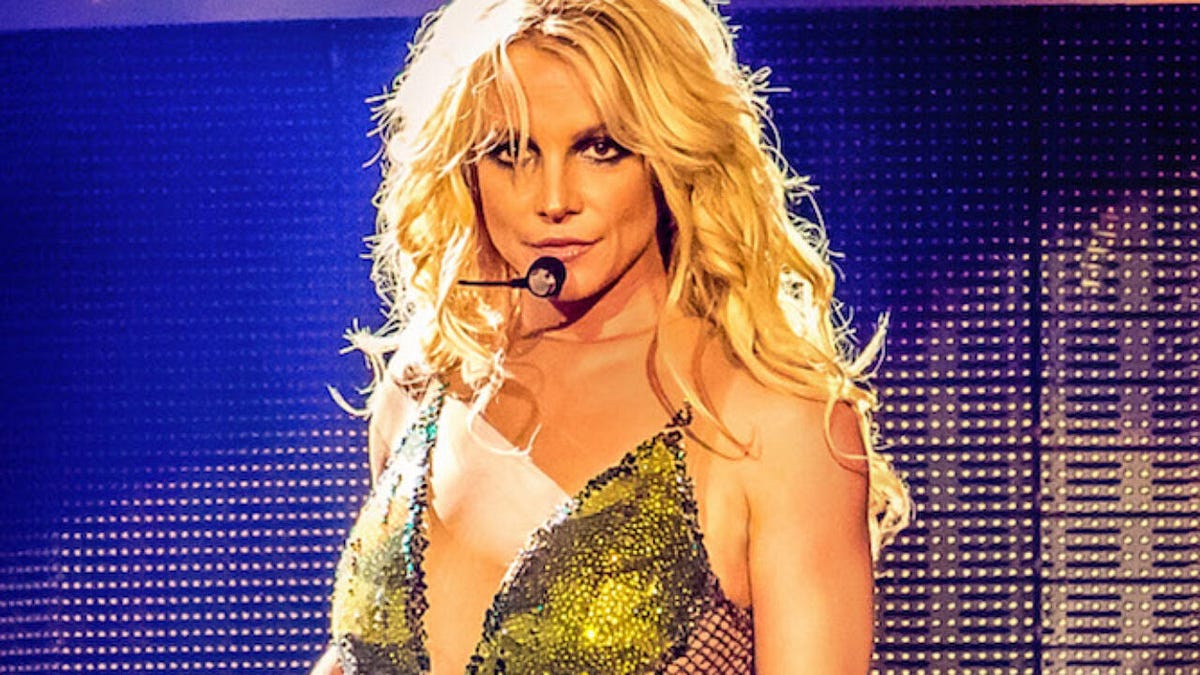
13. **Britney Spears’ Fight for Freedom: The Conservatorship That Shocked the World**Britney Spears, a true pop icon and former member of “The Mickey Mouse Club” alongside future stars like Justin Timberlake and Christina Aguilera, achieved unparalleled fame as a teen idol. Yet, her stratospheric career took a drastic and highly public turn when a series of alarming events in 2007 raised widespread concerns about her mental health, ultimately leading to a controversial 13-year conservatorship that captivated global attention and sparked a fierce debate about personal autonomy and celebrity exploitation.
Before the conservatorship was officially instated in 2008, Spears was thrust into a relentless media storm. Paparazzi captured her driving her SUV with her infant son, Sean, on her lap, unrestrained by a car seat – a clear violation of California law. Regarding the incident, Spears acknowledged, “I made a mistake and so it is what it is, I guess.” The public spectacle continued with widely circulated images of her shaving her head and later aggressively hitting a photographer’s car with an umbrella. These erratic behaviors culminated in her being hospitalized twice in a psychiatric facility, prompting her father, Jamie Spears, to petition the court for a “temporary conservatorship” to manage her affairs.
What began as a temporary measure stretched into a staggering 13-year legal arrangement, during which Britney Spears had severely limited control over her own finances, career decisions, and even crucial personal health choices. The “Free Britney” movement, fueled by devoted fans, grew into a global phenomenon, demanding an end to what they viewed as an oppressive and unjust system.
During a powerful and emotional June 2021 court hearing, Spears passionately articulated her desire to regain control of her life and take legal action against her family for their alleged roles in perpetuating the conservatorship. “I just want my life back. It’s been 13 years, and it’s enough. It’s been a long time since I’ve owned my money,” Spears bravely told the judge. She continued, “I would honestly like to sue my family, to be totally honest with you. I also would like to be able to share my story with the world, and what they did to me, instead of it being a hush-hush secret to benefit all of them.” Her courageous testimony ultimately played a pivotal role in the conservatorship’s termination later that year, marking a monumental victory for personal freedom and highlighting the urgent need for greater protections for vulnerable individuals, regardless of their celebrity status.
The stories of these child stars are far more than mere celebrity gossip; they are stark, often heartbreaking, narratives that illuminate the profound vulnerabilities within the entertainment industry. From the financial exploitation that led to the Coogan Law to the mental health crises, substance abuse, and familial betrayals that have plagued so many, these accounts serve as a vital reminder that beneath the dazzling lights of Hollywood, a demanding and sometimes dangerous reality exists. As we continue to examine these powerful stories, the collective conversation ignited by brave voices and revelatory docuseries signals a hopeful shift: a growing commitment to listen, learn, and tirelessly advocate for stronger protections, ensuring that future generations of young talent can pursue their dreams without sacrificing their childhood, their well-being, or their very lives. The reckoning is here, and with it, the potential for a truly brighter, safer future for all who dare to dream under the spotlight.