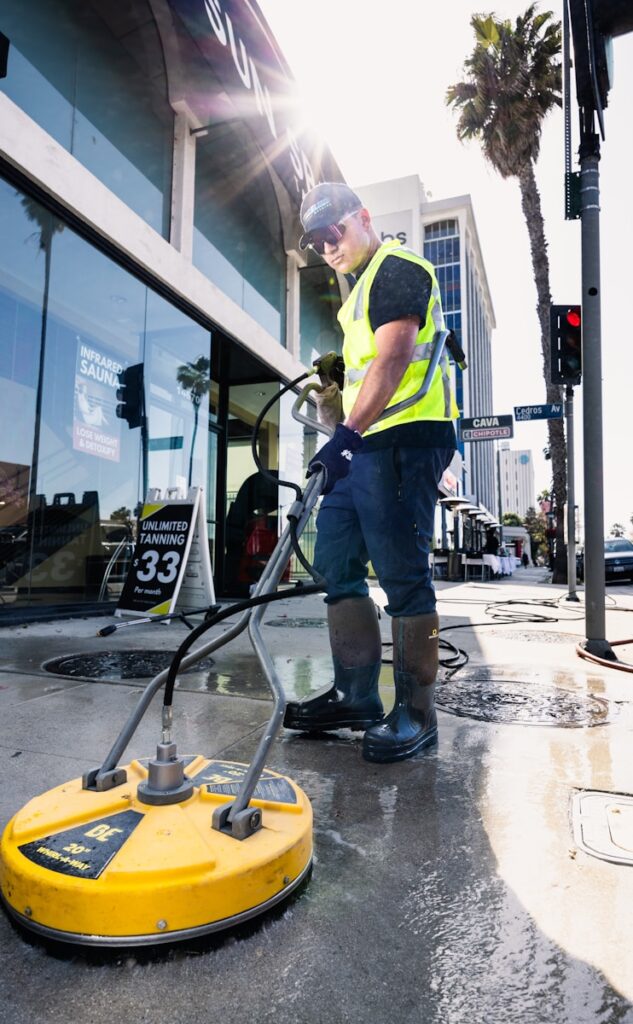
Pressure washers are undeniably powerful tools, capable of transforming grimy driveways, patios, and other hard surfaces into spotless areas with remarkable speed. They offer a quick and effective way to remove stubborn dirt, grime, and even graffiti, making them a popular choice for homeowners looking to spruce up their outdoor spaces. The sheer force of a high-pressure water stream can cut through years of buildup, making a daunting cleaning task feel much more manageable.
However, like any powerful tool, a pressure washer comes with a critical caveat: its immense power is not universally beneficial. While a garden hose typically operates at around 50 PSI (pounds per square inch), modern pressure washers can blast water at 1,500 to 4,000 PSI, which is up to 80 times stronger! This incredible force, when misapplied, can cause significant, costly, and even dangerous damage to various parts of your home and yard that you might mistakenly think are safe to clean.
To help you protect your property and ensure your cleaning efforts are productive, not destructive, we’ve compiled a comprehensive list of items you should absolutely avoid cleaning with a pressure washer. This guide will walk you through the surprising objects and surfaces around your home that can be compromised by a powerfully strong jet of water, offering clear, actionable advice on safer cleaning methods. Let’s dive in and learn how to keep your home pristine without risking irreparable harm.

1. **Windows and Glass Surfaces**Giving your home’s windows a quick blast with a high-quality pressure washer might seem like an incredibly convenient idea, especially for those hard-to-reach second-story panes. However, this is a common misconception that can lead to significant problems. Fragile panes of glass simply cannot withstand the immense pressure produced by these powerful machines.
In many cases, the high-pressure stream of water is more likely to blow out the glass than to clean the window. This not only leaves you with a broken window to replace, which can be an expensive repair, but also a messy cleanup of water and shattered glass inside your home. Moreover, even if the glass doesn’t shatter, the high pressure can damage window seals, screens, and frames, particularly those made of wood, potentially leading to leaks and further interior damage.
Older and worn windows are especially vulnerable to this type of damage, as their integrity may already be compromised. Experts universally advise against pressure washing windows. Instead, for exterior windows, a much safer and equally effective method is to rinse them with a garden hose, and then gently clean them with soapy water using a microfiber mop or a squeegee. If you’re uncomfortable with exterior window cleaning, hiring a professional window cleaner is a wise and safe alternative.
Read more about: The Post-Car Wash Playbook: 12 Essential Checks to Safeguard Your Ride from Costly Damage
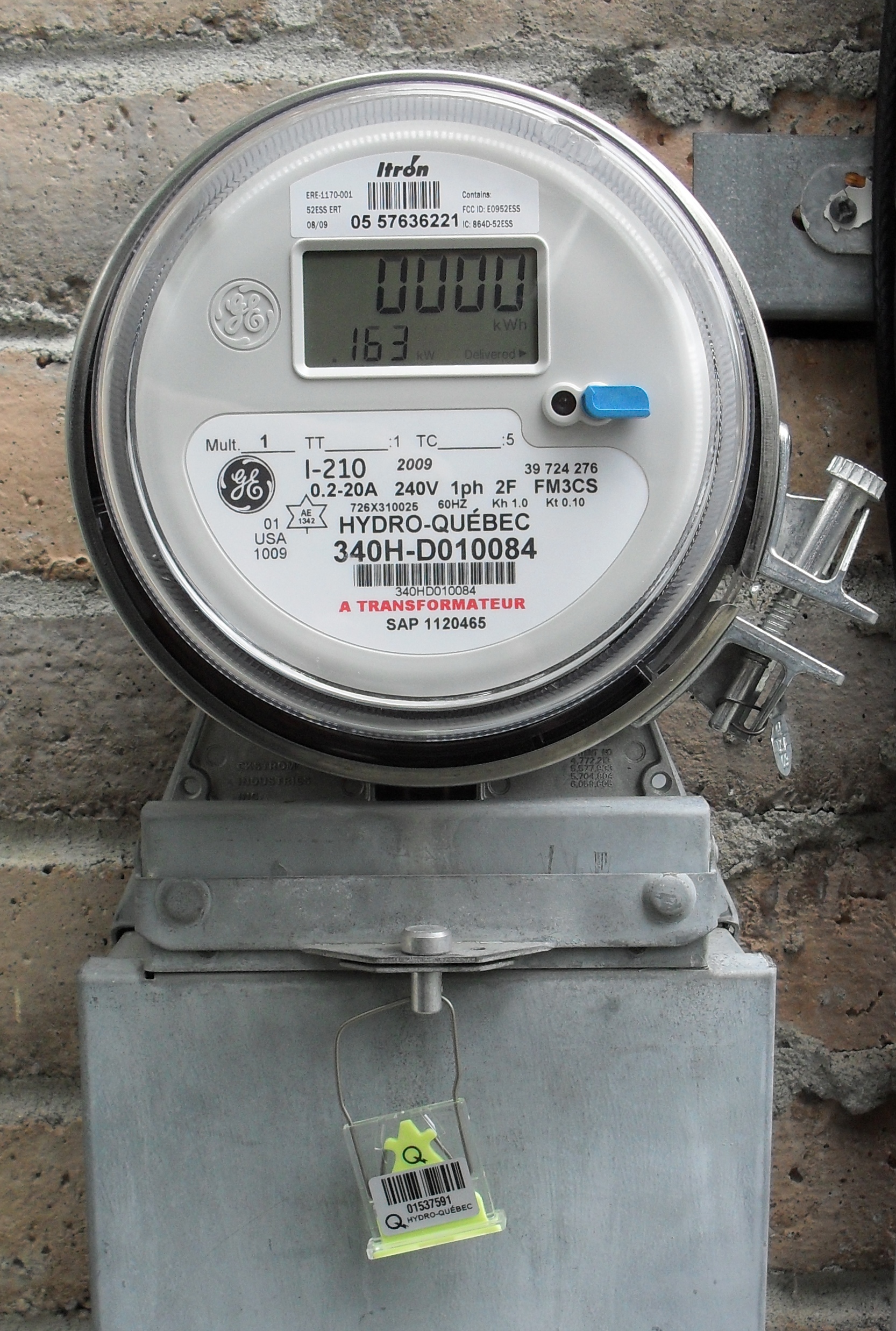
2. **Electric Meters**Electric meters are robust units, typically featuring a solid metal casing and a transparent glass or plastic cover over the face. They are designed to withstand various weather conditions like rain, sleet, and snow, keeping the internal components safe from natural elements. However, this weather resistance does not equate to immunity from the concentrated force of a pressure washer.
The intense power produced by a pressure washer can easily force water through narrow cracks and crevices that exist even on seemingly sealed units. Once water breaches these protective barriers, it can reach and damage the delicate internal electrical system. Such damage can lead to costly repairs, service disruptions, and potentially hazardous situations involving live electricity.
Similar risks apply to other exterior electrical components and electrical panels. While they are built for outdoor exposure, they are not designed to handle a focused blast of high-pressure water. To avoid these dangers, it is crucial to leave meter cleaning and other electrical component maintenance to qualified professionals or to wipe them down gently with a damp cloth if necessary, ensuring power is off for light fixtures.
Read more about: Unveiling the 11 Essential Maintenance Checks Mechanics Perform to Keep Your Luxury Sedan in Peak Condition

3. **Asphalt Shingles and Roofs**Using a pressure washer on a roof, especially one covered with asphalt shingles, is a practice fraught with peril for multiple reasons. Firstly, the high water pressure can directly damage the roof’s integrity. It’s known to strip away the protective granules from asphalt shingles, which are essential for protecting the roof from UV rays and weathering. This removal accelerates the deterioration of the shingles, leading to premature aging and weakening of your roof.
Furthermore, if the roof is older or already compromised, the powerful stream of water can easily break or completely dislodge shingles, creating immediate pathways for water intrusion. These leaks can cause widespread problems throughout your home, including rot, significant structural damage, and the dangerous introduction of mold into your heating and cooling systems, posing health risks to residents.
Beyond the damage to the roof itself, pressure washing a roof from a ladder presents a severe safety hazard. The powerful recoil from the spray wand, combined with potentially slippery conditions created by the water, can easily throw you off balance and off the ladder. Given these risks, experts strongly recommend leaving roof cleaning to professionals who utilize specialized methods like soft washing, which safely removes dirt, algae, and moss without compromising the roof’s integrity.
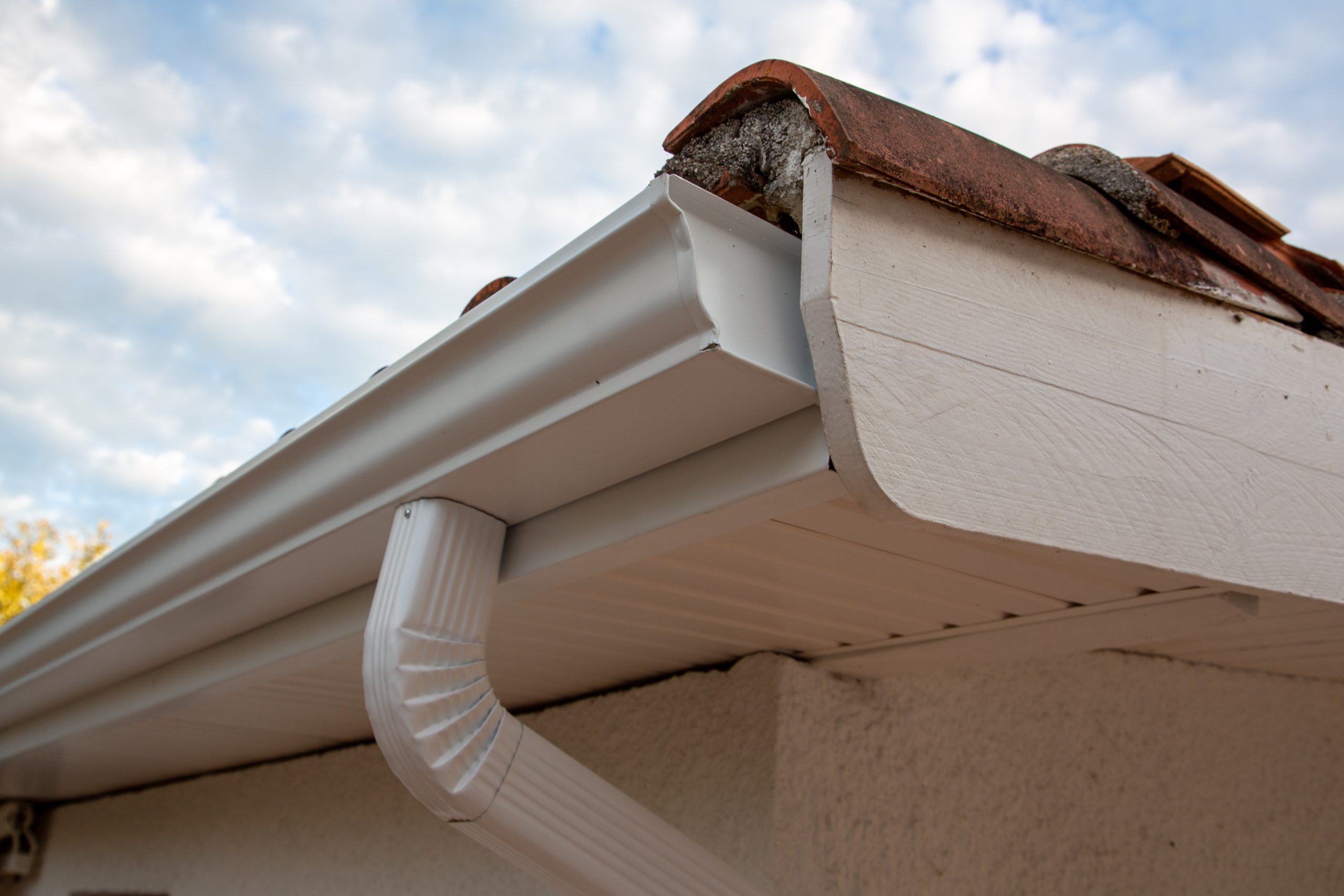
4. **Gutter Interiors**Cleaning out gutters is often considered a tedious and unpleasant chore, making the idea of using a pressure washer to quickly blast away built-up dirt, grime, and clumps of leaves quite tempting. However, this shortcut can lead to more problems than it solves. Pressure washers are simply too powerful for the delicate structure of your gutters.
The intense force of the water can easily pull the gutter system right off your house, damaging the fasteners that secure it. It can also cause significant damage to downspouts, bending or detaching them from the main gutter line. Even more insidious, the high pressure can force water up and under the roofing materials, potentially leading to leaks and water damage inside your home, similar to the risks associated with pressure washing shingles.
Instead of risking costly repairs and further complications, the recommended approach for cleaning gutters is to remove debris by hand. Once the larger clumps and leaves are cleared, you can use a standard garden hose to rinse the inside of the gutter clean. While you might use a pressure washer on the *exterior* of your gutters to clean off stains, it should always be on the lowest PSI possible with a gentle nozzle, and never for cleaning the interior.
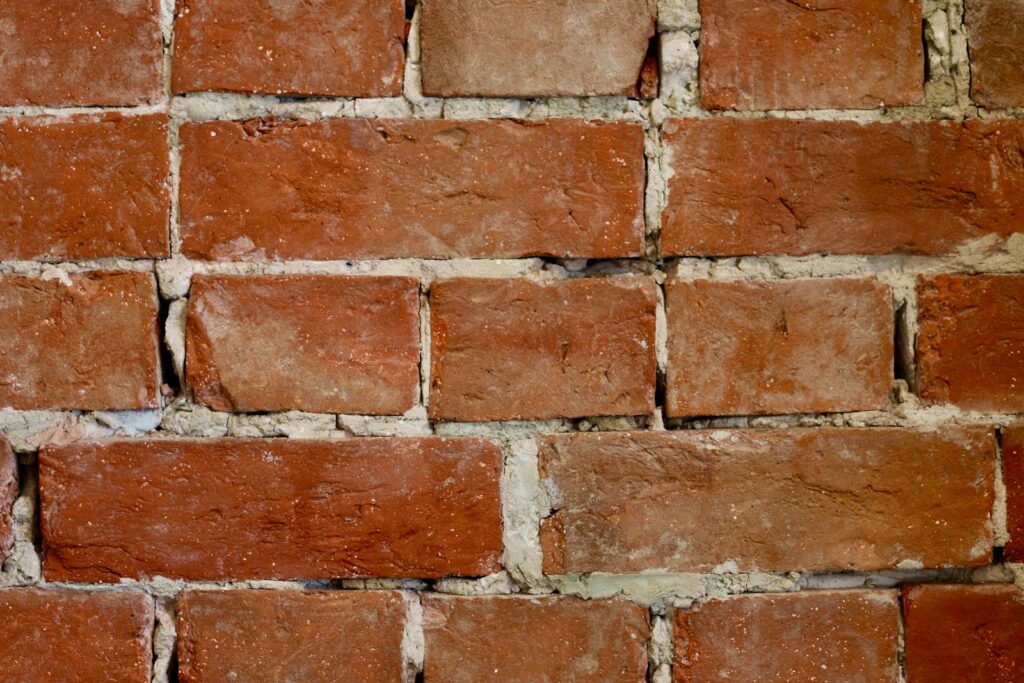
5. **Old Mortar or Brick**Pressure washers are indeed excellent tools for cleaning robust surfaces like concrete patios and paving stones. They can also be used on relatively new and well-maintained brick at a lower pressure setting. However, when it comes to older brickwork or mortar that shows signs of chipping, crumbling, or weathering, a pressure washer is a recipe for disaster.
The powerful stream of water can easily erode old mortar, pulling loose material directly out of the wall. This compromises the structural integrity of your home and accelerates the deterioration of the masonry. The high pressure can also cut into old brick, causing significant damage and leaving your home vulnerable to outdoor weather conditions, moisture intrusion, and further structural issues.
Bricks are porous materials, making them susceptible to damage if cleaned improperly. Professionals often advise choosing a low pounds per square inch (PSI) range, typically between 500 and 1,000, if you insist on cleaning brick yourself, and always testing a small, inconspicuous area first. For really dirty or grimy brick, especially on older structures, it’s best to leave the job to a professional who has specialized cleaning solutions and techniques to preserve historic masonry.
Read more about: Unveiling the Layers: The Profound Meanings Woven into Kim Kardashian’s Iconic Public Persona

6. **Vehicles**While some pressure washers are marketed with attachments suitable for vehicle cleaning, and it *is* possible to use them at a very low-pressure setting, the risks involved often outweigh the convenience. The delicate balance required to safely pressure wash a car makes it a gamble that can quickly lead to expensive consequences. Even slight variations can cause significant damage.
Factors such as the distance you stand from the vehicle, the PSI setting you choose, the type of wand nozzle used, or the angle at which you spray can all contribute to problems. High pressure can cause small dents in the body panels or, more commonly, chip the vehicle’s paint. Once the paint is chipped, the underlying metal is left vulnerable to rusting, leading to unsightly and costly bodywork repairs.
Furthermore, the powerful spray can force water into the cracks and crevices of the vehicle’s engine bay, leading to serious electrical problems and expensive mechanical repairs. For optimal safety, if you choose to use a pressure washer, it should be an electric model with lower PSI settings, kept at least 2 feet away, and always used with a fan-shaped nozzle. However, professional car washing services often provide a much safer alternative, eliminating these risks entirely.
Read more about: Where Are They Now? 7 Once-Dominant Car Brands Grappling for Survival in Today’s Volatile Market

7. **Stained or Painted Surfaces**Pressure washers are undeniably effective at stripping away old paint from metal siding or removing stain from a wood deck. In fact, this capability is often leveraged to prepare a surface for a new coat of stain or paint, ensuring better adhesion and a longer-lasting finish. However, this powerful stripping action is precisely why you should avoid using a pressure washer on any stained or painted surface that you wish to remain intact.
The high-pressure water will aggressively chip, peel, or otherwise damage the existing stain or paint, leading to an uneven and unappealing appearance. This applies to a wide range of outdoor items, including painted outdoor furniture, porch floors, or any wood that has been stained for protection and aesthetics. Unless your explicit intention is to completely remove the current finish, a pressure washer is the wrong tool for cleaning these surfaces.
To clean stained wood or painted items without causing damage, it is far safer to use a low-pressure garden hose combined with a mild soap solution and a soft brush. For surfaces like wood decks that need re-staining, professional pressure washing services understand the appropriate pressure levels and cleaning solutions to prepare the surface effectively without causing undue damage to the wood itself, thus preserving its integrity for the new finish.
Read more about: Unlock the Detailer’s ‘Secret’ Formula: Perfectly Restore Faded Black Car Trim Without Professional Tools

8. **Light Fixtures**While outdoor light fixtures are designed to brave the elements like rain, sleet, and snow, they are not built to withstand the focused, powerful stream of a pressure washer. This includes everything from lamppost lights to exterior wall sconces. The high-pressure flow of water can easily cause severe damage, far beyond what typical weather conditions might inflict.
The intense force can shatter fragile glass panes or bulbs, or even completely dislodge the fixture from its mounting. Beyond visible destruction, the powerful water stream can seep through tiny cracks and crevices, reaching the internal electrical components. This can lead to short circuits, system failures, and dangerous electrical hazards that require costly repairs.
To safely clean your outdoor lighting, always ensure the power is turned off at the breaker first. Then, gently wipe down the fixtures with a damp cloth and a mild soap solution. For any stubborn grime, a soft brush can be used carefully. Tru Colors Contracting, for instance, strongly recommends these gentle cleaning methods for outdoor lighting maintenance, prioritizing safety and preserving the longevity of your fixtures.
Read more about: Steering Clear of Shame: 14 ‘Deals’ at Lowe’s That Professionals Laugh At—And Why They’re Still Selling Them
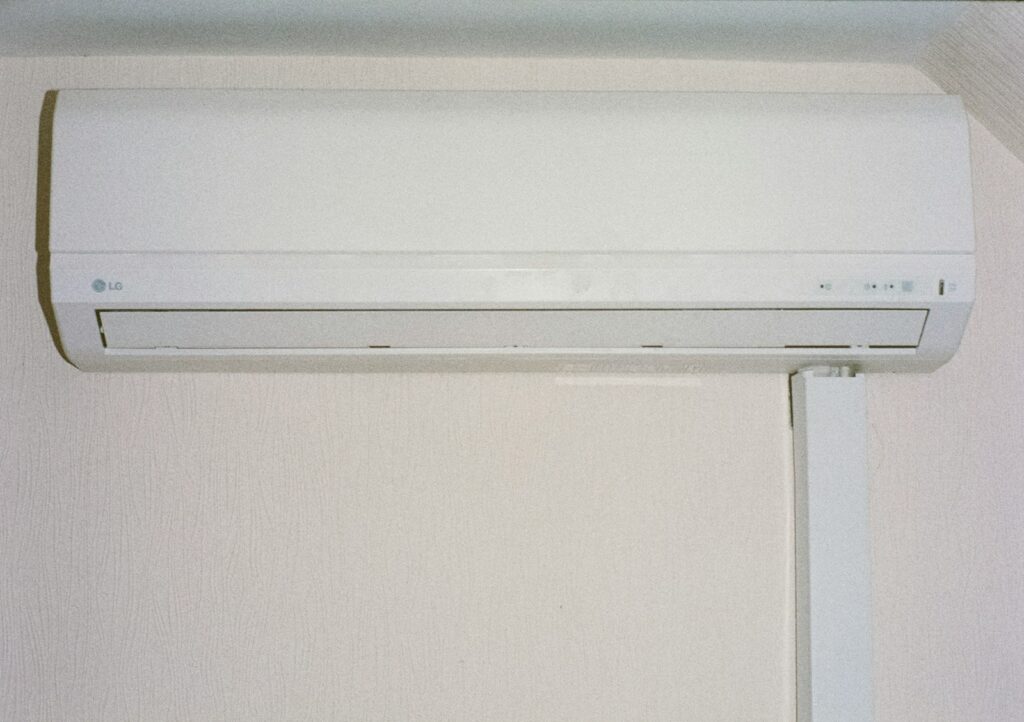
9. **Air Conditioners**Your home’s air conditioning unit is a hardworking system, protected by a metal casing that shields delicate metal fins responsible for dissipating heat. While a pressure washer might seem like a quick way to clean off accumulated dirt and debris, it’s a critical mistake that can significantly harm your unit’s performance and lifespan.
The high-pressure water stream can easily bend or crush these delicate fins. When fins are bent, airflow through the unit becomes restricted, severely reducing its efficiency and making your AC work much harder than it should. This restricted airflow can lead to increased energy bills, premature wear and tear on components, and ultimately, system failure.
Instead of risking damage, a much safer approach involves using a garden hose with a gentle spray or a vacuum cleaner to carefully remove loose debris from the exterior. For cleaning between the fins, a soft brush works wonders, or even a butter knife can be used gently to straighten any bent fins. For thorough cleaning and maintenance, professional HVAC cleaning services are always the wisest choice to ensure your unit operates efficiently and safely.
Read more about: Commuting in Those Luxury Crossovers? What Valets Secretly Notice When You Hand Over the Keys.

10. **Pools**The allure of a spotless pool, free from stains and algae, might tempt you to reach for your pressure washer. However, this powerful tool is entirely unsuitable for pool cleaning and can lead to expensive and extensive damage, regardless of whether you have a concrete or vinyl-lined pool. It’s far from the “dream cleaning machine” for this particular task.
For concrete pools, excessive pressure can damage the plaster shell, creating fissures and cracks that lead to leaks. This compromises the structural integrity of your pool and necessitates costly repairs to prevent water loss and further deterioration. Even seemingly minor damage can escalate into significant issues over time.
Vinyl-lined pools are even more susceptible to pressure washer damage. Even a low-pressure setting can easily tear holes in a vinyl liner, especially in areas where the material has become brittle or around cut sections like skimmers and returns. This causes immediate leaks and requires professional patch-ups or, worse, a complete liner replacement. Stick to chemical treatments, brushes, or robotic pool cleaners to maintain your pool’s pristine condition safely.
Read more about: The Hidden Vaults: 12 Elite Residences with Luxury Doomsday Bunkers—Are They Preparing for Global Collapse?
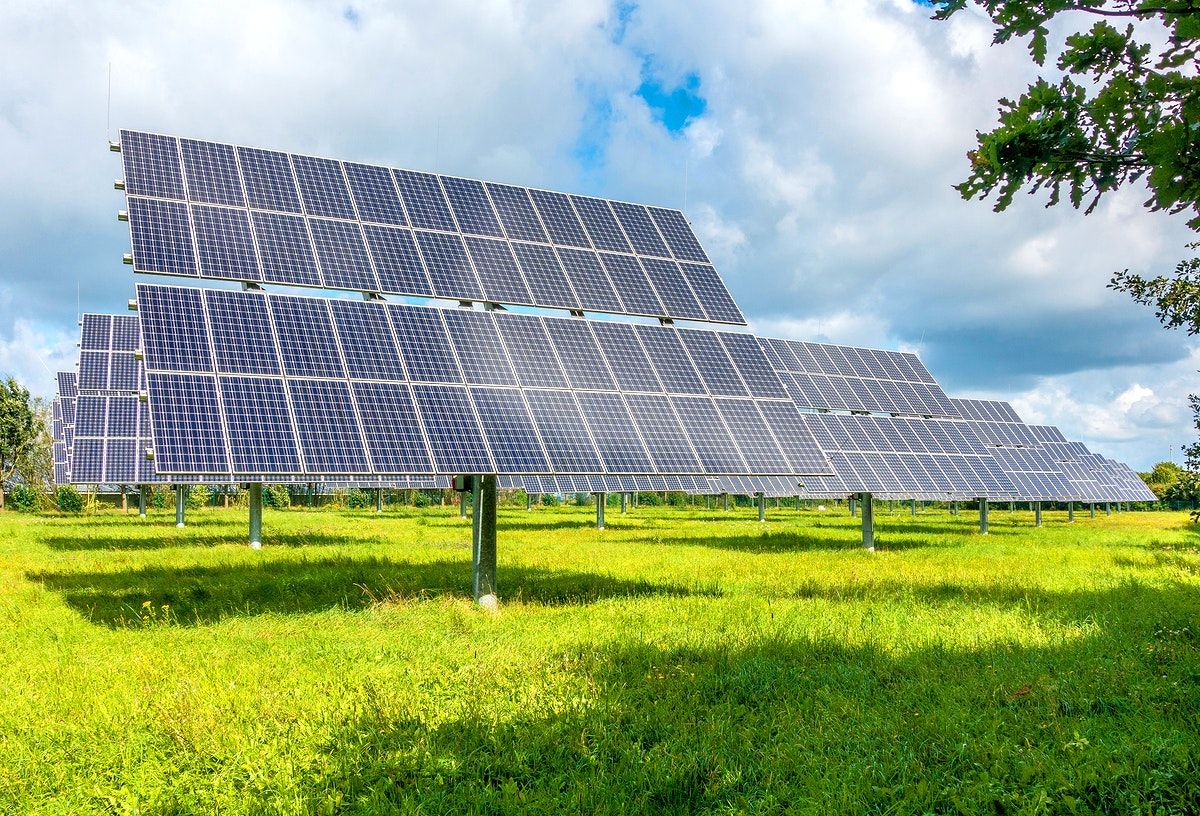
11. **Solar Panels**With their often elevated and expansive surfaces, solar panels might appear to be an ideal candidate for a pressure washer’s long-reaching wand. However, this is a dangerous misconception that can result in significant financial losses and reduced energy efficiency. Solar panels are precision-engineered devices with delicate components.
The high-pressure water can easily damage the protective outer layer of the metal frame, which is crucial for the panel’s durability and weather resistance. More critically, the intense force can cause the glass panes to detach from the frame, creating gaps that allow moisture to infiltrate the internal workings of the panel. This compromises their electrical integrity and can lead to system malfunction.
Beyond the immediate damage, using a power washer on your solar panels can also void the manufacturer’s warranty, leaving you responsible for any subsequent repairs or replacements. To protect your investment and ensure optimal performance, it is highly recommended to rely on professional solar panel cleaning services. These experts use appropriate, gentle methods designed to clean without causing harm or compromising your warranty.
Read more about: Sovereigns of the Seas: Unveiling the Aquatic Empires of Beyoncé & Jay-Z and the A-List Yachting Elite

12. **Fiber Cement Siding**Fiber cement siding is renowned for its durability and resilience, standing as one of the tougher siding options available for homes. Despite its robust nature, it is not impervious to the concentrated force of a pressure washer. In fact, pressure washing is one of the few things that can actually damage this tough material.
Leading manufacturers, such as James Hardie, explicitly advise against power washing fiber cement siding. The high pressure can damage the surface of the siding itself, leading to etching or discoloration. More insidiously, the powerful water stream can force water *behind* the siding panels, creating serious moisture problems within your home’s wall cavities. This can lead to mold growth, rot, and structural damage that is both unseen and expensive to remediate.
To safely clean fiber cement siding, a low-pressure garden hose combined with a medium-bristle brush is the recommended method. This approach gently removes dirt and grime without compromising the material’s integrity or pushing water into unintended areas. For particularly stubborn areas or if you’re unsure, consulting professionals who understand the appropriate pressure levels and techniques for safe siding cleaning is always a wise decision.
Read more about: The 14 Underappreciated Automotive Gems of the Last Decade: Still Exceptional Buys Today

13. **Patio Shades and Awnings**Patio shades and awnings are constructed to endure various outdoor elements, from harsh sun to heavy rain. However, their design for general weather resistance does not equip them to handle the direct, high-pressure blasts from a pressure washer. The fabric components of these items are particularly vulnerable to damage.
Using a pressure washer on an awning or patio shade can easily cause the fabric to tear, fray, or stretch out of shape, ruining its aesthetic and protective function. This risk extends to outdoor furniture, especially those with fabric cushions or delicate wooden frames. Popular outdoor fabric manufacturers, like Sunbrella, specifically caution against using pressure washers on their products for these very reasons.
For effective and safe cleaning of patio cushions, awnings, and other outdoor fabrics, a gentler approach is paramount. A mixture of mild soap and, if appropriate for the fabric, a small amount of bleach, applied with a low-pressure garden hose, is far safer. Always use a soft brush or cloth for scrubbing and ensure thorough rinsing to remove all cleaning agents. This method preserves the fabric’s integrity and prolongs the life of your outdoor investments.
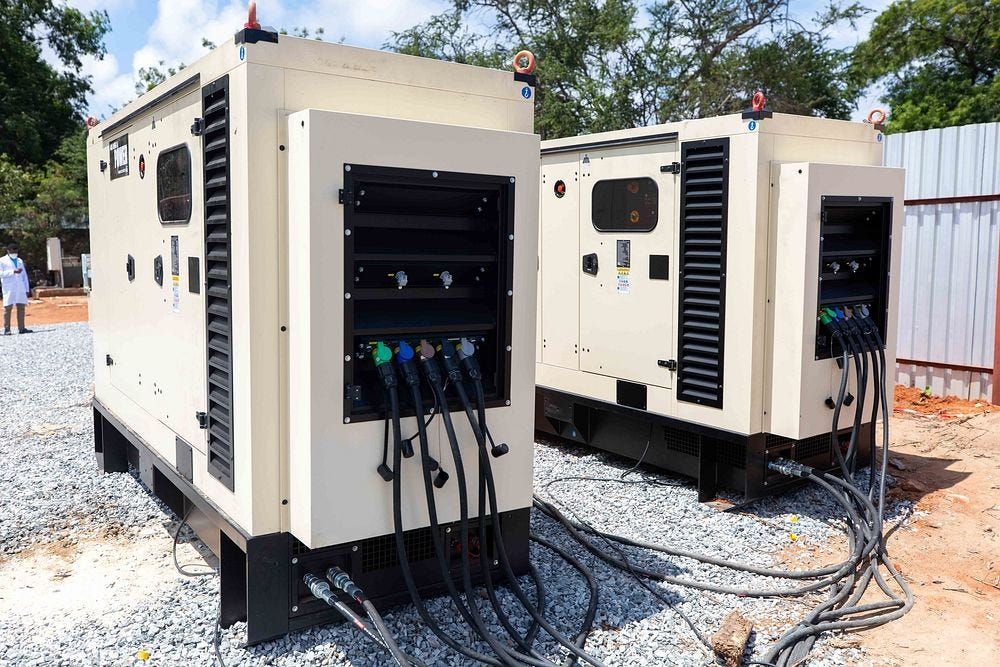
14. **Generators**Home generators are built to be robust and capable of withstanding inclement weather, ensuring you have power when you need it most. However, their weather-resistant design does not make them indestructible, especially when faced with the concentrated power of a pressure washer. Attempting to clean your generator with high-pressure water poses significant risks to its sensitive internal components.
The high-pressure spray can easily cut through crucial hoses and belts, and damage other delicate components inside the generator. More critically, water intrusion into the electrical systems can lead to severe electrical problems, short circuits, and a drastic reduction in the generator’s lifespan. These issues can result in expensive repairs or even render the unit inoperable when it’s needed most.
Instead of risking vital equipment, choose safer cleaning methods. For removing dust and loose dirt, a compressor can be used to blow them off gently. For more stubborn grime, wiping the generator down with a rag and a little degreaser, ensuring to avoid electrical connections, is a much better option. Always consult and follow the manufacturer-recommended cleaning methods to maintain your generator’s reliability and longevity.
Read more about: The Apex of Pickup Luxury: 17 Exclusive Features Only Found on Elite Trims of Top Trucks from Ram, Ford, GMC, and Toyota
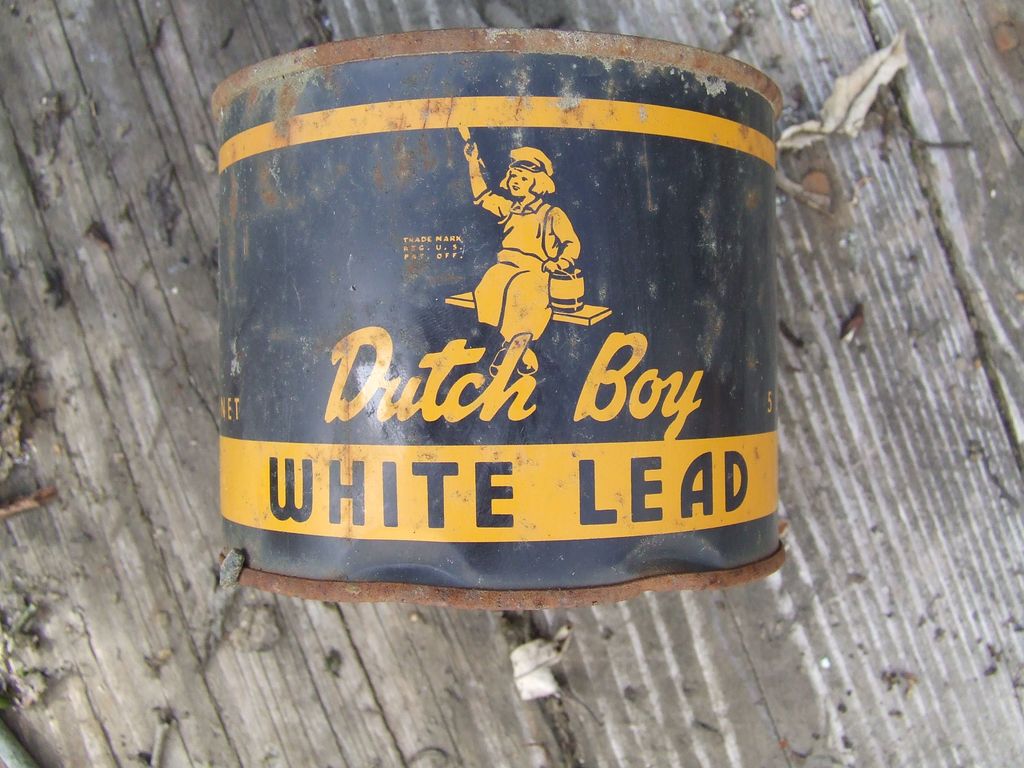
15. **Lead Paint**Perhaps one of the most critical warnings when it comes to pressure washing involves surfaces coated with lead paint. This is not just about property damage; it’s a serious health and safety hazard. Lead paint is a highly toxic material, and its removal requires extreme caution and specialized methods.
A pressure washer will blast bits of lead paint into the air, effectively atomizing lead particles. This creates hazardous airborne contamination, spreading toxic dust over a wide area and exposing anyone nearby to serious health risks. Once these lead particles are airborne, you lose all control over where they land, potentially contaminating soil, plants, and other surfaces around your home.
Due to the severe health risks and environmental contamination potential, never attempt to remove lead paint with a pressure washer. This task should always be entrusted to professional lead paint removal services. These specialists are equipped with the necessary safety gear, containment procedures, and EPA-approved methods to safely and effectively remove lead paint without jeopardizing human health or the surrounding environment. It’s a job where professional expertise is not just recommended, but absolutely essential.
**A Final Word of Caution: Prioritize Protection Over Power**
Read more about: Where Are They Now? 7 Once-Dominant Car Brands Grappling for Survival in Today’s Volatile Market
As we’ve explored the surprising array of items that should never meet the might of a pressure washer, a clear message emerges: power is not always the best solution. While the allure of quickly blasting away grime is strong, the potential for irreparable damage, costly repairs, and even significant safety hazards far outweighs the convenience. Understanding the specific vulnerabilities of different materials and components around your home is key to effective and responsible cleaning. Always prioritize protective, gentle methods, or, when in doubt, call in the professionals. Your property—and your wallet—will thank you for it, ensuring your home remains pristine and safe for years to come.