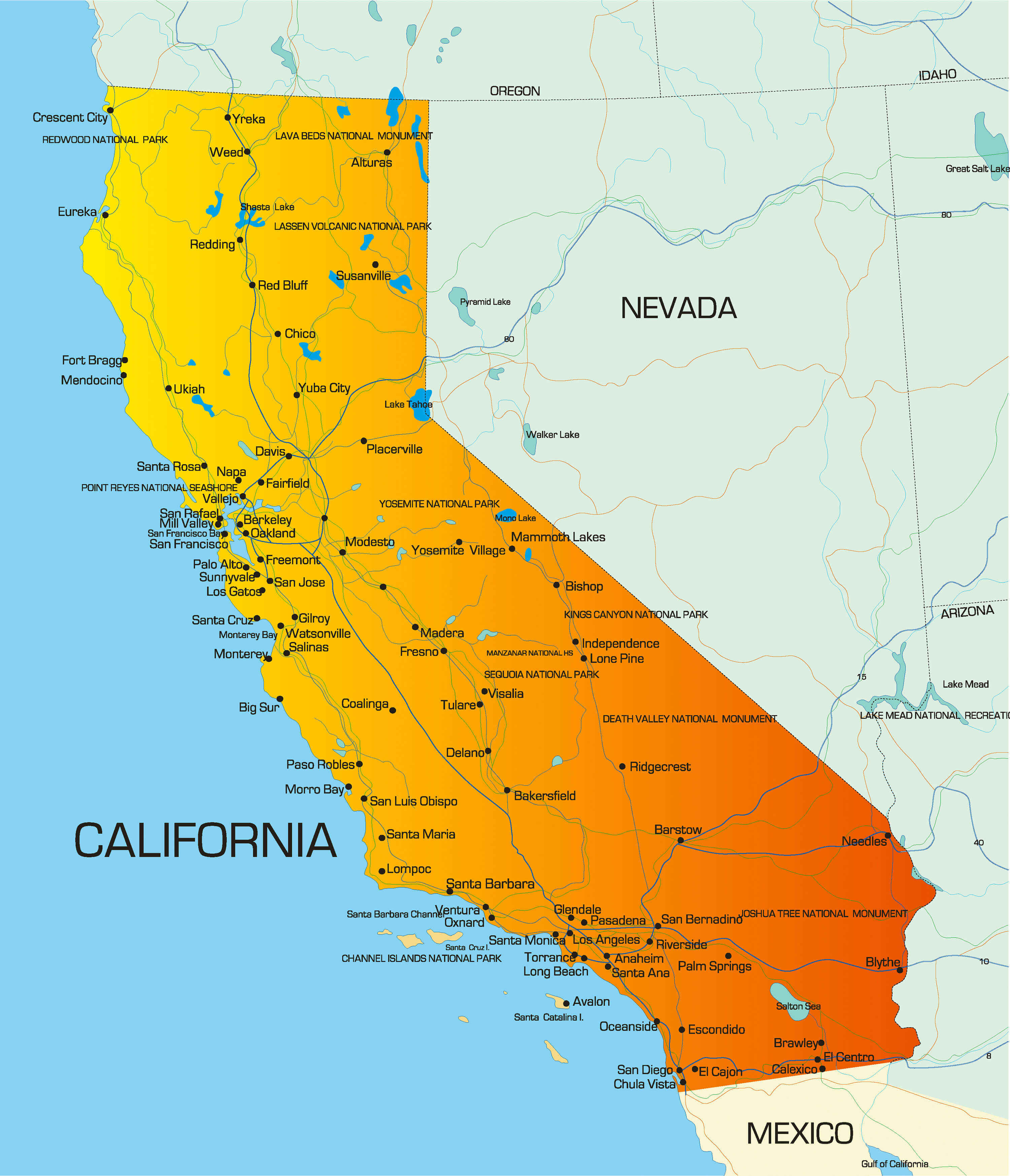
California, a state synonymous with innovation and forward-thinking policy, has seen its political landscape shaped by Governor Gavin Newsom through a series of significant legislative and executive actions. Since taking office, Newsom has navigated complex societal challenges, economic shifts, and unprecedented crises, introducing policies that often position California at the vanguard of national debates.
His tenure has been marked by a willingness to tackle entrenched issues, from criminal justice reform to environmental protection, and a readiness to engage with both state-level legislative processes and national political discourse. These initiatives reflect a broad agenda aimed at addressing the diverse needs and concerns of the state’s populace, frequently drawing both widespread support and considerable scrutiny.
This in-depth exploration delves into some of Governor Newsom’s most impactful decisions and policy directions, providing a comprehensive overview of his administration’s efforts to shape California’s future. We examine the intricate details of these policies, their underlying motivations, and their immediate and long-term implications for the Golden State and beyond.
1. **High-Profile Appointments and Their Political Ramifications**Governor Newsom’s authority to make key appointments has been a significant aspect of his governance, allowing him to shape the political and administrative landscape of California. Following U.S. Senator Kamala Harris’s election as Vice President in the 2020 presidential election, Newsom appointed then-Secretary of State Alex Padilla to succeed her as California’s junior U.S. senator, marking a notable shift in the state’s representation in Washington D.C.
To fill the vacancy left by Padilla, Newsom subsequently appointed Assemblywoman Shirley Weber as Secretary of State, further demonstrating his influence on critical state offices. Later, after the U.S. Senate confirmed Xavier Becerra as U.S. Secretary of Health and Human Services, Newsom appointed Rob Bonta to serve as Attorney General of California, thus completing a series of high-level changes in crucial state positions.
Perhaps one of the most closely watched appointments involved the U.S. Senate seat held by Dianne Feinstein. In an interview with Joy Reid, Newsom publicly committed to appointing a Black woman if Feinstein were to retire or die before her term concluded in 2024. Following Feinstein’s death in September 2023, Newsom faced considerable pressure to act swiftly and ultimately fulfilled his promise by appointing Laphonza Butler to the seat, a decision that resonated across national political circles.
These appointments were not merely procedural but carried significant political weight, shaping the composition of state and federal leadership and reflecting Newsom’s priorities regarding representation and political ideology. Each selection brought new perspectives and backgrounds to critical governmental roles, influencing policy discussions and the implementation of state initiatives.

2. **Moratorium on Capital Punishment and the Future of Death Row**On March 13, 2019, Governor Newsom took a decisive stand on capital punishment, declaring a moratorium on the state’s death penalty. This action effectively halted all executions in California for the duration of his governorship, three years after voters had narrowly rejected its repeal. The move was accompanied by the withdrawal of the state’s lethal injection protocol and the closure of the execution chamber at San Quentin State Prison, signaling a profound shift in California’s approach to criminal justice.
Newsom articulated his moral and ethical opposition to the death penalty in a CBS This Morning interview, stating that it is “a racist system … that is perpetuating inequality. It’s a system that I cannot in good conscience support.” This moratorium provided a temporary reprieve for all 737 inmates on California’s death row, which was, at the time, the largest death row population in the Western Hemisphere.
Furthering his commitment to reform, in January 2022, Newsom directed the state to begin dismantling its death row in San Quentin. The facility is slated to be transformed into a “space for rehabilitation programs,” with all condemned inmates being transferred to other maximum-security prisons. This decision came despite California voters upholding capital punishment in 2012 and 2016, with the latter measure specifically agreeing to move condemned inmates to other facilities, demonstrating a divergence between gubernatorial action and past public referendums.
While a 2021 poll co-sponsored by the Los Angeles Times suggested declining public support for capital punishment in California, Newsom’s actions drew sharp criticism from Republican opponents. These critics argued that the governor’s moves defied the will of the voters, while capital punishment advocates contended that the moratorium denied closure to the families of murder victims, highlighting the deeply contentious nature of this policy.
Read more about: Gavin Newsom: Unpacking a Decades-Long Political Ascent Defined by Principled Confrontation and Unyielding Conviction

3. **Clemency for Immigrants and Complex Deportation Cases**Governor Newsom’s approach to clemency has been notably influenced by broader national policies, particularly the Trump administration’s heightened enforcement against immigrants with criminal records. In response to this federal crackdown, Newsom gave amplified consideration to individuals in California facing potential deportation due to past criminal convictions, leveraging his executive powers to offer a pathway to legal residency.
Crucially, a pardon from the governor can eliminate the grounds for deportation for immigrants who would otherwise hold legal permanent resident status. This mechanism became a vital tool in his administration, with pardon requests from individuals facing deportation receiving expedited review by the state Board of Parole Hearings, a process formalized under a 2018 California law.
Newsom exercised his clemency powers early in his term, granting pardons to seven formerly incarcerated individuals in May 2019, including two Cambodian refugees who were actively facing deportation. He continued this practice in November 2019, pardoning three additional men, all of whom had committed crimes when they were 19 years old and were attempting to avoid deportation to Cambodia or Vietnam, underscoring a consistent application of this policy.
However, the complexities of immigration law and inter-agency cooperation were evident in December 2019 when a Cambodian refugee, paroled by Newsom following a murder case, was nonetheless turned over to federal agents for possible deportation upon release, despite calls from immigrant rights groups for an end to such transfers. Separately, in a high-profile decision on January 13, 2022, Newsom denied parole to Sirhan Sirhan, Robert F. Kennedy’s assassin, who had been recommended for parole after serving 53 years. Newsom articulated his reasoning in an op-ed, stating Sirhan “still lacks the insight that would prevent him from making the kind of dangerous and destructive decisions he made in the past” and highlighted Sirhan’s “shifting narrative about his assassination of Kennedy, and his current refusal to accept responsibility for it.”
Read more about: Beyond the Hue: Unpacking the Complex Layers of Donald Trump’s Public Persona and Enduring Impact

4. **Transformative Police Reform Initiatives**Governor Newsom has been a vocal proponent of significant reforms within law enforcement, advocating for policies designed to enhance accountability and modernize policing practices across California. His administration has particularly focused on eliminating certain controversial tactics and raising professional standards within police departments.
Newsom publicly supported Assembly Bill 1196, legislation aimed at banning carotid artery restraints and choke holds throughout the state. He strongly asserted his position on these tactics, claiming that there is “no longer a place for a policing tactic ‘that literally is designed to stop people’s blood from flowing into their brain, that has no place any longer in 21st-century practices,’” reflecting a clear stance against methods deemed excessively forceful or dangerous.
In September 2021, the governor signed a package of bills that further codified these reform efforts. These new laws included raising the minimum age to become a police officer from 18 to 21, a measure intended to ensure greater maturity and life experience among recruits. Additional restrictions were placed on the use of tear gas, and police departments were explicitly prohibited from employing officers with documented histories of misconduct or crimes, aiming to professionalize the force and remove problematic individuals.
Among the significant reforms was the George Floyd Bill, which introduced a mandate requiring officers to intervene when they witness another officer using excessive force. This particular bill underscored a commitment to fostering a culture of accountability and peer intervention, aiming to prevent abuses of power and promote ethical conduct within police ranks. These legislative changes represent a comprehensive effort to reshape the landscape of law enforcement in California.
Read more about: What Really Happened? The Enduring Mystery Surrounding Malcolm X’s Assassination in 1965

5. **Policies Addressing Transgender Inmate Placement**In September 2020, Governor Newsom signed into law a bill that introduced a significant change to California’s correctional system by allowing transgender inmates to be placed in prisons that align with their gender identity. This legislation was a landmark step towards affirming the rights and identities of transgender individuals within the carceral system, aiming to provide more appropriate and affirming housing options.
Under the provisions of this new law, an inmate’s request for placement according to their gender identity can be denied, but only specifically based on “management or security concerns.” This clause provides a framework for balancing individual rights with the practical and safety considerations inherent in operating correctional facilities.
However, the implementation of this bill was not without immediate controversy. In response to its signing, the Women’s Liberation Front filed a lawsuit challenging the law. The organization contended that the bill was “unconstitutional and creates an unsafe environment for women in female facilities,” raising concerns about the potential impact on cisgender female inmates and sparking a debate about the complexities of gender identity and safety within prisons.
This policy reflects a broader societal dialogue about transgender rights and inclusion, particularly within institutional settings. Newsom’s administration positioned California as a leader in addressing the unique challenges faced by transgender individuals, even as the policy continued to be subject to legal and social scrutiny regarding its practical implications.

6. **California’s Sweeping Response to the COVID-19 Pandemic**Governor Newsom’s administration faced one of its most significant challenges with the onset of the COVID-19 pandemic. On March 4, 2020, following California’s first death attributable to the novel SARS-CoV-2 coronavirus, Newsom declared a state of emergency. This swift action was intended to prepare the state for and contain the spread of the virus, granting state agencies broader powers to procure necessary equipment and services, share patient information, and utilize state-owned properties.
Initial mitigation efforts prioritized California’s estimated 108,000 unsheltered homeless individuals, with a substantial push to move them indoors. Executive orders allowed the state to commandeer hotels and medical facilities for COVID-19 patients, permitted government officials to hold private teleconferences, and ensured continuity of student needs during school closures, including meal services at various off-campus locations for the approximately 80% of public school students receiving free or reduced-price meals.
As cases surged, Newsom implemented increasingly stringent measures. By March 15, he urged those 65 and older and individuals with chronic health conditions to self-isolate and called for the closure of bars, brewery, and winery tasting rooms. These closures soon extended to movie theaters and health clubs, with restaurants transitioning to take-out only services. On March 19, a statewide mandatory stay-at-home order was issued, permitting movement only for necessities or recreation while maintaining social distancing, and excluded activities crucial for federal critical infrastructure sectors and essential services like grocery stores.
Newsom outlined a four-phase, data-driven plan for reopening the economy, emphasizing that decisions would be based on “facts and data, not on ideology.” Despite early May allowing certain retailers to reopen for pickup and general public approval of his handling, protests emerged against these policies. New hospitalizations began accelerating around June 15, leading Newsom to mandate face coverings statewide by June 18 and order the closure of bars and indoor dining in several counties by mid-July, acknowledging, “We’re seeing an increase in the spread of the virus, so that’s why it’s incumbent upon all of us to recognize soberly that COVID-19 is not going away any time soon until there is a vaccine or an effective therapy.”
Challenges continued with a sluggish initial vaccine rollout in January 2021, where California had one of the lowest vaccination rates nationally. Public approval of Newsom’s pandemic management declined, with a UC Berkeley Institute of Governmental Studies poll showing his approval rate down to 46% by February 2021. Despite some of the country’s most stringent restrictions, California’s death rate was 29th highest among states by May 2021, leading to criticism that its restrictive approach “did not lead to better health outcomes.” The administration also faced severe criticism for mismanaging $11.4 billion in unemployment benefits, with another $19 billion under fraud investigation, and for delays faced by legitimate claimants, attributing some blame to the Trump administration’s guidance failure, while California incurred $23 billion in federal unemployment debt.
Read more about: Unveiling California’s Enduring Grandeur: A Journey Through History, Innovation, and Natural Wonders
7. **Challenges and Controversies in Wildfire Management**California’s persistent wildfire crisis has been a defining environmental and emergency management challenge for Governor Newsom’s administration, requiring continuous declarations of states of emergency and multifaceted response strategies. In March 2020, due to a mass die-off of trees, Newsom declared a state of emergency to prepare for the upcoming wildfire season. This was followed by another declaration in August, as the state battled 367 known fires, many sparked by intense thunderstorms.
The administration’s efforts to secure federal aid saw initial resistance when the Trump administration rejected a request for a federal disaster declaration in the wake of six major wildfires, though it was later accepted after direct communication between Trump and Newsom. However, Newsom’s wildfire management strategy also drew significant scrutiny and controversy regarding its effectiveness and transparency.
In June 2021, CapRadio reported that Newsom and Cal Fire had falsely claimed in January 2020 that 90,000 acres of land at high risk for wildfires had been treated with fuel breaks and prescribed burns. The actual treated area was merely 11,399 acres, an overstatement of 690%. The report further detailed that the 35 “priority projects” touted by Newsom, intended to ensure quick evacuations and prevent repeats of the 2018 Paradise fire tragedy, were largely failing to mitigate fire spread or prevent evacuation traffic jams.
The revelation of this discrepancy was compounded by leaked emails, uncovered on the same day by CapRadio, which indicated that Newsom’s handpicked Cal Fire chief had ordered the removal of the original, exaggerated statement. Further, an April 2022 CapRadio report found that a program, hailed in 2020 by the Newsom administration for fast-tracking environmental reviews on high-priority fire prevention projects, had failed to make substantial progress, raising questions about the efficacy of these initiatives. Additionally, KXTV released reports accusing Newsom of accepting campaign donations from PG&E, allegedly to influence a CPUC ruling on PG&E’s safety license, potentially allowing the utility to avoid billions in fees. He was also accused of establishing the Wildfire Insurance Fund via AB 1054, effectively shifting liability costs to ratepayers and taxpayers, further entangling his administration in complex financial and ethical concerns surrounding the state’s ongoing battle with wildfires.
Read more about: Beyond the Stage: Inside Taylor Swift’s Calabasas ‘Fortress’ and the Billion-Dollar Empire Protecting Her Privacy

8. **Advancing Environmental and Energy Policies**Governor Newsom’s administration has steadfastly pursued an ambitious agenda on environmental and energy policy, positioning California as a global leader in addressing climate change. Upon taking office in 2019, he assumed the role of co-chair of the United States Climate Alliance, building upon California’s prior climate leadership. While he vetoed SB 1 in September 2019, which aimed to preserve state-level environmental protections facing federal rollbacks, his administration did sue federal agencies in February 2020 over efforts to protect imperiled fish in the Sacramento–San Joaquin River Delta, demonstrating a willingness to challenge federal actions perceived as detrimental to California’s natural resources.
Newsom has also been a prominent voice on the international stage, attending the 2019 UN Climate Action Summit and speaking at the 2020 Democratic National Convention, where he frequently highlighted California’s wildfires and its commitment to combating climate change. A landmark executive order signed on September 23, 2020, mandated that all new passenger vehicles sold in the state be zero-emission by 2035, a bold step towards decarbonizing transportation. Additionally, bills signed in September with an environmental focus included the establishment of a commission to study lithium extraction opportunities around the Salton Sea, exploring new avenues for sustainable energy resources.
Regarding fossil fuels, Newsom had pledged during his 2018 campaign to tighten state oversight of fracking and oil extraction. However, early in his governorship, his administration approved new oil and gas leases on public lands at approximately twice the rate of the previous year, a development he stated he was unaware of and which led to the firing of the head of the Division of Oil, Gas and Geothermal Resources. In response to mounting scrutiny, he imposed a moratorium on new hydraulic fracturing and steam-injected oil drilling in November 2019, pending review by an independent panel of scientists. State agencies did resume issuing new hydraulic fracturing permits in April 2020, drawing further legal challenges from environmental groups.
By April 2021, Newsom committed to ending the sale of gas leases by 2024 and ceasing oil extraction entirely by 2045, outlining a clear long-term strategy for transitioning away from fossil fuels. In October 2021, he proposed a 3,200-foot buffer zone between new fossil fuel extraction sites and densely populated areas, aiming to protect public health in communities often disproportionately affected by industrial pollution. These measures reflect a evolving and sometimes challenging path towards achieving the state’s ambitious climate goals.
The administration also tackled the issue of rising gasoline prices, which exceeded $6 per gallon in California in 2022. Newsom attributed this surge to corporate greed and alleged price gouging by oil companies, proposing a windfall profits tax and penalty in September 2022. This initiative culminated in a law signed on March 28, 2023, authorizing the California Energy Commission to establish a “profit threshold above which companies would be assessed a financial penalty” and requiring petroleum companies to report additional profit data. This law also created a new oversight division within the Commission dedicated to investigating price gouging in the gasoline industry, underscoring the state’s proactive stance on consumer protection and market regulation.
Read more about: Unlocking Savings: A Consumer Reports Guide to the 11 States Offering Top Tax Credits for Buying a Used EV

9. **Landmark Animal Welfare Legislation**Governor Newsom’s tenure has been marked by the signing of a comprehensive suite of legislation aimed at enhancing animal welfare and curtailing cruelty, often positioning California at the forefront of national efforts. In 2019, he enacted the Wildlife Protection Act, which significantly curtailed commercial and recreational fur trapping within the state, reflecting a broader shift in public sentiment regarding animal exploitation. This was part of a larger package of reforms that year, demonstrating a consistent commitment to animal protection.
Further solidifying this commitment, October 2019 saw the signing of legislation that prohibited the manufacture and sale of new fur products in California, a landmark move making California the first state to implement such a ban, which became effective in 2023. Other key measures included banning bobcat hunting, ending the use of most animals in circuses, and strengthening Proposition 6’s existing prohibition on horse meat and horse slaughter, collectively representing a significant expansion of animal rights in the state.
Extending these protections to scientific contexts, Newsom signed legislation in September 2022 that banned the animal testing of pesticides and other chemical substances on dogs and cats. This move aimed to reduce the use of animals in laboratory settings and encourage the development of alternative testing methods, reflecting a growing ethical concern over such practices. The state’s actions consistently demonstrate a progressive stance on animal rights issues, influencing policy discussions nationwide.
In a pioneering move, Newsom signed legislation in September 2024 prohibiting the commercial farming of octopuses in California. The law explicitly stated that octopuses are “highly intelligent, curious, problem-solving animals” and capable of feeling pain, providing a scientific and ethical basis for the ban. California became the second state to ban octopus farming, following Washington’s similar legislation in March 2024, signaling an emerging recognition of the cognitive abilities of cephalopods.
Despite these legislative achievements, the administration also faced challenges. In July 2025, the Department of Justice initiated a lawsuit naming California, Governor Newsom, and other public officials, targeting the state’s regulations against intensive battery cage eggs, specifically Proposition 2 and Proposition 12. Newsom’s office responded to this federal challenge by stating that the Trump administration enjoys “blaming California for literally everything,” highlighting the ongoing tensions between state and federal approaches to agricultural and welfare policies.
Read more about: India: A Rising Global Power and Its Complex Path Forward

10. **Navigating Ethics Concerns and Campaign Finance**Governor Newsom’s administration has faced scrutiny regarding ethics and campaign donations, particularly concerning potential conflicts of interest and the influence of financial contributions on policy decisions. One area of focus has been his spouse’s nonprofit organization, The Representation Project. The Sacramento Bee reported that this organization had received over $800,000 in donations from corporations that actively lobbied the state government, including prominent entities such as PG&E, AT&T, Comcast, and Kaiser Permanente. Jennifer Siebel Newsom herself had received $2.3 million in salary from the nonprofit since its inception in 2011. In 2021, Governor Newsom publicly stated that he perceived no conflict in his wife’s organization accepting donations from companies that lobby his administration, a position that drew public debate.
Another significant controversy arose in February 2024 when Bloomberg News reported on an exemption within Assembly Bill 1228, a bill designed to raise the state’s minimum wage for fast-food workers to $20 per hour. The exemption specifically applied to businesses that bake and sell bread, notably including 24 Panera Bread bakery-cafes owned by businessman Greg Flynn. Flynn had been a substantial donor to Newsom’s campaigns, contributing $100,000 and an additional $64,800 over the years. Republican lawmakers called for an investigation into this unusual exemption, raising questions about its origins and fairness. When questioned by reporters, Newsom characterized the situation as “a part of the sausage making,” explaining, “We went back and forth, and that was part of the negotiation. That’s the nature of negotiation … That was all part of the give and take and that was the collective wisdom of the legislature and ultimately led to my signature,” acknowledging the often-complex dynamics of legislative processes.
Further ethical concerns emerged in September 2024, when the Los Angeles Times reported on Governor Newsom’s signing of Assembly Bill 3206 into law. This legislation carved out a specific exception to the state’s “last call” alcohol law, benefiting only one venue: the Intuit Dome, which is owned by former Microsoft CEO Steve Ballmer. Ballmer’s wife, Connie Ballmer, had made a significant donation of $1 million to Newsom’s campaign in 2021, leading ethics experts to criticize the bill for exclusively benefiting a major donor. John Pelissero, director of government ethics at Santa Clara University, commented on the optics, stating, “It’s certainly going to become an issue for his opponents and critics to point to the fact that he seemed to provide a special favor to a wealthy sports franchise owner and its facility and its wealthy fans. It just doesn’t look good.” A spokesperson for the governor responded by asserting, “The governor’s decisions on legislation are made solely on the merits of each bill,” aiming to address the perception of undue influence.
Regarding his executive authority, Newsom’s rate of vetoing legislation has been comparable to that of his predecessors, averaging 12.7% of bills passed by the legislature between 2019 and 2021, with a declining trend over these legislative sessions. His vetoes have included bills addressing ranked-choice voting, an ethnic studies high school graduation requirement, AI regulation, and reductions in jaywalking penalties. However, it is noteworthy that Newsom employed a larger-than-normal number of executive orders during the 2020 legislative session, reflecting a proactive approach to governance, especially during times of crisis.
Read more about: Donald J. Trump: A Comprehensive Examination of a Singular Political and Business Trajectory

11. **Aggressive Stance on Gun Control**Governor Newsom has consistently demonstrated an aggressive stance on gun control throughout his political career, advocating for stringent regulations to enhance public safety. As lieutenant governor in 2016, he was the official proponent of Proposition 63, a ballot measure that mandated background checks and California Department of Justice authorization for ammunition purchases, among other significant gun control provisions. This early action set a clear precedent for his future policy directions in this contentious area.
In response to national tragedies, Newsom has amplified his calls for broader gun safety measures. Following the 2019 mass shooting in Virginia Beach, he advocated for nationwide background checks on individuals purchasing ammunition, aiming for a consistent federal standard. Later that year, in the wake of the Gilroy Garlic Festival shooting, while affirming his support for the Second Amendment, he emphasized the need for national cooperation to control what he termed “weapons of goddamned mass destruction.” He also highlighted a societal dimension to the issue, noting, “These shootings overwhelmingly, almost exclusively, are males, boys, ‘men’—I put in loose quotes. I do think that is missing in the national conversation,” introducing a gendered perspective into the discourse.
Newsom has not shied away from directly challenging judicial decisions he views as undermining gun control efforts. On June 10, 2021, he publicly criticized federal Judge Roger Benitez, labeling him “a stone cold ideologue” and “a wholly owned subsidiary of the gun lobby of the National Rifle Association,” after Benitez struck down California’s statewide ban on assault weapons. While the ban remained in place pending appeal, Newsom controversially proposed legislation that would empower private citizens to enforce the ban, drawing inspiration from the Texas Heartbeat Act, which similarly leveraged private enforcement for abortion restrictions.
In 2022, Newsom signed several key gun control bills passed by the California Legislature into law. On July 1, he approved Assembly Bill 1621, which specifically restricts privately made firearms, often referred to as “ghost guns,” that had been linked to over 100 violent crimes in Los Angeles. Concurrently, he signed Assembly Bill 2571, prohibiting the marketing of firearms, such as the JR-15, to children. A significant development occurred on July 22, when Newsom signed Senate Bill 1327, a law enabling private citizens to sue anyone who imports, distributes, manufactures, or sells illegal firearms in California. This law further required courts to award statutory damages of at least $10,000, in addition to attorney’s fees, creating a powerful disincentive for illicit firearm activities.
Demonstrating a national vision for gun safety, on June 8, 2023, Newsom proposed a 28th amendment to the U.S. Constitution. This ambitious proposal sought to raise the age to purchase firearms to 21, institute universal background checks for all gun purchases, mandate waiting periods for firearm acquisition, and implement a ban on assault weapons for civilians. However, the proposed method of a constitutional convention, which has never been used, drew criticism from legal scholars such as law professor Erwin Chemerinsky, who called it a “terrible idea,” expressing concerns that such a convention might not be limited to single amendments and could potentially lead to a complete rewriting of the Constitution or the addition of unrelated amendments.
Read more about: The Converging Cost Landscape: Unpacking Streaming Giants’ Synchronized Price Hikes and Their Market Imperatives
12. **Efforts to Establish California as an Abortion Sanctuary State**In response to escalating restrictions on abortion access in various Republican-led states, Governor Newsom declared California’s intention to become a robust “sanctuary” for abortion seekers in December 2021. This ambitious vision included the possibility of the state covering the costs of procedures, travel, and lodging for individuals traveling from out-of-state to access abortion services. This commitment signaled a direct and significant counter-response to federal and state-level efforts to curtail reproductive rights across the nation.
Further solidifying this commitment, Newsom signed a bill in March 2022 that mandated private health insurance plans in California to fully cover abortion procedures, effectively eliminating associated co-pays and deductibles. This measure, while increasing insurance premiums, aimed to ensure that financial barriers would not impede access to abortion for insured residents. Demonstrating a broader coalition-building effort, in February 2023, Newsom organized the Reproductive Freedom Alliance, a consortium of state governors who are supportive of abortion and reproductive rights, amplifying California’s advocacy on a national scale.
The administration’s pro-choice stance led to a notable confrontation with Walgreens in March 2023. After the company announced its refusal to dispense abortion pills in the 21 states where it was illegal, Newsom issued a strong public rebuke, tweeting, “California won’t be doing business with @walgreens – or any company that cowers to the extremists and puts women’s lives at risk, we’re done.” He accused Walgreens of succumbing to “right-wing bullies” and indicated his intention to explore how California could sever ties with the pharmacy giant, specifically mentioning the cancellation of Walgreens’ $54 million contract with the California state prison system.
The implications of this stance were far-reaching, as Walgreens also receives $1.5 billion annually for filling prescriptions for the 15 million people enrolled in Medi-Cal, California’s version of Medicaid. However, legal experts noted that federal Medicaid laws typically prohibit health plans from disqualifying providers for reasons other than fraud or contract violations. These provisions have historically shielded organizations like Planned Parenthood from similar attempts by conservative states to block Medicaid spending, highlighting the legal complexities inherent in Newsom’s proposed actions against Walgreens.

13. **Initiatives Addressing Healthcare Access**Governor Newsom campaigned on a platform centered on reducing healthcare costs and expanding access, articulating a vision that included support for creating a universal state health-care system. Early in his term, the budget passed in June 2019 expanded eligibility for Medi-Cal, the state’s Medicaid program, from solely undocumented minor children to include undocumented young adults aged 19 to 25. This was a significant step towards more inclusive healthcare coverage, reflecting a commitment to extending services to vulnerable populations.
Continuing this expansion, in 2021, Newsom signed legislation that further broadened Medi-Cal eligibility to undocumented residents over the age of 50. A landmark achievement came on June 30, 2022, when he signed a $307.9 billion state budget that “pledges to make all low-income adults eligible for the state’s Medicaid program by 2024 regardless of their immigration status.” This ambitious initiative, estimated to cost $2.7 billion per year, positioned California as the first U.S. state to guarantee healthcare to all low-income undocumented immigrants, marking a profound shift in state healthcare policy.
Despite these strides, Newsom faced criticism in early 2022 for perceived backtracking on his support for universal health care. Specifically, he did not support CalCare, Assembly Bill 1400, which would have instituted a single-payer healthcare system in California. Critics suggested that opposition from powerful business interests, which had contributed substantial donations to Newsom and his party, may have influenced his decision, highlighting the political challenges of comprehensive healthcare reform. This episode underscored the complex interplay between policy ideals and political realities.
In an effort to address the broader issue of healthcare costs, Newsom signed Senate Bill 184 on July 6, 2022. This legislation established the Office of Health Care Affordability, with the stated objective to “develop data-informed policies and enforceable cost targets, with the ultimate goal of containing health care costs.” The creation of this office indicated a strategic approach to bringing transparency and regulation to the healthcare market, aiming to make services more affordable for all Californians.
However, in October 2023, Newsom vetoed a bill that sought to cap co-pays for insulin at $35, a decision that drew considerable public scrutiny from patient advocacy groups and those concerned about the affordability of essential medications. Furthermore, in 2025, his administration signed a budget that restricted new enrollment of undocumented immigrants in Medi-Cal, indicating a pragmatic adjustment to the state’s fiscal realities and the ever-present pressures of balancing expansive social programs with budgetary constraints.
Read more about: The Singular Catalyst: Unpacking Oprah Winfrey’s Resignation from the WeightWatchers Board

14. **Tackling the Homelessness and Housing Crisis**California’s pervasive homelessness and housing shortage have remained among the most critical challenges facing Governor Newsom’s administration. A 2020 poll revealed that California voters considered homelessness the most important issue for the governor and state legislature to address. In his inaugural week in office, Newsom issued a stern warning, threatening to withhold state funding for infrastructure from communities that failed to actively address California’s chronic housing shortage, signaling his intent to compel local action on this pressing issue.
Demonstrating this commitment, in late January 2019, he announced plans to sue the city of Huntington Beach for obstructing the construction of affordable housing. A year later, the city ultimately settled the lawsuit with the state, illustrating the administration’s willingness to leverage legal means to enforce housing development. Newsom has consistently voiced strong opposition to the “NIMBY” (not-in-my-back-yard) sentiment, emphatically declaring in 2022 that “NIMBYism is destroying the state,” underscoring his belief that local resistance to development exacerbates the crisis.
Significant legislative efforts to alleviate the housing crisis were undertaken in 2021 when Newsom signed a pair of bills that substantially reduced restrictive zoning regulations. These new laws allowed for the construction of duplexes and fourplexes on lots previously zoned exclusively for single-family homes, aiming to increase housing density and supply. Additionally, a bill was signed to expedite the environmental review process for new multifamily developments valued at $15 million or more, with developers able to apply directly through the governor’s office for this accelerated approval, streamlining a historically cumbersome process.
Further comprehensive reforms followed in 2022, when Newsom signed 39 bills aimed at addressing California’s housing crisis, including three major land use reform measures. One significant bill eliminated minimum parking requirements for housing located near mass transit stations throughout the state, a policy Michael Manville, an urban planning professor at UCLA, hailed as “one of the biggest land-use reforms in the country.” Another bill allowed developers to construct housing on some lots previously zoned exclusively for commercial use without requiring local government permission, provided a certain percentage of the housing was affordable. A third related bill similarly permitted the construction of market-rate housing on other commercially zoned lots, demonstrating a broad strategy to repurpose underutilized land for residential development.
At the signing ceremony for the latter two bills, Newsom issued a clear warning to local governments, which historically have been criticized for obstructing and delaying housing developments, stating that they “would be held accountable for future housing obstructionism.” Other bills signed included mandates for localities to approve or deny various building permits within strict timelines and measures to streamline student and faculty housing projects by allowing California colleges to bypass onerous review processes for new developments. Despite these multifaceted legislative and executive actions, the problem of homelessness in California has persisted, with the number of homeless individuals reaching a record 181,000 in January 2023, underscoring the immense scale of the challenge and the need for more than 2.5 million housing units to adequately cope with the demand.
However, in October 2023, Newsom vetoed several bills designed to expand access to housing assistance. One such bill aimed to repurpose unused state-owned land for affordable housing, which he argued infringed on state sovereignty. Another would have broadened the criteria for individuals qualifying for state housing assistance, and a third sought to mandate Medi-Cal coverage for housing assistance costs. These vetoes, while reflecting complex policy considerations, illustrated the ongoing debate and fiscal challenges in addressing the state’s housing crisis.
In a dramatic move signaling growing impatience, in August 2024, Newsom issued a stark warning to counties that failed to remove their homeless encampments, threatening to cut off state funding the following year. This warning followed his personal visit and clearance of a Los Angeles homeless encampment without prior notification to the city, actions that highlighted the urgency and directness with which he approached the persistent issue.
Read more about: Gavin Newsom: Unpacking a Decades-Long Political Ascent Defined by Principled Confrontation and Unyielding Conviction
Governor Newsom’s second term continues to unfold against a backdrop of complex and often deeply entrenched societal issues, from the existential threat of climate change and the volatile landscape of energy markets to the fundamental questions of individual rights in healthcare and gun ownership. His administration’s responses, frequently characterized by ambitious legislative initiatives and assertive executive actions, have consistently positioned California at the vanguard of national policy debates. Whether through pioneering animal welfare laws, navigating the ethical minefield of campaign finance, or grappling with the profound challenges of homelessness, Newsom’s governance reflects a dynamic and often controversial effort to shape the future of the Golden State, often with significant implications for the rest of the nation.