The automotive industry, a realm of relentless innovation and cutthroat competition, is a graveyard of dreams as much as it is a hall of fame for legends. For every Ford or Toyota that has cemented its place in history, countless other brands have risen with grand ambitions, only to falter and vanish from our roads. These aren’t merely minor missteps; many represent spectacular failures, brands that once held considerable sway, captivated enthusiasts, and even pioneered groundbreaking technologies, yet ultimately couldn’t navigate the tumultuous currents of market demands, corporate restructuring, and economic downturns.
This landscape of triumphs and tragedies offers invaluable lessons, revealing how even established players, or those backed by automotive giants, can lose their way. From luxury marques that struggled to find their niche to populist brands that lost their distinct identity, the stories of these defunct automakers are as compelling as any supercar saga. Their demise often marks the end of an era, leaving behind a legacy of cherished models and tantalizing “what if” scenarios that continue to fascinate car enthusiasts and historians alike.
Join us as we embark on a journey through the annals of automotive history, spotlighting 14 car brands that, despite their initial promise or storied past, ultimately collapsed. We’ll delve into the unique circumstances, strategic missteps, and shifting market dynamics that led to their spectacular downfall, reminding us that in the fast-paced world of automobiles, only the most resilient and adaptable truly survive.
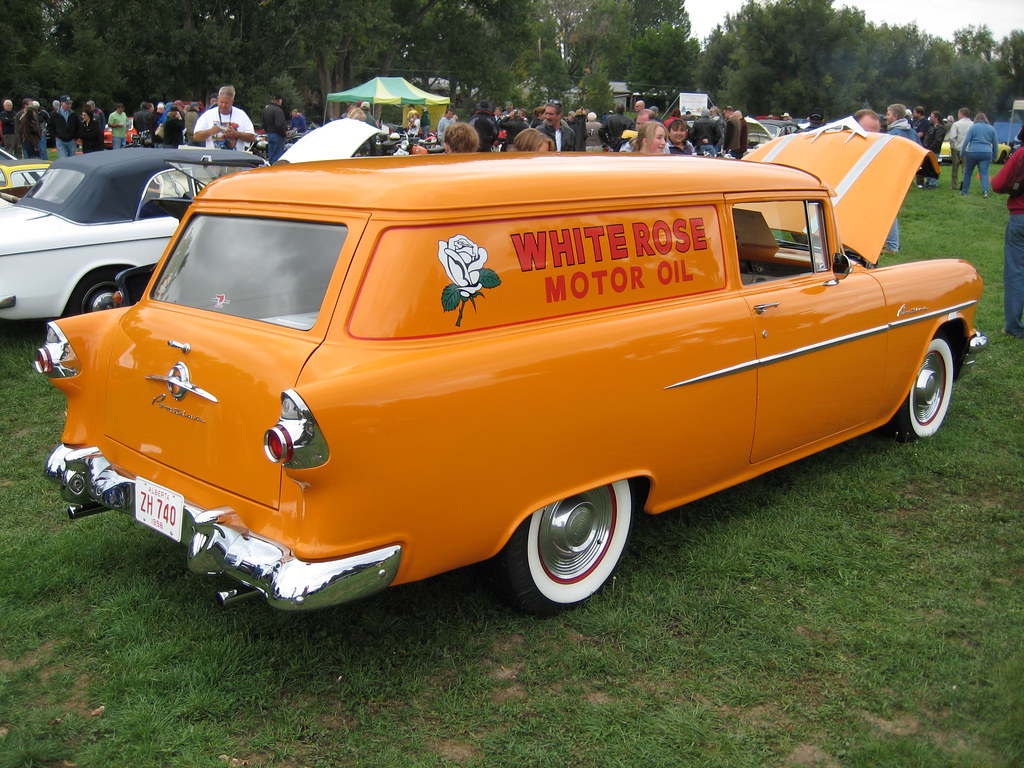
1. **Pontiac: The American Performance Powerhouse That Lost Its Roar**Pontiac, a storied division of General Motors, etched its name into automotive lore as a purveyor of raw American performance and distinctive style. Founded in 1926, it quickly became known for making stylish, powerful, and performance-focused cars, initially serving as an affordable alternative to GM’s more expensive Buick and Oldsmobile models. Its golden era truly shone through the 1960s and 1970s, a time when the brand produced some of the most iconic muscle cars in American history, resonating deeply with enthusiasts who craved power and presence.
The brand’s zenith saw the birth of legends such as the Pontiac GTO, often credited as the first true muscle car when it burst onto the scene in 1964, offering an incredible V8 engine with immense power. Not to be outdone, the Firebird, Pontiac’s direct competitor to the Ford Mustang, evolved into another legendary vehicle, especially in its formidable Trans Am guise. Pontiac wasn’t solely focused on brute force; it also embraced innovative designs and experimented with futuristic styling and high-performance engineering, as exemplified by the mid-engine Fiero sports car of the 1980s and the stylish Solstice roadster launched in 2006.
Despite its strong legacy and innovative spirit, Pontiac began to face significant challenges in the 1990s and 2000s. General Motors, its parent company, struggled against increasing competition from Japanese and European automakers, which began to chip away at Pontiac’s market share. The brand, once a beacon of performance, gradually lost its sharp focus, becoming increasingly known for rebadged models that lacked the distinctiveness and excitement that once defined it, failing to ignite the passion of a new generation of buyers.
The final blow came during the severe financial crisis of 2008, when GM was forced into drastic cost-cutting measures and a comprehensive restructuring plan. In a heartbreaking decision for muscle car enthusiasts, Pontiac was officially discontinued in 2010. Its demise marked the end of an era for American muscle cars and a once-dominant brand. While Pontiac no longer exists, its legacy lives on through its legendary cars, which remain popular among collectors and enthusiasts, forever remembered as a symbol of American performance and innovation.
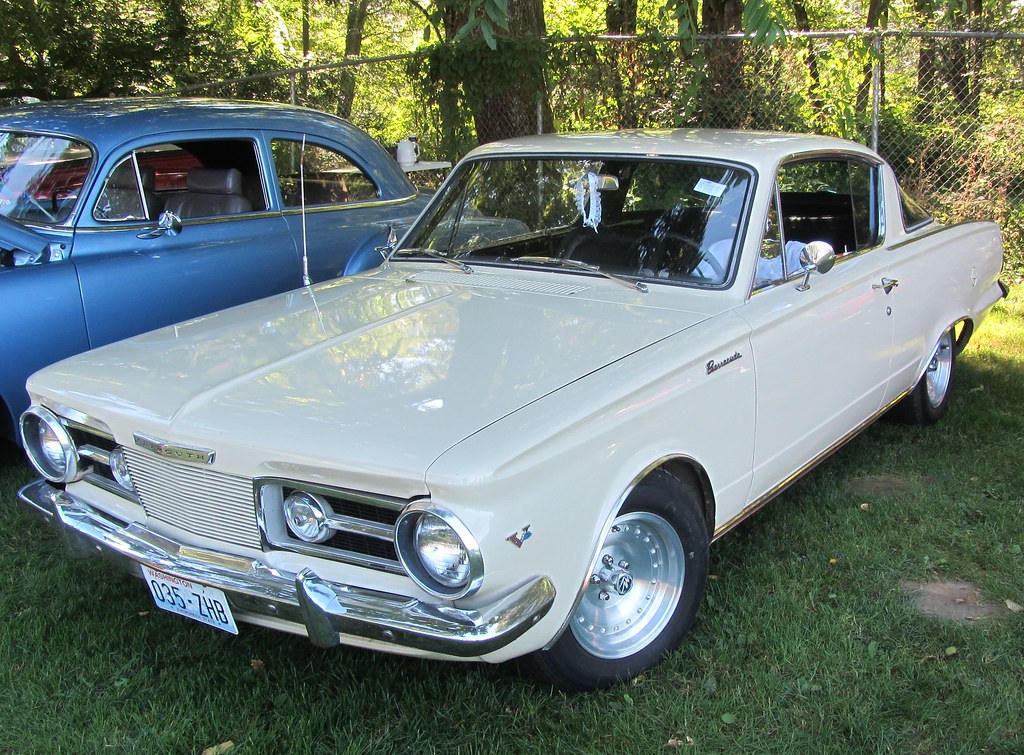
2. **Plymouth: Chrysler’s Entry-Level Icon That Couldn’t Outrun the Competition**Plymouth was a brand introduced by Chrysler in 1928, conceived as an accessible and affordable option for a broad spectrum of buyers. Its mission was clear: to directly challenge established budget-friendly competitors like Ford and Chevrolet. Over several decades, Plymouth carved out a strong reputation for itself, consistently producing reliable, stylish, and often performance-oriented vehicles that resonated with a wide demographic, making it a household name in the American auto market.
The brand was not only known for its practicality but also for its contributions to the golden age of muscle cars. The Plymouth Barracuda, a formidable muscle machine, went head-to-head with rivals such as the Ford Mustang and Chevrolet Camaro, earning the adoration of car enthusiasts for its powerful engines and sleek design. Another truly iconic model was the Plymouth Road Runner, a high-performance muscle car that brilliantly combined exhilarating speed with an attractive price point, making performance accessible to more buyers.
However, Plymouth’s offerings extended far beyond just muscle cars; the brand also excelled at creating practical and family-friendly vehicles. The Plymouth Voyager, for instance, pioneered the minivan segment, becoming an immensely popular choice among families seeking versatility and space. Even in later years, the Plymouth Neon, a small and affordable sedan introduced in the 1990s, proved to be a significant hit, demonstrating the brand’s ability to adapt to changing consumer needs for economical transportation.
Despite its versatile lineup and historical success, Plymouth began to struggle significantly in the late 1990s as Chrysler’s strategic focus shifted increasingly towards other brands within its portfolio, particularly Dodge and Jeep. Even the introduction of unique and visually striking cars like the Prowler, a retro-styled roadster, couldn’t revive its dwindling fortunes or reclaim its former popularity. Sales continued on a downward trajectory, making the brand’s long-term survival increasingly difficult in an intensely competitive market.
The brand’s ultimate fate was sealed following the 1998 merger of Chrysler with Daimler-Benz, which formed DaimlerChrysler. As part of a sweeping corporate restructuring, the decision was made to discontinue Plymouth, with its operations officially ceasing in 2001, concluding its 73-year run. While the Plymouth name may no longer grace new vehicles, its legacy remains vibrant, particularly among muscle car fans and collectors. Its innovative spirit and contributions to American automotive culture continue to influence modern Chrysler vehicles.

3. **Oldsmobile: America’s Automotive Pioneer That Lost Its Way**Oldsmobile stands as one of the true titans of American automotive history, a brand whose roots stretch back to its founding by Ransom E. Olds in 1897. This venerable marque was among the very first companies to produce automobiles on a large scale, playing a pivotal role in shaping the nascent car industry and becoming famous for its early and impactful innovations. Its foundational contributions helped lay the groundwork for modern vehicle manufacturing and design in the United States.
In 1908, Oldsmobile became one of the original acquisitions of the newly formed General Motors, solidifying its position as a key brand within the burgeoning automotive giant. Under GM’s stewardship, Oldsmobile continued its reputation for producing stylish, technologically advanced, and high-quality cars. It was strategically positioned as a premium brand, offering vehicles that struck a balance between the ultimate luxury of Cadillac and the more accessible appeal of Chevrolet or Pontiac, providing a sophisticated yet attainable option for discerning buyers.
One of Oldsmobile’s most profound and enduring contributions to the auto industry was the groundbreaking introduction of the automatic transmission in 1940. This innovation was nothing short of revolutionary, dramatically simplifying the act of driving and fundamentally altering the trajectory of car manufacturing for decades to come. The brand also became synonymous with iconic models like the Oldsmobile 88, a powerhouse in the 1950s and 1960s, celebrated for its robust performance and elegant design, appealing to a generation looking for both speed and style.
Oldsmobile maintained a respectable level of success through the 1970s and 1980s, with models such as the Cutlass becoming consistent best-sellers. These vehicles offered a compelling blend of performance, comfort, and affordability, securing a loyal customer base. However, by the 1990s, the brand began to face an increasingly uphill battle. Stiff competition from agile and innovative Japanese and European automakers, coupled with GM’s decision to standardize designs across its various brands, eroded Oldsmobile’s unique identity and led to a significant decline in sales.
Despite efforts to modernize its image and attract younger buyers with new models like the Alero and Aurora, Oldsmobile struggled to regain its footing. As General Motors faced severe financial challenges and strategic reorganizations in the early 2000s, the difficult decision was made to phase out the Oldsmobile brand. Its final car, an Alero, rolled off the assembly line in 2004, symbolically marking the end of an illustrious 107-year run. Though Oldsmobile no longer exists, its spirit lives on as an important chapter in American automotive history, with its pioneering innovations and contributions continuing to influence modern car designs and technology.
Read more about: Gearhead Dreams: 15 Iconic Defunct Car Brands We Desperately Want Back on the Road
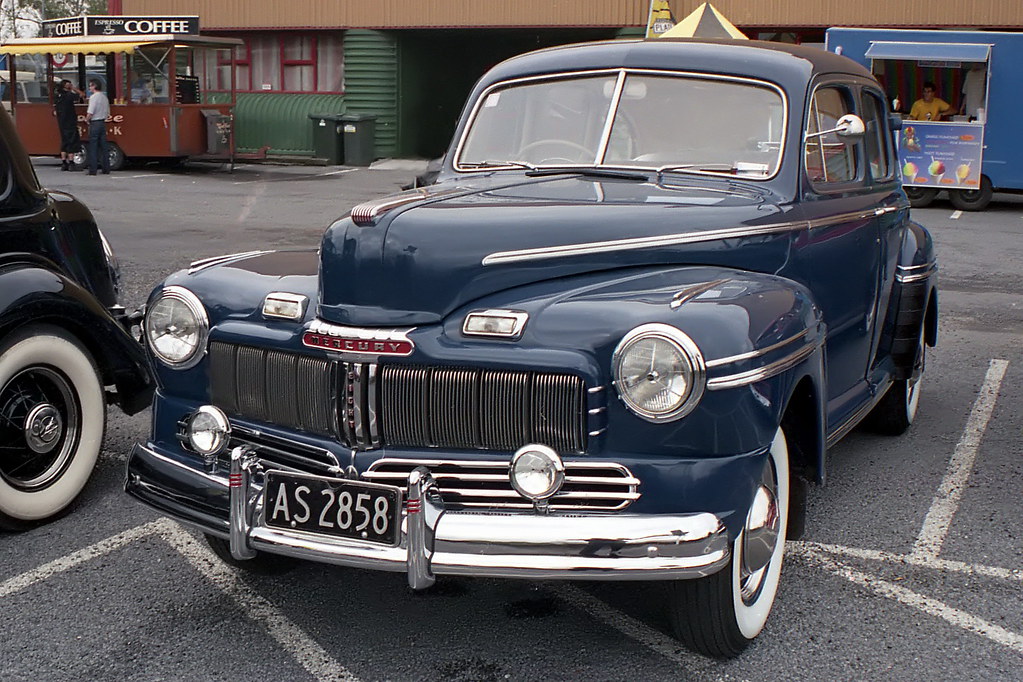
4. **Mercury: Ford’s Mid-Range Conundrum That Lacked Distinct Identity**Mercury, established by Ford in 1938, was conceived as a strategic bridge in the company’s lineup, positioned squarely between the mainstream Ford brand and the luxury aspirations of Lincoln. For decades, Mercury aimed to offer vehicles that combined a touch of premium style and features with greater affordability than its luxury counterparts, appealing to buyers seeking something a step above a basic Ford without the full Lincoln price tag. The brand became known for models like the Cougar and Grand Marquis, which embodied its blend of accessible elegance.
Despite its clear positioning, Mercury faced an enduring struggle: differentiating itself effectively from its parent brand, Ford. Many of its models were often perceived as simply rebadged Fords with minor cosmetic enhancements, failing to establish a strong, unique identity in the minds of consumers. This lack of distinctiveness became a persistent challenge, making it difficult for Mercury to carve out its own niche in an increasingly crowded and competitive automotive market.
The issue of overlap was exacerbated by Ford’s own successful lineup, which often offered similarly styled and equipped vehicles at competitive price points. Consumers frequently questioned the value proposition of choosing a Mercury when a comparable Ford model was readily available, often at a lower cost or with a clearer brand image. This internal competition, coupled with an overall shift in consumer preferences towards more specialized vehicle segments or higher-end luxury, steadily eroded Mercury’s sales.
Ultimately, after 73 years of production, Ford announced the discontinuation of the Mercury brand in 2011. This decision reflected a broader strategy by Ford to streamline its operations and focus its resources on its two core brands: Ford and Lincoln. While Mercury had its moments and loyal followers, its inability to consistently offer a compelling and differentiated product line proved to be its undoing, leaving it as a historical footnote in Ford’s expansive automotive empire.
Car Model Information: 1995 Mercury Cougar XR7
Name: Mercury Cougar
Caption: 1969 Mercury Cougar (first generation)
Manufacturer: Mercury (automobile)
Layout: Front-engine, rear-wheel-drive layout
ModelYears: 1967–1997,1999–2002
Class: Pony car,Personal luxury car,Mid-size car,Sport compact
Categories: 1960s cars, 1970s cars, 1980s cars, 1990s cars, 2000s cars
Summary: The Mercury Cougar is a series of automobiles that was sold by Mercury from 1967 to 2002. The model line is a diverse series of vehicles; though the Cougar nameplate is most commonly associated with two-door coupes, at various stages in its production, the model also was offered as a convertible and a hatchback. During its production as the mid-size Mercury line, the Cougar was also offered as a four-door sedan and five-door station wagon.
In production for 34 years across eight generations (skipping the 1998 model year), the Cougar is second only to the Grand Marquis (36 years) in the Mercury line for production longevity. 2,972,784 examples were produced, making it the highest-selling Mercury vehicle. During the 1970s and 1980s, the marketing of the Mercury division was closely associated with the Cougar, with promotional materials advertising Mercury dealers as “The Sign of the Cat” with big cats atop Lincoln-Mercury dealer signs. Cat-related nameplates were adopted by other Mercury lines, including the Bobcat and Lynx.
During its production, the Cougar was assembled at the Dearborn Assembly Plant (part of the Ford River Rouge Complex) in Dearborn, Michigan from 1967 until 1973, San Jose Assembly (Milpitas, California) from 1968 into early 1969, Lorain Assembly (Lorain, Ohio) from 1974 until 1997, and at Flat Rock Assembly (Flat Rock, Michigan) from 1999 through 2002.
Get more information about: Mercury Cougar
Buying a high-performing used car >>>
Brand: Mercury Model: Cougar
Price: $10,995 Mileage: 37,589 mi.
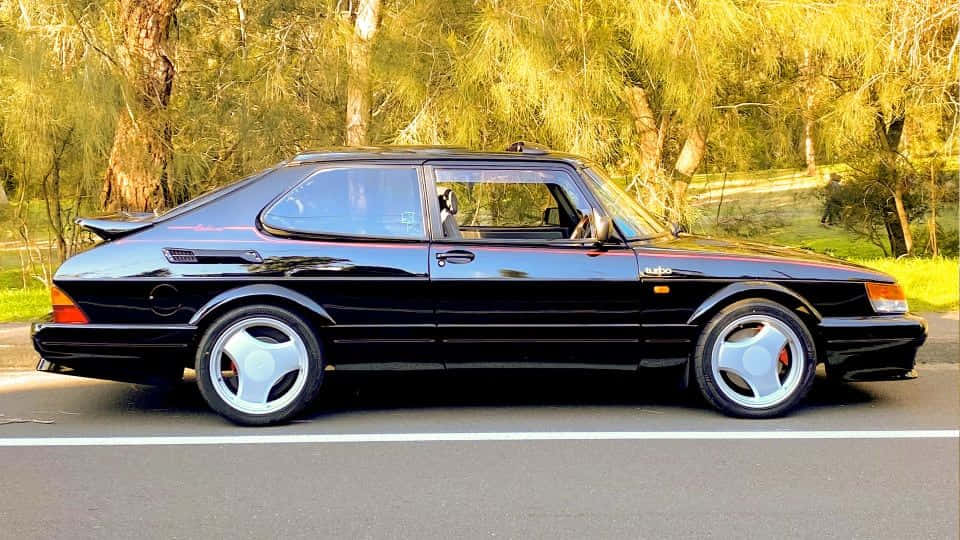
5. **Saab: The Quirky Swedish Innovator That Couldn’t Stay Aloft**Saab, a Swedish automaker with roots in aviation, cultivated a unique and fiercely loyal following thanks to its quirky designs, avant-garde engineering, and a distinct aviation-inspired ethos. From its inception, Saab distinguished itself by emphasizing safety, practical innovation, and a somewhat unconventional approach to car design, qualities that earned it a reputation as a thinking person’s car. Models were known for features like ignition keys placed between the seats and aerodynamic forms influenced by aircraft design.
The brand quickly gained a cult following among those who appreciated its individuality and sophisticated engineering, viewing Saab cars as intelligent alternatives to mainstream offerings. However, despite its niche appeal and critical acclaim, Saab consistently grappled with financial instability. Its smaller scale and unconventional approach, while endearing to its fans, often meant higher production costs and a limited ability to compete on price or volume with larger, more established global automakers.
In a bid to shore up its finances and expand its reach, General Motors acquired Saab in 2000, hoping to integrate the brand into its global portfolio and leverage its engineering prowess. Initially, GM invested in new models and platforms, but the integration proved challenging. Saab’s distinct engineering philosophy often clashed with GM’s broader cost-cutting and platform-sharing strategies, making it difficult to maintain Saab’s unique identity while achieving necessary economies of scale.
The global financial crisis of 2008 delivered a devastating blow. GM, facing its own existential crisis, sought to divest itself of struggling brands, and Saab was among the casualties. After a period of uncertainty and failed rescue attempts, including a sale to Spyker Cars, Saab filed for bankruptcy in 2011. The company was ultimately unable to secure the necessary funding and investment to continue operations, bringing a melancholic end to a distinctive automotive chapter.
Saab’s bankruptcy marked the end of an era for a brand that, despite its relatively small production numbers, left an indelible mark on automotive design and safety innovation. While parts of its intellectual property were later acquired, and attempts were made to revive the name under different guises, the original spirit of Saab as an independent, aviation-influenced automaker ceased to exist. Its story stands as a poignant reminder that even ingenuity and a dedicated fan base aren’t always enough to guarantee survival in the brutal automotive industry.
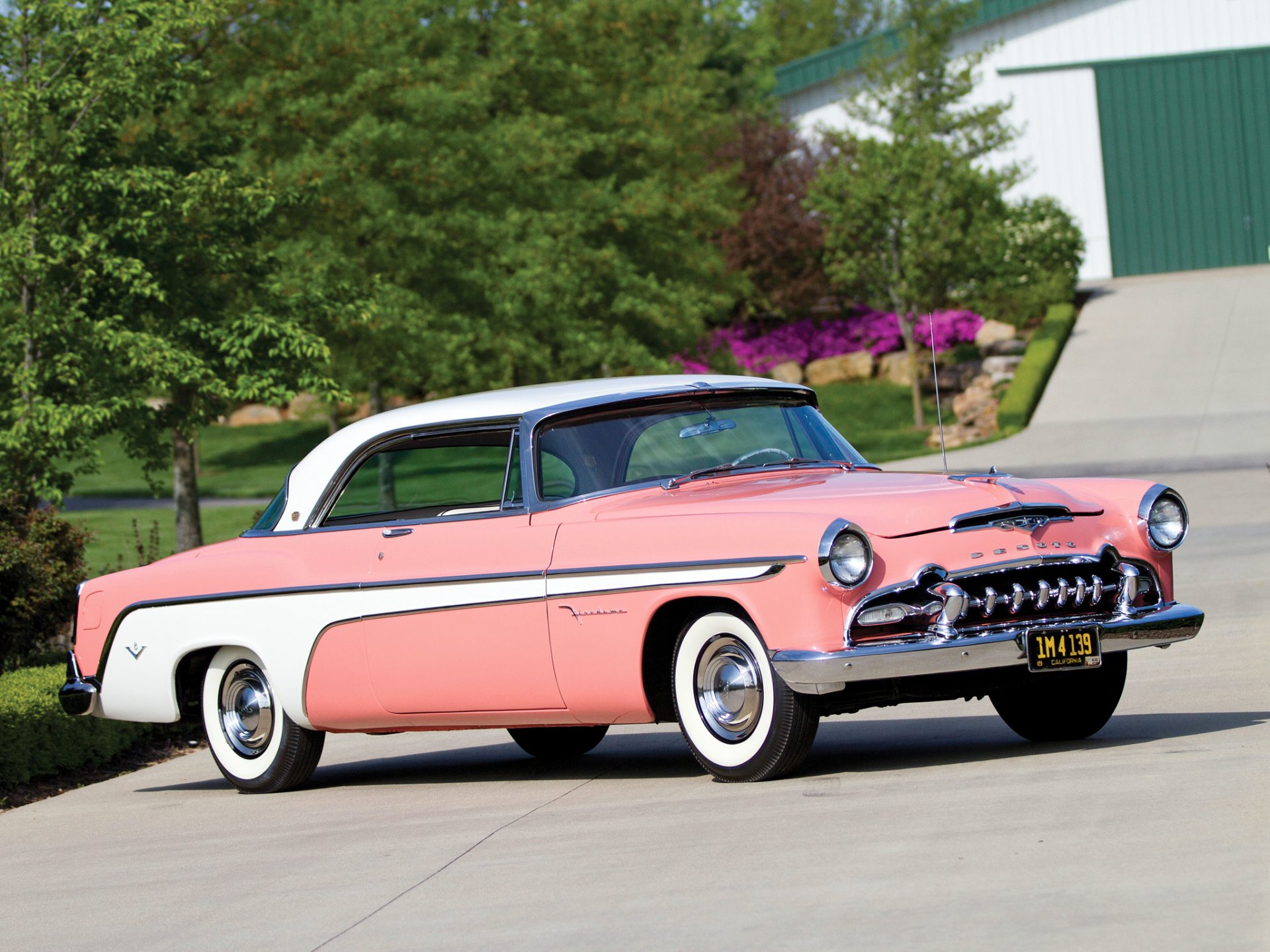
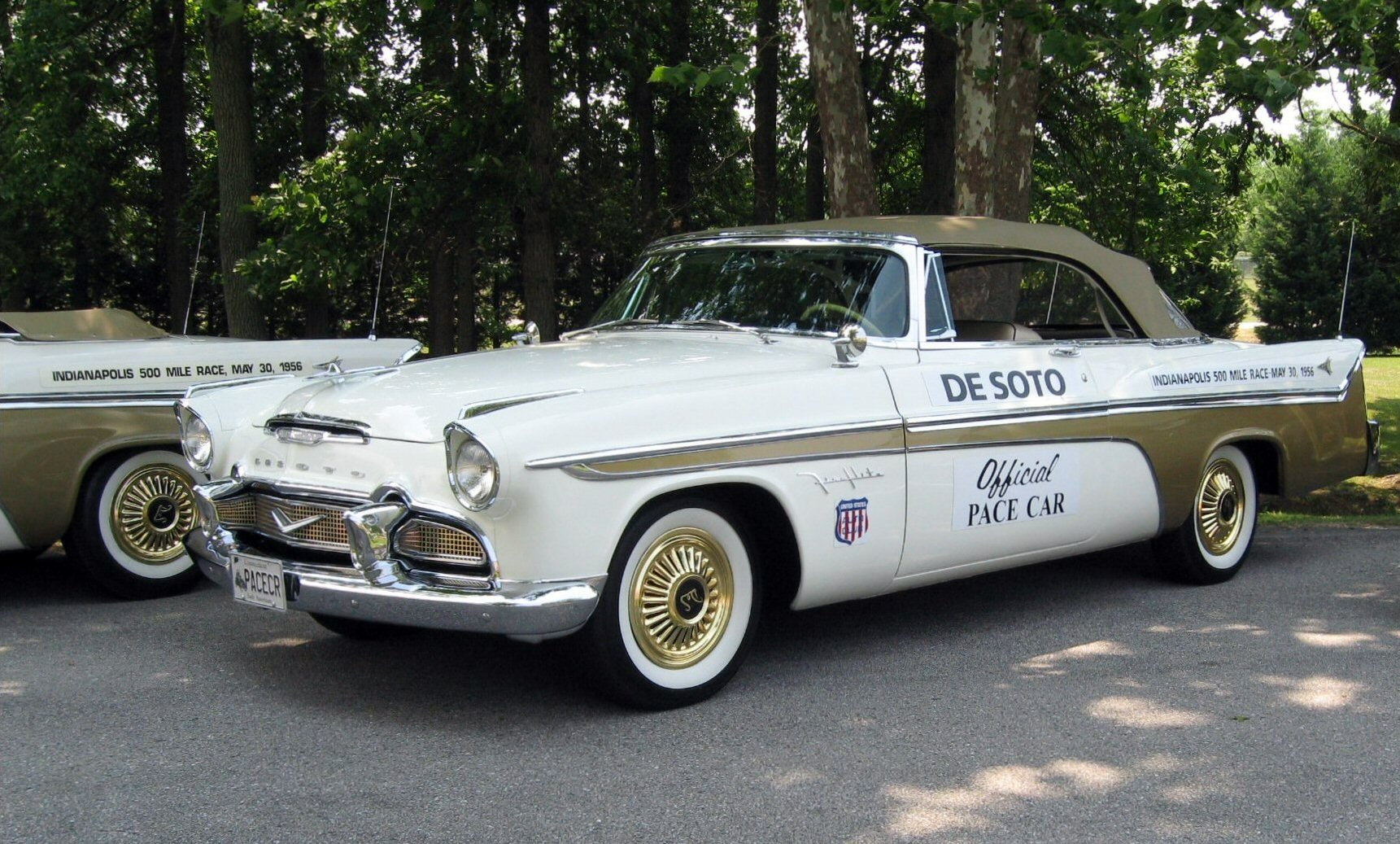
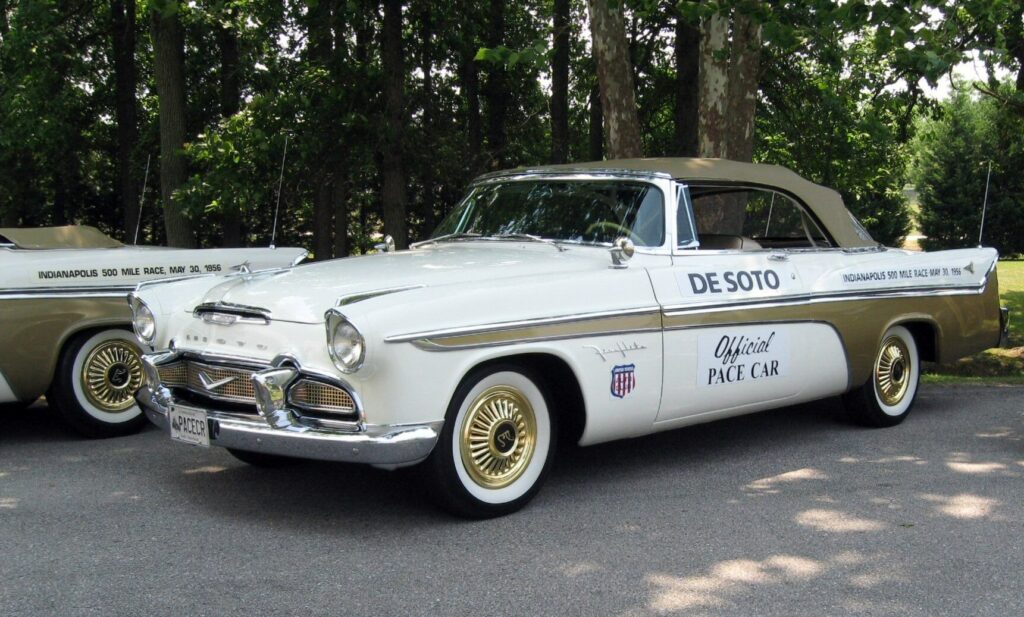
6. **DeSoto: Chrysler’s Mid-Priced Darling Caught in a Corporate Squeeze**DeSoto was a car brand established by Chrysler in 1928, specifically conceived to fill a crucial gap in its lineup and directly compete with popular mid-priced marques such as Buick and Oldsmobile. Named after the Spanish explorer Hernando de Soto, the brand aimed to offer stylish, well-appointed, and mid-priced cars that provided a step up from entry-level brands without venturing into the full luxury segment. For many years, DeSoto successfully catered to a segment of buyers looking for flair and value.
The brand was recognized for its distinctive styling and quality, producing vehicles that often featured innovative designs and comfortable interiors. DeSoto cars typically boasted a more upscale appearance and feature set compared to their more utilitarian siblings within the Chrysler family, making them an attractive option for the upwardly mobile middle class. This strategic positioning allowed DeSoto to carve out a respectable market share and build a loyal customer base for several decades.
However, DeSoto’s journey was plagued by a significant challenge: intense internal competition from other brands within the sprawling Chrysler Corporation itself. As Chrysler expanded its portfolio, there was increasing overlap in price points and target demographics between DeSoto, Dodge, and even some lower-end Chrysler-badged vehicles. This created a situation where DeSoto struggled to clearly differentiate its offerings, leading to a cannibalization of sales from within its own corporate family, rather than solely competing with external rivals.
The brand’s fortunes were further hampered by broader economic downturns, particularly the sharp recession of 1958, which significantly impacted consumer spending on discretionary items like new cars. This economic pressure, combined with its ongoing identity crisis and internal competition, severely impacted DeSoto’s sales volumes, making its continued operation increasingly unsustainable for Chrysler. The declining market share and the financial strain became too much for the brand to bear.
Ultimately, Chrysler made the difficult decision to discontinue DeSoto in 1961, bringing an end to its production after just 32 years. Its closure was a testament to the harsh realities of corporate rationalization and market forces. The legacy of DeSoto, though cut short, is remembered for its stylish contributions to mid-century American automotive design and for illustrating how internal brand strategy can be just as critical to survival as external market competition.
Car Model Information: 1947 Desoto DeLuxe
Name: DeSoto
Logo: Desoto brand emblem.png
LogoSize: 150
Producttype: Automobile,truck
Producedby: Chrysler Corporation
Introduced: Walter Chrysler
Discontinued: [object Object]
Related: Plymouth (automobile)
Markets: North America
Previousowners: Chrysler
Categories: 1920s cars, 1928 establishments in Michigan, 1930s cars, 1940s cars, 1950s cars
Summary: DeSoto (sometimes De Soto) was an American automobile brand that was manufactured and marketed by the DeSoto division of Chrysler Corporation from 1928 to the 1961 model year. More than two million passenger cars and trucks bore the DeSoto brand in North American markets during its existence.
Get more information about: DeSoto (automobile)
Buying a high-performing used car >>>
Brand: DeSoto Model: DeSoto
Price: $27,000 Mileage: 11,542 mi.
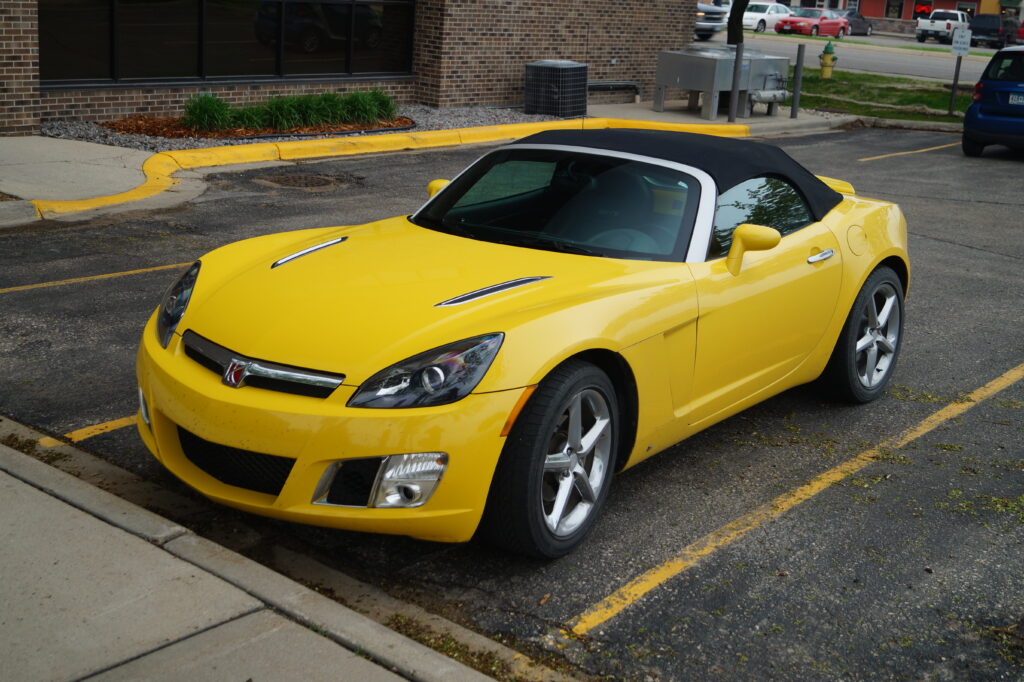
7. **Saturn: GM’s “Different Kind of Car Company” That Lost Its Uniqueness**Saturn was a bold and ambitious experiment launched by General Motors in 1982, explicitly conceived as a direct response to the escalating popularity of Japanese automakers like Toyota and Honda in the American market. In an era where these foreign brands were rapidly gaining ground with their reputation for producing affordable, fuel-efficient, and exceptionally reliable vehicles, GM recognized the urgent need for a new brand that could directly compete by embodying similar values and challenging traditional American automotive norms.
Officially launched with its first models in the early 1990s, Saturn proudly declared itself “a different kind of car company.” It strategically positioned itself as a fresh, innovative, and consumer-centric alternative to the established American car brands, aiming to build a unique relationship with its customers. Saturn vehicles were meticulously designed to be affordable, easy to maintain, and fuel-efficient, qualities that particularly appealed to budget-conscious buyers and those seeking a straightforward, reliable ownership experience.
One of Saturn’s most revolutionary and celebrated features was its pioneering no-haggle pricing policy. In stark contrast to the often-intimidating negotiation process at traditional dealerships, Saturn offered fixed prices, thereby eliminating the need for bargaining. This transparent approach made the car-buying experience significantly simpler, more customer-friendly, and fostered a strong sense of trust. Coupled with its unique polymer body panels that resisted dents and dings, and a genuine focus on customer service, Saturn successfully cultivated a fiercely loyal following.
In its early years, models like the SC coupe and SL sedan were well-received, confirming the initial promise of Saturn’s innovative approach. However, as the 2000s progressed, the brand began to face significant headwinds. General Motors started to divert resources away from developing unique Saturn-specific vehicles, instead opting to rebadge existing GM models under the Saturn name. This strategic shift proved fatal, as Saturn gradually lost its distinctive identity and the “different kind of car company” ethos that had initially set it apart, making it increasingly difficult to stand out in an intensely competitive market saturated with similar offerings.
Declining sales, exacerbated by the severe financial problems plaguing its parent company, GM, led to the brand’s inevitable downfall. In 2009, as part of GM’s comprehensive restructuring plan following its bankruptcy, the difficult decision was made to discontinue Saturn. Production officially ceased in October of that year. Although Saturn no longer exists as a brand, it remains a fascinating case study of an ambitious attempt by GM to reinvent its approach to the market, and many of its customer-centric ideas, such as no-haggle pricing, left a lasting influence on modern car sales strategies across the industry.

8. **Hummer: From Military Icon to Market Misstep**Hummer, a brand instantly recognizable for its colossal size and formidable off-road capabilities, entered the civilian market in 1999 under the wing of General Motors. Directly derived from the legendary military HMMWV, or Humvee, it initially offered the uncompromising H1, a vehicle that epitomized ruggedness and an aggressive, go-anywhere spirit. This unique military heritage and imposing presence quickly carved out a niche for Hummer, attracting buyers who sought an ultimate statement in durability and raw power on and off the road.
Recognizing the H1’s niche appeal, GM broadened the brand’s market reach in the early 2000s with the introduction of the H2 and H3 models. These consumer-friendly versions retained Hummer’s signature bold styling but were more practical, comfortable, and accessible for everyday use, making the brand a cultural icon, especially among celebrities. However, this success was short-lived as Hummer’s notoriously poor fuel economy became a major liability amid rising gas prices and growing environmental concerns. This fundamental flaw, coupled with a failure to adapt to shifting consumer preferences, gradually eroded its once-strong appeal.
The brand’s fate was sealed during GM’s severe financial crisis in the late 2000s, leading to its discontinuation in 2010 as part of drastic cost-cutting measures. While the original gas-guzzling Hummer is no more, its legacy has taken a surprising turn. In 2021, GM revived the Hummer name as an all-electric vehicle under the GMC brand, transforming its image from one of excess to a symbol of cutting-edge electric off-road capability, marking a unique evolution in automotive history.
Car Model Information: 2002 Hummer H1 Enclosed
Name: Hummer H1
Manufacturer: AM General
Aka: Hummer HMC (1992–2002),HMMWV (HUMVee)
Production: 1992–2006 (11,818 produced)
ModelYears: 1992–2004 , 2006
Assembly: Mishawaka, Indiana
Class: Full-size,pickup truck
BodyStyle: 4-door Open Top – HMCO , 4-door SUV – HMCS , 4-door Hard Top – HMC4 , 2-door Fleet – KSC2 , 2-door Pickup – XLC2
Related: Humvee
Layout: Front-engine, four-wheel-drive layout,four-wheel drive
Engine: Chevrolet_small-block_engine_(first-_and_second-generation)#L05,V8 engine
Transmission: Automatic transmission,GM 4L80-E transmission
Wheelbase: 130 in
Abbr: on
Length: 184.5 in
Width: 86.5 in
Height: 77 in
Caption: Hummer HMC Soft Top
Categories: 2000s cars, AM General vehicles, All-wheel-drive vehicles, Articles with short description, Cars introduced in 1992
Summary: The Hummer H1 is a full-size four-wheel-drive utility vehicle based on the M998 Humvee, which was developed by AM General when it was a subsidiary of American Motors Corporation (AMC). Originally designed strictly for military use, the off-road vehicle was released to the civilian market.
The civilian version was produced from 1992 through 2006 and was the first of what became the Hummer line. AM General built both the H1 and the Humvee in its Mishawaka, Indiana, facility. GM stopped marketing the H1 in the 2006 model year, but AM General continued production of the military Humvee versions through 2018.
Get more information about: Hummer H1
Buying a high-performing used car >>>
Brand: Hummer Model: H1
Price: $138,800 Mileage: 14,702 mi.
Read more about: Automotive Icons Unraveled: The Definitive Account of 15 Star Brands and Models That Fell From Grace
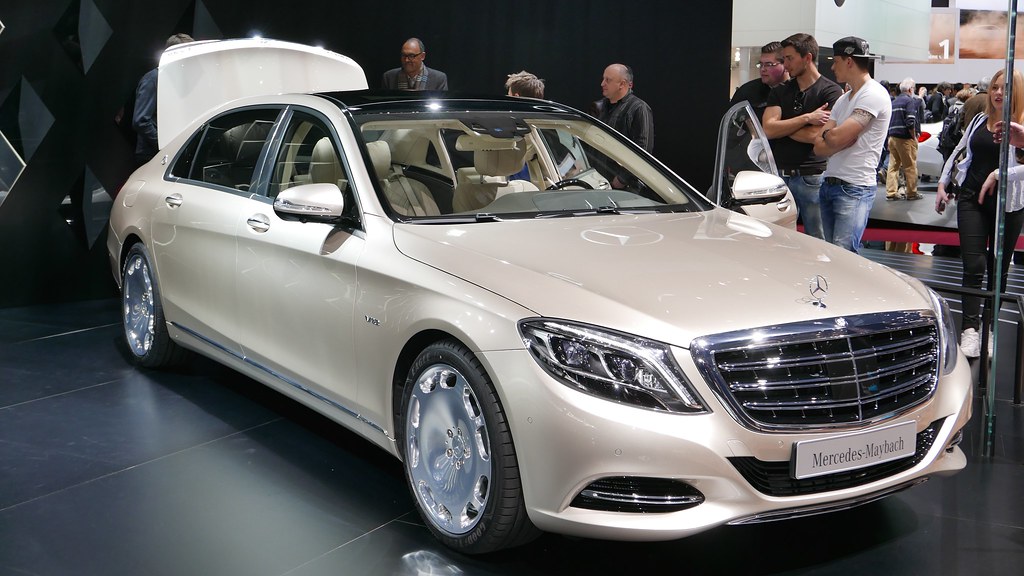
9. **Maybach: The Ultra-Luxury Revival That Couldn’t Find Its Footing**Maybach, a name synonymous with unparalleled German luxury from the early 20th century, was grandly resurrected by Daimler AG in 2002. The ambitious goal was to directly challenge established ultra-luxury titans like Rolls-Royce and Bentley, offering an exclusive experience defined by bespoke craftsmanship, supreme comfort, and an air of aristocratic prestige. The re-introduction featured the Maybach 57 and the longer 62, sedans meticulously designed to represent the absolute pinnacle of automotive opulence, catering to a select clientele seeking chauffeur-driven extravagance.
These meticulously crafted vehicles boasted lavish interiors with the finest materials and advanced amenities, yet despite Daimler’s significant investment and the brand’s historical pedigree, the revival struggled to gain traction. A critical impediment was Maybach’s limited brand recognition compared to its more globally renowned rivals. For many potential buyers in the ultra-luxury segment, the Maybach name simply didn’t carry the same instant cachet or long-standing heritage as Rolls-Royce or Bentley, making it difficult to justify its exorbitant price tags.
Furthermore, critics often pointed to the Maybach models’ close resemblance and shared underlying technology with Mercedes-Benz’s own top-tier S-Class, which offered similar luxury at a considerably lower price. This lack of clear differentiation diluted Maybach’s unique value proposition and exclusivity. With sales consistently falling short of expectations, Daimler made the strategic decision to discontinue Maybach as a standalone brand in 2013. While the Maybach designation now serves as an ultra-luxury sub-brand for Mercedes-Benz, the attempt to establish it as an independent rival proved to be an ultimately unsustainable and costly venture.
Car Model Information: 2025 Subaru Outback Premium
Name: Maybach 57/62 (W240/V240)
Caption: Maybach 62, with a Maybach 57 on the right
Manufacturer: DaimlerChrysler
Production: April 2002 – February 2013,3,321 produced
ModelYears: 2003–2013
Assembly: Sindelfingen
Designer: Olivier Boulay
Class: Ultra-luxury car
BodyStyle: Sedan (automobile)
Related: ubl
Layout: Front-engine, rear-wheel-drive layout
Engine: Mercedes-Benz M275 engine#M285/M285 AMG,twin-turbo,V12 engine
Transmission: 5G-Tronic,Automatic transmission
Wheelbase: cvt
Length: ubl
Width: cvt
Height: cvt
Weight: 2735 kg
Abbr: on (62)
Predecessor: Mercedes-Benz 600
Successor: Mercedes-Maybach S600
Categories: 2010s cars, All articles with unsourced statements, Articles with short description, Articles with unsourced statements from August 2020, Articles with unsourced statements from December 2021
Summary: The Maybach 57 (chassis code W240) and 62 (chassis code V240) were the first automobile models of the Maybach brand since its revival by DaimlerChrysler AG (now Mercedes-Benz Group AG). They are derived from the Mercedes-Benz Maybach concept car presented at the 1997 Tokyo Motor Show. The concept car was based on the Mercedes-Benz W140 S-class sedan platform, as were the production models. The Luxury Brand Status Index 2008 placed the Maybach in first place, ahead of Rolls-Royce and Bentley. The models ceased production in February 2013 due to continued financial losses for the brand, with sales at one-fifth the level of the profitable Rolls-Royce models.
Get more information about: Maybach 57 and 62
Buying a high-performing used car >>>
Brand: Maybach Model: 57 and 62
Price: $32,439 Mileage: 5,116 mi.
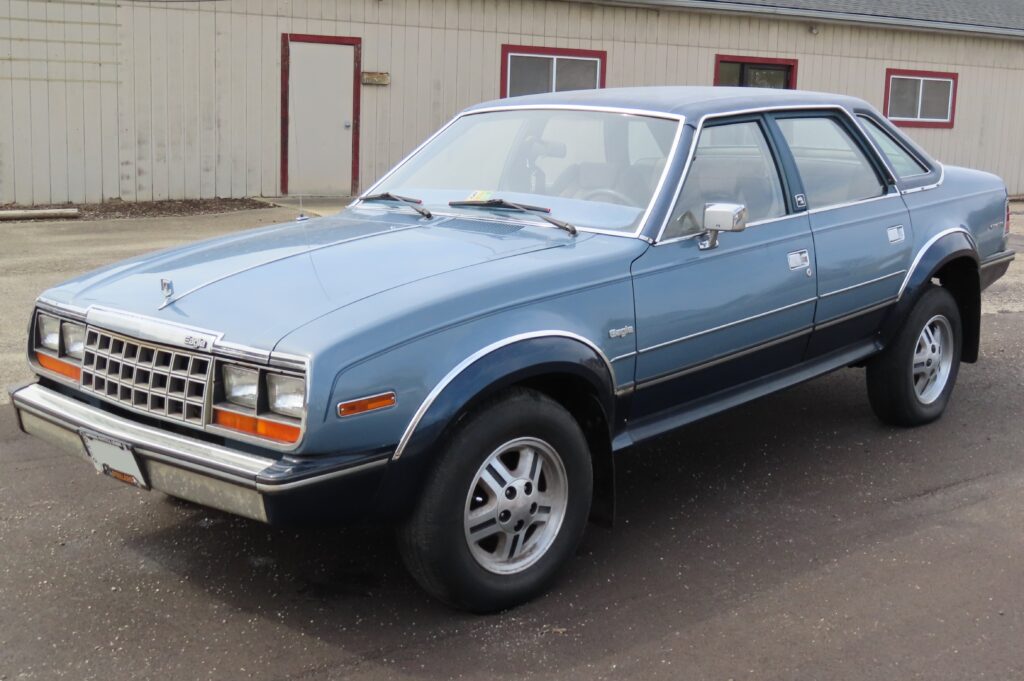
10. **Eagle: Chrysler’s Fleeting Vision of an Import Fighter**The Eagle brand was established by Chrysler in 1987, an offshoot of its acquisition of American Motors Corporation (AMC), primarily for the valuable Jeep division. Conceived as an upscale, import-fighting brand, Eagle aimed to leverage some of AMC’s inherited designs and engineering prowess, inspired by the patriotic name of AMC’s innovative all-wheel-drive crossover. Its early lineup featured a mix of Renault-based luxury sedans like the Premier and rebadged Mitsubishi models such as the popular Eagle Talon, born from the Diamond-Star joint venture.
Despite a diverse range of offerings, from European-influenced sedans to sporty Japanese coupes, Eagle consistently struggled to define a clear and unique identity within Chrysler’s expanding portfolio. Many of its vehicles were perceived as simply rebadged versions of other brands, whether AMC, Renault, or Mitsubishi, or even overlapped significantly with models offered by sister brands like Dodge and Plymouth. This lack of distinctiveness made it incredibly difficult for Eagle to carve out its own niche or offer a compelling reason for consumers to choose it over established alternatives.
Persistent weak sales, exacerbated by internal competition and a failure to establish a strong brand image, ultimately led to Eagle’s demise. By 1996, Chrysler had already begun integrating the brand’s operations, a clear sign of its waning importance. The decision to discontinue Eagle entirely came in 1999, bringing an end to its brief 11-year run. While memorable for enthusiast models like the Talon, Eagle’s story highlights the critical importance of a unique brand identity in a fiercely competitive automotive market.
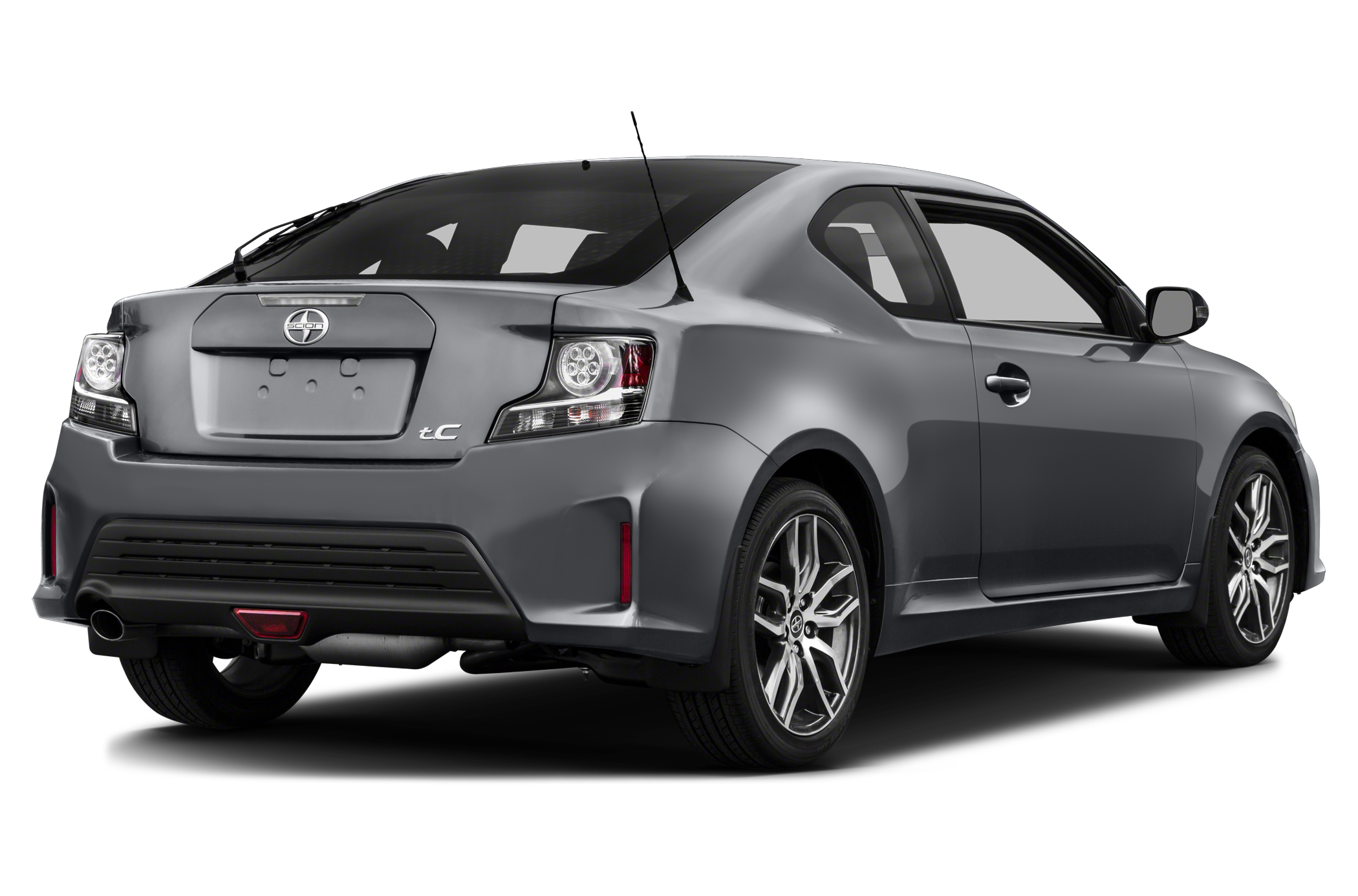
11. **Scion: Toyota’s Ambitious Bid for Youthful Appeal**Scion represented Toyota’s bold experiment, launched in 2003, to specifically attract younger, trend-conscious drivers seeking affordable, unique, and highly customizable vehicles. Recognizing that its mainstream image, while reliable, didn’t always resonate with a demographic craving individuality, Toyota engineered Scion as a distinct brand. Its initial lineup featured quirky, distinctive models like the boxy Scion xB and the sporty Scion tC, designed as canvases for personalization with an extensive catalog of accessories.
The brand differentiated itself with unconventional marketing and a “Pure Price” no-haggle sales policy, aiming to simplify the car-buying process for a generation often wary of traditional dealerships. This customer-centric approach, combined with unique styling and a focus on urban culture, initially garnered enthusiasm and a loyal following among its target demographic. Scion aimed to build a community around its brand, fostering a sense of belonging for its youthful owners.
However, Scion struggled to maintain momentum due to the difficulty of consistently refreshing its lineup with genuinely distinctive models. As Toyota’s mainstream offerings became more stylish and customizable, Scion’s unique selling proposition diminished, leading to declining sales. The brand’s inability to adapt quickly to evolving youth trends and its blurring identity ultimately led Toyota to discontinue Scion in 2016, absorbing its popular models into the main Toyota lineup. Scion remains a fascinating case study in a major automaker’s attempt to specifically target and engage a new generation of buyers.
Car Model Information: 2011 Scion xB Base
Name: Scion xB
Manufacturer: Toyota
Production: June 2003 – December 2015
ModelYears: 2004–2015
Class: unbulleted list
BodyStyle: hatchback
Aka: unbulleted list
Layout: FF layout
Successor: Scion iM
Categories: 2010s cars, All articles with unsourced statements, Articles with short description, Articles with unsourced statements from April 2024, Articles with unsourced statements from December 2016
Summary: The Scion xB is a five-door compact hatchback that was produced by Scion, a former marque of Toyota. Produced from the 2004 to 2015 model years, it was one of the two launch models of the Scion marque, alongside the Scion xA.
The first-generation xB was a rebadged version of the subcompact Toyota bB designed for the American market, with marketing and options appealing to a young adult demographic as part of Scion’s overall positioning. In 2007, Scion launched a second-generation xB, which was retooled as a compact car based on the E150 series Corolla; this model would also be sold internationally as the Toyota Corolla Rumion in Japan and the Toyota Rukus in Australia.
Get more information about: Scion xB
Buying a high-performing used car >>>
Brand: Scion Model: xB
Price: $13,999 Mileage: 39,088 mi.

12. **Isuzu: The Japanese Workhorse That Couldn’t Sustain Passenger Car Ambitions**Isuzu, a Japanese automaker renowned globally for its commercial vehicles and robust diesel engines, embarked on a significant venture into the American passenger vehicle market. During the 1980s and 1990s, Isuzu carved out a notable niche with its practical and rugged SUVs and trucks, such as the popular Trooper, Rodeo, and Amigo. These models earned a reputation for reliability and impressive off-road capability, appealing to buyers who prioritized durability and versatility for both work and adventure.
Despite initial successes and a loyal following for its utility vehicles, Isuzu’s passenger car division faced mounting challenges in the competitive U.S. market. The brand struggled with a limited product lineup that often failed to keep pace with rapidly evolving consumer preferences for more advanced features and diverse styles. Furthermore, its reliance on badge-engineered models, often shared with General Motors, diluted its distinctive identity, making it difficult to stand out amidst a saturated market of rivals.
A significant impediment was Isuzu’s smaller U.S. dealer network, which lacked the widespread reach and extensive support infrastructure of larger competitors, hindering effective marketing and sales. Faced with persistent declining sales, intense competition, and the economic pressures of the late 2000s, Isuzu made the strategic decision to exit the U.S. passenger vehicle market in 2009. The brand refocused entirely on its core commercial vehicle and diesel engine businesses, leaving behind a legacy of durable SUVs but concluding its passenger car ambitions in America.
Car Model Information: 1994 Isuzu Trooper S
Name: Isuzu Trooper
Caption: Second generation Isuzu Trooper (United States)
Manufacturer: Isuzu
Production: 1981–2002
Assembly: Fujisawa, Kanagawa
Class: Full-size car,SUV
Layout: front engine, selectable four-wheel-drive
Successor: ubl
Categories: 1990s cars, 2000s cars, All-wheel-drive vehicles, All articles needing additional references, All articles with unsourced statements
Summary: The Isuzu Trooper is a full-size SUV manufactured and marketed by Isuzu between September 1981 and September 2002 over two generations, the first, produced between 1981 and 1991; and the second (UBS) produced between 1991 and 2002, the latter with a mid-cycle refresh in 1998. In its earliest iterations, the Trooper was based on the company’s first generation Isuzu Faster/Chevrolet LUV pickup.
Marketed in the Japanese domestic market, as the Isuzu Bighorn, Isuzu marketed it internationally primarily as the Trooper, and in other markets as the Acura SLX (USA), Chevrolet Trooper, Subaru Bighorn, SsangYong Korando Family, Honda Horizon, Opel Monterey, Vauxhall Monterey, Holden Jackaroo, and Holden Monterey.
In the United States, for the first generation, which was initially solely offered with two doors, Isuzu was required to comply with the 25% U.S. Chicken Tax on two-door trucks. Prior to its formal introduction Paul Geiger, product-development manager at American Isuzu Motors, noted the Roman numeral “II” designated the truck version (with the rear seat as a mandatory $300 option) and “I” indicating the passenger version with a rear seat included along with certain other features. Isuzu thus marketed the first generation two-door as the Trooper II, and when introducing the four-door retained the Trooper II nameplate. Isuzu never formally marketed a Trooper I, and Car & Driver later inferred the company had changed their mind about the suffix before the SUV went on sale.
Isuzu offered the Trooper initially with four-cylinder motor, four-speed manual transmission, and part-time four-wheel drive, subsequently adding amenities and luxuries, including optional air-conditioning, power windows, and a more powerful V6 engine. The second generation was available with two-wheel- or four-wheel drive.
Competitors included the Toyota Hilux Surf, Mitsubishi Pajero, and Nissan Terrano.
Get more information about: Isuzu Trooper
Buying a high-performing used car >>>
Brand: Isuzu Model: Trooper
Price: $3,400 Mileage: 253,000 mi.
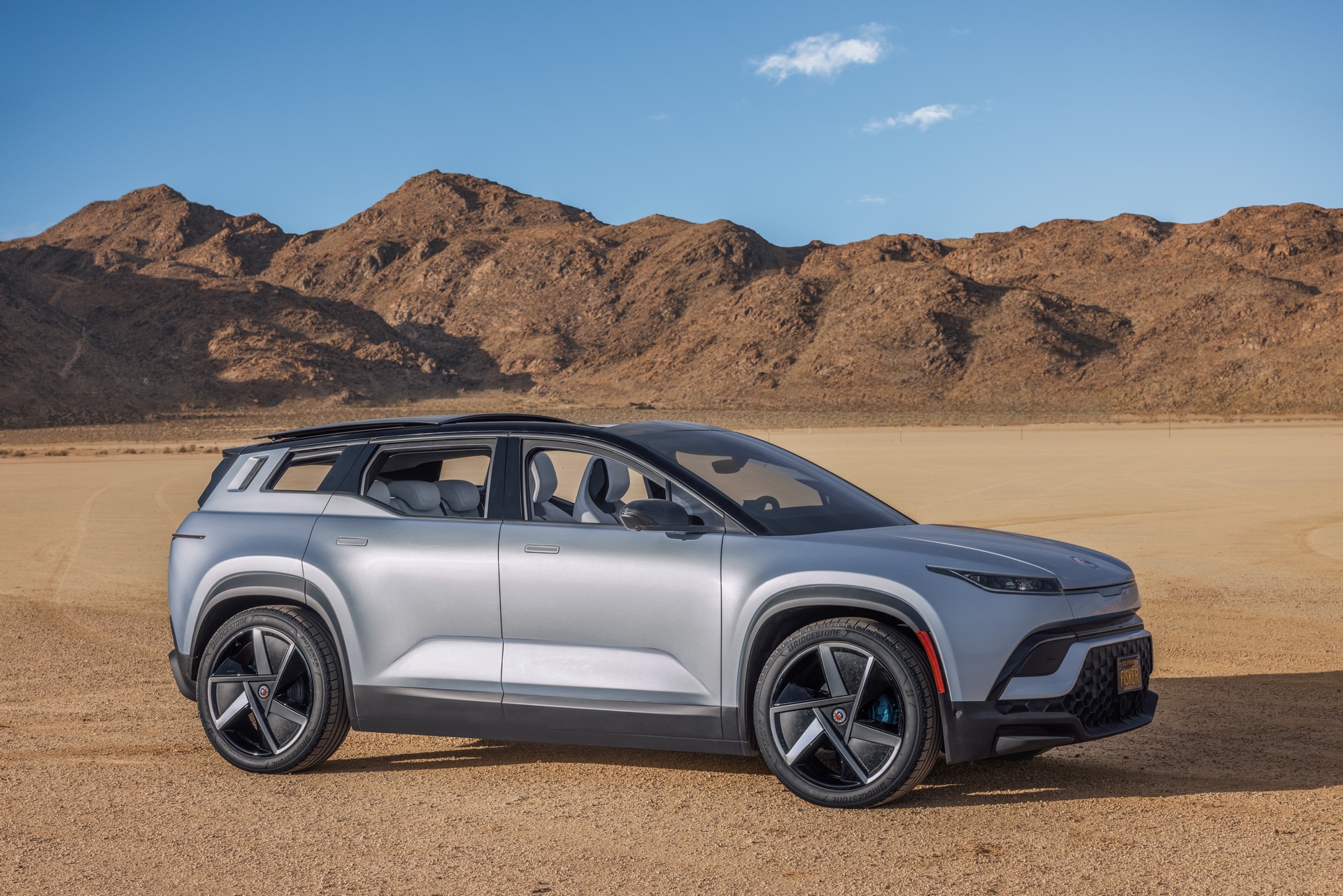
13. **Fisker: The Electric Dream That Short-Circuited**Fisker Automotive, an American startup founded by visionary designer Henrik Fisker, burst onto the scene with ambitious plans to produce luxury plug-in hybrid electric vehicles. Its flagship, the Fisker Karma, captivated the automotive world with its stunning, sleek design, promising an innovative blend of environmental consciousness, high-end luxury, and exhilarating performance. Unveiled in 2008, the Karma was a bold statement, embodying a future where eco-friendliness did not compromise style or prestige, immediately garnering significant attention and celebrity endorsement.
Despite the initial hype and substantial funding, including a loan from the U.S. Department of Energy, Fisker’s journey was plagued by a relentless series of challenges. The company faced severe production delays, struggling to ramp up manufacturing to meet demand, and was soon hit by significant quality control issues. Reports of reliability problems and a critical battery recall further damaged the brand’s nascent reputation and eroded crucial consumer confidence, directly impacting sales.
External setbacks, such as a hurricane destroying vehicles at port and a fire at its battery supplier, compounded these manufacturing and quality hurdles, creating insurmountable financial strain. Despite last-ditch efforts to secure additional investment, Fisker Automotive ultimately filed for bankruptcy in 2013, a mere five years after its founding. Its collapse serves as a poignant reminder of the immense capital, operational complexities, and unforgiving nature of launching a pioneering automotive company, even with a compelling design vision.
Car Model Information: 2018 Karma Revero Base
Name: Fisker Karma
Manufacturer: Fisker Automotive
Production: 2011–2012
Assembly: Uusikaupunki
Class: Full-size car,Luxury vehicle
BodyStyle: sedan (automobile)
Layout: Front-engine, rear-wheel-drive layout
Related: ubl
Platform: Chevrolet Volt#Concept vehicle
Engine: GM Ecotec engine#LNF,Straight-four engine
Motor: 120 kW
Abbr: on
Battery: 20.1 kWh
Range: 230 mi
ElectricRange: 32 mi
Drivetrain: PHEV,Hybrid vehicle drivetrain#Series hybrid
Transmission: 1-speed
Charging: 3.3 kW (220 V 15 A as for UK) on-board charger on IEC Type 1 inlet (SAE-J1772-2009)
Wheelbase: 124.4 in
Length: 195.67 in
Width: 78.11 in
Height: 51.57 in
Weight: 5300 lb
Designer: Henrik Fisker
Successor: Karma Revero
Categories: All articles containing potentially dated statements, All articles with dead external links, Articles containing potentially dated statements from September 2016, Articles with dead external links from December 2019, Articles with permanently dead external links
Summary: The Fisker Karma is a luxury plug-in range-extended electric sports sedan produced by Fisker Automotive between 2011 and 2012. The cars were manufactured by Valmet Automotive in Finland.
The United States Environmental Protection Agency (EPA) rated the Karma’s combined city/highway fuel economy at 52 mpg‑US (4.5 L/100 km; 62 mpg‑imp) equivalent (MPG-e) in all-electric mode, and at 20 mpg‑US (12 L/100 km; 24 mpg‑imp) in gasoline-only mode. EPA’s official all-electric range is 32 mi (51 km). Due to the very small cabin interior volume, the EPA rated the Fisker Karma as a subcompact car.
The first deliveries took place in the U.S. in late July 2011, and deliveries to retail customers began in November 2011. Pricing in the U.S. started at US$102,000 for the base model (EcoStandard), US$110,000 for the intermediate EcoSport model and US$116,000 for the top model (the “Animal Free” EcoChic). Around 1,800 units were delivered in North America and Europe through December 2012. The U.S. was the leading market, with about 1,600 units sold.
Production was suspended in November 2012 when the sole battery supplier to Fisker Automotive, A123 Systems, filed for bankruptcy following two battery recalls. Fisker Automotive was unable to carry on production of the Fisker Karma in the absence of its sole battery supplier, with about 2,450 Karmas built since 2011.
After furloughing its US workers in late March 2013, Fisker Automotive filed for bankruptcy in November 2013, after the United States Department of Energy auctioned its debt and sold it to Hybrid Technology LLC for US$25 million.
Following the sale of some of the assets of the company, the designs, rights to a plug-hybrid powertrain and a manufacturing facility in Delaware to the Chinese company Wanxiang, the new owners re-commenced production in September 2016 under the brand name Karma Automotive.
After several announcements by the Wanxiang Group to reintroduce an upgraded version of the Fisker Karma, the car was renamed the Karma Revero and Karma Automotive started taking orders in September 2016.
Get more information about: Fisker Karma
Buying a high-performing used car >>>
Brand: Fisker Model: Karma
Price: $37,599 Mileage: 10,333 mi.
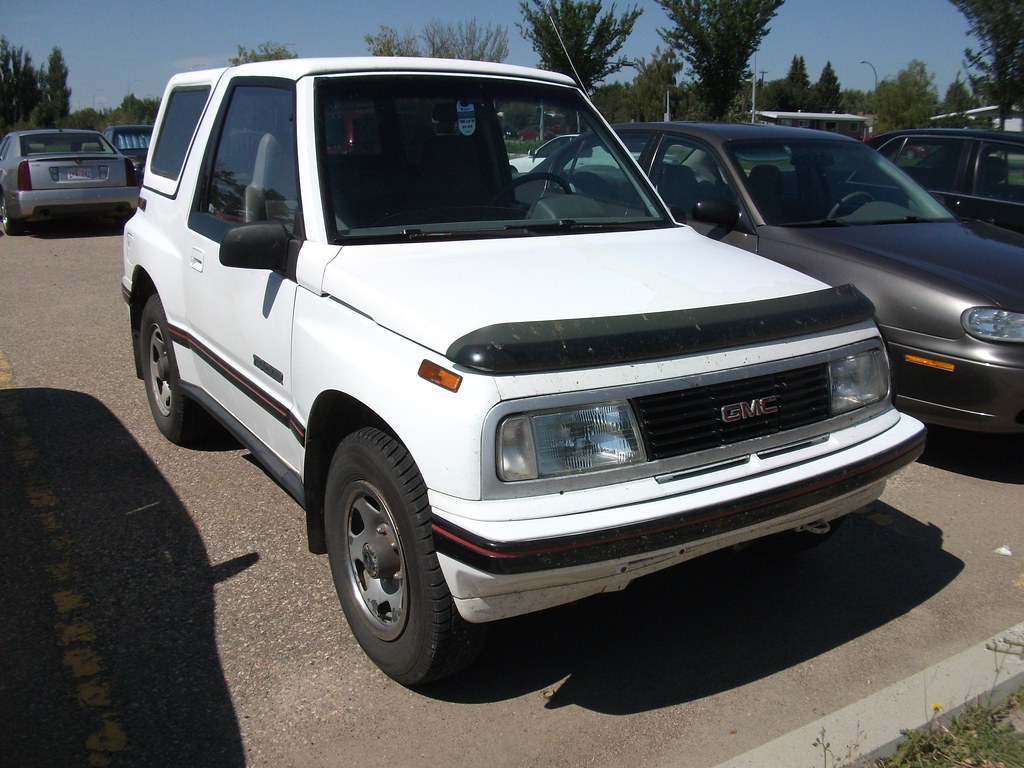
14. **Suzuki: The Small Car Specialist That Couldn’t Crack the US Market**Suzuki, a Japanese multinational celebrated for its motorcycles and compact vehicles, made a determined effort to enter the highly competitive U.S. automobile market. Throughout the 1980s and 1990s, Suzuki found some success with its compact and rugged SUVs, such as the iconic Samurai and the versatile Sidekick. These models appealed to American buyers seeking affordable, agile, and practical vehicles, particularly those drawn to off-road adventures and economical transportation solutions.
However, Suzuki’s passenger vehicle division faced an arduous uphill battle against well-established and deeply resourced competitors. A significant disadvantage was its comparatively limited dealer network in the U.S., which struggled to provide the widespread sales and service support essential for sustained growth and robust brand recognition. This limited reach severely hampered its ability to effectively market its diverse offerings and build a broad customer base beyond niche segments.
Furthermore, the brand struggled to adapt to evolving American consumer preferences, which increasingly favored larger, more powerful vehicles with sophisticated features. Suzuki’s focus on smaller, more basic models found it difficult to maintain relevance, often lacking the advanced amenities or raw performance expected by many U.S. buyers. Faced with persistent declining sales, intense competition, and the economic downturn of the late 2000s, Suzuki strategically withdrew from the U.S. passenger vehicle market in 2012, concluding its automotive ambitions in America while continuing its global success in other sectors.
Car Model Information: 1987 Suzuki Samurai Base 2dr 4WD SUV
Name: Suzuki Jimny
Caption: 2019 Suzuki Jimny SZ5
Manufacturer: Suzuki
Production: April 1970 – present (2.85 million units sold by September 2018)
Class: Off-road vehicle,mini SUV
BodyStyle: SUV,van,convertible,pickup truck
Layout: Front-engine, rear-wheel-drive layout,Front-engine, four-wheel-drive layout
Chassis: Body-on-frame
Related: Maruti Gypsy
Categories: 1980s cars, 1990s cars, 2000s cars, 2010s cars, All Wikipedia articles written in British English
Summary: The Suzuki Jimny (Japanese: スズキ・ジムニー, Suzuki Jimunī) is a series of four-wheel drive off-road mini SUVs, manufactured and marketed by Japanese automaker Suzuki since 1970.
Originally belonging to the kei class, Japan’s light automobile tax/legal class, the company continues to market a kei-compliant version for the Japanese and global markets as the Jimny, as well as versions that exceed kei-class limitations. Suzuki has marketed 2.85 million Jimnys in 194 countries through September 2018.
Get more information about: Suzuki Jimny
Buying a high-performing used car >>>
Brand: Suzuki Model: Samurai
Price: $18,900 Mileage: 74,344 mi.
The stories of these fourteen fallen automotive giants are more than just chronicles of business failures; they are vivid reminders of the brutal Darwinian nature of the automotive industry. Each brand, whether a pioneer, an innovator, or a luxury icon, faced a unique cocktail of challenges – from internal corporate struggles and identity crises to fierce external competition and the shifting tides of consumer demand. Their demises underscore that even decades of success or the backing of a major corporation offer no guaranteed immunity against market forces. Yet, their legacies persist, not just in the cherished classic cars that grace our roads and collectors’ garages, but in the invaluable lessons they impart about adaptation, differentiation, and the relentless pursuit of relevance. As the industry hurtles towards an electric and autonomous future, these tales from the automotive graveyard offer profound insights, reminding us that constant innovation and a clear vision are the ultimate keys to enduring success on the world’s roads.