Robert Mitchum, an American actor whose brooding presence and laconic charm defined the antihero for a generation, carved out an indelible legacy in Hollywood. He was a man whose image was synonymous with weary eyes, a deep voice, and an aura of effortless cool, often cast as the complex, morally ambiguous figure perfectly suited for the gritty realism of film noir. Yet, beneath the stoic facade of the cinematic icon lay a life far more turbulent and often darker than the compelling narratives he brought to the screen. His journey was not merely one of rising stardom but a relentless navigation through personal adversity, legal challenges, and a quiet disillusionment that shadowed much of his illustrious career.
Indeed, while Mitchum earned accolades like a star on the Hollywood Walk of Fame and the Golden Globe Cecil B. DeMille Award, and was rated number 23 on the American Film Institute’s list of the greatest male stars, his path was anything but smooth. From a childhood marked by tragedy and rebellion to brushes with the law and profound personal struggles, his existence frequently mirrored the rugged, often desolate landscapes of his most memorable films. This article delves into the unvarnished reality of Robert Mitchum’s life, exploring the challenging experiences and personal demons that shaped the man behind the legendary roles, revealing how the shadows he portrayed on screen were often cast from the very depths of his own complicated journey.
We embark on a meticulous exploration of the defining moments that truly illustrate how Robert Mitchum’s life was, in many respects, darker and more complex than his movies suggested. Through a careful examination of his origins, the trials of his youth, his arduous entry into the film industry, and the pivotal controversies that defined his early success, we uncover the layered narrative of a man who continually defied expectations and carved his own formidable path.
1. A Formative Fire: The Turbulent Early Years
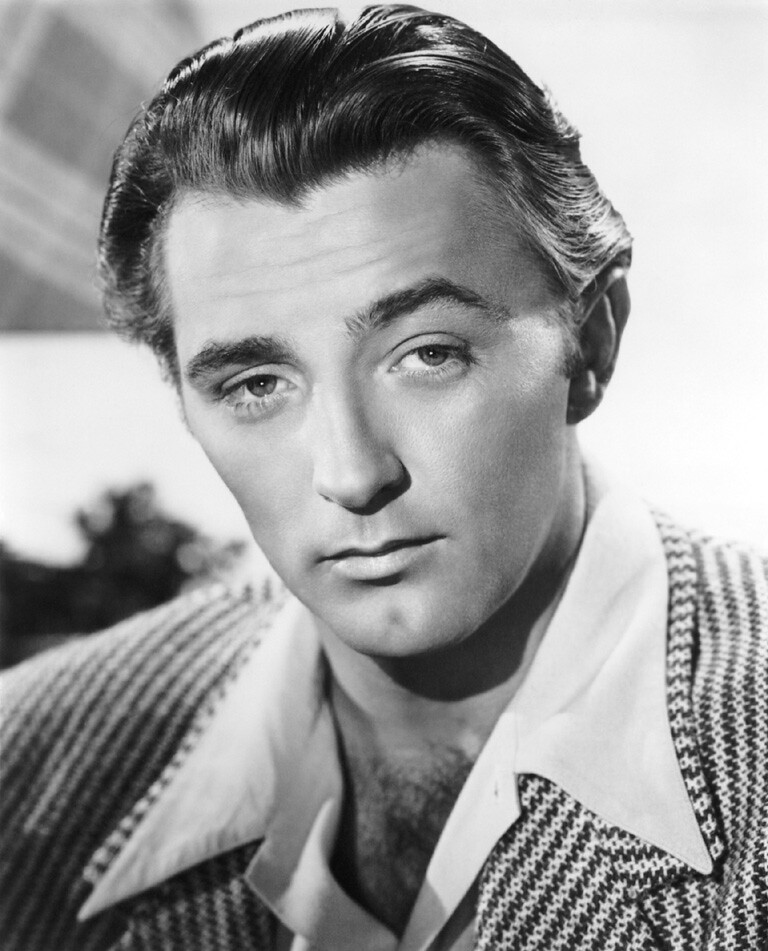
Robert Charles Durman Mitchum entered the world on August 6, 1917, in Bridgeport, Connecticut, into a Methodist family boasting a rich tapestry of Scots-Irish, Native American, and Norwegian heritage. This seemingly ordinary beginning quickly gave way to a challenging childhood, marked by an early and profound loss that would undoubtedly shape his resilient, yet often rebellious, spirit.
His father, James Thomas Mitchum, a dedicated shipyard and railroad worker, was tragically crushed to death in a railyard accident in Charleston, South Carolina, in February 1919. At the time, Mitchum’s mother, Ann Harriet Gunderson, was pregnant, a circumstance that granted her a government pension and led her to return to Connecticut after a period spent in her husband’s hometown. This early family upheaval placed an immense burden on the young household, setting a tone of hardship and resilience from the very start.
Even as a child, Mitchum displayed a defiant streak, earning a reputation as a prankster frequently embroiled in fistfights and various forms of mischief. His mother, recognizing the escalating challenges, sent him and his younger brother to live with her parents on a farm near Woodside, Delaware, in 1926. It was during this period that his rebellious nature clashed with institutional norms, leading to his expulsion from Felton High School due to his ongoing mischief, an early indicator of his lifelong disinclination to conform.
This early experience of being sent away and his subsequent expulsion highlighted a fundamental aspect of Mitchum’s character: an independent spirit that chafed under strictures. His first escape from home, occurring at the tender age of 11, was a harbinger of the wanderlust and self-reliance that would define much of his youth. These formative years, steeped in instability and a persistent struggle against authority, laid a raw foundation for the complex individual he would become.
Read more about: Snoop Dogg: Facing the Evolution of a Hip-Hop Icon, From Streets to Global Stages
2. The Crucible of Youth: Vagrancy and the Chain Gang
The pattern of defiance and independence deepened considerably in Mitchum’s adolescence. In 1929, he and his younger brother were dispatched to Philadelphia to reside with their older sister, Julie, who had already embarked on a career as a vaudeville performer on the East Coast. A subsequent move to New York City saw the family sharing an apartment in Manhattan’s notorious Hell’s Kitchen with Julie and her husband. Despite attending Haaren High School, Mitchum’s rebellious tendencies once again led to his expulsion, reinforcing a narrative of a young man unable or unwilling to fit into conventional educational structures.
At the pivotal age of 14, Mitchum made a decisive break from home, embarking on a solitary odyssey across the country. He embraced a life of transience, hopping freight cars and taking on a series of grueling manual jobs that offered little stability but ample exposure to the harsh realities of American life. His resume during this period included the physically demanding work of ditch digging, the seasonal labor of fruit picking, and the monotonous grind of dishwashing, each experience adding another layer to his burgeoning understanding of the world’s underbelly.
The summer of 1933 brought a stark and indelible chapter to Mitchum’s young life when he was arrested for vagrancy in Savannah, Georgia. This infraction landed him in a local chain gang, a punitive system known for its brutal conditions and dehumanizing labor. By his own account, Mitchum eventually managed to escape this harrowing imprisonment, hitchhiking his way back to Rising Sun, Delaware, where his family had since relocated. This period of forced labor and subsequent flight left an undeniable mark, embedding in him a deep-seated suspicion of authority and an enduring sense of personal fortitude.
The chain gang experience, though brief, served as a profound and harsh education, instilling a pragmatic toughness and a clear-eyed view of societal injustices. It was an experience that few of his Hollywood peers could claim, grounding him in a reality that permeated his screen presence. This early encounter with the raw edge of survival, rather than breaking his spirit, seemed to solidify his innate resilience and independent worldview, shaping the very core of the man who would later captivate audiences with his authentic, world-weary portrayals.
3. Bruised but Not Broken: The Boxing Ring and Physical Toll
After his escape from the chain gang, Mitchum continued his nomadic existence, crisscrossing the country and sampling a diverse array of arduous occupations. This relentless pursuit of work and experience forged a formidable physical and mental toughness, elements that would later become hallmarks of his on-screen persona. During these years, he found another outlet for his innate combativeness and powerful physique: the boxing ring.
Mitchum plunged into the world of professional boxing, engaging in an impressive 27 matches. The brutal sport, demanding both endurance and an iron will, perfectly suited his rugged demeanor and his tendency toward direct confrontation. This period was not without its costs, however, as the physical toll of the ring left him with lasting reminders of his pugilistic past.
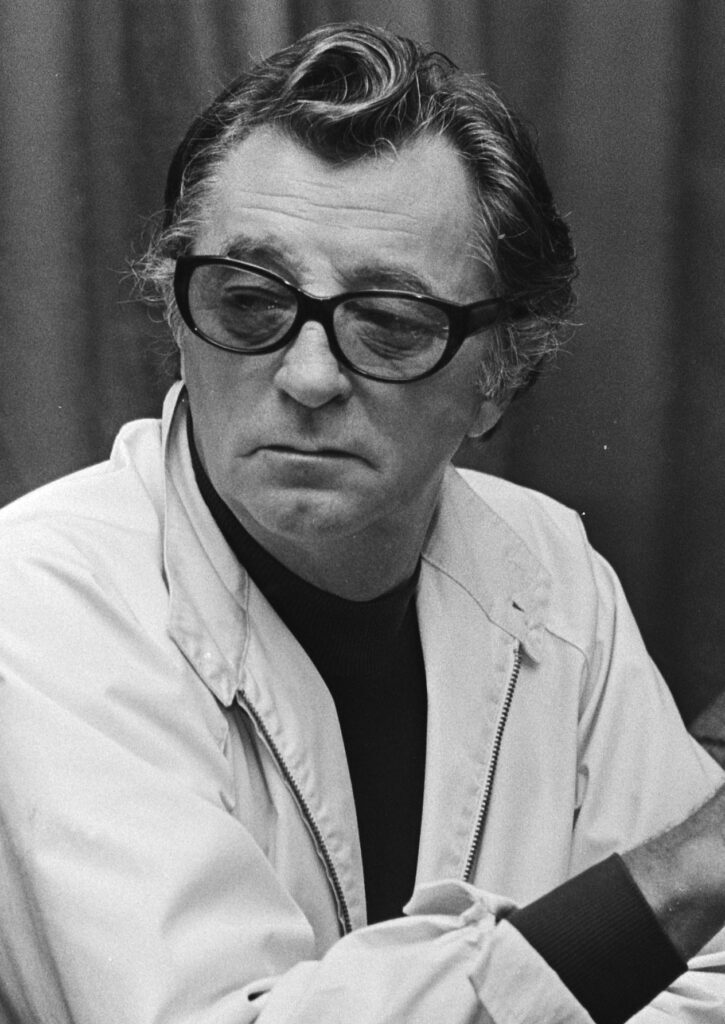
His boxing career concluded after a particularly brutal fight that resulted in a broken nose, adding another distinctive feature to his already rugged face. More significantly, the encounter left a permanent scar on his left eye, a subtle but visible emblem of his hard-won experiences. These physical marks, far from being mere superficialities, became intrinsic parts of the Mitchum mystique, lending an air of authenticity to his tough-guy roles.
The scars and the formidable bearing he acquired from his time in the ring underscored a life lived on the fringes, where survival often depended on one’s ability to absorb and deliver punishment. This direct, visceral understanding of conflict and endurance deeply informed his acting. He didn’t merely play tough characters; he embodied a toughness forged in the fires of real-life struggle, a quality that resonated profoundly with audiences and further illuminated the darker, more challenging aspects of his personal history.
4. Beneath the Surface: Lockheed’s Hidden Health Battles
By 1937, a restless Robert Mitchum had eventually settled in Long Beach, California, a temporary reprieve from his wandering days. It was there, during the fall of that same year at the age of 16, while recovering from serious injuries that had almost cost him a leg, that he encountered 14-year-old Dorothy Spence, the young woman who would later become his wife and lifelong companion. Their marriage in 1940 marked a turning point, signaling a desire for stability and the prospect of building a family.
With his wife soon pregnant, Mitchum recognized the pressing need for a steady income, a stark contrast to the transient jobs he had previously held. This responsibility led him to take a demanding position as a sheet metal worker at the Lockheed Aircraft Corporation during World War II. It was a factory job, vital to the war effort, yet it presented a new and insidious set of challenges that would profoundly impact his health and well-being.
The relentless noise of the machinery in the Lockheed plant had a devastating effect, leading to significant damage to his hearing. Compounded by assignment to the graveyard shift, Mitchum began to suffer from chronic insomnia, a debilitating condition that stole his rest and gradually eroded his health. The severe mental and physical strain eventually manifested in a terrifying symptom: temporary blindness. This period was one of intense personal suffering, far removed from the glamour of future Hollywood sets.
Doctors ultimately informed Mitchum that his alarming illness was caused by job-related anxieties, a diagnosis that compelled him to leave Lockheed. This experience, while providing a stable income for a crucial period, left him with permanent physical repercussions and exposed the profound mental toll that relentless, stressful labor could exact. It was a stark reminder of the sacrifices and hardships endured by many during the war era, and for Mitchum, a deeply personal battle fought away from any cameras.
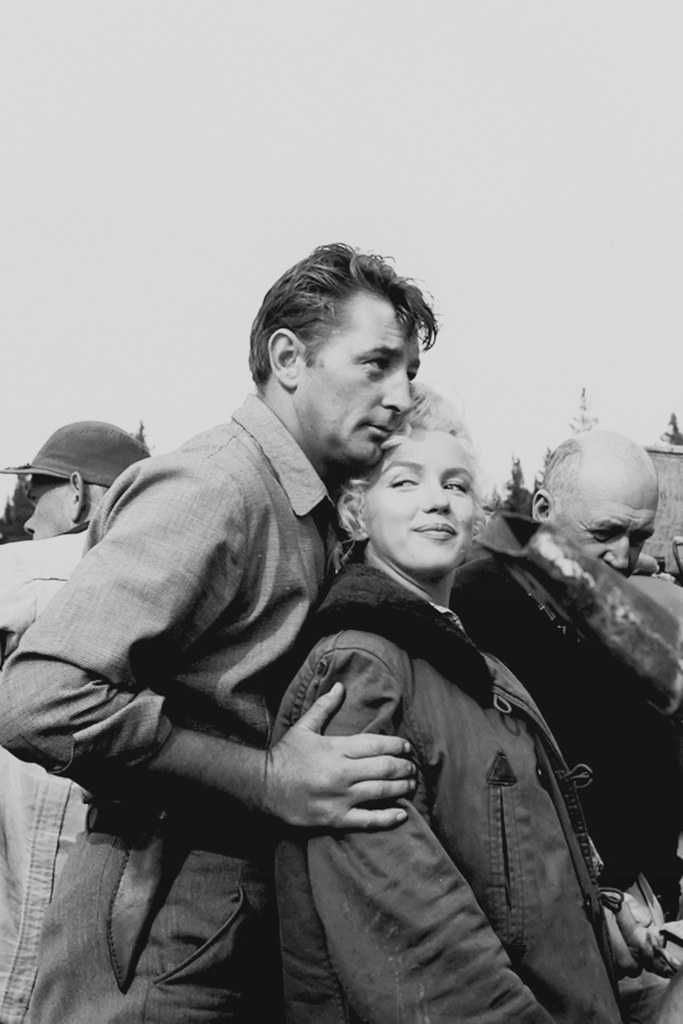
5. Forging the Antihero: From Bit Parts to *G.I. Joe* Stardom.
Having left Lockheed due to his severe health issues, Mitchum turned his gaze towards the burgeoning film industry, seeking work as an actor. His previous theatrical connections proved instrumental, as an agent he knew from his stage days secured him an interview with Harry Sherman, the producer behind United Artists’ popular Hopalong Cassidy Western film series. This connection opened the door to his cinematic debut, albeit in a humble capacity.
In June 1942, Mitchum officially began his film career, cast as a minor villain in *Border Patrol*, the first of seven Hopalong Cassidy films he would make that were released in 1943. That year alone, a testament to his prolific output and the industry’s demand, he appeared in an astonishing total of 19 films. Many of these roles were uncredited or supporting parts in B-movies, musicals like Universal’s *Follow the Band*, or war films alongside Randolph Scott, showcasing his adaptability across various genres even in the early stages of his career.
Mitchum’s first truly significant role arrived in 1944 with *When Strangers Marry*, a thriller directed by William Castle. Playing a salesman who aids his former girlfriend in unraveling a murder mystery, his performance garnered positive reviews, and the film itself is now regarded as a prime example of quality B-movie production. Impressed by his talent, director Mervyn LeRoy recommended him to RKO, leading to a seven-year contract signed on May 25, 1944, at an initial salary of $350 per week.
The decisive turning point came when RKO lent Mitchum to independent producer Lester Cowan for a prominent supporting role in William A. Wellman’s *The Story of G.I. Joe* (1945). His portrayal of a war-weary officer, inspired by Captain Henry T. Waskow, resonated deeply with audiences and critics alike. The film, which captured the life of an ordinary soldier through the eyes of journalist Ernie Pyle, was an instant critical and commercial success, with General Dwight D. Eisenhower himself calling it “the greatest war picture he had ever seen.” This powerful performance earned Mitchum his only Academy Award nomination for Best Supporting Actor, firmly establishing him as a rising star, even as he was drafted into the United States Army and served as a medic at Fort MacArthur, California, prior to the film’s release.
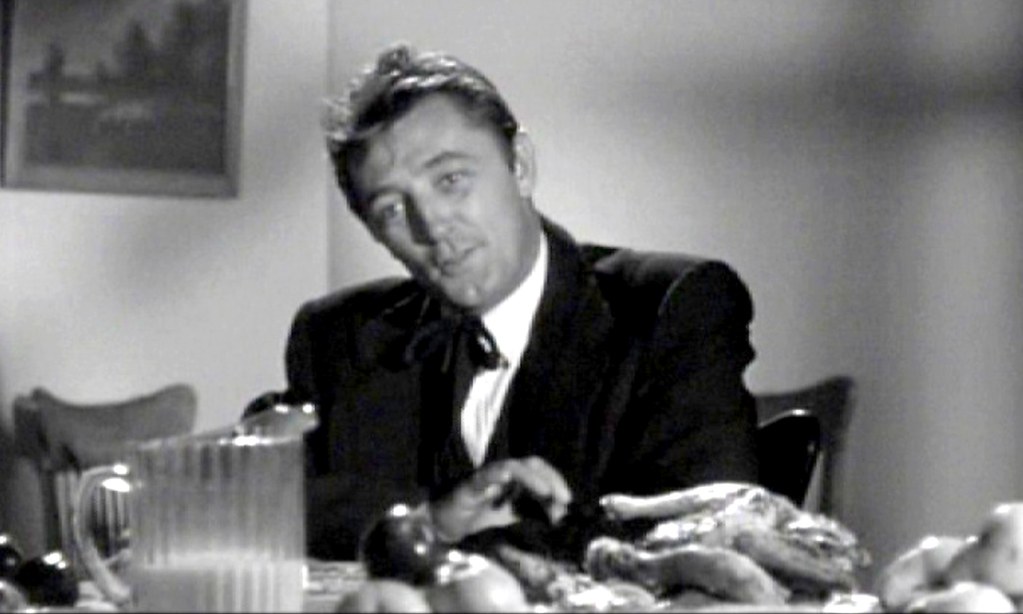
6. The Shadow Weaver: Defining Film Noir and the Looming Scandal
Following the undeniable success and critical acclaim of *The Story of G.I. Joe* and a subsequent appearance in the box office hit *Till the End of Time* (1946), Robert Mitchum found his true artistic home in a genre that would come to define his career and screen persona: film noir. His naturalistic, world-weary demeanor and inherent antihero qualities were perfectly suited to the shadowy, morally ambiguous landscapes of these dark dramas.
In 1946, he took on significant second lead roles in two noirs. On loan to MGM, he costarred with Katharine Hepburn and Robert Taylor in Vincente Minnelli’s *Undercurrent*, embodying a troubled, sensitive man. At RKO, he appeared in John Brahm’s *The Locket*, playing a bitter ex-boyfriend, a film celebrated for its multi-layered flashbacks and now revered as a cult classic. These roles began to cement his image as a master of the genre, an actor capable of conveying profound depth with minimal overt expression.
The year 1947 proved to be pivotal, marking a rapid ascent in his career. Loaned to Warner Bros., he starred in Raoul Walsh’s *Pursued*, a high-budget Western often considered the first noir Western, where he played a character grappling with a forgotten past. This was quickly followed by Edward Dmytryk’s *Crossfire*, where Mitchum played a World War II veteran caught in a murder investigation driven by anti-Semitism. *Crossfire* became RKO’s most profitable film of the year and garnered five Academy Award nominations, showcasing his growing drawing power and critical recognition.
Building on this momentum, Mitchum secured a new seven-year contract with RKO and David O. Selznick, boosting his salary significantly. He closed out 1947 with what would become his signature role: the lead in Jacques Tourneur’s *Out of the Past*. In this seminal film noir, costarring Jane Greer and Kirk Douglas, Mitchum portrayed a small-town gas station owner and former private investigator whose past entanglements with a gambler and a femme fatale resurface to haunt him. His performance was lauded by critics, with The New York Times’ Bosley Crowther noting his “magnificently cheeky and self-assured” portrayal. Today, *Out of the Past* is widely considered one of the greatest film noirs of all time, solidifying Mitchum’s status as the genre’s definitive fatalistic anti-hero. However, even as his star ascended, a dramatic personal challenge loomed, threatening to cast a long shadow over his newfound prominence and test the very resilience that defined his early life.
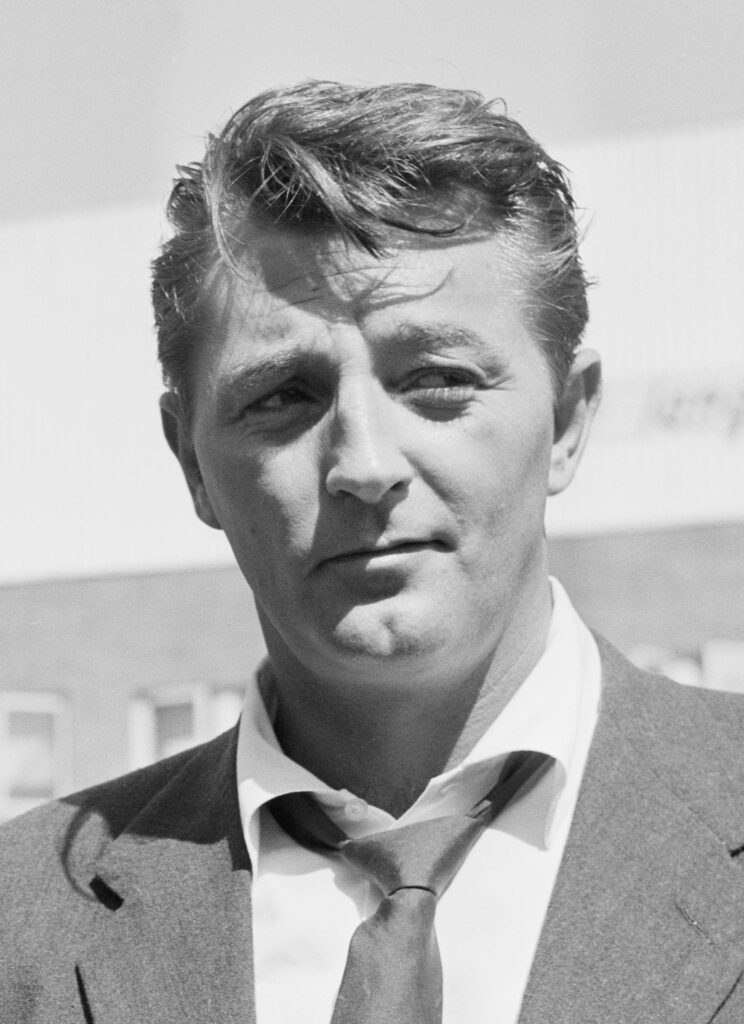
7. The Marijuana Scandal and Its Unforeseen Aftermath
Even as Robert Mitchum solidified his status as Hollywood’s quintessential antihero, a dramatic personal challenge emerged that threatened to cast a long shadow over his burgeoning prominence. On September 1, 1948, at the height of his career, Mitchum found himself embroiled in a highly public scandal, arrested for possession of marijuana alongside actress Lila Leeds. This incident sent shockwaves through the industry, testing the limits of RKO’s commitment to its rising star.
Remarkably, RKO chose to stand by Mitchum, rather than invoking a morals clause to terminate his contract, a decision that speaks volumes about his burgeoning box office appeal. He served 50 days, split between the confines of the Los Angeles County Jail and a prison farm in Castaic, California. Ever the iconoclast, Mitchum famously quipped to reporters that jail was “like Palm Springs, but without the riff-raff,” a defiant statement that only further cemented his rogue image in the public imagination.
This legal entanglement, however, was not without its complexities. On January 31, 1951, Mitchum’s conviction was ultimately overturned by the Los Angeles court and district attorney’s office, exposed as a setup. The dramatic twist affirmed his innocence in the eyes of the law, yet the initial arrest had already become an indelible part of his personal narrative, further blurring the lines between the man and the hard-boiled characters he so convincingly portrayed.
Despite the formidable legal troubles and intense media scrutiny, Mitchum’s popularity remained undiminished, a testament to his unique appeal. His upcoming film, *Rachel and the Stranger*, was swiftly rushed into release, strategically leveraging the publicity surrounding his arrest, and astonishingly, it became one of RKO’s top grossers of 1948. This resilience underscored a rare quality: a star who could seemingly defy conventional morality and emerge not only unscathed but, in some respects, more compelling to his audience.
This period also saw him deliver acclaimed performances in films such as Robert Wise’s noir Western *Blood on the Moon*, where critics lauded his quiet yet menacing drifter persona. He also ventured into his first color film, *The Red Pony*, and reunited with Jane Greer in the successful film noir *The Big Steal*. Even a turn against type in the romantic comedy *Holiday Affair* proved to be a lasting, if initially overlooked, success, now cherished as a Christmas classic, demonstrating his versatile appeal as RKO’s biggest star by the close of the decade, a feat even more remarkable given the tumultuous events of 1948.
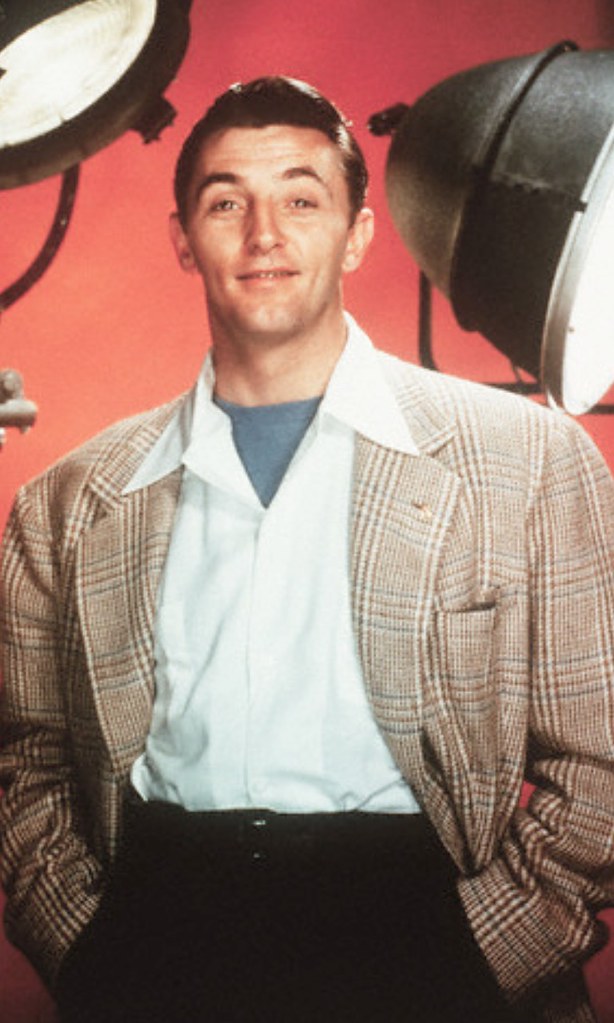
8. Navigating the 1950s: From Noir’s Soul to Freelance Freedom
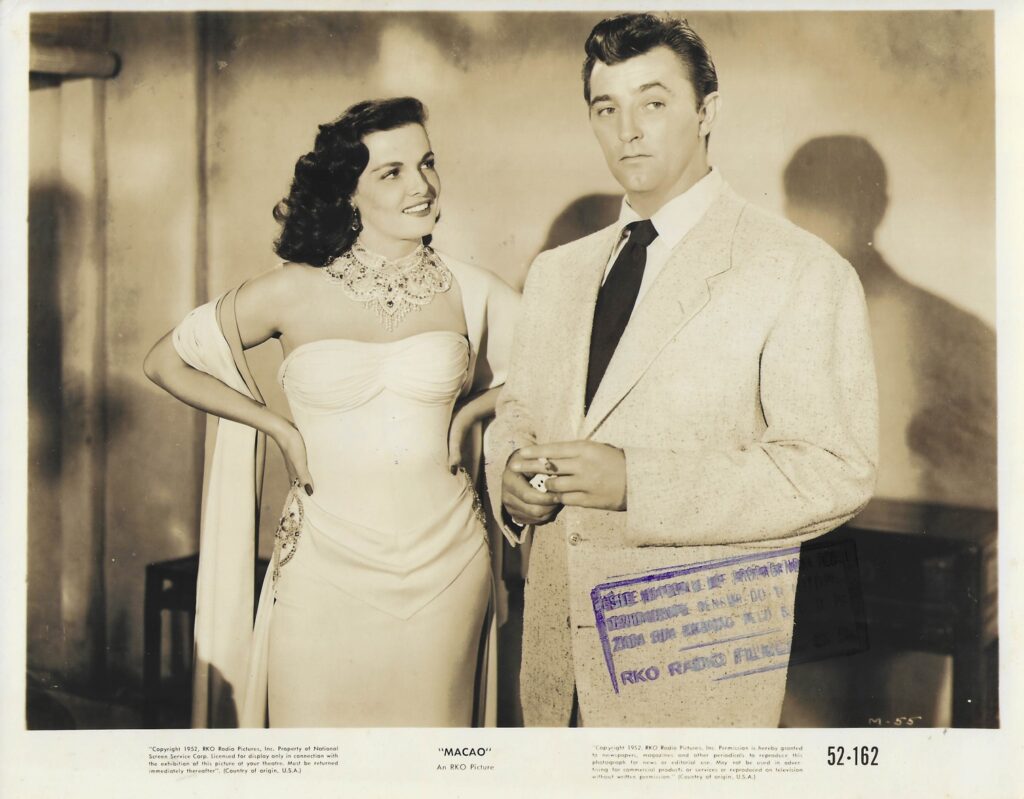
The dawn of the 1950s found Robert Mitchum continuing his deep dive into the shadowy depths of film noir, a genre that seemed tailor-made for his world-weary gaze and morally ambiguous charm. He delivered compelling performances in a string of these dark dramas, including *Where Danger Lives* (1950), *My Forbidden Past* (1951), and *His Kind of Woman* (1951). Yet, this prolific period was often marred by troubled productions, with films like *His Kind of Woman* and *Macao* (1952) requiring extensive reshoots and directorial changes at the behest of Howard Hughes, revealing a studio environment fraught with creative clashes.
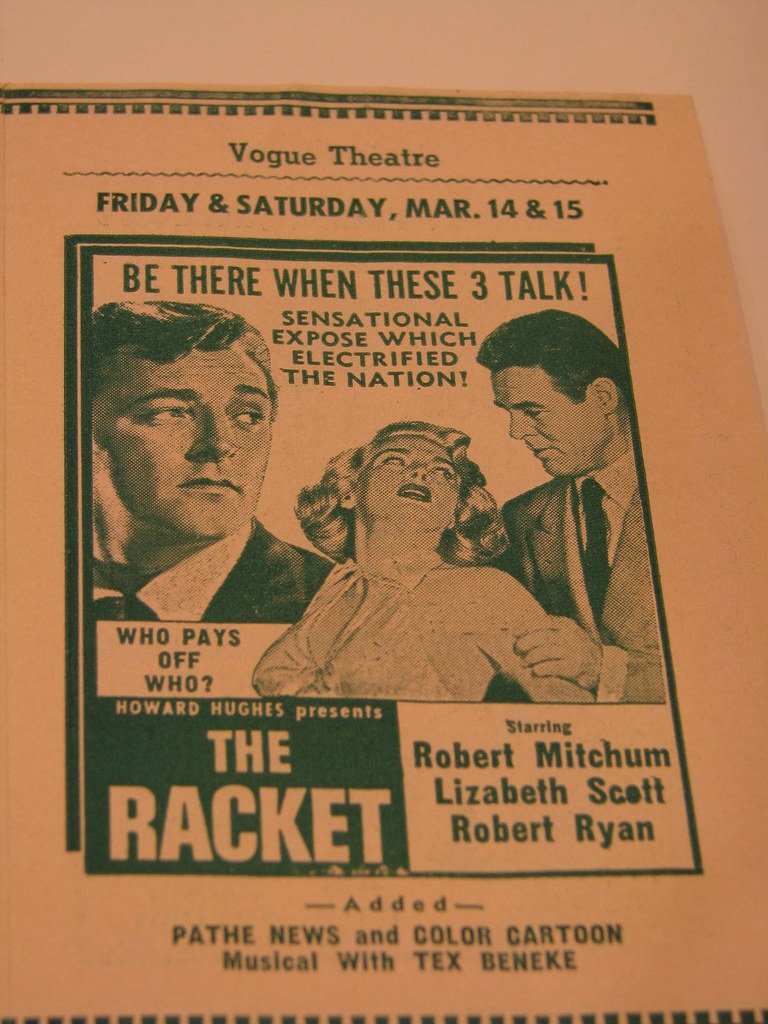
While some of these films, such as *The Racket* (1951), found commercial success, others like *My Forbidden Past* were box office flops, and Mitchum himself publicly voiced his disappointment with certain scripts. This burgeoning dissatisfaction with the quality of projects assigned by RKO began to hint at a desire for greater artistic control and a more discerning approach to his craft. He yearned for roles that truly challenged him, rather than merely capitalizing on his established persona.
Following the Korean War drama *One Minute to Zero* (1952), Mitchum revisited the Western genre, notably in *The Lusty Men* (1952), directed by Nicholas Ray. His portrayal of a veteran rodeo champion garnered immense critical praise, with *Variety* and *The Hollywood Reporter* hailing it as his finest performance to date. Manny Farber, writing in *The Nation*, lauded Mitchum as “the most convincing cowboy I’ve seen in horse opry, meeting every situation with the lonely, distant calm of a master cliché-dodger,” a powerful affirmation of his naturalistic style.
In 1953, he starred in Otto Preminger’s *Angel Face*, a film now recognized as a noir classic, despite initially mixed reviews. Jean-Luc Godard famously listed it among the ten best American sound pictures, with Richard Brody retrospectively noting that “the ever-cool Mitchum radiates heat without warmth.” However, despite such artistic triumphs, Mitchum grew increasingly dissatisfied with the projects RKO offered, particularly his disdain for the script of *Second Chance* (1953), which was nonetheless a box office success. This growing artistic frustration eventually culminated in a significant career shift, as he finally departed RKO when his contract expired on August 15, 1954, embarking on a new, uncharted path as a freelance actor, eager to exercise greater autonomy over his choices.
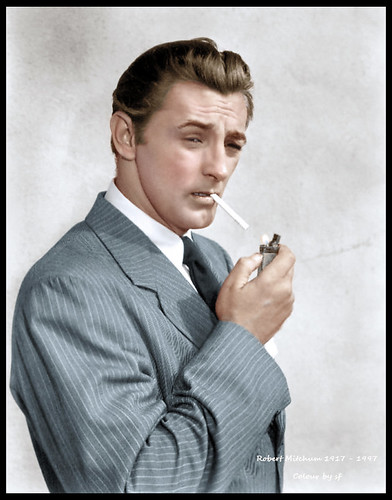
9. The Darkness Personified: *The Night of the Hunter* and Iconic Villains
Embracing his newfound freedom as a freelancer, Robert Mitchum quickly demonstrated his ability to choose projects that would define and deepen his legacy. His initial independent venture, Stanley Kramer’s melodrama *Not as a Stranger* (1955), became one of the year’s highest-grossing films, though critical reactions were somewhat divided. Yet, it was his next project that would forever etch his image into the annals of cinematic history and showcase a truly terrifying dimension of his acting prowess.
In 1955, Mitchum starred in Charles Laughton’s singular directorial effort, *The Night of the Hunter*. This chilling noir thriller, based on Davis Grubb’s novel, cast Mitchum as the unforgettable Preacher Harry Powell, a serial killer disguised as a man of God, relentlessly pursuing money hidden by his deceased cellmate. Though initially a commercial failure, the film has since been universally acclaimed as one of the greatest films of all time, a masterpiece of American cinema.
Mitchum’s portrayal of Preacher Harry Powell is widely considered one of the finest and most terrifying performances of his career. The iconic image of his knuckles tattooed with “HATE” and “LOVE” has transcended the film itself, leaving an enduring impact on popular culture and becoming a frequent reference point in various media. Critics like Dave Kehr noted how the role “most fully exploits his [Mitchum’s] ferocious uality,” while Roger Ebert vividly recalled “Mitchum’s voice coiling down those basement stairs: ‘Chillll… dren?'”, capturing the sinister essence of his performance.
Preceding this landmark role, Mitchum had made headlines for a different kind of drama: being fired from *Blood Alley* (1955) at the request of director William A. Wellman, amidst rumors (denied by Mitchum) of throwing the film’s transportation manager into San Francisco Bay. The role eventually went to producer John Wayne. Undeterred, Mitchum channeled his entrepreneurial spirit, forming DRM Productions, named after his and his wife’s initials, and securing a five-film deal with United Artists. This period, marked by *Bandido* (1956) and *Foreign Intrigue* (1956), underscored his drive not just to act, but to shape the very projects he starred in, laying the groundwork for greater creative involvement.
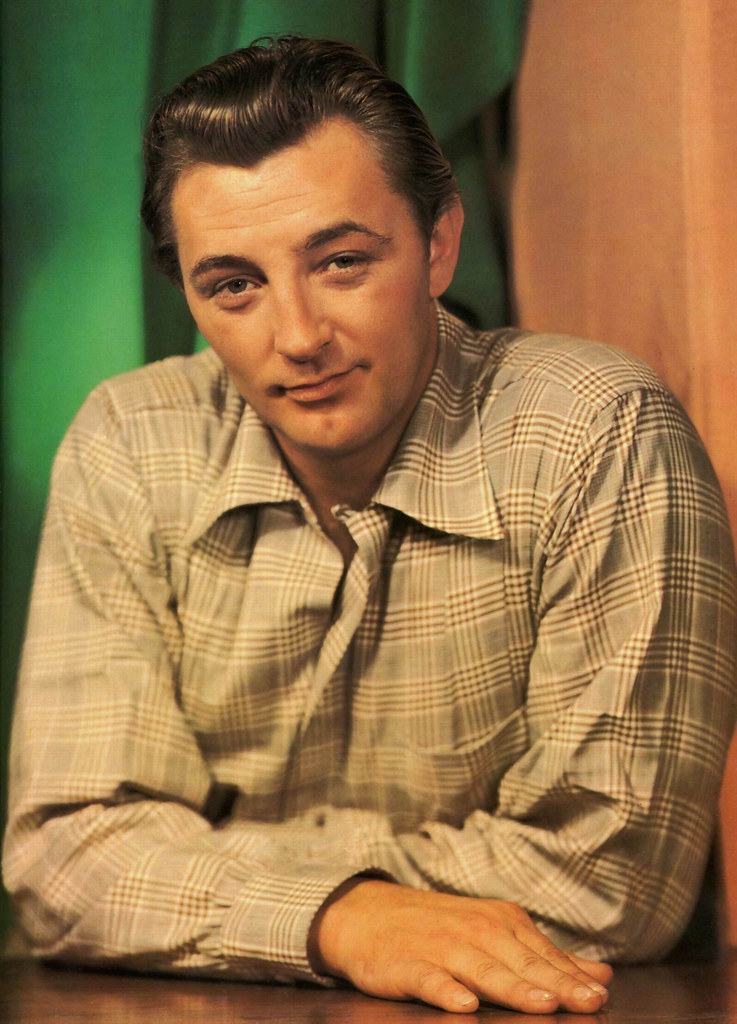
10. Creative Sparks and Personal Retreats: Directing, Writing, and Disengagement
The latter half of the 1950s saw Robert Mitchum not only delivering memorable performances but also exploring avenues beyond mere acting. He made two films back-to-back in Trinidad and Tobago that were released in 1957. In John Huston’s powerful World War II drama *Heaven Knows, Mr. Allison*, Mitchum costarred with Deborah Kerr, his favorite leading lady, as a Marine corporal stranded with a nun on a Pacific island. Their performances, praised for the tenderness Mitchum brought to his character and their undeniable chemistry, earned the film two Academy Award nominations and Mitchum a BAFTA nomination for Best Foreign Actor, showcasing his range beyond the hard-boiled.
His true foray into creative control, however, arrived with *Thunder Road* (1958), a film loosely based on a real-life incident involving a moonshine runner. Mitchum not only starred but also produced and co-wrote the screenplay for this independent production. Intriguingly, it is widely rumored that he directed much of the film himself, further cementing his creative imprint on the project. His son, James, even appeared in the film as his younger brother, adding a personal touch to this gritty narrative. Mitchum also co-wrote the enduring theme song, “The Ballad of Thunder Road,” showcasing his multifaceted talents.
*Thunder Road* quickly earned a reputation as the definitive road movie, particularly beloved in the American South, and was frequently shown in drive-in theaters throughout the 1960s. Geoff Andrew of *Time Out* praised it for “a stunningly laconic performance from Mitchum, white-hot night-time road scenes, and an affectionate but unsentimental vision of backwoods America,” highlighting its raw authenticity. This period also saw him in *The Angry Hills* (1959) and *The Wonderful Country* (1959), the latter of which, though largely overlooked at the time, is now regarded by some critics as featuring one of his best and most understated performances.
However, a profound shift began to occur in Mitchum’s personal and professional life. After relocating his family to a farm in Talbot County, Maryland, in 1959, he developed a deep passion for quarter horse breeding, which gradually led to a noticeable indifference towards selecting his film projects and a waning interest in his role as a producer. He even renamed DRM Productions to Talbot Productions, stating it had become merely a “co-production” company and that he had effectively ceased truly producing his own films. This growing detachment from the demands of Hollywood was starkly illustrated by his decision to turn down John Huston’s *The Misfits* (1961), citing a dislike for the script and Huston’s demanding nature. Instead, he chose *The Last Time I Saw Archie* (1961), playfully noting that he was paid $400,000 for just four weeks’ work, with ample time off, a clear indicator of his evolving priorities and a quiet disengagement from the artistic intensity that once fueled him.
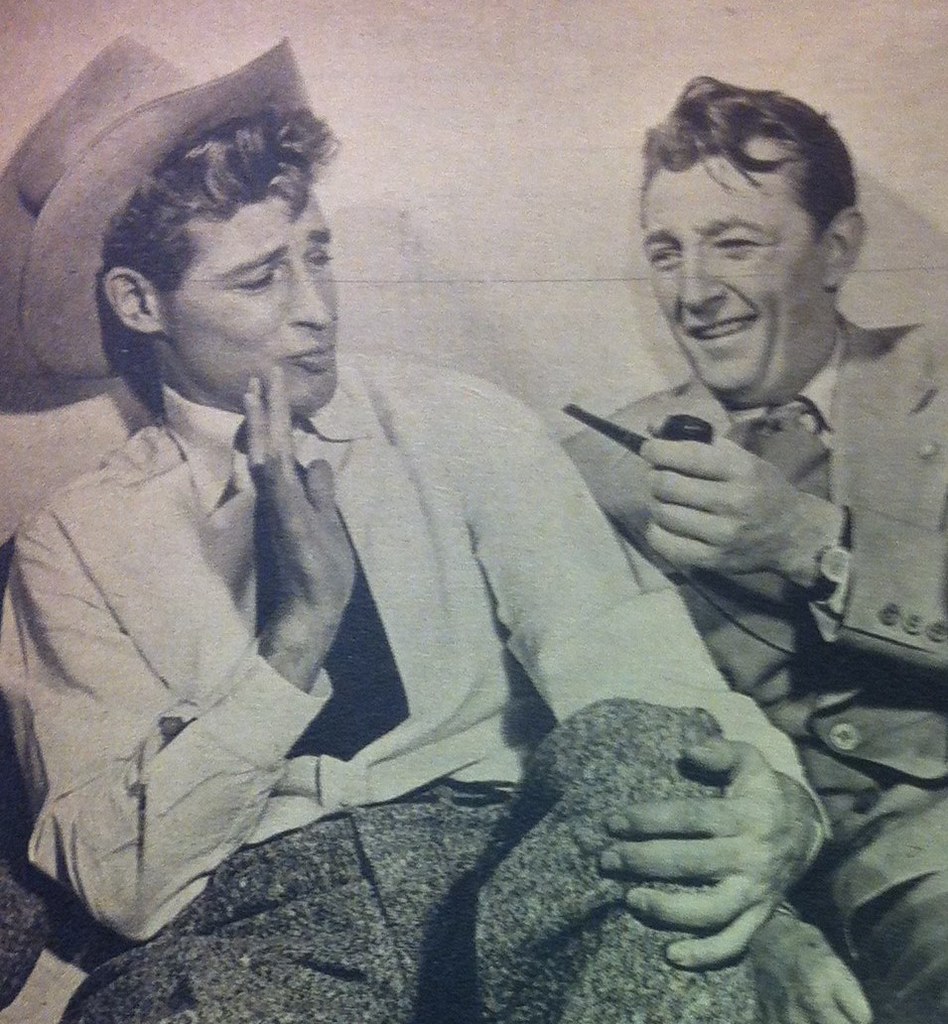
11. Enduring Presence: *Cape Fear* and Later Career Resilience
Despite his increasing disillusionment with the relentless grind of Hollywood, Robert Mitchum continued to deliver performances that underscored his formidable screen presence, often tapping into the darker facets of human nature that he so expertly embodied. In 1962, he costarred with Gregory Peck in *Cape Fear*, playing Max Cady, a terrifying ex-convict bent on exacting revenge on the attorney who testified against him. This role further cemented his renown for playing cold, predatory characters, a chilling villain that left an indelible mark on cinematic memory.
While *Cape Fear* itself received mixed reviews and underperformed at the box office upon its initial release, its legacy has grown significantly over time, largely thanks to Mitchum’s visceral performance. Bosley Crowther of *The New York Times* remarked that Mitchum delivered “the cheekiest, wickedest arrogance and the most relentless aura of sadism that he has ever managed to generate,” capturing the essence of Cady’s menace. Jonathan Rosenbaum, years later, would comment that the film’s “only classic credentials are a terrifying performance by Robert Mitchum and a Bernard Herrmann score,” a powerful testament to his singular contribution.
Following this intense portrayal, Mitchum demonstrated his versatility by joining the star-studded international ensemble cast of *The Longest Day* (1962), the epic war film depicting the D-Day landings. His portrayal of General Norman Cota, rallying demoralized troops and blasting a path from Omaha Beach, was highlighted by critics, further showcasing his ability to inhabit diverse roles. He also found success in *Mister Moses* (1965), a film he genuinely believed in and extensively promoted, with critics praising his casual charm.
Beyond his film commitments, Mitchum also undertook two USO tours to Vietnam, demonstrating a sense of duty that contrasted with his often-cynical public persona. While some of his subsequent films, such as *Villa Rides* (1968) and *Anzio* (1968), received mixed to poor reviews, and he famously turned down *The Wild Bunch* (1969) due to a reluctance to work with Sam Peckinpah, his return to the Western genre in *El Dorado* (1967) with John Wayne proved a major success. His role as a drunken sheriff was particularly lauded, with *The New York Times* calling his performance “simply wonderful” and the *Los Angeles Times* noting he “delivered one of the loveliest hangover sequences on record,” affirming his enduring ability to captivate audiences even as he entered the later stages of his career.
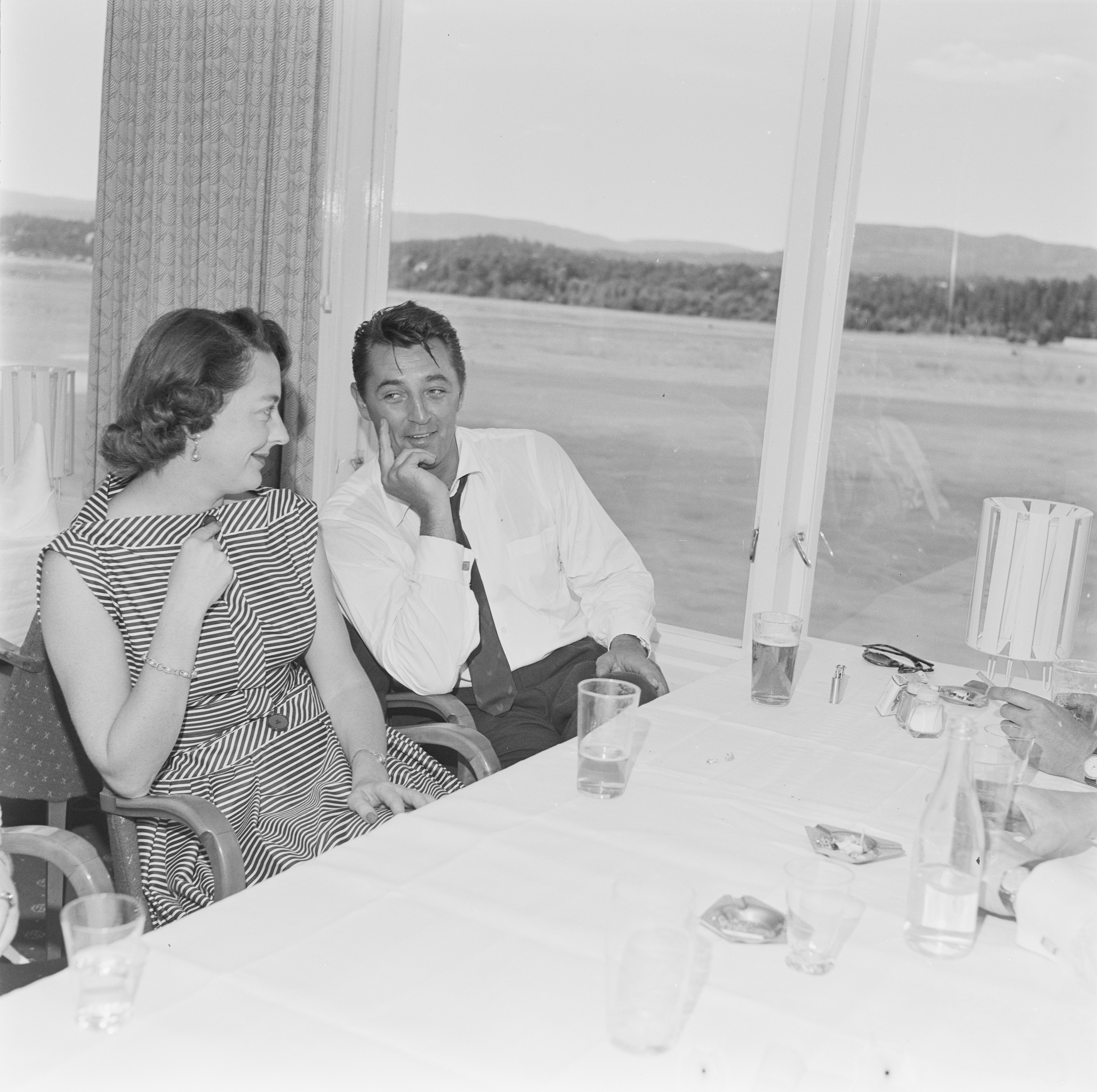
12. The Winds of War and Final Acts: Facing Personal Demons
As the 1970s dawned, Robert Mitchum made a deliberate departure from his typical hard-boiled screen persona, taking on the role of Charles Shaughnessy, a mild-mannered schoolmaster, in David Lean’s epic 1970 film, *Ryan’s Daughter*. This was a period when Mitchum seriously contemplated retiring from acting, and he initially resisted the demanding schedule and script, having previously turned down major projects like *Patton* and *Dirty Harry* due to moral disagreements with their themes. His eventual acceptance, after screenwriter Robert Bolt’s direct appeal, showcased his willingness to embrace new challenges, though he famously missed out on an Oscar nomination for this critically acclaimed role.
The 1970s largely saw Mitchum return to the crime drama genre, with varying results. He delivered a powerful performance as an aging Boston hoodlum caught between federal agents and his criminal associates in *The Friends of Eddie Coyle* (1973). He also lent his iconic presence to the role of Philip Marlowe in adaptations of Raymond Chandler’s novels, first in the well-received *Farewell, My Lovely* (1975), and then reprising the role in *The Big Sleep* (1978), proving his enduring appeal as a classic detective figure, even as he embodied the weariness of age.
However, it was on the small screen that Mitchum would find some of his most significant later triumphs. In 1983, he starred as U.S. Navy Captain “Pug” Henry in the epic miniseries *The Winds of War*, based on Herman Wouk’s celebrated novel. This big-budget production became a television phenomenon, watched by an astonishing 140 million people and, at the time, was the most-watched miniseries in history. He reprised this beloved role in the equally successful 1988 sequel miniseries, *War and Remembrance*, cementing his status as a television icon to a new generation of viewers.
Yet, beneath the veneer of continued professional success, Mitchum continued to battle personal demons. In 1984, he bravely entered the Betty Ford Center in Palm Springs, California, seeking treatment for alcoholism, a testament to the quiet, internal struggles that often mirrored the dark complexity of his on-screen characters. His later career included roles in miniseries like *North and South* (1985) and made-for-TV movies, as well as a memorable guest-hosting stint on *Saturday Night Live* in 1987, where he humorously parodied his Philip Marlowe persona and even collaborated with his daughter, Petrine, on a mock sequel to *Out of the Past*.
Read more about: Is Your Car Making You Sick? An In-Depth Look at the Hidden Health Dangers Lurking in Your Vehicle
In a final, characteristic act of defiance against the pomp and circumstance of Hollywood, Mitchum famously rejected a lifetime achievement award from the National Board of Review of Motion Pictures in 1991, refusing to pay for his own transport and accommodations to accept it in person. This refusal, like so many moments throughout his life, underscored a man who remained fiercely independent, ever true to his own rugged code. Robert Mitchum’s life, filled with turbulence, resilience, and a profound authenticity, was indeed a saga far richer and more complex than any script could fully capture, leaving behind a legacy not just of movies, but of a life lived on its own unyielding terms, always just a little darker, a little more real, than the flickering images on the screen.