Marlon Brando. The name alone conjures images of raw power, untamed charisma, and an acting prowess that reshaped the very fabric of cinematic performance. He was the brooding genius, the electrifying force behind iconic characters like Stanley Kowalski and Terry Malloy, figures who screamed across the screen and into the collective consciousness, forever etched in the annals of Hollywood legend. His influence on generations of actors is undeniable, a testament to a talent that burned with an intensity rarely seen.
Yet, beneath the glittering facade of superstardom, the real Marlon Brando navigated a life far more complex, shadowed by profound personal sorrows and a relentless internal battle that often overshadowed his professional triumphs. While the public devoured his every move, captivated by his enigmatic charm and the dramatic narratives he brought to life, the narrative of his own existence was arguably far more tragic, a sprawling epic of pain, disappointment, and an almost unbearable weight of family misfortune. His autobiography, “Songs My Mother Taught Me,” offered a rare glimpse into this private world, a world he hoped would clarify the myths for his children.
It’s a journey beyond the acclaimed performances, into the heart of a man whose life was a dramatic tapestry woven with threads of brilliance and devastating loss. From his tumultuous origins to the later heartbreaks that would define his later years, Brando’s story is a compelling, often heartbreaking, testament to the vulnerabilities that can afflict even the most towering figures. We delve into the lesser-known facts, exploring the profound personal dramas that shaped the incomparable artist.

1. The Seeds of Sorrow: Brando’s Traumatic Childhood
Born in 1924 in Omaha, Nebraska, Marlon Brando’s earliest years were steeped in an environment of dysfunction that would cast a long shadow over his entire life. His family’s relocation to Illinois when he was six years did little to mitigate the underlying tensions. Both his father and mother struggled with alcoholism, creating an unstable and unpredictable home for young Marlon and his siblings.
His father, a chemical salesman often away on travels, was described as hypercritical and abusive, a source of lifelong rage for Brando. This parental dynamic fostered a deep-seated rebellion and a profound sense of abandonment. It was not uncommon for Brando and his elder sisters to be tasked with the responsibility of retrieving their inebriated mother from local bars, an experience that undoubtedly instilled a complex mix of protective love and deep shame within the sensitive boy.
These formative experiences deeply ingrained a sense of distrust and pain, contributing to his “bad boy image” and his later challenges in navigating personal relationships. The emotional landscape of his youth was barren, leaving scars that no amount of fame or artistic achievement could truly heal, constantly whispering of a past where stability and unconditional love were elusive comforts. This chaotic beginning was the crucible in which his extraordinary, yet tormented, spirit was forged.
2. Rebellion and Rejection: The Tumultuous Teenage Years
The instability of Brando’s home life naturally manifested in his behavior during adolescence. His rebellious spirit clashed with institutional authority, leading to a troubled high school career from which he was eventually expelled for misbehaving. At the tender age of sixteen, his father enrolled him in Shattuck Military Academy in Minnesota, an institution his father had also attended, perhaps hoping to instill discipline and structure.
However, the rigid environment of the military academy proved to be another poor fit for Brando’s independent and defiant nature. He was once again kicked out, demonstrating an unwavering refusal to conform to established rules and expectations. This period cemented his image as an authority challenger, a young man determined to carve his own path, even if it meant constant friction and rejection.
His expulsions from both civilian high school and military academy highlighted a profound resistance to conventional pathways, hinting at the unconventional life and career that lay ahead. It was a clear signal that Brando was not destined for an ordinary existence, but rather one defined by challenging norms and embracing a path less traveled, a path that would be as fraught with personal peril as it was with artistic triumph.
3. Finding Sanctuary in Performance: The Genesis of a Legend
Following his expulsion from Shattuck, a young Marlon Brando made his way to New York City, where his older sisters, Jocelyn and Frances, were pursuing their own artistic endeavors in theater and art. It was in this vibrant cultural hub that Brando discovered a profound outlet for his intense emotions and restless spirit: acting. This pursuit offered a unique sanctuary, a place where his inner turmoil could be channeled into powerful, believable characterizations.
He enrolled in the esteemed Lee Strasberg Actors Studio, where he encountered the legendary teacher Stella Adler. Adler became a pivotal figure in his development, taking him under her wing and mentoring him in acting techniques that emphasized emotional memory. This approach resonated deeply with Brando, allowing him to tap into his own well of personal experience and pain, transforming it into the raw, visceral performances that would become his hallmark.
Under Adler’s guidance, Brando honed his craft, channeling his tumultuous past into a potent force on stage. The stage became a canvas for his deeply felt emotions, providing a constructive means to express the complexities that simmered beneath his often-guarded exterior. It was a transformative period where the rebellious young man began to understand the immense power of his own vulnerability, a power that would mesmerize audiences for decades.

4. Defiance of Convention: The Early Career Path
Brando’s burgeoning talent quickly earned him recognition on Broadway, where he landed his first major role in the 1944 play “I Remember Mama.” His true breakout arrived three years later with the iconic role of Stanley Kowalski in Tennessee Williams’ groundbreaking play “A Streetcar Named Desire.” This performance was a seismic event, establishing him as a revolutionary force in American theater.
Despite the allure of Hollywood, Brando initially resisted the siren call of the silver screen. He famously turned down screen tests, demonstrating a nascent independence and a clear disinclination to be bound by the restrictive, long-term film contracts prevalent at the time. His choice reflected a commitment to artistic integrity over immediate commercial gain, a trait that would define much of his career.
For his first film role in 1950, in “The Men,” Brando undertook an extraordinary commitment, playing a paraplegic war veteran. To authentically portray the character, he used a wheelchair and immersed himself in the reality of disabled patients, spending a month at a hospital. This rigorous method acting approach, even at the outset of his film career, underscored his profound dedication to his craft and his refusal to merely scratch the surface of a role, setting a new standard for performance in cinema.
5. A Stormy Union: The Ill-Fated Marriage to Anna Kashfi and Christian’s Troubled Birth
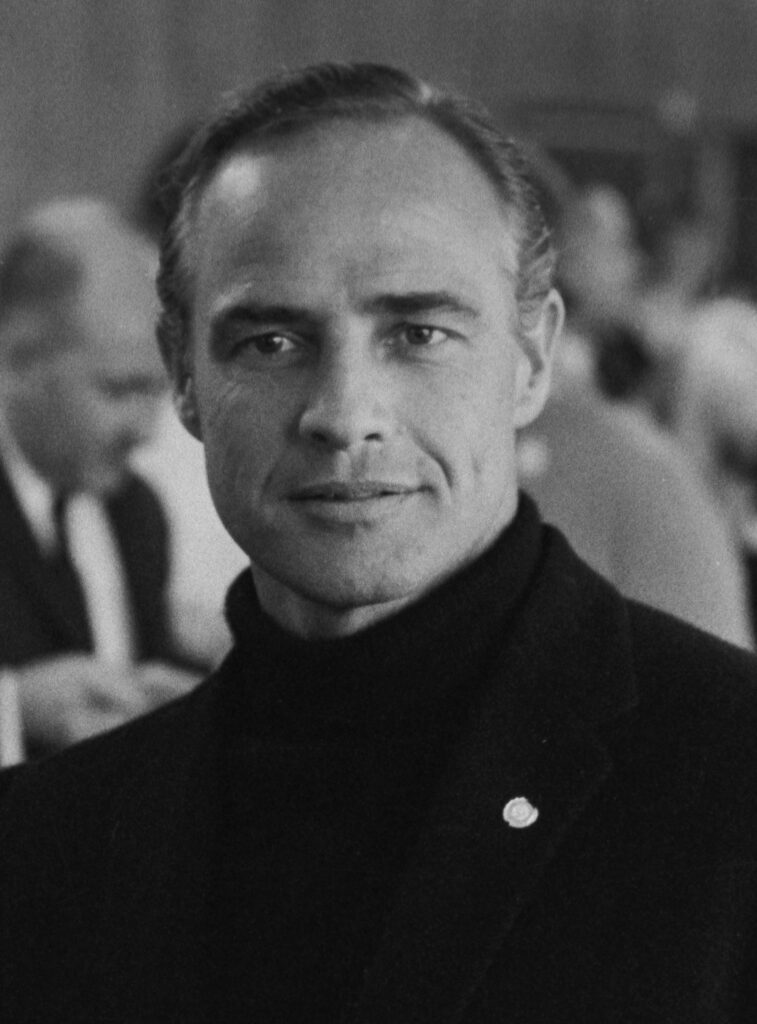
Marlon Brando’s personal life was as tumultuous as his professional one was groundbreaking. His first marriage, to Indian actress Anna Kashfi in 1957, was a union destined for conflict and sorrow. The relationship, which produced their son Christian, dissolved after a mere two years, igniting what would become a protracted and bitter custody battle that stretched for over a decade.
The emotional toll on Christian was immense, as he was caught between two warring parents, often left in the care of nannies while his father pursued his career and other relationships. The instability of his childhood was tragically amplified in 1972, when Christian was just fourteen years old. While Brando was filming “Last Tango In Paris” in France, Anna Kashfi orchestrated a scheme to kidnap their son, paying $10,000 to have Christian taken to Mexico and hidden with a group of “hippies.”
Christian was eventually rescued by private investigators hired by Marlon, but the ordeal left deep and lasting psychological scars. This early, traumatic event foreshadowed the even greater tragedies that would later befall Christian, illustrating how the chaotic beginnings of Brando’s relationships directly impacted the lives of his children in devastating ways. It was a profound illustration of how the star’s personal demons created a difficult legacy for those he loved most.

6. The Burden of Creative Control: Brando’s Singular Directorial Effort and Marital Flux
In 1961, Marlon Brando ventured to the other side of the camera, taking on his one and only directorial project, “One-Eyed Jacks.” He also starred in the film alongside Karl Malden, pouring his creative vision into the Western. However, this ambitious foray into directing proved to be a significant professional and financial disappointment. The film ultimately cost $6 million to make, a substantial sum for the era, and was widely considered a financial failure.
This period of professional struggle coincided with continued complexity in his personal life. After divorcing Anna Kashfi, Brando married his second wife, American actress Movita Castaneda, in 1960. Their marriage produced two children, Miko and Rebecca. Yet, like his first union, this relationship also faced its share of challenges, adding to the intricate tapestry of his emotional landscape.
The combination of a failed directorial debut and the ongoing flux in his personal relationships highlighted the immense pressures Brando faced, both creatively and personally. Even as he sought to exert more control over his artistic output, the financial and critical reception of “One-Eyed Jacks” demonstrated that even a genius like Brando was not immune to professional setbacks, compounding the difficulties he experienced in finding lasting personal stability amidst the demands of his extraordinary life.
7. A String of Professional Disappointments in the 1960s
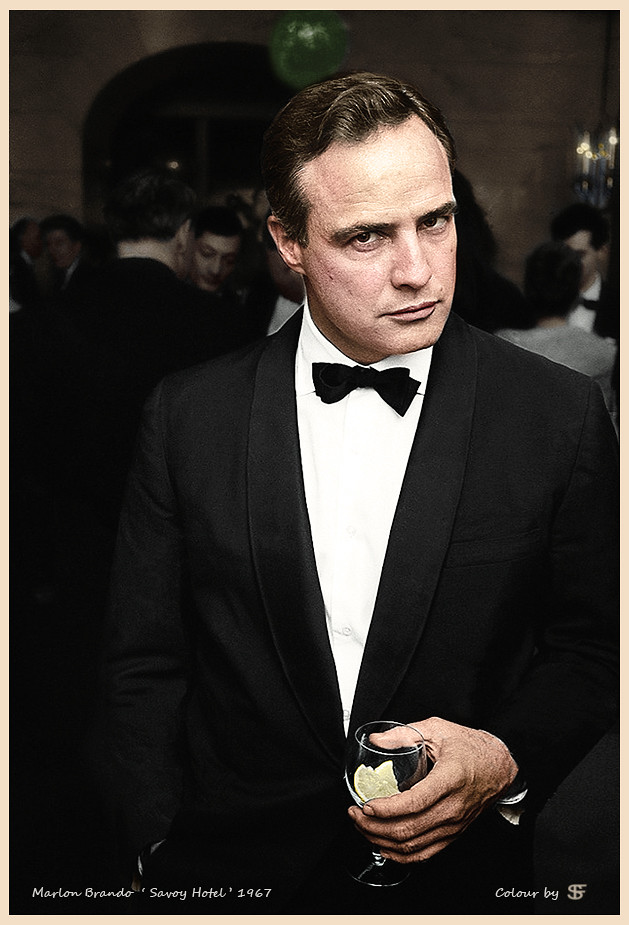
The 1960s presented a challenging chapter for Marlon Brando’s cinematic career, a period marked by a series of films that failed to capture critical acclaim or significant box office success. After the groundbreaking triumphs of the previous decade, this string of movie flops became a disheartening counterpoint to his earlier, undeniable impact on Hollywood. These projects, despite Brando’s continued commitment to his craft, often struggled to resonate with audiences, leading to a perception of a career in decline.
Among these lesser-received works were “The Ugly American” in 1963 and “Bedtime Story” in 1964. These films, while offering Brando diverse roles, often found themselves panned by critics, further dampening his commercial prospects. The shift from iconic, transformative performances to roles in poorly received pictures suggested a struggle to find material that matched his immense talent or to maintain the box office pull he once commanded.
One notable example from this era was “The Chase” in 1966, where Brando starred alongside Jane Fonda and Robert Redford, under the direction of Arthur Penn. Despite the stellar cast and Penn’s esteemed directorial vision, the film was widely “panned by critics.” However, in a testament to the enduring power of his performances, some retrospective analyses have since suggested that “Brando’s performance was underrated,” hinting at a depth that perhaps was overlooked amidst the film’s initial critical reception. This decade served as a crucial interlude before a monumental return to form.
Read more about: From Legendary Icons to Modern Muses: 11 Redheaded Actresses Who’ve Lit Up Hollywood and Stolen Our Hearts
8. Championing Civil Rights and Retreating to a Tahitian Paradise
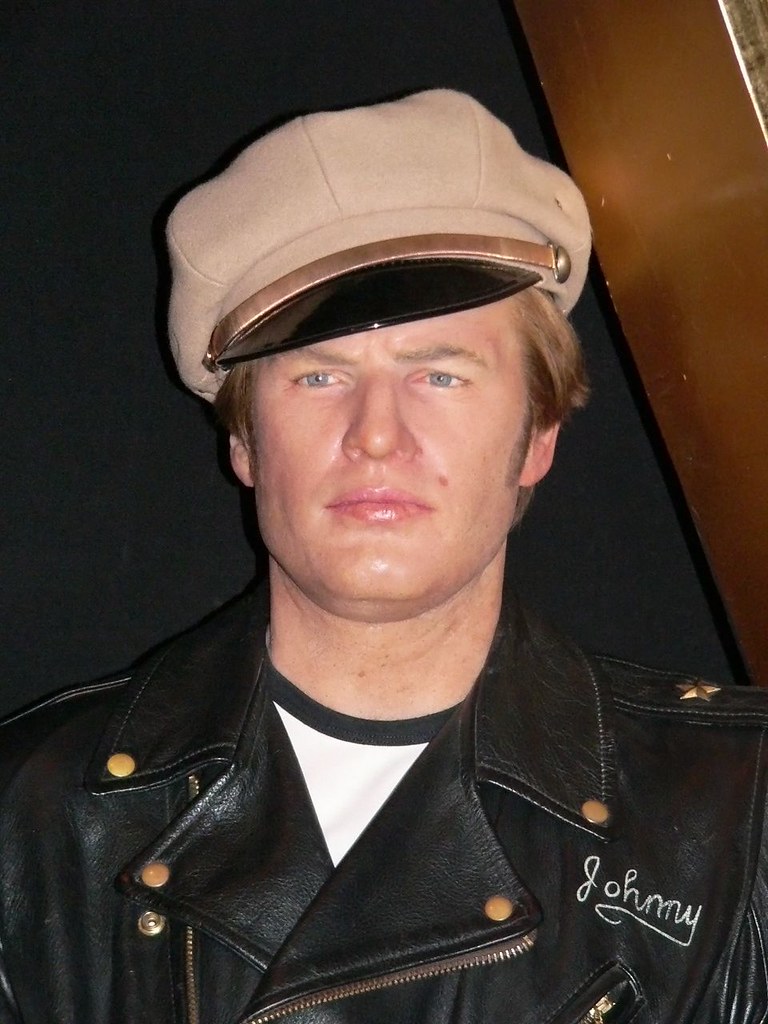
Beyond the silver screen, Marlon Brando possessed a profound social conscience, actively lending his formidable voice and presence to the burgeoning Civil Rights Movement in the United States. His commitment was not merely performative; he stood alongside other luminaries at pivotal moments, utilizing his celebrity to amplify the call for justice and equality. His involvement underscored a personal integrity that transcended his often-troubled public persona.
A powerful demonstration of this commitment came in 1963, when Brando joined the historic March on Washington for Jobs and Freedom. This seminal event saw Dr. Martin Luther King Jr. deliver his immortal “I Have A Dream” speech at the Lincoln Memorial, a moment etched into the very fabric of American history. Brando’s presence, captured in an iconic image alongside figures like Charlton Heston and Harry Belafonte, signaled his unwavering support for the cause, placing him firmly on the right side of history.
As the decade progressed, Brando also sought a different kind of sanctuary, one far removed from the pressures of Hollywood and public life. Falling deeply in love with the South Pacific during the filming of “Mutiny On The Bounty” in 1962, he purchased the breathtaking 27-square-mile island of Tetiaroa in 1966. This private paradise became his lifelong retreat and a canvas for his forward-thinking ecological visions, where he envisioned “installing solar power, building habitats for wildlife, making algae into a food supplement, and creating a getaway for artists and thinkers.” Though the island was “badly damaged by a hurricane in 1983,” today, “the island is the site of a high-end ecologically minded resort,” a testament to his enduring environmental legacy.
9. The Iconic Comeback in ‘The Godfather’ and the Controversial Oscar Refusal
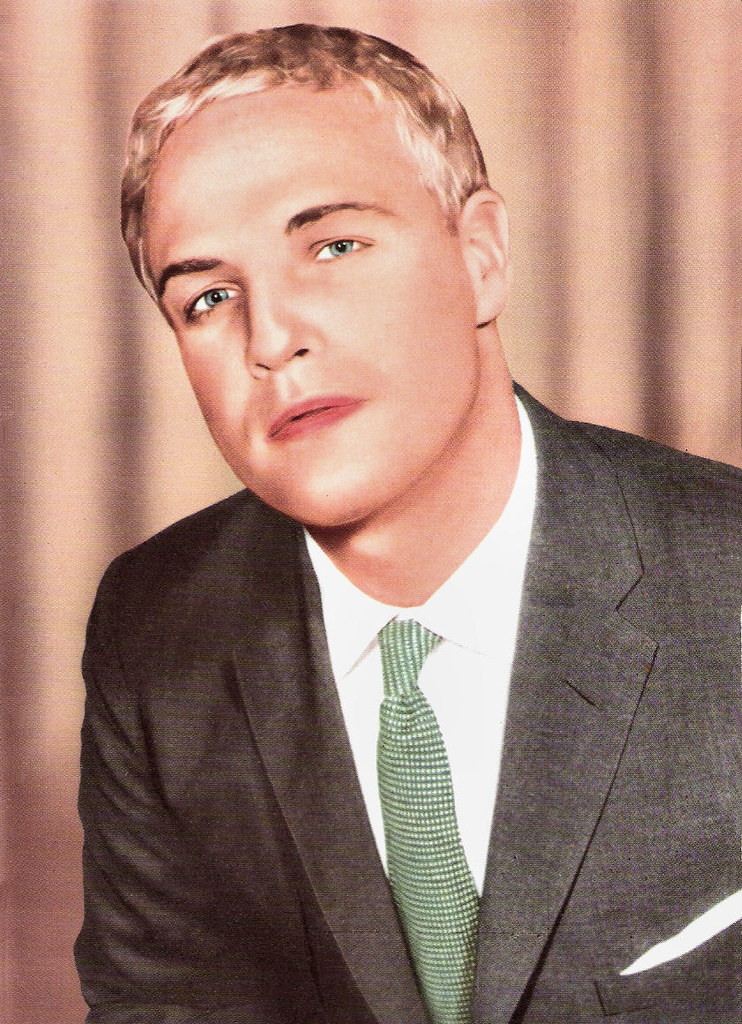
After a decade of professional malaise, Brando orchestrated one of the most remarkable comebacks in cinematic history, forever cementing his legendary status with his portrayal of Don Vito Corleone in Francis Ford Coppola’s 1972 masterpiece, “The Godfather.” This role was a revelation, demonstrating an evolved, nuanced power that redefined his acting legacy and became a cultural touchstone. The industry, initially hesitant to embrace the “difficult actor,” was undeniably swayed by his sheer brilliance.
“Hollywood studio executives were not thrilled at hiring the difficult actor,” a testament to Brando’s reputation for being challenging on set. However, director Francis Ford Coppola’s conviction in Brando’s singular talent proved resolute. Coppola insisted on a screen test, which reportedly “so impressed them that they changed their thinking,” paving the way for one of the most iconic performances in cinema, a character whose gravelly voice and quiet menace would become instantly recognizable and endlessly imitated.
The role earned Brando his second Academy Award in 1973, a triumphant validation of his enduring genius. Yet, in a move that echoed his lifelong defiance of convention and challenged the very institutions that celebrated him, Brando famously “invited Sacheen Littlefeather to turn down the award on his behalf.” Littlefeather delivered a powerful statement, explaining Brando’s refusal was due to “the treatment of American Indians today by the film and television industry,” igniting a firestorm of controversy and bringing national attention to Indigenous rights.
Read more about: Hollywood’s Blind Spots: How Studios Rejected ‘Pulp Fiction’ and 10 Other Iconic Films That Reshaped Cinema
10. Artistic Provocation and Legal Scrutiny: ‘Last Tango in Paris’
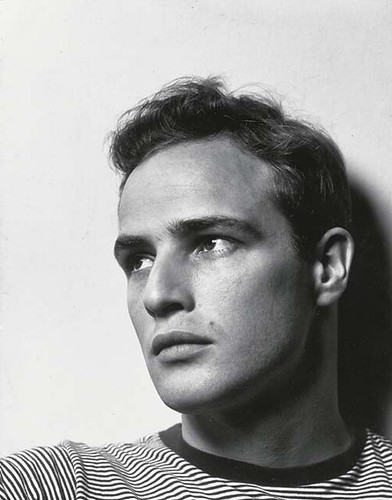
In the same year as his monumental comeback with “The Godfather,” Brando pushed artistic boundaries even further, appearing in Bernardo Bertolucci’s ually explicit and highly controversial film, “Last Tango in Paris.” Released in 1972, this X-rated drama ignited a global debate about art, censorship, and the limits of cinematic expression, with Brando at its epicenter. The film’s raw emotionality and explicit content ensured it would be discussed for decades to come, far beyond its initial release.
The film’s reception was nothing short of explosive, drawing both fervent praise for its psychological depth and scathing condemnation for its controversial scenes. The visceral nature of Brando’s performance as Paul, a middle-aged American grieving his wife’s suicide who enters a anonymous ual relationship, was both captivating and unsettling. His willingness to delve into such dark, uncomfortable territory exemplified his fearless approach to acting, irrespective of public opinion.
The controversy extended beyond critical reviews, leading to significant “legal scrutiny.” Following its release, “Brando, co-star Maria Schneider, director Bernardo Bertolucci, and producer Alberto Grimaldi were charged in Italy with making pornography.” This legal battle underscored the intense societal discomfort with the film’s themes and explicit depiction of uality, although ultimately, “they were cleared,” affirming its place within artistic expression despite the uproar it caused. This period highlighted Brando’s willingness to embrace roles that were both artistically daring and personally demanding, regardless of the repercussions.
11. Later Career Choices and Shifting Fortunes: From Superman to The Score
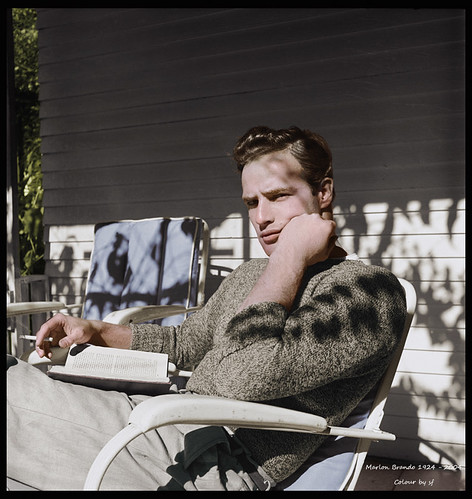
Following the twin peaks of “The Godfather” and “Last Tango in Paris,” Brando’s later career saw a mix of blockbuster appearances and less conventional roles, often dictated by his increasing weight and reputation for being difficult. His talent, however, remained undeniable, even when his choices were sometimes perplexing. These years revealed a star still capable of captivating audiences, even in brief, memorable turns.
A striking example of his later career strategy came in 1978 with “Superman.” Brando took on the role of Jor-El, the superhero’s father, famously appearing “only on screen for 15 minutes.” Yet, for this brief but impactful performance, he was “reportedly paid $15 million,” a staggering sum for the era that underscored his enduring star power and Hollywood’s willingness to pay a premium for his presence, no matter how fleeting. It was a testament to his almost mythical status.
His final completed movie was “The Score” in 2001, where he starred alongside Robert De Niro and Edward Norton. This project added another colorful anecdote to the Brando legend: “According to film lore, Brando often refused to wear pants on the set of The Score, thus forcing him to be shot only close up and above the waist.” Such stories, whether fully true or exaggerated, only cemented his image as an eccentric genius who bent the rules to his own will, a fitting, defiant end to a truly singular cinematic career.
12. Devastating Family Tragedies and a Quiet Departure
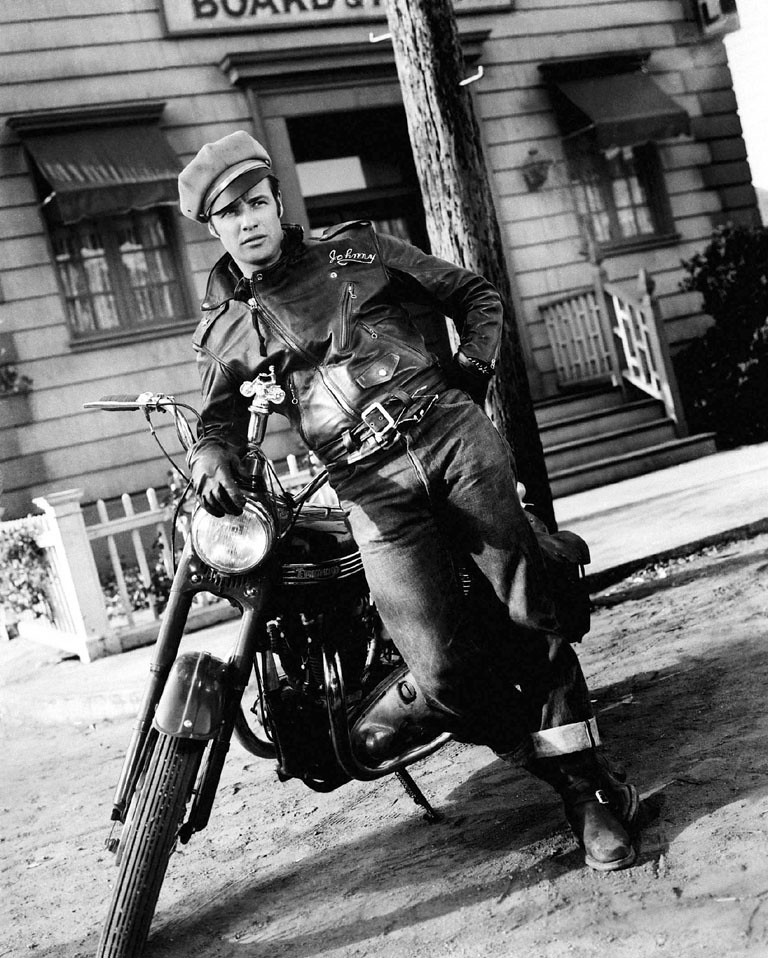
As Marlon Brando entered the later stages of his life, a shadow of profound tragedy fell heavily upon his family, eclipsing many of his professional achievements. These personal heartbreaks were arguably more devastating than any cinematic role he ever played, revealing the raw vulnerability beneath the legendary facade. The complexities of his family life, marked by earlier struggles, culminated in an almost unbearable sequence of events.
The most public and devastating of these tragedies occurred in May 1990, when “Brando’s 32-year-old son Christian shot and killed Dag Drollet,” the boyfriend of his half-sister, Cheyenne Brando. Christian claimed he only meant to scare Drollet, who Cheyenne (then “eight months pregnant”) had “claimed—falsely—that Drollet was physically abusing her.” The subsequent trial and conviction for manslaughter saw Christian serve “five years in prison before his release in 1996,” an event that tore through the family and captured global headlines.
The ripple effects of this tragedy were profound and lasting. “Cheyenne, who had long struggled with her mental health, died by suicide in 1995, leaving behind her young son,” a heartbreaking outcome that compounded the family’s grief. Christian himself, after a life marked by instability and further legal troubles (including a “no contest” plea to spousal abuse in 2005), “died of pneumonia at age 49 in 2008,” closing a chapter of immense sorrow. Brando, who “suffered from diabetes, which caused his eyesight to fail, and from liver cancer” in his old age, “died on July 1, 2004, of respiratory and heart ailments” at age 80. His physical decline mirrored the emotional toll of a life burdened by extraordinary highs and unimaginable lows, finding his final rest as “his family members scattered his ashes in Tahiti and in Death Valley, California,” a poetic end for a man deeply connected to both the exotic and the stark realities of life.
Read more about: Beyond the Limelight: 14 Bizarre & Tragic Celebrity Deaths That Still Leave Us Pondering the Unthinkable
Marlon Brando’s life was a testament to the intoxicating allure of genius inextricably linked with profound human frailty. His journey, from the tumultuous Omaha childhood to the heights of Hollywood and the depths of personal sorrow, paints a picture far more complex and poignant than any character he ever brought to life. He wasn’t just an actor; he was a force of nature, a rebel, a visionary, and ultimately, a man whose personal narrative was as compelling and tragic as any cinematic epic. His legacy endures not only in the indelible performances that reshaped acting but in the raw, unvarnished story of a life lived intensely, leaving an indelible mark on culture and challenging us to look beyond the glittering surface of fame to the profound humanity beneath.