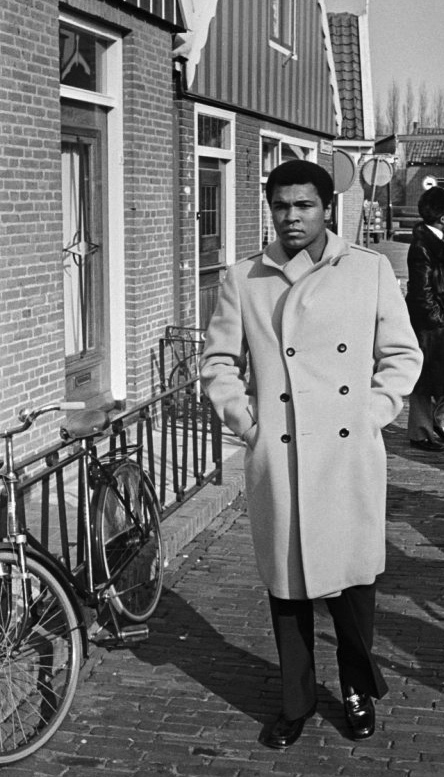
The passing of Muhammad Ali in 2016 at the age of 74, following a decades-long fight against Parkinson’s disease, marked the end of an era. It was a moment that resonated deeply across the globe, but perhaps nowhere more intimately than with his fiercest rivals, men like George Foreman. Foreman, a titan of the heavyweight division himself, articulated the profound sense of loss with a poignant metaphor, stating, “Yeah, lost – a giant tree just fell and Muhammad Ali – there’ll never be another.” This sentiment encapsulates the unique bond and mutual respect that blossomed between two of boxing’s most iconic figures.
The indelible image of Muhammad Ali is often intrinsically linked with the “Rumble in the Jungle,” a legendary 1974 championship bout against the then-undefeated George Foreman. This fight, held in Kinshasa, Zaire, transcended mere sport; it became a cultural touchstone and a pivotal moment in both men’s lives. For Foreman, it was not only the most embarrassing moment of his life but also the genesis of an unlikely, enduring friendship that would shape his understanding of what it means to be truly great.
Foreman’s recollections offer an unparalleled perspective into the man behind the myth, providing insights that go beyond highlight reels and boxing statistics. His words paint a vivid picture of Ali’s extraordinary power, not just as a boxer but as an individual whose presence commanded attention and respect, both inside and outside the ring. We delve now into the initial, transformative experience of the “Rumble in the Jungle,” as told through the candid lens of George Foreman.
1. **The ‘Mugging in the Jungle’ Experience**Before the historic “Rumble in the Jungle,” George Foreman harbored an almost dismissive confidence about his upcoming bout with Muhammad Ali. Having already defeated formidable opponents like Joe Frazier, who had famously beaten Ali, and Ken Norton, another fighter who had overcome Ali, Foreman saw the Kinshasa championship as potentially “the easiest money I’d ever get in boxing.” This conviction stemmed from his own undefeated record and the belief that he possessed the power to dismantle any challenger, especially an aging Ali.
However, the reality that unfolded in Kinshasa was a stark contrast to his expectations. What Foreman anticipated as a straightforward victory quickly devolved into a bewildering, brutal, and ultimately humbling experience. He vividly described the fight as feeling like he “was mugged in the jungle,” a sentiment he shared, laughing, on “CBS This Morning,” adding, “I went there with two title belts, I came home with none.” The psychological and physical toll of the fight left an indelible mark on him, fundamentally altering his perception of both Ali and himself.
The fight’s strange progression left Foreman feeling utterly disoriented. He recalled hitting Ali with “everything I had” for several rounds, yet Ali survived, defying all expectations. This unexpected resilience and Ali’s subsequent taunts began to chip away at Foreman’s initial confidence, transforming what he thought would be an easy win into a moment of profound personal and professional embarrassment. His description of the event as a “mugging” rather than a conventional boxing match speaks volumes about the shock and disbelief he experienced in the face of Ali’s unexpected strategy and unbreakable spirit.
Read more about: A Legacy Forged in Iron and Innovation: The Extraordinary Life of the Late George Foreman, From Olympic Gold to Entrepreneurial Empire
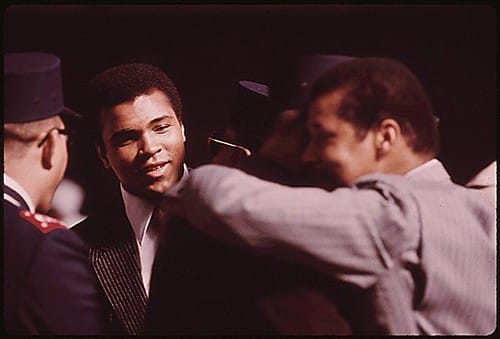
2. **Ali’s Whispers and Taunts During the Fight**One of the most defining and psychologically impactful aspects of the “Rumble in the Jungle” for George Foreman was Muhammad Ali’s relentless verbal assault during the fight. As Foreman delivered powerful blows, particularly around the third round and again in the seventh, Ali would fall on him, seemingly exhausted, only to whisper taunts directly into his ear. “That all you got, George?!” Ali would scream, “Show me something!” These words, delivered amidst the brutal physicality of the fight, cut deeper than any punch.
Foreman recounted these moments with a mix of awe and dread, admitting, “And I knew then I was in the wrong place at the wrong time.” The taunts were not merely an attempt to intimidate; they were a calculated psychological maneuver designed to undermine Foreman’s confidence and drain his energy. For a fighter who expected an easy victory, being told by his opponent that his best shots were insufficient was a profound psychological blow, signaling that he had underestimated the legend he faced.
These whispered provocations intensified Foreman’s sense of bewilderment. He shared with Mary Louise Kelly on NPR, “after about six rounds, he started whispering, ‘that all you got, George? Show me something, George.’ And I knew this was a frightful moment. And I kept thinking I’ve gotten myself into more than I realized.” Ali’s ability to maintain his mental game, even while seemingly taking a beating, was a testament to his unique combination of physical endurance and psychological warfare, creating an almost surreal experience for his opponent.
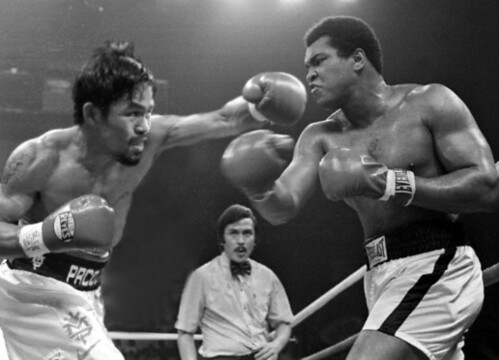
3. **The Rope-a-Dope Tactic**The strategic genius that defined Muhammad Ali’s performance in the “Rumble in the Jungle” was his deployment of the now-legendary ‘rope-a-dope’ tactic. This unconventional approach involved Ali leaning back against the ropes, often appearing to absorb punishment from Foreman’s powerful blows, while strategically protecting himself and conserving his own energy. Foreman, a formidable hitter, continued to pound away, believing he was wearing Ali down, unaware that he was falling directly into Ali’s trap.
Ali’s tactic was designed to exhaust Foreman, who came into the fight as an undefeated, powerful puncher. Foreman himself described the sustained effort, stating, “I’m beating this guy [Ali] for five or six rounds, I’m in Africa, it’s hot, beat him up for six rounds.” The relentless assault was meant to break Ali, but instead, it was slowly draining Foreman’s own stamina, as Ali conserved his energy by leaning on the ropes and allowing Foreman to expend his power without delivering a knockout blow.
This strategic masterpiece allowed Ali to weather Foreman’s storm and wait for his moment. By the eighth round, ‘Big George’ was visibly tired, having punched himself out against an opponent who seemed to defy physics and endurance. It was then that Ali launched his own offense, delivering a knockout blow that shook the world and secured his victory. The rope-a-dope was not just a defensive tactic; it was a masterful psychological and physical strategy that allowed Ali to turn the tide against a younger, stronger opponent.
Read more about: The Unyielding Stand: Why Muhammad Ali, a Champion Beyond the Ring, Refused to Fight Again After Vietnam
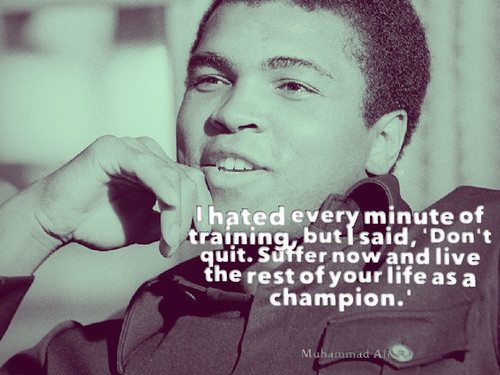
4. **Foreman’s Undefeated Record Broken and the 10-Year Hiatus**The “Rumble in the Jungle” was a career-altering event for George Foreman. Prior to facing Muhammad Ali, Foreman had maintained a perfect professional record, a testament to his explosive power and dominance in the heavyweight division. However, the eighth-round knockout delivered by Ali marked not only his first professional defeat but also the loss of his WBC World Heavyweight title, fundamentally altering the trajectory of his career.
The defeat was profoundly impactful, described by Foreman as “the most embarrassing moment” of his life. This loss, particularly in such a high-stakes, globally televised event, left a deep scar. It challenged his identity as an undefeated champion and forced a reevaluation of his place in the sport. The image of Ali whispering words to him, then delivering the knockout blow, became an enduring memory that stuck with him for decades.
Following this devastating loss to Ali, Foreman continued to fight for five more bouts until 1977. However, the impact of the Kinshasa fight was so significant that after suffering another defeat to Jimmy Young in 1977, Foreman made a remarkable decision: he left the sport of boxing for an entire decade. This ten-year career break, during which he became a minister, underscored the profound personal and professional reckoning that stemmed directly from his encounter with Muhammad Ali.
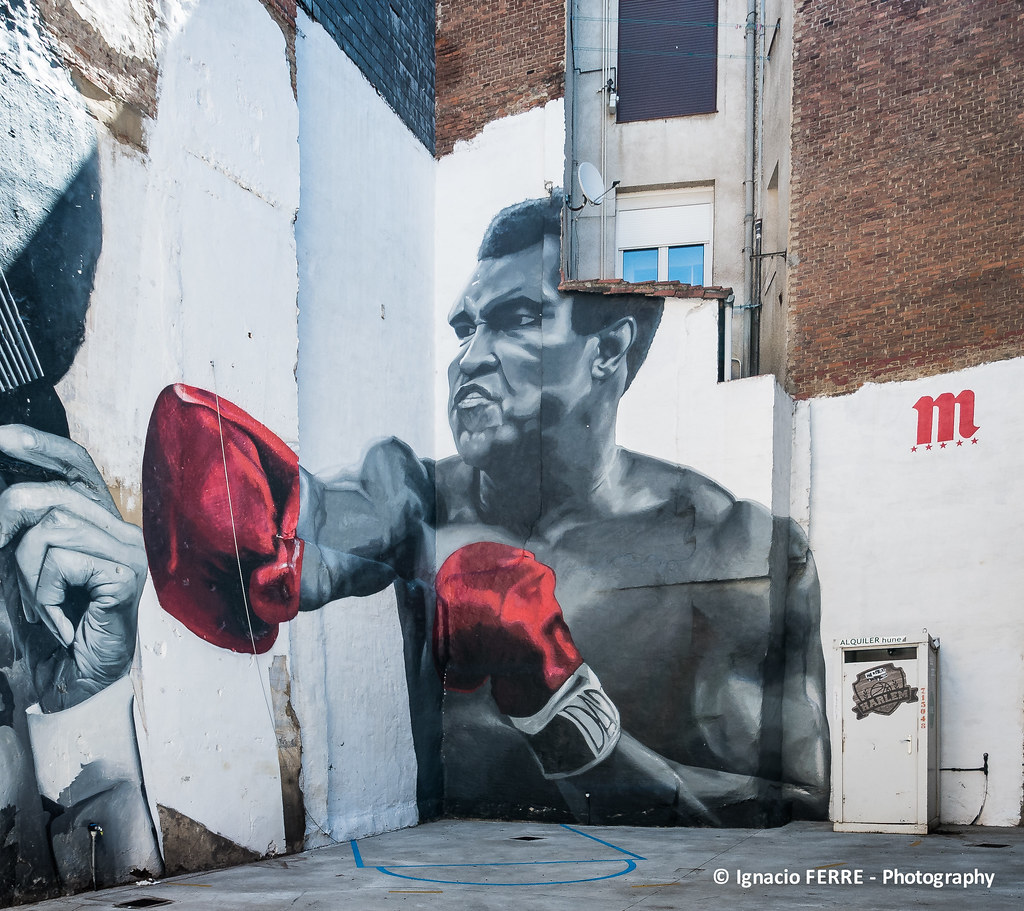
5. **Foreman’s Pre-Fight Confidence vs. Reality**Leading up to the “Rumble in the Jungle,” George Foreman’s confidence was unwavering, built on a foundation of impressive victories against formidable opponents. He had already established his dominance by beating Joe Frazier, who had previously defeated Muhammad Ali, and by knocking out Ken Norton, another top contender who had bested Ali. These wins instilled in Foreman the belief that the fight against Ali would be straightforward, perhaps even his “easiest money” in boxing.
He entered the ring in Kinshasa, Africa, fully expecting to knock Ali out within one or two rounds, a sentiment he openly shared. His track record against mutual opponents seemed to validate his conviction, suggesting that if he could dispatch Frazier and Norton so decisively, Ali, who was considered by many to be past his prime, would pose little challenge. This strong belief set the stage for the dramatic shift in his perception once the fight began.
However, the reality of stepping into the ring with Muhammad Ali shattered these preconceptions. Foreman soon realized the enormity of his miscalculation. “Boy, I got into the ring, and I hit him with everything I had. He survived,” Foreman recalled, the shock evident in his words. The “frightful moment” he experienced as Ali endured his onslaught and began to taunt him underscored the vast chasm between his initial confidence and the formidable, unexpected challenge Ali presented.
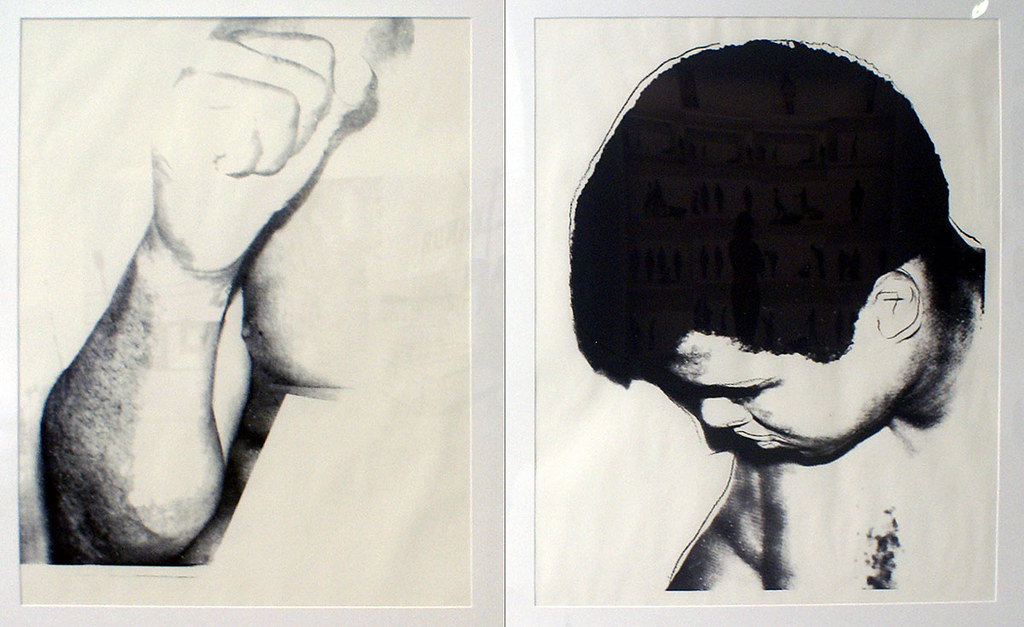
6. **Ali’s Age vs. Foreman’s Youth and Taunts**Beyond the physical blows and strategic maneuvers, Muhammad Ali employed a clever form of psychological warfare that played on the age difference between himself and George Foreman. During their historic encounter in the “Rumble in the Jungle,” Ali explicitly taunted Foreman about his youth, contrasting it with his own storied career and experience. This wasn’t just typical trash talk; it was a deliberate attempt to get inside Foreman’s head, suggesting that he was out of his depth against a true legend.
Foreman openly shared one of Ali’s cutting remarks: “He said ‘George you a kid in high school when I fought Liston you don’t belong in here’.” This jab referred to Ali’s iconic victories over Sonny Liston a decade prior, during which Foreman would indeed have been much younger and still developing his career. The implication was clear: Ali had been at the pinnacle of boxing for years, while Foreman, despite his undefeated record, was still a relative newcomer in the grand historical context of heavyweight boxing.
Ironically, Foreman found a moment of amusement in this particular taunt, despite the intensity of the fight. He revealed, “I wanted to laugh cause I never went to high school.” This anecdote highlights Ali’s ability to be both a fierce competitor and a showman, even in the most critical moments. The taunt served to emphasize Ali’s veteran status and his belief that Foreman, for all his power, lacked the seasoned experience and perhaps the legendary gravitas necessary to truly challenge him on such a grand stage.

7. **The Historic Nature and Spectacle of the Rumble**The “Rumble in the Jungle” was far more than just a boxing match; it was an unparalleled global spectacle, recognized by many as the greatest sporting event of the 20th century. Held in Kinshasa, in what was then Zaire, the event captivated a projected record-breaking audience of 1 billion people worldwide, including 50 million tuning in via pay-per-view screenings in theaters. The sheer scale and reach of the event underscored its immense cultural significance, cementing its place in history.
Muhammad Ali, entering the fight as a four-to-one underdog against the powerful and undefeated George Foreman, carried a weight far greater than just a championship belt. He had recently returned to boxing after a suspension due to his refusal to be drafted into the US Army in 1970, making his comeback a powerful symbol of defiance and resilience. His previous victory over bitter rival Joe Frazier had already re-established him as a force, adding another layer of narrative richness to the upcoming bout.
The atmosphere in Kinshasa was electric, with a crowd of 60,000 eagerly anticipating the clash of these two heavyweight titans. Ali, known for his slick movement and world-class technique, showcased one of his most spectacular boxing displays, transforming the event into an all-time classic. The rivalry promised to be huge, not just for the sport of boxing, but for its broader cultural implications, with Ali embodying a cause much larger than athletic competition. His triumph further cemented his status as an icon whose influence transcended the ring and reached every corner of the earth.
Read more about: Beyond the Battlefield: 14 Thrilling FPS Games That Offer a Fresh Challenge for Call of Duty Fans
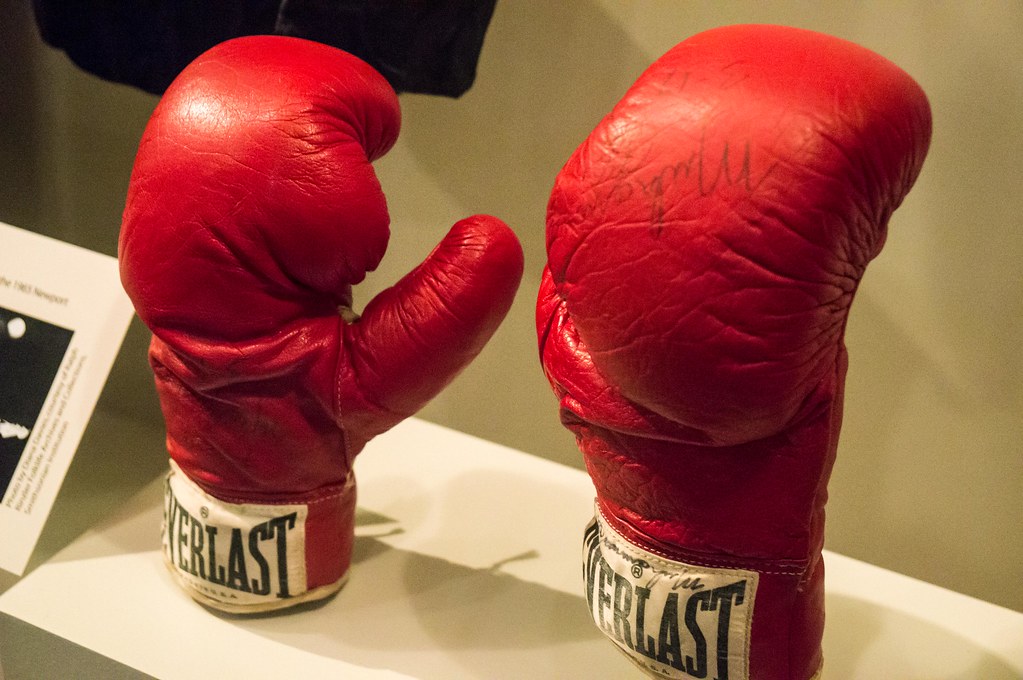
8. **The Genesis of Their Unlikely Friendship**The “Rumble in the Jungle” stands as a monumental defeat in George Foreman’s career, branded by him as the “most embarrassing moment” of his life. Yet, from the crucible of this intense physical and psychological battle emerged one of boxing’s most profound and unexpected friendships. What started as a rivalry steeped in professional ambition evolved into a bond of mutual respect that transcended the ring, laying the groundwork for a lifelong connection.
Foreman, with his characteristic candor and humor, offered a revealing insight into how such a friendship could bloom from such a bruising encounter. When asked how he could befriend someone who had beaten him so decisively, Foreman famously quipped, “If you beat me up like he did, I’d be your friend too.” This lighthearted yet deeply honest remark underscores the respect earned in the face of Ali’s undeniable skill and mental fortitude.
The initial overture came years after their epic clash, with a surprising phone call from Muhammad Ali to Foreman, who admitted he had no idea how Ali even obtained his number. This wasn’t a call to settle old scores or to boast; it was a call filled with genuine admiration. Ali spent a remarkable twenty minutes simply complimenting Foreman, a gesture that disarmed the formidable heavyweight and began to mend any lingering professional wounds.
This surprising act of grace and recognition from Ali set the stage for a relationship built on something far more substantial than victory or defeat. It was an acknowledgment of Foreman’s own greatness, an olive branch extended from one legend to another, proving that even the fiercest of competitors could find common ground and, ultimately, profound friendship.
Read more about: Dr. No Uncovered: 12 Electrifying Behind-the-Scenes Moments from the First 007 Film
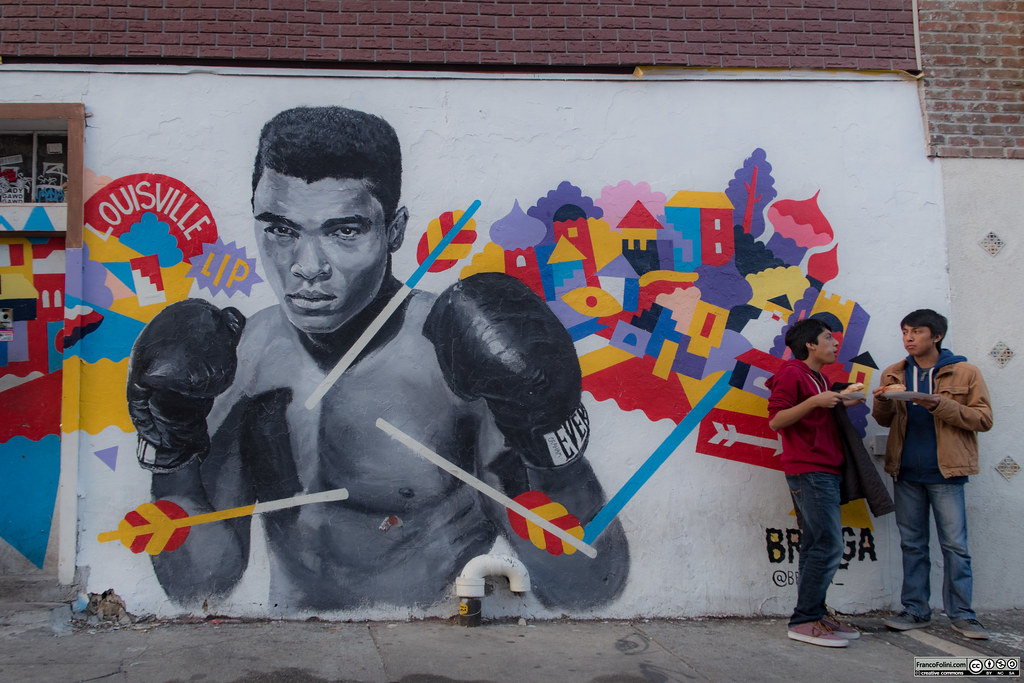
9. **Ali’s Persistent Refusal for a Rematch**Despite the deep respect that blossomed between George Foreman and Muhammad Ali, the prospect of a rematch after the “Rumble in the Jungle” remained a persistent, albeit ultimately unfulfilled, desire for Foreman. As a top contender, Foreman believed he deserved another shot, and various boxing committees also advocated for a second showdown between the two titans. The boxing world buzzed with the anticipation of another epic encounter, eager to witness if Foreman could avenge his only professional loss.
However, Ali, ever the strategist, employed a clever tactic to sidestep a potential rematch. Foreman revealed that Ali called him once to discuss a second fight but presented an intriguing condition: “I’ll do the match but you’ve got to hire Dick Sadler.” Dick Sadler was Foreman’s previous trainer and manager, a man with whom Foreman had no intention of reuniting. This condition, Ali likely knew, was a non-starter for ‘Big George.’
Foreman’s refusal was unequivocal: “I’ll never work with Sadler again.” Ali’s response was swift and definitive, hanging up after telling Foreman, “That’s your problem you never work with anybody that’s why you’ll never fight for the title.” This seemingly innocuous demand was Ali’s ingenious way of declining a fight without explicitly saying no, knowing Foreman’s principles would prevent him from accepting the condition.
The absence of a rematch had significant repercussions for Foreman’s career. His subsequent fight against Jimmy Young in 1977 was framed as an elimination bout, with the winner positioned to challenge for the title. Foreman suffered a unanimous decision defeat to Young, a loss that directly preceded his ten-year retirement from the sport, effectively closing the door on any immediate hopes of facing Ali again in the ring. Ali’s strategic evasion not only avoided a potentially grueling rematch but also subtly influenced the trajectory of Foreman’s first boxing career.
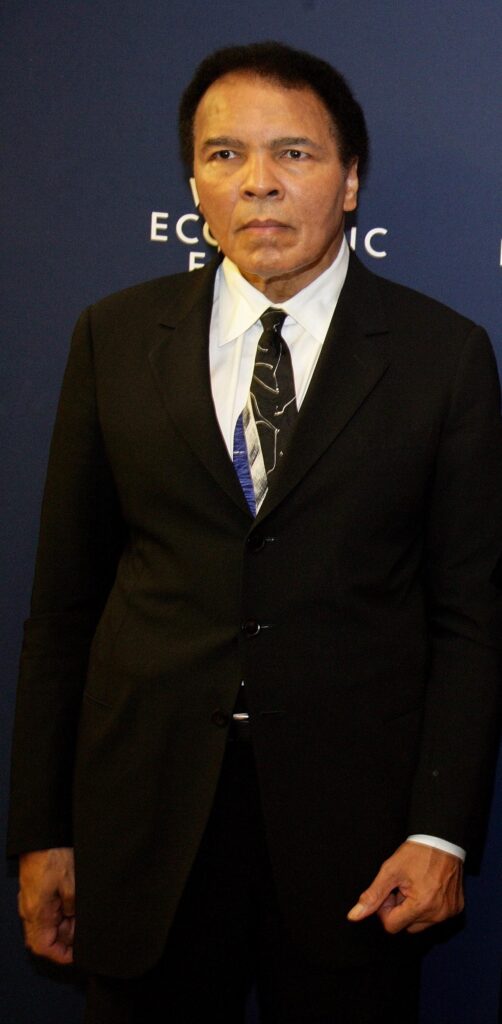
10. **The Deepening Bond: Phone Calls and Family Connections**The initial post-fight phone call from Muhammad Ali to George Foreman, laden with compliments, marked the true beginning of their unexpected friendship. From that pivotal moment, their relationship blossomed, transforming from one of fierce rivals to genuine companions. Foreman confirmed, “After that day the two were ‘best of friends’,” a testament to the power of reconciliation and shared experiences, even in the unforgiving world of professional boxing.
Their connection was fostered through regular communication, often by telephone. Foreman recalled, “We starting talking on the telephone,” noting that he would frequently “try to run him down wherever he be” to connect. These conversations weren’t just about boxing or their past; they delved into deeper, more personal realms. Foreman specifically remembered their “religious conversations,” indicating a bond that transcended the superficial and tapped into shared spiritual contemplation.
What truly solidified their unique friendship was its expansion beyond the two legendary fighters themselves. Their families became intertwined, with Foreman proudly stating, “His children also became good friends with my children.” This generational connection added an extraordinary dimension to their bond, illustrating how their rivalry had evolved into a legacy of familial affection and mutual support.
Ali’s sincere desire for Foreman’s well-being was evident even in his initial call. Beyond the compliments, Ali made a surprising request: he asked Foreman to return to boxing specifically to defeat Ken Norton, a fighter Ali himself admitted he couldn’t beat. He told Foreman, “George, you can. He’s afraid of you. I’ll let you use my training camp and everything but please come back and beat him for me.” This act of trust and encouragement from Ali underscored the genuine camaraderie that had developed, marking the moment, as Foreman recalled, “That is where the love affair began.”
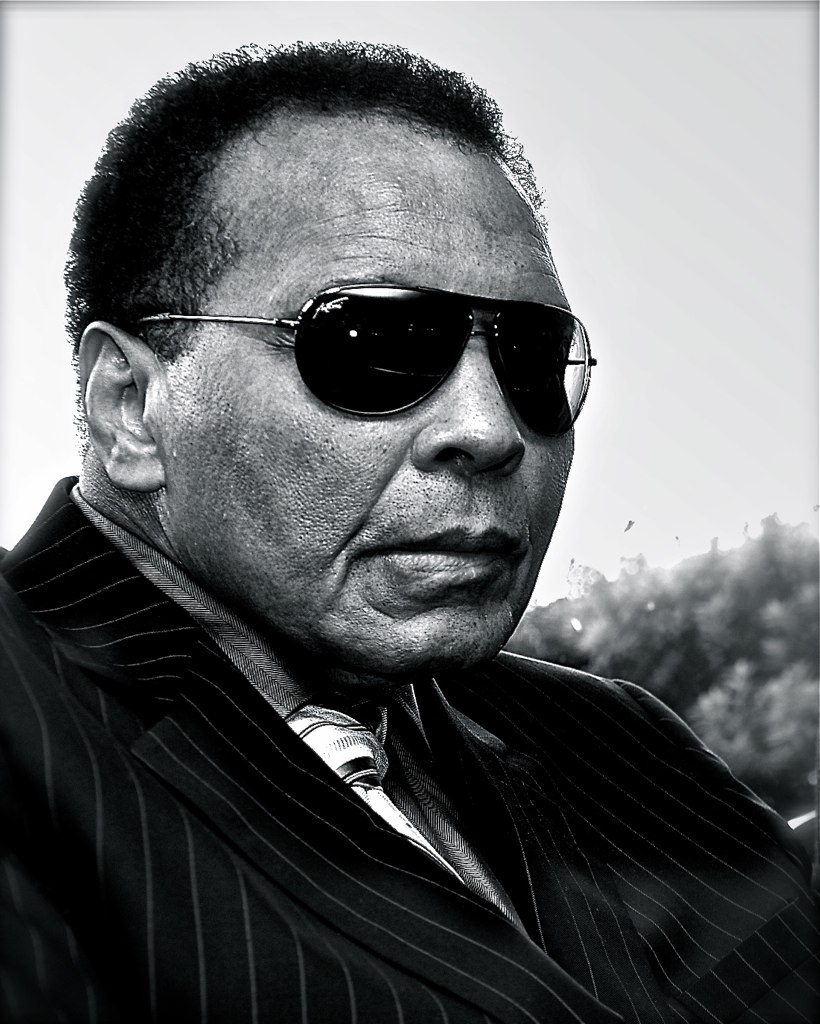
11. **Ali’s Transcendent Presence and Charisma**George Foreman frequently emphasized that Muhammad Ali’s greatness extended far beyond his unparalleled boxing skills, pointing to his extraordinary “presence” as his most potent weapon. “His greatest power was his presence,” Foreman asserted, acknowledging that this aura was palpable both within the confines of the boxing ring and in every aspect of Ali’s life outside of it. This magnetic quality captivated audiences and individuals alike, making every encounter with Ali a memorable one.
Ali’s zest for life and his indomitable spirit shone through his constant humor and positivity, even amidst the challenges he faced. Foreman fondly recalled, “Every morning he woke up, it didn’t matter what situation he was in, he was going to try to find a way to be joking and laughing.” This unwavering cheerfulness and ability to bring joy to any situation became a hallmark of Ali’s character, making him a beacon of light for those around him.
Perhaps one of Ali’s most remarkable traits, from Foreman’s perspective, was his ability to make everyone in his company feel profoundly valued. “He made me feel so important. If you sit around him, you felt important. You really felt like you were something special,” Foreman explained. This rare gift allowed Ali to connect deeply with people, making them believe they were the sole focus of his attention, regardless of their own stature.
This sense of importance was cultivated by Ali’s genuine engagement. Foreman highlighted Ali’s capacity for deep listening, noting, “And he wouldn’t yawn much. He’d just listen to you.” This authentic attention, coupled with his charismatic demeanor, left an indelible impression on those he met, solidifying his reputation not just as a champion, but as a truly remarkable human being who uplifted those in his orbit.

12. **Ali’s Global Reach Beyond Boxing**Muhammad Ali’s influence extended far beyond the traditional boundaries of sports, creating a global phenomenon that George Foreman witnessed firsthand. Foreman, having traveled the world extensively, was repeatedly struck by Ali’s universal recognition, even among those who had never seen a single boxing match. This widespread adoration underscored Ali’s iconic status, cementing his place as a figure whose impact transcended cultural and geographical divides.
Foreman’s experience selling his popular George Foreman grills provided him with a unique perspective on Ali’s pervasive fame. He recounted touring various corners of the earth, often hearing whispers of “Ali, Ali” from people he encountered. This revelation often prompted a sense of awe from Foreman, who would think, “oh my goodness, over here, too?” The consistent reverence shown to Ali in diverse regions highlighted how deeply his legacy had permeated global consciousness, resonating with individuals across disparate backgrounds.
What was particularly striking to Foreman was that many of these individuals had no direct connection to boxing. “Most of them never saw a boxing match,” he observed, emphasizing that Ali’s appeal stemmed from something far greater than his athletic achievements. His name alone carried immense weight and emotional significance, capable of eliciting a profound response from people worldwide.
Foreman articulated this emotional connection powerfully: “When you say the word Ali, it would do something to your heart and make you feel a certain thing.” This sentiment perfectly encapsulates Ali’s unique ability to inspire, unite, and move people on a deeply personal level. His name became synonymous with courage, conviction, and a spirit that touched the hearts of millions, regardless of their knowledge of his sporting prowess.
Read more about: The Most Inspiring 14 Sports Victories That Still Give You Chills.
13. **The ‘Bigger Than Boxing’ Legacy**George Foreman vehemently argued that to confine Muhammad Ali’s legacy solely to his boxing achievements would be a grave injustice. For Foreman, Ali was much more than an athlete; he was a transcendent figure whose impact far outstripped the confines of the ring. “To say he was the greatest boxer is a put down,” Foreman stated, emphasizing that Ali’s true greatness resided in his character and his broader contributions to humanity.
Foreman unequivocally declared Ali to be “the greatest man I ever met,” an immense compliment coming from a rival who had felt the full force of Ali’s physical and psychological might. He reiterated this sentiment, stating, “He was bigger than boxing. He was bigger than anything.” This perspective highlights Ali’s powerful influence as an activist, a cultural icon, and a symbol of resistance who fought for principles far beyond championship belts and financial gain.
Ali himself articulated a desire to be more than just a boxer, a sentiment Foreman deeply admired and believed Ali exemplified throughout his life. “He went into the ring, and he didn’t lose because he was fighting for a lot more than just a championship belt and a few dollars in his pocket. He had a cause. He really had a cause,” Foreman explained, recognizing Ali’s courageous stance against the Vietnam War and his advocacy for civil rights.
This enduring message — to be “more than just what you do” — is the profound legacy Ali left for all athletes and individuals. Foreman emphasized that Ali’s influence was not limited by color or creed; his universal appeal touched people “beyond anything as far as color.” Ali demonstrated that one’s platform, whether in sports or elsewhere, could be used for greater good, inspiring generations to strive for a purpose beyond personal accomplishment and to champion causes that resonate with the human spirit.
Read more about: The Definitive Ranking: Clint Eastwood’s 9 Best Directorial Masterpieces According to Rotten Tomatoes
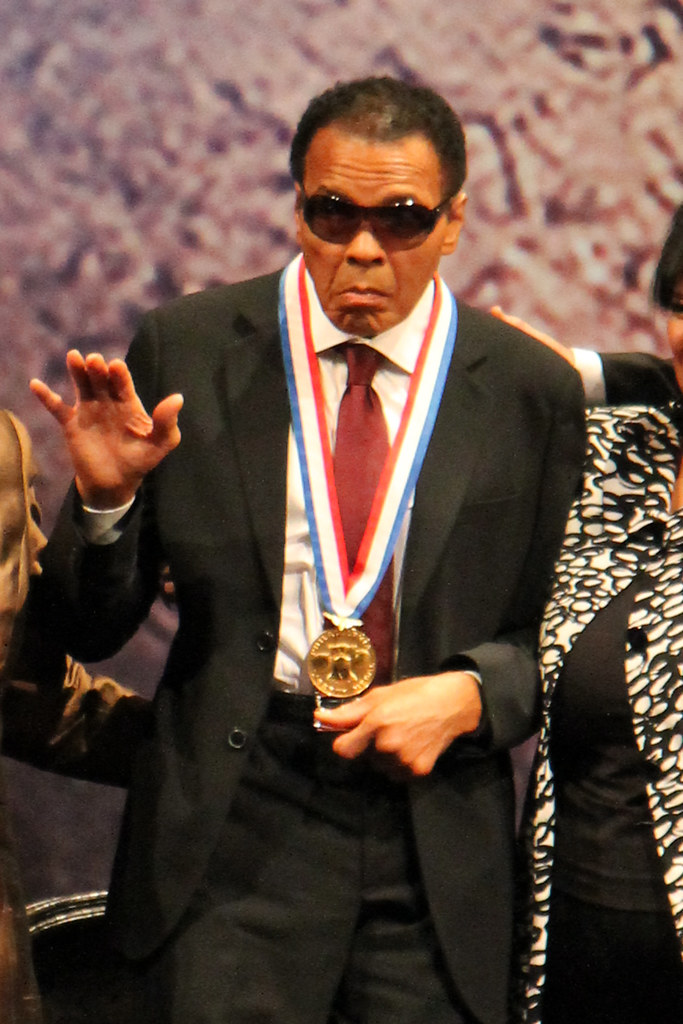
14. **A Profound Personal Loss**The passing of Muhammad Ali in 2016, at the age of 74, marked an intensely personal and profound loss for George Foreman. Despite their legendary rivalry, Ali had become an integral part of Foreman’s life, transforming from an opponent into a cherished friend. Foreman articulated the depth of his grief with a poignant metaphor, stating, “Yeah, lost – a giant tree just fell and Muhammad Ali – there’ll never be another.” This powerful image conveyed the immensity of the loss and the irreplaceable void Ali left behind.
For Foreman, Ali’s death represented a piece of himself slipping away forever. He openly shared his profound sadness, lamenting, “A part of me slipped away, and I called it the greatest part – Muhammad Ali because it was he who made me glimpse into boxing.” This raw honesty underscored the symbiotic relationship they shared, where each man’s career and identity were intrinsically linked to the other. Ali, Frazier, and Foreman, as he often tweeted, “we were one guy,” reflecting their shared journey and impact on the sport.
The emotional void created by Ali’s absence was not merely a retrospective longing but a disruption to the fabric of Foreman’s daily life. He expressed how deeply he would miss their interactions, however informal. “My life is never going to be the same without having to look to the left seeing did Muhammad hear my interview? Did – what did he have to say about that photograph? It’s gone now,” Foreman mourned, illustrating the constant, quiet presence Ali held in his thoughts, even from a distance.
Ali’s passing signified not just the loss of a global icon, but the departure of a dear friend who had shaped Foreman’s understanding of life, competition, and compassion. The tears and heartfelt tributes from Foreman painted a vivid picture of a friendship forged in fire, deepened by mutual respect, and honored by a profound sense of personal and collective grief for a man who truly transcended his sport and left an indelible mark on the world.
Read more about: Lori Loughlin’s Unfolding Story: A Deep Dive into Her Separation, Scandal, and Unexpected Connections
From the electrifying intensity of the “Rumble in the Jungle” to the quiet camaraderie forged over decades, the relationship between George Foreman and Muhammad Ali stands as a testament to the transformative power of sport and the enduring strength of the human spirit. Foreman’s candid recollections provide an intimate window into the life of a man he considered “bigger than boxing,” revealing Ali not just as a champion, but as a friend, a mentor, and a global phenomenon whose presence made everyone feel special. Ali’s legacy, as recounted by his greatest rival, is not merely etched in boxing history but woven into the fabric of human connection, demonstrating that even the fiercest battles can lead to the most beautiful friendships, leaving an eternal mark on those he touched and the world he inspired.