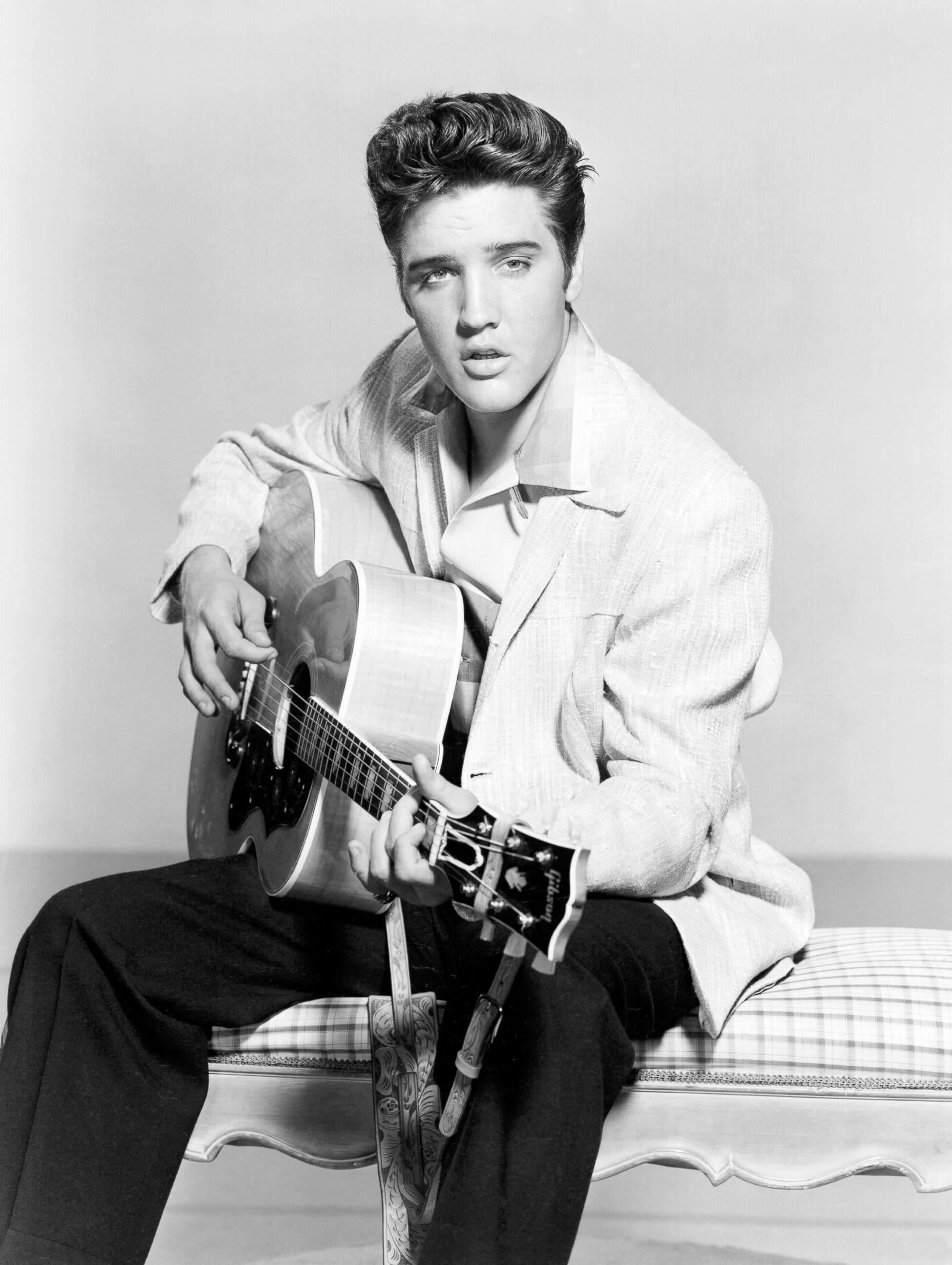
The phenomenon of Elvis Presley, a name synonymous with American culture and the seismic shift of rock and roll, transcends mere musical stardom. It represents a watershed moment, a cultural revolution born from the raw talent and unapologetic charisma of a young man who redefined an era. Before he became “The King,” a global icon whose very presence could ignite a frenzy, Elvis Aaron Presley was a shy, unassuming boy from the working-class South, whose journey from humble beginnings to unprecedented fame is a captivating saga of ambition, talent, and profound cultural impact.
This in-depth exploration delves into the foundational years of Elvis Presley’s career, tracing the improbable trajectory that saw him transform from an eager but hesitant amateur to a controversial national sensation. We will peel back the layers of his early life, the crucial recording sessions that birthed a new sound, and the electrifying live performances that made him a regional star. We examine the pivotal moments that caught the attention of powerful industry figures, culminating in his groundbreaking national television appearances that both mesmerized and scandalized a nation unprepared for his raw, unbridled energy.
The story of Elvis is not merely one of musical innovation; it is a narrative woven with threads of societal change, a testament to the power of a single personality to challenge entrenched norms and forge a new cultural identity for an entire generation. His rise was swift and often tumultuous, marked by both fervent adoration and fierce condemnation, yet his influence proved indelible, permanently altering the landscape of popular music and youth culture in America and beyond.
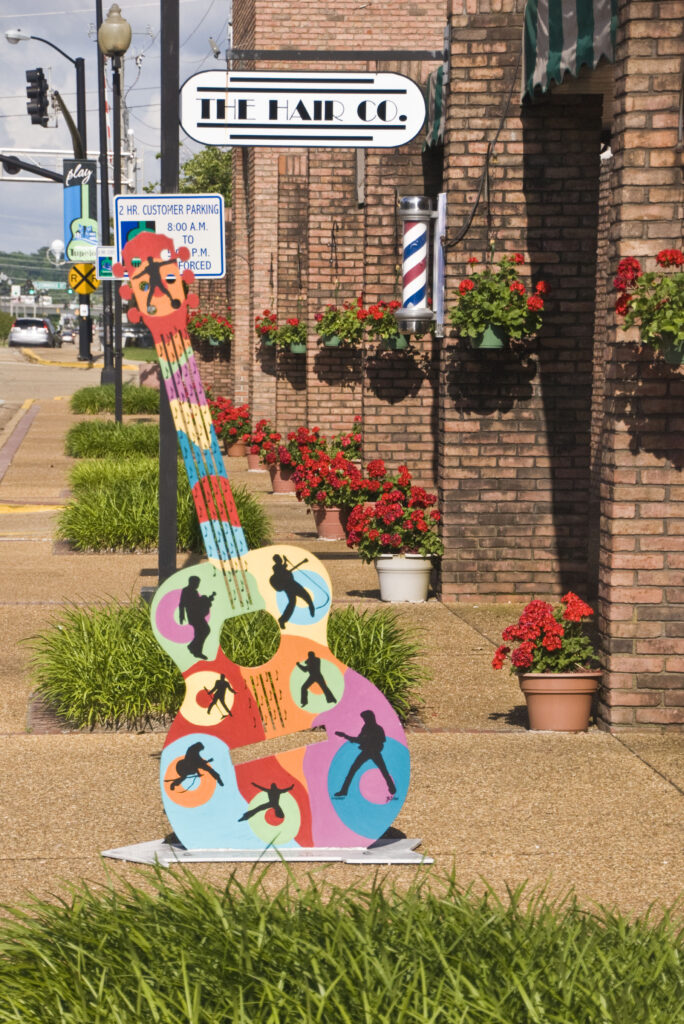
1. **Early Life in Tupelo and Memphis (1935-1953)**
Born January 8, 1935, in Tupelo, Mississippi, Elvis Aaron Presley’s early life was marked by poverty and the tragedy of his twin, Jesse Garon, being stillborn. This fostered a deep bond with his parents, Gladys and Vernon, and instilled an early musical foundation in their Assembly of God church. The family’s reliance on “neighbors and government food assistance,” plus Vernon’s 1938 jailing, fueled Elvis’s relentless drive for security.
Despite being deemed “average” at East Tupelo Consolidated, Presley’s talent emerged. At ten, he publicly performed “Old Shep.” He received his first guitar soon after, though remaining “very shy” about singing. Moving to Memphis in 1948, a dismissive music teacher at L. C. Humes High declared he “had no aptitude for singing,” a slight he defiantly countered.
By junior year, Presley cultivated his distinctive look, with sideburns and styled hair inspired by Beale Street’s fashions. His 1953 Humes Annual “Minstrel” Show, singing “Till I Waltz Again with You,” transformed his school reputation, proving “amazing how popular I became.” Absorbing country, gospel, and “race records,” music was his clear future by graduation.
Read more about: The King’s Highway: Charting Elvis Presley’s Revolutionary Ride Through Music History
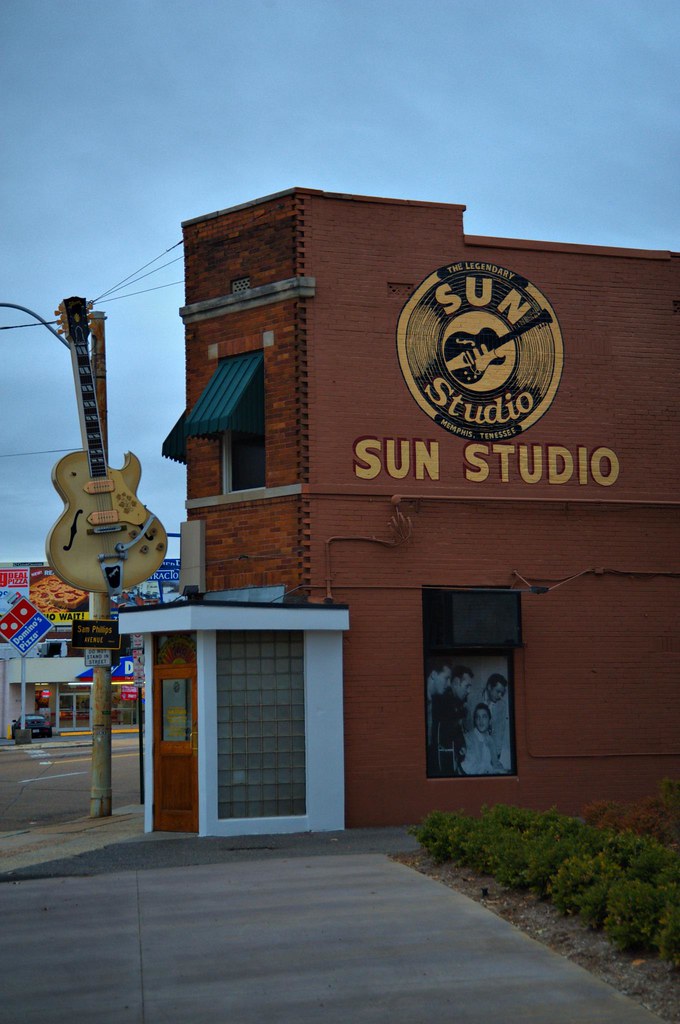
2. **First Recordings at Sun Records and the Birth of Rockabilly (1953-1954)**
In August 1953, Elvis Presley sought discovery at Sam Phillips’ Memphis Recording Service. Despite failed initial acetate discs and auditions, Phillips, seeking an artist to bridge black rhythm and blues to a wider audience, recognized Presley’s unique potential, inviting him to return with guitarist Scotty Moore and bassist Bill Black.
The pivotal session on July 5, 1954, initially unfruitful, ignited when Presley spontaneously launched into Arthur Crudup’s “That’s All Right.” Moore vividly recalled Presley “just started singing this song, jumping around and acting the fool,” prompting the others to join. Phillips, recognizing the raw, electrifying sound, quickly began taping, capturing a moment that redefined music.
The impact was immediate. Memphis DJ Dewey Phillips played “That’s All Right” repeatedly; callers assuming Presley was black prompted Phillips to clarify his race. A distinctive, “slapback”-laden version of Bill Monroe’s “Blue Moon of Kentucky” was soon recorded. This groundbreaking blues and country fusion, released as a single, rapidly became known as “rockabilly,” announcing a new era.
Read more about: The King’s Highway: Charting Elvis Presley’s Revolutionary Ride Through Music History
3. **Early Live Performances and the “Rubber Legs” Phenomenon (1954)**
Translating their studio energy, the trio debuted at the Bon Air club and later the Overton Park Shell. It was here that Presley, blending rhythmic intensity with nervousness, pioneered his signature “Rubber legs” dance. This exaggerated shaking, amplified by wide-cut pants, caused young women to scream, signaling a revolutionary physical dimension to performance.
Scotty Moore noted Presley’s movements, “a natural thing,” were also “very conscious of what got a reaction,” allowing him to quickly expand on successful gestures. Recognizing this dynamic, Moore and Black joined Presley full-time, and disc jockey Bob Neal became their manager, guiding their rapid ascent.
Frequent gigs at Memphis’s Eagle’s Nest club showcased Presley’s appeal. Despite a dismissive reception at Nashville’s Grand Ole Opry, which deemed him “not bad” but unsuitable, this early rejection underscored the radical, boundary-breaking nature of Presley’s unique stagecraft.
Read more about: The King’s Highway: Charting Elvis Presley’s Revolutionary Ride Through Music History
4. **The Louisiana Hayride and Regional Stardom (1954-1955)**
The Grand Ole Opry’s rejection proved fortuitous, leading Presley to the more adventurous Louisiana Hayride in November 1954, broadcast on 198 radio stations. His initially nervous debut gave way to an “energetic second set” and a year-long engagement, quickly expanding his regional reach.
With a new Martin guitar and consistent exposure, the trio toured new locales. Presley’s first television appearance on KSLA-TV provided a visual glimpse of his electrifying stage presence. Though he failed an audition for Arthur Godfrey’s Talent Scouts, these experiences honed his public persona.
By early 1955, relentless touring and popular records cemented Presley’s regional superstar status. Bob Neal formalized his management and, critically, introduced him to Colonel Tom Parker, whom he considered “the best promoter.” Parker promptly booked Presley on Hank Snow’s February tour, positioning him for a national breakthrough.
5. **Colonel Tom Parker’s Influence and RCA Victor Contract (1955)**
By August 1955, Sun Records had released ten sides, showcasing Elvis’s evolving “rockabilly” sound—a blend of “R&B idiom of negro field jazz” and country. This fusion, difficult for radio programmers, captured a burgeoning youth audience, solidifying Presley’s identity as “The King of Western Bop.”
Recognizing Parker’s strategic acumen, Neal renewed his management contract, concurrently appointing Parker as “special adviser.” Touring intensified, drawing “frightening” reactions from jealous teenage boys, sometimes necessitating police protection. The band, now a quartet with drummer D.J. Fontana, shared stages with Bill Haley.
Presley’s fame culminated at the Country Disc Jockey Convention, where he was voted “most promising male artist.” This led to RCA Victor’s unprecedented $40,000 acquisition of his Sun contract on November 21. Parker established Elvis Presley Music and Gladys Music, ensuring songwriters ceded a third of royalties for Presley to perform their works, catapulting Elvis to national prominence.
6. **First National TV Appearances and Debut Album (1956)**
With RCA Victor’s backing, 1956 marked Elvis Presley’s national debut. His first RCA recordings in Nashville on January 10, with an expanded band including Chet Atkins and The Jordanaires, produced “Heartbreak Hotel,” signaling a sophisticated evolution. Colonel Parker quickly booked Presley for six appearances on CBS’s “Stage Show,” introducing his charisma to national television.
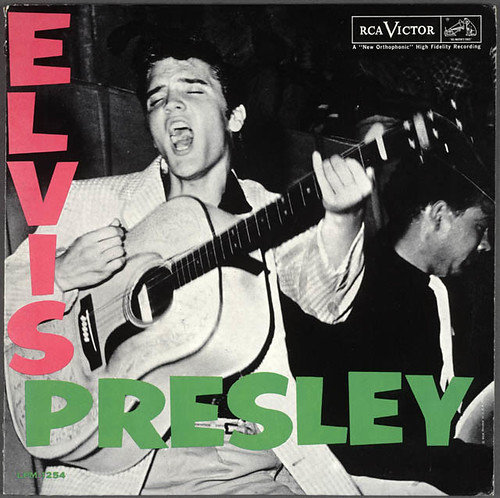
Following his January 28 debut, Presley recorded in New York, producing eight songs including “Blue Suede Shoes.” “I Forgot to Remember to Forget” topped the Billboard country chart in February, confirming his crossover appeal. With Neal’s contract terminated, Parker became full manager. RCA’s self-titled debut album, released March 23, mixed new recordings with Sun tracks, showcasing country, pop, and defining rock and roll covers.
Critic Robert Hilburn noted Presley “reshaped” R&B covers, injecting his “own vocal character” and making “guitar… the lead instrument.” This groundbreaking approach led the album to become the first rock and roll LP to top Billboard for ten weeks. Its iconic cover, depicting “Elvis having the time of his life on stage with a guitar,” solidified the instrument’s role, cementing Presley as the undeniable face of a cultural revolution.
7. **The Steve Allen Show and Initial Ed Sullivan Appearances (1956)**
Following the uproar from his Milton Berle appearance, Elvis Presley was booked for a July 1, 1956, performance on NBC’s The Steve Allen Show in New York. Allen, known for his aversion to rock and roll, notably introduced a “new Elvis” dressed incongruously in a white bowtie and black tails. During his rendition of “Hound Dog,” Presley was made to sing to a basset hound adorned with its own top hat and bowtie, an act television historian Jake Austen described as Allen trying to show Presley’s “contrition” and seeing him as “talentless and absurd.” Presley himself later reflected on this as the most ridiculous performance of his entire career.
Despite the perceived humiliation, Presley later appeared on Hy Gardner Calling, a popular local television show, where he was pressed on whether he had learned anything from the mounting criticism. Unflinchingly, Presley responded, “No, I haven’t … I don’t see how any type of music would have any bad influence on people when it’s only music. … how would rock ‘n’ roll music make anyone rebel against their parents?” This resolute stance underscored his conviction in his artistry. The very next day, Presley entered the studio to record definitive versions of “Hound Dog,” “Any Way You Want Me,” and “Don’t Be Cruel,” with The Jordanaires providing their now-signature harmony.
His defiant spirit was palpable during an outdoor concert in Memphis, where he declared, “You know, those people in New York are not gonna change me none. I’m gonna show you what the real Elvis is like tonight.” Soon after, a judge in Jacksonville, Florida, ordered Presley to temper his act. In a subtle act of rebellion, he largely remained still during the subsequent performance, save for a suggestive wiggle of his little finger that mocked the very order. The single pairing “Don’t Be Cruel” with “Hound Dog” went on to dominate the charts for an astounding eleven weeks, a record that stood for 36 years, further cementing his indomitable popularity. Recording sessions for his second album in Hollywood in early September saw Leiber and Stoller contribute the evocative track “Love Me.”
Allen’s show featuring Presley, against all odds, had surpassed The Ed Sullivan Show in ratings for the first time, a feat that prompted Sullivan to book Presley for an unprecedented three appearances for $50,000. The first of these, on September 9, 1956, captivated an estimated 60 million viewers, capturing a record 82.6 percent of the television audience, hosted by actor Charles Laughton while Sullivan recovered from an accident. Legend has it that Presley was to be filmed only from the waist up due to Sullivan’s concerns over his gyrations, allegedly even suspecting a “Coke bottle” for emphasis.
In reality, Presley was indeed shown head-to-toe during this debut, albeit with relatively discreet camerawork featuring leg-concealing close-ups when he moved. The studio audience’s screams were nonetheless deafening, underscoring his visceral appeal. His performance of the upcoming ballad “Love Me Tender” generated a record-shattering million advance orders. More than any other single event, this first appearance on The Ed Sullivan Show irrevocably transformed Presley into a national celebrity, catalyzing a profound cultural shift. The historian Marty Jezer observed that Presley ignited the “biggest pop craze” since Glenn Miller and Frank Sinatra, empowering the young to believe in themselves as “the first in America ever to feel the power of an integrated youth culture.”
Read more about: The King’s Highway: Charting Elvis Presley’s Revolutionary Ride Through Music History
8. **Crazed Crowds and His Film Debut: Love Me Tender (1956)**
The audience response at Elvis Presley’s live shows escalated into a phenomenon of unprecedented fever pitch. His guitarist, Scotty Moore, vividly recalled, “He’d start out, ‘You ain’t nothin’ but a Hound Dog,’ and they’d just go to pieces. They’d always react the same way. There’d be a riot every time.” The sheer intensity of these reactions necessitated extraordinary measures, such as the deployment of fifty National Guardsmen, in addition to police, to prevent a ruckus at two concerts he performed in September at the Mississippi–Alabama Fair and Dairy Show.
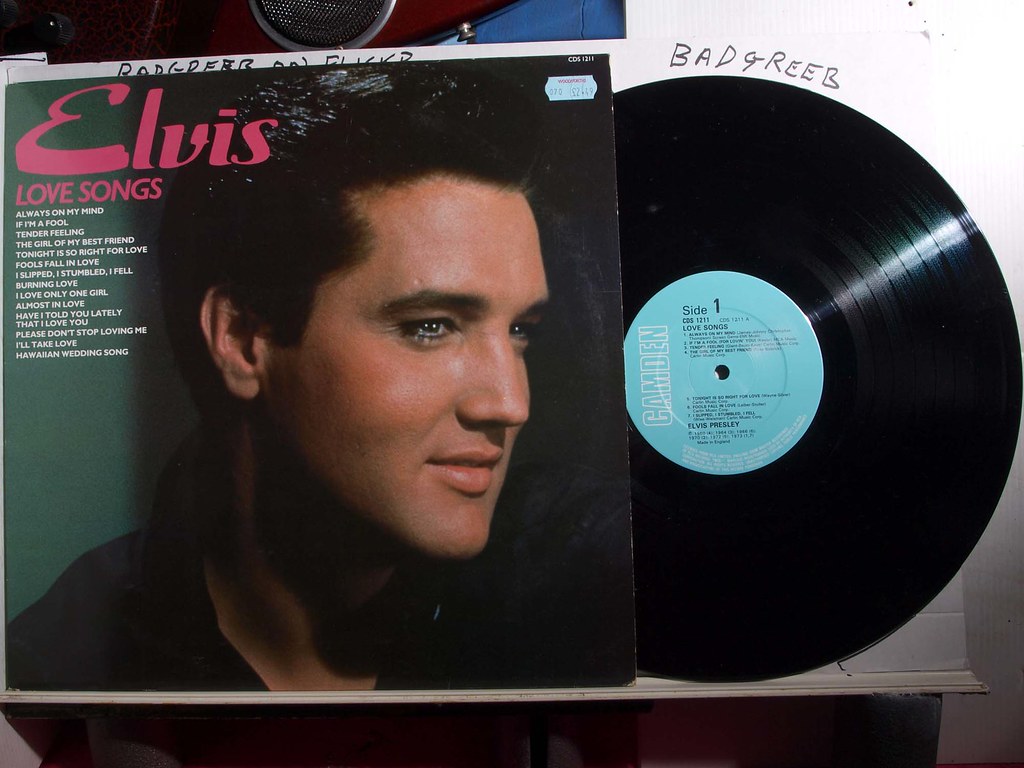
In October, Elvis, Presley’s second RCA Victor album, was released, quickly soaring to the number one spot on the charts. This album notably included “Old Shep,” the song he had performed at a talent show in 1945, and marked the first time he showcased his piano playing on an RCA Victor session. Biographer Peter Guralnick, in assessing this performance, highlighted “the halting chords and the somewhat stumbling rhythm” as revealing “the unmistakable emotion and the equally unmistakable valuing of emotion over technique,” a hallmark of Presley’s artistry.
Rock critic Dave Marsh, reflecting on the musical and cultural impact of Presley’s recordings from “That’s All Right” through this album, emphatically stated that “these records, more than any others, contain the seeds of what rock & roll was, has been and most likely what it may foreseeably become.” His observations underscore the profound and lasting influence of Presley’s early body of work on the very fabric of popular music.
Presley returned to The Ed Sullivan Show, this time hosted by its namesake, on October 28. In a stark illustration of the polarizing nature of his fame, crowds in Nashville and St. Louis reacted by burning him in effigy, a grim counterpoint to the adulation he typically received. This period of intense scrutiny and adoration was soon followed by his eagerly awaited foray into cinema.
His first motion picture, ‘Love Me Tender,’ premiered on November 21. Originally titled ‘The Reno Brothers,’ the film’s name was changed to capitalize on the massive success of his latest number-one record, “Love Me Tender,” which had already topped the charts earlier that month. To further leverage Presley’s soaring popularity, four musical numbers were strategically integrated into what was initially conceived as a straight acting role. Despite critics panning the film, it achieved substantial success at the box office, unequivocally establishing Presley’s star power on the big screen. Consequently, he received top billing on every subsequent film he made, a testament to his immediate and undeniable cinematic appeal.
9. **Leiber and Stoller Collaborations and the Draft Notice (1957)**
Presley’s third and final Ed Sullivan Show appearance on January 6, 1957, remains one of his most talked-about, as he was indeed filmed only from the waist up. Some commentators have speculated that Colonel Parker orchestrated this apparent censorship to amplify publicity. Regardless of the intent, Presley commanded the stage in an “outlandish costume,” exhibiting an “overwhelmingly ual cast of his mouth,” channeling the magnetic allure of Rudolph Valentino in “The Sheik” with unbridled intensity, a performance that further solidified his controversial yet captivating image.
To conclude the show, Presley, in a move that defied Sullivan’s preferences, delivered a heartfelt rendition of the gentle black spiritual “Peace in the Valley,” showcasing a deeper dimension of his vocal range. Ed Sullivan, seemingly won over, publicly declared Presley “a real decent, fine boy” at the end of the broadcast. However, just two days later, a stark reminder of his civilian obligations arrived: the Memphis draft board announced Presley’s classification as 1-A, signaling that he would likely be drafted into the military later that year, introducing an element of uncertainty into his burgeoning career.
The first half of 1957 was a period of sustained musical triumph for Presley, with each of his three singles—”Too Much,” “All Shook Up,” and “(Let Me Be Your) Teddy Bear”—soaring to number one on the charts. His fame transcended national borders, making him an international star, with reports of his music commanding high prices even in Leningrad on discarded X-ray plates. It was amidst this global ascendancy, on March 19, 1957, that Presley acquired his iconic 18-room mansion, Graceland, establishing a luxurious personal haven.
His second film, ‘Loving You,’ released in July, contributed its soundtrack to his streak of number-one albums, marking his third consecutive chart-topper. Songwriters Jerry Leiber and Mike Stoller, who had penned the title track, were subsequently retained to compose four of the six songs for his next film, ‘Jailhouse Rock.’ This creative partnership blossomed into a close working relationship, with Presley considering them his “good-luck charm.” Leiber himself attested to Presley’s remarkable quickness, stating, “Any demo you gave him he knew by heart in ten minutes.” Both the title track and the ‘Jailhouse Rock’ EP quickly became number-one hits, further cementing their collaborative success.
Despite his continued triumphs, Presley’s tours throughout the year elicited increasingly “crazed audience response,” prompting a Detroit newspaper to suggest that attending his concerts carried a risk of injury. Incidents like students pelting him with eggs in Philadelphia and a riot breaking out in Vancouver after a show underscored the intense public reaction. Amidst this whirlwind, legendary crooner Frank Sinatra, who had once ignited similar teen passions, famously decried rock and roll as “brutal, ugly, degenerate, vicious.” Presley, when asked for a response, remarked, “I admire the man. He has a right to say what he wants to say. He is a great success and a fine actor, but I think he shouldn’t have said it… This is a trend, just the same as he faced when he started years ago.” This period also saw the recording of ‘Elvis’ Christmas Album,’ which eventually became the best-selling Christmas album in U.S. history. Notably, in December, Presley received his official draft notice, though he was granted a deferment to complete his forthcoming film, ‘King Creole.’ Just weeks into the new year, “Don’t,” another Leiber and Stoller composition, became Presley’s tenth number-one hit, an impressive prelude to his military service. The recording sessions for the King Creole soundtrack in mid-January 1958 marked the final close collaboration between Presley and the songwriting duo, and the last occasion on which Bill Black performed with him.
10. **Transformative Military Service in the US and Germany (1958-1960)**
On March 24, 1958, Elvis Presley’s life took a significant turn as he was formally drafted into the United States Army at Fort Chaffee in Arkansas. His arrival was a major media spectacle, with hundreds of people converging on him as he stepped from the bus, and photographers documenting his every move into the installation. Presley publicly declared his anticipation for military service, expressing a desire to be treated no differently than any other soldier, a sentiment that resonated with the public and underscored his commitment.
Between March 28 and September 17, 1958, Presley completed his rigorous basic and advanced training at Fort Hood, Texas, where he was temporarily assigned to Company A, 2d Medium Tank Battalion, 37th Armor. During a brief two-week leave between these demanding training phases in early June, he managed to record five new songs in Nashville, a testament to his unwavering dedication to his musical career even amidst his military duties.
On October 1, 1958, Presley received his overseas assignment, joining the 1st Medium Tank Battalion, 32d Armor, 3d Armored Division, at Ray Barracks, West Germany. There, he served diligently as an armor intelligence specialist, a role that saw him promoted to private first class on November 27, 1958, and further to specialist fourth class on June 1, 1959, demonstrating his progression within the military ranks.
It was while on maneuvers that Presley was introduced to amphetamines, becoming “practically evangelical about their benefits,” not only for energy but also for “strength” and weight loss. During his time in Germany, karate also became a lifelong passion; he studied diligently with Jürgen Seydel and would later integrate its movements into his electrifying live performances. Fellow soldiers consistently attested to Presley’s genuine wish to be regarded as an able, ordinary soldier, despite his immense fame, and highlighted his remarkable generosity, including donating his Army pay to charity, purchasing television sets for the base, and even buying an extra set of fatigues for everyone in his outfit. His military career culminated in a promotion to sergeant on February 11, 1960.
Read more about: The King’s Highway: Charting Elvis Presley’s Revolutionary Ride Through Music History

11. **The Tragic Loss of Gladys Presley (1958)**
During his transformative military service, a deeply personal tragedy struck Elvis Presley’s life. In early August 1958, his beloved mother, Gladys Love Presley, was diagnosed with hepatitis, and her condition rapidly worsened, causing immense distress for the global superstar.
Presley was promptly granted emergency leave from his military duties, allowing him to rush back to Memphis on August 12 to be at his ailing mother’s side during her final moments. This urgent return highlighted the profound bond he shared with her, a connection that had been a cornerstone of his life.
Just two days later, on August 14, Gladys Presley tragically passed away from heart failure at the age of 46. This devastating loss left Elvis utterly heartbroken and profoundly impacted him. Those close to him noted that he was “never the same” after her death, a testament to the depth of his grief and the irreplaceable void she left in his life.
Their relationship had always been exceptionally close, characterized by an enduring, almost childlike bond that persisted even into his adulthood. They often used “baby talk” with each other, and Elvis affectionately addressed her with pet names, illustrating the unique intimacy and devotion that made her passing an immeasurable blow to his spirit.
Read more about: The King’s Highway: Charting Elvis Presley’s Revolutionary Ride Through Music History
12. **Colonel Parker’s Strategic Management During Military Absence (1958-1960)**
While stationed in Bad Nauheim, West Germany, the 24-year-old Elvis Presley met 14-year-old Priscilla Beaulieu, a serendipitous encounter that would lead to a seven-and-a-half-year courtship and eventually marriage. During this period, Presley harbored significant concerns that his 24 months of military service would derail his skyrocketing career. However, Colonel Tom Parker, ever the astute strategist, convinced him that serving as a regular soldier, rather than performing in Special Services, would ultimately earn him greater popular respect, a decision that proved to be a masterful public relations stroke.
To mitigate any potential decline in his public profile during his absence, RCA producer Steve Sholes and Freddy Bienstock of Hill and Range Publishing meticulously executed a plan. They had carefully amassed a substantial reservoir of unreleased material, ensuring a steady and consistent stream of successful record releases throughout Presley’s military tenure, brilliantly keeping his music and image in the public eye.
This strategic foresight paid off handsomely, as Presley remarkably achieved ten top-40 hits between his induction into the Army and his honorable discharge. These included chart-topping singles such as “Wear My Ring Around Your Neck,” the perennial bestseller “Hard Headed Woman,” and “One Night” in 1958. His success continued into 1959 with hits like “(Now and Then There’s) A Fool Such as I” and the number-one smash “A Big Hunk o’ Love,” demonstrating his enduring appeal.
Further bolstering his presence, RCA strategically generated four compilation albums comprising previously issued material during this period. The most successful of these was ‘Elvis’ Golden Records’ (1958), which impressively climbed to number three on the LP chart. This sustained output, orchestrated by Parker’s unwavering management, ensured that Presley remained a dominant force in the music industry even while fulfilling his duties as a soldier, setting the stage for his triumphant return.
13. **Triumphant Return to Music: Elvis Is Back! (1960)**
Elvis Presley’s eagerly anticipated return to the United States on March 2, 1960, marked the end of his military service, culminating in his honorable discharge three days later. The train carrying him from New Jersey to Tennessee was met with a jubilant frenzy, mobbed by countless fans at every stop, prompting Presley to make impromptu appearances to acknowledge their unwavering devotion. This outpouring of public affection underscored the profound impact his absence had created and the immense excitement for his comeback.
On the night of March 20, just weeks after shedding his uniform, Presley re-entered RCA’s Nashville studio, signaling a monumental moment for his post-military career. This pivotal session quickly yielded tracks for a new album and the highly anticipated single, “Stuck on You,” which was rapidly released and swiftly soared to the number-one position, instantly confirming his undiminished star power.
A subsequent Nashville session conducted two weeks later proved equally fruitful, producing a pair of bestselling ballads, “It’s Now or Never” and “Are You Lonesome Tonight?”. These romantic, quasi-operatic tunes, which showcased a more refined vocal range, were complemented by the remaining tracks that formed his powerful comeback album, ‘Elvis Is Back!’.
Music critic Greil Marcus vividly described the album’s dynamic sound as embodying “Chicago blues menace,” further amplified by Presley’s “super-miked acoustic guitar,” the “brilliant playing by Scotty Moore,” and the “demonic sax work from Boots Randolph.” Marcus boldly characterized Elvis’s singing on this record as “not y, it was pornographic,” highlighting a raw, uninhibited energy that was both captivating and challenging, signifying a deliberate evolution of his artistic expression.
Music historian John Robertson further elaborated on the album’s versatility, noting how it “conjured up the vision of a performer who could be all things: a flirtatious teenage idol with a heart of gold; a tempestuous, dangerous lover; a gutbucket blues singer; a sophisticated nightclub entertainer; [a] raucous rocker.” Released merely days after its recording was completed, ‘Elvis Is Back!’ quickly ascended to number two on the album chart, unequivocally solidifying his triumphant and creatively robust return to the music scene.
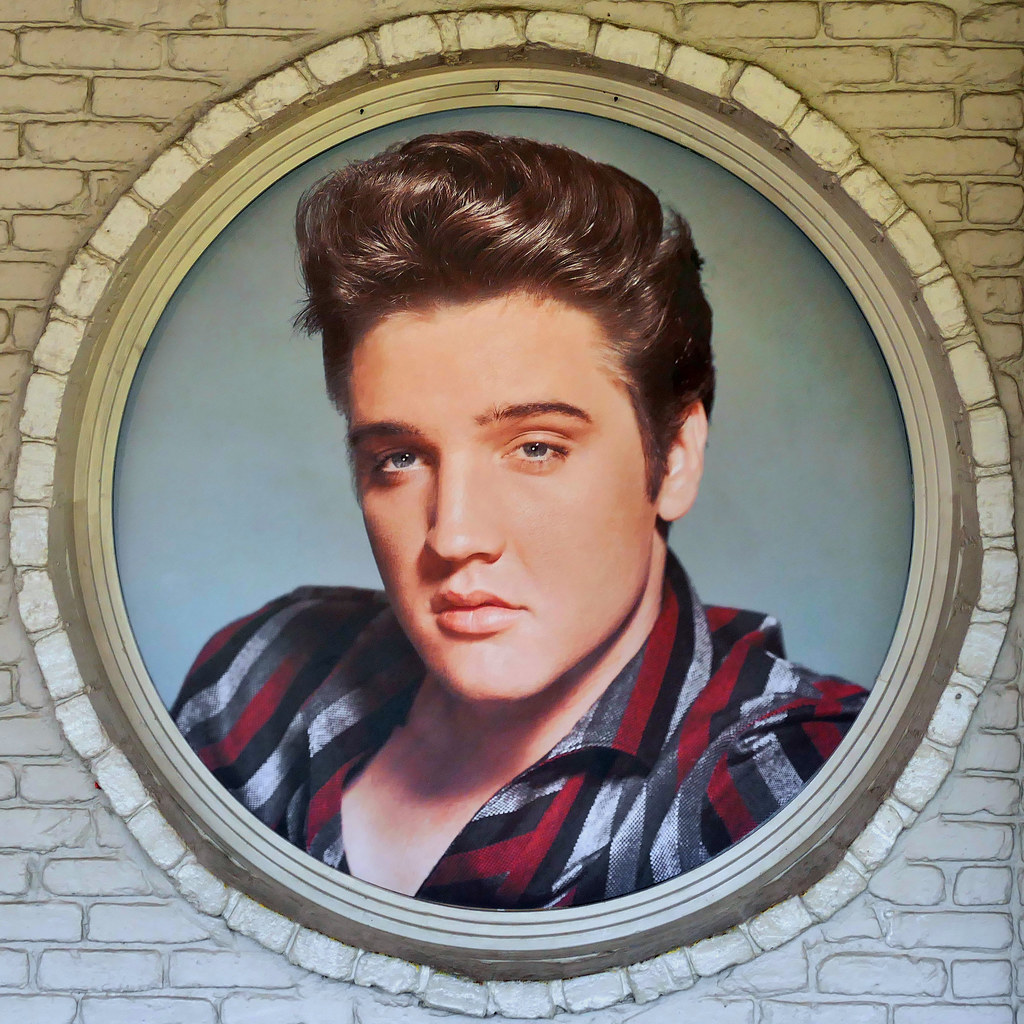
14. **Early 1960s Film and Gospel Success (1960-1961)**
On May 12, 1960, Elvis Presley made a highly anticipated television reappearance as a special guest on “The Frank Sinatra Timex Special,” also known as “Welcome Home Elvis.” Taped in late March, this broadcast represented his sole performance in front of an audience for the entire year, a moment eagerly awaited by millions. Colonel Parker, with his characteristic business acumen, negotiated an unprecedented $125,000 for just eight minutes of Presley’s singing, a clear indicator of his unparalleled drawing power and the massive public interest in his return. The program captivated an enormous viewership, decisively affirming his enduring appeal across national audiences.
His first film following his military discharge, “G.I. Blues,” premiered in October, and its accompanying soundtrack swiftly climbed to the number-one spot on the album charts. This cinematic venture showcased a blend of his musical talent with a more polished acting presence, marking a successful re-entry into the world of film and contributing significantly to his post-military career trajectory.
Two months later, in December, Presley released his first LP of sacred material, “His Hand in Mine.” This gospel album achieved remarkable commercial success, reaching number 13 on the US pop chart and an impressive number 3 in the United Kingdom. Such figures were extraordinary for a gospel album, highlighting Presley’s versatility and his ability to connect with audiences across diverse musical genres and demonstrating the broad spectrum of his artistic capabilities.
In February 1961, Presley demonstrated his philanthropic spirit by performing two benefit shows in Memphis, with all proceeds dedicated to supporting 24 local charities. During a luncheon preceding these heartfelt events, RCA Victor presented him with a prestigious plaque, officially certifying his monumental achievement of over 75 million records sold worldwide. This recognition underscored his status as a global superstar, a testament to his unparalleled success and enduring musical legacy, even in the relatively early stages of his career.
His artistic drive remained undiminished as evidenced by a comprehensive twelve-hour Nashville session in mid-March, which yielded nearly all the tracks for his next studio album. This prolific recording period signaled a continuation of his creative momentum, further cementing his renewed dominance in the music industry and laying the groundwork for future successes in the early 1960s.
The story of Elvis Presley, from his humble beginnings to his iconic status, is a tapestry woven with threads of unprecedented talent, cultural upheaval, and personal sacrifice. His journey through the tumultuous 1950s and into the promising early 1960s not only redefined music and performance but also mirrored the very aspirations and anxieties of a changing American society. He was more than a performer; he was a phenomenon, a force that irrevocably altered the landscape of popular culture, leaving an indelible mark that continues to resonate with generations. His legacy is not merely in the records he sold or the films he starred in, but in the enduring spirit of rock and roll itself, a spirit he undeniably forged and championed with every electrifying move and soulful note.