Get ready, because we’re about to embark on an absolutely exhilarating journey into the heart of Singapore’s most iconic riverside destination – Clarke Quay! This isn’t just any ordinary place; it’s a vibrant, historical, and ever-evolving hub that has captivated locals and tourists alike for centuries. From its humble beginnings as a bustling trade center to its current status as a dazzling entertainment and lifestyle precinct, Clarke Quay has a story to tell that’s as rich and diverse as the city-state itself.
Prepare to be amazed as we peel back the layers of time, revealing the untold tales, significant milestones, and incredible transformations that have made Clarke Quay the refreshing and dynamic spot we adore today. We’re talking about everything from its pivotal connection to the Singapore River to the innovative redevelopments that have literally cooled its streets and sparked its nightlife. So, buckle up, because this is going to be one wild, enthusiastic ride through history and modernity!
Seriously, whether you’re a history buff, a design enthusiast, or just someone who loves a good story, Clarke Quay has something for everyone. It’s a testament to Singapore’s commitment to preserving its heritage while boldly embracing the future, creating a unique blend of old-world charm and cutting-edge innovation. And trust us, by the end of this deep dive, you’ll be rushing to experience its magic for yourself!
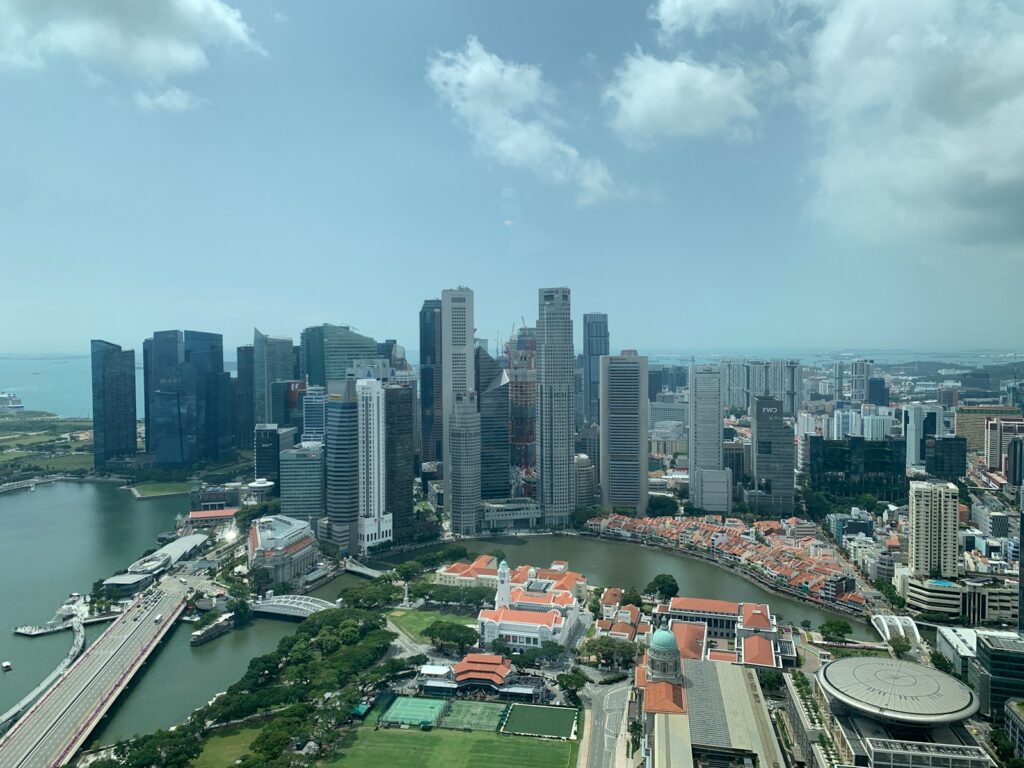
1. **The Singapore River’s Pivotal Role in Growth**It’s impossible to talk about Clarke Quay without first giving a massive shout-out to the Singapore River itself! This waterway wasn’t just a pretty sight; it was the absolute lifeblood of modern Singapore from its founding in 1819. Imagine a bustling scene where the river served as the nerve center of trade, a crucial conduit for transporting goods to neighboring countries and fueling the burgeoning economy.
During the colonial era, the river was at its peak, with Boat Quay acting as the main commercial hub. Barge lighters, laden with precious cargo, would navigate upstream to the warehouses nestled at Clarke Quay, making it a critical part of the supply chain. The sheer volume of activity here was astounding, a testament to Singapore’s rapid growth as an international trading center.
Wealthy merchants from China and Malaysia recognized the immense potential of this area, constructing numerous residential buildings along the riverbanks during the late 19th century. Even as the industry saw a decline by the late 1800s due to the construction of new ports like Tanjong Pagar, the river’s legacy as Singapore’s economic heart, and Clarke Quay’s direct connection to it, was firmly cemented.
Read more about: Six-Figure Dreams: 14 Iconic 1990s Cars That Are Now Worth a Fortune
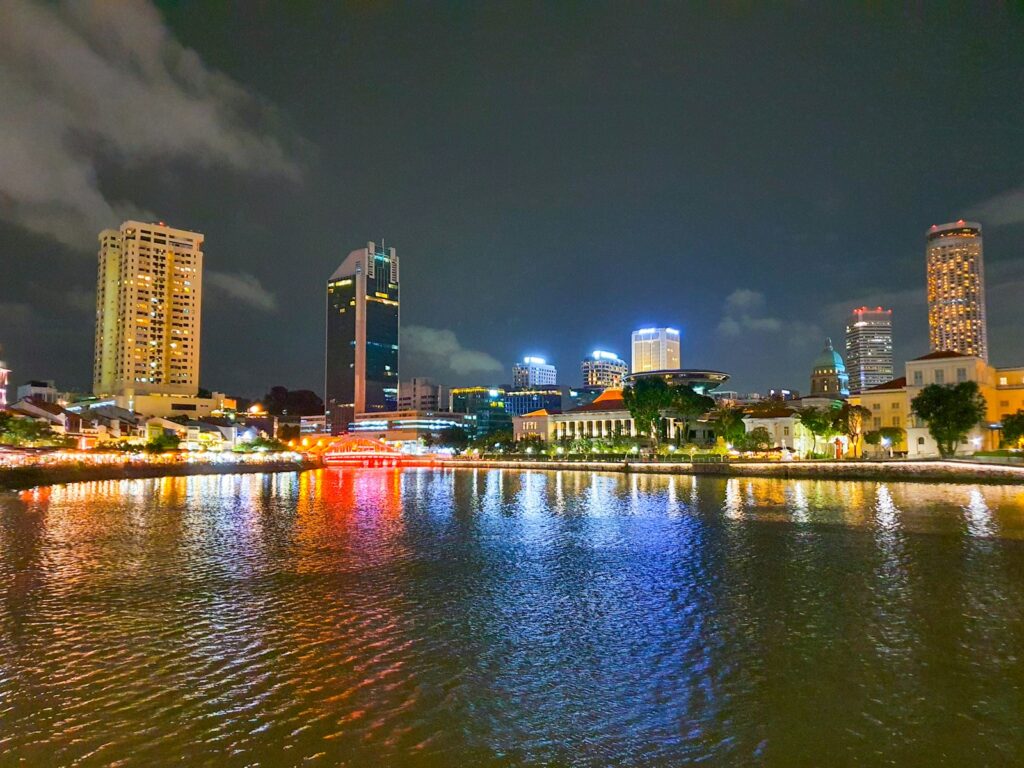
2. **A Canvas of History: Clarke Quay’s Evolving Names and Identity**Names tell stories, and Clarke Quay’s naming history is a fascinating tapestry woven with influences from various figures and communities! Officially, Clarke Quay was named after Sir Andrew Clarke, Singapore’s second Governor and Governor of the Straits Settlements from 1873 to 1875. He played a significant role in positioning Singapore as the main port for the Malay states of Perak, Selangor, and Sungei Ujong, solidifying its importance on the global stage.
But wait, there’s more! Initially, this vibrant area was actually known as Clarks Quay. In 1830, a British merchant named Thomas Clark acquired over four acres of land on the south bank of the Singapore River, transforming it into a quay for his burgeoning business. Later, the name Clark Quay also came to refer to Captain Edward Clark, who, in 1842, laid the foundation for his successful passenger ferrying business across the Singapore River, further adding to the area’s evolving identity as a hub for shipping activity.
And if that wasn’t enough, we also have the intriguing story of Sir Andrew Clarke’s nephew, Francis Thomas Clarke! The area was supposedly also called Clark Quay because it was named after him. This young British convict, pardoned in Singapore in 1848 after sailing there for stealing sovereigns, went on to become a respected businessman known for producing the ‘Clarke brand’ of Malay cigarettes. How cool is that for a layered history?! This blend of official tributes and local lore truly makes Clarke Quay’s identity unique.
Beyond the European influences, the Hoklos (Hokkien community) had their own special names for parts of the area. They referred to Clarke Street as *gi hok kong si au* (义福公司后), which means “behind the new Gi Hok Kongsi” (house), near Carpenter Street. Another Chinese reference, *cha chun tau* (柴船头), meaning “jetty for boats carrying firewood,” specifically referred to the Southern bank around the Read Bridge area, highlighting the firewood trade primarily run by the Teochew community. These rich cultural names truly reflect the diverse communities that once thrived here.
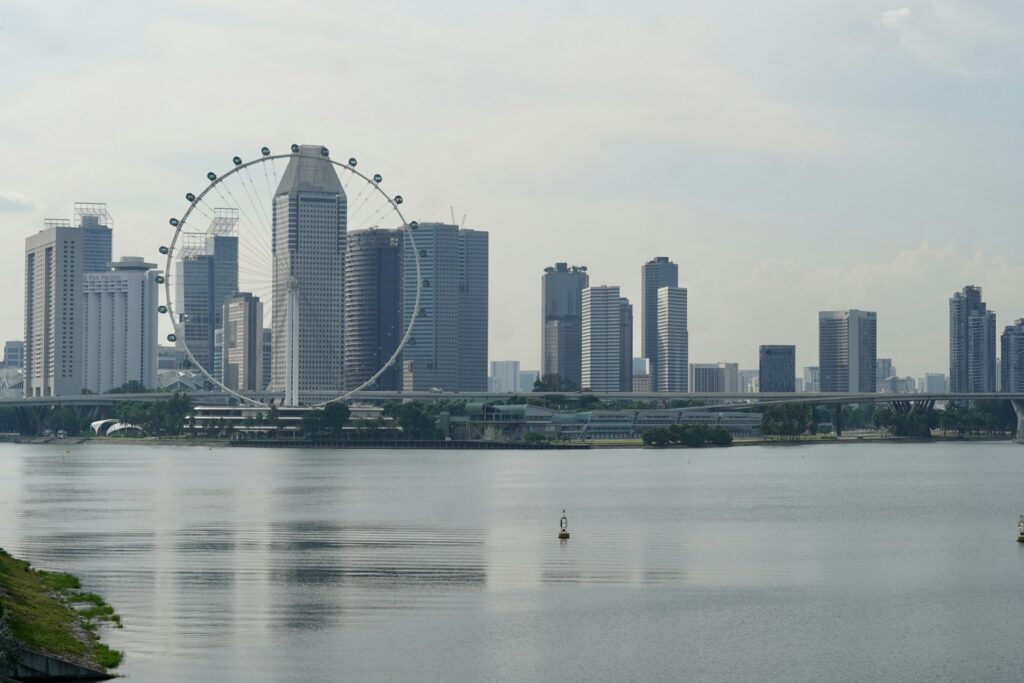
3. **From Bustling Trade Hub to Silent Waters: The River’s Transformation**For nearly a century and a half, the Singapore River was the vibrant, beating heart of commerce, with Clarke Quay standing as a testament to its industrious spirit. During the colonial era and well into the latter half of the 20th century, dozens of bumboats jostled for mooring space, creating a chaotic yet captivating scene as barge lighters transported goods upstream to the bustling warehouses lining Clarke Quay. It was a symphony of trade, hard work, and endless activity!
However, this intense commercial activity came at a cost. By the mid-20th century, the Singapore River had become severely polluted, a grim reflection of its vital, albeit unregulated, past. The government faced a monumental challenge: how to preserve the river’s historical significance while addressing its environmental degradation. The decision was made to relocate cargo services to a new, modern facility in Pasir Panjang, signaling a major shift for the area.
As the bumboats and lorries departed for their new home, a profound silence fell over Clarke Quay. This once-thriving commercial hub, synonymous with Singapore’s economic engine, entered a period of decline. But this wasn’t the end of its story; it was merely a pause before a spectacular reinvention. The government then embarked on an ambitious, decade-long cleanup of the Singapore River and its environment, spanning from 1977 to 1987, setting the stage for Clarke Quay’s eventual rebirth.
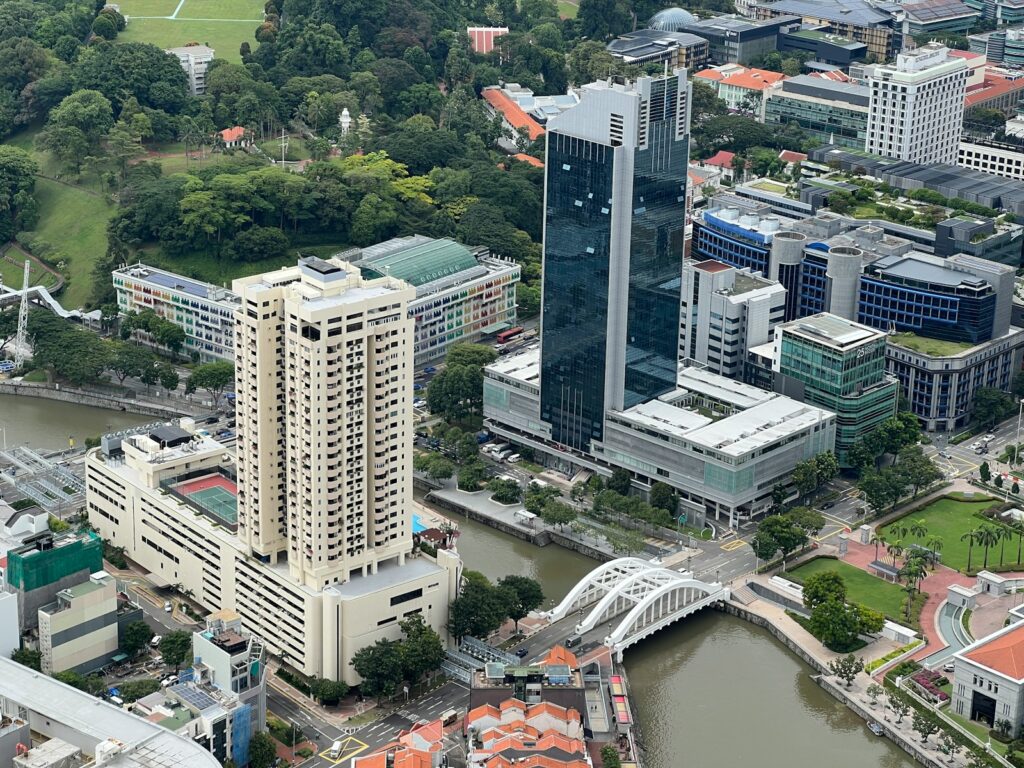
4. **World War II Echoes: Clarke Quay as a POW Camp**Beyond its commercial glory, Clarke Quay holds a somber and significant chapter in its history: its role during World War II. It’s a fact that few might know, but during the tumultuous years of the war, this very area, which now buzzes with laughter and music, was transformed into a prisoner of war (POW) camp. Imagine the stark contrast of its past to its present-day vibrancy!
During the Japanese occupation, Clarke Quay became a detention site, housing a staggering 2,500 prisoners. The echoes of this difficult period are a powerful reminder of the hardships faced by many during that time. It really makes you appreciate the resilience and transformation this land has undergone.
And the story doesn’t end there! Over the years, Clarke Quay continued to be utilized for holding prisoners. In 1952, Macau residents were housed here, adding another layer to its complex past. Later in the 1950s, yet another camp was established within the area to hold communist prisoners. This continuous use as a detention site underscores a lesser-known but incredibly impactful aspect of Clarke Quay’s layered history, truly demonstrating the profound transformations it has witnessed.
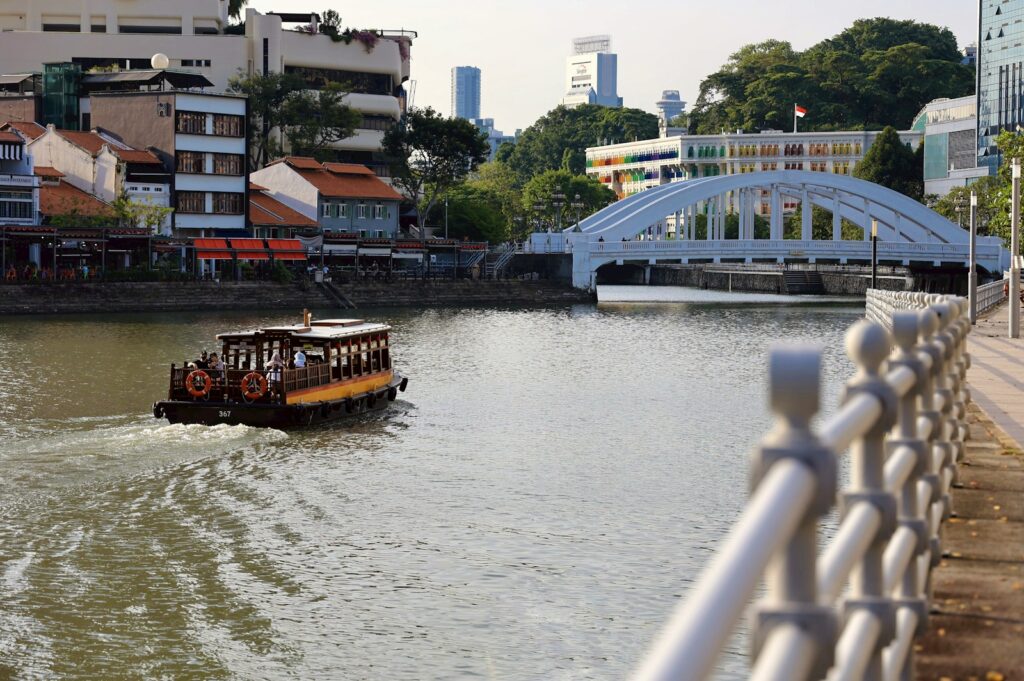
5. **Architectural Jewels: The Oldest Buildings and Conservation Efforts**Step back in time with us and marvel at the enduring architectural gems that whisper tales of Clarke Quay’s storied past! Among its most outstanding survivors is The Trelawney, a true landmark built in 1845. This magnificent structure, originally constructed by Captain Clark, once served as the residence of Judge William Harper Trelawney, who passed away within its walls. It then continued its legacy as a home for subsequent colonial governors, bearing witness to a significant era of Singapore’s history.
But The Trelawney isn’t the only building with a fascinating narrative! The River House stands proudly as the oldest building in Clarke Quay, constructed in the 1880s. This traditional Chinese mansion is one of only two surviving in all of Singapore, making it an incredibly rare and precious historical asset. Throughout its life, it has served various roles, from a residence to a godown for commodities like gambier, adapting to the changing needs of the area.
Recognizing the immense historical value of these structures and the entire precinct, the government, after the river cleanup, made mandatory plans that new buildings complement the area’s historical character and that certain old buildings be restored. This commitment to heritage was beautifully realized in 1993 when The River House underwent a meticulous restoration, transforming it into a restaurant. This remarkable effort was even honored with the Urban Redevelopment Authority’s (URA) Architectural Heritage Award, showcasing Singapore’s dedication to preserving its past for future generations to cherish.
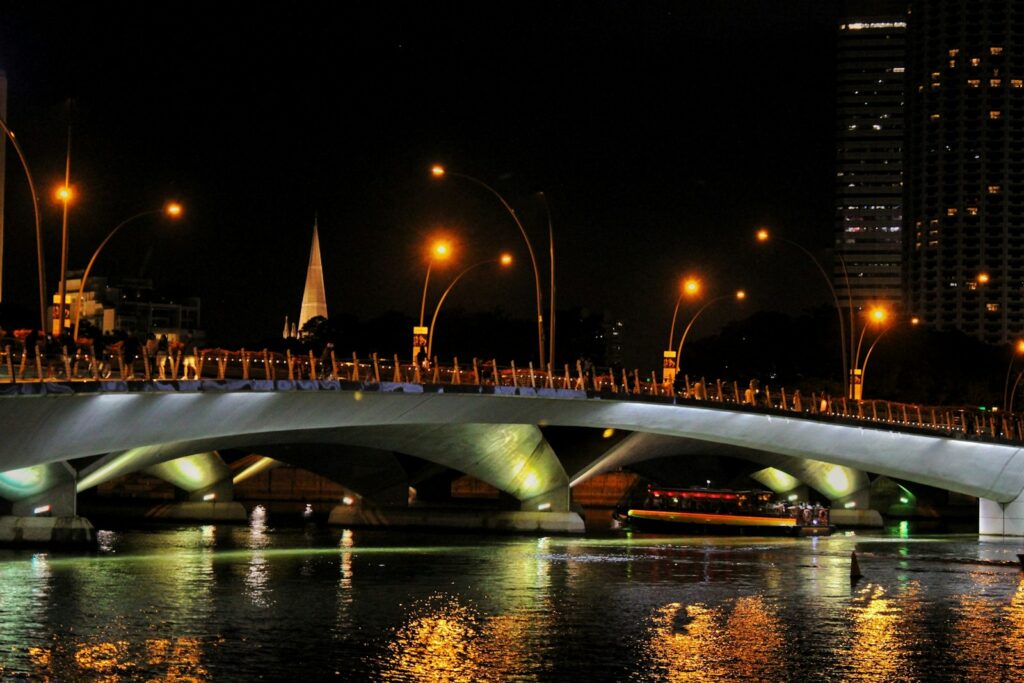
6. **The Birth of a Festival Village: Early Redevelopment**After its quiet period following the relocation of cargo services, Clarke Quay was ready for its next act! Driven by the need to diversify Singapore’s tourism appeal and preserve its heritage, the government envisioned a grand transformation. The Singapore River Concept Plan in 1985 identified Clarke Quay as a prime candidate to be re-adapted into a “festival village” brimming with retail and entertainment outlets. How exciting is that for a rebirth?!
This ambitious vision truly took shape with the development and official opening of the Clarke Quay Festival Village on December 10, 1993. It was hailed as the biggest conservation project for the Singapore River at the time, covering an expansive area and costing a hefty S$186 million for DBS Land, the developer that won the tender. The project meticulously involved the restoration of five blocks comprising 60 shophouses and godowns, ensuring their historical facades and roof designs were maintained, alongside the construction of new buildings, a promenade, and the pedestrianization of the site. It was an undertaking of epic proportions!
When it gloriously reopened in November 1993, Clarke Quay was touted as a family-friendly attraction, featuring over 170 retail shops, 17 food and beverage outlets, and even a S$25-million adventure ride incorporating elements from Singapore’s past. To truly evoke a nostalgic atmosphere, the streets were lined with 80 gaslights manually lit every evening, and even river cruises and tongkangs (refurbished as floating dining platforms) were retained as delightful reminders of the past. The area buzzed with wandering minstrels, street performances, and even the Read Bridge occasionally served as a stage for buskers, much like Teochew storytellers of yesteryear!
Throughout the subsequent years, Clarke Quay continued to attract notable tenants and events. A popular Sunday flea market launched in 1994, and Singapore’s first virtual reality ride, Reality Rocket, made its debut here that same year. In 1995, the famous Satay Club, with its origins stretching back to the 1940s, found a new home at Clarke Quay. It also hosted events like the Mid-Autumn by the River celebration, the annual Singapore Food Festival, and the Singapore Million Dollar Duck Race! However, despite the excitement, the initial project faced challenges, including criticisms for eroding the area’s identity and issues with visitor numbers, leading to an accumulated loss and the closure of the adventure ride by the mid-1990s. But fear not, Clarke Quay was destined for another magnificent chapter!
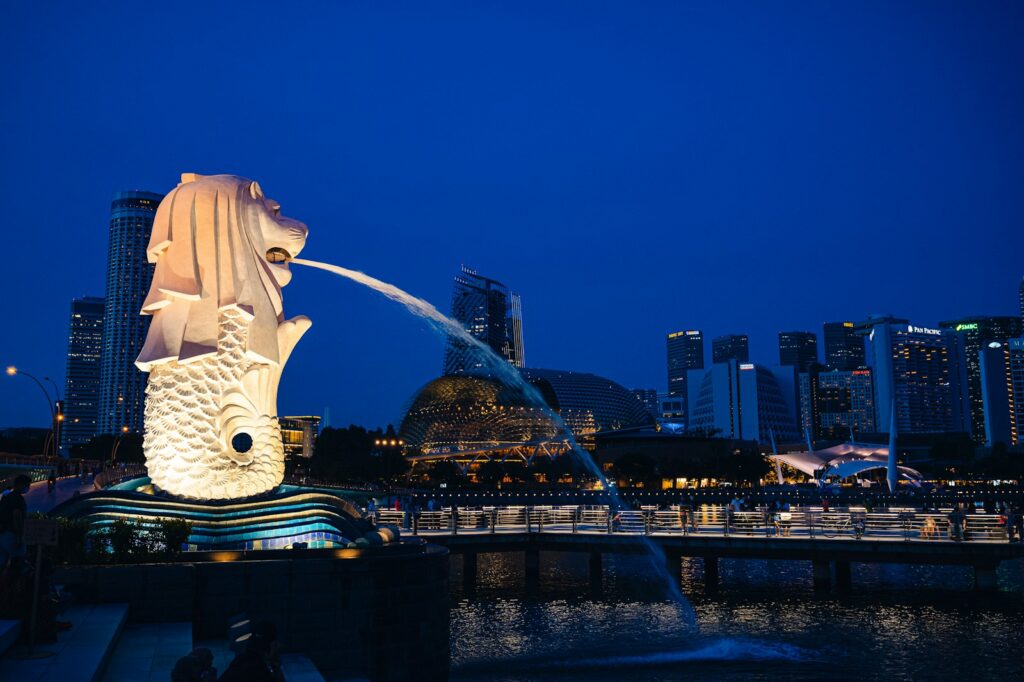
7. **A Micro-Climate Marvel: The 2003 Revamp by Alsop Architects**Clarke Quay, being the resilient and ever-evolving gem that it is, wasn’t content to rest on its laurels after its initial redevelopment challenges! In 2000, management transitioned to CapitaLand, and by 2003, they made a brilliant move, bringing in the British architectural firm Alsop Architects. Their mission? To give Clarke Quay a spectacular refresh, revamp its image, upgrade its infrastructure, and inject new life into the district. And boy, did they deliver!
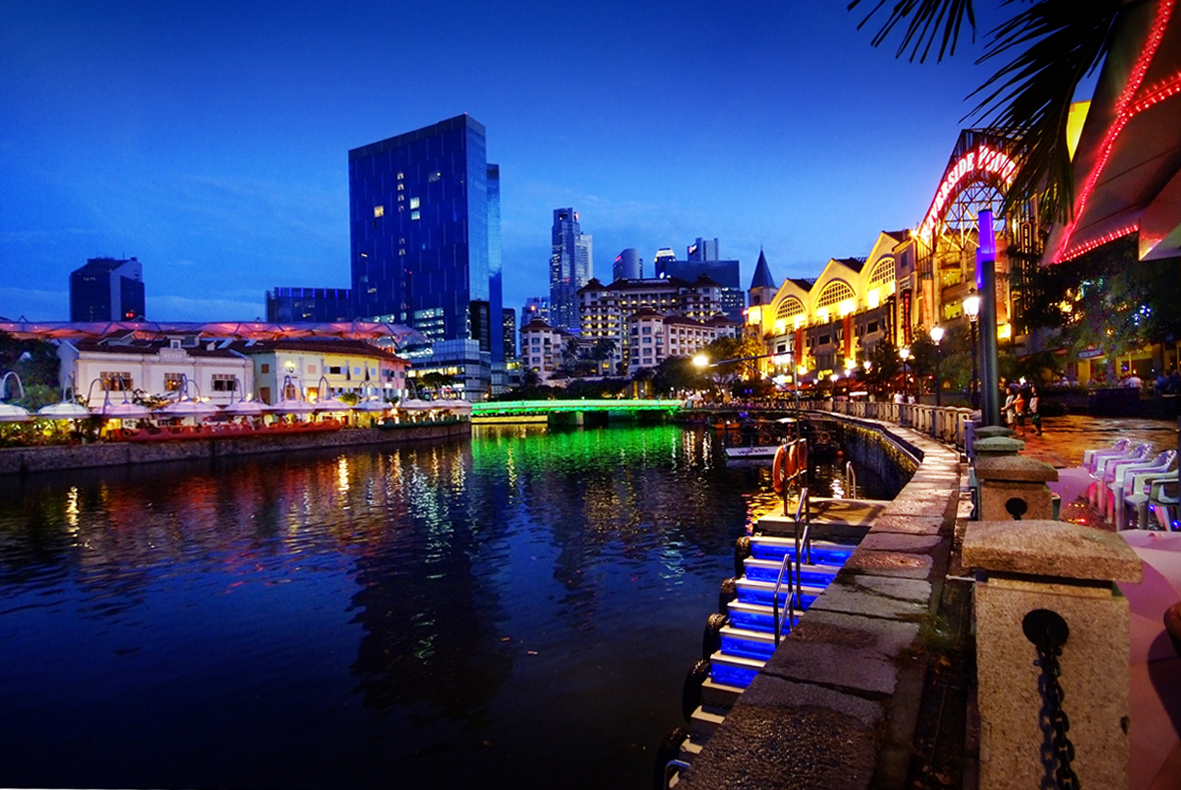
This wasn’t just a cosmetic makeover; it was a strategic overhaul designed to create an even more appealing and comfortable experience for visitors. A key part of this involved an S$80-million infrastructural upgrade focused on ingeniously moderating the micro-climate. Imagine towering overhead canopies along Clarke Quay’s main walkways, combined with silent fans and a series of pod-like dining platforms by the riverside – all working in harmony to reduce the ambient temperature by a cool 4 degrees Celsius! This revolutionary design not only made the area much more enjoyable, regardless of weather conditions, but also added tremendous visual interest to the riverfront and streets. It’s truly a marvel of urban planning and design!
Beyond the stunning environmental enhancements, the revamp also saw a significant shift in Clarke Quay’s tenant mix, moving away from its previous family-oriented focus to cater more to young urban professionals and a vibrant nightlife scene. Iconic nightclubs like Attica and London’s Ministry of Sound, along with the French cabaret Crazy Horse Paris, were introduced, even receiving 24-hour operating licenses! This bold move, combined with the infrastructural improvements, dramatically boosted visitor traffic and business, firmly re-establishing Clarke Quay as a major social and tourist component of ‘brand Singapore’.
This incredible transformation didn’t go unnoticed! The project garnered prestigious accolades, winning the 2007 Cityscape Architectural Review Award (Tourism, Travel & Transport – Built) and the Cityscape Asia Awards for Best Waterfront Development in 2008. These awards perfectly highlight the ingenuity and success of Alsop Architects’ vision in revitalizing Clarke Quay. It’s an undeniable testament to how thoughtful design can completely transform a place, making it not just functional, but utterly captivating and comfortable for millions of visitors each year.” , “_words_section1”: “1948
Alright, so we’ve journeyed through the incredible foundations and transformations of Clarke Quay, seeing how it battled pollution and re-emerged as a ‘festival village.’ But trust us, the story doesn’t end there! Clarke Quay is a place that never stops evolving, constantly reinventing itself to offer something fresh and fabulous. Now, let’s dive headfirst into its most recent glow-up and uncover all the thrilling attractions, cultural institutions, and serene spots that make it the dazzling destination it is today!
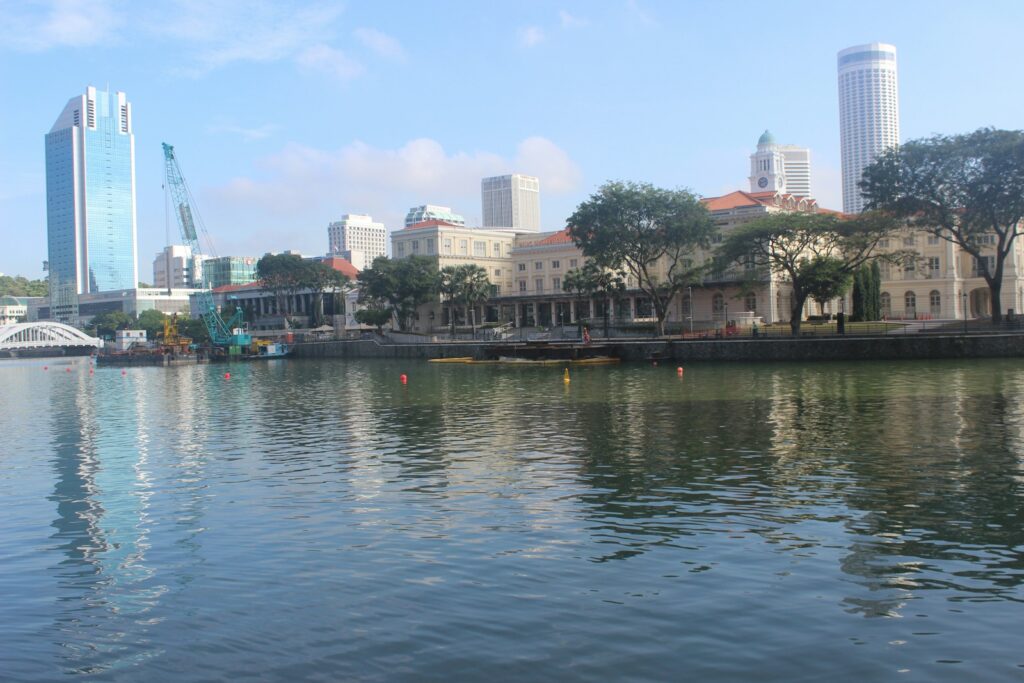
8. **CQ @ Clarke Quay – The Latest Day-to-Night Transformation**Get ready for the latest and greatest chapter in Clarke Quay’s amazing saga! After a rejuvenation exercise that kicked off in August 2022, Clarke Quay officially reopened its doors on April 26, 2024, now proudly rebranded as CQ @ Clarke Quay. This wasn’t just a minor facelift; it was a complete re-imagining, transforming this iconic spot into a dynamic ‘day-to-night’ destination that truly has it all!
Imagine three vibrant new zones, each offering a unique vibe, alongside a fresh mix of tenants that cater to every whim. And for all you pet parents out there, get this: CQ @ Clarke Quay is now pet-friendly! Yes, you heard that right, your furry friends can now join in on the riverside fun. It’s all about creating an inclusive and exciting atmosphere for everyone, any time of day.
One of the coolest updates includes the upgrading of those famous Angel Canopies over the inner streets. These aren’t just pretty to look at; they’re all about better thermal control and lower energy usage, making your stroll through Clarke Quay even more comfortable, even on the warmest days! Plus, the warehouses at Block B have been adorned with a brand-new mural by incredible artists Yip Yew Chong and tobyato, adding an explosion of local art and color to the historical streetscapes. It’s truly a feast for the senses!
This latest evolution is a testament to Clarke Quay’s enduring spirit and Singapore’s commitment to continuous innovation. It’s about blending its rich heritage with cutting-edge experiences, ensuring that whether you’re there for a sun-drenched brunch or a starlit soirée, CQ @ Clarke Quay delivers an unforgettable experience that keeps you coming back for more!

9. **Thrill-Seeking Adventures: The G-MAX Reverse Bungee**Are you ready to crank up the adrenaline? Because Clarke Quay isn’t just about leisurely strolls and delicious bites; it’s also home to some serious heart-pounding action! You absolutely cannot miss the G-MAX Reverse Bungee, Singapore’s very first, which burst onto the scene in November 2003, right at the entrance of this vibrant precinct.
Imagine being strapped into a seat, held by powerful elastic cords, and then launched sky-high at incredible speeds, soaring above the Singapore River! It’s a truly exhilarating experience that offers a bird’s-eye view of the city like no other. This is the kind of thrill that leaves you breathless, screaming, and grinning from ear to ear, all at once.
The G-MAX Reverse Bungee, or the GX-5 Extreme Swing as it’s sometimes known, is more than just a ride; it’s an iconic landmark that symbolizes Clarke Quay’s vibrant and daring spirit. It’s a must-try for any adventure enthusiast looking to add a massive dose of excitement to their Singapore itinerary. So, if you’re feeling brave, get ready to pump up your adrenaline and take the plunge!
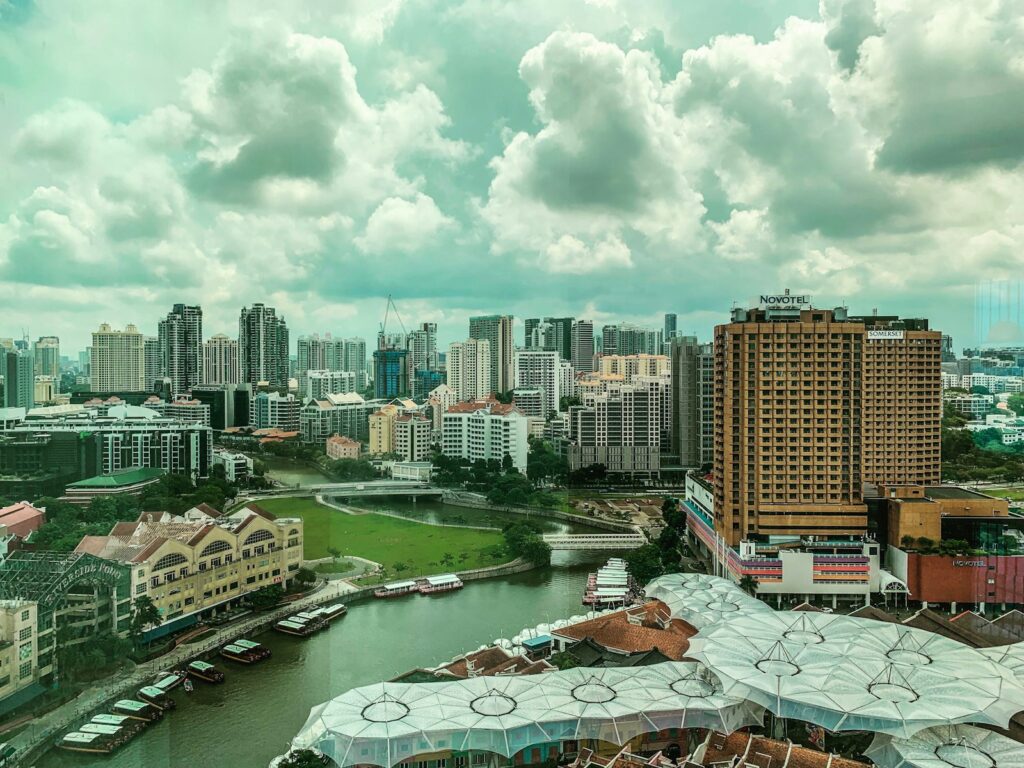
10. **Unforgettable Nights: Zouk and Other Entertainment Powerhouses**When the sun goes down, Clarke Quay truly comes alive, transforming into a dazzling playground for night owls and music lovers! We’re talking about a lineup of world-class nightclubs and entertainment venues that light up the riverside with electrifying energy. And at the heart of it all is Zouk, one of Singapore’s most legendary nightlife spots!
Zouk, which originally started in the 1990s, made a fantastic move to Clarke Quay on December 17, 2016, from its previous location, bringing its iconic beats and incredible atmosphere to this riverside hub. Its presence firmly cements Clarke Quay’s reputation as a premier destination for unforgettable nights out. It’s not just a club; it’s a cultural institution for music and dance!
But the party doesn’t stop with Zouk! Clarke Quay is absolutely brimming with other fantastic spots. Remember how the 2003 revamp brought in iconic nightclubs like Attica and London’s Ministry of Sound, along with the French cabaret Crazy Horse Paris, all granted 24-hour operating licenses? That legacy of vibrant nightlife continues strong.
You’ll also find The Cannery, an anchor tenant with over five different concepts packed into one block, offering a diverse range of entertainment. And for those looking for something truly unique, The Arena, another anchor tenant, was once home to Singapore’s first permanent illusion show starring J C Sum and ‘Magic Babe’ Ning. Whether you’re into dancing, live music, or dazzling performances, Clarke Quay ensures your nights are nothing short of epic!
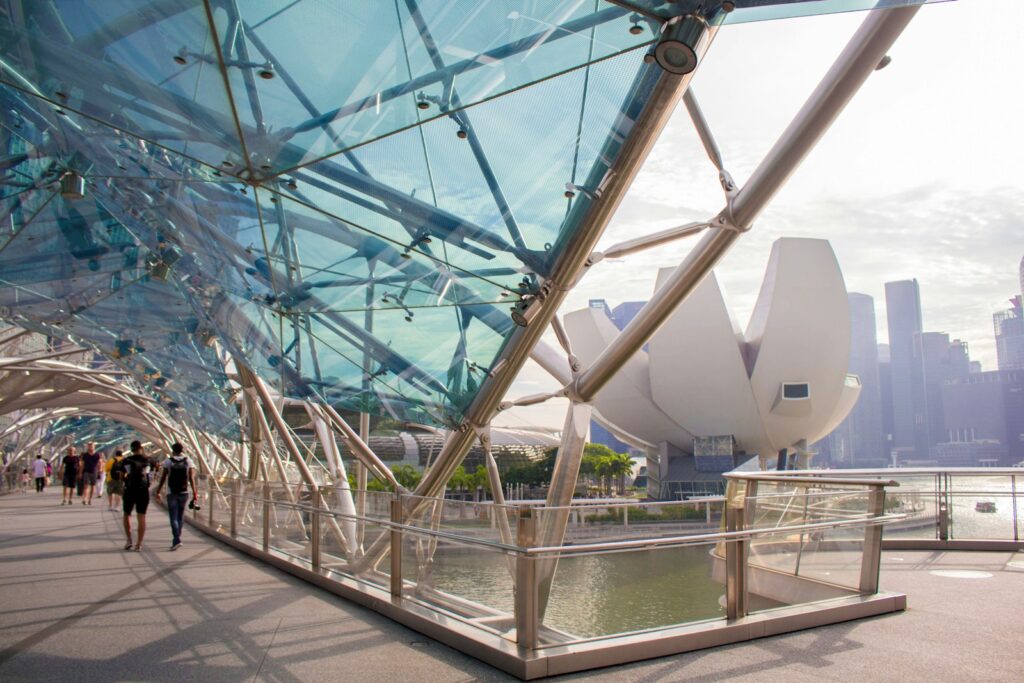
11. **Architectural Icons: Old Hill Street Police Station**Beyond the glitz and glam, Clarke Quay is also a treasure trove of historical streetscapes and architectural wonders that tell stories of Singapore’s past. Just a stone’s throw away, you’ll discover the magnificent Old Hill Street Police Station, an iconic building that demands your attention with its vibrant, multi-colored windows and impressive façade.
Built in 1934, this grand old dame originally served as a police station and barracks, holding a significant place in Singapore’s colonial history. Its classical architectural style, combined with those distinctive brightly painted window shutters, makes it one of the most Instagrammable buildings in the city, perfectly blending historical grandeur with a touch of modern flair. It’s a powerful visual reminder of the city’s journey through time.
Today, while no longer a police station, the building continues to serve the community as the home for the Ministry of Communications and Information and the Ministry of Culture, Community and Youth. Walking past it, you can’t help but feel a connection to the generations that have passed through its doors. It stands as a proud example of how Singapore meticulously preserves its heritage while adapting these historical spaces for contemporary use.
Its striking presence near Clarke Quay enriches the overall experience, offering a fascinating contrast between the bustling riverside entertainment and the stoic beauty of Singapore’s architectural past. It’s truly an unmissable stop for anyone keen on uncovering the layers of history woven into the urban fabric of the city.
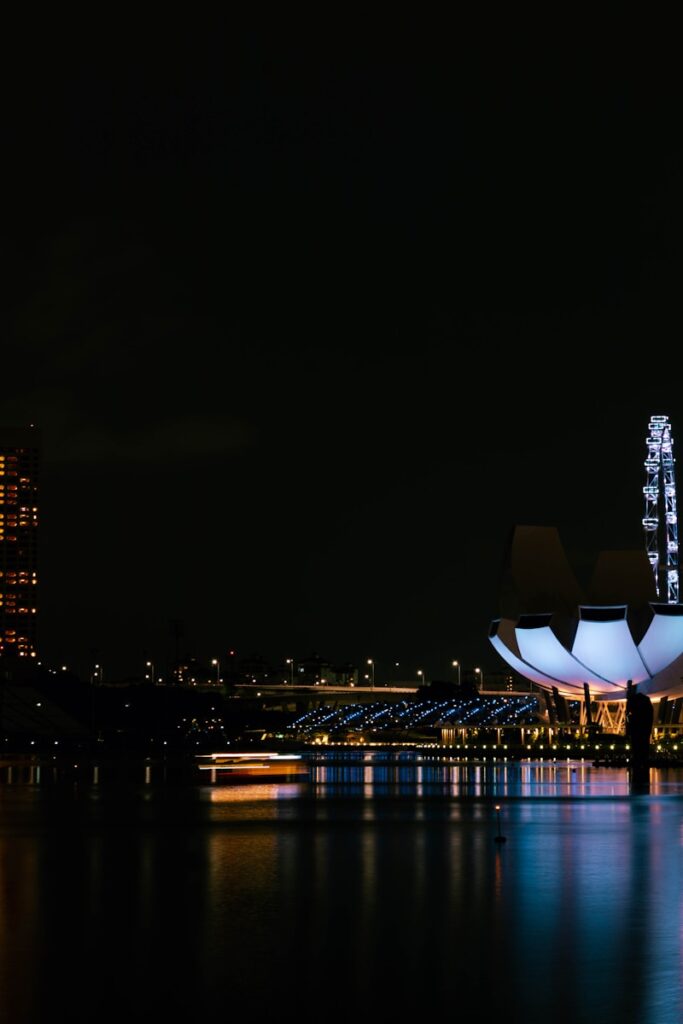
12. **Cultural Gems: Asian Civilisations Museum and Beyond**For those who love to immerse themselves in history and culture, Clarke Quay’s vicinity is absolutely brimming with incredible institutions that offer a deeper understanding of Singapore and Asia’s rich heritage. Just a short, picturesque stroll from the lively quay, you’ll find the renowned Asian Civilisations Museum, a true jewel showcasing the diverse cultures of Asia.
Opened in 1997, the Asian Civilisations Museum is one of the national museums of Singapore, specializing in the material history of Singapore and other Asian societies. It houses an impressive collection of artifacts, art, and exhibitions that trace the historical connections between different cultures and civilizations that have shaped Singapore. It’s a journey through time and across continents, right on the waterfront!
What’s even better is its prime location on the Singapore River, providing a serene backdrop for contemplation after you’ve explored its fascinating galleries. The museum is part of a larger cultural precinct that includes the National Gallery (opened in 2015, not present in the context but generally known) and the Esplanade, a cultural arts center that opened in 2002 at the mouth of the Singapore River, which are also within a short walk of the riverbanks. This proximity makes for an ideal cultural exploration loop.
And let’s not forget other unique cultural insights mentioned in the broader context! While not directly adjacent, Clarke Quay has been linked to places like the Singapore Art Museum (opened 1996) and even the Major Eugene Thacker Museum, part of a library started by an Englishman in 1861, housing over 20,000 books and rare first editions. These cultural touchpoints highlight the intellectual and artistic spirit that has always been a part of Singapore’s urban landscape, truly making Clarke Quay a gateway to a richer understanding of the city.
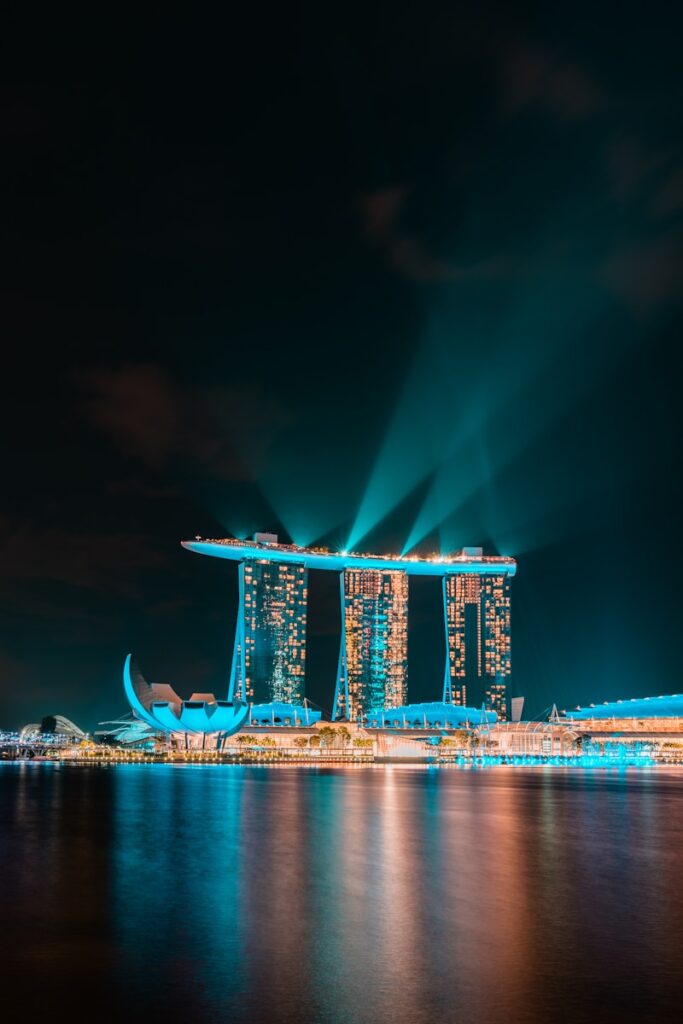
13. **Bridging History: Cavenagh Bridge and River Views**The Singapore River is, of course, a star in its own right, and experiencing its charm often involves gliding across its waters or admiring it from one of its historic crossings. The Cavenagh Bridge, for instance, isn’t just a way to get from one bank to another; it’s a piece of living history and offers some of the most postcard-perfect views of Clarke Quay and its surroundings.
Built in 1869, the Cavenagh Bridge is the oldest bridge across the Singapore River and stands as a magnificent example of colonial-era engineering. Its elegant suspension design and intricate ironwork provide a beautiful contrast to the modern skyline, making it a fantastic spot for photographs and a quiet moment of reflection. From here, you can take in the panoramic vista of Clarke Quay on the left (northern) bank and Riverside Point on the right (southern) bank, with Ord Bridge visible further down.
And speaking of experiencing the river, remember those delightful river cruises and river taxis? They are readily accessible from Clarke Quay and remain one of its most popular attractions! You can board a traditional bumboat, now refurbished into floating pubs and restaurants or sightseeing vessels, for a scenic journey. It’s a fantastic way to capture iconic landmarks like the Merlion, Marina Bay Sands, ArtScience Museum, Fullerton Hotel, and Esplanade Theatre from a unique aquatic perspective.
Whether you opt for a leisurely daytime cruise or a magical night ride where the city lights twinkle on the water, these river experiences are essential to truly appreciate the historical significance and modern beauty of the Singapore River precinct. They link Clarke Quay not just to its past, but to the entire vibrant tapestry of Singapore’s waterfront life.
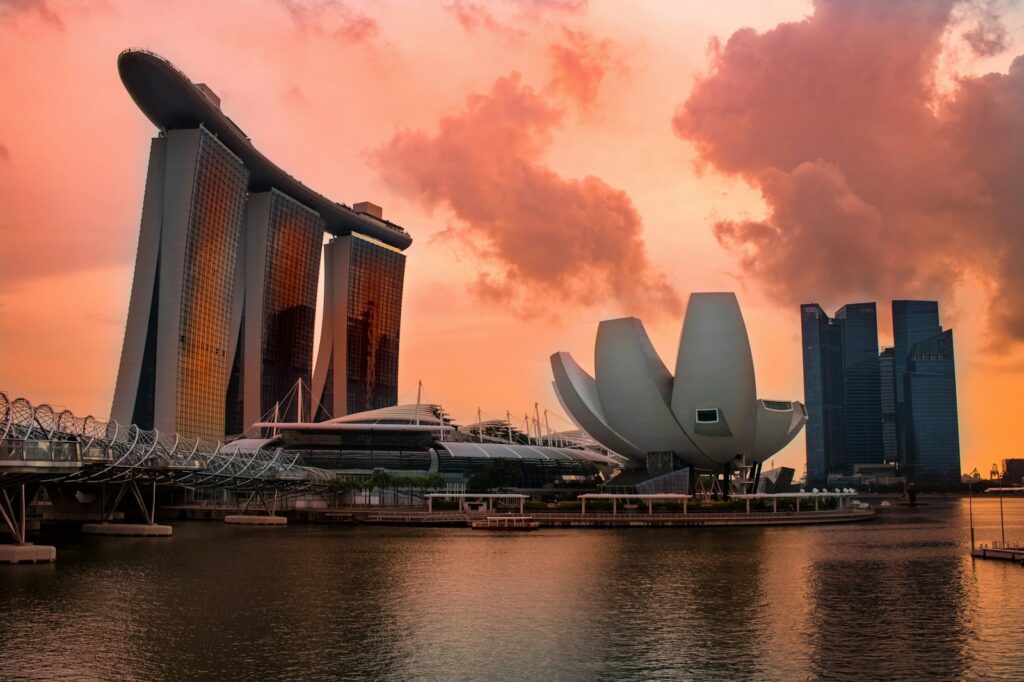
14. **Green Sanctuaries: Fort Canning Park’s Serene Escape**After all the excitement, the delicious food, and the cultural immersion, sometimes you just need a breath of fresh air and a moment of tranquility. Luckily, Clarke Quay is wonderfully close to one of Singapore’s most enchanting green sanctuaries: Fort Canning Park. This isn’t just any park; it’s a lush, elevated oasis brimming with history, nature, and stunning views.
Fort Canning Park offers a serene escape from the urban hustle, providing a much-needed green lung in the heart of the city. As you explore its winding pathways, you’ll discover beautifully manicured gardens, ancient trees, and fascinating historical sites. It was once the site of royal palaces of 14th-century Malay kings and later the residence of colonial governors, making it a place steeped in centuries of heritage.
It’s a fantastic place for a leisurely stroll, a refreshing jog, or simply finding a quiet bench to relax and enjoy the verdant surroundings. The park also plays host to various events, concerts, and outdoor performances throughout the year, adding another layer of vibrancy to its tranquil charm. Its proximity means you can easily transition from the lively energy of Clarke Quay to the peaceful embrace of nature within minutes.
This green haven perfectly complements the urban excitement of Clarke Quay, showcasing Singapore’s brilliant ability to integrate natural beauty and historical significance within its bustling city-state. It’s a wonderful example of how thoughtful urban planning provides diverse experiences, ensuring that every visitor can find their own slice of paradise.
So there you have it, a truly immersive journey through Clarke Quay! From its bustling past as a crucial trading hub to its modern-day reincarnation as CQ @ Clarke Quay, this riverside gem is a testament to Singapore’s vision, resilience, and unwavering commitment to creating dynamic, enjoyable spaces. It masterfully blends historical charm with cutting-edge innovation, offering everything from adrenaline-pumping thrills to serene cultural explorations, and, of course, an absolutely electric nightlife scene. It’s a destination that beautifully embodies the ‘happy medium’ success of the Singapore River, proving that with careful planning and a dash of enthusiasm, old traditions can perfectly intertwine with new trends to create something truly magical. Whether you’re a first-timer or a seasoned visitor, Clarke Quay promises an experience that’s rich, refreshing, and utterly unforgettable!