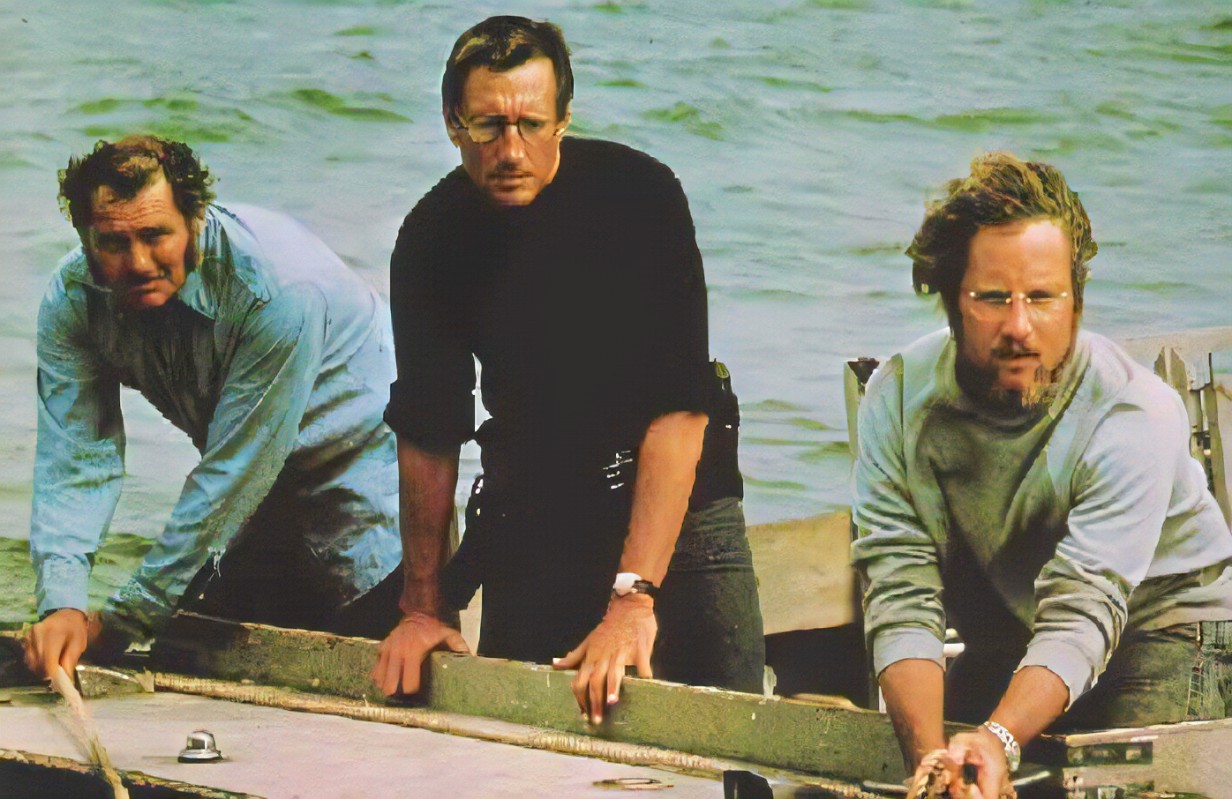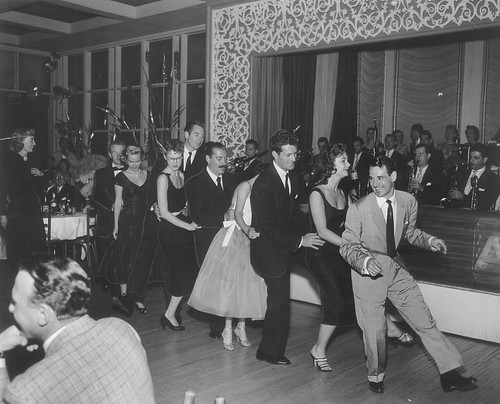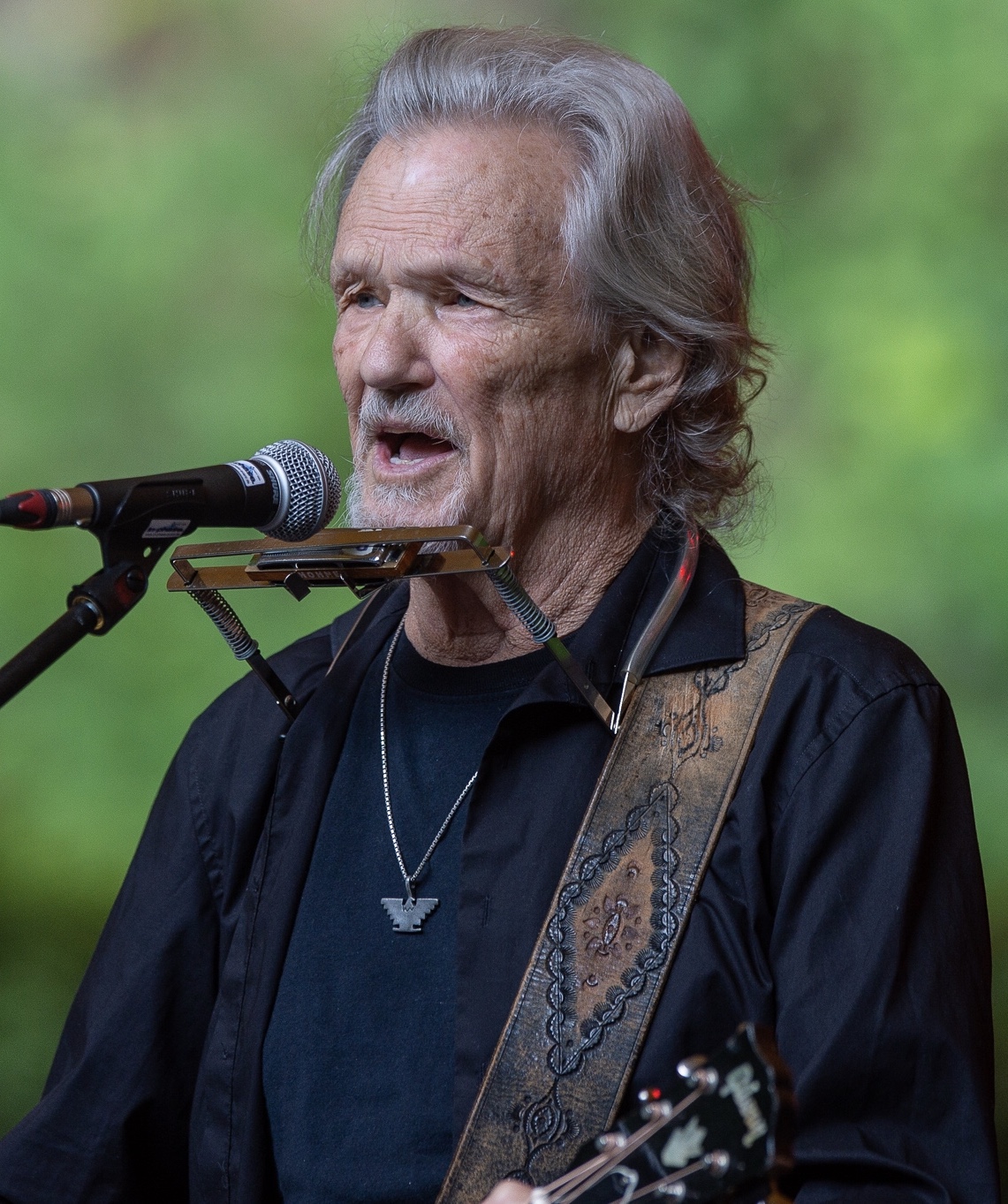
The story of Kris Kristofferson is not merely a biography; it is an epic tapestry woven from the threads of academia, military discipline, raw artistic passion, and an unyielding quest for truth. His recent passing in September 2024 at the venerable age of 88 in his Hawaiian home marked the quiet close of a life lived with extraordinary breadth and depth, leaving behind a legacy that reverberates far beyond the confines of country music. He was a man who defied categorization, a poet who penned some of the most enduring anthems of his generation, and an actor whose presence graced screens from gritty Westerns to blockbuster franchises.
In an era often defined by specialization, Kristofferson carved a path distinctly his own. He navigated the worlds of high-brow literature, military service, country music, and Hollywood with an authenticity that captivated millions. His journey from a Rhodes Scholar destined for a military career to an “outlaw” country music pioneer, and subsequently a celebrated film star, is a narrative rich with pivotal decisions, relentless dedication, and moments of profound personal struggle and triumph.
This initial section will meticulously detail the formative experiences and crucial junctures that shaped Kris Kristofferson. We will chart his unlikely ascent from an academically gifted, military-bound youth to a groundbreaking singer-songwriter and burgeoning actor. We will explore his early life, academic achievements, audacious pivot into the unpredictable world of music, initial struggles in Nashville, and the breakthrough moments that transformed him into a celebrated artist.
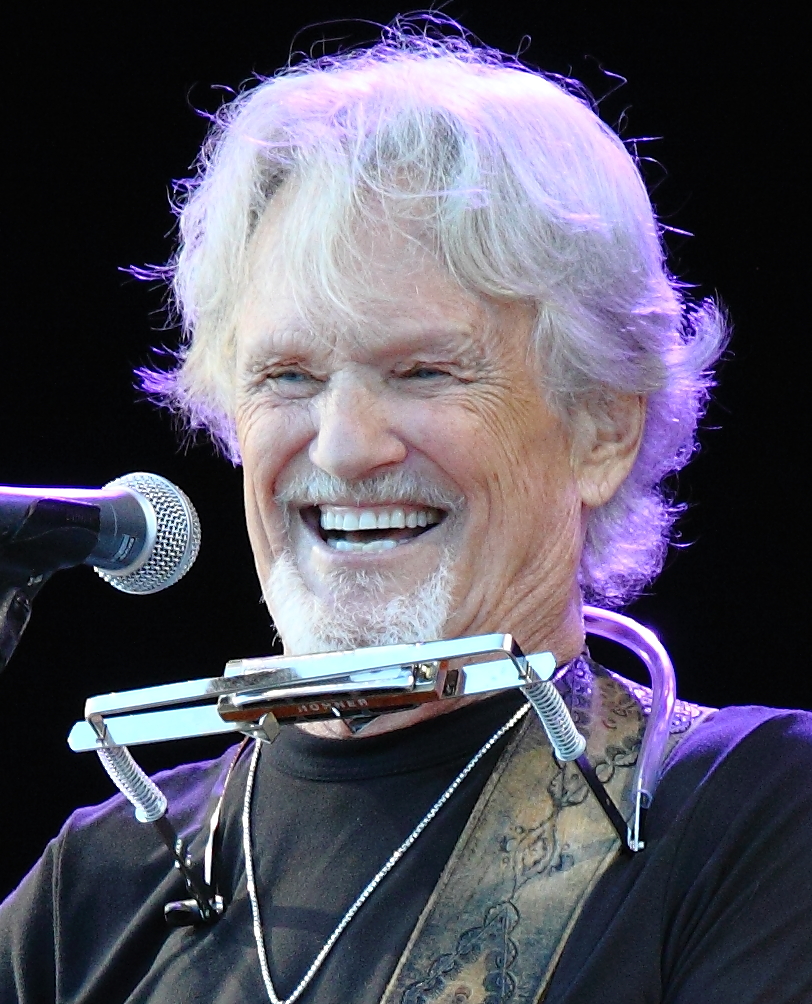
1. **Early Life & Academic Prowess**Kris Kristofferson’s narrative begins far from country music halls, rooted in a military family and a formidable intellect. Born Kristoffer Kristofferson on June 22, 1936, in Brownsville, Texas, his father, a distinguished United States Army Air Corps officer, encouraged a military career. This upbringing instilled discipline, shaping a path he would initially follow.
His early years involved frequent relocations, common for military families, leading them to San Mateo, California. He graduated from San Mateo High in 1954, already excelling academically and athletically. At 17, he undertook a challenging summer job on Wake Island, which he called “the hardest job I ever had,” foreshadowing his rugged determination.
Kristofferson truly shone at Pomona College, majoring in literature under Frederick Sontag. His prize-winning essays, “The Rock” and “Gone Are the Days,” published in *The Atlantic Monthly*, revealed deep passions and concerns. Balancing studies with construction work and firefighting, he was also noted in *Sports Illustrated* for collegiate rugby and football. He graduated summa cum laude in 1958, a Phi Beta Kappa inductee.
That same year, Kristofferson earned a Rhodes Scholarship to Oxford University. While studying English literature at Merton College, he explored songwriting, even signing with Larry Parnes as “Kris Carson.” This early attempt at a singing career was commercially unsuccessful, yet his academic journey culminated in a B.Phil. in English literature in 1960, marking a period of profound intellectual and artistic formation.
Read more about: Beyond the Rebel Yell: 12 Surprising Facts About James Dean You Never Knew
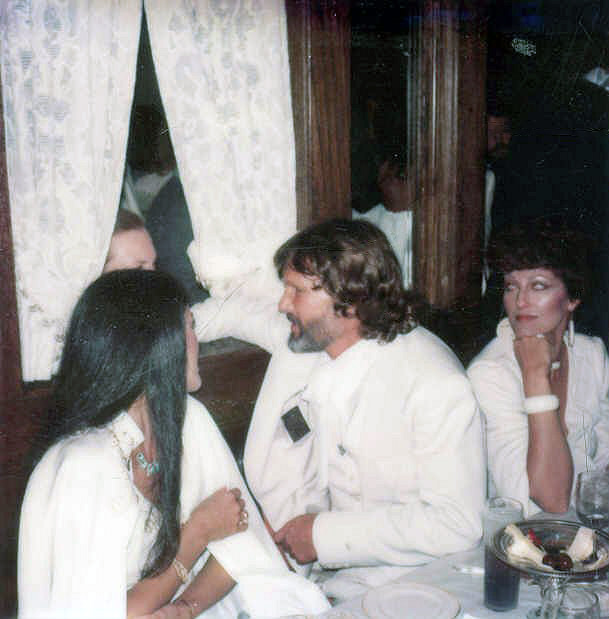
2. **Military Service & Early Music Attempts**Following his Oxford triumph, Kris Kristofferson honored his family’s legacy by enlisting in the United States Army in 1961. Commissioned as a second lieutenant, he completed U.S. Army Ranger School and helicopter pilot training at Fort Rucker, Alabama. These rigorous experiences forged a resilient spirit and a profound sense of duty, qualities that would later subtly influence his art.
His military career led him to West Germany with his wife, Frances “Fran” Mavia Beer, whom he married in 1961, and their newborn daughter. Serving in the 8th Infantry Division, he rose to captain. During this time, the irrepressible call of music stirred; he formed a band, playing at service clubs. There, he met Marijohn Wilkin, aunt of his platoon commander, a connection that proved instrumental.
Despite his clear aptitude, including a re-assignment in 1965 to teach English literature at West Point, Kristofferson stood at a crossroads. The discipline of military life clashed with his burgeoning artistic dreams. This internal conflict between duty and aspiration ultimately compelled a monumental decision, setting the stage for a career entirely his own.
Read more about: Beyond the Limelight: 14 Bizarre & Tragic Celebrity Deaths That Still Leave Us Pondering the Unthinkable
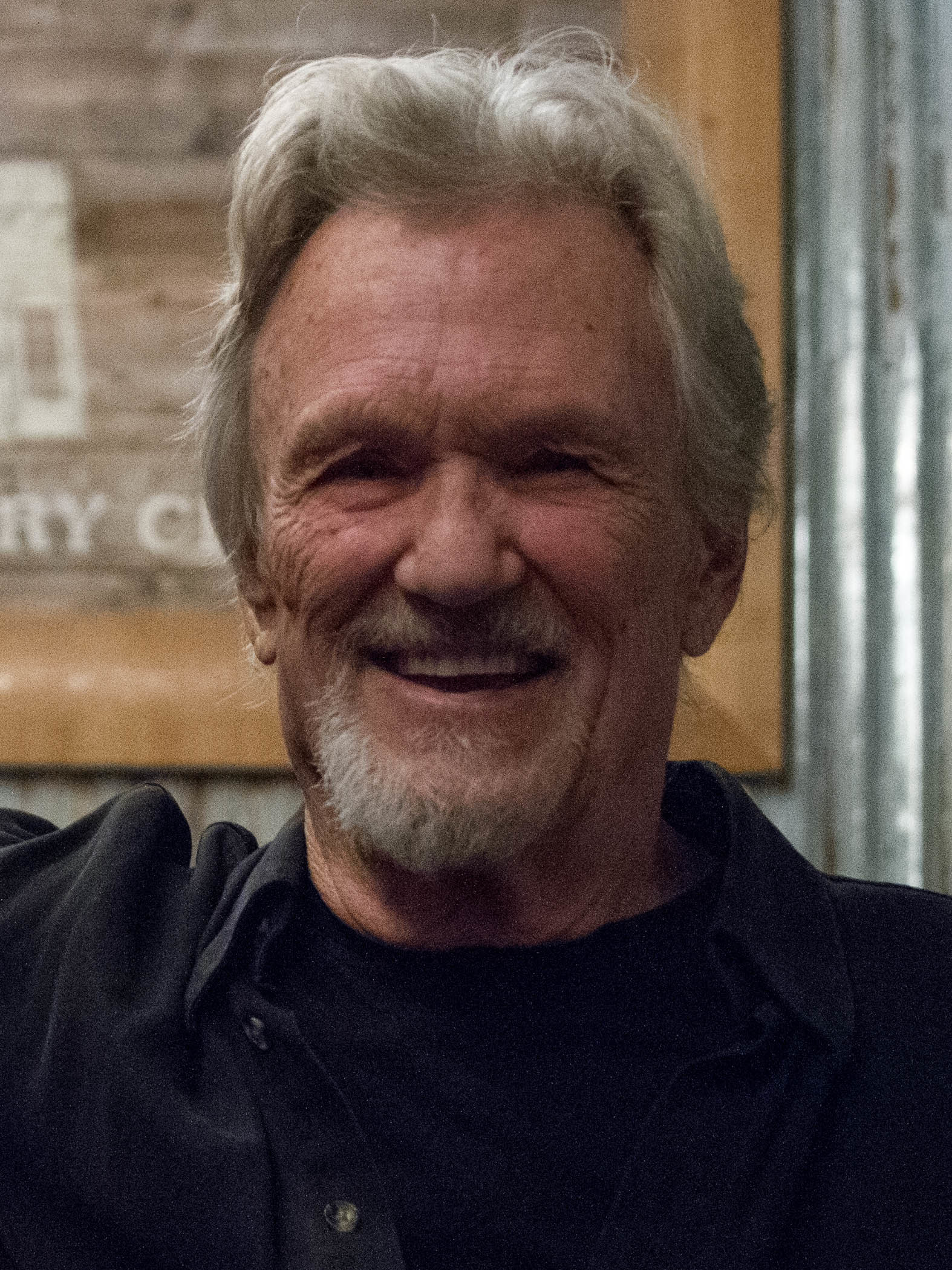
3. **The Nashville Plunge**The year 1965 marked a pivotal decision: Kris Kristofferson abandoned his promising military path for the demanding world of country music. During a two-week leave, he visited Nashville, confirming his resolve to become a songwriter after meeting Marijohn Wilkin. This choice created significant familial strain, contrasting sharply with the military career envisioned for him.
Upon resigning from the Army, Kristofferson relocated his family to Nashville, embarking on a period of intense struggle. He supported himself and his dreams with arduous jobs: bartender, construction worker, and railroad laborer. These raw experiences undoubtedly infused the gritty realism and profound human emotion evident in his later compositions.
Perhaps his most legendary humble position was as a janitor for Columbia Records. This seemingly menial role offered invaluable access to artists and recording sessions, providing an intimate industry understanding. During this period of relentless effort, he released his debut single in 1967 on Epic Records, featuring “Golden Idol” and “Killing Time,” an initial, modest foray into recording.
Read more about: The Definitive Ranking: Clint Eastwood’s 9 Best Directorial Masterpieces According to Rotten Tomatoes
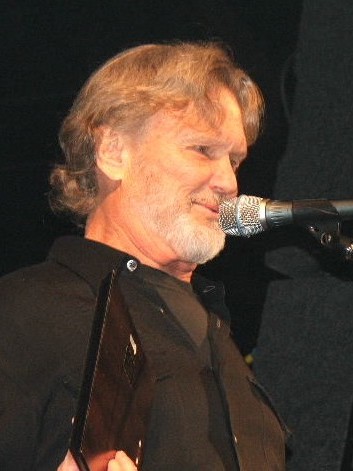
4. **Breakthrough Songwriting Success**The arduous “Nashville plunge” began to yield significant artistic dividends, though not immediately for Kristofferson as a performer. A challenging period in 1968, marked by his second child’s esophagus issues, led him to work at Petroleum Helicopters International (PHI) in Louisiana. While flying workers to oil rigs, he found inspiration, writing new songs during grueling weeks.
This cycle involved flying, pitching songs in Nashville on weekends, then returning to Louisiana, pushing him to his limits, exacerbated by increased alcohol consumption. Yet, just as he felt his songwriting career faltering, electrifying news arrived: three of his songs were recorded. Roy Drusky took “Jody and the Kid,” Jerry Lee Lewis “Help Me Make It Through the Night,” and Roger Miller “Me and Bobby McGee.”
A legendary anecdote involves his persistence with Johnny Cash. After June Carter lost his demos, Kristofferson, working weekends for the Tennessee National Guard, famously landed a helicopter on Cash’s property. This audacious move caught Cash’s attention, leading to an invitation to a “guitar pull” party and a performance with Cash at the 1969 Newport Folk Festival.
This period culminated in a pivotal career shift. Unsatisfied with Buckhorn Music, Kristofferson played for Monument Records’ Fred Foster. Impressed by his authenticity, Foster signed Kristofferson as both a recording artist for Monument and a songwriter for Combine Music. The ten-year contract famously required ten records of his own songs, a monumental turning point for the self-effacing artist who claimed, “I can’t sing, I sound like a frog!”
Read more about: The Unforgettable Journeys of 2000s Child Stars: From Silver Screen to Surprising Second Acts
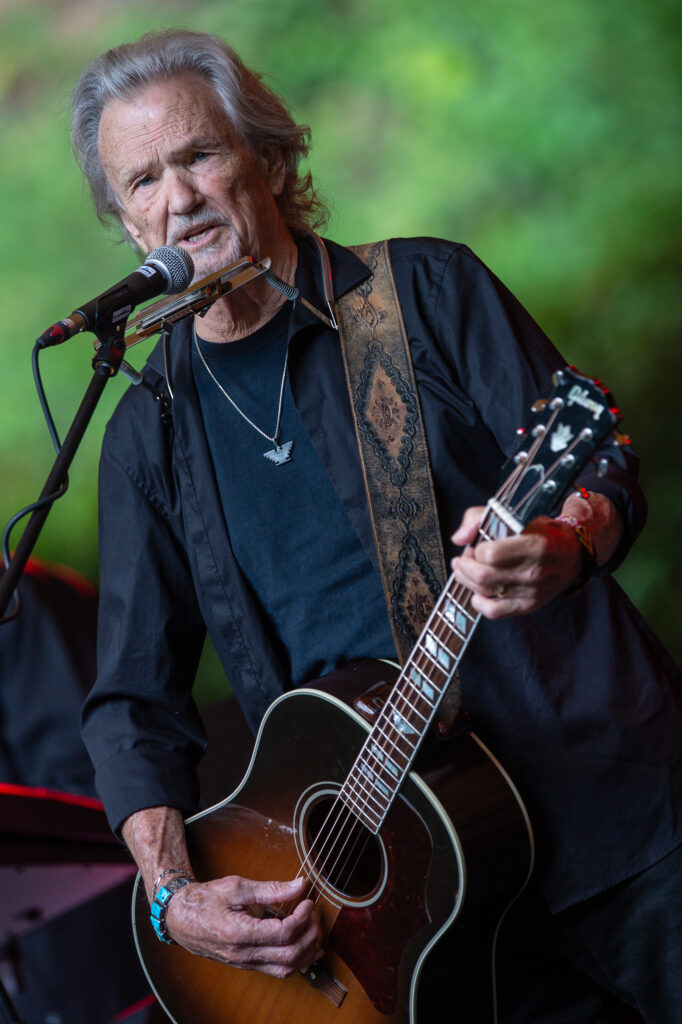
5. **Debut as a Recording Artist & Critical Acclaim**With a Monument Records contract, Kris Kristofferson transitioned from struggling songwriter to recording artist, despite his vocal doubts. In 1969, following his divorce from Fran Beer, he left Nashville for Peru to join Dennis Hopper’s *The Last Movie*. Despite his absence, Johnny Cash continued championing Kristofferson’s songs, solidifying his industry reputation.
Upon returning, Kristofferson found newfound popularity and began his debut album for Monument, simply titled *Kristofferson*. Producer Fred Foster strategically reserved some of Kristofferson’s material, ensuring his own voice introduced these compositions. The 1970 recording sessions blended new material with songs already gaining traction through other artists, creating a powerful collection.
Released in June 1970, *Kristofferson* featured entirely self-written or co-written songs. While not an immediate commercial blockbuster, it quickly garnered critical acclaim. Robert Hilburn of the *Los Angeles Times* praised its “lyric sophistication with country music’s traditional interest in everyday problems.” This reception, coupled with Johnny Cash’s “Sunday Mornin’ Comin’ Down” earning Kristofferson a CMA Song of the Year award, established him as a premier songwriter and burgeoning performer, notably with his debut at The Troubadour.
Read more about: Chris Dreja: A Rock and Roll Hall of Famer’s Enduring Journey from Yardbirds Co-Founder to Acclaimed Photographer

6. **Simultaneous Film Career Launch**As Kris Kristofferson’s music career gained momentum, a serendipitous path opened into film, cementing his image as a renaissance man. His raw authenticity caught the eye of Fred Roos, casting director for *Five Easy Pieces*, who invited him to audition for *Two-Lane Blacktop*. However, in a characteristic early moment, Kristofferson arrived intoxicated and missed the opportunity.
Despite this misstep, Hollywood persisted. He was offered Bill L. Norton’s script for *Cisco Pike* by Columbia. Against advice to take acting lessons, Kristofferson accepted, explaining, “I read the script and I could identify with this cat” and that acting is “understanding a character, and then being just as honest as you can possibly be.” This philosophy defined his natural performance style.
*Cisco Pike*, released January 14, 1972, proved his charisma translated to the big screen. This early foray expanded his artistic canvas, exploring narrative through a new medium, with its soundtrack featuring his own songs. His debut in Dennis Hopper’s *The Last Movie* (1971) had already signaled his embrace of unconventional roles, showcasing a remarkable versatility that would consistently defy expectations across both industries.
Read more about: Leaving Scars: 14 Iconic War Films That Still Haunt Audiences Decades Later
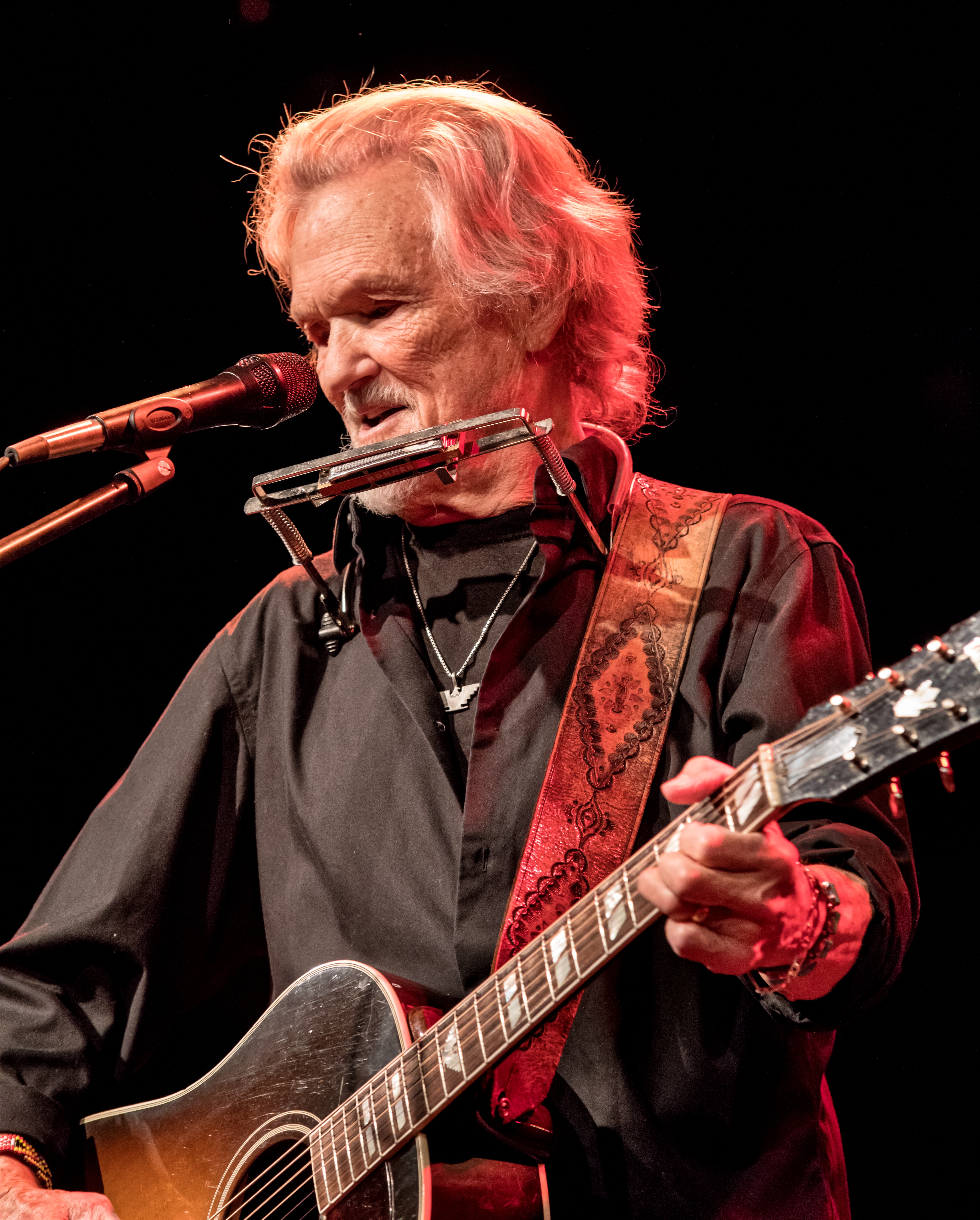
7. **Commercial Music Peak & Grammy Wins**The early 1970s saw Kris Kristofferson not only establish himself as an actor but also reach the zenith of his commercial music success, with acclaimed albums and prestigious awards. Following his debut, he recorded his second Monument album, *The Silver Tongued Devil and I*, released July 1971. This album showcased his prolific songwriting, with nine self-written songs, including the enduring single “Lovin’ Her Was Easier (than Anything I’ll Ever Do Again),” which reached number 46 on the *Billboard* Hot 100 and number 4 on Adult Contemporary.
February 1972 brought his third album, *Border Lord*, comprised of new material. While its sales were initially sluggish, his growing presence propelled him. That same year, Kristofferson swept the Grammy Awards, winning Best Country Song for “Help Me Make It Through the Night”—a powerful testament to his profound impact on country music, where his artistry was celebrated at the highest levels.
His fourth album, *Jesus Was a Capricorn*, released in 1972, initially had slow sales. However, the third single, “Why Me,” became an immense success, significantly boosting album sales. *Jesus Was a Capricorn* sold over one million copies, earning a gold disc from the RIAA on November 8, 1973, firmly establishing him as a mainstream commercial force whose blend of poetic lyricism and raw delivery captivated broad audiences.
The year 1973 was also significant for his personal life and collaborations. In April, he received an honorary doctorate from Pomona College, a full-circle moment attended by Johnny Cash and Rita Coolidge. Four months later, Kristofferson married Coolidge, leading to their successful collaborative album, *Full Moon*. This duo album featured hit singles and Grammy nominations, including a win for “From The Bottle To The Bottom,” solidifying his superstar status.
Read more about: Hollywood’s Outcasts: Where Did These 12 Canceled Stars End Up? Unpacking Their Journeys and Paths to Redemption (or Ruin)
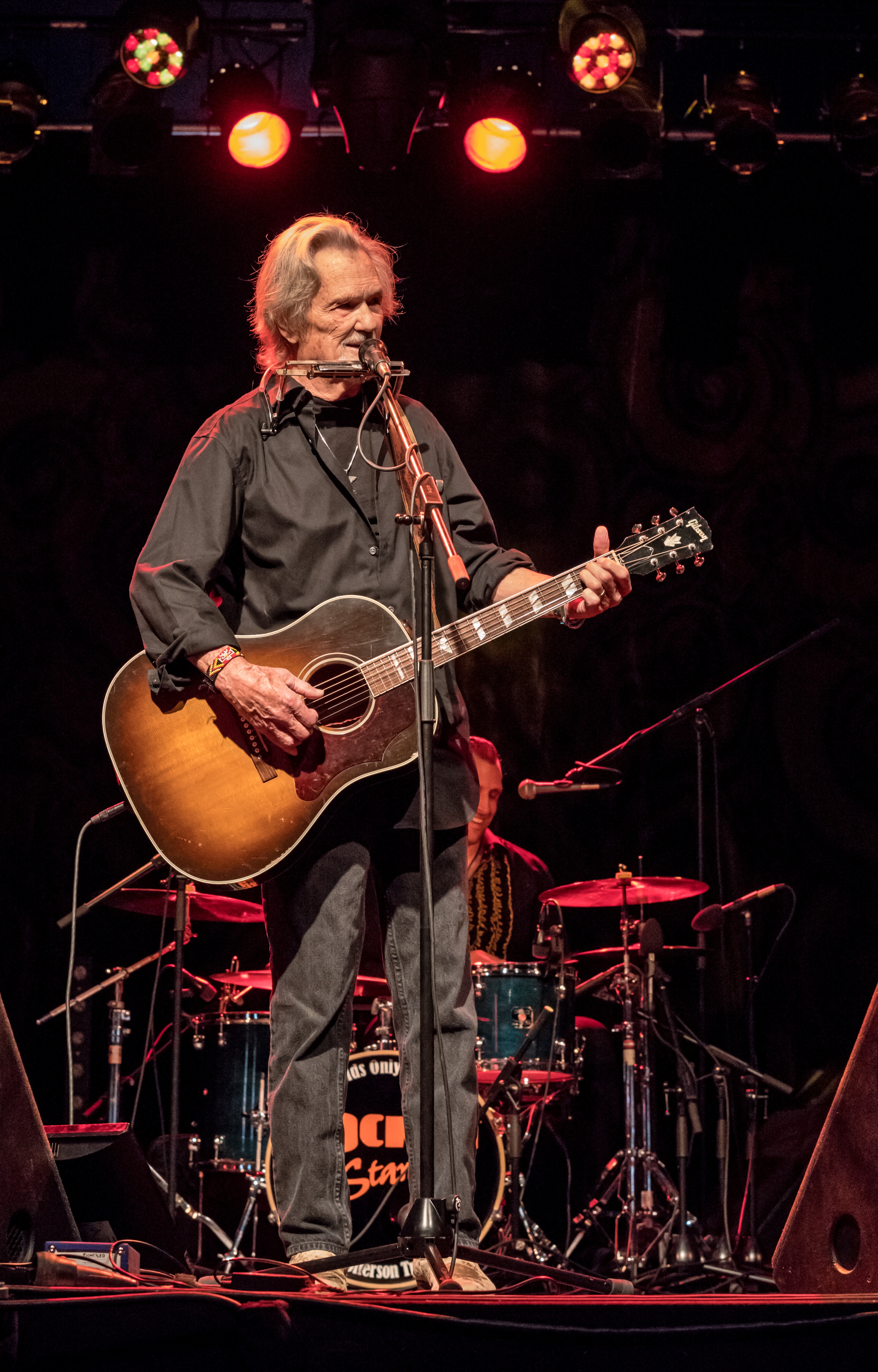
8. **The Cinematic Apex: *A Star Is Born* and Beyond**Following his burgeoning film career and commercial music peak in the early 1970s, Kris Kristofferson continued to solidify his presence as a leading man in Hollywood, embracing roles that showcased his rugged charm and authentic gravitas. His initial foray into acting, marked by *The Last Movie* and *Cisco Pike*, demonstrated a natural ability to inhabit characters, a trait that quickly made him a sought-after talent. He famously believed that acting was about ‘understanding a character, and then being just as honest as you can possibly be,’ a philosophy that resonated deeply with audiences and critics alike.
His role in the 1976 remake of *A Star Is Born* stands as a monumental achievement in his acting portfolio. Co-starring with Barbra Streisand, Kristofferson delivered a compelling performance that earned him a Golden Globe Award for Best Actor in a Musical, cementing his status as a legitimate crossover star. This film, a poignant exploration of fame, love, and self-destruction, allowed Kristofferson to blend his musical artistry with his dramatic capabilities, creating an indelible portrayal that remains iconic.
Beyond this celebrated role, the mid-to-late 1970s saw Kristofferson starring in a series of notable films, further diversifying his cinematic range. He appeared in *The Sailor Who Fell from Grace with the Sea* (1976), *Semi-Tough* (1977), and the gritty trucker epic *Convoy* (1978). These roles, often depicting complex and unconventional characters, underscored his reluctance to be typecast, constantly pushing boundaries in both his musical and acting pursuits.
Yet, not all ventures met with commercial success. Michael Cimino’s ambitious Western, *Heaven’s Gate* (1980), though critically re-evaluated in later years, initially faced widespread critical and financial failure. Despite the film’s troubled production and reception, Kristofferson’s performance was often cited as a standout, illustrating his unwavering commitment to challenging roles regardless of external outcomes. He navigated these highs and lows with characteristic stoicism, always prioritizing artistic integrity over fleeting commercial trends.
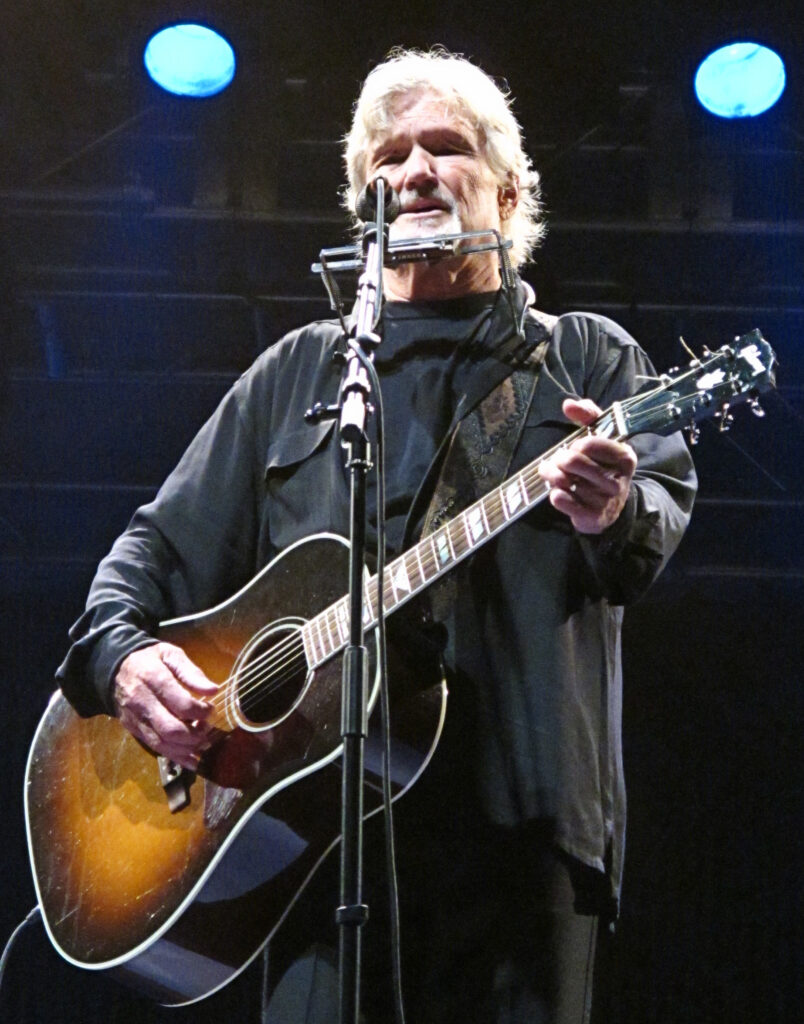
9. **The Brotherhood of Outlaws: The Highwaymen Years**As the 1980s dawned, a new chapter unfolded in Kris Kristofferson’s storied career, one that would redefine the concept of a supergroup in country music. By 1985, he joined forces with three other titans of outlaw country—Johnny Cash, Willie Nelson, and Waylon Jennings—to form The Highwaymen. This legendary quartet, born out of shared camaraderie and a mutual desire to create music unencumbered by Nashville’s polished expectations, quickly became one of the most revered collaborations in music history.
Their self-titled debut album, released on May 6, 1985, was an instant triumph, resonating deeply with fans craving authentic storytelling and raw musicality. The album’s success was largely propelled by their iconic cover of Jimmy Webb’s “Highwayman,” a song that soared to number one on the U.S. Country Music charts. This powerful single not only garnered the ACM’s Single of the Year award in 1985 but also became an anthem, encapsulating the spirit of freedom and defiance that defined the outlaw movement.
The formation of The Highwaymen was more than a mere musical project; it was a reunion of kindred spirits, each a singular force in their own right, coming together to amplify a collective voice. Their collaborations, often marked by deep harmonies and poignant lyrical exchanges, produced a handful of albums until 1996, solidifying their legacy. Kristofferson, always the introspective poet, found a profound brotherhood within this group, creating some of his most cherished work.
Tragically, as years passed, the original members of this iconic supergroup began to fall. Kristofferson’s passing in 2024 left Willie Nelson as the sole remaining living member. The enduring impact of The Highwaymen, however, lives on, a testament to the extraordinary talent and unbreakable bond shared by these four legends who collectively charted “Highwayman” at number one on the American *Billboard* Hot Country Songs charts in 1985.
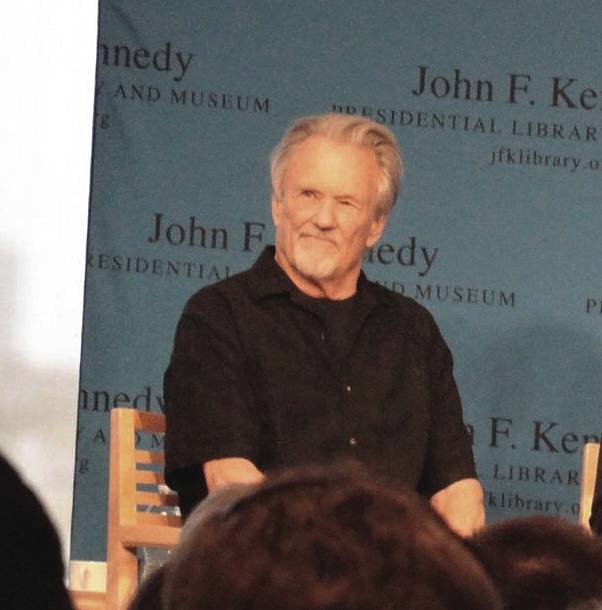
10. **A Conscience Unyielding: Political Views and Advocacy**Beyond the melodies and film sets, Kris Kristofferson was a man driven by a profound moral compass and an unwavering commitment to social justice. His political views were deeply ingrained in his identity, often leading him to take vocal and sometimes controversial stances on critical issues. He was a staunch opponent of military interventions, famously speaking out against both the Gulf War and the Iraq War, and criticizing U.S. foreign policy positions, including support for the Contras and the Apartheid government in South Africa.
This fierce independence was rooted in his own military experience. Initially, his debut LP even included a pro-Vietnam War song. However, his perspective dramatically shifted after speaking with returning combat soldiers. He recounted a soldier’s testimony of witnessing inhumane acts, which fundamentally altered his outlook. “The notion that you could make a young person do something so inhumane to another soldier—or even worse, a civilian—convinced me that we were in the wrong,” he stated, a pivotal realization that cemented his anti-imperialist views, even as he proudly called himself a “dove with claws.”
Kristofferson’s activism extended to domestic causes, where he consistently championed the rights of the marginalized. He was a vocal supporter of the United Farm Workers, frequently appearing at rallies and benefits and campaigning alongside Cesar Chavez for Proposition 14. His solidarity knew no bounds, performing at a benefit concert for Leonard Peltier and dedicating a song to Mumia Abu-Jamal at a Philadelphia concert in 1995, an act that notably drew boos from the crowd.
His commitment to free speech and human rights often came at a personal cost. He performed in benefit concerts for Palestinian children, an action he noted led to “a considerable lack of work as a result.” Furthermore, he publicly supported Sinead O’Connor during her controversial protest on *Saturday Night Live*, showing solidarity when she was booed at a Bob Dylan anniversary concert in 1992. These acts underscored a consistent pattern of prioritizing his convictions over career expediency, defining him as an artist whose voice was as powerful in advocacy as it was in song.
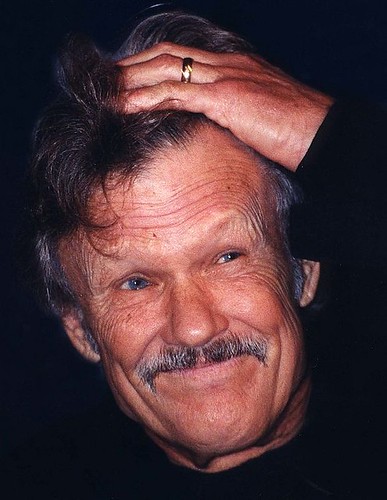
11. **The Pilgrim’s Progress: Later Solo Music and Creative Ventures**While the Highwaymen solidified his group legacy, Kris Kristofferson continued to craft a rich and introspective body of solo work throughout his later decades, demonstrating a restless artistic spirit that transcended commercial trends. His 1986 album, *Repossessed*, for instance, was a politically aware effort that resonated with a country audience, particularly with the song “They Killed Him,” a poignant tribute to heroes like Martin Luther King Jr., Jesus, and Mahatma Gandhi. This album showcased his enduring commitment to socially conscious songwriting, a thread that ran deep through his career.
Despite a dip in solo recording success in the early 1990s, Kristofferson consistently revisited and refined his musical narrative. *The Austin Sessions*, released in 1999, was a significant undertaking where he re-recorded some of his favorite songs with the esteemed help of artists such as Mark Knopfler, Steve Earle, and Jackson Browne. This project offered a fresh perspective on his classic compositions, reminding listeners of the timeless power of his lyrics and melodies, shortly before he underwent coronary artery bypass surgery.
Into the new millennium, Kristofferson maintained a steady stream of releases, each reflecting his journey and evolving perspective. *This Old Road* (2006) marked his first album of new material in 11 years, followed by *Closer to the Bone* (2009), an album he described as having “a general mood of reflecting on where we all are at this time of life.” These later works, often produced by Don Was, showcased an intimacy and maturity that deepened his connection with his audience, even as his distinctive, rough voice continued to defy conventional vocal standards.
His creative explorations extended beyond traditional music albums. In 2010, Light in the Attic Records released *Please Don’t Tell Me How the Story Ends: The Publishing Demos*, offering a rare glimpse into the raw, original recordings from his janitorial days at Columbia. That same year, he lent his voice to the hit video game *Fallout: New Vegas*, portraying the character Chief Hanlon, a testament to his versatility. He continued with albums like *Feeling Mortal* (2013) and his final studio album during his lifetime, *The Cedar Creek Sessions* (2016), which earned a Grammy nomination for Best Americana Album, solidifying his enduring impact on American music.
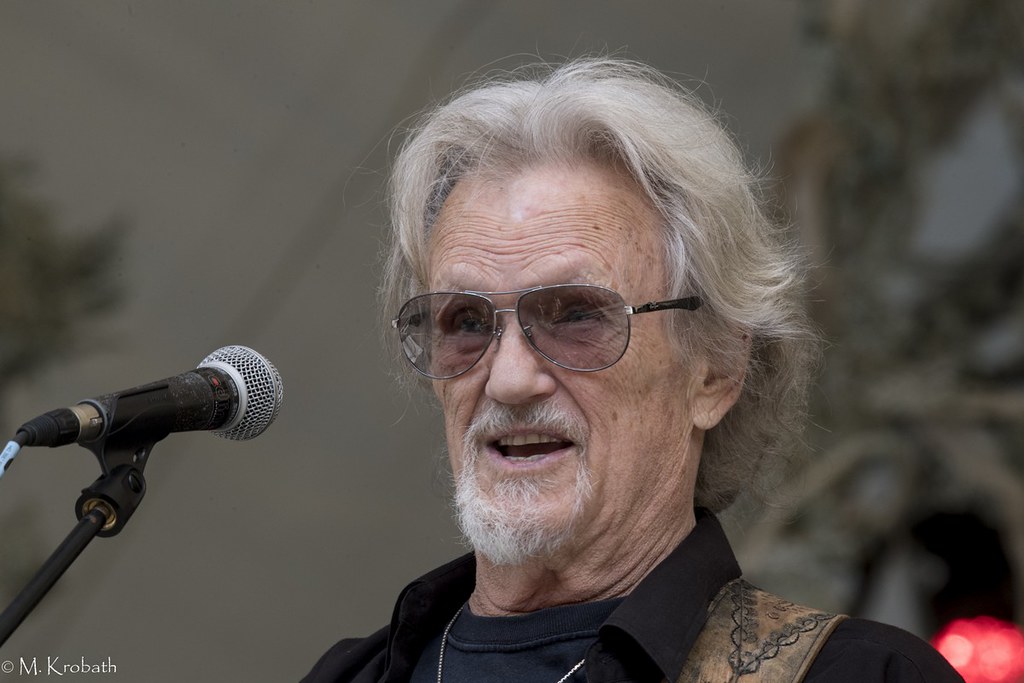
12. **The Final Chapters: Retirement, Farewell, and Everlasting Influence**After decades of tireless touring, recording, and acting, Kris Kristofferson eventually sought the quiet peace he had often expressed in his songs. By January 2021, at the venerable age of 84, he announced his retirement from performing, a decision influenced by both age and the global health concerns of the COVID-19 pandemic. His manager, Tamara Saviano, noted it was a natural evolution, saying, “It just felt very organic.” This marked the quiet closing of an extraordinary public life, allowing him to embrace a more private existence at his Hawaiian home.
His final public performance, a poignant and symbolic moment, occurred on April 29, 2023, at the Hollywood Bowl in Los Angeles. This special occasion was a celebration of his longtime friend and collaborator Willie Nelson’s 90th birthday. Kristofferson joined Rosanne Cash, daughter of his dear friend Johnny Cash, on stage to perform a moving rendition of “Lovin’ You Was Easier,” a fitting farewell that brought his career full circle, surrounded by the extended family of outlaw country.
On September 28, 2024, at the age of 88, Kris Kristofferson passed away peacefully in his home in Hana, Hawaii. While his family did not provide a specific cause of death, the news sent ripples through the music world and beyond, eliciting an outpouring of tributes from fellow artists and admirers, including Dolly Parton, Reba McEntire, Miranda Lambert, Willie Nelson, and Ashley McBride. He had previously requested that the first three lines of Leonard Cohen’s “Bird on the Wire” be inscribed on his tombstone: “Like a bird on the wire / Like a drunk in a midnight choir / I have tried in my way to be free.”
This epitaph perfectly encapsulates the essence of Kris Kristofferson: a man who, despite his academic brilliance, military discipline, and immense success, remained a perpetual seeker, an artist who constantly pushed against boundaries, and a voice that never shied away from truth. His legacy, as an unparalleled songwriter, a distinctive country singer, a talented actor, and an unwavering advocate for justice, is etched into the cultural fabric, ensuring that his influence will resonate far beyond his quiet passing, a legend who truly lived in his own way to be free.
Kris Kristofferson’s story, from his beginnings as a Rhodes Scholar with a military path laid out, to his transformation into an outlaw country icon and respected Hollywood actor, is a testament to the power of following one’s authentic calling. His passing may mark the end of an era, but the echoes of his poetry, the integrity of his performances, and the conviction of his spirit will undoubtedly continue to inspire for generations to come. He leaves behind a legacy of uncompromising artistry, a rich tapestry woven with raw emotion, intellectual depth, and an unyielding quest for truth—a star that, though fallen, will forever shine brightly in the firmament of American culture.