Ford, as one of America’s oldest and most iconic automotive companies, has a storied history that has garnered it a vast legion of fans and considerable public praise over the decades. However, even the most established brands face periods of intense scrutiny and challenge, and for Ford, recent years have seen a confluence of factors testing its long-standing reputation. From rising prices and ongoing quality woes to a consistent stream of recalls, the Blue Oval’s standing among the American public has, at times, experienced a notable slide in various reputation rankings.
While the market today offers an array of Ford models, from the rugged F-150 to the adventurous Bronco and the city-friendly Escape, the brand’s journey has not been without its bumps. In the pursuit of understanding the challenges that have impacted Ford’s standing, it becomes crucial to delve into specific instances and systemic issues that have, unfortunately, marred its reputation. Although our focus here is on issues particularly relevant to, or exemplified by, Ford’s passenger car segment—including its coupes and hatchbacks—it is important to recognize that many of these underlying problems reflect broader manufacturing and corporate challenges that have touched the entire Ford lineup. This article will shine a light on the unflattering truths, examining the significant episodes and persistent problems that have, arguably, ‘ruined’ aspects of Ford’s reputation in the eyes of the consumer, particularly as they relate to or set the stage for its smaller, more accessible vehicles.
Indeed, an automotive company’s reputation is only as good as the vehicles it produces, and in this regard, Ford has endured considerable turmoil, particularly concerning the reliability of its products. Despite its status as one of the largest automakers globally, the company has faced constant backlash for numerous manufacturing defects and an alarming number of recalls. This continuous stream of issues has, at times, positioned Ford as a bottom-dweller on lists of the most reliable car companies, fundamentally shaping public perception and challenging the trust built over generations. Let’s explore some of these critical moments and ongoing struggles.
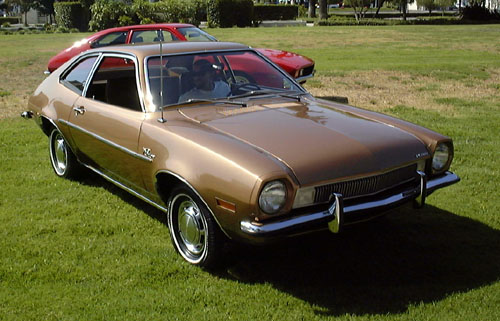
1. **The Ford Pinto Scandal (1971-1980): A Fiery Brand Blight**Perhaps no single model epitomizes Ford’s past reputation struggles quite like the infamous Ford Pinto. Introduced in the early 1970s, the Pinto quickly became notorious for a severe and deadly design flaw: its propensity to burst into flames if rear-ended, or when the gas tank ruptured in a collision. The context explicitly labels the Pinto as “an actual bomb on wheels,” a chilling description that accurately conveyed the grave danger posed by this seemingly innocuous subcompact car. This issue wasn’t a mere manufacturing glitch; it was a fundamental design failure that had catastrophic consequences for hundreds of owners, leaving many injured and, tragically, some losing their lives.
What truly amplified the scandal, cementing the Pinto’s place as a dark stain on Ford’s reputation, was the manufacturer’s knowledge and subsequent handling of the defect. Instead of prioritizing immediate and comprehensive fixes, Ford settled disputes by paying for lawsuits, a decision that unequivocally signaled the company valued profit over the safety and lives of its customers. The context highlights this as one of the “most unethical decisions taken by an automaker,” demonstrating a profound lapse in corporate responsibility. This egregious failure in quality control and a hasty production process irrevocably damaged Ford’s reputation for safety, a critical pillar of consumer trust.
The repercussions of the Pinto affair were immense and long-lasting. It resulted in substantial legal fallout, cost Ford untold millions in settlements and penalties, and, perhaps most damagingly, eroded public confidence in the company’s commitment to safety. For many years, the mention of the Ford Pinto would conjure images of corporate negligence and a stark disregard for human life, profoundly impacting the brand’s image across its entire vehicle lineup, including its other passenger cars. Even today, the Pinto serves as a cautionary tale, a stark reminder of the devastating consequences when ethical considerations are sidelined in the pursuit of expediency.
Car Model Information: 1980 Ford Pinto WAGON
Name: Ford Pinto
Caption: Ford Pinto
Manufacturer: Ford Motor Company
Aka: Mercury Bobcat
Production: September 1970 – July 1980
ModelYears: 1971–1980 (Pinto),1974–1980 (Bobcat)
Assembly: Edison, New Jersey,Milpitas, California
Designer: Robert Eidschun (1968)
Class: Subcompact car
BodyStyle: Sedan (automobile),sedan delivery,station wagon,hatchback
Related: #Mercury Bobcat (1974–1980),Ford Mustang (second generation)
Layout: Front-engine, rear-wheel-drive layout
Chassis: Unibody
Engine: unbulleted list
Abbr: on
Disp: Ford Cologne engine
Transmission: unbulleted list
Wheelbase: 94.0 in
Length: 163 in
Width: 69.4 in
Height: 50 in
Weight: convert
Predecessor: Ford Cortina#Mark II (1966–1970)
Successor: Ford Escort (North America)
Categories: 1980s cars, Articles with short description, Cars discontinued in 1980, Cars introduced in 1970, Commons category link from Wikidata
Summary: The Ford Pinto is a subcompact car that was manufactured and marketed by Ford Motor Company in North America from 1970 until 1980. The Pinto was the first subcompact vehicle produced by Ford in North America.
The Pinto was marketed in three body styles throughout its production: a two-door fastback sedan with a trunk, a three-door hatchback, and a two-door station wagon. Mercury offered rebadged versions of the Pinto as the Mercury Bobcat from 1975 until 1980 (1974–1980 in Canada). Over three million Pintos were produced over its ten-year production run, outproducing the combined totals of its domestic rivals, the Chevrolet Vega and the AMC Gremlin. The Pinto and Mercury Bobcat were produced at Edison Assembly in Edison, New Jersey, St. Thomas Assembly in Southwold, Ontario, and San Jose Assembly in Milpitas, California.
Since the 1970s, the safety reputation of the Pinto has generated controversy. Its fuel-tank design attracted both media and government scrutiny after several deadly fires occurred when the tanks ruptured in rear-end collisions. A subsequent analysis of the overall safety of the Pinto suggested it was comparable to other 1970s subcompact cars. The safety issues surrounding the Pinto and the subsequent response by Ford have been cited widely as business ethics and tort reform case studies.
Get more information about: Ford Pinto
Buying a high-performing used car >>>
Brand: Ford Model: Pinto
Price: $5,951 Mileage: 107,000 mi.
2. **Systemic Transmission Failures of the Late 70s: A Fleet-Wide Reliability Crisis**Beyond the singular tragedy of the Pinto, Ford faced another monumental reputation crisis in the late 1970s, one that underscored broader systemic issues within its manufacturing processes. This period saw the American giant hold an unfortunate industry record: recalling a staggering “21 million vehicles due to a safety defect in the FMX, JATCO, C-3, C-4, and C-6 automatic transmissions between 1976 and 1980.” This wasn’t a problem confined to a niche model; it was a pervasive flaw that affected a vast number of Ford vehicles across its diverse range, undoubtedly including many coupes, sedans, and hatchbacks produced during that era.
The core of this widespread defect lay in the automatic transmissions’ inability to reliably engage in Park, posing an obvious and significant risk, especially when a vehicle was not on a perfectly flat surface. The consequences of this mechanical failure were severe and widespread, contributing to “more than 6,000 accidents, 1,700 injuries, and over 98 deaths.” Such statistics painted a grim picture of Ford’s engineering and quality control at the time, indicating that fundamental components across its fleet were failing with dire results.
What makes this particular crisis so damning for Ford’s reputation is the revelation that the company was aware of the issue for over a decade yet chose not to act, citing a design improvement cost of merely “3 cents per vehicle.” This stunning admission of negligence, similar to the Pinto scandal, showed a disturbing pattern of prioritizing minimal cost savings over the lives and safety of its customers. The delayed and initially inadequate response, merely notifying customers instead of issuing an immediate recall, further fueled public outrage and solidified a perception that Ford was, once again, failing its ethical obligations. This systemic failure deeply impacted consumer trust in the reliability and safety of all Ford vehicles, including its coupes and hatchbacks, for years to come.

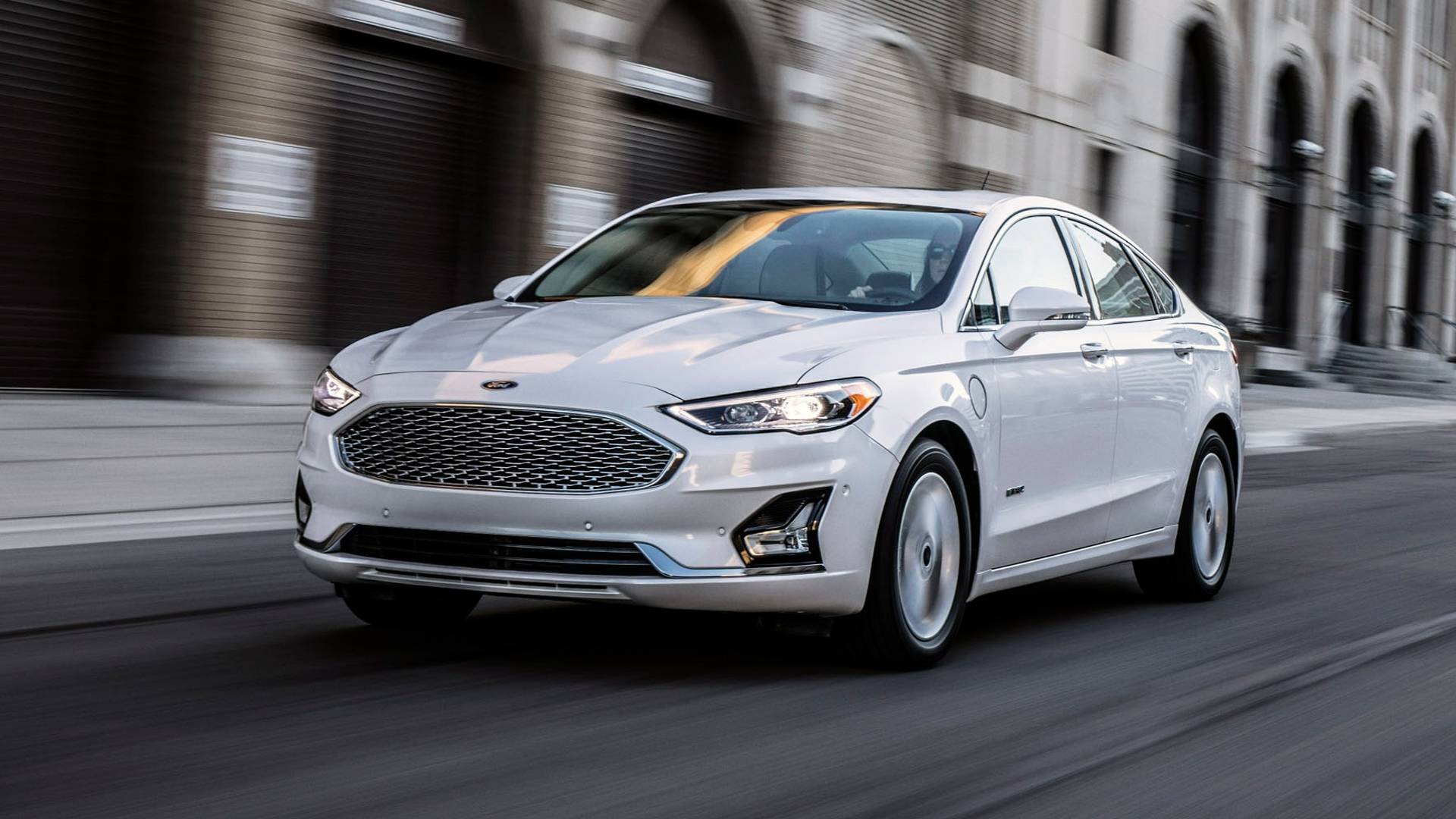
3. **The Ford Fusion’s Steering Wheel Recall: A Modern Day Trust Erosion**While the Pinto and 1970s transmission issues belong to a distant past, Ford’s reputation has continued to grapple with significant challenges in more recent times. A notable example involves the Ford Fusion, a popular midsize car (often available in hatchback variants in various markets). The brand’s reputation took another hit when Ford was compelled to “call back 1.4 million Ford Fusions over a defective steering wheel that kept coming off.” This issue, while not as deadly as the Pinto’s fire hazard, was profoundly alarming and undeniably dangerous, representing a critical failure in vehicle integrity.
Imagine driving down the road and having your steering wheel detach. This is a terrifying prospect that directly undermines the fundamental trust a driver places in their vehicle. Such a severe mechanical defect in a mass-produced, widely popular model like the Fusion had immediate and significant repercussions for Ford’s image. It showcased that even contemporary Ford vehicles, designed with modern safety standards, could be susceptible to critical manufacturing flaws. The issue was so severe that the context mentions it would be found in “any updated Technical Service Bulletins (TSBs) section in the Ford workshop manuals for the model,” indicating its undeniable importance and widespread nature.
Despite the Fusion model sometimes performing well in other reliability metrics, a recall of this magnitude for such a vital component casts a long shadow over the brand’s commitment to quality. It demonstrated that Ford continued to face struggles in ensuring basic component integrity, a perception that undoubtedly contributed to the overall decline in customer satisfaction and dependability rankings for the brand. For potential buyers of any Ford passenger car, including coupes and hatchbacks, such a high-profile defect in a mainstream model serves as a stark reminder that even newer vehicles might harbor unexpected and dangerous flaws, continuing to erode consumer trust.
Car Model Information: 2013 Ford Fusion Hybrid SE Hybrid
Name: Ford Fusion
Manufacturer: Ford Motor Company
Class: Mid-size car
Production: August 2005 – July 2020
ModelYears: 2006–2020
Predecessor: Ford Contour
BodyStyle: sedan (automobile)
Layout: Front-engine, front-wheel-drive
Caption: Ford Fusion Titanium Energi
Aka: Ford Mondeo
Categories: 2010s cars, 2020s cars, All-wheel-drive vehicles, All articles with dead external links, Articles with dead external links from August 2019
Summary: The Ford Fusion is a mid-size car that was manufactured and marketed by the Ford Motor Company. From the 2006 through 2020 model years, two generations of the Fusion have been produced in gasoline, gas/electric hybrid, and gas/plug-in electric hybrid variants. The Fusion was manufactured at Ford’s Hermosillo Stamping and Assembly plant in Sonora, Mexico, alongside the Lincoln MKZ, and formerly the Mercury Milan, both of which share its CD3 platform.
Production on the first Fusions began on August 1, 2005. The Fusion replaced the Mondeo for the Latin American markets, except in Argentina (where the current European Mondeo is available); in the United States and Canada it superseded the then mid-size Taurus and the compact Contour. The Fusion is positioned between the compact Ford Focus and the full-size Ford Taurus. In the Middle East, this model is sold alongside the Mondeo. Versions sold there are available only with the 2.5-liter engine. Unlike in the United States, Canada, and Latin America, no V6 engine is available in that region. The same is true in South Korea, where only the 2.5-liter engines (including those for the hybrid model) are available as of the 2012 model year.
The second generation line-up includes a gasoline engine option, an EcoBoost engine option, a next-generation hybrid model, and a plug-in hybrid version, the Ford Fusion Energi, making the Ford Fusion the first production sedan to offer these four options. Sales of the gasoline-powered and hybrid versions began in the U.S. in October 2012 under the 2013 model. Sales in Europe and Asia as Ford Mondeo began in 2015, along with South Africa, where the Fusion name was used. Deliveries of the Fusion Energi began in the U.S. in February 2013. The entire 2013 Fusion line-up was awarded with the 2013 Green Car of the Year at the 2012 Los Angeles Auto Show. In 2019, the Fusion was the seventh-best selling car in the United States.
Get more information about: Ford Fusion (Americas)
Buying a high-performing used car >>>
Brand: Ford Model: Fusion
Price: $9,745 Mileage: 126,953 mi.

4. **Persistent Quality Woes Across Ford’s Compact Car Offerings**Ford’s reputation struggles are not confined to isolated, high-profile recalls; they also manifest as persistent quality woes across its compact vehicle offerings. While the context often refers to SUVs like the Escape and EcoSport as “smaller Ford vehicles” experiencing issues, the underlying problems—such as “transmission problems and sudden losses of power”—are indicative of broader systemic failures in Ford’s compact segment that would undeniably extend to its coupes and hatchbacks of similar platforms. These are not minor inconveniences; they are fundamental operational failures that severely impact a vehicle’s drivability and the owner’s peace of mind.
Consumer Report, a trusted source for vehicle reliability, has cited these critical issues in smaller Ford vehicles, attributing them “apparently due to a faulty EGR sensor.” Such widespread, recurring problems across multiple compact models suggest a pervasive weakness in engineering or component sourcing within this segment. For consumers seeking reliable and efficient compact transportation—a category where coupes and hatchbacks often reside—these consistent complaints point to an unreliable ownership experience. This perception directly affects the brand’s ability to compete effectively in the compact passenger car market, where dependability is a top priority for buyers.
The cumulative effect of these persistent quality issues is a significant dent in Ford’s reputation for reliability. When even “smaller Ford vehicles” designed for efficiency and everyday commuting are plagued by fundamental powertrain and transmission malfunctions, it undermines the trust in the entire compact lineup. This ongoing pattern of mechanical issues signifies a deeper problem than isolated incidents, fostering a general impression that Ford’s smaller offerings, irrespective of their specific body style, might not be as dependable as those from rival manufacturers, particularly its Japanese and Korean counterparts. This is a critical factor influencing the brand’s reputation for its smaller, more accessible cars.
Car Model Information: 2024 Ford Escape Active
Name: Ford Escape
Caption: 2021 Escape Hybrid (US)
Manufacturer: Ford Motor Company
Aka: Unbulleted list
Production: 2000–present
ModelYears: 2001–present
Class: Compact crossover SUV
BodyStyle: SUV
Layout: Unbulleted list
Predecessor: Nissan Terrano II
Successor: Ford Territory (China)
Categories: 2010s cars, 2020s cars, All-wheel-drive vehicles, All Wikipedia articles written in American English, All articles with dead external links
Summary: The Ford Escape is a compact crossover SUV manufactured and marketed by the Ford Motor Company since the 2001 model year. The first Ford SUV derived from a car platform, the Escape fell below the Ford Explorer in size; the Escape was sized between the Ford EcoSport and Ford Edge. The 2005 model year Ford Escape Hybrid was the first hybrid-electric vehicle from Ford, and the first hybrid produced as an SUV.
The first two generations of the Escape used the Ford CD2 platform (jointly developed with Mazda), leading to the release of the rebadged variants, the Mazda Tribute and Mercury Mariner; as with the Escape, both the Tribute and Mariner were marketed in North America (the Mariner was never marketed in Canada). In Europe, the Escape was initially branded as the Ford Maverick from 2001 to 2008 (replacing a Nissan-produced SUV).
Under the mid-2000s “One Ford” globalization strategy, the third and fourth-generation designs of the Escape have been unified with the Ford Kuga, designed by Ford of Europe. Sharing a common body and chassis underpinnings (and several engines), the Escape and Kuga are manufactured in their home markets. As with previous generations, the fourth-generation Escape is offered with gasoline, hybrid, and plug-in hybrid options. Outside of North America, the Ford Escape is marketed in Australia, China, and Taiwan.
In August 2025, it was announced that Ford will be discontinuing the Escape after the 2026 model year.
Get more information about: Ford Escape
Buying a high-performing used car >>>
Brand: Ford Model: Escape
Price: $19,256 Mileage: 47,663 mi.
Read more about: From Glory to Ghost: 11 Iconic Car Brands That Crashed After a Single Fateful Decision
5. **Powertrain Failures and Recalls: The Achilles’ Heel for Many Ford Models**One of the most recurring themes in Ford’s struggle with reputation has been the persistent challenge of powertrain reliability, affecting a wide array of its models and undeniably impacting its passenger car segments. The context highlights that “reliability isn’t particularly a strong point for the American automaker, significantly lagging behind its Japanese and Korean rivals,” with powertrain issues being a key contributor. This isn’t just about minor inconveniences; it’s about the very heart of the vehicle’s performance and longevity. Whether it’s the “ten-speed transmission” problems in the best-selling F-150 or the “powertrain failures” leading to recalls for models like the Edge, these mechanical shortcomings create widespread consumer apprehension.
The severity of these issues is amplified by the fact that they often lead to significant financial burdens for owners. As the context notes regarding the F-150, these problems can “slowly turn into a financial nightmare for the owner.” This sentiment extends beyond trucks; similar powertrain vulnerabilities in coupes, hatchbacks, and sedans mean owners are facing potentially exorbitant repair costs. The necessity of a trusted Ford factory service manual, as recommended in the context, underscores the high likelihood of encountering these problems and the proactive measures owners might need to take, further hinting at underlying reliability deficits rather than isolated incidents.
These pervasive powertrain issues, spanning various models and segments, present an Achilles’ heel for Ford’s reputation. When a brand’s core mechanical components are consistently underperforming or prone to failure, it erodes trust in the engineering prowess and overall quality of its entire product line. For potential buyers of Ford coupes or hatchbacks, the knowledge that such fundamental issues exist within the brand’s larger portfolio raises serious questions about the long-term dependability and cost of ownership of any Ford vehicle, regardless of its size or category. This systemic weakness in powertrains has been a consistent contributor to Ford’s declining reputation in reliability studies.
Car Model Information: 2024 Ford F-150 XLT
Name: Ford F-Series
Caption: 2022 Ford F-150 Lariat Luxury
Manufacturer: Ford Motor Company
Aka: Ford Lobo (Mexico, 1992–present)
Production: 1948–present
Class: Pickup truck#Full-size pickup truck
Layout: Front-engine, rear-wheel-drive layout,rear-wheel drive
Predecessor: 1941 Ford
Categories: All-wheel-drive vehicles, All Wikipedia articles written in American English, All articles that may contain original research, All articles with unsourced statements, Articles that may contain original research from September 2020
Summary: The Ford F-Series is a series of light-duty trucks marketed and manufactured by the Ford Motor Company since model year 1948 as a range of full-sized pickup trucks — positioned between Ford’s Ranger and Super Duty pickup trucks. Alongside the F-150 (introduced in 1975), the F-Series also includes the Super Duty series (introduced in 1999), which includes the heavier-duty F-250 through F-450 pickups, F-450/F-550 chassis cabs, and F-600/F-650/F-750 Class 6–8 commercial trucks.
Get more information about: Ford F-Series
Buying a high-performing used car >>>
Brand: Ford Model: F-150
Price: $46,750 Mileage: 31,239 mi.
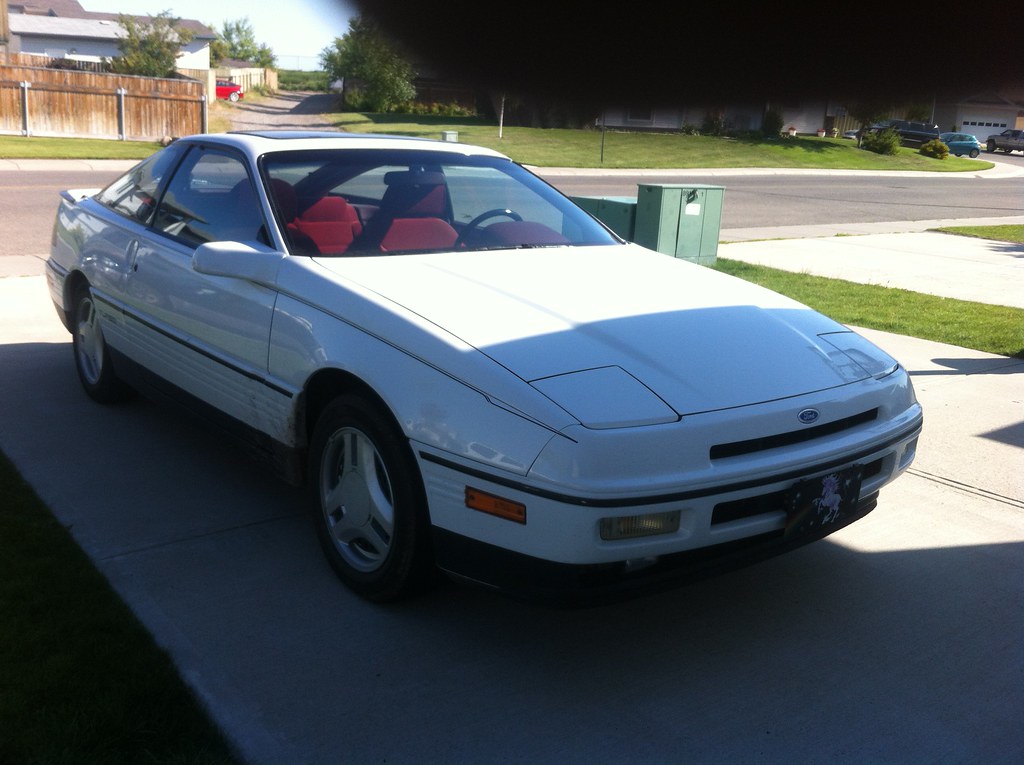
6. **Escalating Recall Frequency: A Pervasive Threat to Consumer Confidence**A critical factor that has continuously chipped away at Ford’s reputation, affecting its entire product line including coupes and hatchbacks, is the sheer frequency and magnitude of its recalls. The context bluntly states that Ford has faced a “bevy of recalls that continue to roll out on a regular basis,” and that the company has endured “constant backlash for several manufacturing defects and recalls.” This isn’t just about addressing issues; it’s about the overwhelming volume of problems that require factory intervention, creating an impression of consistent quality shortcomings.
The cumulative effect of countless recalls has been to turn Ford into a “bottom-dweller on the list of the most reliable car companies.” Each new recall, whether for a steering wheel, a transmission, or a problematic suspension system (like the Bronco II’s), reinforces the public perception that Ford vehicles, regardless of their segment, are prone to defects. This constant stream of negative news and the inconvenience of recall repairs directly impacts consumer confidence, making potential buyers wary of committing to a brand that appears to struggle repeatedly with manufacturing integrity.
For owners of Ford coupes and hatchbacks, or those considering purchasing one, the brand’s reputation for frequent recalls translates into anxiety about safety, reliability, and the potential for unscheduled maintenance. It signifies a perceived lack of robust pre-production testing and quality assurance that should prevent such widespread issues from reaching the market. This pervasive threat of recalls has become a hallmark of Ford’s challenges, continually undermining its reputation and making it difficult for the company to shake off the image of a manufacturer struggling to deliver consistent, defect-free vehicles across all segments, including its smaller passenger cars.

7. **The Slipping Standing in the Axios Harris Poll 100**Beyond specific mechanical failures, Ford’s reputation has taken a noticeable hit in broader public perception metrics. The Axios Harris Poll 100 reputation rankings, a significant barometer of corporate standing in the U.S., reveal a concerning trend for the American automaker. Despite its long history and widespread presence, Ford has seen its position steadily decline, reflecting a growing unease among the American public.
According to the recently released 2025 Axios Harris Poll 100, Ford Motor Company ranked 60th among the top 100 companies with a presence in the U.S., achieving a score of 72.9. This marks a five-spot drop from 2024, when The Blue Oval scored 73.6, and a more significant plummet from 2023, where it stood at a respectable 32nd place with a score of 77.6. This consistent downward trajectory is a clear indicator of eroding public trust.
When benchmarked against its automotive peers, Ford’s performance in these rankings appears even more challenging. It trailed significantly behind rivals like Toyota, which secured an impressive fourth place, as well as Honda (13th place), General Motors (44th place), Hyundai (51st place), and Volkswagen (53rd place). While it did manage to surpass Tesla (95th place), this overall standing suggests a brand struggling to maintain its once-dominant image in the eyes of consumers, directly impacting the desirability of its entire lineup, including its passenger cars.
Further analysis of the poll’s individual categories reveals where Ford’s reputation is both strong and vulnerable. The company achieved its best scores in areas such as vision, trajectory, growth, products and services, and culture. However, its lowest scores were recorded in crucial aspects like citizenship, character, trust, and ethics. These weaker areas directly correspond to the underlying issues of negligence and reliability that have plagued Ford’s history, inevitably affecting consumer confidence in its coupes and hatchbacks.

8. **Falling Short in American Customer Satisfaction (ACSI Automobile Survey)**Another critical measure of a brand’s health is how satisfied its customers are with their vehicles, and in this regard, Ford has also faced significant challenges. The American Customer Satisfaction Index (ACSI) Automobile Survey has consistently measured consumer contentment with various aspects of vehicle ownership, from driving performance and dependability to safety and technology. Unfortunately for Ford, its results have often lagged behind the industry average.
In the 2018 ACSI survey, despite an industry-wide increase in satisfaction, Ford scored a low 77, falling from its previous score of 79. This placed the brand in a tie with Dodge for second-to-last in the rankings. Such a low score for a brand that boasts a substantial 14% U.S. market share is particularly surprising and highlights a significant disconnect between its popularity and its customers’ overall happiness with their purchases.
This low satisfaction score signals that, while many Americans might choose Ford for various reasons, their long-term experience with the vehicles often falls short of expectations. The ACSI survey specifically captures opinions on critical elements like driving performance, dependability, exterior and interior features, vehicle safety, and warranties. A poor showing here suggests fundamental issues impacting the daily lives of Ford owners, affecting everything from compact sedans to powerful trucks.
For potential buyers of Ford coupes and hatchbacks, a low ACSI score serves as a strong cautionary tale. It implies that these smaller, more accessible vehicles might not deliver the reliability or overall ownership experience that consumers expect. This perception of dissatisfaction makes it harder for Ford to compete in a crowded market where brands like Lexus and Volvo consistently achieve high satisfaction ratings, underscoring a persistent challenge in Ford’s brand management.

9. **J.D. Power’s Damning Dependability Verdict**Perhaps one of the most authoritative indictments of Ford’s struggles comes from the J.D. Power U.S. Vehicle Dependability Study, which meticulously tracks problems per 100 vehicles (PP100) across nine major categories and 184 specific problem areas. These studies are crucial for understanding long-term reliability, and Ford’s recent performance has been particularly troubling, dramatically impacting its reputation.
The 2023 J.D. Power study revealed a dismal showing for Ford, which scored 240 PP100. This placed the brand at a shocking 29th out of 32 models surveyed, a precipitous drop from its 16th-place ranking in the previous year’s survey. When the industry average was 186 PP100, Ford’s significantly higher score underscored a pervasive issue with vehicle dependability that affects its entire lineup, including its coupe and hatchback offerings.
The study pinpointed various areas of concern, with infotainment systems proving to be the most problematic feature across most brands, and over-the-air software updates continuing to be an issue. However, Ford’s high PP100 score indicates deeper issues beyond just technology glitches. Problems spanning powertrain, driving assistance features, seating, interior/exterior, climate control, and driving experience were all factored into this poor showing, painting a picture of fundamental reliability deficits.
While the Ford Fusion and Ford Edge did manage to rank highly in their respective midsize car and midsize SUV segments, this recognition was ultimately insufficient to elevate the brand’s overall standing. The fact that even the best-selling Ford F-150 did not receive a nod for dependability further compounded the perception that reliability is not a consistent strong suit for The Blue Oval. This blanket dependability issue casts a long shadow over all Ford vehicles.
Ford has acknowledged these challenges, with a spokesperson stating, “We know we still have a lot of work to do, which is why delivering high-quality products continues to be our top priority.” The company has even brought on a new quality turnaround specialist, signaling a concerted effort to improve dependability. However, the current J.D. Power findings present a stark reality that significantly damages consumer trust and impacts the brand’s ability to market any new vehicle, including its smaller passenger cars, with confidence.
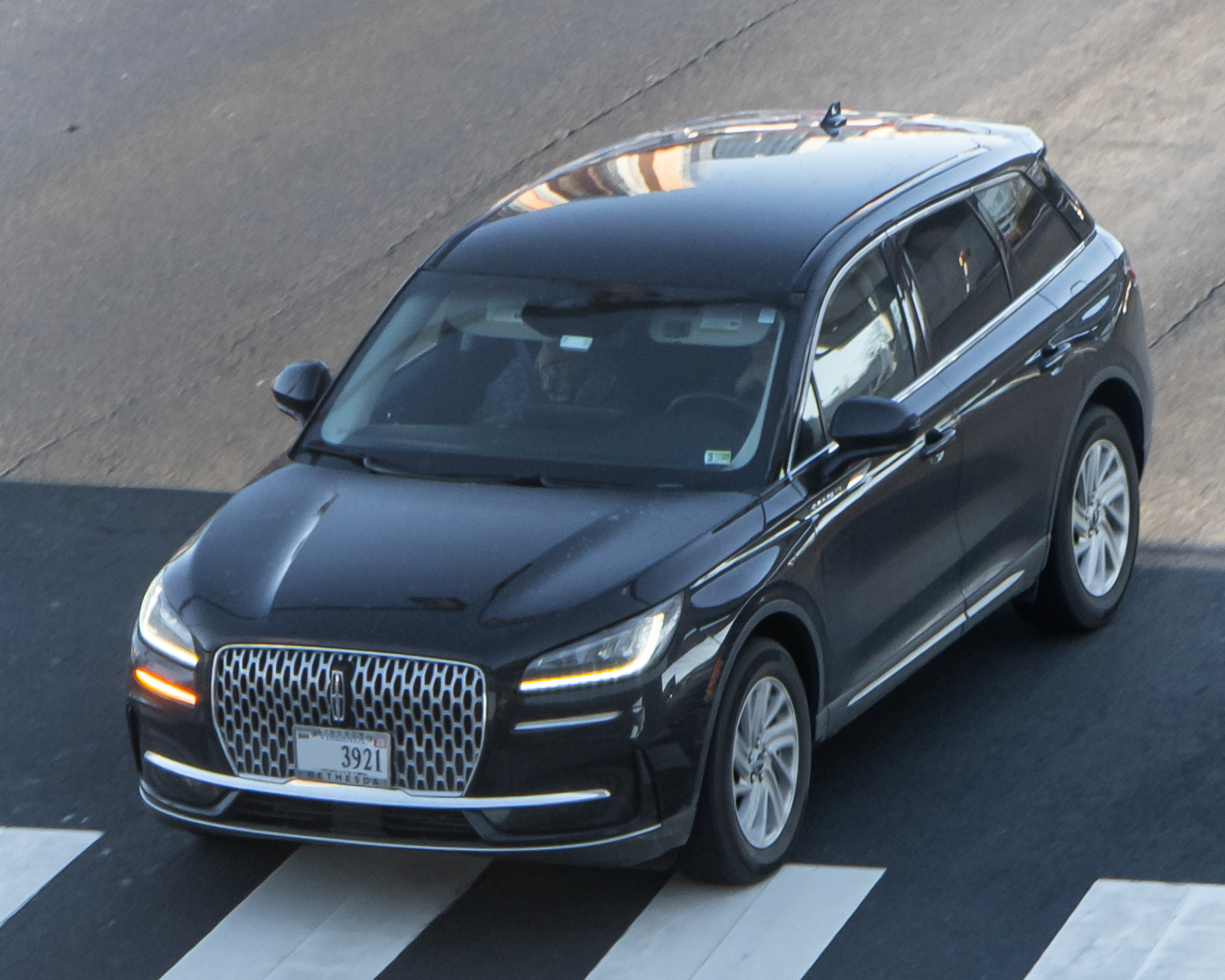
10. **The Luxury Dilemma: Lincoln’s Dependability Woes Reflect on Ford**Ford’s troubles with reputation and quality extend beyond its mainstream models and deeply into its luxury division, Lincoln. As a premium brand, Lincoln is expected to uphold even higher standards of quality and dependability. Its performance, therefore, serves as a direct reflection on Ford’s overall engineering prowess and commitment to excellence, casting a shadow over the entire corporate identity.
In the J.D. Power 2023 U.S. Vehicle Dependability Study, Lincoln found itself at the very bottom of the rankings, scoring a dismal 259 PP100 and placing 31st out of 32 models. This extremely poor showing, significantly worse than the industry average of 186 PP100, is particularly alarming for a luxury brand. It suggests that even when customers are paying a premium, Ford’s underlying quality issues can still surface, impacting the driving experience and long-term satisfaction.
Interestingly, the picture for Lincoln isn’t entirely consistent across all surveys. In the 2018 ACSI Automobile Survey, Lincoln actually performed quite well, garnering 84 points and climbing two points from the previous year, placing it in a tie for the second spot. However, this respectable customer satisfaction score was accompanied by a 10 percent drop in sales that same year, suggesting that while some owners might be satisfied, others were perhaps deterred by other factors or opted for rivals.
The stark contrast between Lincoln’s strong ACSI score in 2018 and its abysmal J.D. Power dependability ranking in 2023 highlights a complex challenge. It indicates that initial customer satisfaction, perhaps driven by features or comfort, may not translate into long-term dependability. This disparity is particularly damaging because consistent reliability is a cornerstone of luxury branding. When Ford’s premium offerings struggle with foundational issues, it reinforces a broader perception that the company, as a whole, has systemic quality challenges.
Such a poor showing from its luxury arm inevitably impacts Ford’s reputation across all segments. If even its higher-priced, more refined vehicles are found lacking in dependability, it raises serious questions about the quality control and engineering standards applied to more accessible Ford models, including its coupes and hatchbacks. This interconnectedness means Lincoln’s struggles contribute directly to the erosion of consumer trust in the broader Ford brand.

11. **The Financial Burden of Ford Ownership: Skyrocketing Repair Costs**One of the most tangible and frustrating consequences of persistent quality and reliability issues for any car owner is the escalating cost of maintenance and repairs. For many Ford vehicle owners, the dream of a new car has, unfortunately, often transformed into a “financial nightmare,” as noted in the context, due to recurrent mechanical problems. This directly impacts consumer trust and the overall value proposition of the brand.
The context explicitly states that “reliability isn’t particularly a strong point for the American automaker,” with powertrain issues being a key contributor. These aren’t just minor inconveniences; they are fundamental operational failures that can lead to significant financial burdens. Whether it’s the ten-speed transmission problems in popular models or “countless other problems that affect Ford vehicles in the long run,” the result is often exorbitant repair costs.
This sentiment is universally applicable across Ford’s lineup, including its coupes and hatchbacks. When components like EGR sensors fail, or transmissions develop issues, owners are faced with bills that quickly add up, severely impacting their long-term satisfaction and making them question the wisdom of their purchase. The necessity for owners to get their hands on a “trusted Ford factory service manual just to be on the safe side” underscores an expectation of problems rather than a presumption of seamless reliability.
The proactive recommendation for owners to acquire these manuals to “keep repair expenses light on the pocket” is a telling sign of the brand’s perceived reliability. It implies that owners must be prepared to troubleshoot and fix issues themselves, rather than relying on a consistently robust and defect-free vehicle. This financial toll and the perceived need for self-preparedness significantly erode brand loyalty and deter prospective buyers, particularly in segments like coupes and hatchbacks where value and hassle-free ownership are often key selling points.
Read more about: Is Your Ride on the Hit List? Unpacking America’s Top 10 Most Stolen Cars and How to Protect Yours

12. **A Legacy of Skepticism: The Shadow of Past “Overpriced and Unsafe” Vehicles**Ford, a company that “started it all” for many aspects of the automotive industry, carries a long and complex history. While it has garnered immense praise and a vast fan base, it also grapples with a historical perception of producing “overpriced and rather unsafe vehicles.” This legacy of skepticism, born from past scandals and systemic failures, continues to cast a long shadow over its current offerings, impacting how consumers perceive its entire lineup, including its coupes and hatchbacks.
Even as the context notes that Ford has “stepped up its game” and has “slowly but constantly climbed the quality and reliability ladder” over the past two decades, overcoming this entrenched negative image is an uphill battle. The journey from a “horrible reputation” to one of consistent quality is arduous, requiring sustained excellence that can gradually chip away at decades of public doubt.
The “constant backlash for several manufacturing defects and recalls,” as highlighted in the context, tragically reinforces this historical skepticism. Each new recall, regardless of the improvement efforts, serves as a fresh reminder of past issues, making it difficult for the company to fully shed the image of a manufacturer prone to quality lapses. This cyclical pattern of issues, even if reduced in severity or frequency, keeps the memory of “unethical decisions” and “hasty production processes” alive in the public consciousness.
For Ford’s passenger car segment, this legacy means that even newly engineered coupes and hatchbacks, potentially designed with modern safety systems and improved technology, are often viewed with a higher degree of scrutiny. Consumers remember the Pindos and the systemic transmission failures, and they read about the current dependability struggles. This collective memory can temper enthusiasm for new models and sustain a cautious approach to purchasing any Ford vehicle, irrespective of its intended improvements.
Ultimately, while Ford is actively working to improve its customer experience, “heavily relying on data collected from thousands of Ford owners” and scrutinizing “every newly manufactured model,” the weight of its past and the ongoing nature of its reliability challenges mean that consumer trust is a precious commodity, hard-won and easily lost. For Ford, rebuilding this trust, particularly for its once-struggling passenger car segments, remains a monumental and continuous undertaking, demanding unwavering commitment to quality and transparency above all else.
All in all, Ford’s journey through its challenging periods of reputation decline serves as a powerful testament to the intricate relationship between product quality, corporate ethics, and enduring consumer trust. The revelations from historical scandals like the Pinto, coupled with ongoing struggles in customer satisfaction and dependability rankings, paint a clear picture of the hurdles Ford has faced. Yet, the story doesn’t end there.
Ford has demonstrated a tangible commitment to learning from its mistakes, striving to integrate valuable data and advanced engineering to refine its vehicles. This ongoing evolution, from improving manufacturing processes to embracing electric vehicles and sophisticated safety systems, reflects a brand determined to redefine its legacy. However, for every car owner, regardless of the manufacturer’s efforts, vigilance remains paramount. Maintaining your vehicle through regular service, as highlighted by the importance of a reliable service manual, is a crucial step in ensuring its longevity and your peace of mind. Just as Ford continues to evolve, so too must owners, arming themselves with knowledge to navigate the road ahead and ensure their automotive experience is as dependable as they deserve. The ultimate truth is that an informed owner, much like a learning corporation, is always better equipped for the journey.