Hey there, fellow car enthusiasts! Ever wonder what happens behind the gleaming doors of automotive giants when they decide to really push the envelope? Ford, the legendary Blue Oval, has been shaping the world of cars since 1903, giving us iconic machines like the Model A, the Mustang, and the GT40. But a company with a history spanning 122 years isn’t just about the mainstream hits; it’s also about those wild, experimental, and sometimes incredibly rare creations that spark engineers’ imaginations.
We’re talking about the proverbial automotive unicorns – those special vehicles, obscure creations, and pioneering models that were way ahead of their time, or perhaps, just a little too ambitious for their era. These aren’t the F-150s, Broncos, or Escapes you see everyday at our Ford dealership near Henderson, Nevada; these are the dream projects, the homologation specials, and the limited-run marvels that prove even the biggest names in the industry aren’t afraid to dabble in the unexpected.
So buckle up, because we’re taking a deep dive into some of the rarest Fords you’ve probably never heard of. These are the cars that might not have made it to your average showroom but definitely left an indelible mark on automotive history, showcasing Ford’s relentless drive to innovate and experiment. Get ready to explore a fascinating collection of vintage models that highlight the company’s boldest attempts to redefine what’s possible on four wheels (and sometimes even two!).
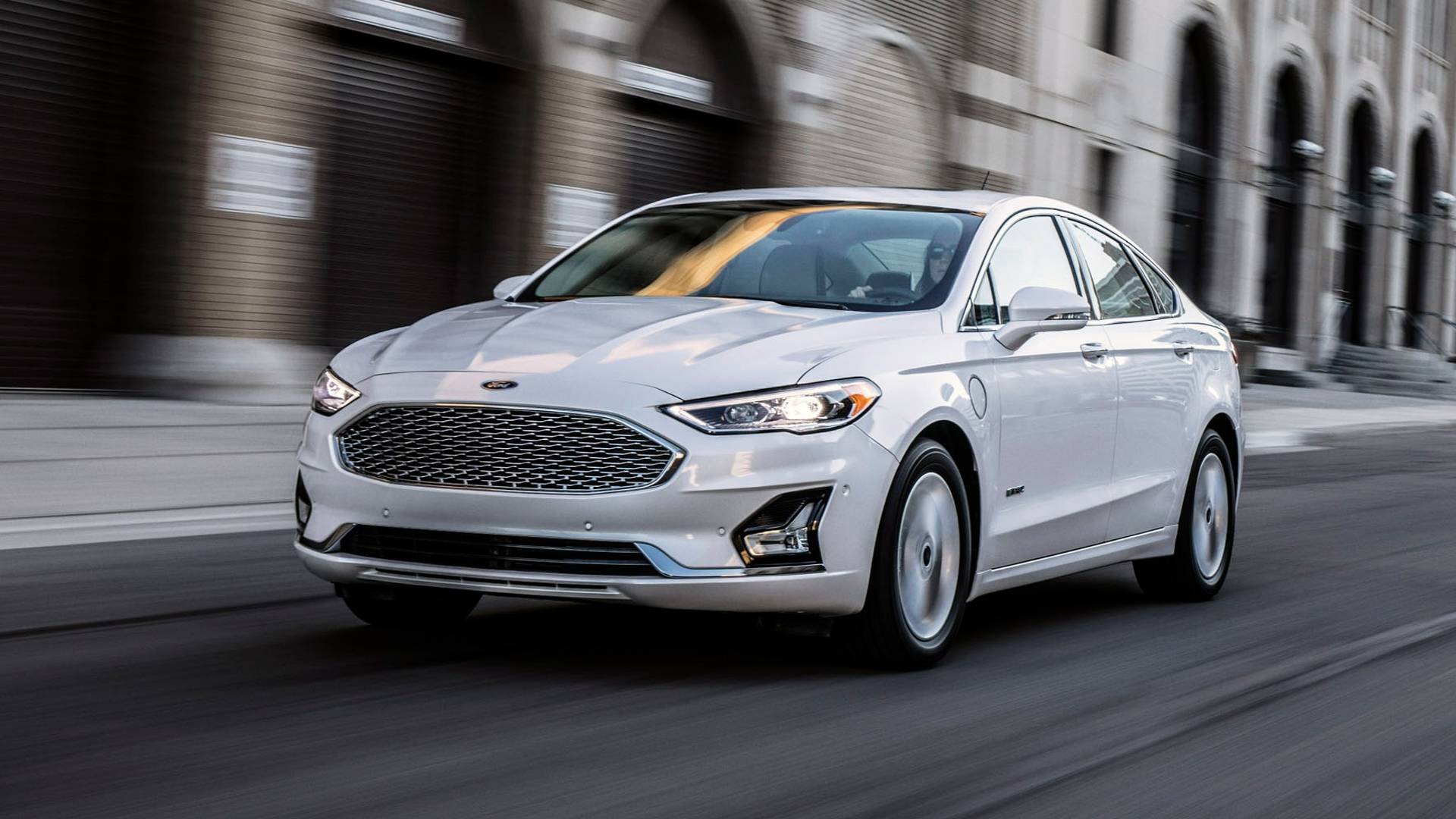
1. **Ford Fairlane 500 R-Code: The Stealthy Drag Racer**While many cool muscle car specials from Ford, like the Torino Talladega, are widely celebrated, there’s a good chance you haven’t heard of the Ford Fairlane 500 R-Code. This wasn’t just another performance variant; it was a homologation car, meticulously engineered by Ford specifically to compete in the National Hot Rod Association (NHRA). It represented the automaker’s personal attempt to craft a road-going drag car special, blending street legality with track-shredding capability.
The heart of this beast was its R Code Big Block 427 V8 engine. Ford officially rated this powerhouse at 425 horsepower and a staggering 480 pound-feet of torque. These numbers were incredibly powerful for a 1960s-era sports car. However, here’s where the legend truly begins: the Fairlane 500 R-Code was known to produce more than 500 horsepower in reality, making it a true sleeper car that packed a much bigger punch than its official specs suggested.
What made the R-Code particularly special was its understated appearance, looking remarkably similar to standard Fairlanes, save for a distinctive hood scoop. This blend of mundane aesthetics and monstrous performance solidified its status as the ‘perfect sleeper.’ Such exclusivity and performance came at a significant cost. In 1966, it commanded over $4,500, making it considerably more expensive than other muscle cars. Today, with only 57 models built, its value has soared, with mint examples commanding close to $300,000.
Car Model Information: 2025 Genesis GV80 2.5T
Name: Ford Fairlane
Caption: 1967 Ford Fairlane
Manufacturer: Ford Motor Company
Layout: FR layout
Production: 1955–1970
Assembly: ubl
Class: Full-size
BodyStyle: hardtop
Predecessor: Ford Crestline
Successor: Ford Galaxie
Categories: 1960s cars, 1970s cars, All articles with specifically marked weasel-worded phrases, All articles with unsourced statements, Articles with short description
Summary: The Ford Fairlane is an automobile model that was sold between the 1955 and 1970 model years by Ford in North America. Taking its name from the Dearborn, Michigan estate of Henry Ford, the Fairlane nameplate was used for seven different generations of vehicles. Through its production, the model line would be marketed in a variety of body styles, including two-door and four-door sedans, two-door and four-door hardtops, station wagons, and both traditional and retractable-hardtop convertibles.
Initially introduced as the flagship of the full-size Ford range, the Fairlane marked the introduction of the Crown Victoria and 500 nameplates, both later becoming standalone full size model lines (the latter, as the Ford Five Hundred).
Following the introduction of the Ford Galaxie, the Fairlane 500 (and Fairlane) became Ford’s base models, equivalent to the Chevrolet Bel Air and Biscayne respectively, until 1962, when it was repackaged as an intermediate-segment car (today, mid-size) from 1962 to 1970. For 1971, Ford expanded the Ford Torino nameplate across its entire intermediate range, dropping the Fairlane (and Falcon) nameplates in North America. In South America, the sixth generation Fairlane was marketed through 1981; Ford Australia used the nameplate on its own version of the Fairlane (a long-wheelbase Ford Falcon) through the 2007 model year.
Get more information about: Ford Fairlane (Americas)
Buying a high-performing used car >>>
Brand: Ford Model: Fairlane 500
Price: $54,355 Mileage: 19,781 mi.
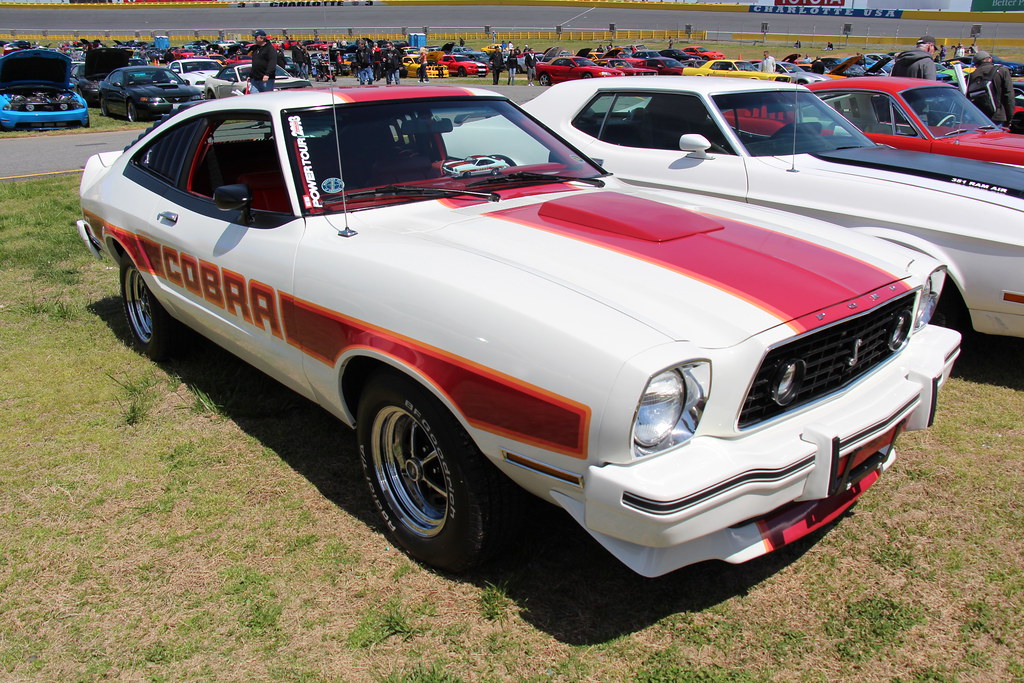
2. **Ford Mustang V10: The Engine Bay Experiment**Imagine a Mustang, but with a V10 engine. Ford actually built one back in 2004, not as a corporate mandate, but as a passion project for engineers pushing beyond V8s. While a 6.8-liter V10 truck engine existed, its tall-deck design wouldn’t fit the Mustang’s engine bay. Undeterred and with almost no budget, engineers embarked on building an all-new V10, requiring a creative approach using readily available parts: a couple of 4.6-liter V8s.
Their solution was a marvel of automotive improvisation. Engineers literally chopped off the front part of one V8 engine, leaving eight cylinders intact, and then removed the back half of a second engine, cutting away six cylinders. With precision and clever engineering, they effectively ‘glued’ these two modified engine halves together to form a bespoke V10 configuration. A similar procedure was followed to build the heads, making castings from DOHC Cobra R heads and adapting them with extra cylinders.
The result was a lightweight, high-performance engine: a 5.8-liter, all-aluminum short-deck short-stroke V10. This custom creation revved faster and higher than the stock 4.6-liter V8, delivering impressive figures of 426 horsepower and 400 pound-feet of torque, all while weighing significantly less than Ford’s iron-block V8s. Getting it to run was another hurdle; lacking an engine controller for an odd-firing V10, they ingeniously used two controllers with twin throttle bodies, setting them up to function for an inline five-cylinder engine.
This Frankenstein engine was ultimately fitted into a 1999 Unibody Mustang test car, and its performance was nothing short of breathtaking. The V10 Mustang clocked sub-12-second quarter-mile times, a feat that even surpassed the performance of a supercharged Mustang Cobra of the era. Sadly, despite its incredible potential and the engineering brilliance behind it, the engine’s inherent complexity and the high production costs ultimately proved to be its downfall, preventing it from ever reaching mass production.
Car Model Information: 2008 Ford Mustang GT Premium
Name: Ford Mustang
Caption: 2018 Ford Mustang GT 5.0
Aka: Ford T5 (Germany)
Manufacturer: Ford Motor Company
Production: March 1964 – present
ModelYears: 1965–present
Class: Unbulleted list
BodyStyle: Unbulleted list
Layout: Front-engine, rear-wheel-drive layout
Categories: 1970s cars, 1980s cars, 1990s cars, 2+2 coupés, 2000s cars
Summary: The Ford Mustang is an American automobile manufactured and marketed by Ford since 1964, as Ford’s longest nameplate in continuous production. Currently in its seventh generation, it is the fifth-best selling Ford car nameplate. The namesake of the “pony car” automobile segment, the Mustang was developed as a highly styled line of sporty coupes and convertibles derived from existing model lines, initially distinguished by its pronounced “long hood, short deck” proportions.
Originally predicted to sell 100,000 vehicles yearly, the 1965 Mustang became the most successful vehicle launch since the 1927 Model A. Introduced on April 17, 1964 (16 days after the Plymouth Barracuda), over 400,000 units were sold in its first year; the one-millionth Mustang was sold within two years of its launch. In August 2018, Ford produced the 10-millionth Mustang; matching the first 1965 Mustang, the vehicle was a 2019 Wimbledon White convertible with a V8 engine.
The success of the Mustang launch led to multiple competitors from other American manufacturers, including the Chevrolet Camaro and Pontiac Firebird (1967), AMC Javelin (1968), and Dodge Challenger (1970). It also competed with the Plymouth Barracuda, which was launched around the same time. The Mustang also had an effect on designs of coupes worldwide, leading to the marketing of the Toyota Celica and Ford Capri in the United States (the latter, by Lincoln-Mercury). The Mercury Cougar was launched in 1967 as a unique-bodied higher-trim alternative to the Mustang; during the 1970s, it included more features and was marketed as a personal luxury car.
From 1965 until 2004, the Mustang shared chassis commonality with other Ford model lines, staying rear-wheel-drive throughout its production. From 1965 to 1973, the Mustang was derived from the 1960 Ford Falcon compact. From 1974 until 1978, the Mustang (denoted Mustang II) was a longer-wheelbase version of the Ford Pinto. From 1979 until 2004, the Mustang shared its Fox platform chassis with 14 other Ford vehicles (becoming the final one to use the Fox architecture). Since 2005, Ford has produced two generations of the Mustang, each using a distinct platform unique to the model line.
Through its production, multiple nameplates have been associated with the Ford Mustang series, including GT, Mach 1, Boss 302/429, Cobra (separate from Shelby Cobra), and Bullitt, along with “5.0” fender badging (denoting 4.9 L OHV or 5.0 L DOHC V8 engines).
Get more information about: Ford Mustang
Buying a high-performing used car >>>
Brand: Ford Model: Mustang
Price: $16,785 Mileage: 81,832 mi.

3. **Ford Mustang McLaren M81: The Anglo-American Rally Hybrid**When you hear ‘Mustang’ and ‘McLaren’ together, an exotic V8 supercar often comes to mind. Yet, in the 1980s, these two iconic marques collaborated on a different project: a small inline four-cylinder Mustang. This partnership emerged as carmakers shifted from large V8s to efficient, small-capacity turbocharged engines, a trend Ford was actively embracing. Having just unveiled its Fox-bodied Mustang SVO with a 2.3-liter turbocharged four-cylinder, Ford partnered with McLaren to market this innovative Mustang and elevate its high-performance potential.
McLaren took the 2.3-liter engine and meticulously massaged it for enhanced performance. This involved adding new pistons and connecting rods, along with a revamped cylinder head, to unlock greater power. The result was a significantly boosted engine that delivered 190 horsepower, a substantial increase from the 132 horsepower produced by the stock model. This impressive power bump meant that the McLaren Mustang prototype could confidently be called the ‘king of all Fox bodies,’ setting a new benchmark for the platform.
Beyond the powertrain, the Fox-bodied McLaren Mustang received a complete racing-inspired makeover. It featured aggressive IMSA racing-style bodywork, complete with extended wheel arches that gave it a much wider and more purposeful stance. To top it off, it was finished in McLaren’s signature ‘Papaya orange’ paint job, instantly making it recognizable and visually striking. The performance upgrades extended to the chassis as well, with Koni suspension and BBS wheels wrapped in high-performance Firestone HPR tires ensuring exceptional handling.
The interior was equally purpose-built, transforming it into a proper race car for the streets. It boasted Recaro LS bucket seats for superior driver support, a race-ready steering wheel, and even a roll bar, emphasizing its track-focused intentions. Despite its undeniable appeal and performance, only 10 units of the McLaren M81 were built, each commanding a price tag of around $25,000. Ultimately, the M81 project did not last, thanks to internal resistance within Ford’s newly formed Special Vehicle Operations group, but it remains a revered entry on any list of favorite Ford Mustangs.
Car Model Information: 2008 Ford Mustang GT Premium
Name: Ford Mustang
Caption: 2018 Ford Mustang GT 5.0
Aka: Ford T5 (Germany)
Manufacturer: Ford Motor Company
Production: March 1964 – present
ModelYears: 1965–present
Class: Unbulleted list
BodyStyle: Unbulleted list
Layout: Front-engine, rear-wheel-drive layout
Categories: 1970s cars, 1980s cars, 1990s cars, 2+2 coupés, 2000s cars
Summary: The Ford Mustang is an American automobile manufactured and marketed by Ford since 1964, as Ford’s longest nameplate in continuous production. Currently in its seventh generation, it is the fifth-best selling Ford car nameplate. The namesake of the “pony car” automobile segment, the Mustang was developed as a highly styled line of sporty coupes and convertibles derived from existing model lines, initially distinguished by its pronounced “long hood, short deck” proportions.
Originally predicted to sell 100,000 vehicles yearly, the 1965 Mustang became the most successful vehicle launch since the 1927 Model A. Introduced on April 17, 1964 (16 days after the Plymouth Barracuda), over 400,000 units were sold in its first year; the one-millionth Mustang was sold within two years of its launch. In August 2018, Ford produced the 10-millionth Mustang; matching the first 1965 Mustang, the vehicle was a 2019 Wimbledon White convertible with a V8 engine.
The success of the Mustang launch led to multiple competitors from other American manufacturers, including the Chevrolet Camaro and Pontiac Firebird (1967), AMC Javelin (1968), and Dodge Challenger (1970). It also competed with the Plymouth Barracuda, which was launched around the same time. The Mustang also had an effect on designs of coupes worldwide, leading to the marketing of the Toyota Celica and Ford Capri in the United States (the latter, by Lincoln-Mercury). The Mercury Cougar was launched in 1967 as a unique-bodied higher-trim alternative to the Mustang; during the 1970s, it included more features and was marketed as a personal luxury car.
From 1965 until 2004, the Mustang shared chassis commonality with other Ford model lines, staying rear-wheel-drive throughout its production. From 1965 to 1973, the Mustang was derived from the 1960 Ford Falcon compact. From 1974 until 1978, the Mustang (denoted Mustang II) was a longer-wheelbase version of the Ford Pinto. From 1979 until 2004, the Mustang shared its Fox platform chassis with 14 other Ford vehicles (becoming the final one to use the Fox architecture). Since 2005, Ford has produced two generations of the Mustang, each using a distinct platform unique to the model line.
Through its production, multiple nameplates have been associated with the Ford Mustang series, including GT, Mach 1, Boss 302/429, Cobra (separate from Shelby Cobra), and Bullitt, along with “5.0” fender badging (denoting 4.9 L OHV or 5.0 L DOHC V8 engines).
Get more information about: Ford Mustang
Buying a high-performing used car >>>
Brand: Ford Model: Mustang
Price: $16,785 Mileage: 81,832 mi.
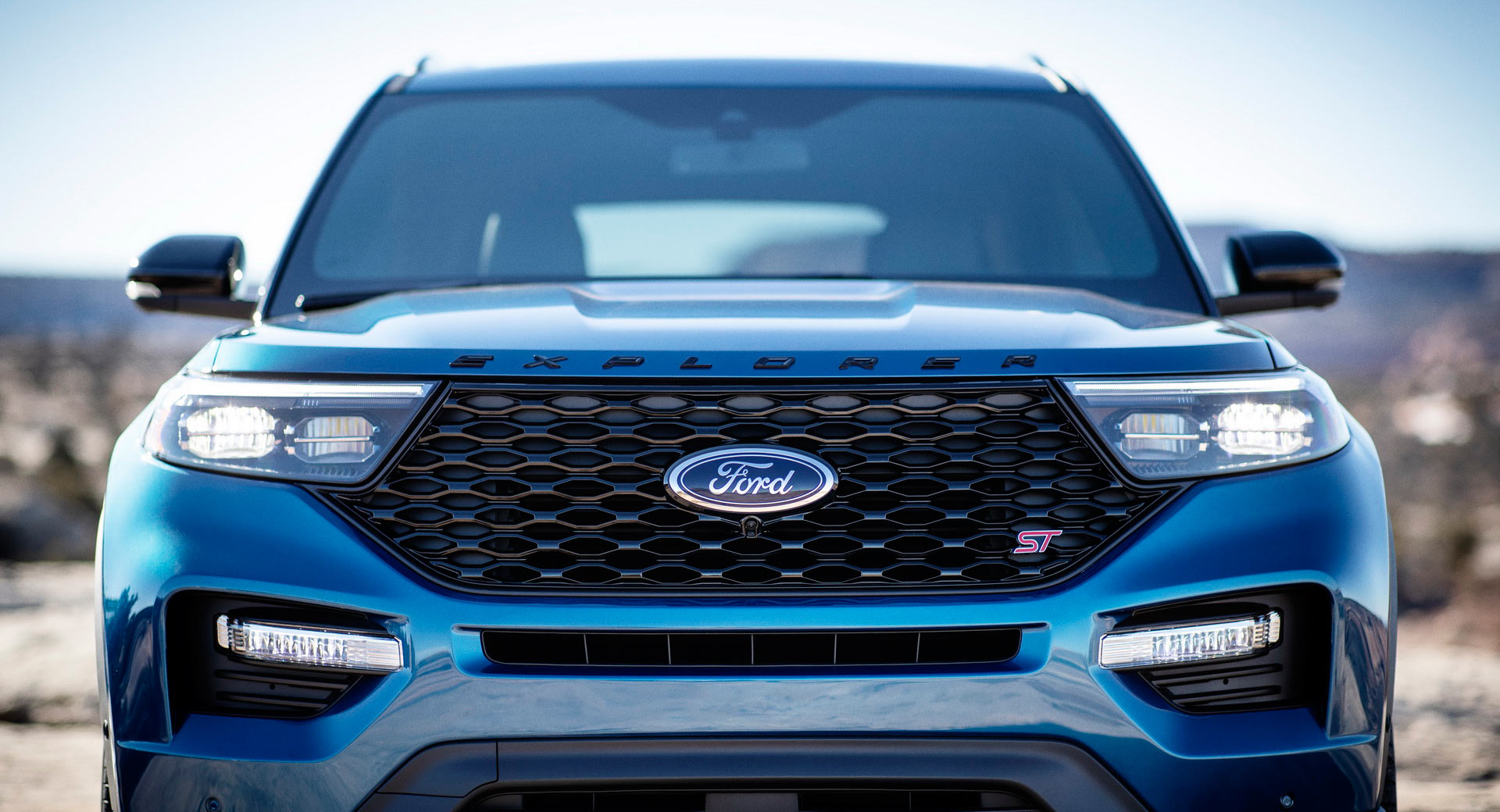
4. **Ford Escort RS1700T: Rally’s Unsung AWD Challenger**When recalling Ford’s 1980s rallying contributions, the Mk2 Escort or RS200 often come to mind. Yet, a crucial third car, the Ford Escort RS1700T, linked these legends. Conceived as the Mk2 Escort’s direct replacement for Group B rallying, it was modeled after the Mk3 Escort. Under its hood, the high-performance Ford Cosworth BDA-derived racing engine saw significant changes: displacement was downsized from 2,000cc to 1,778cc, and a turbocharger was added to comply with new regulations.
Initially, the Escort RS1700T prototype was everything Ford envisioned its future rally car to be. It was powerful, agile, and seemingly destined for greatness. That is, until the landscape of rallying was abruptly and irrevocably reshaped by the arrival of the Audi Quattro. Audi’s revolutionary all-wheel-drive technology proved to be a game-changer, dominating the competition by miles and instantly rendering traditional rear-wheel-drive rally cars, no matter how capable, obsolete overnight.
This seismic shift in rally technology forced carmakers, including Ford, to step back and completely reevaluate their strategies. Despite the Escort RS1700T being a highly capable machine in its own right, its rear-wheel-drive configuration suddenly seemed insufficient against the superior traction and performance of AWD rivals. Faced with a heavy loss of both time and money invested in the project, Ford reluctantly dropped the RS1700T.
Instead of continuing with a rear-wheel-drive platform, Ford wisely refocused its considerable energy and resources on developing a new, mid-engine contender: the RS200, which critically came equipped with four-wheel drive. This strategic pivot ensured Ford remained competitive in Group B. Ultimately, only 18 Escort RS1700T prototypes were ever made, and a mere four of those have survived to this day. The rarity of this unsung hero is reflected in its value, with one survivor selling for a cool $470,000, underscoring its historical significance as a ‘fire-spitting’ piece of rally heritage.
Car Model Information: 2019 Hyundai SANTA FE 2.0T Limited
ShortName: Ford
LongName: BP Ford World Rally Team (until 2007),BP Ford Abu Dhabi World Rally Team (2007–2012)
Logo: file:FordADWRTlogo.jpg
Base: flagicon,Cumbria,England
Principal: Malcolm Wilson (rally driver)
Director: Christian Loriaux
Chassis: Ford Fiesta RS WRC
Tyres: Michelin
Debut: 1997 Monte Carlo Rally
LastEvent: 2012 Rally Catalunya
ConsChamp: [object Object],[object Object],[object Object]
DriversChamp: Björn Waldegård,[object Object]
Wins: 76
The Ford World Rally Team, also known as the Ford Motor Co. Team prior to 2005,cite web
Url: http://www.fia.com/resources/documents/1762923094__09_01_1997_WRC_driv_MON.pdf
Title: Press Release – 1997 FIA WORLD RALLY CHAMPIONSHIP: RALLYE AUTOMOBILE MONTE CARLO
AccessDate: Mon Dec 17 2007 16:00:00 GMT-0800 (Pacific Standard Time)
Publisher: fia.com
ArchiveUrl: https://web.archive.org/web/20070925222119/http://www.fia.com/resources/documents/1762923094__09_01_1997_WRC_driv_MON.pdf
ArchiveDate: Tue Sep 25 2007 00:00:00 GMT-0700 (Pacific Daylight Time)
UrlStatus: Ford Motor Company
Categories: All Wikipedia articles written in British English, All articles needing additional references, All articles with specifically marked weasel-worded phrases, Articles needing additional references from December 2012, Articles with short description
Summary: The Ford World Rally Team, also known as the Ford Motor Co. Team prior to 2005, was Ford Motor Company’s factory World Rally Championship team. It was a regular competitor in the series from the 1970s until withdrawing following the 2012 season.
Get more information about: Ford World Rally Team
Buying a high-performing used car >>>
Brand: Ford Model: Escort RS1700T
Price: $20,142 Mileage: 80,163 mi.

5. **Ford GTX1 Roadster: The Supercar with a Sunroof**Alright, buckle up, because we’re diving into another truly special creation from the Blue Oval, one that might just blow your mind. You know the Ford GT, right? That iconic supercar from the 2000s that everyone drooled over? Well, guess what – Ford actually made an even rarer, targa-top version! This isn’t just a rumor; it’s the Ford GTX1 Roadster, a machine so cool it debuted at the 2005 SEMA show and immediately snagged so much attention that Ford decided to offer a limited-production run of this open-top beauty.
To bring this extraordinary vision to life, Ford partnered with Wisconsin-based coachbuilder Gennadi Design Group, a team renowned for their specialized convertible conversions. This collaboration ensured that the GTX1 maintained the GT’s legendary performance while adding the exhilaration of open-air driving. The most striking difference, of course, was that fantastic targa roof, transforming the already exclusive Ford GT into something even more unique and desirable.
Underneath that removable roof, the GTX1 Roadster packed the same heart-thumping power as its coupe sibling. We’re talking about a beastly 5.4-liter supercharged V8 engine, roaring out a massive 550 horsepower and a staggering 500 pound-feet of torque. All that raw power was channeled through a slick six-speed manual Ricardo transmission, guaranteeing an utterly visceral driving experience that few cars could match.
But the GTX1 wasn’t just about chopping the top. Oh no, it was a full-on upgrade! This roadster featured bespoke interiors, racing seats for superior comfort and support, and a host of performance and suspension upgrades to truly dial in the driving dynamics. Plus, it boasted removable carbon fiber roof panels, a removable plastic rear window, stylish carbon fiber side skirts, upgraded brakes for serious stopping power, and even optional alloy wheels to personalize its already stunning looks. Did we mention the awesome butterfly doors? Because yes, it had those too, making every entrance and exit an event.
When we talk rarity, the standard Ford GT was already an exclusive club with only 4,000 models built. But the GTX1 Roadster? That’s on another level entirely. Less than five percent of those original GTs were ever converted into the GTX1, cementing its status as an automotive unicorn among unicorns. This extreme scarcity naturally translates to extreme value, with a pristine example fetching close to $600,000 at auction in 2021. If you ever spot one of these, count yourself lucky – you’re looking at a piece of Ford history that truly pushed boundaries.
Car Model Information: 2025 Genesis GV80 2.5T
Caption: Ford GT40
Name: Ford GT
Manufacturer: Ford Motor Company
Class: Sports car
Production: 2004–2006,2016–2022
BodyStyle: coupé
Layout: Rear mid-engine, rear-wheel-drive layout
Predecessor: Ford GT40
ModelYears: 2005–2006,2017–2022
Categories: 2010s cars, 2020s cars, All articles with dead external links, All articles with unsourced statements, Articles with dead external links from September 2017
Summary: The Ford GT is a mid-engine two-seater sports car manufactured and marketed by American automobile manufacturer Ford for the 2005 model year in conjunction with the company’s 2003 centenary. The second generation Ford GT became available for the 2017 model year.
The GT recalls Ford’s historically significant GT40, a consecutive four-time winner of the 24 Hours of Le Mans (1966–1969), including a 1-2-3 finish in 1966.
Get more information about: Ford GT
Buying a high-performing used car >>>
Brand: Ford Model: GTX1 Roadster
Price: $54,355 Mileage: 19,781 mi.
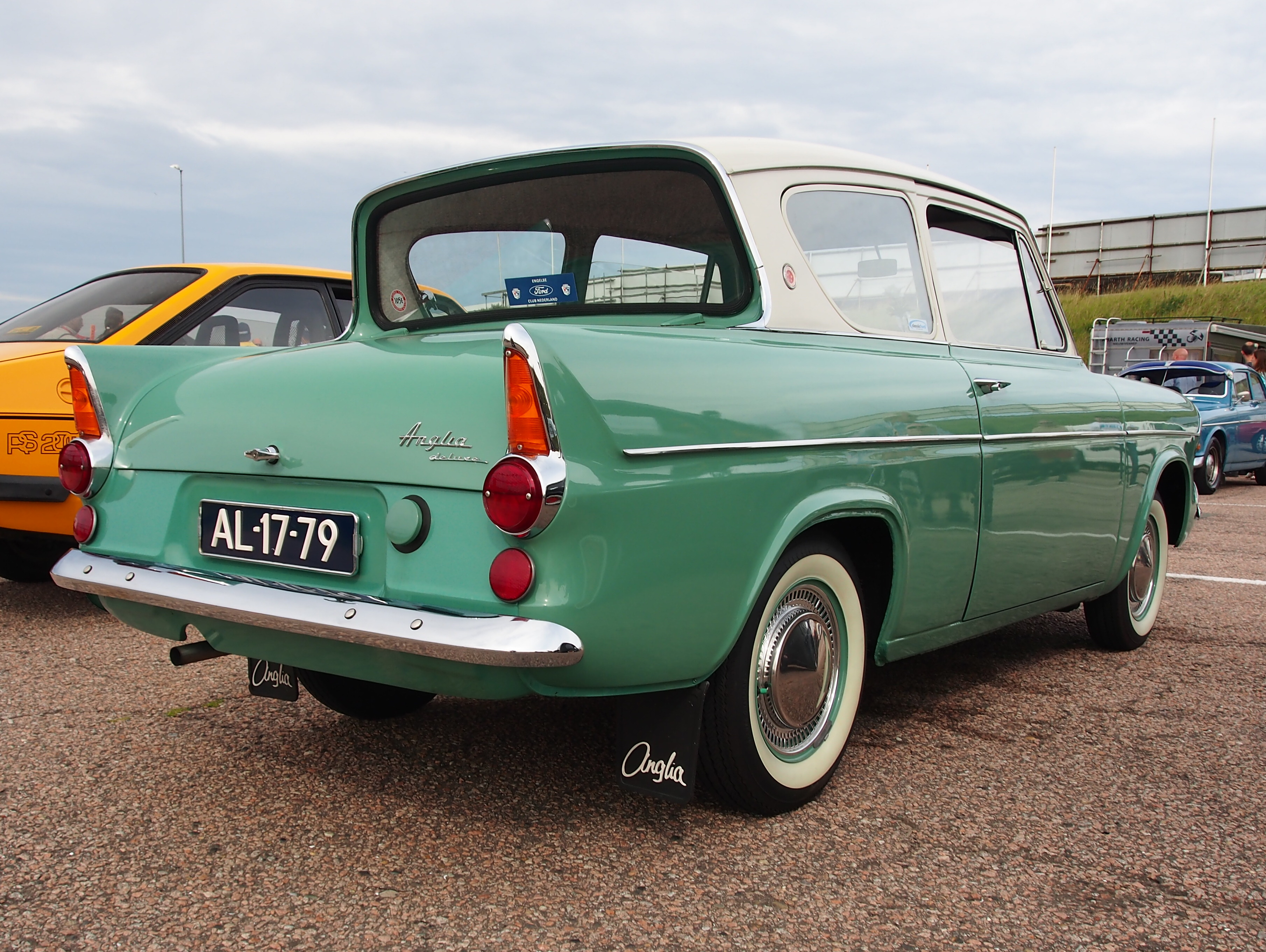
6. **Ford’s Enigmatic Two-Wheeled Car (1960s): A Balancing Act**Alright, car buffs, prepare yourselves for a truly wild ride into Ford’s archives. While the Mustang was busy galloping into history books, the 1960s were also a hotbed for some genuinely experimental and, let’s be honest, pretty wacky ideas. Our context briefly mentions one such concept: a “two-wheeled car.” Yes, you read that right – *two wheels*. It’s enough to make you scratch your head and think, “Wait, Ford actually considered that?”
This wasn’t just some backyard tinkering; it was a testament to Ford’s willingness to truly dabble in the unconventional. A major automotive giant exploring a two-wheeled vehicle for personal transport is absolutely mind-boggling. It speaks volumes about an era of unbridled engineering curiosity, where the conventional rules of car design were seemingly tossed out the window in favor of pure, unadulterated innovation. Imagine the balancing act, both literally and figuratively, that such a design would entail!
While the specifics about its design, whether it leaned or stood upright, or its intended purpose remain shrouded in the mists of history, the mere existence of a “two-wheeled car” in Ford’s 1960s portfolio immediately places it among those fascinating, perhaps “unsellable” cars. It’s a prime example of how even the biggest names in the industry aren’t afraid to take monumental leaps of faith, proving that innovation can spring from the most unexpected and seemingly impractical places.
Such a radical vehicle, even as a concept, completely challenges our preconceived notions of what a “car” truly is. Was it an early attempt at gyroscopic stabilization for a leaner, meaner urban commuter? Or perhaps a playful exploration into futuristic personal mobility that was simply too far ahead of its time? Whatever its genesis, it stands as a truly enigmatic footnote in Ford’s experimental ledger, a bizarre and beautiful unicorn that highlights the company’s diverse and sometimes truly mind-bending attempts to redefine transportation.
It’s a powerful reminder that not every concept is destined for the showroom floor, but every daring idea, no matter how outlandish, contributes to the rich tapestry of automotive evolution. The two-wheeled car may never have sold, but it certainly proves that Ford was never short on imaginative engineering spirit!
Car Model Information: 2025 Genesis GV80 2.5T
Categories: All articles with unsourced statements, All articles with vague or ambiguous time, Articles with short description, Articles with unsourced statements from February 2025, Articles with unsourced statements from March 2019
Summary: Pony car is an American car classification for affordable, compact, highly styled coupés or convertibles with a “sporty” or performance-oriented image. Common characteristics include rear-wheel drive, a long hood, a short deck, bucket seats, room for four, a wide range of options to individualize each car and use of mass-produced parts shared with other models. The popularity of pony cars is largely due to the launch of the Ford Mustang in 1964, which created the niche and term.
There is much debate among enthusiasts about the exact definition of a pony car, and what differentiates the vehicle from a muscle car. The general consensus is that pony cars are smaller and more homogeneous in their form than muscle cars. A few intermediate-size vehicles, such as the Dodge Challenger, may be considered to belong to both categories.
Get more information about: Pony car
Buying a high-performing used car >>>
Brand: Ford Model: Two-Wheeled Car
Price: $54,355 Mileage: 19,781 mi.
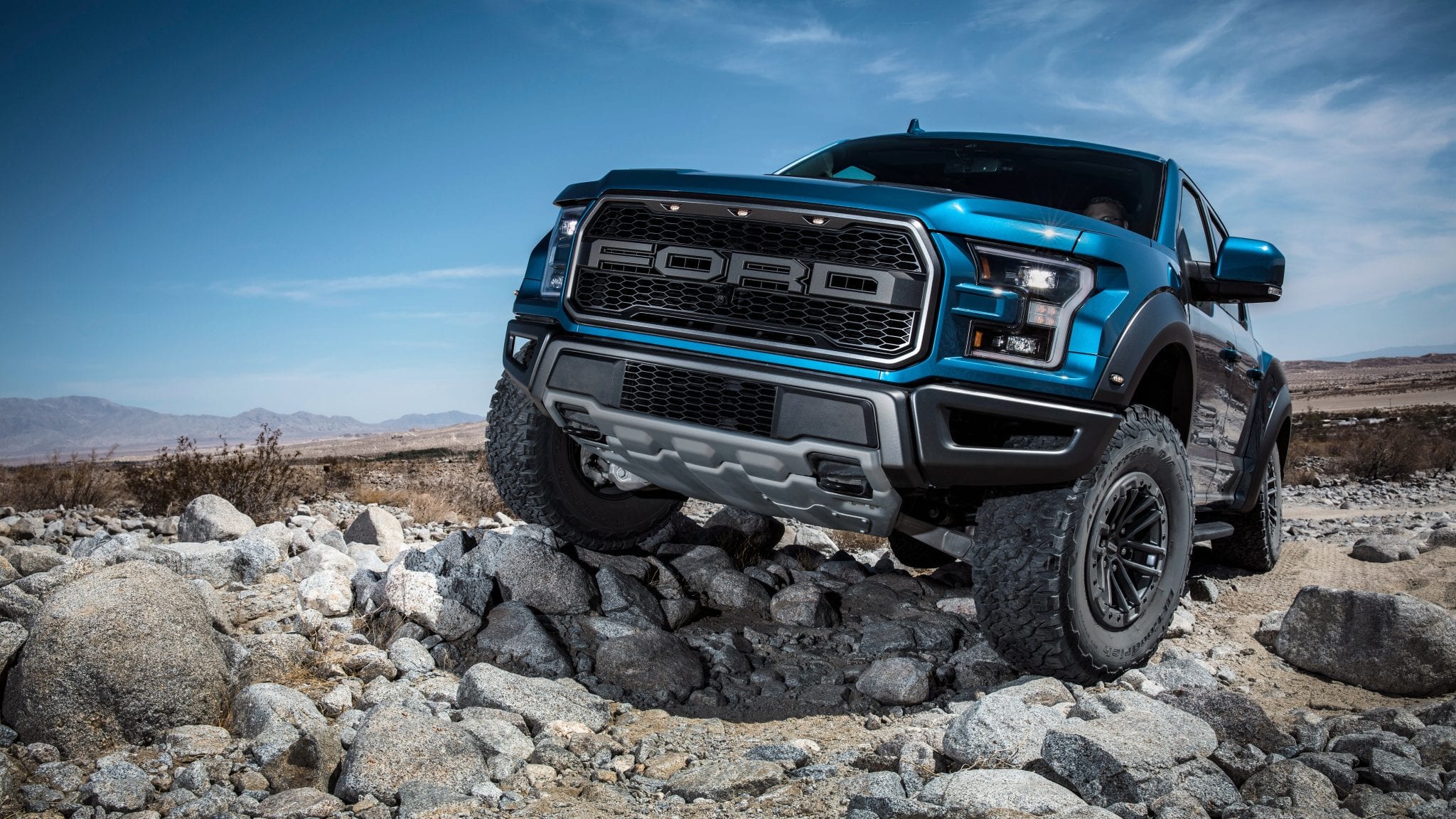
7. **Ford’s Visionary Electric Microcar (1960s): Ahead of Its Time**Still basking in the glow of the swinging sixties, let’s turn our attention to another utterly fascinating, and incredibly forward-thinking, concept Ford was toying with. Our context mentions an “electric microcar” from this very decade. Let that sink in for a moment: an *electric* car, from the *1960s*! It’s enough to make you do a double-take, given that electric vehicles only really started becoming mainstream decades later.
This “electric microcar” wasn’t just a cute, compact design; it was a clear glimpse into Ford’s incredible foresight regarding alternative energy sources and urban mobility. In an era overwhelmingly dominated by the throaty rumble of V8 engines and cheap, plentiful gasoline, envisioning and actively developing an electric-powered personal vehicle demonstrated a truly remarkable, almost prophetic, commitment to exploration. It shouts that even giants, with their massive investments in traditional powertrains, harbored an experimental spirit that dared to question the fossil fuel status quo.
While detailed blueprints or performance figures are elusive, the sheer mention of an “electric microcar” from the ’60s conjures up images of a small, perhaps incredibly futuristic, urban commuter. It was likely designed with efficiency and minimal environmental impact in mind, long before those terms were part of everyday automotive discourse. It perfectly embodies the spirit of an “unsellable” car from its time – not necessarily because it was flawed, but because the world simply wasn’t ready for such a radical shift. The necessary charging infrastructure was non-existent, and public perception hadn’t even begun to consider a future without gasoline.
This trailblazing concept serves as a powerful reminder that some of Ford’s most groundbreaking, albeit obscure, projects were incredibly visionary. The electric microcar wasn’t about immediate sales or market dominance; it was about imagining a radically different kind of future for personal transport. It showcases Ford’s diverse attempts to innovate and bravely explore technologies that would eventually, much later, come to redefine the entire automotive landscape.
It’s clear that even when their ideas didn’t immediately translate into commercial success, Ford’s willingness to experiment with concepts like this electric microcar made them pioneers, cementing their place as a company that constantly looked beyond the horizon.
Car Model Information: 2025 Genesis GV80 2.5T
Name: Microcar
Type: Subsidiary
Founder: Jeanneau
Defunct: 2025
Fate: merged with Automobiles Ligier in 2014, brand discontinued in 2025
Foundation: [object Object]
LocationCity: Les Herbiers
LocationCountry: France
Industry: Automotive
Products: Quadricycle (EU vehicle classification)
Parent: Ligier
Homepage: https://www.ligier.fr/voiture-sans-permis/microcar/
Categories: All articles needing additional references, Articles needing additional references from August 2019, Articles needing translation from German Wikipedia, Articles with short description, CS1 French-language sources (fr)
Summary: Microcar was a French microcar manufacturer. The company was founded in 1980 as a division of Jeanneau, a major sailboat manufacturer. Production moved to a new custom-built factory in September 2000. In September 2008, Microcar was acquired by Ligier Automobiles in a deal backed by the Italian private equity firm 21 Investimenti Partners. The merger created Europe’s second-biggest manufacturer of microcars, and largest maker of quadricycles, or “sans permis” (license-exempt) vehicles. The Microcar and Ligier brands were to retain their separate identities and production facilities. Phillipe Ligier, son of company founder Guy Ligier, is CEO of the expanded Ligier Automobiles.
In 2024, Ligier announced plans to discontinue the Microcar brand in order to consolidate business for the Ligier main brand as the company struggled with increased competition in the microcar market. In early 2025, the Microcar factory in Montaigu was closed down.
Get more information about: Microcar (brand)
Buying a high-performing used car >>>
Brand: Ford Model: Electric Microcar
Price: $54,355 Mileage: 19,781 mi.
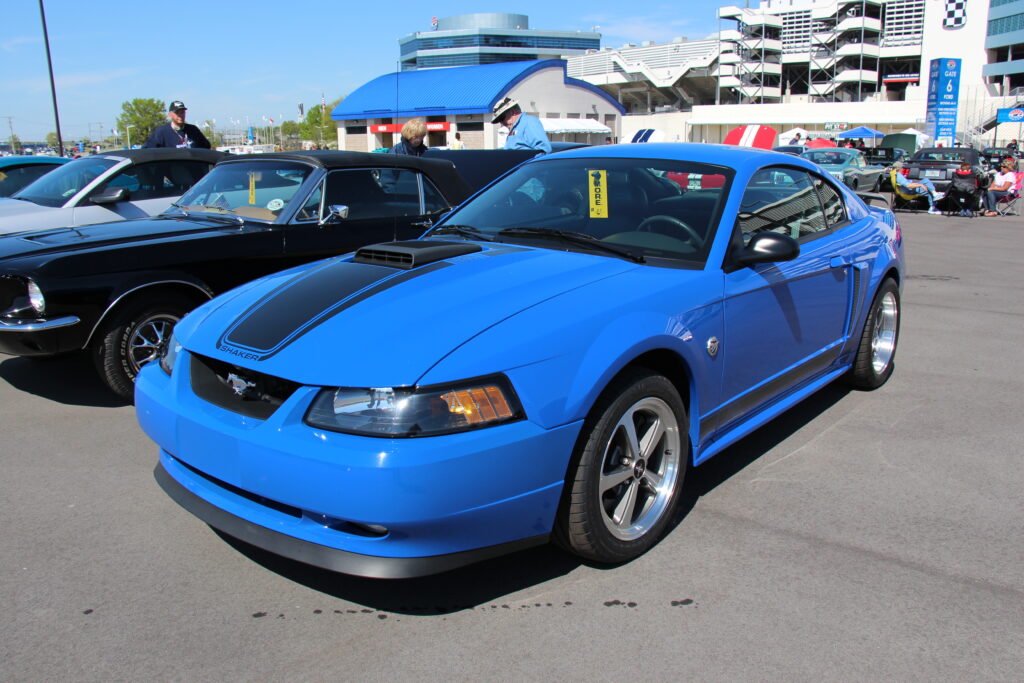
8. **Ford’s Intriguing Pocket Car (1980s): Minimalist Mobility**Alright, let’s fast forward a couple of decades to the vibrant 1980s, a time when cars were getting bolder and more distinctive. Yet, even amidst the rise of new, exciting Fords on the market, our context reveals another truly “whacky concept” that emerged from the Blue Oval’s secretive experimental labs: a “pocket car.” The very phrase sparks curiosity, doesn’t it? A car that could practically fit in your pocket, or at least a very big one!
This intriguing notion of a vehicle designed for extreme compactness once again highlights Ford’s relentless drive to innovate and experiment well beyond the predictable family sedans and robust pickup trucks. The term “pocket car” itself conjures up vivid images of ultimate urban maneuverability, perhaps even a vehicle so incredibly diminutive it could navigate the tightest city streets and park in spaces unimaginable for traditional cars. This concept, revealed in our source, speaks to an ongoing quest within Ford to explore every conceivable niche and form factor for personal transportation, continually pushing the boundaries of practicality and imaginative design.
What could have been the grand motivation behind such a micro-sized creation? Perhaps it was Ford’s answer to the increasing traffic congestion plaguing major cities worldwide, offering a nimble solution for bustling metropolitan environments. Or maybe it was simply a playful, yet earnest, exploration of minimalist design and hyper-efficient personal transport, daring to differ significantly from their typical, more substantial offerings. Whatever its underlying purpose, it stands as a quirky yet profound testament to Ford’s diverse attempts to innovate, demonstrating emphatically that even a colossal company isn’t afraid to dabble in projects that might seem utterly unconventional to the mass market.
Ultimately, the “pocket car” from the 1980s, much like its two-wheeled and electric microcar predecessors from the ’60s, serves as a poignant example of a concept that likely never saw the full light of day in mass production. It perfectly encapsulates the spirit of those “unsellable cars” – vehicles that, nevertheless, were absolutely crucial for pushing design envelopes, challenging engineering norms, and showcasing Ford’s audacious, experimental spirit. These are the forgotten gems that contribute immensely to the brand’s storied history of ceaseless innovation and its willingness to venture into the unknown.
Car Model Information: 2025 Genesis GV80 2.5T
Name: Ford GT40
Caption: Ford GT40 Mk.I in JWA Gulf Oil racing colors
Manufacturer: Ford Advanced Vehicles,John Wyer,Kar Kraft,Holman-Moody,Shelby American
Production: 1964–1969
Assembly: Slough,Los Angeles
Designer: Ron Bradshaw
Class: Group 4 (racing),Group 5 (racing),Group 6 (racing)
BodyStyle: coupé
Layout: MR layout
Engine: Cubic inch,289 CID (4737 cc) V-8,302 CID (4942 cc) V-8,427 CID (6997 cc) V-8
Transmission: Manual transmission
Wheelbase: 95 in
Abbr: on
Length: 160 in
Width: 70 in
Height: 40.5 in
Weight: convert
Successor: Ford P68
Sp: uk
Categories: 24 Hours of Le Mans race cars, All Wikipedia articles needing clarification, All Wikipedia articles written in British English, All articles needing additional references, All articles that may contain original research
Summary: The Ford GT40 is a high-performance mid-engined racing car originally designed and built for and by the Ford Motor Company to compete in 1960s European endurance racing and the World Sportscar Championship. Its specific impetus was to beat Scuderia Ferrari, which had won the prestigious 24 Hours of Le Mans race for six years running from 1960 to 1965. As rules of the time required that GT cars were built in dozens and sold, around 100 cars in total have been made, mostly as 289 cu in (4.7 L) V8-powered Mk Is, of which at least 50 were made in 1965, which allowed FIA-homologation as Group-4-Sportscar for 1966 until 1971. This gave the old MK.I car of Gulf-Wyer the chance to enter and win Le Mans in 1968 and 1969 after prototypes had been limited to 3 litre, with the performance of the Ford 7-litre-V8 in the factory 1966 Mk.II and 1967 Mk.IV prototypes causing this rule change, which also banned the 4-litre V12 Ferrari 330P4 and others after 1967. The Mk.III designation was used for some road-legal cars.
The Ford GT40 debuted in 1964, and improvements in 1965 led to Ford winning World Championships categories from 1966 to 1968. The first Le Mans win came in 1966 with three 427 cu in (7.0 L) powered Mk.II prototypes crossing the finish line together, the second in 1967 with the same engine now in quite different US-built Mk.IV prototype chassis similar to the “J-car” mule. In order to lower ever-higher race top speeds, a rule change from 1968 onwards limited prototypes to 3.0 litre Formula 1 engines; the sportscar “loophole”, however, allowed the private JW “Gulf Oil” team to win at Le Mans in 1968 and 1969 running a Mk.I with a 5.0 litre engine.
The GT40 effort began in Britain in the early 1960s when Ford Advanced Vehicles began to build the Mk I, based upon the British Lola Mk6, in Slough, UK. After disappointing race results, the engineering team was moved in 1964 to Dearborn, Michigan, US, to design and build cars by its advanced developer, Kar Kraft. All chassis versions were powered by a series of American-built Ford V8 OHV engines modified for racing.
In the 1966 Le Mans, the GT40 Mk II car broke Ferrari’s winning streak, making Ford the first American manufacturer to win a major European race since Jimmy Murphy’s Duesenberg in the 1921 French Grand Prix. In the 1967 Le Mans, the GT40 Mk IV car became the only car developed and assembled entirely (both chassis and engine) in the United States to achieve the overall win at Le Mans.
Get more information about: Ford GT40
Buying a high-performing used car >>>
Brand: Ford Model: Pocket Car
Price: $54,355 Mileage: 19,781 mi.
So there you have it, folks! From stealthy drag racers to V10-powered Mustangs, and from Anglo-American rally hybrids to futuristic two-wheeled wonders and compact electric dreams, Ford has truly given us a masterclass in automotive innovation. These eight vehicles, some production-ready marvels, others enigmatic concepts, beautifully illustrate that even giants like Ford aren’t afraid to experiment, to push the boundaries, and sometimes, to simply try something wildly different. They might not have all been commercial blockbusters, but each one carved out its own unique place in automotive history, proving that the spirit of invention is alive and well, even when it leads to the delightfully unexpected. It’s a legacy of daring that makes Ford not just a car company, but a true pioneer of the open road – and beyond!