The automotive world is a dynamic landscape, a place where engineering triumphs often stand alongside ambitious innovations that, for one reason or another, simply didn’t make the cut. While some engines ascend to legendary status, powering millions of vehicles for decades, others fade into obscurity, sometimes leaving behind a trail of frustration, and sometimes, a poignant question of “what if?” This article delves into the fascinating, often cautionary, tales of truck engines that have completely vanished from new models today, yet continue to spark conversations among mechanics and enthusiasts alike.
These are not just stories of technical specifications; they are narratives woven from bold design choices, market pressures, cost-cutting measures, and, in some cases, truly groundbreaking advancements that met an untimely end. From units that catastrophically failed their owners to revolutionary designs that never saw the light of mass production, each engine on our list offers invaluable insights into the complex world of automotive engineering and the fickle nature of the market. We’ll explore why these powerplants disappeared and the indelible marks they left on the industry.
Join us on a journey through automotive history as we unearth the forgotten giants and the ill-fated experiments, remembering the engines that once promised so much, or delivered so little, that they were ultimately consigned to the annals of history. These are the machines that, for better or worse, shaped the trucks we drive today, teaching manufacturers and consumers alike crucial lessons about power, reliability, and the delicate balance of innovation. Let’s start by revisiting some of the most talked-about examples.

1. **GM 350 Diesel V8 (Oldsmobile Diesel)**
Few engines in automotive history are as infamous as General Motors’ 350 Diesel V8, commonly known as the Oldsmobile Diesel. This engine stands as a stark reminder of the perils of rushed engineering and misguided cost-cutting. Born from an ambitious, yet ultimately flawed, conversion of a gasoline engine, it was meant to capitalize on the burgeoning interest in diesel fuel efficiency in the late 1970s. However, the execution was fundamentally flawed, creating a legacy that would haunt GM for decades.
The core of its failure lay in its design. The 350 Diesel V8 utilized gasoline-spec head bolts, which were simply inadequate to withstand the significantly higher compression ratios inherent to diesel operation. This critical oversight, coupled with poor block strength and the initial absence of a water separator in the fuel system until 1981, created a recipe for widespread disaster. These fundamental design deficiencies were further exacerbated by inadequate dealer service training, which left technicians unprepared to diagnose and address the engine’s unique and severe problems.
The consequences were devastating for owners. Widespread head gasket failures became almost a rite of passage, leading to costly and frequent repairs. The injection system was also prone to damage, further compounding the engine’s reliability woes. Most of these engines, tragically, self-destructed well before reaching 80,000 miles, with repair costs frequently soaring past $4,000—a significant sum at the time. The sheer scale of these failures led to numerous lawsuits and FTC complaints against GM, irrevocably damaging the company’s reputation and driving countless customers permanently to competing brands. It remains a cautionary tale of how engineering shortcuts can have catastrophic long-term effects on both a product and a brand’s standing.
2. **Dodge 3.7L Magnum V6**
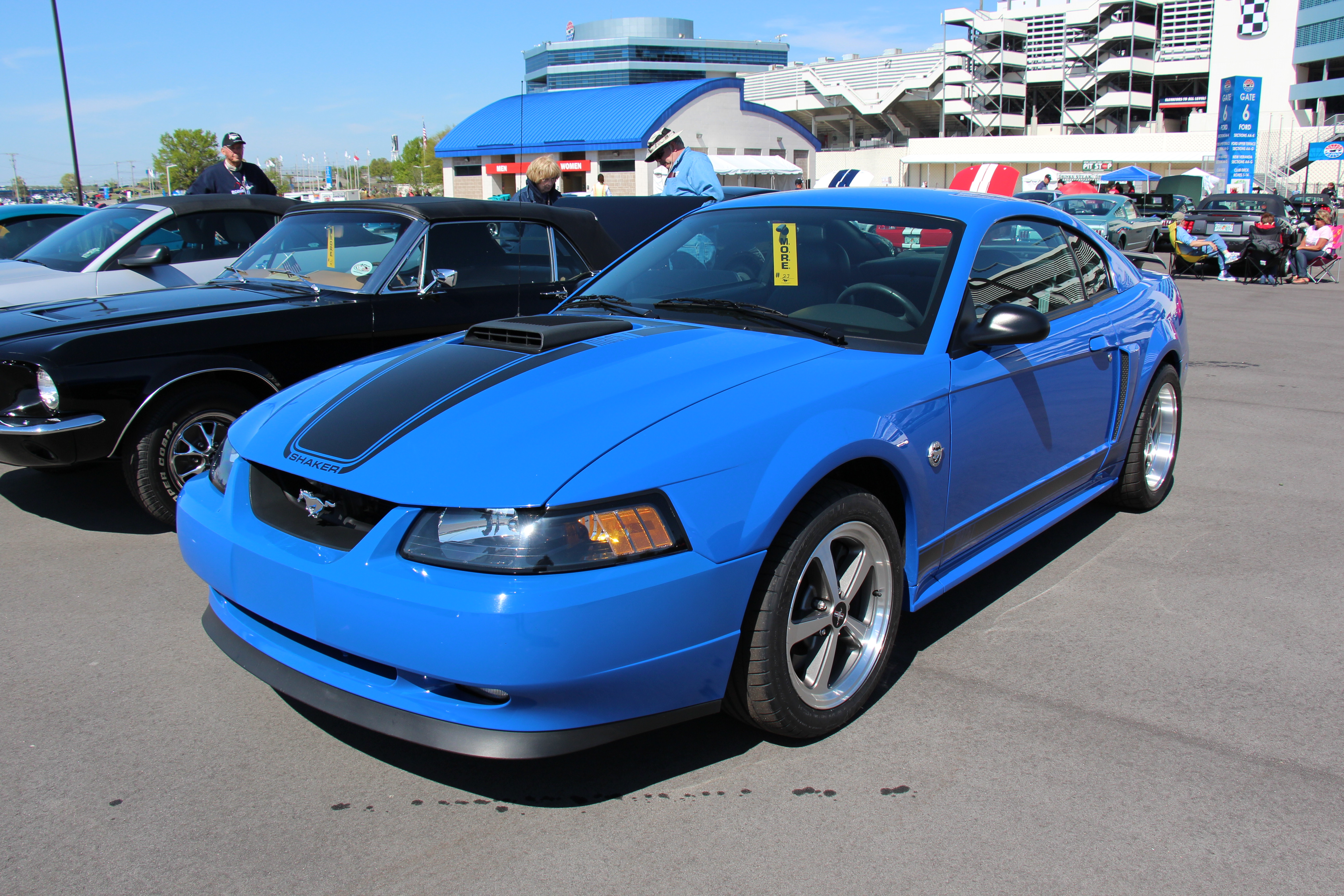
Dodge’s 3.7L Magnum V6 serves as another compelling illustration of how cost-cutting measures can severely undermine an engine’s performance and reliability. While perhaps not as catastrophic as the Oldsmobile Diesel, this V6 earned its place among vanished engines for its consistent underperformance and myriad issues that made it a source of frustration for many truck owners.
From a performance perspective, the 3.7L Magnum V6 was a clear disappointment. It produced a rather pathetic 210 horsepower, a figure that proved particularly inadequate for the demands of truck applications. Compounding this power deficit was its notorious thirst for fuel, consuming gasoline at a rate comparable to a V8, effectively negating any perceived efficiency benefits of a smaller displacement engine. This combination of low power and high consumption made it an unappealing choice for anyone needing their truck to perform real work.
The engine was plagued by several chronic mechanical problems. Valve seat failures were a common occurrence, leading to compression loss and a significant reduction in engine efficiency. Stuck lifters and valve lash adjusters added further headaches, often resulting in noisy operation and decreased power output. Furthermore, the engine generated excessive heat, which led to rapid oil breakdown and severe oil consumption issues. Many owners reported needing to add a quart of oil every 1,000 miles, an alarming rate that indicated deeper problems within the engine’s lubrication system. While meticulous maintenance could theoretically extend its life to 200,000 miles, numerous engines succumbed to these issues and required complete rebuilds long before reaching that milestone, making it a reliability gamble for consumers.
Car Model Information: 2025 Genesis GV80 2.5T
Name: Dodge Magnum
Caption: 2008 Dodge Magnum SE, Stone White
Production: 1978–1979, 1979–1981,1981–1988, 2005–2008,
ModelYears: 1978–1979,1979–1981,1981–1988,2005–2008
Manufacturer: Chrysler Corporation
Categories: 1980s cars, 2000s cars, All articles with unsourced statements, Articles with short description, Articles with unsourced statements from August 2025
Summary: The Dodge Magnum is a nameplate used by several Dodge vehicles, at different times and on various markets. The name was first applied to a large Chrysler B platform-based 2-door coupe marketed from 1978 to 1979 sold in the United States and Canada. From the 2005 to the 2008 model years, the nameplate was revived for a Charger-based station wagon on the rear-wheel drive Chrysler LX platform, produced in Canada and sold on the American and Canadian market.
In Brazil, the Magnum was a top-of-the-line version of the local Dodge Dart, produced from 1979 to 1981.
In Mexico, the Dodge Magnum was a sporty rear-wheel drive two-door car based on Chrysler’s M-body (American Dodge Diplomat/Plymouth Gran Fury). From 1983 to 1988 Dodge marketed a sporty two-door K-car as the “Magnum”, with an available turbocharger engine from 1984 on.
Get more information about: Dodge Magnum
Buying a high-performing used car >>>
Brand: Dodge Model: Magnum V6
Price: $54,355 Mileage: 19,781 mi.
Read more about: The 13 Most Disastrous Truck Engine Issues in Automotive History: A MotorTrend Deep Dive
3. **Chevrolet 6.2L Diesel V8 (Detroit Diesel 6.2)**
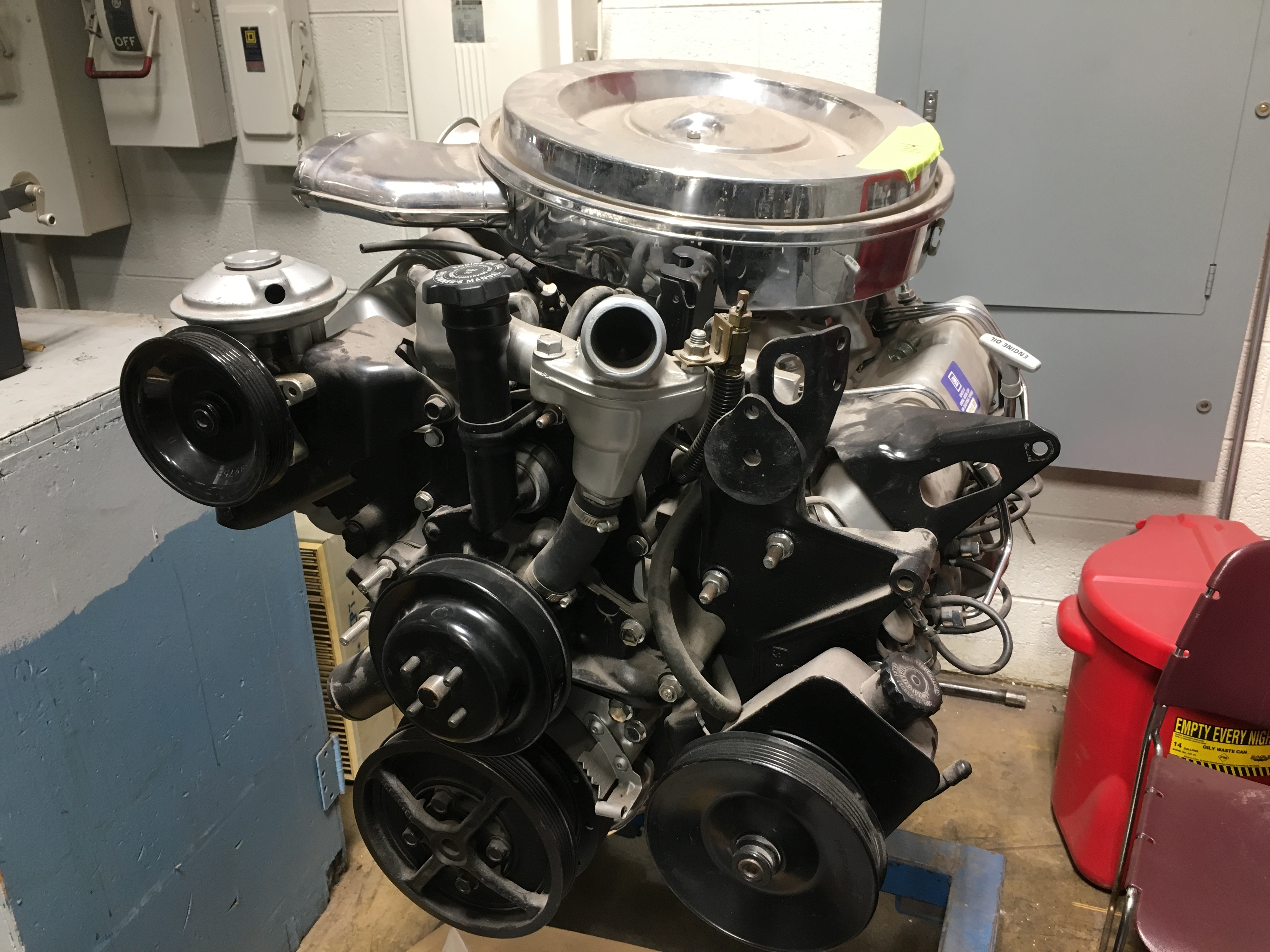
Chevrolet’s 6.2L Diesel V8, often referred to as the Detroit Diesel 6.2, was an engine born from a desire for fuel efficiency during a period when gas prices were a significant concern. Unlike GM’s earlier diesel misstep, this unit was designed from the ground up as a diesel. However, its focus on efficiency came at the expense of power, making it another entry in our list of vanished truck engines that left a complicated legacy.
Producing an embarrassing 130 horsepower and limited to just 300 ft-lbs of torque to ensure longevity, this engine struggled significantly, even when tasked with moving empty trucks. For a truck application, this level of power was often insufficient, leading to sluggish acceleration and difficulty with heavy loads. The driving experience was further hampered by excessive noise and vibration, which made every journey a less-than-pleasant affair, particularly on longer hauls. While it could indeed achieve impressive fuel economy figures of 25-30 mpg when running optimally, this redeeming quality was often overshadowed by its operational drawbacks and propensity for issues.
Despite its potential for efficiency, the 6.2L Diesel V8 was not without its own set of reliability challenges. Owners frequently reported injection pump failures, which could leave them stranded without warning. Harmonic damper problems and potential crankshaft issues also contributed to its reputation for unpredictability. While the engine could prove reliable with diligent maintenance and conservative use, its inherent lack of power and the risk of unexpected breakdowns meant it never truly won the hearts of truck enthusiasts, ultimately leading to its disappearance from new model lineups.
Car Model Information: 2025 Genesis GV80 2.5T
Name: General Motors–Detroit Diesel V8
Manufacturer: General Motors
Configuration: V8 engine
Production: 1981 (limited),1982–2002
Predecessor: Oldsmobile Diesel engine#LF9,Convert
Successor: Duramax V8 engine
Bore: 6.2 L: {{Convert,3.98,in,mm,1,abbr=on
Stroke: 6.2 L: {{Convert,3.8,in,mm,1,abbr=on
Displacement: {{Convert,379,cid,L,1,order=flip,abbr=on
Block: Cast iron
Head: Cast iron
Valvetrain: Overhead valve engine
Turbocharger: BorgWarner
Fuelsystem: 1993 and older: Mechanical rotary pump,1994 and newer: Electronic rotary pump
Fueltype: Diesel fuel
Coolingsystem: Radiator (engine cooling)
Power: Convert
Torque: Convert
Compression: 21.5:1, Marine 18.0:1
EmissionsControl: Exhaust gas recirculation
Redline: 3,600
Idle: 550 ± 25
Categories: Articles with hAudio microformats, Articles with short description, CS1: unfit URL, Commons category link from Wikidata, Detroit Diesel engines
Summary: The General Motors–Detroit Diesel V8 engine is a series of diesel V8 engines first introduced by General Motors for their C/K pickup trucks in 1982. Developed in collaboration with GM subsidiary Detroit Diesel, the engine family was produced by GM through 2002, when it was replaced by the new Duramax line. AM General’s subsidiary General Engine Products (GEP) still produces a military variant of this engine for the HMMWV.
The General Motors light-truck 6.2L and 6.5L diesel engines were optional in many 1982 through 2002 full-size GM pickups, SUVs, and vans. They were also available in motor homes. The engine was standard on AM General’s military HMMWV, civilian Hummer H1, and the 1980s GM military Commercial Utility Cargo Vehicle.
Get more information about: Detroit Diesel V8 engine
Buying a high-performing used car >>>
Brand: Chevrolet Model: 6.2L Diesel V8
Price: $54,355 Mileage: 19,781 mi.
4. **Ford 3.5L EcoBoost V6 (First Generation)**
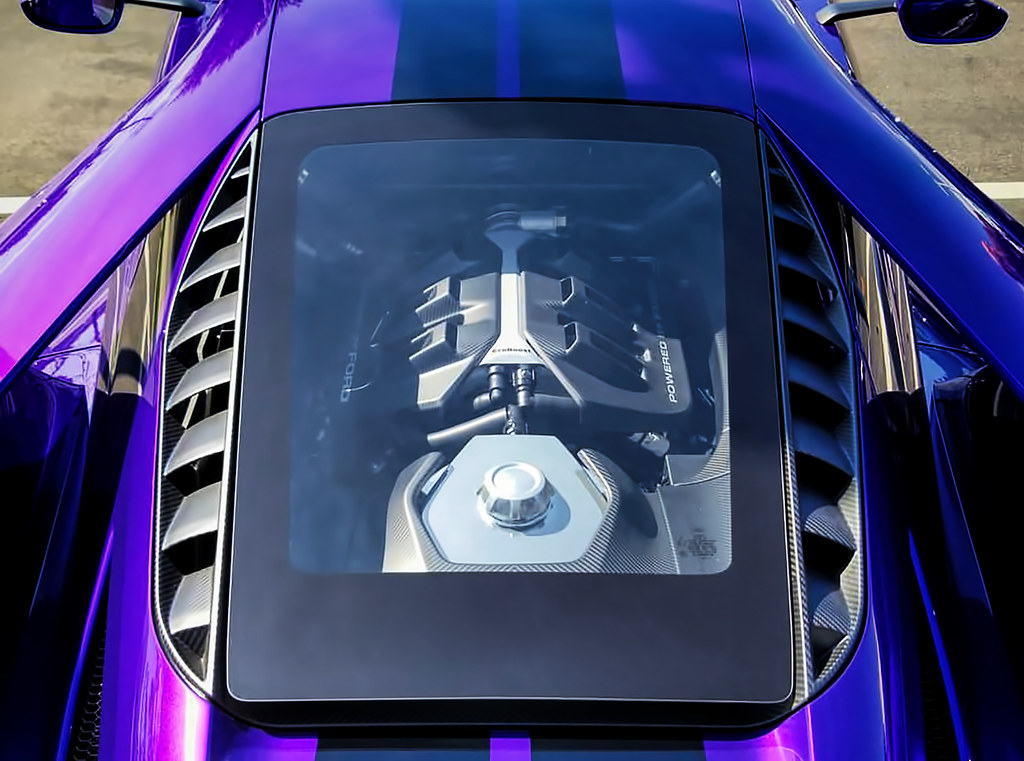
Ford’s first-generation 3.5L EcoBoost V6, a cornerstone of its F-150 lineup for a time, arrived with considerable marketing fanfare, promising V8 power with V6 fuel economy through direct injection and turbocharging. While innovative in concept, the reality of its early iterations proved that marketing hype could not always overcome significant engineering challenges, leading to a host of problems that eventually necessitated substantial redesigns and its effective “vanishing” in its initial problematic form.
One of the most pervasive issues in 2010-2014 models was timing chain stretching, a problem so common that Ford dealers reportedly stocked replacement parts in anticipation of failures. This issue could lead to costly repairs and potential engine damage if left unaddressed. Furthermore, the direct injection system, while beneficial for fuel efficiency, led to severe carbon buildup on the intake valves, which, over time, choked performance and reduced engine responsiveness. This required specialized cleaning procedures, adding to ownership costs and maintenance complexities.
Adding to the list of woes were intercooler condensation issues, particularly prominent in 2011-2012 models, which could cause dangerous stalling, especially in humid conditions. The ignition system, under the stresses of forced induction, also wore out prematurely compared to naturally aspirated engines, demanding more frequent maintenance intervals. While the engine boasted an impressive 365-horsepower rating, this figure often only materialized with premium fuel and under ideal conditions, making it another example of ambitious marketing meeting a somewhat disappointing and problematic reality for many owners.
Car Model Information: 2018 Ford F-150 XLT
Name: Ford F-Series
Caption: 2022 Ford F-150 Lariat Luxury
Manufacturer: Ford Motor Company
Aka: Ford Lobo (Mexico, 1992–present)
Production: 1948–present
Class: Pickup truck#Full-size pickup truck
Layout: Front-engine, rear-wheel-drive layout,rear-wheel drive
Predecessor: 1941 Ford
Categories: All-wheel-drive vehicles, All Wikipedia articles written in American English, All articles that may contain original research, All articles with unsourced statements, Articles that may contain original research from September 2020
Summary: The Ford F-Series is a series of light-duty trucks marketed and manufactured by the Ford Motor Company since model year 1948 as a range of full-sized pickup trucks — positioned between Ford’s Ranger and Super Duty pickup trucks. Alongside the F-150 (introduced in 1975), the F-Series also includes the Super Duty series (introduced in 1999), which includes the heavier-duty F-250 through F-450 pickups, F-450/F-550 chassis cabs, and F-600/F-650/F-750 Class 6–8 commercial trucks.
Get more information about: Ford F-Series
Buying a high-performing used car >>>
Brand: Ford Model: F-150
Price: $22,345 Mileage: 70,866 mi.
Read more about: The 13 Most Disastrous Truck Engine Issues in Automotive History: A MotorTrend Deep Dive

5. **Ford 2.7L EcoBoost V6**
Following in the footsteps of its larger sibling, the 2.7L EcoBoost V6 continued Ford’s tradition of problematic turbocharged engines, proving that simply shrinking the displacement didn’t necessarily eliminate inherent design weaknesses. Touted as an efficient and powerful option for lighter-duty trucks, this engine, particularly in its earlier versions, developed its own set of issues that led to significant owner dissatisfaction and its eventual replacement in new models.
Like the 3.5L variant, carbon buildup on the intake valves was a recurring problem, rendering the direct injection system nearly useless over time. This accumulation of deposits significantly reduced engine efficiency and performance, often requiring expensive and time-consuming cleaning procedures. Many owners found themselves facing reduced power and suboptimal fuel economy, contrary to the engine’s initial promise.
Perhaps even more alarming were the reports of excessive oil consumption, which reached such levels that some owners felt compelled to carry spare oil on trips, constantly monitoring and topping off their engines. This high consumption was indicative of internal wear or design flaws, pointing to deeper issues within the engine’s seals or PCV system. Furthermore, the timing chain, a critical component, also wore prematurely, creating what many perceived as a “ticking time bomb” of impending repair costs and potential catastrophic engine failure. These collective issues meant that while the engine was capable of respectable performance, its long-term reliability and ownership experience were often fraught with expensive maintenance and constant worry, ultimately leading to its quiet departure from new truck offerings.
Read more about: The Ultimate Road Warriors: 14 Pickup Trucks Proven to Endure Over 250,000 Miles
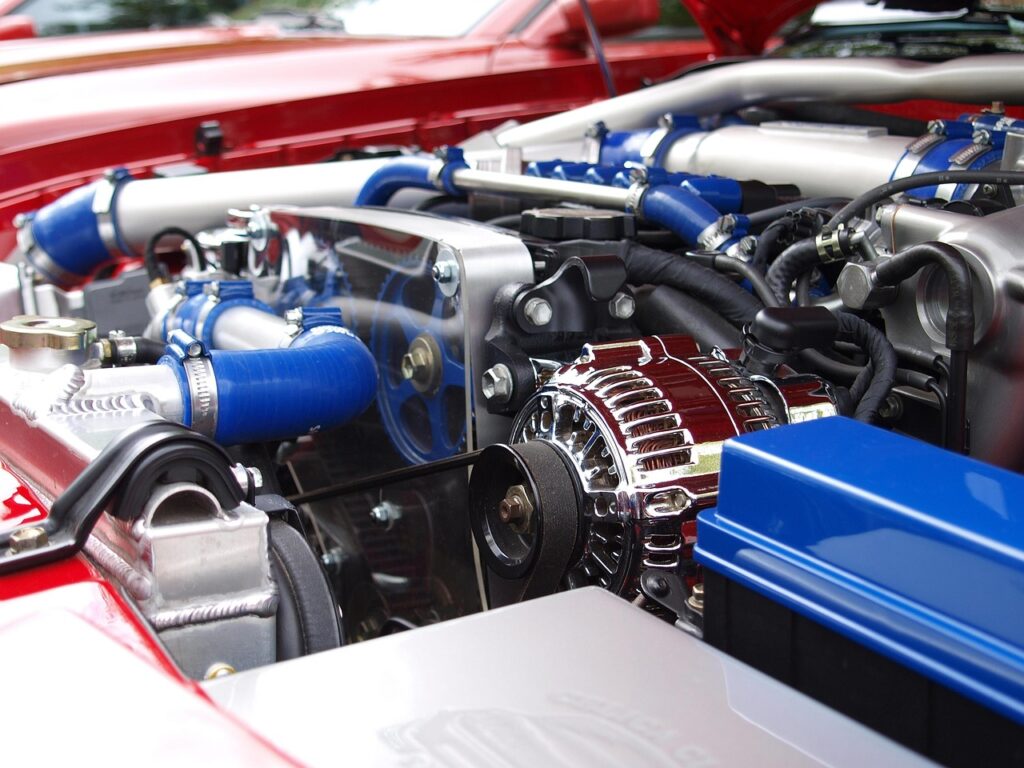
6. **Toyota 3VZ-E 3.0L V6**
Toyota has long been synonymous with reliability, a reputation earned through decades of building robust and dependable vehicles. However, even the most revered manufacturers have their missteps, and the 3VZ-E 3.0L V6 stands out as a significant blot on Toyota’s otherwise stellar record. This engine, found in various Toyota trucks and SUVs of the late 1980s and early 1990s, earned a notorious reputation for its chronic issues, ensuring its place among engines that vanished from future lineups.
The most prevalent and costly problem associated with the 3VZ-E was its shocking regularity of head gasket failures, particularly after Toyota ceased using asbestos gaskets in production. These failures often occurred after the 100,000-mile mark, costing owners thousands of dollars in repairs and severely impacting the engine’s long-term viability. The design of the engine’s cooling system was inherently flawed, leading to chronic overheating issues that exacerbated the head gasket problems and contributed to other thermal-related damages within the powerplant.
Beyond its reliability woes, the 3VZ-E also suffered from a significant performance deficit. Its meager 150 horsepower output proved inadequate for many truck applications, especially when towing or carrying heavy loads. This lack of power, combined with the constant threat of overheating and head gasket failure, made it a frustrating engine for many. While some exceptionally vigilant owners, through meticulous maintenance and careful monitoring of engine temperatures, managed to coax high mileage out of their units, the engine’s propensity for developing oil sludge often turned many otherwise well-maintained vehicles into worthless scrap. Even the most diligent care couldn’t guarantee against its inevitable and expensive failures.
Read more about: The 13 Most Disastrous Truck Engine Issues in Automotive History: A MotorTrend Deep Dive
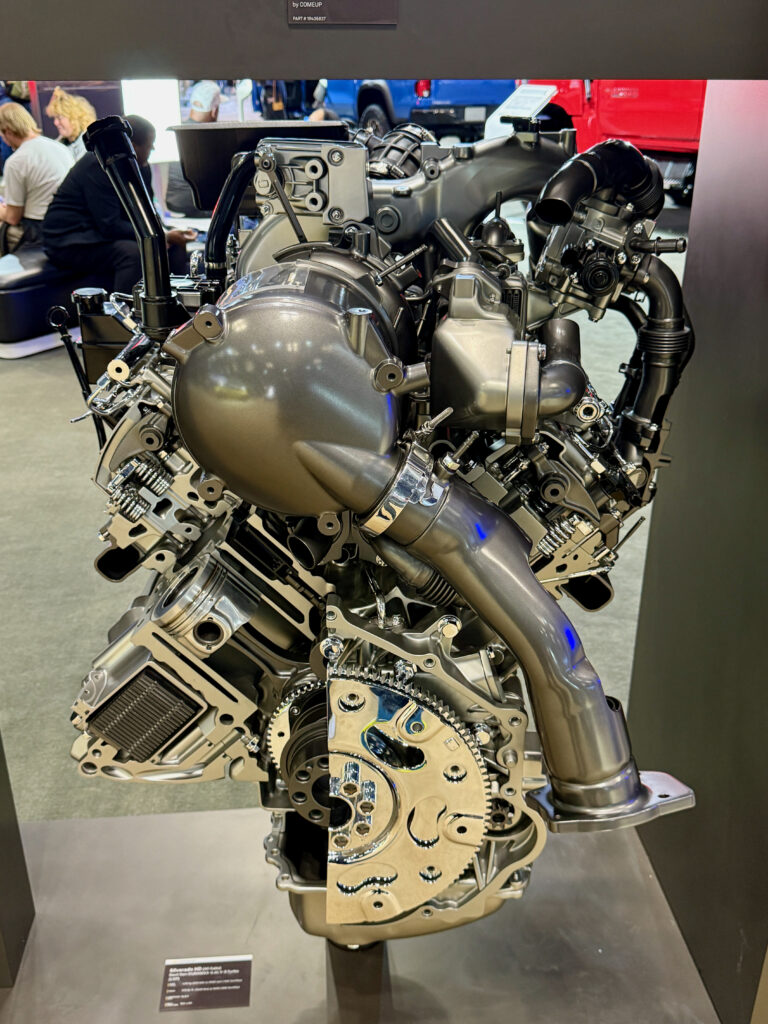
7. **GM 4.5L Duramax V8 (LMK)**
Our final entry for this section takes a different turn, not chronicling an engine that failed in service, but one that was revolutionary yet tragically canceled before it could ever reach the market: the GM 4.5L Duramax V8, codenamed LMK. This engine represents a poignant “what if” in automotive history, a light-duty diesel that promised to shake up the half-ton truck segment but fell victim to the economic downturn of the late 2000s.
Conceived in 2005 under the leadership of chief engineer Gary Arvan and executive director Charlie Freese, the LMK was engineered to be a small-block alternative offering superior torque and fuel economy, all while meeting stringent emissions requirements. Its list of innovative features was truly ahead of its time. Chief among these was its groundbreaking hot-vee turbo layout, which inverted the flow of exhaust gases and placed the variable-vane turbocharger between the cylinder banks. This design significantly reduced turbo lag and improved thermal efficiency, a tactic later adopted by high-performance cars like the Mercedes-AMG GT and GM’s own Blackwing V8, years after the LMK pioneered it. This innovation also eliminated numerous parts, offering both compactness and cost savings.
The LMK’s advanced engineering extended beyond its turbocharger. It featured a common rail fuel system operating at an impressive 29,000 psi, capable of multiple injections per combustion event to reduce noise and improve emissions. It incorporated diesel exhaust fluid and selective catalytic reduction, sophisticated emissions control for the mid-2000s. Further demonstrating its robust design, the engine block was made of compacted graphite iron, and it uniquely featured split-cap main bearings—a detail that even impressed turbocharging guru Gale Banks during his preview of the prototype. Banks emphatically stated it was a “victim of timing and circumstance rather than a failure of engineering.”
General Motors unveiled the LMK to the public in 2007, even showcasing it in a Suburban HD Z71 concept, to widespread anticipation. However, the Great Recession and GM’s subsequent bankruptcy in 2008 led to its cancellation, disappointing many who saw its revolutionary potential. The decision meant that light-duty diesel options for half-ton trucks were delayed for years, with Ram only introducing the EcoDiesel 1500 in 2014. While the LMK never officially reached production, a few prototypes, like one owned by Henrik Bengtsson in Sweden or a unit reportedly installed in Bob Lutz’s Buick Rainier, escaped the factory, becoming rare testaments to a vanished vision that could have truly transformed the truck market.
Our journey through the annals of truck engine history continues, revealing more powerplants that, for various reasons, have vanished from the modern automotive landscape. These are the engines that, despite their initial promise or the brands they represented, ultimately couldn’t withstand the tests of time, performance, or reliability. Each story is a testament to the unforgiving nature of automotive engineering and the critical importance of a robust, dependable heart for any truck. Let’s delve into these further forgotten machines, starting with an engine that proved that evolution isn’t always an improvement.
Car Model Information: 2025 Genesis GV80 2.5T
Name: Duramax Diesel engine
Caption: Duramax LML
Manufacturer: DMAX (engines)
Production: 2001–present
Configuration: V8 engine
Predecessor: Detroit Diesel V8 engine
Valvetrain: Overhead valve engine,Multi-valve#Four valves
Fueltype: Diesel engine
Fuelsystem: Common rail,Direct fuel injection
Coolingsystem: Radiator (engine cooling)
Block: gray iron
Head: Aluminum
Turbocharger: Garrett AiResearch,Variable-geometry turbocharger
Timing: Gears
Compression: 16.8:1, 17.5:1
Management: Bosch (company)
EmissionsControl: Catalytic converter,Diesel particulate filter,Exhaust gas recirculation
EmissionsLevel: EPA
Displacement: Convert
Bore: Convert
Stroke: Convert
Power: Convert
Torque: Convert
Categories: All Wikipedia articles needing clarification, All articles with dead external links, Articles with dead external links from March 2018, Articles with permanently dead external links, Articles with short description
Summary: The Duramax V8 engine is a family of 6.6-liter diesel V8 engines produced by DMAX, a wholly owned subsidiary of General Motors in Moraine, Ohio. The Duramax block are supplied by Fritz Winter, a German foundry. The heads are supplied from reliable vendors of General Motors. This engine was initially installed in 2001 Chevrolet and GMC trucks, and has since become an option in pickups, vans, and medium-duty trucks. In 2006, production at Moraine was reportedly limited to approximately 200,000 engines per year. On May 9, 2007, DMAX announced the production of the 1,000,000th Duramax V8 at its Moraine facility, followed by the 2,000,000th on March 24, 2017.
Get more information about: Duramax V8 engine
Buying a high-performing used car >>>
Brand: GM Model: Duramax V8
Price: $54,355 Mileage: 19,781 mi.
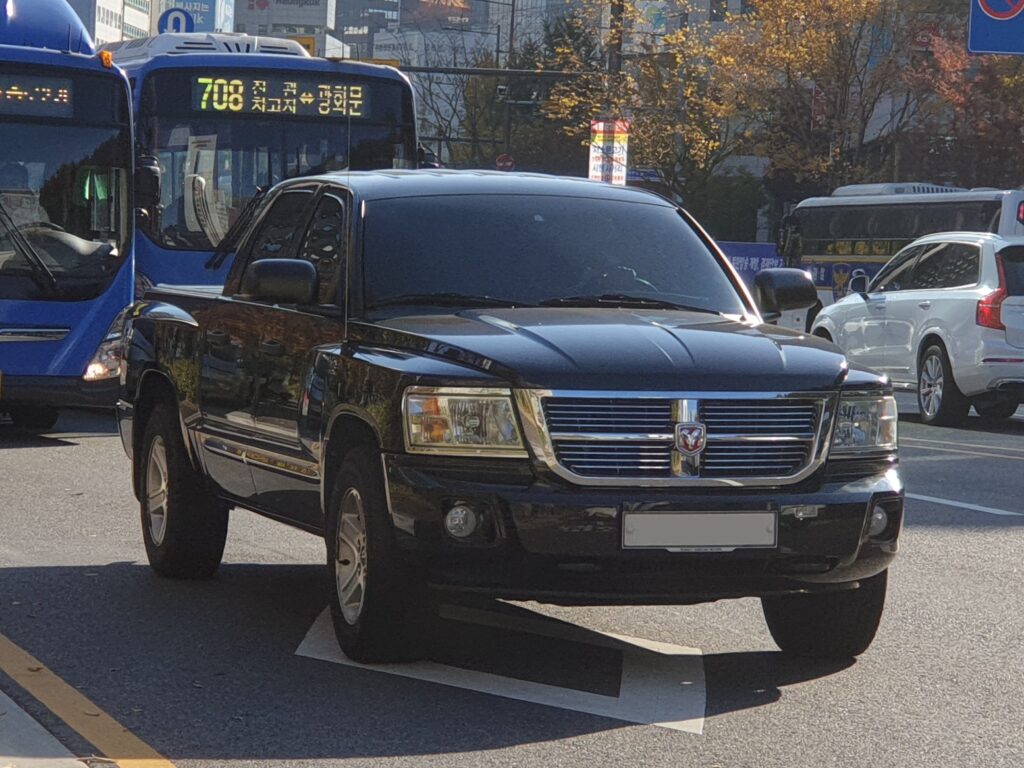
8. **Dodge 4.7L V8**
When Dodge introduced the 4.7L V8, it was positioned as a modern replacement for the long-standing 5.2L and 5.9L Magnum V8s, aiming for improved efficiency and performance. However, this engine quickly proved that newer technology doesn’t always equate to superior reliability. It carved out a reputation for being an engine where owners often felt like they were perpetually waiting for the other shoe to drop, given its proclivity for sudden and catastrophic failures that could turn a routine drive into a roadside emergency.
One of the most alarming and prevalent issues with the 4.7L V8 was its tendency for valve seat failures, which could occur without warning and often lead to complete engine destruction in mere seconds. This unpredictable vulnerability meant that even well-maintained engines were at risk, leaving owners with hefty repair bills or the need for an entirely new powerplant. Such instantaneous failures severely eroded trust in the engine’s fundamental durability, a crucial quality for any truck.
Beyond the dramatic valve seat problems, the 4.7L V8 also struggled with excessive oil sludge accumulation, even in vehicles that received regular and diligent oil changes. This sludge could clog oil passages, starve critical components of lubrication, and accelerate wear, effectively shortening the engine’s lifespan considerably. Compounding these issues was a poorly designed cooling system that practically guaranteed warped cylinder heads, making long-term reliability an elusive goal and transforming a once-promising engine into a well-known source of frustration for Dodge truck owners.
Car Model Information: 2025 Genesis GV80 2.5T
Categories: All Wikipedia articles needing clarification, All articles needing additional references, All articles to be expanded, All articles with unsourced statements, Articles needing additional references from June 2010
Summary: The Chrysler Hemi engine, known by the trademark Hemi or HEMI, is a series of high-performance American overhead valve V8 engines built by Chrysler with hemispherical combustion chambers. Three generations have been produced: the FirePower series (with displacements from 241 to 392 cu in (3.9 to 6.4 L) from 1951 until 1958; a 426 cu in (7.0 L) race and street engine from 1964 through 1971; and family of advanced Hemis (displacing between 5.7 and 6.4 L (348 and 391 cu in) since 2003.
Although Chrysler is most identified with “Hemi” as a marketing term, many other auto manufacturers have incorporated Hemispherical cylinder head designs.
During the 1970s and 1980s, Chrysler also applied the term Hemi to their Australian-made Hemi-6 Engine, and a 4-cylinder Mitsubishi 2.6 L engine installed in various North American market vehicles.
Get more information about: Chrysler Hemi engine
Buying a high-performing used car >>>
Brand: Dodge Model: 4.7L V8
Price: $54,355 Mileage: 19,781 mi.
Read more about: The 13 Most Disastrous Truck Engine Issues in Automotive History: A MotorTrend Deep Dive

9. **Nissan 5L Cummins V8**
The Nissan 5L Cummins V8 represents a particularly poignant case of a prestigious partnership failing spectacularly. The collaboration between Nissan and Cummins, two highly respected names in the automotive and diesel engine industries, promised a robust and efficient powerhouse for the Titan XD. It was touted as a light-duty diesel solution that would blend Cummins’ legendary diesel expertise with Nissan’s truck prowess, creating a segment-defying vehicle. Yet, the reality of the 5L Cummins fell far short of these lofty expectations, becoming a cautionary tale of mismatched ambitions.
Owners quickly discovered that the engine failed to deliver on its core promise of superior fuel economy, often consuming diesel at rates comparable to larger, more powerful V8 gasoline engines without offering a significant performance advantage. This immediately negated one of the primary reasons truck buyers opt for a diesel. Furthermore, the engine’s complex design and demanding emissions system meant it required expensive and specialized maintenance, driving up the total cost of ownership considerably, much to the chagrin of those who invested in the Titan XD.
Adding to the woes, turbocharger failures became alarmingly common, transforming what should have been reliable highway driving into a source of constant anxiety for owners. The complex twin-turbo setup, while intended to reduce lag and broaden the power band, instead introduced a critical point of failure that often left drivers with reduced power or stranded. The sheer intricacy of the 5L Cummins’ engineering meant that even relatively simple repairs frequently escalated into wallet-emptying ordeals, underscoring its unfortunate legacy as an ambitious engine that simply couldn’t deliver the reliability or cost-effectiveness expected of it.
Car Model Information: 2025 Genesis GV80 2.5T
Name: Nissan Titan
Manufacturer: Nissan
Production: September 2003 – November 2024
ModelYears: 2004–2024
Assembly: Canton, Mississippi
Class: Pickup_truck#Full-size_pickup_truck
BodyStyle: 2-door pickup truck,4-door pickup truck
Layout: Front-engine, rear-wheel-drive layout
Platform: Nissan F-Alpha
Caption: 2021 Nissan Titan Crew Cab PRO-4X (Canada)
Categories: 2010s cars, 2020s cars, All-wheel-drive vehicles, All articles with unsourced statements, Articles with short description
Summary: The Nissan Titan was a full-size pickup truck manufactured in the United States for the North American market by Nissan, produced for the 2004–2024 model years.
Get more information about: Nissan Titan
Buying a high-performing used car >>>
Brand: Nissan Model: Titan XD
Price: $54,355 Mileage: 19,781 mi.
Read more about: The Ultimate Road Warriors: 14 Pickup Trucks Proven to Endure Over 250,000 Miles

10. **Chevrolet/GMC 5-Cylinder Atlas**
General Motors’ experiment with the five-cylinder Atlas engine, particularly in its mid-size trucks like the Colorado and Canyon, was an attempt to offer a unique blend of power and efficiency that ultimately missed the mark. While conceptually interesting, aiming to bridge the gap between four-cylinder economy and V6 power, the execution of this inline-five unit created an engineering oddity that many argue should have never left the drawing board. It proved to be a constant source of discomfort and mechanical headaches for owners.
One of the most immediate and pervasive issues was the engine’s constant vibration. Unlike the smoother operation expected from well-balanced four-cylinder or six-cylinder designs, the inherent imbalance of a five-cylinder engine often translated into noticeable and irritating vibrations throughout the vehicle, making the daily driving experience miserable. This persistent tactile feedback was a constant reminder of the engine’s unconventional design and its less-than-refined operating characteristics, detracting significantly from overall vehicle comfort and quality.
Beyond the vibrational annoyances, the Atlas engine was also notorious for developing multiple oil leaks. These leaks, which often turned owners’ driveways into environmental hazards, were indicative of poor sealing designs or material choices, requiring frequent and often costly repairs. Furthermore, the unusual five-cylinder configuration, while unique, made finding qualified mechanics who were intimately familiar with its nuances and specific repair procedures nearly impossible outside of dealership networks, compounding the ownership burden and cementing its place as an engine that vanished, thankfully, from GM’s modern truck offerings.
Read more about: The 13 Most Disastrous Truck Engine Issues in Automotive History: A MotorTrend Deep Dive

11. **Ram 3L EcoDiesel V6**
Ram’s introduction of the 3L EcoDiesel V6, an Italian-sourced engine, was a bold move aimed at offering segment-leading fuel economy and torque in the half-ton truck market. While it initially generated considerable excitement for its impressive efficiency figures and strong low-end grunt, this European-designed diesel engine quickly brought with it a distinct set of European problems to American trucks. Its complex emissions control systems and specialized components proved ill-suited for the demanding and often less forgiving conditions of North American truck ownership.
EGR (Exhaust Gas Recirculation) system failures and turbocharger issues became the norm rather than the exception for many EcoDiesel owners. These critical components, vital for both performance and emissions compliance, were prone to premature wear and carbon buildup, leading to frequent and expensive repairs. The very emissions control system, while technically advanced, seemed almost designed to fail, triggering endless check engine lights and forcing owners into repeated trips to the service department, significantly impacting reliability and owner satisfaction.
Furthermore, the repair costs associated with these sophisticated diesel systems often exceeded the engine’s purported benefits in fuel economy. Owners found themselves grappling with bills that could quickly overshadow any savings at the pump, eroding the value proposition of the EcoDiesel. This combination of frequent, costly breakdowns and the complex, failure-prone emissions equipment ultimately led to significant owner dissatisfaction and, despite several iterations, its eventual quiet departure from new Ram 1500 models, leaving a legacy of frustration rather than revolution.
Car Model Information: 2025 Genesis GV80 2.5T
Name: Dodge Ram / Ram pickup
Caption: 2017 Ram 1500 Express
Manufacturer: Dodge
ModelYears: 1981–present
Production: October 1980 – present
Class: Pickup truck#Full-size pickup truck,Pickup truck#Heavy-duty pickup truck
Layout: Front-engine, rear-wheel-drive layout,rear-wheel drive
Predecessor: Dodge D series
Categories: 1990s cars, 2000s cars, 2010s cars, 2020s cars, All-wheel-drive vehicles
Summary: The Ram pickup (marketed as the Dodge Ram until 2010 when Ram Trucks was spun-off from Dodge) is a full-size pickup truck manufactured by Stellantis North America (formerly Chrysler Group LLC and FCA US LLC) and marketed from 2010 onwards under the Ram Trucks brand. The current fifth-generation Ram debuted at the 2018 North American International Auto Show in Detroit, Michigan, in January of that year.
Previously, Ram was part of the Dodge line of light trucks. The Ram name was introduced in October 1980 for model year 1981, when the Dodge D series pickup trucks and B series vans were rebranded, though the company had used a ram’s-head hood ornament on some trucks as early as 1933.
Ram trucks have been named Motor Trend magazine’s Truck of the Year eight times; the second-generation Ram won the award in 1994, the third-generation Ram heavy-duty won the award in 2003, the fourth-generation Ram Heavy Duty won in 2010 and the fourth-generation Ram 1500 won in 2013 and 2014, and the current fifth-generation Ram pickup became the first truck in history to win the award four times, winning in 2019, 2020, 2021 and most recently, 2025.
Get more information about: Ram pickup
Buying a high-performing used car >>>
Brand: Ram Model: Half-ton Truck
Price: $54,355 Mileage: 19,781 mi.
Read more about: The 13 Most Disastrous Truck Engine Issues in Automotive History: A MotorTrend Deep Dive

12. **Chevrolet 5.3L V8**
The Chevrolet 5.3L V8, a stalwart engine in GM’s truck and SUV lineup for decades, became a perfect case study in how attempting to enhance an already robust V8 with advanced, yet poorly implemented, technology can ruin its reputation. While the 5.3L V8 traditionally represented a balance of power and reliability, the introduction of technologies like Active Fuel Management (AFM) and Dynamic Fuel Management (DFM) in later generations introduced a host of critical flaws that severely compromised its long-standing dependability.
The Active Fuel Management system, designed to deactivate cylinders for improved fuel economy, unfortunately turned oil consumption into a serious and widespread problem. Many owners reported alarming rates of oil consumption, often necessitating frequent top-offs between oil changes. This issue stemmed from faulty lifters and piston rings, which struggled under the demands of cylinder deactivation, leading to premature wear and oil burning that became a constant source of concern and expense.
Lifter failures became so common that the sound of a “ticking” 5.3L engine became almost synonymous with impending mechanical trouble. These failures often required extensive and costly repairs, with some owners opting for aftermarket companies that developed bypass kits to eliminate the problematic AFM system entirely. The added complexity of these technologies, rather than enhancing the engine, made repairs prohibitively expensive and time-consuming, transforming a once-reliable workhorse into an engine burdened by its own technological aspirations, ultimately forcing GM to rethink its approach to V8 efficiency.
Car Model Information: 2025 Genesis GV80 2.5T
Name: Chevrolet small-block engine
Caption: #L98
Aka: ubl
Manufacturer: General Motors
Production: ubl
Configuration: V8 engine
Block: Cast iron,aluminum
Head: Cast iron, aluminum
Bore: ubl
Abbr: on
Stroke: ubl
Displacement: ubl
Disp: flip
Valvetrain: ubl
Fueltype: Gasoline
Fuelsystem: Carburetor,fuel injection
Coolingsystem: Radiator (engine cooling)
Timing: Chain
Power: convert
Torque: convert
Weight: convert
Predecessor: Chevrolet Series D,Cadillac V8 engine#OHV,Oldsmobile V8 engine#Generation I
Successor: LS based GM small-block engine
Categories: All Wikipedia articles needing clarification, All articles needing additional references, All articles that may contain original research, All articles to be expanded, All articles with dead external links
Summary: The Chevrolet small-block engine is a series of gasoline-powered V8 automobile engines, produced by the Chevrolet division of General Motors in two overlapping generations between 1954 and 2003, using the same basic engine block. Referred to as a “small-block” for its size relative to the physically much larger Chevrolet big-block engines, the small-block family spanned from 262 cu in (4.3 L) to 400 cu in (6.6 L) in displacement. Engineer Ed Cole is credited with leading the design for this engine. The engine block and cylinder heads were cast at Saginaw Metal Casting Operations in Saginaw, Michigan.
The Generation II small-block engine, introduced in 1992 as the LT1 and produced through 1997, is largely an improved version of the Generation I, having many interchangeable parts and dimensions. Later generation GM engines, which began with the Generation III LS1 in 1997, have only the rod bearings, transmission-to-block bolt pattern and bore spacing in common with the Generation I Chevrolet and Generation II GM engines.
Production of the original small-block began in late 1954 for the 1955 model year, with a displacement of 265 cu in (4.3 L), growing over time to 400 cu in (6.6 L) by 1970. Among the intermediate displacements were the 283 cu in (4.6 L), 327 cu in (5.4 L), and numerous 350 cu in (5.7 L) versions. Introduced as a performance engine in 1967, the 350 went on to be employed in both high- and low-output variants across the entire Chevrolet product line.
Although all of Chevrolet’s siblings of the period (Buick, Cadillac, Oldsmobile, Pontiac, and Holden) designed their own V8s, it was the Chevrolet 305 and 350 cu in (5.0 and 5.7 L) small-block that became the GM corporate standard. Over the years, every GM division in America, except Saturn and Geo, used it and its descendants in their vehicles. Chevrolet also produced a big-block V8 starting in 1958 and still in production as of 2024.
Finally superseded by the GM Generation III LS in 1997 and discontinued in 2003, the engine is still made by a General Motors subsidiary in Springfield, Missouri, as a crate engine for replacement and hot rodding purposes. In all, over 100,000,000 small-blocks had been built in carbureted and fuel injected forms between 1955 and November 29, 2011. The small-block family line was honored as one of the 10 Best Engines of the 20th Century by automotive magazine Ward’s AutoWorld.
In February 2008, a Wisconsin businessman reported that his 1991 Chevrolet C1500 pickup had logged over one million miles without any major repairs to its small-block 350 cu in (5.7 L) V8 engine.
All first- and second-generation Chevrolet small-block V8 engines share the same firing order of 1-8-4-3-6-5-7-2.
Get more information about: Chevrolet small-block engine (first- and second-generation)
Buying a high-performing used car >>>
Brand: Chevrolet Model: 5.3L V8
Price: $54,355 Mileage: 19,781 mi.
Read more about: The 13 Most Disastrous Truck Engine Issues in Automotive History: A MotorTrend Deep Dive

13. **Ford 6.4L Powerstroke Diesel V8**
Ford’s 6.4L Powerstroke Diesel V8, introduced as a successor to the problematic 6.0L, embodied everything wrong with the increasingly complex modern diesel emissions systems of its era. While Ford and International Navistar aimed to address the reliability issues of the previous generation, the 6.4L instead created a new set of catastrophic problems, proving that sometimes, in an effort to comply with stricter emissions, engineers can inadvertently design an engine destined for expensive failure. This engine became a financial black hole for many.
Its complicated dual turbo system, designed for responsive power delivery and emissions control, seemed inherently prone to expensive failures. The turbos, often operating under immense heat and pressure, had a notoriously short lifespan, leading to costly replacements that could easily run into the thousands of dollars. This wasn’t just a minor inconvenience; it was a fundamental reliability flaw that undermined the engine’s core function and left owners with significant downtime and financial strain.
Furthermore, radiator problems were rampant, and these weren’t simple leaks. The inadequate cooling capacity and design flaws often led to overheating, which, in a diesel engine, can quickly cascade into complete engine failure. The DPF (Diesel Particulate Filter) system, while necessary for emissions, was prone to clogging, leading to increased regeneration cycles that diluted the oil with fuel, reducing lubrication effectiveness. These collective issues meant that repair costs regularly exceeded $10,000, not only destroying resale values but also shattering Ford’s reputation in the heavy-duty diesel truck segment, pushing many loyal customers towards competitors.
Car Model Information: 2024 Ford F-250 XLT
Name: Power Stroke engine
Caption: 6.4 Powerstroke as installed in a Ford Super Duty
Aka: Ford Powerstroke
Manufacturer: Navistar International
Production: 1994–present
Configuration: V8 engine,Inline-five engine,V6 engine
Predecessor: International Harvester IDI
Fueltype: Diesel engine
Displacement: 3.0 L
Abbr: on
Order: flip
Bore: 95 mm
Stroke: 105 mm
Block: Cast iron
Head: Cast iron,Aluminum (reverse flow)
Valvetrain: Pushrod engine,DOHC,Multi-valve#Four valves
Timing: Gear (7.3, 6.0, 6.4, 6.7 L),Belt (3.0 L)
Compression: 17.5:1, 18.0:1
Turbocharger: Garrett AiResearch,Variable-geometry turbocharger
Fuelsystem: HEUI,Fuel injection#Direct injection systems
Coolingsystem: Radiator (engine cooling)
Oilsystem: High-pressure oil pump
Weight: convert
Power: convert
Torque: convert
EmissionsControl: Robert Bosch GmbH,Diesel particulate filter,Exhaust gas recirculation
Categories: All articles needing additional references, All articles with dead external links, Articles needing additional references from July 2020, Articles needing additional references from October 2024, Articles with dead external links from December 2017
Summary: Power Stroke, also known as Powerstroke, is the name used by a family of diesel engines for trucks produced by Ford Motor Company and Navistar International (until 2010) for Ford products since 1994. Along with its use in the Ford F-Series (including the Ford Super Duty trucks), applications include the Ford E-Series, Ford Excursion, and Ford LCF commercial truck. The name was also used for a diesel engine used in South American production of the Ford Ranger.
From 1994, the Power Stroke engine family existed as a re-branding of engines produced by Navistar International, sharing engines with its medium-duty truck lines. Since the 2011 introduction of the 6.7 L Power Stroke V8, Ford has designed and produced its own diesel engines. During its production, the Power Stroke engine range has been marketed against large-block V8 (and V10) gasoline engines along with the General Motors Duramax V8 and the Dodge Cummins B-Series inline-six.
Get more information about: Ford Power Stroke engine
Buying a high-performing used car >>>
Brand: Ford Model: Powerstroke
Price: $58,950 Mileage: 39,926 mi.
Read more about: The 13 Most Disastrous Truck Engine Issues in Automotive History: A MotorTrend Deep Dive
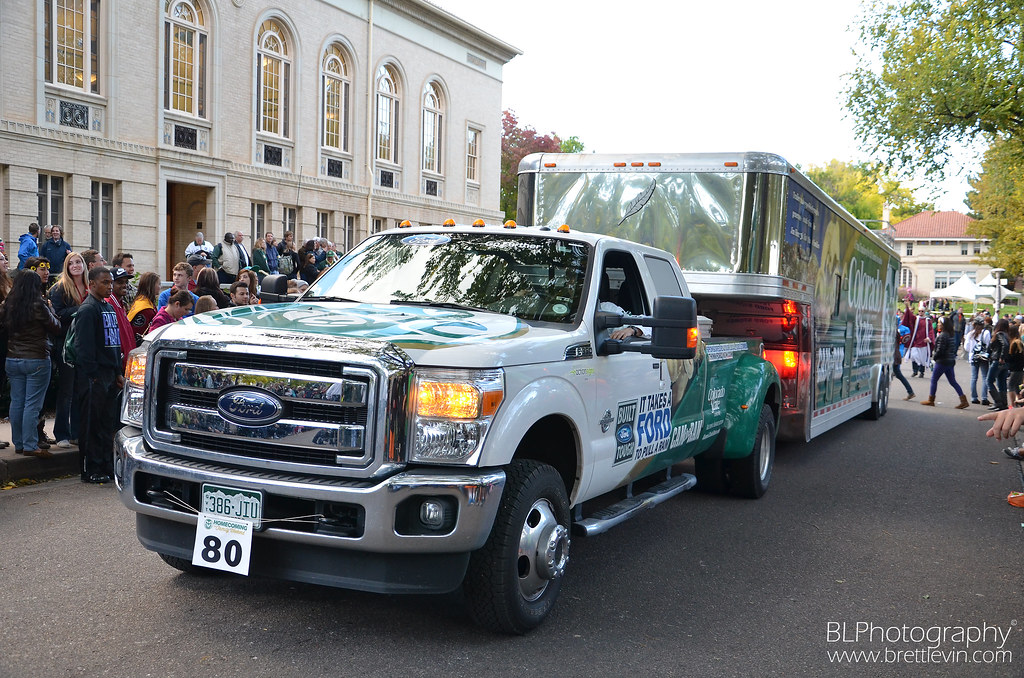
14. **Ford 6.0L Powerstroke Diesel V8**
Before the 6.4L, there was the Ford 6.0L Powerstroke, an engine that stands as one of Ford’s most catastrophic failures in its extensive truck history. Developed by International Navistar, this V8 diesel was meant to be a technological leap forward, replacing the aging 7.3L Powerstroke. Instead, it became a legend of unreliability, single-handedly damaging Ford’s diesel reputation for years and earning it the infamous nickname “the 6.OH-NO.” Its litany of design flaws and component failures led to widespread owner frustration and monumental financial losses for both Ford and its customers.
Head gasket failures occurred with shocking regularity, a problem primarily attributed to insufficient head bolt torque and design. The term “head studs” became a household name among 6.0L owners, as upgrading to stronger aftermarket studs was almost a mandatory preventative measure, costing thousands. Compounding this, the oil cooler system was notoriously problematic, often clogging and leading to further issues, including EGR cooler failures and catastrophic engine damage due to overheating and lubrication starvation.
Injector failures also became so common that owners didn’t fear them as much as they expected them. The high-pressure oil system that actuated the injectors was prone to issues, as were the injectors themselves, leading to rough running, misfires, and expensive replacements. The combination of these fundamental design flaws meant that the 6.0L Powerstroke was a constant source of anxiety and massive repair bills, serving as a stark reminder of how engineering shortcuts and rushed production can derail an entire brand’s perception for an entire generation of vehicles.
Car Model Information: 2025 Genesis GV80 2.5T
Name: Power Stroke engine
Caption: 6.4 Powerstroke as installed in a Ford Super Duty
Aka: Ford Powerstroke
Manufacturer: Navistar International
Production: 1994–present
Configuration: V8 engine,Inline-five engine,V6 engine
Predecessor: International Harvester IDI
Fueltype: Diesel engine
Displacement: 3.0 L
Abbr: on
Order: flip
Bore: 95 mm
Stroke: 105 mm
Block: Cast iron
Head: Cast iron,Aluminum (reverse flow)
Valvetrain: Pushrod engine,DOHC,Multi-valve#Four valves
Timing: Gear (7.3, 6.0, 6.4, 6.7 L),Belt (3.0 L)
Compression: 17.5:1, 18.0:1
Turbocharger: Garrett AiResearch,Variable-geometry turbocharger
Fuelsystem: HEUI,Fuel injection#Direct injection systems
Coolingsystem: Radiator (engine cooling)
Oilsystem: High-pressure oil pump
Weight: convert
Power: convert
Torque: convert
EmissionsControl: Robert Bosch GmbH,Diesel particulate filter,Exhaust gas recirculation
Categories: All articles needing additional references, All articles with dead external links, Articles needing additional references from July 2020, Articles needing additional references from October 2024, Articles with dead external links from December 2017
Summary: Power Stroke, also known as Powerstroke, is the name used by a family of diesel engines for trucks produced by Ford Motor Company and Navistar International (until 2010) for Ford products since 1994. Along with its use in the Ford F-Series (including the Ford Super Duty trucks), applications include the Ford E-Series, Ford Excursion, and Ford LCF commercial truck. The name was also used for a diesel engine used in South American production of the Ford Ranger.
From 1994, the Power Stroke engine family existed as a re-branding of engines produced by Navistar International, sharing engines with its medium-duty truck lines. Since the 2011 introduction of the 6.7 L Power Stroke V8, Ford has designed and produced its own diesel engines. During its production, the Power Stroke engine range has been marketed against large-block V8 (and V10) gasoline engines along with the General Motors Duramax V8 and the Dodge Cummins B-Series inline-six.
Get more information about: Ford Power Stroke engine
Buying a high-performing used car >>>
Brand: Ford Model: 6.0L Powerstroke
Price: $54,355 Mileage: 19,781 mi.
Read more about: The 13 Most Disastrous Truck Engine Issues in Automotive History: A MotorTrend Deep Dive
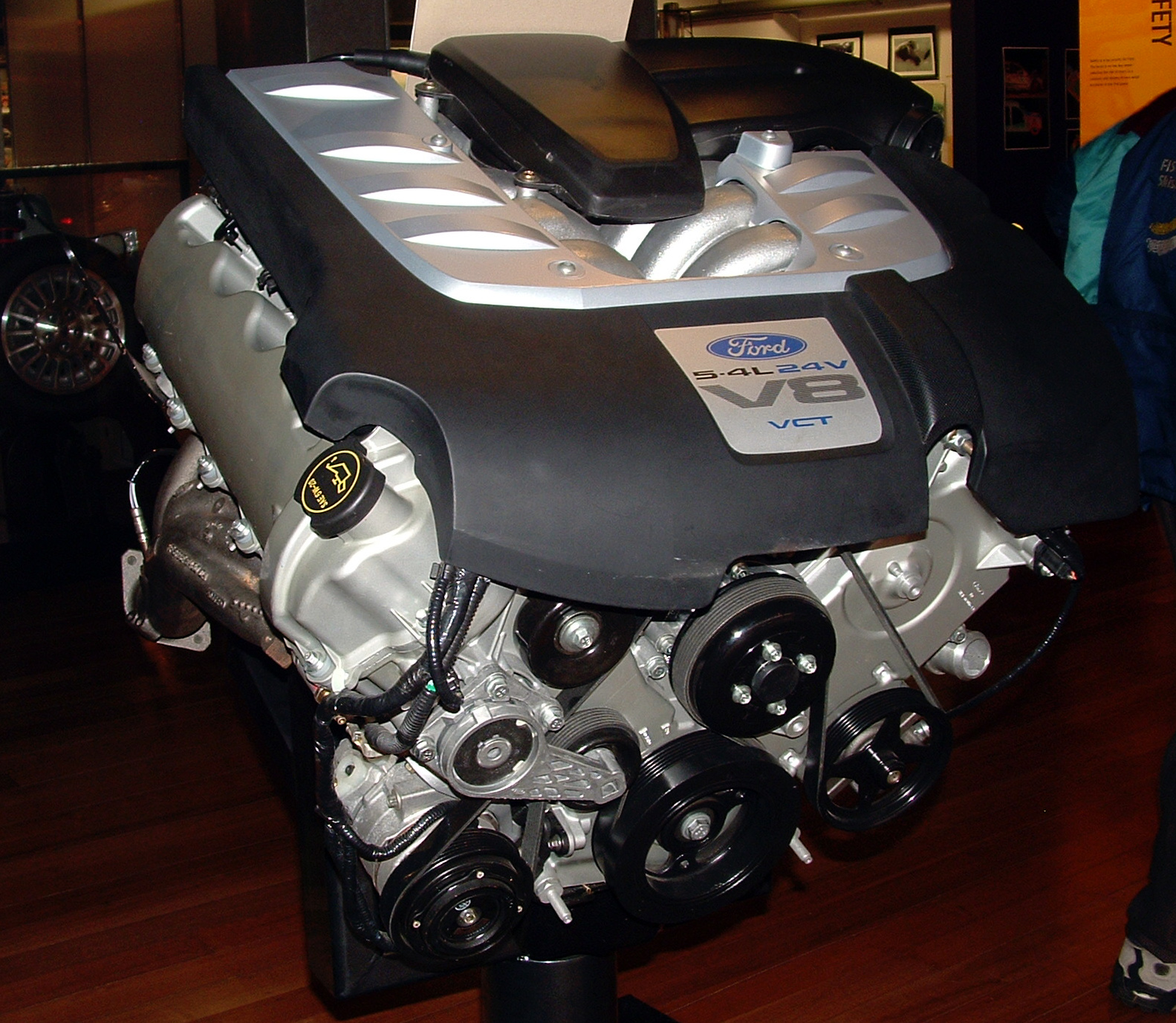
15. **Ford 5.4L Triton V8**
The Ford 5.4L Triton V8, a gasoline engine found in millions of Ford trucks and SUVs for well over a decade, has earned its place as one of the worst truck engines not through lack of power, but through spectacular and widespread design flaws that plagued owners with chronic, expensive, and often dangerous problems. This engine, a staple of the F-Series, Expedition, and other popular models, became infamous for issues that were both unique and deeply frustrating, leading to a profound sense of buyer’s remorse for countless consumers.
Chief among its notorious problems was the phenomenon of spark plug ejection, a design flaw so common that Ford dealers developed special tools and procedures just for this issue. Spark plugs, often breaking during removal or simply blowing out of the cylinder head under normal operation, resulted in sudden power loss and expensive helicoil repairs. This was an astonishing and frankly dangerous defect for a mass-produced engine, showcasing a critical oversight in its initial design and manufacturing processes.
Adding to the engine’s woes were widespread timing chain failures and cam phaser issues. The hydraulic cam phasers, crucial for variable valve timing, often failed, leading to a distinct rattling or ticking sound that served as a countdown to expensive repairs or, in worst-case scenarios, complete engine replacement. The timing chain guides and tensioners were also prone to premature wear, contributing to a symphony of undesirable noises and the ever-present threat of catastrophic engine failure, making long-term reliability a pipe dream for many owners.
These inherent design flaws, from the spark plug issues to the timing system maladies, meant that the 5.4L Triton V8 was a constant source of maintenance and worry. While some well-maintained examples soldiered on, the prevalence of these costly and often inevitable problems cemented its reputation as an engine that, despite its widespread adoption, left an indelible and overwhelmingly negative mark on Ford’s legacy, causing untold frustration and financial burden for its owners. Its disappearance from new models was, for many, a long-overdue relief.
Car Model Information: 2025 Genesis GV80 2.5T
Direction: vertical
Width: 220
Caption1: Jeep Cherokee (XJ),nobr
Caption2: Kia Mohave,nobr
Caption3: Toyota Land Cruiser,nobr
Categories: All articles with incomplete citations, All articles with unsourced statements, All pages needing cleanup, Articles containing Norwegian-language text, Articles with incomplete citations from July 2020
Summary: A sport utility vehicle (SUV) is a car classification that combines elements of road-going passenger cars with features from off-road vehicles, such as raised ground clearance and four-wheel drive.
There is no commonly agreed-upon definition of an SUV, and usage of the term varies between countries. Thus, it is “a loose term that traditionally covers a broad range of vehicles with four-wheel drive.” Some definitions claim that an SUV must be built on a light truck chassis; however, broader definitions consider any vehicle with off-road design features to be an SUV. A crossover SUV is often defined as an SUV built with a unibody construction (as with passenger cars); however, the designations are increasingly blurred because of the capabilities of the vehicles, the labelling by marketers, and the electrification of new models.
The predecessors to SUVs date back to military and low-volume models from the late 1930s, and the four-wheel-drive station wagons and carryalls that began to be introduced in 1949. Some SUVs produced today use unibody construction; however, in the past, more SUVs used body-on-frame construction. During the late 1990s and early 2000s, the popularity of SUVs significantly increased, often at the expense of the popularity of large sedans and station wagons. SUVs accounted for 45.9% of the world’s passenger car market in 2021.
SUVs have been criticized for a variety of environmental and safety-related reasons. They generally have poorer fuel efficiency and require more resources to manufacture than smaller vehicles, contributing more to climate change and environmental degradation. Between 2010 and 2018, SUVs were the second-largest contributor to the global increase in carbon emissions worldwide. Their higher center of gravity increases their risk of rollovers. Their higher front-end profile makes them at least twice as likely to kill pedestrians they hit. Additionally, the psychological sense of security they provide influences drivers to drive less cautiously, and may in-turn, cause others with smaller vehicles to opt for SUVs in the future under the sense of security, all the while increasing the rate of fatalities of pedestrians.
Get more information about: SUV
Buying a high-performing used car >>>
Brand: Ford Model: Trucks and SUVs
Price: $54,355 Mileage: 19,781 mi.
Read more about: The 13 Most Disastrous Truck Engine Issues in Automotive History: A MotorTrend Deep Dive
Our expedition through these vanished truck engines reveals more than just technical specifications; it highlights the complex interplay of engineering ambition, economic realities, and the unwavering demand for reliability from truck owners. Each engine’s story, whether a bold experiment or a disastrous misstep, has contributed to the evolution of the automotive industry. Manufacturers learned hard lessons, often at the expense of their customers, shaping the rigorous testing and meticulous design we expect in today’s powertrains. The echoes of these forgotten giants and ill-fated experiments continue to resonate, reminding us that even in the pursuit of power and efficiency, reliability remains the ultimate king on the open road.” , “_words_section2”: “1997