Macy’s, a venerable institution in American retail, is embarking on a significant transformation, shaking up the mall landscape across the nation. The company recently announced a sweeping plan to close 150 ‘underproductive’ store locations by 2026, a strategic maneuver described as its ‘Bold New Chapter.’ This ambitious initiative is designed to steer the iconic retailer back towards ‘sustainable, profitable sales growth,’ as stated in a press release from January 2025. This move is not merely about trimming underperforming assets; it represents a fundamental shift in how Macy’s intends to operate in a rapidly evolving retail environment.
The closures are a direct response to a challenging retail climate, marked by declining in-store revenue and fierce competition from e-commerce platforms. Macy’s reported a 2.4% year-over-year revenue drop in its most recent quarter, plummeting to $4.7 billion. In response, the company is committing between $600 and $700 million from the closure savings to revitalize its remaining 350 stores. The strategy also includes a robust investment in smaller-format Macy’s stores, new Bloomingdale’s locations, and Bluemercury beauty stores, signaling a pivot towards more agile and specialized retail experiences.
“Closing any store is never easy,” acknowledged Tony Spring, Macy’s CEO and chairman, in a January statement. He emphasized that this challenging decision is critical to “focus our resources and prioritize investments in our go–forward stores, where customers are already responding positively to better product offerings and elevated service.” This sentiment underscores the company’s commitment to enhancing the customer experience and ensuring its physical footprint aligns with contemporary shopping preferences. As we delve into the initial wave of these significant closures, let’s explore seven key locations feeling the immediate impact of Macy’s strategic overhaul, each telling a story of a changing retail landscape.
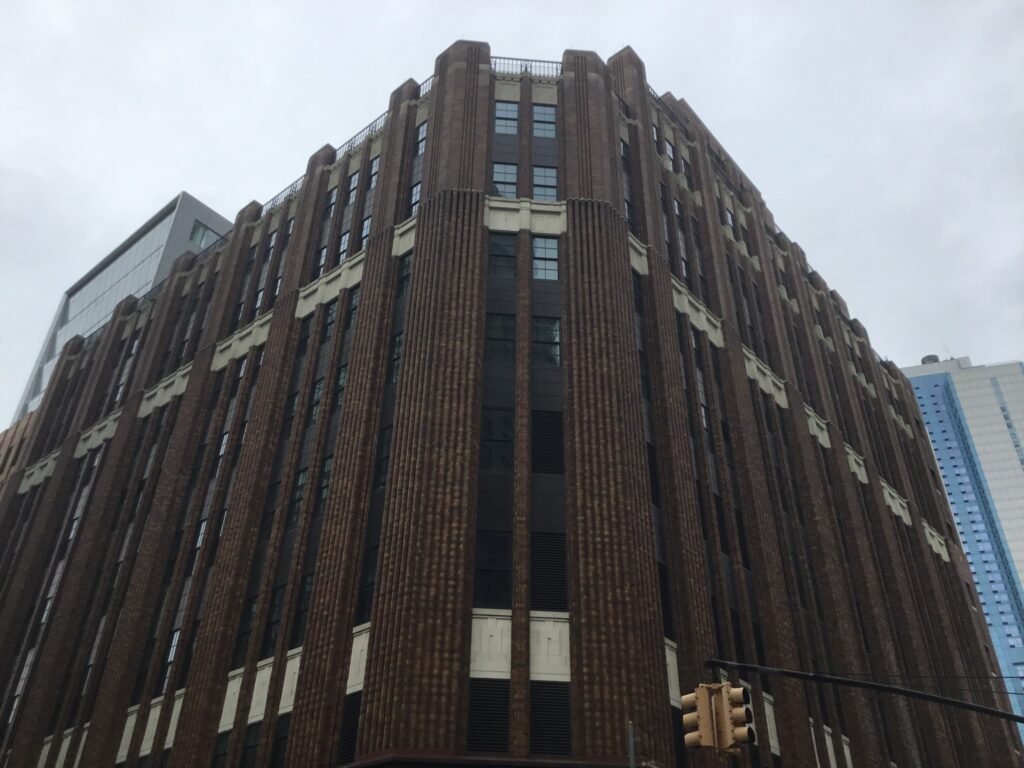
1. Macy’s Downtown Brooklyn, NY (422 Fulton St.)
One of the most poignant closures announced is the Macy’s store in downtown Brooklyn, a location steeped in history and local significance. According to local outlets WPIX and News12 Brooklyn, this store, situated on Fulton Street, concluded its nearly three-decade run last weekend. Its closure marks the end of an era for many shoppers in the vibrant borough, who had come to rely on the department store as a central hub for their retail needs.
Before Macy’s took over the building in 1995, the site was famously home to the very first Abraham & Straus department store, a New York retail legend in its own right. This historical lineage imbued the Macy’s location with a unique character, making its departure particularly bittersweet for the community. The store’s closure reflects a broader trend of flagship urban department stores struggling to adapt to shifting consumer behaviors and increased online competition.
The decision to shutter this iconic Brooklyn location aligns with Macy’s strategy to divest from “underproductive” stores, particularly those in aging properties or areas with declining foot traffic. For residents, the loss of this store is not just about a place to shop; it’s about the erosion of a familiar landmark and a shift in the commercial heartbeat of downtown Brooklyn, signifying the challenges faced by traditional brick-and-mortar retail.
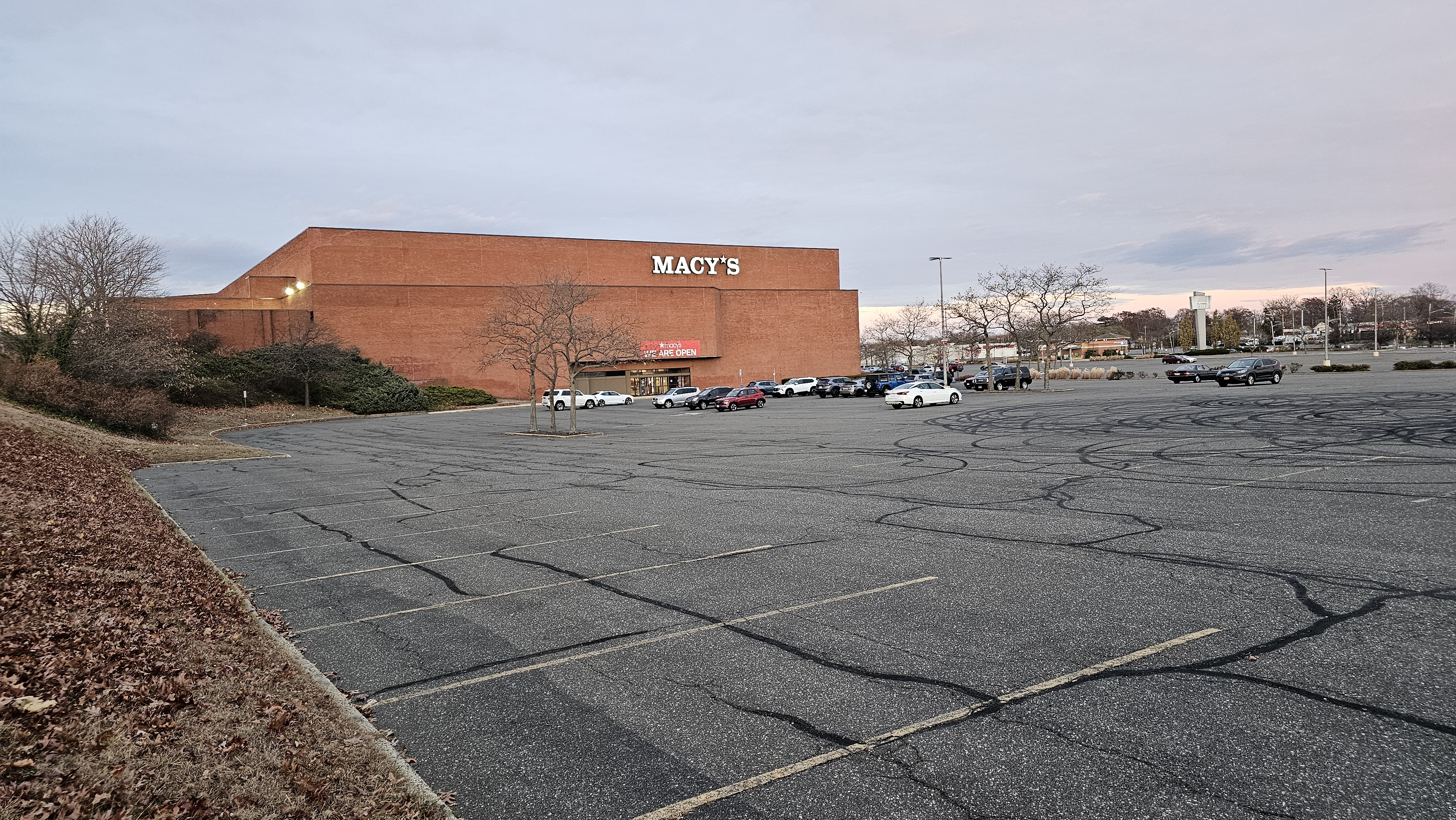
2. Macy’s at Sunrise Mall, Massapequa, NY (400 Sunrise Mall)
Another significant New York closure is the Macy’s store located on Long Island at Sunrise Mall in Massapequa. This particular branch is also set to close its doors next month, as reported by Daily Mail, The Mirror US, and other local news sources. The impending closure of this location further illustrates Macy’s commitment to streamlining its operations and exiting areas where profitability and customer engagement no longer meet its evolving strategic goals.
The Sunrise Mall location, like many others on the closure list, is likely situated within a mall property that has experienced declining foot traffic and changing consumer patterns. For a retailer like Macy’s, whose business model traditionally relied on strong mall anchors, the performance of the surrounding retail environment is paramount. When a mall experiences persistent underperformance, even well-established department stores can find themselves in precarious positions.
The closure of the Sunrise Mall store is another example of Macy’s re-evaluating its extensive physical footprint across the country. It underscores the company’s determination to concentrate resources on higher-performing locations and formats that better align with where and how customers prefer to shop today. This strategic pruning, while difficult for local communities, is seen as essential for the company’s long-term health and ability to reinvest in more successful ventures.

3. Macy’s Los Angeles, CA (750 W. Seventh St., Downtown LA Plaza)
California, a state with a vast and dynamic retail market, is also heavily impacted by Macy’s restructuring plans. Among the prominent closures is the Macy’s store identified at 750 W. Seventh St., Los Angeles, which is referred to on Macy’s website as Macy’s Downtown LA Plaza. This closure signifies a notable retreat from a major urban center in one of the country’s largest retail landscapes.
The decision to close a downtown Los Angeles location is particularly telling, as these stores often serve as anchors and draw considerable foot traffic. However, the context mentions that many affected stores are in aging mall properties or locations that no longer serve the company’s long-term strategy. The specific dynamics of downtown retail, including competition from online platforms and shifts in how urban consumers shop, likely played a role in this decision.
For shoppers in Los Angeles, the closure of this Macy’s branch means adjusting their shopping habits and finding alternatives. It also highlights the broader challenges faced by traditional department stores, even in prime metropolitan areas, as they grapple with the need to modernize and remain relevant in an increasingly digital-first shopping world. The company’s emphasis on “go-forward stores” means resources are being redirected from locations like this to those with higher growth potential.

4. Macy’s Newark, CA (200 Newpark Mall)
Another California store on the closure list is Macy’s at 200 Newpark Mall in Newark. This closure is part of the extensive list of 66 locations identified by Macy’s in its initial announcement. The inclusion of the Newpark Mall store reflects the retailer’s ongoing assessment of its portfolio across diverse Californian markets, extending beyond just the major city centers.
Mall-based department stores have been particularly vulnerable to changing consumer habits, with many aging mall properties struggling to attract shoppers. Macy’s leadership has explicitly stated that the closures are not just about cost-cutting but about shifting focus towards locations and formats that reflect today’s shopping preferences. The Newpark Mall location likely fits the description of an “underproductive” store, making it a candidate for consolidation.
The closure will undoubtedly have an impact on the Newpark Mall and the local community, as department stores often serve as key anchors attracting other businesses and consumers. For Macy’s, however, this decision is a strategic move to reallocate capital and attention to the 350 locations where it plans significant investment, aiming for a more aligned and efficient retail presence in the long run. Liquidation sales are expected to precede the final shuttering, offering steep discounts to clear out inventory.
.jpg/800px-Chula_Vista%2C_CA%2C_USA_-_panoramio_(150).jpg)
5. Macy’s Chula Vista, CA (2015 Birch Rd. in Otay Ranch Town Center)
In Southern California, the Macy’s store at 2015 Birch Road in the Otay Ranch Town Center in Chula Vista is also slated for closure. This adds to the significant number of Macy’s locations being retired in California, underscoring the state’s substantial presence within the company’s overall downsizing strategy. The decision here, too, reflects a critical evaluation of store performance and market dynamics.
Chula Vista’s Otay Ranch Town Center location, while perhaps a more modern shopping destination than some of the older mall properties, still falls under the purview of Macy’s ‘underproductive’ store category. This suggests that even newer or more contemporary locations are not immune if they fail to meet the company’s rigorous profitability and growth metrics. It further emphasizes that Macy’s is not just cutting older stores, but any store that does not contribute to its envisioned future.
For consumers in Chula Vista and the surrounding areas, the loss of this Macy’s store will mean a change in their local shopping options. It serves as a stark reminder that even well-located stores in seemingly robust shopping centers can be subject to corporate restructuring, particularly when major retailers are recalibrating their entire business model to compete in an evolving retail landscape where digital channels are increasingly dominant.
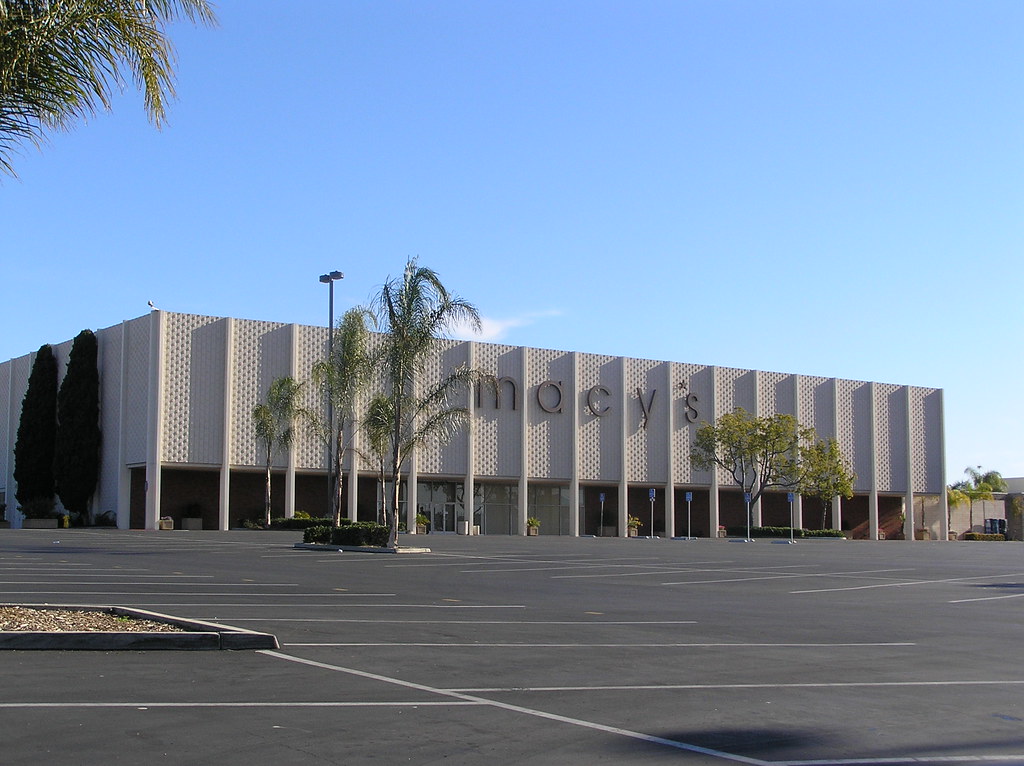
6. Macy’s Mesa, AZ (6535 E. Southern Ave. in Superstition Springs Center)
Moving east, Macy’s in Mesa, Arizona, located at 6535 E. Southern Ave. in the Superstition Springs Center, is among the named closures outside of the predominantly populous New York and California markets. This highlights the nationwide scope of Macy’s revitalization plan, affecting various states and diverse local economies. The inclusion of an Arizona store demonstrates the broad reach of the company’s reassessment of its retail footprint.
Superstition Springs Center, like many regional malls across the U.S., has faced its own challenges in recent years. For Macy’s, an anchor tenant in such a center, the decision to close is likely influenced by a combination of factors, including declining foot traffic, competition from other retail formats, and the need to consolidate resources. The company’s focus on investing in its 350 ‘go-forward’ stores means that locations deemed less critical to its future vision are being phased out.
For the Mesa community, the closure of this Macy’s store marks the end of a retail staple. Such closures often have ripple effects, impacting mall dynamics, local employment, and the overall shopping experience for residents. Macy’s, however, is positioning these strategic exits as necessary steps to create a more efficient and profitable network of stores, even if it means discontinuing operations in long-standing locations.
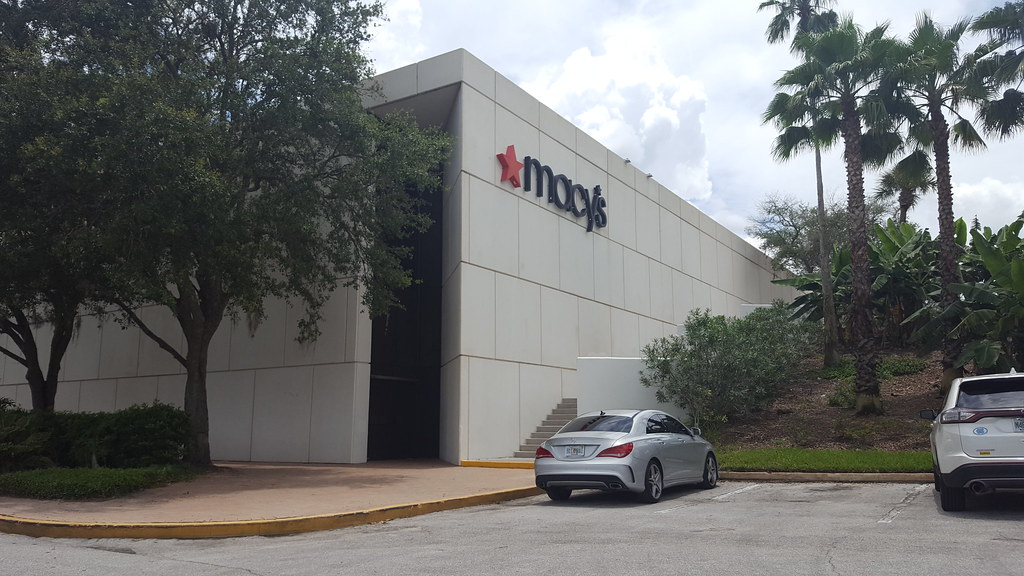
7.Macy’s Altamonte, FL (820 West Town Parkway)
Florida, a state with significant consumer markets and a large tourist economy, also sees several Macy’s closures, including the store at 820 West Town Parkway in Altamonte. This closure, part of the broader list, indicates that Macy’s is meticulously reviewing its presence across different demographics and economic environments, from bustling city centers to suburban malls, to ensure optimal resource allocation.
The Altamonte location’s impending closure reinforces the idea that Macy’s is making difficult, but calculated, decisions to shed underperforming assets. The company’s ‘Bold New Chapter’ strategy is not about maintaining a presence everywhere, but about cultivating a stronger, more focused presence where it can achieve “sustainable, profitable sales growth.” This involves a hard look at individual store performance metrics and their contribution to the overall enterprise.
For the community in Altamonte, the loss of this Macy’s store will necessitate a recalibration of shopping routines and choices. It underscores the profound shifts occurring in American retail, where convenience, online integration, and curated experiences are increasingly valued. Macy’s, through these closures, aims to realign its physical and digital assets to meet these evolving consumer expectations and solidify its position in the competitive retail landscape.
Following the detailed examination of Macy’s initial wave of store closures, it becomes clear these actions are integral to a much broader strategic overhaul. The company’s “Bold New Chapter” is not merely reactive but a proactive transformation. It aims to reshape its physical footprint for sustainable growth by shedding “underproductive” assets and cultivating a leaner, more efficient portfolio. This is alongside robust investments in high-potential formats and digital channels.
The remaining closures further underscore this nationwide recalibration, impacting diverse communities and retail environments. Each closure, while challenging for local shoppers and employees, represents a deliberate step toward a future where Macy’s meets modern consumer expectations. Let’s explore several more pivotal locations impacted by this strategic shift, highlighting the varied circumstances driving these decisions across the country.
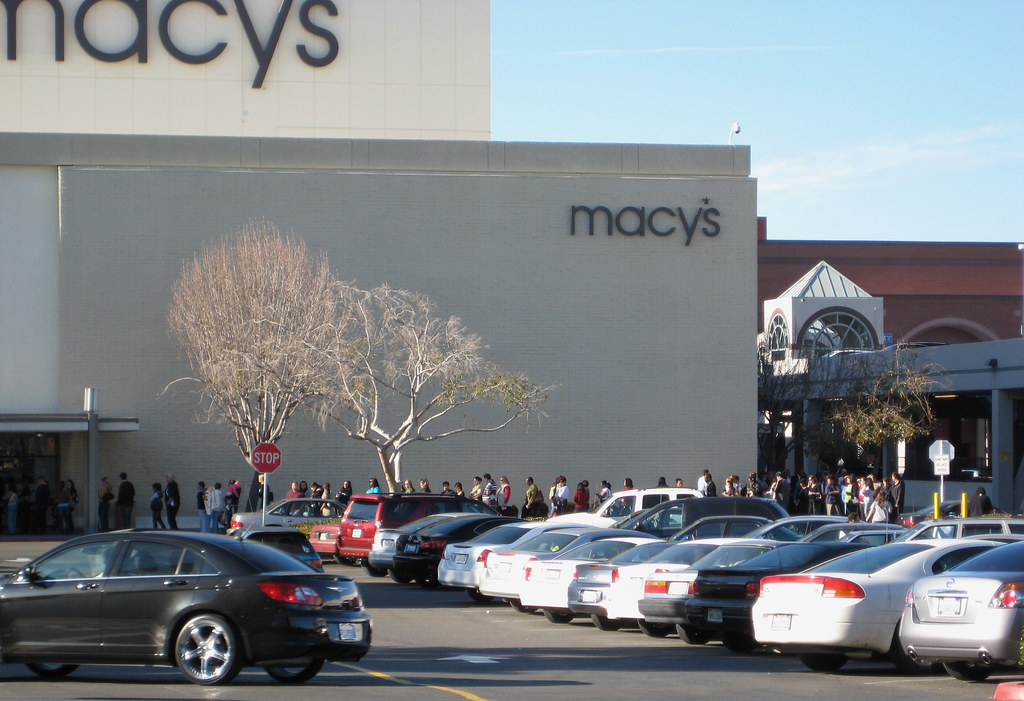
8. Macy’s Sacramento, CA (414 K St. in Sacramento Downtown Commons)
This closure in California’s capital city, specifically the Macy’s Sacramento Downtown Commons location, signifies another key step in the retailer’s extensive restructuring within a major urban market. While California has already seen several Macy’s locations shutter, this particular decision underscores the company’s comprehensive portfolio assessment. It includes stores, like this one at 414 K Street, that might be perceived as central or established within their respective downtown areas.
The Downtown Commons location, much like others on the closure list, likely grapples with pressures affecting traditional department stores. These include declining in-store foot traffic and fierce competition from online retail. Even a presence in a capital city’s downtown may not guarantee the profitability or growth metrics Macy’s now rigorously applies to its “underproductive” stores. This strategic withdrawal is about reallocating resources to locations with stronger future potential.
For Sacramento residents, the departure of Macy’s from Downtown Commons signals a re-evaluation of local shopping options and habits. It further highlights the ongoing transformation of urban retail landscapes, where large-format department stores are evolving amidst shifts towards more specialized or experiential retail models. Macy’s strategic imperative ensures its physical presence truly complements its evolving “Bold New Chapter.”
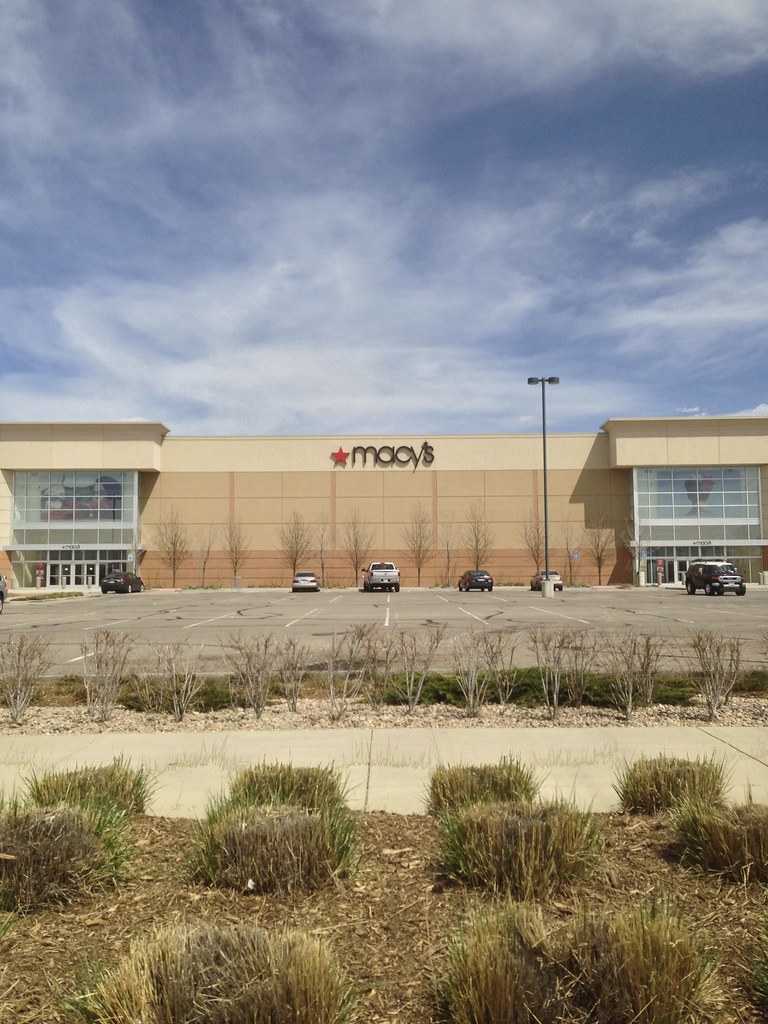
9. Macy’s Denver, CO (8298 E. Northfield Blvd. in the Shops at Northfield)
Venturing into new territory, Macy’s decision to close its store at 8298 East Northfield Boulevard in the Shops at Northfield in Denver, Colorado, extends the impact of its strategic overhaul into the Rocky Mountain region. This closure illustrates that Macy’s comprehensive review of its physical assets spans across a wide geographical spectrum. It targets stores in states beyond the traditionally populous coastal markets, with The Shops at Northfield location being one of the 66 stores named in January.
The retail environment in Denver, like many growing cities, is dynamic and competitive. For Macy’s, an “underproductive” designation for this location could stem from various factors, including the performance of the broader shopping center, shifts in local demographics, or the inability to achieve desired sales and customer engagement levels. The company’s goal is to concentrate its investments in locations where customer response is already positive and where elevated service can genuinely make a difference.
The closure in Denver reflects Macy’s commitment to optimizing its store portfolio, even if it means discontinuing operations in communities that have hosted the brand for years. It’s a pragmatic decision aimed at liberating capital and resources that can then be strategically deployed into the 350 “go-forward” stores and new formats. This ultimately strengthens the company’s overall financial health and market position against evolving consumer demands.
10. Macy’s Miami, FL (13251 South Dixie Highway)
In Florida, a state known for its vibrant retail market and tourist appeal, the Macy’s store at 13251 South Dixie Highway in Miami is also slated for closure. This adds another significant location to the list from Florida, further emphasizing the depth of Macy’s reassessment of its extensive footprint. The closure of a Miami store, especially in a region with such high commercial activity, speaks volumes about the strict performance criteria Macy’s is now applying.
Miami, a global city, presents a complex retail landscape where both luxury and value-driven shopping coexist. For Macy’s, the decision to close this particular store suggests that it might not have been performing to the company’s new profitability standards. It could be facing intense competition or a shift in local consumer preferences. Macy’s CEO Tony Spring has underscored that the closures are critical to “prioritize investments in our go–forward stores,” where customers are already responding positively.
The impending closure for Miami shoppers means navigating a changing local retail scene, underscoring the broader narrative of traditional department stores adapting to a new era. This strategic divestment allows Macy’s to reallocate resources to more promising ventures, including its expanding luxury brands like Bloomingdale’s and Bluemercury. These are designed to capture different segments of the discerning consumer market.
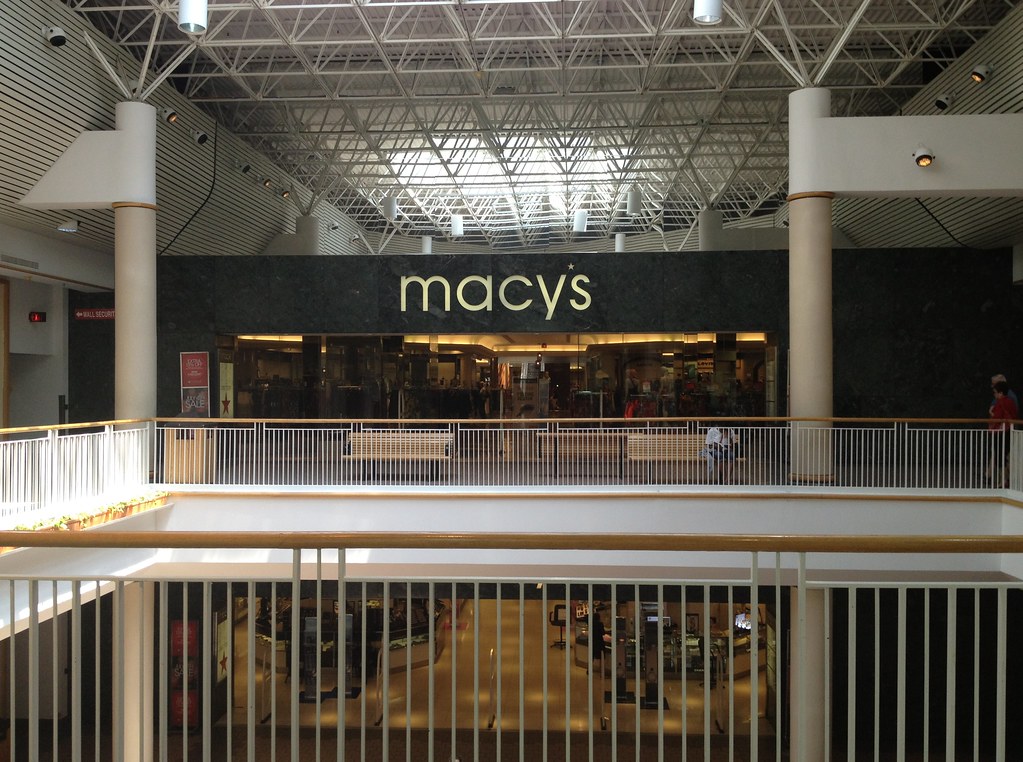
11. Macy’s Springfield, IL (104 White Oaks Mall)
Moving inland, the Macy’s store at 104 White Oaks Mall in Springfield, Illinois, joins the list of locations marked for closure, bringing the national strategy into America’s heartland. This particular closure demonstrates that Macy’s “Bold New Chapter” impacts not just major metropolitan areas but also regional centers. It reflects the pervasive challenges facing traditional mall-based department stores across various economic landscapes.
White Oaks Mall, like many older regional shopping centers, has likely contended with declining foot traffic and increased competition from online retailers and evolving commercial developments. For an anchor tenant like Macy’s, the performance of the surrounding mall environment is a crucial factor in its own viability. The company’s leadership has explicitly stated that the closures are not just about cost-cutting but about shifting focus toward locations and formats that reflect today’s shopping preferences.
The closure will undoubtedly have consequences for the White Oaks Mall and the Springfield community, as department stores often serve as key attractors for shoppers and other businesses. However, for Macy’s, this is a calculated decision to optimize its portfolio, directing investment towards the 350 remaining stores slated for upgrades and new store formats that align more closely with its vision for sustainable, profitable growth.
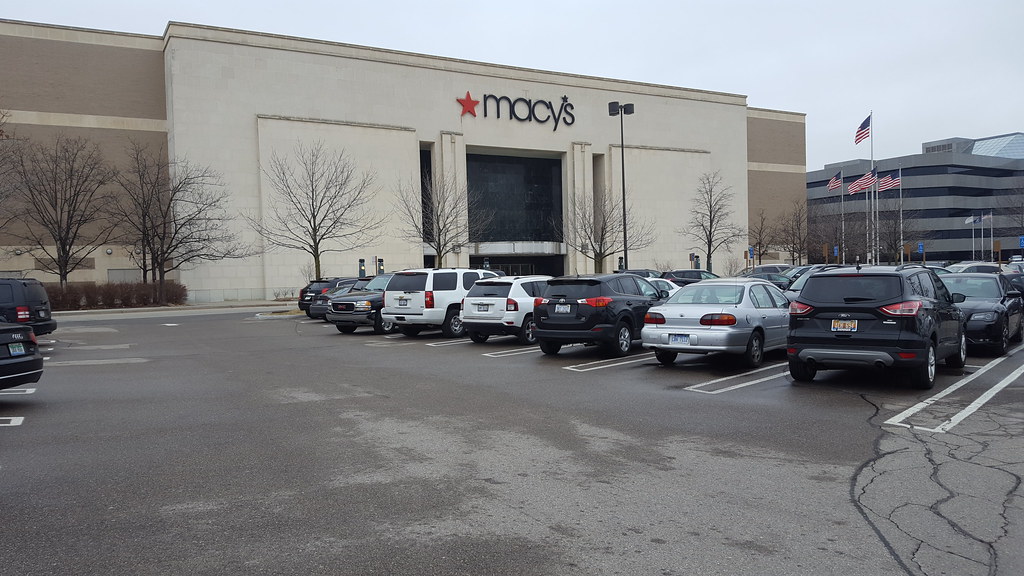
12. Macy’s Sterling Heights, MI (14200 Lakeside Circle in Lakeside Mall)
In Michigan, the Macy’s store located at 14200 Lakeside Circle in the Lakeside Mall in Sterling Heights is also part of the extensive list of closures. This inclusion further illustrates the nationwide reach of Macy’s strategic realignment, impacting suburban communities and shopping centers that have historically been pillars of local retail. The Lakeside Mall store’s closure highlights the continuous evaluation of performance across Macy’s diverse geographic portfolio.
Lakeside Mall, like many regional malls built decades ago, has faced the arduous task of adapting to modern retail trends. These often include a preference for experiential shopping, mixed-use developments, or the convenience of e-commerce. Macy’s has clearly prioritized locations where customers are “responding positively to better product offerings and elevated service,” implying that some older mall locations, despite their history, no longer meet these stringent criteria.
The closure of the Sterling Heights Macy’s underscores the company’s disciplined approach to its physical footprint. By shedding underperforming assets, Macy’s aims to free up capital for significant investments in its “go-forward” stores and the expansion of its luxury brands, Bloomingdale’s and Bluemercury. This strategic pruning, while impacting local communities, is considered essential for Macy’s long-term viability and ability to compete effectively in the evolving retail landscape.
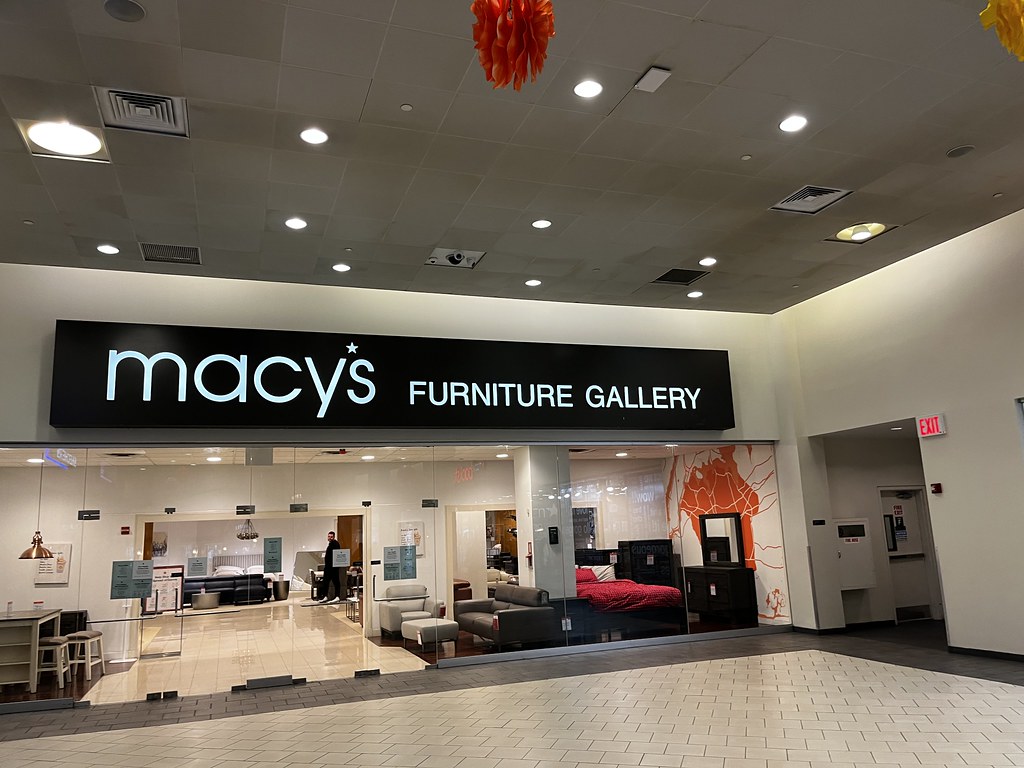
13. Macy’s Queens, NY (88-01 Queens Blvd.).
Returning to New York, a major market already significantly affected by Macy’s closures, the store at 88-01 Queens Boulevard in Queens is among those set to close. This specific location in one of New York City’s most populous boroughs further demonstrates the company’s rigorous assessment of its urban footprint, even in areas dense with potential shoppers. This particular store is identified as the Queens Place location in broader discussions.
The urban retail environment in Queens, with its diverse population and numerous shopping alternatives, presents unique challenges and opportunities. The decision to close this Macy’s store suggests it may have struggled to meet performance expectations amidst intense local competition and changing consumer habits, including the pervasive shift towards online shopping. Macy’s “Bold New Chapter” strategy emphasizes that resources must be concentrated on locations that are truly thriving and can deliver superior customer experiences.
For the residents of Queens, the closure of this Macy’s branch will necessitate a shift in their shopping routines. It also serves as a poignant reminder that even major retailers in prime metropolitan locations are not immune to the pressures of an evolving marketplace. Macy’s is making tough choices to ensure its overall strength, pivoting away from “underproductive” locations to invest in a future where its remaining 350 stores and burgeoning luxury brands can truly shine.
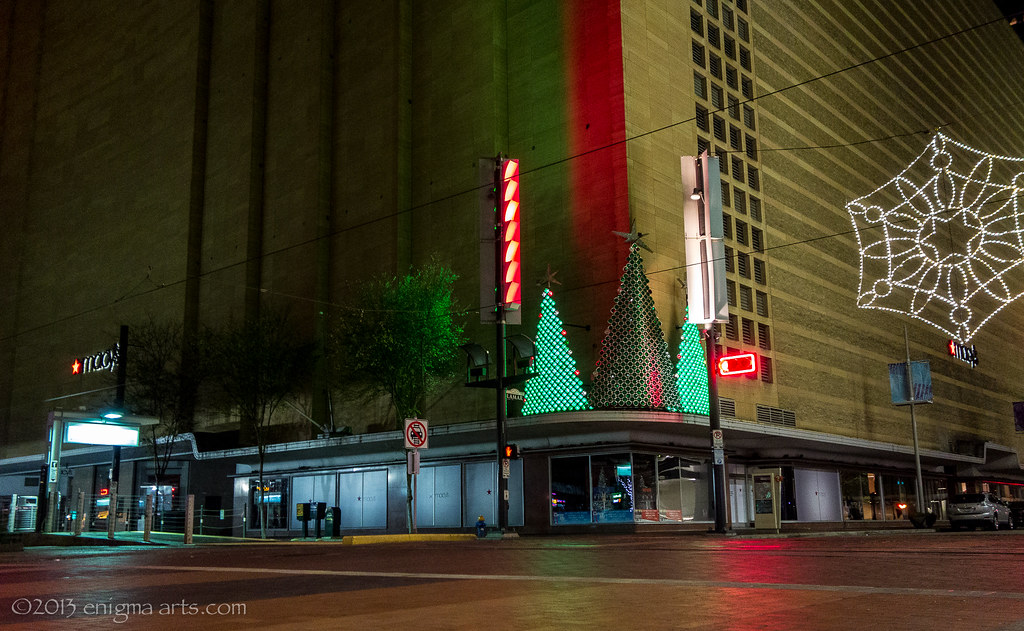
14. Macy’s Houston, TX (100 Almeda Mall)
Concluding our examination of specific closures, the Macy’s store at 100 Almeda Mall in Houston, Texas, is also on the list, expanding the reach of Macy’s overhaul into the substantial Southern market. This closure in one of the largest cities in the U.S. highlights the extensive nature of the company’s plans to optimize its store portfolio, affecting diverse urban and suburban retail environments across the nation.
Houston’s retail landscape is vast and highly competitive, with numerous shopping centers and a strong presence of both traditional and modern retail formats. The Almeda Mall location, like many older mall properties, has likely faced challenges in maintaining consistent foot traffic and sales performance in an era dominated by e-commerce and newer, more experience-driven shopping destinations. Macy’s stated goal is to align its assets with “where customers are shopping and how they want to shop.”
The closure for Houston residents signifies another change in the local retail fabric, reflecting the ongoing adjustments major department stores are making to remain viable. Macy’s, through these strategic exits, is aiming to fortify its financial foundation and redirect investments into its higher-performing “go-forward” stores, its smaller-format Macy’s stores, and the expansion of Bloomingdale’s and Bluemercury. These are all part of a concerted effort to adapt and secure long-term growth.
**Beyond the Closures: A Strategic Path Forward**
While the closure of these 66 Macy’s stores marks a significant downsizing, it is crucial to understand that these actions are but one facet of a comprehensive, forward-looking strategy. Macy’s “Bold New Chapter” is fundamentally about reinvestment and reinvention, transforming the venerable retailer into a more agile and profitable enterprise for the future. The company is committing a substantial $600 to $700 million from the closure savings to revitalize its remaining 350 Macy’s stores through its 2026 fiscal year, which ends January 30, 2027.
These investments are earmarked for significant upgrades in the “go-forward” locations, designed to enhance the customer experience, improve product offerings, and elevate service—areas where Macy’s CEO Tony Spring has acknowledged the need for improvement. Spring emphasized that “The shopping experience can and should be better. This is how we win our customers back.” The success of these initiatives is already evident, with investments in pilot Macy’s stores, known as the “First 50,” having boosted sales for three consecutive quarters and contributed to record customer satisfaction scores.
A key pillar of Macy’s growth strategy lies in the expansion of its luxury brands, Bloomingdale’s and Bluemercury. The company plans to open 15 new Bloomingdale’s locations and 30 Bluemercury beauty stores. This aggressive push into the luxury market aims to capture different consumer segments and diversify Macy’s Inc.’s portfolio, leveraging the strength and distinct appeal of these high-end brands. These expansions signify a pivot towards more specialized and high-value retail experiences, catering to evolving consumer preferences.
Furthermore, the critical role of digital sales cannot be overstated. While in-store revenue has declined, digital sales have “held steady,” underscoring the importance of online integration in Macy’s future. The company is “betting big on small-format stores, specialty beauty outlets, and online integration,” recognizing that a seamless omnichannel experience is paramount for modern retail success. This involves harmonizing physical and digital channels to provide convenience and a consistent brand experience, regardless of how customers choose to shop.
Looking ahead, Macy’s is positioning itself for sustainable, profitable growth by creating fewer, but more efficient, stores, backed by robust digital channels and specialty formats. This transformation is about aligning its assets with where customers are shopping and how they want to shop, stepping away from stores that no longer serve its long-term strategy. Tony Spring’s vision is clear: “We are making the necessary moves to reinvigorate relationships with our customers through improved shopping experiences, relevant assortments and compelling value.” The goal is to accelerate its path to market share gains, sustainable, profitable growth, and value creation for shareholders. The “Mall Shockwave” of closures is a challenging but necessary step in Macy’s journey to redefine its place in the American retail landscape.