
Becoming a parent to a tiny human is like unlocking a whole new level in the game of life. One minute, you’re preparing for their arrival, and the next, you’re marveling at every gurgle, wiggle, and glance. It’s a whirlwind of discovery, not just for them, but for you too! Every day brings a new adventure, a new skill, or a new question about this incredible journey. This isn’t just about cute outfits and sleepy cuddles; it’s about understanding the complex, rapidly developing world of your baby.
Navigating this brand-new landscape can feel overwhelming, with so much information out there (and let’s be real, so much unsolicited advice!). But what if we told you there are truly fundamental, game-changing insights that can make your first year with your little one not just easier, but even more joyful and connected? We’re talking about the core pillars of infant life, from their very first developmental leaps to the crucial building blocks of their emotional world.
So, buckle up, because we’re about to take a deep dive into the fascinating universe of infants. Forget the clichés and get ready to truly understand what makes your baby tick, how they learn, grow, and communicate. This isn’t just information; it’s your roadmap to appreciating the incredible complexity and sheer wonder of babyhood. Let’s uncover some essential truths that will help you support your little one’s journey from helpless newborn to a budding, walking, talking toddler!

1. **Developmental Milestones: The “Aha!” Moments**Watching your baby achieve a first step, a first smile, or waving ‘bye-bye’ isn’t just cute; these are ‘developmental milestones.’ Most children reach these benchmarks by a certain age, showcasing progress in how they play, learn, speak, behave, and move, like crawling or walking. The first year is a period of astounding acceleration, as infants rapidly focus vision, reach out, explore, and learn about their surroundings, absorbing new information constantly.
This rapid growth extends to cognitive, or brain development, encompassing memory, language, thinking, and reasoning. Language learning is more than babbling or saying ‘ma-ma’ and ‘da-da.’ It involves crucial skills: listening, understanding, and knowing names of people and things. These elements are foundational to their burgeoning linguistic abilities, paving the way for future conversations and deeper comprehension, highlighting the complex inner workings of their tiny, brilliant minds.
Crucially, babies also build their social and emotional well-being. This is when they form unbreakable bonds of love and trust with parents and other adults. The way you cuddle, hold, and play sets the basis for future interactions. These early emotional connections are truly the blueprint for their future relationships and sense of security, making every interaction count as they develop their unique personality and find their place in the family unit.
Read more about: Ever Wondered How You Grew Up? We’re Breaking Down the Wild Ride of Child Development!
2. **Positive Parenting Tips: Nurturing Your Little Explorer**Understanding your baby’s developmental leaps leads to the question: ‘How can I best support this amazing growth?’ Positive parenting offers simple, effective actions you can take daily. These aren’t complex; they’re genuine connections that foster development and strengthen your bond, making the journey rewarding. It begins with your voice and presence, transforming everyday moments into opportunities for connection and learning.
One powerful tip is to just talk to your baby; your voice is calming. When they make sounds, answer by repeating them and adding words, aiding language learning. Reading, singing, and playing music further stimulate language, brain development, and instill a love for music. Shower your baby with praise and loving attention; cuddling and holding them close builds security. Play when they’re alert and relaxed, watching for tiredness to ensure positive experiences, making every interaction a moment of joy.
As babies become mobile, distract them with toys and move them to safe areas when they touch forbidden items, teaching boundaries gently. Finally, take care of yourself: ‘Parenting can be hard work! It is easier to enjoy your new baby and be a positive, loving parent when you are feeling good yourself.’ Prioritizing your well-being allows you to be fully present and positive, making parenthood’s joys shine brighter as you nurture your tiny explorer and enjoy these precious moments.

3. **Child Safety First: Baby-Proofing Your World**Bringing a baby home means transforming your living space into a safety fortress. Child safety is the absolute priority. Sweep your home to identify and eliminate dangers, ensuring every corner is safe for your curious explorer. Beyond physical safety, being ‘mentally and emotionally ready for your new baby’ is essential – a secure parent is the first line of defense. This proactive approach prevents hazards, ensuring a secure environment for their vital early development, protecting them from unforeseen risks.
Some safety rules are non-negotiable. Foremost: ‘Do not shake your baby―EVER!’ Infants have incredibly weak neck muscles; shaking causes brain damage or death. Always ‘put your baby to sleep on their back to prevent sudden infant death syndrome (known as SIDS).’ Protect your baby from secondhand smoke by ensuring, ‘Do not allow anyone to smoke in your home.’ Choking is another concern: always ‘cut their food into small bites,’ and ‘don’t let them play with small toys and other things that might be easy for them to swallow.’ Avoid anything that could cover their face, and ‘Never carry hot liquids or foods near your baby or while holding your baby’—accidents happen fast.
Finally, for long-term health, vaccinations are non-negotiable. ‘Vaccines (shots) are important to protect your child’s health from serious diseases.’ Always consult your child’s doctor to ensure they are ‘up-to-date on their vaccinations,’ providing the best shield against illness. These aren’t just rules; they’re loving safeguards for your most precious cargo, ensuring every effort is made to keep your little one out of harm’s way and thriving in a secure, healthy environment, supporting their journey from their very first day with comprehensive protection and care.

4. **Car Seat Recommendations: Safe Travels, Tiny Passengers**Taking your baby on their first car ride home brings joy, but also a critical safety concern: secure transportation. The car seat is not just legal; it’s a life-saving device, making correct use paramount. For tiny travelers, specific, non-negotiable guidelines ensure safety, endorsed by the National Highway Traffic Safety Administration (NHTSA). This isn’t merely convenience; it’s optimal protection for their fragile bodies during every journey, prioritizing their delicate development on the road.
The golden rule is clear: ‘Place your baby in a rear-facing car seat in the back seat while they are riding in a car.’ The back seat is inherently safer due to front airbag risks. The rear-facing position cradles your infant’s head, neck, and spine in a crash, distributing impact forces across their entire body instead of concentrating them on their delicate neck, offering superior protection during collisions. This design minimizes severe injuries, a crucial aspect of infant vehicle safety.
Adhering to these guidelines can literally mean the difference between life and death. It involves more than just purchasing an approved car seat; it requires proper installation and consistent use every time. Double-checking straps, ensuring the seat is tightly secured, and always placing it in the back seat are crucial steps. This unwavering commitment ensures every journey prioritizes your little passenger’s well-being. Your baby’s safety in the car is one area where no compromise should ever be made, giving you invaluable peace of mind.

5. **Healthy Bodies: Feeding, Moving, and Growing Strong**Nurturing your baby’s physical health from the start lays the groundwork for lifelong well-being. This holistic approach ensures they develop strong bodies and healthy habits. From first sips of milk to early movements and crucial sleep, every aspect plays a vital role in their incredible growth. Let’s explore how to empower your little one to thrive physically, giving them the best start possible as they navigate their new world, building foundational health practices.
For feeding, ‘Breastfeeding is the natural way.’ For about six months, ‘breast milk meets all your baby’s needs,’ offering balanced nutrition and immunities. From 6 to 12 months, introduce ‘new tastes and textures with healthy solid food,’ but ‘breast milk should still remain an important source.’ ‘Feed your baby slowly and patiently, encourage new tastes without force, and watch closely for hunger,’ fostering a positive relationship with food. Active babies are healthy babies: ‘Getting down on the floor to move helps your baby become strong, learn, and explore.’ Limit time in swings or bouncer seats; unstructured floor play is essential.
In our digital age, manage screen time. The AAP recommends ‘babies under 18 months… do not use any screen media other than video chatting.’ This limited exposure is vital for healthy brain development and real-world interaction. Lastly, prioritize sleep! Ensure ‘infants 4–12 months… get 12–16 hours per 24 hours (including naps).’ Adequate rest is as crucial as food and activity for their rapidly growing bodies and minds, reinforcing learning and recharging them for new adventures, ensuring their physical well-being from all angles.

6. **Infant Terminology and Stages: Decoding Babyhood**Ever wondered about the precise definitions swirling around our little ones? The terms ‘baby’ and ‘infant’ are often interchangeable, but have nuances. Commonly, ‘a baby is the very young offspring of adult human beings.’ ‘Infant (from Latin infans, meaning ‘baby’ or ‘child’) is a formal or specialised synonym,’ often used in medical settings, highlighting a critical initial period of adaptation outside the womb, providing clarity in diverse discussions about early life.
Early life stages are distinct. A ‘newborn’ is colloquially a baby just hours, days, or weeks old. Medically, ‘a newborn or neonate… is an infant in the first 28 days after birth,’ applying to ‘premature, full term, and postmature infants,’ based on gestation. Babies ‘prior to 37 weeks… are “premature”‘, those ‘between 39 and 40 weeks are “full term”‘, and ‘beyond 42 weeks is considered “post term”.’ Each classification helps professionals understand unique needs from day one, ensuring tailored support and care.
Before birth, they’re a ‘fetus.’ ‘Infant’ typically extends through the first year, sometimes two. This period marks immense dependency and rapid shifts. The next transition happens ‘when a human child learns to walk,’ becoming a ‘toddler.’ This shift signifies a leap towards independence, as their world expands with every wobbly step. Interestingly, ‘infant’ also applies to British infant schools (ages four to seven) and legally, ‘infancy is more like minority, and continues until a person reaches 18 years of age.’ These distinctions enrich our understanding of babyhood.

7. **Daily Care and Common Challenges: Navigating the Everyday**Alright, so you’ve got this adorable, tiny human, and every day is a new adventure! But let’s be real, it’s also a whole new world of daily care and *unique* challenges. First up, understanding that universal infant language: crying. “Infants cry as a form of basic instinctive communication,” and figuring out what those little wails mean is like cracking a secret code!
Those cries aren’t just random sounds; they’re your baby’s way of telling you a whole spectrum of feelings. Are they hungry, uncomfortable, feeling a bit lonely, or perhaps a little overstimulated? Babies are “altricial,” meaning they’re completely dependent on you, their amazing caretaker, for everything. Whether it’s the recommended “breastfeeding” or bottle-feeding with formula or expressed milk, their “sucking reflex” and “rooting” instinct make sure they get the nourishment they need.
And oh, the common care issues! Ever heard of “baby colic”? It’s when a healthy baby cries intensely for long periods. Then there’s “cradle cap” (totally normal!), “diaper rash” (a common battle), and “teething” (cue the drool and chewing!). Even the humble “pacifier” and the art of “swaddling” become part of your daily toolkit.
These daily routines aren’t just about survival; they’re about building rhythm and comfort for your little one. Eventually, you’ll even navigate the big leap from “diapers to training pants,” marking another sweet step towards their budding independence. Who knew baby care was such a grand quest?
Read more about: Channing Tatum Unveils Kirsten Dunst’s Candid Charm and His ‘Roofman’ Transformation: A People Magazine Exclusive Look
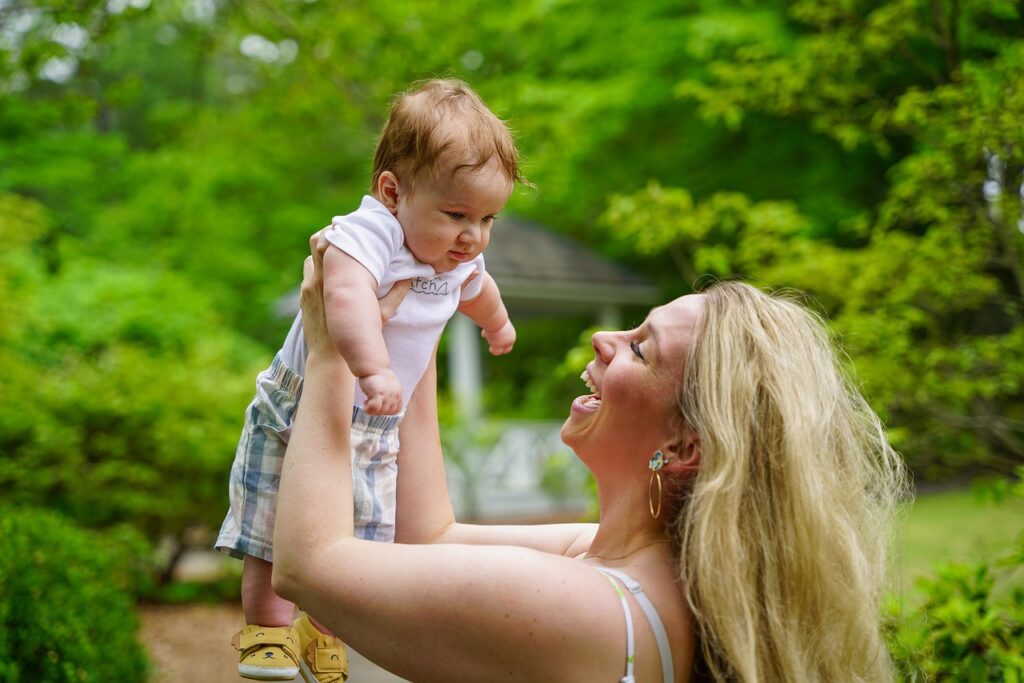
8. **The Profound Benefits of Touch: Building Connections**Hold on tight, because here’s a truly heartwarming insight into babyhood: the incredible power of touch! It’s not just about snuggles (though those are amazing!), it’s a vital ingredient for healthy development. Researchers have even done experiments with infants up to four months old, exploring the difference between “positive touch (stroking or cuddling) and negative touch (poking, pinching, or tickling).”
The results are crystal clear and totally eye-opening. Babies who got that “positive touch” cried significantly less, and guess what? They also “vocalized and smiled more than the infants who were touched negatively.” On the flip side, infants who experienced negative touch have unfortunately “been linked with emotional and behavioral problems later in life.” It really underscores how foundational those early physical interactions are.
But wait, there’s more! This isn’t just about individual babies; it’s a global phenomenon. Studies have actually shown that “a lower amount of physical violence in adults has been discovered in cultures with greater levels of positive physical touching.” Talk about a powerful impact!
So, go ahead and shower your little one with all the gentle strokes and loving cuddles. Every soft pat, every warm embrace, isn’t just making them feel loved; it’s actively helping their development and potentially shaping a more peaceful future, one happy touch at a time. How incredible is that?

9. **Language Development: From Gurgles to Gab**Ever wonder how those adorable coos turn into actual words? Baby language development is pure magic, and you, dear parent, are the conductor! One key strategy is to literally mirror your infant’s facial expressions. It’s like a tiny, adorable improv class! Reproducing and empathizing with their expressions helps them “experience effectiveness and to recognize their own actions more easily.”
Want to supercharge their language skills? “Exaggeratedly reproduced facial expressions and gestures are recommended, as they are clearer forms of expression.” And those precious babbling sounds? Pick them up and repeat them! “By imitating each other’s sounds the first simple dialogues are initiated.” Using “accentuated pronunciation and melodic intonation” makes it easier for them to recognize individual words.
But here’s the really cool part: even if you don’t understand their babbling yet, your timely response is a game-changer. Research shows that a “timely response by parents to babbling leads to faster language acquisition.” This is all about them discovering they can influence you through their sounds, developing “intentional communication.” So, keep those conversations flowing, even if they’re mostly “goo-goo-ga-ga!”
Just a friendly heads-up: while being playful is great, it’s generally “not advisable to use simplified ‘baby talk'” (like “Did you ‘ouch’?” instead of “Did you hurt yourself?”). Also, it’s “detrimental to language development if a mother instead tries to divert the infant’s attention to something else.” Keep that positive feedback coming for their vocal efforts – it makes all the difference!

10. **Emotional Bonds: The Science of Attachment**Prepare for some seriously profound insights into your baby’s inner world! Beyond the feeding and changing, there’s a powerful, invisible force at play: emotional attachment. “Attachment theory is primarily an evolutionary and ethological theory whereby the infant or child seeks proximity to a specified attachment figure in situations of alarm or distress for the purpose of survival.” It’s their survival instinct, guiding them to you when they need safety and comfort.
These crucial bonds aren’t just spontaneous; they develop! Infants naturally “become attached to adults who are sensitive and responsive in social interactions with the infant, and who remain as consistent caregivers for some time.” Your consistent love and care build a foundation for their future. These early parental responses create “patterns of attachment,” which then lead to “internal working models” that will literally guide their feelings and expectations in all relationships throughout life. Mind. Blown.
So, what kind of attachment are we talking about? There are various “attachment ‘styles’,” like ‘secure,’ ‘anxious-ambivalent,’ and ‘anxious-avoidant,’ plus ‘disorganized.’ A secure attachment is the gold standard, showing your little one feels safe and loved enough to explore the world. It’s also important to remember that it’s not just about one-on-one relationships; a “good quality of the triadic relationships (mother – father – infant) is important for infant mental health development.”
Understanding these attachment dynamics isn’t just fascinating; it empowers you. Your daily interactions, your responsiveness, and the secure environment you create are actively shaping their capacity to form healthy relationships and navigate emotions for years to come. You’re not just a parent; you’re their first, most influential relationship architect!
Read more about: Leonardo da Vinci’s ‘Relationship Rules’ That Still Spark Hollywood-Level Buzz Centuries Later

11. **The Science of Sleep: Rest for Little Ones**Ah, sleep! For parents, it often feels like a mythical creature, but for babies, it’s an absolute powerhouse for growth and development! A massive “2018 review analysed 146 studies on infant sleep behavior and listed several factors that show an effect on sleep duration and the number of night awakenings.” It’s a complex dance, but vital.
Here’s a fun fact: “Infant sleep is not linear, ebbing and flowing with developmental milestones and age.” So if your little one’s sleep patterns suddenly change, it’s often because they’re busy leveling up in their development! And get this: “research has indicated that frequent wakings are protective of SIDS.” This little tidbit can offer some peace of mind during those inevitable night calls.
So, how much shut-eye do these tiny humans actually need? The “National Sleep Foundation gives a rough recommendation on sleep hours, that commonly decreases with increasing age.” For infants aged 4–12 months, that’s typically “12–16 hours per 24 hours (including naps).” That’s a lot of Zs!
Prioritizing and understanding their sleep isn’t just about your sanity (though that’s a huge bonus!). It’s about ensuring their rapidly growing brains and bodies get the essential rest they need to process all the incredible learning and exploring they do every single day. Sweet dreams, little one!
Read more about: The Blue Zone Blueprint: Simple, Science-Backed Secrets for a Longer, Healthier Life, Easier Than You Think
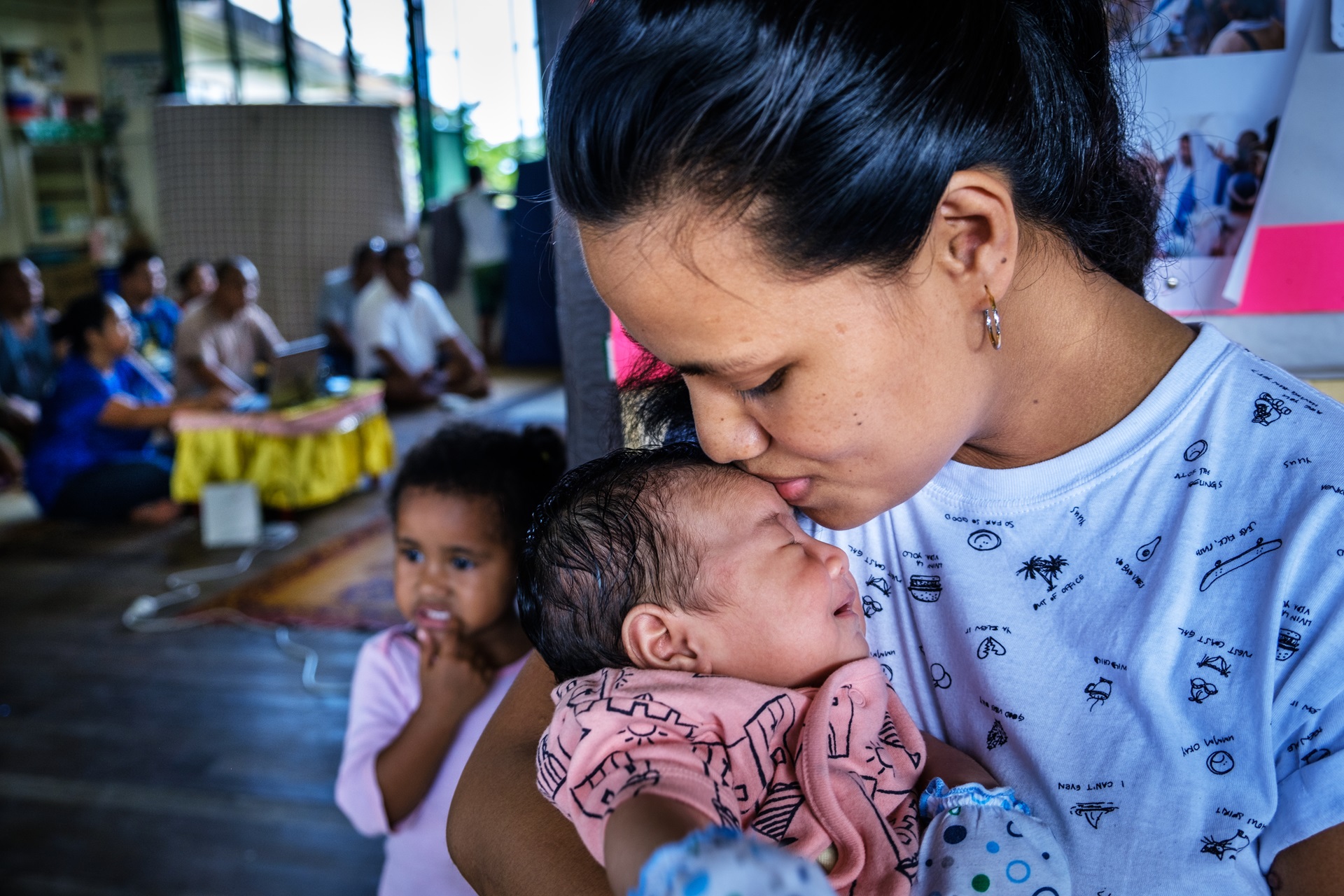
12. **Maternal Sensitivity: The Key to Secure Bonds**Let’s talk about a superpower every parent possesses: maternal sensitivity (which, of course, applies to *any* primary caregiver!). This isn’t just about being nice; it “plays a particular role in the relationship with the infant and for favorable emotional development.” It means being super attentive to your baby’s cues, understanding their expressions without projecting your own feelings, and responding quickly and appropriately to their needs. It’s a beautiful, constant dialogue!
This incredible responsiveness is what truly promotes a “secure attachment.” Think about it: when your baby cries, and you respond with empathy and an appropriate action, you’re teaching them that the world is a safe place and their needs will be met. Infants have “an inborn behavior of seeking closeness to the mother – or to another primary caregiver – and thus in turn foster an attachment.” When they protest by crying and moving when separated, they’re showing that attachment is real and vital.
So, every time you comfort a cry, offer a feed, or simply hold your baby close, you’re not just performing a task; you’re building a foundation of trust and security. You’re shaping their emotional development, teaching them about relationships, and giving them the confidence to explore their world from a safe base. It’s a profound responsibility and an even more profound gift.
This continuous dance of attunement, where you interpret their signals and respond with loving care, is truly the secret sauce to fostering resilient, emotionally healthy children. It’s the ultimate expression of love and commitment, setting the stage for a lifetime of secure connections. And honestly, how cool is it that we have this innate ability to connect on such a deep level?
Whew! What a journey through the incredible world of infant care and development! From those first developmental leaps to the complex dance of emotional attachment, every moment with a baby is a chance to witness profound growth and build an unbreakable bond. Understanding these foundational truths isn’t just about being a good parent; it’s about embracing the sheer wonder of babyhood, empowering you to nurture a happy, healthy, and thriving little human. So go forth, embrace the cuddles, celebrate the milestones, and remember, you’ve got this!