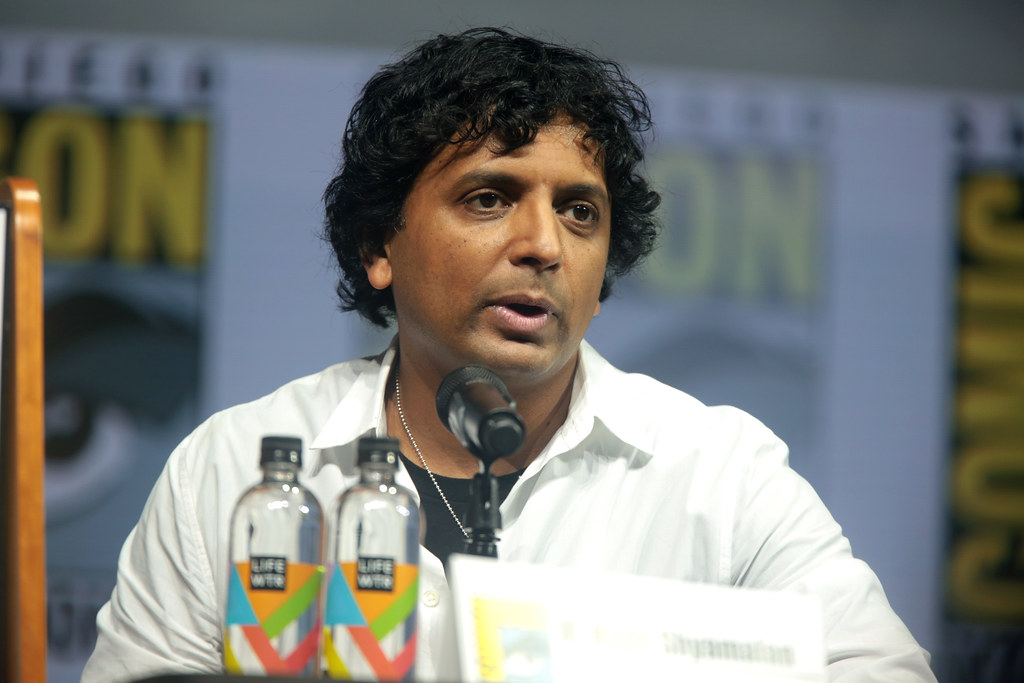
M. Night Shyamalan. The name alone conjures images of unexpected twists, palpable tension, and stories that burrow deep into your psyche. His films are often more than just thrillers; they’re intricate puzzles, philosophical inquiries masquerading as horror. “Old” is no exception, proving that even a seasoned director can still surprise us, for better or worse, with his unique cinematic vision.
This 2021 body horror thriller, based on the graphic novel “Sandcastle,” plunges an unsuspecting group of vacationers into a terrifying temporal trap. A secluded beach, idyllic at first glance, hides a sinister secret: it accelerates aging, consuming years in mere minutes. It’s a concept that’s both chillingly simple and profoundly disturbing, instantly setting the stage for a unique kind of cinematic dread that only Shyamalan could orchestrate.
We’re not just here for the jump scares; we’re here to dissect the mechanics, the characters, the creative choices, and the sheer audacity of “Old.” Prepare to peel back the layers of this fascinating, often polarizing film, exploring everything from its genesis to its divisive critical reception. Let’s embark on a journey through the sands of time, M. Night Shyamalan style, and uncover what truly makes this cinematic head-scratcher tick.

1. **The Premise: Rapid Aging on a Secluded Beach**Imagine booking a luxurious tropical getaway, only to find yourself trapped in nature’s most brutal clock. That’s the horrifying reality of “Old,” where families are lured to an isolated beach by a seemingly benign resort manager. This isn’t just any beach; it’s a place where life accelerates at an unimaginable rate, making every minute a precious, terrifying commodity for its unsuspecting visitors.
The film establishes its central conceit early on, dropping the bombshell that “the occupants undergoing the equivalent of one year of aging every 30 minutes.” This isn’t a slow burn; it’s an immediate, visceral assault on the human body and mind. The horror isn’t just about dying; it’s about experiencing an entire lifetime compressed into a single, agonizing day, watching your loved ones transform before your very eyes.
From children rapidly morphing into teenagers to adults grappling with the sudden onset of old age and various ailments, the premise creates an unbearable sense of claustrophobia. Attempts to leave are met with blackouts, always returning the desperate victims to their sandy prison. This high-concept horror, where time itself is the antagonist, forces characters and audience alike to confront mortality in its most accelerated and inescapable form.
Read more about: Unpacking M. Night Shyamalan’s ‘Old’: 14 Cinematic Features That Redefine Our Perception of Time
2. **The Ensemble Cast and Their Roles**To effectively portray such profound and rapid transformation, “Old” assembled an impressive ensemble cast, each tasked with embodying various stages of life within mere moments. At the heart of the story are Guy and Prisca Cappa, played by Gael García Bernal and Vicky Krieps, a couple already navigating the turbulent waters of a separation on what was meant to be a final family vacation.
Their young children, Maddox and Trent, are depicted by multiple actors to show their accelerated aging, with Alex Wolff and Thomasin McKenzie taking on their teenage iterations. This directorial choice is crucial, allowing viewers to viscerally track the rapid passage of time through the changing faces of the characters, adding an unsettling layer of realism to the fantastical premise.
Other beachgoers include Rufus Sewell as Charles, a volatile cardiac surgeon, with his wife Chrystal (Abbey Lee) and their young daughter Kara (Eliza Scanlen). Nikki Amuka-Bird plays epileptic psychologist Patricia Carmichael, with Ken Leung as her nurse husband Jarin. Aaron Pierre embodies the rapper Brendan, known as “Mid-Sized Sedan,” who arrives with a female companion, completing the group of unwitting subjects.
Read more about: Hollywood’s Enduring Legends: 12 Veteran Actors From the 80s and 90s Still Dominating the Screen
3. **Key Character Plights and Medical Conditions**”Old” cleverly intertwines the beach’s horrifying effect with the pre-existing medical conditions of its unwitting victims, transforming personal vulnerabilities into immediate death sentences. It’s not just that they’re aging; it’s how their specific ailments are catastrophically accelerated, turning what were manageable conditions into acute, life-threatening crises in a matter of hours.
Prisca Cappa, for instance, has a “benign slow-growing ovarian tumor,” which, under the beach’s influence, “rapidly grows in size at a life-threatening rate,” necessitating an emergency, grotesque surgery by Charles. Rapper Brendan, struggling with hemophilia, experiences severe “nosebleeds because of his hemophilia” and, crucially, a serious cut he sustains “quickly heals,” showcasing the beach’s twisted rapid repair mechanism.
Perhaps most chillingly, Chrystal’s hypocalcemia transforms into a gruesome spectacle, resulting in her bones “repeatedly rupturing and improperly healing, gruesomely contorting her body and eventually killing her.” Patricia Carmichael, the psychologist, succumbs to a “fatal epileptic seizure,” her pre-existing condition cruelly hastened by the accelerated timeline.
Even the Cappa parents face inevitable physical decline. Guy’s “eyesight blurs,” and Prisca suffers “hearing loss” as they age into their golden years within hours. Their eventual slow, peaceful demise of “natural causes, moments apart from each other” becomes a poignant, almost romantic tragedy, a testament to enduring love amidst the crushing, accelerating doom.

4. **The Mysterious Deaths and Rapid Decompositions**The sheer terror of the beach isn’t just the aging itself, but the horrific spectacle of rapid death and decomposition that plagues the unfortunate visitors. The group’s nightmare truly begins with the discovery of rapper Brendan’s female companion’s corpse, a stark and immediate indication that something is terribly wrong. What follows is a brutal demonstration of life cycles sped up to an unbearable, grotesque pace.
This initial horror quickly escalates as Brendan later “discovers that his companion’s body has fully decomposed in mere hours,” illustrating the beach’s relentless, unfeeling nature. Agnes, Charles’s elderly mother, “suddenly dies,” marking another early casualty. The illusion of a safe haven shatters, replaced by the chilling, undeniable reality of their temporal prison, leaving them no hope of escape.
As the day progresses, the body count tragically rises, each death a grim milestone in their accelerated lives. Jarin “drowns while trying to swim for help,” a futile attempt to break free. Kara “falls to her death while trying to climb over the mountain,” another desperate and fatal bid for escape. Patricia “suffers a fatal epileptic seizure,” her condition cruelly hastened. The psychological toll also manifests violently as Charles, battling “worsening schizophrenia,” tragically “kills Brendan.” Later, in a moment of sheer survival, Prisca “slashes Charles with a rusted knife,” instigating a fatal blood infection that ultimately kills him.

5. **The Research Experiment: Warren & Warren Pharmaceutical Company**The grand reveal, the twist that M. Night Shyamalan is so famously known for, comes in the form of the insidious “Warren & Warren” pharmaceutical company. This isn’t just a cursed beach or an inexplicable natural phenomenon; it’s a meticulously engineered, diabolical human experiment. The tropical resort, a seemingly innocuous gateway to paradise, is nothing more than a front for their chilling research operations.
The true purpose of the beach becomes sickeningly clear: it’s a living laboratory “conducting underground clinical trials of new medical drugs.” Guests with specific “medical conditions” are targeted, their complimentary drinks “spiked” with experimental compounds. Their unsuspecting bodies become the ultimate test subjects, providing invaluable, unethical data on drug efficacy and side effects.
This revelation adds a profound layer of corporate callousness to the horror. “Because the beach naturally accelerates the lives of the guests, the researchers have been able to complete the lifelong drug trials within a day.” The moral depravity of sacrificing dozens of innocent lives to fast-track drug development is staggering, highlighting humanity’s darker side when unchecked ambition takes hold.
The masterminds behind this horrifying operation are eventually brought to justice, thanks to the ingenuity of the now middle-aged Maddox and Trent. They cleverly utilize “the notebook of a previous traveler filled with names of many people who died on the beach,” along with a cryptic message given to them by Idlib, to expose the researchers to a vacationing police officer, leading to their arrest and “subpoenas sent to the rest of Warren & Warren.” A glimmer of triumph against corporate evil emerges from the sands of despair.
6. **M. Night Shyamalan’s Inspiration: “Sandcastle” Graphic Novel**Every great film has an origin story, and for “Old,” it began not in a sudden flash of inspiration, but with a thoughtful gift. The film is officially “based on the French-language Swiss graphic novel Sandcastle by Pierre Oscar Lévy and Frederik Peeters.” This adaptation choice is intriguing, showcasing Shyamalan’s willingness to draw from diverse, compelling source material beyond his original concepts.
What makes this even more personal is the story behind its discovery. Shyamalan “decided to adapt Sandcastle into a film after receiving it as a Father’s Day gift in 2017” from his three daughters. This familial connection adds a poignant dimension to the film’s genesis, perhaps subtly influencing its underlying themes of family, legacy, and the relentless passage of time.
For those familiar with the source material, a critical point of divergence lies in the ending. “Sandcastle, the novel the film is based on, ends without explaining why the beach ages its guests, and Wilkinson found that ending to be ‘more satisfying.'” This contrast often becomes a focal point for discussion among fans and critics, highlighting Shyamalan’s signature need for a definitive, albeit often polarizing, resolution to his cinematic mysteries.
7. **Filming Challenges: Dominican Republic during COVID-19**Crafting a film of “Old”‘s intricate nature is challenging enough, but doing so amidst a global pandemic adds layers of complexity that most productions never face. Principal photography was an ambitious three-month endeavor “in the Dominican Republic, during the COVID-19 pandemic,” a testament to the crew’s dedication and Shyamalan’s unwavering vision. This also marked a significant departure for the director, as it was his “first film… to have no shooting take place around his hometown of Philadelphia.”
The production’s commitment to safety was exemplary, especially given the circumstances. Shyamalan proudly stated that “Old was the first film to be shot during the pandemic in the Dominican Republic and that, throughout the shoot, no one tested positive for the virus as he paid for the production crew’s ten-week stay at a hotel.” This rigorous approach ensured not only the completion of the film but also the well-being of everyone involved, a remarkable feat in those uncertain times.
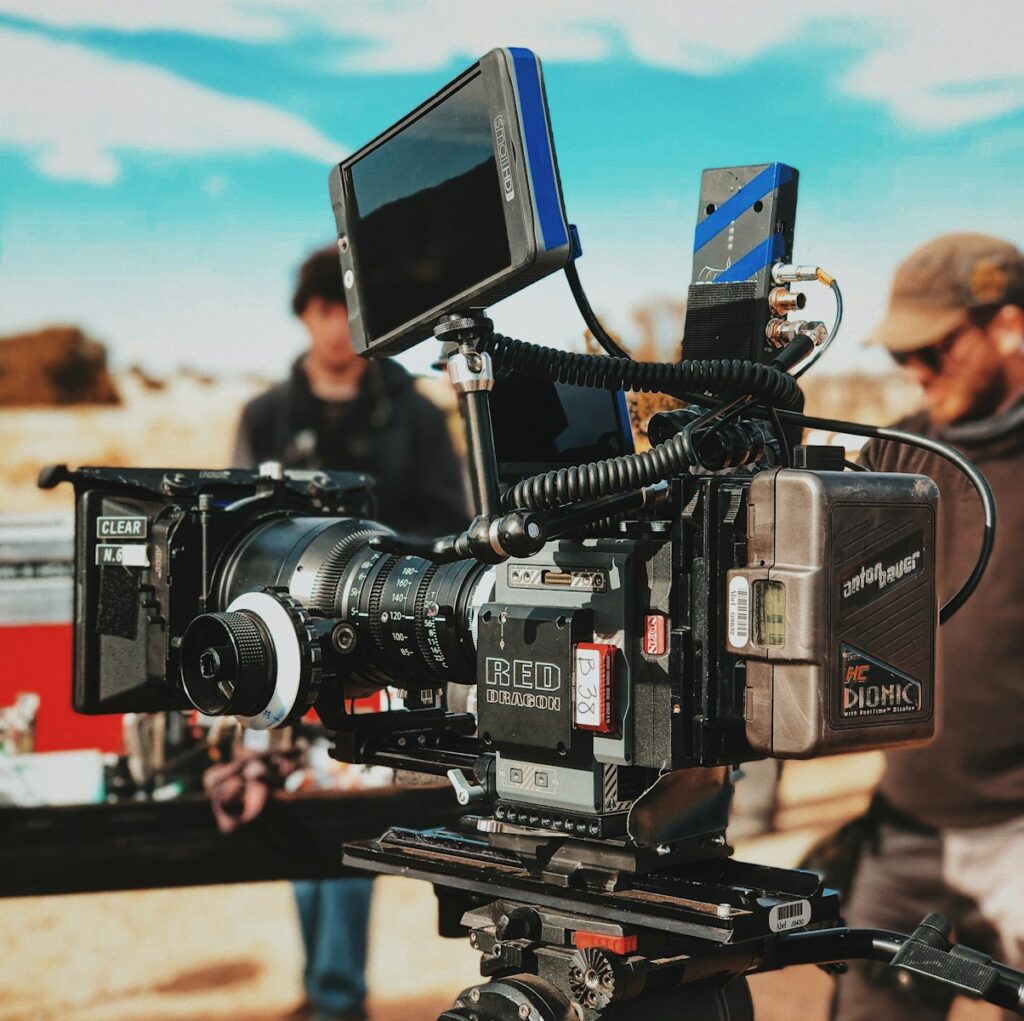
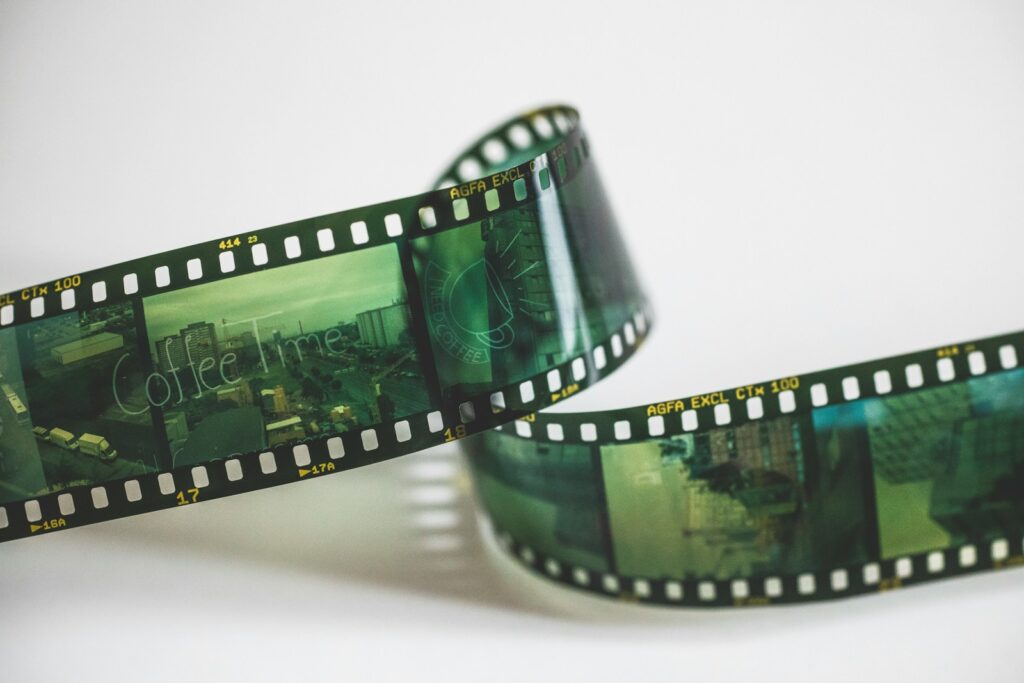
The choice of location itself was integral to the film’s aesthetic and claustrophobic atmosphere. Much of “Old” was “mostly filmed in a single location, the Playa El Valle beach located between two mountains on the north coast of Santa Bárbara de Samaná.” This natural enclosure perfectly mirrored the characters’ inescapable predicament, creating a visually stunning yet terrifying prison. Cinematographer Michael Gioulakis captured the tropical beauty and inherent dread using “35mm film,” a classic choice that lends a timeless, almost nostalgic quality to the unsettling events.
8. **Shyamalan’s Distinctive Directorial Style and Influences**M. Night Shyamalan isn’t just a filmmaker; he’s an architect of tension, a meticulous craftsman whose directorial approach is as much a part of the story as the plot itself. For “Old,” his precision was legendary on set, with cast members recalling how he utilized storyboards to frame every single shot. This wasn’t some loose guideline; his daughter Ishana described it as a “very prescribed and programmatic” approach, ensuring every visual element served the overarching narrative.
His guidance extended deeply into the performances, too. Alex Wolff, who played a teenage Trent Cappa, recounted how Shyamalan had “such precision in terms of what age he wanted you to be and where he wanted you to be at that age.” This level of detail allowed the actors to truly inhabit their roles, giving them the emotional freedom to react naturally within the director’s carefully constructed world. It’s this meticulous preparation that underpins the film’s unique, unsettling atmosphere.
Beyond his personal technique, Shyamalan drew from a rich tapestry of cinematic history to craft the film’s mood. To achieve that palpable sense of claustrophobia that traps the audience just as much as the characters, he openly employed filming techniques from Akira Kurosawa’s masterpieces, “Rashomon” (1950) and “Ran” (1985). This isn’t just a nod to classics; it’s an intelligent application of cinematic language to heighten the film’s core anxieties.
But the inspirations didn’t stop there. “Old” was a veritable melting pot of influences, drawing from Australian New Wave films like “Walkabout” (1971) and “Picnic at Hanging Rock” (1975), which often explore unsettling encounters with nature and psychological dread. He also cited films like Luis Buñuel’s surreal “The Exterminating Angel” (1962), Kaneto Shindō’s atmospheric “Kuroneko” (1968), the blockbuster classic “Jaws” (1975), and even the iconic television series “The Twilight Zone.” These diverse inspirations underscore Shyamalan’s deep knowledge and passion for storytelling that lingers, long after the credits roll.
Read more about: Unforgettable Visionaries: A Deep Dive into 12 Iconic Directors Who Revolutionized Cinema

9. **The Shyamalan Family Touch: Daughters’ Contributions**”Old” wasn’t just a professional endeavor for M. Night Shyamalan; it was a deeply personal one, a sentiment amplified by the direct involvement of his family. The initial spark for the film, as we know, came from his daughters gifting him the “Sandcastle” graphic novel. But their contributions didn’t end with a thoughtful present; they became integral parts of the film’s production, lending a unique familial warmth to a story steeped in existential dread.
His daughter, Ishana Shyamalan, stepped into a significant role as the film’s second unit director. Her responsibilities included capturing much of the surrounding nature footage, an essential element for a film so intrinsically linked to its natural, yet terrifying, environment. This collaboration speaks volumes about Shyamalan’s willingness to foster talent within his own family and integrate their artistic visions into his projects.
Adding another layer of family artistry, his other daughter, Saleka Shyamalan, composed an original song for the film, powerfully titled “Remain.” This musical piece was specifically inspired by the profound topic of marriage vows and drew influence from the legendary U2’s “With or Without You.” Her intention was clear: to “highlight the relationship between Guy and Prisca and the love that exists between them,” providing a poignant, emotional anchor amidst the chaos and accelerated decay.
Such direct and meaningful involvement from his daughters truly makes “Old” a family affair, transcending a typical Hollywood production. It infuses the narrative with an authentic emotional core, grounding the fantastical horror in relatable human connections and themes of enduring love, which are explored through the lens of family, both on and off-screen.
10. **Thematic Depths: A Meditation on Time and Mortality**While “Old” functions as a gripping thriller, its true power lies in its profound thematic explorations, particularly our intricate and often “dysfunctional relationship to time.” Shyamalan himself articulated this, stating that the film forces characters—and by extension, the audience—to “reflect on their relationship over time.” It’s an unavoidable confrontation with mortality, sped up to an agonizing pace, leaving no room for distraction.
This personal inquiry into time was deeply rooted in Shyamalan’s own life experiences. He revealed at the Tribeca Film Festival that the film’s focus on aging profoundly reminded him of his father, who battles dementia, as well as the bittersweet experience of watching his own children grow up. These raw, relatable touchstones give the film an emotional gravitas that resonates beyond the shocking visuals, tapping into universal human anxieties about the passage of life.
The cast members, too, offered their own insightful interpretations, highlighting the film’s multifaceted themes. Alex Wolff drew a striking parallel to the COVID-19 pandemic, observing that “Coming out of COVID, it feels like time just stopped. And that’s what the movie’s literally about.” This perspective adds a contemporary layer to the film’s relevance, tapping into the collective global experience of altered perceptions of time and vulnerability.
Other actors underscored diverse thematic layers. Nikki Amuka-Bird suggested the film was a stark reminder “about not taking nature for granted.” Gael García Bernal viewed it as an inquiry “about questioning how time travels differently for other people.” Perhaps most poignantly, Vicky Krieps emphasized that “Old” was ultimately “about love and family and all these things that are much stronger than any fears—the fear of aging and the fear of death.” These rich interpretations collectively cement “Old” as a deeply resonant cinematic experience, inviting audiences to ponder their own relationship with the most precious commodity of all: time.
Ultimately, ‘Old’ stands as a quintessential M. Night Shyamalan experience: undeniably ambitious, deeply personal, and a masterclass in high-concept horror that dares to ask profound questions about our fleeting existence. It’s a film that ignites conversation, dissects our relationship with time, and reminds us that even with mixed reviews, a truly original cinematic vision will always leave an indelible mark on the cultural landscape. Whether you loved it, hated it, or are still pondering its sandy mysteries, ‘Old’ cements Shyamalan’s legacy as a filmmaker who isn’t afraid to push boundaries and force us to confront the very fabric of our lives, one agonizing minute at a time.