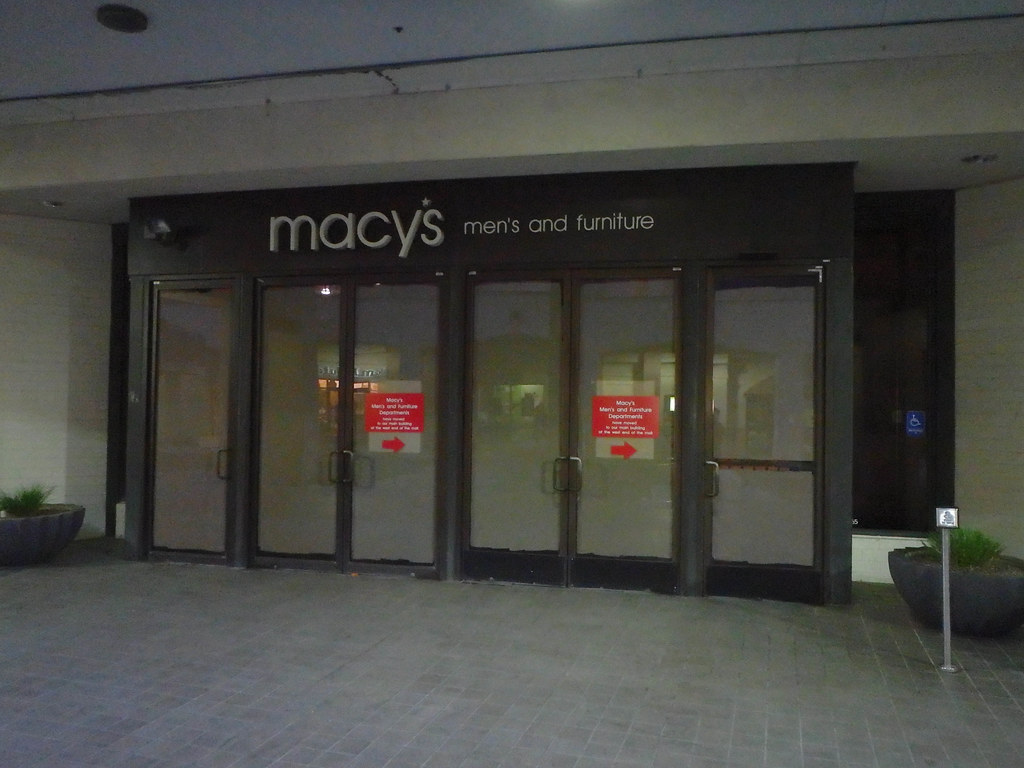
Macy’s, a long-standing symbol of American retail since its founding more than 160 years ago, is undergoing a significant strategic overhaul. This transformation, termed the “Bold New Chapter,” involves a substantial reduction in its physical footprint, with approximately 150 “underproductive” store locations slated for closure by 2026. This plan is a decisive effort to realign the company with evolving consumer behaviors and market realities.
The retailer’s strategy, announced in February 2024, aims to return the company to “sustainable, profitable sales growth,” according to a press release issued in January 2025. This proactive approach seeks to modernize operations, divest from underperforming assets, and strategically invest in a core fleet of stronger-performing locations. The initiative highlights a broader shift within the U.S. department store sector, responding to pressures from online shopping and declining mall traffic.
This comprehensive overview will detail the scope of Macy’s restructuring, outline the specific stores affected, and examine the driving forces behind these decisions. It will also explore the immediate implications for both employees and the communities impacted by these closures. The insights provided are drawn directly from company statements and reputable financial and news reports.
1. **Overview of Macy’s Restructuring Plan**Macy’s, Inc. announced in February 2024 its plan to shut down 150 “underproductive” Macy’s store locations by 2026. This strategy, the “Bold New Chapter,” aims to return the company to “sustainable, profitable sales growth.” It represents a multi-year transformation blueprint to realign the business with shifting consumer expectations.
A core component involves a significant recalibration of Macy’s physical real estate. The strategy focuses on removing lower-performing assets from its network. Concurrently, Macy’s is committing capital to modernize and enhance its most profitable remaining locations. This dual approach aims to steer Macy’s toward a “smaller, higher-margin business model,” emphasizing relevance in a digital and experience-driven retail environment.
This strategic reset redirects investments away from traditional, sprawling department stores. Instead, resources are flowing into growth areas. These include smaller, modern Macy’s stores outside malls, and significant expansion of its luxury and beauty divisions, Bloomingdale’s and Bluemercury. The “Bold New Chapter” seeks long-term sustainability.
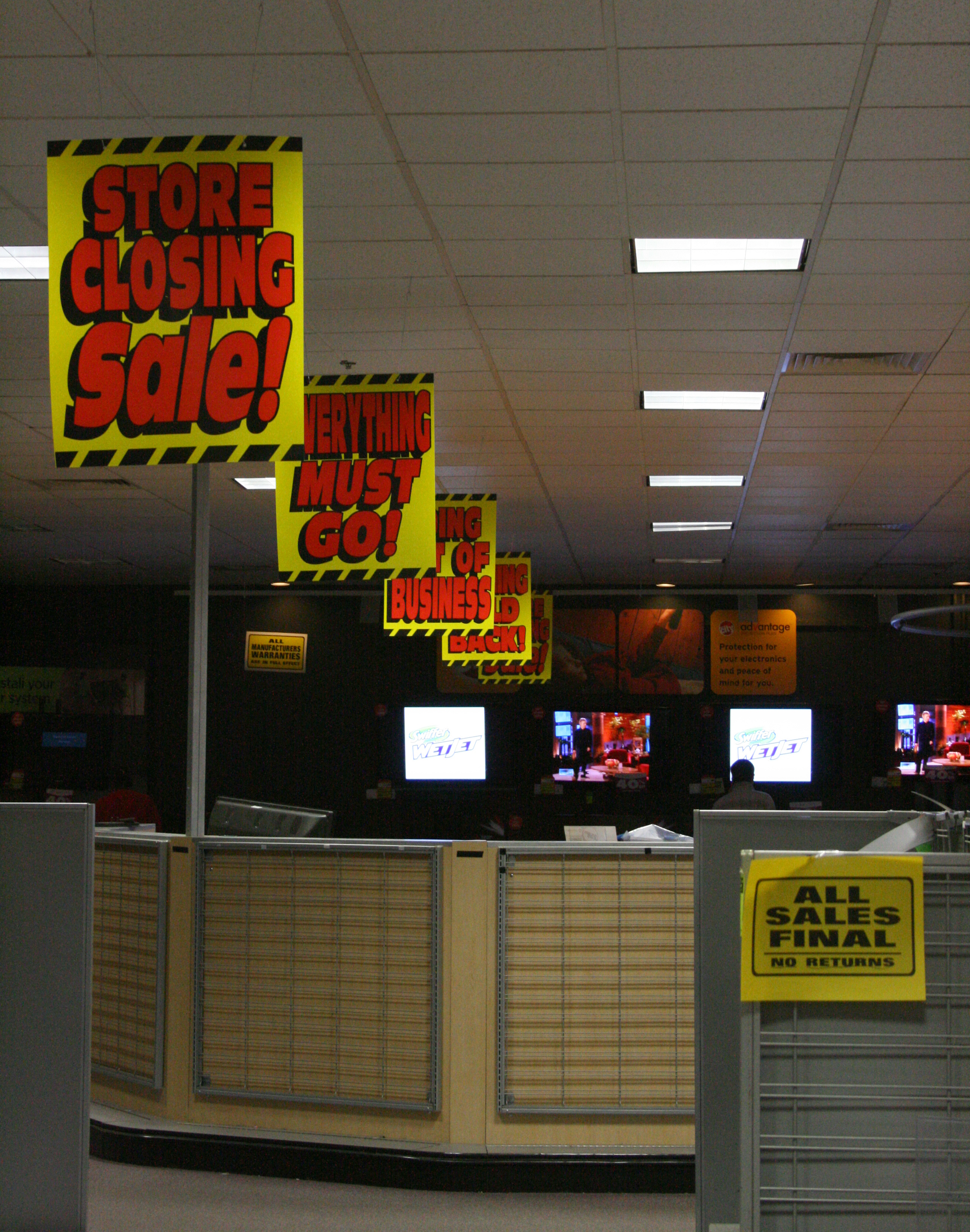
2. **Number of Stores Closing**Macy’s has confirmed plans to close approximately 150 underperforming stores by the end of its fiscal year 2026, which concludes on January 30, 2027. This represents a substantial contraction of the company’s U.S. retail footprint. Closures are phased over several years to manage logistical complexities.
The initial wave began in January 2025, when Macy’s named 66 locations. Some of these had already ceased operations or were scheduled to close soon. These closures impacted 22 states, affecting suburban malls and prominent urban stores. By mid-2025, an additional 86 stores were slated for closure, bringing the cumulative total to 152 stores either shut down or in process within 18 months.
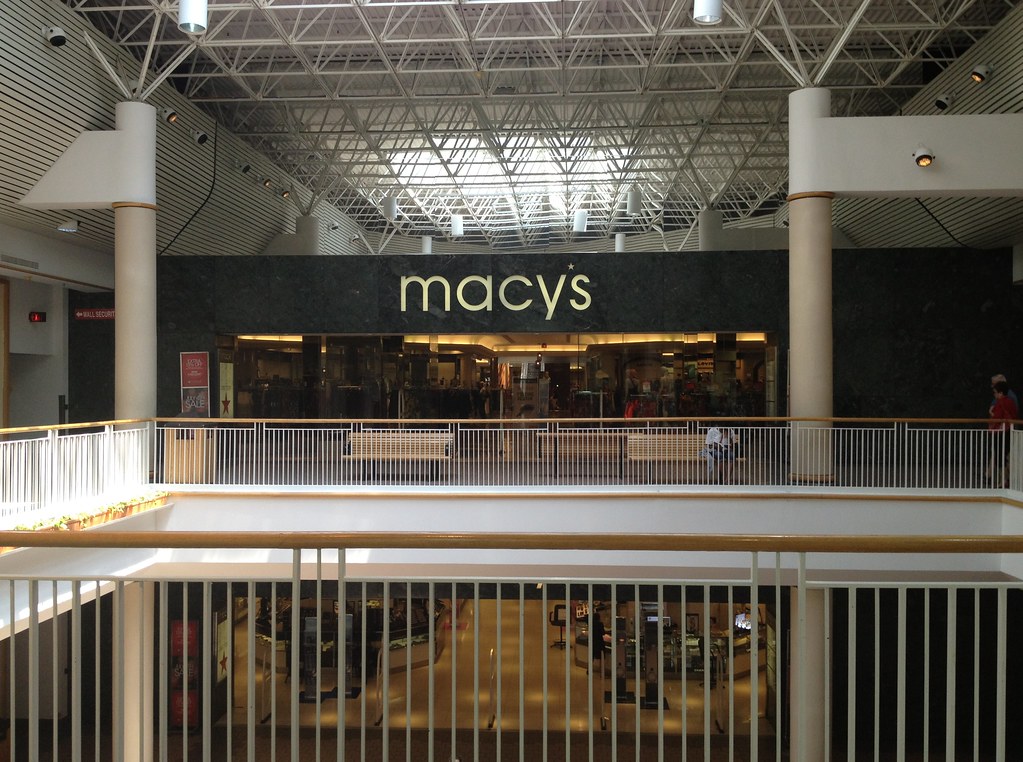
Macy’s proactive approach is evident, with 64 stores already closed by the end of 2024, prior to the “Bold New Chapter” plan’s official rollout. This aggressive movement aimed to shrink its footprint. Upon completion, approximately 350 Macy’s stores will remain across the U.S., forming a “go-forward fleet” of stronger-performing locations.
Read more about: The Critical Mistake: Why Prolonged Idling in Winter is Destroying Your Car’s Engine and How to Protect It
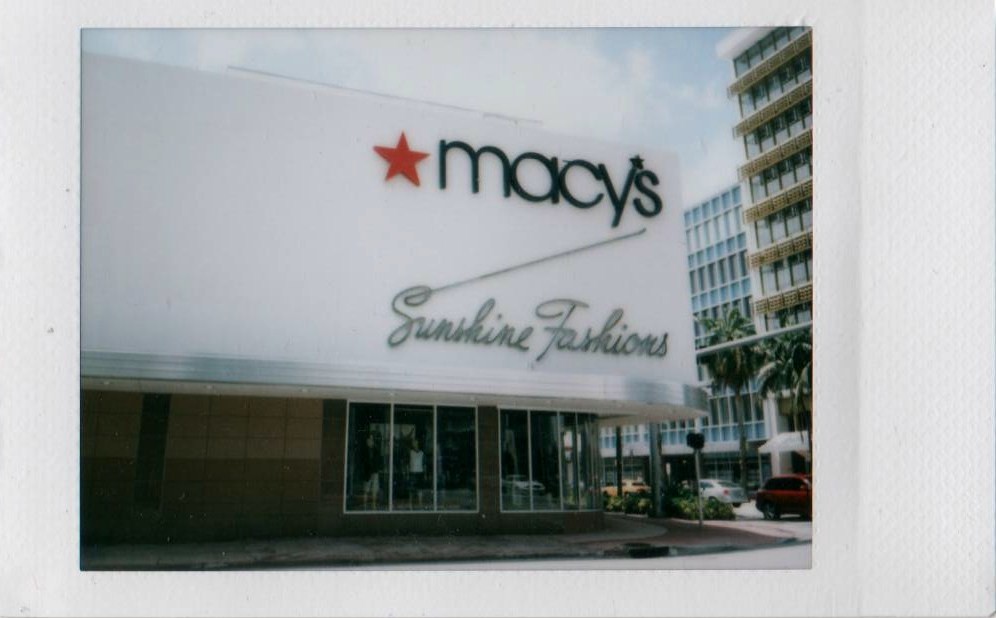
3. **Timeline of Closures**Macy’s store closures are proceeding through a multi-phase timeline. This approach allows for management of operational aspects, including liquidation sales and employee transitions. According to Macy’s website, clearance sales at affected locations typically begin shortly after an announcement and run for 8-12 weeks.
For Macy’s Backstage stores and Macy’s Furniture Galleries, clearance sales commenced in February and were anticipated to conclude within approximately six weeks. This differentiation reflects varied inventory profiles and operational requirements.
The first wave of 66 closures, announced in January 2025, initiated immediate clearance sales. Many of these stores were expected to finalize closures by late spring 2025. A second, larger wave of over 80 additional stores began liquidation by mid-2025, with most scheduled to close by summer 2025, accelerating the downsizing initiative.
Further closures will continue through 2026. This staggered approach is integral to the long-term downsizing plan. Final closing dates for some stores may extend into early 2026, depending on lease agreements and sales performance. Shoppers are advised to consult Macy’s website for specific store status updates.
Read more about: Amazon’s $2.5 Billion Prime Settlement: Unpacking the FTC’s Landmark Case Against Deceptive Subscription Practices

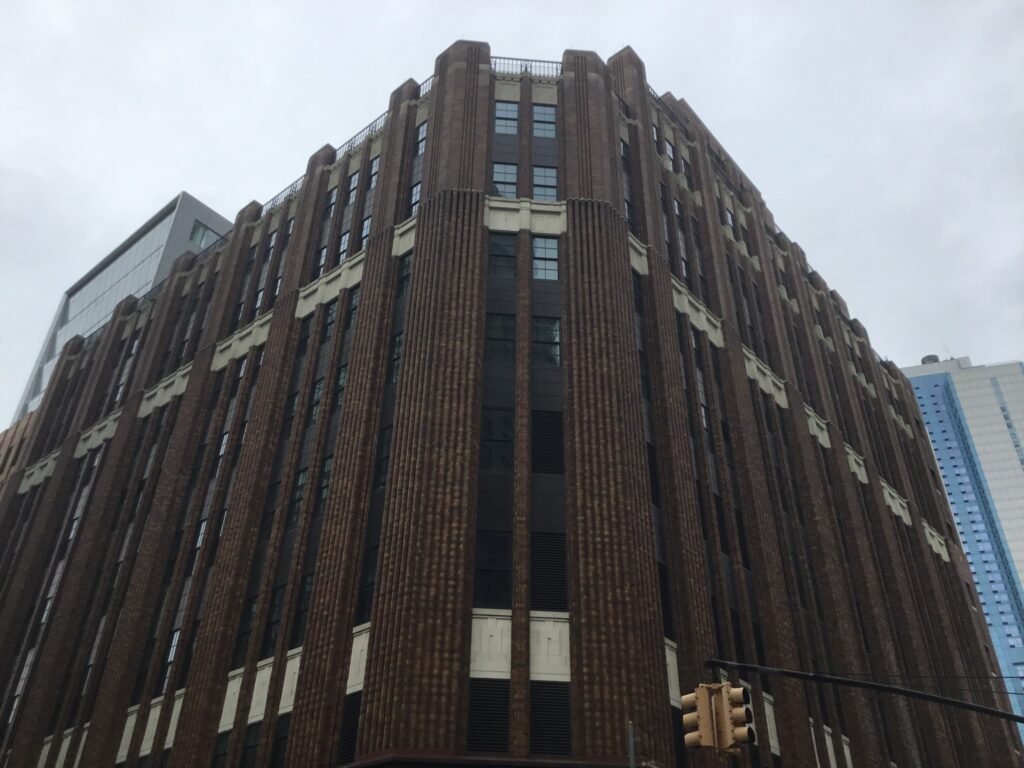
4. **Specific Store Locations Closing**The initial cohort of 66 stores designated for closure in January 2025 spanned a wide geographic area. This included locations in New York, Florida, Arizona, and California, featuring some of the chain’s iconic sites. For example, the Macy’s in downtown Brooklyn, a fixture for nearly three decades on Fulton Street, recently concluded its operations.
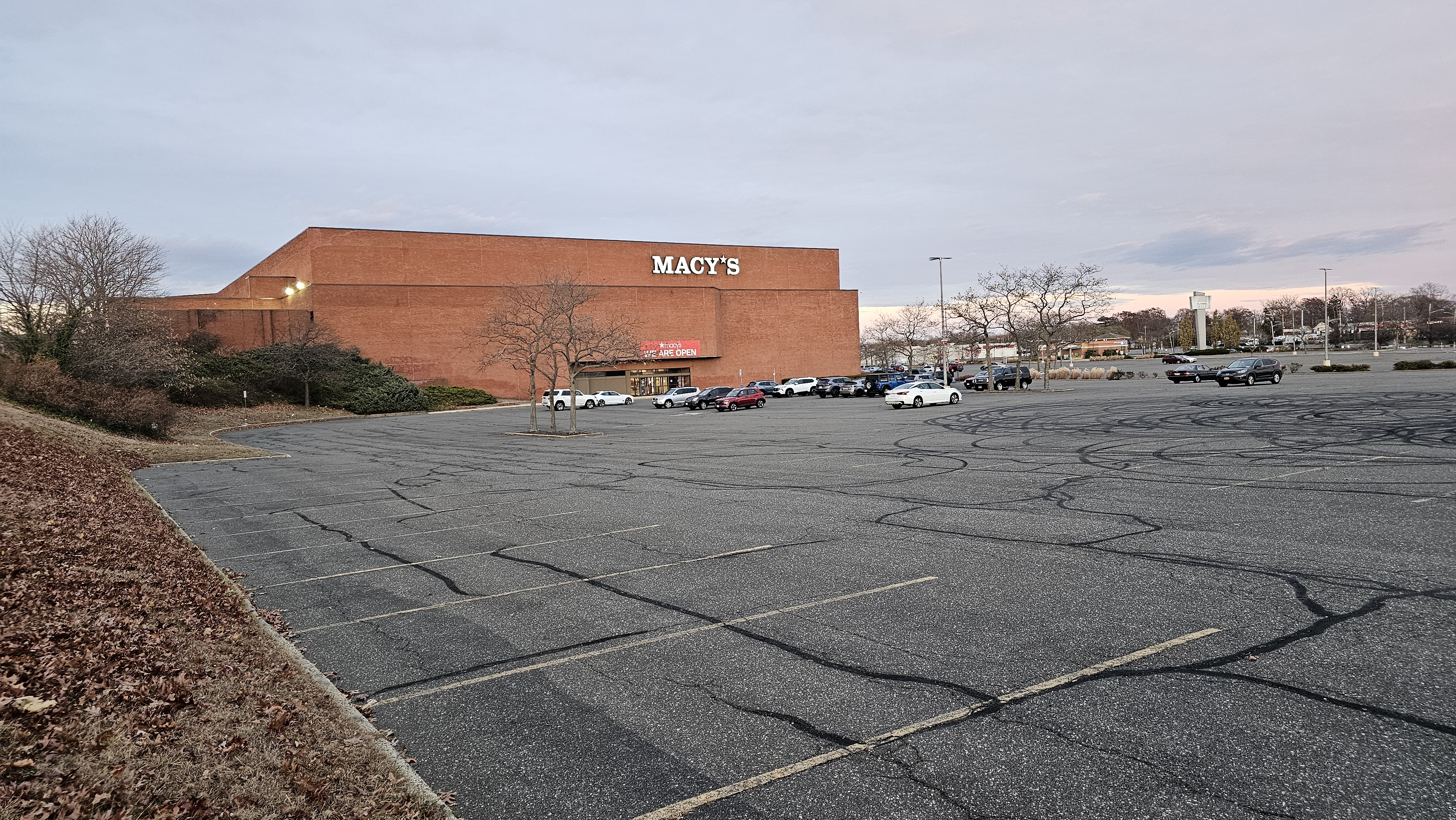
Another significant New York closure involved the store at Sunrise Mall on Long Island, which was also set to close soon. The expanded list of confirmed closures, growing to 152, encompasses 22 states. Key affected locations in California include Los Angeles, Chula Vista, San Diego, Westminster, Citrus Heights, and Newark.
In Florida, stores in Sarasota, Fort Lauderdale, Pembroke Pines, Tampa, Boynton Beach, and Miami are among those closing. Texas is experiencing closures in Dallas, Houston, Plano, Fort Worth, and Flower Mound. New York locations also include Bronx, Staten Island, Massapequa, and Elmhurst.
Further closures are underway in states like Michigan (Flint, Sterling Heights), Pennsylvania (Altoona, Exton), Oregon, Illinois, Georgia, Louisiana, Missouri, Minnesota, Maryland, Virginia, and Washington. The full list may continue to expand as Macy’s approaches its 150-store target, with further announcements expected in waves through 2026.
Read more about: 10 Super Reliable Cars You Can Still Snag Under $10K in 2025
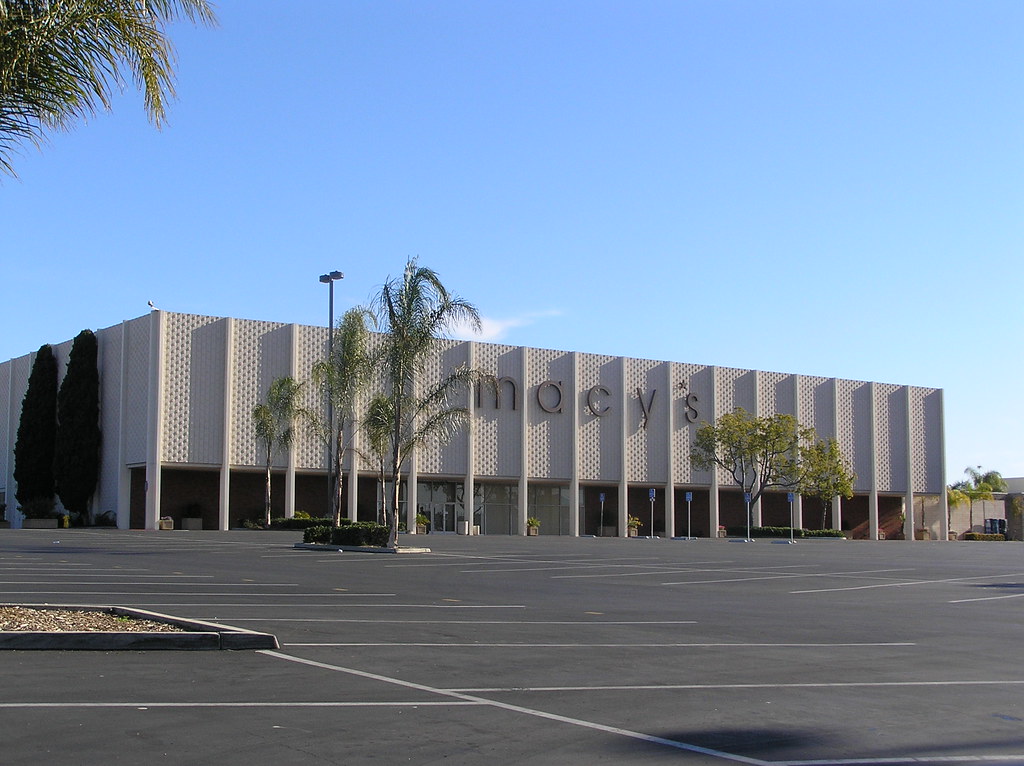
5. **Reasons for Closures**Macy’s extensive store closure plan is driven by profound shifts in consumer behavior and the evolving retail landscape. CEO Tony Spring attributes these closures to rising retail operational costs, meticulous store performance data, and changing shopper preferences. He noted that many larger, legacy locations were “built for a different era” and no longer generate necessary profitability.
A primary factor is the persistent decline of mall traffic over several decades. Macy’s historically anchored malls, drawing customers for smaller retailers. However, as consumers gravitate towards online shopping and alternative formats like outdoor lifestyle centers, foot traffic to traditional enclosed malls has systematically eroded, making large stores less profitable.
The rise of e-commerce fundamentally reshaped shopping habits. Many customers now prefer the convenience of shopping from home over in-person browsing. While Macy’s invested in digital platforms, maintaining hundreds of expansive physical stores became financially unsustainable compared to online returns. This economic imbalance is a critical driver for downsizing.
This trend is part of a broader “retail transformation.” The “Bold New Chapter” redirects investments from underperforming physical stores towards promising avenues. These include digital channels, smaller-format retail units, and luxury/beauty divisions, which align better with modern shopping preferences and demonstrate higher growth potential.
Read more about: The Shocking Truth: 14 Wild Animals You Can Legally Own in the USA (But Really, Really Shouldn’t)
6. **Impact on Employees**The closure of approximately 150 Macy’s stores will significantly impact thousands of employees nationwide. Each closure affects sales associates, managers, and support staff, leading to job uncertainty and potential layoffs. Given that a large department store can employ 100-200 individuals, tens of thousands of retail jobs could be affected by 2026.
Macy’s states efforts are made to mitigate job losses. Some employees may be offered transfers to nearby Macy’s locations, particularly in metropolitan areas with multiple stores. However, in smaller towns or single-store markets, opportunities for internal relocation are limited, increasing job displacement likelihood.
For employees unable to transfer, Macy’s offers severance packages and outplacement support. Details vary by position and tenure. This provision aims to assist displaced workers. Communication involves several weeks’ advance notice to staff. Clearance sales, running 8-12 weeks, also provide temporary continued employment before the final closing date, easing transitions.
Read more about: Stop Overpaying: 12 Common Hardware Store Rip-Offs You’re Falling For (And How to Avoid Them)
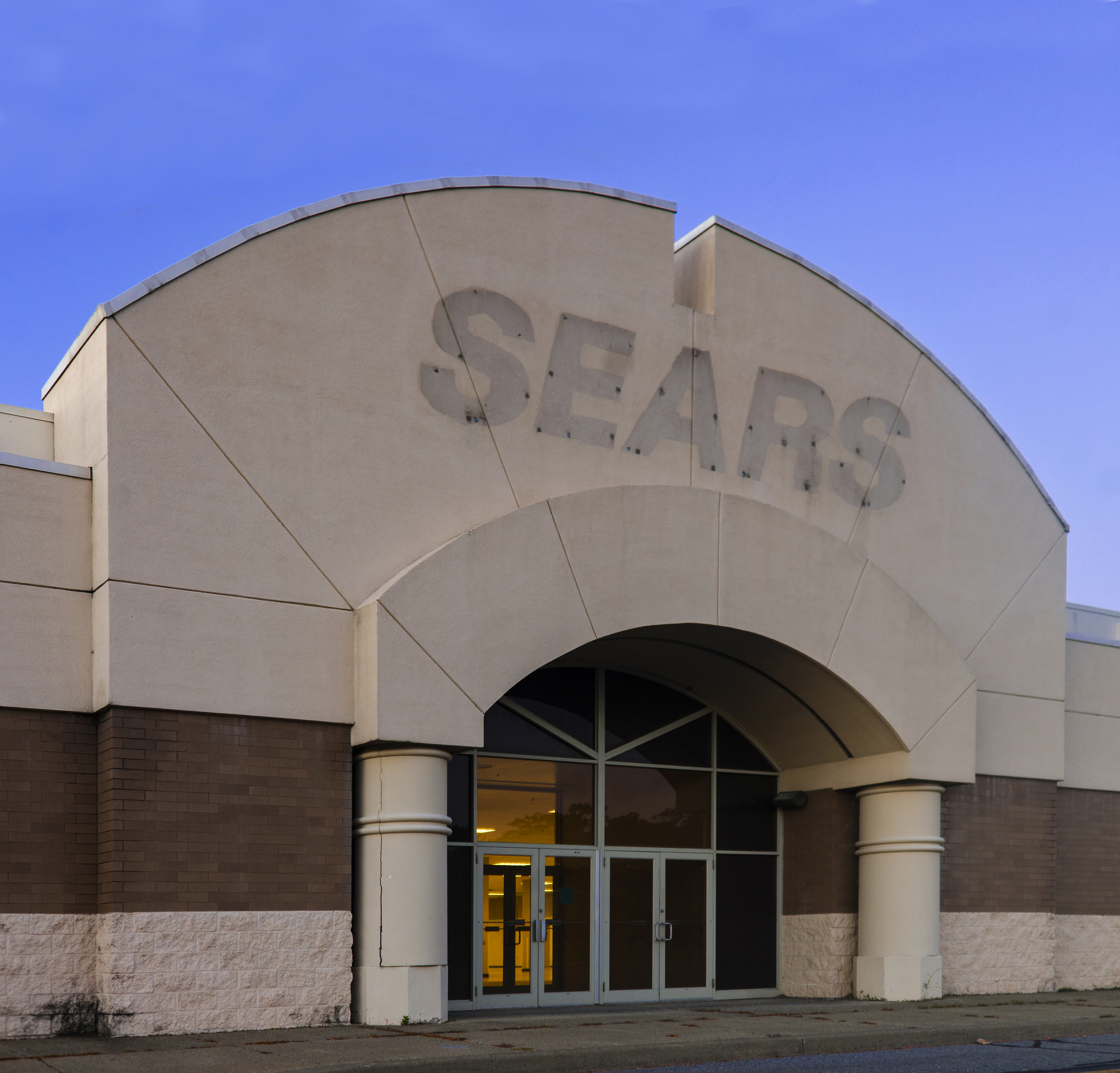
7. **Fate of Closed Store Locations**When a Macy’s store closes, it leaves a substantial vacant retail space, often 100,000 to 200,000 square feet. The future of these properties depends on the mall’s strategy, local economy, and developers’ vision. Many former Macy’s sites are being repurposed to adapt to new market demands.
One prevalent strategy involves conversion into residential properties, transforming prime real estate into apartments or condominiums. Other sites are being redeveloped into diverse entertainment and service venues, such as movie theaters, fitness centers, or indoor sports facilities, catering to evolving consumer preferences for experiences.
A growing trend is mixed-use developments, integrating retail, dining, office spaces, and residential units. These create vibrant, multi-functional community hubs, revitalizing struggling malls. For example, the former Macy’s in Corte Madera, California, is being considered for housing redevelopment.
The departure of an anchor tenant like Macy’s can initially challenge surrounding mall businesses, leading to reduced foot traffic. However, it also sparks opportunities for landlords and communities to reinvent these spaces. This can attract diverse new tenants like grocery stores, medical centers, or entertainment concepts, driving broader retail and urban transformation.
Read more about: Why Disney’s Vault Holds More Than Secrets: The Untold Stories of 9 Controversial and Unreleased Animated Films
8. **Revitalizing ‘Go-Forward’ Stores: The Core Fleet Investment**Macy’s ‘Bold New Chapter’ strategy invests significantly in its remaining retail footprint. Approximately 350 Macy’s stores will form the ‘go-forward fleet,’ receiving modernization and enhancements through fiscal year 2026. This targeted capital allocation strengthens locations with high sales volume or strategic importance.
Of this core fleet, 125 ‘Reimagine’ stores have already undergone substantial remodels. These upgrades include refreshed layouts, improved lighting, and enhanced merchandising. The goal is a contemporary, inviting shopping environment, aligning physical stores with evolving customer expectations.
Macy’s CEO Tony Spring noted the early success of these investments. Remodeled stores are ‘outperforming the rest of the fleet,’ indicating positive customer response to better product offerings and elevated service. This performance validates the strategic pivot towards a more curated and efficient store network.
9. **The Rise of Smaller-Format Macy’s Locations**Macy’s strategic pivot includes expanding smaller-format stores, moving away from large mall anchors. The company plans about 30 new small-format Macy’s locations, roughly one-fifth the size of traditional department stores. This initiative places Macy’s closer to customers, often in lifestyle centers and strip malls.
These compact stores offer increased accessibility and convenience. They focus on top-selling categories like apparel, beauty, shoes, and home goods, providing a curated selection. The streamlined shopping experience caters to modern consumer preferences for efficiency.
A new Macy’s small-format store at Midway Crossings Mall in Miami, Florida, exemplifies this repositioning. This move demonstrates Macy’s commitment to key urban areas while divesting from underperforming mall-based locations. The strategy aims to reduce operational costs and maintain brand presence effectively.

10. **Expansion of Luxury and Beauty Divisions: Bloomingdale’s and Bluemercury**Macy’s Inc. is strategically doubling down on its luxury and beauty segments, recognizing their strong growth potential within its ‘Bold New Chapter.’ Significant expansion is planned for Bloomingdale’s and Bluemercury to capture higher-margin sales and cater to distinct customer demographics. This diversification responds to robust market demand in these premium categories.
The expansion includes at least 15 new Bloomingdale’s stores and approximately 30 new Bluemercury beauty concept stores over the next few years. These locations target affluent shopping areas, reflecting sustained consumer investment in beauty, skincare, and premium experiences. Bluemercury has shown consistent strength, reporting its 17th consecutive quarter of comparable growth, driven by skincare and loyalty program enhancements.
Bloomingdale’s serves as a key growth engine for Macy’s, with comparable sales up 3.8% in Q1 FY25, bolstered by luxury brand demand. Digital sales and exclusive product drops attract younger, affluent shoppers, solidifying this high-end segment’s strategic importance within the evolving portfolio.
11. **Macy’s Q1 FY25 Financial Performance**Macy’s reported Q1 FY25 net sales of $4.6 billion, a 5.1% decline year-over-year. Despite the decrease, this figure exceeded internal guidance, indicating some resilience amidst macroeconomic headwinds and store closures.
GAAP diluted earnings per share (EPS) was $0.13, with adjusted EPS at $0.16. While surpassing expectations, adjusted EPS saw a substantial 40.7% year-over-year decline. This highlights significant profitability pressures despite streamlining efforts.
Core Adjusted EBITDA decreased to $308 million, or 6.4% of total revenue. Total comparable sales declined by 2.0% (owned basis) and 1.2% (owned-plus-licensed-plus-marketplace), primarily due to the traditional Macy’s nameplate. In contrast, premium segments Bloomingdale’s (+3.8%) and Bluemercury (+1.5%) outperformed, showcasing stronger market resilience.
12. **Macy’s Revised FY25 Earnings Forecast and Macroeconomic Headwinds**Macy’s lowered its FY25 adjusted EPS range to $1.60–$2.00 from an earlier $2.05–$2.25, while reaffirming revenue guidance. This revision reflects macroeconomic pressures impacting profitability.
Key factors include softening consumer discretionary spending, heightened promotional competition, and renewed tariffs on imported goods. Gross margin is expected to be impacted by 20 to 40 basis points in FY25 due to China tariff policy, affecting about 20% of Macy’s products.
Executives are responding by renegotiating with vendors, shifting some sourcing to Southeast Asia, and selectively raising prices. However, these efforts are anticipated to only partially offset earnings drag from geopolitical trade policy and procurement volatility, leading to a more conservative forecast.

13. **Implications for Macy’s Shoppers: What to Expect**Macy’s restructuring impacts shoppers, especially in closing store areas, with clearance sales offering significant discounts. Crucially, loyalty programs and gift cards remain fully valid, redeemable at open locations or online without expiration.
Returns and exchanges from closing stores are handled within standard windows via Macy’s online portal or nearest open store. Shoppers should check receipts for ‘final sale’ policies on clearance items.
Macy’s is expanding its digital presence with increased online product selection, free shipping for loyalty tiers, and BOPIS services. New brands are joining the fashion mix, while some private-label brands may disappear due to higher costs. Prices may see ‘surgical’ adjustments from new tariffs.
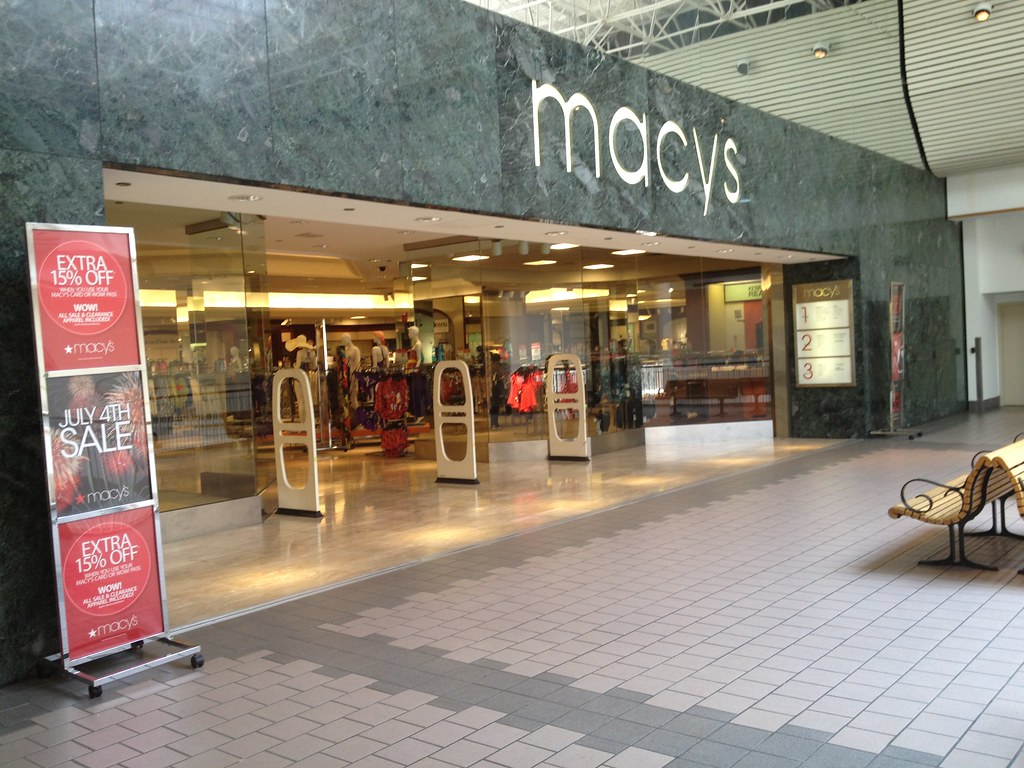
14. **Impact on Local Communities and the Broader Retail Industry**Macy’s store closures create ripple effects across local economies and the wider retail landscape. Each closure means job losses for retail workers and reduced income for local businesses. Cities and counties also face potential budget shortfalls from declining sales tax revenue.
For many, Macy’s is a cultural fixture, deeply intertwined with traditions. Its departure can leave a significant sense of loss, altering the social and economic fabric of communities accustomed to its presence as a retail anchor.
While Macy’s departure challenges malls, it also presents reinvention opportunities. Landlords repurpose former Macy’s sites into diverse new uses like housing, entertainment, or mixed-use developments. This reflects a broader shift from traditional department stores towards community-driven and experience-oriented retail.
Read more about: Governor Gavin Newsom’s Defining Policies: An In-Depth Look at California’s Legislative and Executive Landscape
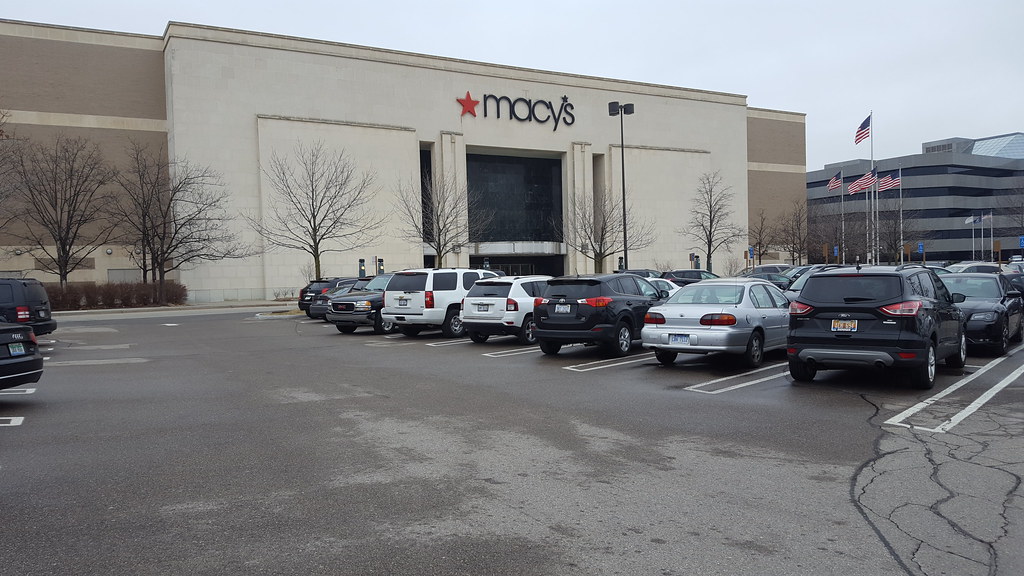
15. **Analysts’ and Investors’ Perspectives on Macy’s Transformation**Market analysts and investors offer mixed responses to Macy’s Q1 FY25 results and its ‘Bold New Chapter.’ Better-than-expected top-line performance offered some validation, but profit margin declines and downgraded earnings guidance prompted caution.
Sentiment within institutional circles remains divided. Despite Macy’s returning $152 million to shareholders, skepticism persists regarding sustained margin recovery in a competitive retail environment. Elevated volatility in institutional flow data reflects this lack of consensus.
Buy-side analysts emphasize execution over the next two quarters for success, requiring improved same-store sales and margin stability within the ‘go-forward’ store cohort. Macy’s is navigating a profound reinvention, balancing its legacy with adapting to a rapidly changing retail landscape. This ‘Bold New Chapter’ represents a critical juncture, charting a course for survival and renewed relevance in an industry constantly reshaping itself.