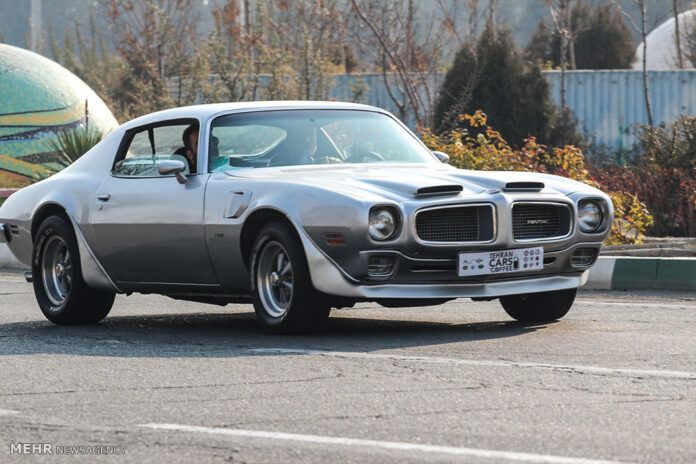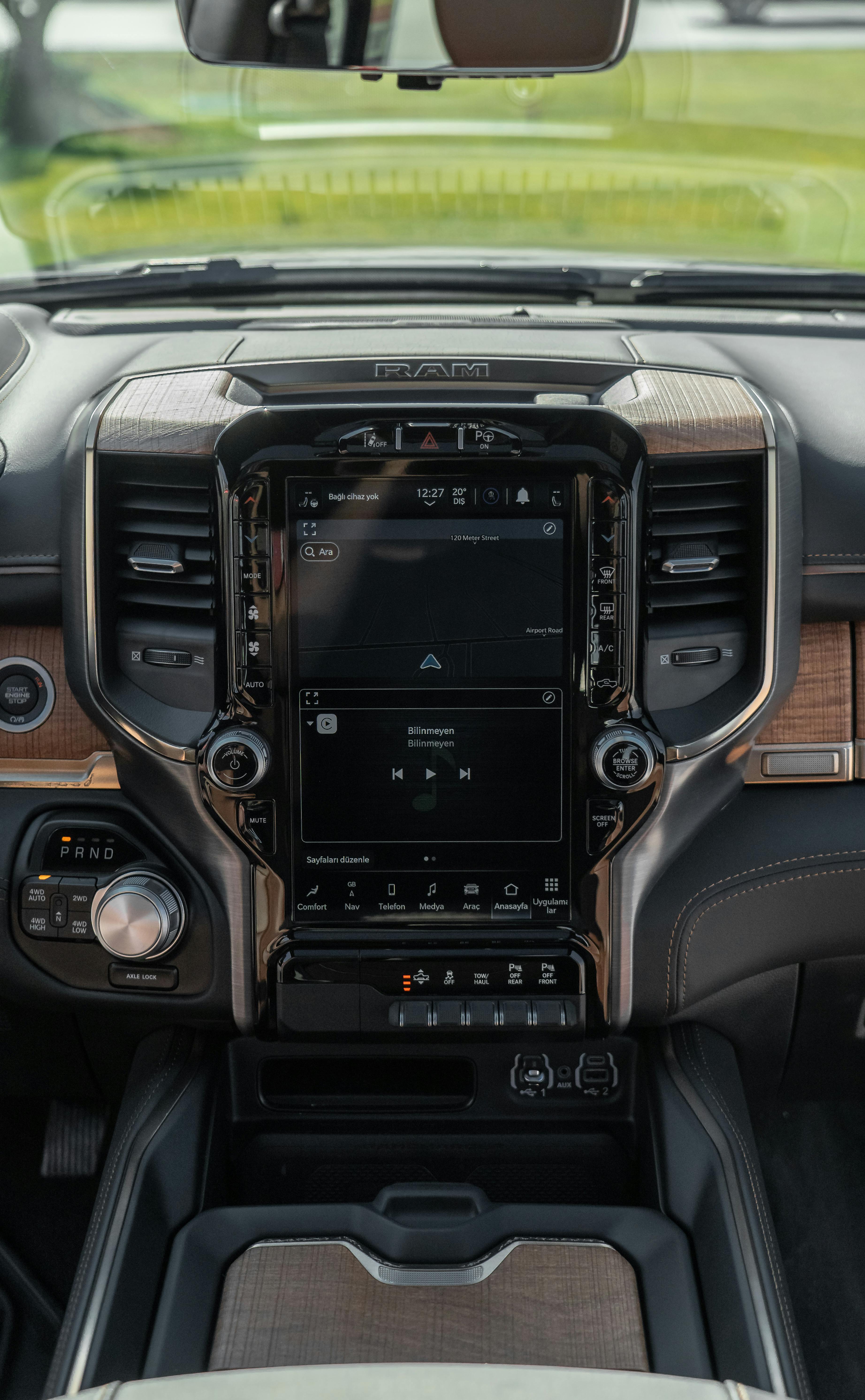
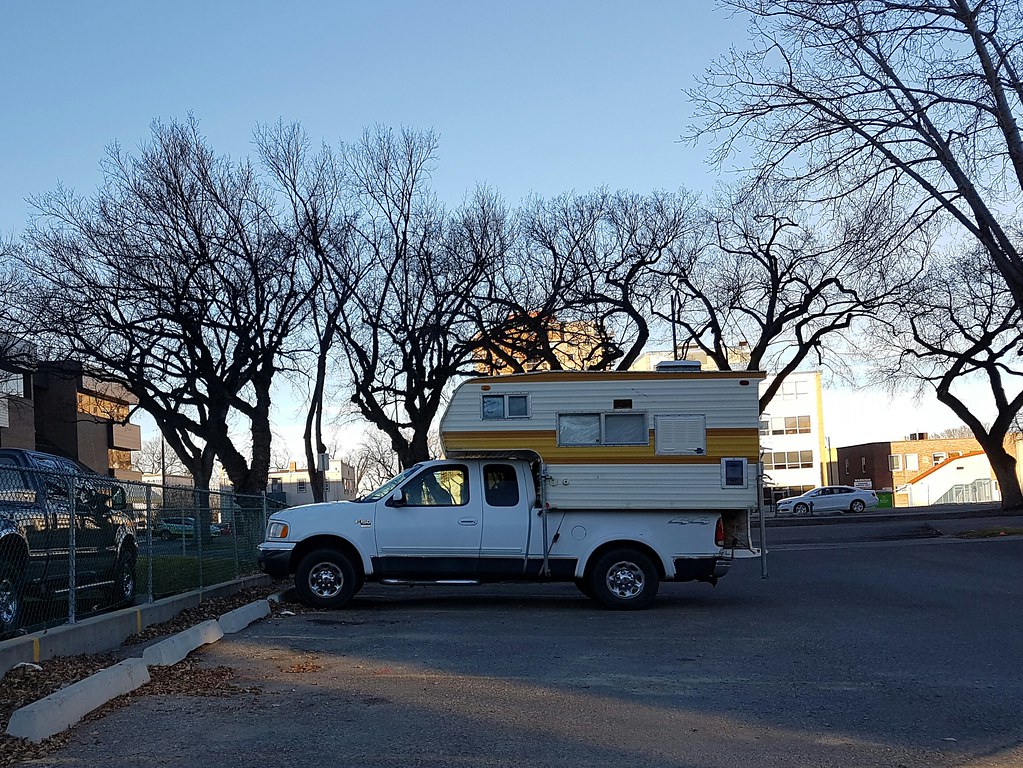
Modern trucks – they’re all about screens, luxury, and automated everything, right? You get a heated steering wheel, a massage function, and enough USB ports to power a small city, all wrapped up in a sleek, aerodynamic package. But let’s be real, for us gearheads and old-school truck fanatics, something’s missing. Something intangible, something that whispers tales of simpler times and dirt under the fingernails. We’re talking about those glorious, gritty, and sometimes gloriously inconvenient features that made vintage pickups feel alive.
There’s a certain undeniable charm to the raw, unfiltered experience of an old workhorse. You knew your truck, you felt every shift, every bump, and every gust of wind through a properly angled vent. These weren’t just vehicles; they were extensions of their owners, tools honed for specific tasks, and sometimes, just plain cool. They represented a straightforward approach to motoring, prioritizing function and feel over digital distractions. It was a time when the driver was truly in command, interacting directly with the machine in a tangible way that’s all but vanished today.
So, buckle up, because we’re embarking on a nostalgia trip, diving deep into the guts and glory of classic pickups. We’re going to shine a spotlight on 14 unforgettable features that have totally vanished from modern trucks, starting with those delightful quirks found right in the cab and commanding our driving experience. Get ready to feel a pang of longing for the days when a truck was, well, a truck, and every control had a story to tell.

1. **Vent Wing Windows**Ah, the vent wing window. For those of us who remember them, these small triangular windows on the front doors once felt like a standard feature in pickups, a small but mighty piece of engineering that brought immediate comfort. They weren’t just for show; they could pivot open and funnel a refreshing breeze straight into the cab, a simple yet effective solution to a stuffy interior. It was a manual climate control system of the most basic, and arguably, most satisfying kind.
Before air conditioning became the ubiquitous standard in every vehicle, these “wing” vents were a simple way to stay comfortable on hot drives. There was an art to it, wasn’t there? Many drivers remember angling them just right for maximum airflow, creating a personalized micro-climate within the cabin. Whether you needed a gentle waft or a full blast to clear out the lingering scent of last night’s fast food, these little windows delivered with mechanical precision and zero fuss.
Sadly, like many good things, their time eventually passed. By the late 1980s and 1990s, automakers dropped them in favor of sleeker designs and built-in A/C systems. They were seen as antiquated, perhaps even a design impediment to modern aesthetics. Yet, for many, the loss was palpable, trading a unique, tactile function for a more homogenized, button-press experience. The 1996 Ford F-Series was among the last trucks to carry this nostalgic detail, a final salute to a truly clever invention.
It’s more than just ventilation; it’s about connection. The ability to physically manipulate a part of your truck to achieve a direct, immediate result – that’s a feeling modern trucks, with their digital interfaces and climate control wizardry, just can’t replicate. We miss the subtle whistle of the air, the physical engagement, and the pure, unadulterated simplicity of these brilliant little windows.
Read more about: Guitar Queens: 12 Loudest Most Iconic Rock Anthems Ever Shredded by Female Artists
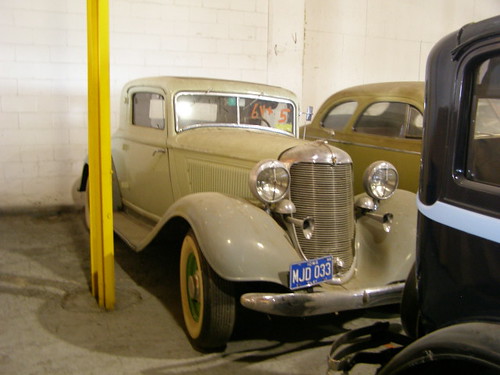
2. **Floor or Kick Panel Vents (“Crotch Coolers”)**If the vent wing windows were the facial cool-down, then the floor or kick panel vents were the legendary ‘crotch coolers.’ Many classic trucks had these manual fresh-air vents nestled in the footwells or kick panels, offering another layer of rudimentary but effective ventilation. You didn’t need a degree in HVAC engineering to operate them; a simple pull of a lever, and you could open a vent door that let outside air rush directly into the cabin.
This system was an incredibly effective form of ventilation in the era before sophisticated modern HVAC systems became standard. On a hot summer day, with the vent wings open and these floor vents blasting fresh air, you could actually get a decent cross-breeze going. It wasn’t air conditioning, but it certainly beat sweating through your shirt while stuck in traffic, providing a welcome blast of air directly where you needed it most.
The context even gives us a visual cue: ‘In the photo, you can see the vent on the passenger-side kick panel near the lower door area.’ This precise placement was no accident. It was designed to maximize the cooling effect, working in tandem with other airflow features to keep occupants as comfortable as possible. This was thoughtful, practical design, not just an afterthought.
Combined with vent windows, these floor vents provided significant airflow and are remembered for their simple, effective cooling in older trucks. They were robust, mechanical, and utterly dependable. No sensors to fail, no actuators to jam – just pure, unadulterated airflow at the flick of a lever. A truly lost art in vehicle climate control, reminding us that sometimes, less truly is more.
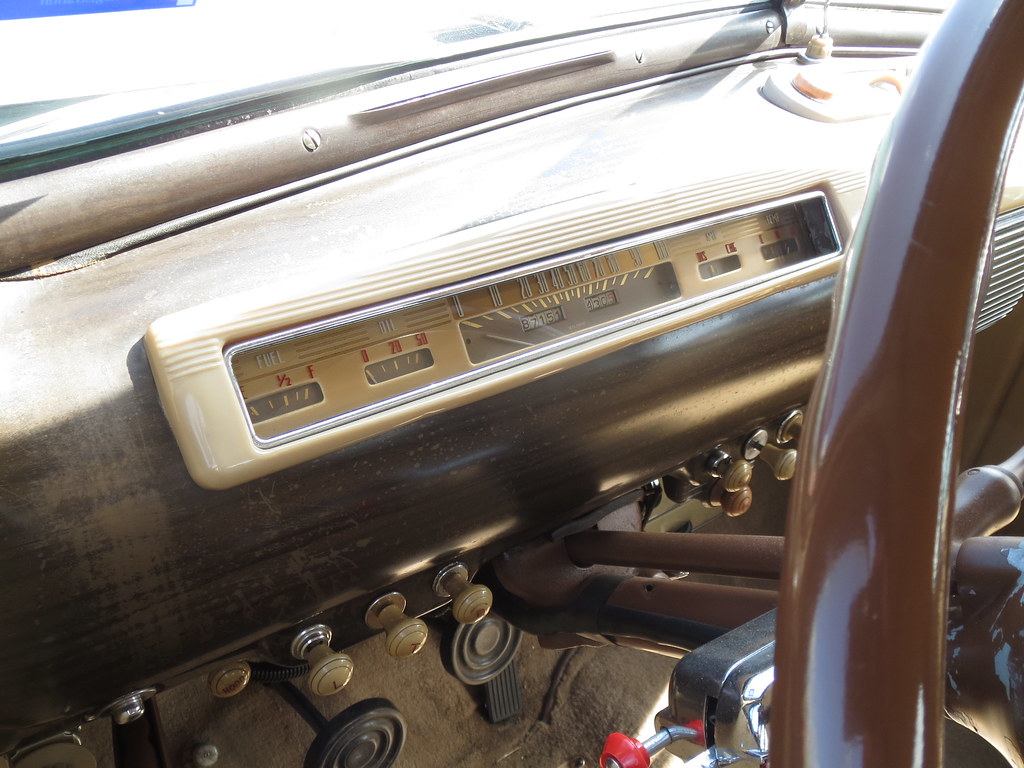
3. **Floor-Mounted Dimmer Switch**Let’s talk about a control that was once as fundamental as the gas pedal itself: the floor-mounted dimmer switch. In vintage vehicles, the headlight high/low beam switch was often a button on the driver’s side floor. It was a subtle but distinct tactile experience; you would simply tap it with your foot to toggle the high beams, a quick movement that became second nature for countless drivers navigating dark roads.
This mechanical foot switch was a common fixture in trucks and cars alike, prevailing up through the 1970s. It was an elegant, no-nonsense solution that kept your hands on the wheel and your eyes on the road. The simplicity of its operation made it incredibly reliable, a true workhorse component that rarely gave trouble. It performed its duty with stoic efficiency, day in and day out, for decades.
The location was key to its functionality and distinctiveness. The context notes, ‘The photo shows the dimmer switch to the left of the brake pedal, positioned near the driver’s footwell.’ This strategic placement meant it was always within easy reach of your left foot, requiring only a slight shift of position to engage. It was a part of the driving dance, a subtle interaction with the machine.
Long-time drivers still recall the satisfying, tactile click underfoot when activating high beams in classic trucks. It wasn’t a silent electronic pulse; it was a definite, audible confirmation of your command. This physical feedback fostered a stronger connection between driver and vehicle, a small but significant detail that is utterly absent in today’s world of multi-function stalks and automatic headlight systems. It’s a minor detail, but it speaks volumes about the character of older machines.
Read more about: From Ashtrays to Bubble Tops: The 15 Wild & Wonderful Car Features People Loved 60 Years Ago
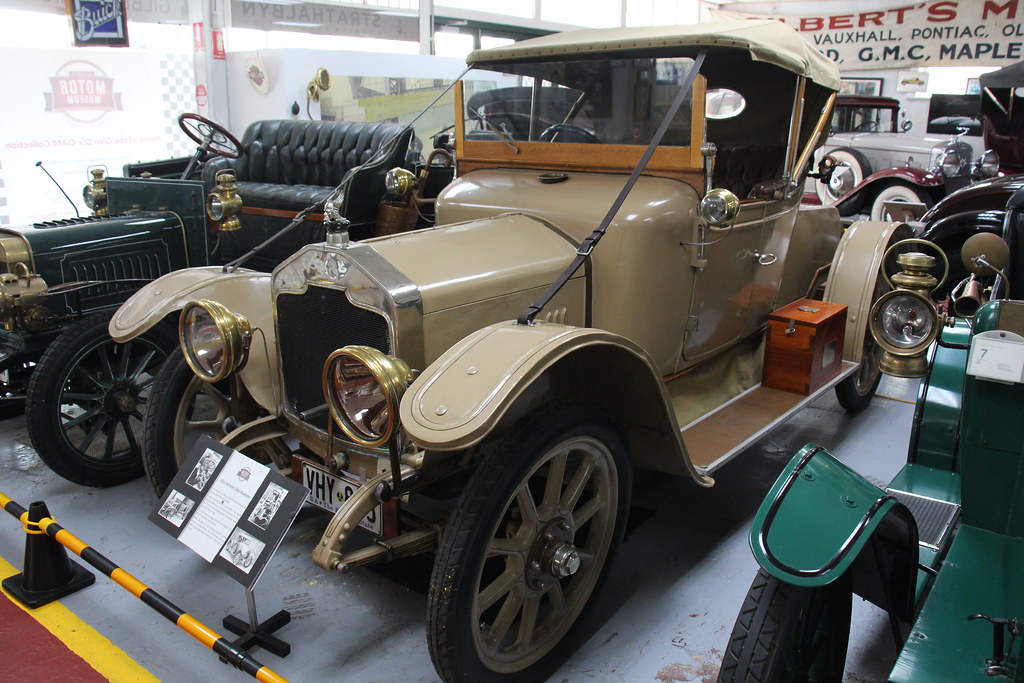
4. **Foot-Pedal Starter**Before the ubiquitous turn of a key, or the even more modern push-button ignition, there was the foot-pedal starter. Imagine this: in the 1940s and early ’50s, many trucks didn’t just fire up with a simple twist of the wrist. First, you’d turn the ignition on, then, with a purposeful press, you’d engage a starter pedal on the floor. It was a process, a ritual that added an extra layer of engagement to the act of starting your rig.
This wasn’t some obscure, one-off design; it was standard procedure for many popular models. For example, ‘Chevrolet and GMC pickups from 1947 to 1959 used a foot-operated starter switch.’ This means generations of truck drivers started their day with this very specific motion, a testament to its prevalence and acceptance in the automotive landscape of the time. It made the truck truly feel like a machine you had to *operate*, not just turn on.
The mechanism was straightforward: pressing this pedal engaged the starter motor to crank the engine, bringing those rugged powerplants to life with a satisfying rumble. It was a direct mechanical link, a tangible command from your foot to the engine’s core. The physical effort and distinct action made the startup feel more momentous, a proper initiation to the journey ahead. It reinforced the notion that these were serious machines for serious work.
The context describes its placement clearly: ‘The photo shows the starter pedal on the floor near the gas pedal, slightly to the right of the steering column.’ This simple mechanical system was a defining feature of early trucks before modern push-button ignitions took over, completely removing any physical interaction beyond a fingertip. It’s a bygone era’s way of saying, ‘You want to start this beast? Put some foot into it!’
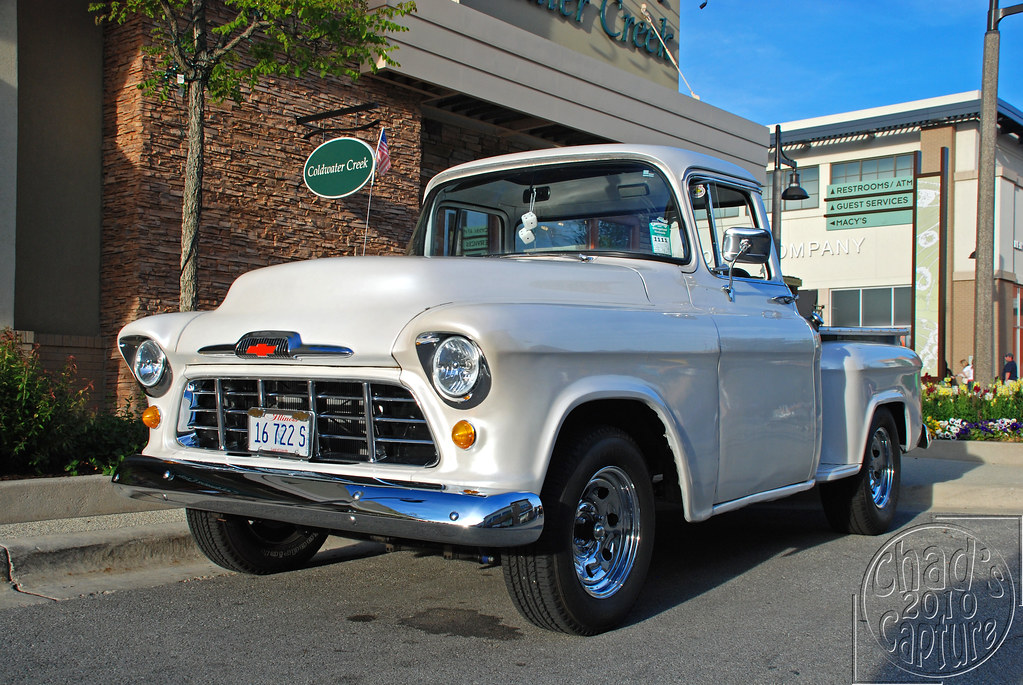
5. **Full-Width Bench Seats**Step into a classic pickup, and one of the first things you’d notice was likely the expansive, full-width bench seat. Unlike the segregated cocoons of modern bucket seats, older pickups typically featured a single bench stretching seamlessly from the driver to the passenger door. This grand expanse wasn’t just for looks; it was designed to maximize practicality, often allowing for genuine three-across seating.
This wasn’t just about utility; it was about connection. The ability to ‘slide all the way across’ the cabin made a truck feel incredibly roomy and adaptable. And let’s not forget the romance of it all: it meant you could ‘sit next to your sweetheart at the drive-in,’ a classic image etched into automotive lore. Enthusiasts miss the roomy front bench that made a truck feel less like a rigid vehicle and more like a comfortable, adaptable ‘couch on wheels’.
The design of these bench seats often prioritized comfort for multiple occupants, allowing for a more communal driving experience. There were no imposing center consoles or individualized compartments to create barriers; just one continuous, welcoming surface. It facilitated easy conversation, shared snacks, and a general sense of togetherness, whether you were heading to a job site or out for a leisurely cruise.
Today, front bench seats have largely given way to bucket seats and center consoles. While a few base-truck exceptions might still offer a semblance of the old bench, they’re typically less grand and often incorporate fold-down armrests, diluting the original concept. The classic bench is now firmly a nostalgic feature, a poignant reminder of a time when interior space and shared rides were valued differently, a true hallmark of simpler, more sociable truck design.
Read more about: 15 Cutting-Edge BMW SUVs & Cars: Your Essential Guide to 2025-2026 Models

6. **Column-Shift Manual Transmissions (Three-on-the-Tree)**Before floor shifters became the undisputed champion of manual transmission control, many mid-century vehicles sported a fascinating alternative: the Column-Shift Manual Transmission, affectionately known as the ‘Three-on-the-Tree.’ This ingenious setup placed the gear shifter not on the floor, but mounted directly on the steering column. It was a distinct design choice that freed up floor space and gave the cab a unique, uncluttered feel.
Operating one of these was a skill, a dance of hands and wrists that involved an ‘H’ pattern of shifting gears right there by the steering wheel. As the context points out, ‘In the photo, you can see the shift lever on the right side of the steering wheel, which drivers use to move through the ‘H’ pattern for shifting gears.’ It demanded a certain finesse, a precise movement that felt utterly connected to the truck’s mechanical heart. Mastering it felt like joining an exclusive club.
This once-common setup was a staple for decades, offering a different kind of driving engagement. However, its reign was not eternal. ‘This once-common setup gradually disappeared by the late 1970s,’ making way for the more conventional and, perhaps, ergonomically simpler floor shifters and the rapidly increasing popularity of automatic transmissions. The shift lever found its new home, and the ‘Three-on-the-Tree’ became a charming relic.
For those who drove them, the column shifter provided a unique, classic feel. It wasn’t just about changing gears; it was about operating a piece of automotive history, a physical link to a bygone era of truck mechanics. The satisfying click and clunk as you moved through the gears, all while keeping your hands relatively close to the steering wheel, is a sensation that modern drivers will sadly never experience firsthand. It was a distinctive part of the driving personality of a classic truck.
7. **”Granny Gear” 4-Speed Manuals**If you ever needed to haul a house or climb a mountain face, you’d appreciate the sheer brute force offered by ‘granny gear’ 4-speed manuals. Unlike modern transmissions geared for speed and efficiency, older heavy-duty truck manuals often had a super-low first gear, earning it that iconic nickname. This wasn’t a gear you’d use for grocery runs; this was for serious, stump-pulling work.
These 4-speed transmissions effectively functioned as 3-speeds in everyday driving, a quirky characteristic that made them stand out. That extra-low first gear was a specialty tool, ‘reserved for hauling heavy loads, off-road crawling, or steep inclines.’ It was the ace up the sleeve of any serious work truck, an absolute necessity for those demanding situations where sheer torque trumped all other considerations.
The context gives us some prime examples of these legendary gearboxes: ‘Transmissions like Ford’s T-18 and NP435 or GM’s SM465 had first-gear ratios over 6:1, providing massive torque at low speeds but slight acceleration.’ We’re talking about ratios designed to move mountains, not win drag races. This incredible mechanical advantage meant that even with a fully loaded bed or trailer, your truck could get moving with confidence and control, even if it took its sweet time.
Because of this extreme gearing, drivers typically started in second gear when the truck was unladen. It felt unnatural at first, perhaps, but it was simply acknowledging the beast beneath the hood. However, ‘when towing or tackling rough terrain, the granny gear provided the stump-pulling power needed to easily move heavy loads,’ a truly indispensable feature for the working man’s truck. It was the ultimate low-range crawl for the analog age.
For enthusiasts, the granny gear represents the raw, unadulterated capability of classic trucks. It wasn’t about smooth shifts or rapid acceleration; it was about unbreakable strength and the confidence that your truck could conquer any challenge thrown its way. Knowing that ultra-low first was always there, waiting to unleash its mighty torque, gave these trucks an almost mythical status among those who truly understood and appreciated their robust design. It’s a feature that whispers ‘I can handle anything’ even when parked.

8. **Manual Locking Hubs**The classic 4WD truck experience often came with a specific, hands-on ritual: hopping out of the cab and manually turning locking hubs on the front wheels. This wasn’t just some quaint exercise; these sturdy, manually twisted knobs physically connected the front wheels to the axle, quite literally engaging the four-wheel drive system. It was a no-nonsense, mechanical approach to off-roading, a tangible declaration that you were ready to conquer whatever the trail threw at you, without any fancy buttons or automatic sensors getting in the way.
While modern systems boast the ultimate in convenience, automatically engaging 4WD at the flick of a switch or even on their own, there’s an undeniable robustness and simplicity to manual hubs that’s hard to beat. Enthusiasts frequently champion their durability; with fewer complex electronic parts, there’s simply less to fail when you’re deep in the wilderness, far from any paved road. Many old-school off-roaders still fondly reminisce about the satisfying *clunk* and definitive feel as they locked their hubs in, a clear and unambiguous confirmation that their rig was ready for serious traction.
That physical act of getting out of the truck, often in less-than-ideal conditions like mud or snow, to engage these hubs was, for many truck owners, an integral part of the adventure. It became a kind of rite of passage. The context even helps visualize this, noting: ‘In the photo, you can spot the manual locking hubs on the front wheels, where the center of the hub protrudes slightly. This is where the driver would twist the dial to engage or disengage the four-wheel drive.’ This direct, physical interaction forged a stronger, more visceral bond between driver and machine, a genuine sense of truly *operating* the vehicle rather than just commanding it from a climate-controlled, digital cockpit.
Today, manual hubs have almost entirely vanished, relegated to a backup mode on only a rare few heavy-duty trucks still clinging to that old-school ethos. They’ve been largely replaced by automated systems that prioritize seamless transitions and effortless engagement over absolute mechanical certainty. While undeniably convenient, the loss of that tactile, definitive engagement leaves a noticeable void for those who truly appreciate the no-nonsense reliability and robust feel of a truck that demanded a bit more from its driver. It’s a classic example of prioritizing rugged utility over plush luxury, and a feature that truly underscores the unwavering, dependable character of yesteryear’s 4x4s.
Read more about: Beyond the Manual: Unearthing Hidden Modes and Advanced Features in Your Mercedes-Benz S-Class
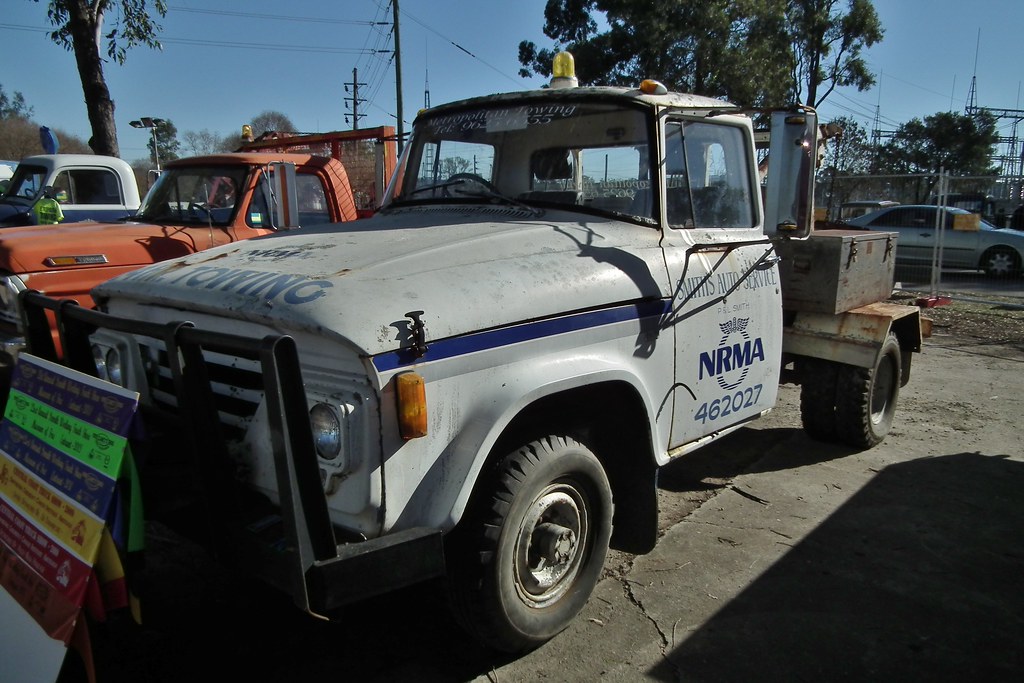
9. **Floor-Mounted 4×4 Shifter**Speaking of getting down to serious business with your 4×4, let’s talk about that second, smaller shifter sticking proudly out of the floor. In older 4WD trucks, engaging four-wheel drive or selecting low range wasn’t done with a delicate twist of a dial on the dash. No, sir. It meant physically wrestling with a dedicated transfer-case lever, typically positioned right next to your main gearshift. It was a sturdy, unapologetic beacon of raw, mechanical capability, a physical command center for your truck’s off-road prowess.
This wasn’t just about aesthetics; this was about direct, unadulterated mechanical control. That transfer-case lever was physically linked, often by robust rods and linkages, directly to the drivetrain, giving the driver immediate and absolute command to shift between 2WD, 4-High, or 4-Low. It frequently required a firm pull, sometimes even a bit of muscle to engage, especially if your truck wasn’t perfectly level or rolling slightly. It was a distinct, physical engagement, a powerful reminder that you were commanding a serious piece of machinery, not just pressing a button and hoping for the best.
For a generation of truck owners, this floor-mounted shifter was unequivocally synonymous with true off-road prowess. It provided an undeniable tactile certainty that is often conspicuously missing in the electronic push-button or dial selectors of many modern trucks. You knew, unequivocally, with an audible and felt *clunk*, when your truck was locked into 4×4, ready to crawl over challenging rocks or slog through thick mud. That satisfying engagement and the effort involved often fostered a sense of accomplishment, a deep connection to the truck’s formidable capabilities that digital interfaces simply can’t replicate.
Enthusiasts to this day still deeply appreciate the raw, connected feel this feature offered. It spoke volumes about the truck’s core purpose – uncompromised utility, unwavering rugged performance, and mechanical honesty. While modern electronic systems are undeniably easier and more refined, the manual 4×4 shifter represented a different era of driving, one where the interaction with the machine was more profound, more visceral, and ultimately, more rewarding for those who truly understood and embraced its demanding language. It was a core part of operating a classic 4×4, a powerful, physical testament to its enduring spirit of adventure and capability.
Read more about: The Enduring Mystery Solved: What ‘442’ Truly Means on Oldsmobile’s Legendary Muscle Car
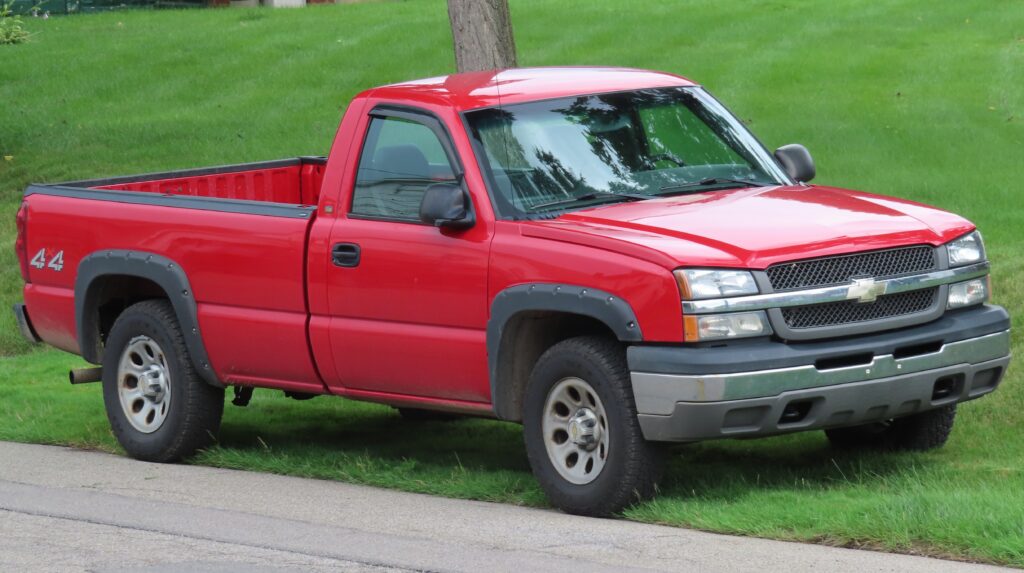
10. **Stepside (Flareside) Beds**Now, let’s turn our gaze to the business end of the truck, specifically a bed design that positively oozed vintage cool: the stepside. For decades, particularly through the 1950s and ’60s, many vintage pickups proudly sported this utterly distinctive look. Unlike today’s smooth, slab-sided beds that blend seamlessly into the body, stepside beds featured narrow rear fenders that sat boldly *outside* the bed, creating a pronounced, integrated step positioned between the cab and the fender. It was a silhouette that instantly screamed ‘classic workhorse’ and had a charm all its own.
The undeniable beauty of the stepside wasn’t just aesthetic; it was profoundly functional. That handy step on the side wasn’t merely decorative or a stylistic flourish; it provided a much-needed and genuinely practical boost for climbing into the bed or reaching over the side to retrieve items. Whether you were tossing in tools, hauling essential supplies, or just grabbing something that had slid to the front of the bed, that integrated step made life a whole lot easier for the working man or woman. Chevrolet famously called them ‘Stepside,’ Ford cleverly dubbed them ‘Flareside,’ and Dodge went with ‘Utiline,’ but the practical spirit and unique visual appeal were universal across brands.
These beds gave trucks an undeniable classic look, instantly recognizable and full of character, often completed with their charmingly curved fenders and, quite frequently, wooden bed floors, which we’ll delve into in a moment. You can almost effortlessly picture these trucks cruising down a dusty backroad, brimming with both character and utility, the epitome of a bygone era. They represented an era of straightforward, honest design, where form and function were perfectly intertwined, creating an iconic visual that has stood the test of time in the hearts of automotive enthusiasts and collectors.
Sadly, by the 1990s, the distinctive stepside style began its slow fade from popularity. Automakers increasingly shifted towards sleeker, more aerodynamic fleetside beds, driven by evolving design trends, a desire for increased cargo width, and perhaps a more streamlined manufacturing process. The stepside, with its charmingly utilitarian profile and exposed fenders, gradually disappeared from production lines. Yet, for many, the fond memory of those distinctive, stepped fenders and the practical, easy access they offered remains a strong and cherished one, a true hallmark of bygone truck styling and an era of highly practical, unpretentious engineering.
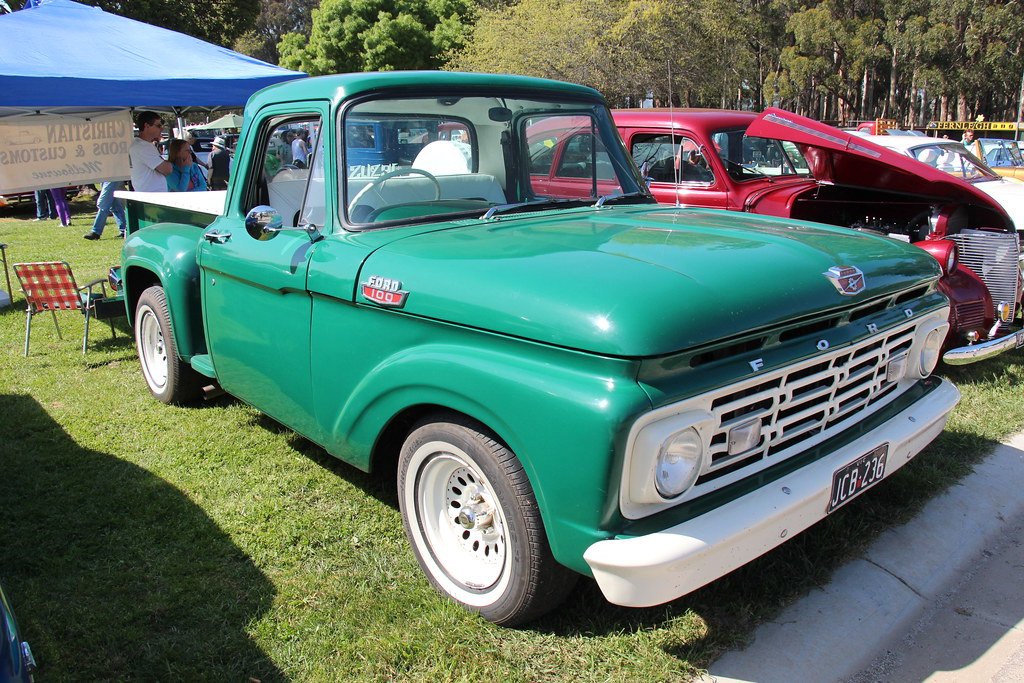
11. **Wooden Bed Floors**And what often lay beneath the cargo in those iconic stepside beds? Glorious, genuine wood plank floors! In decades past, it wasn’t always tough, cold steel, but rather resilient strips of hardwood, most commonly oak, running the entire length of the truck bed, meticulously held down by sturdy metal skid strips. This wasn’t just some quirky design choice or an aesthetic whim; it was a deeply practical and often more cost-effective way to construct a durable truck bed in the early days of motoring, imbuing classic pickups with an incredibly distinct and appealing look and feel.
There was a certain undeniable pride, a tangible satisfaction, in owning a truck with a wooden bed. Owners would famously keep the wood polished, varnished, or lovingly maintained, often treating a utilitarian cargo space as a point of aesthetic pride, much like fine interior trim. Imagine the rich, warm patina of well-cared-for oak or pine, the intricate grain patterns, and the satisfying, resonant thud of tools being laid down on a surface that felt more akin to fine furniture than a mere cargo hold. It was a feature that eloquently spoke volumes about craftsmanship, durability, and an almost artisanal attention to detail in vehicle construction.
Over time, however, the inexorable tides of manufacturing convenience, economies of scale, and enhanced durability requirements began to turn. Steel bed floors became the undisputed norm, offering superior resistance against heavy, abrasive use, easier overall maintenance, and significantly lower production costs for mass-market vehicles. By the late 1970s, most major manufacturers had made the complete switch to all-steel beds on their primary pickup lines. Though, it’s worth noting for the truly devoted, some Stepside beds from General Motors cleverly held onto their traditional wooden floors well into the 1980s, keeping that beautiful, natural dream alive just a little longer.
For today’s legions of automotive enthusiasts, meticulously restoring the original oak or pine bed planks on a classic truck is often a labor of love, a cherished passion project, a reverent nod to this beautifully lost feature. It’s far more than just a floor; it’s a living, breathing piece of automotive history, a tangible, organic connection to a bygone era when trucks were built with materials that whispered tales of the forest and the open, dusty road. The sheer character, warmth, and nostalgic authenticity of a wooden bed floor are something modern utilitarian steel and composite beds, however practical and advanced, just can’t authentically replicate.
Read more about: Stop the Mistake: Demystifying ‘Worse’ and ‘Worst’ — A Guide to Precision Communication

12. **In-Cab Fuel Tank**Now, let’s pivot to a feature that might genuinely make a few modern truck owners nervously adjust their seats and glance around for an escape route: the infamous in-cab fuel tank. Back in the good old days of the 1950s and ’60s, it wasn’t uncommon at all for many pickup trucks to have their primary gas tanks mounted right inside the cab, typically nestled securely and, hopefully, snugly behind the seat. This particular design did have its proponents, primarily because it kept the tank protected from road debris, potential underside impacts, and general external damage.
However, the trade-off, as you might imagine, was undeniably, shall we say, *intimate*. Drivers were literally sitting mere inches, perhaps a thin sheet of metal away, from a reservoir of highly flammable fuel. While generally considered safe for the standards of the time, this setup could sometimes lead to noticeable, and occasionally persistent, fuel odors wafting directly into the cabin, a constant, subtle reminder of your truck’s liquid diet. The context provides a great visual cue, noting: ‘Looking at this 1953 Ford F-100, you can spot the fuel filler cap on the cab’s side, just behind the door; a clear sign of an in-cab tank.’ It was a design choice that was simply an accepted part of the truck ownership package.
The underlying thinking behind this placement was largely functional, a direct reflection of automotive engineering priorities in an era with different, evolving safety standards. Protection from external elements and impacts was considered paramount, and the internal placement offered a certain degree of inherent security from punctures or damage from underneath the vehicle, which was a common concern on rough roads. It was a straightforward, if slightly adventurous and perhaps a little nerve-wracking by today’s standards, approach to fuel storage, deeply embedded in the design language of mid-century American trucks.
By the late 1970s, as vehicle safety regulations became significantly more stringent and automotive engineering continued to evolve with advanced materials and crash-testing methodologies, manufacturers wisely began to relocate these gas tanks to much safer positions. Underneath the bed or nestled securely between the frame rails became the new, much safer standard, effectively making the in-cab tank a fascinating, albeit slightly alarming, relic of classic truck design. It’s a stark, palpable reminder of just how much vehicle design has progressed, prioritizing occupant safety in ways that would have been unimaginable to early truck builders, often making us grateful for modern engineering.
Read more about: 12 Critical Factors Making Work Trucks Unreliable in 2025: An Essential Fleet Manager’s Guide

13. **Dash-Mounted Cigarette Lighter and Ashtray**Step into virtually any classic truck from a certain era, and almost universally, you’d find a pair of steadfast, integrated companions right there on the dash: a readily accessible pull-out ashtray and a distinctive push-in cigarette lighter element. In an era when smoking was far more commonplace, socially acceptable, and considerably less stigmatized, manufacturers ensured that drivers had immediate and convenient access to these essential amenities. Providing dedicated ashtrays, often one in the dash and sometimes additional ones for rear cabs in larger vehicles, along with a reliable 12V lighter socket, was simply standard practice.
This wasn’t some optional extra or a premium add-on; it was just *there*, a ubiquitous part of the dashboard landscape. The lighter’s coil, a miniature glowing element that would heat up to a fiery orange, was a familiar sight and sensation, ready to ignite a cigarette with that distinct, satisfying ‘pop’ when it reached optimal temperature. As one astute source aptly put it, ‘Every car used to have dedicated cigarette ash trays, sometimes even one for each seat.’ It was a small but genuinely significant detail of daily life in an earlier automotive era, perfectly integrated into the truck’s overall functionality and passenger comfort.
These features, while primarily designed as smoking accessories, often served a dual purpose; the 12V lighter socket, in particular, frequently doubled as a nascent, rudimentary power outlet for early accessories such as radar detectors, portable radios, or even rudimentary car vacuum cleaners, effectively foreshadowing the USB ports and auxiliary power outlets that are so commonplace in today’s vehicles. But their primary purpose was undeniably clear, catering directly to a prevalent social habit. The design itself was robust and simple, often a spring-loaded tray or a small, heat-resistant cup, designed for easy access, quick disposal, and minimal fuss.
Today, these once-ubiquitous, dedicated smoking accessories have all but vanished from new vehicles. As smoking in vehicles declined dramatically and public health awareness grew exponentially, automakers gradually stopped including actual, built-in ashtrays and lighters by default. At best, you might now find a generic 12V power outlet, with a ‘smoker’s package’ relegated to an extra-cost option for the dwindling few. For those who vividly remember, the dash-mounted lighter and ashtray aren’t just about smoking; they’re about a cultural snapshot, a small, tangible piece of automotive history that gracefully faded with changing societal norms and evolving public health perspectives.

14. **Hood Ornaments and Badges**And finally, let’s talk about the veritable crown jewels that often adorned the noses of many classic trucks: the majestic hood ornaments and proudly prominent emblems that gave them so much character and curb appeal. In the 1940s and ’50s, pickups weren’t solely utilitarian workhorses designed for brute strength; they frequently sported elaborate, decorative chrome ornaments, much like their passenger car counterparts, adding a distinct touch of elegance, brand identity, and even a bit of artistic flair to their rugged facades.
These weren’t subtle, understated badges hidden away; they were bold, gleaming declarations of allegiance and engineering pride. For example, Chevrolet famously offered a distinctive, dealer-installed chrome hood ornament for its 1947–53 trucks, a gleaming piece of art that literally led the way. Dodge, of course, had its universally recognized and iconic Ram hood ornament gracing some older trucks, while the Ford F-series in the ’50s often featured stylish hood birds or spears, effectively transforming the front end into a moving piece of sculpture, a testament to automotive design as art.
The context provides an evocative visual reference for this, noting: ‘AlfvanBeem, Public Domain (CC0). Many classic trucks sported stylish hood ornaments or prominent emblems that gave them character.’ These shiny adornments were far more than just mere branding; they were a proud marque emblem, a dynamic symbol of the truck’s heritage and the manufacturer’s unwavering pride, leading the way down the open road with an unmistakable air of dignified presence and authority. They were a key, charismatic part of a truck’s identity, an immediate visual cue that eloquently spoke to its brand, its era, and its inherent personality.
Today, these once-glorious hood adornments have largely, and regrettably for many, vanished from modern trucks. This significant disappearance is a direct result of a combination of evolving styling trends, which now heavily favor cleaner, more integrated, and often more aerodynamic front ends, and increasingly stringent safety regulations, particularly those concerning pedestrian safety in the event of an impact. While the modern truck’s massive grille might feature a large, embedded emblem, the whimsical, sculptural, and often highly individualized hood ornament is now, sadly, a lost art, living on only in the lovingly restored classics that continue to turn heads and spark fond, nostalgic memories among devoted enthusiasts.
Read more about: From Ashtrays to Bubble Tops: The 15 Wild & Wonderful Car Features People Loved 60 Years Ago
So there you have it, folks – a comprehensive deep dive into 14 unforgettable features that once fundamentally defined the character, capability, and sheer personality of classic trucks. From the invigorating fresh breeze of vent wing windows to the rugged certainty of manual locking hubs, and the sheer, earthy charisma of wooden bed floors, each vanished detail tells a compelling story. They’re far more than just obsolete parts or outdated technologies; they are tangible echoes of an era when trucks were built with a profoundly different philosophy, one that prioritized raw mechanical interaction, straightforward utility, and a hands-on, deeply engaging driving experience. While modern trucks undoubtedly dazzle with their advanced tech, luxurious comfort, and impressive performance figures, these beloved relics serve as a powerful and poignant reminder that sometimes, the true, enduring soul of a vehicle lies not in its digital wizardry, but in its charming quirks and its unwavering, authentic connection to the road less traveled. These features aren’t just gone; they live on, revered and celebrated, in the hearts and minds of every true truck enthusiast. Long live the indomitable spirit of the old-school workhorse!