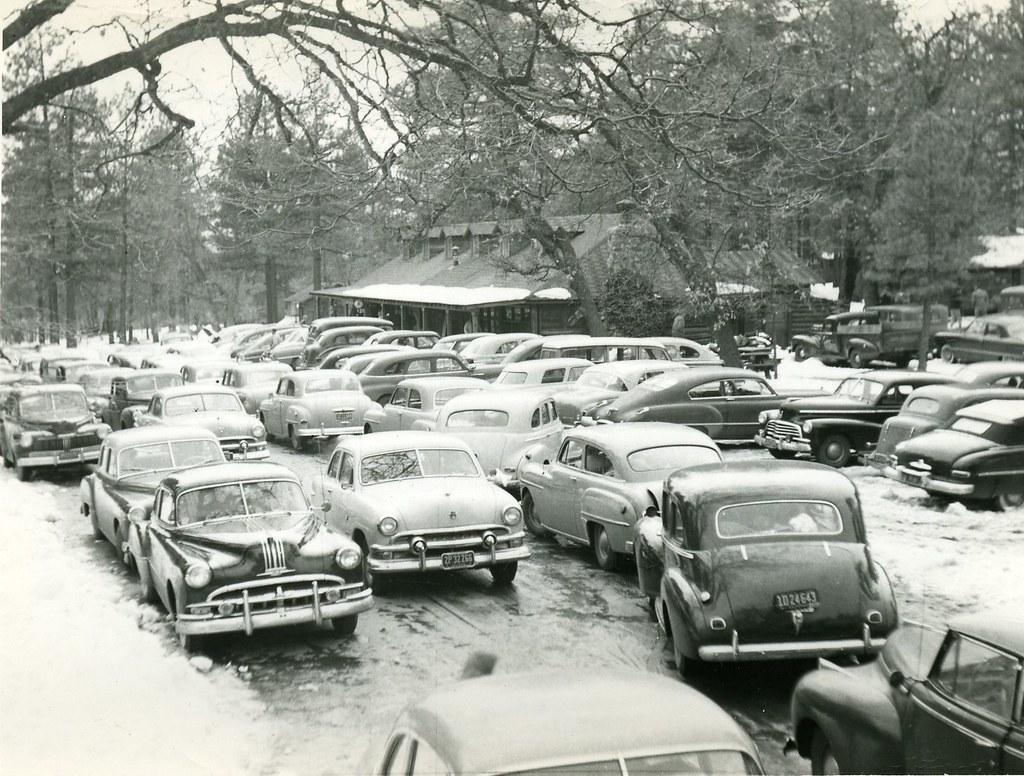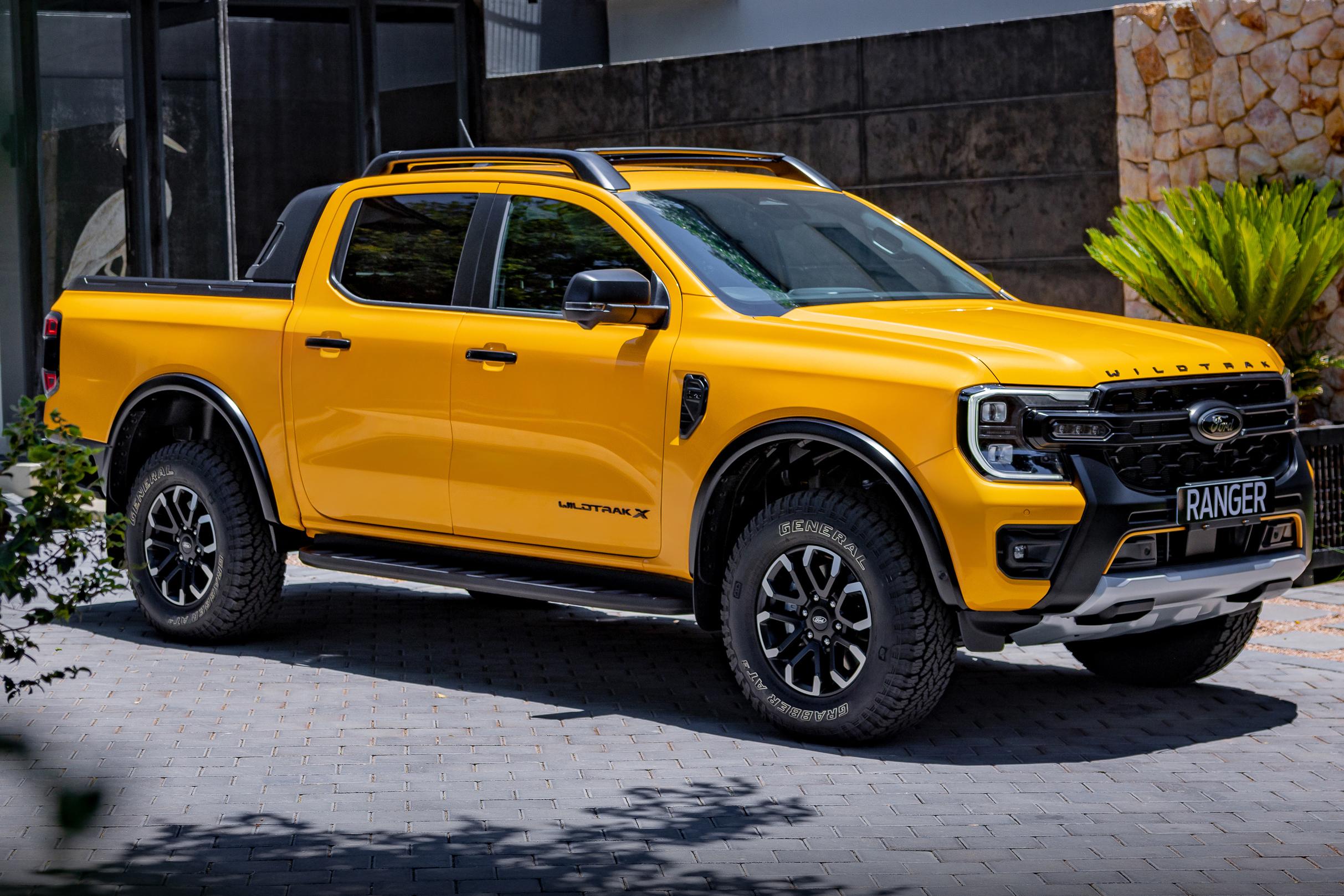
Dive into the heart of your car, and you’ll find more than just the engine’s roar; you’ll discover the transmission, the unsung hero that brings your ride to life. Ever marveled at how your car glides from a halt to cruising down the freeway, or how it effortlessly downshifts as you overtake? This magic is all thanks to the transmission, a masterpiece of gears and precision that turns engine power into motion. The transmission is simply an irreplaceable component of any car, a device designed to change the speed of the engine based on the amount of power needed, optimally transmitting that power to the wheels.
Throughout automotive history, engineers have introduced numerous types of transmissions, constantly evolving and refining designs to enhance performance, efficiency, and driver experience. From the earliest rudimentary systems to today’s highly sophisticated units, the journey of the gearbox is a testament to relentless innovation. As technology advances, some transmission types that once dominated the market have either faded into obscurity, been relegated to niche applications, or transformed so significantly that their original iterations are unrecognizable in modern vehicles.
In this in-depth exploration, we’ll journey through a dozen such transmission types or distinct eras of their design, examining how they’ve largely vanished from the mainstream automotive stage. We’ll uncover the mechanics that defined them, the challenges they faced, and how their legacy continues to influence the transmissions that power our vehicles today. Understanding these shifts isn provides fascinating insight into the relentless pursuit of automotive excellence and the dynamic nature of car engineering.
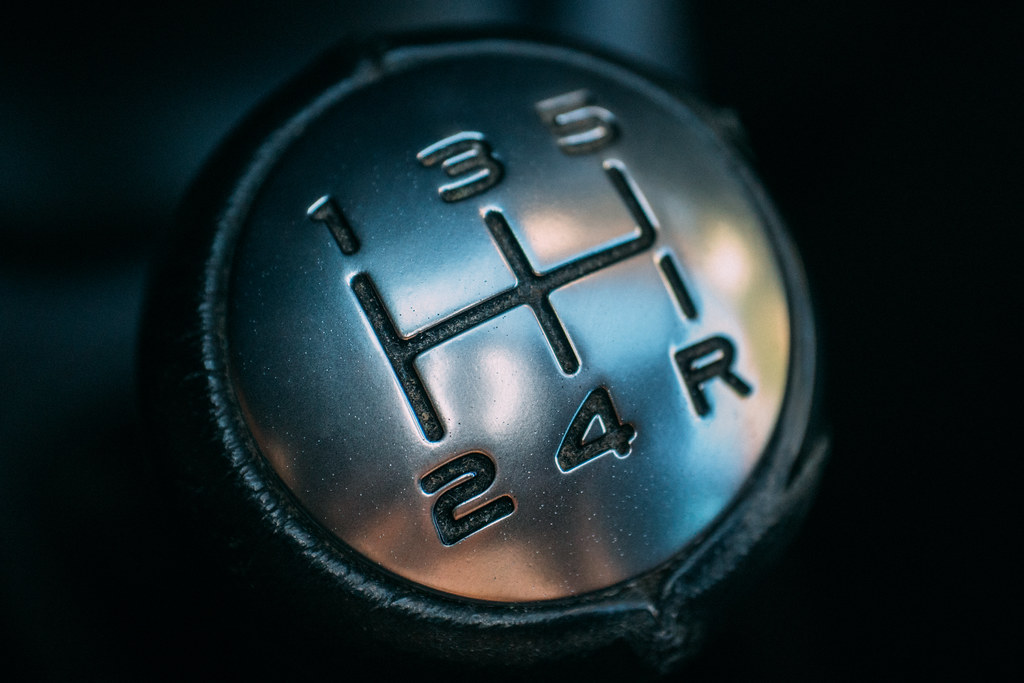
1. **The Era of Mass-Market Unassisted Manual Transmissions**Manual transmission has been around since the beginning of the automotive age, representing one of the most foundational ways a driver interacts with their vehicle. In its purest form, properly operating a vehicle with a manual transmission requires a symphony of coordination: the driver must press the clutch pedal to disengage the gearbox from the engine, manually select the desired gear using a gear lever, and then smoothly depress the clutch pedal to re-engage the transmission. This intricate dance involves coordinating your left leg (clutch), right foot (gas), and right hand (gear lever), a skill often quite challenging to learn for new drivers.
For decades, this manual engagement was the primary, if not sole, option for controlling a car’s power delivery. Its benefits were undeniable at the time: an analog feel, a high level of driver engagement, and an inherent sense of control over the vehicle’s mechanics. Driving purists still highly regard these transmissions as the ‘proper’ way to drive, even acknowledging their lesser performance and slower shifting times compared to modern automatics. However, the ubiquity of this demanding, unassisted system in nearly every vehicle on the road has largely vanished.
The rise of automatic transmissions, with their promise of a more relaxed driving experience and greater practicality, gradually shifted consumer preference. What was once the default has now become a niche, primarily found in enthusiast vehicles and some sports cars. The necessity for every driver to master the precise coordination of a three-pedal setup is no longer the mainstream expectation, marking a significant change in the automotive landscape and signaling the end of the manual’s era as the mass-market standard.
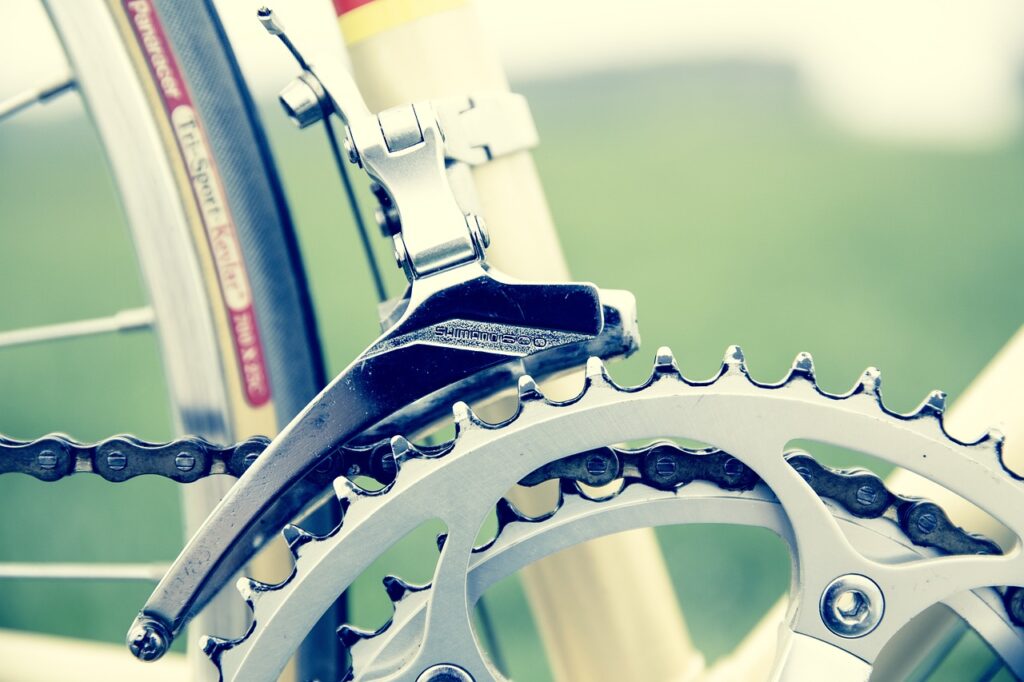
2. **Early, Limited-Speed Automatic Transmissions (2- and 3-Speed Units)**Automatic transmissions, a technology that first emerged in the 1940s, revolutionized driving by simplifying the process of gear changes. The initial concept was straightforward: the driver would select ‘D’ for drive, and the gearbox would handle shifting autonomously, eliminating the need for a clutch pedal. However, the early iterations of this groundbreaking technology were far simpler than what we see today. These automatic gearboxes typically started as rudimentary 2 or 3-speed units, offering a limited range of gear ratios.
While these early automatics provided unprecedented convenience, their limited number of gears meant they struggled to optimally utilize engine power across a wide range of speeds. This often resulted in compromises in both performance and fuel efficiency. The engine might rev higher than necessary at certain speeds or feel sluggish in other situations, as the transmission lacked the fine-grained control offered by today’s multi-speed systems. Despite their revolutionary impact, these low-speed units were just the beginning of a long evolutionary path.
Modern automatic transmissions, in stark contrast, boast 8-speed or even 10-speed boxes. This exponential increase in available gear ratios allows for much finer control over engine RPM, ensuring optimal power delivery for high efficiency and performance across all driving conditions. The original 2 or 3-speed automatic, in its limited form, has thus vanished from modern vehicle production, entirely superseded by these advanced, multi-speed successors that offer a vastly superior driving experience.

3. **Basic, Inefficient Torque Converter Designs**The torque converter transmission stands as one of the oldest types of automatic transmission, fundamentally altering how power is transferred from the engine to the drivetrain without a mechanical clutch. In essence, it uses fluid to transmit power, allowing for smooth, continuous acceleration. The outermost part of the torque converter houses the flywheel, which spins the entire structure, pushing fluid out of a pump at high speed, thereby causing a turbine to spin and transfer torque to the transmission system.
However, the initial designs of these crucial components were far from optimized. The text explicitly states that “The first torque converters weren’t designed for any sort of performance or fuel efficiency.” This highlights a period where the primary focus was on convenience and the fundamental function of replacing a clutch, rather than refining the unit for optimal power transfer or economic operation. These early designs often led to significant power loss and diminished fuel economy, making them somewhat crude by today’s standards.
Over the decades, torque converter technology underwent substantial improvements. Today’s torque converters are engineered to be “quite responsive and are suitable for city or highway driving,” demonstrating a profound evolution from their origins. Modern versions are integrated into sophisticated automatic transmissions, prioritizing both efficiency and seamless power delivery. Consequently, the basic, inefficient torque converter designs of yesteryear have effectively vanished from contemporary automotive engineering, replaced by far more advanced and refined fluid coupling systems.
Read more about: Unlocking Instant Power: 8 Essential DIY Upgrades for Your Car’s Performance
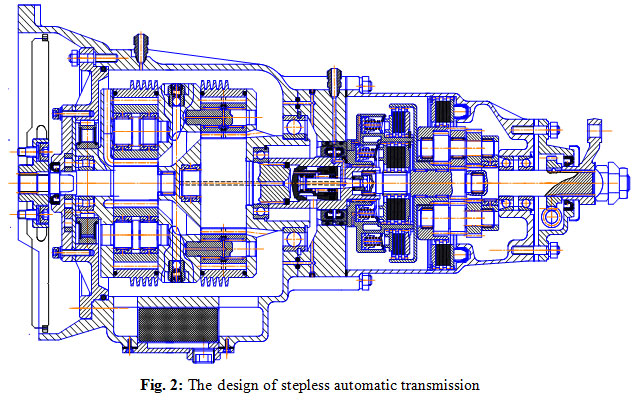
4. **The “Mixed Success” Generation of Semi-Automatic Transmissions**Throughout automotive history, numerous companies have experimented with hybrid solutions, striving to combine the best aspects of manual and automatic gearboxes. This ambition led to the creation of what became known as semi-automatic transmissions. The basic idea was compelling: to blend the efficiency and control often associated with manuals with the comfort and ease of automatics. These designs typically involved a system where the driver might engage a clutch for starting the car, but subsequent gear changes would be handled automatically, or a clutch-less design where shifting could be done manually without a pedal.
Despite the promising concept, the journey of early semi-automatics was fraught with challenges. The text frankly notes their tumultuous history: “So far, semi-automatics have had mixed success and are not commonly used in consumer cars.” This indicates a period where these transmissions struggled to gain widespread acceptance, often failing to deliver on their dual promise. They frequently lacked the refined performance or immediate response found in a dedicated automatic, nor could they fully replicate the precise control and driver engagement of a traditional manual.
While some modern iterations, like certain Automated Manual Transmissions (AMTs) or even dual-clutch transmissions, carry forward the spirit of automated shifting with manual override, the specific *generation* of semi-automatics characterized by “mixed success” and general unpopularity in the broad consumer market has largely vanished. Their early shortcomings led to a decline in their presence, making way for more successful and specialized automatic variants that could genuinely deliver on the blend of convenience and performance without the previous compromises.
5. **Purely Mechanical Sequential Manual Transmissions (Confined to Racing)**The sequential manual transmission represents a highly specialized category, primarily designed for the rigorous demands of racing environments. This sophisticated unit aims to capture the tactile feel and precise control of a manual transmission, but with the swiftness and accuracy typically associated with automatics. In a sequential manual, a clutch is indeed present, but its use is generally confined to starting the vehicle and selecting the first gear. Beyond that, the driver engages subsequent gears through a simple forward or backward push of a gear lever or via paddle shifts, eliminating the need to press the clutch pedal for every shift.
While this design offers significant advantages on the race track—allowing drivers to concentrate almost entirely on steering and braking while gears are changed with lightning speed—its application in mainstream consumer vehicles has largely vanished. The text clearly states that this type of transmission is “rarely used in passenger vehicles” and, more decisively, “not used in consumer vehicles because of the high cost.” The complexity of the system, coupled with its manufacturing expense, renders it commercially unviable for the mass market, despite its high-performance credentials.
Furthermore, sequential manual transmissions possess certain operational limitations that deter their use in everyday driving. Notably, they do not allow for skipping gears; shifts must occur in strict sequence, either up or down. This contrasts sharply with common automatic transmissions that can jump multiple gears (a “kick down” function) to provide immediate acceleration. These inherent design characteristics, optimized for racing, ensure that purely mechanical sequential manual transmissions remain a relic of the consumer automotive past, existing almost exclusively in the specialized realm of motorsports.
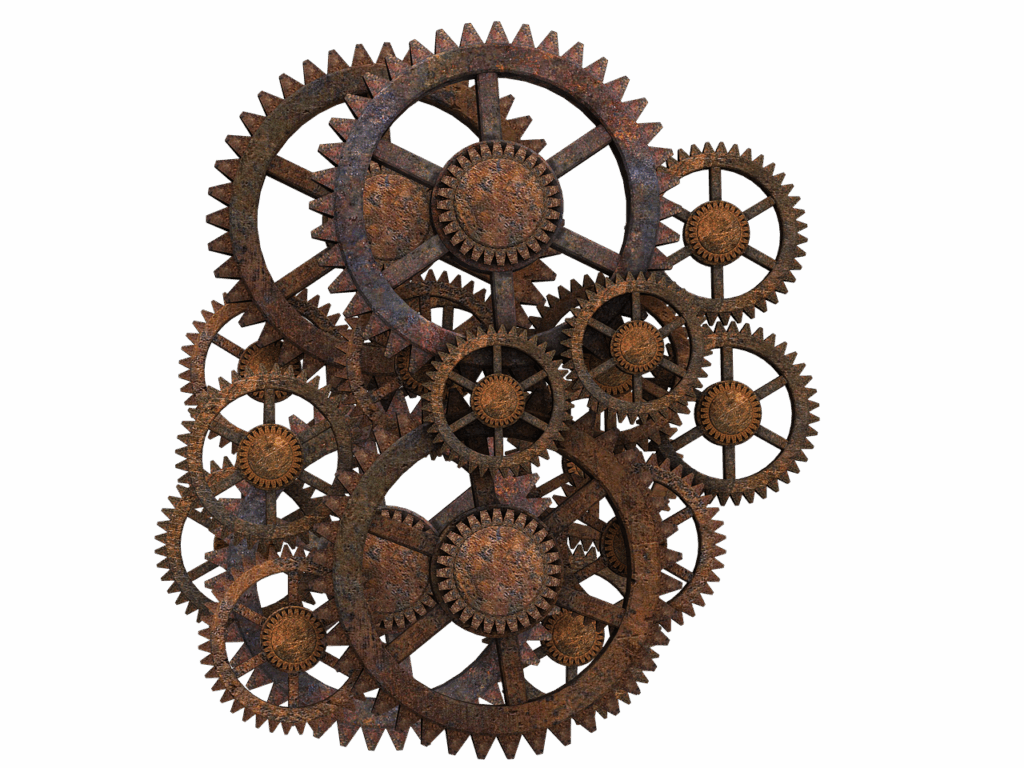
6. **”Clutch-less” Semi-Automatic Concepts Prone to Problematic Response**Within the broader category of semi-automatic transmissions, engineers also explored various “clutch-less” designs, aiming to offer drivers a manual-like shifting experience without the physical clutch pedal. One notable approach involved a system that started much like any automatic transmission but then allowed for manual-style shifting. Concepts like the Porsche Sportmatic are mentioned in this vein, representing efforts to bridge the gap between full automation and driver control. The underlying concept, to provide relief from clutch operation while retaining gear selection, was theoretically sound and held significant promise for reducing driver fatigue.
However, the execution of many of these early clutch-less semi-automatic systems was often plagued by issues. The text highlights that “Even though the basic concept is sound, semi-automatics proved to be problematic and lack the performance or response of automatic or manual transmissions.” This refers to specific design shortcomings that led to an unsatisfying driving experience. Drivers often encountered delays during shifts, jerky transitions, or a general lack of the crispness and responsiveness expected from either a traditional manual or a well-tuned automatic.
These performance deficiencies ultimately sealed the fate of many such early clutch-less semi-automatic variants. While the *idea* of a clutch-less manual lives on in more refined forms like Intelligent Manual Transmissions (iMT) or the manual modes of advanced automatics, the particular generation of these systems that “proved to be problematic” and delivered a subpar driving experience has effectively vanished from the mainstream automotive market. Their inability to match the efficiency, comfort, or engagement of more successful transmission types led to their obsolescence, making them a significant chapter in the history of automotive experimentation.
The ceaseless march of automotive innovation means that what was once cutting-edge or commonplace can quickly become a relic of the past. As we continue our journey through the history of gearboxes, it becomes clear that ‘vanished’ doesn’t always mean total extinction, but often a significant evolution, a re-evaluation of application, or the superseding of less efficient characteristics by superior technologies.
Now, let’s turn our attention to the next six transmission types, or their distinct traits, that have undeniably receded from common usage, revealing how progress continually reshapes the driving experience.
7. **CVTs in High-Performance or Heavy-Duty Applications**While Continuously Variable Transmissions (CVTs) represent a clever approach to power delivery, praised for their ability to keep an engine in its optimal rev range, their journey hasn’t been without limitations. The fundamental design, often pulley-based, allows for a ‘gearless’ operation, creating a continuous set of ratios for maximum efficiency. This elegant solution offers optimal use of engine power and torque, coupled with compact dimensions and a lower weight, making them a sensible choice for specific applications where smooth, uninterrupted acceleration and fuel economy are paramount.
However, the very nature of their design has inherently restricted their broader adoption across all vehicle segments. The context explicitly states a significant drawback: ‘the CVT transmission is rarely used in passenger vehicles since it cannot endure heavy use and towing, and it is not ideal for highway driving.’ This reveals a crucial niche that CVTs, in their current predominant form, simply cannot fill effectively. Their belt or chain systems, while efficient for lighter loads, struggle under the immense stresses of heavy-duty tasks, limiting their presence in trucks, larger SUVs, and vehicles designed for rigorous towing.
This specific inability to handle strenuous demands means that the *concept* of the CVT as a universal automatic transmission solution for all vehicles has largely vanished. While they thrive in commuter cars and hybrids like the Toyota Prius, they have definitively receded from consideration for high-performance sports cars or robust utility vehicles. In these demanding environments, other transmission types, designed for strength and immediate torque delivery, continue to dominate, leaving the CVT to excel in its specialized, lighter-duty roles.
8. **Early Dual-Clutch Transmissions with Low-Speed Jerkiness**The Dual-Clutch Transmission (DCT) stands as a monument to engineering prowess, particularly celebrated for its lightning-fast shifts and compact design, which have cemented its popularity in sports cars and high-performance vehicles. Unlike conventional automatics, DCTs eschew the torque converter in favor of two separate clutches—one for even gears and one for odd—allowing for near-instantaneous gear changes as the next gear is pre-selected. Volkswagen’s successful introduction of the DCT in 2003 marked a turning point, showcasing its durability and unbeatable shift times for enthusiasts.
However, the initial generations of these sophisticated systems were not without their quirks, especially in less-than-ideal driving conditions. The context offers a telling insight into a characteristic that early DCTs often exhibited: ‘When driving at low speeds, such as in a parking lot or on the opposite side of the car, it tends to pull and lock.’ This refers to a common complaint of low-speed jerkiness or hesitant engagement, where the precise, rapid-fire nature of the DCT, optimized for speed, could become less refined during slow maneuvers or in stop-and-go city traffic.
This particular trait, while perhaps a minor inconvenience to some, caused early DCTs to ‘recede’ from being a truly seamless, universal replacement for traditional automatics in all driving scenarios. The demanding precision required from two clutches operating at very low speeds, before significant software and mechanical refinements, made for a less smooth experience than conventional automatics could offer. Over time, extensive engineering has largely mitigated this issue, but the era where low-speed DCT operation was often characterized by noticeable harshness or ‘pulling’ has, thankfully, largely vanished as manufacturers refined their systems for broader appeal and daily drivability.
9. **Sequential Manual Transmissions (Consumer Unviability Due to Strict Sequencing and Restart Issues)**
We previously touched upon sequential manual transmissions (SMTs) as highly specialized units predominantly found in racing, valued for their tactile feel and swift gear changes without constant clutch manipulation. While a clutch is present, its use is typically confined to starting and selecting first gear, with subsequent shifts executed via a simple lever push or paddle shifts. This design allows racecar drivers to maintain focus almost entirely on steering and braking, maximizing track performance.
Despite these performance merits, the comprehensive unsuitability of sequential manual transmissions for the mass consumer market goes beyond just high cost. The context highlights critical operational limitations that sealed their fate outside of motorsports. Notably, SMTs ‘do not allow for skipping gears,’ meaning shifts must occur in strict sequence, either up or down. This contrasts sharply with modern automatics, which can instantly ‘kick down’ multiple gears for immediate acceleration, a crucial capability for diverse driving conditions.
Furthermore, an often overlooked, yet profoundly impractical, aspect for everyday drivers is that ‘Going again after a panic stop can be a bit difficult as they do not like to shift easily while stopping.’ Imagine the frustration of a daily commute, or navigating an emergency situation, where such a fundamental maneuver is complicated by the transmission’s design. This combination of strict sequential shifting and problematic restarts in consumer vehicles ensured that SMTs, in their pure form, have completely vanished from the mainstream automotive landscape, remaining firmly entrenched in the specialized, high-stress world of racing where their specific benefits outweigh these significant drawbacks.
10. **Torque Converters Lacking Lock-Up Technology (Fuel Efficiency Compromise)**The torque converter transmission, one of the oldest forms of automatic transmission, fundamentally transformed driving by using fluid to transmit power from the engine to the drivetrain, eliminating the need for a mechanical clutch. Early designs were groundbreaking for their convenience, allowing for smooth, continuous acceleration without manual input. The system relies on an impeller (pump) pushing fluid to a turbine, thereby transferring torque to the transmission system. This fluid coupling, while smooth, had a significant initial drawback.
As the context explicitly states, ‘The first torque converters weren’t designed for any sort of performance or fuel efficiency.’ This highlights an era where the primary engineering focus was on the foundational task of replacing the clutch for ease of use, rather than optimizing for power transfer efficiency. The inherent nature of a pure fluid coupling meant a certain degree of ‘slippage’ between the impeller and turbine, particularly at cruising speeds. This slippage translated directly into wasted energy, reduced fuel economy, and generated excess heat, making these early designs remarkably inefficient by today’s standards.
The widespread adoption of lock-up clutch technology within modern torque converters marked the vanishing of this era of pure, unoptimized fluid coupling. A lock-up clutch directly connects the impeller and turbine at cruising speeds, eliminating slippage and drastically improving efficiency. Today’s torque converters are engineered to be ‘quite responsive and are suitable for city or highway driving,’ a stark contrast to their inefficient predecessors. Consequently, the basic torque converter, operating without the benefit of lock-up to mitigate energy loss, has effectively vanished from contemporary automotive engineering, replaced by far more advanced and refined systems that prioritize both seamless operation and economic performance.

11. **Tiptronic-style Transmissions with Noticeable Shift Delays in Aggressive Driving**The Tiptronic transmission system emerged as a popular feature, offering drivers the best of both worlds: the relaxed convenience of an automatic transmission combined with the ability to manually select gears using paddles or a gear lever. This innovation, also known as Sportmatic or Steptronic, provides drivers with greater control, particularly useful for scenarios like ascending or descending steep hills, or for more confident overtaking on the highway. It effectively functions as an automatic gearbox but without the traditional clutch pedal, granting a degree of engagement that purely automatic systems previously lacked.
However, for the discerning enthusiast who craves immediate and precise control, early Tiptronic-style systems presented a set of compromises that made their manual modes ‘recede’ from being a truly competitive alternative to a dedicated manual or even the later, faster dual-clutch transmissions. The context points out two key disadvantages: the Tiptronic system ‘uses a torque converter instead of the regular clutch mechanism, this can result in some degree of power loss,’ and, crucially, ‘Since in manual mode, the ECU shifts gears, there is a slight delay during the shift, which becomes evident in more aggressive driving.’
These inherent characteristics meant that the ‘manual control’ offered by early Tiptronic systems, while convenient, wasn’t truly on par with the direct, instant feedback expected by performance drivers. The power loss and, more significantly, the noticeable lag between a driver’s input and the actual gear change, particularly during spirited driving, undermined the promise of genuine manual engagement. This specific *compromised manual performance* in Tiptronic-style transmissions has largely vanished from the aspirations of high-performance driving, as technology has evolved to provide more direct and responsive manual modes, or as drivers opt for DCTs for uncompromising speed.
12. **The Era of Transmissions Designed Without ‘Manual Mode’ Consideration**Throughout the evolution of automatic transmissions, there has been a continuous push for both greater convenience and enhanced driver engagement. Early automatic gearboxes were designed for one primary purpose: to eliminate the need for a clutch pedal and manual gear selection, simplifying driving to a mere choice between ‘Drive’ and ‘Reverse.’ This fundamental convenience was revolutionary, freeing drivers from the coordination required by a traditional manual and significantly broadening the appeal of motoring to a wider audience.
However, as automotive technology advanced and driver expectations diversified, the era of automatics offering *zero* manual control began to recede. The context frequently highlights that ‘Many modern automatic transmissions also have a “manual mode” or feature that allows the drivers to control the gearbox by choosing the desired gear themselves.’ This capability, often facilitated by steering wheel paddles or a dedicated shift gate on the gear lever, signifies a profound shift in design philosophy.
This evolution demonstrates that the purely automatic transmission, devoid of any manual override or driver input beyond selecting the primary drive mode, has largely vanished as the sole paradigm for automatic vehicles. The expectation has grown for automatics to provide a degree of driver choice and control, reflecting a desire to blend convenience with engagement. This shift acknowledges that even drivers preferring automatics appreciate the flexibility to manually select gears for specific driving situations, marking the end of the era where such a feature was a rare or non-existent option, and ushering in a new standard of more interactive automatic transmissions.
Read more about: The Hidden Cost: 14 Popular Trucks and Vehicles Prone to Major Repairs Before 100,000 Miles
Our journey through these vanished transmission types and characteristics underscores a relentless pursuit of automotive excellence. From rudimentary two-speed units to torque converters battling inefficiency, and the spirited but imperfect semi-automatics, each chapter of transmission history is a testament to engineers tirelessly striving for a better balance of performance, efficiency, and driver experience. The transmissions that power our cars today are the beneficiaries of countless innovations and lessons learned from their predecessors, ensuring that the magic of converting engine power into smooth, controlled motion continues to evolve, constantly pushing the boundaries of what’s possible on the road.