Hey there, market enthusiasts and pop culture aficionados! Ever wonder what it takes to stay on top, especially when the spotlight is as intense as the S&P 500? Think of it like Beyoncé’s legendary stage presence – that raw, undeniable “On-Stage Energy” that keeps her at the peak of her game, delivering “Peak Vocals and Endurance” night after night. But just like our Queen Bey meticulously curates her diet to maintain that iconic performance, the titans of industry also have certain “meats”—metaphorically speaking, of course—that they absolutely won’t ‘eat’ if they want to keep their place on the most prestigious corporate stage.
Today, we’re taking a deep dive into the high-stakes world of the S&P 500, a dynamic arena where companies battle for market leadership, innovation, and, most importantly, endurance. For these corporate giants, staying on the index is all about maintaining “peak performance” and avoiding the kind of financial “meals” that could lead to a swift exit. We’re talking about strategic missteps, market shifts, or even irresistible takeover bids that redefine their role in the grand economic concert.
So, buckle up! We’re about to unveil some fascinating stories of companies that, for various reasons, found themselves taking a bow from the S&P 500 stage. These aren’t just ticker symbols; they’re narratives of ambition, market forces, and the relentless pursuit of corporate longevity. Understanding these changes offers a unique glimpse into the ever-evolving landscape of global finance, revealing the corporate “diets” and “behaviors” that can either sustain “On-Stage Energy” or lead to an unexpected curtain call. Let’s get into the nitty-gritty of what it takes to *not* be on this list if you’re aiming for that corporate “peak performance”!

1. **Hess Corporation (HES): Swallowed by a Bigger Appetite**Imagine you’re a standout performer, consistently hitting all the right notes, but then a bigger, even more established act steps in and says, “We’d love for you to join *our* ensemble!” That’s pretty much what happened to Hess Corporation. This energy giant, a long-standing fixture on the S&P 500 stage, found its independent run coming to an end when “S&P 500 and S&P 100 constituent Chevron Corp. acquired Hess Corporation.” It wasn’t a matter of poor performance, but rather a strategic consolidation move in the high-stakes world of energy.
When a company like Hess is acquired by another S&P 500 behemoth like Chevron, it’s like a supergroup forming. While the individual Hess brand might continue to operate, its separate listing on the S&P 500 stage vanishes. For companies aiming for “peak endurance” in the index, this kind of acquisition represents a different kind of “meat” – one that leads to becoming part of a larger entity rather than maintaining independent “on-stage energy.” It’s a testament to the powerful gravitational pull of market leaders.
This move by Chevron wasn’t just about expanding its portfolio; it was a clear signal of market consolidation within the energy sector. Hess Corporation, with its valuable assets and operational prowess, became a prime target, demonstrating that even strong individual performers can be integrated into larger, more dominant acts. It’s a strategic ‘diet’ that prioritizes synergy and scale over standalone presence on the S&P 500’s grand stage.
2. **Ansys (ANSS): The Tech Giant’s Hunger for Innovation**In the fast-paced world of technology, staying innovative and ahead of the curve is the ultimate form of “peak performance.” Ansys, a company renowned for its simulation software, understood this well, but even star innovators can find themselves as desirable ingredients in a larger recipe. Its journey on the S&P 500 came to a close when “S&P 500 constituent Synopsys Inc. acquired Ansys.”
This acquisition highlights a common theme in the tech industry: the relentless pursuit of competitive advantage through strategic mergers. Synopsys, another major player, saw Ansys’s simulation capabilities as a crucial piece for its own growth, effectively absorbing Ansys’s unique “on-stage energy” into its broader performance. It’s a powerful reminder that in the tech universe, even market leaders are constantly looking for ways to enhance their “vocals” and extend their “endurance.”
The departure of Ansys from the S&P 500 wasn’t a sign of weakness but rather a strategic move by its acquirer to bolster its own offerings. It’s like a talented solo artist joining a super-band to create an even more formidable sound. For Ansys, this meant its individual spotlight dimmed, but its technology’s influence potentially broadened under the wing of Synopsys, showcasing a different path to continued impact in the corporate world.

3. **Discover Financial Services (DFS): When Market Giants Merge Appetites**Picture this: you’re a well-known financial performer, a staple in millions of wallets, with your own distinct “on-stage energy.” That’s Discover Financial Services! But in the fiercely competitive financial sector, sometimes the only way to get even bigger is to merge with an equally ambitious act. Discover’s independent S&P 500 run concluded as “S&P 500 constituent Capital One Financial Corp. acquired Discover Financial Services.”
This kind of merger isn’t just a business transaction; it’s a profound shift in the market’s dynamics. Capital One, with its expansive reach, saw in Discover a complementary set of assets and customer base, leading to a massive consolidation of financial power. For Discover, it meant its solo performance on the index transitioned into a duet (or perhaps a larger ensemble) with Capital One, changing the nature of its “peak performance” metrics from independent growth to integrated strength.
These financial sector “power plays” are essential for companies seeking to scale up and maintain their “endurance” against a backdrop of increasing competition and evolving consumer demands. While it means saying goodbye to a distinct S&P 500 listing for Discover, it also paves the way for a potentially more formidable combined entity. It’s a bold move, a corporate “meal” designed to create a larger, more resilient financial presence that can weather future market storms.

4. **First Republic Bank (FRC): A Cautionary Tale of Financial Health**Now, let’s talk about a type of “meat” that no company wants to touch with a ten-foot pole: financial distress leading to a forced exit. First Republic Bank found itself in just such a precarious position. Its “on-stage energy” faltered dramatically when “The Federal Deposit Insurance Corporation (FDIC) placed First Republic Bank into FDIC Receivership.”
This isn’t an acquisition by a willing partner; it’s a lifeline thrown by regulators when a bank’s financial health deteriorates past the point of independent recovery. For companies aiming for “peak vocals and endurance,” maintaining rock-solid financial stability is paramount. The receivership of First Republic Bank served as a stark, public reminder of the severe consequences of market volatility, deposit flight, and liquidity crises.
It’s a cautionary tale for all corporate entities: even institutions that once commanded respect can quickly lose their “stage presence” if their underlying financial “diet” isn’t sound. The FDIC stepping in signifies a complete loss of independent “endurance,” emphasizing that robust risk management and consistent capital health are non-negotiable for anyone wanting to stay in the S&P 500 spotlight. It’s the kind of “meat” that warns others to check their financial ingredients carefully.

5. **Signature Bank (SBNY): Another Swift Exit from the Market Stage**Following closely on the heels of First Republic Bank’s troubles, Signature Bank also experienced an abrupt end to its S&P 500 journey. In a similar vein of crisis management, “The FDIC placed Signature Bank into FDIC Receivership.” This further underscored a period of intense pressure on regional banks and the broader financial system, sending ripples of concern throughout the market.
For companies striving for consistent “on-stage energy” and long-term “endurance,” these events serve as powerful lessons in market confidence and systemic risk. A bank’s ability to maintain depositor trust and navigate turbulent economic waters is as critical as any performer’s ability to hit their high notes. When that trust erodes, the consequences can be swift and severe, leading to an immediate “curtain call” from the S&P 500 stage.
Signature Bank’s receivership reinforces the idea that an unforeseen “financial diet” of instability and uncertainty can quickly derail even well-established players. It’s a vivid illustration that robust governance, clear communication, and unwavering financial fortitude are essential ingredients for sustained “peak performance” in any sector, especially one as sensitive as banking. This ‘meat’ is a powerful reminder that market trust is hard to build and easy to lose.
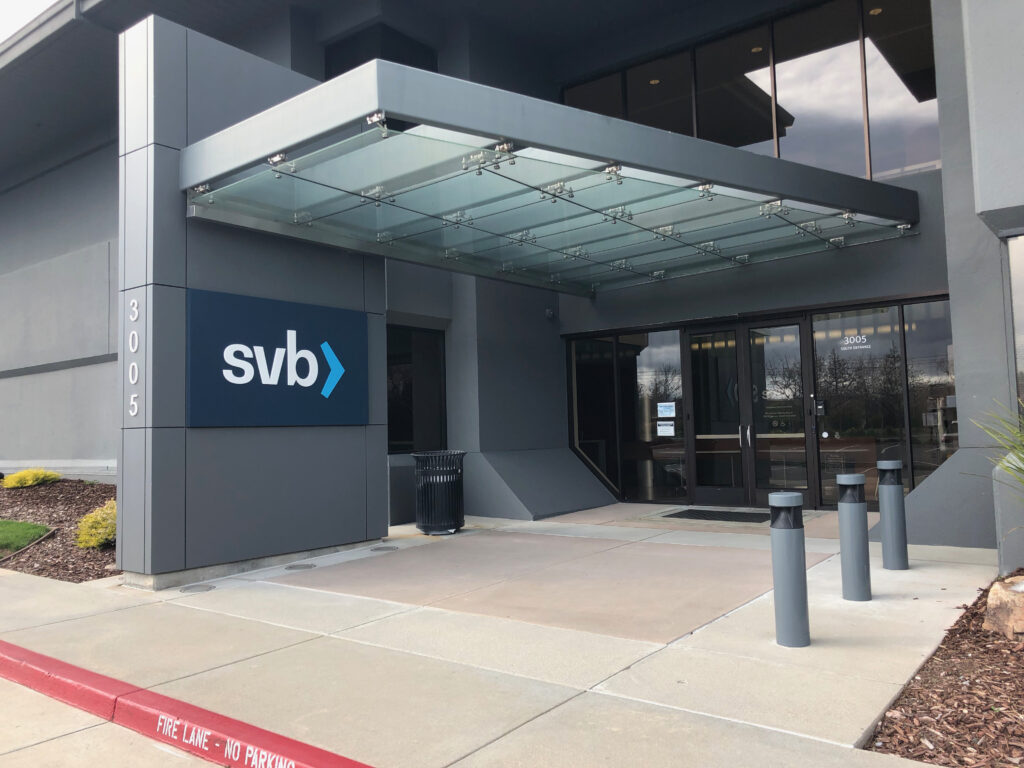
6. **SVB Financial Group (SIVB): The Sudden Collapse of a Financial Performer**And just when the financial world thought it had seen enough, SVB Financial Group, the parent company of Silicon Valley Bank, also made a dramatic exit. Its removal from the S&P 500 was triggered when “The FDIC placed SVB’s main subsidiary, Silicon Valley Bank, into receivership.” This was arguably one of the most talked-about financial collapses in recent memory, stunning investors and customers alike.
SVB’s story is a profound lesson in the speed at which fortunes can turn and how quickly “on-stage energy” can dissipate. For a bank that catered heavily to the tech and venture capital communities, its rapid downfall highlighted unique vulnerabilities related to its concentrated customer base and interest rate risk. It’s a reminder that even niche-focused “performers” need a diversified and resilient “financial diet” to achieve true “endurance.”
The receivership of Silicon Valley Bank sent shockwaves because of its unique position within the innovation ecosystem. It was a stark wake-up call that market conditions, coupled with specific operational exposures, can lead to an incredibly swift erosion of “peak performance.” This corporate “meat” is a harsh reminder that comprehensive risk assessment and adaptability are not just good practices, but absolute necessities for maintaining a long and thriving career on the S&P 500 stage.
Okay, so we’ve seen how some companies gracefully (or sometimes not-so-gracefully) exited the S&P 500 stage due to acquisitions or financial wobbles. But the corporate world, much like a pop star’s career, is full of twists, turns, and unexpected collaborations. Let’s keep grooving through this list, uncovering more ‘meats’ that led to a change in ‘On-Stage Energy’ for these corporate powerhouses. From tech takeovers to luxury brand mergers, these stories really show how dynamic the S&P 500 spotlight truly is!

7. **Activision Blizzard (ATVI): Leveling Up into a Megacorporation**Imagine a rockstar band that’s been headlining stadiums for years, but then a super-producer with an even bigger empire comes along and says, “Hey, let’s make an album together that breaks the internet!” That’s pretty much the epic tale of Activision Blizzard. This gaming titan, known for legendary franchises, saw its independent run on the S&P 500 conclude when “S&P 500 and S&P 100 constituent Microsoft acquired Activision Blizzard.”
This wasn’t just another acquisition; it was a seismic shift in the entertainment and tech landscapes. Microsoft, a behemoth with its own vast ecosystem, was hungry to expand its gaming division, Xbox, and Activision Blizzard was the ultimate catch. For Activision Blizzard, it meant its individual ‘performance track’ transformed, joining a much larger ‘orchestra’ and becoming a key part of Microsoft’s grand symphony of software, hardware, and content. It’s like going from a solo act with massive appeal to being part of a supergroup where the combined force is unstoppable.
For companies in the S&P 500, especially in fast-evolving sectors like gaming and tech, sometimes the ultimate ‘peak performance’ isn’t about staying independent forever. It’s about finding the right synergy, the perfect partner to amplify your reach and impact. While Activision Blizzard waved goodbye to its standalone listing, its influence in the gaming world, backed by Microsoft’s immense resources, is now set to reach even greater heights. It’s a powerful ‘meal’ that signifies integration into a global tech empire, redefining what ‘on-stage energy’ looks like for a gaming giant.

8. **Twitter (TWTR): A Dramatic Change in Lead Vocals**Now, here’s a story that truly captured the world’s attention – a social media platform that was practically synonymous with real-time global conversation. Twitter, with its unique ‘public persona’ and relentless ‘on-stage energy,’ experienced an ownership shift so dramatic it felt like a plot twist in a blockbuster movie. Its S&P 500 listing faded away after “Elon Musk acquired Twitter.”
This wasn’t a traditional corporate merger driven by market consolidation or financial distress. This was a high-profile, highly personal takeover that fundamentally changed the platform’s trajectory and public identity. It’s as if a legendary venue suddenly got a new, incredibly outspoken owner who decided to completely redecorate and change the entire setlist. For Twitter, its ‘peak performance’ metrics suddenly went from public market expectations to the ambitious (and often controversial) vision of a single, powerful individual.
When such a significant asset like Twitter moves from public ownership to private, its requirements for ‘endurance’ change. The pressures of quarterly earnings reports and shareholder demands are replaced by a different kind of intensity – one driven by a singular entrepreneurial spirit. This particular ‘meat’ was less about market forces dictating an exit and more about a charismatic figure stepping in and saying, “I’m taking this show private.” It highlighted that even the most established ‘performers’ can have their ‘stage presence’ profoundly altered by a determined new owner, leading to a dramatic, headline-grabbing curtain call from the S&P 500.

9. **Nielsen Holdings (NLSN): From Public Stage to Private Studio**Ever wonder who’s keeping tabs on what everyone’s watching, listening to, and buying? That’s Nielsen Holdings, the data giant that’s been measuring our media consumption for ages. For years, Nielsen held its own on the S&P 500, a key player in understanding the pulse of consumer behavior. However, its time in the public spotlight concluded when “Elliot Management Corp acquired Nielsen Holdings.”
This move tells us a fascinating story about how private equity firms often spot undervalued potential in established companies. Elliot Management, a savvy investment firm, saw an opportunity to take Nielsen private, perhaps to restructure, innovate, or simply unlock value away from the immediate pressures of public markets. It’s like a talented artist deciding to leave the grueling tour circuit to work on a new, groundbreaking album in a private studio, free from constant public scrutiny.
For Nielsen, navigating the ‘dietary demands’ of private equity meant a shift in focus. Instead of satisfying diverse public shareholders, the company would now work closely with its new private owners to achieve specific strategic goals. This type of ‘meat’ often involves intense operational improvements and a long-term value creation strategy that might not always align with the short-term expectations of public markets. It demonstrates that sometimes, moving ‘off-stage’ into a private setting can be a strategic move for a company to refine its ‘vocals’ and secure its ‘endurance’ in a different, more focused environment.

10. **Tiffany & Co (TIF): Adding a New Gem to a Luxury Crown**Ah, Tiffany & Co. – the name alone conjures images of iconic blue boxes, sparkling diamonds, and timeless elegance. This brand wasn’t just a jewelry store; it was a cultural icon, a symbol of luxury and sophistication that graced the S&P 500 stage for years. But even the most brilliant gems can find a new setting, and Tiffany’s independent run came to an end when “LVMH Moet Hennessy-Louis Vuitton SE acquired Tiffany & Co.”
This was less about struggle and more about consolidation at the very top of the luxury pyramid. LVMH, the global titan of luxury brands, already owns a dazzling array of fashion houses, jewelers, and spirits companies. Acquiring Tiffany & Co. was like adding another priceless jewel to an already glittering crown, further cementing LVMH’s dominance in the high-end market. For Tiffany, it meant joining an exclusive ‘orchestra’ of prestigious brands, each contributing to a grander, more powerful performance.
For companies aiming for ‘peak performance’ in the luxury sector, being part of a larger group like LVMH can offer unparalleled resources, global reach, and synergistic opportunities. While it means saying goodbye to an independent S&P 500 listing, it opens doors to expanded markets and enhanced brand positioning under the umbrella of a luxury powerhouse. It’s a strategic ‘meal’ that allows a strong brand to evolve its ‘stage presence’ and ‘endurance’ within a formidable global empire, ensuring its legacy continues to sparkle even brighter.

11. **Pacific Gas & Electric Company (PCG): A Power Outage on the Corporate Stage**Not every exit from the S&P 500 is a grand acquisition or a strategic maneuver. Sometimes, the ‘on-stage energy’ simply falters under immense pressure, leading to a forced exit. Such was the challenging situation for Pacific Gas & Electric Company (PCG). This major utility, responsible for powering millions of homes and businesses, found its S&P 500 presence interrupted when “PCG filed for bankruptcy.”
This isn’t just a financial hiccup; it’s a profound crisis that highlights the critical importance of operational stability, risk management, and regulatory navigation for essential service providers. For a utility, maintaining ‘peak performance’ means ensuring reliable service while managing enormous infrastructure, environmental responsibilities, and public safety. Bankruptcy signifies a complete loss of independent ‘endurance,’ often triggered by overwhelming liabilities, legal challenges, or unforeseen disasters that impact their ability to perform their core functions.
PCG’s bankruptcy served as a stark reminder that even companies providing vital services are not immune to profound ‘on-stage challenges.’ It underscored the complexities faced by utilities in an era of climate change, aging infrastructure, and escalating legal risks. For any company striving for sustained ‘on-stage energy,’ this kind of ‘meat’ is a powerful cautionary tale about the need for robust financial planning and comprehensive risk mitigation, especially when public trust and safety are on the line.

12. **Whole Foods Market (WFM): Amazon’s Appetite for a Healthier Aisle**Remember when organic groceries were niche, and then Whole Foods Market came along and made them mainstream? This premium grocery chain cultivated a powerful brand and a loyal following, establishing itself as a unique ‘performer’ on the S&P 500 stage. But the retail world is always evolving, and Whole Foods found a new home when “Amazon acquired Whole Foods Market.”
This acquisition was a game-changer, illustrating the dynamic intersection of traditional retail and e-commerce. Amazon, the ultimate digital disruptor, saw in Whole Foods a physical footprint and a brand reputation that could supercharge its ambitions in the grocery sector. It was a bold move, akin to a digital-first artist deciding to buy a chain of popular live music venues to expand their reach and offer a more holistic experience to fans.
For Whole Foods, this meant its ‘on-stage energy’ became integrated into Amazon’s colossal ecosystem. The ‘diet’ shifted from independent grocery leadership to being a strategic part of a broader retail and logistics network, aiming for enhanced ‘endurance’ through synergy with Amazon’s tech and delivery prowess. It showcased how even strong, distinctive brands can change ‘ownership’ on the market stage, demonstrating that sometimes, the future of ‘peak performance’ involves merging with an entirely different kind of industry leader to create an innovative and formidable combined entity.
And there you have it, folks! From strategic acquisitions that lead to bigger, bolder performances to financial challenges that force a swift exit, and even dramatic ownership shifts that redefine a company’s entire stage presence, the S&P 500 is a constantly evolving concert. These 12 stories aren’t just about companies leaving an index; they’re high-stakes narratives of ambition, market forces, and the relentless pursuit of corporate longevity. Just like Beyoncé’s incredible dedication to her craft, maintaining ‘On-Stage Energy’ and ‘Peak Vocals and Endurance’ in the corporate world means constantly adapting, strategically aligning, and sometimes, knowing when it’s time for a new act to begin. What a show!