Hey there, fellow film fanatic! Ever get that feeling like you know *everything* about the Academy Awards? You know the glitz, the glam, the speeches (oh, the speeches!). But what about the stuff that kinda… faded? The hidden gems, the forgotten moments, and yes, some of the actual Oscar winners whose stories have slipped through the cracks of pop culture history? Buckle up, because we’re about to take a super fun deep dive into the archives!
The Oscars, as we all know, are *the* awards for artistic and technical merit in film, presented annually by the Academy of Motion Picture Arts and Sciences (AMPAS). They’re widely considered the most prestigious awards in the film industry, dating all the way back to May 16, 1929. That’s a lot of history, a lot of golden statuettes, and a whole lotta stories that have simply vanished from our collective memory. Think about it: over 90 years of cinematic triumphs, controversies, and unexpected turns!
Today, we’re pulling back the velvet curtain on 11 such ‘vanished’ tales. We’re talking about more than just forgotten faces; we’re exploring the quirky rules, the peculiar fates of those iconic golden knights, and the groundbreaking moments that once captivated the world but now barely register on our pop culture radar. So grab your popcorn, because this isn’t your grandma’s Oscar recap – it’s a treasure hunt for the lost legacies of Hollywood’s biggest night!
1. **Emil Jannings: The First Actor Who Literally Left Hollywood Behind**Imagine winning the very first Best Actor Oscar, a monumental achievement that sets the precedent for all future cinematic greatness. That honor belonged to Emil Jannings, recognized for his stellar performances in both “The Last Command” and “The Way of All Flesh.” A trailblazer indeed, capturing the inaugural golden knight for his work during the 1927–28 period. He truly etched his name into the annals of Hollywood history as the first actor to ever claim this coveted prize.
However, Jannings’ story takes a rather unique turn right after his groundbreaking win. Before the grand ceremony even took place, he had to return to Europe. This created a bit of a logistical challenge for the nascent Academy, who, in a move of pure pragmatism, agreed to give him the prize early. Can you believe it? The very first Oscar recipient didn’t even attend the official shindig!
This early departure meant that, for a significant portion of Hollywood’s burgeoning public eye, the first Best Actor winner literally vanished from the immediate scene. While his films and performances remain part of cinematic heritage, his presence in the ongoing glamour and discourse of the burgeoning film industry in the US quickly faded, making him an early, literal example of an Oscar winner whose physical presence in the Hollywood public view quickly vanished.
2. **Janet Gaynor: The Original Best Actress Who Set a Vanished Precedent**Stepping onto the stage alongside Emil Jannings in that historic first ceremony was Janet Gaynor, who snagged the very first Best Actress award. Now, we’re used to actors being nominated for a single, standout performance. But back in the day, things were a little different, and Gaynor’s win truly highlights a practice that has completely vanished from the Academy Awards.
Janet Gaynor didn’t win for just one incredible role; she won for performances across *three* different films! Talk about versatility and making an impression! Her award recognized her work in multiple features, a testament to her widespread impact in the qualifying period. This kind of multi-film recognition for a single acting award is practically unheard of today, making her win a fascinating relic of early Oscar rules.
Indeed, this unique method of honoring performers quickly became a thing of the past. Beginning with the second ceremony, performers received separate nominations for individual films. In fact, the context tells us that no performer has received multiple nominations in the same category since the 3rd Academy Awards! So, while Janet Gaynor remains a pioneering Best Actress, the specific *way* she won for a trifecta of roles has absolutely vanished from the awards landscape, leaving her win a testament to a bygone era of recognition.
3. **Harold Russell: The Best Supporting Actor Who Fought a Different Battle**Winning an Oscar is supposed to be the pinnacle, a moment of triumph to be cherished forever. But for Harold Russell, his 1946 Best Supporting Actor win for “The Best Years of Our Lives” took on a different, more somber, and ultimately deeply human trajectory. His story, once a subject of public debate, is one that has largely vanished from the casual Oscar conversations of today.
Decades after his win, in 1992, Russell made the incredibly difficult decision to consign his prized statuette to auction. His reason? To raise much-needed money for his wife’s medical expenses. Can you imagine the heart-wrenching choice between a symbol of career achievement and the health of a loved one? It sparked quite the controversy at the time, with many weighing in on the sentimentality versus the practicalities of life.
Russell, however, was steadfast in his defense, stating, “I don’t know why anybody would be critical. My wife’s health is much more important than sentimental reasons. The movie will be here, even if Oscar isn’t.” This powerful declaration underscored the personal struggles that even Oscar winners can face, putting into perspective the true value of life over accolades. While the act of selling an Oscar made headlines then, the poignant backstory and the depth of his conviction have largely vanished from contemporary public recall, making his win a bittersweet memory.
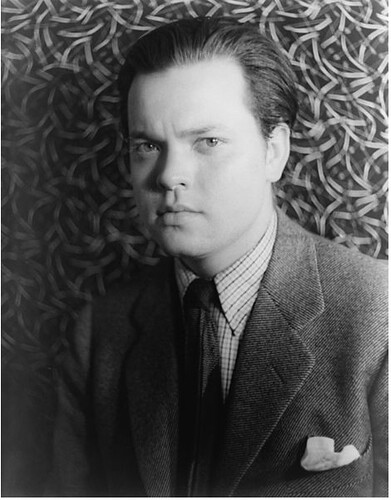
4. **Orson Welles’ Citizen Kane Oscar: A Cinematic Masterpiece and Its Award’s Posthumous Journey**When we talk about cinematic legends, Orson Welles and his groundbreaking film “Citizen Kane” immediately spring to mind. He co-wrote and directed this masterpiece, which earned him the Academy Award for Best Original Screenplay in 1941. It’s a film that’s studied, revered, and consistently tops lists of the greatest movies ever made. But what about the physical embodiment of that win, the Oscar statuette itself? Its journey after his death is a tale that often vanishes from general knowledge.
Unlike many Oscars that stay in private collections, Welles’ statuette embarked on a rather public, posthumous adventure. In December 2011, his 1941 Oscar for “Citizen Kane” was put up for auction. This came after his heirs won a 2004 court decision, contending that Welles had not signed any agreement to return the statue to the Academy if it were to be sold. This legal wrangling highlights the Academy’s firm stance on statuette ownership, a rule that became much stricter after 1950.
On December 20, 2011, the iconic award sold in an online auction for a staggering $861,542, which is equivalent to over $1.2 million in 2024! While Orson Welles himself is far from vanishing from public view, the intricate story of his Oscar’s sale, the legal battles, and its ultimate price tag are fascinating footnotes to his legacy that many film enthusiasts might not readily recall, showing how even a legendary winner’s award can have a ‘vanished’ public narrative.
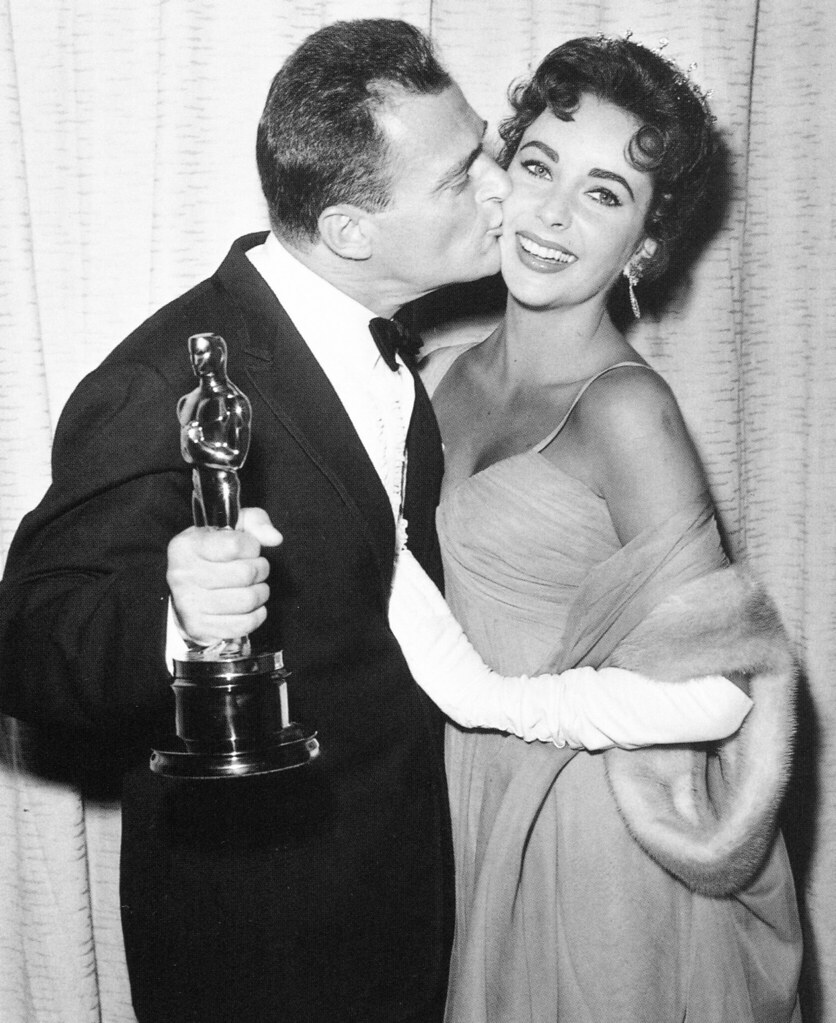
5. **Michael Todd’s Best Picture Oscar: When a Winning Trophy Becomes a Court Case**Winning Best Picture is arguably the highest honor at the Academy Awards, a moment of glory for the filmmakers behind a truly outstanding achievement. In 1956, Michael Todd won this coveted prize for his epic production of “Around the World in 80 Days.” While the film itself remains a classic, the dramatic, almost forgotten, legal battle surrounding his golden statuette is a captivating story that has largely vanished from everyday Oscar lore.
Many years after Todd’s triumphant win, in 1989, his grandson attempted to sell the Best Picture Oscar to a movie prop collector. This action immediately triggered the Academy of Motion Picture Arts and Sciences, which has stringent rules about the sale of its awards. The Academy, ever protective of its prestigious symbols, earned a permanent injunction against the sale, ensuring the statuette would not be sold on the open market.
This case served as a stark reminder of the Academy’s post-1950 policy, which dictates that Oscar statuettes are not freely disposable by their recipients. If a winner wishes to sell their award, they must first offer it back to the Academy for a symbolic sum of $1. Michael Todd’s Oscar became a legal precedent, highlighting the Academy’s ownership clause and the fact that an Oscar, once awarded, is never truly ‘gone’ from the Academy’s watchful eye, even if the story of its near-sale has vanished from common memory.
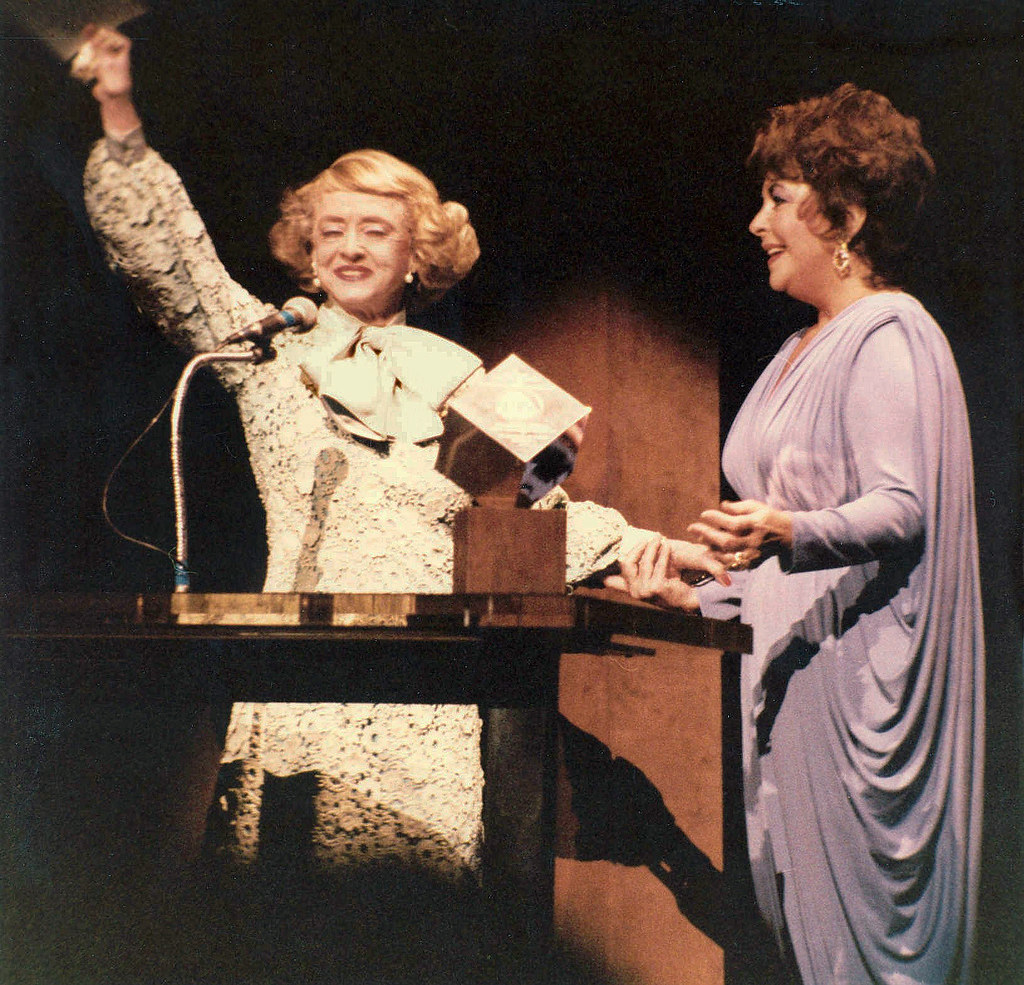
6. **Bette Davis and the “Oscar” Name: A Winner’s Claim to Fame That Faded**Beyond the glitz and the winners, one of the most intriguing ‘vanished’ stories of the Oscars revolves around the very name of the statuette itself! Who actually came up with the affectionate nickname “Oscar”? Multiple people have taken credit, and among the claimants was none other than legendary actress Bette Davis, a major Oscar winner herself, though her claim has largely faded from being the accepted truth.
In her 1962 autobiography, Davis confidently asserted that she named the trophy in 1936 after her first husband, Harmon Oscar Nelson, because its rear end reminded her of him. It’s a rather charming and quirky anecdote, one that surely added to her already formidable persona. Imagine a superstar giving the most prestigious award its iconic moniker! It’s the kind of story that sticks with you.
However, as with many Hollywood legends, the truth is often more complex, and Davis’s claim began to vanish under historical scrutiny. The term “Oscar” had actually been in use for at least two years before her purported naming. In a later 1974 biography, Davis gracefully conceded, stating, “I relinquish once and for all any claim that I was the one—so, Academy of Motion Picture Arts and Sciences, the honor is all yours.” This graceful retreat from her claim illustrates how even a winner’s enduring personal story can eventually vanish as definitive historical fact.
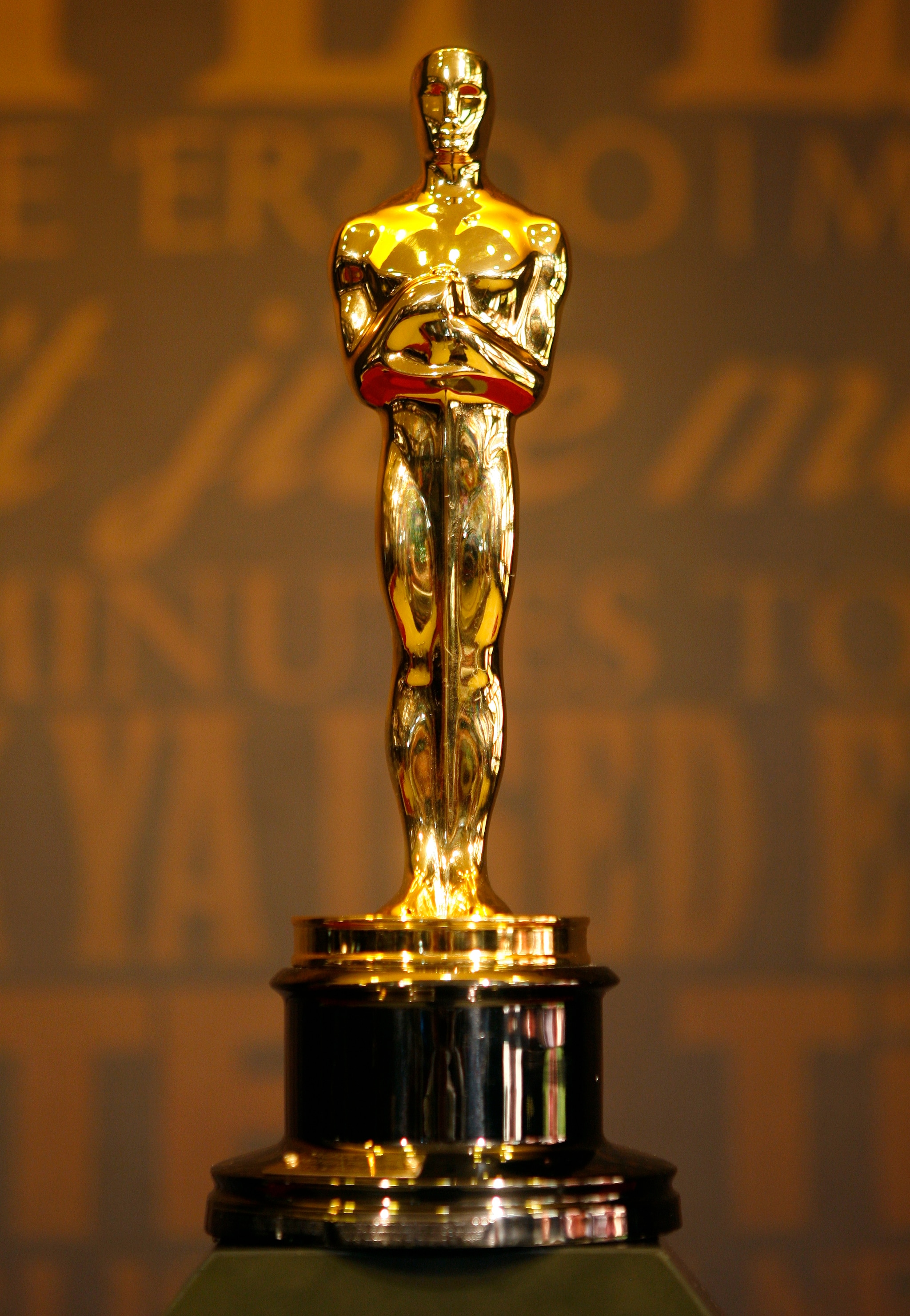
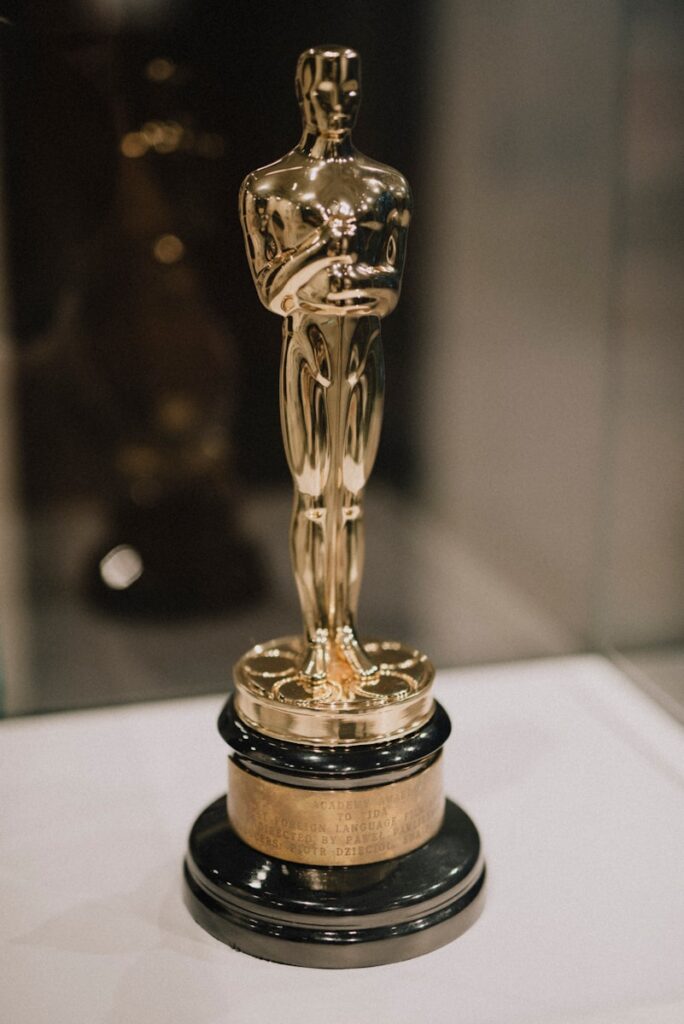
7. **The Oscar Statuette: From Bronze to Plaster, and Back Again! A Vanished Material Saga!**That gleaming golden knight – it’s the ultimate symbol of cinematic achievement! But here’s a fun fact: the Oscar statuette has undergone fascinating material transformations. This iconic award’s physical makeup is a captivating tale of wartime shortages, manufacturing shifts, and a cool return to its roots, largely vanished from the casual film fan’s radar.
Initially, statuettes were gold-plated solid bronze. Pretty weighty, right? But within a few years, bronze was abandoned for Britannia metal, then plated in copper, nickel silver, and finally, 24-karat gold. While it kept the iconic golden look, this marked a subtle yet significant change in production.
Then came World War II. Global conflict brought severe metal shortages, forcing an extraordinary change. For three years, Oscars were actually made of painted plaster! Can you imagine winning a plaster Oscar? Fear not, the Academy had a solution. Following the war, they invited recipients to redeem plaster figures for gold-plated metal ones. In 2016, the Academy returned to bronze as the core metal, ensuring these legendary awards are once again crafted with enduring strength and beauty.
8. **The Dual-City Ceremony: When Hollywood and New York Shared the Oscar Spotlight (A Vanished Tradition!)**
The Academy Awards are practically synonymous with Los Angeles’s glitz and glamour! Hollywood’s iconic venues and aura are integral to the Oscar tradition. But here’s a surprising, largely forgotten, tidbit: a unique period existed when the ceremony wasn’t confined to one city. For a few fascinating years, the Academy Awards were a bicoastal affair, taking place simultaneously in both Hollywood *and* New York! This dual-city tradition has almost completely vanished from memory.
From 1953 to 1957, the Oscars literally spanned both coasts. Picture the incredible logistical feat! Ceremonies kicked off simultaneously, maintaining synchronized excitement. In New York, events were held at the NBC International Theatre and later the NBC Century Theatre, while the main Hollywood gala unfolded concurrently on the West Coast. This bicoastal setup reflected the rapidly evolving media landscape and advent of television, connecting audiences in unprecedented ways.
However, despite its unique appeal, this split-city format proved temporary. After that five-year run, the Academy consolidated the ceremony, opting for it to take place solely in Los Angeles. While New York’s cultural allure is undeniable, practicalities and the desire for a unified Hollywood event ultimately prevailed. The dual-city format faded, leaving us with the singular, star-studded Hollywood extravaganza we know today.

9. **The Evolution of the Oscar Broadcast: From Radio Waves to Global TV – A Vanished Media Journey!**
Today, the Academy Awards is a global television event, eagerly anticipated by billions. It’s a live-streamed, social-media-buzzing spectacle. But its journey to becoming this worldwide cinematic phenomenon involved groundbreaking, humble steps, starting with radio! The path from local broadcast to global shared experience is a fascinating story of technological progress and expanding reach.
The first Academy Awards in 1929 was a private dinner. The second ceremony in 1930 marked the first instance of the event being broadcast to a wider audience, pioneering its reach through radio waves. Imagine listening intently for winners, conjuring images purely from sound! It was a massive leap for sharing excitement beyond the ballroom.
Then came television! The 1953 ceremony was the first to be televised, a revolution bringing Hollywood’s glitz and glamour directly into countless homes. The first color broadcast followed in 1966. By 1970, the ceremony went live internationally via satellite, slowly expanding its reach. From just two South American countries initially, it grew to 50, then 60 by 1980, and 76 by 1984. Truly incredible!

10. **The Instant Engraving Station: A Post-Ceremony Tradition That Vanished and Evolved!**Winning an Academy Award must feel like a whirlwind! You get your statuette, deliver your speech, and then celebrate! But for many decades, every Oscar winner had a follow-up task: waiting for weeks for their personalized golden knight to return home. This vanished tradition of delayed personalization has thankfully been replaced by a much snazzier, instant solution!
Prior to 2010, engraving was drawn-out. To prevent winner info leaks, statuettes on ceremony night arrived with blank baseplates. No names, no film titles, just pure gold. This crucial measure preserved suspense and integrity.
After the adrenaline rush, winners would dutifully return their new awards to the Academy. Then began the waiting period – sometimes weeks – while their statuette made its journey to the engraver. But the Academy innovated! Since 2010, at the exclusive Governor’s Ball, winners can now have custom-engraved nameplates applied right on the spot! They walk out with their personalized Oscar securely in hand.
11. **The Oscars’ Time Warp: Why the Ceremony Keeps Shifting Dates and Hours (A Vanished Schedule Tradition!)**
If you’re an Oscar super-fan, you’ve noticed the ceremony sometimes plays musical chairs with dates and broadcast times. These shifts are a strategic peek into Hollywood’s biggest night, reflecting TV ratings battles, avoidance of major sporting events, and respected religious holidays. The fixed Monday evening slot of old vanished, replaced by a dynamic, strategic approach.
For years, the Academy Awards were a Monday night affair, typically kicking off at 6:00 p.m. Pacific or 9:00 p.m. Eastern. This was tradition. Since 1999, the Oscars moved to Sundays, settling into an earlier start time. Why? More viewers tuned in Sundays, making it lucrative. Plus, it avoided LA rush-hour traffic and allowed East Coast viewers to bed earlier. The film industry had opposed it, fearing box office cuts.
Beyond the day, the date has been a target. In 2004, ceremonies moved up from late March/early April to late February. This was tactical to shorten lobbying campaigns and avoid clashing with NCAA Tournament TV ratings. Sometimes, it shifts into early March to avoid Winter Olympic Games, or religious holidays. They even moved the 2024 ceremony to an *earlier* start time for ABC’s profitable lead-out program. It’s clear the Oscars are masters of adaptation!
**Ending paragraph of the article.**
And there you have it, fellow film history buffs and pop culture fanatics! From the dazzling ‘Fab 5’ presenters that vanished and returned, to the ever-changing eligibility rules, the incredible material evolution of the golden statuette itself, and from the forgotten bicoastal broadcasts to the marvel of instant engraving, and even the ceremony’s strategic time-travel through the calendar – the Academy Awards are far from a static institution. They are a living, breathing, constantly adapting entity that thrives on innovation and occasionally revisits its past glories. These vanished traditions and dynamic shifts aren’t just quirky footnotes in a dusty history book; they are vibrant brushstrokes in the ongoing, glamorous masterpiece that is Oscar history. They powerfully remind us that even the most enduring and revered institutions have fascinating, often forgotten, stories hidden just beneath their shining surface. So, next time you’re glued to the screen for Hollywood’s biggest night, remember the rich, evolving tapestry of history that makes the Oscars truly unforgettable – even the parts that have, shall we say, gracefully taken a bow and exited stage left. What a ride through time, huh?!