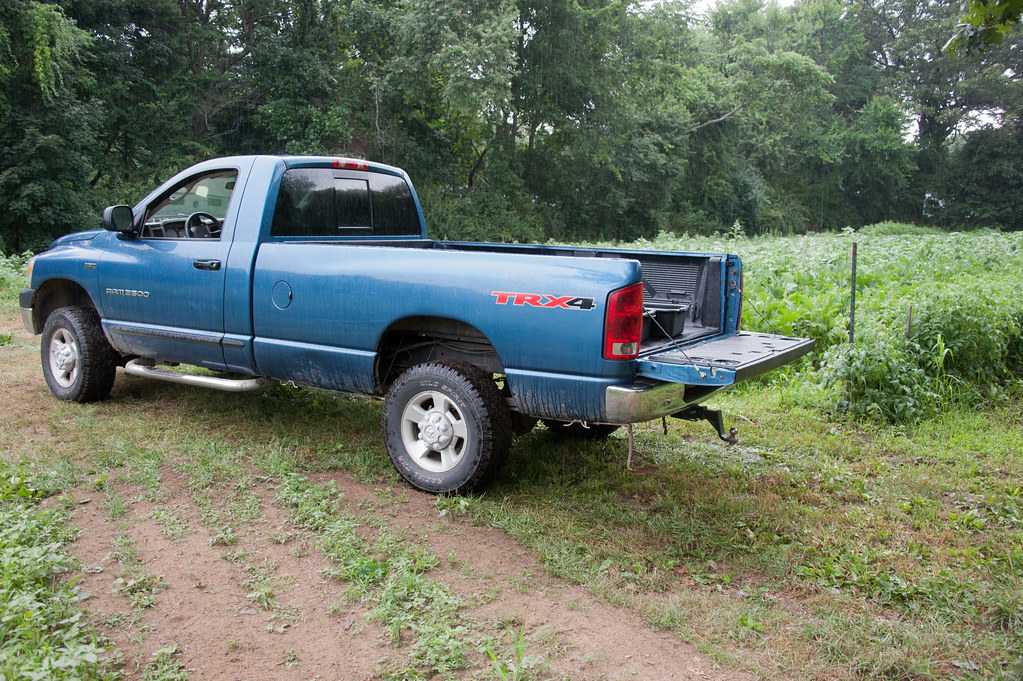
Alright, van enthusiasts and everyday drivers, let’s get real for a moment. Vans are the unsung heroes of our roads, the workhorses that move our businesses, our families, and our adventures from point A to point B. They’re versatile, practical, and often, quite comfortable. But let’s be honest: even the most beloved vans can throw a wrench in your plans, leaving you staring at a dashboard warning light with a sigh that could deflate a tire. These are the moments when you might find yourself wishing you had a magical ‘delete from history’ button for that particular breakdown.
Understanding these common van problems isn’t about dreading ownership; it’s about empowerment. Knowing what issues to watch for means you can spot them immediately before they escalate, potentially saving you from additional repairs and a whole lot of stress. Imagine identifying a small leak before it turns into a major engine meltdown, or noticing a minor brake issue before it becomes a safety hazard. Proactive maintenance and quick action can make all the difference, transforming potential roadside nightmares into minor inconveniences.
So, if you’ve ever felt that pang of frustration, that familiar groan of ‘not again!’ when your trusty van starts acting up, you’re definitely not alone. We’ve gathered insights from van owners and experts alike to bring you the 15 most common problems that make everyone want to hit that ‘reset’ button. Let’s dive into the common culprits that have van owners everywhere wishing for a ‘delete from history’ button, starting with some of the most frequent headaches.

1. **Door Issues: When Entry and Exit Become an Odyssey**Starting with something that might seem trivial but can quickly become a major pain point, van drivers frequently grapple with door problems. Imagine trying to start your day, only to find the van door refusing to shut correctly, or perhaps it’s stubbornly hard to open. This frustrating scenario is typically indicative of an issue with the door mechanism itself or its hinges. And the annoyance doesn’t stop there; a door might start making strange, unwelcome noises while the vehicle is in motion, turning every drive into a symphony of squeaks and rattles. For vans used commercially, a malfunctioning door can jeopardize the payload, making prompt repair or replacement an absolute necessity to prevent further complications.
Beyond the mechanics of opening and closing, door seals are another common area for concern. Over time, these seals can develop leaks, allowing the elements to infiltrate the van’s interior. You might first notice the telltale signs: an increase in wind noise during your drive, or worse, water leaks making their unwelcome appearance inside the cabin. These are usually the first indicators that one or more door seals have failed and are crying out for replacement. Taking swift action in these situations is paramount to ensuring your van’s interior remains weather-tight and comfortable, safeguarding both your cargo and your sanity.
As the van serves as a mobile office or cargo carrier for many, the integrity of its doors is non-negotiable. A faulty door not only poses a security risk but can also expose valuable contents to the elements or even theft. The constant opening and closing, especially in delivery or service vans, puts considerable stress on these components. Therefore, being vigilant about any changes in how your doors operate or the appearance of drafts and leaks is crucial for maintaining the functionality and security of your vehicle. Don’t let a simple door issue turn into a much larger, more exasperating problem.
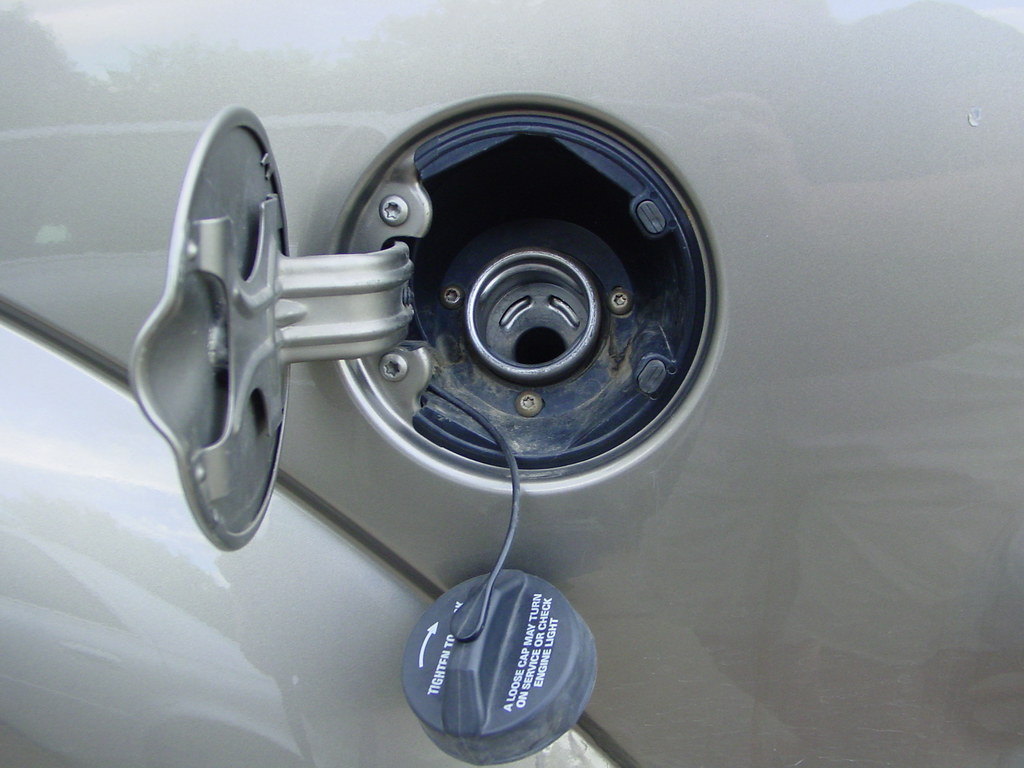
2. **Fuel Tank Leaks & Pump Failures: The Heartbeat of Your Journey**The fuel system is, quite literally, the lifeblood of your van, and any issues here can range from annoying to outright dangerous. A particularly alarming problem is when the fuel tank develops a leak. This can occur, especially if the tank has suffered damage from rough use or an accident. Drivers absolutely must be on high alert for this issue and seek immediate repair, as fuel is highly flammable. An igniting fuel leak puts the driver, the van, and any cargo at severe risk. Due to these significant safety concerns, mechanics will almost always opt to replace damaged fuel tanks rather than attempting a risky repair, ensuring maximum safety on the road.
But the fuel system’s woes don’t end with the tank itself. A van relies on a properly functioning fuel pump to efficiently deliver fuel to the engine. Should this vital component falter or fail, drivers will invariably notice a marked decrease in engine performance. This could manifest as sluggish acceleration, hesitation, or a general lack of power. It’s a clear signal that something is amiss beneath the hood. To stay ahead of these potential breakdowns, it’s highly recommended to have a mechanic inspect the entire fuel system, including both the fuel pump and injectors, whenever the vehicle is brought in for routine maintenance or other repairs.
Prevention, as always, is better than a cure, especially when it comes to the fuel system. One simple yet effective measure to help prevent common van problems related to fuel delivery is consistently filling your van with high-quality fuel. Inferior fuel can contribute to injector clogging and premature wear on fuel pump components, leading to the kind of performance issues that make you sigh with exasperation. By combining regular inspections with good fuel habits, you significantly reduce the chances of facing fuel tank leaks or pump failures, keeping your van running smoothly and safely on its journeys.

3. **Engine Performance Problems: Keeping Your Van’s Heart Healthy**Now, let’s talk about the engine – the very heart of your van. This complex component is another one that absolutely demands regular inspections to keep it purring happily. For instance, a carburetor water leak might seem innocuous at first, but it can wreak havoc by harming the cylinders and causing the pistons to rust, ultimately preventing the engine from igniting. It’s a silent, insidious problem that can lead to a complete breakdown. Keeping an eye on your engine is like watching over your van’s vital organs; early detection is key to preventing major surgery down the line.
Another specific culprit for engine performance woes is the exhaust gas recirculation (EGR) valve. These valves have a tendency to go bad, often becoming clogged with carbon deposits over time. When carbon fills these valves, your van will start to lack power, especially noticeable during acceleration, making merges and hills a test of patience. A tell-tale sign of a problematic EGR valve is black smoke emerging from the exhaust, a clear indicator that your engine isn’t breathing as it should. These issues can drastically impact your driving experience and the efficiency of your van, turning every drive into a frustrating slog.
Beyond these specific components, there are broader signs that your engine needs some TLC. A noticeable decrease in fuel efficiency – where you’re filling up more often than usual – or rough idling, where your van shakes and sputters unnervingly when stationary, are two prominent indicators that the engine requires immediate attention. Just like with the fuel system, high-quality fuel and adhering to a regular maintenance schedule are your best defenses against these issues. If any of these common van problems arise, do yourself a favor and take the vehicle to a trained mechanic immediately. Addressing them promptly can save you from further damage, exorbitant repair costs, and the kind of profound frustration that makes you want to sell the whole thing.

4. **Kingpin Failure: When Your Van Pulls a Fast One**Here’s one for the history books of van frustrations: faulty kingpins. Vans, notoriously, are known for having issues with these critical components. When kingpins fail, it’s not just a minor inconvenience; the vehicle will noticeably pull to one side when it’s in motion. Imagine driving down the highway, constantly having to fight your steering wheel just to keep your van pointed straight. It’s not only exhausting but also a significant safety concern, impacting the control and stability of your vehicle.
This pulling action isn’t something to ignore or try to ‘drive through.’ It’s a serious indicator that something is mechanically wrong. The challenge for many owners is pinpointing the exact cause. Is it truly a failing kingpin, or is there another underlying issue with the alignment or steering components? This is precisely why taking the vehicle to a specialist is so important. A professional can accurately diagnose whether a failing kingpin is the culprit behind the pulling action or if another part of the system is to blame. Their expertise is crucial in preventing further wear and ensuring the van drives predictably.
While the context offers a brief but impactful mention of this issue, the sheer frustration of a van that refuses to drive straight speaks volumes. It compromises safety, increases driver fatigue, and can lead to uneven tire wear, compounding the problems. The solution isn’t a DIY roadside fix; it requires the specialized knowledge and tools that only a professional mechanic can provide. So, if your van starts acting like it has a mind of its own, don’t delay – get it checked out by a specialist to get back on track, literally.
Read more about: Your Ultimate Pre-Trip Guide: The 14 Essential Tire Checks for a Safe and Smooth Summer Road Trip
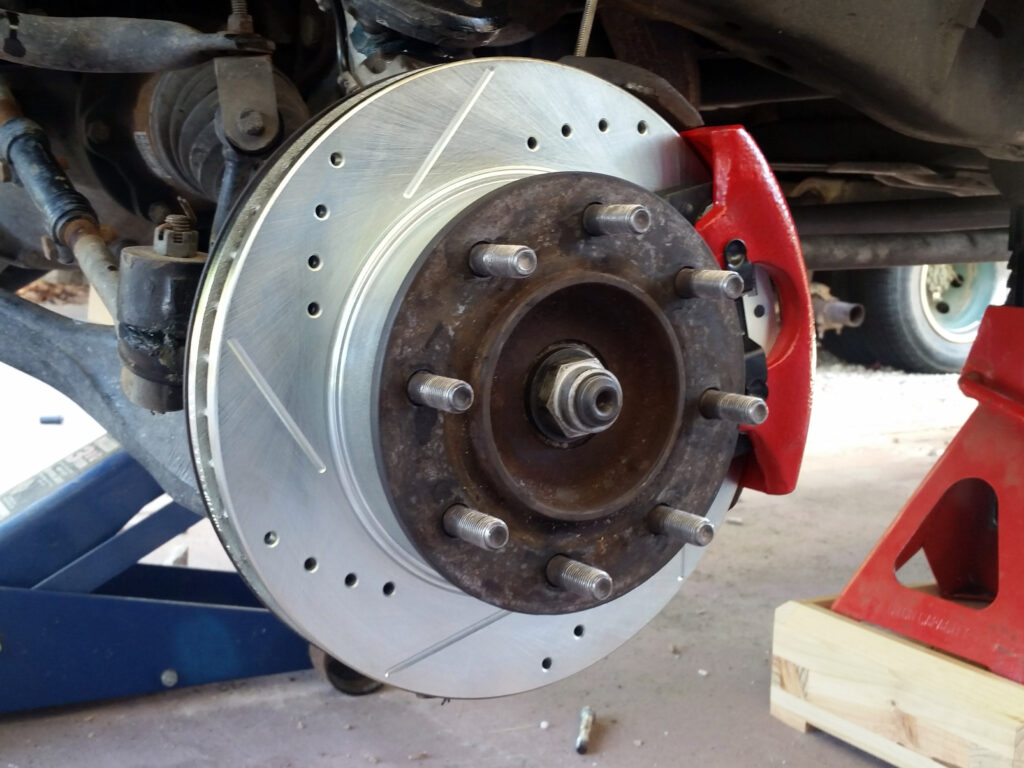
5. **Brake System Problems: Stopping Woes That Can’t Wait**When it comes to vehicle safety, few components are as critical as the brakes. Vans, by their very nature, must be capable of stopping quickly and reliably. However, the substantial weight of their cargo, combined with the frequent stop-and-go driving patterns common in urban environments, places immense stress on both the brake pads and discs. This constant strain often leads to premature wear, which is a common problem for van owners. Premature wear can quickly result in reduced braking efficiency and, more critically, significant safety concerns, making every drive a potentially harrowing experience.
Drivers often notice several warning signs that their brakes need urgent attention. One of the most obvious is an increased stopping distance, meaning it takes longer for the van to come to a halt after applying the brakes. This alarming change can, of course, lead directly to accidents or other perilous safety situations. Additionally, persistent squeaking noises when braking are a classic indicator that the pads are worn down. These symptoms are not just minor annoyances; they are clear signals that your braking system is compromised and needs immediate professional evaluation. Ignoring these warnings is a gamble you simply can’t afford to take.
To proactively combat these stopping woes, routine brake inspections are absolutely crucial. When your van goes in for its regular service, make it a point to specifically ask the mechanic to inspect the brakes thoroughly. They can accurately determine when the brake pads and discs have reached the end of their lifespan and must be replaced for safe driving. Addressing these issues promptly is vital; it not only restores optimal braking performance but also prevents more extensive damage to the overall braking system, which could lead to even more costly repairs down the road. Regular checks and timely replacements are the heroes of brake maintenance.
Read more about: Total Regret with Every Service: 15 Vehicles Owners Vow They Would ‘Unbuy’ If They Had a Time Machine
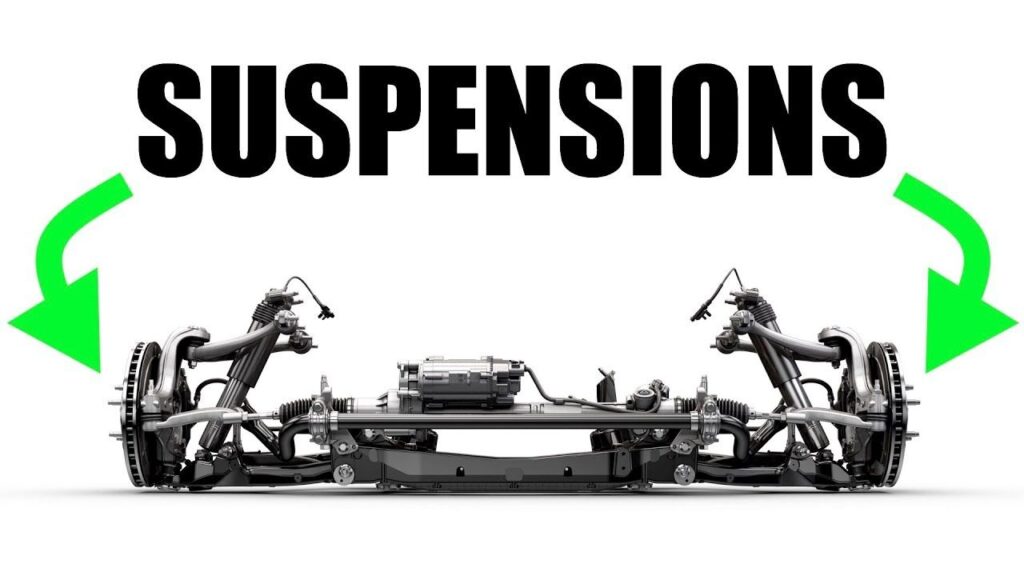
6. **Suspension Concerns: A Bumpy Road Ahead and Beyond**Nobody enjoys a bumpy ride, especially when you’re driving a van, often with valuable or fragile cargo in tow. A worn suspension system is the primary culprit behind an uncomfortable, jarring journey. Not only does it make the ride unpleasant for anyone inside, but a compromised suspension can also directly lead to damage to your precious cargo. Imagine your livelihood being jostled and potentially broken with every pothole – that’s a frustration no van owner wants to experience. The smooth operation of your van hinges significantly on the health of its suspension components.
The good news is that this is a fixable problem. Replacing worn-out struts and shock absorbers is the key to transforming that teeth-rattling experience into a smooth, stable ride. These components are essential for both passenger comfort and the safe transport of your cargo. Moreover, beyond just providing a smooth journey, the shock absorbers and struts are critical for maintaining the van’s stability when it is in motion, especially around corners or over uneven terrain. Their proper functioning ensures that the van remains controllable and predictable, which is vital for safety.
To stay on top of suspension health, it’s imperative to make suspension inspections a regular part of your maintenance schedule. Don’t wait until you’re bouncing around like a basketball. Pay close attention to signs such as excessive bouncing after hitting a bump or an unsettling swaying sensation when the van is in motion. These are clear indicators that your suspension system is in distress and requires professional inspection. Including periodic suspension checks in your routine will help identify and replace worn-out components before they lead to a truly bumpy road ahead, ensuring the comfort and safety you deserve.
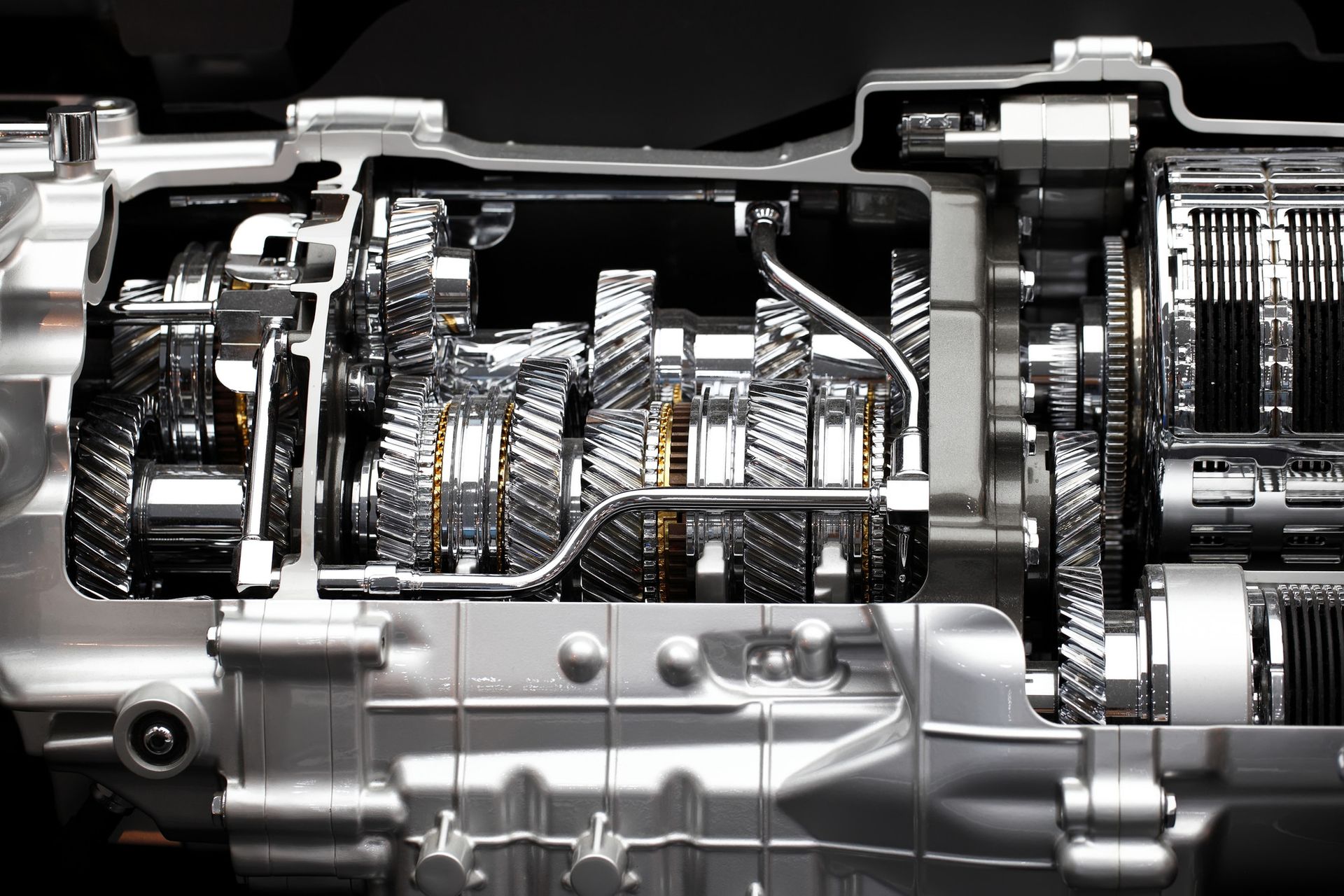
7. **Transmission Troubles: Shifting Gears Smoothly… Or Not**Ah, the transmission – a component that, when it fails, has the power to leave you stranded on the side of the road, utterly helpless and incredibly frustrated. This is precisely the scenario every van owner wants to prevent. Transmission issues can be an absolute headache, impacting the van’s drivability and often leading to costly repairs if not addressed promptly. It’s the kind of breakdown that can ruin your day, your week, or even your business operations, making you wish for that ‘delete from history’ button more than ever.
Fortunately, your van often gives you warning signs before a catastrophic transmission failure. You might notice the gears appearing to slip, making the van feel sluggish or causing the engine to rev without a corresponding increase in speed. Another glaring red flag is finding transmission fluid pooling under your van after it has been parked for a period – a leak is never a good sign. Regularly checking the transmission fluid level and, crucially, its condition (a change in color can indicate contamination or overheating) are simple yet effective preventive measures. Any leaks or problems with gear shifting are definite calls for an immediate trip to the mechanic.
Addressing transmission problems quickly is not just recommended; it’s essential to prevent additional, more severe damage and even more costly repairs down the line. What might start as a minor fluid leak could escalate into a complete transmission overhaul if neglected. Professional inspection and maintenance, including regular fluid checks, are paramount. If you notice any of these symptoms, seeking expert help early can save you from being stranded, protect your investment, and ultimately ensure your van continues shifting gears smoothly for many miles to come, avoiding that soul-crushing moment of transmission failure.
Alright, if you’ve made it this far, you’re either a seasoned van owner who knows the struggle, or you’re gearing up to be one, armed with crucial knowledge. We’ve covered some major headaches, but don’t hit that ‘delete from history’ button just yet! There are a few more common culprits that van owners everywhere have highlighted, from those pesky cooling system quirks to the mysteries of the electrical gremlins. Let’s dive into the next set of issues that can truly test your patience, but also, thankfully, have actionable solutions.

8. **Cooling System Concerns: Keeping Your Cool Under Pressure**The cooling system in your van is like its personal thermostat, working tirelessly to prevent the engine from becoming a fiery, overheating mess. When things go wrong here, it’s not just an inconvenience; it can lead to catastrophic engine damage. One of the most common issues drivers encounter involves leaks in the radiator or hoses, those essential pathways that carry coolant throughout the engine.
Keeping a sharp eye on your van’s coolant levels and regularly checking for any suspicious puddles under the vehicle after it’s been moved is paramount. Ignoring these subtle signs is a risky game. As the experts warn, “Never continue driving a vehicle with a coolant leak.” The danger is real: if all the coolant drains away, your engine may quickly overheat, which can render your van completely inoperable and lead to extremely significant, costly damage.
So, what’s a van owner to do? Make routine cooling system inspections a non-negotiable part of your maintenance schedule. This means looking closely at the coolant level, checking the hoses for any cracks or bulges, and inspecting the radiator for signs of leaks. Should your temperature gauge start creeping up, or if you see steam billowing from under the hood, pull over immediately and safely let the engine cool down before attempting to check anything.
Taking prompt action to address any leaks or issues is critical. By ensuring your cooling system is well-maintained, you’re not just preventing a potential roadside meltdown; you’re safeguarding the very heart of your van. It’s about keeping your cool, literally, to ensure a comfortable and reliable journey, without having to fantasize about that ‘delete from history’ option.
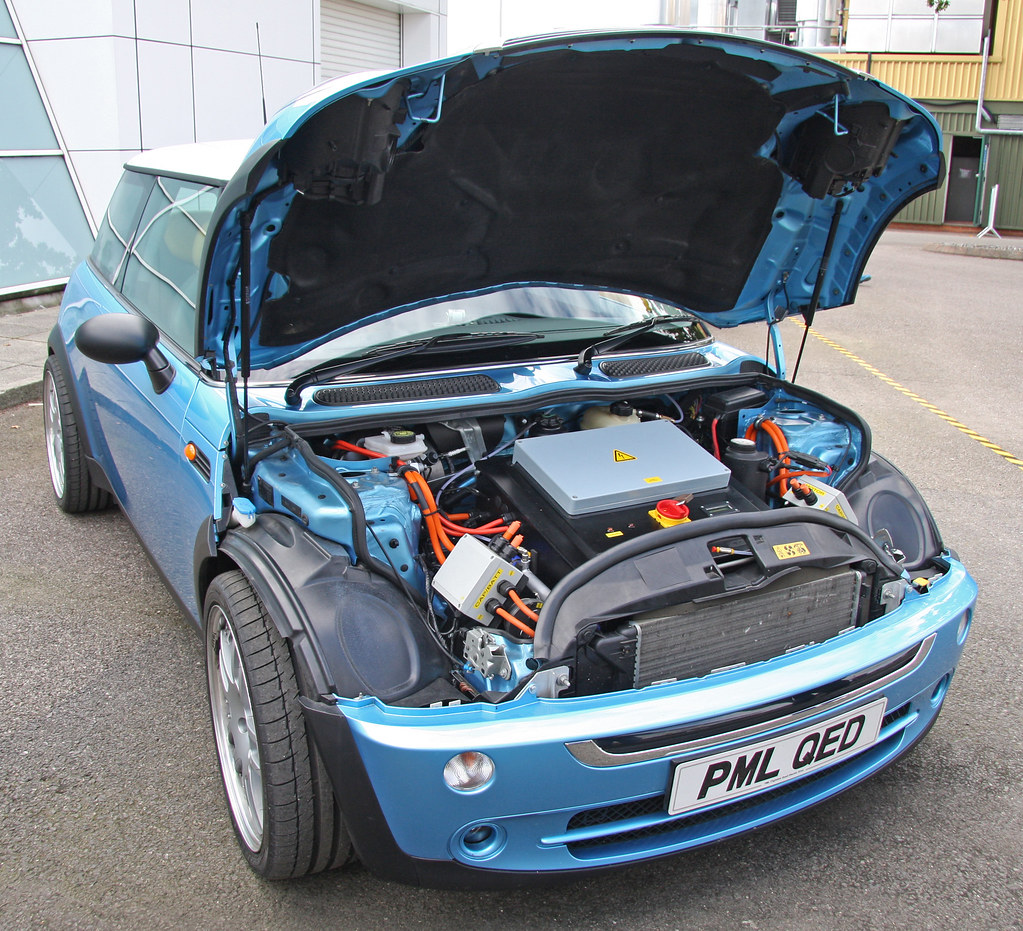
9. **Electrical System Issues: When Your Van Loses Its Spark**The electrical system in your van can sometimes feel like a tangled web of mystery wires, and when it acts up, it can manifest in the most baffling ways. Drivers often don’t even realize they have an electrical issue at first, because the symptoms can be so varied. You might try replacing a seemingly dead battery, only to find the problem persists, leading to that all-too-familiar sigh of exasperation.
This is often because the problem lies deeper, perhaps with the alternator, which charges the battery, or the starter, which gets your engine going. The context rightly points out that “Sometimes, the alternator develops problems first, and it isn’t until a mechanic inspects the van that the electrical issue is found.” Symptoms can range from struggling to start the van, to dim headlights, or even non-functioning accessories and dashboard warning lights flickering like a disco ball.
Before you throw in the towel, there are a few DIY checks you can try. Inspect your battery terminals for loose connections or corrosion – a common culprit. If you’re facing a dead battery, a jump-start can get you going temporarily, but don’t ignore the underlying issue. For flickering lights or dead accessories, a quick fuse check can often pinpoint a blown fuse that needs replacing.
However, electrical problems can be complex, and a weak battery might just be a symptom of a deeper fault. That’s why it’s always recommended to “have starting issues and difficulties with lights diagnosed by a mechanic to determine the root cause and find the appropriate solution before an electrical failure occurs.” Timely professional diagnostics can prevent minor glitches from turning into a complete electrical shutdown, saving you from wanting to hit that ‘delete from history’ button.
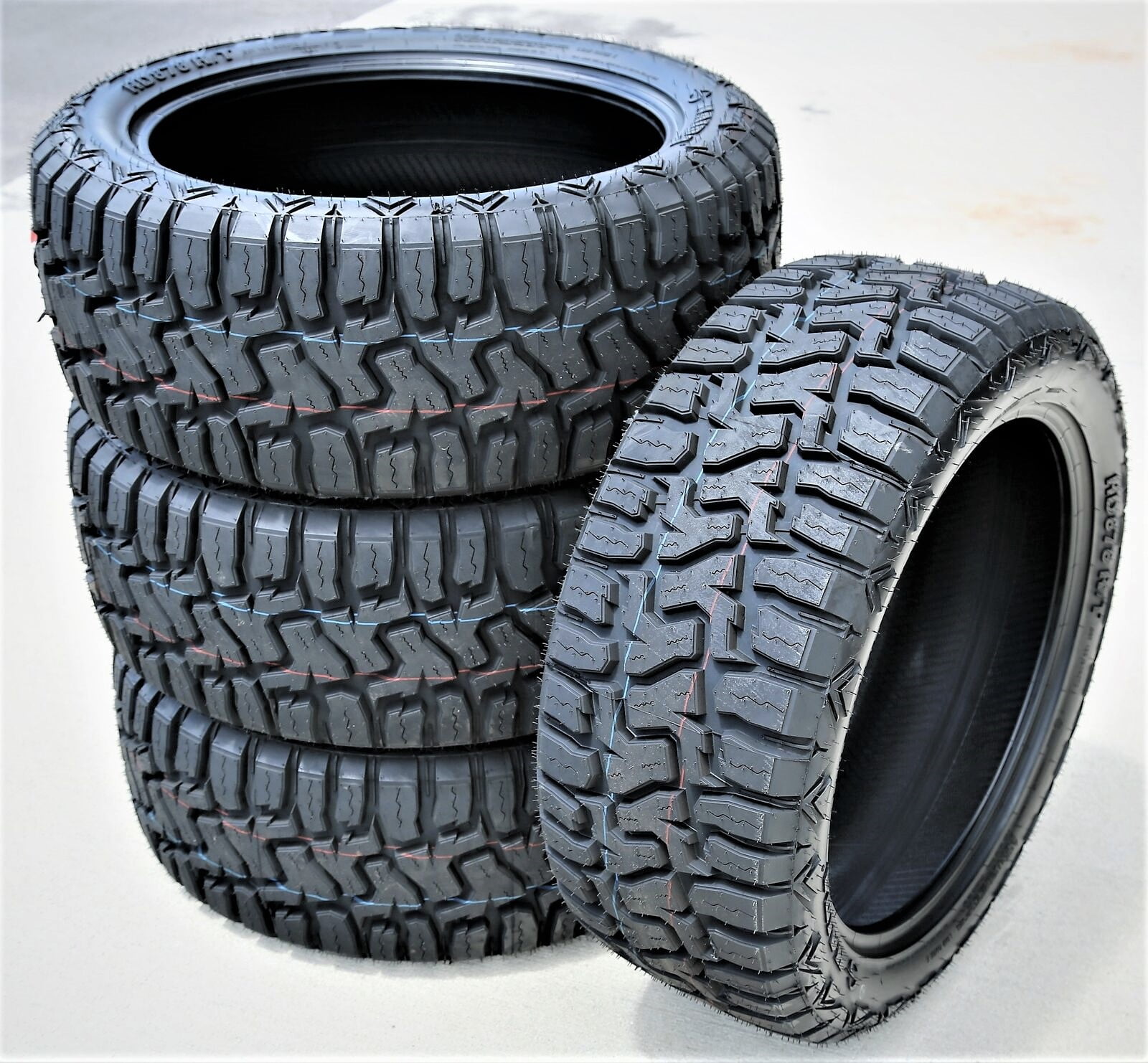
10. **Tires and Wheels: Keeping Your Van Rolling Smoothly**Let’s be honest, your van literally can’t go anywhere without its tires and wheels, making their condition absolutely paramount for both safety and performance. When these essential components aren’t up to snuff, it can lead to a whole host of frustrations, from a less efficient ride to a downright dangerous one. One of the most common issues drivers face is uneven tire wear, which can quietly decrease your van’s fuel efficiency and significantly impact its handling.
Uneven wear often signals deeper issues, such as misaligned wheels or even failing suspension components that are crying out for attention. Imagine your van pulling to one side, or feeling less stable around corners – these are signs your tires are trying to tell you something! Beyond just wear, there’s always the classic “roadside reality” of a flat tire, which can bring any journey to a screeching halt.
The good news is that proactive maintenance here is straightforward and incredibly effective. Regularly inspect your tires for any signs of uneven wear, and follow your manufacturer’s recommendations for tire rotation. Scheduling wheel alignments as needed is also a game-changer, ensuring your van tracks straight and your tires wear evenly. And in case of a flat, knowing how to safely replace it with your spare and ensuring that spare is properly inflated can turn a major inconvenience into a minor delay.
By making regular tire checks and rotations a routine, you not only extend the life of your tires but also contribute to a smoother, safer, and more fuel-efficient ride. It’s about ensuring your van rolls smoothly and efficiently, preventing those frustrating moments that make you want to wish your tire problems out of existence.
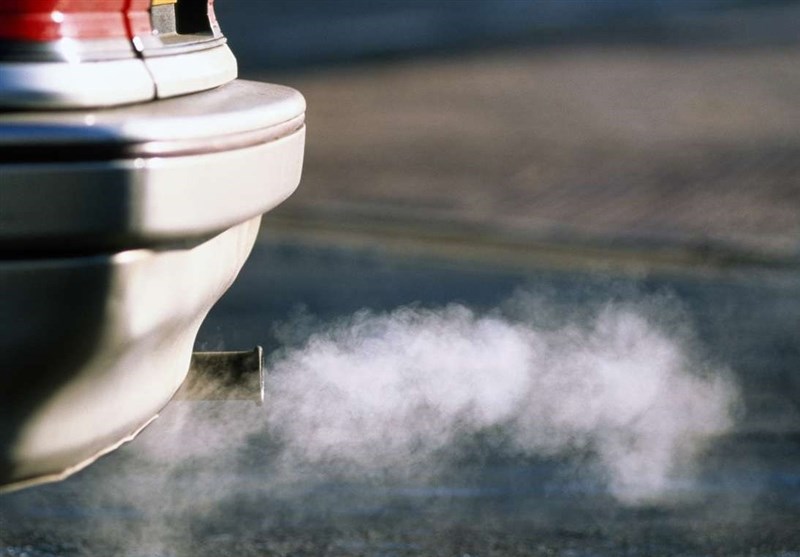
11. **Emissions Systems Problems: Navigating the Complexities**Modern diesel vans, especially popular models like the Mercedes-Benz Sprinter, are marvels of engineering, but their complex emissions systems can sometimes feel like a real puzzle. These systems, including Diesel Exhaust Fluid (DEF), Diesel Particulate Filters (DPF), Exhaust Gas Recirculation (EGR) valves, and NOx sensors, are designed to meet stringent regulations, but they are also a frequent source of frustration for owners, particularly in model years from 2007 to 2016.
The symptoms of a malfunctioning emissions system can be dramatic and truly irritating. Owners often report the dreaded ‘check engine’ light, warnings like “10 starts remaining,” or their van suddenly entering “limp mode,” where power is severely restricted. Imagine trying to drive a van that “struggled to get up to 40 MPH on local streets,” as one owner lamented on Sprinter-Source.com. Another shared the panic of getting a “10 Starts remaining” warning after filling their DEF tank.
These widespread issues led to significant action, with Mercedes-Benz agreeing to a massive settlement and requiring dealers to implement Approved Emissions Modifications (AEMs), including software updates and component replacements. Many frustrated owners, not included in the recall or seeking ultimate reliability, even resorted to completely deleting these systems, though this isn’t always legal in every state.
To minimize emissions headaches, consistently topping up your DEF when prompted and using the correct oil recommended by your manufacturer are key steps. Some problems can even be resolved by simply cleaning or replacing components like the DPF or EGR. Finding a reputable mechanic who specializes in diesel engines and your specific van model is crucial, as their expertise can save you thousands in repairs and keep your van running cleanly and powerfully, far from any ‘delete from history’ thoughts.

12. **Excessive Rust: The Van Owner’s Eternal Battle**Rust, that relentless enemy of metal, is a battle many van owners know all too well, especially those with older models. First-generation Mercedes-Benz, Dodge, and Freightliner Sprinters from 2003 to 2006 were particularly susceptible due to their lack of galvanized steel and thinner paint, leading to premature and widespread corrosion. Owners described scenes of dismay, with rust “at every spot a road nick has occurred, every sharp corner, drip rails,” and even water “seeping through” the seams on the roof of a 2012 model.
The frustration is palpable when rust takes hold, turning cosmetic blemishes into structural concerns. While newer models from 2014 onwards supposedly incorporated more galvanizing for better protection, some owners still reported rust “popping through in the first 18 months.” This demonstrates just how tenacious this problem can be, with one owner regretting that “Once rust begins, there is simply no way to be rid of it permanently.”
Indeed, a rusting van can be a significant emotional and financial drain, often making owners wish they could just erase that unsightly corrosion from their van’s history. Beyond the aesthetic impact, severe rust can compromise the structural integrity of the vehicle, leading to more serious safety concerns down the road. It’s a problem that requires vigilance and prompt action.
If your van is starting to show the tell-tale signs of corrosion, professional intervention at a body shop is often the only way to genuinely keep it at bay through repair and respraying. Beyond that, a proactive approach involves regular washing to remove road salts and grime, and treating the underside with rust-preventive coatings like Krown or Fluid Film. These steps can significantly prolong your van’s lifespan and keep it looking its best.
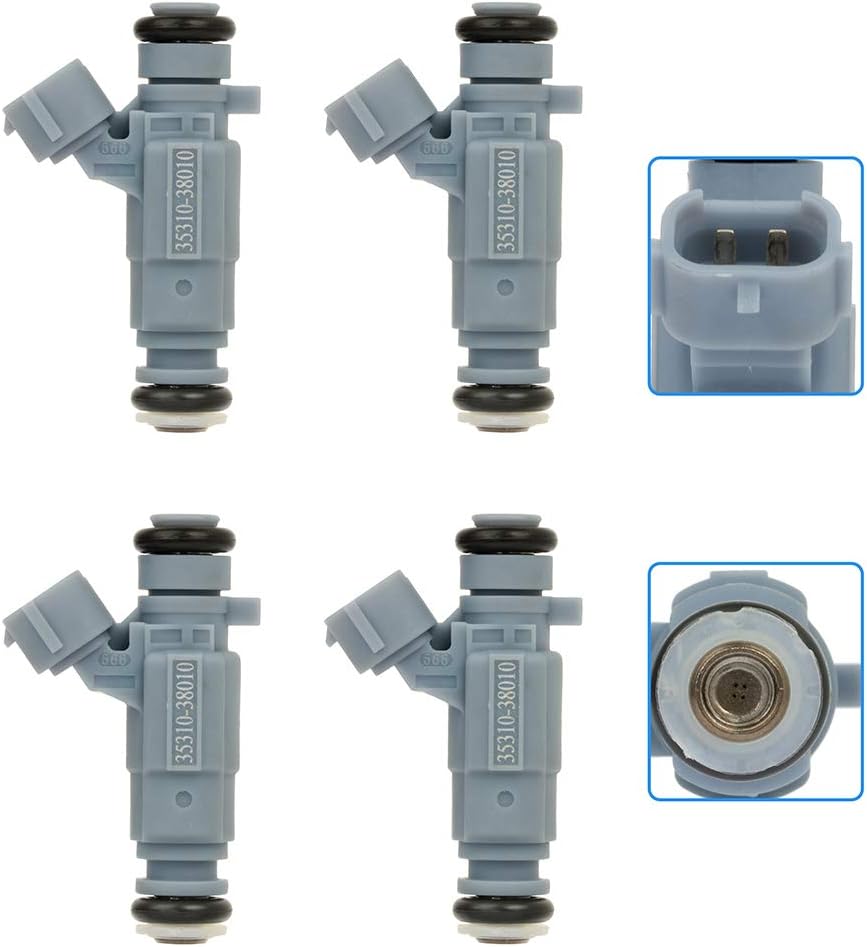
13. **Leaking Fuel Injector Seals: Battling the “Black Death”**Now, here’s a problem that sounds as ominous as it is frustrating for first and second-generation Sprinter owners: “Black Death.” This rather dramatic moniker refers to a very common issue where fuel injector seals leak, allowing combustion gases and unburnt fuel to create a nasty carbon buildup around the injectors and fuel rail. When you lift the engine cover, the sight of this black, sludgy mess is enough to make any van owner groan.
The symptoms of “Black Death” are hard to ignore and can severely impact your driving experience. Owners report a strong smell of exhaust fumes, an unsettling engine rattle, or even distinct hissing or puffing sounds. Add in rough idling, a noticeable loss of power, and difficulties starting the van, and you’ve got a recipe for wishing for a magical ‘delete from history’ button. One owner on Sprinter-Source.com vividly recounted experiencing “Black Death twice on the #5 injector” in less than a year, while another described feeling “pulses of air around the #6 injector, puffing on each revolution.”
The fix for this notorious problem involves some serious work: removing the injectors, meticulously cleaning up all the carbon sludge, and then replacing the worn copper seals. In more severe cases, the injectors themselves might need replacement, which can set you back up to $500 per injector. It’s definitely not a quick DIY job, and requires a professional touch.
Many Sprinter owners suspect that engine overheating can prematurely fail these seals. Therefore, a crucial preventive measure is to always ensure your coolant levels are topped up and your van’s overall cooling system is in prime condition. By staying on top of this, you can hopefully avoid the dreaded “Black Death” and keep your engine running smoothly, without that alarming smell of exhaust fumes in the cabin.

14. **Intake System Problems: When Your Engine Can’t Breathe Right**The intake system is crucial for your van’s engine, ensuring it gets the right mix of air for optimal performance. Unfortunately, various issues within this system can cause serious headaches for van owners, from reduced power to significant engine damage. We’re talking about loose hoses, cracked manifolds, and even stuck swirl valves – each capable of making you want to hit that ‘delete from history’ button.
First, let’s talk about those pesky loose or cracked intake hoses, a common problem in second and third-generation Sprinters. When the air filter or intercooler hoses come disconnected or develop leaks, it can lead to symptoms like a check engine light, reduced power, or even “no boost or turbo lag,” as some owners have experienced. Worse, a disconnected air filter hose means the turbo can suck in damaging debris. One owner recounted fixing a “sudden loss of power” just by “taking off the filter box and intake hoses and then reconnecting everything.” Professional leak tests can pinpoint these elusive issues, sometimes even showing oil residue if an intercooler line is leaking.
Then there’s the dreaded cracked intake manifold, particularly common in the 4-cylinder diesel engines of facelifted second-generation Sprinters. Made of plastic, these manifolds can crack over time, often sending the van into “limp mode” once the engine warms up. Owners report seeing “oily residue coming from the tube going up to the manifold” and experiencing “underboost trouble codes.” Replacing a cracked manifold is a difficult and costly repair, with the part alone costing between $750 to $1,000. It’s the kind of repair that really makes you question your life choices.
Finally, we have the stuck swirl valves, a notorious problem for the V6 OM642 engine in second-generation Sprinters, especially in earlier models. These valves can become jammed with carbon buildup, leading to check engine lights, limp mode, reduced power, and even stalling. Owners on Sprinter-Source.com share tales of “swirl valve jamming” and having to replace entire intake manifolds for thousands of dollars. While temporary fixes like Sea Foam exist, professional cleaning every 60,000 miles or a full replacement is often necessary. Keeping your engine breathing freely means staying on top of these complex intake components, ensuring every drive is powerful and smooth.

15. **HVAC Problems: Keeping Your Climate Just Right**When you’re out on the road, whether for work or adventure, comfort is key. That’s where your van’s Heating, Ventilation, and Air Conditioning (HVAC) system comes in. Unfortunately, just like any other intricate system, the HVAC can develop issues that quickly turn a comfortable ride into a miserable one, especially when you’re battling extreme temperatures. Nothing makes you wish for a ‘delete from history’ button faster than a van with no heat in winter or no AC in summer.
A common culprit behind a lack of heating is a malfunctioning heater core. This vital component is responsible for transferring heat from your engine’s coolant into the cabin, and when it fails, you’ll be left with insufficient heating, making those cold morning drives an absolute chore. It’s not just about the heater, though; issues can arise with the air conditioning not blowing cold, or the ventilation system not directing air properly, leading to stuffiness and discomfort.
These problems aren’t just about personal comfort; they can impact your ability to drive safely, especially if windows fog up without proper defrosting, or if you’re battling heat exhaustion. Keeping a regular check on your entire HVAC system, including the heater core, is a smart move. Look out for unusual noises, weak airflow, or, of course, a noticeable lack of heating or cooling when you demand it.
Addressing any issues with your heating or air conditioning promptly is essential. By taking swift action, whether it’s a simple repair or a more involved component replacement, you ensure a consistently comfortable driving environment. After all, your van is your mobile sanctuary, and keeping its climate control in tip-top shape means every journey is pleasant, no matter what the weather outside throws at you.
While owning a van undoubtedly comes with its unique set of challenges, the good news is that many common problems can be navigated, mitigated, or even prevented with a proactive approach. Regular inspections, strict adherence to recommended maintenance schedules, and promptly addressing warning signs are absolutely crucial for keeping your van in optimal condition. By staying informed and taking quick action, you can ensure your trusty van remains a reliable partner on the road for years to come, letting you put that ‘delete from history’ button back in its box for another day.