You’ve worked hard. You’ve saved every penny. You finally found it – that perfect car, the one that promises freedom, reliability, and that undeniable new car smell. The gleam of the paint, the hum of the engine, the dream of countless trouble-free miles stretching ahead… pure automotive bliss, right? But what if that dream, that joy, that significant financial investment, crumbles into a relentless nightmare in just one short year? It’s a gut-wrenching thought, a betrayal of the trust we place in our machines. The reality of automotive ownership can be a far cry from the glossy brochure, leading to a profound case of buyer’s remorse that leaves you wishing you could just hit the rewind button.
Today, we’re pulling back the curtain on a harsh reality of the automotive world. We’re not talking about isolated incidents or a single bad lemon that slipped through the cracks. Oh no, we’re talking about consistent, widespread patterns of disappointment that lead to profound buyer’s remorse, turning once-eager owners into disgruntled victims of their own purchasing decisions. Our insights aren’t just based on whispers in the garage or anonymous online rants; they are meticulously gathered from vast datasets: rigorous Consumer Reports findings, the raw, honest feedback of thousands of real owners who’ve lived with these machines day in and day out, and official industry recalls that tragically reveal systemic flaws. This isn’t just hearsay; this is data-driven, cold, hard truth, laid bare for all to see.
So, if you’re even thinking about buying a new or used car soon, you absolutely, positively need to pay attention. Before you make a costly mistake, before you commit to years of payments on a vehicle that will only serve to drain your wallet and your patience, let’s expose the machines that leave owners wishing they’d never signed on the dotted line. These are the vehicles so problematic, so inherently flawed, that their owners, if given the chance, would gleefully “gift to their enemy” just to be rid of them. We’ve got 13 examples of automotive anguish for you, starting with some electric dreams that turned into fiery nightmares.
1. **Chevrolet Bolt**
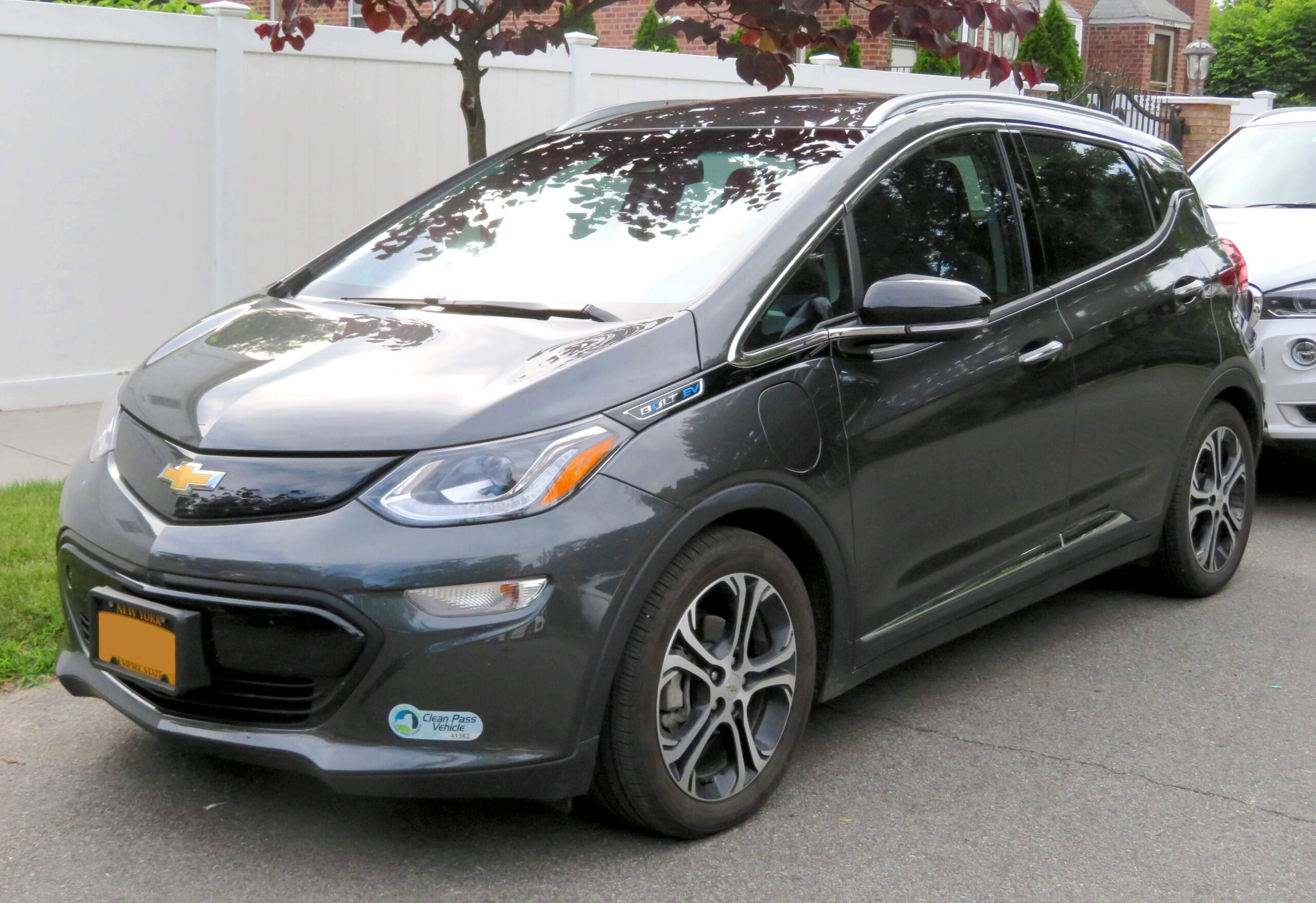
Ah, the Chevrolet Bolt. On paper, this General Motors offering seemed like a genuine win for the everyday EV buyer. It garnered praise for its affordability, a crucial factor for many looking to dip their toes into the electric vehicle market without breaking the bank. Couple that with a respectable range, and you had a package that promised practical, eco-friendly commuting. For a moment, it looked like GM had nailed the mainstream electric car formula, offering a compelling alternative to pricier rivals.
However, the shiny veneer of affordability and range quickly began to crack under the weight of some genuinely alarming problems. The most infamous, and frankly terrifying, issue to plague the Bolt centered around its battery-related fires. This wasn’t a minor glitch; it was a serious safety hazard that led to massive, undeniable recalls in both 2020 and 2021, sending shockwaves through the nascent EV community and leaving many owners in a state of justifiable anxiety.
The root of this fiery problem was traced back to the lithium-ion batteries manufactured by LG. These power packs, intended to propel the Bolt silently into the future, possessed a dangerous flaw: they could short-circuit, leading to overheating and, in the worst-case scenarios, igniting into flames. Imagine the sheer terror of discovering your vehicle, or worse, your garage, engulfed in fire due to a manufacturing defect. It’s a level of buyer’s remorse that transcends mere inconvenience, dipping into genuine fear for personal safety and property.
Beyond the headline-grabbing battery issues, the Bolt’s ownership experience was further dampened by a host of less dramatic, but still irksome, shortcomings. Owners frequently reported that the ride quality was merely “so-so,” lacking the refinement and comfort one might expect even from an economy-focused vehicle. Space for rear passengers was often deemed inadequate, making longer journeys a cramped affair. Even the handling, a fundamental aspect of driving enjoyment, was described as uninspiring. These cumulative factors meant that for many, the Bolt, despite its initial promise, became a source of ongoing disappointment, a car they’d rather not own.
Car Model Information: 2022 Chevrolet Bolt EUV FWD LT
Name: Chevrolet Bolt EV
Caption: 2022 Chevrolet Bolt EV
Manufacturer: General Motors
Production: unbulleted list
ModelYears: unbulleted list
Class: Subcompact car
BodyStyle: hatchback
Layout: Front-engine, front-wheel-drive layout
Predecessor: Chevrolet Spark EV
Categories: 2020s cars, All Wikipedia articles in need of updating, All articles containing potentially dated statements, All articles with unsourced statements, Articles containing potentially dated statements from February 2018
Summary: The Chevrolet Bolt EV (marketed in Europe as Opel Ampera-e) is a battery electric subcompact hatchback manufactured and marketed by General Motors under its Chevrolet brand from late 2016 until late 2023, with a brief hiatus between mid-2021 and early 2022.
The first-generation Bolt was developed and manufactured with LG Corporation. Sales of the 2017 Bolt began in California in December 2016; it was released nationwide and international markets release in 2017. A rebadged European variant was marketed as the Opel Ampera-e in mainland Europe. In 2017, the Bolt was the second-best-selling plug-in car in the United States. It was named the 2017 Motor Trend Car of the Year, the 2017 North American Car of the Year, an Automobile magazine 2017 All Star, and was listed in Time magazine’s Best 25 Inventions of 2016. The Ampera-e was discontinued after 2018. By the end of 2020, GM had sold 112,000 Bolt and Ampera-e cars worldwide. The first-generation Bolt had been subject to at least three recalls due to battery fire risks.
In mid-2023, GM officials said they would discontinue the Bolt; after outcry, they announced plans for a next-generation model, which is expected to be revealed in 2025 for model year 2026.
Get more information about: Chevrolet Bolt
Buying a high-performing used car >>>
Brand: Chevrolet Model: Bolt
Price: $22,195 Mileage: 30,332 mi.
Read more about: Restoration Ruin: 15 Classic Cars That Are Secret Financial Black Holes (And How to Spot One)
2. **Hyundai Kona Electric**
Hoy, Hyundai has certainly been on a roll in recent years, especially with some of its electric vehicle offerings. The brand has pushed out some truly interesting and well-received EVs, capturing market share and critical acclaim with models that impress both in design and performance. But even the best carmakers can stumble, and when they do, it can be a spectacular face-plant that leaves a lasting impression on owners. For Hyundai, one such stumble comes in the form of the Kona Electric.
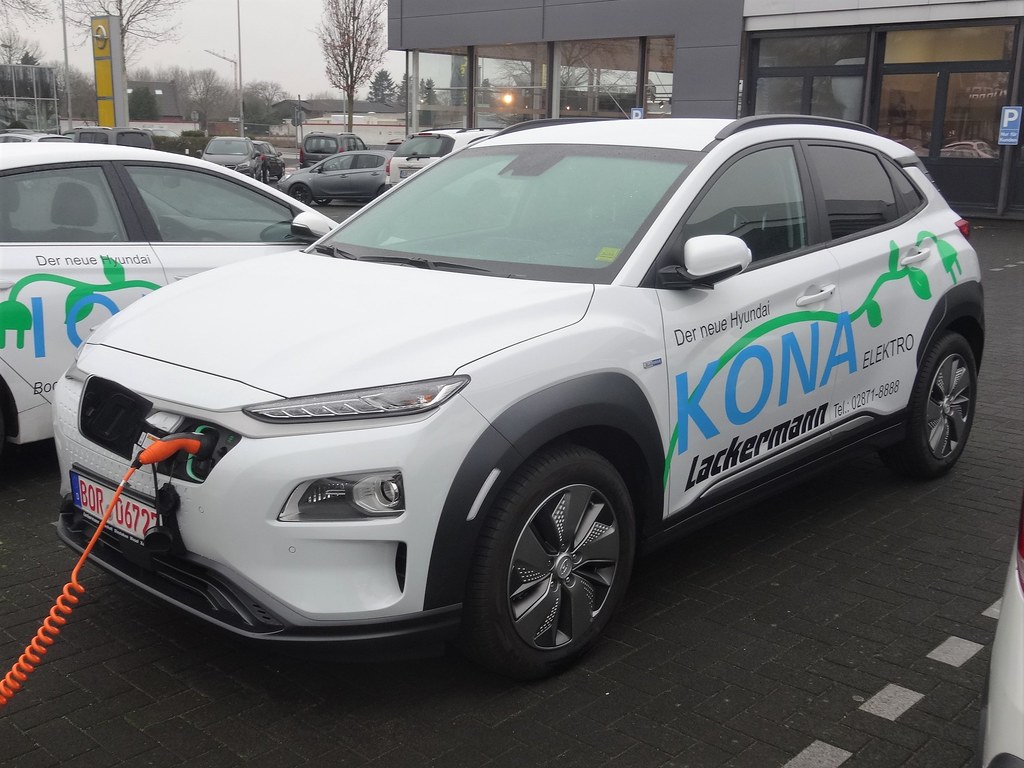
This particular EV, while initially promising, finds itself firmly in the “clunkers” category. Much like its Chevrolet competitor, the Hyundai Kona Electric has a rather unfortunate history with battery fires and subsequent recalls. It seems that the spectre of lithium-ion battery instability cast a wide net, catching more than one popular electric model in its fiery grasp. This isn’t just a minor technicality; it’s a fundamental flaw that undermines trust and safety, turning a progressive purchase into a regrettable burden.
The carmaker found itself in the unenviable position of issuing a worldwide recall in both 2020 and 2021. The objective was clear and critical: to “nip the fire risks in the bud” by systematically replacing battery packs in all affected EVs. While the proactive approach to rectifying the problem is commendable, the fact that such a widespread and severe issue existed in the first place speaks volumes about the early challenges in EV battery technology and quality control. Owners who bought into the future of electric driving found themselves driving a potential hazard.
Unfortunately, the battery issues were, as the context so starkly puts it, “just the tip of the iceberg.” This ominous warning suggests that beneath the surface of the Kona Electric, there lurked other problems waiting to manifest, perhaps compounding the initial disappointment. The phrase “buyer beware!” serves as a chilling testament to the broader dissatisfaction that many owners experienced. It implies that for all its eco-friendly intentions, the Kona Electric failed to deliver on the fundamental promise of a reliable and trouble-free ownership experience, becoming a car many would rather forget.
Car Model Information: 2022 Toyota Camry SE
Name: Hyundai Kona
Caption: Hyundai Kona N Line (SX2)
Manufacturer: Hyundai Motor Company
Aka: Hyundai Kauai (Portugal)
Production: 2017–present
ModelYears: 2018–present
Class: Subcompact crossover SUV
BodyStyle: SUV
Layout: ubl
Categories: 2020s cars, All-wheel-drive vehicles, All Wikipedia articles in need of updating, All Wikipedia articles written in British English, Articles containing Chinese-language text
Summary: The Hyundai Kona (Korean: 현대 코나) is a subcompact crossover SUV produced by the South Korean manufacturer Hyundai. The first-generation Kona debuted in June 2017 and the production version was revealed later that year. It is positioned between the Venue or Bayon and the Tucson in Hyundai crossover SUV line-up. The battery electric version called the Kona Electric (or Kona EV) was first launched in South Korea during the first half of 2018 and rolled out gradually worldwide afterwards.
Get more information about: Hyundai Kona
Buying a high-performing used car >>>
Brand: Hyundai Model: Kona Electric
Price: $23,995 Mileage: 61,076 mi.
Read more about: Steer Clear: 15 Cars That Leave Automotive Enthusiasts Drowning in Collector’s Remorse
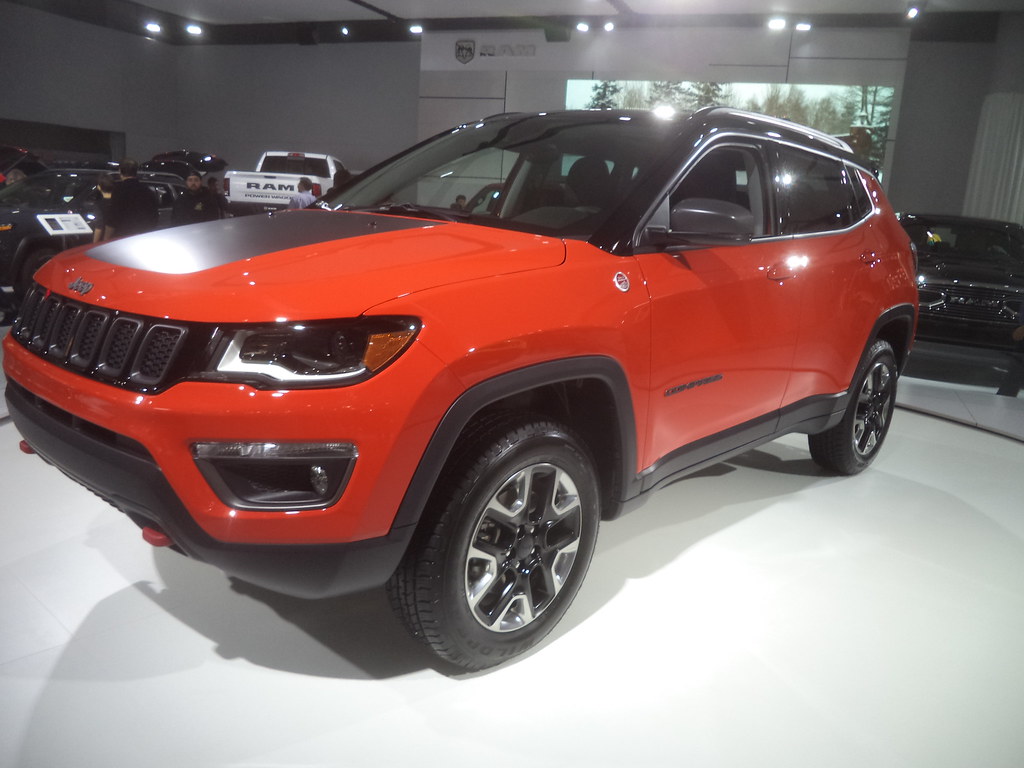
3. **Jeep Compass**
The Jeep brand evokes images of rugged adventure, off-road prowess, and dependable capability. You expect a vehicle with a Jeep badge to tackle the wilderness with aplomb, or at the very least, handle the daily grind without fuss. So, when a compact SUV like the Jeep Compass comes along with a reputation for being a “migraine headache on wheels,” it’s a stark betrayal of the brand’s core identity. Owners who bought into the lifestyle found themselves with anything but a dependable companion.
The issues plaguing the Jeep Compass aren’t confined to a single model year; they span “various model years,” indicating a pervasive problem within its design or manufacturing. If you’re looking for a vehicle that won’t give you constant grief, the advice is clear: “steer clear of this SUV.” The primary culprit, and a common complaint among disgruntled owners, points squarely at its transmissions. Specifically, both the continuously variable transmission (CVT) and the 9-speed automatic transmissions have been sources of profound frustration.
These transmissions are notorious for experiencing “herky-jerky shifting and catastrophic failure.” Imagine driving down the road, expecting a smooth power delivery, only to be met with unpredictable lurches and shifts that make you question the vehicle’s integrity. Even worse, the threat of complete, catastrophic failure looms large, leading to expensive repairs and significant downtime. A transmission should be a seamless component of the driving experience, not a source of constant anxiety and potential breakdown.
But the transmission woes are far from the only issues marring the Compass’s reputation. Owners also lament “poor engine performance,” suggesting that the vehicle struggles to deliver adequate power, making acceleration and highway driving a chore. “Excessive oil consumption” adds another layer of financial burden and mechanical concern, indicating potential engine health problems. Furthermore, “electrical system issues” are frequently reported, which can manifest in a myriad of frustrating ways, from minor glitches to more serious malfunctions that affect critical vehicle functions. Collectively, these problems make the Jeep Compass a prime candidate for the “enemy gift” list.
Car Model Information: 2019 Jeep Compass Altitude
Name: Jeep Compass
Caption: 2019 Jeep Compass
Manufacturer: Jeep
Production: 2006–present
ModelYears: 2007–present
Class: Compact crossover SUV
BodyStyle: SUV
Layout: Front-engine, front-wheel-drive layout
Chassis: Unibody
Categories: 2010s cars, 2020s cars, All-wheel-drive vehicles, All Wikipedia articles written in American English, Articles with short description
Summary: The Jeep Compass is a compact crossover SUV, introduced in 2006 for the 2007 model year. The first generation Compass and Patriot, its rebadged variant, were among Jeep’s first crossover SUVs. The second-generation Compass debuted in September 2016 in Brazil and at the Los Angeles International Auto Show in November 2016, sharing a modified platform with the Renegade. It is positioned between the smaller Renegade and the larger Cherokee globally or the Commander in South America. The third-generation Compass debuted in May 2025, built on the STLA Medium by Stellantis, shared with other PSA Groupe vehicles.
Get more information about: Jeep Compass
Buying a high-performing used car >>>
Brand: Jeep Model: Compass
Price: $16,555 Mileage: 52,349 mi.
Read more about: Macy’s ‘Bold New Chapter’: Unpacking the Closure of 150 Stores by 2026 and the Future of an American Retail Icon
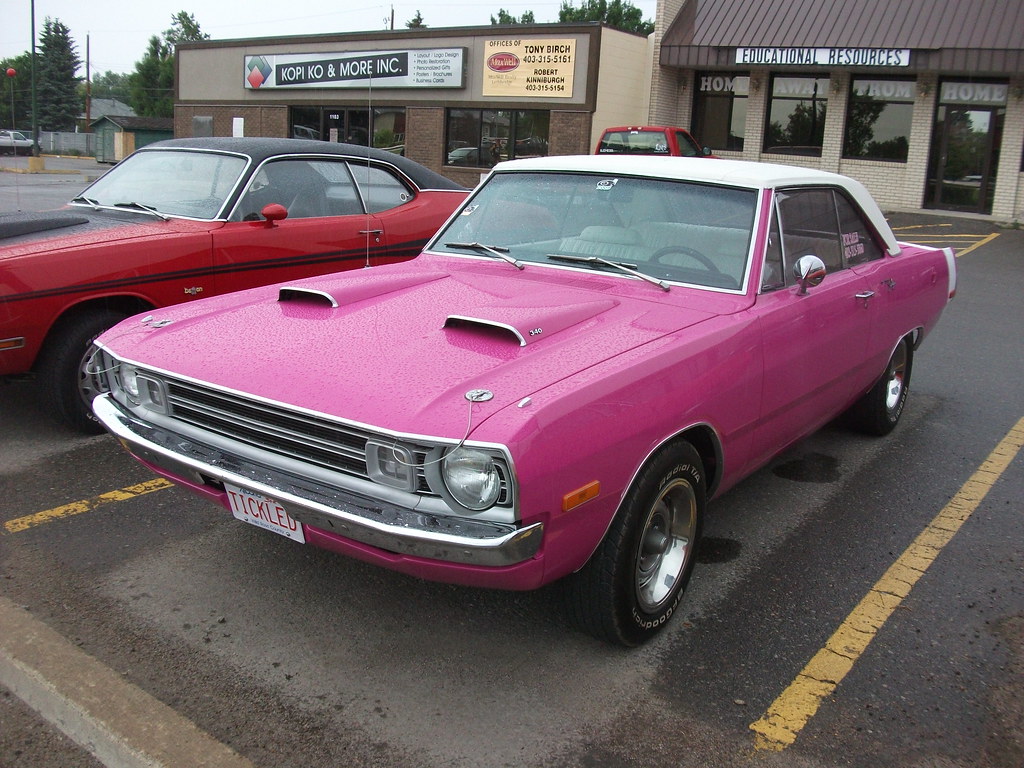
4. **Dodge Dart**
When the Dodge Dart hit the scene, it was touted as a compact sedan designed for efficiency and modern appeal. However, the reality of owning a Dart often diverged wildly from the marketing promise, quickly earning it the moniker of a “compact sedan with full-size car problems.” This isn’t hyperbole; it’s a reflection of the profound and widespread issues that made the Dart a regretful purchase for many, a car that simply couldn’t get out of its own way without causing a headache.
Where do you even begin with the litany of complaints? The context makes it clear: the problems were systemic and pervasive, touching virtually every major component of the vehicle. Owners reported issues stretching “from the transmission to the engine and from the suspension to the brakes.” This isn’t just a handful of isolated incidents; it signifies fundamental flaws in design, manufacturing, or both, making the Dart a veritable minefield of mechanical and electrical gremlins. A car that fails on so many fronts is more than just an inconvenience; it’s a money pit and a reliability nightmare.
The depth of owner dissatisfaction with the Dodge Dart is particularly striking. According to the reliable metrics of Consumer Reports, a staggering “around six in 10 buyers say they are not satisfied with the vehicle.” This isn’t a marginal percentage; it’s a majority of owners who feel that their hard-earned money was poorly spent. Such a high rate of regret speaks volumes about the Dart’s inability to deliver on basic expectations of reliability, performance, or overall quality.
For many, the experience of owning a Dodge Dart became a daily reminder of a poor decision. It wasn’t just about the repairs; it was about the constant worry, the compromised driving experience, and the feeling of being let down by a product that should have offered far more. The Dart, therefore, earns its spot on our list, a testament to how a vehicle can look promising on the lot but utterly fail to deliver on the road, leaving a bitter taste in the mouth of its owners.
Car Model Information: 2015 Dodge Dart SXT
Name: Dodge Dart
Caption: 1966 Dodge Dart GT 2-door hardtop
Manufacturer: Dodge
Production: 1959–1976 (US market)
ModelYears: 1960–1976 (US market)
Class: Full-size
Layout: FR layout
Predecessor: Dodge Coronet#Fourth generation (1957–1959)
Related: Plymouth Valiant,Chrysler Valiant,Dodge Phoenix
Successor: Dodge Aspen,Dodge Diplomat,Talbot Tagora
Categories: 1970s cars, All articles with unsourced statements, Articles with short description, Articles with unsourced statements from December 2023, Articles with unsourced statements from May 2025
Summary: The Dodge Dart is a line of passenger cars produced by Dodge from the 1959 to 1976 model years in North America, with production extended to later years in various other markets.
The production Dodge Dart was introduced as a lower-priced full-size model in 1960 and 1961, but became a mid-size car for one model year for 1962, and was then reduced to a compact for two generations, from 1963 to 1976.
Chrysler had first used ‘Dart’ name plates on two Italian styled show cars, in 1956 and 1957, before it became a Dodge model name. The Dart nameplate was resurrected for a Fiat-derived compact car that was introduced in 2012.
Get more information about: Dodge Dart
Buying a high-performing used car >>>
Brand: Dodge Model: Dart
Price: $9,995 Mileage: 143,082 mi.
Read more about: The 13 Most Disastrous Truck Engine Issues in Automotive History: A MotorTrend Deep Dive
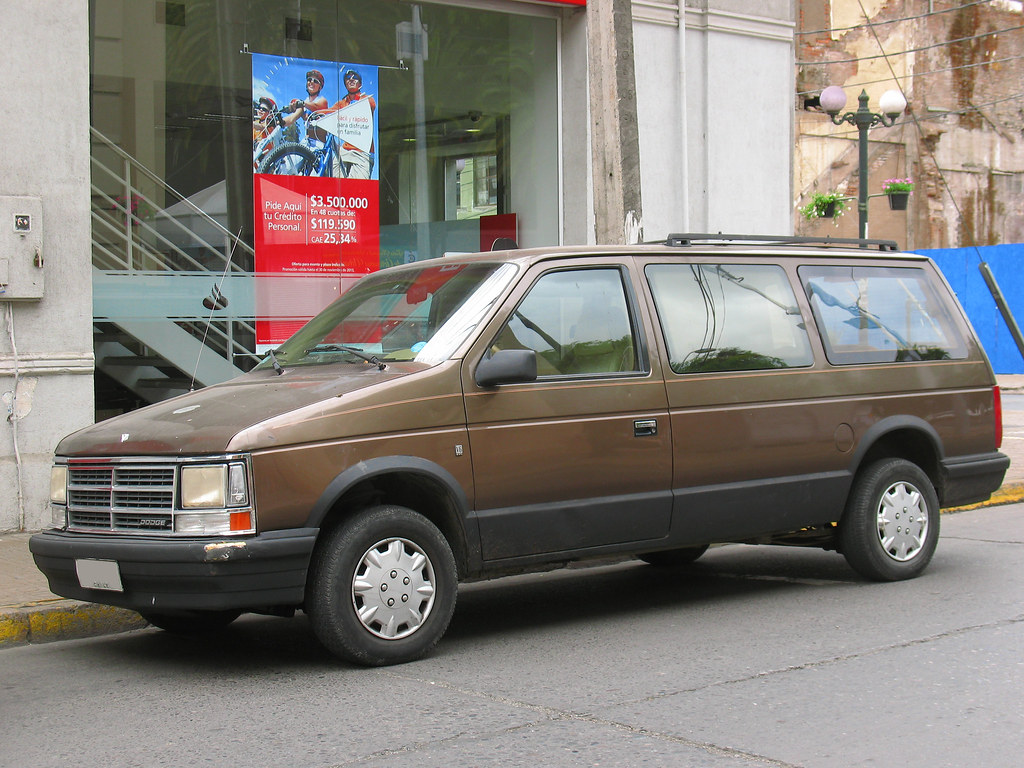
5. **Dodge Grand Caravan**
The Dodge Grand Caravan holds a unique place in the hearts of many families. For generations, it served as the quintessential family hauler, carting kids to soccer practice, ferrying pets to the vet, and transporting countless loads of groceries and gear. Many families undoubtedly harbor memories—some fond, some perhaps less so—of traveling in these ubiquitous minivans. Yet, beneath the veneer of family-friendly utility, the Grand Caravan was, for many owners, “anything but smooth driving.” It was a vehicle that often struggled to live up to its workhorse reputation.
Trying to rely on a Dodge Grand Caravan as a robust family, pet, and “thing hauler” became a perilous gamble for many, primarily due to the “transmission failure [that is] a common complaint from owners.” A minivan’s entire purpose is reliable, hassle-free transportation, and when its most critical drivetrain component is prone to giving up the ghost, its utility factor plummets to zero. This isn’t a minor hiccup; it’s a deal-breaker for a vehicle intended to shoulder the burdens of family life.
The transmission problems weren’t always sudden catastrophic failures, though those certainly happened. More often, owners would experience a creeping decline in performance before the transmission finally decided to go “kaput.” Common issues included “delayed gear engagement,” where the vehicle hesitated before shifting, creating a potentially dangerous lag in acceleration. “Rough shifting” made every gear change a jarring experience, detracting significantly from passenger comfort. And “slipping” gears meant a loss of power and efficiency, signs of a transmission on its last legs. These precursors were constant reminders of an impending, expensive breakdown.
Beyond the transmission, a frustrating array of other problems plagued the Grand Caravan. “Electrical system problems” were frequently reported, affecting everything from power windows to infotainment, leaving owners scratching their heads and enduring intermittent failures. “Heavy oil consumption” was another common complaint, indicating engine issues that added to the running costs and maintenance headaches. The sentiment among many owners was clear and concise: “If they could rewind time and have a do-over, they would gladly choose something else.” The dream of a dependable family workhorse evaporated, replaced by a vehicle that proved to be more of a liability than an asset.
Car Model Information: 2022 Toyota Camry SE
Caption: 2011 Dodge Grand Caravan Mainstreet
Name: Dodge Grand Caravan
Manufacturer: Chrysler Corporation,Daimler AG,Chrysler LLC,Chrysler Group LLC,FCA US LLC
Class: Minivan
Layout: FF layout,F4 layout
Production: November 2, 1983 –August 21, 2020
ModelYears: 1984–2020
Related: Plymouth Voyager,Chrysler Town & Country (minivan),Dodge Mini Ram,Chrysler Voyager,Volkswagen Routan
Assembly: Windsor, Ontario,Fenton, Missouri,Fenton, Missouri,Fuzhou
Successor: Dodge Journey,Chrysler Voyager
Categories: All-wheel-drive vehicles, All articles with unsourced statements, Articles with short description, Articles with unsourced statements from December 2017, Articles with unsourced statements from May 2009
Summary: The Dodge Caravan is a series of minivans manufactured by Chrysler from the 1984 through 2020 model years. The Dodge version of the Chrysler minivans, was marketed as both a passenger van and a cargo van (the only version of the model line offered in the latter configuration). For 1987, the model line was joined by the long-wheelbase Dodge Grand Caravan. Produced in five generations across 36 model years, the Dodge Caravan is the second longest-lived Dodge nameplate (exceeded only by the Dodge Charger). Initially marketed as the Dodge counterpart of the Plymouth Voyager, the Caravan was later slotted between the Voyager and the Chrysler Town & Country. Following the demise of Plymouth, the model line became the lowest-price Chrysler minivan, ultimately slotted below the Chrysler Pacifica.
Sold primarily in the United States and Canada, the Dodge Caravan was also marketed in Europe and other international markets under the Chrysler brand (as the Chrysler Voyager or Chrysler Caravan). From 2008 onward, Dodge marketed the model line only as the Grand Caravan; Ram Trucks sold a cargo-only version of the model line as the Ram C/V Tradesman. The model line was also rebranded as the Volkswagen Routan from 2009 through 2014.
After the 2020 model year, the Dodge Grand Caravan was discontinued, ending production on August 21, 2020. For 2021 production, the Grand Caravan nameplate was moved to Chrysler, which used it for a Canadian-market version of the Chrysler Pacifica (in the United States, the exact vehicle was marketed as the Chrysler Voyager).
For its entire production run, the Dodge Caravan/Grand Caravan was manufactured by Chrysler Canada (now Stellantis Canada) at its Windsor Assembly facility (Windsor, Ontario). From 1987 until 2007, the model line was also manufactured by Chrysler at its Saint Louis Assembly facility (Fenton, Missouri). Since their introduction in late 1983, over 14.6 million Chrysler minivans have been sold worldwide (including export versions and versions sold through rebranding).
Get more information about: Dodge Caravan
Buying a high-performing used car >>>
Brand: Dodge Model: Grand Caravan
Price: $23,995 Mileage: 61,076 mi.
Read more about: Beyond Belief: 6 Minivans That Made Owners Cringe – Dissecting the Worse and Worst in Automotive History

6. **Nissan Sentra**
The Nissan Sentra has seen many iterations over the years, and like most vehicles, it has had its shining moments. There are indeed “some good Nissan Sentra model years” where the car served its purpose adequately, providing economical and relatively reliable transportation. However, a significant portion of the Sentra’s history, particularly the models manufactured “from 2013 to 2019,” stands out as an unfortunate period of “horrific” quality and widespread owner frustration. For anyone considering a used Sentra, these are the years to avoid like the plague.
The primary antagonist in this story of automotive woe is the “infamous CVT” (Continuously Variable Transmission). Nissan, for a time, was particularly fond of this transmission type, implementing it across many of its models. Unfortunately for Sentra owners of these particular vintage years, this CVT proved to be “a thorn in the side of many.” It wasn’t just a minor annoyance; it was a fundamental flaw that severely compromised the driving experience and the vehicle’s long-term reliability.
CVT problems in the Sentra were varied and severe. Owners reported everything from “overheating,” which could lead to significant damage and breakdown, to “jerky acceleration,” where the car struggled to deliver power smoothly, making for an unpredictable and uncomfortable ride. “Shuddering” was another common complaint, a disconcerting vibration that spoke volumes about the transmission’s struggle to function properly. These issues didn’t just impact driving pleasure; they often necessitated costly repairs or even full transmission replacements, draining owners’ wallets and their patience.
And as if the transmission wasn’t enough, the Sentra’s laundry list of issues didn’t end there. “Engine stalling” was another critical problem, leaving drivers stranded and potentially in dangerous situations. Furthermore, the vehicle was subject to “many recalls related to the vehicle’s airbags, seatbelts, brakes, and more,” indicating a broader pattern of safety and quality control concerns across multiple critical systems. For those who owned a Sentra from these problematic years, the experience was less about reliable transportation and more about a persistent battle against mechanical and safety defects.
Car Model Information: 2023 Nissan Sentra SV
Name: Nissan Sentra
Caption: 2021 Nissan Sentra SR (B18; Canada)
Manufacturer: Nissan
Aka: Nissan Sunny
Production: 1982–present
Class: Subcompact car
Predecessor: Nissan Sunny#B310
Categories: 1990s cars, 2000s cars, 2010s cars, 2020s cars, All Wikipedia articles written in American English
Summary: The Nissan Sentra is a series of automobiles manufactured by the Japanese automaker Nissan since 1982. Since 1999, the Sentra has been categorized as a compact car, while previously it occupied the subcompact class. Until 2006, Sentra was a rebadged export version of the Japanese Nissan Sunny, but since the 2013 model year, Sentra is a rebadged export version of the Sylphy. The Sentra nameplate is not used in Japan. Many other countries in Latin America sell their versions of the Sunny as the Sentra. In Mexico, the first three generations of the Sentra were known as the Nissan Tsuru (Japanese for crane), and the B13 model was sold under that name until 2017, alongside the updated models badged as Sentra.
In North America, the Sentra currently serves as Nissan’s compact car, despite being rated as a mid-size car by the EPA due to its interior volume since the 2007 model year. While previous Sentras were subcompacts, the Sentra has grown over the years, with the Nissan Versa having replaced the Sentra in the entry-level area.
The Sentra name was created for Nissan by Ira Bachrach of NameLab, and Bachrach describes the origin as “Nissan wanted consumers to understand that it was quite safe even though it was small. The word Sentra sounds like central as well as sentry, which evokes images of safety.”
Get more information about: Nissan Sentra
Buying a high-performing used car >>>
Brand: Nissan Model: Sentra
Price: $19,590 Mileage: 40,809 mi.
Read more about: The Hidden Cost: 14 Popular Trucks and Vehicles Prone to Major Repairs Before 100,000 Miles
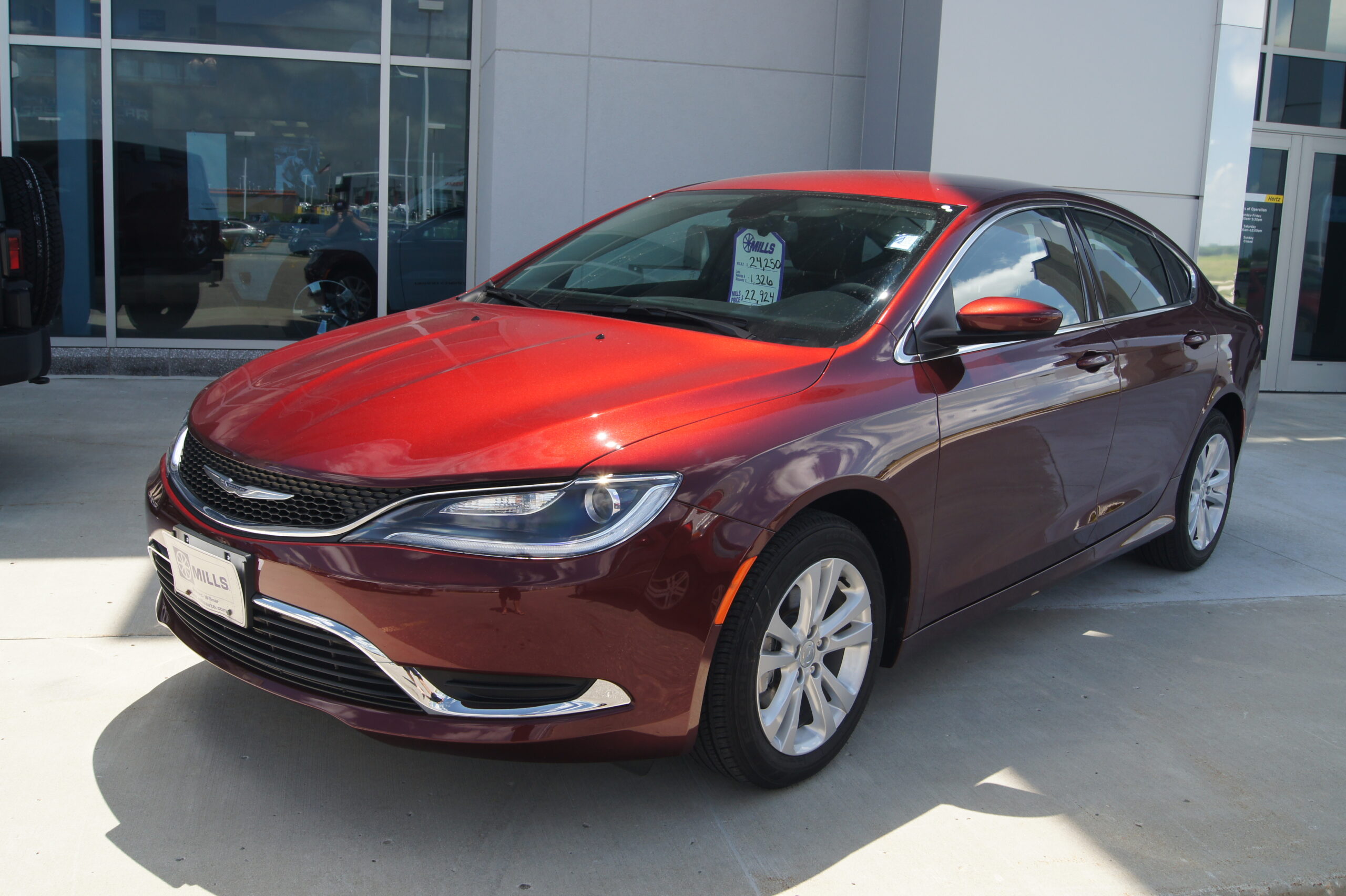
7. **Chrysler 200**
The Chrysler 200, produced between 2011 and 2017, was an attempt by the American automaker to offer a competitive mid-size sedan. On the surface, it aimed for a blend of style and practicality, but beneath that exterior lay a troubled mechanical heart, consistently disappointing owners with a litany of reliability issues. For many who bought into the promise of a decent daily driver, the Chrysler 200 quickly revealed itself to be a significant source of buyer’s remorse, earning its place on this unenviable list.
Among the various reliability woes, one component stood out as particularly problematic: the 9-speed automatic transmission. This was especially true for owners of the 2015, 2016, and 2017 models, where the “9-speed automatic tranny [was found] to be especially problematic.” This isn’t just a minor design flaw; it’s a critical component that fundamentally impacts the vehicle’s driveability and longevity. When a transmission is consistently causing trouble, the entire ownership experience quickly sours.
Owners reported a range of issues with this notoriously unreliable transmission, from rough and unpredictable shifts to, in far too many cases, outright “transmission failure.” Imagine investing in a vehicle, only to face the daunting prospect of a major, incredibly expensive transmission replacement after just a few years of ownership. This was often “just for starters,” implying that the transmission issues were merely the most egregious among a host of other defects, setting the stage for continuous headaches and financial drains.
Compounding these drivetrain nightmares, the Chrysler 200 also “suffers from engine performance problems.” This can manifest in various ways, such as a lack of power, rough idling, or excessive oil consumption, all of which detract from the driving experience and indicate underlying mechanical distress. When a car struggles with both its engine and its transmission, it ceases to be a reliable mode of transport and instead becomes a source of ongoing frustration and expense. The Chrysler 200, for many, was a car they’d gladly forget.
Car Model Information: 2013 Chrysler 200 Touring
Name: Chrysler 200
Manufacturer: Chrysler
Production: 2010–2016
ModelYears: 2011–2017
Assembly: Sterling Heights, Michigan
Class: Mid-size car
Sp: us
Predecessor: Chrysler Sebring
Categories: 2010s cars, All articles with dead external links, All articles with unsourced statements, Articles with dead external links from July 2020, Articles with permanently dead external links
Summary: The Chrysler 200 is a mid-size sedan that was manufactured and marketed by Chrysler from model years 2011 to 2017 across two generations in four-door sedan and two-door convertible (first generation only) body styles.
The 200 nameplate debuted on the 200C, a prototype hybrid vehicle shown at the 2009 North American International Auto Show in Detroit and based on the Chrysler 300. The 200C concept was engineered to accept either traditional gasoline, hybrid or full-electric powertrains.
Get more information about: Chrysler 200
Buying a high-performing used car >>>
Brand: Chrysler Model: 200
Price: $7,995 Mileage: 117,030 mi.
Read more about: From Flop to Coveted Classic: Unearthing the Most Notorious ‘Worst’ Cars of the Mid-20th Century That Now Command Respect

8. **Nissan Altima**
Ah, the Nissan Altima. For years, it’s been a staple of the American road, a seemingly sensible choice for commuters and families alike. Yet, for countless owners, the Altima has become a glaring example of how a popular nameplate can fall short, leaving a bitter taste in the mouth and a gaping hole in the wallet. This isn’t just about a few unlucky souls; it’s a systemic problem that has pushed the Altima onto our ignominious list of cars owners would gladly jettison.
At the very heart of the Altima’s woes, much like its Sentra sibling, lies that notoriously problematic continuously variable transmission (CVT). Nissan’s love affair with the CVT has been a bumpy ride for many of its customers, and nowhere is that more apparent than in the Altima, with the absolute worst of its issues rearing their ugly heads in the 2013 to 2019 model years. Drivers during this period became all too familiar with the unsettling sensations of jerking, shuddering, and the disconcerting feeling of the transmission slipping, often leading to costly repairs or even full replacements. It transformed what should have been a smooth, efficient drive into a constant source of anxiety.
But if you thought the transmission was the only issue, well, you haven’t truly experienced the depths of Altima ownership regret. Beyond the CVT, owners frequently report significant problems with the steering system, which can range from a vague, disconnected feel to more serious mechanical failures that compromise safety and control. Add to that the pervasive complaints of excessive oil consumption, a tell-tale sign of deeper engine issues that can lead to premature wear and expensive fixes. And if that wasn’t enough, oil leaks are also a common grievance, turning a simple oil change into a desperate search for the source of yet another drip.
These combined factors paint a bleak picture for the Nissan Altima. It’s a car that, for too many, failed to deliver on the fundamental promise of reliable and hassle-free transportation. Instead, it delivered a steady stream of mechanical headaches, unexpected expenses, and the kind of profound buyer’s remorse that makes you wish you could reverse time and pick literally anything else. The Altima, during these particular years, became less of a reliable commuter and more of a budget-draining burden.
Car Model Information: 2023 Nissan Altima 2.5 SV
Name: Nissan Altima
Caption: 2024 Nissan Altima SR (L34; US)
Manufacturer: Nissan
Aka: Nissan Bluebird
Production: 1992–present
Class: Compact car
Predecessor: Nissan Bluebird,Nissan Stanza
ModelYears: 1993–present
Categories: 2000s cars, 2010s cars, 2020s cars, All-wheel-drive vehicles, All Wikipedia articles written in American English
Summary: The Nissan Altima is a mid-size car manufactured by Nissan since 1992. It is a continuation of the Nissan Bluebird line, which began in 1955.
The Altima has historically been larger, more powerful, and more luxurious than the Nissan Sentra but less so than the Nissan Maxima. The first through fourth-generation cars were manufactured exclusively in the United States and officially sold in North and South America, along with the Middle East and Australia. For other markets, Nissan sold a related mid-size sedan called the Nissan Teana which was between the Altima and Maxima in terms of size. In 2013, the Teana became a rebadged version of the fifth-generation Altima.
The name “Altima” was originally applied to a top trim line of the Nissan Leopard for the Japanese market in 1986, and then to the Nissan Laurel Altima mid-size car sold in Central America and the Caribbean before 1992. In 1992, Nissan discontinued the Stanza which was a Nissan Bluebird clone, replacing it with the US-built Altima, while remaining a compact car. The first Altima was produced in June 1992, as a 1993 model. All Altima models for the North American market were built in Smyrna, Tennessee, until June 2004, when Nissan’s Canton, Mississippi plant also began producing the model to meet high demand.
Get more information about: Nissan Altima
Buying a high-performing used car >>>
Brand: Nissan Model: Altima
Price: $20,290 Mileage: 52,569 mi.
Read more about: The Hidden Cost: 14 Popular Trucks and Vehicles Prone to Major Repairs Before 100,000 Miles
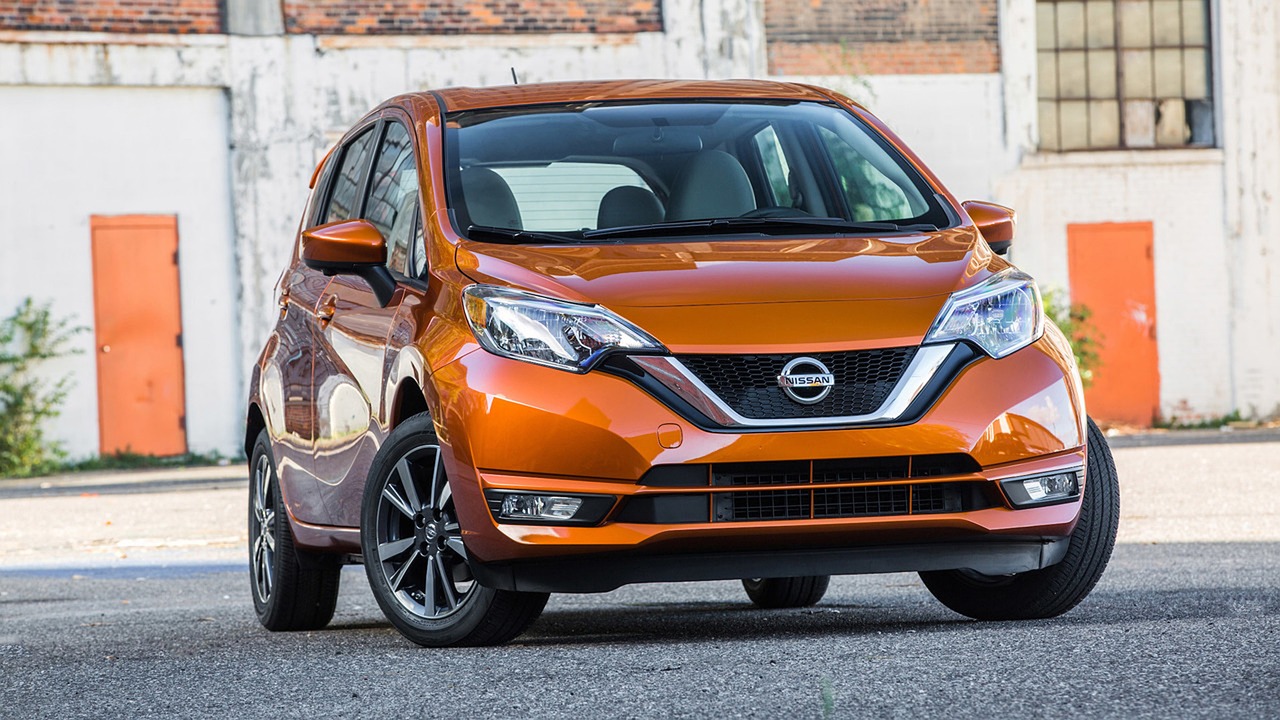
9. **Nissan Versa Note**
When you see a car with a super-cheap price tag, a little alarm bell should probably go off in your head. For the Nissan Versa Note, that bell became a full-blown siren for many unsuspecting buyers. Marketed as an affordable, practical small hatchback, its low initial cost often proved to be a harbinger of the low-quality experience that awaited owners. This isn’t just a minor complaint; it’s a wholesale disappointment for those who thought they were getting a bargain.
Unsurprisingly, another Nissan model, another battle with the infamous continuously variable transmission. The Versa Note’s CVT was a constant source of frustration for owners, much like its larger siblings. Instead of providing the seamless, efficient power delivery it promised, it often delivered inconsistent acceleration, noisy operation, and the general feeling of a car that was perpetually struggling. This critical component, designed to enhance the driving experience, instead undermined it completely, leaving owners exasperated with every mile.
And let’s be real, even if the transmission *had* behaved, the Versa Note had other significant shortcomings that chipped away at any residual goodwill. Owners consistently lamented the anemic acceleration provided by its 1.6-liter 4-cylinder engine. This wasn’t a car that offered exhilarating performance; it was a car that struggled to keep up with traffic, making highway merging a white-knuckle affair and even routine city driving feel like a chore. The lack of power, combined with the problematic transmission, created a driving experience that was anything but enjoyable.
So, while the Nissan Versa Note might have seemed like a smart, economical choice on paper, the reality of ownership quickly dispelled that illusion. It became clear that the low price mirrored a compromise in quality that extended far beyond minor inconveniences. For many, it was a constant reminder that sometimes, too cheap is just too bad. It’s a vehicle that embodies the phrase “you get what you pay for,” and in this case, owners wished they had paid for something, *anything*, else.
Car Model Information: 2022 Toyota Camry SE
Name: Nissan Note
Manufacturer: Nissan
Production: 2004–present
Class: Mini MPV
BodyStyle: hatchback
Layout: Front-engine, front-wheel-drive layout,Front-engine, four-wheel-drive layout
Predecessor: Nissan Almera Tino
Aka: Nissan Versa
Caption: Nissan Note (E13)
Categories: 2010s cars, 2020s cars, All-wheel-drive vehicles, All Wikipedia articles written in British English, All articles containing potentially dated statements
Summary: The Nissan Note (Japanese: 日産・ノート, Hepburn: Nissan Nōto) is a supermini/subcompact hatchback or a mini MPV manufactured and marketed globally by Nissan. Introduced in 2004, the first-generation Note was primarily marketed in Japan and Europe, and was produced in Japan and the United Kingdom. The second-generation model was sold in other regions, including North America where it was manufactured in Mexico and marketed as the Versa Note, and Thailand, where it serves as one of the B-segment hatchback offered by the brand alongside the smaller March/Micra under the Eco Car tax scheme.
In 2017, the second-generation Note was replaced by the French-built K14 Micra for the European market. The Versa Note was discontinued in North America in 2019 due to the decreasing demand for subcompact hatchbacks in the region. It continued to be produced and sold in Japan up to the introduction of the third-generation Note in late 2020.
The Note was introduced with a series hybrid drivetrain in late 2016 as the Note e-Power. Due to its popularity and the push of electrification, the third-generation Note is only available with the e-Power drivetrain, with a WLTC fuel economy of 29.5 kilometres per litre (69 mpg‑US).
Get more information about: Nissan Note
Buying a high-performing used car >>>
Brand: Nissan Model: Versa Note
Price: $23,995 Mileage: 61,076 mi.
Read more about: Navigating the Current: 13 Common Electrical Problems Every Japanese Car Owner Should Understand
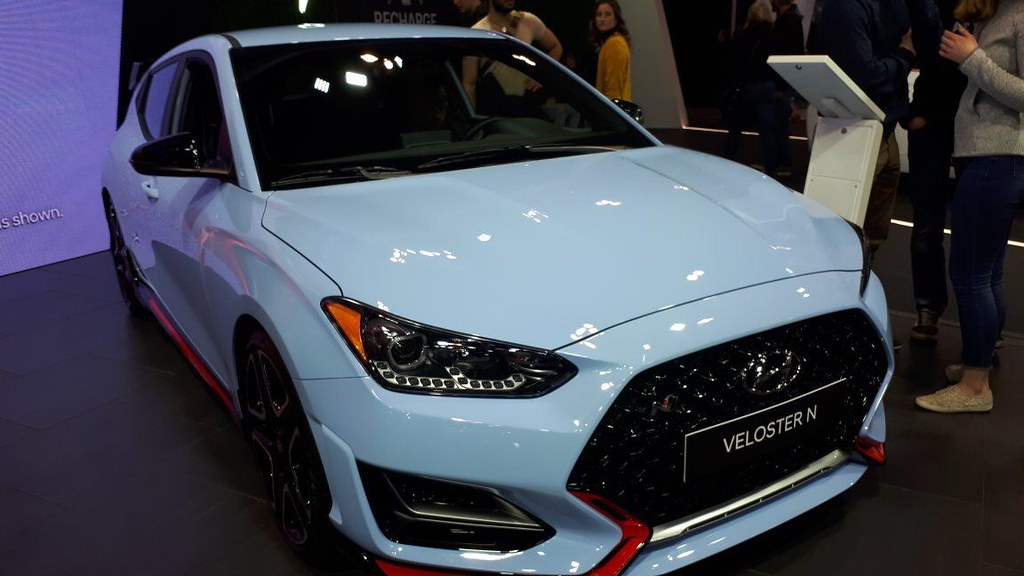
10. **Hyundai Veloster**
Now, let’s talk about the Hyundai Veloster. On the surface, it’s undeniably cool. With its distinctive three-door styling – one on the driver’s side, two on the passenger’s – and a promise of responsive handling, it really looked like a fun, quirky car that broke the mold. It had character, personality, and the kind of visual flair that turns heads. But as many owners quickly discovered, beneath that cool exterior lurked a litany of problems that were simply too significant to ignore, turning that initial excitement into genuine regret.
One of the most alarming issues plaguing the Veloster centers around its engine. We’re not talking about a little hiccup or a minor misfire; we’re talking about engine issues that, in far too many instances, could lead to catastrophic failure. Imagine the sheer dread of driving your stylish new car only to have its heart effectively give out, resulting in massive repair bills or even a completely totaled vehicle. This kind of fundamental mechanical vulnerability is a betrayal of basic automotive trust and a surefire way to generate intense buyer’s remorse.
Adding to the powertrain misery, the Veloster’s dual-clutch transmission also proved to be a frequent source of frustration. Owners reported a range of unsettling problems, including delayed acceleration where the car hesitated before responding to throttle input, a disconcerting slipping sensation between gears, and jerky shifts that made for an uncomfortable and unpredictable ride. These transmission quirks didn’t just detract from the driving experience; they often indicated deeper mechanical issues that required expert and expensive attention.
And as if catastrophic engine problems and a temperamental transmission weren’t enough, the Hyundai Veloster also earned a reputation for having persistent suspension and steering problems. This meant that even if the car managed to keep moving, the overall ride quality and handling could be compromised, robbing the driver of the very “responsive handling” that initially drew them to the car. The cumulative effect of these issues meant that for many Veloster owners, the striking looks and initial fun factor quickly faded into a daily grind of mechanical concerns and repair shop visits.
Car Model Information: 2012 Hyundai Veloster Base
Name: Hyundai Veloster
Manufacturer: Hyundai Motor Company
Production: 2011–2022
Class: Sport compact car
Layout: Front-engine, front-wheel-drive layout
BodyStyle: hatchback
Predecessor: Hyundai Tiburon
ModelYears: 2012–2022
Assembly: Ulsan
Categories: All Wikipedia articles in need of updating, All articles with unsourced statements, Articles containing Korean-language text, Articles with short description, Articles with unsourced statements from May 2018
Summary: The Hyundai Veloster (Korean: 현대 벨로스터, romanized: Hyeondae Belloseuteo) is a compact car first produced in 2011 by Hyundai, with sales beginning in South Korea on March 10, 2011, and in Canada and the United States since the fall of 2011. In South Korea, it was marketed under Hyundai’s ‘Premium Youth Lab’. It was unveiled on January 10, 2011, at the Detroit Auto Show, and fills the void left when Hyundai discontinued the Hyundai Tiburon after the 2008 model year.
The car differs from most other hatchbacks with its asymmetrical door configuration, featuring one large door on the driver side and two smaller doors on the passenger side. This configuration is more common on commercial vehicles and minivans.
Get more information about: Hyundai Veloster
Buying a high-performing used car >>>
Brand: Hyundai Model: Veloster
Price: $7,645 Mileage: 83,462 mi.
Read more about: The Great Deception: 12 Vintage Sports Cars That Looked Like Supercars But Drove Like Sloths

11. **Kia Rio**
The Kia Rio, like many compacts, is often lauded for its affordability and efficiency. It’s pitched as a smart, budget-friendly choice for urban dwellers or those looking to minimize their fuel costs. And for a while, Kia has certainly offered some compelling products that defied their price point. However, despite its practical appeal, owners of the Kia Rio have also found themselves saddled with their fair share of buyer’s remorse, proving once again that a low price can sometimes come with a hidden, higher cost.
While its affordability might get people in the door, the Rio is just as well known, if not more so, for its persistent engine issues. These aren’t just minor quirks; we’re talking about problems that significantly impact the driving experience and the long-term reliability of the vehicle. Owners frequently report experiencing rough idling, a tell-tale sign of an engine struggling to maintain a smooth, consistent rhythm. Misfires are another common complaint, often traced back to problems with critical components like spark plugs or ignition coils.
These engine maladies aren’t just inconvenient; they can lead to reduced fuel efficiency, decreased performance, and the constant worry of a more serious breakdown looming on the horizon. For a car whose main selling points are economy and efficiency, having an engine that struggles to deliver on those very promises is a fundamental flaw that deeply frustrates owners. It’s hard to feel good about saving money upfront when that saving is quickly eaten away by repair bills and compromised performance.
Beyond the engine, owners also lament the cheap interior quality and comfort issues that become glaringly apparent with daily use. What might seem acceptable on a quick test drive quickly becomes irritating when you’re spending hours in the cabin. Materials feel flimsy, seats lack adequate support for longer journeys, and the overall fit and finish leave much to be desired. The Kia Rio, despite its initial allure as an economical choice, often becomes a stark reminder that some compromises aren’t worth making, leaving owners wishing they had invested a little more for a lot more peace of mind.
Car Model Information: 2019 Kia Rio S
Name: Kia Rio
Caption: Fourth generation Kia Rio
Manufacturer: Kia
Aka: Kia Pride (2005–2017),Kia K2 (China; 2011–2020)
Production: November 1999 – December 2023
ModelYears: 2001–2023 (North America)
BodyStyle: hatchback
Class: Subcompact car
Layout: Front-engine, front-wheel-drive layout
Predecessor: Kia Pride,Kia Avella
Successor: Kia K3 (BL7),Kia Soluto
Categories: 2000s cars, 2010s cars, Articles containing Korean-language text, Articles with short description, CS1 Croatian-language sources (hr)
Summary: The Kia Rio (Korean: 기아 리오) is a subcompact car manufactured by Kia from 1999 to 2023. Body styles have included a three and five-door hatchback and four-door sedan, equipped with inline-four gasoline and diesel engines, and front-wheel drive.
The Rio replaced the first generation Pride—a rebadged version of the Ford Festiva—and the Avella, a subcompact sold as a Ford in some markets. A second generation was introduced in 2005 in Europe and in 2006 in North America, sharing its platform with the Hyundai Accent, a subcompact manufactured by its sister Hyundai Motor Company in South Korea.
In August 2023, the K3 was introduced as its successor in several markets such as Mexico and the GCC countries.
Get more information about: Kia Rio
Buying a high-performing used car >>>
Brand: Kia Model: Rio
Price: $10,900 Mileage: 70,595 mi.
Read more about: Ford’s Electric Future Undergoes Major Recalibration: Unpacking 12 Key Strategic Shifts and Factory Adjustments
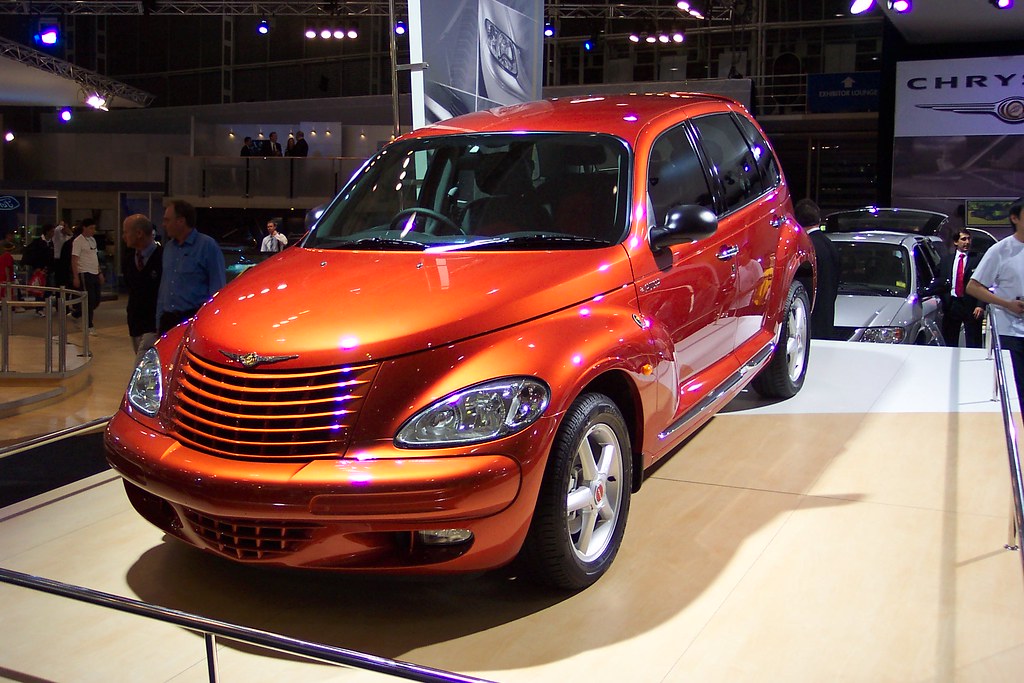
12. **Chrysler PT Cruiser**
Oh, the Chrysler PT Cruiser. Where do we even begin with this one? This compact car has a retro-inspired style that has always been polarizing – people either love it or, more often, love to hate it. But let’s be brutally honest, the looks are far from the only things wrong with this vehicle. Beneath its divisive exterior lies a mechanical nightmare that turned countless owners into reluctant participants in a never-ending saga of breakdowns and repairs.
The PT Cruiser is practically synonymous with engine issues. We’re talking “engine issues galore,” a veritable buffet of problems ranging from sudden and alarming stalling to persistent rough idling that makes you question if the engine is about to give up the ghost entirely. Owners also grappled with serious overheating problems, a symptom that can quickly lead to more catastrophic damage, and, infamously, head gasket failure. These aren’t minor nuisances; these are fundamental mechanical failures that drain bank accounts and patience in equal measure.
But the PT Cruiser’s woes didn’t stop at the engine. It also earned a notorious reputation for its problematic transmission. Whether it was rough shifts, unpredictable behavior, or outright failure, the transmission added another layer of mechanical misery to an already beleaguered vehicle. Imagine the frustration of having your unique-looking car constantly in the shop for major drivetrain repairs, turning your stylish statement into a stationary money pit.
And then, of course, there were the electrical problems, which seemed to pop up in every conceivable form, from minor glitches to more serious malfunctions that affected critical vehicle systems. These consistent, widespread issues, among other things, left owners profoundly regretting their buying decision. The Chrysler PT Cruiser stands as a stark warning: sometimes, even a car with character can be a mechanical disaster, leaving its owners wishing they had simply admired its retro charm from afar, rather than enduring the painful reality of ownership.
Car Model Information: 2022 Toyota Camry SE
Name: Chrysler PT Cruiser
Manufacturer: Chrysler
ModelCode: PT,PG
Production: 2000–2010
ModelYears: 2001–2010
Assembly: Toluca, Mexico State
Designer: Bryan Nesbitt
Class: Compact car
BodyStyle: convertible
Platform: Chrysler PT platform
Related: Dodge SRT4,Dodge Neon
Predecessor: Dodge Neon
Successor: Lancia Delta#Third generation
Layout: Front-engine, front-wheel-drive layout
Engine: ubl
Transmission: Ultradrive#40TE
Wheelbase: 103 in
Abbr: on
Length: 168.8 in
Width: 67.1 in
Height: 63 in
Weight: 3123 lb
Categories: 2010s cars, All articles with unsourced statements, Articles with short description, Articles with unsourced statements from March 2018, Cars discontinued in 2010
Summary: The Chrysler PT Cruiser is a compact car that was built by the American company Chrysler from 2001 until 2010. Introduced as a five-door hatchback wagon, a two-door convertible variant was also made from 2005 until 2008.
Originally planned as a Plymouth model, the PT Cruiser was ultimately marketed as a Chrysler when Plymouth was discontinued. Intended to invoke 1930s aesthetics, the exterior of the PT Cruiser was designed by Bryan Nesbitt. The model received an intermediate facelift for the 2006 model year. Interior packaging was noted for its high roof, high h-point seating, and flexible cargo and passenger configurations enabled by a multi-level rear cargo shelf and rear seats a user could fold, tumble, or remove.
The PT Cruiser was produced in Mexico and Austria at the Toluca Car Assembly and Eurostar Automobilwerk factories respectively. By the end of production in July 2010, worldwide production had reached 1.35 million.
In its nameplate, PT stands for “Personal Transport” or “Personal Transportation.” PT was the PT Cruiser’s product code for the Mexican-made units.
Get more information about: Chrysler PT Cruiser
Buying a high-performing used car >>>
Brand: Chrysler Model: PT Cruiser
Price: $23,995 Mileage: 61,076 mi.
Read more about: All Show, No Go: Unmasking the Classic Muscle Cars That Dazzled with Style But Disappointed on the Dragstrip
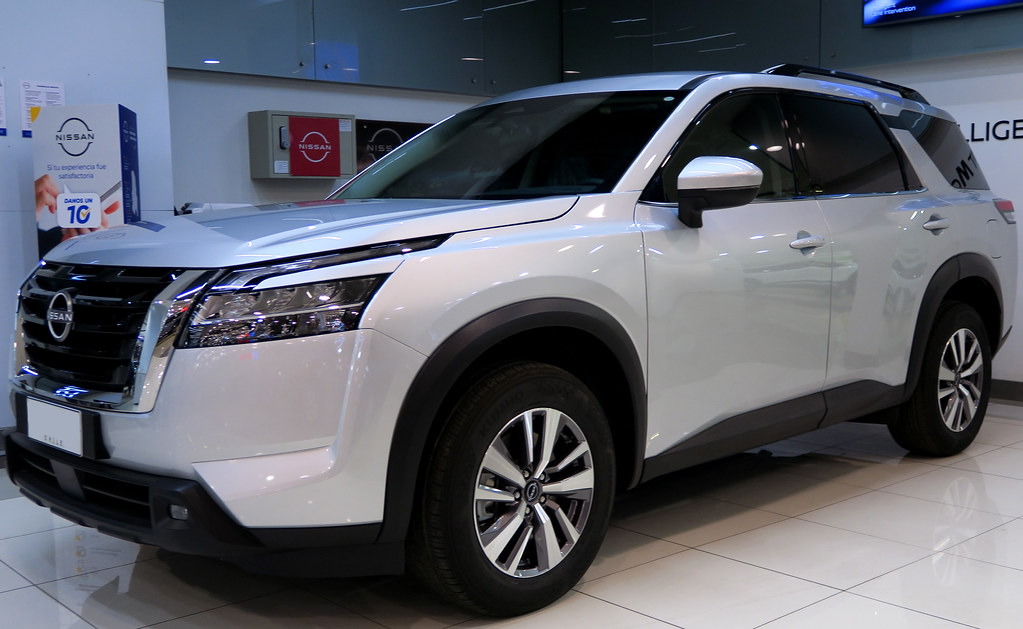
13. **Nissan Pathfinder**
The Nissan Pathfinder has long been a popular SUV, a familiar sight on family road trips and daily commutes. But despite its widespread appeal, the Pathfinder is, unfortunately, notorious for having a particular set of problems that have left a significant number of owners utterly regretting their buying decisions. It’s a classic case of a seemingly reliable family hauler that turned out to be a persistent source of automotive anguish.
Once again, the central point of contention for many Pathfinder owners is, you guessed it, the continuously variable transmission (CVT). Nissan’s reliance on this transmission type has consistently created headaches across its lineup, and the Pathfinder is no exception. Owners describe a litany of issues with the CVT, experiencing everything from unsettling rough shifting to a disconcerting shuddering, which not only detracts from the driving experience but also indicates underlying mechanical stress. And in the most severe cases, the transmission would simply overheat, leading to catastrophic failure.
To the chagrin of some Nissan Pathfinder owners, these transmission issues weren’t just a matter of expensive repairs; sometimes, the only viable solution was a complete transmission replacement, an incredibly costly endeavor that can easily exceed the value of an older vehicle. This kind of fundamental component failure is a major blow to consumer confidence and a primary driver of buyer’s remorse, turning a family SUV into a dreaded financial drain that no one anticipated when they signed on the dotted line.
Beyond the infamous CVT, the Pathfinder also struggled with other significant problems that added to owner frustration. Engine issues were frequently reported, affecting performance, reliability, and peace of mind. Fuel system problems further compounded the vehicle’s mechanical woes, leading to potential efficiency losses and additional repair costs. These cumulative issues transform the dream of owning a dependable family SUV into a frustrating reality of constant worry and unexpected expenses, solidifying the Pathfinder’s place on our list of vehicles best avoided.
Car Model Information: 2023 Nissan Pathfinder Platinum
Name: Nissan Pathfinder
Caption: 2022 Nissan Pathfinder Platinum 4WD (R53, US)
Manufacturer: Nissan
Production: 1985–present
ModelYears: unbulleted list
Layout: unbulleted list
Class: unbulleted list
Chassis: unbulleted list
Predecessor: unbulleted list
Successor: unbulleted list
Categories: 1990s cars, 2000s cars, 2010s cars, 2020s cars, All-wheel-drive vehicles
Summary: The Nissan Pathfinder is a range of sport utility vehicles manufactured by Nissan since 1985. Until the third-generation model, the Pathfinder is based on Nissan’s compact pickup truck platform which it shares with the Navara/Frontier.
The Pathfinder was marketed as the Nissan Terrano (Japanese: 日産・テラノ, Hepburn: Nissan Terano) outside North America. Beginning in 2004, the vehicles were marketed globally as the Pathfinder.
In 2012, the R52 series Pathfinder was released as a three-row crossover SUV based on the unibody Nissan D platform, moving away from the body-on-frame chassis format. The role of a mid-size body-on-frame SUV in Nissan’s global lineup was passed to the Terra/X-Terra, which was released in 2018 and based on the D23 series Navara.
Get more information about: Nissan Pathfinder
Buying a high-performing used car >>>
Brand: Nissan Model: Pathfinder
Price: $37,555 Mileage: 46,270 mi.
Read more about: The Definitive Guide to the Best 3-Row SUVs of 2025: Expert Rankings for Family-Focused Drivers
Sometimes, life truly is about learning from other people’s mistakes so you don’t have to repeat them. That’s certainly the case with car ownership, an arena where a bad decision can haunt you for years through relentless repair bills and diminished driving pleasure. The 13 vehicles we’ve meticulously detailed in this deep dive are worth skipping, unless you possess an insatiable appetite for automotive drama, or perhaps a burning desire to test the limits of your own patience and financial resilience. Otherwise, take heed of these warnings, steer clear of these notorious money pits, and save yourself from a profound case of buyer’s remorse. Your wallet, your sanity, and perhaps even your enemies, will thank you for it. Choose wisely, because in the world of cars, an expense in every mile is a burden no one deserves.