Movies have this incredible power, don’t they? They can whisk us away to other worlds, make us fall in love with characters, and even leave us utterly speechless. But sometimes, when the credits roll, those strong emotions turn into something else entirely: frustration. We’ve all been there, watching a story unfold, investing our hearts, only for the finale to completely miss the mark or, even worse, hit us with a conclusion we just can’t accept.
Here’s the thing, though: studios and filmmakers aren’t always deaf to our collective disappointment. In fact, fan backlash has been so powerful that it’s actually led to some iconic films getting entirely new finales. Imagine that! Our voices, our collective sighs and shouts of ‘No way!’, can literally reshape the stories we love, changing a film’s heart or tone to better match what we secretly wanted all along.
So, buckle up, movie buffs! We’re about to take a deep dive into 14 legendary films where the original endings were so off-the-wall, so frustrating, or just plain *wrong* that fans couldn’t keep quiet. We’ll explore the wild original visions, unpack what made us all collectively cringe, and celebrate the incredible power of audiences to demand (and sometimes get!) a better, more satisfying conclusion. Get ready to discover the endings that almost were, and the ones that made cinematic history thanks to us!
1. **Little Shop of Horrors (1986)**Can you imagine ‘Little Shop of Horrors’ with a truly dark twist? Well, originally, the beloved musical comedy was set to end on a seriously grim note. Seymour and Audrey, our lovable protagonists, were actually destined to be devoured by the insatiable alien plant, Audrey II, which then would have gone on a chaotic rampage to take over the world in a truly chaotic fashion. Talk about a curveball for a quirky, upbeat flick!
Now, while that sounds pretty wild and certainly bold, test audiences were NOT here for it. They absolutely hated losing those likable leads, finding the deeply dark tone totally jarring and out of sync with the film’s otherwise charming and lighthearted vibe. It seems they went in for a feel-good musical, not an alien apocalypse where the good guys lose.
Thankfully, director Frank Oz listened intently to the uproar. He famously reworked the ending to give us the happy resolution we all secretly craved: Seymour managing to destroy the menacing plant and finally marrying his darling Audrey, leading to a perfectly suburban life for the couple. Phew! Crisis averted, and romance restored.
This pivotal shift ensured the film kept its cherished lighthearted vibe intact, transforming it into the beloved cult classic we adore today. It seems the original ending, though undeniably striking, felt far too bleak for fans who were simply seeking a fun, feel-good escape that delivered on its quirky charm. Sometimes, a happy ending is just what the doctor ordered!
Read more about: Prove Your Sci-Fi Cred: 15 Essential Movies You Absolutely CANNOT Miss!

2. **Fatal Attraction (1987)**The intense thriller ‘Fatal Attraction’ definitely kept audiences on the edge of their seats, but its original conclusion was set to deliver a chilling and frankly unjust twist that left a sour taste. Originally, the obsessive Alex, brilliantly played by Glenn Close, was supposed to take her own life and then frame Dan, played by Michael Douglas, for her murder. Can you imagine the outrage?
Test audiences, who had been on this tense rollercoaster of a film, found this ending deeply unfair. They desperately wanted Alex to face some real consequences for her increasingly disturbing and obsessive actions. The idea of her escaping justice, even in death, by framing an innocent man, simply didn’t sit right with their sense of cinematic morality and what felt right for such an intense story.
Listening to this strong audience feedback, the filmmakers wisely decided to reshoot a much more dramatic and satisfying showdown. In the new, now-iconic ending, Dan’s wife bravely confronts and ultimately stops Alex, delivering the powerful closure that audiences had been craving from the film’s intense buildup. It was a moment of true justice that resonated deeply.
This revised finale not only boosted the film’s popularity, cementing its status as a tense thriller, but it also aligned perfectly with what viewers expected from such a high-stakes, emotional story. It provided a sense of poetic justice that was sorely missing from the original, making the film a much more fulfilling and impactful experience for everyone who watched.
Read more about: Wild,Problematic: 18 80s Movie Classics Through a Modern Lens
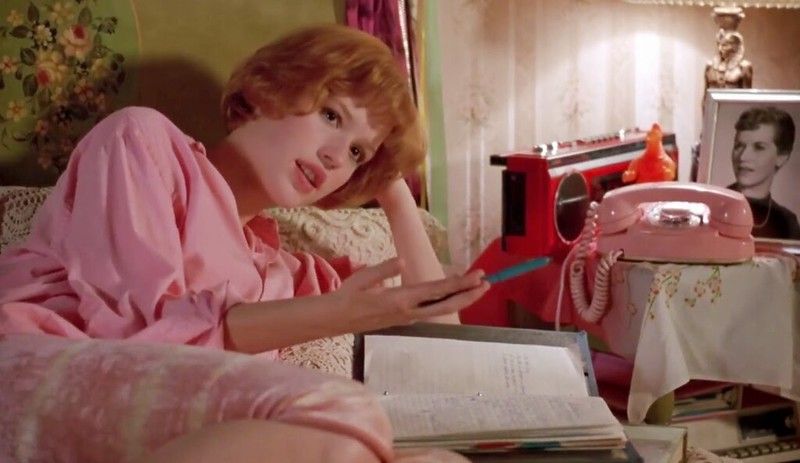
3. **Pretty in Pink (1986)**Ah, ‘Pretty in Pink,’ a quintessential ’80s teen romance that almost had a completely different romantic conclusion! The original plan for this iconic film had Andie, played by the fabulous Molly Ringwald, ending up with her quirky, devoted best friend, Duckie, at the prom. This ending, believe it or not, was initially conceived to fit the film’s underlying theme of class divides, suggesting Andie stayed true to her roots and chose someone from her own world.
However, as we all know, test audiences had other ideas, and they made their preferences known loud and clear! Viewers were passionately rooting for Andie to end up with the wealthy, charming Blaine, creating a strong demand for the classic fairytale romance we’ve come to expect from such films. The chemistry with Blaine was simply undeniable for most watching.
The filmmaking team, understanding the power of audience desire, went back and reshot the ending. This gave us the now-iconic romantic prom moment where Andie and Blaine reunite, sharing a kiss that perfectly encapsulated the ‘happily ever after’ vibe. It was a pivotal change that truly sealed the film’s legacy.
This change decisively leaned into the fairytale romance that audiences wanted, ultimately making ‘Pretty in Pink’ a defining ’80s classic. While some of the original ending’s subtle social commentary about class distinctions might have been lost in the process, there’s no denying that the new ending won our hearts and solidified its place as a beloved romantic staple.
Read more about: Beyond Bad: A Critical Look at Cinema’s Most Forgettable and Disappointing Flicks

4. **Scott Pilgrim vs. the World (2010)**The cult favorite ‘Scott Pilgrim vs. the World’ is celebrated for its vibrant energy and unique style, but it nearly concluded with an ending that would have drastically altered its romantic trajectory. Initially, the film was designed to have Scott end up with Knives Chau, offering a somewhat bittersweet twist that might have left many viewers scratching their heads. It was a bold choice, to say the least!
However, test audiences, especially the dedicated fans of the original graphic novels, had a very strong preference. They overwhelmingly rooted for Scott to end up with Ramona Flowers, the mysterious and colorful girl he literally fights for throughout the film. For them, preserving the heart of the source material meant a specific romantic pairing.
Recognizing the importance of this fan sentiment, director Edgar Wright made the crucial decision to reshoot the finale. The revised ending saw Scott and Ramona walk off together, perfectly matching the spirit and resolution of the beloved graphic novels. It was a moment of triumph for fans who wanted to see their favorite comic come to life faithfully.
This choice proved instrumental in keeping the film’s vibrant energy and delivering the romantic payoff that fans expected, cementing its status as a true fan favorite. The original ending, while perhaps an interesting artistic deviation, risked alienating a significant portion of the audience who wanted the comic’s romantic heart preserved on the big screen.
Read more about: From Box Office Bombs to Beloved Classics: The Untold Stories of Cinema’s Greatest Comebacks

5. **I Am Legend (2007)**’I Am Legend,’ starring Will Smith, offered a thrilling post-apocalyptic vision, but its original ending was a stark contrast to the action-packed spectacle audiences ultimately received. In the initial cut, Robert Neville, played by Smith, had a profound realization: the infected creatures weren’t just mindless monsters, but had formed their own complex society. This thoughtful conclusion saw him letting them go and surviving himself, aligning closely with the novel’s deeper thematic elements.
However, test audiences found this introspective, quiet ending far too subdued. After all the intense action and survival horror, they were clamoring for a more explosive and heroic finale. The original’s nuanced take on the infected simply didn’t deliver the adrenaline rush they had come to expect from the film’s marketing and buildup.
Bowing to these audience demands, the studio opted for a completely different, much more cinematic conclusion. They went with a heroic sacrifice where Neville dies to save humanity with a cure, providing the dramatic, thrilling climax that audiences seemed to demand. It was a stark departure from the book’s thematic depth but certainly delivered on spectacle.
This explosive finale definitely packed the thrill that viewers craved, even though it significantly strayed from the thoughtful depth of the source material. Interestingly, the original alternate ending, later released on DVD, remains a fan favorite for its more introspective and faithful take, proving that sometimes, artistic integrity still resonates with a segment of the audience.
Read more about: Mind-Bending Moments: 14 Movie Plot Twists That Will Leave You Saying ‘Just Happened?’

6. **Blade Runner (1982)**The sci-fi classic ‘Blade Runner’ is renowned for its dark, ambiguous, and deeply atmospheric noir style, which made its original ending quite a jarring experience for early viewers. The first cut of the film featured a surprisingly sunny conclusion with Deckard and Rachael driving off into the countryside, complete with a hopeful voiceover. This optimistic tone felt completely at odds with the film’s gritty, mysterious aesthetic.
Test audiences, deeply invested in the film’s shadowy, thought-provoking world, immediately found this hopeful resolution clashed fundamentally with its established dark, ambiguous noir style. The added voiceover, intended to clarify, instead felt heavy-handed and undermined the very essence of the film’s unique appeal.
Thankfully, director Ridley Scott later released cuts of the film that stripped away the intrusive voiceover and replaced the tidy ending with an open-ended shot of an origami unicorn. This single image subtly hinted at Deckard’s possible replicant nature, restoring the film’s mysterious and questioning edge. It was a masterstroke in cinematic ambiguity.
This critical revision allowed ‘Blade Runner’ to fully embrace its enigmatic identity, solidifying its reputation as a cult masterpiece that continues to provoke questions and debates among fans even decades later. The original ending, by attempting to tie everything up neatly, felt far too tidy for a story that was meant to challenge perceptions and leave viewers pondering deeper truths.
Read more about: Behind the Scenes: How Major Stars and Visionary Directors Fought for the Perfect Ending in Hollywood’s Biggest Films
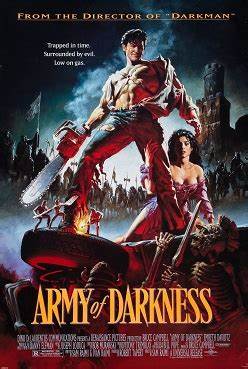
7. **Army of Darkness (1992)**’Army of Darkness,’ the wildly campy and action-packed finale of the beloved Evil Dead trilogy, nearly ended on a note that was surprisingly grim and out of character for its hero, Ash. The original vision saw Ash botching a magic potion and waking up in a desolate, post-apocalyptic future, a stark and rather depressing twist that would have left fans with a very different impression.
Test audiences, who adored the film’s signature blend of over-the-top humor, rapid-fire action, and Ash’s iconic bravado, found this dystopian ending far too bleak and grim. It just didn’t align with the film’s established campy, fun, and relentlessly action-packed vibe, leaving them feeling profoundly unsatisfied with their hero’s fate.
Recognizing that a gloomy future wasn’t what his audience wanted, director Sam Raimi wisely reshot the ending. This new, now-famous conclusion brought Ash back to his own time, where he triumphantly fought off a demon attack at S-Mart with his signature blend of bravery and one-liners. It was a crowd-pleasing, upbeat finale that perfectly captured the character’s essence.
This revised ending precisely matched the film’s much-loved humor and energetic tone, ensuring that Ash remained the heroic, albeit slightly bumbling, icon that fans cherished. The original’s dystopian twist, while undeniably striking and ambitious, simply didn’t fit the crowd-pleasing, laugh-out-loud tone that everyone had come to love and expect from the Evil Dead universe.
Alright, movie lovers, if you thought our first dive into fan-fueled ending overhauls was wild, get ready because we’re just getting started! We’ve seen how direct audience reactions can make studios rethink big cinematic moments, sometimes leading to iconic reshoots that change a film’s very heart. But the story of audience influence runs even deeper, showing us that our collective voices, whether whispered in a test screening or shouted across the internet, truly matter.
This next batch of films takes us through more incredible examples where the original vision just didn’t click, prompting studios to step in and deliver the satisfaction we craved. But we’re also going to journey into an even more personal realm of storytelling: the fantastic world of fan-fiction “fix-its.” This is where dedicated fans take up the pen themselves, crafting alternative endings for beloved blockbusters that, for whatever reason, left them feeling… well, disappointed! Get ready to see how the most iconic moments in film history are constantly being reimagined by the people who love them most!
Read more about: Alan Arkin, Oscar Winner and Versatile Force, Dies at 89: A Legacy of Wit, Depth, and Unforgettable Performances
8. **The Butterfly Effect (2004)**Okay, prepare yourself, because ‘The Butterfly Effect’ originally had a finale that was truly, deeply shocking! In a film already packed with dark twists, Evan, brilliantly played by Ashton Kutcher, was supposed to make the ultimate sacrifice to prevent all the tragic events of his life. His solution? To strangle himself in the womb, effectively erasing his existence before it even began. Talk about a gut punch that would leave you staring at the credits in stunned silence!
Unsurprisingly, test audiences found this deeply unsettling. While it certainly fit the film’s dark and complex themes of causality and sacrifice, it was just *too much* for many viewers. Imagine investing in a character’s journey through time-traveling trauma, only for him to essentially un-exist himself. It delivered a thematic closure, yes, but it came at an emotional cost that audiences simply weren’t prepared to pay. It’s hard to watch your hero just… disappear.
Thankfully, the filmmakers went back to the drawing board and crafted a new ending that, while still poignant, softened the blow considerably. The version we mostly know today sees Evan altering the past to live a simpler life, one where he never meets his friends, thus preventing the tragedies. This less extreme conclusion, though still bittersweet, provided a more digestible form of thematic resolution, allowing viewers to leave the cinema without feeling completely emotionally annihilated.
Interestingly, despite the audience’s strong reaction, some film buffs still argue that the original, darker ending felt truer to the film’s bold exploration of sacrifice. It’s a rare case where the artistic integrity of the original, even if it was emotionally brutal, resonated more deeply with a segment of the audience than the more palatable reshoot. This film proves that sometimes, the hardest truths are the most powerful, even if they’re tough to swallow.
Read more about: The Double Life: 15 Celebrities Who Hid Their Intense Military Service From the Public—Why the Secrecy?

9. **Clerks (1994)**Kevin Smith’s indie darling, ‘Clerks,’ is a cult classic cherished for its witty, laid-back charm and hilariously relatable slacker dialogue. So, can you imagine an ending where all that genial banter takes a sudden, incredibly dark turn? Well, originally, the film was slated to conclude with Dante, our perpetually put-upon protagonist, being shot dead in a store robbery! Yep, after all the mundane, sarcastic glory, he was just… gone.
Early audiences, totally immersed in the film’s distinctive, everyday vibe, felt utterly betrayed by this grim and abrupt twist. It completely contradicted the movie’s established humorous and observational tone. The charm of ‘Clerks’ lies in its portrayal of ordinary life, the small absurdities, and the enduring friendships amidst boredom. A sudden, violent death felt out of place, breaking the carefully crafted illusion of relatable, small-town struggles. It was a jarring, almost offensive, violation of the film’s spirit.
Thankfully, Smith, understanding the pulse of his audience, made the crucial decision to cut the scene entirely. The film now ends with Dante simply closing up the Quick Stop and walking away, his mundane workday finally over. This seemingly simple change was a stroke of genius, preserving the movie’s authentic, humorous spirit and allowing its characters to remain exactly who we loved them as: ordinary people navigating their incredibly ordinary, yet endlessly entertaining, lives.
This revised ending was instrumental in ‘Clerks’ achieving its cult status. It allowed the film to cement its legacy as a beloved portrayal of Gen X ennui and friendship, without the heavy burden of an uncharacteristic tragedy. The original ending was an ambitious risk, trying to inject stark reality, but ultimately, it clashed too severely with the film’s unique brand of charm and the everyday struggles that we had all come to connect with so deeply.
Read more about: The Cult ’90s Gem Quietly Conquering Netflix: Deconstructing ’10 Things I Hate About You’ and Other Essential Watch-Worthy Classics

10. **Get Out (2017)**Jordan Peele’s groundbreaking horror masterpiece, ‘Get Out,’ is renowned for its biting social commentary and nail-biting suspense. The film expertly builds tension, putting Chris through an unimaginable ordeal. So, what happens after all that psychological terror and desperate escape? Originally, the film was going to end on a truly bleak and sobering note: Chris would be arrested by the police after escaping the Armitage family’s clutches, a stark and chilling nod to real-world injustices.
Test audiences, already shaken by the film’s intense buildup and the visceral fear Chris experiences, found this original ending profoundly unsatisfying. After being put through the wringer, they yearned for a moment of justice, a glimmer of hope, rather than a final, crushing gut-punch. The bleakness of Chris’s arrest, while undeniably powerful and reflective of harsh realities, felt too devastating for a story that had so powerfully championed its protagonist’s fight for survival and freedom.
Recognizing this strong emotional need from viewers, Peele made the pivotal decision to reshoot the finale. The version we now know and cheer for sees Chris dramatically rescued by his quick-thinking best friend, Rod, who arrives just in the nick of time. This crowd-pleasing moment allowed the film to retain its sharp, critical edge while also delivering a much-needed sense of relief and triumph for both Chris and the audience.
This strategic change undoubtedly contributed to ‘Get Out’ becoming a monumental horror hit, garnering widespread critical acclaim and box office success. While the original ending’s raw truth and uncompromising realism still linger as a potent thought experiment for those who seek it out, the revised ending provided the crucial satisfying payoff that turned a great film into a beloved, iconic experience for millions.
***
But the story of fan influence doesn’t end with studio reshoots or altered theatrical releases. Sometimes, even when a movie makes it to the big screen with an ending that leaves us scratching our heads, or worse, totally heartbroken, the conversation doesn’t stop there. This is where the magic of “fix-it fics” comes in! When an ending doesn’t match our hype or emotional investment, or when a character deserved a better outcome than they received, dedicated fans step up to rewrite history.
These creative powerhouses delve deep into the stories they love, filling perceived plot holes, exploring fascinating alternate themes, and giving beloved characters the justice, happiness, or completely new destinies they felt were missing. It’s a truly amazing testament to how deeply we connect with these narratives and how we, as an audience, refuse to let a disappointing conclusion be the final word. These aren’t just idle daydreams; they’re vibrant creative outlets that foster incredible communities, allowing fans to engage with their favorite films on a deeper level and demonstrating the infinite possibilities of storytelling.
Read more about: Mind-Bending Moments: 14 Movie Plot Twists That Will Leave You Saying ‘Just Happened?’
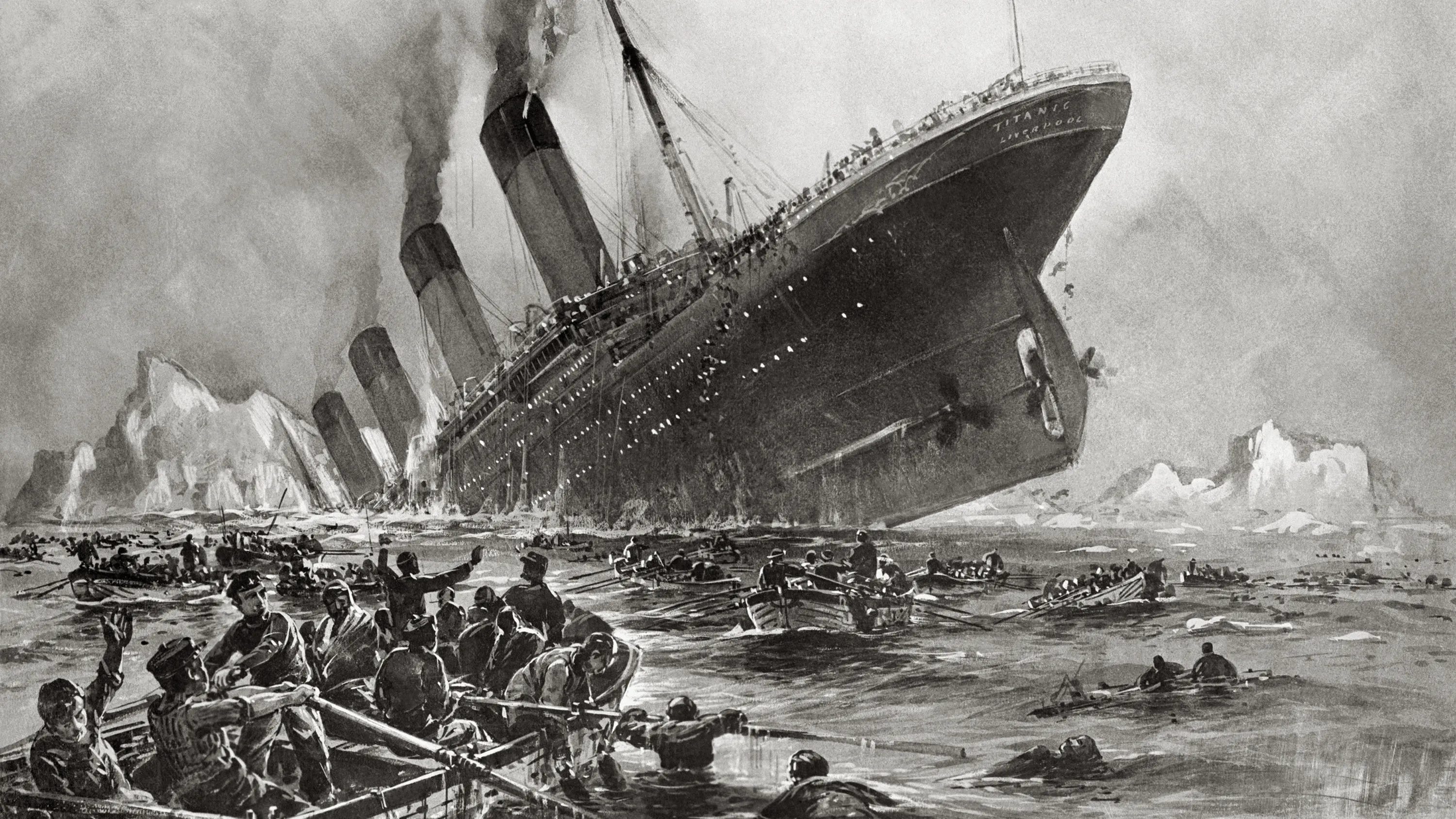
11. **“Titanic” (1997) – What if Jack Survived?**Alright, prepare for a debate that has raged for decades: couldn’t Jack have fit on that door in ‘Titanic’? James Cameron’s epic romance famously ends with Jack sacrificing himself in the icy Atlantic, ensuring Rose’s survival. It’s a tear-jerking, iconic moment designed for maximum emotional impact. But for countless fans, the injustice of Jack’s death, especially with that seemingly ample floating debris, has been a source of enduring frustration.
This perceived injustice has fueled legions of “fix-it fics” where Jack finds a way to survive the frigid waters. Imagine a world where both Jack and Rose manage to balance on that infamous door, or where some miraculous twist of fate—perhaps a rescue boat arriving just a moment earlier—pulls Jack from the brink of hypothermia. These fan rewrites are often driven by an unfulfilled expectation for a traditional happy ending for the film’s central, incredibly charismatic couple.
Fans crafting these alternate scenarios aren’t just changing a plot point; they’re reimagining the entire trajectory of two beloved characters’ lives. What would a post-Titanic world look like for Jack and Rose, together? Would their love endure beyond the tragedy, free from the societal constraints that defined their brief, passionate connection? These stories explore the emotional resonance of a love that was cut tragically short, and they ask: what if they really *could* have had it all?
These fan-driven endings prove that sometimes, our emotional investment in characters is so profound that we simply can’t accept their fate. The collective desire to see Jack and Rose get their happily ever after, despite the film’s powerful artistic statement, speaks volumes about the enduring hope for romance and survival against all odds. It’s a classic example of fans trying to give their favorite characters the life they deserve.
12. **“Harry Potter and the Deathly Hallows Part 2” (2011) – The Fate of Snape**Severus Snape, the enigmatic Potions Master, remains one of the most complex and beloved characters in the ‘Harry Potter’ universe. His tragic death in ‘Deathly Hallows Part 2’ is a pivotal, heart-wrenching moment, revealing his profound, lifelong devotion to Lily Potter. While this sacrifice cemented his status as a heroic, albeit morally grey, figure, many fans felt that his ultimate end was simply too cruel, too unceremonious for a character who had endured so much.
This widespread desire for a more dignified or redemptive conclusion for Snape has sparked numerous fan rewrites. Imagine Snape not succumbing to Nagini’s venom but surviving the final battle, perhaps miraculously recovering from his wounds. What if he went on to mentor future generations of Hogwarts students, his stern facade softened by the knowledge of his profound impact on the wizarding world? Or even, what if he found a quiet peace, living out his remaining years away from the trauma of war, finally free from his burdens?
These fan narratives are deeply rooted in the idea of character development and the yearning for justice. Fans feel that after years of sacrifice, covert heroism, and immense personal pain, Snape deserved a clearer, more positive resolution, rather than a lonely death. His arc is so rich, his motivations so powerful, that leaving his fate solely as a martyr felt incomplete for many. They wanted to see the man behind the cloak finally find a measure of happiness or recognition.
The fan community’s continuous reimagining of Snape’s ending highlights the deep emotional connection readers and viewers form with literary characters. It’s a testament to the idea that some characters resonate so strongly that their stories feel unfinished until fans themselves provide the closure they believe is warranted, ensuring that the half-blood prince gets a truly fitting, perhaps even happy, epilogue.
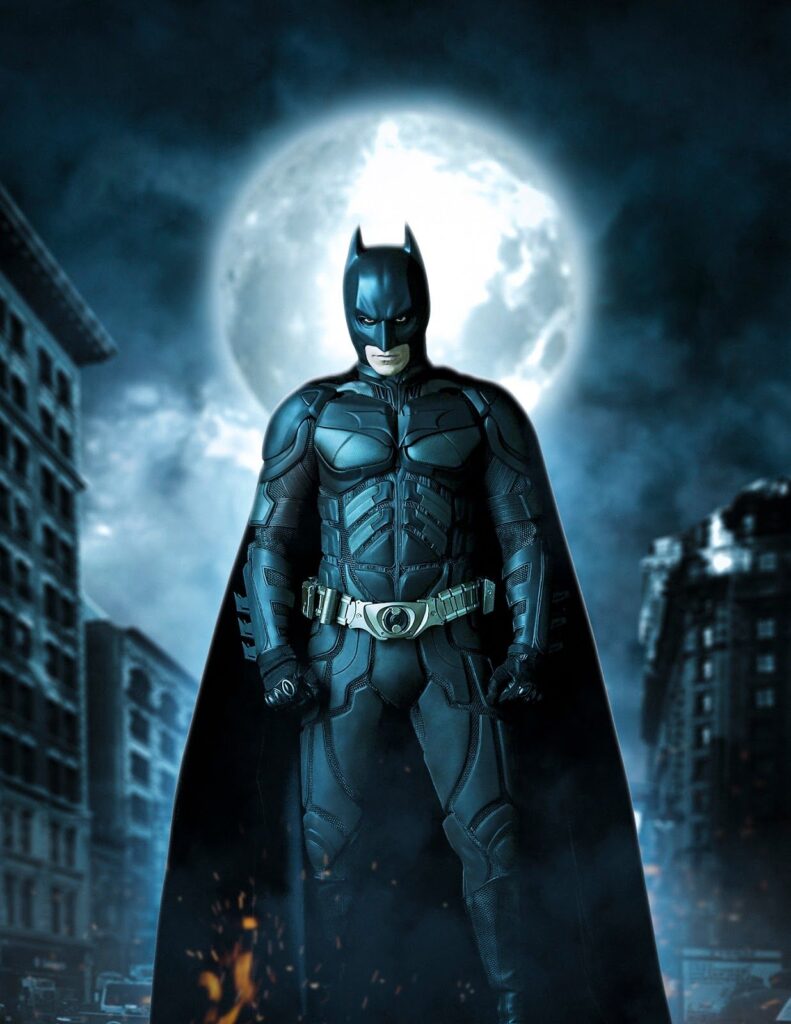
13. **“The Dark Knight” (2008) – A Different Ending for the Joker**Christopher Nolan’s ‘The Dark Knight’ is lauded for its complex portrayal of good versus evil, leaving the Joker’s ultimate fate deliciously ambiguous as he hangs upside down, laughing, awaiting his capture. While this open-ended conclusion perfectly encapsulates his chaotic nature and Batman’s moral struggle, for some fans, the lack of a definitive resolution for such an iconic villain can feel like an unfulfilled narrative promise. You just *want* to know what happens next!
This ambiguity has become fertile ground for countless fan rewrites that explore alternate endings for the Clown Prince of Crime. Some versions imagine the Joker escaping his predicament, perpetuating his reign of terror and setting the stage for future mayhem, aligning with his unpredictable persona. Others lean into the desire for poetic justice, envisioning a more definitive demise or a unique confrontation that truly tests the limits of Batman’s no-kill rule, pushing him to the absolute brink.
Even more intriguing are the rewrites that delve deeper into the psychological battle between Batman and the Joker. These narratives often culminate in a profound, perhaps even philosophical, confrontation where the Joker faces a kind of redemption—or a more symbolic, thematic demise that ties more closely to the film’s overarching exploration of chaos and order. Fans crave a conclusion that matches the sheer intensity and intellectual heft of their rivalry.
Ultimately, these fan rewrites aren’t just about tying up loose ends; they’re about wrestling with the profound themes of the film and giving its most compelling antagonist an ending that feels as monumental as his presence. They reflect the human desire for closure and the endless fascination with a character who embodies pure, unadulterated anarchy, ensuring his story continues to evolve in the minds of his captivated audience.

14. **“Avengers: Endgame” (2019) – The Alternate Fate of Iron Man**Tony Stark, our beloved Iron Man, delivered one of the most emotionally devastating and heroic sacrifices in cinematic history, snapping Thanos and his forces out of existence with a final, powerful “I am Iron Man” in ‘Avengers: Endgame.’ While it’s hailed as a perfect, poignant end to his incredible arc, the loss of such a central, pivotal character left a massive hole in the hearts of millions of fans worldwide. It just felt *too soon* for some of us!
The sheer impact of this scene has spurred an enormous wave of fan rewrites, all asking the same question: What if Tony Stark survived? These stories imagine alternate scenarios where Stark lives, perhaps with a different means to defeat Thanos, or with a last-minute intervention that saves him from the fatal impact of the Infinity Stones. Fans desperately wanted to see their favorite genius, billionaire, playboy, philanthropist continue his journey, guiding the next generation of Avengers.
These fan fictions often explore the ripple effect of Tony’s continued existence on the Marvel Cinematic Universe. What would his mentorship of Peter Parker look like? How would he cope with the aftermath of the snap, not as a martyr, but as a survivor? These narratives are driven by a deep emotional investment in the character and a desire to see a beloved hero get the happy ending that, in the context of the film, was denied to him.
The enduring popularity of Iron Man “fix-it fics” is a powerful testament to the bond fans form with these characters. While his sacrifice provided an undeniably powerful and emotional conclusion, the collective yearning for his survival highlights the audience’s desire for a different outcome, one where the hero gets to live happily ever after. It proves that even in the biggest cinematic universes, fans always have a say in the stories they cherish.
***
And there you have it, movie buffs! From studio-mandated reshoots born from overwhelming audience feedback to the incredible world of fan-written “fix-its,” it’s clear that the stories we love are never truly finished. Whether it’s giving a character a more fitting fate, righting a perceived wrong, or simply exploring a thrilling “what if” scenario, our collective voices constantly shape and reshape the narratives that captivate us.
As long as there are screens to watch and stories to tell, fans will continue to reimagine, debate, and passionately engage with movie endings. These creative explorations offer fresh perspectives, deeper emotional connections, and truly highlight the endless possibilities of storytelling. So next time a film leaves you wanting more, remember: the power to rewrite the ending might just be in your hands, or at least in your imagination!