The decision to part ways with a beloved vehicle, particularly an SUV that has served a family for years, is rarely an easy one. In an era where modern cars, vans, and SUVs are engineered to last significantly longer than their predecessors—averaging 20 years for SUVs, according to recent research on when vehicles are scrapped—many owners find themselves grappling with machines that have outlived their welcome but are still technically ‘running’. This extended lifespan, while a testament to manufacturing improvements, also brings a unique set of challenges, especially when repair costs begin to eclipse the vehicle’s diminishing usefulness.
For many, the tipping point arrives when a once-valuable possession transforms into a recurring economic and environmental burden. As long as an old vehicle remains on the road, it continues to emit air pollution, often far more than a newer model would. And when it finally gives up, the fluids and aging plastics packed within it pose ecological hazards if not properly disposed of. This complex interplay of financial strain, environmental responsibility, and dwindling reliability often leads owners to wish for a definitive end to their vehicle’s journey, even if they’re still limping it along.
To shed light on some of the most frustrating SUV models that frequently reach this point of no return, we turned to an expert with direct experience in the automotive afterlife. Colin Merrill, owner of On-Kaul Auto Salvage yard in Milwaukee, Wisconsin, has a unique perspective, having purchased over a thousand cars for parting out or scrapping. His insights reveal a consistent pattern of certain makes and models repeatedly appearing in his yard, prompting him to warn friends against purchasing them. In this comprehensive report, we delve into six SUVs that, according to Merrill and corroborating owner complaints, have earned a reputation for causing endless headaches, pushing owners to the brink of wanting to send them straight to the scrapyard.
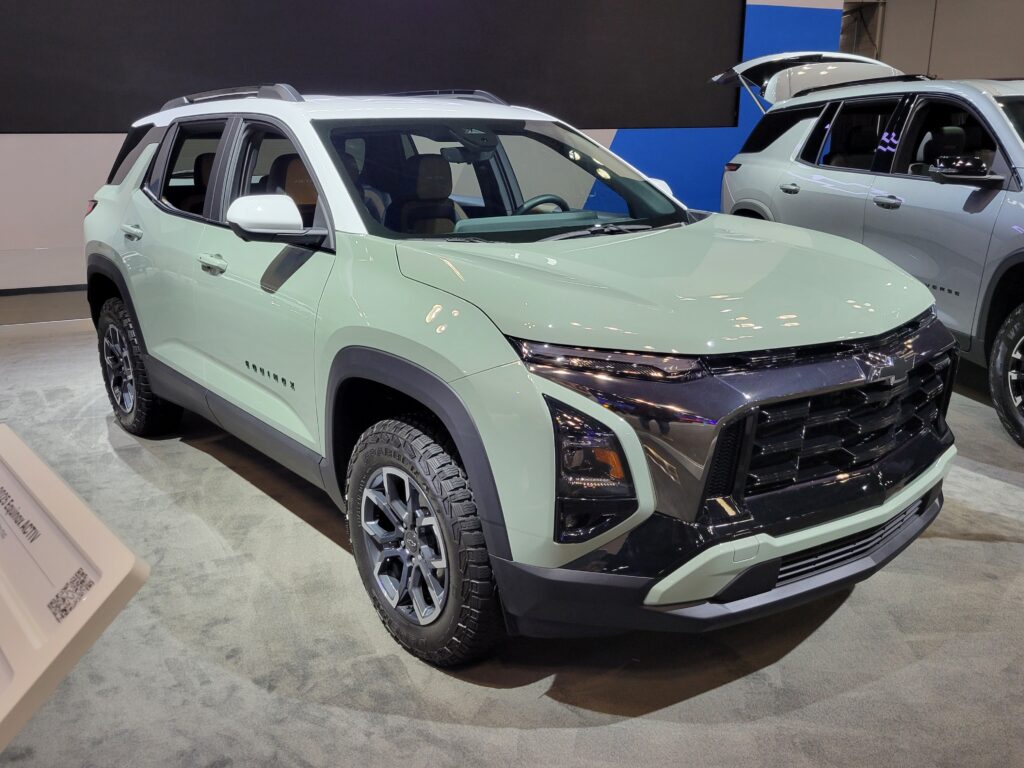
1. Chevrolet Equinox (2005-2015): The Recurring Engine Nightmare
The Chevrolet Equinox, particularly model years from 2005 to 2015, consistently ranks high on lists of vehicles that frequently end up in salvage yards due to severe mechanical issues. Colin Merrill, the seasoned owner of On-Kaul Auto Salvage, minces no words when discussing this midsize crossover SUV. He states, “These little crossovers love stopping by our yard with their pile of junk blown up 2.4 or 3.6 motors.” This candid observation highlights a pervasive and critical problem that has haunted this generation of the Equinox, making it a source of significant owner frustration.
Merrill’s experience is further underscored by the frequency with which he receives requests for specific parts for these vehicles. He notes, “I don’t think a week has gone by where I haven’t gotten a call for a 2.4 motor from someone with one of these suvs. Just stay away from them.” This consistent demand for replacement engines points to a fundamental flaw in these powertrains, indicating that engine failures are not isolated incidents but rather a widespread systemic issue across the 2005-2015 models. Owners often face the daunting prospect of costly engine overhauls or replacements, turning their vehicle into a persistent financial drain.
Supporting Merrill’s anecdotal evidence, data compiled from owner complaints on CarComplaints.com paints a clear picture of the Equinox’s struggles. The 2006 model year stands out as particularly problematic, with 2010, 2011, and 2012 models following closely in terms of reported issues. A predominant and highly concerning problem identified across these years is excessive oil consumption. For instance, the 2013 model year alone logged 97 complaints specifically related to this issue, a staggering number that suggests a design or manufacturing defect rather than routine wear and tear, forcing owners into constant vigilance.
Excessive oil consumption is not merely an inconvenience; it can lead to premature engine wear, catastrophic component failure, and a constant need for owners to monitor and top off their oil levels, often at frequent intervals. This ongoing maintenance requirement, coupled with the potential for sudden and expensive engine breakdowns, transforms the Equinox into a significant liability. The financial burden and the stress of anticipating the next major repair can severely diminish the ownership experience, eroding any initial satisfaction the vehicle might have provided.
The mechanical identity shared with the GMC Terrain and Pontiac Torrent also implies that these issues might stem from a common platform, extending the headache to sister models. For many Equinox owners, the decision to keep pouring money into a vehicle with such a notorious engine reputation becomes untenable. The combination of expert warnings and extensive owner reports firmly places the Chevrolet Equinox (2005-2015) in the category of SUVs that owners would gladly send to the scrapyard, seeking relief from its recurring mechanical demands.
Car Model Information: 2020 Chevrolet Equinox 1LT
Name: Chevrolet Equinox
Manufacturer: General Motors
Aka: ubl
Production: 2004–present
ModelYears: 2005–present
Class: Mid-size crossover SUV
BodyStyle: Sport utility vehicle
Layout: Transverse engine,Front-engine, front-wheel-drive layout
Predecessor: ubl
Categories: 2000s cars, 2010s cars, 2020s cars, All-wheel-drive vehicles, All Wikipedia articles written in American English
Summary: The Chevrolet Equinox is a crossover SUV introduced by Chevrolet in 2004 for the 2005 model year. It was intended to replace the North American Chevrolet Tracker and Chevrolet S-10 Blazer. The third-generation Equinox also replaced the first-generation Chevrolet Captiva.
An all-electric battery-powered (BEV) version called the Equinox EV was introduced in 2022 with sales starting in 2023 for the 2024 model year. It adopts a separate design and underpinnings from the internal combustion engine powered Equinox.
Get more information about: Chevrolet Equinox
Buying a high-performing used car >>>
Brand: Chevrolet Model: Equinox
Price: $14,899 Mileage: 71,085 mi.
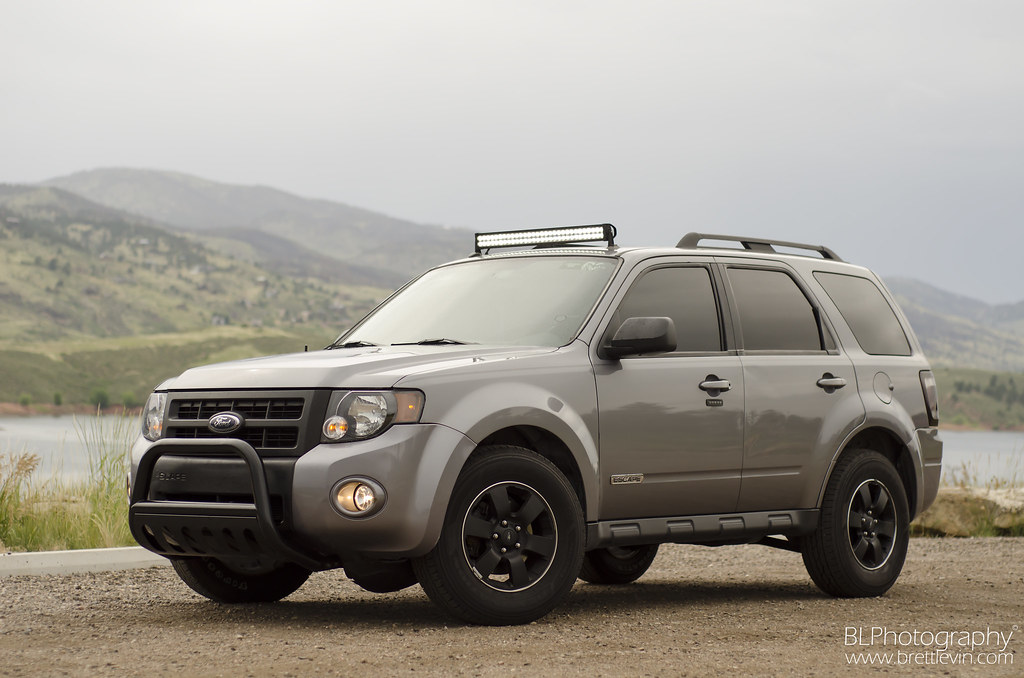
2. Ford Escape (Older Generations): Rusting Woes and Engine Failure
The Ford Escape, a compact crossover that has been in production since 2001, has a long and varied history, but its older generations are particularly notorious for problems that make them unwelcome visitors to salvage yards. Colin Merrill describes a pattern of these vehicles arriving with issues characteristic of age and fundamental design flaws, stating, “From the old ones rusting out and having bad motors… we get these in all years.” This distinction between “old ones” and “new ones” suggests different sets of problems plague different eras of the Escape, each presenting its own unique set of owner frustrations.
The “old ones,” referring primarily to the first and second generations (roughly 2001-2012, with the first generation based on the Mazda Tribute and the second debuting in 2008), are frequently observed suffering from significant rust issues. This structural degradation not only compromises the vehicle’s appearance and resale value but, more importantly, can affect its safety and structural integrity over time. Rust often begins in less visible areas, eventually compromising critical undercarriage components, floorboards, and even suspension mounting points, posing serious safety concerns for drivers and passengers.
Beyond superficial rust, Merrill highlights “bad motors” as a common affliction for these older Escapes, indicating that the core mechanical components often fail long before owners might expect, leading to expensive and discouraging repairs. These engine failures can manifest in various ways, from persistent misfires and reduced power to complete breakdowns that leave owners stranded. Such extensive mechanical issues typically require substantial financial investment to rectify, a cost that often outweighs the depreciated market value of an aging vehicle, making repair economically unsound.
Owner complaints from CarComplaints.com corroborate these issues, with a notable concentration of problems in the earlier model years. While the most complaints for transmission failure were logged for the 2006 model year (86 complaints), other issues also plagued these older iterations, contributing to a general perception of unreliability. The cumulative effect of these various mechanical and structural faults paints a grim picture for long-term ownership, eroding confidence in the vehicle’s ability to provide dependable transportation.
The combination of structural integrity compromised by rust and chronic engine problems means that these vehicles often reach a point where the cost of restoration far exceeds their market value or practical utility. Owners are then faced with the unenviable choice of investing heavily in an aging vehicle with a questionable future, or cutting their losses and seeking a more reliable alternative. The sentiment among many owners of older Ford Escapes is one of resignation and frustration, ultimately leading them to consider the scrapyard as the most sensible, albeit reluctant, next step.
Car Model Information: 2023 Ford Escape ST-Line
Name: Ford Escape
Caption: 2021 Escape Hybrid (US)
Manufacturer: Ford Motor Company
Aka: Unbulleted list
Production: 2000–present
ModelYears: 2001–present
Class: Compact crossover SUV
BodyStyle: SUV
Layout: Unbulleted list
Predecessor: Nissan Terrano II
Successor: Ford Territory (China)
Categories: 2010s cars, 2020s cars, All-wheel-drive vehicles, All Wikipedia articles written in American English, All articles with dead external links
Summary: The Ford Escape is a compact crossover SUV manufactured and marketed by the Ford Motor Company since the 2001 model year. The first Ford SUV derived from a car platform, the Escape fell below the Ford Explorer in size; the Escape was sized between the Ford EcoSport and Ford Edge. The 2005 model year Ford Escape Hybrid was the first hybrid-electric vehicle from Ford, and the first hybrid produced as an SUV.
The first two generations of the Escape used the Ford CD2 platform (jointly developed with Mazda), leading to the release of the rebadged variants, the Mazda Tribute and Mercury Mariner; as with the Escape, both the Tribute and Mariner were marketed in North America (the Mariner was never marketed in Canada). In Europe, the Escape was initially branded as the Ford Maverick from 2001 to 2008 (replacing a Nissan-produced SUV).
Under the mid-2000s “One Ford” globalization strategy, the third and fourth-generation designs of the Escape have been unified with the Ford Kuga, designed by Ford of Europe. Sharing a common body and chassis underpinnings (and several engines), the Escape and Kuga are manufactured in their home markets. As with previous generations, the fourth-generation Escape is offered with gasoline, hybrid, and plug-in hybrid options. Outside of North America, the Ford Escape is marketed in Australia, China, and Taiwan.
In August 2025, it was announced that Ford will be discontinuing the Escape after the 2026 model year.
Get more information about: Ford Escape
Buying a high-performing used car >>>
Brand: Ford Model: Escape
Price: $20,790 Mileage: 49,987 mi.
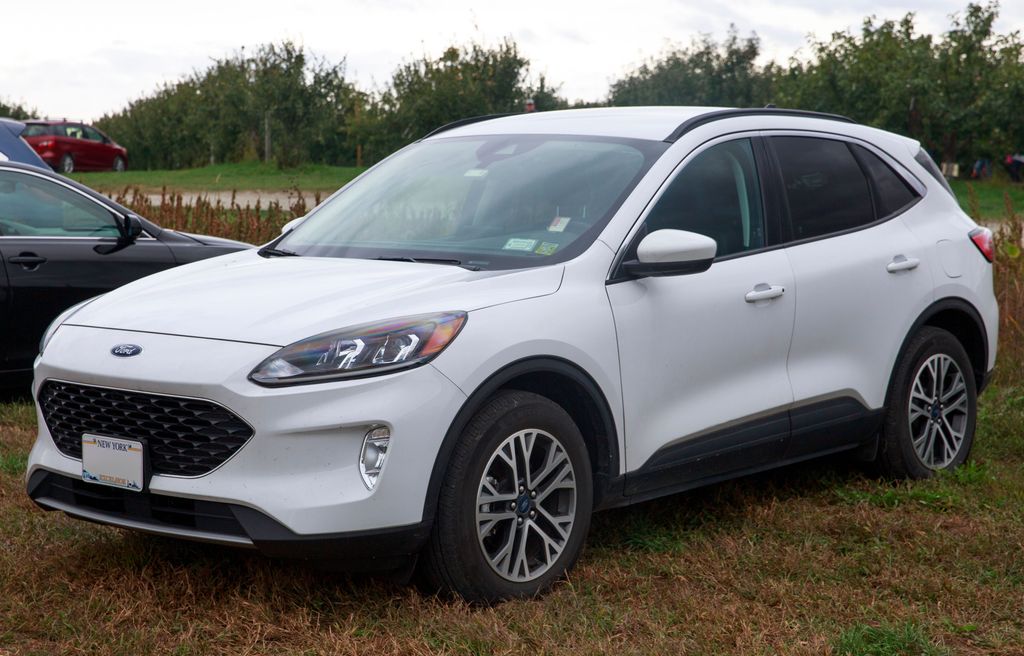
3. Ford Escape (Newer Generations): Persistent Transmission Problems
While older Ford Escapes struggled with rust and engine failures, the newer generations have carved out their own unenviable niche in salvage yards due to pervasive transmission problems. Colin Merrill explicitly draws this distinction, noting the consistent arrival of these vehicles at his yard. He recounts, “We actually just bought a 2016 with a bad transmission from a ford dealership. We get one of these in about every other week or so.” This direct experience points to a continued, albeit evolving, pattern of unreliability within the Escape lineage, shifting from one set of major issues to another.
The transmission is one of the most complex and expensive components of any vehicle, and its failure can render a car effectively useless, often requiring thousands of dollars to repair or replace. Merrill’s statement about acquiring a 2016 model with a bad transmission from a dealership implies that even relatively recent models are not immune to these critical issues. It also suggests that dealerships themselves are sometimes passing on these problematic vehicles to salvage operations rather than undertaking costly and often uncertain repairs, an alarming trend for consumers.
The frequency with which these transmission-laden Escapes appear—”about every other week or so”—suggests a systemic and ongoing design or manufacturing issue across various newer model years, rather than isolated incidents. This alarming rate of failure indicates that a significant number of these vehicles may not achieve the expected lifespan without requiring major powertrain intervention. Such chronic issues undermine consumer trust and significantly impact the overall ownership experience, turning a routine commute into a source of anxiety.
CarComplaints.com further supports the prevalence of transmission-related woes in the Ford Escape. While the 2006 model year had the highest number of complaints for transmission failure, other model years, including 2005, 2008, and 2013, also received a “fair share of problems reported—for various issues.” This indicates that while the specific nature or intensity of the problems might shift between generations, transmission reliability has been a persistent Achilles’ heel for the Escape, affecting both earlier and later models and contributing to its reputation for mechanical fragility.
For owners, a failing transmission represents a significant economic blow, often demanding repairs that can rival the vehicle’s depreciated value. This can leave them in a difficult position: pay thousands for a new transmission only to face other potential issues down the line, or simply cut their losses and send the vehicle to the scrapyard. The recurring nature of these transmission failures transforms the newer Ford Escape into a gamble, turning what should be a reliable daily driver into a source of constant apprehension and a prime candidate for early retirement from the road. The ongoing transmission issues mean that many owners reach a breaking point, opting for the final journey to the salvage yard for relief.
Continuing our in-depth examination of SUVs that have earned a reputation for causing continuous frustration and often end up at salvage yards, we turn our attention to three additional models frequently cited by owners and automotive professionals alike for their chronic issues.
Car Model Information: 2023 Ford Escape ST-Line
Name: Ford Escape
Caption: 2021 Escape Hybrid (US)
Manufacturer: Ford Motor Company
Aka: Unbulleted list
Production: 2000–present
ModelYears: 2001–present
Class: Compact crossover SUV
BodyStyle: SUV
Layout: Unbulleted list
Predecessor: Nissan Terrano II
Successor: Ford Territory (China)
Categories: 2010s cars, 2020s cars, All-wheel-drive vehicles, All Wikipedia articles written in American English, All articles with dead external links
Summary: The Ford Escape is a compact crossover SUV manufactured and marketed by the Ford Motor Company since the 2001 model year. The first Ford SUV derived from a car platform, the Escape fell below the Ford Explorer in size; the Escape was sized between the Ford EcoSport and Ford Edge. The 2005 model year Ford Escape Hybrid was the first hybrid-electric vehicle from Ford, and the first hybrid produced as an SUV.
The first two generations of the Escape used the Ford CD2 platform (jointly developed with Mazda), leading to the release of the rebadged variants, the Mazda Tribute and Mercury Mariner; as with the Escape, both the Tribute and Mariner were marketed in North America (the Mariner was never marketed in Canada). In Europe, the Escape was initially branded as the Ford Maverick from 2001 to 2008 (replacing a Nissan-produced SUV).
Under the mid-2000s “One Ford” globalization strategy, the third and fourth-generation designs of the Escape have been unified with the Ford Kuga, designed by Ford of Europe. Sharing a common body and chassis underpinnings (and several engines), the Escape and Kuga are manufactured in their home markets. As with previous generations, the fourth-generation Escape is offered with gasoline, hybrid, and plug-in hybrid options. Outside of North America, the Ford Escape is marketed in Australia, China, and Taiwan.
In August 2025, it was announced that Ford will be discontinuing the Escape after the 2026 model year.
Get more information about: Ford Escape
Buying a high-performing used car >>>
Brand: Ford Model: Escape
Price: $20,790 Mileage: 49,987 mi.

4. GMC Terrain (2010-2015): A Familiar Litany of Mechanical Woes
The GMC Terrain, specifically models from 2010 to 2015, frequently appears on lists of vehicles that struggle with long-term reliability, often finding their way to salvage yards due to significant mechanical failures. Colin Merrill, with his extensive experience at On-Kaul Auto Salvage, offers a blunt assessment of these vehicles. He characterizes them as “all around clunkers,” noting, “we usually get them with a blown motor or transmission, all around just avoid, maybe the newer generations are better, we’ll see.” This statement reflects a pattern of severe and costly problems that plague this generation of the Terrain.
A primary reason for the Terrain’s mechanical fragility during these years stems from its shared mechanical identity with the Chevrolet Equinox. Both crossover SUVs were built on the same platform, which unfortunately means they inherited many of the same inherent design flaws and manufacturing weaknesses. For consumers, this mechanical kinship translates directly into a similar susceptibility to the critical engine and transmission problems that have frustrated Equinox owners. This shared lineage underscores the importance of thorough research, as issues in one model can often foreshadow problems in its mechanically identical counterparts.
Owner complaints compiled on CarComplaints.com provide further substantiation to Merrill’s observations. The data indicates that 2011 was the most problematic model year for the GMC Terrain, followed closely by 2010 and 2012. These years consistently show a high volume of reported issues, signaling widespread systemic problems rather than isolated incidents. This trend suggests that owners during this period faced a higher likelihood of encountering significant mechanical defects.
One of the most frequently reported issues for the 2011 and 2012 models is excessive oil consumption, with 45 complaints for 2011 and 20 complaints for 2012 models. This issue is more than a minor inconvenience; it necessitates frequent oil top-offs and can lead to premature wear of engine components, reduced engine life, and, in severe cases, catastrophic engine failure. Such a fundamental flaw often leaves owners facing expensive engine overhauls or outright replacements, turning their vehicle into a financial liability and eroding trust in its reliability.
Adding to the Terrain’s mechanical vulnerabilities, transmission failure is another prevalent concern, with the 2010 model year accumulating 21 complaints for this critical issue. A failing transmission can effectively render a vehicle undrivable, demanding costly repairs that often approach or exceed the vehicle’s depreciated value. For owners, the combination of engine and transmission problems represents a dual threat of high repair costs and diminished vehicle utility. This cycle of recurring, expensive repairs often pushes owners of these GMC Terrains to consider the salvage yard as the most practical solution to their persistent automotive headaches.
Car Model Information: 2020 GMC Canyon All Terrain
Name: GMC Terrain
Manufacturer: General Motors
Production: August 2009 – present
ModelYears: 2010–present
Class: Mid-size crossover SUV
Layout: Transverse engine,Front-engine, front-wheel-drive layout
Predecessor: GMC Envoy,Pontiac Torrent,Opel Antara
BodyStyle: SUV
Categories: 2010s cars, All-wheel-drive vehicles, All Wikipedia articles written in American English, Articles with short description, Cars introduced in 2009
Summary: The GMC Terrain is a crossover SUV by American manufacturer General Motors under its GMC marque. Sharing its platform with the Chevrolet Equinox, the first-generation Terrain was built on GM’s Theta platform, while subsequent generations are built on the Delta platform. The Terrain is the smallest GMC vehicle, slotted below the Acadia. It also indirectly replaced the Pontiac Torrent which was typically sold via the same dealers prior to General Motors dropping the Pontiac brand.
Get more information about: GMC Terrain
Buying a high-performing used car >>>
Brand: GMC Model: Terrain
Price: Not Priced Mileage: 49,500 mi.
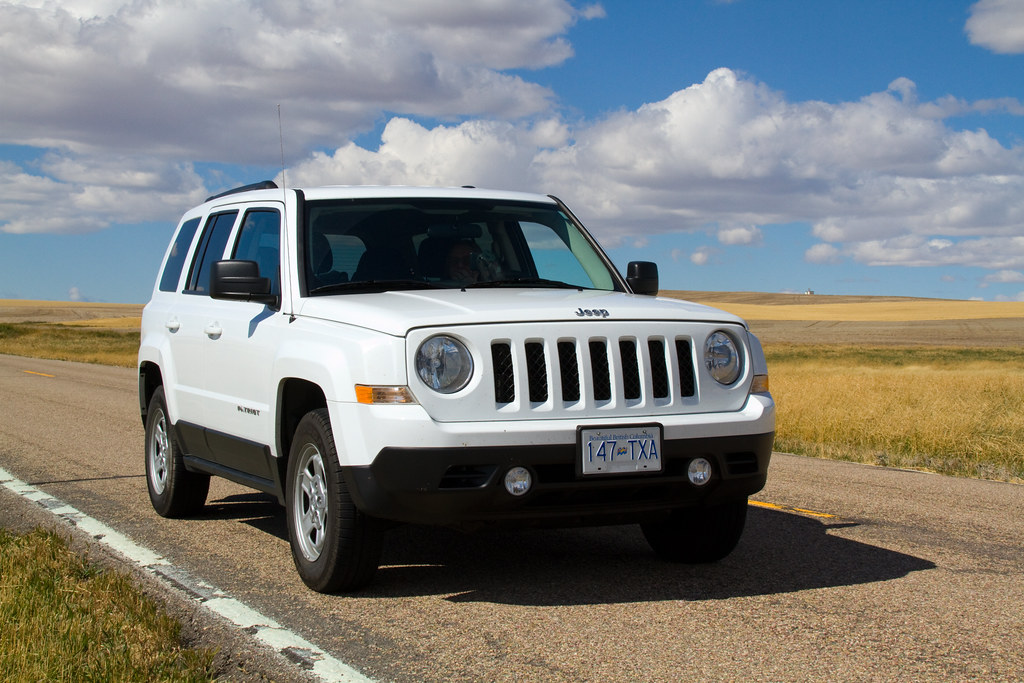
5. Jeep Patriot (All Years): The True Cost of Budget Off-Roading
When considering the Jeep Patriot, a vehicle designed to offer a more budget-friendly entry into the Jeep brand, Colin Merrill’s assessment is unequivocal and stark. His warning, “Just no, unless you like replacing transmissions and driving plastic junk please avoid these,” serves as a direct caution against the model’s perceived shortcomings. This strong advisory highlights widespread owner frustration stemming from persistent mechanical and structural deficiencies that undercut any initial appeal of its lower price point.
The context suggests various factors might contribute to the Patriot’s issues, including potential misalignment between owner expectations and the vehicle’s actual durability. Some buyers, drawn to the Jeep badge, might have anticipated the ruggedness of a Wrangler, while the Patriot was designed as a more car-like crossover. Additionally, the possibility exists that owners, perhaps on tighter budgets, might not have been able to afford the meticulous maintenance required, inadvertently exacerbating existing issues. Regardless of the root cause, the frequency with which these vehicles arrive at salvage yards underscores a consistent pattern of problems.
Data from CarComplaints.com sheds further light on the specific struggles of the Jeep Patriot. The 2008 model year registered the highest number of reported problems, with 2009 and 2014 models also showing elevated rates of issues. This pattern across multiple model years suggests that the problems were not isolated to a single production cycle but rather indicative of broader design or manufacturing challenges that persisted throughout the vehicle’s run. For consumers, this translates to a consistent risk of encountering significant repairs, irrespective of the specific year purchased.
Among the various complaints, several stand out for their severity and impact on owner experience. The 2015 model year, for instance, accumulated 14 complaints related to the engine stalling while driving. This is a critical safety concern, as unexpected engine shutdowns can lead to dangerous situations, particularly at higher speeds or in heavy traffic. Another significant issue for the 2015 model was water leaking into the interior, with 22 reported incidents. Interior water leaks can lead to extensive damage to electronics, upholstery, and carpets, fostering mold growth and significantly reducing the vehicle’s resale value and overall comfort.
Furthermore, transmission overheating emerged as a common problem, notably with 13 complaints for the 2011 Patriot. Transmission issues are frequently among the most expensive repairs a vehicle can require, often making continued ownership economically unfeasible for many. The recurring nature of these problems, ranging from safety-critical engine stalls to pervasive water leaks and costly transmission failures, culminates in a vehicle that, despite its initial affordability, often becomes an ongoing source of financial strain and operational anxiety. For many, the cumulative effect of these reliability concerns makes the Patriot a strong candidate for an early trip to the salvage yard.
Car Model Information: 2016 Jeep Patriot High Altitude
Name: Jeep Patriot
Aka: Jeep Liberty (Russia and Commonwealth of Independent States)
Manufacturer: Jeep
Production: 2006–2016
ModelYears: 2007–2017
Layout: Front-engine, front-wheel-drive layout
Class: Compact crossover SUV
BodyStyle: SUV
Platform: Mitsubishi GS platform
Assembly: Belvidere, Illinois
Related: Mitsubishi Lancer,Jeep Compass,Dodge Caliber,Mitsubishi Outlander,Dodge Avenger,Chrysler Sebring
Engine: Global Engine Alliance,Volkswagen,Mercedes-Benz,Global Engine Alliance
Transmission: Magna International,Aisin,Hyundai Motor Company,Continuously variable transmission
Wheelbase: 2635 mm
Abbr: on
Disp: flip
Height: 2007–09: {{convert,64.4,in,mm,0,abbr=on
Width: 69.1 in
Length: 173.6 in
Successor: Jeep Compass
Categories: 2010s cars, All-wheel-drive vehicles, All articles with unsourced statements, Articles with short description, Articles with unsourced statements from July 2021
Summary: The Jeep Patriot (MK74) is a front-engine five-door compact crossover SUV manufactured and marketed by Jeep, having debuted with the Jeep Compass in April 2006 at the New York Auto Show for the 2007 model year. Both cars, as well as the Dodge Caliber, shared the GS platform, differentiated by their styling and marketing, with the Patriot exclusively offering a four-wheel drive system, marketed as Freedom Drive II.
The Patriot was manufactured at Chrysler’s Belvidere, Illinois assembly plant alongside the Compass. Although the model was still selling well even as it was essentially unchanged as it entered its 11th model year, production ended with the 2017 model year.
In Russia and the Commonwealth of Independent States, it was called Jeep Liberty, despite not being related, due to the Patriot name being owned by UAZ in the former Soviet Union.
Get more information about: Jeep Patriot
Buying a high-performing used car >>>
Brand: Jeep Model: Patriot
Price: $10,500 Mileage: 71,091 mi.
6. Jeep Compass (All Years): Compounding Complexity and Unreliability
Alongside its sibling, the Jeep Patriot, the Jeep Compass has consistently faced criticism for its reliability, earning it a similarly dubious distinction among vehicles frequently destined for salvage yards. Sharing the same underlying platform and many components with the Patriot, the Compass often presents a comparable array of mechanical and quality issues that burden owners. Colin Merrill’s overarching advice to “just avoid these” applies equally to the Compass, emphasizing that these models represent a problematic segment of Jeep’s lineup that often fails to deliver on long-term dependability for consumers.
The data from CarComplaints.com reinforces this reputation for unreliability across various model years. Notably, the 2018 model year of the Compass has already accumulated the highest number of reported issues, with 64 complaints. This is a significant concern for a relatively newer model, suggesting that improvements in subsequent generations did not entirely eradicate systemic problems. Beyond 2018, models from 2014, 2011, and 2012 also show an above-average number of reported problems, indicating persistent reliability challenges throughout its production run.
Specific issues contributing to the Compass’s troubles are diverse and impactful. For the 2018 model, 25 complaints were engine-related, while 14 concerned electrical issues. Broad engine problems can range from minor malfunctions to major failures, often requiring complex diagnostics and costly repairs. Electrical issues, similarly, can manifest as anything from power window failures to critical system malfunctions, compromising both convenience and safety. These wide-ranging problems highlight a fundamental lack of robust engineering across multiple vehicle systems, leading to frustrating and unpredictable breakdowns for owners.
Earlier models also suffered from distinct, yet equally problematic, issues. The 2007 Compass, for example, had 17 complaints regarding control arm/bushing failure. This component is crucial for steering stability and suspension integrity; its failure can lead to compromised handling, uneven tire wear, and unsafe driving conditions. Another significant problem for the 2007 model was TIPM (Totally Integrated Power Module) failure, with 12 complaints. A malfunctioning TIPM can cause a litany of electrical woes, affecting fuel delivery, horn operation, and even engine starting, rendering the vehicle highly unreliable and difficult to diagnose.
Furthermore, the 2011 Compass recorded four reports of its CVT (Continuously Variable Transmission) overheating. As Merrill highlighted earlier, transmission problems are a recurring nightmare for many owners, and CVT overheating is a particularly concerning issue that can lead to complete transmission failure. The cumulative effect of these varied and severe mechanical and electrical issues, coupled with the consistent expert warnings, makes the Jeep Compass a frequent contender for an early exit to the salvage yard. For consumers, the persistent headaches and substantial repair costs often outweigh any perceived value, pushing them to seek a definitive end to their vehicle’s troubled journey.
Car Model Information: 2020 Jeep Cherokee Latitude Plus
Name: Jeep Compass
Caption: 2019 Jeep Compass
Manufacturer: Jeep
Production: 2006–present
ModelYears: 2007–present
Class: Compact crossover SUV
BodyStyle: SUV
Layout: Front-engine, front-wheel-drive layout
Chassis: Unibody
Categories: 2010s cars, 2020s cars, All-wheel-drive vehicles, All Wikipedia articles written in American English, Articles with short description
Summary: The Jeep Compass is a compact crossover SUV, introduced in 2006 for the 2007 model year. The first generation Compass and Patriot, its rebadged variant, were among Jeep’s first crossover SUVs. The second-generation Compass debuted in September 2016 in Brazil and at the Los Angeles International Auto Show in November 2016, sharing a modified platform with the Renegade. It is positioned between the smaller Renegade and the larger Cherokee globally or the Commander in South America. The third-generation Compass debuted in May 2025, built on the STLA Medium by Stellantis, shared with other PSA Groupe vehicles.
Get more information about: Jeep Compass
Buying a high-performing used car >>>
Brand: Jeep Model: Compass
Price: $15,877 Mileage: 96,780 mi.
As we’ve explored the enduring frustrations associated with these six SUV models, a clear pattern emerges: certain vehicles, despite their initial appeal, become persistent liabilities, draining finances and patience. The insights from Colin Merrill of On-Kaul Auto Salvage, buttressed by extensive owner complaints on CarComplaints.com, paint a vivid picture of SUVs that repeatedly fail to deliver on the promise of dependable transportation. For owners caught in the cycle of escalating repairs and dwindling reliability, the decision to part ways with a once-valued vehicle, even sending it to the scrapyard, is often not a choice of convenience but a necessary step towards economic and practical relief. In the intricate world of vehicle ownership, informed decisions and a clear understanding of a vehicle’s true long-term costs are paramount, ensuring that a car remains a tool of utility rather than a source of unending headaches.