Pickup trucks have transcended their utilitarian origins to become symbols of identity, lifestyle, and even status for many drivers. They are designed to haul heavy loads, tow trailers, and conquer challenging terrains, all while providing a comfortable and reliable experience for their owners. When these high expectations are not met, the disappointment can be profound, turning what was hoped to be a dependable workhorse into a source of constant frustration.
While some trucks rightfully earn a loyal following and inspire owners to proudly share their positive experiences, others unfortunately fall short, fading into obscurity or becoming purchases owners would rather forget. The market is a diverse landscape where models either live up to their promises or disappoint with poor build quality, persistent maintenance issues, or underwhelming performance, leading to a clear divide in owner satisfaction. This disparity is often shaped by how well a truck combines critical factors such as reliability, innovation, comfort, and the ability to retain its value over time.
Considering the significant financial investment involved in purchasing a new or used vehicle today, making an informed decision is paramount. Relying solely on exterior aesthetics or advertised specifications can lead to buyer’s remorse, a feeling all too common when a vehicle fails to deliver on its fundamental purpose. This in-depth look aims to shed light on specific pickup trucks that, based on widely shared owner experiences, have consistently proven to be disappointing, causing many to wish they had opted for a different model from the start.

1. Nissan Titan (Especially from 2016–2023)
The Nissan Titan entered the highly competitive full-size pickup truck market with considerable fanfare and ambitious promises, yet it largely failed to capture the lasting loyalty of many truck buyers. Despite offering a powerful V8 engine and impressive towing capacities on paper, the real-world experiences of owners often fell short of these initial expectations. This discrepancy between advertised capability and actual performance quickly became a significant point of contention for those who invested in the truck.
Owners frequently reported that the Titan’s transmission lacked the refinement and smoothness found in its key rivals, leading to a driving experience that often felt jerky or hesitant, particularly during acceleration. This issue was especially noticeable during routine daily driving or when attempting to merge onto busy highways, where seamless power delivery is crucial. Compounding these frustrations was the truck’s fuel economy, which many owners found to be excessively high for a vehicle that didn’t consistently deliver exceptional performance or stand out with unique features compared to its more established competitors.
Beyond the immediate driving experience, the Nissan Titan faced a substantial challenge with its resale value, which proved to be a major source of disappointment for many owners. Unlike many other trucks in its class that tend to hold their worth relatively well over time, the Titan depreciated at a much faster rate. Owners who decided to trade in their Titans after just a few years often discovered that their vehicles were worth significantly less than they had anticipated, resulting in a considerable financial loss. This rapid decline in value was a bitter pill for many, deterring them from recommending the model to prospective buyers.
Even dedicated Nissan enthusiasts occasionally expressed regret about their decision to choose the Titan over other, better-supported trucks on the market. The cumulative effect of these shortcomings — including ride quality, interior comfort, and, most notably, value retention — severely impacted the truck’s overall reputation. The Titan’s trajectory serves as a poignant reminder of the formidable challenge involved in establishing a strong foothold in the full-size truck segment without a truly outstanding and consistently reliable product. Consequently, a notable number of owners quietly concede that they wished they had selected an alternative vehicle.
Car Model Information: 2018 Nissan Titan SV
Name: Nissan Titan
Manufacturer: Nissan
Production: September 2003 – November 2024
ModelYears: 2004–2024
Assembly: Canton, Mississippi
Class: Pickup_truck#Full-size_pickup_truck
BodyStyle: 2-door pickup truck,4-door pickup truck
Layout: Front-engine, rear-wheel-drive layout
Platform: Nissan F-Alpha
Caption: 2021 Nissan Titan Crew Cab PRO-4X (Canada)
Categories: 2010s cars, 2020s cars, All-wheel-drive vehicles, All articles with unsourced statements, Articles with short description
Summary: The Nissan Titan was a full-size pickup truck manufactured in the United States for the North American market by Nissan, produced for the 2004–2024 model years.
Get more information about: Nissan Titan
Buying a high-performing used car >>>
Brand: Nissan Model: Titan
Price: $21,685 Mileage: 89,835 mi.

2. Chevrolet Colorado (Especially from 2015–2018)
When the Chevrolet Colorado re-entered the midsize truck market, it initially generated considerable excitement, largely due to its competitive pricing and the unique option of a diesel engine, which appealed to a specific segment of buyers. However, this initial enthusiasm soon gave way to widespread frustration as many owners began to encounter a range of persistent issues that ultimately led to significant buyer’s remorse. The promise of a solid, reliable truck in its segment was frequently undermined by real-world problems.
Early models of the Colorado were particularly plagued by inconsistent build quality, a common complaint that chipped away at owners’ perceptions of the truck’s reliability and craftsmanship. Interior rattles, persistent squeaks, and panels that didn’t fit together precisely were frequently reported issues, creating a less-than-premium feel. The truck’s electronics also proved to be a weak point, with numerous complaints about infotainment system glitches, failing sensors, and other electrical gremlins that often disrupted the driving experience and added to owner dissatisfaction.
Perhaps the most significant source of widespread frustration among owners was the transmission, specifically the 8-speed automatic unit found in many of these models. Drivers frequently described harsh and unpredictable shifting, noticeable delays in downshifts, and occasional hesitations that made the overall driving experience far less smooth than expected. While this transmission was intended to enhance both fuel efficiency and performance, many felt it represented a step backward in terms of refinement and reliability compared to previous designs or competitor offerings.
Despite attempts to address these issues through software updates and recalls, the transmission problems persisted for a substantial number of owners, severely eroding their confidence in the Colorado’s long-term dependability. Some drivers openly admitted to actively wishing for the simpler, more reliable transmissions offered by other manufacturers. The initial promise of the Colorado was ultimately overshadowed by these recurring mechanical and quality control problems, turning what could have been a standout midsize truck into a regrettable purchase for a significant portion of its early buyers, leaving many eager to move on to more dependable alternatives.
Car Model Information: 2015 Chevrolet Colorado WT
Name: Chevrolet Colorado
Caption: 2024 Chevrolet Colorado Z71
Manufacturer: General Motors
Production: 2003–2012, 2014–present (US),2004–2020
(Thailand),2011–present (Brazil)
Class: Pickup truck,Pickup truck
Layout: Front-engine, rear-wheel-drive layout
Predecessor: Chevrolet S-10,Chevrolet D-Max,Holden Rodeo,Holden Ute
Aka: GMC Canyon,Holden Colorado
Categories: 2010s cars, 2020s cars, All-wheel-drive vehicles, All articles with dead external links, Articles with dead external links from November 2016
Summary: The Chevrolet Colorado (sharing mechanical commonality with the GMC Canyon) is a series of compact pickup trucks (mid-size since second generation) marketed by American automaker General Motors. They were introduced in 2004 to replace the Chevrolet S-10 and GMC S-15/Sonoma compact pickups. The Colorado is named after the U.S. state of Colorado, while the Canyon took its name from the deep chasm between cliffs.
Get more information about: Chevrolet Colorado
Buying a high-performing used car >>>
Brand: Chevrolet Model: Colorado
Price: $20,495 Mileage: 23,450 mi.

3. Dodge Dakota (Especially from 2005–2011)
For a time, the Dodge Dakota held a respectable position within the midsize truck market, appreciated for its practical capabilities. However, the later model years, specifically from 2005 to 2011, marked a noticeable decline, leaving many owners with a distinct sense of regret. During this period, the Dakota grappled with an unfortunate combination of an increasingly aging design and a growing list of mechanical issues, causing it to lose its competitive edge in a rapidly evolving segment.
Buyers who anticipated a rugged and dependable truck found themselves contending with disappointing fuel economy, especially when juxtaposed against other midsize pickups that were making significant strides in efficiency. Furthermore, the Dakota’s engines, which had not received substantial updates for an extended period, felt increasingly underpowered and outdated. This lack of modern power meant the truck often felt sluggish in everyday driving scenarios, and its limitations became even more apparent when attempting to haul heavier loads or tow trailers, greatly diminishing the truck’s overall usefulness and frustrating its owners.
Beyond the powertrain, the Dakota also received considerable criticism for its ride quality and handling characteristics. While the truck attempted to project an aggressive exterior styling, reminiscent of larger, more commanding pickups, it consistently failed to deliver a matching and refined driving experience. The suspension was frequently described as stiff and bouncy, which contributed to an uncomfortable ride, particularly on longer journeys. Coupled with vague and unresponsive handling, driver confidence, especially during unexpected maneuvers, was often compromised.
These compounding issues led to a widespread perception that the Dakota was no longer competitive within its class, failing to meet the evolving expectations of truck buyers who sought a balanced combination of utility and comfort. As a result, the Dodge Dakota of this era largely faded into obscurity, becoming a model that many owners preferred to forget. The truck’s reputation suffered so severely that Dodge ultimately decided not to revive the Dakota name for many years, a clear indication of how deeply these problems impacted the brand’s perception. For those who purchased a Dakota during this challenging period, it remains a chapter in their automotive history they would rather quietly close than recall with pride.
Car Model Information: 2005 Dodge Dakota SLT
Name: Dodge Dakota
Manufacturer: Unbulleted list
Production: 1986–2011
ModelYears: 1987–2011
Assembly: Unbulleted list
Class: Mid-size pickup truck
Layout: Unbulleted list
Predecessor: Dodge Ram 50
Categories: 1990s cars, 2000s cars, 2010s cars, All-wheel-drive vehicles, All articles with unsourced statements
Summary: The Dodge Dakota, marketed as the Ram Dakota for the final two years of production, is a mid-size pickup truck manufactured by Chrysler and marketed by its Dodge Truck division (model years 1987–2009) and later its Ram Truck division (2010–2011) — across three generations.
The Dakota was larger than the compact pickups from Ford and Chevrolet, the Ford Ranger and Chevrolet S-10, and was smaller than full-sized pickups such as Dodge’s own Ram. It used body-on-frame construction and a leaf spring/live axle rear end and was the first mid-size pickup with an optional V8 engine. For its entire production, the Dakota was manufactured at Chrysler’s Warren Truck Assembly in Michigan.
The Dakota was nominated for the North American Truck of the Year award for 2000.
Get more information about: Dodge Dakota
Buying a high-performing used car >>>
Brand: Dodge Model: Dakota
Price: $3,900 Mileage: 161,972 mi.
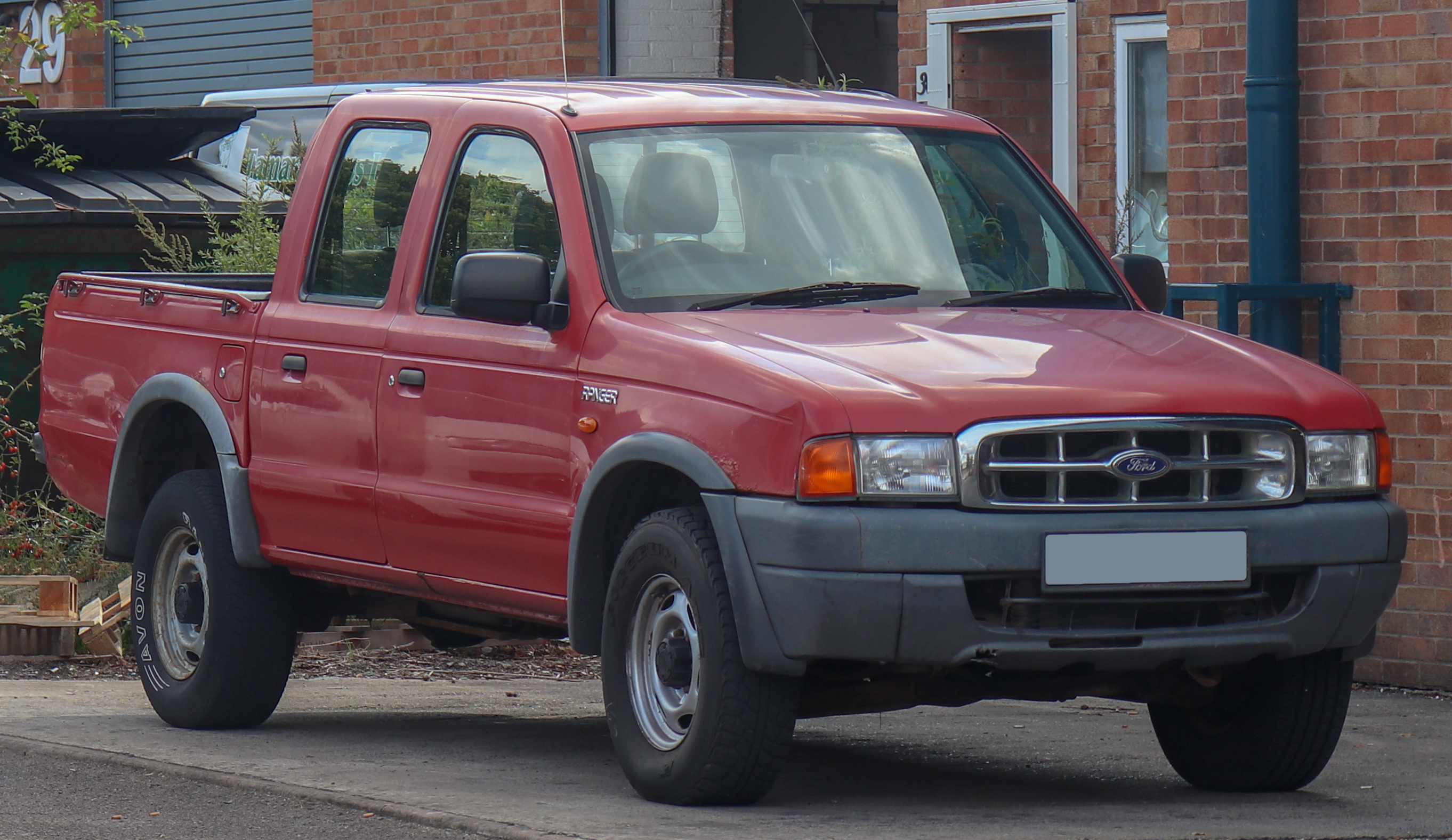
4. Ford Ranger (Especially from 2001–2011)
The Ford Ranger, a compact pickup truck, held a nostalgic place in the hearts of many, yet its later North American models, particularly from 2001 to 2011, frequently left owners wishing they had chosen differently. During this period, the Ranger struggled to keep pace with the rapidly evolving truck market. While its compact size offered certain advantages for urban driving or tight parking, this often came at the cost of essential modern amenities and overall refinement that owners began to expect from contemporary vehicles. The lack of significant updates over a prolonged period made it feel increasingly outmoded.
Many owners found the Ranger’s interior to be a significant drawback. It was often described as cramped, particularly for taller occupants, and the materials used were frequently perceived as cheap or of low quality. The cabin design felt stale and uninspired, especially when compared to rivals like the Toyota Tacoma, which offered a more thoughtfully designed and comfortable environment. This meant that while the Ranger could still perform basic utility tasks, the daily driving experience was often far from enjoyable, leaving a lasting impression of compromise rather than satisfaction.
Performance was another notable area where the Ranger frequently fell short, leading to considerable owner frustration. Its engines struggled to deliver adequate power, making acceleration feel sluggish and often insufficient for modern highway speeds or demanding work tasks. Owners frequently reported that the truck lacked the necessary muscle for serious towing or hauling heavier loads, undermining its primary purpose as a utility vehicle. This power deficit meant the Ranger often felt strained, leading to a less confident and more tiresome driving experience, especially on longer journeys or when merging into fast-moving traffic.
The limitations in payload and towing capacities, a direct consequence of its smaller size and underpowered engines, further frustrated owners who needed a more versatile vehicle for both work and recreation. While some appreciated its nimbleness, the trade-off in capability was often too steep for those who relied on their trucks for a broader range of tasks. This led many to perceive the Ranger not as a capable partner, but as a vehicle that constantly demanded compromises, ultimately diminishing the value proposition it initially presented.
Reliability, for many Ranger owners, proved to be a mixed experience. While a segment of drivers reported trouble-free use for extended periods, a substantial number encountered common problems that led to costly repairs and significant downtime. Among the most frequently cited issues were transmission failures, overheating complaints, and various electrical gremlins that could disrupt the vehicle’s operation at unpredictable times. These recurring faults severely impacted owner confidence and often resulted in unexpected financial burdens, making the ownership experience less appealing than anticipated.
Car Model Information: 2021 Ford Ranger XLT
Categories: All set index articles, Articles with short description, Cars introduced in 1982, Commons category link from Wikidata, Ford vehicles
Summary: The Ford Ranger is a compact or mid-size pickup marketed globally by Ford over a series of generations, varying between both in-house or outside development and manufacturing — and with a hiatus in North America from 2011–2018.
Debuting as a compact pickup in North America in 1982 for the 1983 model year, the Ranger was later introduced in some South American countries. From 1998 to 2011, the Ranger nameplate was used for models developed by Mazda for sale outside the North American market. In 2011, Ford introduced the first Ranger based on the T6 platform. Considered a mid-size pickup truck, the model was developed in-house by Ford Australia. In that same year, the North American-market Ranger was discontinued, leaving the T6 platform-based Ranger as the sole Ranger model worldwide.
For the 2019 model year, the Ranger was reintroduced in North America using the globally-marketed T6 model. It is manufactured at the Michigan Assembly Plant at Wayne, Michigan. The Ranger is smaller than the F-150 and larger than the Maverick in the Ford North American pickup truck range, while for markets outside the Americas it is typically the only Ford pickup offered for sale.
The second generation of the T6-based Ranger was released in 2021 for worldwide markets, using a revised T6 platform.
Get more information about: Ford Ranger
Buying a high-performing used car >>>
Brand: Ford Model: Ranger
Price: $27,900 Mileage: 47,882 mi.
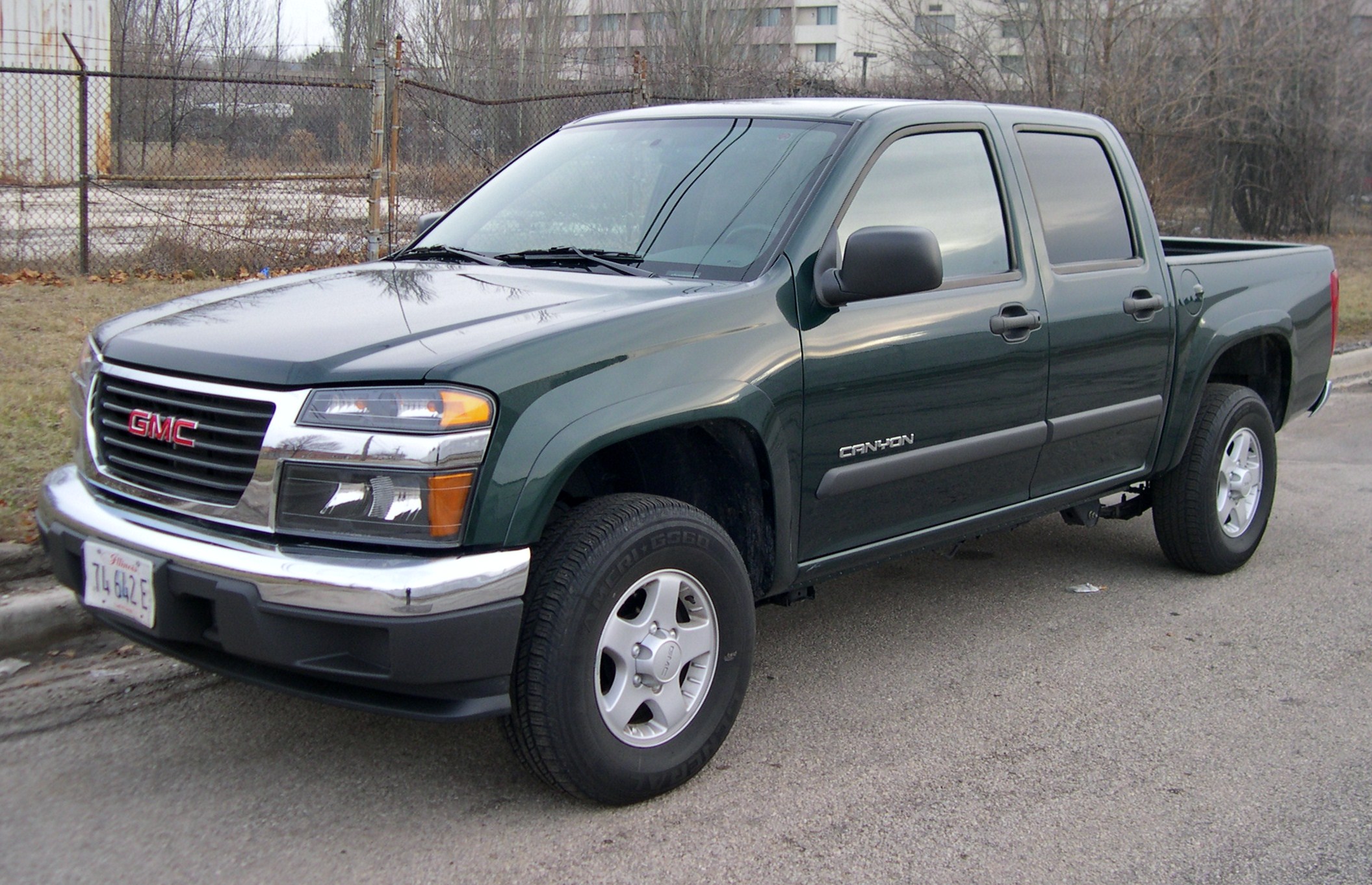
5. GMC Canyon (Especially from 2004–2012)
The early models of the GMC Canyon, spanning from 2004 to 2012, shared a platform with the Chevrolet Colorado, and consequently, many of the same issues that led to significant owner regret. Despite carrying the GMC badge, often associated with a slightly more premium or robust offering, these Canyons struggled with inconsistent build quality and a myriad of mechanical problems. This often left owners feeling that their investment hadn’t delivered the dependability and craftsmanship they expected from a GMC product, causing early excitement to quickly turn into disappointment.
Owners frequently reported that critical suspension components, such as ball joints and control arm bushings, wore out prematurely. This led to a rougher, less controlled ride and necessitated costly repairs far sooner than expected, directly impacting the truck’s perceived durability and long-term value. Beyond the suspension, a litany of electrical problems, including faulty sensors, malfunctioning dashboard gauges, and intermittent failures of power accessories, were common. These issues often created frustrating and unpredictable driving experiences, further eroding trust in the vehicle’s reliability and making it feel less solid than its midsize truck competitors.
Inside the cabin, the Canyon’s design and materials left much to be desired, contributing significantly to buyer’s remorse. The interior was frequently criticized for being basic, uninspired, and constructed with low-quality plastics that showed wear and tear quickly. Owners often found the seats uncomfortable, particularly on longer drives, lacking the ergonomic support expected in a modern vehicle. Furthermore, the lack of sufficient sound insulation meant that road, wind, and engine noise permeated the cabin, making highway journeys tiring and diminishing the overall sense of comfort and refinement.
Compounding these interior shortcomings was an outdated infotainment system that lacked many features already becoming standard in rival trucks. Basic connectivity options were often clunky, and navigation, if available, was cumbersome. For those who relied on their truck for daily commuting or extended travel, this lack of technological integration and comfort became a significant drawback, especially when combined with the persistent mechanical issues. The Canyon simply failed to offer a compelling or comfortable daily driving environment, making owners question their purchase when looking at what competitors offered.
Performance-wise, the Canyon’s engine options, while adequate for light duty, were largely uninspiring. Acceleration was often described as sluggish, and the power delivery felt unrefined, particularly when attempting to merge onto busy highways or when carrying a substantial load. Towing capacity was also quite limited compared to other midsize trucks in its class, often falling short of the practical needs of many owners. This lack of robust capability meant that owners who expected a strong, versatile truck for work or recreation felt let down by its modest power and less-than-stellar handling characteristics.
Car Model Information: 2018 GMC Canyon SLE
Name: Chevrolet Colorado
Caption: 2024 Chevrolet Colorado Z71
Manufacturer: General Motors
Production: 2003–2012, 2014–present (US),2004–2020
(Thailand),2011–present (Brazil)
Class: Pickup truck,Pickup truck
Layout: Front-engine, rear-wheel-drive layout
Predecessor: Chevrolet S-10,Chevrolet D-Max,Holden Rodeo,Holden Ute
Aka: GMC Canyon,Holden Colorado
Categories: 2010s cars, 2020s cars, All-wheel-drive vehicles, All articles with dead external links, Articles with dead external links from November 2016
Summary: The Chevrolet Colorado (sharing mechanical commonality with the GMC Canyon) is a series of compact pickup trucks (mid-size since second generation) marketed by American automaker General Motors. They were introduced in 2004 to replace the Chevrolet S-10 and GMC S-15/Sonoma compact pickups. The Colorado is named after the U.S. state of Colorado, while the Canyon took its name from the deep chasm between cliffs.
Get more information about: Chevrolet Colorado
Buying a high-performing used car >>>
Brand: GMC Model: Canyon
Price: $21,785 Mileage: 135,840 mi.
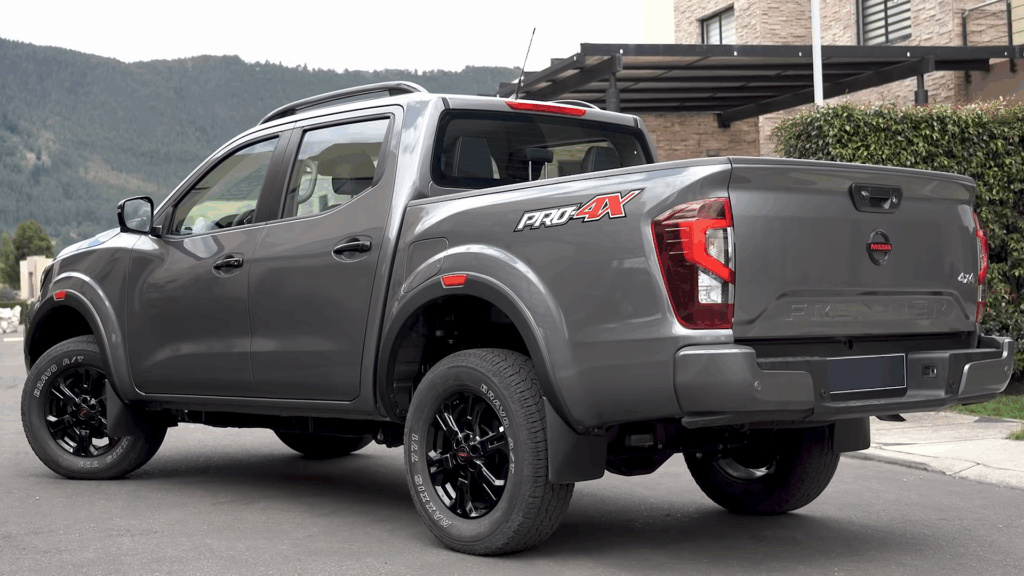
6. Nissan Frontier (Especially from 2005–2010)
The Nissan Frontier, a mid-size pickup truck, especially its models produced between 2005 and 2010, became a notorious source of headaches and financial strain for a significant number of owners. While the truck offered a robust frame and a somewhat traditional truck appeal, these positive attributes were often overshadowed by a devastating and widely documented mechanical flaw that led to widespread owner dissatisfaction and regret. This particular period is frequently highlighted as a dark chapter in the Frontier’s history, inspiring a deep sense of buyer’s remorse.
The most infamous issue plaguing these model years was a design flaw in the radiator that allowed coolant to leak into the automatic transmission fluid. This catastrophic cross-contamination, often referred to as the “SMOD” (Strawberry Milkshake of Death) due to the appearance of the mixed fluids, would inevitably lead to severe transmission damage. Owners reported a range of symptoms, including slipping gears, harsh and herky-jerky shifting, and, ultimately, complete transmission failure. The sheer expense and complexity of replacing a transmission made this an unbearable burden for many, often exceeding the truck’s market value.
Beyond the devastating transmission issues, these Frontiers also contended with persistent engine problems. Timing chain issues were a particularly common complaint, leading to rattling noises, reduced performance, and, if left unaddressed, potential engine damage. These problems, combined with other less frequent but still impactful engine and fuel system glitches, contributed to a pervasive sense of unreliability. Owners found themselves constantly worried about the next major repair, turning what should have been a dependable work truck into a constant source of anxiety and unexpected costs.
The compounding effect of these mechanical failures severely impacted the truck’s long-term reliability and resale value. Unlike other trucks known for their longevity, these specific Frontier models developed a reputation for being costly to maintain and challenging to sell. Owners frequently struggled to find buyers willing to take on a truck with such well-known and expensive flaws, or they faced significant financial losses when trading them in. This rapid depreciation and difficulty in divestment further entrenched the feeling of a poor investment, leaving owners with little pride in their purchase.
For many, the ownership experience of a 2005-2010 Nissan Frontier was a harsh lesson in automotive reliability. The promises of rugged utility were effectively nullified by fundamental engineering flaws that necessitated costly repairs and ongoing maintenance. Consequently, a substantial number of owners from this era openly express regret, often advising prospective buyers to steer clear of these particular model years. The sentiment is clear: given the chance, they would undoubtedly choose a different truck, one that offered genuine peace of mind rather than constant mechanical apprehension.
Car Model Information: 2015 Nissan Frontier PRO-4X
Categories: All set index articles, Articles with short description, Nissan vehicles, Set index articles on cars, Short description is different from Wikidata
Summary: The Nissan Frontier is a nameplate used on three different pickup truck models by Nissan:
Nissan Frontier (international), an alternative nameplate for the NP300/Navara on some markets
Nissan Frontier (North America), a rebadged NP300/Navara from 1997 to 2021, then became a separate model since 2021
Nissan Frontier Pro, a rebadged Dongfeng Z9 PHEV that will be available from 2025.
Get more information about: Nissan Frontier
Buying a high-performing used car >>>
Brand: Nissan Model: Frontier
Price: $17,865 Mileage: 154,112 mi.
In the competitive landscape of pickup trucks, making an informed decision is paramount, especially when considering the significant financial commitment involved. As we’ve seen, while some trucks forge legendary reputations for dependability and performance, others, despite initial promises, fall short in critical areas, transforming into regrettable purchases. Learning from these collective experiences—from the persistent mechanical woes of certain models to the impact of outdated designs and rapid depreciation—empowers consumers to avoid common pitfalls. Ultimately, the goal is to drive home a vehicle that doesn’t just meet expectations but exceeds them, providing lasting satisfaction and value, rather than a recurring reminder of a choice best left in the past.