In many ways, celebrities and musicians have stepped into the roles once reserved for the heroes of legend. For decades, fans have thought of their favorite stars in the language of mythology and religion. A great guitarist is no mere virtuoso; they’re a guitar god. Countless songwriters have reminded us that music can save our mortal souls, that blues is the healer, that funk is going to take us higher, and, of course, rock ‘n’ roll will never die.
Yet, although music is forever, tragedy repeatedly reminds us that the people behind the songs are all too mortal. From disease and drug abuse to suicide, murder, and accidents, stars meet their fates like all of us. The untimely passing of a young, talented musician, however, never fails to inspire sadness and shock, etching their memory into the collective consciousness with an almost mythical permanence.
Air travel, despite its proven safety, has been particularly unkind to the world of music, creating a somber subset of rock and roll mythology. A star’s death in a crash presents an irresistible, imagination-catching metaphor, offering a poignant image of an artist’s figurative climb to the stars ended by a literal fall to Earth. We now turn to some of music’s greatest talents and the heartbreaking plane crashes that tragically ended their lives, beginning with legends who shaped the very soundscape of their eras.

1. Glenn Miller
In the annals of American music, Glenn Miller stands as an iconic composer, conductor, and trombone player whose big-band music served as a beacon of hope for Americans during World War II. Nicknamed the King of Swing, his melodies filled the airwaves, offering solace and entertainment in a tumultuous time. His orchestral arrangements and catchy tunes defined an era, making him one of the most popular and beloved figures of his generation.
Miller’s dedication extended beyond the stage; in 1942, he enlisted in the army, going on to lead the Army Air Force Band, continuing to entertain troops and boost morale. It was in this capacity that the popular swing-era bandleader disappeared over the English Channel on December 15, 1944. At age 40, Major Miller was a passenger on a single-engine UC-64-A Norseman, taking off from Twinwood Airfield, about 50 miles north of London, en route to Paris.
His mission was to make arrangements to bring his Army band to the continent to entertain American troops, a vital contribution to the war effort. He never arrived. Theories abound about what happened to the aircraft, which carried Miller, pilot John Morgan, and another passenger, Colonel Norman Baessell. One speculation suggests a British bomber, returning home after bad weather had obscured its target, jettisoned its bomb load and accidentally blew the Norseman out of the air. Another theorized that the Norseman’s wings had iced over, causing the airplane to plunge into the Channel. Regardless of the cause, Miller, Morgan, and Baessell were never seen again, leaving an unresolved mystery and a profound void in music.
The shock of Miller’s presumed death resonated deeply with fans worldwide. His sudden disappearance added a layer of tragic mystique to an already legendary career. The enigma surrounding his final moments only cemented his place as an eternal figure, a symbol of both the golden age of swing and the sacrifices made during wartime, his music continuing to inspire generations long after his untimely passing.
Read more about: From Shy Hillbilly to Global Icon: Tracing the Transformative Early Journey of Elvis Presley
2. Buddy Holly
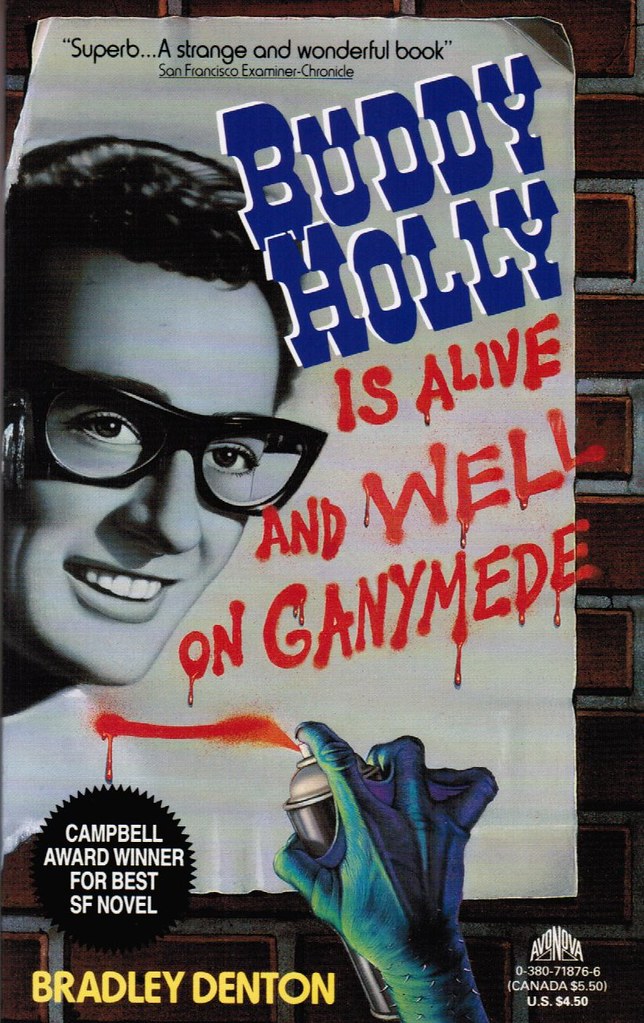
Charles Hardin Holley, universally known as Buddy Holly, was a singer and songwriter from Texas whose short but incredibly impactful two-year run in the limelight heavily influenced American rock music. Best known for his 1950s smash hits like “That’ll Be the Day” and “Peggy Sue,” Holly would eventually win recognition as one of rock and roll’s founding fathers. His innovative guitar playing, distinctive vocal style, and pioneering songwriting continue to reverberate through popular music.
In February of 1959, Holly and his group were slated for the Winter Dance Party tour, a grueling three-week circuit. They were initially to travel by bus, but due to the harsh weather conditions and bitter cold, Holly made the fateful decision to charter a plane to their destination. This choice, born of practicality and comfort, would inadvertently lead to one of music history’s most tragic moments.
Shortly after taking off from the airport in Clear Lake, Iowa, on a flight to Fargo, North Dakota, for a show in nearby Moorhead, Minnesota, the single-engine Beechcraft Bonanza encountered severe bad weather. The investigation later blamed pilot Roger Peterson, who was not prepared for the meteorological challenges he faced on the flight. The plane crashed in a cornfield just five miles northwest of the airport, killing all aboard, including the 21-year-old pilot.
This devastating event, occurring on February 3, 1959, was immortalized by Don McLean’s iconic song “American Pie” as “The Day the Music Died.” Holly was only 22 years old, his potential still largely untapped, yet his legacy was already cemented. His induction into the Rock and Roll Hall of Fame in 1986 underscores his lasting influence, inspiring world-famous musicians like Bob Dylan, The Rolling Stones, The Beatles, Eric Clapton, Don McLean, and Elvis Costello.
Read more about: The Enduring Legacy: A Deep Dive into Rock Music’s Transformative Eras

3. Ritchie Valens
Richard Steven Valenzuela, known to the world as Ritchie Valens, was only seventeen years old when he lost his life in the same tragic plane crash that claimed Buddy Holly. Despite his incredibly brief career, spanning only eight months, Valens emerged as a pioneer of the rock and roll style of music and is widely celebrated as a “forefather of the Chicano rock movement.” His raw talent and energetic performances brought a fresh sound to the nascent rock scene.
Valens delivered instant hits during his short but prolific recording career, most notably “La Bamba.” This track, originally a traditional Mexican folk song, was brilliantly recreated into a rock and roll anthem with his unique rhythm and electrifying delivery. It was an instant hit, soaring up the music charts of 1958 and showcasing his ability to fuse cultural heritage with contemporary sound. His impact resonated not just within the burgeoning rock scene but also within the Chicano community, forging a path for future artists.
Remarkably, Valens was a left-handed musician, but his keen interest and dedication drove him to master the art of playing the guitar, an instrument typically meant to be played with the right hand. This adaptability and passion underscored his commitment to his craft. His journey onto the fateful flight alongside Buddy Holly was a matter of chance, as he secured his seat on the airplane after winning a coin flip with guitarist Tommy Allsup, a small twist of fate with immense consequence.
His untimely death, alongside Holly and The Big Bopper, amplified the tragedy of “The Day the Music Died.” Valens left behind a legacy of innovation and cultural fusion, demonstrating how quickly a true talent can leave an indelible mark. His music continues to be celebrated for its vibrant energy and its historical significance, a testament to what he achieved in such a tragically short span.
Read more about: The Enduring Legacy: A Deep Dive into Rock Music’s Transformative Eras
4. J.P. Richardson (The Big Bopper)
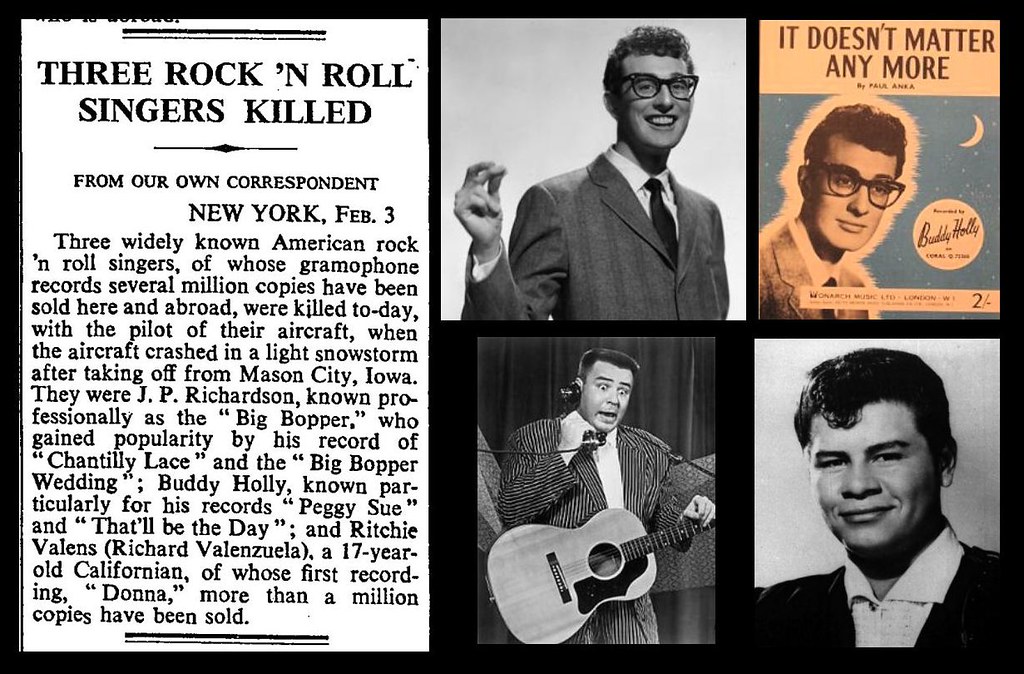
Jiles Perry “JP” Richardson, Jr., more famously known as “The Big Bopper,” was a renowned American songwriter, singer, and disc jockey. A charismatic rock and roll star, Richardson is best known for his all-time hit “Chantilly Lace,” a song that brilliantly showcased his animated flirting conversation with a girlfriend over the phone. This playful and memorable track cemented his status as a beloved figure in early rock and roll.
Another of his notable hits, “The Big Bopper’s Wedding,” revealed a different, equally charming side of Richardson, portraying him humorously developing cold feet at his own wedding. These songs highlighted his unique ability to connect with audiences through storytelling and humor, making him a distinctive voice amidst the emerging landscape of rock and roll. His personality was as big as his stage name suggested, endearing him to countless fans.
Richardson was a pivotal part of the ill-fated Winter Dance Party tour, which opened on January 23, 1959, alongside Buddy Holly and Ritchie Valens. On February 2, 1959, after performing in Iowa, the three singers boarded a charter plane to fly to the next stop of the tour. The decision was practical, offering a quicker and warmer alternative to the tour bus that had been experiencing mechanical issues and bitter cold temperatures.
Tragically, as soon as the plane took off, it encountered a severe snowstorm. The pilot, Roger Peterson, was reportedly not trained to fly by instruments only, leading to a loss of control. The plane crashed just five miles northwest of the airport, leaving the world bereft of three great rock and roll musicians of all time. Waylon Jennings, then a member of Holly’s band, famously gave up his seat to Richardson, who was sick, a detail that adds another layer of poignancy to this heartbreaking historical moment.

5. Patsy Cline
Patsy Cline, born Virginia Patterson Hensley, remains one of the most influential, successful, and acclaimed female vocalists of the twentieth century, her name justly honored in the Country Music Hall of Fame. Her pioneering efforts in the 1950s successfully brought country music into the mainstream, paving the way for countless artists who followed. Her Country Music Hall of Fame plaque very aptly reads: “Her heritage of timeless recordings is testimony to her artistic capacity.”
Coming from a difficult background, Cline’s journey to stardom was a testament to her immense talent and resilience. She performed at iconic venues like Carnegie Hall, toured with “The Johnny Cash Show,” and collaborated with other country music icons such as Willie Nelson and June Carter. Her biggest hits, including “Walkin’ After Midnight,” “I Fall to Pieces,” “Crazy,” and “Sweet Dreams,” are revered classics, known for her powerful, emotive voice and sophisticated interpretations.
Cline’s life was tragically cut short on March 5, 1963, at the age of 30. She was on her way back to her home in Nashville, Tennessee, after performing in Kansas City, Kansas, with her manager Ramsey “Randy” Dorris Hughes piloting her Piper Comanche. Bad weather had been making the trip difficult, forcing several stops along the way. After taking off from Dyersburg, Tennessee, into rain, clouds, and darkening skies, the airplane crashed to earth in the countryside about 75 miles west of Nashville.
Accident investigators blamed pilot error for the crash, which killed Cline, Hughes, and musicians Harold Franklin “Hankshaw” Hawkins and Llody Estel “Cowboy” Copas. Adding a haunting dimension to her story, Cline had shared several omens of dying young with others before that tragic day. Only a week before her death, she reportedly told Ray Walker, the bass singer of The Jordanaires, “I’ve had two bad accidents. The third one will either be a charm, or it’ll kill me.” Her premonitions, sadly, proved tragically accurate.
Read more about: Why the Trail Went Cold: Tracing the Retreat of Country Firebrand Gretchen Wilson from the Limelight

6. Jim Reeves
Jim Reeves, celebrated as “Gentleman Jim” and a legend of the “Nashville Sound,” was a critically acclaimed country singer and songwriter who rose to fame in the 1950s. His smooth, sophisticated vocal delivery and crossover appeal set him apart in the country music landscape. His music captivated audiences globally, earning him a place among country music’s most revered artists.
Reeves’ vocal performance evolved over the years, transitioning from a standard Texan belting style into a more ballad-oriented approach that deeply resonated with listeners worldwide. He wowed fans with timeless songs like “He’ll Have to Go” and “Billy Bayou,” which showcased his deep, comforting baritone and impeccable phrasing. His ability to blend country with pop sensibilities made him a truly unique and influential figure.
On an afternoon in July 1964, Reeves, then 40, was flying his own single-engine Beechcraft 35-B33 Debonair from Batesville, Arkansas, en route to Nashville. His only passenger was his manager, Dean Manuel. The flight took a perilous turn when Reeves flew into a violent rainstorm over Brentwood, Tennessee, a situation that apparently caused him to become disoriented.
The airplane plunged into the ground at high speed, killing both Reeves and Manuel instantly. The search for the wreckage was extensive and harrowing, lasting 42 hours and involving fellow country stars Marty Robbins and Ernest Tubb. The discovery of the crash site in the dense woods brought a somber end to the career of a beloved country icon, leaving fans mourning the loss of a truly distinctive voice.
Read more about: A Hero’s Absence: Did You Know These 12 Familiar DC Movie/TV Faces Are Gone?
7. Otis Redding
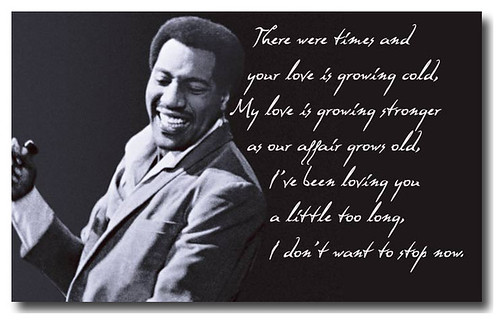
Otis Redding, reverently known as the “King of Soul,” drew deep inspiration from his gospel roots, which profoundly influenced his mastery and enduring impact on the soul genre. His powerful, impassioned vocals and heartfelt delivery made him an undeniable force in music. He became synonymous with classic songs such as “These Arms of Mine,” which showcased his incredible vocal range and emotional depth, cementing his reputation as a soul legend.
Tragically, Redding’s incandescent career was cut short at the young age of 26. On December 10, 1967, he and members of his band, the Bar-Kays, were on their way to Madison, Wisconsin, for a gig. Their chartered twin-engine Beechcraft 18 had taken off from the airport in Cleveland with pilot Richard Fraser, despite adverse weather conditions that included cold drizzle and fog, creating a treacherous flight environment.
While on the approach to Madison, the airplane plunged into Lake Monona. The exact cause of the crash remains undetermined, though some speculate the Beechcraft may have been experiencing engine problems. Of the seven passengers aboard, the only survivor was 20-year-old Ben Cauley, one of the musicians, a miraculous escape amidst such devastation. The opening band for Redding in Madison that night was to be a local outfit called the Grim Reapers, featuring future Cheap Trick guitarist Rick Nielsen.
Redding’s death was a profound loss for the music world, yet his legacy only grew in its wake. Four months after his passing, his single “(Sittin’ on) The Dock of the Bay” reached the top of the charts, becoming his first #1 record and a posthumous triumph. He posthumously received a Lifetime Achievement Award and was inducted into both the Rock and Roll and Songwriters Halls of Fame, cementing his place as an eternal icon whose music continues to touch souls across generations.
Read more about: The Top 9 Singers Who Were Born Rich: A Deep Dive into Their Priceless Vocal Gifts
8. Jim Croce
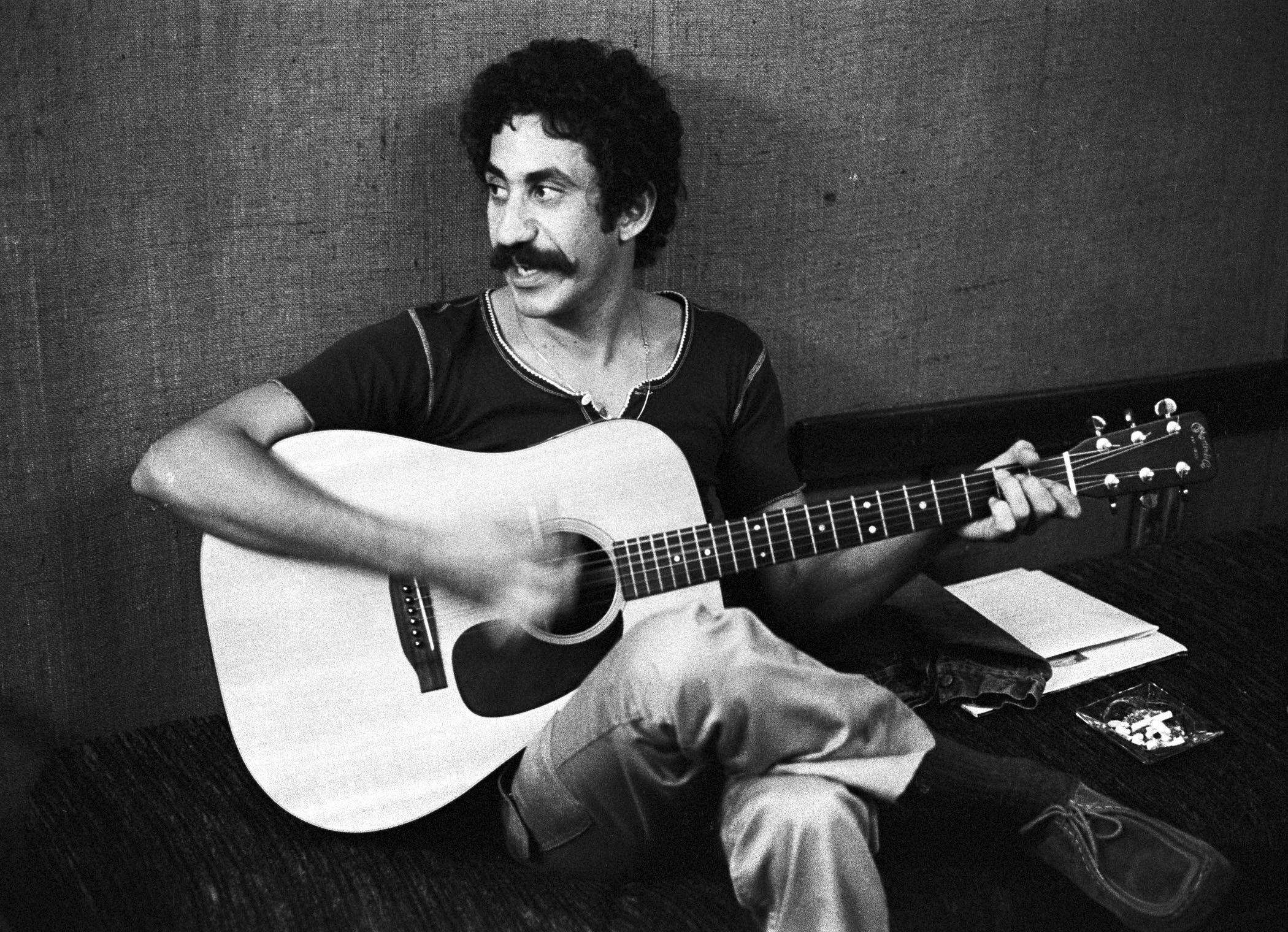
Jim Croce was a true American troubadour, a singer-songwriter whose honest lyrics and warm vocals were just beginning to captivate a nation when his journey was abruptly cut short. At 30, he was a rising star, having achieved significant chart success with anthems like “Bad, Bad Leroy Brown” and the poignant “Time in a Bottle.” With a third album in the works, his career trajectory was soaring, yet he yearned for the quiet life away from the relentless grind of touring, a sentiment he often shared with those close to him.
On September 20, 1973, after performing his last concert at Northwestern State University in Natchitoches, Louisiana, Croce and his entourage prepared for a flight to Sherman, Texas, the next and final stop on their exhausting tour. The pilot of their chartered Beechcraft E18, Robert N. Elliott, had faced a bizarre start to the day, having to walk most of the three miles to the airport because he couldn’t secure a cab. This seemingly minor inconvenience foreshadowed the tragic events that would unfold moments later.
Immediately after taking off from Natchitoches Regional Airport, the single-engine aircraft violently struck a pecan tree. All six people onboard perished in the devastating crash, including Croce, his gifted guitarist Maury Muehleisen, comedian George Stevens, road manager Dennis Rast, and Croce’s agent, Kenneth D. Cortese. The subsequent investigation sorrowfully attributed the accident to pilot error, an all too common refrain in these tragic tales, leaving behind a profound void and an unfulfilled promise of more music and a life he so deeply desired to live differently.
Read more about: Beyond the Spotlight: 14 Unforgettable Actors Who Stole Every Scene They Were In

9. Lynyrd Skynyrd (Ronnie Van Zant, Steve Gaines, Cassie Gaines)
Few bands encapsulate the spirit of Southern rock quite like Lynyrd Skynyrd, a group whose anthems like “Sweet Home Alabama” and the sprawling epic “Free Bird” became cornerstones of American music. Just three days before a catastrophic event that would forever alter their trajectory, the band had released their fifth album, *Street Survivors*, a title that would take on an eerie and heartbreaking significance in the wake of the tragedy. Their sound was raw, powerful, and deeply ingrained in the cultural fabric of the 1970s.
On October 20, 1977, the band boarded a chartered twin-engine Convair CV-240, flying out of Greenville, South Carolina, en route to Baton Rouge, Louisiana. What should have been a routine flight tragically devolved into a desperate struggle for survival when the aircraft, inexplicably, ran out of fuel. The pilots, it was later determined, had neglected to properly check their fuel status before departure, a critical oversight that led to the plane crashing violently near Gillsburg, Mississippi, in a dense, unforgiving wooded area.
The impact claimed the lives of several key members of the band: the charismatic lead singer Ronnie Van Zant, 29, whose powerful voice defined their sound; the exceptionally talented guitarist Steve Gaines, 28, who had only recently joined the lineup; and backup singer Cassie Gaines, 29, Steve’s sister. Also among the fatalities were an assistant road manager, the pilot, and the copilot. Miraculously, despite the devastating nature of the crash, twenty other people aboard the Convair survived, carrying physical and emotional scars that would last a lifetime. In a somber acknowledgment of the tragedy, MCA Records later re-released the *Street Survivors* album with a different cover, replacing the original image of the band engulfed in flames with a more subdued photograph.
Adding an almost mythical layer of premonition to this already profound loss, Ronnie Van Zant had a chilling habit of telling others he would not live past the age of 30. His words, once perhaps dismissed as youthful bravado or dark humor, proved tragically prophetic as he died just shy of that milestone. The untimely end of Lynyrd Skynyrd’s core lineup stands as one of rock music’s most heartbreaking chapters, a stark reminder of the fragility of life even at the peak of creative power, leaving an enduring legacy carved in the annals of Southern rock.
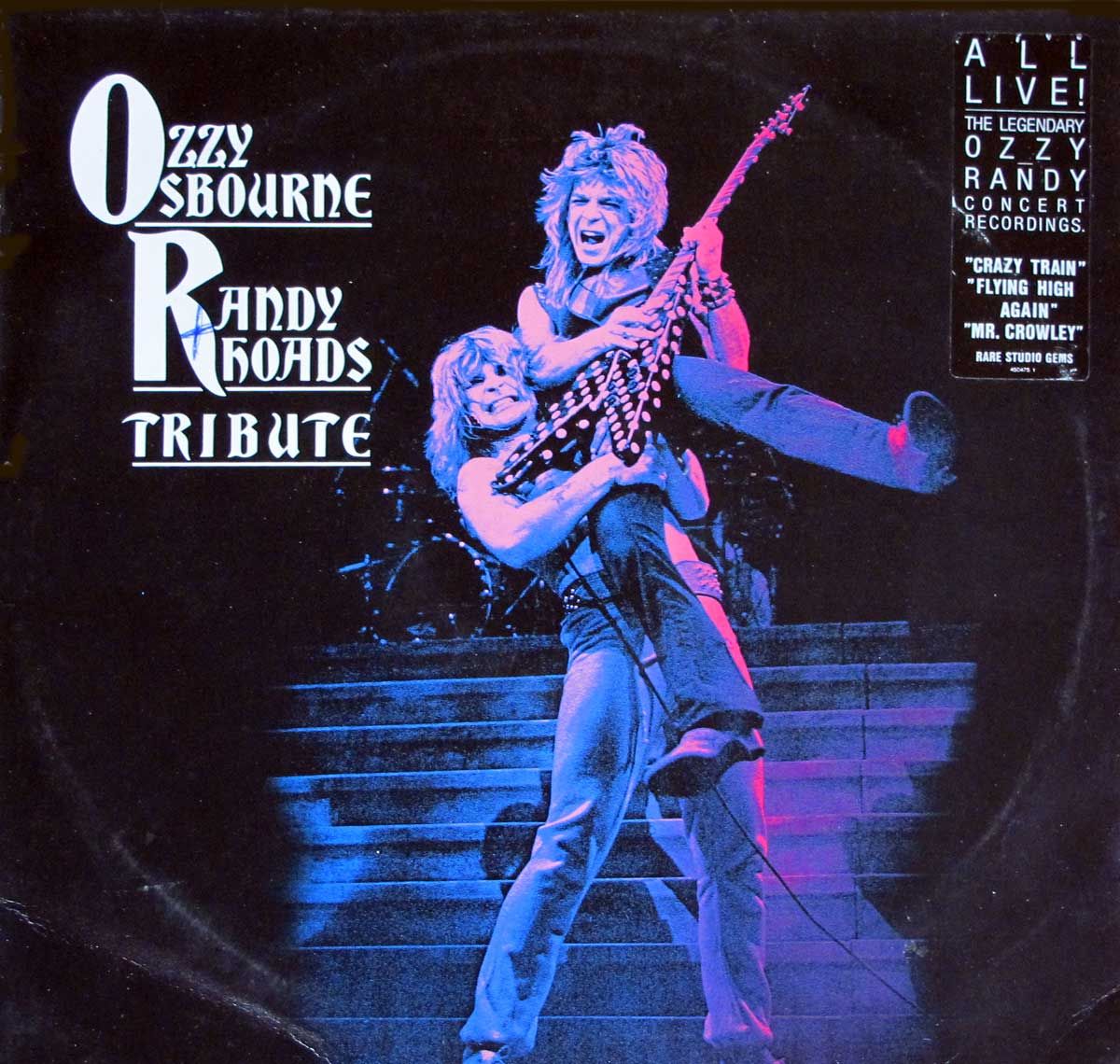
10. Randy Rhoads
Randy Rhoads was an undeniable guitar virtuoso, a six-string innovator whose brief but brilliant career redefined the sound of heavy metal. Best known as the electrifying guitarist for rocker Ozzy Osbourne, Rhoads was the architect behind iconic riffs like the one in “Crazy Train,” which left an indelible mark on a generation of musicians. His unique blend of classical training and hard rock aggression brought an unparalleled sophistication and technical prowess to the genre, earning him a place on numerous lists of the greatest guitarists of all time.
Tragically, on March 19, 1982, the music world lost this prodigious talent in a bizarre and senseless accident near Leesburg, Florida. Rhoads, only 25 years old, was a passenger in a small Beechcraft Bonanza. The plane was being flown by Andrew Aycock, the band’s bus driver, whose pilot’s license had reportedly expired. The aircraft belonged to country singer Jerry Calhoun, whose property the band was staying on. What began as an ill-conceived joyride quickly turned into a nightmarish descent.
Aycock, in a reckless display, attempted to “buzz” Osbourne’s tour bus, which was parked nearby. In a horrific misjudgment, the airplane’s wing clipped the bus, sending the Bonanza careening out of control. It crashed violently into Calhoun’s house, instantly killing all three aboard: Rhoads, Aycock, and the band’s seamstress. The National Transportation Safety Board’s report succinctly summarized the tragedy: “The pilot, who was a rock group driver, took an aircraft from the hangar without permission to joy ride members of the group.” The sheer absurdity of the circumstances surrounding Rhoads’ death only amplified the shock and sorrow felt by fans and fellow musicians, leaving behind a legacy of unparalleled guitar wizardry that continues to inspire.
Read more about: A Year of Legacies: Honoring 11 Iconic Figures Who Departed in 2025, Leaving Enduring Marks on Culture

11. Ricky Nelson
Ricky Nelson was a rare talent who seamlessly transitioned from child star to genuine rock and roll icon, charming audiences first on his parents’ popular radio and television shows, “The Adventures of Ozzie and Harriet.” Playing himself, he became a familiar and beloved figure, but his true passion lay in music. He launched a successful musical career that produced timeless hits such as “Hello Mary Lou” and the reflective “Garden Party,” demonstrating a versatility that allowed him to move effortlessly between genres.
His life, which had always been in the public eye, met a devastating end on New Year’s Eve, December 31, 1985. Nelson, then 45, was traveling on his personal tour airplane, a vintage 1944 Douglas DC-3, a classic aircraft he had purchased to transport his band. The flight, originating from Guntersville, Alabama, was bound for Dallas, but it never reached its destination. An interior fire erupted during the journey, forcing the pilot to attempt an emergency landing.
The venerable DC-3 crashed outside De Kalb, Texas, amidst the chaotic efforts to bring it down safely. While the pilot and copilot miraculously survived, albeit badly burned, the other seven people aboard, including Nelson, were tragically killed. The cause of the inferno was believed to be a defective heater, a small mechanical failure with monumental consequences. Nelson’s death, at a relatively young age and on such a symbolic day, sent shockwaves through the entertainment industry, reminding many of the fleeting nature of fame and life itself, leaving behind a discography that bridges generations.
Read more about: Beyond the Fab Four: Unearthing George Harrison’s Eleven Iconic Rides That Prove His Automotive Taste Was Nothing Short of Legendary

12. Stevie Ray Vaughan
Stevie Ray Vaughan, often referred to by his initials SRV, was an undisputed titan of the blues, a soulful guitarist and singer whose electrifying performances breathed new life into the genre. After gaining international attention as David Bowie’s guitarist on the iconic 1983 album *Let’s Dance*, Vaughan launched a phenomenally successful solo career with his band Double Trouble. Their powerful fusion of blues, rock, and jazz garnered critical acclaim, producing gold-certified albums and selling out concerts worldwide, cementing his status as a modern guitar hero.
Tragically, Vaughan’s incandescent career was extinguished in the early morning hours of August 27, 1990, in a helicopter crash outside Elkhorn, Wisconsin. He had just concluded a triumphant concert appearance at the Alpine Valley Music Theater, sharing the stage with legends like Eric Clapton, a moment that would become one of his last. The Bell 206B JetRanger helicopter was departing from the venue for a flight to Chicago’s Midway Airport, carrying Vaughan and four other passengers, including members of Eric Clapton’s crew.
Shortly after taking off, the helicopter veered abruptly and plunged into a nearby ski mountain. All five souls aboard, including Vaughan and pilot Jeff Brown, perished instantly in the devastating impact. The subsequent investigation determined the cause to be pilot error, speculating that Brown might have experienced night blindness after ascending from the brightly lit concert area into the dense fog and darkness of the night sky. The music world was plunged into mourning, grappling with the loss of an artist who, at just 35, had already achieved legendary status and whose innovative playing continues to influence countless guitarists across the globe.
Read more about: Beyond the Limelight: 13 ’80s Icons Whose Shocking Deaths Still Resonate Today

13. John Denver
John Denver, born Henry John Deutschendorf Jr., was the quintessential American singer-songwriter of the 1970s, whose acoustic folk music offered a gentle yet profound celebration of nature and a simpler way of life. His distinctive voice and heartfelt lyrics resonated deeply with millions, producing iconic hits like “Country Roads,” which became an anthem for yearning hearts, and “Rocky Mountain High,” an ode to the natural splendor of the American West. His passion for environmentalism was woven into the very fabric of his artistry, earning him global admiration and making him a voice for the pristine wilderness.
On October 12, 1997, the world lost this beloved humanitarian and musician in a tragic accident involving a home-built aircraft he had recently acquired. Denver, then 53, was an experienced pilot, having logged thousands of flight hours, although his pilot’s license had been suspended on previous occasions due to incidents of drunk driving. He was flying a Rutan Long-EZ, an experimental composite aircraft known for its distinctive canard design, along the picturesque Pacific Coast near Pacific Grove, California.
The serene beauty of the coastline was shattered when the airplane suddenly plunged into the ocean, ending Denver’s life. Investigators meticulously pieced together the events, determining that he had likely crashed after unsuccessfully attempting to switch fuel tanks in flight. This complex maneuver, particularly in an unfamiliar cockpit layout, may have led him to inadvertently hit the rudder pedal by mistake, resulting in a catastrophic loss of control. The irony of such a grounded, nature-loving artist meeting his end in a mechanical failure high above the sea added a poignant dimension to a life dedicated to harmony and beauty.
Read more about: Starbucks’ ‘Global Reset’ Unveils Key Cafe Closures: A Look at 12 Major State-Level Impacts on the 2024-2025 List.

14. Aaliyah
Aaliyah Dana Haughton, known simply as Aaliyah, was a phenomenal talent who, in her tragically short life, rose to become a defining voice of R&B and hip-hop, earning the revered moniker “Princess of R&B.” Her smooth, sultry vocals, combined with an effortlessly confident and inspiring persona, propelled her to superstardom in the 1990s. With three best-selling albums, multiple Grammy nominations, and ventures into film acting, she was a true quadruple threat, poised for an even greater global impact.
On August 25, 2001, at the tender age of 22, Aaliyah’s vibrant career and life were cruelly snatched away in a devastating plane crash. She and her team had just finished shooting a music video for her single “Rock the Boat” in the Bahamas and were boarding a chartered twin-engine Cessna 402 for a flight back to Florida. What should have been a celebratory return turned into a fatal journey moments after takeoff from Marsh Harbour Airport in the Abaco Islands.
The aircraft tragically crashed just after lifting off the runway, killing all nine people aboard instantly. The subsequent investigation revealed a horrifying litany of errors and negligence: the pilot, Luis Morales III, was found to have traces of drugs and alcohol in his system, was not properly rated to fly the Cessna 402, and, critically, the airplane was discovered to be substantially overloaded. This preventable tragedy left the R&B and hip-hop communities reeling, mourning the loss of a pioneering artist whose influence continues to resonate, forever remembered as a cultural symbol of grace and innovation.
Read more about: From Background Blurs to Hollywood Stardom: 14 Iconic Actors Who Started as Uncredited Extras
Tragically, the stories of these extraordinary musicians, silenced too soon by the unforgiving whims of fate, resonate with a profound, almost mythical sadness. Each life, a vibrant melody cut short, leaves an echoing silence that reminds us of the fragility of even the most brilliant stars. Yet, even as we reflect on these heartbreaking losses, their enduring art continues to soar, timeless and transcendent, a testament to the fact that while the artists themselves may be mortal, the music they gifted to the world truly is eternal. Their legacies, woven into the fabric of human experience, ensure that their spirits continue to fly high, forever remembered.