
The music world, a vibrant tapestry of sound and emotion, has always been a beacon of human creativity and expression. Yet, amidst the soaring melodies and heartfelt lyrics, there lies a somber thread of tragedy, often woven into the very fabric of its history. From the early pioneers of swing to the electrifying legends of rock and soul, numerous brilliant artists have had their careers, and lives, abruptly cut short by an unforeseen peril: aviation disasters.
The demanding life of a touring musician often involves constant travel, a whirlwind of cities, concerts, and recording sessions that necessitate quick and efficient transportation. While air travel revolutionized how artists could reach their audiences, it also introduced a new, often unpredictable, risk. These aerial misfortunes have not only left an indelible mark on the families and fans of these beloved figures but have also profoundly reshaped the landscape of music itself, leaving us to wonder about the masterpieces that might have been.
Join us as we respectfully revisit the stories of some of the most notable musicians whose journeys ended far too soon in the skies. This retrospective serves not just as a memorial to their passing, but as a testament to the enduring power of their music and the legacies they forged, even in the face of such heartbreaking finality. Their contributions continue to resonate, reminding us that even though their physical presence is gone, their artistic spirit flies eternal.

1. **Glenn Miller (1944)**: Glenn Miller, the “King of Swing,” was a celebrated American big band leader, composer, and trombonist whose music captivated a nation. His orchestra’s distinctive sound, characterized by hits like “In the Mood” and “Moonlight Serenade,” became emblematic of the 1940s, offering comfort and joy during a tumultuous era. Beyond his musical prowess, Miller was a patriot, enlisting in the army in 1942 and going on to lead the Army Air Force Band, using his talent to uplift the spirits of American troops during World War II.
Miller, along with pilot John Morgan and another passenger, Colonel Norman Baessell, were never seen again. Investigations failed to locate the plane or any traces of it, leading to widespread shock and numerous theories about what transpired. The loss of Glenn Miller remains one of the most profound and enduring mysteries in music history, a poignant symbol of wartime sacrifice and an abrupt end to a prolific career.

2. **Buddy Holly, Ritchie Valens, and J.P. “The Big Bopper” Richardson (1959)**: February 3, 1959, is a date etched into musical lore as “The Day the Music Died,” an epithet coined by Don McLean’s iconic song “American Pie.” On this tragic day, rock and roll lost three of its brightest, burgeoning stars: 22-year-old Buddy Holly, 17-year-old Ritchie Valens, and 28-year-old J.P. Richardson, famously known as “The Big Bopper.” They were on the Winter Dance Party tour, a grueling schedule that saw them traveling across the Midwest.
Within five minutes, the aircraft plunged into a cornfield. All aboard, including the three musicians and their young pilot, perished instantly, leaving behind a stunned music world. Valens had famously won his seat on the plane with a coin flip against guitarist Tommy Allsup, while Waylon Jennings gave up his seat to Richardson, who was sick.
The investigation into the crash pointed to pilot error, concluding that Peterson was not prepared for the weather conditions he encountered and was not certified for instrument-only flight, likely becoming disoriented in the storm. The losses were immense: Holly had already shaped rock ‘n’ roll, Valens pioneered Chicano rock, and The Big Bopper scored a chartbuster with “Chantilly Lace.” This accident was a fateful cultural moment, prematurely ending careers that had already left an indelible mark and profoundly reshaping the direction of popular music.
Read more about: Unpacking the ‘Rule of Threes’: An In-Depth Look at Why We Perceive Patterns in Celebrity Deaths

3. **Patsy Cline (1963)**: Patsy Cline, a true pioneer of country music, played a crucial role in bringing the genre into the mainstream during the 1950s. Her powerful, emotive voice and unique style earned her several number-one hits and solidified her status as a pillar of country music, eventually leading to her induction into the Country Music Hall of Fame. Coming from a difficult background, Cline’s journey to stardom was a testament to her talent and determination, culminating in performances at Carnegie Hall and tours with legends like Johnny Cash.
Tragically, about 75 miles west of Nashville, the airplane crashed to earth in the countryside. The accident claimed the lives of 30-year-old Patsy Cline, her manager Hughes, and fellow musicians Harold Franklin “Hankshaw” Hawkins and Llody Estel “Cowboy” Copas. Investigators ultimately blamed pilot error for the crash. Cline’s loss was a shocking blow to the Grand Ole Opry and the entire country music world, leaving a void that was deeply felt by fans and fellow artists alike.
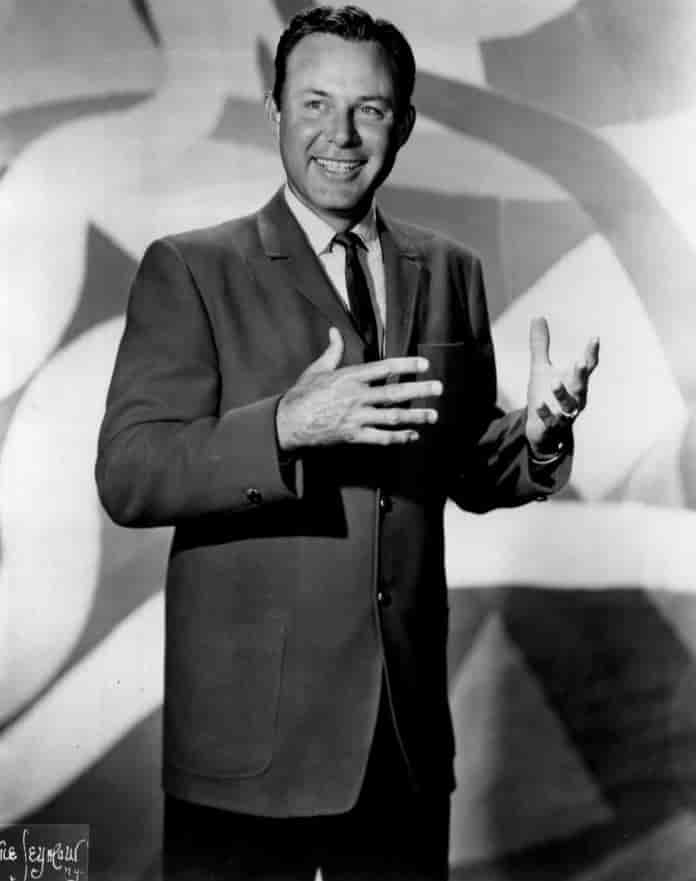
4. **Jim Reeves (1964)**: Country singer Jim Reeves, affectionately known as “Gentleman Jim,” was a critically acclaimed artist who rose to fame in the 1950s. His smooth, baritone voice and ballad-style delivery, a departure from the standard Texan belting, resonated deeply with listeners worldwide. Reeves charmed fans with timeless hits such as “Four Walls,” “He’ll Have to Go,” and “Billy Bayou,” leaving an indelible mark on the Nashville Sound and influencing countless artists who followed in his footsteps.
The airplane tragically plunged into the ground at high speed. The search for the wreckage was extensive and arduous, lasting 42 hours and involving numerous individuals, including country stars Marty Robbins and Ernest Tubb, who joined the desperate effort. Jim Reeves’ death, in a crash eerily similar to Patsy Cline’s just a year prior, marked another profound loss for country music, silencing one of its most distinctive and beloved voices.

5. **Otis Redding (1967)**: Otis Redding, often hailed as the “King of Soul,” was a force of nature whose powerful voice and impassioned performances captivated audiences globally. Drawing deep inspiration from his gospel roots, Redding mastered and profoundly influenced the soul genre, crafting classic songs that continue to resonate generations later. Tracks like “These Arms of Mine” showcased his raw vocal talent and his ability to convey profound emotion, cementing his status as a legendary figure in music.
Tragically, while on the approach to Madison, the airplane plunged into the frigid waters of Lake Monona. The exact cause of the crash remains undetermined, although investigators speculated that the Beechcraft may have been experiencing engine problems, exacerbated by the severe weather. Of the seven passengers onboard, the only survivor was 20-year-old Ben Cauley, one of the musicians. Just four months after Redding’s untimely death, his iconic single “(Sittin’ on) The Dock of the Bay” reached the top of the charts, becoming his first #1 record and a poignant, posthumous testament to his genius.
Read more about: The Double Life: 15 Celebrities Who Hid Their Intense Military Service From the Public—Why the Secrecy?

6. **Ronnie Van Zant, Steve Gaines, and Cassie Gaines (Lynyrd Skynyrd) (1977)**: Lynyrd Skynyrd, the legendary American country rock band, was riding a massive wave of success in October 1977. Known for their anthemic hits like “Sweet Home Alabama” and “Free Bird,” the band had brought a fresh, tighter sound to Southern rock, electrifying audiences with their powerful performances and distinctive guitar work. Their fifth album, *Street Survivors*, had just been released a mere three days before a catastrophic event would change their trajectory forever.
The crash claimed the lives of lead singer Ronnie Van Zant, who was 29, guitarist Steve Gaines, 28, and backup singer Cassie Gaines, 29, along with an assistant road manager and the pilot and copilot. Twenty other people aboard the Convair miraculously survived. The loss left an immense void in the Southern rock scene and a permanent scar on music history, silencing three pivotal figures at the peak of their creative powers.
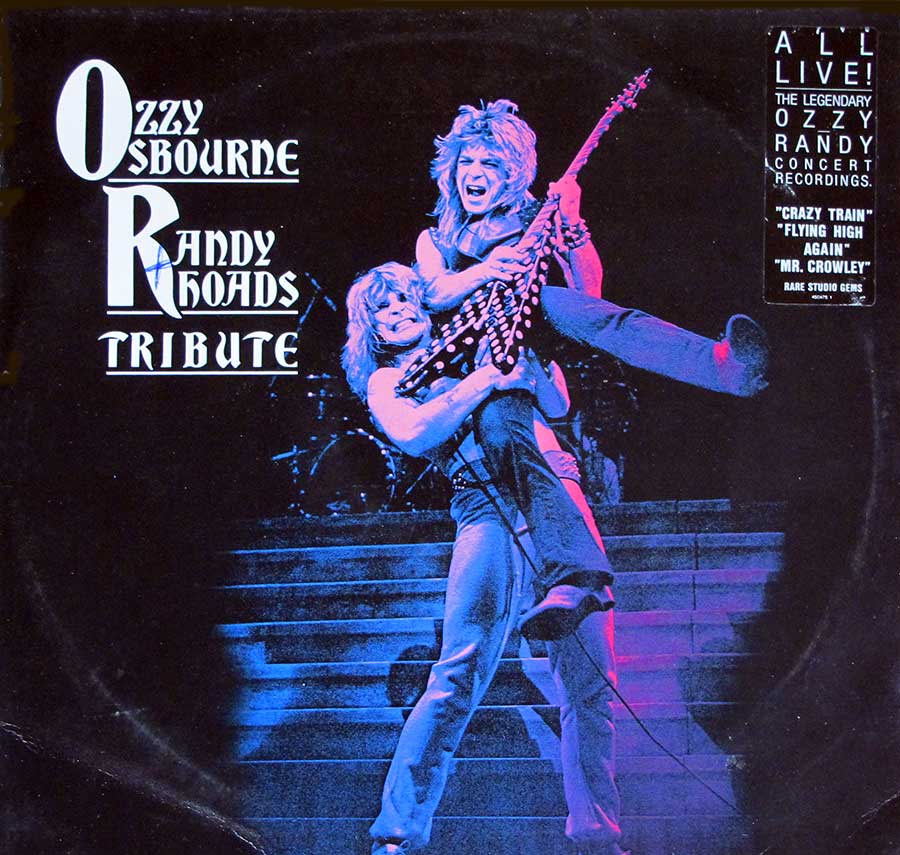
7. **Randy Rhoads (1982)**: Randy Rhoads, a name synonymous with innovation in heavy metal guitar, was an extraordinary musician and songwriter who left an incredible, albeit short-lived, impact on the music world. Best known as the virtuosic guitarist behind the world-famous riff in Ozzy Osbourne’s “Crazy Train,” Rhoads revolutionized metal guitar with his neoclassical techniques, two-handed tapping, and a unique blend of classical and heavy metal influences. His artistry profoundly shaped 1980s metal.
Aycock, whose pilot’s license had expired, attempted to buzz Osbourne’s tour bus, but the airplane clipped a wing on the bus, lost control, and crashed into Calhoun’s house. All three aboard the airplane—Rhoads, Aycock, and the band’s seamstress—were killed. The National Transportation Safety Board reported that the pilot “took an aircraft from the hangar without permission to joy ride members of the group.” The loss of Randy Rhoads sent shockwaves through the music industry, ending the career of a truly visionary talent too soon.
Continuing our journey through aviation tragedies, this section delves into more untimely deaths that left indelible marks on music history, highlighting their musical legacies and the profound void they left behind. These stories serve as poignant reminders of the fragility of life and the unforeseen perils that touring musicians sometimes face in their pursuit of sharing their art with the world.
From folk stars to R&B princesses, the losses cut across genres, reminding us that no corner of the music world is immune to such heartbreak. Each narrative is a testament to the artists’ contributions and the enduring power of their melodies, even as we reflect on the potential masterpieces that were never realized.

8. **Jim Croce (1973)**Singer-songwriter Jim Croce was a rising star in 1973, having achieved significant chart success with hits like “Bad, Bad Leroy Brown” and other songs from his third studio album, *You Don’t Mess Around with Jim*. His folk-rock style and narrative lyrics were resonating deeply with a growing audience, promising an even brighter future for the artist.
On September 20, 1973, after performing his last concert at Northwestern State University in Natchitoches, Louisiana, a weary Croce was eager to get to the next and final stop on his tour in Sherman, Texas. However, the journey was fraught with an unfortunate series of events, beginning with his chartered Beechcraft E18’s pilot, Robert N. Elliott, who had to walk most of the three miles to the airport because he couldn’t get a cab.
Tragically, immediately after takeoff from Natchitoches Regional Airport, the airplane hit a pecan tree. All six individuals aboard—Croce, guitarist Maury Muehleisen, comedian George Stevens, road manager Dennis Rast, and Croce’s agent, Kenneth D. Cortese—died instantly. The subsequent investigation into the crash unequivocally blamed pilot error, a somber conclusion for such a sudden and devastating loss.
Croce’s premature death silenced a voice that had just begun to hit its stride, leaving fans to ponder what more he might have created. A poignant letter to his wife was discovered after his passing, detailing his plans to leave the demanding music business and focus on his family, as he was desperately homesick. This revelation added another layer of heartbreak to the tragedy, underscoring the personal toll of his burgeoning career.

9. **Ricky Nelson (1985)**Ricky Nelson achieved fame not only as a musician but also as a beloved child star, playing himself on his parents’ popular radio and television shows, *Ozzie and Harriet*. This unique upbringing gave him an early platform from which he seamlessly launched a successful musical career, becoming a teen idol with a string of hits that included “Hello Mary Lou” and the reflective “Garden Party.”
As his career evolved, Nelson found himself constantly on the road, a demanding lifestyle that led him to purchase a 1944 Douglas DC-3 aircraft for use as his tour airplane. This classic propeller plane became a familiar sight for the singer and his band, a practical solution for the rigors of cross-country travel that defined the life of a popular musician.
However, on December 31, 1985, tragedy struck when his DC-3 was attempting an emergency landing outside De Kalb, Texas. The flight had departed from Guntersville, Alabama, en route to Dallas, but an interior fire forced the desperate landing attempt. Investigations later pointed to a defective heater as the probable cause of the fire that engulfed the aircraft.
The accident tragically claimed the lives of seven people aboard, including the 45-year-old Nelson and his fiancée, Helen Blair, along with several band members. Miraculously, the pilot and copilot survived the fiery crash, albeit with severe burns. Nelson’s death, on New Year’s Eve, marked a shocking end to a career that had successfully transitioned from television stardom to enduring musical artistry.

10. **John Denver (1997)**John Denver, born John Henry Deutschendorf Jr., captivated millions with his acoustic folk music, celebrating the simple joys of life, the beauty of nature, and the spirit of the American West. His timeless hits like “Country Roads” and “Rocky Mountain High” became anthems, selling over 30 million records and earning him critical acclaim throughout his illustrious career. Beyond his music, Denver was a passionate environmentalist, with his love letters to nature reflecting his deep commitment to the planet.
An experienced pilot, Denver found solace and freedom in the skies. However, on October 12, 1997, his passion for flying led to a tragic end. The 53-year-old singer-songwriter was piloting a Rutan Long-EZ, a home-built aircraft he had recently purchased. Despite his extensive flight hours, his pilot’s license had been suspended following previous incidents of drunk driving, a detail that added a complex layer to the circumstances of his final flight.
The aircraft plunged into the Pacific Ocean near Pacific Grove, California. Investigators determined that Denver had likely crashed after attempting to switch fuel tanks in flight, a maneuver made challenging by the experimental design of the aircraft. It was speculated that he may have inadvertently hit the rudder pedal by mistake during this process, leading to a loss of control and the fatal dive into the water.
John Denver’s death was a profound shock to fans worldwide, silencing one of music’s most distinctive and beloved voices. His passing underscored the unpredictable nature of even familiar activities, leaving behind a legacy of songs that continue to evoke the serene beauty of the natural world he so cherished.

11. **Aaliyah (2001)**Aaliyah Dana Haughton, known simply as Aaliyah, was a transformative figure in R&B, earning the moniker “Princess of R&B” for her distinctive vocal talent and confident persona. By the tender age of 22, she had already released three best-selling albums, garnering multiple Grammy nominations and establishing herself as a trendsetter in music, fashion, and film, with her career poised for global superstardom.
In August 2001, following the shooting of a music video in the Bahamas, Aaliyah and eight other individuals boarded a chartered twin-engine Cessna 402 for a flight back to Florida. It was meant to be a routine trip after a successful production, but instead, it turned into an unimaginable tragedy just moments after takeoff from Marsh Harbour.
The aircraft crashed almost immediately after leaving the runway, killing all aboard. The subsequent investigation into the accident revealed a disturbing series of lapses and dangerous decisions. It was found that pilot Luis Morales III had traces of drugs and alcohol in his system, was not rated to fly the Cessna 402, and, critically, that the airplane had been significantly overloaded beyond its safe weight capacity.
Aaliyah’s untimely death at such a young age sent shockwaves through the music world, leaving a deep void in the R&B and hip-hop communities. She remains a revered cultural symbol, her influence continuing to resonate, a testament to the immense talent and potential that was tragically cut short.

12. **Will Rogers (1935)**Before many of the rock and country legends met their fate in the skies, America lost one of its most cherished figures, Will Rogers, whose talents spanned acting, humor, and even music. Known for his witty observations and folksy charm, Rogers was a true American icon, captivating audiences across various mediums. In 1935, he embarked on an adventurous trip to Alaska with the famed aviator Wiley Post, a journey that promised both excitement and daring exploration.
Post, an accomplished and pioneering pilot, was at the controls of an experimental, hybrid aircraft – a Lockheed Orion-Explorer. The duo had been traveling extensively around Alaska, enjoying the rugged beauty and pushing the boundaries of aviation. Their fateful departure on August 15, 1935, saw them take off from a lagoon near Point Barrow, with the ambitious intention of heading towards Russia.
However, their journey was cut short in a tragic accident near Point Barrow, Alaska. The specific circumstances of the crash are not extensively detailed, but the outcome was devastating. Both Will Rogers and Wiley Post perished in the crash, leaving no survivors. It was a somber day for the nation, as it lost two remarkable individuals whose contributions stretched from entertainment to the frontiers of aviation.
The loss of Will Rogers was felt profoundly, marking the end of a career that had brought laughter, insight, and entertainment to millions. His death, alongside that of such a renowned aviator, served as a stark reminder of the inherent risks of pioneering flight, even as it underscored the adventurous spirit that defined both men.
As we reflect on these profound losses, it becomes clear that the stories of these musicians transcend mere celebrity. They are narratives of immense talent, dedication, and the sheer unpredictability of life. While their physical presence may be gone, the indelible marks they left on our playlists, our culture, and our hearts ensure their melodies will continue to soar, timeless and eternal. These artists remind us that even in tragedy, music finds a way to live on, echoing through generations as a vibrant testament to lives lived passionately and creatively, forever flying high in the annals of history.

:max_bytes(150000):strip_icc()/GettyImages-2170877990-772527b2ae2e4614b54f8601450b0be8.jpg "Taylor Swift & Travis Kelce: From Gridiron Glory to Global Glamour – The High-Flying Romance of a New Power Couple")