
The cryptocurrency market, celebrated for its innovative potential and rapid growth, frequently presents investors with a paradox of unparalleled opportunity coupled with profound volatility. Recent events have underscored this inherent instability, as the market experienced a sharp flash crash, wiping out tens to hundreds of billions in value within days. This period of intense correction often leads to a sentiment among traders where certain assets become immediate candidates for sell-off, driven by a complex interplay of whale trades, forced liquidations, weak liquidity, and macroeconomic pressures.
Understanding the dynamics behind such rapid declines is crucial for navigating the often-confusing landscape of digital assets. While the overarching bullish trend may remain intact for some, the immediate fallout from significant market corrections can leave many positions underwater, compelling even seasoned investors to re-evaluate their holdings. This environment of uncertainty highlights specific assets that, due to their inherent characteristics or recent performance, frequently find themselves at the epicenter of liquidation events and swift divestment decisions.
In this in-depth analysis, we delve into a selection of crypto assets that have recently faced intense sell-off pressures or embody the characteristics that make them particularly susceptible to sudden dips. Our focus is on providing clear, factual insights into the market forces and individual asset traits that contribute to the ‘sell off instantly’ mentality observed among traders during periods of heightened market confusion and volatility, drawing directly from the latest market observations and expert commentary.
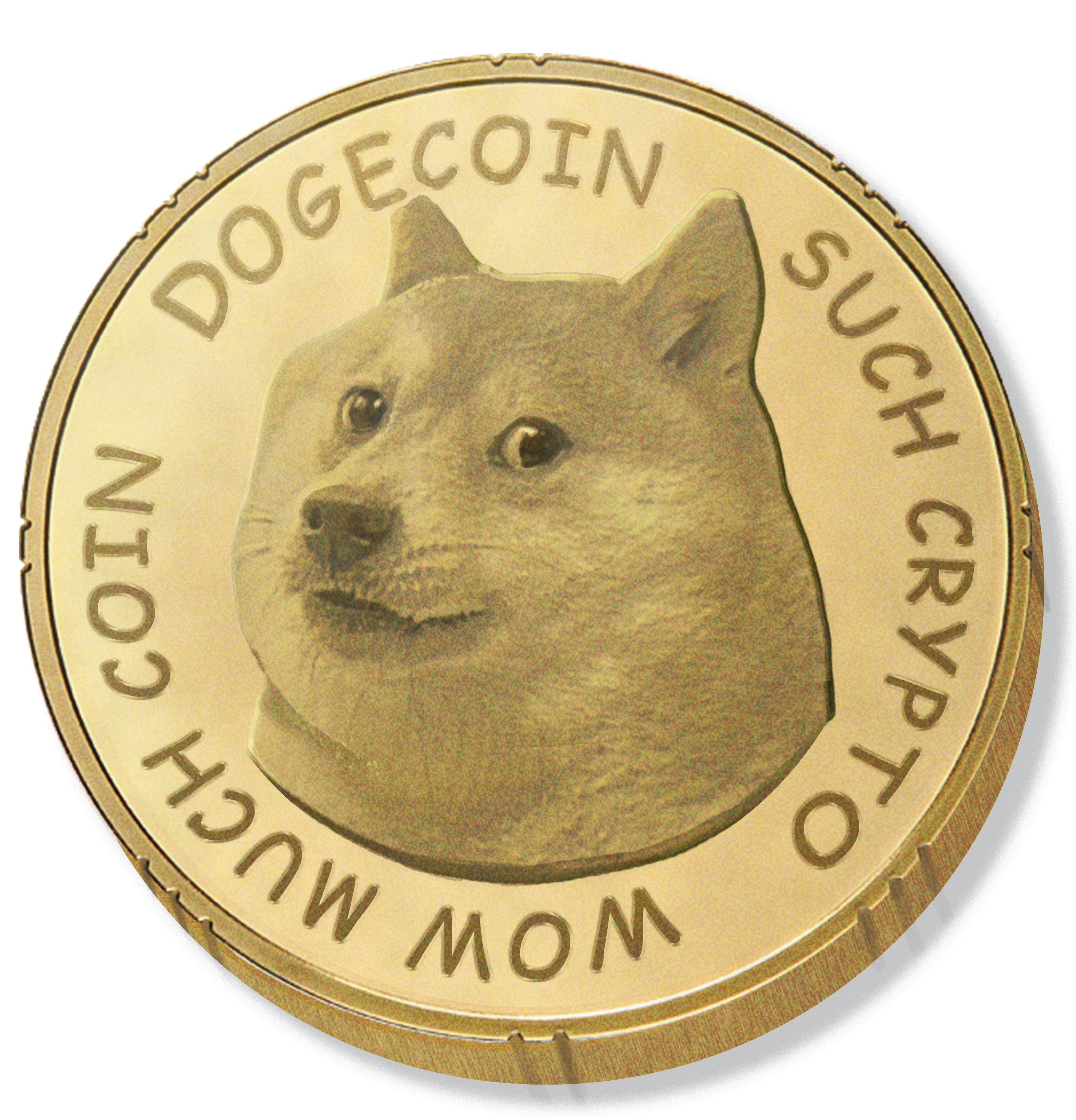
1. **Dogecoin (DOGE)**Dogecoin, famously known as a meme coin, has often captured public attention more for its community spirit and celebrity endorsements than its fundamental utility. However, this notoriety also makes it exceptionally susceptible to market sentiment shifts, leading to significant volatility. The recent broad-based crypto sell-off saw DOGE plunge significantly, marking one of the steepest falls among top altcoins.
During a recent market correction, Dogecoin faced the steepest fall among its peers, dropping a staggering 10.79% and trading under $0.24. This precipitous decline is emblematic of the high-risk nature associated with meme coins. Such assets often lack the robust underlying technology or widespread adoption as a medium of exchange that more established cryptocurrencies like Bitcoin or Ethereum possess, making their valuations largely driven by speculation and community hype.
The swift drop in DOGE’s price contributed to a broader market liquidation event, which saw over $1.7 billion in total liquidations across the crypto market. While there has been rising demand for a spot Dogecoin ETF, suggesting some institutional interest, the asset’s price remains highly reactive to market-wide downturns. This illustrates why traders, particularly those with leveraged positions, might eye such an asset for immediate sell-off to prevent further losses when market sentiment sours.
The inherent volatility of Dogecoin, coupled with its classification as a high-risk meme coin, makes it a prime example of an asset that can experience rapid and severe price corrections. Investors are often drawn to its potential for parabolic gains, but these opportunities come hand-in-hand with an equally potent risk of sudden and significant losses, prompting quick decisions to exit positions when market conditions deteriorate.

2. **FLOKI**Similar to Dogecoin, FLOKI operates within the meme coin ecosystem, deriving much of its value from community engagement and speculative interest rather than direct technological innovation. The context highlights that FLOKI was among the crypto market’s biggest losers during a recent sell-off, plummeting more than 9% in a single day. This performance underscores the fragile nature of meme-based cryptocurrencies when confronted with adverse market conditions.
The substantial decline in FLOKI’s price contributed to a massive liquidation wave across the crypto derivatives market, where over 407,000 traders liquidated positions within 24 hours. Such widespread liquidations, particularly of long positions, signify that many investors had leveraged bets on price increases, only to be forced out as the market turned. This demonstrates the swift, automatic sell-off mechanisms triggered by sudden price drops in highly volatile assets.
Linh Tran, a market analyst at XS.com, described the situation of overcrowded long positions as a “healthy process that reduces the risk of sharp long squeeze and provides a stronger foundation for a sustainable trend.” However, for individual traders holding assets like FLOKI, these ‘healthy processes’ translate into significant capital loss and the imperative to sell instantly to mitigate further damage. The rapid decline makes it clear why this asset would be a candidate for immediate divestment during a market downturn.
Moreover, the nature of FLOKI, as an asset whose price is heavily influenced by social media trends and broader market sentiment rather than fundamental value, means it can be particularly susceptible to panic selling. When market confidence wanes, assets perceived as speculative or high-risk are often the first to be offloaded, creating a cascading effect of downward pressure that leaves traders with little option but to sell quickly.
Read more about: 15 Movie and TV Villains People Find Hot

3. **Worldcoin**Worldcoin, another token highlighted among the crypto market’s biggest losers, experienced a drop of more than 9% during the recent broad-based sell-off. While the context does not elaborate on Worldcoin’s specific fundamentals, its inclusion in a list alongside other high-volatility assets during a significant market correction indicates its vulnerability to market pressures and its role in triggering quick sell-off decisions among traders.
The simultaneous decline of Worldcoin with other prominent altcoins and meme coins during a widespread liquidation event points to a common thread: assets with newer or less established market positions, or those with highly speculative investor bases, are often the first to feel the brunt of a market correction. Such tokens can experience amplified price movements, both upwards and downwards, making them high-risk propositions for many investors.
The substantial percentage drop aligns Worldcoin with the narrative of assets where traders might feel compelled to sell instantly. In a market characterized by weak liquidity and sudden shifts, as described in the context, a 9% decline can quickly trigger stop-losses and margin calls, forcing an automatic or immediate manual liquidation of positions. This behavior is a direct response to the market’s efficiency in clearing out overleveraged or speculative bets.
For professional and retail traders alike, observing such sharp declines in assets like Worldcoin during a market downturn serves as a stark reminder of the risks involved. The need to preserve capital often outweighs the desire to ‘hodl,’ especially for assets that show significant sensitivity to market volatility and contribute to the overall ‘fear’ sentiment, as indicated by the Crypto Fear & Greed Index dropping to 45% during the recent events.
The preceding analysis laid bare the stark realities confronting traders navigating the turbulent waters of highly volatile cryptocurrencies. We’ve seen how meme coins and newer altcoins, fueled by sentiment and speculative interest, can become particularly susceptible to rapid declines during market corrections. As we delve deeper, our focus shifts to other crypto assets and categories that, despite varying market positions, share common vulnerabilities, often becoming prime candidates for instant sell-offs when market pressures intensify. Understanding these distinct characteristics is crucial for investors aiming to make informed decisions in a landscape fraught with both opportunity and risk.

4. **ASTRA**ASTRA, like many altcoins and midcaps, finds itself at the mercy of broader market dynamics during periods of heightened volatility. The context specifically notes that ASTRA on Binance is “currently testing support,” a critical juncture that can dictate immediate price direction. This situation aligns with the market’s thin liquidity, where even moderate selling pressure can lead to outsized price movements.
When an asset is testing a key support level, it signals a battle between buyers and sellers. A breach of this support can trigger a cascade of automated sell orders, known as stop-loss hunting, which exacerbates downward pressure. While some investors might view consolidation around such a level as a potential entry point for a disciplined long-term strategy, the immediate risk for many traders is a further dip.
The broader market sentiment, characterized by a shift from optimism to doubt as per the Crypto Fear & Greed Index, amplifies this risk. In such an environment, assets at precarious technical levels become prime candidates for immediate divestment. Traders, especially those with leveraged positions, often cannot afford to wait and see if support holds, opting instead to secure capital and exit quickly to prevent deeper losses.
This behavior is not necessarily a judgment on ASTRA’s long-term prospects but a pragmatic response to short-term market instability. The advice to wait for “one to two days of sideways action before entering positions” implicitly highlights the underlying risk for those who fail to exercise such discipline, reinforcing why a token in this position could easily fall into the ‘sell off instantly’ category during market uncertainty.
Read more about: Unveiling History’s Lens: A Deep Dive into the 10 Most Historically Accurate World War II Movies
5. **PUMP**Closely echoing the situation of ASTRA, the token PUMP is also highlighted in the market context as “currently testing support around $48.” This particular price point becomes a focal area for traders, acting as a potential psychological or technical barrier that, if broken, could lead to significant further declines. This makes PUMP a quintessential example of an asset where rapid selling decisions are often made.
During periods of market stress, the “weak market depth” and “thin liquidity” that characterize many altcoins and midcaps become glaring vulnerabilities. For an asset like PUMP, a large sell order hitting the order books when liquidity is scarce can disproportionately impact its price, pushing it sharply downward. This environment fosters a ‘sell first, ask questions later’ mentality among many participants.
The specter of “stop-loss hunting” looms large for tokens testing crucial support. Traders who have set stop-loss orders just below such levels face automatic liquidation if the price dips slightly. This mechanism, while designed to limit losses, often creates a domino effect, triggering further sales and deepening the price correction, forcing more positions into liquidation.
While the context mentions PUMP “showing signs of consolidation” and being an “ideal candidate for disciplined investors” after waiting for sideways action, this implies a current state of vulnerability. The immediate uncertainty around a $48 support level in a broadly bearish market makes PUMP a token that many traders would consider selling instantly to avoid being caught in a potential downside breakout, especially given the overarching market pressures from macro factors and ETF outflows.
Read more about: 11 Cars So Problematic, Owners Are Seriously Wishing for an ‘Insurance Event’ (If You Catch Our Drift)

6. **XRP**XRP, a well-established cryptocurrency, has not been immune to the recent market turbulence, demonstrating that even assets with a larger market capitalization can face significant sell-off pressures. The context explicitly states that “XRP was down 4%” and that it “has tested key support near $2.79,” signaling its participation in the widespread decline that swept across altcoins.
This performance is further contextualized by the broader market correction, where XRP was noted among ETH, BNB, SOL, and DOGE in “correct[ing] 6-10%.” Such substantial percentage drops, even for a prominent crypto asset, underscore the intense selling pressure that can quickly overwhelm market stability. The act of “testing key support” is a critical indicator of potential weakness, where a failure to hold that level can trigger further bearish momentum.
The overall market environment, characterized by massive leveraged liquidations and a shift in the Crypto Fear & Greed Index to a state of “doubt,” intensifies the urgency for traders. When assets like XRP show significant sensitivity to these market-wide downturns, investors are compelled to reassess their positions rapidly. The perceived stability of a larger-cap coin can quickly erode when it begins to break critical technical thresholds.
For many traders, especially those managing risk in a highly interconnected crypto ecosystem, a 4% to 10% drop and the testing of critical support levels in a single day are clear signals for immediate action. Preserving capital often takes precedence over holding through potential further declines, positioning XRP as an asset where an instant sell-off becomes a logical, albeit difficult, decision during a market panic or significant correction.
Read more about: Beyond the Hype: The Top 12 Cryptocurrencies Endorsed by Experts for Secure and Strategic Investment in 2025

7. **Older Tokens from Previous Cycles**Beyond individual altcoins, an entire category of assets presents a unique set of vulnerabilities: “older tokens from previous cycles.” The market commentary provides a stark warning for this group, stating unequivocally that they “may not recover,” a sentiment that strongly emphasizes the importance of “careful coin selection” in today’s dynamic crypto landscape.
These tokens, often born out of earlier trends or technological paradigms, may lack the innovative utility, development momentum, or sustained community engagement seen in newer, more active projects. In a market constantly evolving with new smart contract capabilities, DeFi applications, and Web3 innovations, older assets can quickly become technologically or conceptually outdated, losing their competitive edge and investor appeal.
When a market correction hits, the fundamental weaknesses of these older tokens are exposed. Unlike more resilient or strategically positioned assets that might offer “buy-the-dip opportunities,” the lack of recovery potential for tokens from previous cycles means that a temporary downturn could easily morph into a permanent impairment of value. This makes them particularly high-risk holdings during periods of widespread panic selling.
For traders looking to preserve capital and reallocate it efficiently, holding onto assets that are explicitly noted as unlikely to recover represents a significant opportunity cost and a direct risk to their portfolio. The advice to divest from such tokens instantly is a pragmatic approach to cutting losses and redirecting investment towards assets with more robust fundamentals or stronger recovery prospects, rather than hoping for a resurgence that may never materialize.
In essence, while the allure of past gains might tempt some to cling to these tokens, the experienced trader recognizes the critical importance of culling underperforming or fundamentally weak assets, especially when the market itself signals a clear differentiation between future winners and those left behind by previous cycles.
Read more about: Unveiling the Unseen: Masterful Hidden Messages and Ingenious Features, From Automotive Marvels to Clever Campaigns
Navigating the tumultuous waters of the cryptocurrency market demands not only a keen eye for opportunity but also a profound understanding of risk. The recent flash crash vividly illustrates that even in a generally bullish trend, specific assets carry inherent vulnerabilities that can trigger a ‘sell off instantly’ reaction from traders. From meme coins susceptible to hype cycles to established altcoins testing crucial support, and older tokens with diminishing recovery prospects, each category presents unique challenges. The confluence of thin liquidity, whale movements, and macroeconomic pressures creates an environment where swift, data-driven decisions are paramount. As CoinMarketCap diligently provides the raw data, it is imperative for investors to conduct thorough research, look beyond the headlines, and understand the fundamental characteristics—from token supply to vesting schedules—before making any investment decisions. Remember, capital invested is always at risk, and consulting a professional investment advisor is always recommended to align with your personal circumstances in this ever-evolving digital asset space.