
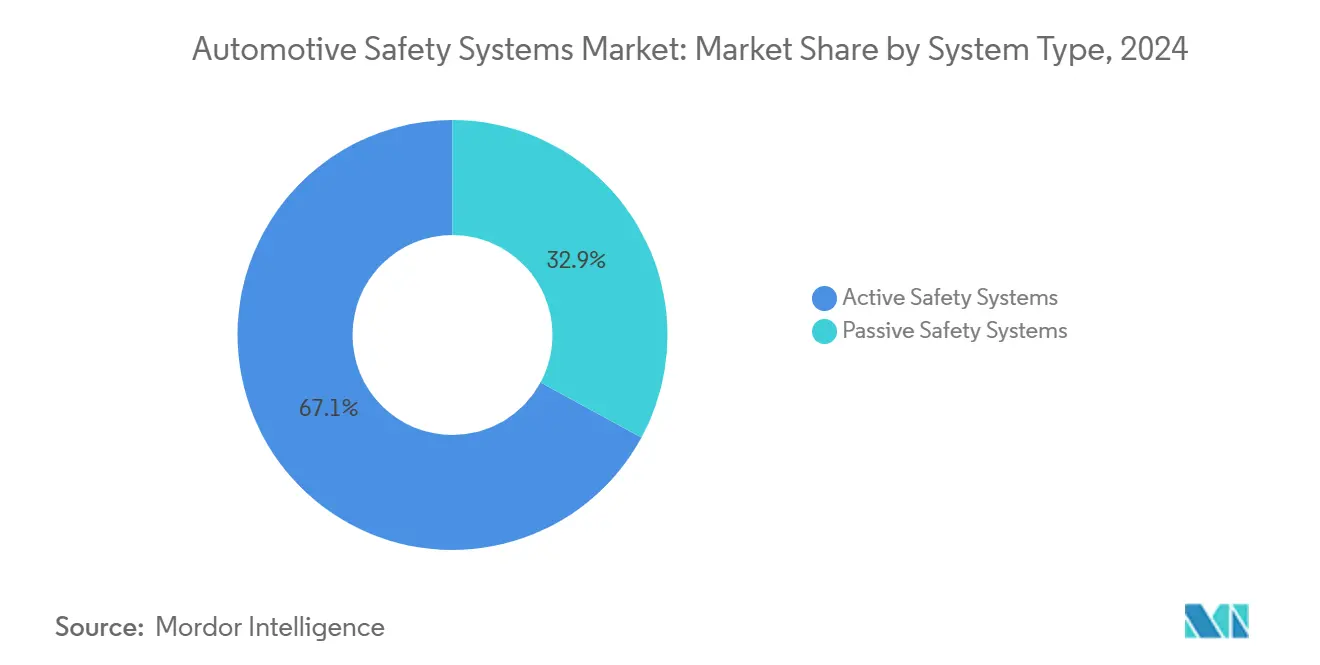

We often step into our vehicles with an inherent trust, assuming they offer a protective sanctuary against the unpredictable nature of the road. However, despite decades of significant advancements in automotive safety, the reality is a stark contrast, revealing that accidents remain a formidable threat. The statistics are sobering: the National Safety Council reported a staggering 46,027 fatalities resulting from motor vehicle crashes in 2022 alone, a stark reminder that even with sophisticated engineering, our roads can be unforgiving.
While every vehicle on the road carries some inherent level of risk, it’s undeniable that certain models find themselves disproportionately represented in fatal accident statistics. A comprehensive analysis conducted by iSeeCars.com, drawing upon fatality data from the National Highway Traffic Safety Administration’s (NHTSA) Fatality Analysis Reporting System (FARS), meticulously examined vehicles from the 2018-2022 model years. This study pinpointed those models with the most alarming fatality rates, painting a clearer picture of the vehicles that pose the highest risks to occupants.
Interestingly, many of these vehicles, despite their troubling accident rates, have often received commendable safety ratings in rigorous crash tests conducted by prestigious organizations like the Insurance Institute for Highway Safety (IIHS) and NHTSA. As Karl Brauer, iSeeCars Executive Analyst, insightfully noted, these high fatality rates are frequently less about inherent flaws in vehicle design and more about a complex interplay of driver behavior and the prevailing driving conditions. Today, we’re taking a deep dive into the ‘Unsafe Hall of Fame,’ shining a light on 14 vehicles that, for various reasons, have earned a concerning spot on America’s roads. Let’s explore the critical factors contributing to their high fatal accident rates, offering insights that could very well inform your next vehicle choice.
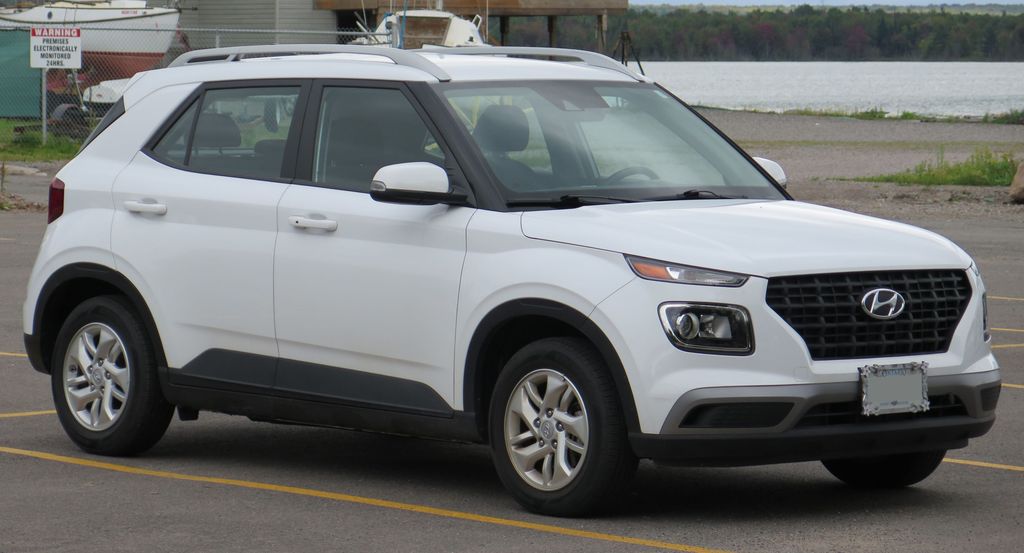
1. **Hyundai Venue**At the very top of our list, holding the unenviable title of the vehicle with the highest fatal accident rate, is the Hyundai Venue. This subcompact SUV, often lauded for its affordability and compact size, especially appealing to city dwellers, presents a concerning safety record that belies its modern appeal. The iSeeCars study recorded a fatal accident rate of 13.9 per billion vehicle miles for the Venue, a rate that is a staggering 4.9 times higher than the average vehicle on U.S. roads.
A significant contributor to the Venue’s troubling safety profile involves a serious recall impacting models produced between 2020 and 2022. This recall addressed critical issues with the seatbelt pretensioners, which are designed to tighten seatbelts instantly during a collision to secure occupants. Alarmingly, these pretensioners were found to have the potential to explode upon deployment, releasing dangerous metal fragments within the vehicle’s interior. Such a defect transforms a crucial safety mechanism into a potential hazard, posing a severe risk to occupants during a crash.
Beyond specific component failures, the Hyundai Venue, as a small SUV, also contends with the inherent disadvantages of its size and weight in collisions. While compact SUVs offer practicality and fuel efficiency, they often fare worse in crashes with larger, heavier vehicles, a reality that even modern engineering struggles to overcome. Consequently, while the Venue may be an attractive option for its economical price and city-friendly dimensions, its documented safety flaws, particularly the pretensioner recall, make it a truly questionable choice for safety-conscious drivers, prompting a careful reevaluation of its perceived value against its actual safety performance.
Car Model Information: 2022 Hyundai VENUE Limited
Name: Hyundai Venue
Caption: 2022 Hyundai Venue Preferred (Canada)
Manufacturer: Hyundai Motor Company
Production: 2019–present
ModelYears: 2020–present
Class: Subcompact crossover SUV
BodyStyle: Sport utility vehicle
Layout: Front-engine, front-wheel-drive
Categories: 2020s cars, All Wikipedia articles written in British English, All articles containing potentially dated statements, All articles with unsourced statements, Articles containing Korean-language text
Summary: The Hyundai Venue (Korean: 현대 베뉴) is a subcompact crossover SUV manufactured by South Korean manufacturer Hyundai. The Venue debuted at the 2019 New York International Auto Show as Hyundai’s smallest global crossover, prior to the introduction of other smaller SUVs such as the Casper and Exter.
As of 2023, the Venue is positioned below the Kona or Creta, and above the Exter or Casper in Hyundai’s international crossover lineup. It shares its platform with the fifth-generation Accent.
The Venue is not marketed in Europe (except Ukraine) in favor of the European-focused, Hyundai i20-based Bayon which was introduced in 2021.
Get more information about: Hyundai Venue
Buying a high-performing used car >>>
Brand: Hyundai Model: Venue
Price: $18,290 Mileage: 45,836 mi.
Read more about: Navigating the New Normal: Unpacking the 14 Key Factors Driving Car Prices Up Over 30% in Recent Years

2. **Chevrolet Corvette**Next on our list, with a strikingly high fatal accident rate, is the iconic Chevrolet Corvette. This quintessential American sports car, renowned globally for its stunning design, powerful engines, and the thrilling performance it offers, unfortunately, carries a significant dark side when it comes to road safety. The iSeeCars study indicates a fatal accident rate of 13.6 per billion vehicle miles for the Corvette, a rate that stands at 4.8 times the overall average, positioning it as one of the deadliest vehicles on American roadways.
The Corvette’s high placement on this list is not solely attributable to driver behavior, as several critical safety issues have been identified through recalls. For instance, models from 2021 and 2022 were subject to a recall due to missing ball bearings, a defect that could unexpectedly lead to a complete loss of power while driving. Such a sudden power failure, especially at high speeds characteristic of Corvette driving, creates an immediate and extreme danger for both the driver and surrounding traffic.
Furthermore, many 2021 Corvette models were found to have faulty airbag malfunction indicators. This issue meant that drivers would not be properly alerted to potential problems with their airbag deployment system, leaving them unknowingly vulnerable in the event of a crash. The combination of the Corvette’s high-performance capabilities, which often tempt drivers to push limits, coupled with these documented safety lapses, underscores a sobering reality: the thrill and prestige of this dream car must always be balanced with an acute awareness of its significant risks and the paramount importance of responsible driving. Speed and style are undeniably alluring, but safety should always be the co-pilot in such a powerful machine.
Car Model Information: 2025 Chevrolet Corvette Stingray w/3LT
Name: Chevrolet Corvette
Caption: 2021 Chevrolet Corvette C8
Manufacturer: Chevrolet
Production: 1953–present
ModelYears: bulleted list
Assembly: bulleted list
Class: Sports car
BodyStyle: coupé
Layout: Front-engine, rear-wheel-drive layout,Rear mid-engine, rear-wheel-drive layout
Categories: 1950s cars, 1960s cars, 1970s cars, 1980s cars, 1990s cars
Summary: The Chevrolet Corvette is a line of American two-door, two-seater sports cars manufactured and marketed by General Motors under the Chevrolet marque since 1953. Throughout eight generations, indicated sequentially as C1 to C8, the Corvette is noted for its performance, distinctive styling, lightweight fiberglass or composite bodywork, and competitive pricing. The Corvette has had domestic mass-produced two-seater competitors fielded by American Motors, Ford, and Chrysler; it is the only one continuously produced by a United States auto manufacturer. It serves as Chevrolet’s halo car.
In 1953, GM executives accepted a suggestion by Myron Scott, then the assistant director of the Public Relations department, to name the company’s new sports car after the corvette, a small, maneuverable warship. Initially, a relatively modest, lightweight 6‑cylinder convertible, subsequent introductions of V8 engines, competitive chassis innovations, and rear mid-engined layout have gradually moved the Corvette upmarket into the supercar class. In 1963, the second generation was introduced in coupe and convertible styles. The first three Corvette generations (1953–1982) employed body-on-frame construction, and since the C4 generation, introduced in 1983 as an early 1984 model, Corvettes have used GM’s unibody Y‑body platform. All Corvettes used front mid-engine configuration for seven generations, through 2019, and transitioned to a rear mid-engined layout with the C8 generation.
Initially manufactured in Flint, Michigan, and St. Louis, Missouri, the Corvette has been produced in Bowling Green, Kentucky, since 1981, which is also the location of the National Corvette Museum. The Corvette has become widely known as “America’s Sports Car.” Automotive News wrote that after being featured in the early 1960s television show Route 66, “the Corvette became synonymous with freedom and adventure,” ultimately becoming both “the most successful concept car in history and the most popular sports car in history.”
Get more information about: Chevrolet Corvette
Buying a high-performing used car >>>
Brand: Chevrolet Model: Corvette
Price: $87,990 Mileage: 3,779 mi.
Read more about: Speed Trap: Unveiling 14 Iconic Classics With the Most Disappointing Horsepower Ever Built
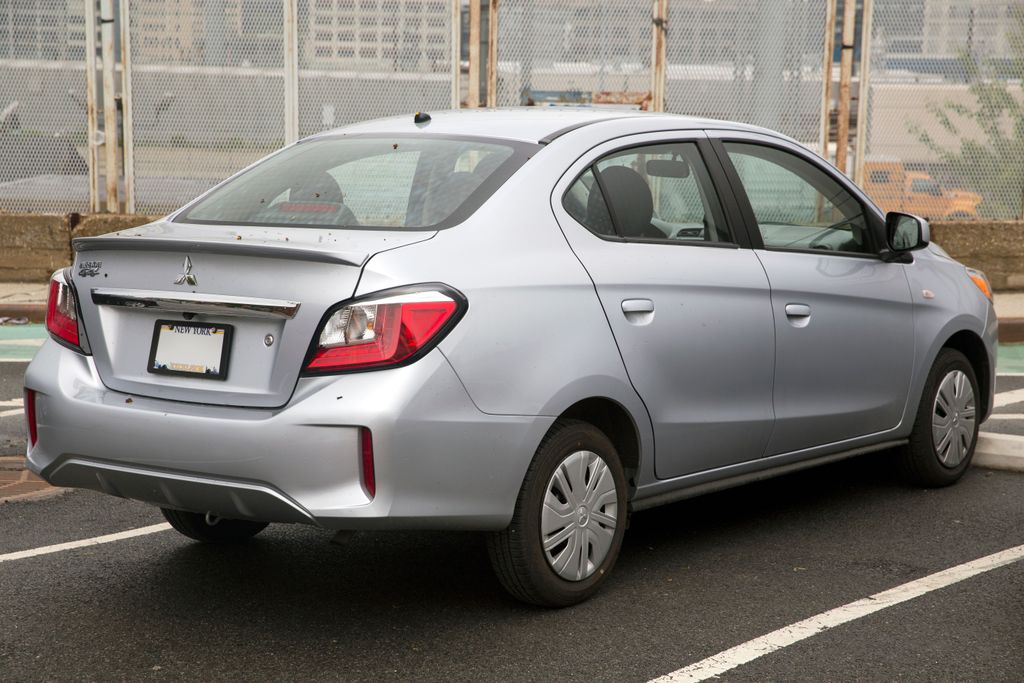
3. **Mitsubishi Mirage**The Mitsubishi Mirage, a small hatchback variant that shares its platform with the Mirage G4, appears prominently on our list with a high fatal accident rate, underscoring significant concerns about its occupant protection. Despite its reputation as an affordable and highly fuel-efficient city car, the iSeeCars study reports a fatal accident rate of 13.6 per billion vehicle miles, putting it at 4.8 times the average. This places it among the vehicles with the most frequent occupant fatalities, a stark contradiction to the perception of a simple, practical commuter.
Unlike some other vehicles on this list, the 2021 and 2022 models of the Mitsubishi Mirage have not faced any official recalls from the National Highway Traffic Safety Administration (NHTSA). However, its performance in independent crash safety ratings is profoundly troubling. The Insurance Institute for Highway Safety (IIHS) notably rated the Mirage poorly for driver lower leg and foot injury protection, indicating a significant vulnerability for occupants in a collision. Furthermore, the vehicle received only a moderate rating for its structural integrity, suggesting that its underlying design may not adequately withstand the forces of an impact.
These ratings highlight that while the Mirage might excel in areas like cost-effectiveness and maneuverability in urban environments, its fundamental crash safety remains a critical concern. As Karl Brauer remarked, it’s difficult to overcome basic physics, and when a compact hatchback like the Mirage collides with a larger vehicle, the smaller car consistently loses. This reality, combined with its modest structural integrity, means that while the Mirage might be kind to your wallet and the environment, it may not offer the robust protection that drivers and passengers truly need, making its high fatal accident rate a direct reflection of its inherent safety weaknesses.
Car Model Information: 2023 Mitsubishi Mirage Ralliart
Name: Mitsubishi Mirage
Caption: Mitsubishi Mirage (sixth generation)
Manufacturer: Mitsubishi Motors
Production: 1978–2003,2012–present
Class: Subcompact car
Layout: Front-engine, front-wheel-drive
Predecessor: Mitsubishi Lancer (A70)
Successor: Mitsubishi Lancer#Eighth generation (2000)
Categories: 1980s cars, 1990s cars, 2000s cars, 2010s cars, 2020s cars
Summary: The Mitsubishi Mirage is a range of cars produced by the Japanese manufacturer Mitsubishi from 1978 until 2003 and again since. The hatchback models produced between 1978 and 2003 were classified as subcompact cars, while the sedan and station wagon models, marketed prominently as the Mitsubishi Lancer, were the compact offerings. The liftback introduced in 1988 complemented the sedan as an additional compact offering, and the coupé of 1991 fitted in with the subcompact range. The current Mirage model is a subcompact hatchback and sedan and it replaces the Mitsubishi Colt sold between 2002 and 2012.
Get more information about: Mitsubishi Mirage
Buying a high-performing used car >>>
Brand: Mitsubishi Model: Mirage
Price: $16,980 Mileage: 11,832 mi.
Read more about: The 11 Best Small Cars for City Driving That Have a Turning Radius Under 30 Feet
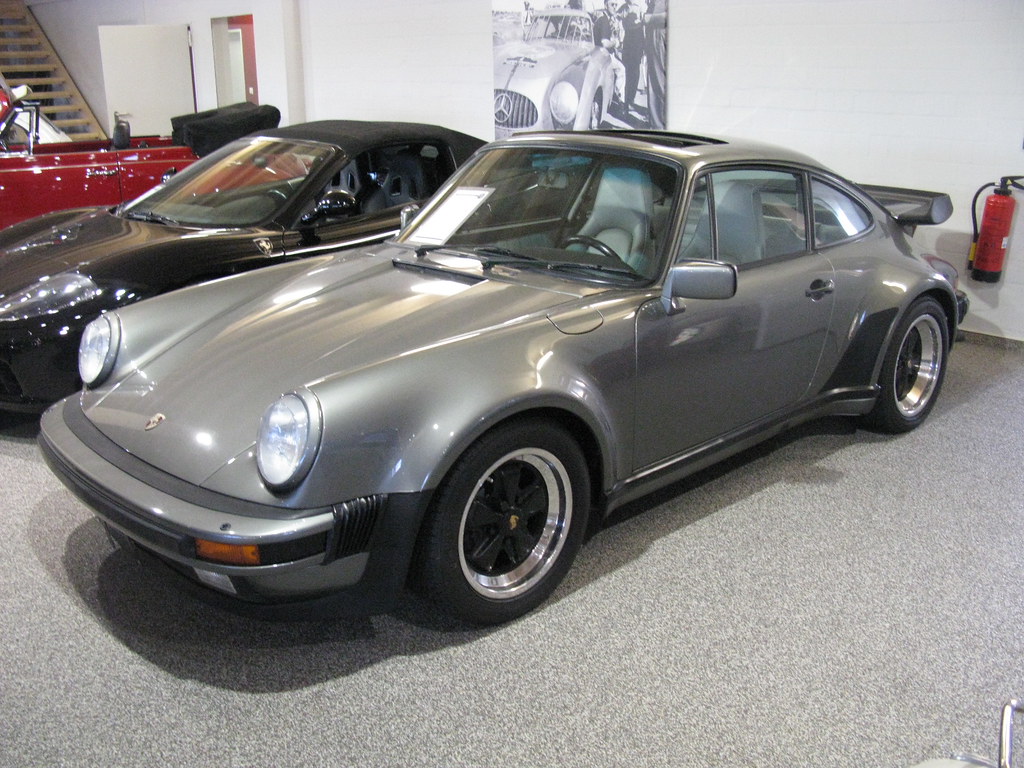
4. **Porsche 911**The Porsche 911 stands as an enduring symbol of luxury, sophisticated style, and exhilarating performance, embodying the pinnacle of automotive engineering for many enthusiasts. Yet, this icon of speed and precision also carries a dangerous reputation, registering a high fatal accident rate of 13.2 per billion vehicle miles—a rate 4.6 times the overall average. This places the 911 among the most perilous vehicles on the road, primarily linked to its immense power and the irresistible temptation for drivers to push its formidable capabilities to their absolute limits.
Even a marque as esteemed as Porsche is not immune to safety concerns and recalls. The 911 has faced several critical issues that impact occupant safety. Some models experienced problems with seatbelts failing to secure occupants properly, a defect that could have catastrophic consequences by leading to detachment during a crash. Such a failure compromises one of the most fundamental safety features in any vehicle, drastically increasing the risk of severe injury or fatality.
Additionally, certain 2020 and 2022 models of the Porsche 911 were recalled due to improper welding of the vehicle body. This manufacturing flaw directly reduces the car’s ability to protect its occupants in the event of an accident, as the structural integrity vital for absorbing impact forces is compromised. While the Porsche 911 undeniably delivers an unparalleled adrenaline rush with its powerful engine and razor-sharp handling, these documented safety lapses, combined with the encouragement of high-performance driving, underscore a crucial message: ownership demands exceptional responsibility and unwavering careful driving. After all, the allure of speed and elegant design offers no protection when fundamental safety structures are compromised or driver judgment falters.
Car Model Information: 2020 Porsche 911 Carrera
Name: Porsche 911
Caption: The 1 millionth 911 produced on display at Volkswagen Group Forum, Berlin
Designer: Ferdinand Alexander Porsche
Manufacturer: Porsche
Production: September 1964 – present
Assembly: Stuttgart,Baden-Württemberg
Class: Sports car
BodyStyle: unbulleted list
Related: unbulleted list
Layout: Rear-engine design,rear-wheel drive
Predecessor: Porsche 356
Categories: 1970s cars, 1980s cars, 1990s cars, 2+2 coupés, 2000s cars
Summary: The Porsche 911 model series (pronounced Nine Eleven or in German: Neunelf) is a family of German two-door, high performance rear-engine sports cars, introduced in September 1964 by Porsche AG of Stuttgart, Germany, and now in its eighth generation. All 911s have a rear-mounted flat-six engine, and usually 2+2 seating, except for special 2-seater variants. Originally, 911s had air-cooled engines, and torsion bar suspension, but the 911 has been continuously enhanced, and evolved across generations. Though the 911 core concept has remained largely unchanged, water-cooled engines were introduced with the 996 series in 1998, and front and rear suspension have been replaced by Porsche-specific MacPherson suspension up front, and independent multi-link rear suspension.
The 911 has been raced extensively by private and factory teams, in a variety of classes. It is among the most successful competition cars. In the mid-1970s, the naturally aspirated 911 Carrera RSR won world championship races including Targa Florio and the 24 Hours of Daytona. The 911-derived 935 turbo also won the 24 Hours of Le Mans in 1979. Porsche won the World Championship for Makes in 1976, 1977, 1978, and 1979 with 911-derived models.
In a 1999 poll to determine the Car of the Century, the 911 ranked fifth — one of two in the top five that had remained continuously in production (the original Beetle remained in production until 2003). The one millionth example was manufactured in May 2017 and is in the company’s permanent collection.
Get more information about: Porsche 911
Buying a high-performing used car >>>
Brand: Porsche Model: 911
Price: $119,980 Mileage: 8,387 mi.
Read more about: Bertone’s Bold Revival: A MotorTrend Deep Dive into the Enduring Legacy of Pop-Up Headlights
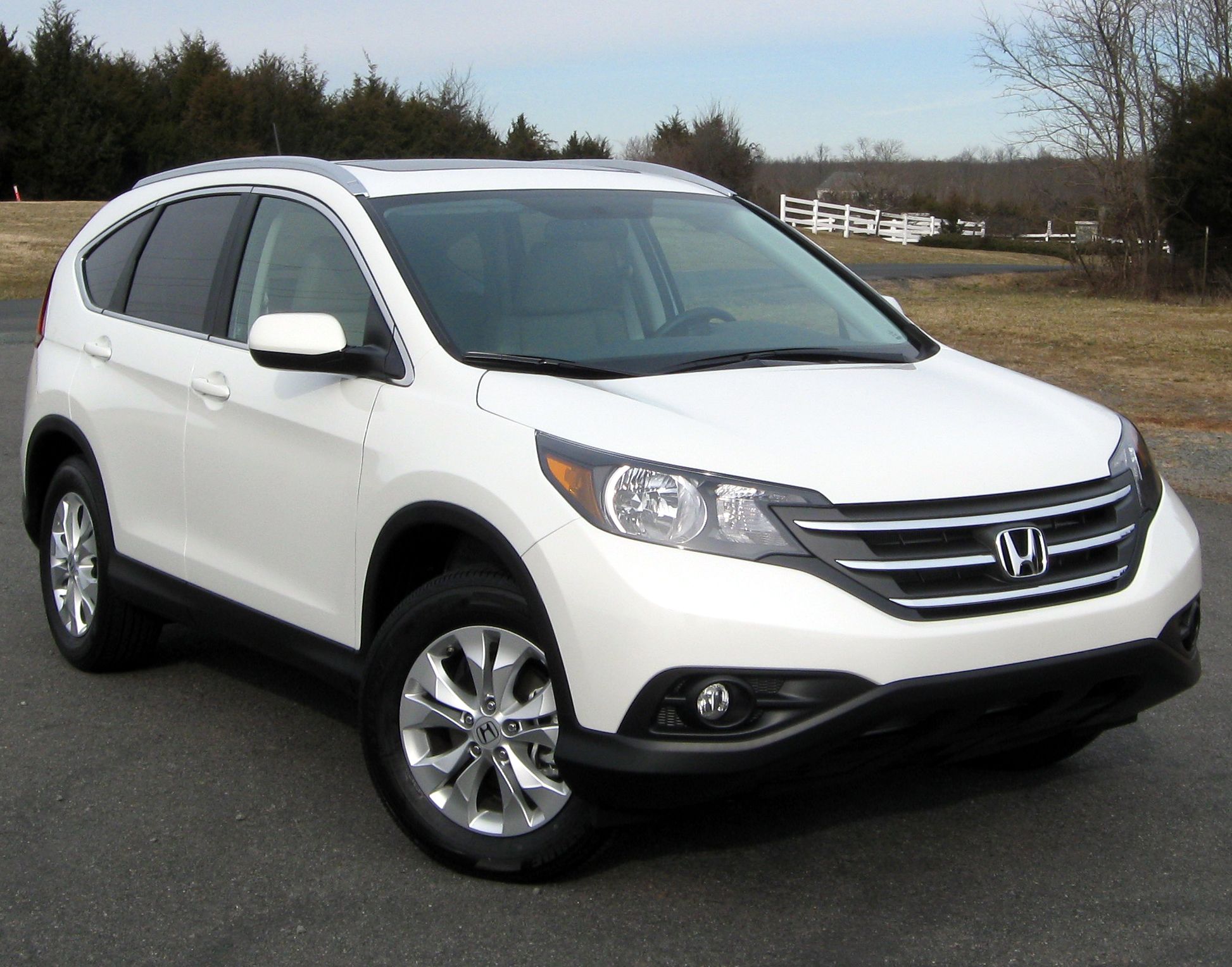
5. **Honda CR-V Hybrid**The Honda CR-V Hybrid represents a popular choice for many, expertly blending fuel efficiency, cutting-edge technology, and practical family-friendly design. It stands out in the crowded SUV market for its environmental benefits and versatility. However, despite its generally positive reception and modern features, its safety statistics reveal a concerning trend, with a high fatal accident rate of 13.2 per billion vehicle miles, which is 4.6 times the average vehicle rate. This places it among the top five most dangerous vehicles identified in the iSeeCars study.
While the 2022 Honda CR-V Hybrid has often garnered positive safety ratings in general assessments, a deeper dive into specific crash test outcomes reveals notable weaknesses, particularly concerning rear-seat occupant protection. The IIHS awarded the CR-V Hybrid a poor rating for rear passenger chest injury prevention, indicating a significant vulnerability for occupants in the back during certain types of collisions. Furthermore, it received only a moderate rating for head and neck protection for rear passengers, suggesting that even with advanced safety features, the design doesn’t provide optimal defense for all occupants. Conversely, it performed well in preventing driver injuries, highlighting an imbalance in its safety provisions.
As a popular hybrid SUV, its appeal remains strong due to its strong fuel efficiency and robust feature set. However, these specific shortcomings in rear-seat safety are critical areas that require attention. The CR-V Hybrid’s fatal accident rate suggests that despite its modern technological advancements and the inherent size advantage of an SUV, factors such as its specific design choices, the dynamics of a collision, and overall driving behavior collectively contribute to its elevated risk profile. This serves as a reminder that even family-oriented vehicles need meticulous safety evaluations extending beyond general ratings, especially when considering the protection of all passengers.
Car Model Information: 2022 Toyota Camry SE
Name: Honda CR-V ,(sixth generation)
Caption: 2024 Honda CR-V e:HEV Elegance
Manufacturer: Honda
ModelCode: unbulleted list
Aka: GAC Honda
Production: September 2022 – present
ModelYears: 2023–present
Assembly: unbulleted list
Designer: Mitsuhiro Abe
Class: Compact crossover SUV
BodyStyle: SUV
Platform: Honda HA
Related: unbulleted list
Engine: unbulleted list
Drivetrain: unbulleted list
Motor: Permanent magnet synchronous
Battery: ubl
ElectricRange: unbulleted list
Transmission: unbulleted list
Wheelbase: 2700 mm
Abbr: on (e:FCEV)
Length: unbulleted list
Order: flip (e:FCEV)
Width: 1866 mm
Height: convert
Weight: 4460 lb
Layout: Front-engine, front-wheel-drive,Front-engine, all-wheel-drive
Predecessor: Honda CR-V (fifth generation)
Categories: All Wikipedia articles written in British English, Articles with short description, CS1 Chinese-language sources (zh), CS1 Indonesian-language sources (id), CS1 Mexican Spanish-language sources (es-mx)
Summary: The sixth-generation Honda CR-V is a compact crossover SUV manufactured by Honda since 2022, replacing the fifth-generation CR-V. Like its predecessor, the sixth-generation CR-V is available in 5-seater and 7-seater configurations. The sixth-generation CR-V is based on the Honda Architecture (HA) platform shared with the eleventh-generation Civic.
Aside from a 1.5-litre turbocharged petrol engine option, the sixth-generation CR-V is available with three electrified powertrains globally, which are the 2.0-litre petrol with e:HEV/Hybrid power-split hybrid, 2.0-litre petrol with e:PHEV plug-in hybrid, and e:FCEV plug-in hybrid fuel cell.
Get more information about: Honda CR-V (sixth generation)
Buying a high-performing used car >>>
Brand: Honda Model: CR-V Hybrid
Price: $23,995 Mileage: 61,076 mi.
Read more about: The Definitive Guide to the Best 3-Row SUVs of 2025: Expert Rankings for Family-Focused Drivers
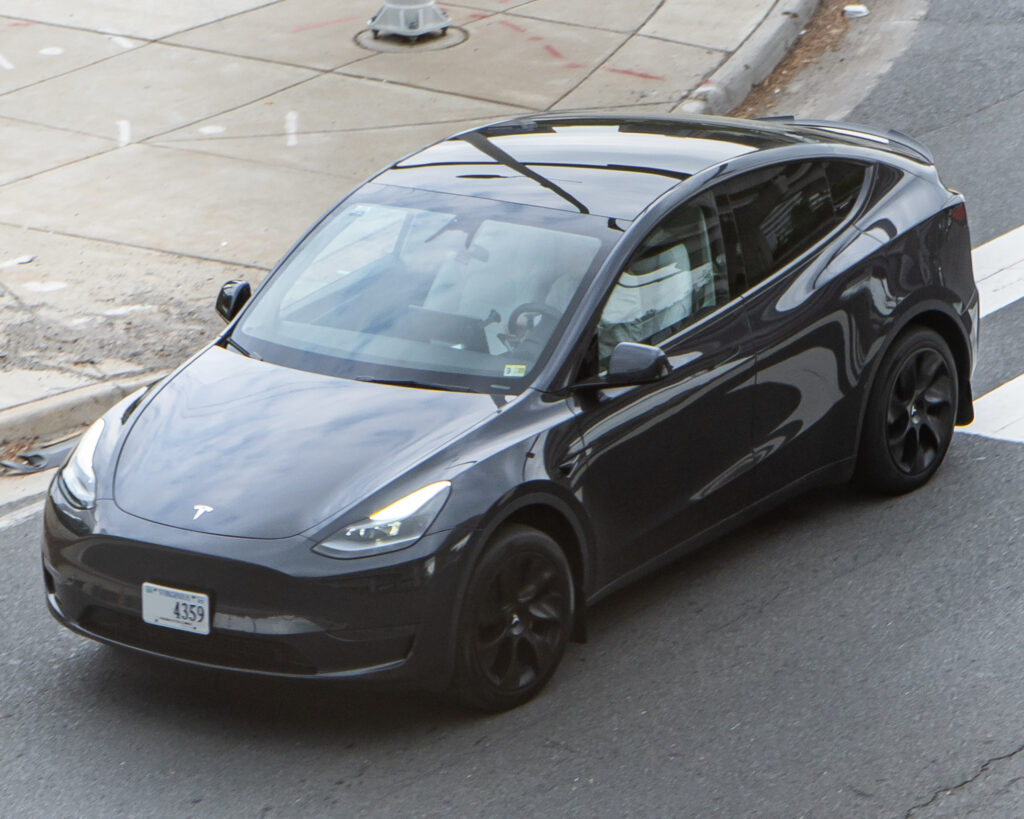
6. **Tesla Model Y**The Tesla Model Y has quickly become a modern favorite among electric vehicle enthusiasts, celebrated for its sleek, tech-forward design, impressive performance capabilities, and innovative features like Autopilot. Yet, this highly advanced electric SUV also appears prominently on our list, presenting a concerning high fatal accident rate of 10.6 per billion vehicle miles, which is 3.7 times the average. This statistic challenges the common perception that cutting-edge technology automatically equates to superior safety, highlighting the complex interplay of vehicle design, technology reliance, and critical driver behavior.
The 2022 Tesla Model Y has been the subject of an unusually high number of recalls—17 in total—addressing a range of serious defects. These included issues such as a hood that could unexpectedly unlatch while the vehicle was in motion, and seatbelt alerts that failed to activate, compromising fundamental occupant safety. More critically, several recalls targeted Tesla’s highly publicized self-driving system. These issues involved instances where the system failed to stop at stop signs, did not properly adhere to speed limits, and even navigated vehicles improperly into intersections. Such malfunctions with driver-assist technologies can undermine the very safety they are designed to enhance, creating potentially dangerous situations.
The Model Y’s powerful performance and sophisticated autonomous features can inadvertently foster overconfidence in drivers, leading to risky decisions on the road. While Teslas are equipped with an array of safety innovations, their high fatal accident rate serves as a stark reminder that even the most advanced technology cannot entirely eliminate the potential for human error, nor can it fully compensate for system malfunctions. Drivers of the Model Y, and indeed all vehicles, must prioritize caution, understanding that no technological feature, however advanced, can truly replace alert, responsible, and careful driving. This is particularly pertinent given that Tesla, as a brand, has been identified with the highest fatal accident rate among all car brands.
Car Model Information: 2022 Toyota Camry SE
Name: Tesla Model Y
Caption: Pre-refresh Tesla Model Y
Manufacturer: Tesla, Inc.
Production: January 2020 – present
Assembly: Unbulleted list
Designer: Franz von Holzhausen
Class: ubl
BodyStyle: SUV
Layout: Unbulleted list
Related: Unbulleted list
Motor: unbulleted list
Battery: val,Lithium-ion battery
ElectricRange: FTP-75
Charging: unbulleted list
Wheelbase: Unbulleted list
Length: Unbulleted list
Width: Unbulleted list
Height: Unbulleted list
Weight: Unbulleted list
Sp: us
Categories: 2020s cars, All Wikipedia articles written in American English, All articles lacking reliable references, All articles that may contain original research, All articles to be expanded
Summary: The Tesla Model Y is a battery electric compact crossover SUV produced by Tesla, Inc. since 2020. The vehicle was presented in March 2019 as the company’s fifth production model since its inception after the Roadster, Model S, Model X and Model 3.
After its 2019 introduction, the Model Y started production at the Tesla Fremont Factory in California, US in January 2020. Production at Giga Shanghai, China was added in December 2020, and at Gigafactory Texas, US since late 2021. Deliveries from Gigafactory Berlin-Brandenburg, Germany started in March 2022.
The Model Y is based on the Model 3 sedan and serves as a larger variant, with around 76 percent of parts being shared between the two and identical exterior and interior styling. While most Model Y are configured with two-row seating, in the US the Model Y offers optional third-row seats for a seven-passenger seating capacity.
In 2023, Tesla delivered 1.2 million Model Ys, making it the world’s best-selling vehicle that year, surpassing the Toyota Corolla and becoming the first electric vehicle to claim that title. With at least 2.16 million units delivered since its start of production up to December 2023, the Model Y is also the most popular electric vehicle of all time. In 2024 sales were second to the Toyota RAV4. A refreshed version of the Model Y was revealed in January 2025, with upgrades similar to the upgraded Model 3.
In mid-2025, Tesla unveiled and released the Model Y L, a long-wheelbase, six-seat variant of the Model Y.
Get more information about: Tesla Model Y
Buying a high-performing used car >>>
Brand: Tesla Model: Model Y
Price: $23,995 Mileage: 61,076 mi.
Read more about: Distress in Every Upgrade: 12 Luxury Cars Owners Would Happily Forget They Ever Owned
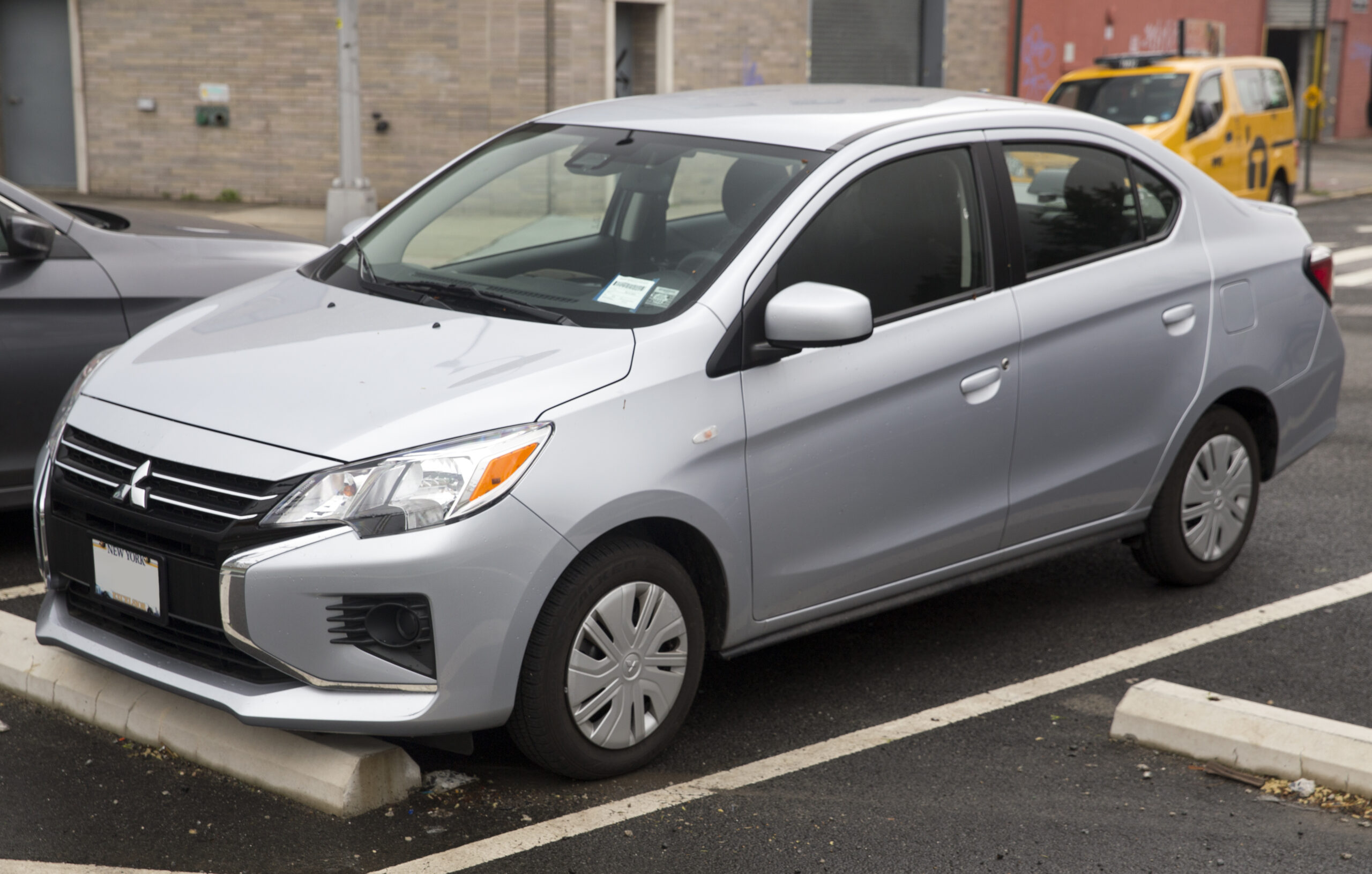
7. **Mitsubishi Mirage G4**The Mitsubishi Mirage G4, a subcompact sedan counterpart to the Mirage hatchback, is often chosen for its practicality, affordability, and excellent fuel efficiency, making it an attractive option for budget-conscious buyers. While the 2022 model year has a relatively clean recall record, with no reported recalls, its performance in fundamental crash safety tests presents notable and serious weaknesses. The iSeeCars study recorded a fatal accident rate of 10.1 per billion vehicle miles for the Mirage G4, placing it at 3.6 times the average, a figure that demands careful consideration from potential owners.
Crucially, the Insurance Institute for Highway Safety (IIHS) identified significant deficiencies in the Mirage G4’s crash safety. Their findings revealed that the vehicle’s structure and safety cage did not provide adequate protection in crashes. This structural weakness, initially noted in a 2014 model test, remains applicable to models produced between 2017 and 2024, indicating a persistent, unaddressed fundamental design flaw. Such a deficiency means that in the event of a collision, the vehicle’s framework, which is designed to absorb and redirect impact forces away from occupants, may not perform its function effectively, leaving passengers more vulnerable.
Despite its strong points in affordability and efficiency, these deeply rooted structural safety concerns cannot be overlooked. The Mirage G4’s high fatal accident rate, coupled with its documented structural vulnerabilities in crash tests, signals that while it might be easy on the wallet at the dealership and at the pump, it might not offer the robust protection expected in a modern vehicle. This situation reinforces the critical importance of researching a car’s crash test ratings and structural integrity, especially for smaller vehicles where fundamental design plays an even more significant role in occupant safety.
Car Model Information: 2022 Toyota Camry SE
Name: Mitsubishi Mirage
Caption: Mitsubishi Mirage (sixth generation)
Manufacturer: Mitsubishi Motors
Production: 1978–2003,2012–present
Class: Subcompact car
Layout: Front-engine, front-wheel-drive
Predecessor: Mitsubishi Lancer (A70)
Successor: Mitsubishi Lancer#Eighth generation (2000)
Categories: 1980s cars, 1990s cars, 2000s cars, 2010s cars, 2020s cars
Summary: The Mitsubishi Mirage is a range of cars produced by the Japanese manufacturer Mitsubishi from 1978 until 2003 and again since. The hatchback models produced between 1978 and 2003 were classified as subcompact cars, while the sedan and station wagon models, marketed prominently as the Mitsubishi Lancer, were the compact offerings. The liftback introduced in 1988 complemented the sedan as an additional compact offering, and the coupé of 1991 fitted in with the subcompact range. The current Mirage model is a subcompact hatchback and sedan and it replaces the Mitsubishi Colt sold between 2002 and 2012.
Get more information about: Mitsubishi Mirage
Buying a high-performing used car >>>
Brand: Mitsubishi Model: Mirage G4
Price: $23,995 Mileage: 61,076 mi.
Read more about: The 11 Best Small Cars for City Driving That Have a Turning Radius Under 30 Feet
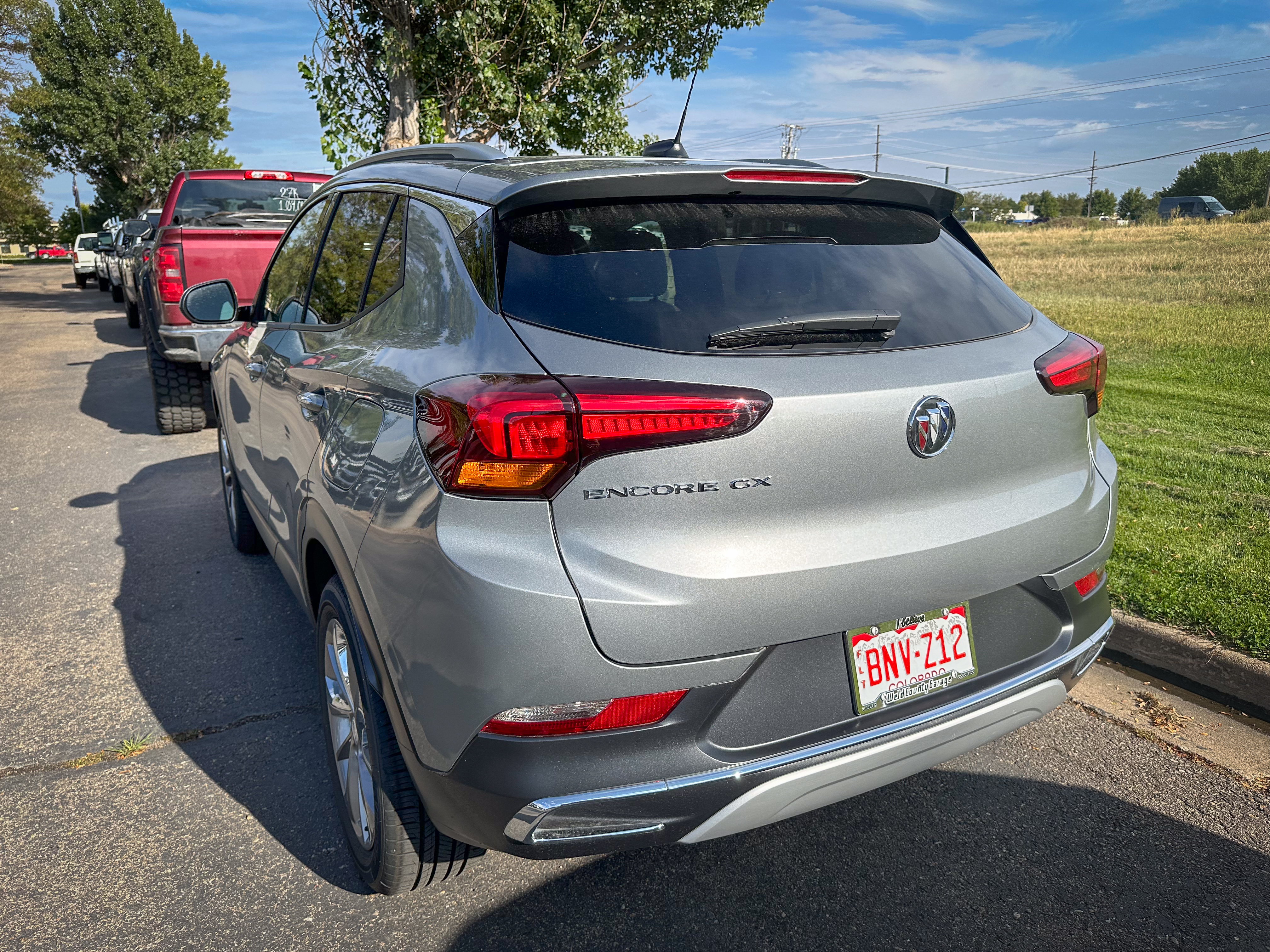
8. **Buick Encore GX**Moving further down our list of vehicles with concerning safety statistics, we encounter the Buick Encore GX. This model has garnered attention for its appealing design and a suite of features that cater to modern drivers, often seen as a comfortable and stylish compact SUV. However, a closer look at its fatal accident rate, which stands at 9.8 per billion vehicle miles—a striking 3.4 times higher than the average—reveals a significant paradox between its general perception and its real-world safety performance.
A particularly alarming issue for the Encore GX, affecting models from 2020 to 2022, involved a recall related to its emergency jack. This critical piece of roadside equipment was found to have the potential to fracture if not positioned with absolute precision. Such a defect could lead to the vehicle collapsing unexpectedly during a tire change or other roadside maintenance, transforming a routine task into a potentially life-threatening situation for occupants and anyone nearby. This specific recall underscores how even seemingly minor component flaws can have major safety ramifications.
Interestingly, despite these documented safety concerns and its elevated fatal accident rate, the 2022 Buick Encore GX received recognition as a Top Safety Pick by the Insurance Institute for Highway Safety (IIHS). This apparent contradiction highlights a broader point made by experts like Karl Brauer, suggesting that while vehicles might perform admirably in controlled crash tests, real-world outcomes are heavily influenced by a complex interplay of driver behavior and the diverse conditions encountered on the road. The Encore GX’s presence on this list serves as a potent reminder that a vehicle’s safety profile is a multifaceted equation, going beyond laboratory ratings.
The Encore GX’s classification as a compact SUV also places it within a vehicle segment where, despite their larger size compared to sedans, they can still be at a disadvantage in collisions with significantly larger vehicles like full-size trucks. While offering a higher driving position and a sense of security, the overall dynamics of a crash involving disparate vehicle sizes remain a crucial factor. Therefore, for those considering the Encore GX, a thorough understanding of its safety history, including both its strengths in crash tests and its specific recall issues, is essential for making an informed decision.
Car Model Information: 2022 Toyota Camry SE
Name: Buick Encore GX
Aka: ubl
Manufacturer: General Motors
Production: 2019–present
ModelYears: 2020–present (North America)
Assembly: ubl
Class: Subcompact crossover SUV
BodyStyle: Sport utility vehicle
Layout: ubl
Platform: General Motors VSS platforms#VSS-F
Related: Chevrolet Trailblazer (crossover)
Engine: unbulleted list
Transmission: ubl
Wheelbase: 2595 mm
Abbr: on
Length: 4354 mm
Width: 1813 mm
Height: 1629 mm
Categories: 2020s cars, All Wikipedia articles written in American English, Articles with Chinese-language sources (zh), Articles with short description, Buick vehicles
Summary: The Buick Encore GX is a subcompact crossover SUV built by General Motors starting in 2019. Like the smaller Encore and the related Chevrolet Trailblazer, the Encore GX is manufactured by GM Korea. In China, it is manufactured by the SAIC-GM joint venture.
Get more information about: Buick Encore GX
Buying a high-performing used car >>>
Brand: Buick Model: Encore GX
Price: $23,995 Mileage: 61,076 mi.
Read more about: Unveiling the 11 Essential Maintenance Checks Mechanics Perform to Keep Your Luxury Sedan in Peak Condition
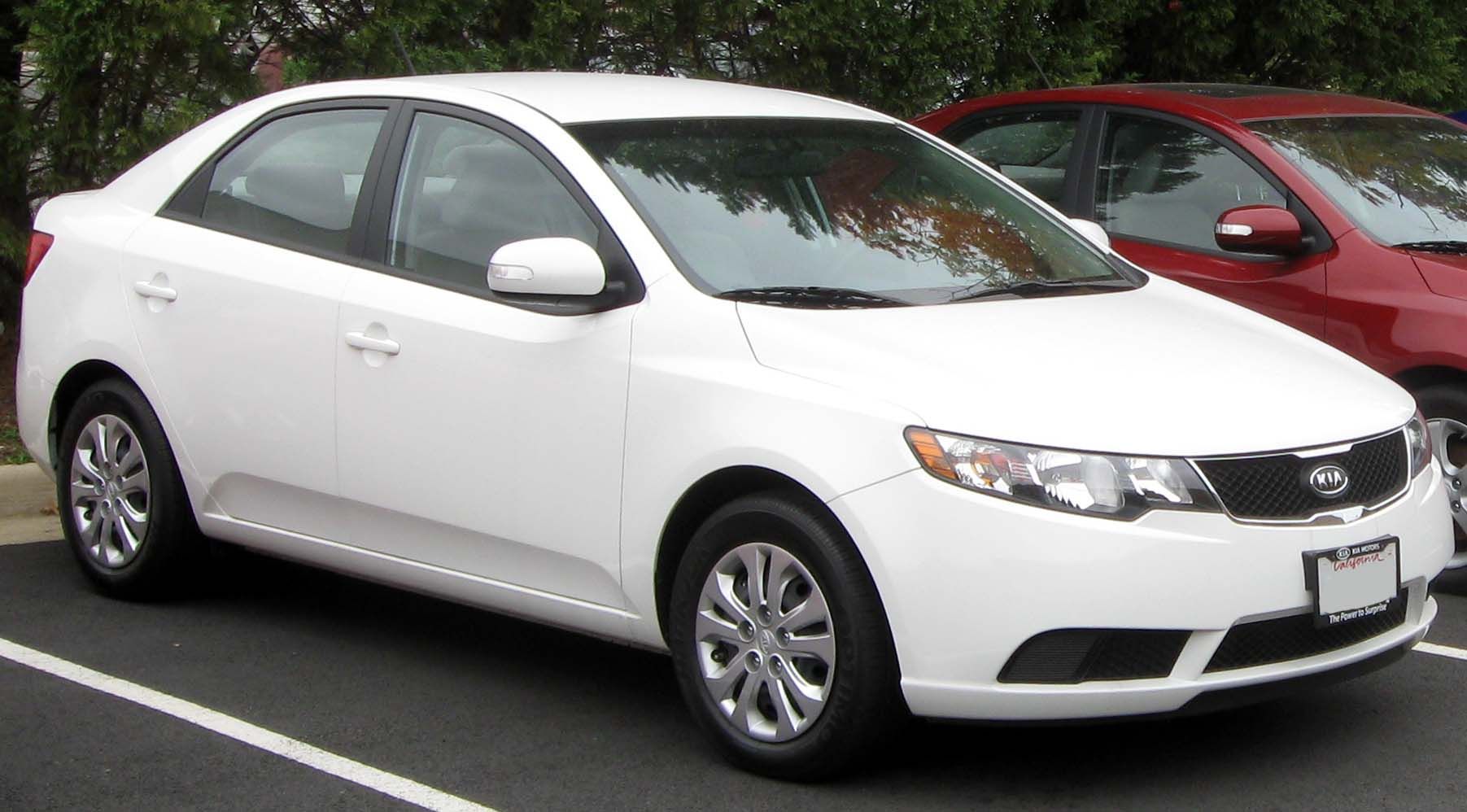
9. **Kia Forte**Next up on our unsettling roster is the Kia Forte, a compact sedan that has long been a popular choice for its affordability, fuel efficiency, and practical design. Despite its widespread appeal and solid sales figures, the Forte carries a fatal accident rate of 8.1 per billion vehicle miles, a figure 2.9 times higher than the overall average. This places it firmly among the vehicles with a disproportionately high involvement in fatal crashes, urging potential owners to look beyond its attractive price point.
A critical safety concern for the Kia Forte involved a recall in 2021 and 2022 models. This recall addressed an issue with improperly secured bolts within the steering column. The implications of such a defect are severe: should this crucial bolt detach, drivers could experience a sudden and complete loss of control over their vehicle. Imagine navigating traffic or a sharp turn only to have your steering suddenly compromised—the risk of a catastrophic accident in such a scenario is incredibly high, making this a particularly grave safety lapse.
Given the Forte’s strong market presence as a budget-friendly and widely sold compact sedan, the gravity of this steering column defect becomes even more pronounced. A large number of vehicles on the road carrying such a fundamental safety vulnerability naturally escalates the overall risk across the driving population. It exemplifies how manufacturing precision is paramount, and even a single improperly secured component can undermine the perceived reliability and safety of an entire model line, demanding immediate and serious attention from both manufacturers and consumers.
The Kia Forte’s high accident rate, coupled with this significant mechanical flaw, reinforces the notion that popularity and economy do not always equate to optimal safety. While practical for many, these documented issues suggest that buyers need to delve deeper than initial impressions or popularity contests when making a vehicle choice. Prioritizing rigorous safety checks and understanding recall histories are non-negotiable steps to ensure peace of mind on the road, especially with a car that has seen such a critical safety alert.
Car Model Information: 2024 Kia Forte LXS
Name: Kia Forte
Manufacturer: Kia
Aka: Kia Cerato,Kia K3 (South Korea and China)
Production: 2008–2024
Class: Compact car
Layout: Front-engine, front-wheel drive layout
Related: Kia Ceed,Hyundai Elantra
Predecessor: Kia Cerato,Kia Spectra
Successor: Kia K4 (2024)
Categories: 2010s cars, ANCAP small family cars, All Wikipedia articles written in British English, All articles with dead YouTube links, All articles with dead external links
Summary: The Kia Forte (Korean: 기아 포르테), known as the K3 in Asia, the Forte K3 or Shuma in China and Cerato in South America, Australia, New Zealand and Russia, is a compact car manufactured by South Korean automaker Kia from mid-2008 until 2024, replacing the Kia Spectra. Throughout its production, it was available in two-door coupe, four-door sedan, five-door hatchback variants. It was not sold in Europe, which got the similarly sized Kia Ceed (except for Russia and Ukraine, where the Ceed and the Forte were sold together).
In some markets, such as Korea, Australia and Brazil, the Forte is marketed as Kia Cerato, replacing its predecessor of the same name. In Colombia and Singapore, the name Cerato Forte was used for the second generation, while Naza Automotive Manufacturing of Malaysia has assembled the vehicle since 2009, selling it there under the name Naza Forte.
Production of the Forte ended in 2024 and it was replaced by the K4, as Kia realigned their passenger car nomenclature, with the K3 name being transferred to a subcompact car replacing the Kia Rio.
Get more information about: Kia Forte
Buying a high-performing used car >>>
Brand: Kia Model: Forte
Price: $18,490 Mileage: 25,862 mi.
Read more about: Think Smart: 10 Budget Small Cars – Why Some Are Reliability Legends While Others Are Best Avoided in 2026
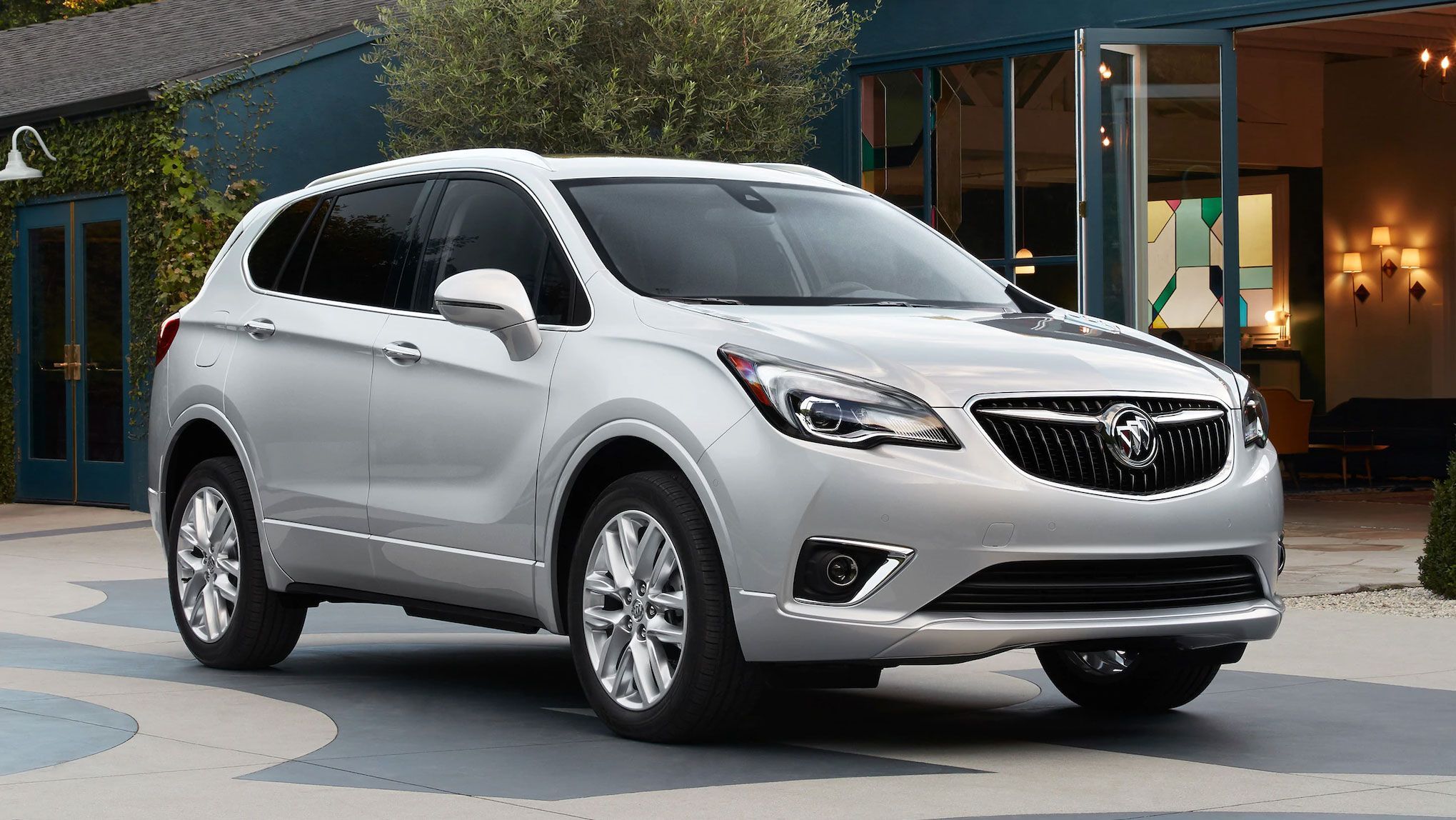
10. **Buick Envision**The Buick Envision, often positioned as a luxurious and refined compact SUV, might seem an unlikely candidate for a list detailing high fatal accident rates. Yet, it sits at 8.0 fatal accidents per billion vehicle miles, a rate 2.8 times higher than the average, indicating a safety profile that warrants serious scrutiny. This elevated statistic challenges the common assumption that premium vehicles inherently offer superior protection, pushing us to examine the specific issues contributing to its concerning record.
One significant safety issue for the 2021 Buick Envision stemmed from a major recall concerning the airbag malfunction indicator. This critical warning light is designed to alert drivers to potential problems within the airbag system, which are paramount for occupant protection during a collision. However, the defect meant that drivers were not properly notified of these issues, leaving them unknowingly vulnerable. In the event of an accident, a compromised airbag system dramatically increases the risk of severe injuries or fatalities, turning a key safety feature into a potential failure point.
Further compounding the Envision’s safety concerns, certain models also faced a recall related to exterior lighting issues. Proper vehicle lighting is fundamental for visibility, especially during nighttime driving or adverse weather conditions. Flaws in this system can significantly reduce a driver’s ability to see and be seen, thereby increasing the risk of nighttime crashes. Such deficiencies illustrate how even seemingly non-structural issues can have a direct and dangerous impact on a vehicle’s overall safety, contributing to its troubling accident statistics.
The combination of a non-functional airbag indicator and faulty exterior lighting creates a double jeopardy scenario for Envision drivers, potentially compromising both crash prevention and occupant protection. While its luxury compact SUV status might suggest robust safety, these recalls paint a different picture, emphasizing that continuous manufacturer vigilance and prompt addressing of defects are crucial. For consumers, this highlights the necessity of checking recall databases, even for vehicles perceived as high-quality, to ensure that all safety systems are functioning as intended.
Car Model Information: 2024 Buick Envision Preferred AWD
Name: Buick Envision
Manufacturer: Buick
Production: 2014–present
ModelYears: 2016–present (North America)
Assembly: Yantai
Class: Compact crossover SUV
BodyStyle: Sport utility vehicle
Layout: Front-engine, front-wheel-drive layout
Categories: 2010s cars, All-wheel-drive vehicles, All Wikipedia articles in need of updating, Articles with short description, Buick vehicles
Summary: The Buick Envision is a compact crossover SUV manufactured by General Motors and marketed under the Buick brand since 2014. It is exclusively manufactured in China by the SAIC-GM joint venture, supplying the Chinese and North American markets.
Get more information about: Buick Envision
Buying a high-performing used car >>>
Brand: Buick Model: Envision
Price: $31,053 Mileage: 100 mi.
Read more about: Beyond the Crash: Unpacking the 14 Most Costly Automotive Safety Fails That Shook the Industry
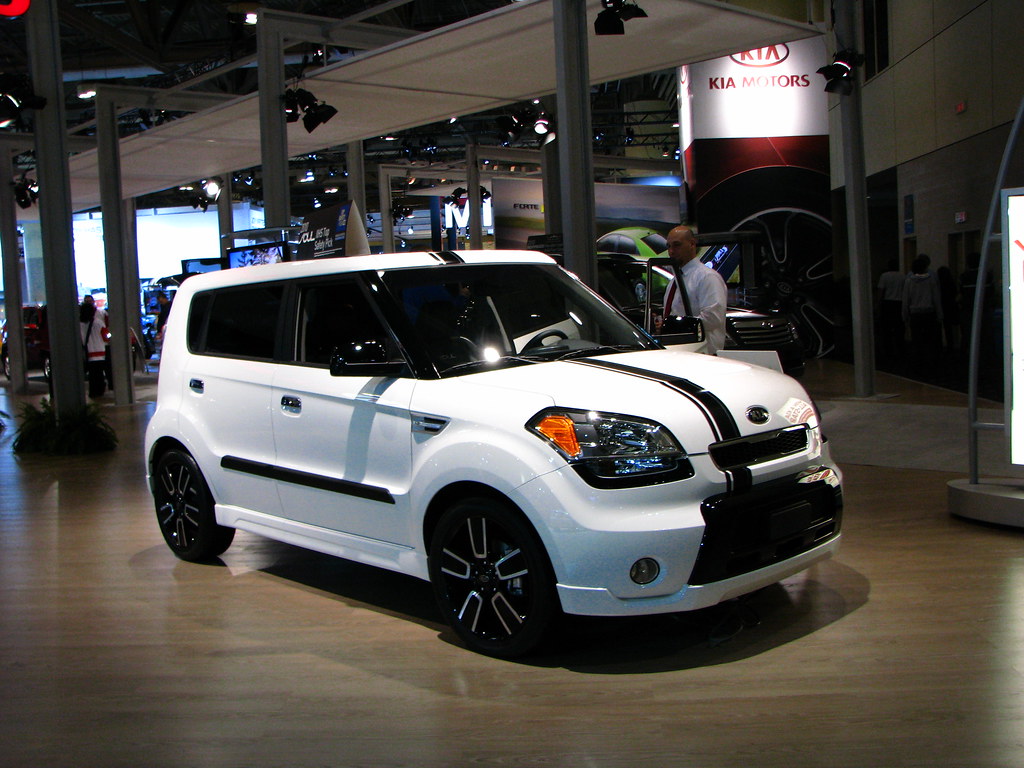
11. **Kia Soul**The Kia Soul, with its distinctive boxy design and reputation as a versatile and affordable compact car, also finds itself on our list of vehicles with elevated fatal accident rates. While the 2022 model year has, at the time of study, avoided recalls, earlier iterations from 2020 and 2021 reveal a concerning mechanical flaw that likely contributes to its safety record. The Soul recorded 7.3 fatal accidents per billion vehicle miles, a rate 2.6 times the average, prompting a deeper look into its historical performance.
For the 2020 and 2021 models, a significant issue arose with the piston oil rings, leading to potential engine damage. An engine malfunction can have severe consequences, including sudden loss of power while driving, which is inherently dangerous and can quickly lead to an accident. Furthermore, engine problems, particularly those involving oil, carry an increased risk of vehicle fires. These types of failures, though not directly crash-related, create circumstances that dramatically elevate the likelihood of a collision or other severe incident, potentially contributing to its overall fatal accident statistics.
The compact size and affordability of the Kia Soul, while appealing to a broad demographic, may also play a role in its higher accident rate. Smaller vehicles, as Karl Brauer noted, are at a distinct disadvantage in collisions with larger, heavier vehicles. Even with modern safety engineering, the laws of physics are difficult to overcome when a compact car meets a full-size pickup or SUV. This inherent size disparity, combined with potential engine issues, could explain why the Soul experiences a disproportionate number of fatal outcomes in crashes.
Therefore, for drivers attracted to the Kia Soul’s unique styling and practical nature, it becomes imperative to consider its full safety history, not just its current model year. Understanding the risks associated with its size, especially in a world dominated by larger SUVs and trucks, alongside past mechanical vulnerabilities, allows for a more comprehensive assessment. Safety extends beyond airbags and crash structures; it encompasses the reliability of core components and the inherent dynamics of vehicle size on the road.
Car Model Information: 2024 Kia Soul LX
Name: Kia Soul
Caption: 2023 Kia Soul GT Line
Manufacturer: Kia
Production: 2008–2025
Class: Subcompact crossover SUV
BodyStyle: hatchback
Layout: Front-engine, front-wheel-drive
ModelYears: 2010–2025
Categories: 2010s cars, All articles with dead external links, All articles with unsourced statements, Articles containing Korean-language text, Articles with dead external links from December 2017
Summary: The Kia Soul (Korean: 기아 쏘울) is a subcompact crossover SUV manufactured and marketed by Kia since 2008. Often described and marketed as a crossover since its introduction, the Soul is a hatchback with a box proportion and tall roof, which are designed to maximize its interior space. Despite its SUV-like styling, the Soul was never available with all-wheel drive, instead it is exclusively a front-wheel drive vehicle.
The Soul first appeared in 2006 in the form of a concept model displayed at the North American International Auto Show in Detroit. The production model made its debut at the Paris Motor Show in 2008. During its introduction, Kia stated that the Soul is aimed at the North American market, and targeted towards buyers in the 18 to 35-year old range.
The second-generation model was introduced in 2013 for the 2014 model year, which featured a larger exterior and interior dimensions along with a reworked chassis, while keeping its boxy styling. The Soul is currently in its third generation, which was introduced in 2018 for the 2019 model year. Since 2014, Kia has also marketed a battery electric variant as the Soul EV.
The name “Soul” comes from the homophone of Seoul, the city that hosts Kia’s headquarters.
On October 6, 2025, Kia announed that production of the Soul will end later in the month.
Get more information about: Kia Soul
Buying a high-performing used car >>>
Brand: Kia Model: Soul
Price: $17,190 Mileage: 56,534 mi.
Read more about: Engineering Eyesores: 14 Ford Models with the Most Confusing and Awful Styling of All Time
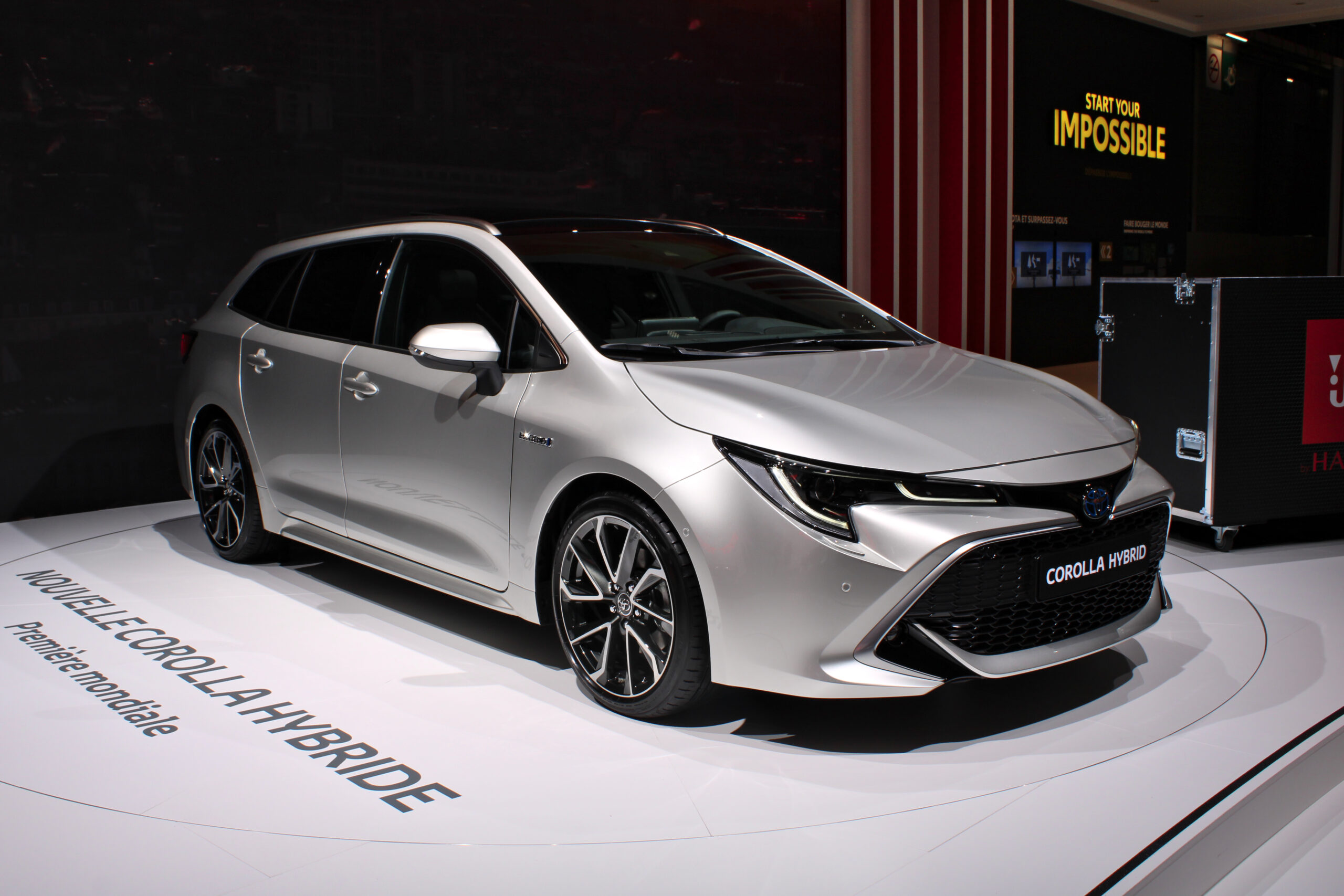
12. **Toyota Corolla Hybrid**The Toyota Corolla Hybrid, a variant of one of the world’s most ubiquitous and reliable cars, often lauded for its efficiency and eco-friendliness, also registers a significant fatal accident rate. Despite its reputation for safety and being an IIHS top safety pick, it comes with a rate of 7.3 fatal accidents per billion vehicle miles, 2.6 times the average. This statistic compels us to look beyond its general accolades and consider the nuances that contribute to its elevated risk profile, particularly given its hybrid nature.
One specific area of concern for the Corolla Hybrid, despite its overall strong safety ratings, is its seatbelt reminder system, which received only a “marginal” rating from the IIHS. While not a direct structural flaw, an ineffective or easily ignored seatbelt reminder can have serious implications. Seatbelts are arguably the most crucial passive safety feature in a vehicle, and any factor that discourages or delays their use can directly contribute to higher fatality rates in the event of a collision. This subtle deficiency highlights that even minor details in safety systems can have a profound impact.
As a hybrid model, the Corolla Hybrid is meticulously engineered for fuel efficiency, which often translates to a focus on lightweight construction. While this is beneficial for reducing emissions and improving mileage, it can also make the vehicle more vulnerable in high-impact collisions, especially when pitted against larger, heavier vehicles. The fundamental principle that “the smaller car always loses” in a collision with a larger vehicle remains pertinent, even for a technologically advanced and generally safe compact car like the Corolla Hybrid.
Thus, while the Toyota Corolla Hybrid represents a sensible choice for its economy and environmental benefits, its presence on this list underscores the ongoing challenges in achieving universal safety across all vehicle types. Drivers should be particularly mindful of the implications of its lighter frame in severe accidents and ensure that all occupants are consistently using their seatbelts correctly. This situation serves as a powerful reminder that robust safety involves both innovative design and diligent occupant practices, especially for vehicles prioritizing efficiency and compactness.
Car Model Information: 2022 Toyota Camry SE
Name: Toyota Corolla
Caption: Twelfth generation model (2020, hatchback)
Manufacturer: Toyota
Aka: unbulleted list
Production: November 1966 – present
Class: unbulleted list
Predecessor: Toyota Publica
Categories: 1970s cars, 1980s cars, 1990s cars, 2000s cars, 2010s cars
Summary: The Toyota Corolla (Japanese: トヨタ・カローラ, Hepburn: Toyota Karōra) is a series of compact cars (formerly subcompact) manufactured and marketed globally by the Japanese automaker Toyota Motor Corporation. Introduced in 1966, the Corolla has been the world’s best-selling automobile of all time since 1997, when it surpassed the Volkswagen Beetle. Toyota reached the milestone of 50 million Corollas sold over twelve generations in 2021.
The name Corolla is part of Toyota’s naming tradition of using names derived from the Toyota Crown for sedans, with “corolla” Latin for “small crown”. The Corolla has always been exclusive in Japan to Toyota Corolla Store locations, and manufactured in Japan with a twin, called the Toyota Sprinter until 2000. From 2006 to 2018 in Japan and much of the world, and from 2018 to 2020 in Taiwan, the hatchback companion had been called the Toyota Auris.
Early models were mostly rear-wheel drive, while later models have been front-wheel drive. Four-wheel drive versions have also been produced, and it has undergone several major redesigns. The Corolla’s traditional competitors have been the Nissan Sunny, introduced the same year as the Corolla in Japan and the later Nissan Sentra, Subaru Leone, Honda Civic and Mitsubishi Lancer. The Corolla’s chassis designation code is “E”, as described in Toyota’s chassis and engine codes.
Get more information about: Toyota Corolla
Buying a high-performing used car >>>
Brand: Toyota Model: Corolla Hybrid
Price: $23,995 Mileage: 61,076 mi.
Read more about: The Hidden Cost: 14 Popular Trucks and Vehicles Prone to Major Repairs Before 100,000 Miles

13. **Chevrolet Camaro**The Chevrolet Camaro, an enduring symbol of American muscle and performance, exudes power and style with its sleek design and formidable engine. However, much like its direct competitor, the Dodge Charger, it appears on our list with a fatal accident rate of 7.3 per billion vehicle miles, 2.6 times the average. While the 2022 model received a strong reliability score from J.D. Power and has had no major recalls, its high fatality rate points to a different, yet equally critical, safety factor: driver behavior.
The core essence of the Camaro, with its high-horsepower engine and dynamic handling, is to deliver an exhilarating driving experience. This very characteristic, however, can inadvertently encourage aggressive driving behaviors. The thrill of speed and rapid acceleration can tempt drivers to push the vehicle’s limits, engage in risky maneuvers, or exceed safe speeds, particularly on open roads. It’s a scenario where the vehicle’s capabilities, rather than a design flaw, become a significant contributor to increased accident risk.
As Karl Brauer has pointed out, “the biggest contributor to occupant safety is avoiding a crash, and the biggest factor in crash avoidance is driver behavior.” This statement resonates particularly strongly with performance vehicles like the Camaro. Even with robust safety features and strong reliability, if the driver chooses to operate the vehicle in an unsafe manner, the inherent risks escalate dramatically. The vehicle itself may be sound, but its design can inadvertently foster a driving style that is inherently more dangerous.
Therefore, for enthusiasts drawn to the Chevrolet Camaro’s iconic status and performance prowess, the imperative of responsible driving cannot be overstated. Owning such a powerful machine comes with an elevated responsibility to exercise caution and adhere to traffic laws. The Camaro’s presence on this list is a stark reminder that while engineering provides the potential for safety, the ultimate realization of that safety lies firmly in the hands of the driver, making judicious choices behind the wheel paramount.
Car Model Information: 2023 Chevrolet Camaro 1LT
Name: Chevrolet Camaro
Manufacturer: Chevrolet
Production: 1966–2002,2009–2023
ModelYears: 1967–2002,2010–2024
Class: Pony car
BodyStyle: coupe,convertible
Platform: GM F platform,GM Zeta platform,GM Alpha platform
Layout: Front-engine, rear-wheel-drive layout
Categories: 1970s cars, 1980s cars, 1990s cars, 2+2 coupés, 2000s cars
Summary: The Chevrolet Camaro is a mid-size American automobile manufactured by Chevrolet, classified as a pony car. It first went on sale on September 29, 1966, for the 1967 model year and was designed to compete with the Ford Mustang. The Camaro shared its platform and major components with the Firebird, produced by General Motors’ Pontiac division that was also introduced for the 1967 model year.
Four distinct generations of the Camaro were developed before production ended in 2002. The nameplate was revived on a concept car that evolved into the fifth-generation Camaro; production started on March 16, 2009.
Production of the sixth generation of the Camaro ended in December 2023, for the 2024 model year.
Get more information about: Chevrolet Camaro
Buying a high-performing used car >>>
Brand: Chevrolet Model: Camaro
Price: $26,221 Mileage: 48,869 mi.
Read more about: 11 Cars So Problematic, Owners Are Seriously Wishing for an ‘Insurance Event’ (If You Catch Our Drift)
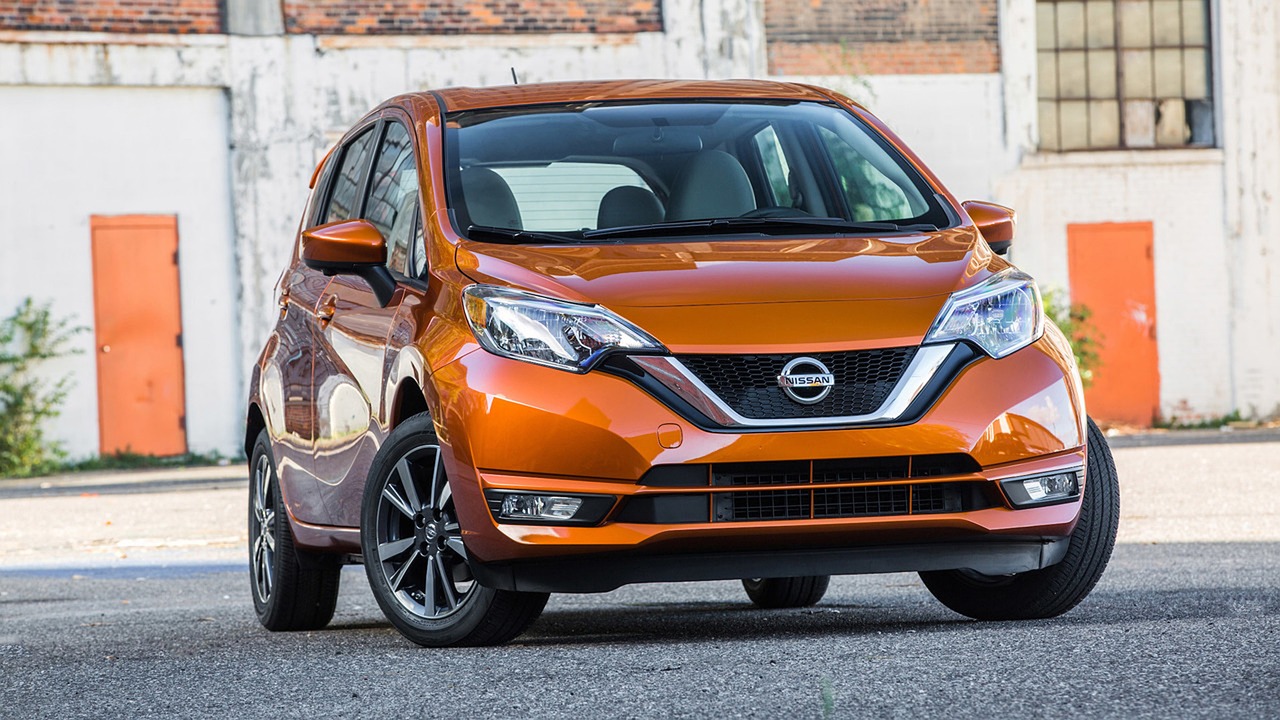
14. **Nissan Versa**Rounding out our list of vehicles with the highest fatal accident rates is the Nissan Versa, a subcompact sedan widely celebrated for its affordability and efficiency, even earning accolades like the Consumers Digest “Best Buy Award.” Despite these commendations, the Versa has seen a concerning number of fatal crashes, registering 7.2 fatal accidents per billion vehicle miles, 2.5 times the average. This statistic raises fundamental questions about its real-world safety performance, especially considering its target demographic.
The Versa’s budget-friendly pricing and economical operation make it a particularly attractive option for first-time car buyers, students, and those with tighter budgets. While this makes it accessible, it also means it may disproportionately attract less-experienced drivers. Statistically, newer drivers are often more prone to accidents due to a lack of experience, slower hazard perception, and sometimes, a greater propensity for risky driving behaviors. This demographic factor, combined with the vehicle’s compact size, could significantly influence its high fatal accident rate.
Furthermore, as a subcompact sedan, the Nissan Versa inherently faces the same physical challenges as other small cars when involved in collisions with larger vehicles. The “smaller car always loses” principle, often cited by experts, underscores that even with modern safety features, a significant disparity in size and weight can lead to more severe outcomes for occupants of the smaller vehicle. This physical vulnerability, coupled with the potential for less experienced drivers behind the wheel, creates a heightened risk scenario for the Versa.
Therefore, for consumers considering the Nissan Versa, it is crucial to balance its undeniable practicality and affordability with a thorough understanding of its safety profile. Beyond crash test ratings, factors such as the typical driver demographic and the inherent physics of smaller vehicles in collisions must be carefully weighed. Ultimately, while the Versa offers an economical entry into vehicle ownership, drivers—especially those new to the road—must commit to exceptionally cautious and attentive driving to mitigate the elevated risks associated with this model.
Car Model Information: 2021 Nissan Versa 1.6 S
Categories: All set index articles, Articles with short description, CS1 Mexican Spanish-language sources (es-mx), CS1 Portuguese-language sources (pt), CS1 Spanish-language sources (es)
Summary: Nissan Versa is an automobile nameplate used by the Japanese manufacturer Nissan in the Americas for the following models:
According to a Nissan press release in 2008, “versa” is short for “versatile space” meant to imply the spaciousness of the interior and configurable cargo arrangements.
Get more information about: Nissan Versa
Buying a high-performing used car >>>
Brand: Nissan Model: Versa
Price: $13,741 Mileage: 42,593 mi.
Read more about: 11 Cars So Problematic, Owners Are Seriously Wishing for an ‘Insurance Event’ (If You Catch Our Drift)
As we conclude our journey through the “Unsafe Hall of Fame,” the insights gleaned from these vehicles paint a complex and often counter-intuitive picture of automotive safety. What becomes undeniably clear is that the journey to safer roads is a shared responsibility, extending far beyond the manufacturers’ design tables and the crash test facilities. While advancements in engineering have made modern cars incredibly protective, the human element—our choices, our vigilance, and our respect for the road’s unpredictable nature—remains the most critical determinant of safety. Whether behind the wheel of a high-performance sports car, a family-friendly SUV, or an economical compact sedan, understanding a vehicle’s specific vulnerabilities and prioritizing responsible driving are paramount. This comprehensive look at high-fatality models serves not to instill fear, but to empower every driver with the knowledge needed to make informed decisions, ensuring that our pursuit of mobility is always tempered with an unwavering commitment to safety, for ourselves and for everyone else sharing the journey.


