The automotive industry is in a perpetual state of evolution, constantly pushing the boundaries of performance, efficiency, and stylistic innovation. Yet, beneath the veneer of attractive designs and powerful engines, one fundamental aspect consistently holds the highest priority for consumers: safety. No one purchases a brand-new vehicle with the intention of becoming a crash test dummy; rather, the expectation is a reliable cocoon of protection, acknowledging that while accidents are undesirable, they are an inherent risk on our roadways. This critical need for safety is precisely why respected independent bodies, such as the National Highway Traffic Safety Administration (NHTSA) and the Insurance Institute for Highway Safety (IIHS), conduct rigorous evaluations, unearthing vital information about vehicle safety that can profoundly influence outcomes in real-world collisions.
These comprehensive evaluations extend far beyond superficial appearances, often revealing surprising truths about vehicle resilience. It’s a common misconception that a vehicle’s sheer size, ruggedness, or aggressive stance automatically translates into superior crash protection. The reality, as demonstrated by countless tests, can be quite different: some larger vehicles regrettably perform poorly, while certain smaller cars paradoxically excel. This serves as a powerful reminder that making informed decisions is paramount when acquiring a new or pre-owned vehicle, and a thorough understanding of crash test results is an indispensable component of that process. Regrettably, not every make and model manages to pass these stringent assessments with the distinction consumers hope for.
In this comprehensive article, we embark on an in-depth examination of 12 specific car models that, across various model years, have exhibited concerningly underwhelming performance in critical safety tests. These vehicles, encompassing a range of categories from compact city cars to more robust offerings, underscore the persistent challenges in automotive design and the ongoing imperative for manufacturers to rigorously prioritize occupant protection. Join us as we navigate the key findings from these crucial tests, meticulously detailing structural integrity issues, identifying potential injury risks, and discussing the broader implications for any individual considering these models for their daily commute, family transport, or recreational pursuits.
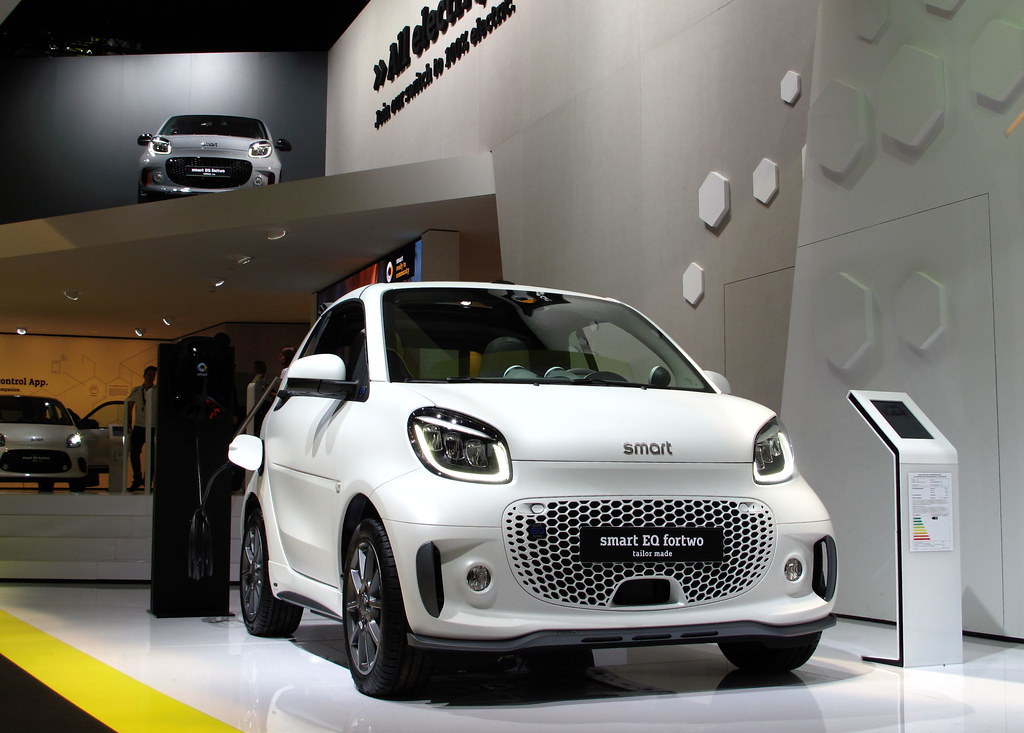
1. **Smart ForTwo**The Smart ForTwo, a vehicle celebrated for its exceptionally compact dimensions and unparalleled agility in dense urban environments, has, unfortunately, garnered criticism regarding its crash test performance. While its diminutive size is undoubtedly advantageous for navigating congested city streets and effortlessly securing parking spots, this very characteristic appears to have compromised its ability to provide adequate protection to its occupants, particularly in the event of high-speed collisions. This trade-off between urban convenience and crashworthiness presents a significant concern for potential buyers who prioritize safety.
In 2017, the Insurance Institute for Highway Safety (IIHS) conducted its demanding small overlap front test, and the Smart ForTwo received a “poor” rating. This particular test simulates a common type of frontal collision where only a small portion of the vehicle’s front impacts another vehicle or a fixed object. The “poor” rating indicated a significant failing in the vehicle’s structural integrity under these specific conditions, suggesting that the car’s design did not effectively manage the crash forces.
The consequences of this structural vulnerability were particularly concerning for the driver. The IIHS report noted that the driver was exposed to potential leg injuries, a direct result of the vehicle’s notably small crumple zone. Crumple zones are specifically engineered areas of a vehicle designed to deform and absorb kinetic energy during an impact, thereby mitigating the force transferred to the occupant compartment. In the Smart ForTwo’s case, the limited extent of this crumple zone meant less energy absorption, increasing the risk of intrusion into the cabin and subsequent harm to the driver’s lower extremities. This finding highlights a fundamental challenge in designing ultra-compact vehicles that must balance space efficiency with rigorous safety demands.
Car Model Information: 2014 smart ForTwo passion
Name: Smart Fortwo
Manufacturer: Daimler-Benz
Aka: Smart City-Coupé (1998–2002),Smart car (colloquially)
Production: 1998–2007 (MkI),2006–2014 (MkII),2014–2024 (MkIII)
Assembly: Hambach, Moselle
Class: City car,Microcar
BodyStyle: hatchback
Layout: Rear-engine, rear-wheel-drive layout,Rear-engine, rear-wheel-drive layout
Related: Smart Roadster,Smart Forfour
Successor: Smart 2
Categories: 2000s cars, 2010s cars, 2020s cars, All Wikipedia articles written in American English, All articles needing additional references
Summary: The Smart Fortwo (stylized as “smart fortwo”) is a two-seater city car manufactured and marketed by the Smart division of the Mercedes-Benz Group for model years 1998–2024, across three generations — each using a rear-engine, rear-wheel-drive layout and a one-box design.
The first generation was internally designated as the W450, launched at the 1998 Paris Motor Show. The second generation W451-build series was launched at the 2006 Bologna Motor Show. The third generation Fortwo (2014–2024) was internally designated as the C453 build series, and debuted globally on July 16, 2014, at the Tempodrom in Berlin along with a closely related four-door version, the Smart Forfour, co-developed and sharing the same platform and engines with the third-generation Renault Twingo.
Marketed in 46 countries worldwide, Fortwo production had surpassed 1.7 million units by early 2015.
The brand name Smart supposedly derives from its early history as a cooperative venture between Swatch and Mercedes: Swatch Mercedes ART. The Fortwo nameplate derives from its two-person seating capacity. Until 2002, the Fortwo had been marketed as the smart City-Coupé.
Get more information about: Smart Fortwo
Buying a high-performing used car >>>
Brand: Smart Model: ForTwo
Price: $9,995 Mileage: 64,814 mi.
Read more about: The 11 Best Small Cars for City Driving That Have a Turning Radius Under 30 Feet

2. **Chevrolet Spark (2013)**The 2013 Chevrolet Spark, another contender in the subcompact segment, presented notable safety concerns primarily due to its subpar performance in a series of crash tests. Despite its classification as a subcompact car, and receiving a generally good reliability rating of 4.0 out of 5.0 from RepairPal.com, its capabilities in crash scenarios have historically fallen short, leading to below-average ratings that demand careful consideration from consumers focused on occupant protection.
Specifically, in the IIHS small overlap front crash test, the 2013 Spark was only able to achieve an “acceptable” rating. While “acceptable” is not the lowest possible score (“poor” being worse), it signifies a performance that is still considered relatively low and highlights significant areas for improvement. This rating indicated that while the vehicle offered some protection, it did not meet the higher benchmarks set by vehicles earning “good” ratings, leaving occupants more vulnerable than in better-performing models.
A critical finding from the evaluations of the 2013 Chevrolet Spark was the high risk of injury to occupants’ lower extremities. This elevated risk was directly attributed to the intrusion of the vehicle’s structure into the cabin space during the crash. Such intrusion means that components of the car’s body, which should ideally remain outside the passenger compartment, are forced inwards, thereby reducing the survival space for occupants. This structural compromise poses a direct threat, as it can pin or crush parts of the driver’s or passenger’s legs and feet, leading to serious or even life-altering injuries. The findings underscore the importance of robust structural design, particularly in smaller vehicles where every inch of cabin integrity is crucial.
Car Model Information: 2013 Chevrolet Express 2500 Work Van
Name: Chevrolet Spark
Manufacturer: unbulleted list
Production: 1998–2022
Class: City car
BodyStyle: hatchback
Layout: Front-engine, front-wheel-drive layout
Predecessor: Daewoo Tico
Categories: 2000s cars, 2010s cars, 2020s cars, All articles containing potentially dated statements, All articles with unsourced statements
Summary: The Chevrolet Spark (Korean: 쉐보레 스파크) is a city car manufactured by General Motors’s subsidiary GM Korea from 1998 to 2022. The vehicle was developed by Daewoo and introduced in 1998 as the Daewoo Matiz (Korean: 대우 마티즈). In 2002, General Motors purchased Daewoo Motors, which was marketing the vehicle with several GM marques and nameplates.
The third generation was marketed globally, prominently under the Chevrolet brand in North America as the Chevrolet Spark and in Australia and New Zealand as the Holden Barina Spark. The fourth generation was launched in 2015, known as the Holden Spark in Australia and New Zealand. It also serves as the basis for the Opel Karl in Europe, Vauxhall Viva in the UK, and VinFast Fadil in Vietnam, the latter being manufactured under license.
A limited-production all-electric version, the Chevrolet Spark EV, was released in the U.S. in selected markets in California and Oregon in June 2013. The Spark EV was the first all-electric passenger car marketed by General Motors since the EV1 was discontinued in 1999, and also the first offered for retail sale by GM (the EV1 was available only on lease).
In the South Korean market, the Spark complies with South Korean “light car” (Korean: 경차, romanized: Gyeongcha) regulations, which regulate overall vehicle dimensions and engine capacity with tax and parking fee benefits.
Production of the Spark at the Changwon, South Korea assembly plant ended in 2022. The plant would instead produce the second-generation Trax.
Get more information about: Chevrolet Spark
Buying a high-performing used car >>>
Brand: Chevrolet Model: Spark
Price: $8,450 Mileage: 211,498 mi.
Read more about: Driving Smarter, Spending Less: The 11 Best Fuel-Efficient Sedans Under $15,000 from Recent Years
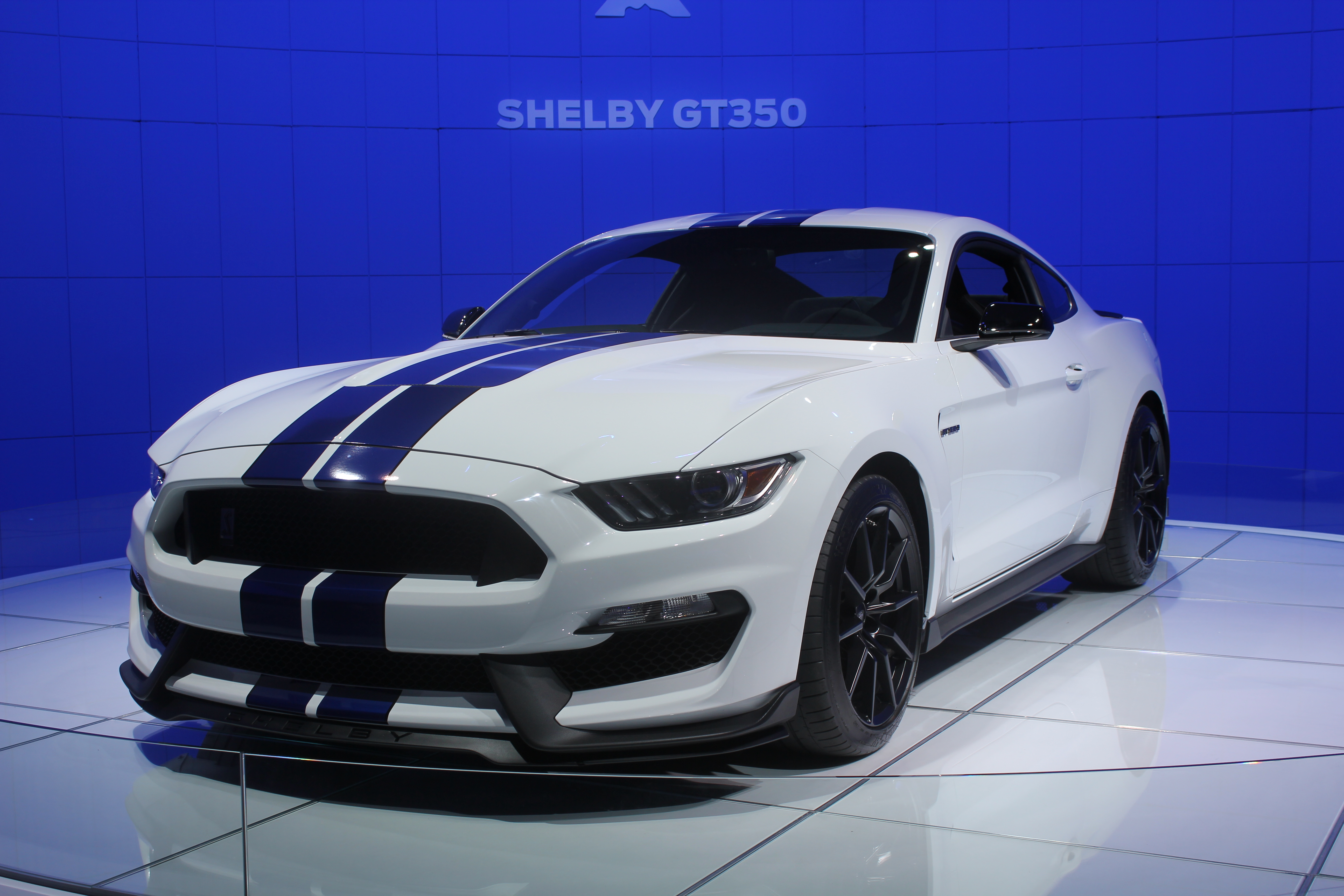
3. **Ford Mustang (2016)**The 2016 Ford Mustang, an iconic American muscle car revered for its potent performance and distinctive styling, drew considerable attention, not for its speed, but for its safety performance. This particular model year raised some eyebrows in the automotive safety community when it received a “marginal” rating in the crucial small overlap front crash test conducted by the IIHS. Such a rating for a vehicle with a reputation for power and excitement often comes as an unexpected and sobering discovery for enthusiasts and potential buyers alike.
The post-crash evaluation performed by the IIHS provided a clear explanation for the “marginal” score. It unequivocally showed a high likelihood of the driver’s lower extremity injuries. This assessment pointed to excessive intrusion into the occupant compartment, indicating that the vehicle’s front-end structure did not adequately absorb and deflect crash forces away from the driver’s leg area. Instead, parts of the vehicle’s structure pushed inward, severely compromising the safety cage designed to protect occupants.
This specific intrusion into the occupant compartment during the small overlap frontal impact is a significant concern. It suggests that while the Mustang excels in delivering a thrilling driving experience, its structural integrity in certain crash scenarios might not be as robust as expected for a modern vehicle. The potential for serious lower extremity injuries directly challenges the vehicle’s overall safety credentials, raising pertinent questions about how well this powerful machine protects its occupants when faced with one of the most common and challenging types of collisions on the road. For many consumers, the balance between performance and protection is non-negotiable, and these test results highlight a critical area where the 2016 Mustang falls short.
Car Model Information: 2014 Ford Mustang V6
Name: Ford Mustang
Caption: 2018 Ford Mustang GT 5.0
Aka: Ford T5 (Germany)
Manufacturer: Ford Motor Company
Production: March 1964 – present
ModelYears: 1965–present
Class: Unbulleted list
BodyStyle: Unbulleted list
Layout: Front-engine, rear-wheel-drive layout
Categories: 1970s cars, 1980s cars, 1990s cars, 2+2 coupés, 2000s cars
Summary: The Ford Mustang is an American automobile manufactured and marketed by Ford since 1964, as Ford’s longest nameplate in continuous production. Currently in its seventh generation, it is the fifth-best selling Ford car nameplate. The namesake of the “pony car” automobile segment, the Mustang was developed as a highly styled line of sporty coupes and convertibles derived from existing model lines, initially distinguished by its pronounced “long hood, short deck” proportions.
Originally predicted to sell 100,000 vehicles yearly, the 1965 Mustang became the most successful vehicle launch since the 1927 Model A. Introduced on April 17, 1964 (16 days after the Plymouth Barracuda), over 400,000 units were sold in its first year; the one-millionth Mustang was sold within two years of its launch. In August 2018, Ford produced the 10-millionth Mustang; matching the first 1965 Mustang, the vehicle was a 2019 Wimbledon White convertible with a V8 engine.
The success of the Mustang launch led to multiple competitors from other American manufacturers, including the Chevrolet Camaro and Pontiac Firebird (1967), AMC Javelin (1968), and Dodge Challenger (1970). It also competed with the Plymouth Barracuda, which was launched around the same time. The Mustang also had an effect on designs of coupes worldwide, leading to the marketing of the Toyota Celica and Ford Capri in the United States (the latter, by Lincoln-Mercury). The Mercury Cougar was launched in 1967 as a unique-bodied higher-trim alternative to the Mustang; during the 1970s, it included more features and was marketed as a personal luxury car.
From 1965 until 2004, the Mustang shared chassis commonality with other Ford model lines, staying rear-wheel-drive throughout its production. From 1965 to 1973, the Mustang was derived from the 1960 Ford Falcon compact. From 1974 until 1978, the Mustang (denoted Mustang II) was a longer-wheelbase version of the Ford Pinto. From 1979 until 2004, the Mustang shared its Fox platform chassis with 14 other Ford vehicles (becoming the final one to use the Fox architecture). Since 2005, Ford has produced two generations of the Mustang, each using a distinct platform unique to the model line.
Through its production, multiple nameplates have been associated with the Ford Mustang series, including GT, Mach 1, Boss 302/429, Cobra (separate from Shelby Cobra), and Bullitt, along with “5.0” fender badging (denoting 4.9 L OHV or 5.0 L DOHC V8 engines).
Get more information about: Ford Mustang
Buying a high-performing used car >>>
Brand: Ford Model: Mustang
Price: $13,500 Mileage: 64,323 mi.
Read more about: The 12 Most Notorious Product Safety Scandals in Consumer History: Lessons from the Past

4. **Nissan Versa (2012)**In the realm of economy sedans, the 2012 Nissan Versa has been a popular choice for its affordability, but its performance in independent safety evaluations has presented considerable drawbacks. The vehicle demonstrably did not fare well in the rigorous IIHS tests, specifically earning a concerning “poor” rating in the small overlap front crash test. This particular assessment, designed to mimic collisions with narrow obstacles like trees or utility poles, is a severe gauge of a car’s structural resilience.
The results of these comprehensive evaluations were particularly alarming, as the 2012 Versa showed a high risk of serious injuries to the driver’s legs and feet. This finding underscores a fundamental weakness in the vehicle’s design and its ability to maintain a safe occupant space during a critical impact. Such injuries can have long-lasting effects and significantly impact an individual’s quality of life, making this a crucial point of concern for prospective owners.
Furthermore, the IIHS specifically rated the Versa’s structure as “poor,” directly attributing this to the excessive intrusion into the driver’s space. This structural failing indicates that the vehicle’s frame and body components deformed significantly during the crash, encroaching upon the area designated for the driver. When the car’s structure collapses inward, it compromises the very zone meant to safeguard the occupant, increasing the likelihood of direct contact with intruding elements and therefore exacerbating the risk of severe injury. For a vehicle often chosen for practical, everyday commuting, these safety shortcomings are particularly noteworthy.
Car Model Information: 2021 Nissan Versa 1.6 S
Categories: All set index articles, Articles with short description, CS1 Mexican Spanish-language sources (es-mx), CS1 Portuguese-language sources (pt), CS1 Spanish-language sources (es)
Summary: Nissan Versa is an automobile nameplate used by the Japanese manufacturer Nissan in the Americas for the following models:
According to a Nissan press release in 2008, “versa” is short for “versatile space” meant to imply the spaciousness of the interior and configurable cargo arrangements.
Get more information about: Nissan Versa
Buying a high-performing used car >>>
Brand: Nissan Model: Versa
Price: $13,741 Mileage: 42,593 mi.
Read more about: Driving Flashy Sports Cars: The Investment Playbook Financial Advisors See in 10 Top Models for 2025

5. **Kia Rio (2015)**The 2015 Kia Rio is another subcompact model that found itself struggling significantly when subjected to crucial crash tests, raising valid questions about its protective capabilities. In the IIHS small overlap front crash test, a demanding evaluation known for exposing structural deficiencies, the 2015 Rio received an unfavorable “poor” rating. This outcome indicates a substantial failure in the vehicle’s ability to safeguard its occupants effectively during a specific, yet common, type of frontal impact.
During the test, a critical observation was that the crash test dummy’s movement was not well controlled. This lack of control suggests that the vehicle’s restraint systems, including seatbelts and airbags, did not adequately manage the occupant’s trajectory during the collision. When a dummy, or by extension a human occupant, is not properly restrained or guided by the safety systems, the risk of striking hard interior surfaces or intruding vehicle components dramatically increases, leading to more severe injuries.
Compounding these issues, measurements taken from the dummy after the crash explicitly indicated a high risk of injuries to the left lower leg and foot. This specific finding points to vulnerabilities in the footwell area and the lower part of the dashboard, which, during the impact, likely experienced significant deformation and intrusion. Such injuries can be debilitating, affecting mobility and requiring extensive recovery. For consumers weighing the economic benefits of a subcompact like the Kia Rio, these documented safety deficiencies present a compelling argument for prioritizing models that offer more robust and consistent occupant protection.
Car Model Information: 2019 Kia Rio S
Name: Kia Rio
Caption: Fourth generation Kia Rio
Manufacturer: Kia
Aka: Kia Pride (2005–2017),Kia K2 (China; 2011–2020)
Production: November 1999 – December 2023
ModelYears: 2001–2023 (North America)
BodyStyle: hatchback
Class: Subcompact car
Layout: Front-engine, front-wheel-drive layout
Predecessor: Kia Pride,Kia Avella
Successor: Kia K3 (BL7),Kia Soluto
Categories: 2000s cars, 2010s cars, Articles containing Korean-language text, Articles with short description, CS1 Croatian-language sources (hr)
Summary: The Kia Rio (Korean: 기아 리오) is a subcompact car manufactured by Kia from 1999 to 2023. Body styles have included a three and five-door hatchback and four-door sedan, equipped with inline-four gasoline and diesel engines, and front-wheel drive.
The Rio replaced the first generation Pride—a rebadged version of the Ford Festiva—and the Avella, a subcompact sold as a Ford in some markets. A second generation was introduced in 2005 in Europe and in 2006 in North America, sharing its platform with the Hyundai Accent, a subcompact manufactured by its sister Hyundai Motor Company in South Korea.
In August 2023, the K3 was introduced as its successor in several markets such as Mexico and the GCC countries.
Get more information about: Kia Rio
Buying a high-performing used car >>>
Brand: Kia Model: Rio
Price: $10,900 Mileage: 70,595 mi.
Read more about: Don’t Ignore These 11 Critical Vehicle Recall Alerts in 2025 Anymore: A Consumer Reports Guide
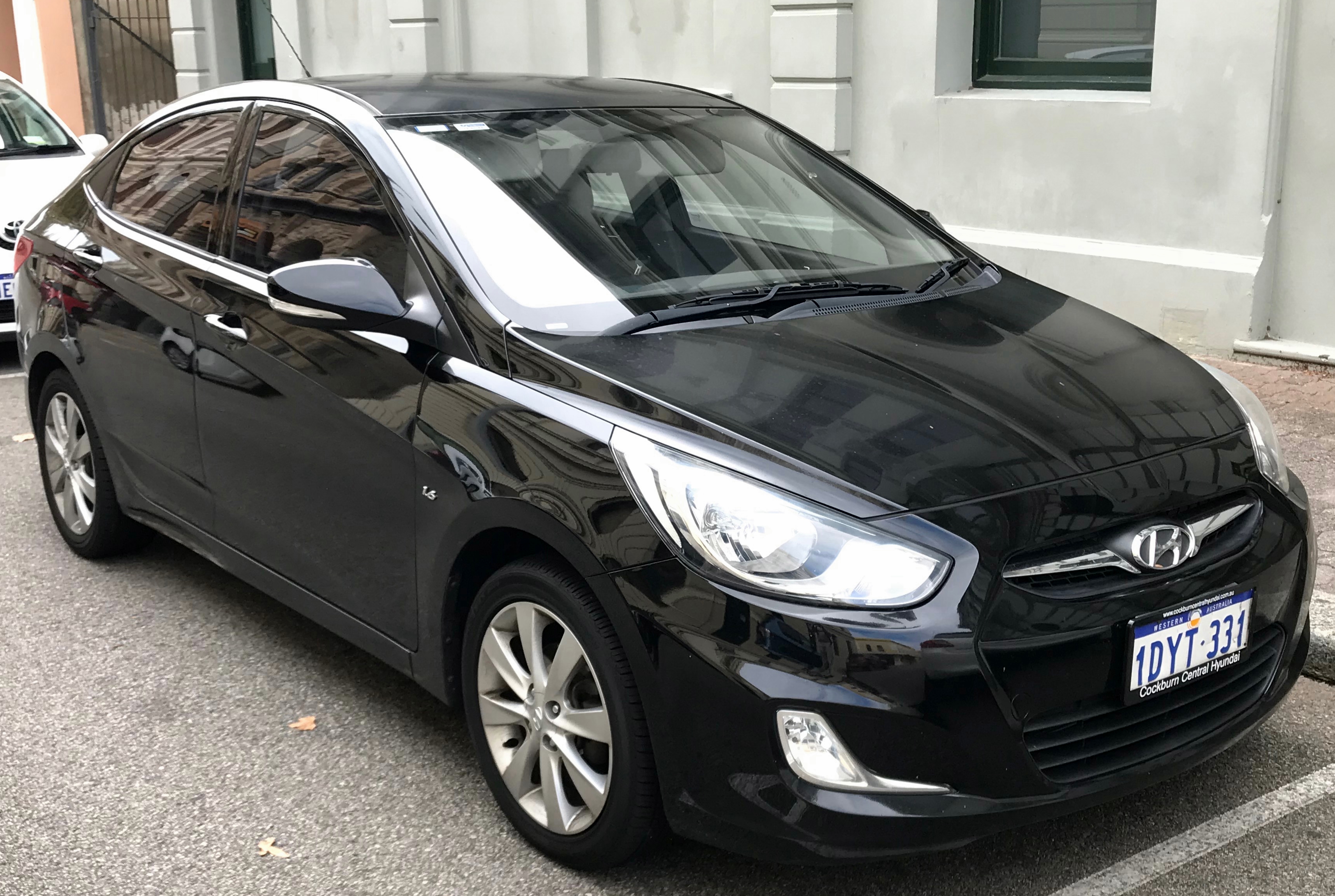
6. **Hyundai Accent (2012)**The 2012 Hyundai Accent, a vehicle known for its economical appeal and practicality, unfortunately delivered poor results in a series of crucial IIHS crash tests. Of particular concern was its performance in the small overlap front test, where it was decisively given a “poor” rating. This evaluation highlights a significant shortfall in the vehicle’s design concerning occupant protection in a common and severe frontal collision scenario.
The test revealed that the intruding structure seriously compromised the driver’s space. This structural intrusion means that parts of the vehicle’s frame or body panels pushed into the passenger compartment, reducing the vital survival space that occupants need. When the safety cage is breached in this manner, it drastically increases the potential for direct contact between the occupant and the deformed vehicle components, leading to a heightened risk of injury.
Consequently, these findings raised substantial potential injury risks to the driver’s legs and feet. The intrusion into the lower part of the cabin can cause significant trauma to these areas, leading to fractures, contusions, or more severe long-term damage. The structural rigidity in such a critical crash scenario is paramount, and the 2012 Hyundai Accent’s performance indicates that it did not adequately maintain the integrity of the driver’s space. For buyers prioritizing safety, these specific weaknesses are crucial considerations when evaluating older models of the Accent.
Car Model Information: 2022 Hyundai VENUE Limited
Name: Hyundai Accent
Manufacturer: Hyundai Motor Company
Production: 1994–present
Class: Subcompact car
Layout: Front-engine, front-wheel-drive layout
Predecessor: Hyundai Excel
Categories: 2000s cars, 2010s cars, 2020s cars, ANCAP superminis, All articles with dead external links
Summary: The Hyundai Accent (Korean: 현대 엑센트), or Hyundai Verna (현대 베르나) is a subcompact car produced by Hyundai. In Australia, the first generation models carried over the Hyundai Excel name used by the Accent’s predecessor. The Accent was replaced in 2000 by the Hyundai Verna in South Korea, although most international markets, including the US, retained the “Accent” name. The “Accent” name is an acronym of Advanced Compact Car of Epoch-making New Technology.
The Accent is produced for the Chinese market by Beijing Hyundai Co., a joint venture with Beijing Automotive Industry Corp. For the Russian market it was assembled by the TagAZ plant in Taganrog until 2011, and since 2011 it was assembled by the HMMR plant in Saint Petersburg and sold under the new name Hyundai Solaris. In Mexico, the Accent was marketed until 2014 by Chrysler as the Dodge Attitude, previously known as the Verna by Dodge. In Venezuela, Chrysler marketed these models as the Dodge Brisa until 2006. The Brisa was assembled by Mitsubishi Motors at its plant in Barcelona, Venezuela. Since 2002, the Accent had been the longest-running small family car sold in North America. In Puerto Rico, the second and third generations were sold as the Hyundai Brio.
Get more information about: Hyundai Accent
Buying a high-performing used car >>>
Brand: Hyundai Model: Accent
Price: $18,290 Mileage: 45,836 mi.
Read more about: The 19 Greatest American Cars That Defined an Era

7. **Jeep Wrangler (2015)**The 2015 Jeep Wrangler, a vehicle synonymous with rugged off-road capability and adventure, regrettably received a “marginal” score in a key safety evaluation. Despite its sturdy appearance and formidable presence, its performance in the Insurance Institute for Highway Safety (IIHS) side-impact crash test revealed significant vulnerabilities that warrant serious consideration from consumers. This particular test is crucial for assessing how well a vehicle protects occupants from side collisions.
A concerning finding from the IIHS evaluation was the structural integrity during the side-impact scenario. The test explicitly revealed that the driver’s door opened during the crash. This is a critical failure in vehicle safety design, as doors are meant to remain securely latched throughout an impact to maintain the integrity of the occupant compartment. Such an occurrence can dramatically compromise the protective shell of the vehicle.
The profound danger associated with a door opening during a collision is the increased risk of occupant ejection. When a driver or passenger is partially or completely ejected from a vehicle, the potential for severe, life-threatening injuries escalates dramatically. This particular vulnerability in the 2015 Wrangler highlights a fundamental lapse in maintaining occupant containment during a common and severe type of accident.
For a vehicle often driven in challenging environments where accidents, including rollovers, are a heightened risk, the 2015 Jeep Wrangler’s performance in this critical side-impact test raises important questions about its overall occupant protection. Consumers prioritizing robust safety alongside off-road prowess should meticulously review such findings and factor them into their purchasing decisions for this model year.
Car Model Information: 2015 Jeep Wrangler Sahara
Name: Jeep Wrangler
Caption: Jeep Wrangler Unlimited, Sahara edition
Manufacturer: Jeep
Class: Compact SUV
Production: 1986–present
Predecessor: Jeep CJ
Layout: Front-engine, rear-wheel-drive layout,rear-wheel drive
Chassis: Body-on-frame
Related: AIL Storm
Categories: 1980s cars, 1990s cars, 2000s cars, 2010s cars, All-wheel-drive vehicles
Summary: The Jeep Wrangler is a series of compact and mid-size four-wheel drive off-road SUVs manufactured by Jeep since 1986, and currently in its fourth generation. The Wrangler JL, the most recent generation, was unveiled in late 2017 and is produced at Jeep’s Toledo Complex.
The Wrangler is a direct progression from the World War II Jeep, through the CJ (Civilian Jeeps) produced by Willys, Kaiser-Jeep, and American Motors Corporation (AMC) from the mid-1940s through the 1980s. Although neither AMC nor Chrysler (after it purchased AMC in 1987) have claimed that the Wrangler was a direct descendant of the original military model — both the CJ Jeeps and the conceptually consistent Wrangler, with their solid axles and open top, have been called the Jeep model as central to Jeep’s brand identity as the rear-engine 911 is to Porsche.
Similar to the Willys MB and the CJ Jeeps before it, all Wrangler models continue to use a separate body and frame, rigid live axles both front and rear, a tapering nose design with flared fenders, a fold-flat windshield, and can be driven without doors. Also, with few exceptions, they have part-time four-wheel drive systems, with the choice of high and low gearing, and standard open bodies with removable hard or soft tops. However, the Wrangler series was specifically redesigned to be safer and more comfortable on-road, to attract more daily drivers, by upgrading its suspension, drivetrain, and interior, compared to the CJ line. The suspension on all Wranglers included trackbars and anti-roll bars, and, from the 1997 TJ onwards, front and rear coil springs instead of the previous leaf springs.
From 2004 on, the Wrangler has been complemented with long-wheelbase versions, called Wrangler Unlimited. 2004-2006 models were longer versions with 2 doors. In 2004, only automatic transmission-equipped “Unlimited” versions were sold. In 2005, both an automatic and manual 6-speed (NSG-370) were offered. Since 2007, the long-wheelbase Wranglers were four-door models, offering over 20 in (508 mm) more room. By mid-2017, the four-door models represented three-quarters of all new Wranglers on the market.
Get more information about: Jeep Wrangler
Buying a high-performing used car >>>
Brand: Jeep Model: Wrangler
Price: $11,997 Mileage: 157,089 mi.
Read more about: Unpacking the Wallet Drain: The 12 Most Expensive SUVs to Maintain in Today’s Market for Savvy Long-Term Planners

8. **Chrysler 200 (2014)**The 2014 Chrysler 200, a sedan designed for practicality, encountered significant challenges in safeguarding its occupants during rigorous evaluations by the IIHS. Specifically, this model garnered a “marginal” rating in the vital small overlap front crash test, a scenario that simulates a common type of frontal collision involving a narrow object. This rating points to considerable structural deficiencies under specific impact conditions.
During the IIHS small overlap front crash test, the safety cage of the 2014 Chrysler 200 was found to be significantly compromised. The safety cage is the reinforced passenger compartment designed to remain intact and provide a survival space for occupants during a collision. Its failure to maintain integrity suggests that crash forces were not effectively managed and redirected away from the driver.
Further, the test dummy’s head barely made contact with the front airbag before sliding off to the left side. This critical observation indicates a problem with the synchronization or coverage of the restraint system. When the head moves past or misses the airbag, it leaves the occupant’s head and face vulnerable to direct impact with hard interior surfaces, such as the instrument panel, increasing the risk of serious head injuries.
The findings for the 2014 Chrysler 200 underscore the importance of both a robust structural design and precisely calibrated restraint systems. Consumers considering this model year should be aware that its “marginal” performance in a common, yet severe, crash type could lead to elevated injury risks, particularly to the head and upper body, challenging its suitability as a family or commuter vehicle where safety is paramount.
Car Model Information: 2013 Chrysler 200 Touring
Name: Chrysler 200
Manufacturer: Chrysler
Production: 2010–2016
ModelYears: 2011–2017
Assembly: Sterling Heights, Michigan
Class: Mid-size car
Sp: us
Predecessor: Chrysler Sebring
Categories: 2010s cars, All articles with dead external links, All articles with unsourced statements, Articles with dead external links from July 2020, Articles with permanently dead external links
Summary: The Chrysler 200 is a mid-size sedan that was manufactured and marketed by Chrysler from model years 2011 to 2017 across two generations in four-door sedan and two-door convertible (first generation only) body styles.
The 200 nameplate debuted on the 200C, a prototype hybrid vehicle shown at the 2009 North American International Auto Show in Detroit and based on the Chrysler 300. The 200C concept was engineered to accept either traditional gasoline, hybrid or full-electric powertrains.
Get more information about: Chrysler 200
Buying a high-performing used car >>>
Brand: Chrysler Model: 200
Price: $7,995 Mileage: 117,030 mi.
Read more about: Beyond Mr. Bean’s Mini: A Deep Dive into Rowan Atkinson’s Multi-Million Dollar Automotive Empire

9. **Mitsubishi Mirage (2014)**The 2014 Mitsubishi Mirage, often recognized for its attractive price point and fuel efficiency, regrettably received a “poor” rating in the demanding IIHS small overlap front test. While affordability can be a strong draw for many buyers, this particular safety score highlights a stark trade-off when it comes to occupant protection in a severe frontal collision. The test exposes vulnerabilities that go beyond basic crash scenarios.
The detailed IIHS report for the 2014 Mirage painted a concerning picture. During the small overlap front impact, the crash test dummy’s head struck the steering wheel directly, despite the deployment of the airbag. This type of impact, where the head bypasses or punches through the airbag, significantly increases the likelihood of a severe head injury, which can have devastating consequences for an occupant.
The root cause of this alarming outcome was identified as poor airbag timing. Ideally, an airbag deploys and fully inflates just before the occupant’s head makes contact, cushioning the impact. In the 2014 Mirage’s case, the airbag did not provide this crucial protection effectively, indicating a fundamental flaw in the vehicle’s passive safety system calibration during this specific crash type.
For consumers, these findings pose a significant dilemma: the economic benefits of the 2014 Mitsubishi Mirage must be weighed against its documented shortcomings in a critical safety test. Prioritizing robust occupant protection means seeking models where the fundamental safety systems, including structural integrity and airbag performance, demonstrably work in concert to safeguard vehicle occupants under diverse crash conditions.
Car Model Information: 2023 Mitsubishi Mirage Ralliart
Name: Mitsubishi Mirage
Caption: Mitsubishi Mirage (sixth generation)
Manufacturer: Mitsubishi Motors
Production: 1978–2003,2012–present
Class: Subcompact car
Layout: Front-engine, front-wheel-drive
Predecessor: Mitsubishi Lancer (A70)
Successor: Mitsubishi Lancer#Eighth generation (2000)
Categories: 1980s cars, 1990s cars, 2000s cars, 2010s cars, 2020s cars
Summary: The Mitsubishi Mirage is a range of cars produced by the Japanese manufacturer Mitsubishi from 1978 until 2003 and again since. The hatchback models produced between 1978 and 2003 were classified as subcompact cars, while the sedan and station wagon models, marketed prominently as the Mitsubishi Lancer, were the compact offerings. The liftback introduced in 1988 complemented the sedan as an additional compact offering, and the coupé of 1991 fitted in with the subcompact range. The current Mirage model is a subcompact hatchback and sedan and it replaces the Mitsubishi Colt sold between 2002 and 2012.
Get more information about: Mitsubishi Mirage
Buying a high-performing used car >>>
Brand: Mitsubishi Model: Mirage
Price: $16,980 Mileage: 11,832 mi.
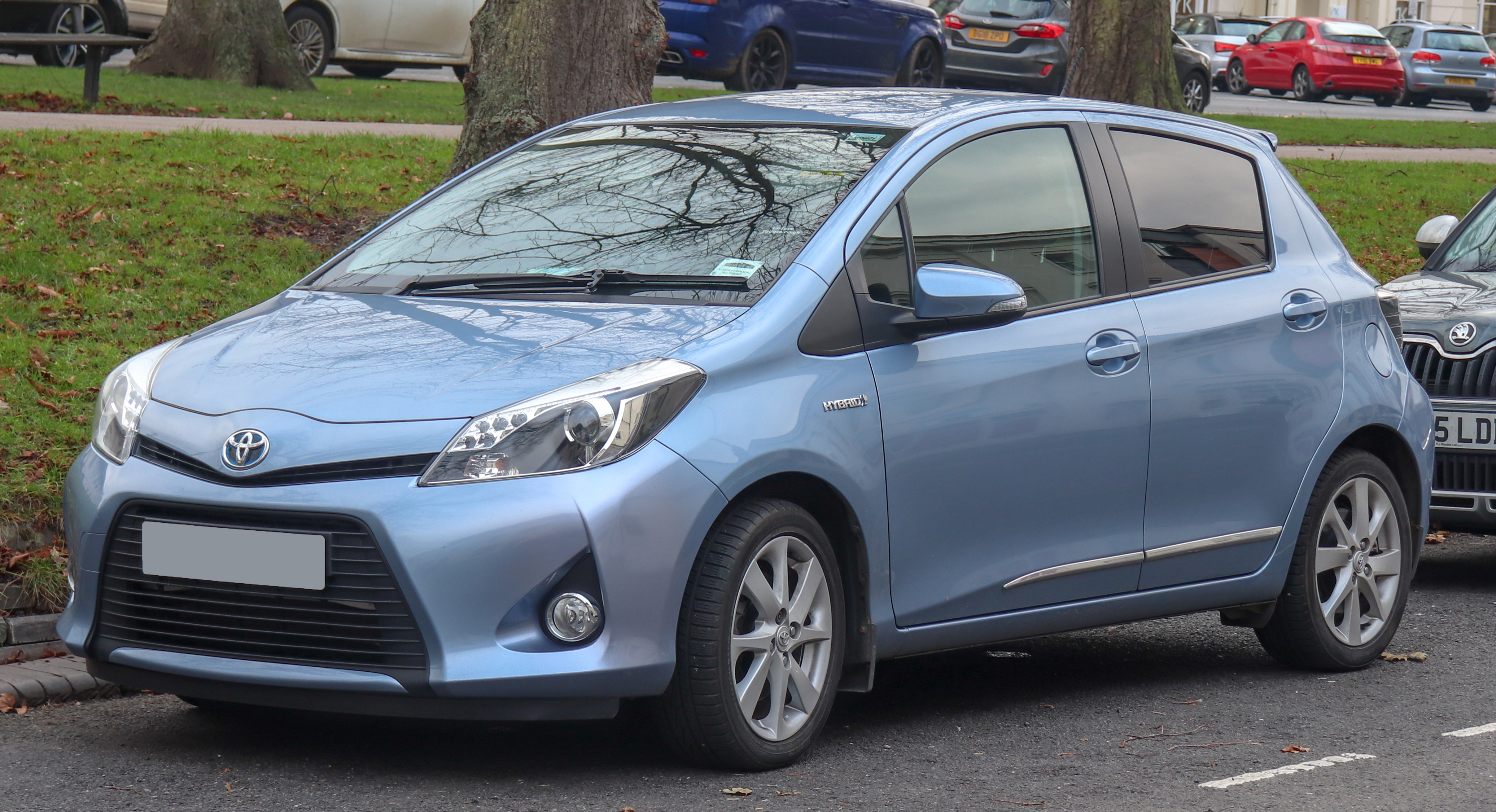
10. **Toyota Yaris (2013)**The 2013 Toyota Yaris, a subcompact car often chosen for its urban maneuverability and reliability, received a “marginal” rating in the IIHS small overlap front test. This evaluation signals that, despite its reputation, this particular model year exhibits concerning weaknesses in structural protection when subjected to a specific and common type of frontal collision. This rating positions it below many of its contemporaries in terms of occupant safety.
During the rigorous IIHS testing, the safety cage of the 2013 Yaris demonstrated a notable inability to maintain its structural integrity. Significant intrusion into the driver’s space was observed, meaning that parts of the vehicle’s exterior and frame pushed into the passenger compartment. Such intrusion directly compromises the ‘survival space’ designed to shield the occupant from crushing forces.
The consequence of this structural collapse was a high risk of injuries to the dummy’s left lower leg and foot. This type of injury often results from direct contact with intruding vehicle components or severe deformation of the footwell. Such trauma can range from fractures to debilitating long-term mobility issues, underscoring the critical importance of a robust and unyielding lower cabin structure.
These findings are a stark reminder that a vehicle’s perceived reliability does not automatically equate to superior crashworthiness. For potential buyers, the “marginal” rating and the identified risks to lower extremities in the 2013 Toyota Yaris serve as crucial data points, urging them to prioritize models that demonstrate more consistent and comprehensive occupant protection across all crash scenarios.
Car Model Information: 2012 Toyota Yaris LE
Name: Toyota Yaris
Caption: 2020 Toyota Yaris Design Hybrid (MXPH11, UK)
Manufacturer: Toyota
Aka: unbulleted list
Production: unbulleted list
Class: Supermini
BodyStyle: unbulleted list
Predecessor: unbulleted list
Categories: 2000s cars, 2010s cars, 2020s cars, All-wheel-drive vehicles, All articles containing potentially dated statements
Summary: The Toyota Yaris (Japanese: トヨタ・ヤリス, Hepburn: Toyota Yarisu) is a supermini/subcompact car sold by Toyota since 1999, replacing the Starlet and Tercel.
Up to 2019, Toyota had used the Yaris nameplate on export versions of various Japanese-market models, with some markets receiving the same vehicles under the Toyota Echo name through 2005. Starting in 2020, the Yaris nameplate began to be used in Japan, which replaced the Vitz nameplate.
The Yaris nameplate has also been applied to other vehicles. From 1999 to 2005, the nameplate had been used for the Yaris Verso mini MPV sold in Europe, where it was known in Japan as the FunCargo. Since 2020, the nameplate has also been used for the subcompact crossover SUV offering called Yaris Cross. In North America, most Yaris sedan models sold from 2015 to 2020 and Yaris hatchbacks sold from 2019 until 2020 were restyled versions of the Mazda2, produced and developed by Mazda.
In 2020, Toyota introduced the GR Yaris, which is a three-door performance-oriented variant of the XP210 series Yaris using the Gazoo Racing branding. It is built as a homologation model for the FIA World Rally Championship.
The name “Yaris” is derived from “Charis”, the singular form of Charites, the Greek goddesses of charm and beauty. As of March 2020, the Yaris has sold 8.71 million units worldwide.
Get more information about: Toyota Yaris
Buying a high-performing used car >>>
Brand: Toyota Model: Yaris
Price: $10,865 Mileage: 102,699 mi.
Read more about: The 10 Cheapest EVs of 2024: A CNET Deep Dive – Are These Affordable Electric Cars Worth Your Investment?

11. **Fiat 500 (2012)**The 2012 Fiat 500, celebrated for its distinctive styling and compact footprint ideal for city driving, was unfortunately rated “poor” by the IIHS in the challenging small overlap front crash test. This severe rating highlights significant vulnerabilities in the vehicle’s ability to protect its occupants during a specific, yet prevalent, type of frontal impact, placing it among the lowest performers in its class for this assessment.
The IIHS evaluations revealed a critical flaw: the intruding structure severely compromised the driver’s survival space. This means that during the impact, components of the vehicle’s front end and frame deformed inward, drastically reducing the essential area reserved for the driver. Such intrusion increases the direct risk of contact between the occupant and the collapsing structure, amplifying injury potential.
Adding to these concerns, the steering column was observed to be pushed backward toward the driver. This rearward movement of the steering column can lead to a higher risk of injuries to the driver’s chest, head, and upper extremities. It indicates that the vehicle’s structural design did not effectively manage crash energy and maintain the integrity of the critical driver-interface components.
For consumers drawn to the 2012 Fiat 500’s unique aesthetic and agility, these “poor” crash test results present a substantial safety caveat. They underscore the importance of looking beyond superficial appeal to examine the fundamental protective capabilities of a vehicle. Making an informed decision necessitates understanding that structural integrity and effective restraint systems are non-negotiable for occupant safety.
Car Model Information: 2013 FIAT 500 Abarth
Name: Fiat 500
Caption: 1970 Fiat 500 L
Aka: Puch 500
Manufacturer: Fiat Automobiles
Production: 1957–1975,3,893,294 units
Assembly: Turin,Desio
Designer: Dante Giacosa
Class: City car
BodyStyle: ubl
Layout: Rear-engine, rear-wheel drive layout
Doors: Suicide door,Car door#Conventional
Related: Autobianchi Bianchina,NSU/Fiat Weinsberg 500,Vignale Gamine,Autobianchi Giardiniera
Engine: Cubic centimetre,499 cc I2,594 cc I2
Transmission: Manual transmission
Wheelbase: {{convert,1840,mm,in,1,abbr=on
Abbr: on
Length: 2970 mm
Width: 1320 mm
Height: 1320 mm
Weight: 499 kg
Predecessor: Fiat 500 “Topolino”
Successor: Fiat 126,Fiat 500 (2007)
Sp: uk
Categories: 1960s cars, 1970s cars, All Wikipedia articles written in British English, All articles with unsourced statements, Articles containing Italian-language text
Summary: The Fiat 500 (Italian: Cinquecento, pronounced [ˌtʃiŋkweˈtʃɛnto]) is an economy / city car that was manufactured and marketed by Fiat Automobiles from 1957 until 1975. It was sold as a two-door semi-convertible or saloon car and as a three-door panel van or estate car.
Launched as the Nuova (new) 500 in July 1957, as a successor to the 500 “Topolino”, it was an inexpensive and practical small car. Measuring 2.97 metres (9 feet 9 inches) long, and originally powered by a rear-mounted 479 cc two-cylinder, air-cooled engine, the 500 was 24.5 centimetres (9.6 inches) smaller than Fiat’s 600, launched two years earlier, and is considered one of the first purpose-designed city cars.
In 1959, Dante Giacosa received a Compasso d’Oro industrial design prize for the Fiat 500. This marked the first time a Compasso d’Oro was awarded to an automotive manufacturer.
Get more information about: Fiat 500
Buying a high-performing used car >>>
Brand: Fiat Model: 500
Price: $11,995 Mileage: 35,154 mi.
Read more about: Unearthing Hidden Performance: 14 Underrated Sports Cars That Defy Expectations for Today’s Performance Seekers

12. **Mazda CX-3 (2016)**The 2016 Mazda CX-3 received a “marginal” rating, not in a direct crash impact test, but in the IIHS headlight safety test. While this assessment does not directly measure the vehicle’s performance during a collision, it addresses a crucial aspect of *preventative* safety. Effective headlights are fundamental to avoiding accidents, especially when driving after dusk or in adverse weather conditions.
A “marginal” rating in headlight performance indicates that the vehicle’s illumination system does not sufficiently light the road ahead, particularly around curves or at a distance. Poor visibility significantly increases a driver’s reaction time and ability to detect hazards. This deficiency can lead to heightened risk of collisions that might otherwise be avoidable with superior lighting.
The implications of inadequate headlights extend beyond mere inconvenience. Reduced visibility, especially at night, escalates the danger of striking pedestrians, cyclists, or unseen obstacles. The ability to see and be seen is a cornerstone of road safety, and any compromise in headlight effectiveness directly correlates to an elevated probability of an accident occurring in the first place.
Therefore, while the 2016 Mazda CX-3’s “marginal” headlight rating doesn’t reflect its structural crashworthiness directly, it highlights a different, yet equally vital, component of overall vehicle safety. For safety-conscious buyers, this factor reinforces the need to consider all aspects of a vehicle’s protective capabilities, including those designed to prevent the collision from ever happening.
Car Model Information: 2020 Mazda CX-3 Sport
Name: Mazda CX-3
Manufacturer: Mazda
ModelCode: DK
Production: 2014–present
ModelYears: 2016–present,2016–2021 (United States/Europe),2016–2022 (Canada)
Assembly: Hiroshima,Salamanca, Guanajuato,Rayong
Designer: Yōichi Matsuda
Class: Subcompact crossover SUV
BodyStyle: SUV
Layout: Front-engine, front-wheel-drive layout,Front-engine, four-wheel-drive layout
Platform: [object Object]
Related: Mazda2#DJ
Engine: ubl
Transmission: Skyactiv#Skyactiv-MT,Skyactiv#Skyactiv-Drive
Wheelbase: 2570 mm
Abbr: on
Length: 4275 mm
Width: 1765 mm
Height: 1535 mm
Weight: convert
Successor: Mazda CX-30
Categories: 2020s cars, All-wheel-drive vehicles, All articles lacking reliable references, All articles with unsourced statements, Articles lacking reliable references from April 2024
Summary: The Mazda CX-3 is a subcompact crossover SUV (B-segment) manufactured by Mazda. Based on the same platform as the third-generation Mazda2, it was revealed on 19 November 2014 ahead of the 2014 Los Angeles Auto Show as a production vehicle for the 2016 model year.
Since mid-2022, the production in Japan was shifted to Mexico and Thailand. Since then, sales of the CX-3 in the Japanese market are served by imported units from Thailand.
Get more information about: Mazda CX-3
Buying a high-performing used car >>>
Brand: Mazda Model: CX-3
Price: $18,590 Mileage: 37,854 mi.
Read more about: The Hidden Cost: 14 Popular Trucks and Vehicles Prone to Major Repairs Before 100,000 Miles
Navigating the vast automotive market demands more than just a glance at horsepower or curb appeal. As we’ve seen, the true measure of a vehicle often lies hidden beneath the surface, revealed only through the rigorous assessments of independent safety agencies. The models highlighted here serve as critical reminders that not all vehicles are created equal when it comes to protecting life and limb. Consumers are empowered by knowledge; diligently reviewing crash test data is not merely a recommendation but a foundational step in securing a vehicle that genuinely prioritizes safety for everyone on board. Your favorite car might still be on a “worst list,” but being informed allows you to make choices that truly safeguard your journey.