
The world of fruits is a vibrant tapestry, offering an astonishing array of flavors, textures, and health properties that enrich our diets and tantalize our senses. From the familiar sweet apple to the most exotic tropical delights, fruits stand as a cornerstone of healthy eating, universally celebrated for their natural goodness. Botanists classify fruits and vegetables based on their origin; a fruit develops from the flower of a plant, enclosing seeds, while other parts are categorized as vegetables. This botanical definition reveals surprising facts, showing that foods like cucumbers, eggplant, and even pumpkins are indeed fruits.
Among this vast cornucopia, berries hold a particularly special place. These little flavor morsels are often small, round, and packed with an impressive array of antioxidants, vitamins, and fiber. Their diverse profiles make them not just delightful treats but also significant contributors to a balanced diet. Whether enjoyed fresh, incorporated into desserts, or used in more complex culinary creations, berries bring a unique burst of flavor and a wealth of health benefits to the table.
In this comprehensive guide, we embark on a delicious journey to explore 14 remarkable berry varieties, delving into their unique characteristics, culinary applications, and precise nutritional profiles. We will uncover the specific components that make each berry a valuable addition to your plate, providing you with the knowledge to make informed choices for a healthier lifestyle. Prepare to be inspired by the natural brilliance of these extraordinary fruits, starting with the first seven in our curated selection that exemplify their potent contributions to wellness.
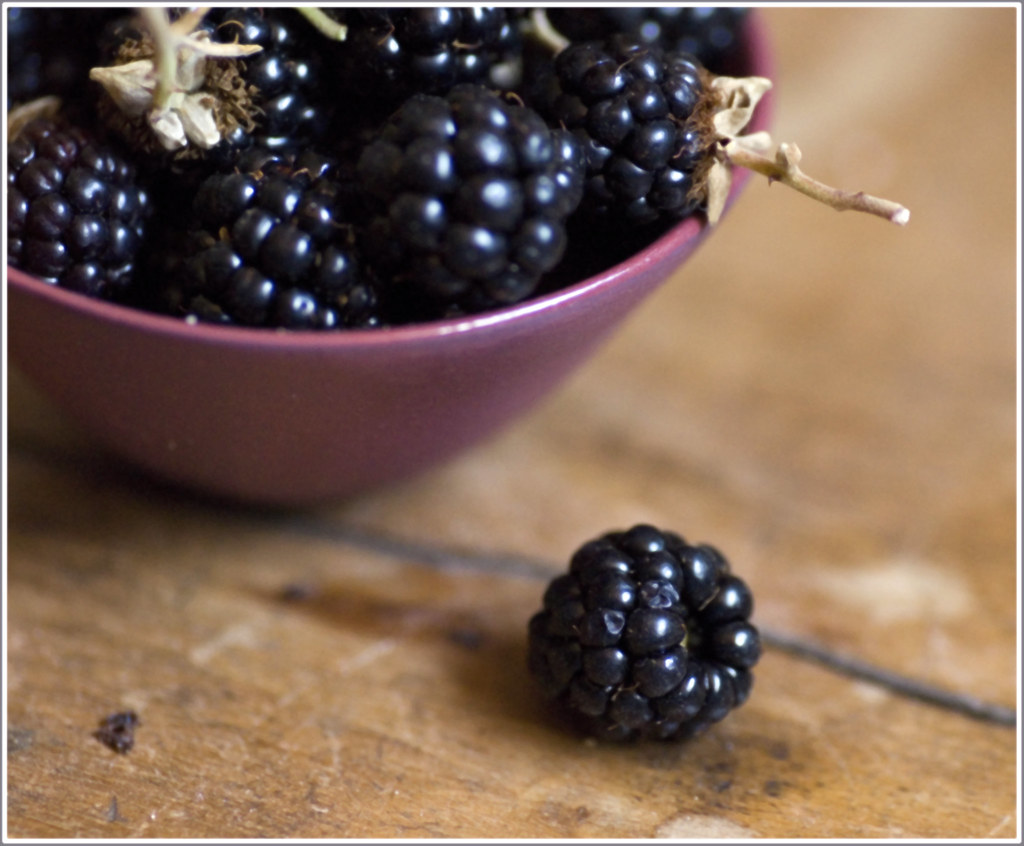
1. **Blackberry**Blackberries are truly a marvel of the berry world, small yet bursting with a distinct and rich flavor profile. These particular berries are botanically a type of fleshy fruit that typically grows on brambles, showcasing nature’s resilience and bounty. They offer a delightful sweet taste, which is notably low in natural sugars when compared to many other common types of fruit, making them a wise choice for those mindful of sugar intake.
The juicy texture and pleasantly tart aroma of blackberries make them an incredibly versatile ingredient in both simple snacks and more elaborate culinary creations. Many people find that the simple act of combining fresh blackberries with some rich, fresh cream creates a quick, delicious, and satisfying dessert. This pairing beautifully highlights their natural sweetness and subtle tartness, offering a harmonious flavor experience.
Beyond dessert, blackberries excel in a variety of culinary applications. They are fantastic in a range of baked goods, including pies, crumbles, and muffins, where their flavor intensifies beautifully. They also make excellent jams and jellies, preserving their unique taste for enjoyment year-round. Enjoying them raw, perhaps sprinkled over yogurt or oatmeal, provides a refreshing and nutrient-dense snack that is both convenient and delicious.
Nutritionally, blackberries shine as a particularly good source of vitamin C, an essential antioxidant vital for immune function, skin health, and collagen production. A standard 144-gram cup serving provides a modest 62 kcal. This serving also contains 13.8 grams of carbohydrates, a substantial 7.6 grams of dietary fiber, and 7.0 grams of natural sugars. The fat content is very low at 0.7 grams, complemented by 2.0 grams of protein, rounding out their impressive and health-promoting profile.
Read more about: The Essential Playbook: 15 Rules Hollywood Publicists Swear By for Mastering Crisis Management in the Digital Age
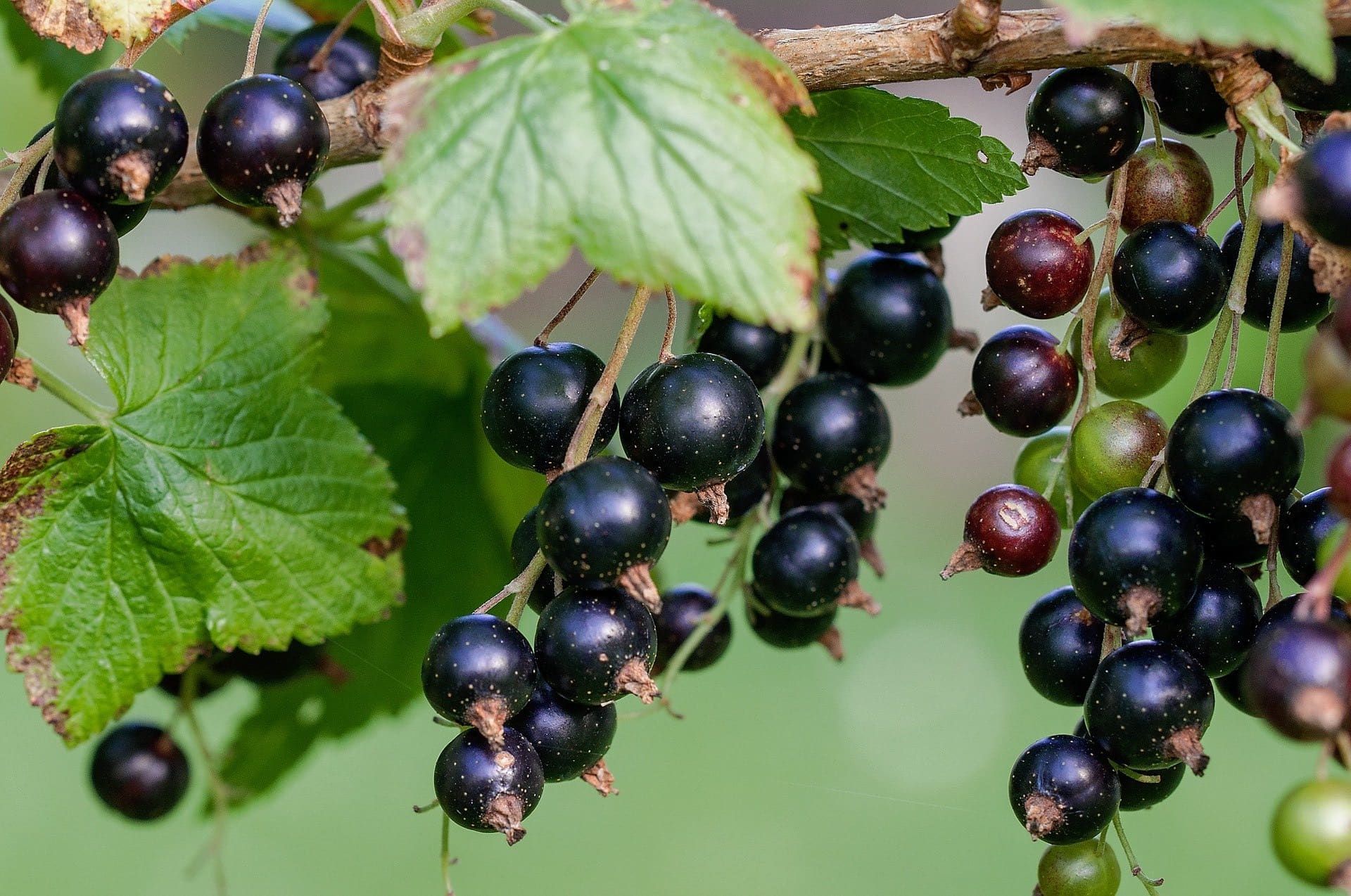
2. **Blackcurrant**Blackcurrants are a common and highly esteemed fruit, particularly prevalent across Europe, where they are celebrated for their distinctive and potent flavor. These small, dark berries are characterized by a wonderfully sour and tart taste, which provides a unique culinary experience. This intensity means they are often sweetened prior to consumption, balancing their strong natural notes to appeal to a broader palate.
Due to their widespread availability and intensely popular flavor, blackcurrants are extensively utilized as a culinary fruit in home cooking and on an industrial scale. They lend their unique tang to a wide variety of dishes, adding depth and a vibrant zest. Their robust profile makes them a sought-after ingredient in both sweet and savory applications, showcasing their remarkable versatility in the kitchen.
Beyond fresh consumption and traditional cooking, blackcurrants are a staple in the development of numerous commercial food and beverage products. It is incredibly common to find a diverse range of items featuring blackcurrant, such as flavorful candies, refreshing juices, invigorating sodas, and soothing teas. This broad commercial application underscores their enduring popularity and the distinct appeal of their taste across many cultures.
A 112-gram cup of blackcurrants offers a valuable nutritional breakdown that includes 71 kcal, making them a relatively low-calorie fruit. This serving provides 17.2 grams of carbohydrates, fueling the body with natural energy. The fat content is impressively low, at a mere 0.5 grams, while they contribute 1.6 grams of protein. These figures, combined with their tartness, clearly indicate their richness in powerful natural compounds, positioning blackcurrants as a distinctive and healthful addition to any well-rounded diet.
Read more about: An In-Depth Exploration of the Genus Lilium: Unveiling the Botanical and Cultural Significance of True Lilies

3. **Black Chokeberry**Otherwise universally known as Aronia berries, black chokeberries present a truly unique and indeed acquired taste due to their significant, astringent tartness. Despite this initial flavor challenge, they are remarkably rich in an impressive range of beneficial polyphenols, showcasing their extraordinary nutritional value. To be precise, these berries are recognized as one of the biggest natural providers of polyphenols among all known foods, making them a true powerhouse of health-protective compounds.
Because of their inherently bitter and tart taste, which can be quite intense when consumed raw, black chokeberries are frequently incorporated into sweetened food items to enhance their palatability. You will commonly find them in delicious jams, where added sugar balances their tartness beautifully, and in a variety of juices that offer a more palatable way to enjoy their benefits. Their robust flavor profile makes them an excellent candidate for such transformations.
Beyond common food products, black chokeberries also find their way into specialized beverages. It is not uncommon to discover unique chokeberry wines, which leverage their complex flavor profile in an alcoholic context, and various soothing teas, offering a healthful and comforting drink option. These diverse applications demonstrate the ingenuity used to make their potent nutrients accessible and enjoyable to a wider audience.
A 12-gram quarter-cup serving of dried aronia berries, a common form in which they are sold, provides approximately 45 kcal. This concentrated serving delivers 10.0 grams of carbohydrates, a beneficial 3.0 grams of dietary fiber which supports digestive health, and 3.0 grams of natural sugars. Importantly, this serving contains virtually no fat, registered at 0 grams, and 0 grams of protein. This impressive nutritional density in a small package makes dried aronia berries an excellent and convenient way to incorporate powerful antioxidants into a balanced diet.

4. **Blueberry**Blueberries have deservedly earned widespread acclaim across various media platforms, frequently celebrated for their purported and scientifically supported health benefits. These enchanting deep blue fruits are undeniably rich in a plethora of potentially health-protective polyphenols, significantly contributing to their well-deserved reputation as a versatile superfood. Their dense concentration of these beneficial compounds positions them as a key player in promoting overall wellness.
Beyond their formidable antioxidant prowess, blueberries also graciously offer a decent selection of essential vitamins and minerals, ensuring they are a well-rounded and nutritionally comprehensive choice for daily consumption. Their striking deep blue color, often enhanced by a soft, dusty bloom, gives them an attractive appearance that makes them visually appealing in any culinary presentation, from a simple fruit salad to a gourmet dessert.
Blueberries are wonderfully versatile in the kitchen, making them a favorite for many. They are equally delicious whether enjoyed fresh straight from the punnet, mixed generously into creamy yogurts or morning cereals, or baked into comforting muffins and pancakes. Their natural sweetness, perfectly balanced with subtle tart notes, provides a delightful and universally appealing flavor profile that truly satisfies the palate across various meal times.
A standard 144-gram cup serving of blueberries offers a modest nutritional breakdown of 84 kcal, making them a low-calorie yet satisfying option. This serving contains 21.5 grams of carbohydrates, which provide natural energy, and includes a respectable 3.6 grams of dietary fiber, crucial for digestive health. Furthermore, it provides 14.7 grams of natural sugars. The fat content is remarkably low at 0.5 grams, complemented by 1.1 grams of protein, all of which highlight why blueberries are a cherished and convenient way to significantly enhance your daily nutrient intake.
Read more about: Fueling Your Drive: We Rigorously Tested and Ranked 12 Gas Station Coffees to Find Your Best Road Trip Brew
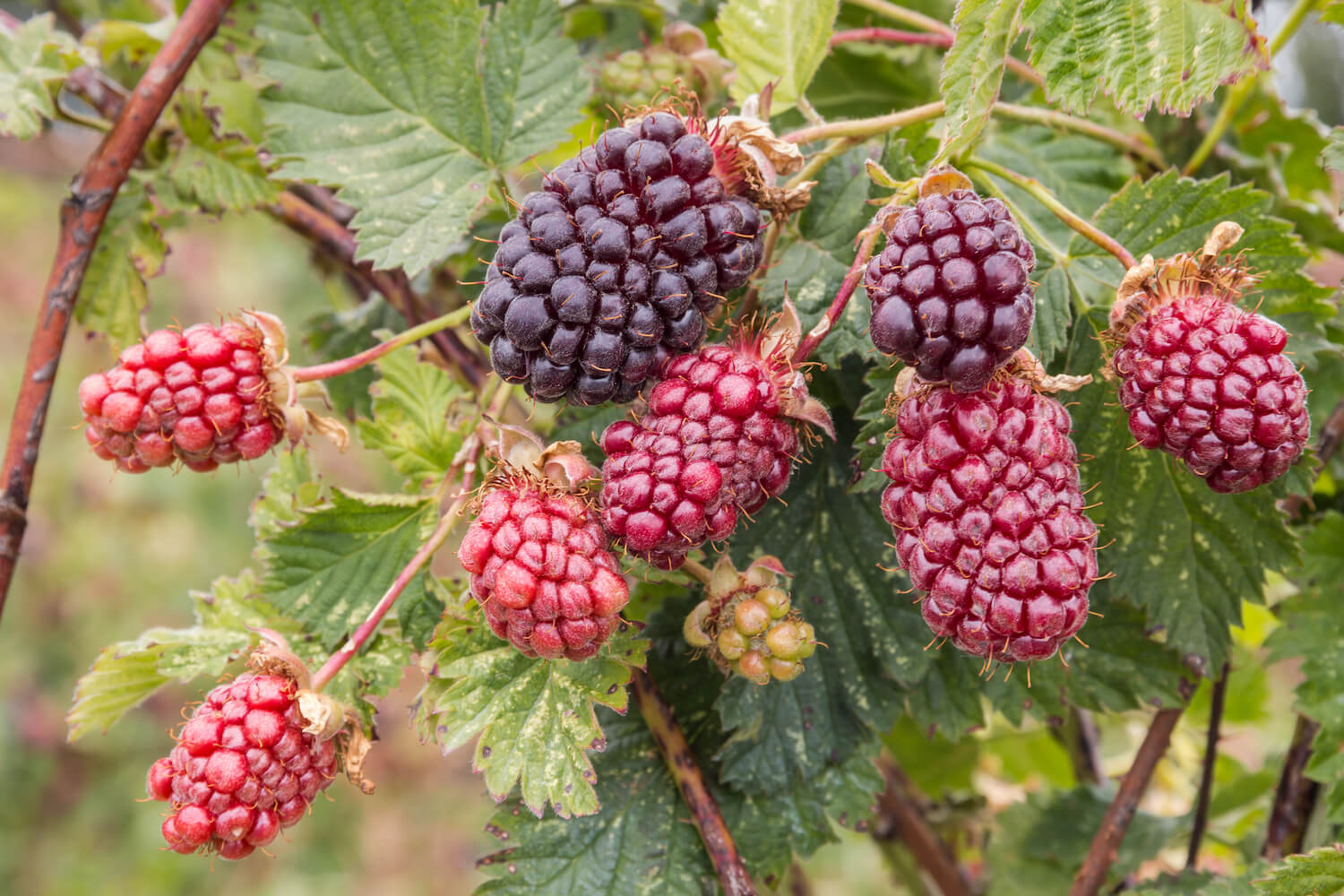
5. **Boysenberry**The boysenberry stands as a fascinating and flavorful hybrid, widely believed to be a successful cross between several distinct and much-loved berry varieties. It is thought to have originated from a combination of blackberries, loganberries, and raspberries, inheriting the finest qualities from each parent fruit. This unique genetic lineage results in a berry that is notably large, exceptionally juicy, and incredibly refreshing, making it a standout in the berry family.
Comprising approximately 88% water by weight, boysenberries are an outstanding choice for maintaining hydration, particularly during warmer climates or as a natural thirst-quenching snack after physical activity. Their high water content, combined with their delectable flavor, makes them a pleasant and beneficial addition to any healthy lifestyle. They are a true embodiment of nature’s hydrating bounty.
Boysenberries are widely celebrated for their delicious and complex flavor profile, which masterfully combines the sweet, tangy, and slightly tart characteristics of their parent berries into a truly distinctive taste experience. They are not merely a treat for the taste buds but also provide impressively high levels of dietary fiber. This significant fiber content contributes remarkably to digestive health, aids in promoting feelings of satiety, and helps regulate blood sugar levels, underscoring their comprehensive health benefits.
Based on a 132-gram cup of frozen boysenberries, their basic nutritional values present a compelling picture of their health advantages. This serving offers 66 kcal, making them a calorie-conscious fruit choice. They provide 16.1 grams of carbohydrates for energy, a substantial 7.0 grams of dietary fiber, and 9.1 grams of natural sugars. The fat content is minimal at 0.3 grams, and they contribute 1.5 grams of protein. This robust nutritional composition firmly establishes boysenberries as a highly beneficial and enjoyable fruit, perfectly complementing a health-conscious and balanced diet.

6. **Cranberry**Cranberries are small, wonderfully edible berries, instantly recognizable by their striking and vibrant bright red color, which hints at their rich antioxidant content. These berries are an immensely popular commercial fruit, featuring prominently in a diverse and extensive array of processed food products found globally. Their versatility and robust flavor profile have made them a staple in the food industry.
You will commonly encounter cranberries in a wide variety of forms, from refreshing juices and delightful jams to firm jellies and various delicious baked goods. This extensive usage showcases their remarkable adaptability and widespread appeal across different culinary applications and consumer preferences. Their ability to blend well with other flavors while retaining their distinct character makes them a favorite ingredient.
Due to their intensely sour and astringent taste when consumed fresh and raw, cranberries are very frequently available in a more palatable dried form. In this preparation, they have been thoughtfully mixed with added sugar to effectively balance their inherent tartness, making them more enjoyable for most palates. While fresh cranberries are indeed known for their strong tartness, they are still sought after by those who appreciate their powerful, unique flavor, often used in sauces or garnishes.
Similar to black chokeberries, cranberries are packed with substantial amounts of phytonutrients, which are beneficial plant compounds. These compounds often contribute directly to their characteristic bitter or sour notes, which are indicative of their potent health-promoting qualities. Nutritionally, cranberries stand out as an excellent source of vitamin C, an essential nutrient vital for supporting immune function, aiding in wound healing, and maintaining healthy skin. A 100-gram cup of raw cranberries provides 46 kcal, 12.0 grams of carbohydrates, a healthy 3.6 grams of fiber, 4.27 grams of sugars, an exceedingly low 0.13 grams of fat, and 0.46 grams of protein, all reinforcing their status as a health-promoting and mighty red berry.
Read more about: Beyond the Boys’ Club: 14 Iconic Rock Anthems by Fearless Female Artists That Still Electrify Our Playlists
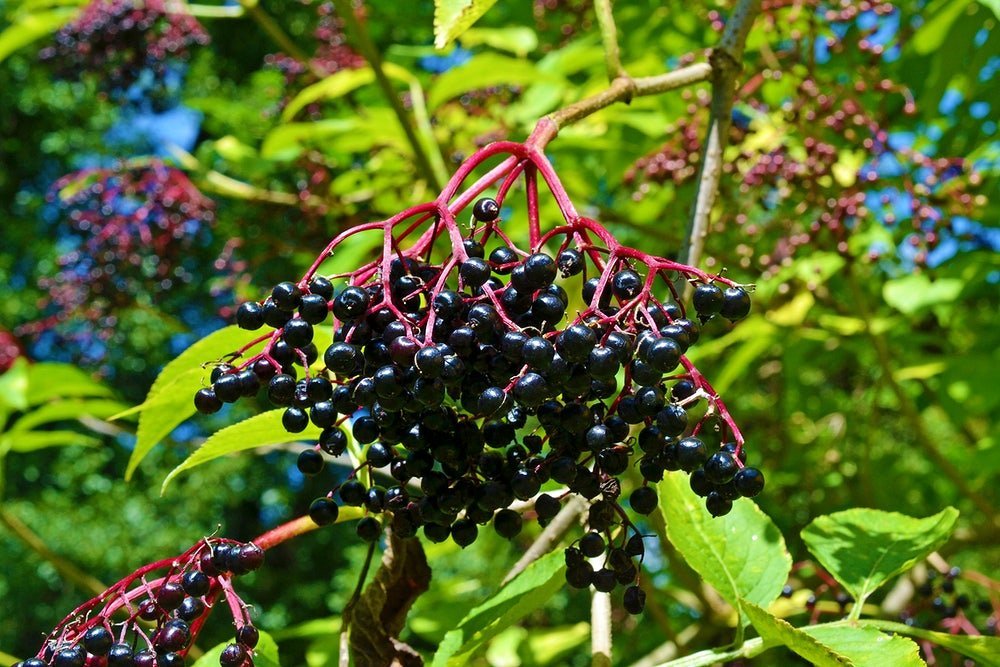
7. **Elderberry**Elderberries are small, distinctive berries that typically range in color from a deep blue to a lustrous black, and they are found growing in various regions across the globe. These particular berries are widely noted for being one of the most bitter types of fruit when consumed in their raw state. Their intensely astringent taste profile means that they are rarely eaten fresh directly from the bush, prompting a different, more processed approach to their consumption for enjoyment.
Consequently, most individuals opt to enjoy elderberries through a variety of processed products that expertly temper their strong, raw flavor while preserving their beneficial properties. Elderberry products, such as sweet and savory jams, comforting teas, vibrant juices, and rich syrups, are widely popular. These preparations allow consumers to fully benefit from the berries’ healthful compounds in a much more palatable and enjoyable form, making them accessible to a wider audience.
The versatility of elderberries in commercial products is a testament to their unique appeal and recognized health benefits. Their distinctive flavor, even when processed, adds a certain depth and character that is highly valued. From natural remedies to culinary delights, elderberries continue to find their place, proving that even a bitter fruit can be transformed into something truly special and beneficial.
A 145-gram cup of raw elderberries provides a notable nutritional profile, offering 106 kcal, making them a moderate-calorie option. This serving contains a significant 26.7 grams of carbohydrates, providing natural energy, and an impressive 10.2 grams of dietary fiber, which is exceptionally beneficial for supporting digestive health and promoting gut regularity. While the sugar content isn’t explicitly specified in this particular measurement, the berries contain a minimal 0.73 grams of fat and 0.96 grams of protein. Elderberries remain a highly valued fruit for their dense nutritional benefits and diverse applications.
Continuing our exploration of nature’s vibrant bounty, we move on to seven more extraordinary berry varieties, each offering its own distinctive profile of flavors, traditional uses, and comprehensive nutritional benefits. From ancient medicinal fruits to universally loved staples, these berries further exemplify the incredible diversity and potent health contributions that these small powerhouses bring to our diets. Prepare to uncover the unique stories and impressive nutritional credentials of these final selections, enriching your understanding of why berries are truly a cornerstone of healthy eating.
Read more about: We Ranked 8 Trader Joe’s Juices To Find Out Which Ones Are Totally Worth The Hype

8. **Goji Berry**Goji berries, often recognized by their striking red hue, are a small fruit originating from the ancient lands of China and the scenic regions of South-East Europe. For centuries, these berries have held a revered place in traditional medicine, particularly in China, where they are frequently consumed as a comforting and health-promoting tea made from steeped dried berries. Their deep cultural roots speak volumes about their perceived medicinal value throughout history.
While fresh goji berries might be a rare sight outside of their native regions, especially since China is their predominant source, their dried form has successfully traversed continents. Over the last couple of decades, dried goji berries have witnessed a significant surge in popularity across Western countries, captivating health enthusiasts and culinary adventurers alike. This growing demand highlights their increasing recognition as a valuable dietary addition.
What truly sets goji berries apart is their truly unique and remarkably delicious taste. They offer a complex flavor profile that beautifully balances subtle sweetness with a delicate bitterness, all wrapped in a wonderfully chewy and utterly moreish texture. This intricate blend of tastes makes them an enticing snack on their own or a delightful addition to various recipes, contributing both flavor and a wealth of nutrients.
Delving into their nutritional composition, an ounce (28-gram) serving of dried goji berries is packed with impressive values. This modest serving provides 98 kcal, offering a concentrated burst of energy. It contains 21.6 grams of carbohydrates and a beneficial 3.64 grams of dietary fiber, crucial for digestive health. With 12.8 grams of natural sugars, the berries offer natural sweetness. Furthermore, they contain a minimal 0.11 grams of fat and a noteworthy 4.0 grams of protein, making them a nutrient-dense choice for enhancing your daily intake and supporting overall well-being.
Read more about: The Great American Pasta Place Duel: Top 15 as Told by Repeat Customer Rates (Prepare to Be Shocked)

9. **Golden Berry**The fruit we commonly know as the golden berry carries the more formal and equally intriguing name of ‘Peruvian groundcherry.’ As their name aptly suggests, these captivating berries hail from the lush landscapes of Peru and other vibrant countries across South America. They bring a touch of exotic flair and a rich history to the global fruit market, showcasing the botanical wonders of their native regions.
It is common to encounter golden berries being enthusiastically marketed as a ‘superfood,’ a term that often garners significant attention in wellness circles. However, as with any such grand claims, it’s wise to approach them with a discerning eye and a ‘liberal pinch of salt,’ as the hype surrounding ‘superfoods’ can sometimes overshadow a balanced understanding of their true benefits. While undeniably healthy, context is key.
Golden berries possess an incredibly distinctive and intensely sour taste, making them a truly unique experience for the palate. If your taste buds delight in the sharp, invigorating zest of raw lemon, then these berries are an absolute must-try. Their vibrant tang provides a refreshing and memorable burst of flavor, offering an exciting contrast to sweeter fruits and adding a lively kick to any dish.
In addition to being enjoyed fresh, golden berries have also found widespread appeal in their dried form, which often mellows their intense tartness slightly while concentrating their natural sweetness. Nutritionally, a 140-gram cup of raw groundcherries provides a modest 53 kcal. This serving contains 11.2 grams of carbohydrates, providing natural energy, along with 0.7 grams of fat and 1.9 grams of protein. While specific fiber and sugar content aren’t explicitly detailed for this measurement, their overall profile indicates a healthy and energizing fruit, perfect for those seeking a sharp, flavorful, and nutrient-rich addition to their diet.
Read more about: The Name Graveyard: 10 Once-Defining ’50s Moments That Have Totally Died Out

10. **Gooseberry**Gooseberries are a delightful and intriguing berry that, despite their often sour profile, are cherished around the world for their unique flavor. These small, rounded fruits offer a culinary experience that is both refreshing and complex, making them a favorite among those who appreciate a tart edge to their fruit. They stand as a testament to the diverse and captivating flavors found within the berry family.
These berries are particularly special due to their relatively short picking season, primarily gracing us with their presence during the warmer summer months. This limited availability makes them a seasonal treat, eagerly anticipated by chefs and home cooks alike. Their color can vary quite beautifully, depending on the specific cultivar and their ripeness level, ranging from green to yellow, and sometimes even a lovely red hue, adding to their visual appeal.
Gooseberries shine in a variety of culinary applications, particularly where their tartness can be balanced with sweetness or used to cut through richness. They are frequently transformed into delicious jams, jellies, and pies, where cooking and added sugar highlight their fruity notes. They also make excellent sauces for savory dishes, demonstrating their remarkable versatility beyond just desserts.
Per a 150-gram cup serving, gooseberries offer a beneficial nutritional composition. This serving provides 66 kcal, making them a calorie-conscious choice. They contain 15.3 grams of carbohydrates, supplying natural energy, and an impressive 6.45 grams of dietary fiber, which is highly beneficial for supporting digestive health. With 0.87 grams of fat and 1.32 grams of protein, gooseberries offer a well-rounded nutritional profile, underscoring their value as a healthful and flavorful addition to any balanced diet.
Read more about: Unlock the Secrets: Your Ultimate Guide to Pairing Wine with Beloved Comfort Foods
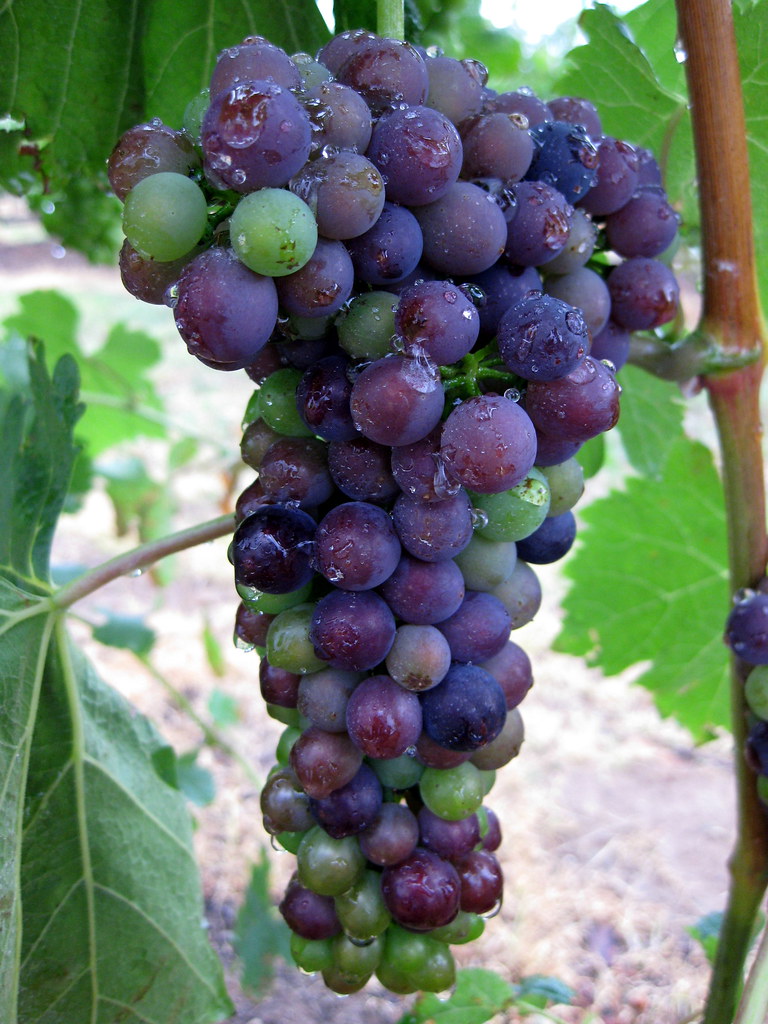
11. **Grape**Grapes hold a distinguished position as one of the most prevalent and universally cherished types of fruit across the globe. Their widespread cultivation means they are almost omnipresent, gracing tables and vineyards in virtually every corner of the world. This ubiquitous presence underscores their enduring appeal and remarkable adaptability to diverse climates and culinary traditions.
Beyond their fresh enjoyment, grapes are celebrated for their incredible versatility in the kitchen and in food production. They are a foundational ingredient in the creation of a vast array of beloved products, including fine wines, refreshing juices, sweet jams, and numerous delectable dessert items. This extensive range of applications speaks to their complex flavor profile and the many ways they can enhance our gastronomic experiences.
While many people might not immediately associate them with this category, grapes are, botanically speaking, a type of berry. This botanical classification reveals an interesting connection to their smaller, rounder counterparts. There are literally thousands of distinct grape varieties, each possessing unique characteristics, though they are commonly classified into broad categories such as white (often green), red, purple, or black, based on their skin color.
Nutritionally, a 150-gram cup of grapes provides a satisfying profile that contributes well to a balanced diet. This serving contains 104 kcal, offering a good source of natural energy. It delivers 27.2 grams of carbohydrates and a modest 1.35 grams of dietary fiber, which supports digestive regularity. With 23.2 grams of natural sugars, grapes provide a sweet boost, while their fat content is remarkably low at 0.24 grams, complemented by 1.08 grams of protein. These values confirm grapes as a deliciously convenient and health-promoting fruit, perfect for a quick snack or as part of a meal.
Read more about: Beyond the Plate: 10 Expert-Backed Food Insights to Support Cognitive Vitality After 55

12. **Lingonberry**Lingonberries, those small, vibrant red gems, are known by a delightful array of names, reflecting their widespread presence and cultural significance across various regions. You might hear them affectionately called ‘redberry,’ ‘cowberry,’ ‘foxberry,’ or even ‘red whortleberry,’ each name hinting at their distinct appearance and habitat. This rich tapestry of nomenclature underscores their deep integration into local traditions and ecosystems.
These tart and invigorating red berries are a common sight across the northern expanses of Europe and North America, thriving in cooler climates where they form dense, low-growing bushes. Their preference for specific environments makes them a cherished regional fruit, often hand-picked and enjoyed during their peak season. Their distinctive tartness is a hallmark of their flavor, setting them apart from sweeter berry cousins.
Similar to other intensely tart berries, lingonberries are most frequently incorporated as a key ingredient in various sweetened food products designed to balance their natural acidity. They are a staple in delicious jams, where sugar mellows their sharp notes, as well as in refreshing juices and comforting desserts. These preparations allow their unique flavor to shine through, making them palatable and enjoyable for a wider audience.
Per a 148-gram cup serving, lingonberries offer a valuable nutritional contribution. This serving provides 84 kcal, making them a moderately caloric fruit. It contains 21.0 grams of carbohydrates, supplying a good source of natural energy, and a healthy 3.6 grams of dietary fiber, essential for maintaining robust digestive health. With 15.0 grams of natural sugars, they offer a pleasant sweetness that complements their tartness. Their fat content is minimal at 0.5 grams, alongside 1.1 grams of protein, collectively highlighting lingonberries as a nutritious and flavorful choice for a well-rounded diet.
Read more about: I Ate IKEA Meatballs For The First Time & Was Shocked
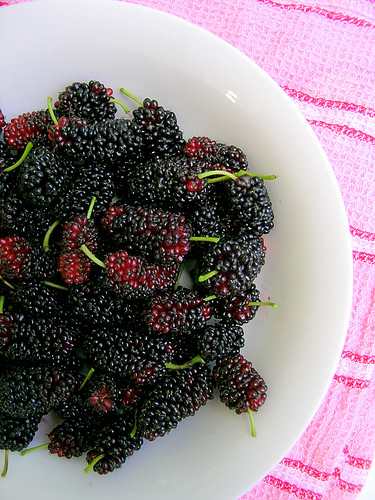
13. **Mulberry**Mulberries are a truly diverse and highly popular berry, celebrated for their varying shapes and sizes, and found flourishing across numerous regions of the world. These versatile fruits capture the imagination with their distinct appearances and delightful flavors, making them a beloved addition to gardens and cuisines globally. Their widespread appeal speaks to their inherent deliciousness and adaptability.
While there are many different kinds of mulberries, three main varieties typically stand out: black, red, and white. Black and red mulberries are indigenous to the United States, offering a wonderfully sweet and juicy taste complemented by a subtle, refreshing tartness. These varieties are often enjoyed fresh, directly from the tree, or incorporated into a myriad of culinary creations that highlight their vibrant flavor.
Conversely, white mulberries predominantly originate from China and are generally much smaller in stature compared to their red and black counterparts. Due to their primary source and delicate nature, white mulberries are most commonly available for sale in their dried form. When dried, these berries develop an even sweeter taste, making them a popular and convenient snack, perfect for adding to cereals, yogurts, or trail mixes.
Nutritionally, a 140-gram cup of fresh mulberries presents an appealing profile for health-conscious individuals. This serving provides a modest 60 kcal, positioning them as a low-calorie fruit option. It contains 13.7 grams of carbohydrates, along with a beneficial 2.38 grams of dietary fiber, which aids in digestive well-being. With 11.3 grams of natural sugars, they offer a naturally sweet flavor. The fat content is very low at 0.55 grams, complemented by 2.02 grams of protein, cementing mulberries as a delicious and health-enhancing fruit choice.
Read more about: Leonardo da Vinci: A Comprehensive Examination of the Renaissance Polymath’s Life, Art, and Enduring Influence

14. **Raspberry**Raspberries are undoubtedly one of the most commonly cultivated and widely adored fruits across the entire world, cherished for their delicate texture and exquisite flavor. These soft, succulent berries possess a beautifully balanced taste that is both slightly sweet and wonderfully juicy, making them an instant favorite in countless culinary applications and as a simple, refreshing snack.
Like many other esteemed berries, raspberries are incredibly rich in beneficial polyphenols, which are powerful plant compounds known for their antioxidant properties. Beyond these vital compounds, raspberries also generously provide ample amounts of dietary fiber, crucial for digestive health, and a significant boost of vitamin C, an essential nutrient vital for immune function and overall well-being. Their comprehensive nutrient profile makes them a true superfruit.
Their appealing taste and impressive nutritional content make raspberries a versatile ingredient in the kitchen. They are fantastic when enjoyed fresh, perhaps straight from the punnet or as a vibrant addition to breakfast cereals and yogurts. They also excel in baked goods, such as pies, tarts, and muffins, where their flavor intensifies beautifully, and they are a star in refreshing smoothies, sauces, and delectable desserts, adding a burst of natural sweetness and tang.
Per a 123-gram cup serving, raspberries offer a compelling nutritional breakdown that supports a healthy lifestyle. This serving provides a modest 64 kcal, making them a calorie-friendly fruit. It contains 14.6 grams of carbohydrates, delivering natural energy, and an impressive 8.0 grams of dietary fiber, which is exceptionally high and beneficial for satiety and gut health. With 5.44 grams of natural sugars, they offer a gentle sweetness. Their fat content is minimal at 0.80 grams, complemented by 1.48 grams of protein, firmly establishing raspberries as a nutrient-packed and irresistibly delicious berry.
Read more about: Beyond the Spotlight: 15 Iconic Actors Who Navigated Career Twists, Turns, and Controversies
As we conclude our comprehensive journey through these 14 remarkable berry varieties, it’s clear that these small, colorful fruits are far more than just delicious treats. Each berry, from the tangy blackcurrant to the sweet raspberry, is a miniature powerhouse, brimming with unique flavors, vital nutrients, and incredible versatility. Incorporating this diverse array of berries into your daily diet is a simple yet profound way to enhance your health, tantalize your taste buds, and connect with the natural brilliance of the plant world. So go ahead, embrace the spectrum of berries, and savor the countless benefits they bring to your plate and your well-being. Happy eating, and may your journey through the world of fruits be as delightful as it is nutritious!