Throughout the rich and dynamic tapestry of automotive history, certain vehicles have undeniably left an indelible mark – sometimes for their groundbreaking innovation, and other times for posing such significant risks that regulators felt compelled to pull them from public roads. It’s a fascinating and often dramatic saga, where unstable designs, excessive power, and the outright lack of crucial safety features have converged to create scenarios where public safety simply could not be ignored.
This isn’t merely a tale of outdated machines; it’s a testament to the ongoing and critical balance between pioneering automotive innovation and the absolute imperative of public safety. Vehicle bans, as we’ve seen time and again, typically result from fundamental design flaws, excessive power that outstrips control, or insufficient safety features that collectively create an unacceptable level of public risk. The regulatory landscape is a complex, ever-evolving beast, with standards varying wildly by country, meaning a vehicle deemed perfectly acceptable in one nation might be an absolute pariah in another.
Today, we embark on an in-depth exploration of some of the most infamous examples from this compelling chapter of automotive regulation. As automotive enthusiasts, we might mourn the loss or restriction of these often-iconic vehicles, but their removal from general circulation reflects a continuous and necessary evolution in safety standards. These stories are not just about cars that disappeared; they are about how engineering, public perception, and rigorous regulation have continually reshaped the very definition of a ‘roadworthy’ vehicle, driving manufacturers towards ever-safer, more compliant designs.

1. **The Reliant Robin: The Three-Wheeled Hazard**When we talk about cars that garnered notorious reputations for instability, the Reliant Robin invariably rolls to the forefront of the conversation. This distinctive three-wheeled vehicle, a product of British engineering, became infamous for its unique design which ultimately rendered it hazardous at anything above modest speeds. With only one wheel at the front and two at the rear, its inherent structural configuration made it particularly prone to tipping over during turns, a characteristic that quickly drew the attention of safety authorities.
This single-front-wheel design, while offering certain tax and licensing advantages in its home country, proved to be a critical safety weakness. Drivers found that pushing the Robin even slightly beyond its comfort zone, especially in corners, could easily lead to an unsettling loss of stability, often culminating in the vehicle rolling over. Such incidents painted a clear picture of the dangers associated with its fundamental architecture.
Consequently, the Reliant Robin’s propensity to roll over during turns led to its prohibition in several countries. While beloved by some for its quirky nature and economic running, the severe safety concerns stemming from its instability meant that many jurisdictions simply couldn’t justify its continued presence on their public roads. Its story serves as a stark reminder that sometimes, innovation, no matter how charming, must yield to the uncompromising demands of basic vehicle stability and occupant protection.
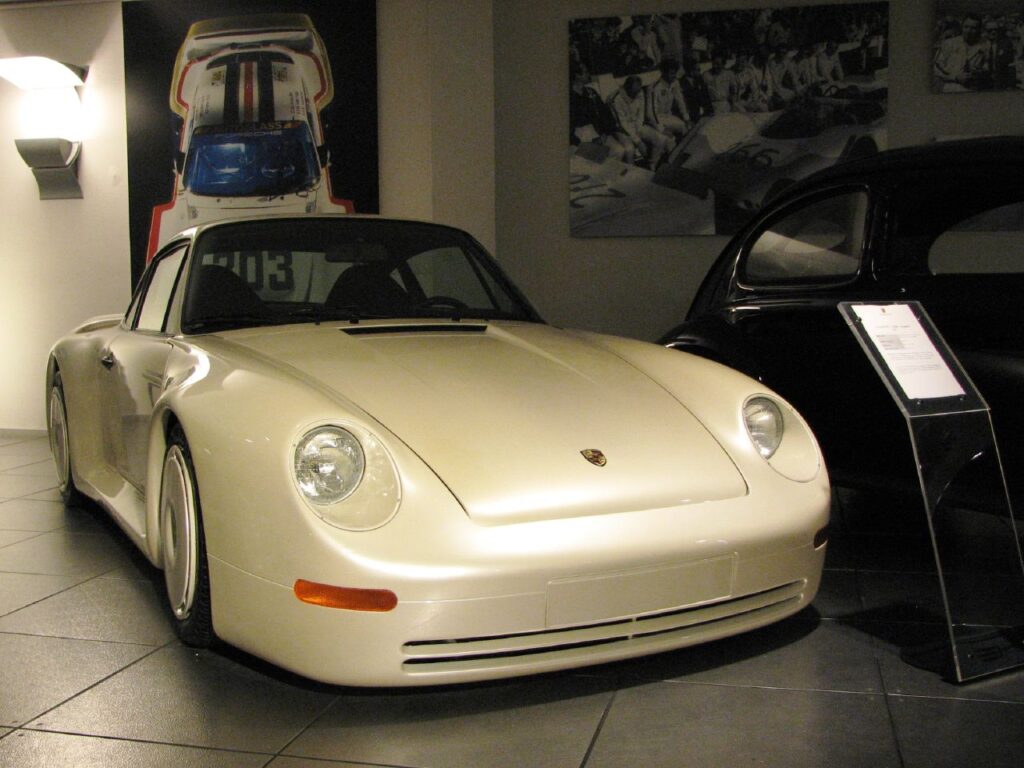
2. **The Porsche 959: Too Much Power for American Roads**The Porsche 959 stands as a legendary supercar, a marvel of advanced technology and blistering performance from its era. Introduced in the mid-1980s, it showcased cutting-edge all-wheel drive, aerodynamic wizardry, and formidable power. However, despite its technological prowess and supercar status, the Porsche 959 faced an unexpected ban in the United States, a market often eager for such automotive excellence.
The primary reason for its prohibition wasn’t a flaw in its design that made it inherently unstable or poorly constructed, but rather its inability to meet stringent U.S. safety standards. At the time, federal regulations, particularly those concerning crash testing and emissions, were exceptionally rigid. The 959, being a limited-production, highly specialized vehicle, had not been subjected to the costly and destructive crash tests required for mass-produced cars, nor had its emission systems been certified to American specifications.
Beyond the regulatory hurdles, a significant underlying concern was that the 959’s exceptional capabilities were deemed too potent for average drivers on public roads. Regulators worried that its immense power and speed, without the specific safety features and certifications demanded by the U.S. government, could pose an undue risk. Ultimately, the 959 was considered too dangerous for American roads without significant modifications, leading to its infamous ban and forcing many enthusiasts to wait until the ‘Show or Display’ law offered a glimmer of hope years later.
Read more about: Timeless Machines, Modern Rules: Unpacking the Legality of Classic Cars Lacking Modern Safety Features
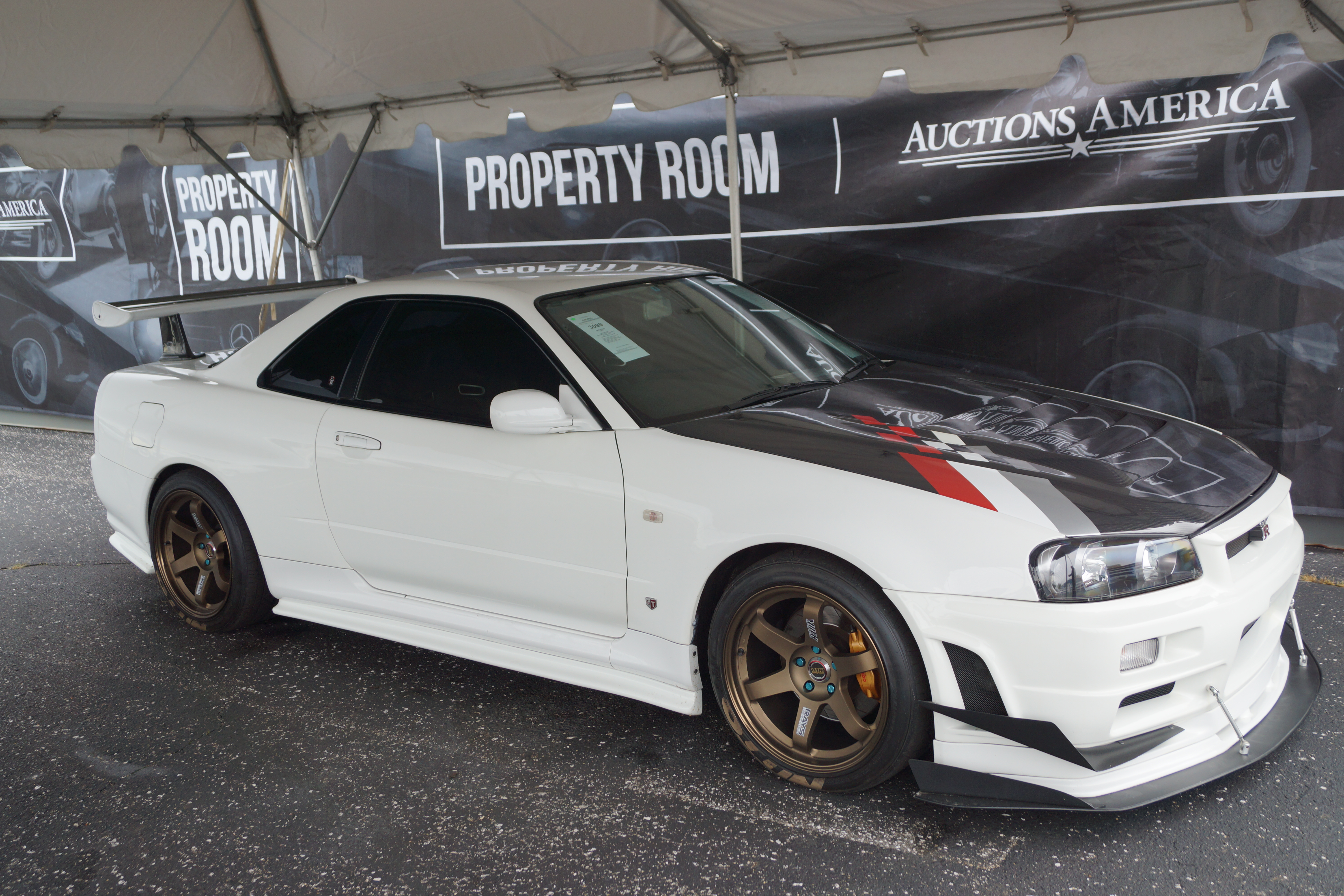
3. **The Nissan Skyline R34 GT-R: A JDM Icon Restricted**Few cars ignite the passion of automotive enthusiasts quite like the Nissan Skyline R34 GT-R, a true icon of Japanese performance engineering. Renowned for its formidable twin-turbocharged inline-six engine, advanced all-wheel-drive system, and aggressive styling, the R34 GT-R was a benchmark for speed and handling. Yet, this very prowess contributed to its contentious history and eventual ban in multiple countries, particularly the United States.
Several accidents involving the Nissan Skyline R34 GT-R played a role in regulators’ decisions, drawing unwanted attention to its excessive power and speed capabilities. Authorities in various nations concluded that its raw performance exceeded what they considered safe for standard road use, especially when coupled with its non-compliance with local safety and emission standards. For instance, in the U.S., the R34 GT-R did not meet federal safety and emissions criteria, rendering it illegal for import and road use.
The specific issues revolved around crash test standards and exhaust emissions. Many foreign cars, including high-performance models like the R34 GT-R, were not designed with U.S. federal motor vehicle safety standards (FMVSS) in mind, making their legal importation a complex and often impossible task without extensive, costly modifications. The cumulative effect of its extreme performance and failure to conform to these rigorous safety and environmental benchmarks sealed its fate as a prohibited vehicle on many public roads, much to the chagrin of dedicated car enthusiasts.
Car Model Information: 2022 Toyota Camry SE
Name: Nissan Skyline GT-R
Caption: 2002 Nissan Skyline GT-R V·spec II (BNR34)
Manufacturer: Nissan
Production: unbulleted list
Assembly: unbulleted list
Class: Sports car
Related: unbulleted list
Transmission: unbulleted list
Predecessor: Nissan Skyline#BLRA-3 Skyline Sport
Successor: Nissan GT-R
Categories: 1970s cars, 1980s cars, 1990s cars, 2000s cars, 24 Hours of Le Mans race cars
Summary: The Nissan Skyline GT-R (Japanese: 日産・スカイラインGT-R, Hepburn: Nissan Sukairain GT-R) is a Japanese sports car based on the Nissan Skyline range. The first cars named “Skyline GT-R” were produced between 1969 and 1972 under the model code KPGC10, and were successful in Japanese touring car racing events. This model was followed by a brief production run of second-generation cars, under model code KPGC110, in 1973.
After a 16-year hiatus, the GT-R name was revived in 1989 as the BNR32 (“R32”) Skyline GT-R. Group A specification versions of the R32 GT-R were used to win the Japanese Touring Car Championship for four years in a row. The R32 GT-R also had success in the Australian Touring Car Championship, with Jim Richards using it to win the championship in 1991 and Mark Skaife doing the same in 1992, until a regulation change excluded the GT-R in 1993. The technology and performance of the R32 GT-R prompted the Australian motoring publication Wheels to nickname the GT-R “Godzilla” in its July 1989 edition. Wheels then carried the name through all the generations of Skyline GT-Rs, most notably the R34 GT-R, which they nicknamed “Godzilla Returns”, and described as “The best handling car we have ever driven”. In tests conducted by automotive publications, R34 GT-R have covered a quarter of a mile (402 metres) in 12.2 seconds from a standing start time and accelerated from 0–100 km/h (0–62 mph) in 4.4 seconds.
The Skyline GT-R became the flagship of Nissan performance, showing many advanced technologies including the ATTESA E-TS all-wheel drive system and the Super-HICAS four-wheel steering. Today, the car is popular for import drag racing, circuit track, time attack and events hosted by tuning magazines. Production of the Skyline GT-R ended in August 2002. The car was replaced by the GT-R (R35), an all-new vehicle based on an enhanced version of the Skyline V36 platform. Although visibly different, the two vehicles share similar design features and are manufactured in the same factory.
The Skyline GT-R was never manufactured outside Japan, and the sole export markets were Hong Kong, Singapore, Australia and New Zealand, in 1991, and the UK (in 1997, due to the Single Vehicle Approval scheme). They are also popular across the world as used Japanese imports.
Despite this, the Skyline GT-R has become an iconic sports car as a grey import vehicle in the Western world (mainly the United Kingdom, Australia, New Zealand, South Africa, Ireland, Canada, and the United States). It has become notable through pop culture such as The Fast and the Furious, Initial D, Shakotan Boogie, Tokyo Xtreme Racer, Wangan Midnight, Need for Speed, Forza, Driving Emotion Type-S, Test Drive, and Gran Turismo.
In 2019, Nismo announced that it would resume production of spare parts for all generations of the Skyline GT-R, including body panels and engines.
Get more information about: Nissan Skyline GT-R
Buying a high-performing used car >>>
Brand: Nissan Model: Skyline R34 GT-R
Price: $23,995 Mileage: 61,076 mi.

4. **The Chevrolet Corvair: Nader’s Unsafe at Any Speed**Among the annals of automotive controversy, the Chevrolet Corvair holds a particularly infamous place, forever linked to Ralph Nader’s groundbreaking book, “Unsafe at Any Speed.” This compact car, produced by General Motors, became a poster child for design flaws that raised serious safety concerns, particularly regarding its pre-1965 models and their swing-axle suspension design.
Nader’s exposé highlighted how this particular suspension setup, especially in early Corvair models, could lead to dangerous instability and a propensity for rollovers during certain driving maneuvers. This design choice, intended to save costs and reduce complexity, was found to compromise the vehicle’s handling characteristics, making it unpredictable and potentially lethal under specific conditions. The public outcry and subsequent scrutiny were immense, forever altering the industry’s approach to safety.
The widespread criticism and the ensuing controversy over the Corvair’s safety features had a profound impact on General Motors and the wider automotive industry. In response to the crisis, GM established dedicated safety research teams, signaling a fundamental shift where vehicle safety transitioned from being an afterthought to a pivotal design consideration and even a marketing advantage. While later models of the Corvair addressed some of these design shortcomings, the pre-1965 versions remain a cautionary tale in automotive history, exemplifying how critical design choices can lead to widespread bans and regulatory scrutiny.
Car Model Information: 1964 Chevrolet Corvair Monza
Caption: 1964 Chevrolet Corvair Monza
Name: Chevrolet Corvair
Manufacturer: Chevrolet
Production: July 1959
Platform: GM Z platform
Chassis: Unibody
ModelYears: 1960–1969
Assembly: United States,Kansas City, Missouri,Oakland, California,Van Nuys,St. Louis,Flint, Michigan,Belgium,Canada,Mexico,South Africa,Switzerland,Venezuela
Class: Compact car
Successor: Chevrolet Vega
Layout: Rear-engine, rear-wheel-drive layout
Categories: All Wikipedia articles written in American English, All articles lacking in-text citations, All articles needing additional references, All articles with dead external links, All articles with specifically marked weasel-worded phrases
Summary: The Chevrolet Corvair is a rear-engined, air-cooled compact car manufactured and marketed by Chevrolet over two generations from the 1960 through 1969 model years. The Corvair was a response to the increasing popularity of small, fuel-efficient automobiles, particularly the imported Volkswagen Beetle and American-built compacts like the Rambler American and Studebaker Lark.
The first generation (1960–1964) was offered in four-door sedan, two-door coupe, convertible, and four-door station wagon configurations. A two- and four-door hardtop, as well as a convertible, were available as second-generation variants (1965–1969). The Corvair platform was also offered as a subseries known as the Corvair 95 (1961–1965), which consisted of a passenger van, commercial van, and pickup truck variant. Total production was approximately 1.8 million vehicles from 1960 until 1969.
The name “Corvair” was first applied in 1954 to a Corvette-based concept with a hardtop fastback-styled roof, part of the Motorama traveling exhibition. When applied to the production models, the “air” part referenced the engine’s cooling system.
A prominent aspect of the Corvair’s legacy derives from controversy surrounding the handling of early models equipped with rear swing axles, articulated aggressively by Ralph Nader’s Unsafe at Any Speed but tempered by a 1972 Texas A&M University safety commission report for the National Highway Traffic Safety Administration (NHTSA) which found that the 1960–1963 Corvair possessed no greater potential for loss of control in extreme situations than contemporary compacts.
To better counter popular inexpensive subcompact competitors, notably the Beetle and Japanese imports such as the Datsun 510, GM replaced the Corvair with the more conventional Chevrolet Vega in 1970.
Get more information about: Chevrolet Corvair
Buying a high-performing used car >>>
Brand: Chevrolet Model: Corvair
Price: $29,988 Mileage: 74,787 mi.
Read more about: Beyond the Crash: Unpacking the 14 Most Costly Automotive Safety Fails That Shook the Industry
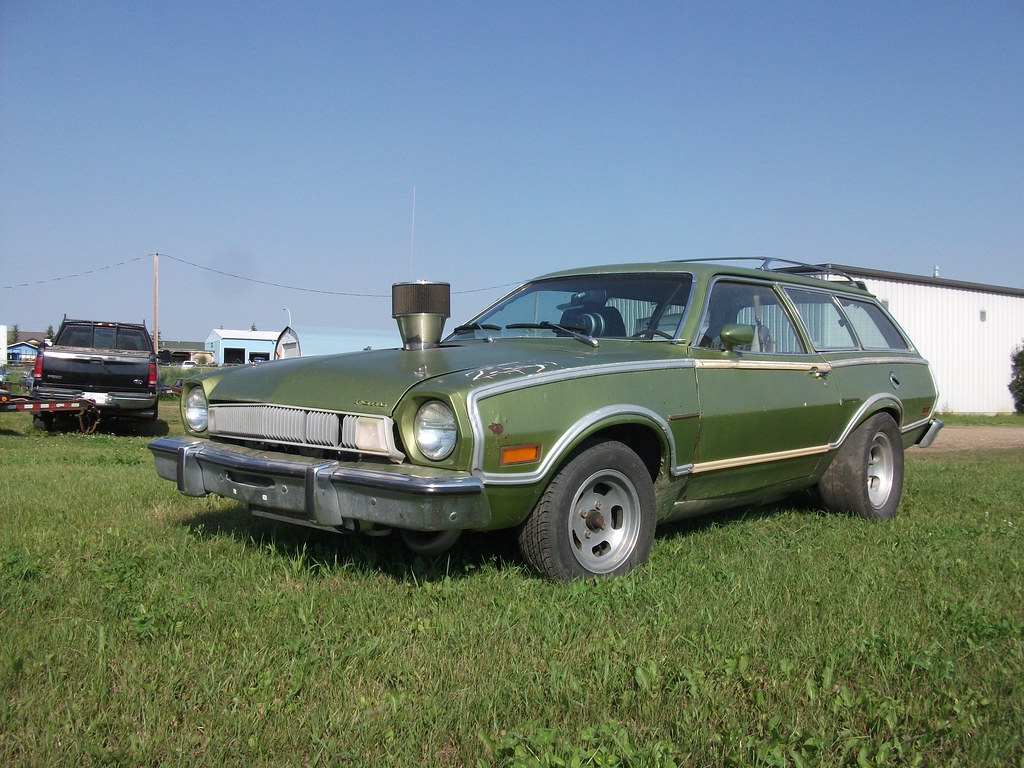
5. **The Ford Pinto: A Design That Ignited Controversy**Few cars have become as synonymous with a design flaw leading to deadly consequences as the Ford Pinto. Produced between 1971 and 1980, this subcompact vehicle gained a notorious reputation due to a critical and ultimately fatal flaw in its fuel tank design. The placement of the fuel tank, precariously close to the rear axle, made it highly susceptible to rupture and subsequent fire in rear-end collisions.
This design oversight meant that even relatively minor impacts could lead to catastrophic outcomes, transforming the vehicle into a death trap for its occupants. The resulting deadly fires sparked a massive public safety debate and drew intense scrutiny from regulators and consumer advocates alike. The Pinto became a chilling example of corporate decision-making being questioned in the face of human lives.
Consequently, the Ford Pinto remains prohibited in many jurisdictions, largely due to its infamous fuel tank design that caused deadly fires in rear-end collisions. Its legacy serves as a stark reminder of the ethical responsibilities inherent in automotive design and manufacturing, pushing for stricter safety standards and a re-evaluation of how potential risks are assessed and mitigated during vehicle development. The Pinto’s story is a permanent fixture in the history of vehicle bans, underscoring the severe repercussions of design flaws.
Car Model Information: 1980 Ford Pinto WAGON
Name: Ford Pinto
Caption: Ford Pinto
Manufacturer: Ford Motor Company
Aka: Mercury Bobcat
Production: September 1970 – July 1980
ModelYears: 1971–1980 (Pinto),1974–1980 (Bobcat)
Assembly: Edison, New Jersey,Milpitas, California
Designer: Robert Eidschun (1968)
Class: Subcompact car
BodyStyle: Sedan (automobile),sedan delivery,station wagon,hatchback
Related: #Mercury Bobcat (1974–1980),Ford Mustang (second generation)
Layout: Front-engine, rear-wheel-drive layout
Chassis: Unibody
Engine: unbulleted list
Abbr: on
Disp: Ford Cologne engine
Transmission: unbulleted list
Wheelbase: 94.0 in
Length: 163 in
Width: 69.4 in
Height: 50 in
Weight: convert
Predecessor: Ford Cortina#Mark II (1966–1970)
Successor: Ford Escort (North America)
Categories: 1980s cars, Articles with short description, Cars discontinued in 1980, Cars introduced in 1970, Commons category link from Wikidata
Summary: The Ford Pinto is a subcompact car that was manufactured and marketed by Ford Motor Company in North America from 1970 until 1980. The Pinto was the first subcompact vehicle produced by Ford in North America.
The Pinto was marketed in three body styles throughout its production: a two-door fastback sedan with a trunk, a three-door hatchback, and a two-door station wagon. Mercury offered rebadged versions of the Pinto as the Mercury Bobcat from 1975 until 1980 (1974–1980 in Canada). Over three million Pintos were produced over its ten-year production run, outproducing the combined totals of its domestic rivals, the Chevrolet Vega and the AMC Gremlin. The Pinto and Mercury Bobcat were produced at Edison Assembly in Edison, New Jersey, St. Thomas Assembly in Southwold, Ontario, and San Jose Assembly in Milpitas, California.
Since the 1970s, the safety reputation of the Pinto has generated controversy. Its fuel-tank design attracted both media and government scrutiny after several deadly fires occurred when the tanks ruptured in rear-end collisions. A subsequent analysis of the overall safety of the Pinto suggested it was comparable to other 1970s subcompact cars. The safety issues surrounding the Pinto and the subsequent response by Ford have been cited widely as business ethics and tort reform case studies.
Get more information about: Ford Pinto
Buying a high-performing used car >>>
Brand: Ford Model: Pinto
Price: $5,951 Mileage: 107,000 mi.
Read more about: Engineering Flaws and Fateful Journeys: Unpacking the Most Dangerous Cars of All Time
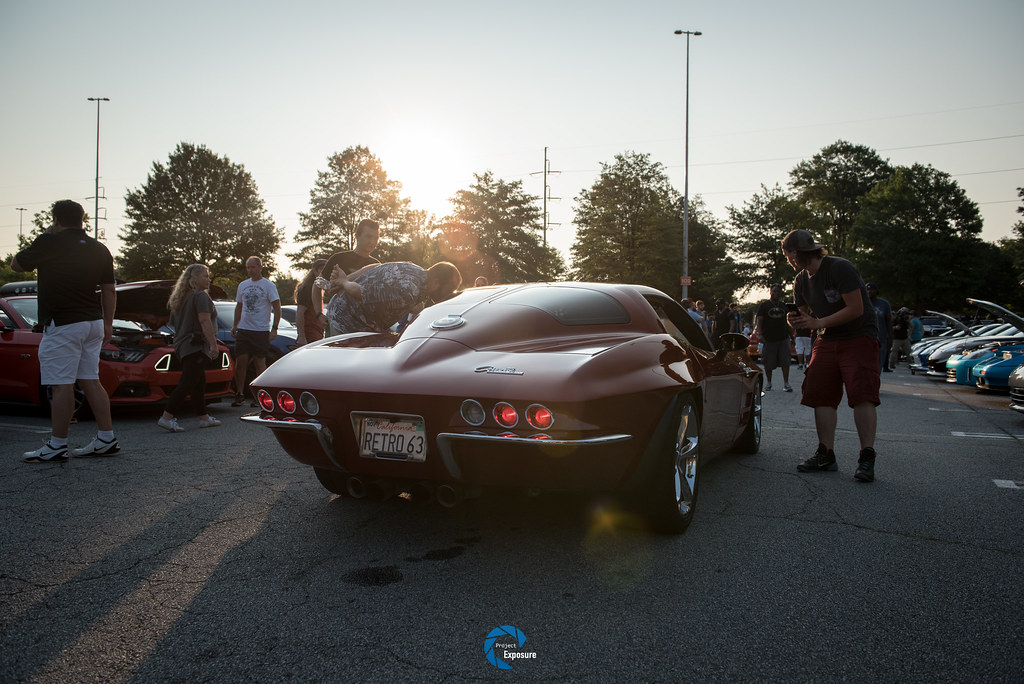
6. **Europe: The Camaro ZL1 1LE Dive Plane Restriction**The Chevrolet Camaro ZL1 1LE is widely recognized as a pinnacle of American high-performance engineering, meticulously honed for breathtaking speed, agility, and uncompromising track precision. At the heart of its capabilities lies an exceptionally aggressive aerodynamic package, including large, prominent front dive planes. These components are far from mere aesthetic additions; they are crucial, functional elements engineered to optimize the vehicle’s interaction with airflow.
Technically, these dive planes are meticulously shaped to generate significant downforce over the front axle. This added vertical pressure enhances grip, particularly during high-speed cornering and braking, contributing directly to the ZL1 1LE’s exceptional handling stability. Furthermore, their strategic placement aids the crucial cooling of critical engine and brake components during demanding driving sessions. Yet, this very aerodynamic aggression, optimized for the racetrack, soon found itself in direct conflict with Europe’s stringent and comprehensive pedestrian safety regulations.
European authorities enforce rigorous and detailed assessments aimed squarely at minimizing potential harm to pedestrians in the unfortunate event of a collision. Their regulatory framework extends beyond occupant safety, focusing on external vehicle elements that could exacerbate injuries. Upon evaluating the ZL1 1LE, they specifically identified the vehicle’s pronounced front dive planes as a substantial risk factor, flagging them for their potential to cause harm.
The regulatory concern focused on the specific design and sharp edges of these aerodynamic appendages. Authorities concluded that in an accidental pedestrian impact, these dive planes could inflict severe injuries, particularly deep lacerations or impact trauma by cutting into pedestrians’ legs. Such a potentially catastrophic form of injury was deemed an unacceptable risk under European safety statutes, which prioritize the protection of vulnerable road users, leading to a significant restriction.
As a direct consequence of this non-compliance, the Chevrolet Camaro ZL1 1LE is regrettably permitted only on racetracks across the European continent. This restriction effectively prevents this incredibly powerful, visually striking, and aerodynamically advanced American muscle car from being legally registered and operated on public roads within the region. The decision serves as a powerful reminder of how comprehensive regulatory frameworks can constrain even the most advanced performance vehicles.
Car Model Information: 2022 Toyota Camry SE
Name: Chevrolet Camaro
Manufacturer: Chevrolet
Production: 1966–2002,2009–2023
ModelYears: 1967–2002,2010–2024
Class: Pony car
BodyStyle: coupe,convertible
Platform: GM F platform,GM Zeta platform,GM Alpha platform
Layout: Front-engine, rear-wheel-drive layout
Categories: 1970s cars, 1980s cars, 1990s cars, 2+2 coupés, 2000s cars
Summary: The Chevrolet Camaro is a mid-size American automobile manufactured by Chevrolet, classified as a pony car. It first went on sale on September 29, 1966, for the 1967 model year and was designed to compete with the Ford Mustang. The Camaro shared its platform and major components with the Firebird, produced by General Motors’ Pontiac division that was also introduced for the 1967 model year.
Four distinct generations of the Camaro were developed before production ended in 2002. The nameplate was revived on a concept car that evolved into the fifth-generation Camaro; production started on March 16, 2009.
Production of the sixth generation of the Camaro ended in December 2023, for the 2024 model year.
Get more information about: Chevrolet Camaro
Buying a high-performing used car >>>
Brand: Chevrolet Model: Camaro ZL1 1LE
Price: $23,995 Mileage: 61,076 mi.
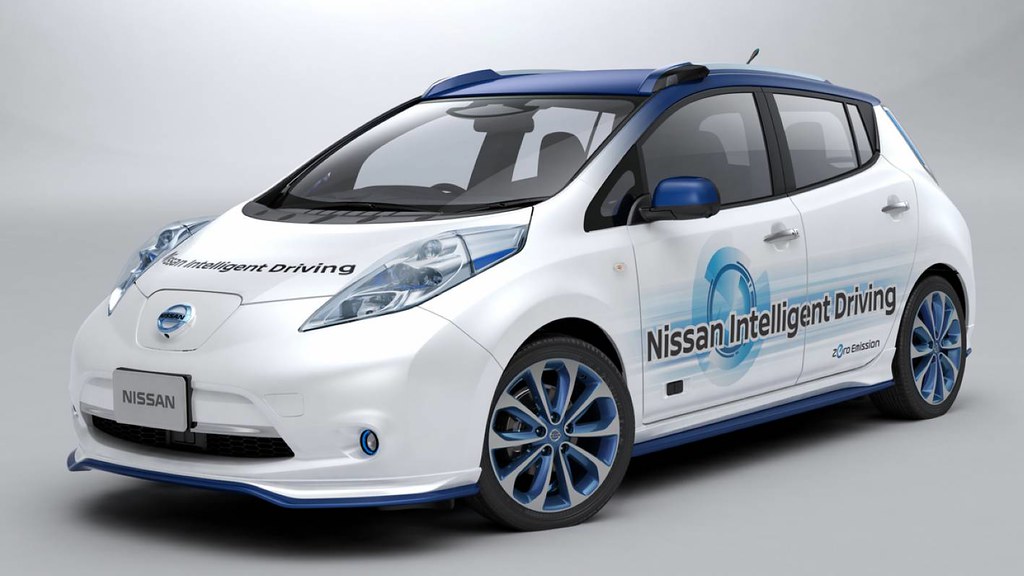
7. **India: A Blanket Ban on Driverless Cars**India has unequivocally adopted a uniquely stringent and comprehensive stance on the rapidly evolving field of autonomous vehicle technology. The nation has implemented a complete and outright ban on driverless cars, a prohibition that remains firmly in place despite the fact that, globally, this technology is still predominantly within its advanced developmental and testing phases. This policy direction was clearly articulated by India’s Transport Minister, Nitin Gadkari, who explicitly stated that the country would not authorize autonomous vehicles to operate on its public roads, thus establishing a definitive and conservative approach to future mobility.
The fundamental and most prominent motivation behind this sweeping prohibition is a profound concern over potential large-scale job displacement. India is home to an enormous and economically significant workforce of professional drivers. The government views the widespread adoption of driverless technology as a direct and substantial threat to the livelihoods of millions of its citizens. This policy reflects a deep-rooted, arguably protectionist resistance to automation within its critical transportation sector, clearly prioritizing human employment and social stability over perceived efficiency benefits.
Beyond the immediate socio-economic implications, there is also a robust underlying perspective among various experts regarding the sheer practicalities and efficacy of deploying autonomous vehicles within India’s unique and often chaotic road environments. Many contend that the country’s exceptionally complex, diverse, and frequently unpredictable traffic conditions would present insurmountable challenges for fully autonomous cars to navigate effectively, reliably, and safely. The sheer variability in road infrastructure, driver behavior, and the presence of diverse road users—from pedestrians and cyclists to animals and unorganized traffic—creates a dynamism that current autonomous systems are not yet equipped to handle at scale.
This multifaceted decision to ban driverless cars therefore balances several critical considerations. It is a policy that intricately weaves together socio-economic factors related to employment and social welfare, with practical and expert-informed assessments of technological readiness against a backdrop of highly challenging operational environments. India’s approach highlights that the future of mobility is not solely dictated by technological capability, but also by national priorities, cultural perspectives, and the complex interplay of a nation’s unique societal fabric.
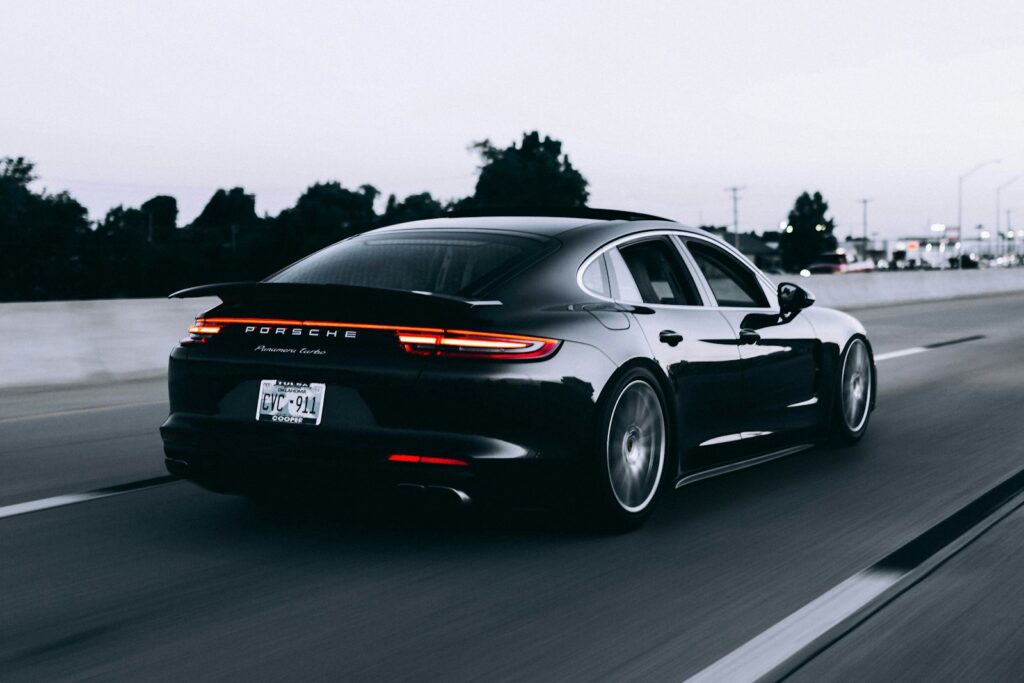
8. **Turkmenistan: The Black Car Ban**Among the diverse spectrum of global automotive regulations, Turkmenistan stands out for instituting one of the most unusual and, frankly, bizarre car bans. In 2015, an extraordinary decree prohibited black-colored cars from operating within the nation’s capital city. This directive did not originate from conventional concerns over vehicle safety, environmental impact, or performance metrics; instead, it was directly linked to the deeply personal and highly superstitious beliefs of the then-President, Gurbanguly Berdymukhammedov. In Turkmen culture, white is traditionally regarded as a color of good fortune and purity, profoundly influencing this curious automotive decree.
The enforcement of this peculiar mandate was implemented with surprising swiftness and an unwavering resolve. Authorities actively began a campaign of impounding black cars that were found driving within the capital city’s limits. Owners were then presented with a stark and non-negotiable choice: their cars would only be released and permitted back on the roads if they agreed to undertake the significant financial expense and considerable logistical effort of having them completely repainted in white or other approved light-colored hues. This effectively turned a superstitious belief into a binding legal requirement for vehicle owners.
Predictably, this highly unusual and arbitrary mandate had immediate and widespread economic repercussions. It triggered an enormous and unprecedented surge in demand for car repainting services across the capital city, as thousands of vehicle owners scrambled to comply. The sudden influx of business, coupled with limited resources, inevitably resulted in a dramatic inflation of costs; the price of professional resprays reportedly doubled in many instances, placing an unexpected financial burden on citizens. This incident vividly serves as a striking illustration of the strict, and at times seemingly arbitrary or idiosyncratic, regulations imposed by the Turkmen government, showcasing a unique intersection of leadership beliefs, cultural significance, and automotive legality.
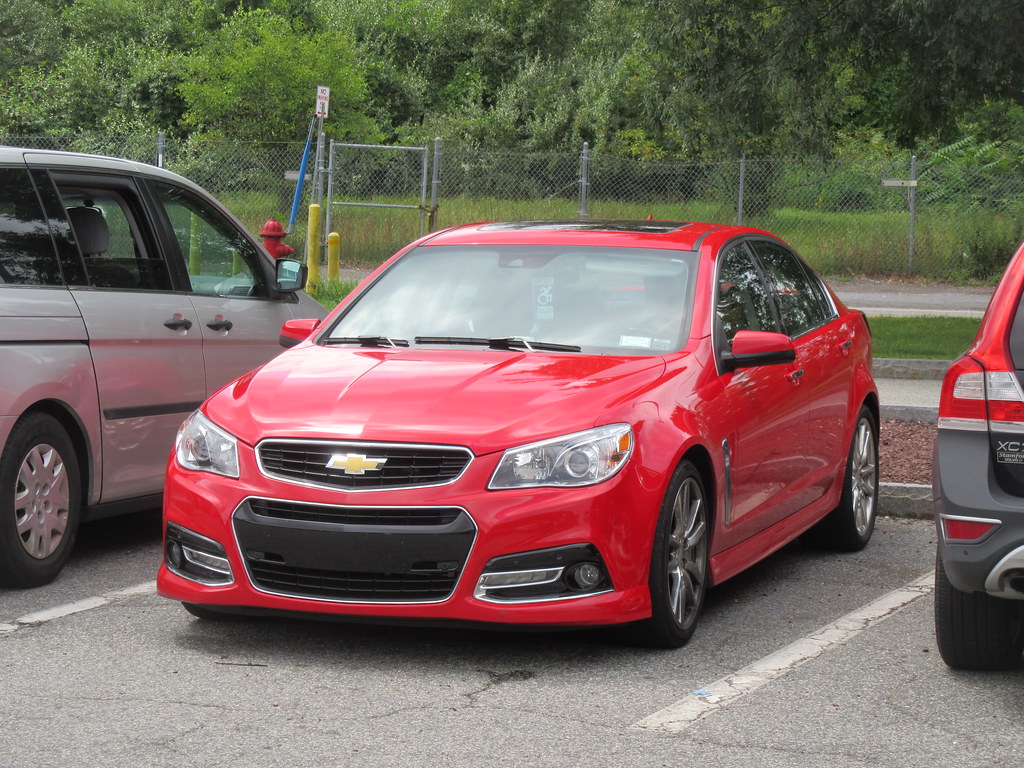
9. **Israel: Chevrolet SS Name Controversy**When Chevrolet embarked on the global launch of its potent SS (Super Sport) model, a vehicle designed to embody high performance, it encountered an unforeseen and profoundly sensitive cultural roadblock specifically within the market of Israel. The critical issue did not stem from any mechanical deficiency or design flaw, nor from safety or environmental non-compliance. Instead, the problem was intrinsically tied to the chosen model abbreviation, “SS,” a seemingly innocuous acronym that, in Israel, carries an unimaginably painful and historically charged association. This abbreviation is inextricably linked with the Schutzstaffel, the infamous Nazi paramilitary organization directly responsible for orchestrating the horrific atrocities of the Holocaust.
Given Israel’s profound and deeply held historical memory, its collective national trauma, and the immense sensitivities that quite rightly surround the Holocaust, the association of a mass-produced vehicle’s name with such a potent symbol of oppression, genocide, and human suffering was utterly and completely unacceptable. The Israeli government swiftly recognized the immense offense, distress, and historical agony the name could unequivocally evoke within the nation’s populace. It took a clear, decisive, and morally grounded stance on the matter, prioritizing national sentiment and historical respect above commercial considerations.
Consequently, the Israeli government officially and unequivocally banned the Chevrolet SS from being sold, imported, or operated within the country. This was not merely a suggestion or a request for a rebranding; it was a state-level prohibition rooted in deeply felt national history. While global automakers routinely navigate challenges related to linguistic translation nuances or specific branding preferences, this particular oversight by Chevrolet proved to be a singularly significant and, from the critical perspective of cultural sensitivity and historical awareness, an entirely preventable misstep in its international marketing strategy. The incident remains a powerful and stark reminder of the indelible weight of historical context and the absolute imperative for meticulous cultural due diligence in global commerce.
Car Model Information: 2025 Chevrolet Blazer EV eAWD SS
Name: Chevrolet SS
Caption: 2014 Chevrolet SS
Aka: Holden Commodore (VF)
Manufacturer: Chevrolet
Production: 2013-2017
ModelYears: 2014-2017
Assembly: Adelaide, South Australia
Class: Full-size car
BodyStyle: sedan (car)
Layout: Automobile layout
Platform: GM Zeta platform
Engine: General Motors LS-based small-block engine#LS3,V8 engine
Transmission: GM 6L80 transmission,automatic transmission
Wheelbase: 114.8 in
Abbr: on
Length: 195.8 in
Width: 74.8 in
Height: 57.7 in
Weight: 3946 lb
Related: Chevrolet Camaro (fifth generation),Chevrolet Caprice,Holden Caprice (WM)
Predecessor: Chevrolet Impala SS,Chevrolet Malibu SS,Pontiac G8
Categories: 2010s cars, Articles with short description, Cars discontinued in 2017, Cars introduced in 2013, Chevrolet vehicles
Summary: The Chevrolet SS is a performance full-size sedan sold by Chevrolet from 2013 to 2017, as a rebadge of the Holden Commodore exclusive to the United States. It was sold in the 2014-2017 model years.
It was unveiled during Speedweeks in Daytona Beach, Florida, in February 2013. The SS started sale in the 2014 model year in late 2013. It was Chevrolet’s first rear-wheel drive V8 sedan since 1996.
Get more information about: Chevrolet SS (sedan)
Buying a high-performing used car >>>
Brand: Chevrolet Model: SS
Price: $52,798 Mileage: 176 mi.
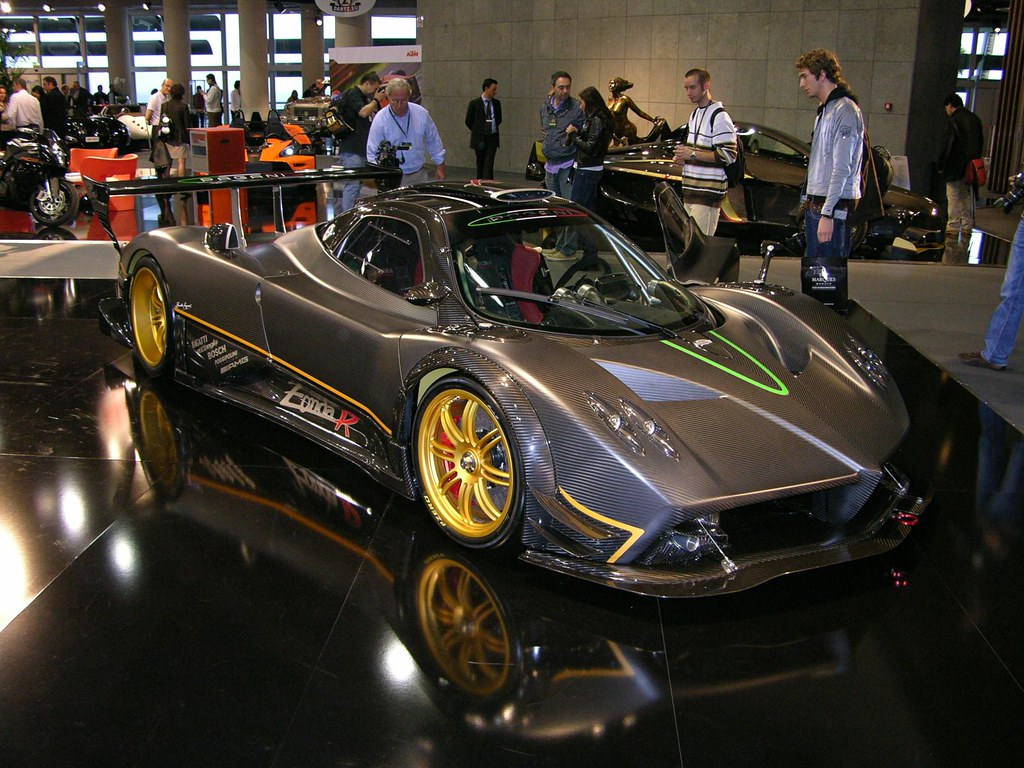
10. **United States: The Pagani Zonda R’s Airbag Dilemma**The United States maintains an extensive and rigorously enforced list of vehicles that, despite their exotic allure or stratospheric performance credentials, simply fail to meet its comprehensive federal safety regulations for unrestricted road use. The Pagani Zonda R, an undisputed elite hypercar from the venerable Italian marque, finds itself prominently featured on this exclusive list. While it represents a pinnacle of engineering and artistic design, this automotive masterpiece is strictly not street-legal for general public road use in the U.S. Its presence is only permitted under the highly specialized provisions of a “Show and Display” license, a unique legal framework that imposes a severe annual mileage limitation of just 2,500 miles.
The primary regulatory hurdle stems from a specific and critical safety omission: its lack of “advanced” child-safe airbags. This is a mandatory requirement stipulated by the National Highway Traffic Safety Administration (NHTSA) for any vehicle intended for general road use within the United States. These “advanced” airbag systems are far more sophisticated; they are specifically engineered to detect crucial parameters such as occupant size and crash severity, meticulously adjusting their deployment force and inflation characteristics accordingly. This intelligent functionality is particularly vital for ensuring optimized protection for all occupants, including children.
However, a significant point of contention arises when contrasting this blanket regulatory requirement with the inherent nature of the Pagani Zonda R itself. This vehicle is, by its very design and market positioning, an ultra-exclusive, meticulously track-focused machine. It is a purpose-built instrument for extreme performance on closed circuits, explicitly engineered to push the boundaries of speed and handling, and one that is, realistically, highly unlikely to ever transport children. Its limited production, astronomical cost, and raw, uncompromising character make it an unsuitable and improbable family conveyance.
Consequently, many automotive enthusiasts and industry analysts find this specific restriction somewhat incongruous and, arguably, unnecessary in the context of such a niche vehicle. It starkly highlights the often-universal application of stringent safety standards, even when those standards are applied to vehicles that operate far outside conventional usage scenarios. The Zonda R’s dilemma underscores the inherent complexities and occasional frustrations that arise when attempting to reconcile absolute regulatory mandates with the specialized, often singular, purpose of ultra-high-performance automobiles.
Car Model Information: 2022 Toyota Camry SE
Name: Pagani Zonda R
Manufacturer: Pagani (automobile)
Production: 2009–2011,15 produced
Assembly: San Cesario sul Panaro
Class: Track Day,Car
BodyStyle: coupé
Layout: Rear mid-engine, rear-wheel drive layout
Engine: Mercedes-Benz M120 engine#Pagani Zonda,V12 engine
Transmission: Xtrac
Wheelbase: 2785 mm
Abbr: on(dry weight)
Length: 4886 mm
Width: 2014 mm
Height: 1141 mm
Weight: 1070 kg
Related: Pagani Huayra,Pagani Zonda
Designer: Horacio Pagani (auto executive)
Successor: Pagani Huayra#R
Categories: 2010s cars, Articles with hAudio microformats, Articles with short description, Cars introduced in 2007, Cars introduced in 2012
Summary: The Pagani Zonda R is a track day car developed and manufactured by Italian sports car manufacturer Pagani. It debuted at the 2007 Geneva Motor Show, using the 6.0-litre GT 112 engine sourced from the racing version of the Mercedes-Benz CLK-GTR. The Zonda R’s competition lies with track-based cars, such as the Ferrari FXX and Maserati MC12 Corse rather than the original Zonda’s road competitors as it is not road-legal.
Despite sharing much of the Zonda’s shape, the R is almost entirely new, sharing only 10% of the Zonda F’s components. It has been obliquely suggested by Horacio Pagani that this car is a testbed chassis for certain components of the Zonda’s replacement, the Huayra (in the same vein as the Ferrari 288 GTO Evoluzione and the successive F40) and that the Zonda R accurately reflects some of the Huayra’s features. Only 15 Zonda Rs were produced along with an additional 5 Zonda Revolución cars and the Zonda R prototype.
Get more information about: Pagani Zonda R
Buying a high-performing used car >>>
Brand: Pagani Model: Zonda R
Price: $23,995 Mileage: 61,076 mi.
As we navigate the fascinating, often contentious, landscape of automotive legality, it becomes clear that the narrative extends far beyond mere structural integrity or crash test scores. From a Mustang’s line lock feature deemed too tempting for illegal street antics, to the profound cultural resonance of a vehicle’s name, or even a president’s superstitious inclinations influencing color choices, the criteria for what truly constitutes a ‘roadworthy’ vehicle are incredibly diverse and perpetually evolving. These wide-ranging bans, whether spurred by pedestrian safety, economic policy, or historical sensitivity, collectively underscore a perpetual, global dialogue. This dialogue grapples with a fundamental question: how do societies judiciously balance the exhilarating thrill of innovation, the unbridled passion for unique machines, and the absolute imperative of public safety and societal values? The answers, as these diverse cases eloquently illustrate, are rarely simple, but always illuminating.