Since their inception in the mid-1900s, automobiles have rapidly become an integral part of modern life. It’s now common for households to own at least one car, and vehicles have transformed from mere transportation to fundamental parts of our everyday lives—used for everything from commuting to calming babies or even sleeping in. We often take their reliability for granted, forgetting how complex and, at times, how deadly they can be if not designed and manufactured with the utmost care.
While today’s vehicles are engineered with an array of advanced safety features, the history of the automobile is also dotted with models that, for various reasons, put their drivers and passengers at unacceptable risk. These weren’t just vehicles with minor inconveniences; many had dangerous defects, sometimes hidden by manufacturers, leading to hundreds injured and killed. Understanding these past failures is crucial for appreciating the rigorous safety standards we now expect.
In this in-depth look, we’ll peel back the layers on some of the most dangerous cars ever produced, examining the specific design flaws, engineering oversights, and corporate decisions that made them infamous. Our journey begins with a collection of vehicles that, despite their initial promise or iconic status, ended up making headlines for all the wrong reasons, forever altering how we view vehicle safety.
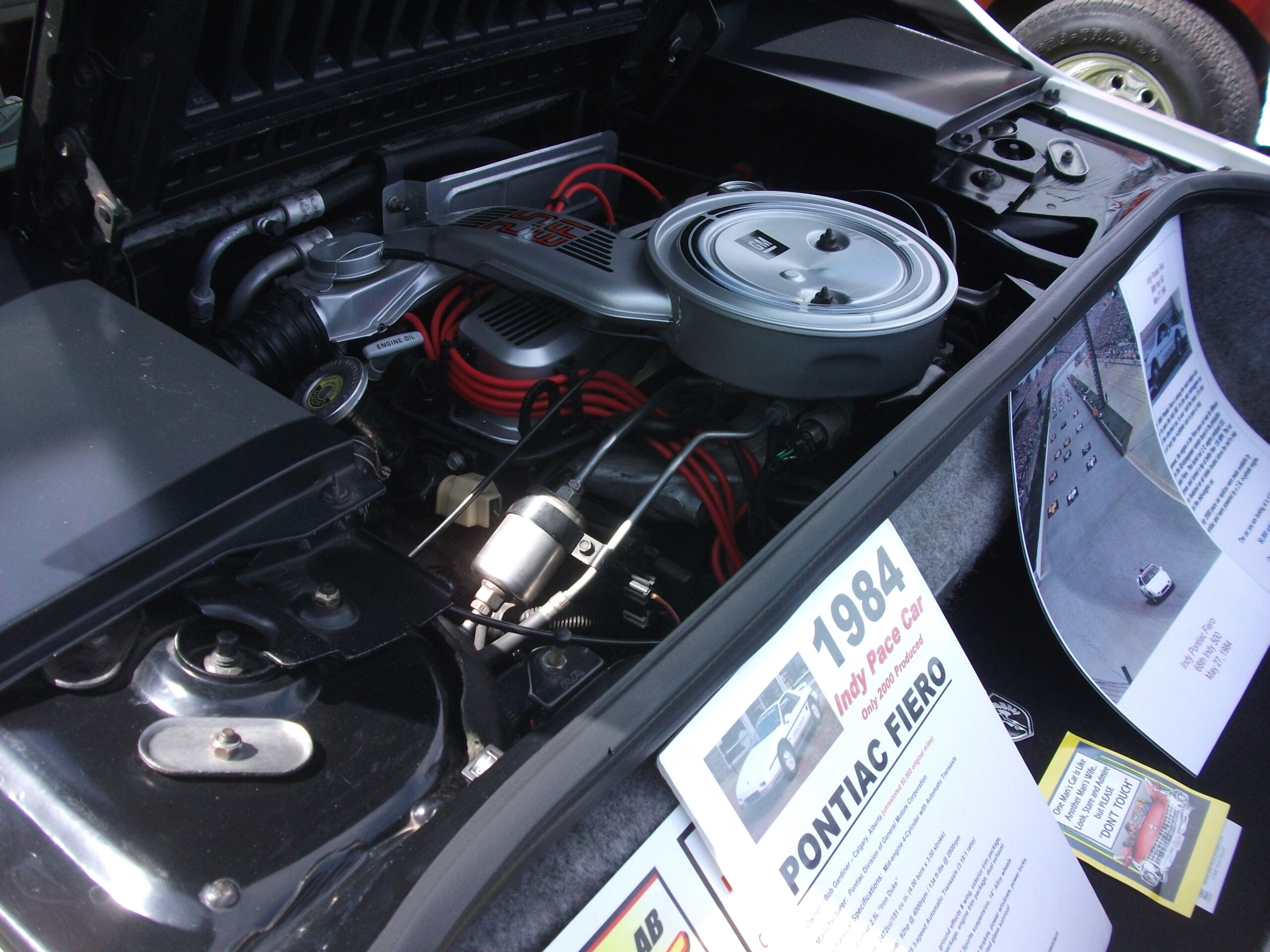
1. Pontiac Fiero
The Pontiac Fiero, a two-seater car produced in the 1980s, was envisioned as a sporty, futuristic vehicle. Its fiberglass side panels and hidden headlights certainly made it stand out, giving it the appearance of a cutting-edge machine. However, beneath its sleek exterior lay a dangerous flaw that would quickly tarnish its reputation and lead to its discontinuation after just five short years, from 1983 to 1988.
The primary issue plaguing the Fiero was a severe propensity for engine fires. The vehicle ran hot and was prone to oil leaks, which, combined with faulty wiring and improper coolant line placement, created a perfect storm for spontaneous combustion. Pontiac’s own test drives revealed this alarming tendency, yet the car was still brought to market. Over its brief production run, there were “260 reported cases of the engine bursting into flames.”
Fortunately, these numerous engine fires, while terrifying, resulted in a relatively low number of reported injuries—the NHTSA only received reports of six. Despite the limited casualties, the sheer volume of incidents highlighted a critical design failure. The constant threat of a fire hazard earned the Fiero “bad reviews” and contributed significantly to Pontiac’s decision to cease its production in 1988, cementing its place as one of Pontiac’s biggest failures and a stark reminder that a car’s safety rating isn’t always what it appears.
Car Model Information: 1988 Pontiac Fiero Formula
Name: Pontiac Fiero
Caption: 1988 Fiero Formula
Manufacturer: Pontiac (automobile)
Production: August 1983 – August 16, 1988,370,168 produced
ModelYears: 1984 – 1988
Successor: Pontiac Solstice
Assembly: Pontiac, Michigan
Designer: Hulki Aldikacti,George Milidrag
Class: Sports car
BodyStyle: fastback,notchback
Platform: GM P platform
Layout: Rear mid-engine, rear-wheel-drive layout
Engine: {{cvt,151,CID,L,1,disp=flip,Iron Duke engine#LR8,Inline-four engine
Transmission: Turbo-Hydramatic 125,Manual transmission,Getrag 282 transmission,Isuzu
Wheelbase: 2373 mm
Abbr: on
Length: 4072 mm
Width: 1750 mm
Height: 1191 mm
Weight: 1116 to
Categories: All articles with unsourced statements, Articles with short description, Articles with unsourced statements from February 2012, Articles with unsourced statements from July 2024, Articles with unsourced statements from September 2011
Summary: The Pontiac Fiero is a rear mid-engine, light sports car manufactured and marketed by Pontiac for model years 1984 – 1988. Intended as an economical commuter car with modest performance aspirations, it was Pontiac’s first two-seater since their 1926 to 1938 coupes, and the first mass-produced, rear mid-engine car by any American manufacturer.
In addition to using 4- and 6-cylinder engines to help Pontiac meet America’s ‘CAFE’ average fuel economy requirements, the Fiero’s chassis and structure technology used non-load-bearing, composite body-panels, contributing to the car’s light-weight and its unique selling proposition. Pontiac engineers modified the design over its life to enhance its performance and reposition the two-seater closer to the implications of its sporty configuration.
The Fiero 2M4 (two-seat, mid-engine, four-cylinder) placed on Car and Driver magazine’s Ten Best list for 1984, and was the Official Pace Car of the Indianapolis 500 for 1984.
A total of 370,168 Fieros were manufactured over five years’ production, its mild performance, reliability and safety issues becoming points of criticism. The Fiero was discontinued after annual sales fell steadily.
Get more information about: Pontiac Fiero
Buying a high-performing used car >>>
Brand: Pontiac Model: Fiero
Price: $11,000 Mileage: 101,027 mi.
Read more about: The 14 Most Spectacular Automotive Failures: Brands That Collapsed After Decades of Dreams
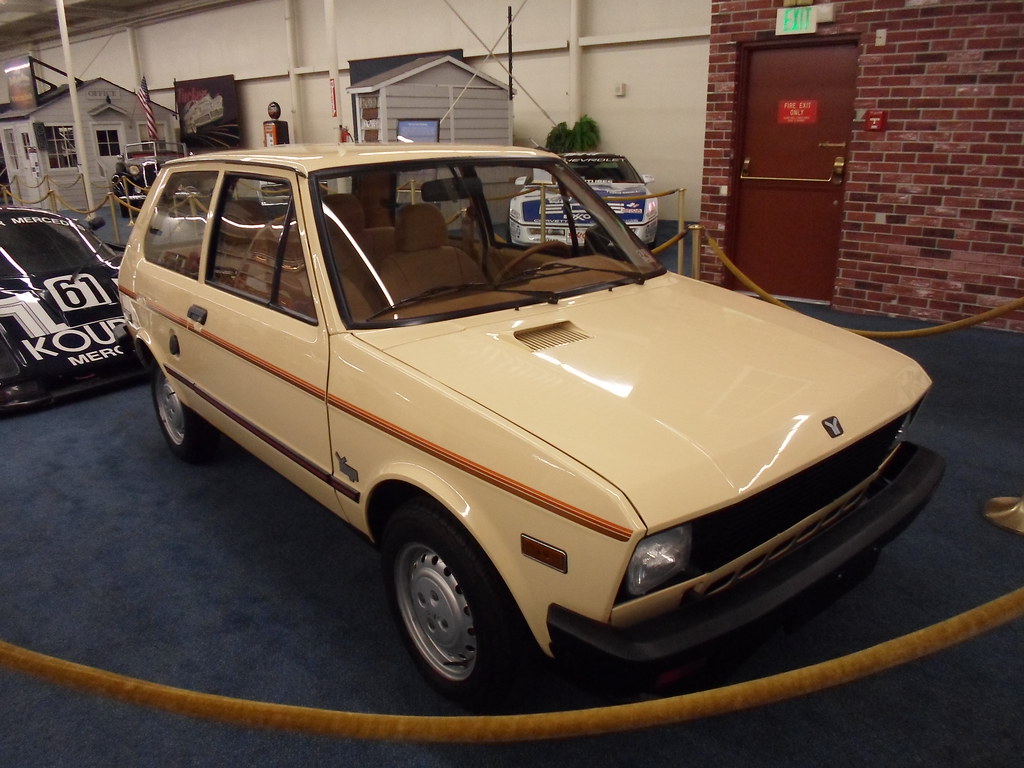
2. Yugo GV
Marketed as the cheapest car in America during the 1980s, the Yugo GV embodied the adage that you often get what you pay for, especially when it came to safety. Sold in the U.S. from 1985 to 1992, this little two-door quickly gained notoriety for all the wrong reasons, ranking ninth among the deadliest vehicles in history. Its low price came at a substantial cost: virtually no protection in a frontal crash and an engine described as rattling before eventually crumbling apart.
The Yugo GV was built with flimsy materials and lacked modern protective features, making it notoriously fragile in collisions. It was famously dubbed as safe as “a tin can on wheels” and, more damningly, voted on NPR’s Car Talk as “the worst car of the millennium.” These informal assessments were tragically backed by statistics, showing “one of the highest death rates for any car on U.S. roads, over 3.6 occupant deaths for every 10,000 Yugos made.”
Beyond its structural deficiencies, the Yugo also faced other significant issues. A massive recall affected “126,000 Yugo GVs” because their carburetor fuel failed to meet environmental standards, further underscoring its overall lack of reliability and quality. The car’s dismal safety record culminated in a tragic incident in 1989 when a Yugo GV was blamed for the death of Leslie Ann Pluhar, who was reportedly “blown… clear off the Mackinac Bridge” by a 50 mph gust of wind. This harrowing event marked the effective end of the Yugo’s presence in the U.S. market.
Read more about: Beyond the Crash: Unpacking the 14 Most Costly Automotive Safety Fails That Shook the Industry
3. Chevrolet Corvair
The Chevrolet Corvair, produced in the 1960s, began its life with the moniker “Poor Man’s Porsche,” intended to compete with European sports cars. However, its innovative rear-engine design and swing-axle suspension, while unique, proved to be a critical engineering misstep. Drivers soon discovered that steering this car, particularly at higher speeds, was “highly difficult,” transforming its aspirational nickname into the more accurate and ominous “Dead Man’s Porsche.”
Chevrolet itself confirmed a severe handling issue, advising a “drastic tire pressure difference between the front and back tires to avoid dangerous oversteering.” This unusual requirement highlighted the inherent instability of the vehicle, making it highly prone to rollovers and sudden loss of control. The Corvair’s deadly malfunctions garnered significant “bad press,” notably being blamed for the highly publicized death of comedian Ernie Kovacs in 1962, who lost control of his Corvair and died on impact after crashing into a light post.
The Corvair’s reputation was irrevocably damaged by Ralph Nader’s seminal 1965 book, “Unsafe at Any Speed,” which prominently featured the car as a prime example of automotive negligence. Nader’s exposé not only brought widespread attention to the Corvair’s dangers but also became a catalyst for stricter automotive safety standards in the United States. General Motors subsequently faced “over 100 liability lawsuits” related to Corvair crashes, injuries, and deaths, forcing fundamental changes in car safety and securing the Corvair’s infamous place in automotive history.
Car Model Information: 1964 Chevrolet Corvair Monza
Caption: 1964 Chevrolet Corvair Monza
Name: Chevrolet Corvair
Manufacturer: Chevrolet
Production: July 1959
Platform: GM Z platform
Chassis: Unibody
ModelYears: 1960–1969
Assembly: United States,Kansas City, Missouri,Oakland, California,Van Nuys,St. Louis,Flint, Michigan,Belgium,Canada,Mexico,South Africa,Switzerland,Venezuela
Class: Compact car
Successor: Chevrolet Vega
Layout: Rear-engine, rear-wheel-drive layout
Categories: All Wikipedia articles written in American English, All articles lacking in-text citations, All articles needing additional references, All articles with dead external links, All articles with specifically marked weasel-worded phrases
Summary: The Chevrolet Corvair is a rear-engined, air-cooled compact car manufactured and marketed by Chevrolet over two generations from the 1960 through 1969 model years. The Corvair was a response to the increasing popularity of small, fuel-efficient automobiles, particularly the imported Volkswagen Beetle and American-built compacts like the Rambler American and Studebaker Lark.
The first generation (1960–1964) was offered in four-door sedan, two-door coupe, convertible, and four-door station wagon configurations. A two- and four-door hardtop, as well as a convertible, were available as second-generation variants (1965–1969). The Corvair platform was also offered as a subseries known as the Corvair 95 (1961–1965), which consisted of a passenger van, commercial van, and pickup truck variant. Total production was approximately 1.8 million vehicles from 1960 until 1969.
The name “Corvair” was first applied in 1954 to a Corvette-based concept with a hardtop fastback-styled roof, part of the Motorama traveling exhibition. When applied to the production models, the “air” part referenced the engine’s cooling system.
A prominent aspect of the Corvair’s legacy derives from controversy surrounding the handling of early models equipped with rear swing axles, articulated aggressively by Ralph Nader’s Unsafe at Any Speed but tempered by a 1972 Texas A&M University safety commission report for the National Highway Traffic Safety Administration (NHTSA) which found that the 1960–1963 Corvair possessed no greater potential for loss of control in extreme situations than contemporary compacts.
To better counter popular inexpensive subcompact competitors, notably the Beetle and Japanese imports such as the Datsun 510, GM replaced the Corvair with the more conventional Chevrolet Vega in 1970.
Get more information about: Chevrolet Corvair
Buying a high-performing used car >>>
Brand: Chevrolet Model: Corvair
Price: $29,988 Mileage: 74,787 mi.
Read more about: From Flop to Coveted Classic: Unearthing the Most Notorious ‘Worst’ Cars of the Mid-20th Century That Now Command Respect
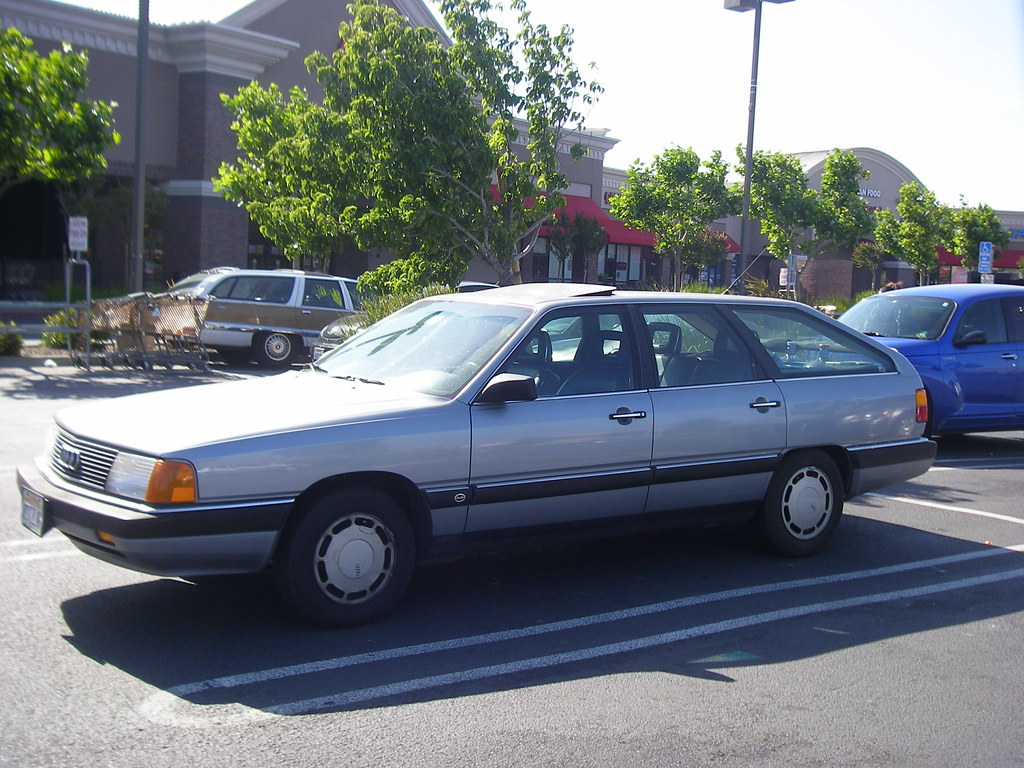
4. Audi 5000
From 1978 to 1986, the Audi 5000 became notorious for a terrifying defect known as “sudden unintended acceleration,” a phenomenon that made the car seem to have “magical powers” of its own. This issue involved the car’s engine unexpectedly accelerating, even when idling or at low speeds, causing drivers to lose control. The defect was far from rare, with “1,380 incidents” reported where the vehicle shifted into gear and accelerated independently, posing a severe threat to anyone in or around it.
The consequences of this defect were dire, leading to “660 accidents” and numerous fatalities. Initially, Audi, and its parent company Volkswagen (VW), were slow to acknowledge the severity of the problem. For four years, after many accidents had already occurred, VW’s initial response was to recall what they “deemed to be faulty floor mats,” a solution that, predictably, did nothing to address the fundamental issue of unintended acceleration. This delay in appropriate action only exacerbated the public’s concern and distrust.
It was only “after far too many people were put in danger” that the true cause was finally addressed. VW eventually paid to have “safety locks added to all the 5000s on the market to prevent the treacherous auto-drive from continuing to happen.” This scandal served as a pivotal moment in automotive safety, directly leading to these types of shift locks becoming “mandatory for all vehicles on the market today.” The Audi 5000’s failure highlighted the critical importance of prompt and honest responses to safety defects by manufacturers.
Car Model Information: 2018 Audi Q7 3.0T Prestige
Name: Audi 100 / Audi 200 / Audi 5000
Aka: Audi 5000 (North America)
Manufacturer: Auto Union
Production: 1968–1994
Class: Luxury vehicle#Mid-size luxury.2Fexecutive cars
Layout: front-wheel drive
Platform: Volkswagen Group C platform
Successor: Audi A6
Categories: 1970s cars, 1980s cars, 1990s cars, 2000s cars, All-wheel-drive vehicles
Summary: The Audi 100 and Audi 200 (and sometimes called Audi 5000 in North America and Audi 500 in some markets like New Zealand and South Africa) are primarily mid-size/executive cars manufactured and marketed by the Audi division of the Volkswagen Group. The car was made from 1968 to 1997 across four generations (C1–C4), with a two-door model available in the first and second generation (C1-C2), and a five-door model available in the last three generations (C2–C4).They also made an 100 Avant in the 1970s.
In 1982, the third generation Audi 100 achieved a remarkably low (for its time) drag coefficient of 0.30, featuring flush greenhouse sides with unique sliding window mountings.
The C2 and C3 models of the Audi 100 were marketed in North America as the Audi 5000 from 1978 to 1988, and in South Africa as the Audi 500.
In 1993, the models were mildly restyled, and renamed the Audi A6 series in conjunction with a general new Audi naming scheme, until they were replaced by a new generation of A6, internally code-named C5, in 1997. The Audi 100’s traditional competitors include the Mercedes Benz E-Class and BMW 5-Series.
Get more information about: Audi 100
Buying a high-performing used car >>>
Brand: Audi Model: 5000
Price: $23,950 Mileage: 98,826 mi.
Read more about: Honk If You’re Confused! The 15 Unexpected Reasons Your Car’s Horn Might Suddenly Go Silent
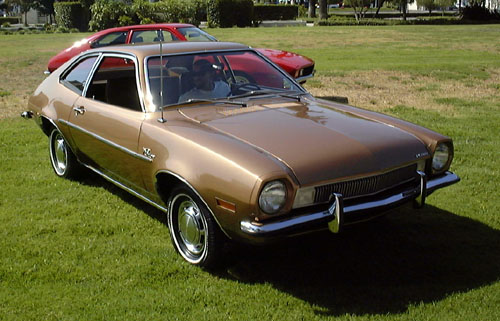
5. Ford Pinto
The Ford Pinto, a compact car produced throughout the 1970s, earned itself a grim nickname: “a barbecue that seats four.” This chilling moniker stemmed from a catastrophic design flaw that made the vehicle a literal fire hazard. The Pinto was an economically designed car, intended to be affordable and compete with smaller Japanese and European imports, but its low cost came at an incredibly high human price.
The major flaw was the placement of its fuel tank, which was built “too far back on the vehicle.” This engineering oversight meant that “even in a low-impact collision, it would instantly explode.” The context provides stark numbers: in the mid-to-late 1970s, the Pinto was responsible for “27 [deaths] with its gas tank explosions.” Adding to its dangers, the Pinto also suffered from a “gear-hopping defect,” which contributed to an additional “24 people” losing their lives.
Perhaps the most egregious aspect of the Pinto saga was the revelation that “Ford knew about the defects in the Pinto design long before all those innocent people lost their lives.” Documented proof revealed that a cost-safety analysis led Ford to conclude they would “rather risk the 180 fatalities than pay the measly $11 per Pinto to fix the deadly defects.” This shocking prioritization of profit over human life made the Pinto one of the most infamous dangerous cars in history, leading to massive lawsuits and a forced recall in 1978. It stands as a powerful, somber lesson in corporate responsibility and automotive safety.
Car Model Information: 1980 Ford Pinto WAGON
Name: Ford Pinto
Caption: Ford Pinto
Manufacturer: Ford Motor Company
Aka: Mercury Bobcat
Production: September 1970 – July 1980
ModelYears: 1971–1980 (Pinto),1974–1980 (Bobcat)
Assembly: Edison, New Jersey,Milpitas, California
Designer: Robert Eidschun (1968)
Class: Subcompact car
BodyStyle: Sedan (automobile),sedan delivery,station wagon,hatchback
Related: #Mercury Bobcat (1974–1980),Ford Mustang (second generation)
Layout: Front-engine, rear-wheel-drive layout
Chassis: Unibody
Engine: unbulleted list
Abbr: on
Disp: Ford Cologne engine
Transmission: unbulleted list
Wheelbase: 94.0 in
Length: 163 in
Width: 69.4 in
Height: 50 in
Weight: convert
Predecessor: Ford Cortina#Mark II (1966–1970)
Successor: Ford Escort (North America)
Categories: 1980s cars, Articles with short description, Cars discontinued in 1980, Cars introduced in 1970, Commons category link from Wikidata
Summary: The Ford Pinto is a subcompact car that was manufactured and marketed by Ford Motor Company in North America from 1970 until 1980. The Pinto was the first subcompact vehicle produced by Ford in North America.
The Pinto was marketed in three body styles throughout its production: a two-door fastback sedan with a trunk, a three-door hatchback, and a two-door station wagon. Mercury offered rebadged versions of the Pinto as the Mercury Bobcat from 1975 until 1980 (1974–1980 in Canada). Over three million Pintos were produced over its ten-year production run, outproducing the combined totals of its domestic rivals, the Chevrolet Vega and the AMC Gremlin. The Pinto and Mercury Bobcat were produced at Edison Assembly in Edison, New Jersey, St. Thomas Assembly in Southwold, Ontario, and San Jose Assembly in Milpitas, California.
Since the 1970s, the safety reputation of the Pinto has generated controversy. Its fuel-tank design attracted both media and government scrutiny after several deadly fires occurred when the tanks ruptured in rear-end collisions. A subsequent analysis of the overall safety of the Pinto suggested it was comparable to other 1970s subcompact cars. The safety issues surrounding the Pinto and the subsequent response by Ford have been cited widely as business ethics and tort reform case studies.
Get more information about: Ford Pinto
Buying a high-performing used car >>>
Brand: Ford Model: Pinto
Price: $5,951 Mileage: 107,000 mi.
Read more about: Speed Trap: Unveiling 14 Iconic Classics With the Most Disappointing Horsepower Ever Built
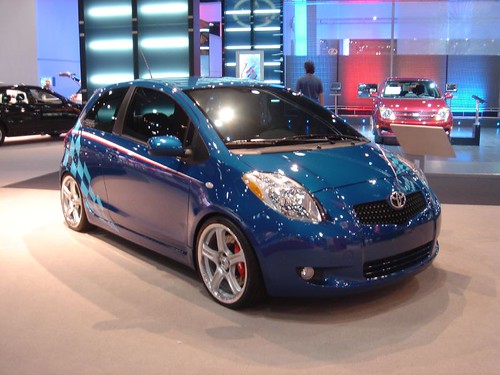
6. Toyota Yaris
The second-generation Toyota Yaris, particularly models produced from 2005 to 2010, cemented its place among the deadliest vehicles in history despite its unassuming appearance as a “little two-door hatchback.” During its five-year run, this car was linked to “89 deaths,” primarily attributed to incidents of unintended acceleration. This serious defect caused the car to suddenly and uncontrollably speed up, putting drivers and passengers in immediate peril.
Beyond the acceleration issue, the Yaris was plagued by a multitude of other fatal flaws. These included “wiring issues that disabled the air bags,” a terrifying problem that left occupants without crucial protection in a crash. Furthermore, the “driver’s seat moved spontaneously while the car was in motion,” a critical distraction and hazard. The vehicle’s “frame didn’t provide the driver enough protection,” and even the “seatbelt pads were catching fire in crashes,” illustrating a comprehensive failure in safety design.
The Highway Loss Data Institute underscored the Yaris’s hazardous nature, determining it was “#1 in personal injury claims with 28.5 for every 1,000 Yaris vehicles the industry insured.” These alarming statistics prompted a massive response, with “a total of 8.5 million Yaris vehicles” recalled worldwide to address these fatal defects. The tragic human cost was highlighted by numerous lawsuits, including a notable “wrongful death suit filed in 2007 by a mother who lost her daughter,” 21-year-old Tyrene, when her 2007 Yaris unexpectedly accelerated, resulting in a fatal crash. The Yaris saga, with “over 450 cases of unintended acceleration and more than $1.2 billion paid by Toyota in lawsuit settlements,” serves as a stark reminder of the devastating consequences when a seemingly minor car is riddled with significant safety oversights.
Car Model Information: 2012 Toyota Yaris LE
Name: Toyota Yaris
Caption: 2020 Toyota Yaris Design Hybrid (MXPH11, UK)
Manufacturer: Toyota
Aka: unbulleted list
Production: unbulleted list
Class: Supermini
BodyStyle: unbulleted list
Predecessor: unbulleted list
Categories: 2000s cars, 2010s cars, 2020s cars, All-wheel-drive vehicles, All articles containing potentially dated statements
Summary: The Toyota Yaris (Japanese: トヨタ・ヤリス, Hepburn: Toyota Yarisu) is a supermini/subcompact car sold by Toyota since 1999, replacing the Starlet and Tercel.
Up to 2019, Toyota had used the Yaris nameplate on export versions of various Japanese-market models, with some markets receiving the same vehicles under the Toyota Echo name through 2005. Starting in 2020, the Yaris nameplate began to be used in Japan, which replaced the Vitz nameplate.
The Yaris nameplate has also been applied to other vehicles. From 1999 to 2005, the nameplate had been used for the Yaris Verso mini MPV sold in Europe, where it was known in Japan as the FunCargo. Since 2020, the nameplate has also been used for the subcompact crossover SUV offering called Yaris Cross. In North America, most Yaris sedan models sold from 2015 to 2020 and Yaris hatchbacks sold from 2019 until 2020 were restyled versions of the Mazda2, produced and developed by Mazda.
In 2020, Toyota introduced the GR Yaris, which is a three-door performance-oriented variant of the XP210 series Yaris using the Gazoo Racing branding. It is built as a homologation model for the FIA World Rally Championship.
The name “Yaris” is derived from “Charis”, the singular form of Charites, the Greek goddesses of charm and beauty. As of March 2020, the Yaris has sold 8.71 million units worldwide.
Get more information about: Toyota Yaris
Buying a high-performing used car >>>
Brand: Toyota Model: Yaris
Price: $10,865 Mileage: 102,699 mi.
Read more about: Driving into Tomorrow: The 11 Best New SUVs & Crossovers Redefining the Road for 2025-2026
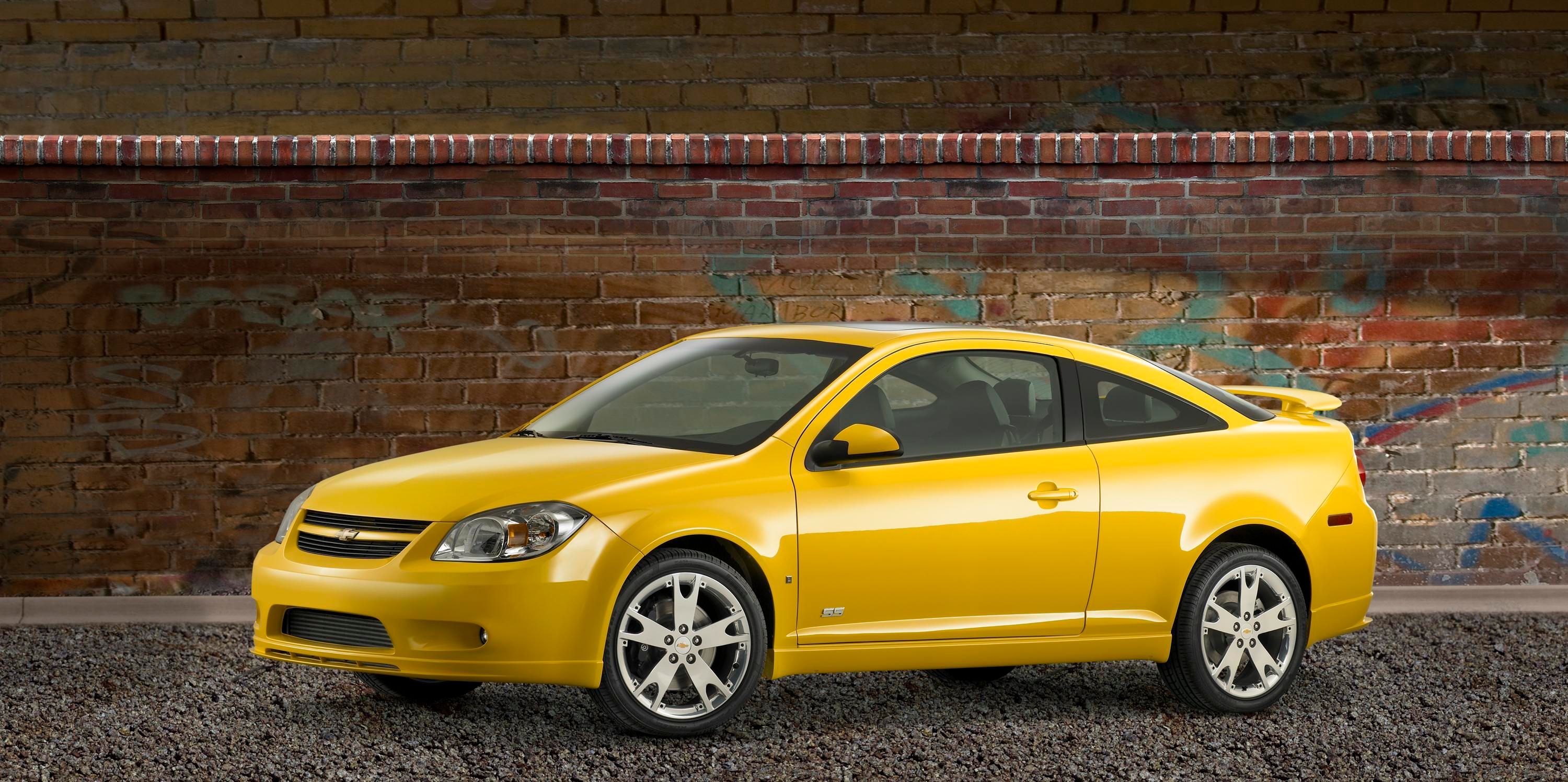
7. Chevrolet Cobalt
The Chevrolet Cobalt, specifically its early models from 2005 to 2008, has earned a grim ranking as fourth in our countdown of deadliest vehicles, responsible for the deaths of “124 people and seriously injur[ing] 274 more.” The Insurance Institute for Highway Safety (IIHS) rated the Cobalt’s side airbags as “Poor,” highlighting a critical deficiency in passenger protection. These models were documented as having “the highest fatality rate out of all the cars in its class, 117 for every 1 million registered.”
The Cobalt’s low safety rating was compounded by a series of severe defects that necessitated multiple recalls. In 2007, it was recalled for “inadequate trim padding,” followed by “power steering problems” in 2010, and then “fuel leaks” in 2012. However, the most insidious flaw was a dangerous problem with “faulty ignition switches that would cut the engine’s power while in motion and deactivate the air bags,” a literal recipe for disaster that left drivers completely vulnerable.
This critical ignition switch defect gained national attention in 2009 when a young girl’s brand new Cobalt suddenly shut down, leading to a fatal crash for a 25-year-old woman who, with no airbags to protect her, died instantly upon hitting a tree. This tragedy, along with others, forced General Motors to acknowledge the widespread issue, leading to “massive recalls” and cementing the Cobalt’s place as one of GM’s biggest safety scandals. The Cobalt stands as a stark lesson in how a seemingly small component failure can have catastrophic, widespread consequences.
Car Model Information: 2009 Chevrolet Cobalt LT
Name: Chevrolet Cobalt
Manufacturer: General Motors
Production: 2004–2010 2012– present
ModelYears: 2005–2010 (North America),
Class: Compact car
Layout: Front-engine, front-wheel-drive layout
Predecessor: Geo/Chevrolet Prizm
Successor: Chevrolet Cruze
Categories: 2010s cars, All Wikipedia articles written in American English, All articles with unsourced statements, Articles with Uzbek-language sources (uz), Articles with short description
Summary: The Chevrolet Cobalt is a compact car introduced by Chevrolet in 2004 for the 2005 model year. The Cobalt replaced both the Cavalier and the Toyota-based Geo/Chevrolet Prizm as Chevrolet’s compact car. The Cobalt was available as both a coupe and sedan, as well as a sport compact version dubbed the Cobalt SS. Like the Chevrolet HHR and the Saturn ION, it was based on the GM Delta platform.
A Pontiac version was sold in the United States and Mexico under the G5 name for 2007–2009. It was sold as the Pontiac G4 in Mexico for 2005–2006 and as the Pontiac G5 in Canada for its entire run (where it was briefly known as the Pontiac Pursuit and later Pontiac G5 Pursuit). The G5 replaced the Cavalier-related Pontiac Sunfire. While the Cobalt was available as a 2-door coupe and a 4-door sedan in all markets it was offered in, the G5 was only available as a coupé in the United States while a sedan version was sold alongside the coupé in Canada and Mexico.
As with their predecessors, all Cobalts and its Pontiac equivalents were manufactured at GM’s plant in Ramos Arizpe, Mexico and Lordstown, Ohio. The United States Environmental Protection Agency classified the Cobalt as a subcompact car.
Get more information about: Chevrolet Cobalt
Buying a high-performing used car >>>
Brand: Chevrolet Model: Cobalt
Price: $6,495 Mileage: 50,117 mi.
Read more about: Driving into Tomorrow: The 11 Best New SUVs & Crossovers Redefining the Road for 2025-2026
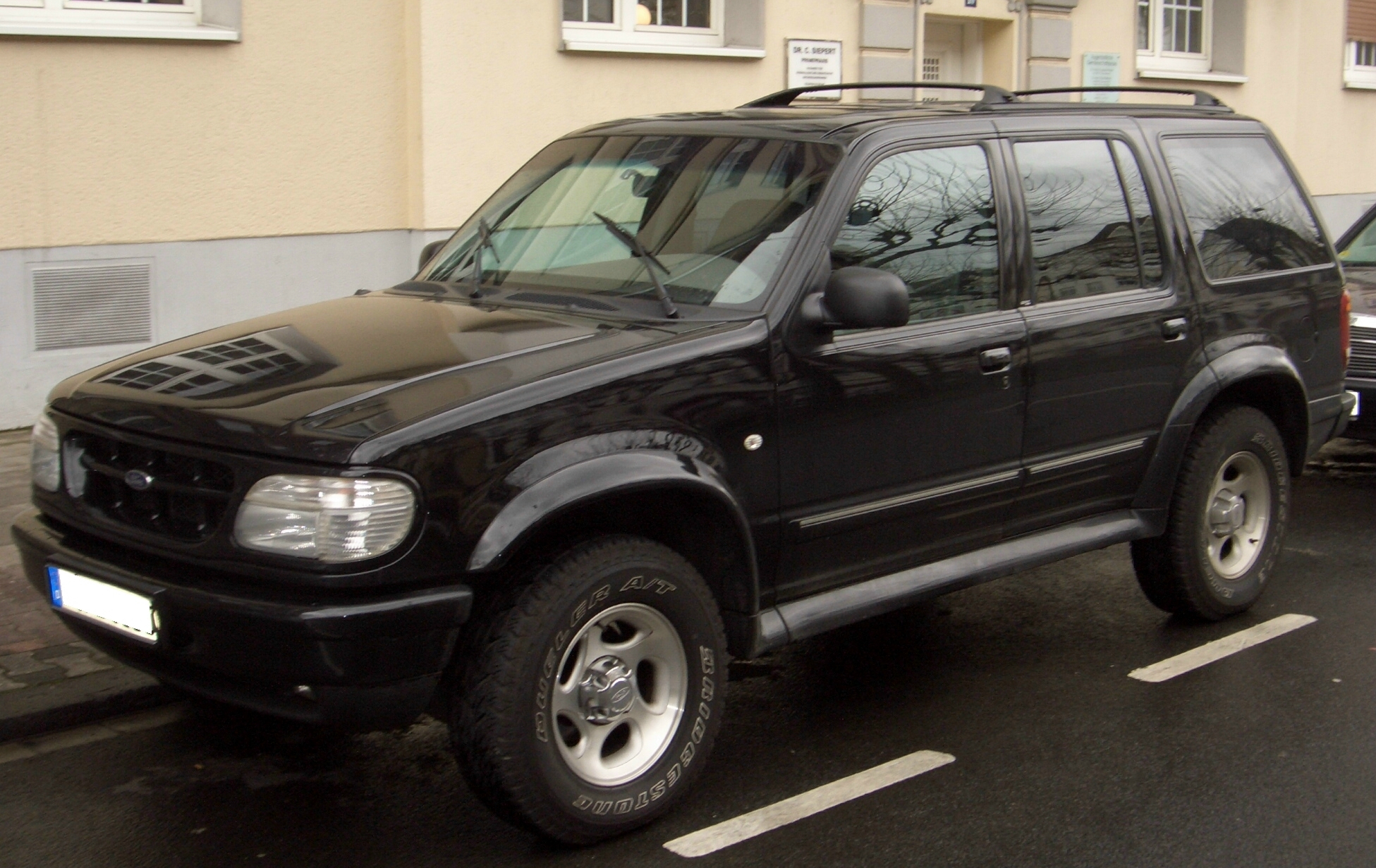
8. Ford Explorer (early models)
The Ford Explorer, for all its popularity in the 1990s, unfortunately, became synonymous with one of the automotive industry’s most significant safety controversies. Billed as the perfect family SUV, early models of this seemingly robust vehicle concealed a fundamental design flaw that placed countless drivers and passengers in grave danger. Its towering stance and spacious interior belied a crucial stability problem, particularly when paired with certain tires.
At the heart of the Explorer’s instability was its high center of gravity, a common challenge for SUVs of its era. This inherent design characteristic made the vehicle significantly more susceptible to tipping over, especially during sharp turns or sudden evasive maneuvers. The danger was exacerbated by a tragic partnership with Firestone tires, many of which were prone to blowouts. A tire failure at speed, combined with the Explorer’s top-heavy nature, often led to catastrophic rollovers.
These harrowing incidents weren’t isolated; a wave of accidents, injuries, and fatalities swept across the nation, triggering a storm of public outcry. The resulting investigations unearthed a deeply troubling series of events, including accusations of delayed responses from both Ford and Firestone. Ultimately, these incidents spurred massive recalls and numerous lawsuits, forever etching the early Explorer into the annals of automotive safety as one of the most controversial SUVs of its time.
The legacy of the Ford Explorer’s early models served as a stark, powerful lesson in vehicle dynamics and corporate responsibility. It highlighted how critical it is for manufacturers to thoroughly test and address potential safety issues, especially in high-volume vehicles. The widespread controversy surrounding the Explorer and its tires fundamentally reshaped public perception of SUV safety and pushed for more rigorous engineering and testing standards for these popular vehicles.
Car Model Information: 2017 Ford Explorer XLT
Name: Ford Explorer
Caption: Sixth-generation Ford Explorer
Manufacturer: Ford Motor Company
Production: 1990–present
ModelYears: 1991–present
Class: unbulleted list
Chassis: unbulleted list
Predecessor: Ford Bronco II
Successor: Ford Territory (Australia)
Categories: 2000s cars, 2010s cars, 2020s cars, All-wheel-drive vehicles, All Wikipedia articles in need of updating
Summary: The Ford Explorer is a range of SUVs manufactured by the Ford Motor Company since the 1991 model year. The first five-door SUV produced by Ford, the Explorer, was introduced as a replacement for the three-door Bronco II. As with the Ford Ranger, the model line derives its name from a trim package previously offered on Ford F-Series pickup trucks. As of 2020, the Explorer became the best-selling SUV in the American market.
Currently in its sixth generation, the Explorer has featured a five-door wagon body style since its 1991 introduction. During the first two generations, the model line included a three-door wagon (directly replacing the Bronco II). The Ford Explorer Sport Trac is a crew-cab mid-size pickup derived from the second-generation Explorer. The fifth and sixth generations of the Explorer have been produced as the Ford Police Interceptor Utility (replacing both the Ford Crown Victoria Police Interceptor and the Ford Police Interceptor Sedan).
The Explorer is slotted between the Ford Edge and Ford Expedition within North America’s current Ford SUV range. The model line has undergone rebadging several times, with Mazda, Mercury, and Lincoln each selling derivative variants. Currently, Lincoln markets a luxury version of the Explorer as the Lincoln Aviator.
For the North American market, the first four generations of the Explorer were produced by Ford at its Louisville Assembly Plant (Louisville, Kentucky) and its now-closed St. Louis Assembly Plant (Hazelwood, Missouri). Ford currently assembles the Explorer alongside the Lincoln Aviator and the Police Interceptor Utility at its Chicago Assembly Plant (Chicago, Illinois).
Get more information about: Ford Explorer
Buying a high-performing used car >>>
Brand: Ford Model: Explorer
Price: $12,968 Mileage: 133,580 mi.
Read more about: Engineering Flaws and Fateful Journeys: Unpacking the Most Dangerous Cars of All Time
9. DeLorean DMC-12
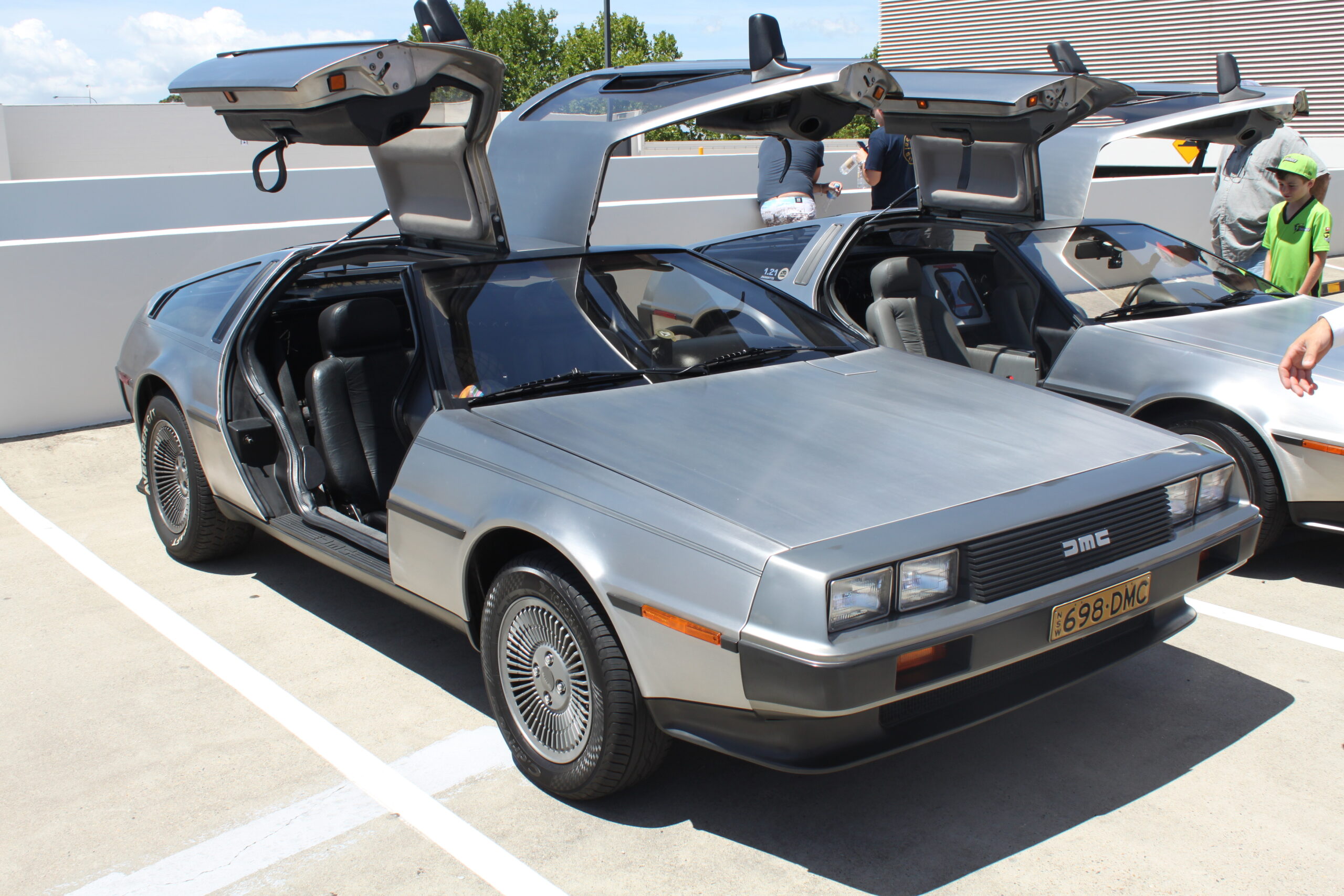
Immortalized by its silver screen appearances, the DeLorean DMC-12 captured imaginations with its futuristic stainless-steel body and iconic gull-wing doors. Yet, beneath this undeniably cool exterior lay a less-than-stellar reality regarding driver and passenger protection. Far from being a beacon of advanced safety, the DeLorean was, in many ways, an antiquated design, prioritizing aesthetics over the crucial, life-saving features that were becoming standard in contemporary vehicles.
A critical vulnerability stemmed from its weak frame, which, combined with a conspicuous absence of airbags and reinforced crash protection, offered minimal safeguarding in the event of an accident. Unlike vehicles designed with crumple zones to absorb impact energy, the DeLorean’s structure could transfer significant force directly to its occupants. This meant that while it looked indestructible, collisions could quickly become perilous for those inside.
Perhaps one of the most concerning design oversights involved those very gull-wing doors that defined its aesthetic. In a crash or rollover scenario, these distinctive doors could easily become jammed, effectively trapping occupants inside the vehicle. Compounding this issue, the small, fixed windows offered no viable alternative escape route, turning an otherwise stylish feature into a potential death trap. This oversight in emergency egress alone was a profound safety concern.
While its role in film cemented its status as a cultural icon, the DeLorean DMC-12’s journey also serves as a potent reminder that groundbreaking design must always be balanced with paramount safety considerations. It underscores the critical need for comprehensive safety engineering, ensuring that innovative features don’t inadvertently create new risks for drivers and passengers. The DMC-12 remains a powerful case study in the complex interplay between style, function, and vital automotive safety.
Car Model Information: 1982 Delorean DMC-12
Name: DMC DeLorean
Alt: 1983 DeLorean
Caption: 1983 DeLorean
Manufacturer: DeLorean Motor Company
Production: January 21, 1981 – December 1982
ModelYears: 1981–1983
Assembly: Dunmurry
Designer: Giorgetto Giugiaro
Class: Sports car
BodyStyle: coupé
Layout: Rear-engine, rear-wheel-drive layout
Doors: Gull-wing doors
Engine: 2.85 L
Abbr: on
Powerout: 130 hp
Transmission: 5-speed manual ,3-speed automatic
Wheelbase: 2413 mm
Length: 4267 mm
Width: 1988 mm
Height: 1140 mm
Weight: 1233 kg
Sp: us
Categories: 1980s cars, All Wikipedia articles written in American English, Articles with short description, Automobiles with backbone chassis, Automobiles with gull-wing doors
Summary: The DMC DeLorean is a rear-engine, two-seat sports car manufactured and marketed by John DeLorean’s DeLorean Motor Company (DMC) for the American market from 1981 until 1983—ultimately the only car brought to market by the fledgling company. The DeLorean is sometimes referred to by its internal DMC pre-production designation, DMC-12, although this was not used in sales or marketing materials for the production model.
Designed by Giorgetto Giugiaro, the DeLorean is noted for its gull-wing doors and brushed stainless-steel outer body panels, as well as its lack of power and performance. Though its production was short-lived, the DeLorean became widely known after it was featured as the time machine in the Back to the Future films.
With the first production car completed on January 21, 1981, the design incorporated numerous minor revisions to the hood, wheels and interior before production ended in late December 1982, shortly after DMC filed for bankruptcy and after total production reached an estimated 9,000 units.
Despite the car having a reputation for poor build quality and an unsatisfactory driving experience, the DeLorean continues to have a strong following, driven in part by the popularity of Back to the Future. 6,500 DeLoreans were estimated to still be on the road as of 2015.
Get more information about: DMC DeLorean
Buying a high-performing used car >>>
Brand: DeLorean Model: DMC-12
Price: $129,950 Mileage: 3,145 mi.
Read more about: Beyond the Crash: Unpacking the 14 Most Costly Automotive Safety Fails That Shook the Industry
10. Suzuki Samurai
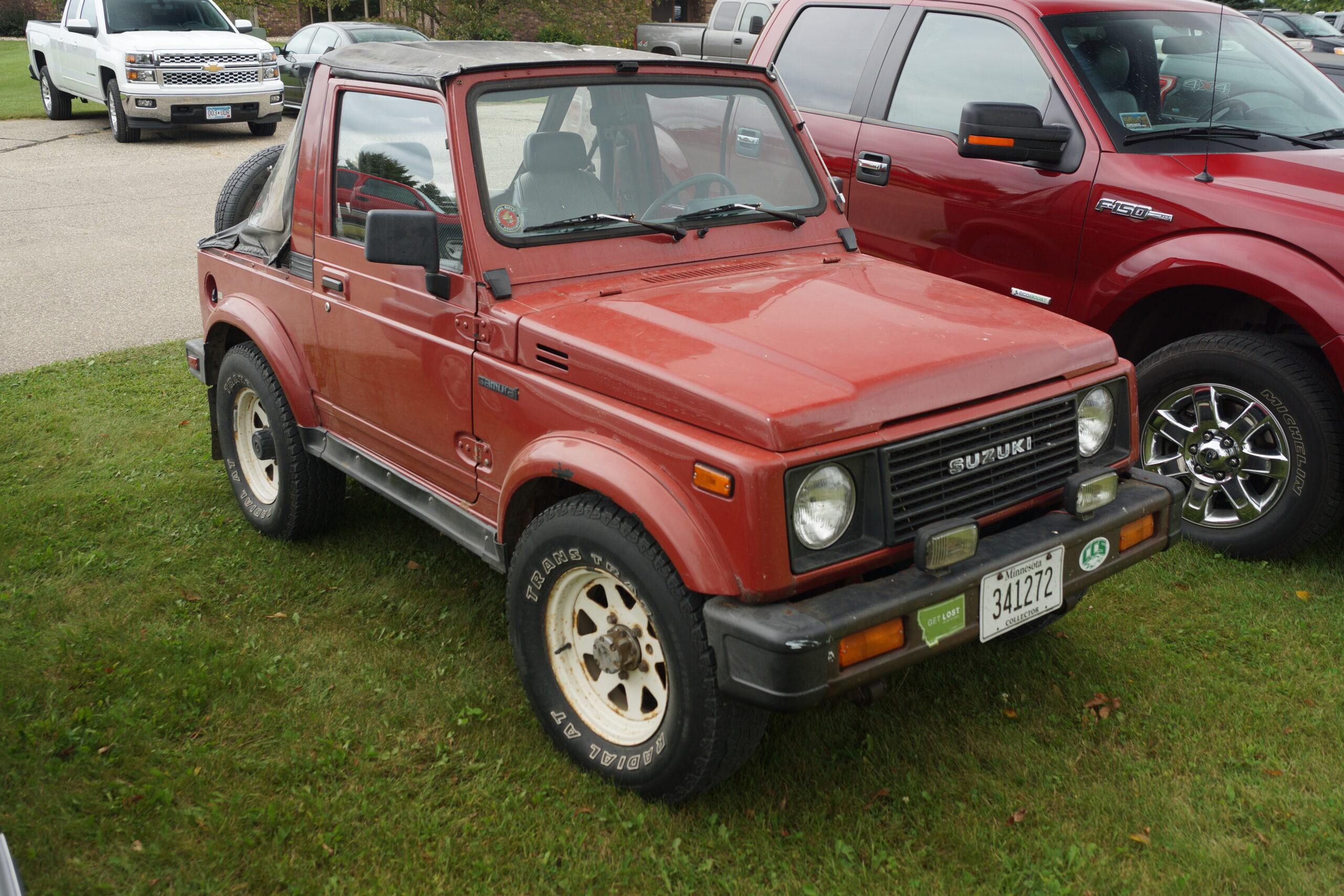
The Suzuki Samurai, a compact and nimble SUV, carved out a niche for itself as an affordable and capable off-roader throughout the late 1980s. Its lightweight construction and rugged design made it a favorite among enthusiasts seeking adventure beyond the paved road. However, these very characteristics that made it adept on challenging trails proved to be its Achilles’ heel when confronted with the demands of everyday street driving, transforming its off-road prowess into a significant on-road liability.
The core issue plaguing the Samurai was its unusually high center of gravity. While beneficial for clearing obstacles in rough terrain, this design choice made the vehicle inherently unstable during sharper turns or sudden maneuvers on stable surfaces. Drivers quickly discovered that the Samurai had a disconcerting tendency to tip over, even under what might seem like moderate driving conditions. This propensity for rollovers was not just a theoretical risk but a documented danger.
The vehicle’s instability became a major point of contention and a source of considerable “bad press” for Suzuki. Critics and consumer advocacy groups highlighted the serious safety concerns, arguing that the Samurai was simply not safe for typical highway use. This negative publicity, while damaging to the brand’s reputation and sales, played a crucial role in bringing widespread attention to the importance of vehicle stability in SUV design.
The Suzuki Samurai’s story offers valuable insights into the compromises inherent in vehicle design, especially for specialized segments like off-roaders. It underscores the necessity for manufacturers to consider all potential driving environments when engineering vehicles. Ultimately, the Samurai’s reputation served as a significant catalyst for improved testing protocols and more stringent stability requirements for SUVs, ensuring that future designs would better balance rugged capability with fundamental road safety.
Read more about: The 14 Most Spectacular Automotive Failures: Brands That Collapsed After Decades of Dreams

11. Jeep CJ-5
For decades, the Jeep CJ-5 embodied the spirit of rugged American adventure, a vehicle synonymous with conquering untamed wilderness and navigating the most challenging terrains. Its short wheelbase, robust chassis, and powerful four-wheel-drive system made it an undeniable legend among off-road enthusiasts. Yet, these very attributes, meticulously engineered for unparalleled performance far from the asphalt, proved to be a severe handicap when the CJ-5 was brought back to the paved roads of daily life.
The vehicle’s famously short wheelbase, while granting it incredible agility and tight turning circles off-road, translated into a dangerous instability on conventional roadways. Engaging in quick turns, sudden lane changes, or even moderate evasive maneuvers could easily upset the CJ-5’s balance, making it remarkably prone to rollovers. This critical design trade-off meant that the transition from a dirt trail to a highway could abruptly shift from adventure to peril.
This inherent instability on paved surfaces eventually led to a wave of serious safety concerns and, inevitably, numerous lawsuits. The legal challenges and growing public awareness of the CJ-5’s rollover risks placed significant pressure on the manufacturer. While the vehicle remained cherished for its off-road capabilities, its notorious safety record on public roads ultimately played a significant role in its eventual discontinuation, marking the end of an era for this iconic Jeep model.
The tale of the Jeep CJ-5 stands as a compelling illustration of how purpose-built design can inadvertently create safety vulnerabilities in unintended environments. It reinforces the engineering challenge of creating a vehicle that excels in one domain without compromising safety in another. The CJ-5’s legacy serves as a powerful reminder that robust construction and off-road prowess do not automatically equate to all-around safety, especially as driving conditions and consumer expectations evolve.
Car Model Information: 1977 Jeep CJ-5 Base
Name: Jeep CJ
Caption: Jeep CJ-2A
Manufacturer: Willys-Overland,Willys Motors,Kaiser Jeep,American Motors Corporation
BodyStyle: Sport utility vehicle,convertible,pickup truck
Production: 1944–1986,More than 1.5 million
Class: sport utility vehicle
Layout: Front-engine, rear-wheel-drive layout,rear-wheel drive
Assembly: Toledo, Ohio,Maywood, California,Santa Isabel, Córdoba,Rocklea, Queensland,São Bernardo do Campo,Brampton, Ontario,Cairo,Haifa,Nof HaGalil,Tehran,Toluca, Mexico State,Zaragoza,Istanbul
Predecessor: Willys MB,Jeep Commando
Categories: AMC vehicles, All articles with unsourced statements, American Motors, Articles with short description, Articles with unsourced statements from April 2025
Summary: The Jeep CJ models are a series and a range of small, open-bodied off-road vehicles and compact pickup trucks, built and sold by several successive incarnations of the Jeep automobile marque from 1945 through 1986. The 1945 Willys “Universal Jeep” was the world’s first mass-produced civilian four-wheel drive car.
In 1944, Willys-Overland, the primary manufacturer of the World War II military Jeep, built prototypes for a commercial version – the CJ, short for “civilian Jeep”. The design was a direct evolution from the wartime Jeep, but the most obvious change was adding a tailgate, and relocating the spare wheel to the side. Also, besides adding basic civilian amenities and options and legally-compliant lighting, the CJ required a sturdier drivetrain than the wartime model, because the targeted rural buyers would expect years of durability, instead of mere weeks as during WWII.
From then on, all CJ Jeeps consistently had a separate body and frame, rigid live axles with leaf springs both front and rear, a tapering nose design with flared fenders, and a fold-flat windshield, and could be driven without doors. Also, with few exceptions, they had part-time four-wheel drive systems, with the choice of high and low gearing, and open bodies with removable hard or soft tops. A few stand-out changes during 42 model years were the introductions of round-fendered vs. flat-fendered bodies (1955 CJ-5), straight-6 and V8 engines, automatic gearboxes, and different 4-wheel drive systems. The 1976 CJ-7 stretched the wheelbase by 10 inches (25 cm), and made doors and a removable hardtop common items.
After remaining in production through a range of model numbers and several corporate parents, the Jeep CJ line was officially ended after 1986. More than 1.5 million CJ Jeeps were built, having continued the same basic body style for 45 years since the Jeep first appeared. Widely regarded as “America’s workhorse”, the CJs have been described as “probably the most successful utility vehicle ever made.” American Motors VP Joseph E. Cappy said the end of “CJ production will signal an end of a very important era in Jeep history.” In 1987, the Jeep CJ-7 was replaced by the first-generation Jeep Wrangler. Looking very similar and riding on the same wheelbase as the CJ-7, it carried over some important components, including its use of leaf springs.
A similar model, the DJ “Dispatcher”, was introduced in 1956 as a two-wheel drive version with open, fabric, or a closed steel body in both left- and right-hand drives for hotel, resort, police, and later United States Postal Service markets.
Get more information about: Jeep CJ
Buying a high-performing used car >>>
Brand: Jeep Model: CJ-5
Price: $16,500 Mileage: 33,455 mi.
Read more about: 11 Cars So Problematic, Owners Are Seriously Wishing for an ‘Insurance Event’ (If You Catch Our Drift)

12. Tata Nano
Hailed as the “People’s Car,” the Tata Nano debuted with an ambitious promise: to provide ultra-affordable transportation to millions. Its incredibly low price point was a marvel of engineering and cost-cutting, designed to democratize car ownership. However, this aggressive pursuit of affordability came at a devastating cost to passenger safety, making the Nano a sobering example of where compromises can go too far in vehicle design.
The core issue with the Tata Nano’s safety profile was its bare-bones approach to protective features. It famously lacked fundamental safety equipment, most notably airbags, which are considered non-negotiable in modern automotive design. Beyond this crucial omission, the vehicle featured a weak crash structure, indicating that its body was simply not designed to absorb or dissipate the energy of a collision effectively. This meant occupants were left dangerously exposed.
In an accident, the Nano offered tragically little protection, essentially transferring the full force of an impact directly to its occupants. Crash tests, where available, consistently demonstrated dismal results, underscoring its profound structural weaknesses. For those inside, even relatively minor collisions could have severe, if not fatal, consequences, transforming the dream of affordable mobility into a grave risk on the road.
The Tata Nano’s story serves as a critical case study in the ethical considerations surrounding vehicle pricing and safety standards. It powerfully illustrates that while affordability is a noble goal, it must never come at the expense of fundamental occupant protection. The Nano’s poor safety ratings ultimately cemented its reputation as one of the riskiest cars on the road, highlighting the global imperative for all vehicles, regardless of price, to meet a baseline of essential safety performance.
Read more about: Engineering Flaws and Fateful Journeys: Unpacking the Most Dangerous Cars of All Time

13. Reliant Robin
The Reliant Robin, an unmistakable sight on British roads, achieved a unique kind of notoriety thanks to its unconventional three-wheel design. While its lightweight construction and fuel efficiency made it an economical choice for many, especially in the era of rising fuel costs, these very design choices birthed a legendary, albeit dangerous, characteristic: a profound and amusingly perilous tendency to tip over. It wasn’t just a quirk; it was a fundamental instability.
The Robin’s unique configuration, featuring two wheels at the rear and a single wheel at the front, created an inherently unstable dynamic, especially when combined with a narrow front track. This meant that the vehicle’s center of balance could be easily compromised. Even seemingly innocuous actions, like taking a sharp turn or executing a sudden evasive maneuver, could swiftly send the Robin onto two wheels, or worse, completely topple it over.
While a source of comedic legend in popular culture, the reality of driving a Reliant Robin was far from a laughing matter. Its unpredictable stability presented a genuine and constant threat to its occupants, transforming routine journeys into high-wire acts of balance and caution. The driver’s constant awareness of its tipping point was not a feature, but a critical design flaw that demanded perpetual vigilance.
The Reliant Robin stands as a vivid example of how innovative or economical design can sometimes overlook critical safety fundamentals. Its enduring fame is inextricably linked to its instability, serving as a memorable, if cautionary, tale in automotive history. It emphasizes that novelty and cost-effectiveness must always be rigorously weighed against the fundamental imperative of ensuring a vehicle remains upright and safe for its occupants under all predictable driving conditions.
Read more about: Beyond the Ring: 10 Fearless Actresses Who Defied Tradition and Skipped the Wedding
14. Ford Bronco II
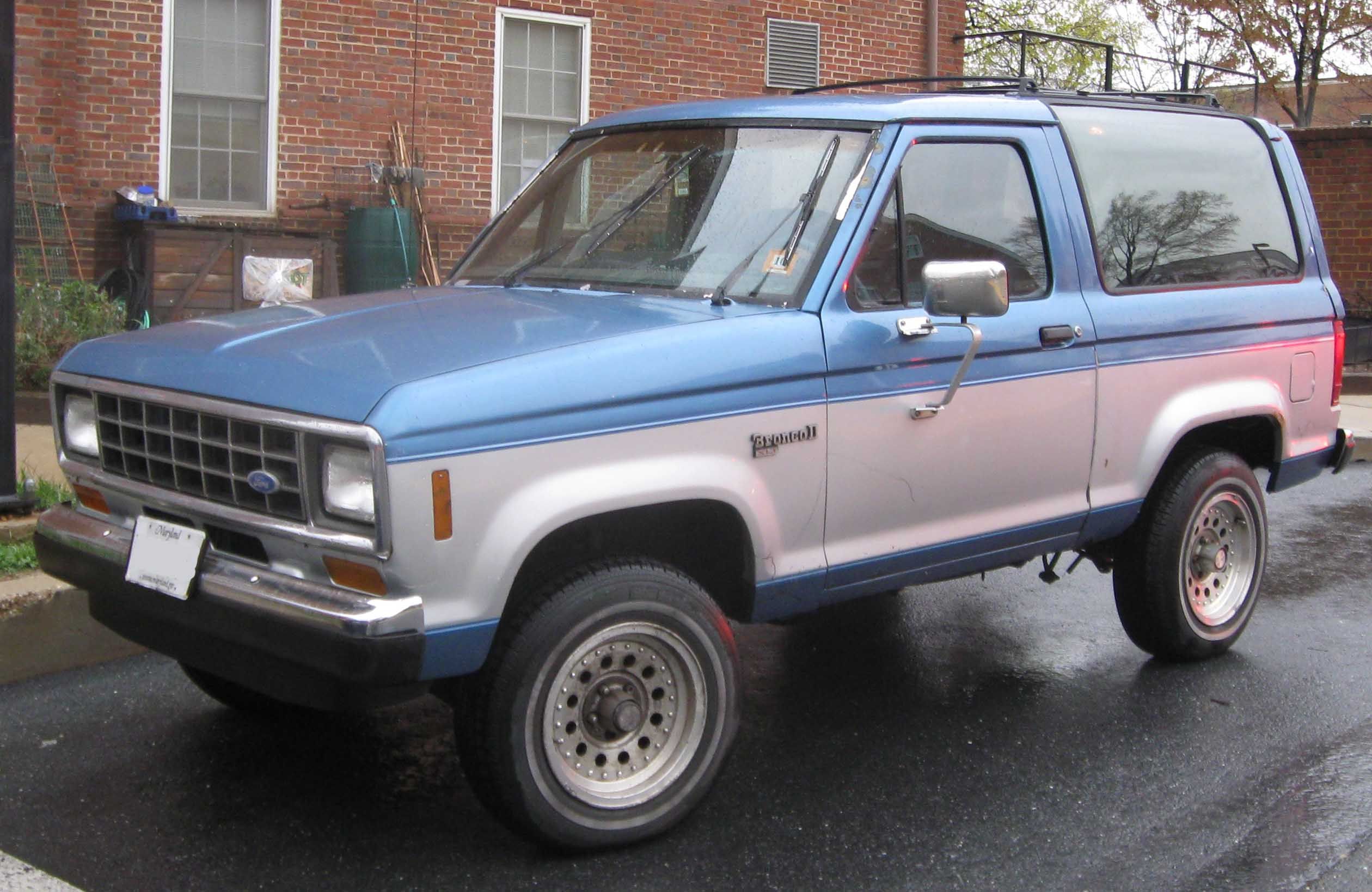
Before the Ford Explorer dominated the SUV market, its smaller sibling, the Ford Bronco II, faced its own significant battle with safety issues. Introduced in the 1980s, the Bronco II was positioned as a compact, rugged SUV, appealing to those seeking both utility and off-road capability. However, much like other early SUVs, its design harbored a critical flaw that would lead to a damaged reputation and serious questions about its roadworthiness: a dangerous propensity for rollovers.
The Bronco II’s perilous stability stemmed from a combination of its relatively short wheelbase and a notably high center of gravity. This unfortunate pairing made the vehicle particularly prone to tipping over, especially when subjected to sudden turns, emergency swerves, or even aggressive driving. The inherent geometry of the vehicle created a dynamic where lateral forces could easily exceed its ability to maintain equilibrium, with potentially catastrophic results for its occupants.
The documented pattern of rollover accidents involving the Bronco II became a major public and legal headache for Ford. Numerous lawsuits were filed, bringing national attention to the SUV’s stability problems and leading to widespread scrutiny from safety advocates and the media. Despite its rugged appeal and off-road capabilities, the vehicle’s consistent involvement in rollover incidents cemented its reputation as one of the riskiest SUVs on the road during its production run.
The Ford Bronco II’s tumultuous history serves as a poignant reminder of the early challenges faced by SUV manufacturers in balancing design aesthetics and functional utility with inherent safety. It underscored the critical need for comprehensive stability testing and engineering solutions to mitigate rollover risks, ultimately pushing the industry towards safer SUV designs. Its legacy remains a powerful case study in the evolution of automotive safety standards and consumer protection.
Car Model Information: 2022 Toyota Camry SE
Name: Ford Bronco II
Caption: 1983–1988 Ford Bronco II XLT
Manufacturer: Ford Motor Company
ModelYears: 1984–1990
Production: January 1983 – January 1990
Assembly: Louisville, Kentucky
Class: Compact SUV
Related: Ford Ranger (Americas)
Layout: Front-engine, rear-wheel-drive layout,rear-wheel drive
Engine: Ford Cologne V6 engine#2.8,Ford Cologne V6 engine#2.9,Mitsubishi Motors
Transmission: Manual transmission,Mazda,Mazda,Mazda,Mitsubishi Motors,Mitsubishi Motors,Automatic transmission,Ford C4 transmission#C5,Ford C3 transmission#A4LD
Wheelbase: 94.0 in
Abbr: on
Length: 1983–1988: {{convert,158.3,in,mm,0,abbr=on
Width: 68.0 in
Height: 1983–1988: {{convert,68.2,in,mm,0,abbr=on
Successor: Ford Explorer#Ford Explorer Sport (1991–2003)
BodyStyle: 3-door wagon
Categories: 1990s cars, All-wheel-drive vehicles, Articles with short description, CS1 French-language sources (fr), Cars discontinued in 1990
Summary: The Ford Bronco II is a compact sport utility vehicle (SUV) that was manufactured by the American manufacturer Ford. Closely matching the first-generation Ford Bronco in size, the Bronco II was sold for the 1984 to 1990 model years, alongside the third and fourth generations of Ford’s full-size Bronco. Derived from the Ford Ranger compact pickup truck, the Bronco II was produced in a single generation as a three-door wagon only, competing against the three-door version of the Jeep Cherokee introduced the same year, and the compact Chevrolet S-10 Blazer and GMC S-15 Jimmy which GM had launched as smaller, similar-named SUVs alongside their full-size Blazer and Jimmy a year prior.
For the 1991 model year, Ford replaced the Bronco II with a larger but still Ranger-derived SUV, the mid-size Explorer. Alongside a three-door wagon, a five-door version was also built to better meet consumer demands. Ford’s next compact SUV was the 2001 Escape, available only as a five-door. Ford did not release another three-door SUV until the 2021 mid-size Bronco.
The Bronco II was assembled alongside the Ford Ranger in the Louisville Assembly Plant in Louisville, Kentucky from January 1983 to January 1990.
Get more information about: Ford Bronco II
Buying a high-performing used car >>>
Brand: Ford Model: Bronco II
Price: $23,995 Mileage: 61,076 mi.
Read more about: 11 Cars So Problematic, Owners Are Seriously Wishing for an ‘Insurance Event’ (If You Catch Our Drift)
This journey through automotive history’s most dangerous vehicles is more than just a list of failures; it’s a testament to progress. Each flawed design, every tragic incident, has ultimately contributed to the rigorous safety standards we now take for granted. From explosive fuel tanks to precarious rollovers and unintended acceleration, these cars remind us that while innovation drives us forward, vigilance and a relentless commitment to safety are the true engines of lasting progress on our roads. They are compelling stories that show us why every nut, bolt, and line of code in today’s vehicles is designed with one paramount goal: to protect you.