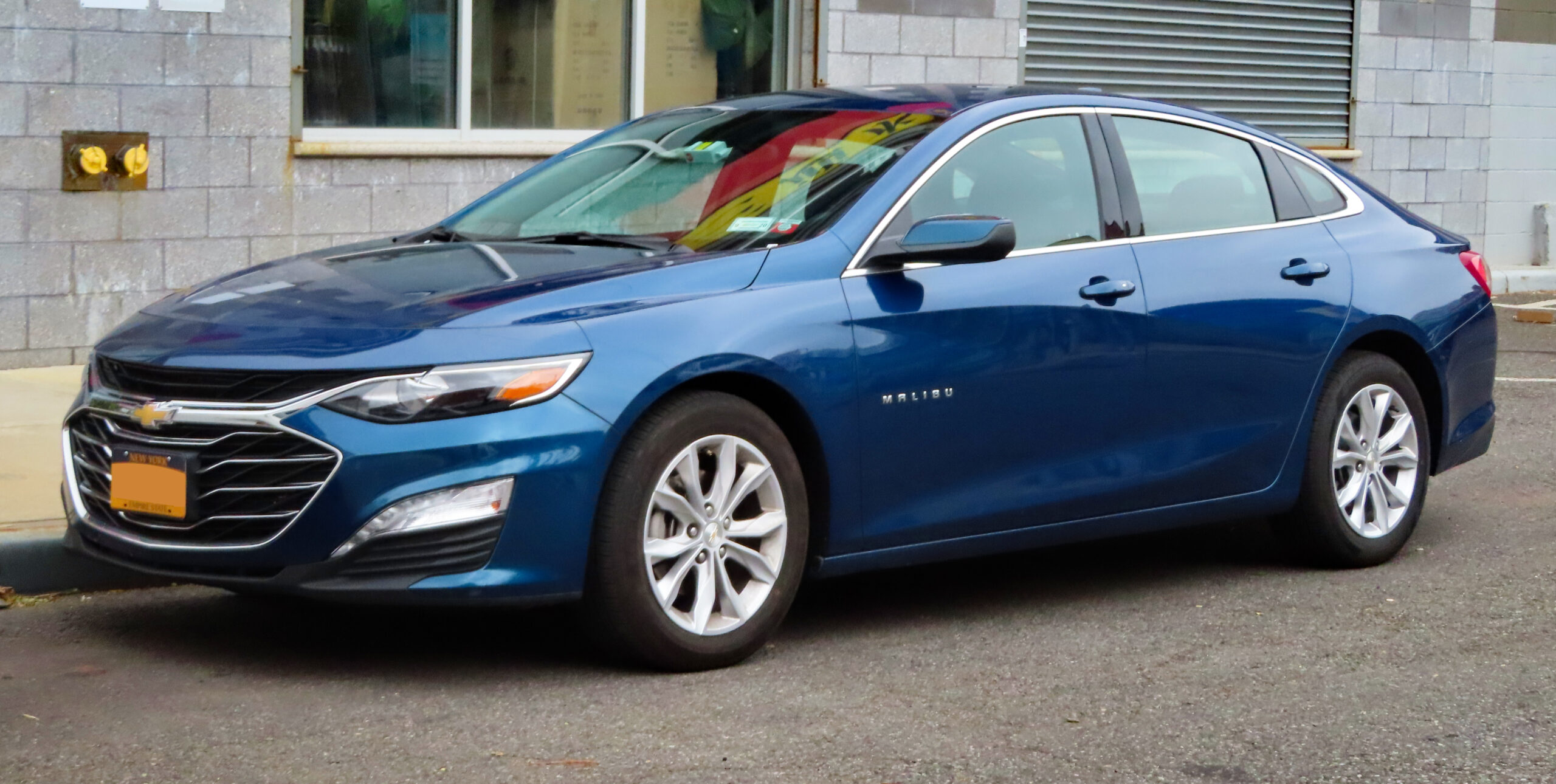
The journey into retirement marks a significant life transition, and with it comes the opportunity to redefine daily living, including how you get around. For many, a vehicle is more than just transportation; it’s a gateway to independence, leisure, and maintaining connections. Choosing the right car at this stage of life is paramount, as it could very well be the last vehicle you ever purchase. Therefore, making an informed decision about your next set of wheels is crucial for ensuring peace of mind and financial stability in your golden years.
Our commitment at GOBankingRates is to provide unbiased, data-driven insights, helping you navigate complex purchasing decisions. We understand that for retirees, the priorities shift from flashy features to fundamental reliability, safety, ease of use, and long-term value. According to experts at Kelley Blue Book (KBB), key features for retirees include easy entry and exit, strong visibility, advanced safety technology, and excellent fuel efficiency. Beyond the initial purchase price, considering low long-term ownership costs and proven durability can significantly impact your retirement nest egg.
In this comprehensive guide, we delve into a selection of car brands that truly align with the needs and preferences of retirees, offering both exceptional value and comfort. We will also critically examine several popular brands that, despite their widespread appeal, present significant drawbacks for seniors, potentially leading to regret and unforeseen expenses. Our aim is to equip you with the knowledge to select a vehicle that enhances your retirement experience, rather than detracting from it.
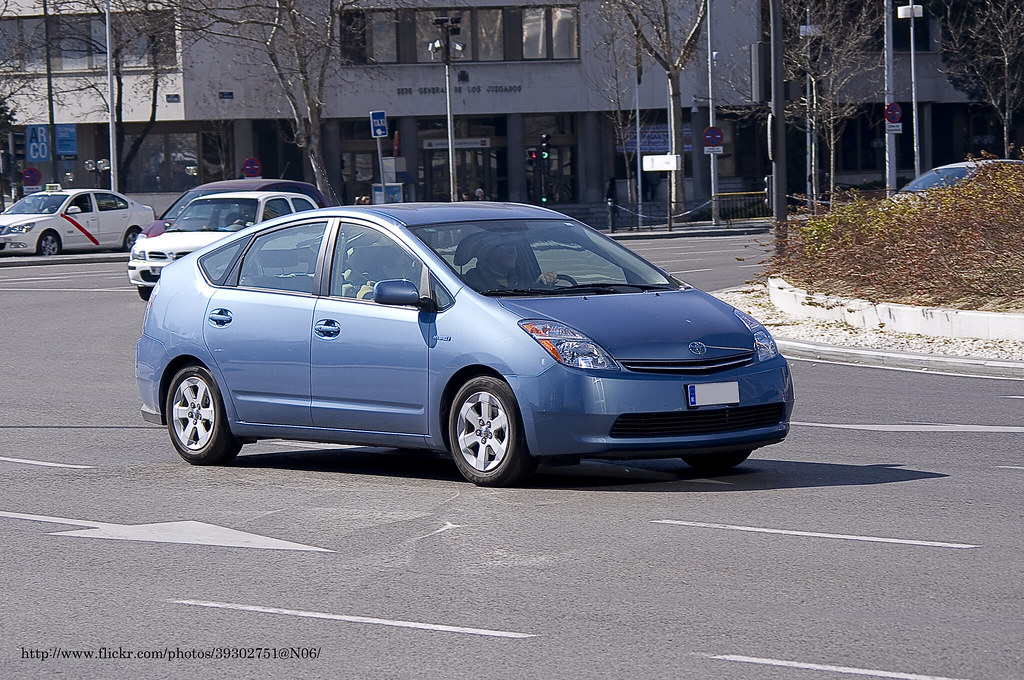
1. **Toyota Camry**When discussing vehicles that consistently rank high for senior drivers, the Toyota Camry invariably emerges near the top. Both Carfax and U.S. News and World Report place the Toyota Camry among the best cars for seniors, and for good reason. It offers a compelling blend of practicality, comfort, and unwavering reliability that makes it an ideal choice for retirees seeking a dependable daily driver.
Compared to its compact sibling, the wildly popular Corolla, the Camry provides a more substantial and accommodating experience. It is notably larger, roomier, and more powerful, offering a comfortable ride without sacrificing maneuverability. This midsize sedan has consistently ranked as one of the best and bestselling in its segment, a testament to its enduring quality and broad appeal across various demographics.
One of the Camry’s standout features for seniors is its infotainment system, which prioritizes functionality and ease of use over excessive flashiness. It boasts a simple and user-friendly interface, crucially retaining plenty of physical buttons and dials. This design choice is a significant advantage for retirees who appreciate intuitive controls that don’t require navigating complex menus or touchscreens while driving, minimizing distraction and enhancing safety.
Beyond its user-friendly technology, the Camry is also exceptionally economical. With a starting MSRP under $30,000, it represents a strong value proposition right from the start. Furthermore, its base standard hybrid powertrain achieves an impressive 51 miles per gallon, significantly reducing fuel costs over time. Coupled with Toyota’s legendary reliability, the Camry makes it easy on the nest egg long-term, providing peace of mind from frequent repairs or replacements.
Car Model Information: 2019 Toyota Camry LE
Name: Toyota Camry
Caption: 2018 Toyota Camry Ascent (ASV70, Australia)
Manufacturer: Toyota
Production: March 1982 – present
Aka: ubl
Class: ubl
Layout: ubl
Predecessor: ubl
Successor: Toyota Avensis (T250)
Categories: 1990s cars, 2000s cars, 2010s cars, 2020s cars, All-wheel-drive vehicles
Summary: The Toyota Camry (; Japanese: トヨタ・カムリ Toyota Kamuri) is an automobile sold internationally by the Japanese auto manufacturer Toyota since 1982, spanning multiple generations. Originally compact in size (narrow-body), the Camry has grown since the 1990s to fit the mid-size classification (wide-body)—although the two widths co-existed in that decade. Since the release of the wide-bodied versions, Camry has been extolled by Toyota as the firm’s second “world car” after the Corolla. As of 2022, the Camry is positioned above the Corolla and below the Avalon or Crown in several markets.
In Japan, the Camry was once exclusive to Toyota Corolla Store retail dealerships. Narrow-body cars also spawned a rebadged sibling in Japan, the Toyota Vista (トヨタ・ビスタ)—also introduced in 1982 and sold at Toyota Vista Store locations. Diesel fuel versions have previously retailed at Toyota Diesel Store. The Vista Ardeo was a wagon version of the Vista V50.
Get more information about: Toyota Camry
Buying a high-performing used car >>>
Brand: Toyota Model: Camry
Price: $19,591 Mileage: 55,414 mi.
Read more about: Engineering Nightmares: 15 Vehicles So Flawed, Owners Still Regret Buying Them
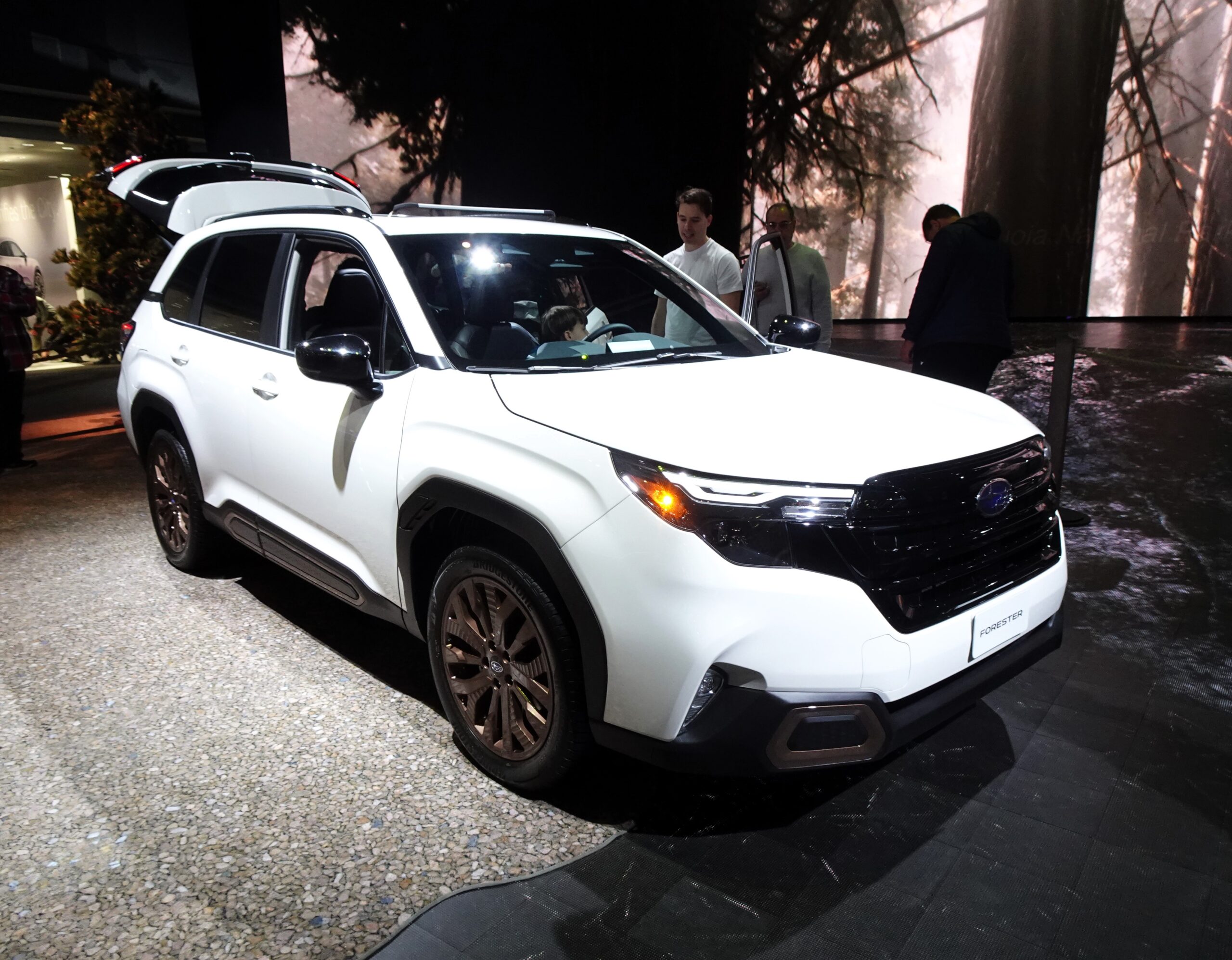
2. **Subaru Forester**For retirees whose lifestyle includes navigating challenging weather conditions or venturing off the beaten path, the Subaru Forester stands out as an exemplary choice. Esteemed automotive resources such as Edmunds and Capital One Auto have consistently ranked the Subaru Forester highly on their lists of best vehicles for seniors and retirees, both in the current model year and in previous iterations, with the 2025 model continuing this tradition of excellence.
The Forester is particularly well-suited for seniors who drive in winter weather or whose retirement plans might take them to unpaved roads. It offers excellent ground clearance, a practical advantage that helps clear snowdrifts or rough terrain with ease. Crucially, like all Subarus, the Forester comes with standard all-wheel drive, providing superior traction and stability in adverse conditions, which is a significant safety benefit for older drivers.
Visibility is another critical factor for retirees, and the Forester excels in this regard. Its design incorporates large windows on all sides, providing exceptional panoramic visibility. Furthermore, its high perch allows for a commanding view of the road ahead, enhancing awareness and reducing blind spots. Despite its elevated stance, the Forester maintains an accessible design, making it notably easy to climb into and out of, a feature greatly appreciated by those with mobility considerations.
Subaru’s long-standing reputation for safety is further reinforced by a comprehensive suite of driver-assist features included in the Forester. These technologies work in concert to prevent accidents and protect occupants, building upon the brand’s already famous commitment to vehicle security. This, combined with the Forester’s synonymous association with reliability, translates into low long-term ownership costs, allowing retirees to enjoy their vehicle without the constant worry of unexpected maintenance expenses.
Car Model Information: 2016 Subaru Forester 2.5i
Name: Subaru Forester
Manufacturer: Subaru
Production: 1997–present
Class: Compact crossover SUV
BodyStyle: SUV
Related: Subaru Impreza
Layout: Front-engine, all-wheel drive
Predecessor: Subaru Bighorn
Categories: 2000s cars, 2010s cars, All-wheel-drive vehicles, All Wikipedia articles written in American English, All articles containing potentially dated statements
Summary: The Subaru Forester (Japanese: スバル・フォレスター, Hepburn: Subaru Foresutā) is a compact crossover SUV that has been manufactured by Subaru since 1997. The first generation was built on the platform of the Impreza in the style of a taller station wagon, a style that continued to the second generation, while the third-generation model onwards moved towards a crossover SUV design. A performance model was available for the second-generation Forester in Japan as the Forester STi.
Get more information about: Subaru Forester
Buying a high-performing used car >>>
Brand: Subaru Model: Forester
Price: $12,957 Mileage: 97,943 mi.
Read more about: Unseen Marvels: 14 Secret Tesla Features and Easter Eggs Beyond the Dashboard
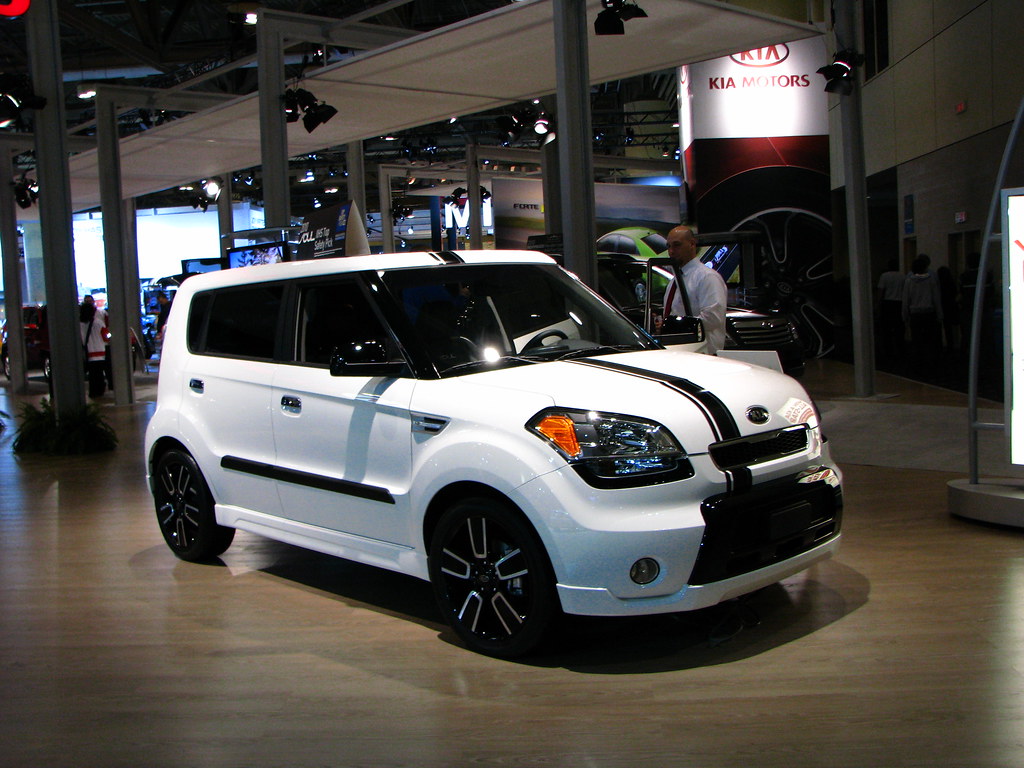
3. **Kia Soul**While its distinctive, boxy appearance might not appeal to everyone, the Kia Soul is a surprisingly compelling option for retirees, often getting overlooked in favor of more conventional SUVs. Despite its unique aesthetic, the Kia Soul is indeed categorized as an SUV, not merely a tall hatchback, and its popularity is undeniable, standing as one of Kia’s best-selling models of all time. For those who appreciate a touch of personal style without compromising on practicality, the Soul offers a refreshing alternative to the typical SUV mold.
The Soul is an expressive and endearing vehicle, available in a palette of bright, happy colors, making it a perfect choice for individuals who want their car to reflect their vibrant retirement lifestyle. Crucially, it achieves this without breaking the bank, standing out as one of the most affordable options in its class. In fact, with a starting price around $21,935, it remains one of the few vehicles in the U.S. market available around the $20,000 price point, offering exceptional value for money.
Practicality for seniors is at the core of the Soul’s design. Its high roofline is a significant advantage, making ingress and egress remarkably easy, a feature that addresses common mobility concerns. Complementing this, the expansive glass all around the vehicle provides perfect, unobstructed vision in all directions, enhancing safety and driver confidence. These design elements ensure a comfortable and secure driving experience for older adults.
Under the hood, the 147-horsepower inline-four engine, while perhaps not engineered for extensive long commutes or cross-country road trips, is perfectly suited for daily errands and navigating urban environments. It sips fuel efficiently, making it an economical choice for routine town driving. Furthermore, the Kia Soul is known for being nice and cheap to service, proving fairly trouble-free over its lifespan, which translates to fewer unexpected costs and less hassle for retirees.
Safety is not compromised by its budget-friendly price. Even the base model of the Kia Soul comes comprehensively equipped with a robust list of standard safety features. These include auto emergency braking technology with built-in cyclist detection, lane-keep assist systems, a driver attention warning, and high-beam assist. These advanced aids ensure that anyone can confidently and safely pilot the Soul, knowing they are well-protected on the road.
Car Model Information: 2020 Kia Soul GT-Line 2.0L
Name: Kia Soul
Caption: 2023 Kia Soul GT Line
Manufacturer: Kia
Production: 2008–2025
Class: Subcompact crossover SUV
BodyStyle: hatchback
Layout: Front-engine, front-wheel-drive
ModelYears: 2010–2025
Categories: 2010s cars, All articles with dead external links, All articles with unsourced statements, Articles containing Korean-language text, Articles with dead external links from December 2017
Summary: The Kia Soul (Korean: 기아 쏘울) is a subcompact crossover SUV manufactured and marketed by Kia since 2008. Often described and marketed as a crossover since its introduction, the Soul is a hatchback with a box proportion and tall roof, which are designed to maximize its interior space. Despite its SUV-like styling, the Soul was never available with all-wheel drive, instead it is exclusively a front-wheel drive vehicle.
The Soul first appeared in 2006 in the form of a concept model displayed at the North American International Auto Show in Detroit. The production model made its debut at the Paris Motor Show in 2008. During its introduction, Kia stated that the Soul is aimed at the North American market, and targeted towards buyers in the 18 to 35-year old range.
The second-generation model was introduced in 2013 for the 2014 model year, which featured a larger exterior and interior dimensions along with a reworked chassis, while keeping its boxy styling. The Soul is currently in its third generation, which was introduced in 2018 for the 2019 model year. Since 2014, Kia has also marketed a battery electric variant as the Soul EV.
The name “Soul” comes from the homophone of Seoul, the city that hosts Kia’s headquarters.
On October 6, 2025, Kia announed that production of the Soul will end later in the month.
Get more information about: Kia Soul
Buying a high-performing used car >>>
Brand: Kia Model: Soul
Price: $14,871 Mileage: 71,188 mi.
Read more about: Engineering Eyesores: 14 Ford Models with the Most Confusing and Awful Styling of All Time
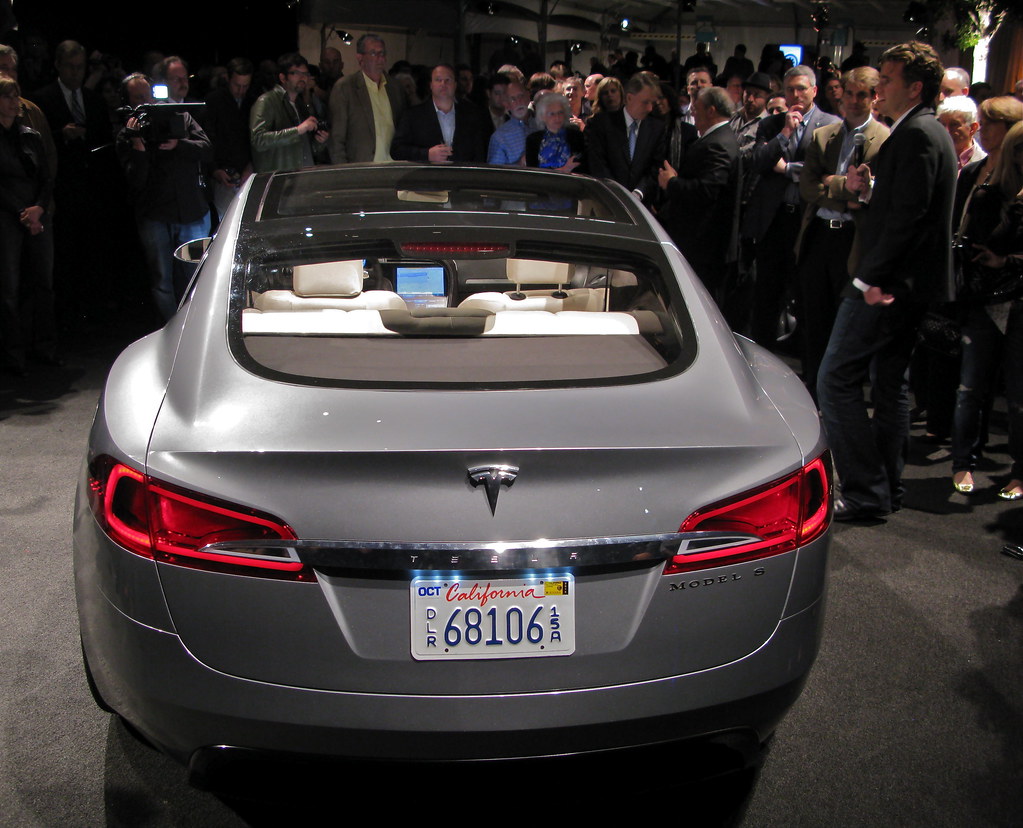
4. **Tesla**While Tesla has rapidly carved out a reputation as a leading innovator in the burgeoning electric vehicle (EV) space, its impressive successes and cutting-edge technology unfortunately do not translate into a suitable vehicle choice for pensioners. Despite its undeniable financial strength and influence on the automotive industry, several inherent characteristics of the brand’s offerings make it a poor fit for the practical and financial considerations of retirement.
The most immediate barrier for many retirees considering a Tesla is the formidable cost. Tesla models vary dramatically in price, ranging from approximately $32,490 to a staggering $125,490. This premium pricing structure can be exceptionally difficult to justify, especially when retirees are often looking to protect their nest egg and could opt for reliable used cars at a fraction of the cost, sometimes for less than $25,000. The initial investment alone can be a significant deterrent.
Moreover, the higher cost of owning a Tesla does not end at the car lot. These electric vehicles are known for incurring above-average ongoing expenses due to their highly specialized components, extensive level of computerization, and a comparatively smaller market for replacement parts. Ironically, the very differentiators that make Teslas unique often end up costing owners more in the long run. For example, the average repair bill for a Tesla is an estimated $950 more than for other conventional vehicles, a considerable sum that can quickly deplete a fixed income.
Beyond costly maintenance, many Tesla models have been plagued by numerous recalls. This phenomenon is partially attributable to the company’s rapid pace of innovation and the inherent complexities of new technology, but also due to the pressure to frequently release new models. Such recalls can be disruptive and concerning, adding an element of unpredictability to vehicle ownership. With complicated, specialized, and expensive maintenance requirements, Teslas simply do not make the best cars for seniors who prioritize simplicity, predictable costs, and trouble-free operation.
Read more about: Distress in Every Upgrade: 12 Luxury Cars Owners Would Happily Forget They Ever Owned
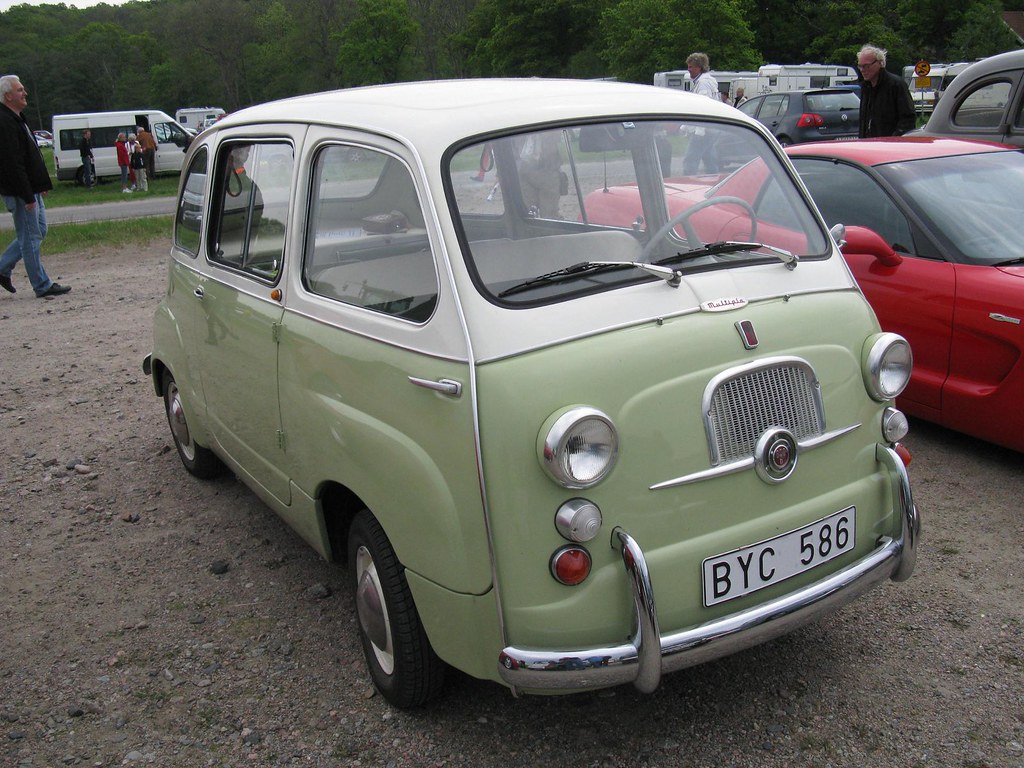
5. **Fiat**On the surface, Fiat vehicles, particularly their compact models, might appear to be the perfect solution for retirees looking to downsize their day-to-day lives and significantly cut back on monthly expenses. These Italian cars often fulfill the popular stereotypes of European vehicles: they are economical, extremely compact, and for some, quite a blast to drive. However, this perceived suitability quickly dissipates when practical considerations pertinent to seniors are brought into focus, particularly regarding safety and reliability in the American driving landscape.
The compact nature of Fiats means they often concede significant ground in the safety space to achieve their other features. This compromise can place retirees at an elevated risk, especially when navigating American highways, which are predominantly populated by monstrous SUVs and trucks. Unless your retirement plans exclusively involve driving in densely packed European cities, the idea of piloting what is colloquially referred to as a “tin box” on these roads should give prospective buyers serious pause.
Reliability is another critical area where Fiat vehicles, specifically the Fiat 500L, perform dismally. According to Consumer Reports, the Fiat 500L holds the unenviable position as one of the least reliable new cars available. It consistently finds itself at the bottom of the barrel regarding reliability ratings, even when evaluated against similar-sized models in its class. This consistent underperformance is a clear red flag for retirees who need a car they can depend on without frequent trips to the repair shop.
The dissatisfaction with Fiat is not merely anecdotal; a significant majority of Fiat 500L owners have reported regretting their decision to purchase the vehicle, unequivocally signaling that they would not make the same mistake again. Furthermore, on the crucial issue of safety, this popular model exhibited a lackluster performance in Insurance Institute for Highway Safety (IIHS) frontal crash tests, reinforcing concerns about its protective capabilities. Beyond reliability and safety, comfort is often cited as a drawback, with many complaining about the oddly shaped and uncomfortably low seats, which can be particularly problematic for seniors with mobility or back issues.
Car Model Information: 2022 INFINITI QX60 Luxe
Name: Fiat Compact platform
Aka: Short wheelbase: Compact,Long wheelbase: Compact-Wide
Manufacturer: Alfa Romeo
Production: 2010–present
Class: Compact car,automobile platform
Layout: Transverse engine,Front-engine, front-wheel-drive layout,front-wheel drive
Predecessor: Fiat C-platform,Mitsubishi GS platform,Chrysler minivans (RT)
Successor: STLA Medium
Engine: ubl
Categories: Alfa Romeo platforms, Articles with short description, CS1 Italian-language sources (it), Fiat platforms, Short description matches Wikidata
Summary: The Compact platform was developed by engineers of the Fiat group for the construction of small family cars (compact cars) and large family cars (mid-size cars) with front-wheel drive or four-wheel drive. The first incarnation of this platform was the Alfa Romeo Giulietta which was unveiled in 2010. Fiat has invested 100 million euros into the construction of the Compact Platform.
Get more information about: Fiat Compact platform
Buying a high-performing used car >>>
Brand: Fiat Model: compact models
Price: $37,677 Mileage: 24,135 mi.
Read more about: Engineering Nightmares: 15 Vehicles So Flawed, Owners Still Regret Buying Them
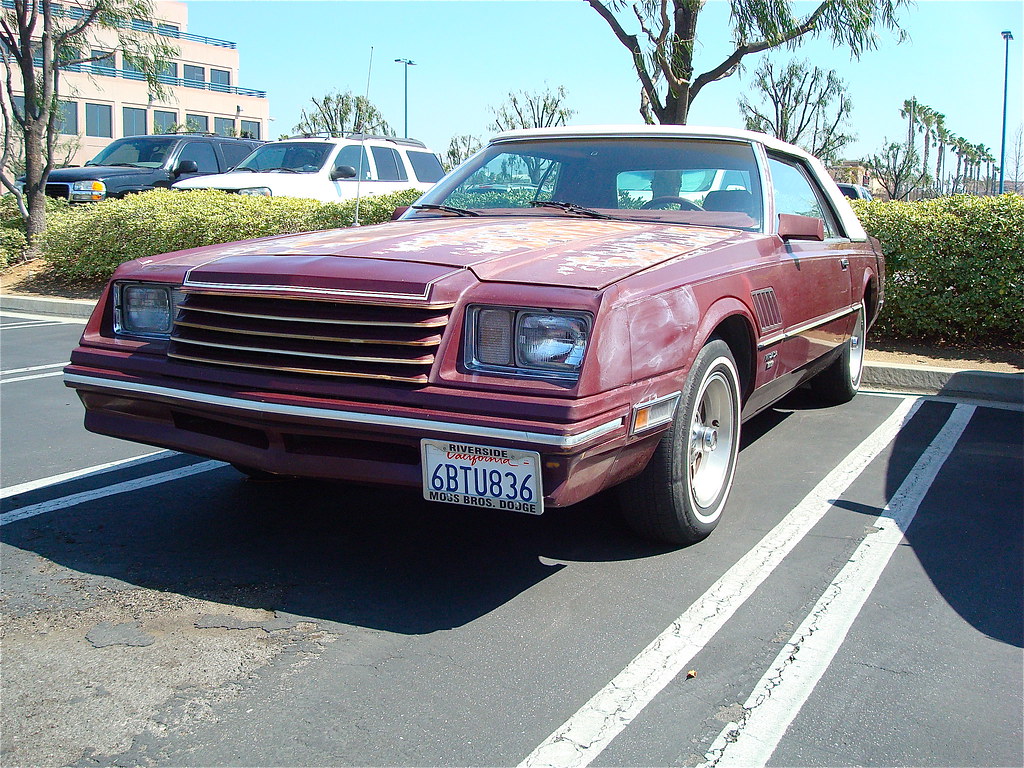
6. **Dodge**Despite offering an impressive lineup of models that often boast powerful performance and distinctive styling, Dodge vehicles consistently fall short on many of the critical metrics that pensioners should prioritize when considering a new car. While the brand might appeal to a certain demographic, its long-term ownership costs, reliability ratings, and overall practicality for retirees present significant red flags that prospective buyers should be fully aware of before making a commitment.
One of the most concerning aspects of Dodge ownership for retirees is the financial burden it represents. The average Dodge vehicle is projected to eat into your nest egg by approximately $11,352 in the first decade of servicing. This figure is a substantial $3,049 higher than the industry standard average, representing a significant premium for maintenance and repairs. Such an elevated cost can place an undue strain on a fixed income, undermining the financial security retirees strive for.
Furthermore, Dodges come with a statistically significant chance of requiring a major repair costing $500 or more within the same 10-year period, with Car Edge reporting this likelihood at 32.01%. While dealerships and service centers that work on Dodge vehicles are generally easy to find, the ultimate goal for any retiree should be to avoid these places as much as possible. Frequent, expensive repairs are not conducive to a worry-free retirement, and Dodge’s track record suggests they may be a common occurrence.
In terms of overall reliability, Dodge does not shine much brighter. Repair Pal assigns this brand a reliability rating of 3.5 out of 5, which places Dodge in the 19th position out of a total of 32 different automakers. This middling rating, derived from an analysis of 345 different Dodge models, indicates that the entire lineup is considered only moderately reliable. The report further highlights that Dodges are more likely to experience a major issue compared to vehicles from many other brands, adding another layer of concern for retirees seeking dependable transportation.
Continuing our exploration into vehicles perfectly suited for the golden years, we now turn our attention to two more brands that offer comfort, practicality, and peace of mind, aligning seamlessly with the priorities of retirees. These options often present an excellent balance of features and value, making them strong contenders for those looking to make a wise, long-term investment in their transportation. From user-friendly design to commendable reliability, these vehicles are engineered to enhance your retirement journey.
Read more about: Evaluating the 8 Safest Used Trucks Under $20,000 for Savvy Buyers
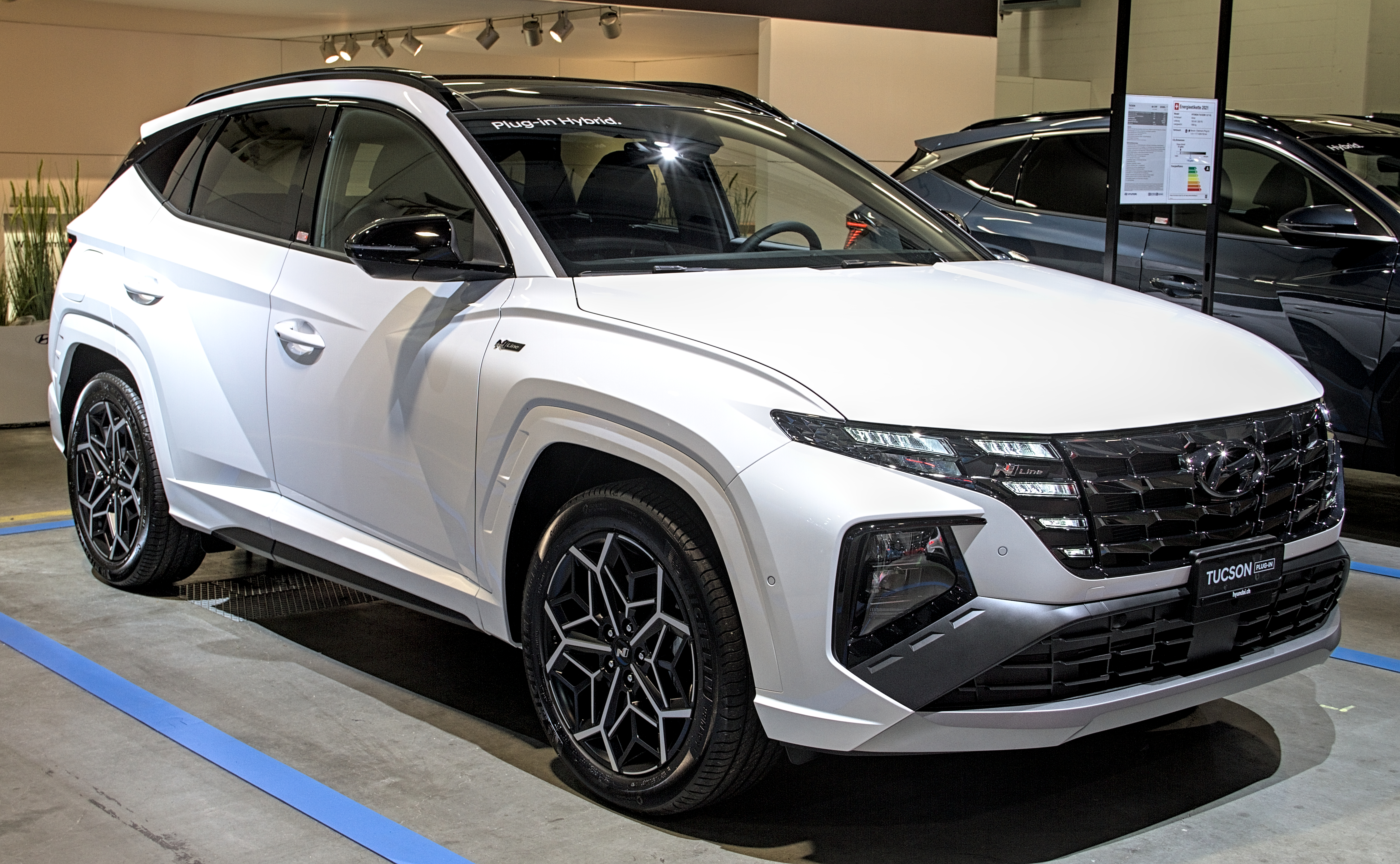
7. **Hyundai Tucson**The Hyundai Tucson is a compact SUV that consistently garners attention for its thoughtful design, especially appealing to seniors. Hyundai of Cumming, Georgia, actively markets the Tucson directly to seniors, recognizing its array of features that cater specifically to older drivers. Key among these are its high seating position, which provides excellent road vision, and its luxurious yet comfortable interior designed for ease of use.
Furthermore, the Tucson is equipped with impressive standard driver-assist and safety features, including blind spot monitoring and adaptive cruise control. These technologies work in concert to enhance driver confidence and overall safety, making every journey less stressful. For retirees, who prioritize security and a clear view of the road, the Tucson presents a compelling package that doesn’t compromise on essential protective measures.
U.S. News and World Report recognized the Hyundai Tucson as the No. 1 on its Best Compact SUV for the Money and Best Compact SUV for Families awards in 2024. This prestigious recognition underscores its value proposition, not just for families, but for retirees who benefit from its reliability, ample cargo capacity, and comprehensive safety ratings. With a starting MSRP of $30,200, it offers a strong blend of advanced features and affordability.
Car Model Information: 2022 Hyundai TUCSON SEL
Name: Hyundai Tucson
Caption: Hyundai Tucson (NX4, SWB)
Manufacturer: Hyundai Motor Company
Aka: Hyundai ix35 (2009–2015)
Production: 2004–present
ModelYears: 2005–present
Class: Compact crossover SUV
BodyStyle: sport utility vehicle
Layout: Front-engine, front-wheel-drive layout,Front-engine, four-wheel-drive layout
Sp: us
Categories: 2010s cars, All-wheel-drive vehicles, All Wikipedia articles written in British English, All articles needing additional references, All articles with dead external links
Summary: The Hyundai Tucson (; Korean: 현대 투싼) is a compact crossover SUV produced by the South Korean manufacturer Hyundai. It is named after the city of Tucson, Arizona, U.S.
The second-generation model was marketed as the Hyundai ix35 in several markets, including Europe, Australia and China, before reverting to Tucson for the third-generation. Since its first-generation, the Tucson has been developed alongside the Kia Sportage, sharing platforms and engines.
The Tucson is the best-selling Hyundai model, with more than 7 million units sold globally since it launched in 2004. Of these, 1.4 million units have been sold in Europe.
Get more information about: Hyundai Tucson
Buying a high-performing used car >>>
Brand: Hyundai Model: Tucson
Price: $19,990 Mileage: 61,985 mi.
Read more about: Engineering Nightmares: 15 Vehicles So Flawed, Owners Still Regret Buying Them
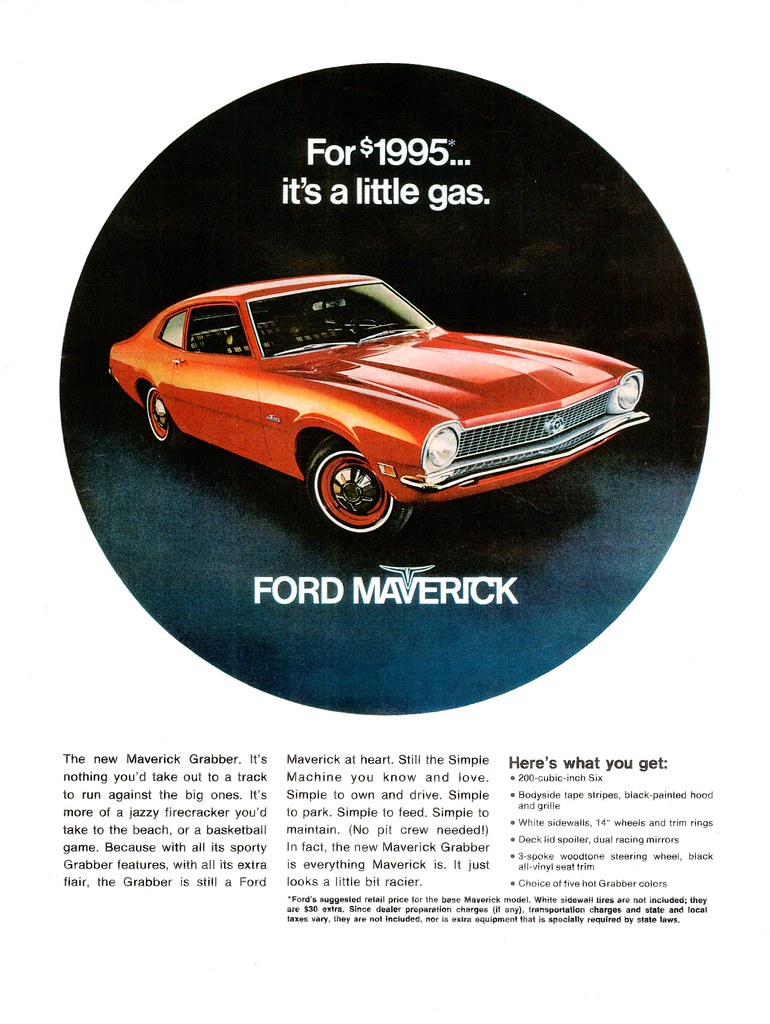
8. **Ford Maverick**For retirees who have spent a lifetime driving pickups and are reluctant to transition to a sedan or crossover, the Ford Maverick emerges as an exceptional choice. It skillfully combines the utility of a truck with the practicality often found in smaller vehicles. An active online community of senior Maverick owners, sharing their experiences and wisdom, speaks volumes about its appeal within this demographic.
One of the Maverick’s most appealing attributes for retirees is its impressive fuel efficiency, particularly for a truck. It achieves up to 30 miles per gallon, and for those prioritizing even greater economy, a hybrid engine option is available that consumes fuel in tiny sips. This focus on fuel economy can lead to significant savings over time, which is a crucial consideration for those on a fixed income.
Despite its capabilities as a work truck, the Maverick is small and maneuverable enough for city driving and simple parking. Its available 4,000-pound towing strength and 1,500-pound payload capacity qualify it as a legitimate work truck and a retirement toy hauler. Starting at an MSRP of $29,840, the Ford Maverick presents a versatile and economical option.
While the previous selections aim to enhance your retirement driving experience, it is equally crucial to be aware of vehicles that may introduce unnecessary complications and expenses. Based on extensive expert analysis and consumer feedback, certain brands consistently fall short of the reliability, affordability, and practical features that retirees should seek. These next five brands, while popular, carry significant drawbacks that could lead to instant regret and financial strain.
Read more about: 11 Cars So Problematic, Owners Are Seriously Wishing for an ‘Insurance Event’ (If You Catch Our Drift)
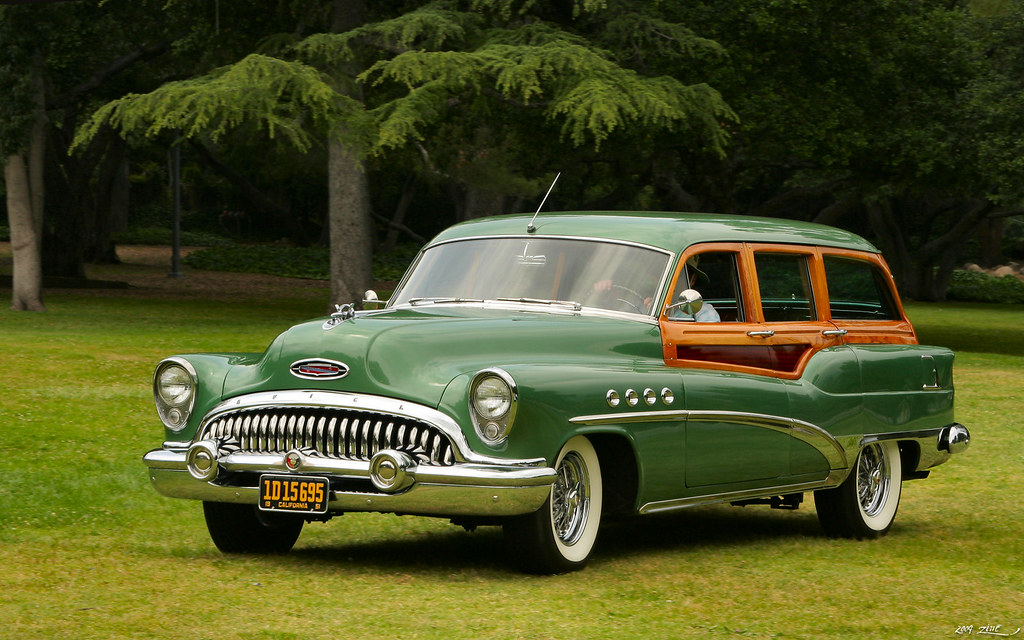
9. **Buick**While Buicks have fallen out of favor among younger generations, the brand has shifted to focusing almost solely on mid-size and full-size SUVs. Unfortunately, these don’t always make the best options for retirees who are looking for comfort and simplicity.
The IIHS has found that newer SUVs, designed with tighter windshields and smaller rear windows, do cause visibility issues. The report “even floated a potential link between this reduced visibility and an uptick in deaths among people walking and biking on the street,” which is a significant safety concern for all drivers, especially retirees.
Maintenance costs are another figurative blind spot for Buicks. In the first 10 years of ownership, expect to dedicate around $9,018 toward keeping your Buick running, which is $715 above the average. Car Edge also points out “more than a 25% chance your car will suffer damage that will cost more than $500 to repair during that time.”
Read more about: Buyer Beware: 14 Critical Warning Signs of Hidden Flood Damage in Used Cars
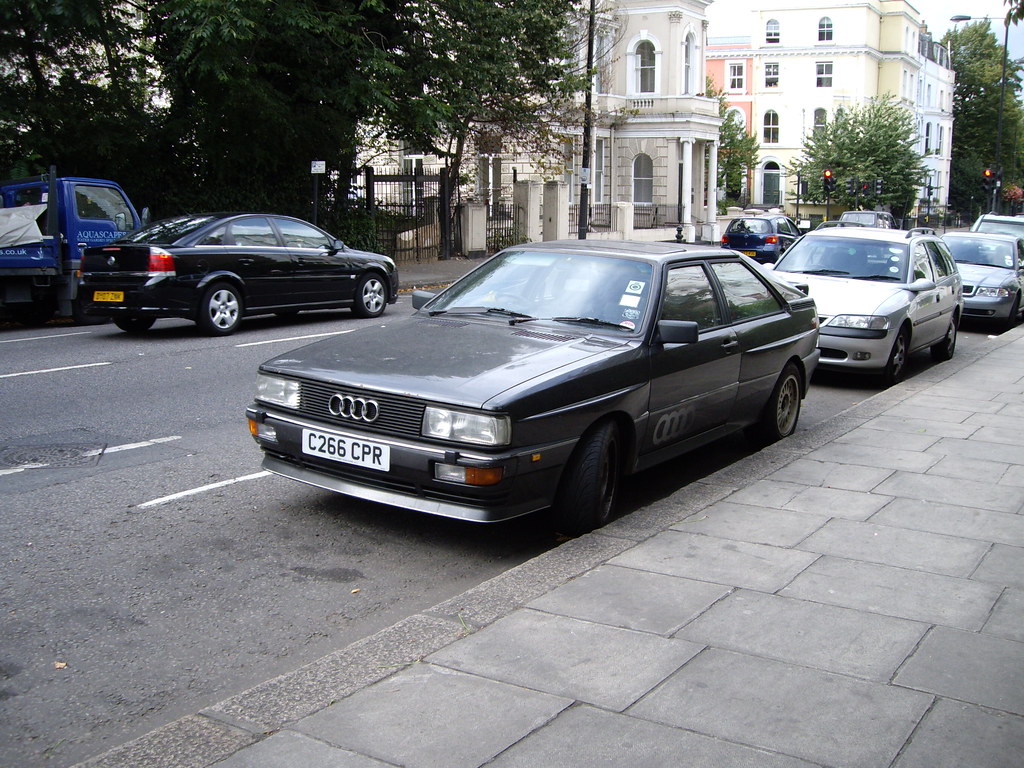
10. **Audi**Audi vehicles are celebrated for their sporty ride and luxurious designs. However, for retirees, these attributes can come at a significant cost to comfort and affordability, which are paramount in later years. The brand’s focus on performance often leads to design choices not conducive to the needs of older drivers.
A common issue is the lower ride height in many models, which can challenge mobility, making entry and exit difficult. Audis also have a reputation for offering “uncomfortable rides when compared to other brands with more suspension,” a factor that can exacerbate joint or back pain. Adjustments for comfort are often costly.
Financially, Audis are not only expensive at the initial purchase, but they also pose a considerable challenge to maintain over time. Retirees can anticipate paying “about $1,000 annually for routine upkeep and maintenance,” according to Car Edge. The total maintenance expenses over the first decade for a standard model can set your nest egg back by “$15,991,” which is a staggering “$4,000 above the average cost of upkeep on luxury cars,” quickly depleting retirement savings.
The brand’s reliability rating from Repair Pal is quite low, placing Audi in the “28th spot out of 32 automakers” with a “2.5 out of 5” for overall reliability. Routine issues like vacuum leaks, defective catalytic converters, and blown oxygen sensors are not cheap fixes. For retirees seeking dependable and predictable vehicle ownership, Audi’s combination of high costs and lower reliability makes it a less-than-ideal choice.
Read more about: The Unforgettable Journeys of 2000s Child Stars: From Silver Screen to Surprising Second Acts
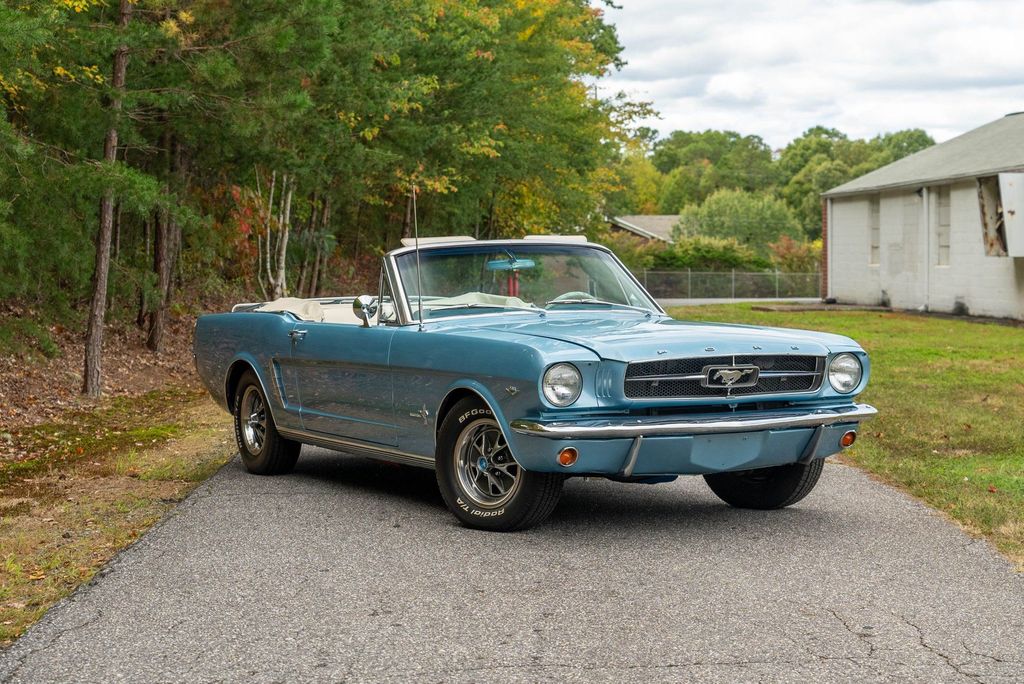
11. **Ram**Ram trucks, despite their tough image, are noted for components that wear quickly, resulting in surprisingly high maintenance costs. This disparity between perceived durability and actual long-term expenses makes Ram a brand retirees should view with skepticism, especially if financial prudence is a priority.
Car Edge reports the financial burden of owning a Ram is substantial, with the “average maintenance cost for these vehicles [being] nearly double the industry average.” Owners typically spend “$21,595 in their first decade of driving,” which is “$13,292 higher than average.” Rams also have a “63.32% chance of needing a fix costing $500 or more” within that time, signaling frequent and costly repairs.
The sheer size of Ram’s oversized trucks, with high ground clearances and tall wheels, creates practical challenges for older individuals. This awkward sizing can pose a daily fall risk, making these heavy and large vehicles impractical for everyday use and a potentially regrettable choice for retirees.
Car Model Information: 2018 RAM 1500 SLT
Name: Ram Trucks
Logo: Ramchryslerlogo.png
FormerName: Dodge Ram
Type: division (business)
LocationCity: Auburn Hills, Michigan
Foundation: [object Object]
AreaServed: North America, Middle East, Latin America, Europe, Southeast Asia, Oceania, and Angola
Industry: Automobile
Predecessor: Graham Brothers,Fargo Trucks,Plymouth (automobile)#Plymouth trucks
KeyPeople: Tim Kuniskis (CEO)
Products: Truck
Parent: Chrysler
Homepage: https://www.ramtrucks.com/|ramtrucks.com
Categories: 2010 establishments in Michigan, All Wikipedia articles written in American English, All articles with unsourced statements, Articles with short description, Articles with unsourced statements from July 2024
Summary: Ram Trucks (stylized as RAM) is an American brand of light to mid-weight pickup heavy duty trucks and other commercial vehicles, and a division of Stellantis North America (previously Chrysler Group LLC). It was established in a spin-off of Dodge in 2009 using the name of the Ram pickup line of trucks. Ram Trucks’ logo was originally used as Dodge’s logo. New series Ram 1500 pickups are made at Sterling Heights Assembly in Sterling Heights, Michigan. Since its inception, the brand has used the slogan “Guts. Glory. Ram.”
Get more information about: Ram Trucks
Buying a high-performing used car >>>
Brand: Ram Model: Trucks
Price: $22,000 Mileage: 62,720 mi.
Read more about: Forever Love: 11 Celebrity Icons Who Never Remarried After Losing Their Soulmate
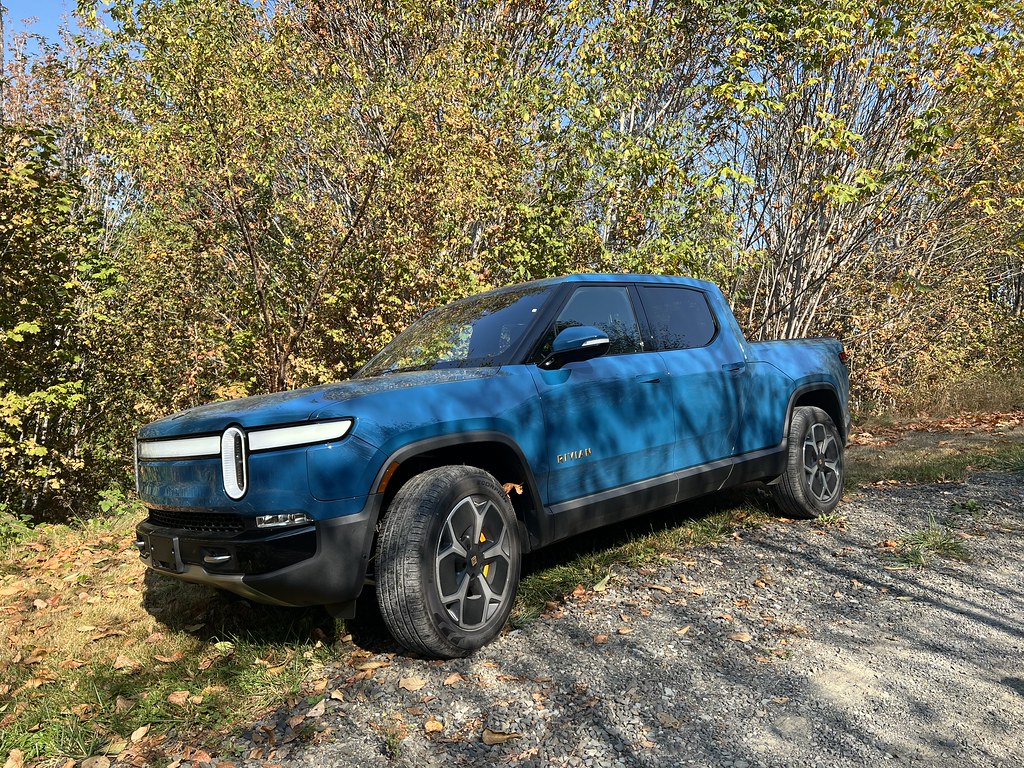
12. **Rivian**Rivian, a new electric vehicle (EV) brand, mirrors many of Tesla’s shortcomings for retirees. Its formidable initial price tag starts at “more than $70,000,” with luxurious models reaching “$140,990.” Such an investment is exceptionally challenging for retirees prioritizing their nest egg.
The brand’s novelty means most Rivian models on the road still have “extremely low mileage,” leaving “a lot of unanswered questions about their long-term reliability, maintenance costs, and lifetime safety.” This lack of proven track record presents a considerable risk for retirees who value predictability.
Rivian vehicles generally “cost more than the average Tesla to maintain.” Rapid tire wear, a common EV characteristic due to “impressive acceleration and exceptional weight,” adds substantial ongoing expenses. “Rivian owners are on their own, navigating a new industry with few parts in circulation and highly specialized knowledge required for repairs,” meaning high, unexpected costs and service difficulties for retirees.
Read more about: The Hidden Cost: 14 Popular Trucks and Vehicles Prone to Major Repairs Before 100,000 Miles
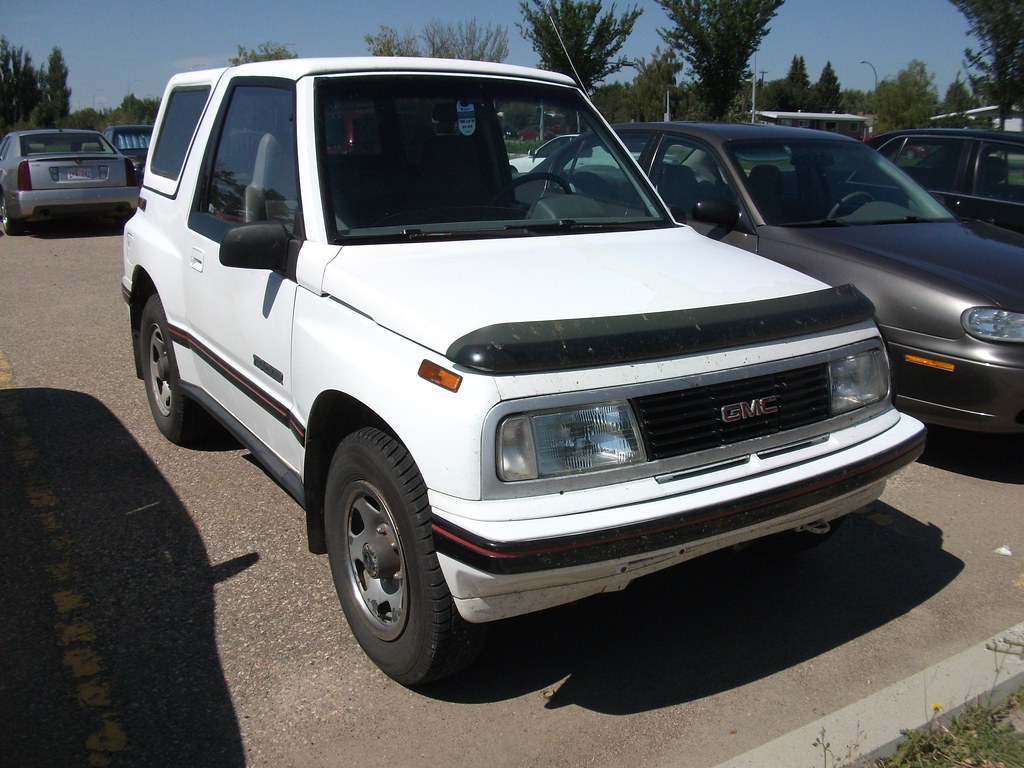
13. **GMC**Despite GMC’s “Professional Grade” image, retirees prioritize affordability, reliability, and safety, areas where GMC vehicles present significant drawbacks warranting careful scrutiny.
Long-term costs are higher, with GMCs projected to cost “about $9,467 in repairs over the first 10 years,” which is “$1,164 higher than the industry average.” Most models also face a “nearly 30% of requiring a $500 fix within that same time frame,” indicating a considerable chance of unexpected and expensive repairs.
Reliability and safety are particular concerns. GMC has faced “several high-profile and expensive recalls over the past few decades,” including pulling “3.64 million cars off the road because of defective airbags” in 2016 and “at least another 1 million vehicles” in 2014. These widespread safety issues pose a serious risk for retirees.
Read more about: Evaluating the 8 Safest Used Trucks Under $20,000 for Savvy Buyers
Making an informed decision about your next vehicle is a cornerstone of a worry-free retirement. As we’ve seen, while some brands offer exemplary comfort, reliability, and value, others present hidden pitfalls that can quickly deplete your nest egg and add unnecessary stress. Prioritizing features such as easy entry and exit, strong visibility, advanced safety technology, and excellent fuel efficiency, coupled with low long-term ownership costs, will empower you to choose a car that truly enhances your golden years. Always remember that the best retirement vehicle choice involves selecting cars that provide comfort and style while being easy to operate and maintain at affordable prices, ensuring your ride complements your well-deserved peace of mind.