For decades, the pickup truck has stood as an undisputed American icon, a symbol of rugged individualism, unparalleled utility, and, for many, a perceived bastion of safety. The allure is undeniable: commanding road presence, the ability to haul serious cargo, and an elevated driving position that promises superior visibility. In fact, for the first time ever, pickup trucks have even outsold sedans in the U.S. market, a clear indicator of their growing dominance and widespread appeal.
Owners often extol the virtues of these colossal machines, citing reasons like better visibility due to being higher up, spacious cabins for families, and the comforting belief that their heft will better protect them in a crash. Many also appreciate the practical side – carrying furniture, equipment, or venturing off-road for camping trips. And let’s be honest, a significant number of drivers simply like the way these vehicles look, preferring their imposing stance over a more mundane sedan or even an SUV.
However, beneath this veneer of capability and confidence lies a darker, more unsettling truth that many pickup truck owners remain blissfully unaware of. While the industry has made tremendous strides in safety over the years, there are specific models throughout history that, due to design flaws, structural weaknesses, or sheer negligence, posed significant, hidden dangers to their occupants and those around them. We’re not talking about minor inconveniences here; we’re talking about design choices that led to catastrophic injuries and even fatalities, vehicles that, in retrospect, should have been pulled from the market much sooner. This isn’t just a historical curiosity; it’s a stark reminder of the battles fought for safer roads and the constant need for vigilance.
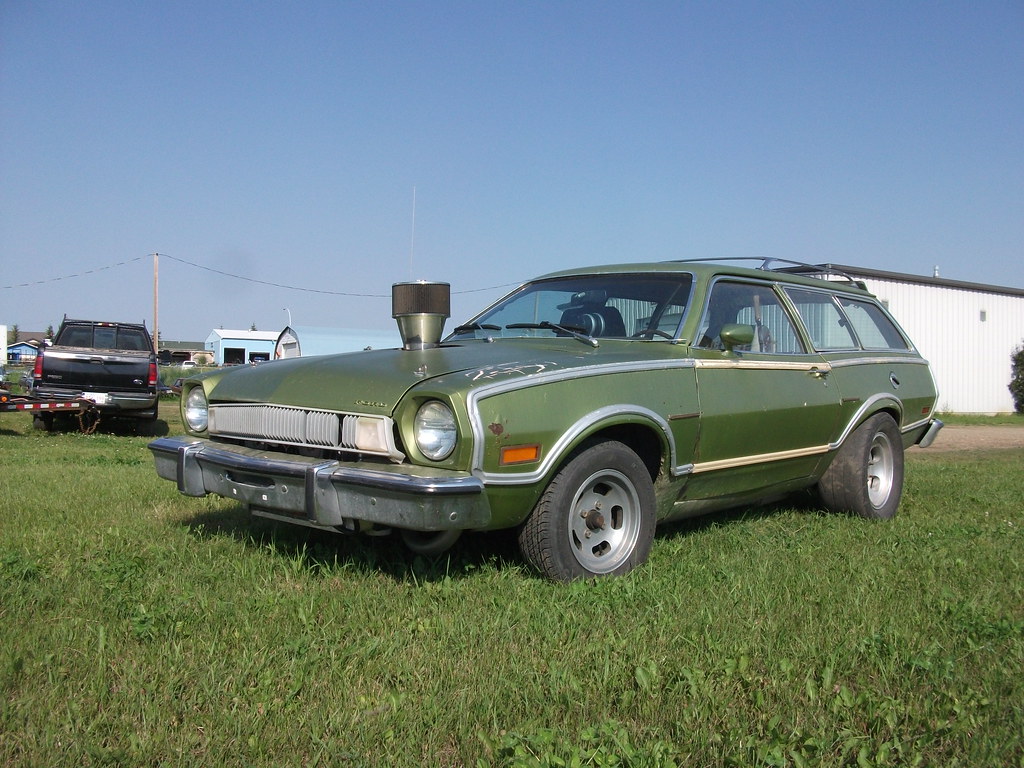
1. **Ford Pinto-Based Courier (1972-1982)**The Ford Courier of the 1970s carries a notorious reputation as one of history’s most dangerous pickup trucks, primarily because it inherited the catastrophic DNA of the infamously unsafe Ford Pinto. Manufactured by Mazda but marketed under the Ford badge across North America, the first-generation Courier featured a fundamental design flaw: a perilously positioned fuel tank, tucked with minimal protection between the rear axle and bumper.
This precarious placement made the fuel tank highly susceptible to rupture, especially in rear-end collisions, setting the stage for deadly, fuel-fed fires. What compounded this danger was the Courier’s light construction; it weighed significantly less than the full-size pickups of its era, meaning it lacked the structural mass to effectively absorb impact energy. The truck’s frame rails simply didn’t extend far enough past the tank, leaving it exposed to direct impact forces, and sharp brackets and bolts nearby could easily puncture the tank during collision deformation.
Occupants of the Courier faced a horrific dual threat: severe injuries from the initial impact, immediately followed by the terrifying risk of fire, especially given the primitive seatbelt systems and absence of headrests common in that period. Internal Ford documents later unearthed a chilling detail during litigation: the company had conducted cold, hard cost-benefit analyses, weighing the expense of redesigning the fuel system against the projected costs of settling lawsuits from burn injuries and deaths. This calculation, once public, severely damaged Ford’s reputation for decades, suggesting that human lives were, quite literally, factored into a spreadsheet as liabilities.
Beyond its incendiary fuel system, the Courier’s safety shortcomings were extensive. It featured minimal crumple zones, a steering column that was prone to impaling drivers in frontal impacts, and conspicuously poor side-impact protection. The cab’s structural integrity was compromised by the use of thin-gauge steel and design choices that clearly prioritized manufacturing efficiency over occupant safety, a common lament of that era. During rollover accidents, the cab demonstrated alarming levels of roof crush, often collapsing to the level of the door handles.
While the Courier might not have garnered as many high-profile lawsuits as its infamous Pinto sibling, it undeniably shared the same fundamental, life-threatening dangers. These trucks continued to ply American roads throughout the 1970s and early 1980s, gradually fading from view as safety standards began to improve and consumer awareness slowly but surely grew. Today, surviving examples serve as stark, rolling reminders of a bygone era when automotive safety was an afterthought, not a fundamental design imperative.
Car Model Information: 1974 Ford Courier Restored Pro-Street Truck
Name: Ford Courier
Caption: Ford Brazil
Production: 1952–1960,1971–2013
Manufacturer: Ford Motor Company
Successor: Ford Ranger (North America),Ford Ranger (T6)
ModelYears: 1952–1960 (sedan delivery),1972–2007 (compact pickup),1991–2002 (compact panel van),1998–2013 (coupe utility)
Categories: All articles needing additional references, Articles needing additional references from May 2012, Articles with short description, Commons category link from Wikidata, Coupé utilities
Summary: Ford Courier is a model nameplate used by Ford since the early 1950s. The Courier moniker has been used on a variety of vehicles all around the world since it was first used in North America for a sedan delivery. The Courier nameplate was also used by Ford for a series of compact pickup trucks (produced by Mazda) and would also see use by Ford of Europe denoting a Fiesta-based panel van. Ford Brazil used the nameplate for a Fiesta-based coupe utility pickup marketed across Latin America.
During the 2000s, the Courier pickup truck was replaced by the Ranger nameplate (which replaced the Courier in North America for 1983); the Courier panel van was replaced by the Ford Transit Connect in 2002. For 2014, the stand-alone Courier name was withdrawn, but returned as the Transit Courier, the smallest vehicle of the Ford Transit van series.
Get more information about: Ford Courier
Buying a high-performing used car >>>
Brand: Ford Model: Courier
Price: $12,997 Mileage: 12,485 mi.
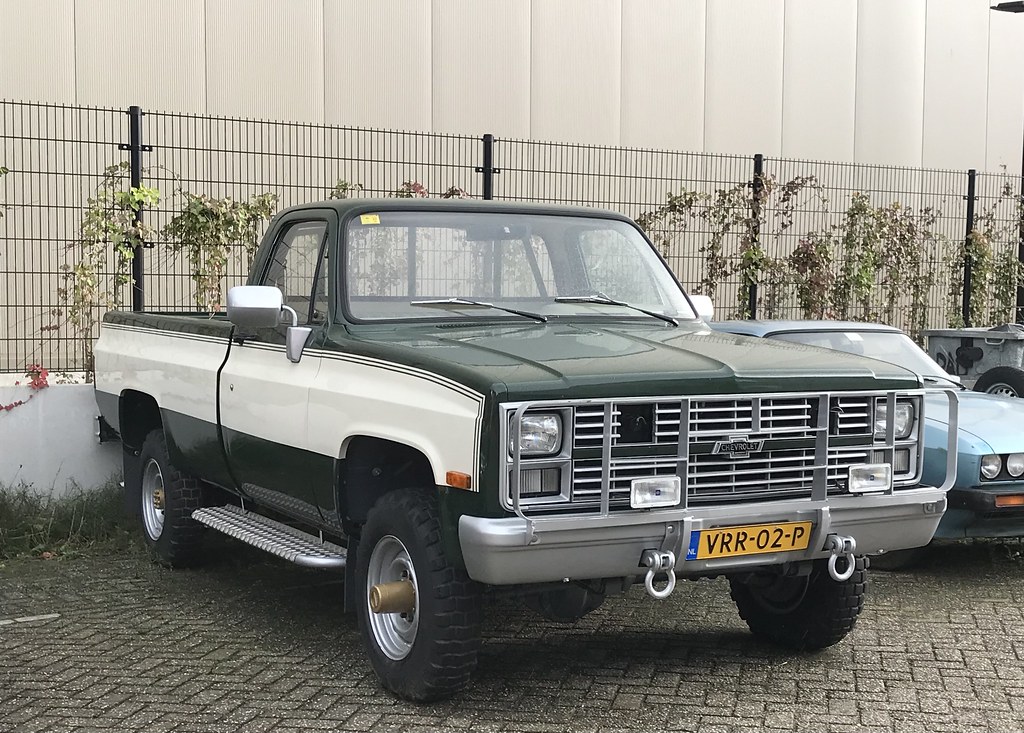
2. **Chevrolet C/K with Side-Mounted Fuel Tanks (1973-1987)**For nearly a decade and a half, the Chevrolet C/K series trucks, produced between 1973 and 1987, featured one of the most infamously controversial fuel system designs in automotive history: “sidesaddle” fuel tanks. Instead of being safely tucked inside the frame rails or beneath the bed, these tanks were mounted outside the frame, positioned on the sides of the truck between the cab and the rear wheel well. This design choice created a deadly vulnerability, particularly in side-impact collisions.
The inherent danger became a national talking point after a highly publicized 1993 NBC Dateline exposé, which dramatically demonstrated these trucks’ propensity for fire when struck from the side. The broadcast showcased alarming footage of test crashes resulting in immediate fuel leakage and subsequent fires. While a controversy later erupted regarding the inclusion of incendiary devices in some tests to ensure visible flames, the fundamental design flaw was undeniably real, extensively documented through accident data, and thoroughly supported by engineering analysis.
What made these trucks particularly hazardous was the combination of the tanks’ thin metal construction and nearby protruding hardware, which could easily puncture the tank during collision deformation. The filler neck connection was identified as an especially vulnerable point, often separating during impacts and atomizing fuel into the air, creating a highly flammable vapor cloud near potential ignition sources. The National Highway Traffic Safety Administration (NHTSA) analysis even estimated that these C/K trucks experienced a staggering 50% higher fatality rate in side-impact collisions compared to comparable trucks that featured different, safer fuel tank designs.
General Motors vehemently contested these findings, arguing that their trucks met all applicable safety standards of the time and that, overall, they exhibited average safety records. However, a series of high-profile lawsuits resulted in substantial jury awards against GM, including a landmark $105 million verdict in the Moseley case, where a teenager tragically died in a side-impact collision followed by fire. This, and similar cases, painted a grim picture of the real-world consequences of the design flaw.
Ultimately, while GM never issued a formal recall, the company eventually entered into a settlement with the Department of Transportation. This agreement included significant funding for safety programs, a concession that implicitly acknowledged the problem, rather than initiating the monumental task of modifying the estimated 4.7 million trucks that were still on the road. The C/K controversy served as a powerful catalyst for improved fuel system integrity requirements and more comprehensive crash testing across the industry. It also starkly highlighted the tension between minimum regulatory requirements, corporate responsibility, and the crucial role of litigation in driving automotive safety forward. Decades later, many of these problematic trucks still cruise America’s roadways, often with their owners completely unaware of their vehicles’ troubled design history.
Car Model Information: 2013 Chevrolet Silverado 3500 Work Truck
Name: Chevrolet and GMC C/K
Caption: 1986 GMC C-3500 Sierra Classic 3+3
Manufacturer: General Motors
Aka: GMC C/K,Chevrolet/GMC Full-Size Pickup,Chevrolet Silverado (1975–2002),GMC Sierra (1972–2002)
Production: 1959–2002 (United States),1959–2000 (Canada),1965–2002 (Mexico),1964–2001 (Brazil),1975–1982 (Chile), 1960–1991 (Argentina)
Class: Pickup truck,Medium-duty truck
Predecessor: Chevrolet Task Force
Successor: Chevrolet Silverado
ModelYears: 1960–2000 (C/K pickup trucks)
Categories: Articles with short description, CS1 Portuguese-language sources (pt), Cars introduced in 1959, Chevrolet trucks, Commons category link is on Wikidata
Summary: The Chevrolet C/K is a series of trucks that was manufactured by General Motors from the 1960 to 2002 model years. Marketed by both the Chevrolet and GMC divisions, the C/K series encompassed a wide range of vehicles. While most commonly associated with pickup trucks, the model line also included chassis-cab trucks and medium-duty trucks and served as the basis for GM full-size SUVs. Through its entire production, the model line competed directly against the Ford F-Series and the Dodge D series (later the Dodge Ram pickup).
Used for both the model branding and the internal model code, “C” denoted two-wheel drive, while “K” denoted four-wheel drive. Four generations of the C/K series were produced, including the GM monikered second-generation “Action Line” and third-generation “Rounded Line” vehicles (colloquially aka Square-Body trucks). For the fourth-generation (colloquially also known as OBS trucks), Chevrolet kept using the C/K designation while GMC revised its branding, changing to a singular GMC Sierra nameplate (C/K remained as an internal model code).
For South America, the model line was manufactured by General Motors de Argentina from 1960 to 1978, Sevel Argentina from 1986 to 1991, and General Motors Brazil, who produced versions of the model line for Brazil, Argentina, and Chile from 1964 to 2001.
As GM entered the 1990s, the company revised its truck ranges, replacing the medium-duty C/K trucks with the Chevrolet Kodiak/GMC TopKick for 1990. For 1999, GM replaced the fourth-generation C/K pickup trucks with an all-new model line; in line with GMC, Chevrolet dropped the C/K nameplate (in favor of a singular Chevrolet Silverado nameplate). Initially marketed with its successor, the final C/K pickup trucks were produced for the 2000 model year. From 2001 to 2002, the final vehicles of the C/K model line were medium-duty chassis cab trucks.
Get more information about: Chevrolet C/K
Buying a high-performing used car >>>
Brand: Chevrolet Model: C/K
Price: $25,902 Mileage: 156,835 mi.
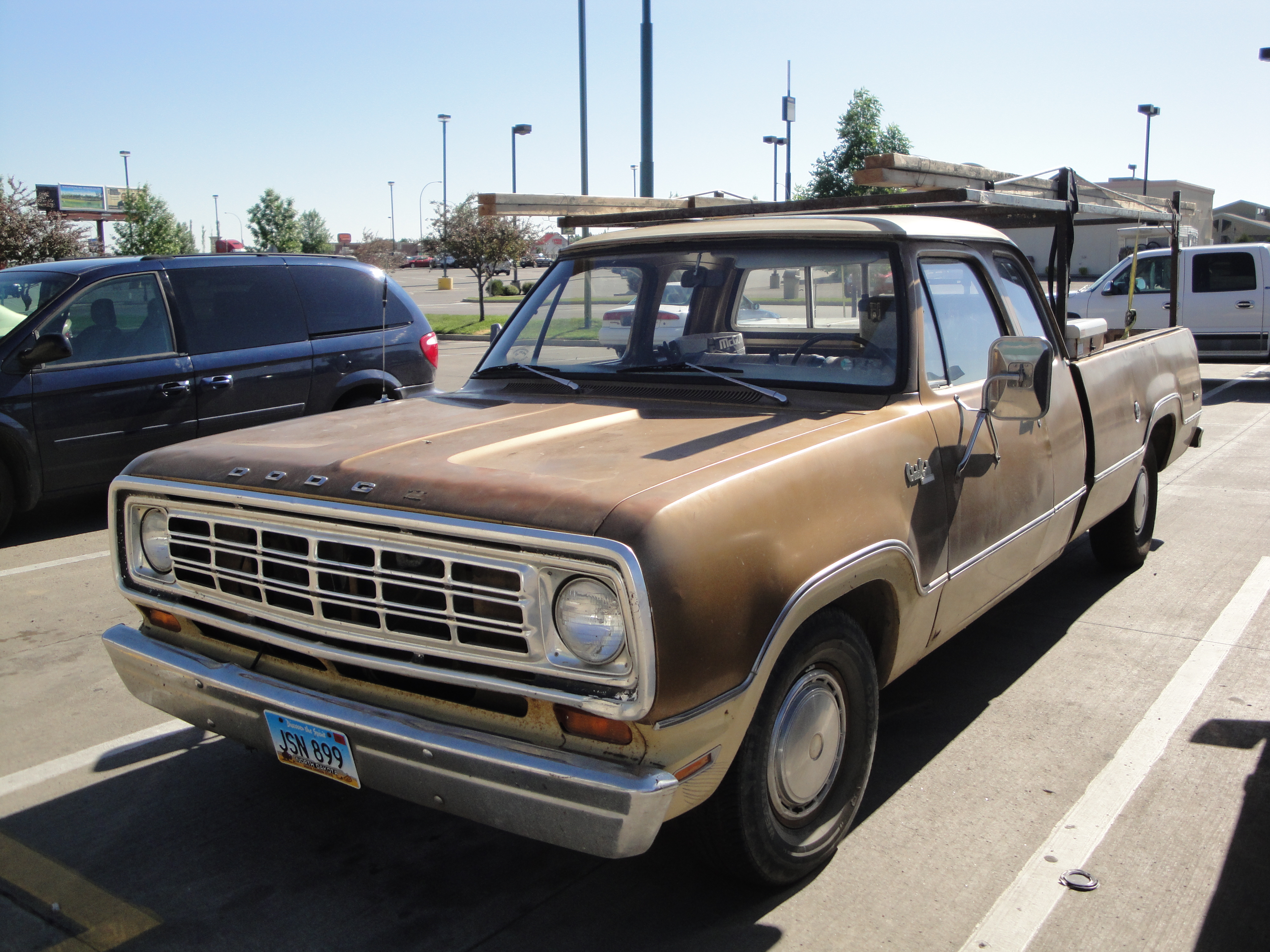
3. **Dodge Dakota Club Cab (1997-2004)**The 1997-2004 Dodge Dakota Club Cab carved out its unenviable niche among the most dangerous pickup trucks due to a perfect storm of structural deficiencies and highly questionable design decisions. Marketed as a versatile midsize alternative, promising the rugged capabilities of full-size trucks with the nimble maneuverability of smaller pickups, the Dakota Club Cab unfortunately harbored serious safety compromises that became all too evident in rigorous crash testing and tragic real-world accidents. Its extended cab configuration, particularly its marketing as “family-friendly” with rear jump seats, proved to be an especially problematic aspect of its design.
The Dakota’s most alarming weakness consistently manifested in side-impact scenarios, where the B-pillar and door structure offered woefully inadequate protection for occupants. The Insurance Institute for Highway Safety (IIHS) didn’t mince words, rating the Dakota “Poor” in their side-impact tests – the lowest possible score. Test dummies registered forces that indicated a high probability of life-threatening injuries, especially to the torso and head. The glaring absence of side-impact airbags, even as an optional extra through most of this generation’s production run, exacerbated these already critical structural shortcomings, leaving occupants dangerously exposed.
Equally troubling was the Dakota’s dismal performance in frontal offset crashes. In these tests, the vehicle demonstrated significant intrusion into the footwell area. The brake pedal and steering column exhibited excessive movement towards the driver, creating severe risks of lower extremity injuries, as well as chest trauma. Crash test data clearly showed that the truck’s frame rails and front structure were incapable of managing impact energy efficiently; instead, they simply channeled those destructive forces directly into the occupant compartment, a fundamental failure in modern crash design.
The rear jump seats in the Club Cab model, often touted for their convenience, introduced a whole new layer of danger. These small, minimally padded seats lacked proper head restraints and featured compromised seatbelt geometry, meaning occupants in these positions faced heightened risks of whiplash injuries and serious head trauma in a rear-end collision. More disturbingly, these seats were marketed as suitable for children, despite offering substantially less protection than dedicated child safety seats or the more robustly designed rear bench seats found in proper four-door vehicles.
Adding another layer of risk was the Dakota’s inherent rollover propensity, a particular concern for the four-wheel-drive configurations with their higher center of gravity. The Dakota notably lacked the electronic stability control technology that was already beginning to appear in many of its competitors, and its suspension tuning prioritized off-road capability over predictable emergency handling characteristics. When rollovers did occur, the roof structure demonstrated concerning levels of crush, with the A-pillar often collapsing directly into the survival space, further endangering occupants.
While Dodge did implement incremental improvements throughout this generation, particularly with the 2001 refresh, the fundamental structural weaknesses persisted, casting a long shadow over its safety record. The Dakota’s troubling history eventually spurred significant redesigns in subsequent generations, which commendably addressed many of these critical flaws. However, thousands of these problematic trucks remain on the road today, frequently passing into the hands of younger, less experienced drivers drawn by their affordable used-vehicle prices, thus tragically perpetuating their safety risks long after their design flaws were first exposed.
Car Model Information: 2024 GMC Sierra 1500 Elevation
Name: Dodge Dakota
Manufacturer: Unbulleted list
Production: 1986–2011
ModelYears: 1987–2011
Assembly: Unbulleted list
Class: Mid-size pickup truck
Layout: Unbulleted list
Predecessor: Dodge Ram 50
Categories: 1990s cars, 2000s cars, 2010s cars, All-wheel-drive vehicles, All articles with unsourced statements
Summary: The Dodge Dakota, marketed as the Ram Dakota for the final two years of production, is a mid-size pickup truck manufactured by Chrysler and marketed by its Dodge Truck division (model years 1987–2009) and later its Ram Truck division (2010–2011) — across three generations.
The Dakota was larger than the compact pickups from Ford and Chevrolet, the Ford Ranger and Chevrolet S-10, and was smaller than full-sized pickups such as Dodge’s own Ram. It used body-on-frame construction and a leaf spring/live axle rear end and was the first mid-size pickup with an optional V8 engine. For its entire production, the Dakota was manufactured at Chrysler’s Warren Truck Assembly in Michigan.
The Dakota was nominated for the North American Truck of the Year award for 2000.
Get more information about: Dodge Dakota
Buying a high-performing used car >>>
Brand: Dodge Model: Dakota Club Cab
Price: $42,936 Mileage: 39,751 mi.
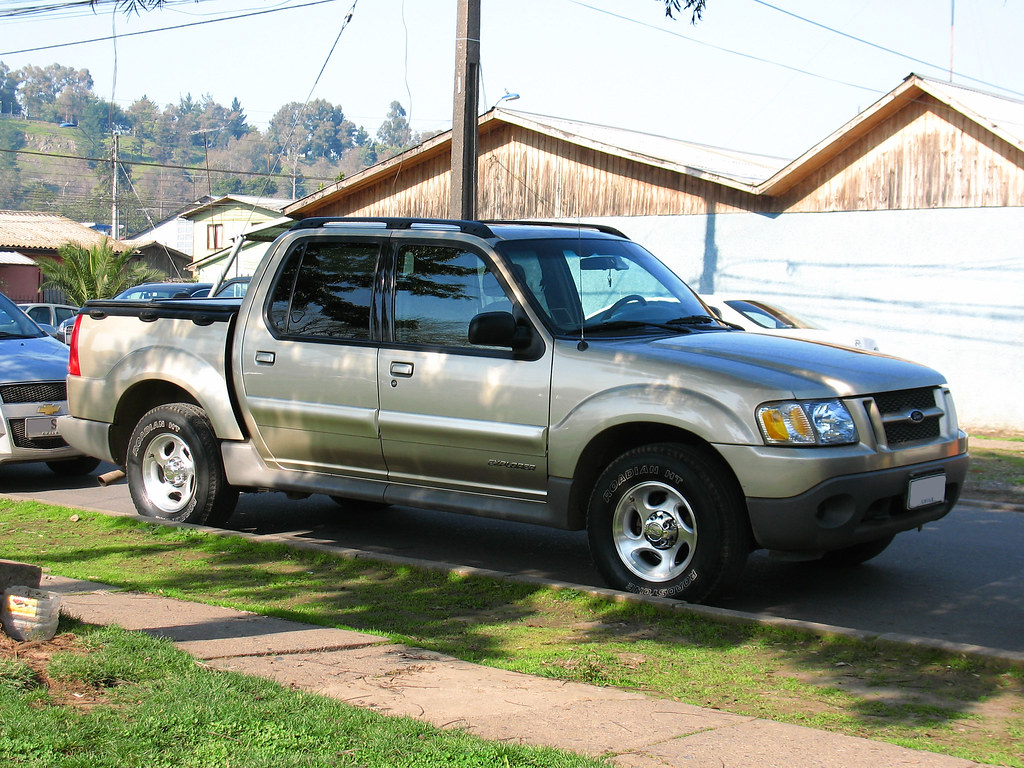
4. **Ford Explorer Sport Trac (First Generation, 2001-2005)**The first-generation Ford Explorer Sport Trac was conceived as an ambitious, yet ultimately flawed, attempt to meld the comfort of an SUV with the practicality of a pickup truck. Built upon the existing Explorer platform, but extended to accommodate a short open cargo bed, this hybrid vehicle unfortunately inherited the worst safety characteristics of both vehicle types, while simultaneously introducing unique structural compromises. The outcome was a pickup truck with alarming safety deficiencies that firmly cemented its place among the most dangerous ever sold.
The Sport Trac’s most fundamental problem stemmed directly from its modified SUV architecture. Essentially, Ford took the rear section of an Explorer, chopped it off, and then reinforced the resulting opening with minimal additional bracing before bolting on a short pickup bed. This engineering approach created a significant, critical structural weakness at the C-pillar junction, where the cab met the bed. In rear-end collisions, this area proved alarmingly prone to deformation and even potential separation, severely compromising the integrity of the passenger compartment and leaving occupants vulnerable.
Adding to these structural concerns, the design itself inadvertently created unusually large blind spots, contributing directly to a higher incidence of backing and lane-change accidents. Compounding these issues, the Sport Trac retained the standard Explorer’s high center of gravity, but now with the added weight of pickup truck components, an unfortunate combination that significantly elevated its rollover risk. This danger was unequivocally confirmed by National Highway Traffic Safety Administration (NHTSA) testing, which awarded the vehicle a mere two stars out of five in its rollover resistance ratings – a lamentably low score for pickups of that era. When rollovers did occur, the compromised roof structure offered inadequate protection, with crush tests revealing concerning levels of deformation.
The Sport Trac’s safety woes extended beyond its basic architecture to its suspension and tire configuration. Coming hot on the heels of the infamous Firestone tire controversy that had plagued the standard Explorer, early Sport Trac models featured similar suspension geometry and tire specifications that could contribute to instability during emergency maneuvers. While Ford did address some of these concerns with running production changes, the fundamental design limitations persisted throughout the entire first generation, casting a shadow over its safety profile.
Perhaps most troubling was the vehicle’s demonstrably poor crash energy management. The unusual frame design—neither a true body-on-frame truck nor a properly engineered unibody—resulted in inefficient distribution of crash forces. Frontal offset crash tests revealed significant passenger compartment intrusion, particularly in the footwell area. Side impact protection was similarly compromised, with the B-pillar design providing insufficient safeguarding against intrusion from larger vehicles, a particularly significant concern given the Sport Trac’s positioning as a family-friendly vehicle.
While Ford’s marketing tagline suggested the Sport Trac offered “the best of both worlds,” from a safety perspective, it regrettably combined the rollover propensity of top-heavy SUVs with the structural compromises inherent in modifying existing truck platforms, and then added unique vulnerabilities born from its hybrid nature. The harsh lessons learned from this problematic design eventually spurred significant improvements in the second generation, but not before thousands of first-generation models had tragically cemented their dangerous reputation through accident statistics and consistently poor crash test performances. This generation stands as a stark example of how innovation, without sufficient safety engineering, can lead to perilous outcomes.
Continuing our grim tour through automotive history, we uncover more examples of pickup trucks that, for various reasons—be it engineering oversight, cost-cutting, or sheer negligence—were allowed to remain on the market despite glaring safety deficiencies. These aren’t just old trucks; they are stark reminders of a period when consumer safety often took a backseat to profit and convenience, vehicles whose legacies continue to impact road safety even today.
Car Model Information: 2024 GMC Sierra 1500 Elevation
Name: Ford Explorer Sport Trac
Caption: 2004 Ford Explorer Sport Trac
Manufacturer: Ford Motor Company
Class: Pickup truck
Production: 2000–2010
ModelYears: 2001–2005,2007–2010
Assembly: Louisville, Kentucky
Successor: Ford Ranger (T6)
Chassis: Body-on-frame
Categories: 2000s cars, 2010s cars, All-wheel-drive vehicles, All articles needing additional references, Articles needing additional references from May 2024
Summary: The Ford Explorer Sport Trac (also shortened to Ford Sport Trac) is a pickup truck that was manufactured and marketed by Ford Motor Company for the North American market. The first mid-sized pickup truck produced by Ford, the Sport Trac was marketed from the 2001 to the 2010 model years (skipping the 2006 model year). Sized between the Ranger (whose crew cab variants were sold outside of North America) and the F-150, the Sport Trac largely competed against crew-cab variants of the midsize Chevrolet Colorado/GMC Canyon, Dodge Dakota, Nissan Frontier, and Toyota Tacoma.
Produced over two generations, the Ford Explorer Sport Trac shared its chassis and much of its body from the Ford Explorer SUV (with the pickup truck bed designed specifically for the model line). All production was sourced from the Louisville Assembly Plant in Louisville, Kentucky (taking the place of the Ford Ranger).
As Ford developed the fifth-generation Ford Explorer as a unibody crossover for the 2011 model year, the Sport Trac was phased out of the model line, with production ending in October 2010. Closely matching the Sport Trac in size, the fourth-generation Ford Ranger serves the same market function in its SuperCrew four-door crew cab configuration.
Get more information about: Ford Explorer Sport Trac
Buying a high-performing used car >>>
Brand: Ford Model: Explorer Sport Trac
Price: $42,936 Mileage: 39,751 mi.
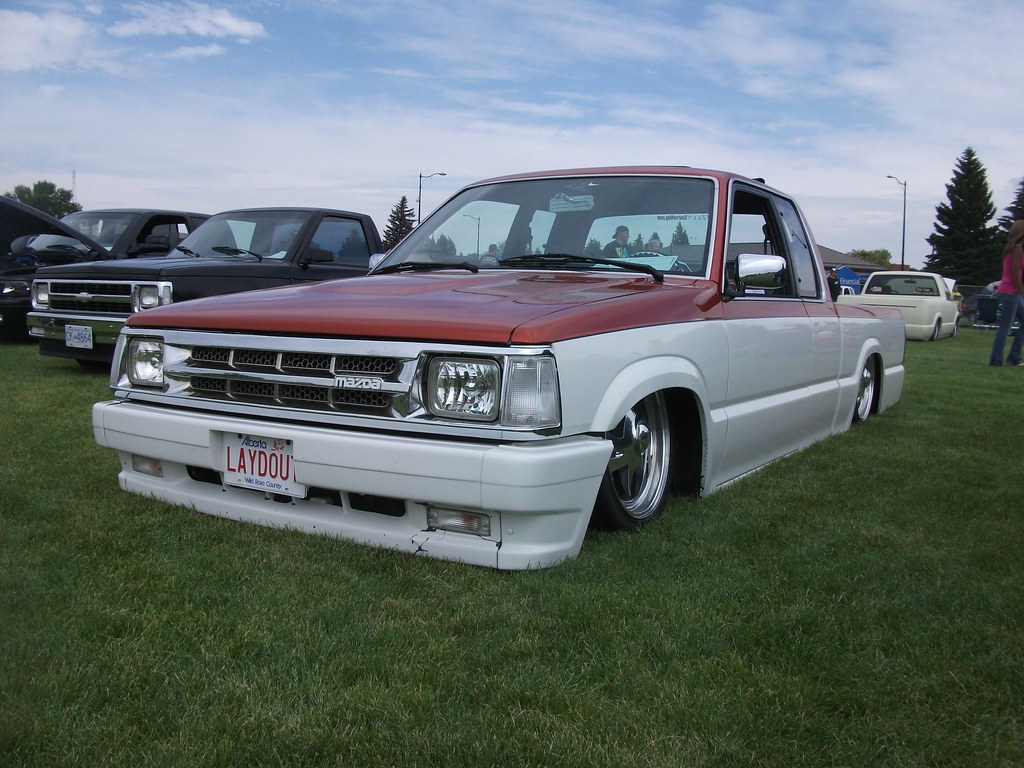
5. **Mazda B-Series/Ford Ranger (1995-2008)**The 1995-2008 Mazda B-Series and its mechanical twin, the Ford Ranger, earned notorious reputations for safety deficiencies that persisted long after competitor trucks had implemented significant safety improvements. These compact pickups retained essentially the same structural design for over a decade with only minor updates, becoming increasingly dangerous relative to evolving safety standards and competitor vehicles. While initially meeting safety requirements of the mid-1990s, these trucks became automotive anachronisms as they soldiered on virtually unchanged into the late 2000s.
The most glaring safety issue was the trucks’ performance in frontal crash testing. The Insurance Institute for Highway Safety (IIHS) rated these pickups “Poor” in frontal offset crash tests – their lowest possible rating. Test results revealed alarming levels of intrusion into the footwell area, with the brake pedal moving rearward toward the driver by up to 16 inches in some tests. The steering column showed similar movement, creating high risks of lower extremity injuries and chest trauma.
Side-impact protection proved equally inadequate throughout these models’ long production run. The doors and B-pillars contained minimal reinforcement compared to updated competitors, and side airbags weren’t even offered as options until the very end of production. NHTSA side-impact testing showed high probabilities of head and chest injuries for both driver and passengers. The narrow cab design placed occupants closer to potential intrusion zones, with minimal crumple space to absorb impact energy before reaching the passenger compartment.
These trucks also demonstrated concerning rollover tendencies, particularly in the higher-riding 4×4 configurations. Their narrow track width relative to their height created inherent stability challenges during emergency maneuvers. Neither electronic stability control nor rollover mitigation systems were ever offered, even as these technologies became standard for most competitors. When rollovers did occur, the roof structure provided marginal protection at best, with crush tests showing significant deformation that could compromise survival space.
Perhaps most troubling was these trucks’ continued marketing toward young, first-time drivers attracted by their relatively low purchase price. As safety advanced across the industry, these pickups became some of the least expensive but most dangerous new vehicles available. Ford and Mazda’s decision to maintain this fundamentally flawed platform for so many years, rather than investing in comprehensive redesigns, illustrates how economic considerations sometimes outweighed safety concerns in automotive development.
Car Model Information: 2001 Mazda B3000 SX
Name: Mazda B series
Production: 1961–2006
Manufacturer: Mazda
Class: Pickup truck
Successor: Mazda BT-50
Categories: 1970s cars, 1980s cars, 1990s cars, 2000s cars, All-wheel-drive vehicles
Summary: The Mazda B series is a series of pickup trucks that was manufactured by Mazda. Produced across five generations from 1961 to 2006, the model line began life primarily as a commercial vehicle, slotted above a kei truck in size. Through its production, Mazda used engine displacement to determine model designations; a B1500 was fitted with a 1.5 L engine and a B2600, a 2.6 L engine.
In Japan, the B-series was referred to as the Mazda Proceed for much of its production, with several other names adopted by the model line. In Australia and New Zealand, the B-Series was named the Mazda Bravo and Mazda Bounty, respectively; South Africa used the Mazda Drifter name. Thailand used the Mazda Magnum, Thunder, and Fighter names. Through its association with Ford, Mazda produced the B-Series as the Ford Courier and the Ford Ranger. Conversely, the Ford Ranger was sold in North America as a Mazda B series from 1994 until 2011.
In 2006, the Mazda B-Series was replaced by the Mazda BT-50.
Get more information about: Mazda B series
Buying a high-performing used car >>>
Brand: Mazda Model: B-Series
Price: $5,983 Mileage: 195,418 mi.
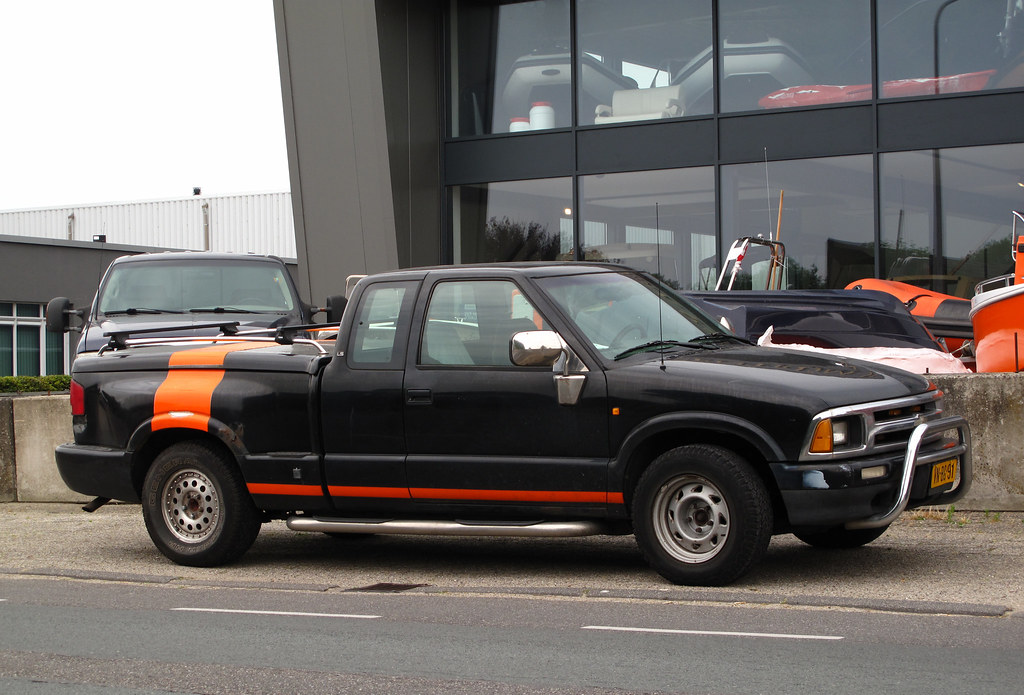
6. **Chevrolet S-10 (1994-2004)**The 1994-2004 Chevrolet S-10 compact pickup truck exemplified how outdated engineering and cost-cutting measures could create a particularly dangerous vehicle. Despite its popularity and seemingly innocent appearance, this generation of the S-10 harbored multiple critical safety flaws that placed its occupants at substantially higher risk compared to many contemporaries. As the model aged through its extended production run, these problems became increasingly pronounced relative to evolving safety standards.
The S-10’s most significant danger emerged in frontal crash testing, where it consistently performed poorly. The Insurance Institute for Highway Safety (IIHS) rated it “Poor” in moderate overlap frontal crash tests, finding excessive intrusion into the driver’s footwell area. The truck’s frame rails and front structure failed to adequately manage crash energy, instead allowing forces to channel directly into the occupant compartment. Crash test dummies frequently recorded forces indicating high probabilities of serious lower leg, knee, and hip injuries.
Side impact protection in the S-10 was equally concerning. The doors contained minimal reinforcement beams relative to their size, and the B-pillar design provided insufficient strength against intrusion. The absence of side airbags throughout most of its production run left occupants particularly vulnerable in broadside collisions with larger vehicles – an increasingly common scenario as SUVs and full-size trucks grew in popularity during this period. NHTSA side impact testing consistently showed high injury probabilities for both the driver and any passengers.
The extended cab models presented additional dangers with their rear-facing jump seats. These seats lacked proper head restraints and featured compromised seatbelt geometry that provided minimal protection in crashes. More troublingly, the structural area behind these seats offered little crumple zone protection in rear-end collisions. Roof strength emerged as another critical weakness, particularly relevant given the truck’s concerning stability characteristics. The S-10’s relatively narrow track width combined with its higher center of gravity created rollover risks during emergency maneuvers.
When rollovers occurred, the cab structure demonstrated alarming levels of roof crush, with the A and B pillars often collapsing well into the occupant survival space. The absence of electronic stability control throughout its production run meant that drivers had no technological assistance in avoiding these dangerous scenarios. Perhaps most telling about the S-10’s safety deficiencies was General Motors’ decision to discontinue the model rather than invest in the comprehensive redesign that would have been necessary to meet evolving safety standards.
Car Model Information: 2003 Chevrolet S-10 Base
Name: Chevrolet S-10,GMC S-15/Sonoma
Manufacturer: General Motors
Production: Chevrolet Colorado
Layout: Front-engine, rear-wheel-drive layout,rear-wheel drive
Predecessor: Isuzu Faster#first
Successor: Chevrolet Colorado
Class: pickup truck
Caption: 1998–2004 Chevrolet S-10
Categories: 1980s cars, 1990s cars, 2000s cars, All-wheel-drive vehicles, All articles needing additional references
Summary: The Chevrolet S-10 is a compact pickup truck produced by Chevrolet. It was the first domestically-built compact pickup of the big three American automakers. When it was first introduced as a “quarter-ton pickup” in 1981 for the 1982 model year, the GMC version was known as the S-15 and later renamed the GMC Sonoma. A high-performance version of the latter was released in 1991, called “Syclone”. The pickup was also sold by Isuzu as the Hombre from 1996 through 2000, but only in North America. There was also an SUV version, the Chevrolet S-10 Blazer/GMC S-15 Jimmy. An electric version was leased as a fleet vehicle in 1997 and 1998. These models are sometimes internally referred to as the S/T series to denote two- and four-wheel-drive models respectively (similar to the full-size Chevrolet C/K trucks) despite all versions being badged with “S” nomenclature.
In North America, the S-series was replaced by the Chevrolet Colorado, GMC Canyon, and Isuzu i-Series in 2004.
The S-series ended production in Brazil in 2012, being replaced by the Chevrolet Colorado, but still with the name S-10.
Get more information about: Chevrolet S-10
Buying a high-performing used car >>>
Brand: Chevrolet Model: S-10
Price: $6,599 Mileage: 147,372 mi.
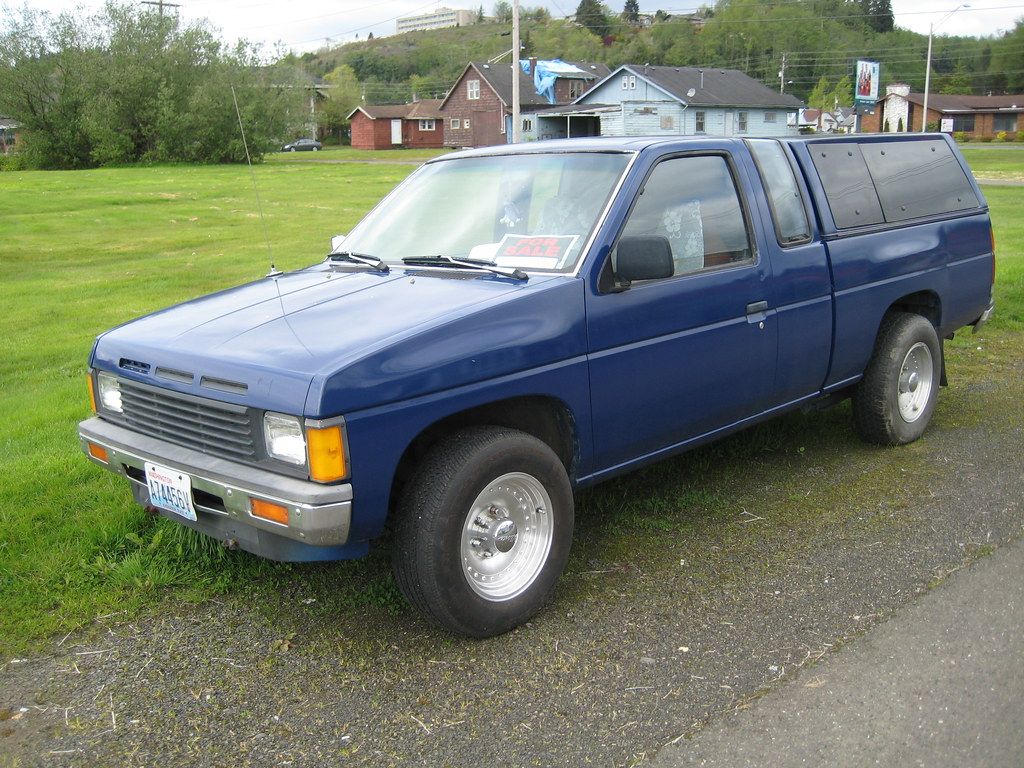
7. **Nissan Hardbody (D21, 1986-1997)**The Nissan Hardbody pickup, officially designated D21 and sold from 1986 to 1997, earned its reputation as one of the most dangerous pickup trucks through a combination of structural deficiencies and outdated safety features that persisted throughout its unusually long production run. While the truck’s nickname “Hardbody” referred to its double-walled bed and aggressive styling, it ironically belied the vehicle’s problematic occupant protection. As competitors gradually introduced safety improvements, the Hardbody remained largely unchanged, becoming increasingly dangerous relative to evolving standards.
The most significant safety concern centered around the Hardbody’s passenger compartment integrity during crashes. The cab’s structural design featured minimal crumple zones and inefficient crash energy management. In frontal collisions, the truck’s frame rails and firewall demonstrated alarming levels of intrusion into the footwell area. The steering column’s collapse mechanism proved inadequate by modern standards, often allowing the steering wheel to intrude toward the driver’s chest during severe impacts. This rigid structure transferred crash forces directly to occupants rather than absorbing and redirecting energy around them.
Side impact protection in the Hardbody was equally problematic. The doors contained minimal reinforcement beams, and the cab’s narrow profile left little crush space between the exterior and occupants. The B-pillar design provided insufficient protection against intrusion, particularly in collisions with larger vehicles. Throughout its production run, the Hardbody never offered side airbags, leaving occupants especially vulnerable in T-bone collisions. The truck’s window glass used older tempered rather than laminated technology, increasing injury risks from shattering during rollovers.
Perhaps most concerning was the Hardbody’s restraint system technology, which remained virtually unchanged while the automotive industry made significant advances. The truck featured basic three-point seatbelts without pretensioners or load limiters. The driver’s side airbag wasn’t added until very late in the production run, and even then only in certain markets and trim levels. The passenger side never received airbag protection throughout the entire generation. Rollover protection represented another critical weakness, particularly in 4×4 configurations, as the cab structure demonstrated concerning levels of roof crush when rollovers did occur.
What made the Hardbody particularly dangerous was Nissan’s marketing strategy, positioning it as an affordable, entry-level truck often purchased by young, inexperienced drivers. Its reputation for mechanical durability meant many examples remained on the road for decades, exposing multiple generations of owners to its outdated safety design long after production ended. While praised for its reliability and off-road capability, the Hardbody stands as a reminder of how rapidly automotive safety evolved during the 1990s and how dangerous vehicles can become when they fail to keep pace with these advances.
Car Model Information: 2024 Nissan Frontier SV
Name: Datsun truck
Manufacturer: Nissan
Production: unbulleted list
Class: Compact car
Layout: FR layout
Predecessor: Datsun 6147
Successor: Nissan Navara
Categories: All-wheel-drive vehicles, All articles lacking reliable references, All articles with unsourced statements, Articles lacking reliable references from September 2016, Articles with short description
Summary: The Datsun truck is a compact pickup truck made by Nissan in Japan from 1955 through 1997. It was originally sold under the Datsun brand, but this was switched to Nissan in 1983. It was replaced in 1997 by the Frontier and Navara. In Japan, it was sold only in Nissan Bluebird Store locations.
Get more information about: Datsun truck
Buying a high-performing used car >>>
Brand: Nissan Model: Hardbody
Price: $42,999 Mileage: 255 mi.
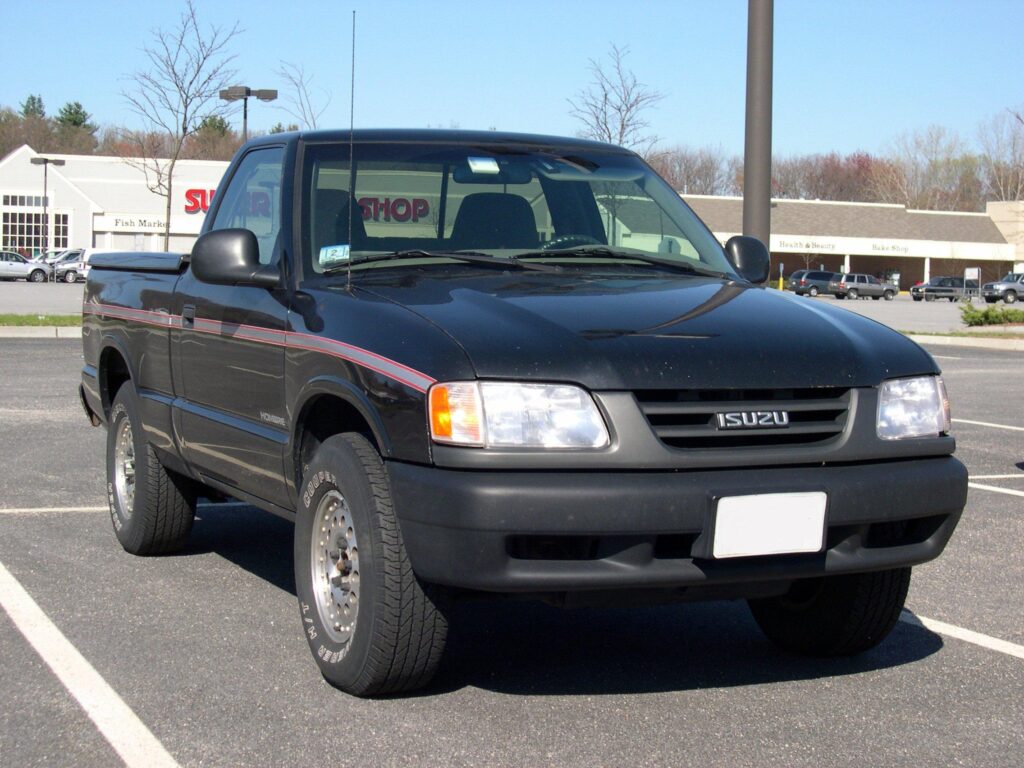
8. **Isuzu Hombre (1996-2000)**The Isuzu Hombre, sold from 1996 to 2000, earned its place among the most dangerous pickup trucks through a perfect storm of unfortunate circumstances: it was essentially a rebadged version of the already problematic Chevrolet S-10, produced with even fewer safety features and sold with minimal attention to crash protection. As one of the last gasps of Isuzu’s failing American strategy, the Hombre represented corner-cutting at its most dangerous, creating a truck that combined outdated engineering with cost-focused manufacturing compromises.
The Hombre’s most fundamental safety problem stemmed from its origins as a badge-engineered version of a truck that already had concerning safety characteristics. Rather than improving upon the S-10’s deficiencies, Isuzu removed certain safety features to reduce costs. While the donor Chevrolet gradually added driver and passenger airbags during this period, many Hombre models made do with just a driver’s side airbag or, in base models, no airbags at all. This decision came at precisely the time when dual airbags were becoming standard across the industry, leaving Hombre occupants with significantly less protection in frontal crashes.
The truck’s structural integrity presented serious concerns as well. Crash tests revealed excessive intrusion into the footwell area during frontal impacts, with the brake pedal often moving rearward toward the driver at alarming distances. The cab’s A-pillars showed concerning deformation, potentially compromising the windshield frame and roof structure. Side impact protection proved equally inadequate, with minimal door reinforcement and no option for side airbags throughout its product.
These stories aren’t just historical footnotes; they are potent reminders of the battles fought for safer roads, the evolution of automotive engineering, and the perpetual need for vigilance in consumer protection. Each truck discussed highlights a unique facet of safety failure, from design flaws deemed acceptable for economic reasons to the dangerous stagnation of models that simply couldn’t keep pace with technological advancements. The industry has come a long way, spurred by consumer advocacy, rigorous testing, and, unfortunately, countless tragedies. But the enduring presence of these older, problematic vehicles on our roads serves as a constant, sobering warning that understanding a vehicle’s history can be as crucial as knowing its current condition. It’s a testament to the fact that while modern trucks boast incredible safety, the ghosts of hazardous designs still cruise among us, demanding our attention and respect for the hidden dangers they carry.