The roar of a classic engine, the gleam of polished chrome, the unmistakable lines of automotive history – for enthusiasts, vintage cars represent more than just transportation; they embody eras, aspirations, and groundbreaking engineering. We celebrate these machines for their triumphs, their innovations, and the sheer passion they ignite in us. Yet, beneath the nostalgic surface of some beloved classics lies a darker narrative, one where ambition sometimes outstripped engineering foresight, and design choices inadvertently paved a road to tragedy.
This journey into the annals of automotive history isn’t just about cataloging failures; it’s about understanding the profound lessons learned. It’s a testament to the relentless pursuit of safety, an ongoing evolution born from critical missteps. Every industry has its learning curve, and the automotive world, in its quest to mobilize millions, faced its most sobering challenges when fundamental design flaws led to devastating consequences for drivers and passengers alike.
In this comprehensive exploration, we will delve into fifteen pivotal examples of vehicles and automotive components whose design choices were tragically flawed, irrevocably altering lives and shaping the future of vehicle safety. From compromised fuel tanks to unstable handling, and from faulty electrical systems to overheating engines, each case serves as a powerful reminder of the delicate balance between innovation, cost, and human life. Join us as we uncover the mechanical realities, the human toll, and the enduring legacy of these critical misjudgments, ultimately showcasing how these ‘lethal legacies’ paradoxically spurred advancements that save countless lives today.
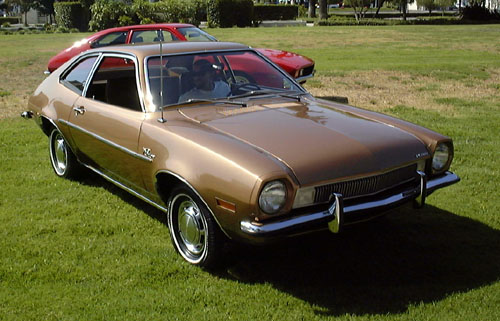
1. **Ford Pinto**The Ford Pinto stands as perhaps the most infamous example of a deadly design flaw in automotive history, becoming a stark case study in corporate ethics and product liability. Developed during the 1970s fuel crisis, this compact car was rushed to production in just 25 months, significantly less than the typical 43 months for such a project. This accelerated timeline arguably contributed to its catastrophic defect, a fuel tank positioned precariously behind the rear axle with minimal protection from impacts.
The technical deficiency was devastatingly simple yet profound. In rear-end collisions, even at relatively low speeds of 20-30 mph, the Pinto’s fuel tank could be punctured by bolts protruding from the differential or pushed directly into the rear axle. This structural vulnerability caused fuel leakage that could quickly ignite, leading to catastrophic fires. Such an oversight in a vehicle designed for mass production was a serious concern, especially given the context of everyday driving hazards.
What transformed this technical deficiency into a full-blown scandal was the horrifying discovery of the “Pinto Memo,” an internal Ford document. This memo contained a cold, calculated comparison: the estimated cost of improving the fuel tank design (a mere $11 per vehicle) versus the projected expense of legal settlements for burn deaths, valued at $200,000 per life. This disturbing calculus revealed that Ford had identified the problem before production but deemed fixing it more expensive than paying for the resulting deaths and injuries, a revelation that shocked the public and forever damaged Ford’s reputation.
The human toll was immense and tragic. While exact figures remain disputed, estimates suggest that the Pinto’s flawed fuel tank design contributed to between 500 and 900 burn deaths. One of the most notable and heartbreaking cases involved the Ulrich family, whose 1973 Pinto was struck from behind, resulting in the car bursting into flames and killing three teenage girls. The subsequent lawsuit, Grimshaw v. Ford Motor Company, resulted in a landmark $125 million punitive damages award, though this was later reduced to $3.5 million on appeal.
In 1978, facing mounting pressure and public outcry, Ford finally issued a recall to modify the fuel tanks of 1.5 million Pintos and Mercury Bobcats. The company implemented several fixes, including adding a plastic shield between the fuel tank and the differential, installing a longer fuel filler neck, and adding reinforcements to prevent tank movement during collisions. Although Pinto production ended in 1980, the case permanently changed product liability law and forced the auto industry to prioritize safety over purely cost-driven considerations, serving as a powerful, enduring lesson.
Car Model Information: 1980 Ford Pinto WAGON
Name: Ford Pinto
Caption: Ford Pinto
Manufacturer: Ford Motor Company
Aka: Mercury Bobcat
Production: September 1970 – July 1980
ModelYears: 1971–1980 (Pinto),1974–1980 (Bobcat)
Assembly: Edison, New Jersey,Milpitas, California
Designer: Robert Eidschun (1968)
Class: Subcompact car
BodyStyle: Sedan (automobile),sedan delivery,station wagon,hatchback
Related: #Mercury Bobcat (1974–1980),Ford Mustang (second generation)
Layout: Front-engine, rear-wheel-drive layout
Chassis: Unibody
Engine: unbulleted list
Abbr: on
Disp: Ford Cologne engine
Transmission: unbulleted list
Wheelbase: 94.0 in
Length: 163 in
Width: 69.4 in
Height: 50 in
Weight: convert
Predecessor: Ford Cortina#Mark II (1966–1970)
Successor: Ford Escort (North America)
Categories: 1980s cars, Articles with short description, Cars discontinued in 1980, Cars introduced in 1970, Commons category link from Wikidata
Summary: The Ford Pinto is a subcompact car that was manufactured and marketed by Ford Motor Company in North America from 1970 until 1980. The Pinto was the first subcompact vehicle produced by Ford in North America.
The Pinto was marketed in three body styles throughout its production: a two-door fastback sedan with a trunk, a three-door hatchback, and a two-door station wagon. Mercury offered rebadged versions of the Pinto as the Mercury Bobcat from 1975 until 1980 (1974–1980 in Canada). Over three million Pintos were produced over its ten-year production run, outproducing the combined totals of its domestic rivals, the Chevrolet Vega and the AMC Gremlin. The Pinto and Mercury Bobcat were produced at Edison Assembly in Edison, New Jersey, St. Thomas Assembly in Southwold, Ontario, and San Jose Assembly in Milpitas, California.
Since the 1970s, the safety reputation of the Pinto has generated controversy. Its fuel-tank design attracted both media and government scrutiny after several deadly fires occurred when the tanks ruptured in rear-end collisions. A subsequent analysis of the overall safety of the Pinto suggested it was comparable to other 1970s subcompact cars. The safety issues surrounding the Pinto and the subsequent response by Ford have been cited widely as business ethics and tort reform case studies.
Get more information about: Ford Pinto
Buying a high-performing used car >>>
Brand: Ford Model: Pinto
Price: $5,951 Mileage: 107,000 mi.
Read more about: Speed Trap: Unveiling 14 Iconic Classics With the Most Disappointing Horsepower Ever Built
2. **Chevrolet Corvair**The Chevrolet Corvair earned its infamous place in automotive history through a combination of revolutionary design and deadly handling characteristics that inadvertently sparked the modern automotive safety movement. Produced from 1960 to 1969, the Corvair departed radically from conventional American cars, featuring a rear-mounted, air-cooled engine and an innovative swing-axle rear suspension. While these innovations aimed for efficiency and novelty, they inadvertently created a lethal handling flaw.
This unique configuration made the Corvair notoriously prone to sudden, unpredictable oversteer, especially during emergency maneuvers or at higher speeds. The technical issue stemmed directly from the rear swing axle design, which lacked a compensating mechanism. During hard cornering, the outside wheel would experience “tuck under,” a phenomenon where extreme positive camber changes caused the tire to lose critical contact with the road precisely when maximum grip was most needed. This, combined with the car’s significant rear weight bias, made the Corvair susceptible to spinning out or, more tragically, rolling over with little to no warning.
A crucial detail that compounded this instability was Chevrolet’s decision to omit a front anti-roll bar, a component engineers had recommended during the development phase. This cost-saving measure, amounting to a mere $0.57 per car, proved to be a critical error that exacerbated the inherent handling issues. This seemingly minor omission had profound implications for the vehicle’s dynamic stability, especially under stress, making an already tricky design even more perilous for unsuspecting drivers.
The Corvair’s deadly design flaw gained widespread national attention in 1965 when consumer advocate Ralph Nader published his seminal book, “Unsafe at Any Speed.” The book’s first chapter was damningly titled “The Sporty Corvair – The One-Car Accident,” and it meticulously detailed the Corvair’s inherent dangers. Nader’s thorough investigation not only exposed GM’s knowledge of the handling issues but also alleged that the company chose to conceal them rather than address them properly, igniting a national controversy.
The ensuing public outcry led to significant congressional hearings, ultimately playing a pivotal role in the establishment of the National Highway Traffic Safety Administration (NHTSA) in 1970, an organization dedicated to vehicle safety. General Motors, in response to the growing scandal, controversially hired private investigators to follow Nader, hoping to discredit him. However, when this harassment became public, it backfired spectacularly, only strengthening Nader’s credibility and further damaging GM’s already tarnished reputation. By 1964, GM had quietly implemented design changes, including a transverse leaf spring to limit wheel tuck under, and later models (1965-1969) featured a completely redesigned suspension system with fully independent rear suspension, a significant improvement driven by the public safety debate.
Car Model Information: 1964 Chevrolet Corvair Monza
Caption: 1964 Chevrolet Corvair Monza
Name: Chevrolet Corvair
Manufacturer: Chevrolet
Production: July 1959
Platform: GM Z platform
Chassis: Unibody
ModelYears: 1960–1969
Assembly: United States,Kansas City, Missouri,Oakland, California,Van Nuys,St. Louis,Flint, Michigan,Belgium,Canada,Mexico,South Africa,Switzerland,Venezuela
Class: Compact car
Successor: Chevrolet Vega
Layout: Rear-engine, rear-wheel-drive layout
Categories: All Wikipedia articles written in American English, All articles lacking in-text citations, All articles needing additional references, All articles with dead external links, All articles with specifically marked weasel-worded phrases
Summary: The Chevrolet Corvair is a rear-engined, air-cooled compact car manufactured and marketed by Chevrolet over two generations from the 1960 through 1969 model years. The Corvair was a response to the increasing popularity of small, fuel-efficient automobiles, particularly the imported Volkswagen Beetle and American-built compacts like the Rambler American and Studebaker Lark.
The first generation (1960–1964) was offered in four-door sedan, two-door coupe, convertible, and four-door station wagon configurations. A two- and four-door hardtop, as well as a convertible, were available as second-generation variants (1965–1969). The Corvair platform was also offered as a subseries known as the Corvair 95 (1961–1965), which consisted of a passenger van, commercial van, and pickup truck variant. Total production was approximately 1.8 million vehicles from 1960 until 1969.
The name “Corvair” was first applied in 1954 to a Corvette-based concept with a hardtop fastback-styled roof, part of the Motorama traveling exhibition. When applied to the production models, the “air” part referenced the engine’s cooling system.
A prominent aspect of the Corvair’s legacy derives from controversy surrounding the handling of early models equipped with rear swing axles, articulated aggressively by Ralph Nader’s Unsafe at Any Speed but tempered by a 1972 Texas A&M University safety commission report for the National Highway Traffic Safety Administration (NHTSA) which found that the 1960–1963 Corvair possessed no greater potential for loss of control in extreme situations than contemporary compacts.
To better counter popular inexpensive subcompact competitors, notably the Beetle and Japanese imports such as the Datsun 510, GM replaced the Corvair with the more conventional Chevrolet Vega in 1970.
Get more information about: Chevrolet Corvair
Buying a high-performing used car >>>
Brand: Chevrolet Model: Corvair
Price: $29,988 Mileage: 74,787 mi.
Read more about: From Flop to Coveted Classic: Unearthing the Most Notorious ‘Worst’ Cars of the Mid-20th Century That Now Command Respect
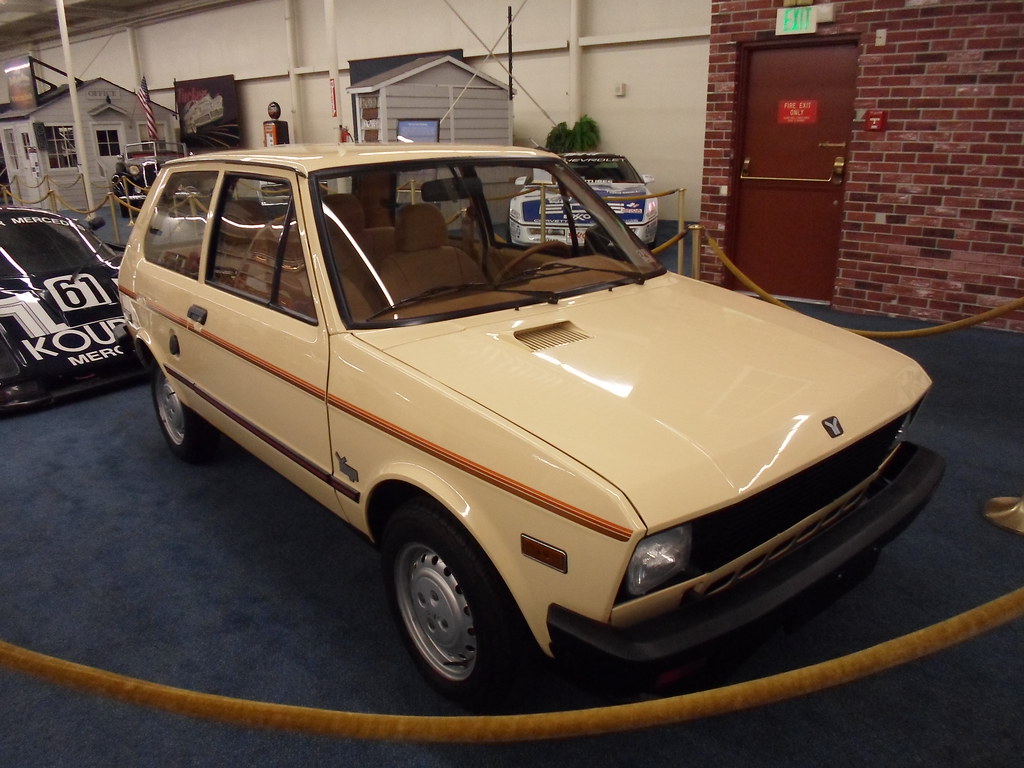
3. **Yugo GV**The Yugo GV, imported to the United States from 1985 to 1992, quickly distinguished itself, though not for its virtues. It gained a reputation for being one of the cheapest cars on the market, an attractive proposition for budget-conscious buyers seeking affordability. Unfortunately, its remarkably low price was invariably matched by an equally poor build quality and a notorious lack of reliability, becoming a cautionary tale in automotive history.
The problems with the Yugo were manifold and frequently cited by owners and critics alike. Common complaints included persistent engine failures, troublesome electrical issues, and an overall flimsy construction that left much to be desired in terms of durability and safety. These pervasive mechanical problems and structural shortcomings made the Yugo a frequent subject of ridicule in automotive circles, contributing to its unenviable notoriety.
While the Yugo GV did offer an accessible and affordable option, its numerous mechanical woes and critical safety issues ultimately overshadowed its initial appeal. The vehicle’s consistent performance at the very bottom of consumer satisfaction surveys cemented its reputation as a sub-par product. This chronic unreliability and the inherent safety concerns associated with such poor construction highlight how cost-cutting without adequate engineering can lead to widespread owner dissatisfaction and, implicitly, a less safe driving experience in a crash.
Despite its brief tenure in the American market, the Yugo’s legacy is that of a car whose economic advantage could not compensate for its fundamental flaws. Its design did not feature one singular catastrophic defect like some others on this list, but rather a pervasive lack of quality and engineering integrity that collectively compromised its safety and long-term viability, creating a driving experience fraught with potential hazards. The Yugo serves as a stark reminder that true value extends far beyond the initial purchase price, especially when it comes to personal safety on the road.
Read more about: Beyond the Crash: Unpacking the 14 Most Costly Automotive Safety Fails That Shook the Industry
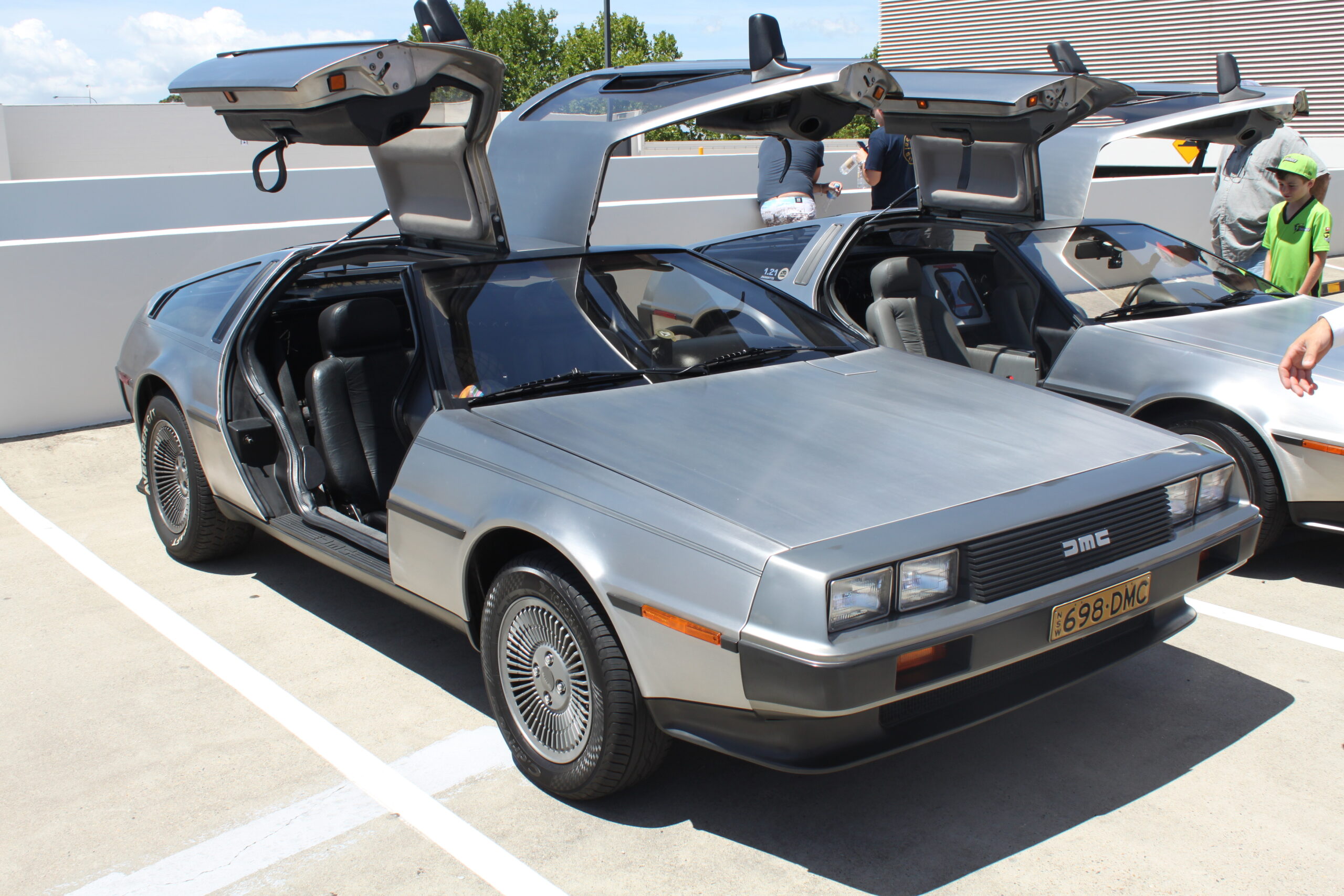
4. **DeLorean DMC-12**The DeLorean DMC-12, produced between 1981 and 1983, achieved legendary status primarily as the iconic time machine in the “Back to the Future” film series. Its striking stainless steel body panels and distinctive gull-wing doors promised a futuristic and high-performance experience. However, beneath this visually arresting exterior lay a host of underlying issues that ultimately hampered its real-world performance and solidified its place as a vehicle with more style than substance.
One of the primary criticisms leveled against the DMC-12 was its performance shortcomings. Despite its sporty appearance, the car was noticeably underpowered by a modest V6 engine, failing to deliver the exhilarating performance expected of a vehicle with such a dramatic aesthetic. This disconnect between its futuristic looks and its actual road capabilities was a significant disappointment for many who were drawn to its unique design, undermining its appeal as a true sports car.
Compounding its performance issues, the DeLorean’s build quality suffered from inconsistent production standards. The ambitious project, spearheaded by John DeLorean, faced numerous challenges during its brief manufacturing run. These inconsistencies meant that vehicles often rolled off the assembly line with varying levels of fit and finish, contributing to a reputation for unreliability. Such fluctuations in quality can translate into unexpected mechanical failures, implicitly posing safety risks even if not directly cited for fatalities.
Further hindering efforts to rectify these issues were the significant financial difficulties faced by the DeLorean Motor Company. These corporate struggles severely limited the resources available for ongoing development and quality improvements, leading to the car’s short-lived production run. The DeLorean DMC-12, while a cinematic icon and a design marvel, ultimately serves as an automotive cautionary tale where groundbreaking aesthetics couldn’t overcome fundamental engineering and manufacturing challenges, making it a design flaw in its own right for failing to meet its performance promises and consistently deliver reliable quality.
Car Model Information: 1981 Delorean DMC-12
Name: DMC DeLorean
Alt: 1983 DeLorean
Caption: 1983 DeLorean
Manufacturer: DeLorean Motor Company
Production: January 21, 1981 – December 1982
ModelYears: 1981–1983
Assembly: Dunmurry
Designer: Giorgetto Giugiaro
Class: Sports car
BodyStyle: coupé
Layout: Rear-engine, rear-wheel-drive layout
Doors: Gull-wing doors
Engine: 2.85 L
Abbr: on
Powerout: 130 hp
Transmission: 5-speed manual ,3-speed automatic
Wheelbase: 2413 mm
Length: 4267 mm
Width: 1988 mm
Height: 1140 mm
Weight: 1233 kg
Sp: us
Categories: 1980s cars, All Wikipedia articles written in American English, Articles with short description, Automobiles with backbone chassis, Automobiles with gull-wing doors
Summary: The DMC DeLorean is a rear-engine, two-seat sports car manufactured and marketed by John DeLorean’s DeLorean Motor Company (DMC) for the American market from 1981 until 1983—ultimately the only car brought to market by the fledgling company. The DeLorean is sometimes referred to by its internal DMC pre-production designation, DMC-12, although this was not used in sales or marketing materials for the production model.
Designed by Giorgetto Giugiaro, the DeLorean is noted for its gull-wing doors and brushed stainless-steel outer body panels, as well as its lack of power and performance. Though its production was short-lived, the DeLorean became widely known after it was featured as the time machine in the Back to the Future films.
With the first production car completed on January 21, 1981, the design incorporated numerous minor revisions to the hood, wheels and interior before production ended in late December 1982, shortly after DMC filed for bankruptcy and after total production reached an estimated 9,000 units.
Despite the car having a reputation for poor build quality and an unsatisfactory driving experience, the DeLorean continues to have a strong following, driven in part by the popularity of Back to the Future. 6,500 DeLoreans were estimated to still be on the road as of 2015.
Get more information about: DMC DeLorean
Buying a high-performing used car >>>
Brand: DeLorean Model: DMC-12
Price: $37,500 Mileage: 0 mi.
Read more about: Beyond the Crash: Unpacking the 14 Most Costly Automotive Safety Fails That Shook the Industry

5. **Triumph Stag**The Triumph Stag, produced from 1970 to 1978, was conceived as an elegant luxury sports car, aiming to blend sophistication with performance. It featured a stylish design and a comfortable interior, positioning itself as a desirable grand tourer. However, despite its outward appeal, the Stag was destined to be plagued by a series of significant mechanical problems that ultimately undermined its reputation and led to its early demise in the automotive market.
The vehicle’s most innovative, yet problematic, component was its unique V8 engine. While offering promising performance on paper, this engine suffered from persistent and notorious overheating issues. These problems frequently resulted in blown head gaskets, a major mechanical failure that could lead to extensive damage and costly repairs. The overheating saga was further exacerbated by poor quality control during manufacturing and a general lack of engineering refinement that failed to adequately address these critical flaws before vehicles reached consumers.
Despite its attractive design and the allure of its open-top cruising capability, the Stag’s reliability concerns became its Achilles’ heel. Many owners found themselves in a constant battle with repairs, often spending significant sums and enduring prolonged periods with their vehicles off the road. This widespread unreliability led to a tarnished reputation for the model, severely limiting its appeal to collectors and enthusiasts in the long run, and contributing to its relatively brief production period.
The Triumph Stag’s story is a compelling example of how ambitious engineering, when not thoroughly tested and refined, can lead to chronic failures. Its stylish facade could not hide the fundamental mechanical flaws that made it a financially and practically challenging vehicle to own. While not directly associated with a specific high-casualty defect, the cumulative effect of its pervasive unreliability and potential for sudden breakdowns could certainly place drivers in precarious situations, underscoring the broader impact of design flaws on overall driving safety and owner confidence.
Car Model Information: 1972 Triumph Stag
Sp: uk
Caption: 1974 Triumph Stag (with after-market wheels)
Name: Triumph Stag
Production: 1970–1977,25,939 made
Manufacturer: Triumph Motor Company
Class: Sports tourer
Layout: Front-engine, rear-wheel-drive layout
Length: 173 in
Abbr: on
Width: 63.5 in
Weight: 2800 lb
Height: 49.5 in
Wheelbase: 100 in
Related: Triumph TR250,Triumph 2000
Engine: Triumph V8
Designer: Giovanni Michelotti
Categories: 1970s cars, All Wikipedia articles written in British English, All articles with unsourced statements, Articles with short description, Articles with unsourced statements from July 2018
Summary: The Triumph Stag is a 2+2 sports tourer which was sold between 1970 and 1978 by the British Triumph Motor Company, styled by Italian designer Giovanni Michelotti.
Get more information about: Triumph Stag
Buying a high-performing used car >>>
Brand: Triumph Model: Stag
Price: $8,500 Mileage: 63,159 mi.
Read more about: The Unforgettable Journeys of 2000s Child Stars: From Silver Screen to Surprising Second Acts
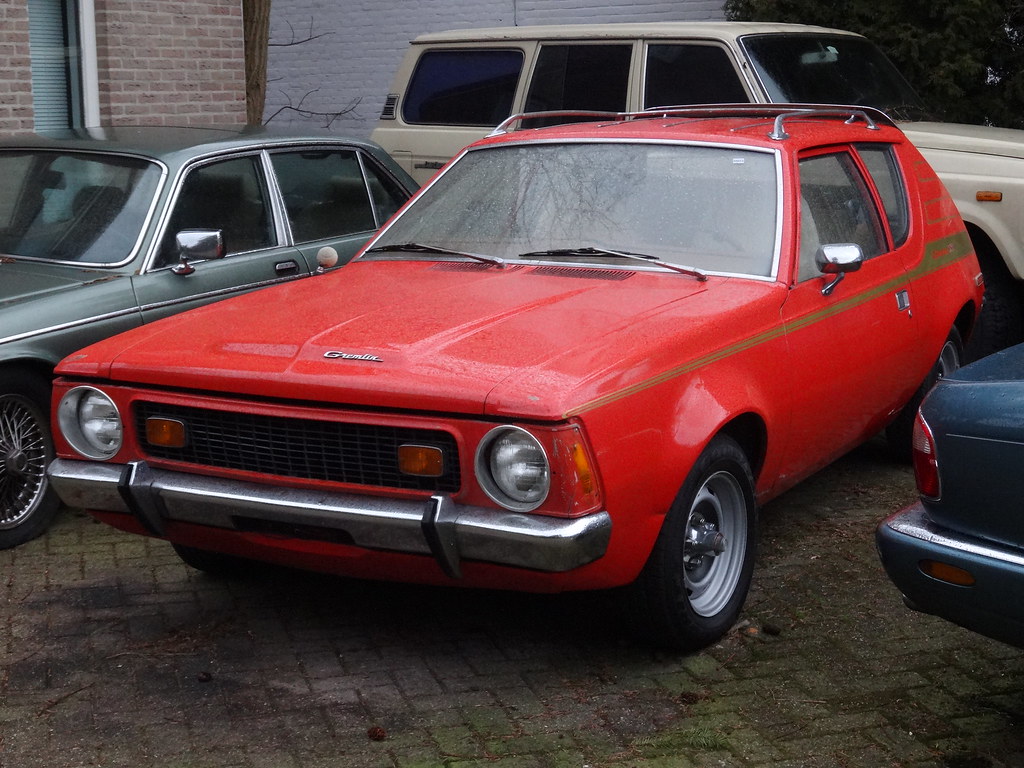
6. **AMC Gremlin**The AMC Gremlin, introduced in 1970, was American Motors Corporation’s bold entry into the budget-friendly subcompact car market. Its most distinctive feature was its unique design, characterized by a truncated rear end that gave it an unconventional, almost polarizing appearance. This distinctive styling certainly set it apart from other cars on the road, ensuring it garnered attention, but its idiosyncratic looks were often paired with other less favorable characteristics.
Beneath its peculiar styling, the Gremlin presented a cabin that was notably cramped, making it less comfortable for passengers, especially on longer journeys. Furthermore, the vehicle was equipped with rudimentary technology, reflecting its budget-oriented philosophy. While these aspects contributed to its affordability, they also signaled a lack of refinement that was evident throughout the vehicle’s design and construction, contributing to a utilitarian rather than sophisticated driving experience.
Despite its clear advantage in affordability, the Gremlin consistently suffered from a noticeable lack of refinement and mediocre build quality. These issues often translated into various reliability problems and a generally less robust feel compared to its competitors. Additionally, the vehicle’s limited safety features were a significant concern, especially in an era where automotive safety was beginning to receive more critical attention.
Compounding these challenges, the Gremlin was also susceptible to rust, a common issue for many vehicles of its time, but one that further marred its reputation. These combined shortcomings—its peculiar design, basic interior, limited safety provisions, and vulnerability to rust—made it a frequent target for criticism within the automotive community. While not tied to a single, high-fatality defect, the overall lack of refinement, poor build quality, and limited safety features inherently contributed to a less secure vehicle, underscoring how foundational design choices broadly impact safety.
Read more about: From Flop to Coveted Classic: Unearthing the Most Notorious ‘Worst’ Cars of the Mid-20th Century That Now Command Respect
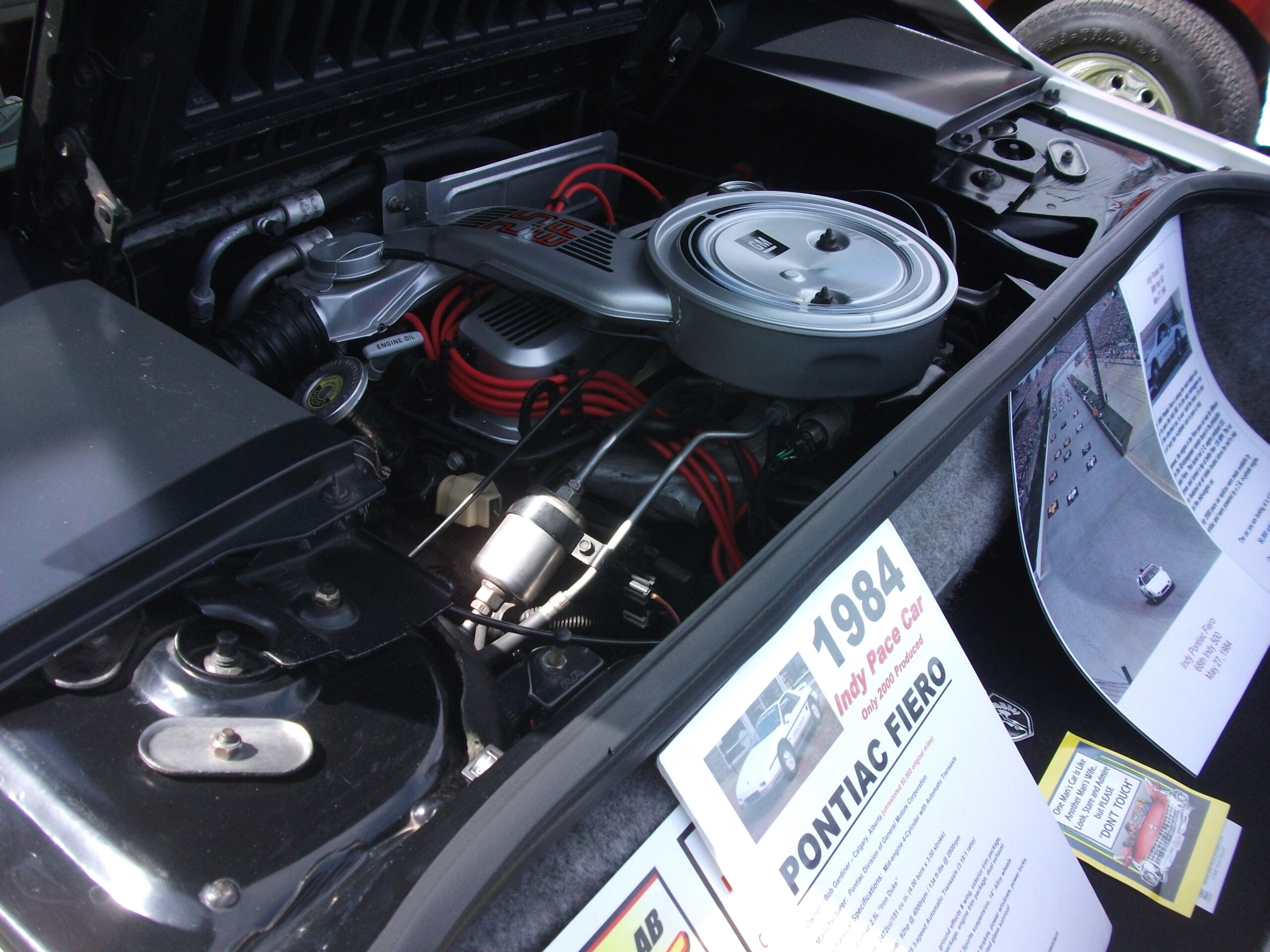
7. **Pontiac Fiero**The Pontiac Fiero, produced from 1984 to 1988, was an ambitious project by General Motors that aimed to deliver a mid-engine sports car at an affordable price, a concept that excited many enthusiasts. It represented a groundbreaking design for its time, attempting to bring exotic car architecture to the masses. However, despite its innovative premise and promising vision, early models of the Fiero were tragically plagued by reliability issues, most notably a dangerous tendency for engine fires, which severely tarnished its reputation.
The primary technical problem that led to these alarming engine fires stemmed from defective connecting rods within the engine. These rods, under certain conditions, could fail catastrophically, potentially rupturing the engine block and spraying oil onto hot exhaust components. The engine’s design and positioning, where oil could leak onto these hot parts during normal operation, created perfect conditions for spontaneous combustion within the engine compartment, which could quickly engulf the entire vehicle.
By August 1987, the National Highway Traffic Safety Administration (NHTSA) had documented 260 engine fires, with a particularly dangerous scenario being 31 of these fires occurring while vehicles were parked and turned off, creating a risk for fires spreading to buildings. These incidents often resulted in total vehicle destruction within minutes, giving occupants precious little time to escape. While verified deaths were relatively few compared to some other vehicles on this list, numerous injuries occurred, primarily from burns sustained while attempting to retrieve belongings or during emergency escape.
What made the Fiero case particularly troubling was evidence that General Motors had identified these critical issues during the development phase but proceeded with production regardless. Engineers reportedly requested design changes and additional testing, but management prioritized meeting cost targets and production timelines, pushing forward with the original design. When fires began occurring in customer vehicles, GM initially dismissed them as maintenance-related issues rather than acknowledging the fundamental design defect, further delaying crucial action.
After mounting public and regulatory pressure, GM finally issued a recall for approximately 125,000 1984 model year Fieros in 1987. The fix involved installing engine cradle reinforcements and an improved oil collection system, aimed at mitigating the fire risk. In a bitter irony, GM had largely resolved many of Fiero’s engineering problems for the 1988 model year, introducing a properly designed suspension and numerous reliability improvements. However, by then, the damage to the Fiero’s reputation was irreparable, leading to the model’s discontinuation entirely that same year due due to plummeting sales and liability concerns. The Fiero case illustrates how promising innovations can be severely undermined by corporate corner-cutting and insufficient testing, transforming an otherwise revolutionary vehicle into a potential firetrap. Today, surviving Fieros have a dedicated following, with many owners implementing aftermarket modifications to address the original design flaws.
Beyond dissecting the unique flaws of individual vehicles, the broader narrative of automotive safety truly takes shape when we examine systemic component failures and widespread crises. These weren’t isolated incidents but rather significant events that forced entire industries to re-evaluate their practices, leading to profound shifts in modern safety standards and regulatory frameworks. The lessons learned from these major automotive meltdowns have, paradoxically, become the bedrock of the safer vehicles we drive today. Join us as we unpack eight more critical examples of design failures that propelled the industry toward an unwavering commitment to occupant protection.
Car Model Information: 1988 Pontiac Fiero Formula
Name: Pontiac Fiero
Caption: 1988 Fiero Formula
Manufacturer: Pontiac (automobile)
Production: August 1983 – August 16, 1988,370,168 produced
ModelYears: 1984 – 1988
Successor: Pontiac Solstice
Assembly: Pontiac, Michigan
Designer: Hulki Aldikacti,George Milidrag
Class: Sports car
BodyStyle: fastback,notchback
Platform: GM P platform
Layout: Rear mid-engine, rear-wheel-drive layout
Engine: {{cvt,151,CID,L,1,disp=flip,Iron Duke engine#LR8,Inline-four engine
Transmission: Turbo-Hydramatic 125,Manual transmission,Getrag 282 transmission,Isuzu
Wheelbase: 2373 mm
Abbr: on
Length: 4072 mm
Width: 1750 mm
Height: 1191 mm
Weight: 1116 to
Categories: All articles with unsourced statements, Articles with short description, Articles with unsourced statements from February 2012, Articles with unsourced statements from July 2024, Articles with unsourced statements from September 2011
Summary: The Pontiac Fiero is a rear mid-engine, light sports car manufactured and marketed by Pontiac for model years 1984 – 1988. Intended as an economical commuter car with modest performance aspirations, it was Pontiac’s first two-seater since their 1926 to 1938 coupes, and the first mass-produced, rear mid-engine car by any American manufacturer.
In addition to using 4- and 6-cylinder engines to help Pontiac meet America’s ‘CAFE’ average fuel economy requirements, the Fiero’s chassis and structure technology used non-load-bearing, composite body-panels, contributing to the car’s light-weight and its unique selling proposition. Pontiac engineers modified the design over its life to enhance its performance and reposition the two-seater closer to the implications of its sporty configuration.
The Fiero 2M4 (two-seat, mid-engine, four-cylinder) placed on Car and Driver magazine’s Ten Best list for 1984, and was the Official Pace Car of the Indianapolis 500 for 1984.
A total of 370,168 Fieros were manufactured over five years’ production, its mild performance, reliability and safety issues becoming points of criticism. The Fiero was discontinued after annual sales fell steadily.
Get more information about: Pontiac Fiero
Buying a high-performing used car >>>
Brand: Pontiac Model: Fiero
Price: $11,000 Mileage: 101,027 mi.
Read more about: The 14 Most Spectacular Automotive Failures: Brands That Collapsed After Decades of Dreams

8. **Takata Airbags**While not a vehicle itself, Takata’s defective airbags undeniably represent one of the deadliest automotive design flaws in modern history, ultimately affecting tens of millions of vehicles from nearly two dozen manufacturers globally. The catastrophic defect centered on the airbag inflator, which contained ammonium nitrate propellant without a vital chemical drying agent. This omission proved fatal.
When exposed to heat and humidity over time, this propellant could degrade and become dangerously unstable. Upon deployment, this instability caused the metal inflator housing to explode with extreme force, turning a life-saving device into a lethal shrapnel grenade. The consequences were horrifying, with victims suffering devastating injuries like severed carotid arteries, punctured eyes, and penetrating brain injuries, often leading first responders to initially suspect violent attacks rather than equipment failure.
What makes the Takata case particularly egregious is the mounting evidence that the company had internal knowledge of this severe defect for years but actively concealed it from the public and regulators. Internal documents revealed that Takata engineers raised concerns about the unstable propellant as early as 2000, and later, test data was allegedly altered to hide the problem when airbags began failing during testing. Even Honda, a major customer, was allegedly provided misleading information during its early investigations into injuries in 2004.
The sheer scale of the defect was unprecedented, ultimately impacting over 100 million vehicles worldwide across a vast array of manufacturers including Honda, Toyota, Ford, BMW, and Nissan. By 2023, at least 27 fatalities and more than 400 injuries were confirmed in the United States alone, with additional deaths reported internationally. The subsequent recalls became the largest and most complex in automotive history, creating a critical shortage of replacement parts and leaving millions of drivers unknowingly at risk for years.
The scandal irrevocably led to Takata’s bankruptcy in 2017, criminal charges against several executives, and approximately $1 billion in fines and compensation. This monumental crisis exposed dangerous gaps in automotive safety oversight and led to significant reforms in how defects are reported and tracked, starkly demonstrating how a single component’s flawed design can transcend individual brands to become a global safety catastrophe.
Read more about: Beyond the Crash: Unpacking the 14 Most Costly Automotive Safety Fails That Shook the Industry
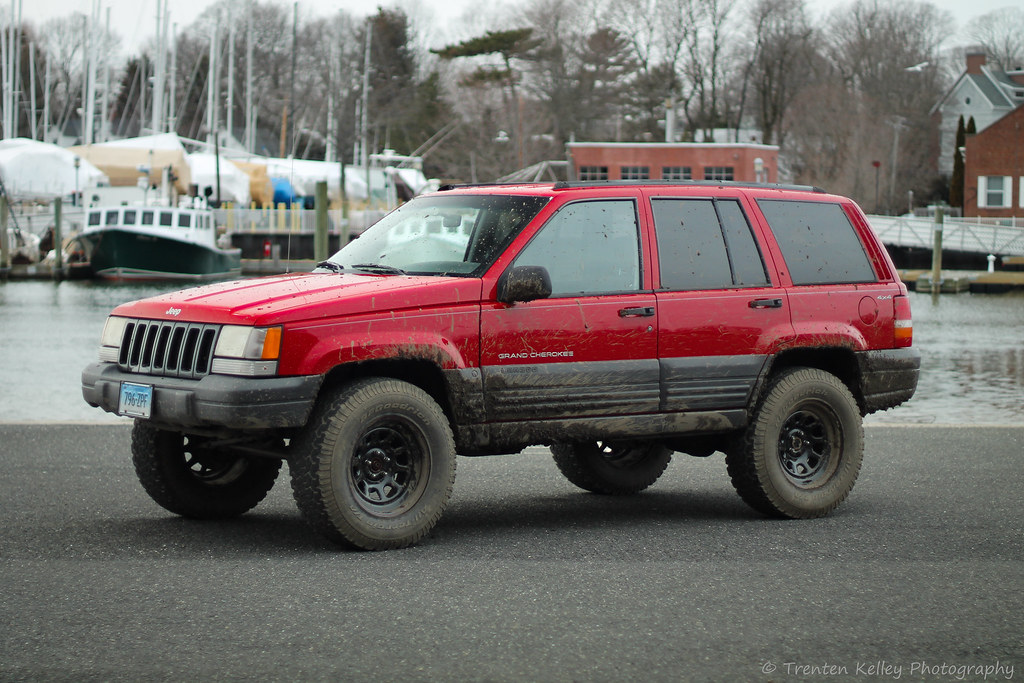
9. **Jeep Grand Cherokee**The Jeep Grand Cherokee from 1993 to 2004 harbored a deadly design flaw centered on what safety advocates famously dubbed its “gas tank ticking time bomb.” This critical vulnerability stemmed from the fuel tank’s perilous positioning behind the rear axle, leaving it susceptible to rupture during rear-end collisions. With just 11 inches separating the plastic fuel tank from the rear bumper and minimal structural protection, the risk of fire or explosion, even in moderate-speed impacts, was profoundly elevated.
The design proved tragically flawed in practice. When subjected to a rear impact, the Grand Cherokee’s fuel tank could be punctured by sharp objects, crushed against the rear differential, or have its filler neck violently torn away. Any of these failure modes could spray atomized fuel near scorching hot exhaust components and electrical systems, creating ideal conditions for catastrophic fires that would often engulf vehicles within seconds, trapping occupants inside.
Chrysler’s initial response to the accumulating evidence of this severe danger only compounded the tragedy. Despite numerous fatal crashes and at least 75 documented fire-related deaths, the company initially resisted calls for recalls. They argued that these vehicles technically met all federal safety standards of their time, a defense increasingly seen as inadequate in the face of mounting human suffering. Internal documents later revealed that Chrysler engineers had, in fact, identified this vulnerability during the vehicle’s development but proceeded with production regardless.
Among the most heartbreaking cases was that of 4-year-old Remington Walden, who tragically burned to death after his aunt’s Grand Cherokee was struck from behind at an intersection. The jury in that case awarded a staggering $150 million to the family, finding Chrysler had acted with “reckless disregard” for human life, though the award was later reduced on appeal. This landmark case brought national attention to the issue and intensified calls for action.
After years of intense pressure from safety advocates and organizations like the Center for Auto Safety, the NHTSA finally pushed for a recall in 2013. Chrysler eventually agreed to a limited “voluntary campaign” covering 1.56 million 1993-1998 Grand Cherokees and 2002-2007 Liberty models. However, rather than relocating the dangerously positioned tanks, the fix involved installing a trailer hitch to provide what many experts criticized as only marginal additional protection, underscoring the ongoing challenge of addressing fundamental design flaws.
Car Model Information: 2024 GMC Sierra 1500 Elevation
Name: Jeep Grand Cherokee
Manufacturer: Jeep
Production: 1992–present
ModelYears: 1993–present
Class: unbulleted list
BodyStyle: sport utility vehicle
Layout: unbulleted list
Chassis: Vehicle_frame#Uniframe
Categories: 2000s cars, 2010s cars, 2020s cars, All-wheel-drive vehicles, All Wikipedia articles written in American English
Summary: The Jeep Grand Cherokee is a range of mid-sized sport utility vehicles produced by American manufacturer Jeep. At its introduction, while most SUVs were still manufactured with body-on-frame construction, the Grand Cherokee has used a unibody chassis from the start.
Get more information about: Jeep Grand Cherokee
Buying a high-performing used car >>>
Brand: Jeep Model: Grand Cherokee
Price: $42,936 Mileage: 39,751 mi.
Read more about: Engineering Nightmares: 15 Vehicles So Flawed, Owners Still Regret Buying Them
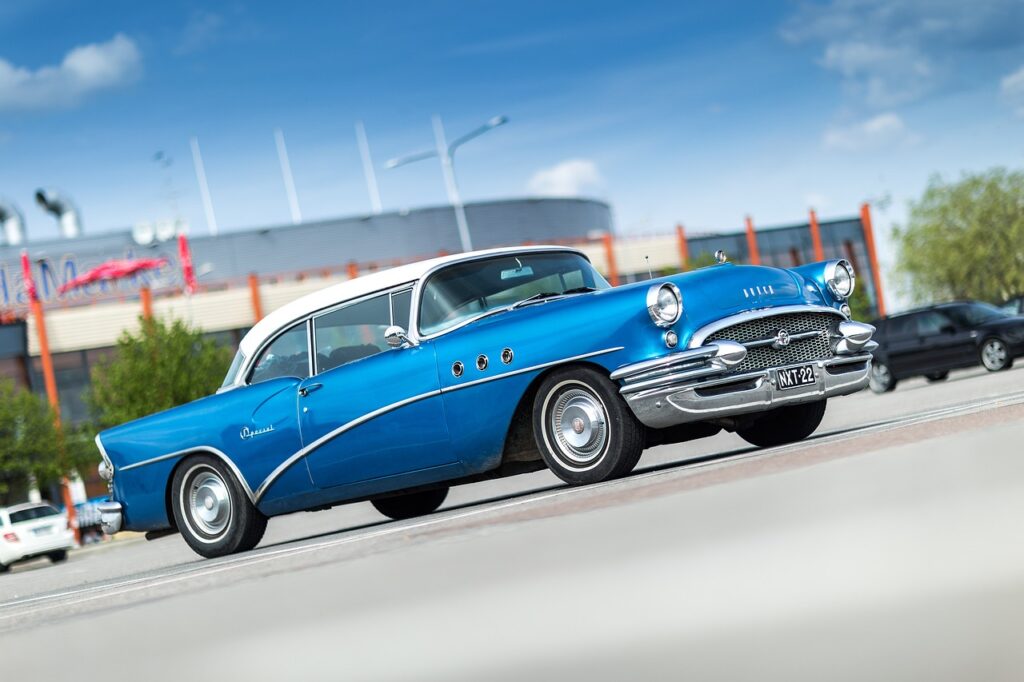
10. **Toyota Unintended Acceleration**Toyota’s unintended acceleration crisis, unfolding between 2002 and 2010, represents one of the most complex and controversial safety issues in modern automotive history. During this period, thousands of Toyota and Lexus vehicles exhibited a terrifying tendency to suddenly accelerate uncontrollably, often leaving drivers powerless to stop the vehicle despite desperate braking attempts. This bewildering phenomenon directly resulted in numerous crashes, with at least 89 deaths and 57 injuries officially attributed to the defect, though many safety advocates believe the actual human toll was significantly higher.
The precise technical causes behind this deadly flaw proved exceptionally difficult to isolate, sparking intense debate and public concern. Initially, Toyota attributed the problem to physical obstructions, specifically improperly installed or incompatible floor mats that could trap the accelerator pedal. Later, the company acknowledged that some accelerator pedal mechanisms could become sticky due to wear or environmental conditions, further contributing to the problem. However, a significant number of affected drivers reported incidents that couldn’t be explained by either of these physical causes, steadfastly insisting their vehicles accelerated despite properly secured floor mats and seemingly functioning pedals.
Safety advocates and some independent engineers began pointing to potential malfunctions within the increasingly sophisticated electronic throttle control (ETC) systems as the true root cause. Toyota’s transition from traditional mechanical throttle linkages to electronic “drive-by-wire” systems coincided directly with the surge in unintended acceleration complaints. Critics argued that electromagnetic interference, subtle software glitches, or faulty sensors could corrupt the electronic signals controlling engine power, leading to unwanted acceleration. Toyota vehemently denied any electronic causes played a role, but later, NASA engineers, brought in by the U.S. government, identified scenarios where certain electronic failures could indeed cause unintended acceleration without triggering diagnostic trouble codes.
The human impact of this crisis was devastating and garnered widespread media attention. The most publicized case involved California Highway Patrol officer Mark Saylor and three family members, who tragically died when their loaned Lexus ES 350 accelerated uncontrollably to over 100 mph before crashing. Their desperate 911 call, broadcast nationwide, chillingly captured their final moments and deeply shocked the public. Equally troubling were revelations that Toyota had received numerous reports of similar incidents years earlier but had controversially classified them as mere “customer satisfaction” issues rather than critical safety concerns, thus delaying a comprehensive response.
Ultimately, the crisis resulted in multiple recalls affecting over 9 million vehicles worldwide, with fixes including revised floor mats, modified accelerator pedals, and crucial software updates to implement brake override systems. Toyota paid approximately $1.2 billion in fines and settlements, including a record $1.2 billion penalty to avoid prosecution for misleading regulators and consumers about the true scope of the problem. This case fundamentally transformed automotive safety, making brake override systems (which automatically reduce engine power when brakes are applied regardless of accelerator input) an industry standard, and highlighting the new challenges of diagnosing and addressing safety defects in increasingly computerized vehicles.
Read more about: Beyond the Crash: Unpacking the 14 Most Costly Automotive Safety Fails That Shook the Industry

11. **Firestone/Ford Explorer Crisis**The deadly partnership between the Ford Explorer SUV and specific Firestone tires created one of the most lethal design flaws in automotive history, not because either product was catastrophically flawed in isolation, but because their synergistic combination created perfect conditions for disaster. Between 1990 and 2001, Firestone Wilderness AT and ATX tires experienced catastrophic tread separation at an alarming and unprecedented rate, particularly when mounted on the Ford Explorer. When these failures inevitably occurred at highway speeds, the Explorer’s high center of gravity and suspension characteristics made it exceptionally prone to rolling over, turning a tire defect into a deadly vehicular hazard.
The technical issue stemmed from a confluence of factors. The Firestone tires themselves suffered from significant manufacturing defects, particularly traceable to the company’s Decatur, Illinois plant, where ongoing labor disputes had reportedly compromised quality control. These tires were highly susceptible to internal belt separation, especially when underinflated and operating in high ambient temperatures. Compounding this, Ford had inadvertently exacerbated the problem by recommending tire pressures of 26 PSI (pounds per square inch) for the Explorer – a figure lower than Firestone’s recommended 30 PSI – a decision made to improve the Explorer’s ride quality and purportedly reduce the risk of rollover during government stability testing. This seemingly minor adjustment had devastating consequences.
The human toll of this crisis was staggering and widespread. The defect was directly linked to over 271 confirmed deaths and more than 800 injuries in the United States alone, with countless additional fatalities reported internationally. Most victims tragically died not from the initial tire failure itself but from the subsequent rollover crashes, which frequently ejected passengers or caused severe crushing of the vehicle’s roof structure. The most vulnerable occupants were often those in the back seats, where roof crush was most severe and seatbelt usage was historically less consistent.
What truly transformed this technical problem into a full-blown corporate and public scandal was the overwhelming evidence that both companies possessed early knowledge of the inherent dangers yet inexcusably delayed taking corrective action. Internal documents revealed that Firestone had collected data showing abnormally high failure rates years before any public recall, while Ford had observed the identical tire failures on Explorers in markets like Venezuela and Saudi Arabia, where high heat accelerated the defect’s manifestation. Despite this critical information, corrective actions were initially limited only to those specific international markets, ignoring the domestic threat.
Public outrage intensified dramatically when it was revealed that some Firestone executives had been aware of these profound problems for years. A former Firestone steelworker even testified that quality concerns were routinely dismissed, with one plant manager allegedly stating, “If you build them, they’ll buy them,” a shocking reflection of a callous disregard for human safety. The crisis ultimately compelled the recall of 14.4 million tires and, more importantly, spurred the passage of the TREAD Act (Transportation Recall Enhancement, Accountability, and Documentation Act), which established crucial new requirements for reporting potential defects to NHTSA. The Explorer/Firestone case remains a stark example of how separate design compromises can tragically interact to create deadly consequences, and how corporate reluctance to acknowledge safety issues can multiply the human cost exponentially.
Car Model Information: 2017 Ford Explorer XLT
Name: Ford Explorer
Caption: Sixth-generation Ford Explorer
Manufacturer: Ford Motor Company
Production: 1990–present
ModelYears: 1991–present
Class: unbulleted list
Chassis: unbulleted list
Predecessor: Ford Bronco II
Successor: Ford Territory (Australia)
Categories: 2000s cars, 2010s cars, 2020s cars, All-wheel-drive vehicles, All Wikipedia articles in need of updating
Summary: The Ford Explorer is a range of SUVs manufactured by the Ford Motor Company since the 1991 model year. The first five-door SUV produced by Ford, the Explorer, was introduced as a replacement for the three-door Bronco II. As with the Ford Ranger, the model line derives its name from a trim package previously offered on Ford F-Series pickup trucks. As of 2020, the Explorer became the best-selling SUV in the American market.
Currently in its sixth generation, the Explorer has featured a five-door wagon body style since its 1991 introduction. During the first two generations, the model line included a three-door wagon (directly replacing the Bronco II). The Ford Explorer Sport Trac is a crew-cab mid-size pickup derived from the second-generation Explorer. The fifth and sixth generations of the Explorer have been produced as the Ford Police Interceptor Utility (replacing both the Ford Crown Victoria Police Interceptor and the Ford Police Interceptor Sedan).
The Explorer is slotted between the Ford Edge and Ford Expedition within North America’s current Ford SUV range. The model line has undergone rebadging several times, with Mazda, Mercury, and Lincoln each selling derivative variants. Currently, Lincoln markets a luxury version of the Explorer as the Lincoln Aviator.
For the North American market, the first four generations of the Explorer were produced by Ford at its Louisville Assembly Plant (Louisville, Kentucky) and its now-closed St. Louis Assembly Plant (Hazelwood, Missouri). Ford currently assembles the Explorer alongside the Lincoln Aviator and the Police Interceptor Utility at its Chicago Assembly Plant (Chicago, Illinois).
Get more information about: Ford Explorer
Buying a high-performing used car >>>
Brand: Ford Model: Explorer
Price: $12,968 Mileage: 133,580 mi.
Read more about: Unpacking Automotive Catastrophes: 12 Infamous Engineering Failures That Reshaped Car Safety
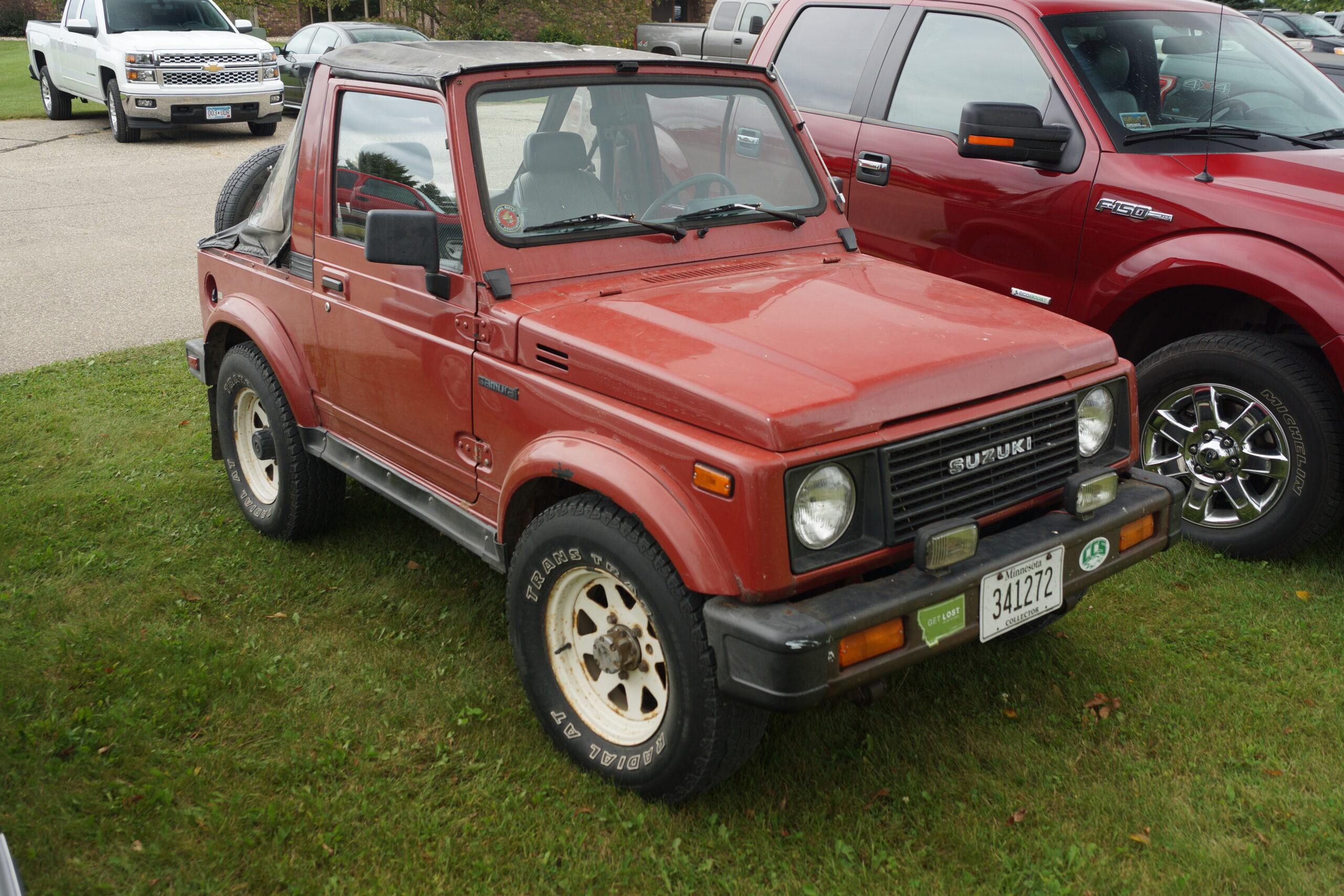
12. **Samurai Suzuki**The Suzuki Samurai earned the dubious distinction of being one of the most rollover-prone vehicles ever sold in the United States, cementing its deadly design flaw in automotive history. This compact SUV combined a narrow track width with a relatively high center of gravity and a short wheelbase – a critical recipe for inherent instability, particularly during emergency maneuvers. The issue gained widespread public consciousness in 1988 when *Consumer Reports* published its now-infamous “Not Acceptable” rating after the Samurai dramatically tipped onto two wheels during their rigorous testing, raising significant concerns about real-world rollovers during unexpected driving situations.
The core technical problems stemmed from fundamental design choices that regrettably prioritized off-road capability over safe on-road stability. The Samurai’s solid front axle and leaf spring suspension system, while excellent for navigating rugged terrain and climbing rocks, created unpredictable and challenging handling dynamics during rapid directional changes. Its exceptionally narrow body, measuring just 66 inches wide, when paired with a relatively tall ride height, shifted the vehicle’s center of gravity dangerously high. Most critically, the suspension design permitted excessive body roll, causing dramatic weight transfer during cornering that could lift the inside wheels off the ground to the point of a potential rollover.
The human consequences were severe and tragic. Between 1985 and 1995, at least 213 deaths and 8,200 injuries were directly attributed to Samurai rollovers in the United States alone. Rollovers are inherently dangerous crash modes, with victims frequently suffering catastrophic head and neck injuries due to severe roof crush or violent ejection from the vehicle. The Samurai’s lightweight roof structure offered minimal protection during such incidents, exacerbating the severity of injuries. Young drivers were disproportionately affected, as the vehicle’s affordable price point and sporty, adventurous image made it particularly popular among newer drivers who often lacked the experience required to safely handle its quirky and challenging dynamics.
Suzuki’s response to the growing public outcry and *Consumer Reports’* damning assessment regrettably worsened the situation. Rather than promptly addressing the fundamental stability issues that plagued the vehicle, the company launched an aggressive and controversial campaign against *Consumer Reports*, filing a substantial $60 million lawsuit that claimed the tests were rigged and unfairly biased. Internal documents, however, later revealed that Suzuki executives were fully aware of the stability problems even before the vehicle’s introduction to the U.S. market but proceeded with only minimal modifications to the Japanese-market model, a decision that proved costly in both human lives and reputation.
The most significant and lasting impact of the Samurai controversy was its direct influence on SUV design and safety testing protocols across the entire industry. The case directly led to the development of the widely adopted “fishhook” maneuver, now a standard test used in government rollover evaluations. It also significantly accelerated the adoption of electronic stability control (ESC) systems, which are specifically designed to prevent many of the precarious conditions that led to the Samurai’s notorious rollovers. While the Samurai was never officially recalled for its rollover propensity, its sales plummeted by a staggering 70% following the *Consumer Reports* article, effectively ending its presence in the U.S. market by 1995. Today, the case serves as a powerful cautionary tale about the critical dangers of prioritizing marketing-friendly capabilities over fundamental safety considerations in vehicle design.
Car Model Information: 1987 Suzuki Samurai
Name: Suzuki Jimny
Caption: 2019 Suzuki Jimny SZ5
Manufacturer: Suzuki
Production: April 1970 – present (2.85 million units sold by September 2018)
Class: Off-road vehicle,mini SUV
BodyStyle: SUV,van,convertible,pickup truck
Layout: Front-engine, rear-wheel-drive layout,Front-engine, four-wheel-drive layout
Chassis: Body-on-frame
Related: Maruti Gypsy
Categories: 1980s cars, 1990s cars, 2000s cars, 2010s cars, All Wikipedia articles written in British English
Summary: The Suzuki Jimny (Japanese: スズキ・ジムニー, Suzuki Jimunī) is a series of four-wheel drive off-road mini SUVs, manufactured and marketed by Japanese automaker Suzuki since 1970.
Originally belonging to the kei class, Japan’s light automobile tax/legal class, the company continues to market a kei-compliant version for the Japanese and global markets as the Jimny, as well as versions that exceed kei-class limitations. Suzuki has marketed 2.85 million Jimnys in 194 countries through September 2018.
Get more information about: Suzuki Jimny
Buying a high-performing used car >>>
Brand: Suzuki Model: Samurai
Price: $24,000 Mileage: 21,797 mi.
Read more about: The 14 Most Spectacular Automotive Failures: Brands That Collapsed After Decades of Dreams
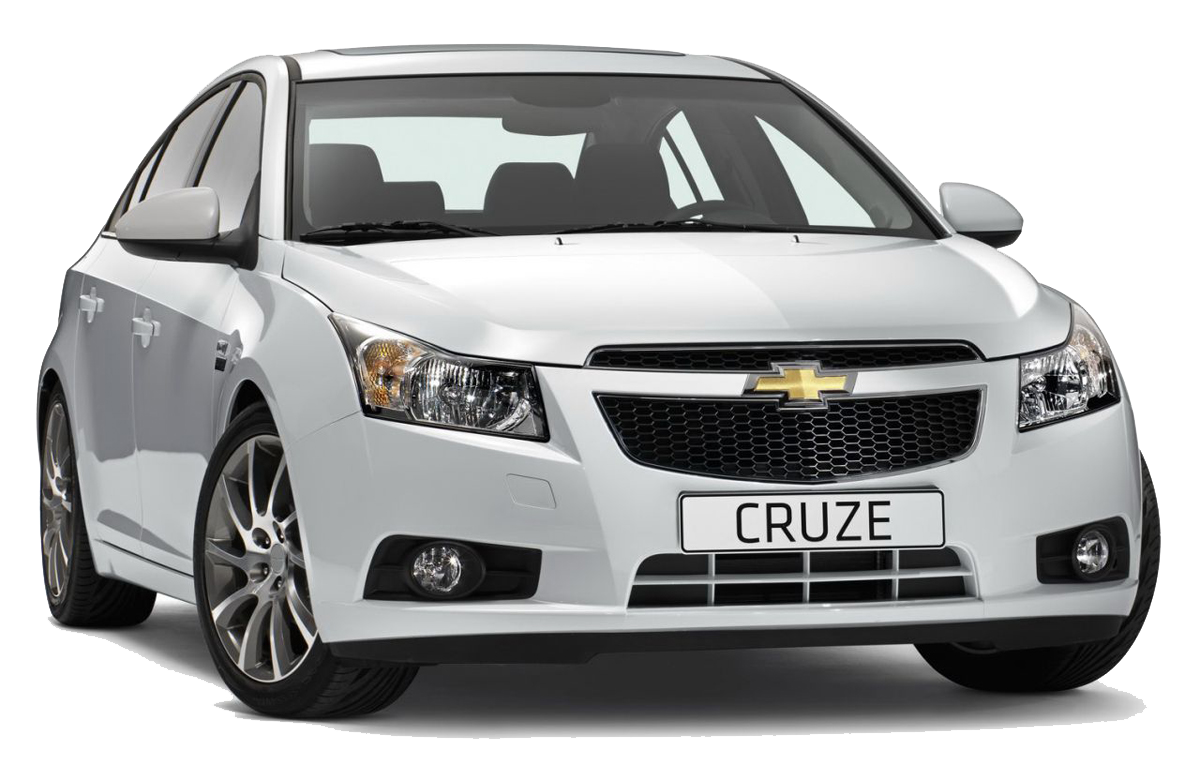
13. **Chevrolet Cobalt/Saturn Ion Ignition Switch**The deadly ignition switch defect affecting General Motors’ compact cars represents one of the most insidious design flaws in automotive history. Its subtle and seemingly innocuous nature allowed it to kill silently for over a decade before finally being properly addressed. The core issue involved a seemingly minor component: a spring-loaded detent plunger within the ignition switch that was critically too weak to maintain proper electrical contact. This was particularly problematic when the key was weighted down by a heavy keychain or subjected to road impacts.
This seemingly trivial defect had catastrophic and deadly consequences for unsuspecting drivers. When the faulty ignition switch inadvertently moved from the “run” position to “accessory” while the vehicle was in motion, it would suddenly cut engine power, disable power steering and brakes, and, most critically, deactivate the entire airbag system. Drivers would find themselves struggling to control suddenly unresponsive vehicles, often in critical situations like highway driving. If a crash occurred under these conditions, the airbags would fail to deploy precisely when needed most, tragically transforming otherwise survivable accidents into fatal ones.
What truly transformed this technical failure into a full-blown corporate scandal was the undeniable evidence that GM had known about the inherent problem for years but had failed to act with the urgency and transparency required. Engineer Ray DeGiorgio notably approved the defective switch design in 2002 despite it demonstrably failing to meet GM’s own specifications. When problems began to emerge in customer vehicles, he secretly authorized a design change in 2006 but bafflingly kept the exact same part number. This egregious violation of basic engineering protocols made the defect nearly impossible to track or identify across GM’s vast product lines. Meanwhile, GM’s legal department settled numerous cases confidentially, critically failing to alert safety engineers to the emerging pattern of dangerous failures.
The ignition switch crisis ultimately led to extensive congressional hearings, a substantial $900 million Justice Department fine, and the establishment of a $575 million settlement fund for victims and their families. Perhaps most significantly, it exposed a profoundly broken corporate culture that GM CEO Mary Barra herself described as promoting the “GM nod,” a pervasive mentality where employees would acknowledge that something should be fixed but consistently take no actual action. The case fundamentally transformed recall procedures throughout the entire automotive industry and starkly highlighted how even seemingly minor design flaws can have fatal consequences when safety systems become interdependent, necessitating a complete re-evaluation of component reliability.
Car Model Information: 2007 Chevrolet Cobalt LS
Name: Chevrolet Cobalt
Manufacturer: General Motors
Production: 2004–2010 2012– present
ModelYears: 2005–2010 (North America),
Class: Compact car
Layout: Front-engine, front-wheel-drive layout
Predecessor: Geo/Chevrolet Prizm
Successor: Chevrolet Cruze
Categories: 2010s cars, All Wikipedia articles written in American English, All articles with unsourced statements, Articles with Uzbek-language sources (uz), Articles with short description
Summary: The Chevrolet Cobalt is a compact car introduced by Chevrolet in 2004 for the 2005 model year. The Cobalt replaced both the Cavalier and the Toyota-based Geo/Chevrolet Prizm as Chevrolet’s compact car. The Cobalt was available as both a coupe and sedan, as well as a sport compact version dubbed the Cobalt SS. Like the Chevrolet HHR and the Saturn ION, it was based on the GM Delta platform.
A Pontiac version was sold in the United States and Mexico under the G5 name for 2007–2009. It was sold as the Pontiac G4 in Mexico for 2005–2006 and as the Pontiac G5 in Canada for its entire run (where it was briefly known as the Pontiac Pursuit and later Pontiac G5 Pursuit). The G5 replaced the Cavalier-related Pontiac Sunfire. While the Cobalt was available as a 2-door coupe and a 4-door sedan in all markets it was offered in, the G5 was only available as a coupé in the United States while a sedan version was sold alongside the coupé in Canada and Mexico.
As with their predecessors, all Cobalts and its Pontiac equivalents were manufactured at GM’s plant in Ramos Arizpe, Mexico and Lordstown, Ohio. The United States Environmental Protection Agency classified the Cobalt as a subcompact car.
Get more information about: Chevrolet Cobalt
Buying a high-performing used car >>>
Brand: Chevrolet Model: Cobalt
Price: $3,495 Mileage: 178,549 mi.
Read more about: Unpacking Automotive Catastrophes: 12 Infamous Engineering Failures That Reshaped Car Safety
14. **Chrysler Minivan Liftgate Latch**The deadly design flaw embedded within Chrysler’s first-generation minivans serves as a stark demonstration of how even subtle engineering oversights can escalate to catastrophic consequences. For over a decade, millions of Plymouth Voyager, Dodge Caravan, and Chrysler Town & Country minivans were manufactured and sold with rear liftgate latches that could fail during even minor rear-end collisions. This critical defect caused the liftgate to unexpectedly fly open, with the terrifying potential to eject passengers from the vehicle. This flaw proved particularly lethal because these popular family vehicles typically carried children in the rear seats, precisely the area made most vulnerable by the faulty latch design.
The technical problem originated from the latch’s horizontal orientation and its single-point design, which inherently compromised its integrity. Unlike more robust, vertically oriented latches that naturally resist opening forces during impacts, Chrysler’s horizontal design could disengage when subjected to crash forces or even consistent road vibrations over time. Furthermore, the latch assembly conspicuously lacked the backup safety features that were commonly found in other manufacturers’ designs, leaving no redundant mechanism to prevent catastrophic failure. Most concerningly, because the liftgate itself constituted a vital part of the passenger safety cell, its failure effectively compromised the entire structural integrity of the vehicle during a crash, significantly reducing occupant protection.
The human toll associated with this defect was utterly heartbreaking. At least 37 people, including a tragic 22 children, died in crashes where the liftgate opened upon impact, with hundreds more suffering severe injuries. The most devastating cases involved children who were tragically ejected through the open liftgate during otherwise survivable accidents, suffering fatal head and spine injuries upon direct impact with the road. These profound tragedies were tragically compounded by the fact that many parents had specifically chosen these minivans for their perceived safety benefits and the promise of secure family transportation, believing they were providing the safest environment for their loved ones.
It was only after intense and sustained pressure from the National Highway Traffic Safety Administration (NHTSA) that Chrysler finally agreed to a full recall in 1995. This recall covered an astounding 4.3 million minivans at the time, making it the largest automotive recall in history. Even then, the company’s implemented fix was widely criticized as inadequate, as the replacement latch shared many of the same fundamental design vulnerabilities as the original, raising further questions about Chrysler’s commitment to truly resolving the underlying safety issue. The minivan latch case vividly illustrates how even vehicles marketed specifically for family safety can harbor deadly design flaws, and how corporate reluctance to address known safety issues can tragically multiply the human cost.
Car Model Information: 2017 Chrysler Pacifica Touring-L Plus
Name: Chrysler Pacifica (RU)
Manufacturer: Chrysler (automotive brand)
Aka: Chrysler Voyager,Chrysler Grand Caravan (Canada, 2021–present)
Production: 2016–present
ModelYears: 2017–present
Assembly: Windsor, Ontario
Designer: Irina Zavatski,Winnie Cheung (interior)
Class: Minivan
BodyStyle: 5-door minivan
Layout: Front-engine, front-wheel drive,Front-engine, all-wheel drive
Platform: Compact U.S. Wide platform
Related: Chrysler 200#Second generation (2014–)
Engine: Chrysler Pentastar engine#3.6L,FCA Global Medium Engine
Motor: 2x electric motors (SiEVT main motor & motor generator; PHEV)
Transmission: ZF 9HP transmission,automatic transmission,Continuously variable transmission
Drivetrain: PHEV
ElectricRange: cvt
Battery: val,lithium-ion battery
Wheelbase: 3089 mm
Abbr: on
Order: flip (hybrid)
Length: 203.6 in
Width: 79.6 in
Height: convert
Weight: {{convert,1964,kg,lb,abbr=on,order=flip
Predecessor: Chrysler minivans (RT)
Categories: 2010s cars, All-wheel-drive vehicles, Articles with short description, CS1 Spanish-language sources (es), Cars introduced in 2016
Summary: The Chrysler Pacifica is a minivan produced by the Chrysler division of Stellantis since the 2017 model year. Replacing the Chrysler Town & Country, the Pacifica is the sixth generation of Chrysler minivans, taking its name from the 2004–2008 product line. Along with serving as the first minivan with a plug-in hybrid drivetrain, the Pacifica has also served as a platform for autonomous vehicle development.
For the 2020 model year, Chrysler repackaged the lower-trim versions of the Pacifica as a revived Chrysler Voyager, largely to expand fleet sales of the model line; following the retirement of the Dodge Grand Caravan, the Chrysler Voyager was introduced in Canada for 2021 as the Chrysler Grand Caravan (moving the nameplate from Dodge to Chrysler after 36 years). Following the retirement of the Chrysler 300 sedan, the Pacifica/Voyager/Grand Caravan is currently the only vehicle marketed by Chrysler.
Chrysler has assembled the Pacifica minivan (and the Voyager/Grand Caravan) in its Windsor Assembly facility in Ontario (home to Chrysler minivan assembly since 1983).
Get more information about: Chrysler Pacifica (minivan)
Buying a high-performing used car >>>
Brand: Chrysler Model: Minivan
Price: $13,800 Mileage: 72,657 mi.
Read more about: Unpacking Automotive Catastrophes: 12 Infamous Engineering Failures That Reshaped Car Safety

15. **1970s-Era Ford Cruise Control Systems**Ford’s cruise control systems, particularly those installed in vehicles from the 1970s through the early 2000s, harbored an incredibly deadly design flaw that created an unprecedented and insidious fire hazard. This particular defect was uniquely dangerous because it could ignite vehicles not only while they were being driven but also, alarmingly, while they were parked and completely turned off. The core of this pervasive problem centered on the speed control deactivation switch, which utilized a hydraulic pressure system directly connected to the brake lines. This switch contained flammable brake fluid, critically separated from electrical contacts by a thin, notoriously failure-prone seal.
The technical problem materialized when this delicate seal deteriorated over time due to age and exposure, inevitably allowing brake fluid to leak directly into the electrical portion of the switch. Given that the switch remained continuously powered even when vehicles were parked and the ignition was off, this leakage created perfect conditions for electrical arcs that could readily ignite the highly flammable brake fluid. Once ignited, these fires could spread with alarming rapidity through the engine compartment and, tragically, often into the passenger cabin, leading to devastating consequences.
Most alarmingly, these fires frequently commenced hours or even days after vehicles had been turned off and securely parked, often within attached garages. This specific characteristic led to numerous house fires that tragically claimed lives, often while families were sleeping soundly, completely unaware of the developing danger. The human impact extended far beyond vehicle occupants to homeowners and their families, with at least 16 deaths and countless injuries directly attributed to these fires, alongside property damage estimated in the hundreds of millions of dollars. In one particularly devastating incident, a Texas family of four perished when their Ford F-150 caught fire in their garage, and the flames rapidly spread to their home while they slept.
Ford’s response to the mounting, undeniable evidence of this critical danger proved woefully inadequate for many years. Despite receiving reports of unexplained vehicle fires as early as 1983, the company conducted a series of limited, piecemeal recalls that only addressed certain models and specific years, rather than tackling all vehicles equipped with the fundamentally flawed switch design. Internal documents further revealed a deeply concerning pattern of oversight and delayed action.
Read more about: Unpacking Automotive Catastrophes: 12 Infamous Engineering Failures That Reshaped Car Safety
These legacies, though steeped in tragedy, are not merely tales of failure. They are powerful reminders of the ceaseless evolution of automotive engineering and the unwavering pursuit of safety that defines the industry today. Each design flaw, each component failure, and each corporate misstep became a painful yet invaluable lesson, propelling regulatory bodies to establish stricter standards and manufacturers to embed redundancy and rigorous testing into every stage of design. From the basic integrity of a fuel tank to the invisible complexities of electronic systems, these incidents have forged a path toward vehicles that are not just faster or more efficient, but fundamentally safer, ensuring that the wheels of progress continue to turn towards a future where such lethal legacies are relegated purely to the history books.